The Border Builder by Carol Rumens: Analysis of Borders, Identity and Division
The Border Builder explores the ways borders, identity, and power are created, enforced, and weaponised. Through the figure of a relentless builder who continually constructs new divisions, Carol Rumens examines humanity's tendency to categorise, exclude, and define people according to artificial boundaries. The poem combines symbolism, repetition, and unsettling imagery to reveal how systems of separation often depend upon fear, control, and violence rather than genuine difference. At the same time, Rumens raises important questions about belonging, national identity, and the human desire to sort the world into opposing sides. If you are studying or teaching Cambridge International AS & A Level Literature in English (9695), be sure to explore the Songs of Ourselves Volume 2 Hub and the Literature Library for more poetry analysis, comparisons, and revision support.
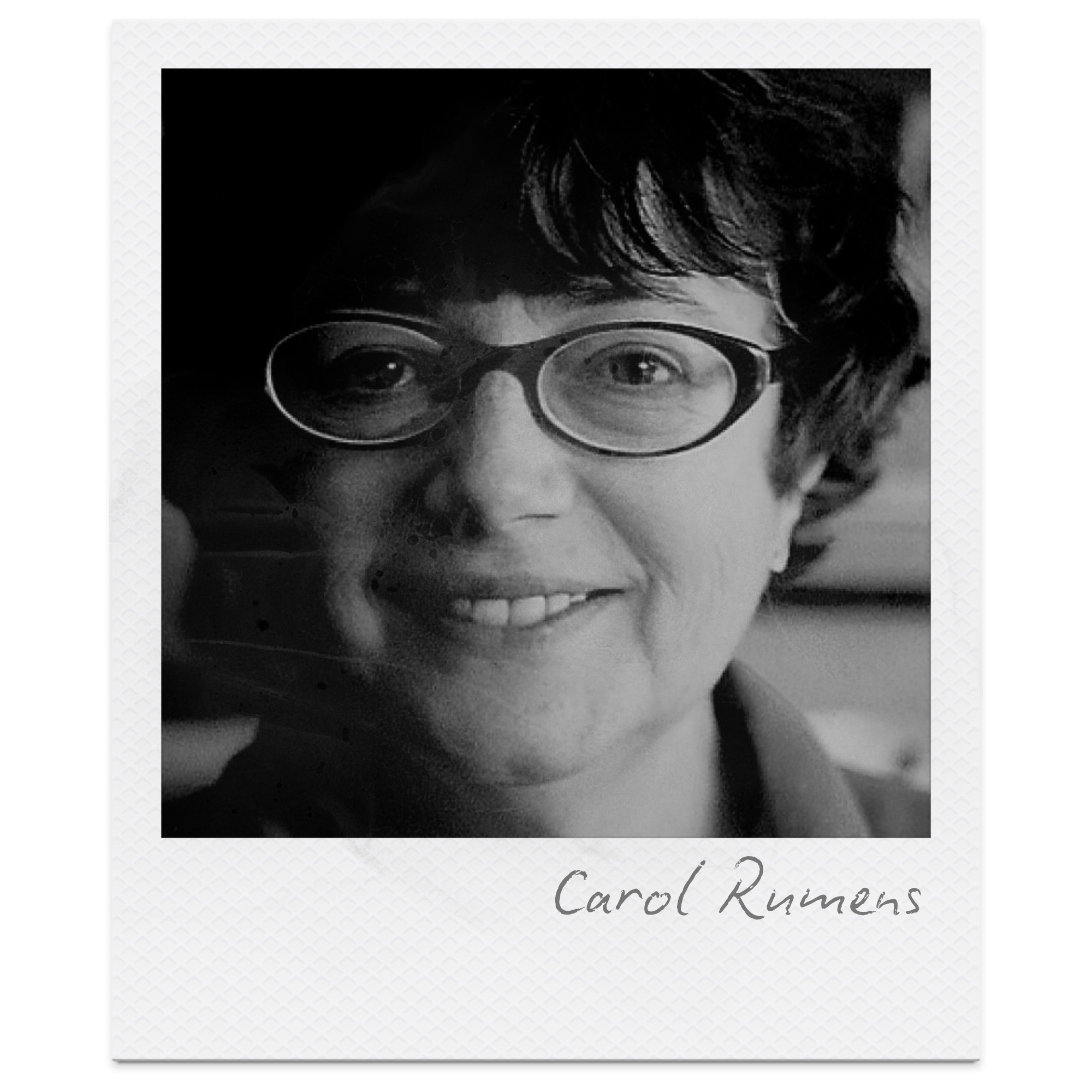
Context and Literary Background of The Border Builder
Carol Rumens is a contemporary British poet whose work frequently explores themes of identity, belonging, displacement, and the ways individuals interact with larger social and political systems. Throughout her poetry, she demonstrates a strong interest in borders, migration, cultural divisions, and the experiences of people who exist between communities, nations, or identities. Rather than treating these issues as purely political concerns, Rumens often focuses on their human consequences, examining how systems of classification can shape people's sense of self and their relationships with others.
The Border Builder reflects concerns that became increasingly significant during the twentieth and twenty-first centuries, particularly debates surrounding national identity, citizenship, immigration, and political division. Although the poem does not refer to a specific country, conflict, or historical event, it draws upon broader global experiences of walls, checkpoints, passports, and border controls. By avoiding a precise setting, Rumens ensures that the poem remains universal, encouraging readers to consider how borders operate in many different societies and contexts.
The poem can be understood within a wider history of physical and ideological barriers. Throughout history, walls and borders have been built to separate populations, control movement, and reinforce political power. Examples such as the Berlin Wall, contested national frontiers, and modern border fences demonstrate humanity's recurring desire to divide people into categories of belonging and exclusion. Rumens draws upon these realities while transforming the border itself into a symbolic concept that extends beyond geography.
A particularly important aspect of the poem is its exploration of identity. The border builder repeatedly demands proof of belonging through documents, labels, and categories, asking questions such as "Which side are you on?" and "Which colour are you?" These demands reflect the ways institutions often attempt to define individuals according to nationality, race, ethnicity, religion, or political allegiance. The poem suggests that such classifications are frequently reductive, failing to capture the complexity of human experience.
The poem also draws upon the tradition of political allegory. Rather than presenting a realistic account of border control, Rumens creates a symbolic figure whose obsession with division becomes increasingly extreme. The border builder functions less as an individual character than as a representation of exclusionary thinking itself. His endless construction of barriers reflects the tendency of societies to create ever more categories through which people are separated, monitored, and judged.
There are also connections to postcolonial literature, which often examines questions of identity, power, belonging, and the legacy of imposed boundaries. Many modern states were shaped by borders created through colonial rule, political negotiation, or conflict, often dividing communities and identities in arbitrary ways. While The Border Builder does not explicitly address colonialism, its concern with imposed categories and systems of control aligns with many postcolonial discussions about who has the power to define belonging.
Understanding this context helps reveal why the poem focuses so intensely on borders, power, and identity. Rumens is not simply describing a physical boundary; she is examining the broader human impulse to divide the world into opposing groups. Through its symbolic narrative, unsettling imagery, and increasingly threatening tone, The Border Builder becomes a powerful critique of exclusion, prejudice, and the systems that attempt to reduce complex human identities to simple labels.
Quick Summary of The Border Builder
The poem begins by introducing a mysterious figure known as the border builder, a man who seems unable to stop constructing new boundaries. As he builds wall after wall, he repeatedly questions the speaker, demanding evidence of identity, loyalty, and belonging. His obsession with categorisation becomes increasingly intrusive as he asks for documents, qualifications, and proof of which "side" the speaker belongs to.
As the poem progresses, the border builder's actions become more threatening and violent. The border transforms from a physical barrier into a symbol of division, exclusion, and control, while the speaker becomes increasingly trapped within the builder's system of classification. The poem ends with an image of blood and injury, leaving readers with a disturbing reminder that borders are often maintained through force and that attempts to divide people can have deeply human consequences.
The Border Builder: At a Glance
◆ Form – Free verse political allegory combining narrative, dialogue, and symbolic imagery to explore division and exclusion.
◆ Tone and emotional movement – Initially conversational and slightly absurd, gradually becoming threatening, oppressive, and violent.
◆ Central tensions – Inclusion versus exclusion; identity versus categorisation; humanity versus bureaucracy; connection versus division.
◆ Core concerns – Borders, identity, power, belonging, prejudice, and the consequences of reducing people to labels and categories.
◆ Dominant imagery – Walls, wire, blood, documents, hands, and surveillance imagery associated with control and separation.
◆ Stylistic features – Repetition, rhetorical questions, symbolism, political allegory, direct speech, and increasingly unsettling imagery.
◆ Key themes – Identity, belonging, power, exclusion, division, bureaucracy, violence, and the construction of social boundaries.
◆ One-sentence interpretation – Through the symbolic figure of the border builder, Rumens critiques humanity's obsession with creating divisions and exposes how systems of classification can become instruments of control, exclusion, and ultimately violence.
Title, Form, Structure and Metre in The Border Builder
Although The Border Builder appears deceptively simple, Rumens uses form, structure, and sound patterns to reinforce the poem's exploration of division, control, and the arbitrary nature of borders. The poem's free-flowing structure contrasts sharply with the builder's obsession with creating boundaries, while its repeated questions and fragmented dialogue create an increasingly oppressive atmosphere.
The Significance of the Title
The title immediately introduces the poem's central figure and its core metaphor. A "border builder" is not someone who merely maintains an existing boundary but someone actively engaged in creating new divisions.
The verb "builder" usually carries positive associations of construction, creation, and progress. However, Rumens subverts these expectations by presenting a character whose acts of building generate separation rather than connection. This creates an immediate tension between creation and destruction that runs throughout the poem.
The singular noun "The Border Builder" also gives the figure an almost archetypal quality. He functions less as a realistic individual and more as a symbolic representation of systems, governments, institutions, and ideologies that divide people into categories of belonging and exclusion.
Form and Free Verse
The poem is written in free verse, with no regular rhyme scheme or fixed metrical pattern.
This lack of formal boundaries is particularly significant because it contrasts with the border builder's obsession with creating rigid divisions. While the character seeks to organise and categorise the world, the poem itself resists strict structural containment.
◆ The free verse reflects the complexity of human identity.
◆ It suggests that people cannot easily be confined within artificial categories.
◆ The absence of predictable patterns mirrors the arbitrary nature of the builder's demands.
◆ The form allows the poem to move naturally between narrative, dialogue, and symbolic commentary.
In this way, the poem's form subtly undermines the ideology represented by the border builder.
Structure and Escalating Conflict
The poem follows a clear structural progression from construction to confrontation and finally to violence.
The opening presents the builder's endless activity:
"No sooner had one come down / Than he began building again."
This immediately establishes the cyclical nature of division. The destruction of one border simply leads to the construction of another, suggesting that the impulse to separate people is persistent and self-perpetuating.
As the poem progresses, the builder's questioning becomes increasingly intrusive:
"Which side are you on?"
"Which colour are you?"
The repeated interrogations create a sense of mounting pressure and reveal the growing hostility beneath the apparently simple conversation.
The final section marks a dramatic shift from verbal control to physical violence. The movement from passports and paperwork to blood and injury demonstrates how systems of classification can ultimately produce real human harm.
Dialogue and Repetition
Much of the poem is constructed through direct speech, creating the impression of an interrogation.
The repeated questions dominate the poem's structure:
"Which side?"
"Which colour?"
The constant repetition creates a relentless rhythm that mirrors the border builder's obsession.
These recurring questions are significant because they demand simple answers to complex issues of identity. The builder repeatedly forces the speaker into binary categories, suggesting that systems of power often prefer simplistic labels over human complexity.
The repetition therefore becomes both a structural feature and a thematic device.
Sound Patterns and Verbal Aggression
Although the poem lacks a regular rhyme scheme, Rumens uses sound carefully to shape meaning.
The repeated b sounds in phrases such as "border", "blood", and "bricks" create a harsh, forceful quality. This subtle alliteration links construction and violence, suggesting that the builder's project is rooted in aggression rather than protection.
The repeated monosyllabic questions also contribute to the poem's increasingly confrontational tone:
"Which side?"
"Which colour?"
Their blunt simplicity creates an atmosphere of interrogation and control.
Irregular Metre and Conversational Rhythm
The poem does not follow a fixed metrical pattern. Instead, Rumens employs an irregular, conversational rhythm that reflects natural speech.
This flexibility allows the poem to shift rapidly between reflection, dialogue, accusation, and threat.
The lack of regular metre also prevents readers from settling into a predictable rhythm. As a result, the poem feels unstable and uncomfortable, mirroring the uncertainty experienced by the speaker.
Rather than creating harmony, the irregular rhythm contributes to the poem's atmosphere of tension and unease.
Cyclical Ending
One of the poem's most significant structural features is its cyclical quality.
The opening focuses on the endless rebuilding of borders:
"No sooner had one come down / Than he began building again."
This suggests that the cycle of division has no clear beginning or end. Even though the poem concludes with violence, there is little indication that the border builder's behaviour will stop.
The cyclical structure therefore reinforces one of the poem's central concerns: the persistent human tendency to create new boundaries whenever old ones disappear. Rather than presenting division as a historical problem that can be solved once and for all, Rumens suggests that it is an enduring aspect of political and social life.
Voice, Perspective and Emotional Conflict in The Border Builder
Voice plays a crucial role in The Border Builder. Rumens creates tension through the interaction between two contrasting voices: the increasingly authoritarian voice of the border builder and the quieter, more vulnerable voice of the speaker. Through this dynamic, the poem explores questions of identity, power, belonging, and the ways individuals can become trapped within systems designed to categorise and control them.
The Speaker as an Everyman Figure
The poem is narrated in the first person, but the speaker remains deliberately anonymous.
Rumens provides almost no personal details about the narrator, allowing them to function as an everyman figure who could represent any individual confronted by systems of exclusion or bureaucratic authority.
◆ The speaker has no clear nationality, ethnicity, or political identity.
◆ Their anonymity reinforces the poem's universal concerns.
◆ Readers can easily project themselves into the speaker's position.
◆ The lack of personal detail emphasises the arbitrary nature of the border builder's demands.
As a result, the speaker becomes symbolic of anyone forced to justify their existence or prove their right to belong.
The Dominant Voice of the Border Builder
The most powerful voice in the poem belongs to the border builder himself.
He dominates much of the poem through direct speech, commands, and repeated questions. His language is intrusive and controlling, creating the impression of an interrogation rather than a conversation.
◆ He repeatedly demands information from the speaker.
◆ He insists on clear categories and fixed identities.
◆ His questions allow little room for complexity or ambiguity.
◆ He attempts to define the speaker according to his own system of classification.
This dominance reflects the broader theme of institutional power, showing how authority often operates through language as much as through physical force.
Interrogation and Bureaucratic Language
Many of the border builder's questions resemble official procedures associated with passports, immigration checks, or border controls.
"Birth certificate? Passport?"
"Qualifications?"
"Residence permit?"
The fragmented nature of these questions is significant. Rather than asking complete questions, the builder reduces identity to a checklist of documents and categories.
◆ Human identity becomes bureaucratic data.
◆ Individuals are reduced to paperwork and labels.
◆ The language reflects systems of surveillance and control.
◆ Personal experience is replaced by official verification.
The voice therefore embodies the dehumanising tendencies of administrative power.
The Language of Binary Thinking
A striking feature of the border builder's speech is his obsession with oppositions.
"Which side are you on?"
"Which colour are you?"
These questions reveal a worldview built upon rigid binaries.
◆ People must belong to one side or another.
◆ Complexity is treated as unacceptable.
◆ Ambiguity becomes a threat.
◆ Identity is reduced to simplistic categories.
The repeated questioning exposes the limitations of such thinking and highlights the poem's critique of division.
Emotional Escalation and Growing Threat
The emotional tone of the poem changes significantly as it progresses.
At first, there is an almost absurd quality to the builder's endless construction of borders. However, this gradually gives way to a more threatening atmosphere.
◆ The questions become increasingly aggressive.
◆ The speaker appears increasingly powerless.
◆ The builder's authority grows more intimidating.
◆ The interaction shifts from bureaucratic control to physical violence.
This escalation creates tension and foreshadows the poem's disturbing conclusion.
Moments of Personal Resistance
Although the speaker appears vulnerable, there are subtle moments of resistance.
The repeated exclamation:
"My bricks, O my genuine bricks"
and later:
"My hand, O my genuine hand!"
introduce an emotional and deeply personal voice into the poem.
The repetition of "genuine" is particularly important.
◆ It emphasises authenticity and individuality.
◆ It contrasts with the builder's obsession with artificial categories.
◆ It asserts a human reality that cannot be fully controlled by documentation or labels.
◆ It challenges the systems that attempt to define identity from the outside.
These moments remind readers that human identity extends beyond the classifications imposed by authority.
The Final Shift to Violence
The poem's most dramatic change in voice occurs near the end.
The builder declares:
"This is a border."
The simple statement carries enormous authority and finality. Unlike his earlier questions, this is a direct assertion of power.
The following lines link the border explicitly with blood:
"A border likes blood."
This personification transforms the border into something almost predatory, suggesting that systems of division sustain themselves through conflict and harm.
The voice has moved beyond bureaucracy and interrogation into open menace.
Voice as a Critique of Power
Ultimately, Rumens uses contrasting voices to expose the dangers of systems that seek to define people through rigid categories.
The border builder's voice is repetitive, authoritarian, and exclusionary, while the speaker's voice represents individuality, vulnerability, and lived experience.
Through this contrast, the poem suggests that identity is far more complex than the labels imposed by institutions and that attempts to force people into fixed categories often result in exclusion, conflict, and violence.
Line-by-Line Analysis of The Border Builder
A close reading of The Border Builder reveals how Rumens develops her critique of division, identity, and power through carefully chosen imagery, recurring questions, symbolic objects, and increasingly threatening language. Although the poem is relatively short, each section contributes to the gradual transformation of the border builder from a seemingly absurd figure into a powerful symbol of exclusion and control. By analysing the poem line by line, readers can trace how bureaucracy, surveillance, and violence become intertwined, revealing the human consequences of reducing people to categories and labels.
Lines 1–2: Endless Division
The poem opens with the observation that "no sooner had one come down" than the builder "began building again." The immediacy of this sequence establishes a pattern of endless reconstruction, suggesting that the border builder is driven by an obsessive need to create new barriers whenever old ones disappear. The vague pronoun "one" is significant because the specific border is irrelevant; any wall can simply be replaced by another. Rumens therefore presents division as a self-perpetuating process rather than a practical necessity.
The phrase "building again" also introduces the cyclical nature of the poem. Rather than solving problems, the builder continually recreates them, implying that systems of exclusion often sustain themselves by inventing new categories and new boundaries. From the opening lines, Rumens establishes the border builder as a symbolic figure whose identity depends upon the existence of separation.
Lines 3–5: Borders and Belief
The builder's emotional attachment to his work becomes clear when he refers to "my genuine bricks" and claims they are "made of my genuine blood." The repeated possessive pronoun "my" conveys ownership, while the repetition of "genuine" suggests that he views his project as authentic and morally justified.
At the same time, the exaggerated language creates a sense of absurdity. By linking bricks with blood, Rumens introduces a motif that will become increasingly important throughout the poem. Blood carries associations of identity, heritage, race, violence, and human cost, suggesting that borders are never entirely neutral structures.
The rhetorical question "What would we be without borders?" reveals the builder's worldview. He cannot imagine identity without separation, implying that his sense of order depends upon distinguishing between insiders and outsiders. This moment exposes the ideological foundations of his behaviour and demonstrates how deeply he believes in the necessity of boundaries.
Lines 6–9: Demanding Allegiance
The focus shifts towards the speaker when the builder abruptly asks "which one are you?" This question immediately reduces the speaker to a category rather than recognising them as an individual. Identity becomes something that must be classified, measured, and assigned.
Although the builder initially "stuck out his hand", a gesture often associated with friendliness or welcome, the atmosphere quickly changes as he demands "Birth certificate? Passport?" The fragmented questions imitate the language of official forms and border checks, suggesting that personal identity has been replaced by bureaucratic verification.
The repeated question "Which side are you on, which side?" introduces one of the poem's central concerns. The builder sees the world through rigid binaries and assumes that every person must belong to one camp or another. Rumens critiques this simplistic way of thinking by exposing its inability to accommodate complexity, ambiguity, or multiple identities.
Lines 10–12: Surveillance and Control
The mood becomes increasingly unsettling when the builder "merrily" unrolls "starry dendrons of wire." The adverb "merrily" creates an uncomfortable contrast with the threatening implications of barbed wire, suggesting that the builder sees surveillance and restriction as positive or even enjoyable activities.
The description of the wire as "starry dendrons" is particularly striking. The imagery combines natural and celestial associations with an object designed to restrict movement, creating a tension between beauty and menace. This reflects the way systems of control are often presented as necessary, attractive, or beneficial despite their oppressive effects.
Rumens extends this idea through the personification of the wall. By giving it "ears and eyes," she transforms the border into a living symbol of surveillance, monitoring, and institutional power. The wall no longer functions merely as a physical barrier; it becomes an active participant in observing and regulating human behaviour.
Lines 13–16: Identity as Classification
The interrogation intensifies as the builder demands further proof of identity through questions such as "Qualifications?", "Residence permit?", and "Tattoo?" The progression is significant because it moves beyond official documentation towards physical and personal markers.
The builder's obsession with categorisation reaches its peak when he repeatedly asks "Which colour are you, which colour?" The question is deliberately ambiguous and may refer to race, nationality, political allegiance, or any system that divides people according to visible or symbolic differences.
When the speaker effectively refuses to fit these categories, the builder dismisses them with "No colour, no good." The blunt phrasing exposes the arbitrary nature of exclusionary systems. Individuality and complexity are rejected because they cannot be easily classified. Rumens therefore highlights how systems of power often privilege simple labels over genuine human experience.
Lines 17–19: Violence and Exclusion
The poem now shifts from bureaucratic control towards physical aggression. The builder takes the speaker's "only passport" and "slammed it down on the wire." The adverb "only" emphasises vulnerability, suggesting that the speaker's official proof of identity is both limited and fragile.
The violent verb "slammed" marks an important escalation in tone. What began as questioning has developed into coercion and intimidation. The passport, previously presented as a symbol of identity and belonging, becomes an instrument through which the builder exercises power.
The speaker's cry of "My hand, O my genuine hand!" deliberately echoes the earlier reference to "my genuine bricks." However, while the builder celebrated the symbolic blood invested in his borders, the speaker now experiences the physical consequences of those divisions. Rumens contrasts abstract ideological commitment with real human suffering.
Lines 20–22: Blood on the Border
The poem reaches its disturbing conclusion when the builder declares, "This is a border." The simple statement carries enormous authority and finality. Unlike his earlier questions, this is presented as an unquestionable fact.
The following assertion that "A border likes blood" personifies the border as something almost predatory. The image suggests that systems of division are sustained by conflict, injury, and sacrifice. What initially appeared to be a structure designed to separate people is now revealed as something that actively depends upon harm.
The final question, "Which side's your bloody hand on, which side?", combines literal and figurative meanings. The speaker's hand is physically bloodied, yet the builder remains concerned only with categorisation and allegiance. Even after causing injury, he continues to force the speaker into a binary system of belonging.
The poem ends without resolution, leaving readers with a powerful image of violence, identity, and exclusion. Rumens suggests that when societies become obsessed with borders and categories, human beings are reduced to labels, and the consequences are often both dehumanising and destructive.
Key Quotes and Literary Methods in The Border Builder
Rumens uses symbolism, repetition, political allegory, and increasingly violent imagery to explore the dangers of division, categorisation, and institutional power. The following quotations are particularly useful for analysing how the poem develops its central concerns.
"No sooner had one come down / Than he began building again"
◆ Method or literary feature – Cyclical structure, symbolism, repetition
◆ Interpretation and implied meaning – The endless rebuilding of borders suggests that division is a self-perpetuating process rather than a practical necessity.
◆ Why the poet uses it – To introduce the builder's obsessive need to create new barriers.
◆ Emotional/intellectual effect – Creates frustration and highlights the futility of endless separation.
◆ Broader conceptual significance – Suggests that societies often replace old forms of exclusion with new ones.
"My genuine bricks / Made of my genuine blood!"
◆ Method or literary feature – Repetition, symbolism, exclamatory language
◆ Interpretation and implied meaning – The builder views borders as deeply personal and tied to his identity.
◆ Why the poet uses it – To reveal the emotional investment behind systems of division.
◆ Emotional/intellectual effect – Creates unease by linking construction with sacrifice and violence.
◆ Broader conceptual significance – Suggests that ideological divisions are often sustained through powerful emotional attachments.
"What would we be without borders?"
◆ Method or literary feature – Rhetorical question
◆ Interpretation and implied meaning – The builder cannot imagine identity without separation and categorisation.
◆ Why the poet uses it – To expose the assumptions underlying exclusionary thinking.
◆ Emotional/intellectual effect – Encourages readers to question whether borders are natural or socially constructed.
◆ Broader conceptual significance – Highlights the human tendency to define belonging through division.
"Birth certificate? Passport?"
◆ Method or literary feature – Fragmented dialogue, bureaucratic language
◆ Interpretation and implied meaning – Identity is reduced to official documents and administrative records.
◆ Why the poet uses it – To criticise systems that prioritise paperwork over human experience.
◆ Emotional/intellectual effect – Creates a dehumanising atmosphere of interrogation.
◆ Broader conceptual significance – Suggests that institutions often define people through documentation rather than individuality.
"Which side are you on, which side?"
◆ Method or literary feature – Repetition, rhetorical question
◆ Interpretation and implied meaning – The builder sees the world through rigid binaries and demands allegiance.
◆ Why the poet uses it – To demonstrate the limitations of exclusionary thinking.
◆ Emotional/intellectual effect – Creates pressure and reinforces the speaker's lack of freedom.
◆ Broader conceptual significance – Reflects the tendency of political and social systems to force people into opposing camps.
"Starry dendrons of wire"
◆ Method or literary feature – Imagery, juxtaposition, symbolism
◆ Interpretation and implied meaning – The image combines beauty with menace, disguising oppression beneath attractive language.
◆ Why the poet uses it – To reveal how systems of control can appear appealing or justified.
◆ Emotional/intellectual effect – Creates discomfort through the collision of natural beauty and violence.
◆ Broader conceptual significance – Suggests that exclusionary structures are often normalised or romanticised.
"To give his wall ears and eyes"
◆ Method or literary feature – Personification, surveillance imagery
◆ Interpretation and implied meaning – The border becomes a living symbol of monitoring and control.
◆ Why the poet uses it – To connect physical barriers with systems of observation and enforcement.
◆ Emotional/intellectual effect – Creates an atmosphere of suspicion and intrusion.
◆ Broader conceptual significance – Highlights the relationship between borders, surveillance, and institutional power.
"Which colour are you, which colour?"
◆ Method or literary feature – Repetition, ambiguity
◆ Interpretation and implied meaning – The question may refer to race, nationality, ideology, or any arbitrary system of classification.
◆ Why the poet uses it – To expose the absurdity of reducing identity to simplistic labels.
◆ Emotional/intellectual effect – Creates discomfort and reveals the prejudice embedded within the builder's worldview.
◆ Broader conceptual significance – Critiques the ways societies categorise people according to visible or symbolic differences.
"No colour, he said, no good"
◆ Method or literary feature – Blunt diction, parallel structure
◆ Interpretation and implied meaning – Individuals who cannot be easily categorised are dismissed and excluded.
◆ Why the poet uses it – To demonstrate the intolerance of rigid systems of classification.
◆ Emotional/intellectual effect – Highlights the cruelty and arbitrariness of the builder's judgement.
◆ Broader conceptual significance – Suggests that exclusion often begins with the rejection of complexity.
"A border likes blood"
◆ Method or literary feature – Personification, symbolism, shocking imagery
◆ Interpretation and implied meaning – Borders are presented as entities sustained by conflict, injury, and violence.
◆ Why the poet uses it – To reveal the human cost hidden behind political and social divisions.
◆ Emotional/intellectual effect – Creates shock and forces readers to confront the consequences of exclusion.
◆ Broader conceptual significance – Suggests that systems built upon separation frequently produce suffering and harm.
Key Techniques in The Border Builder
Rumens uses a range of literary techniques to transform a seemingly simple encounter into a powerful exploration of identity, power, division, and belonging. While the poem can be read as a critique of physical borders, its methods encourage readers to think more broadly about the systems, attitudes, and ideologies that separate people from one another. Through symbolism, political allegory, repetition, and increasingly threatening imagery, Rumens exposes the human consequences of reducing individuals to categories and labels.
Political Allegory
The poem functions as a political allegory, meaning that its characters and events represent wider social and political ideas.
◆ The border builder represents systems of authority, bureaucracy, and exclusion.
◆ The speaker represents individuals confronted by these systems.
◆ The border itself symbolises divisions based on nationality, race, ideology, or identity.
◆ The poem operates on both a literal and symbolic level.
Rumens uses allegory to move beyond a specific political situation and explore the broader human tendency to create divisions between groups.
Symbolism
Symbolism is one of the poem's most important techniques.
◆ The border symbolises separation and exclusion.
◆ The wall represents barriers between individuals and communities.
◆ The passport symbolises official identity and belonging.
◆ Blood becomes a symbol of both identity and violence.
◆ The wire symbolises restriction, surveillance, and control.
Because these symbols remain open to multiple interpretations, they encourage readers to think critically about the relationship between identity and power.
Repetition
Rumens repeatedly uses words, phrases, and questions to reinforce the border builder's obsession with classification.
The recurring questions "Which side?" and "Which colour?" are particularly significant.
◆ The repetition mimics interrogation.
◆ It creates pressure and unease.
◆ It reflects the builder's inability to accept complexity.
◆ It emphasises the poem's concern with binary thinking.
The repeated use of "genuine" also highlights competing ideas about authenticity and identity.
Rhetorical Questions
The poem contains numerous rhetorical questions, many of which reveal the assumptions behind the builder's worldview.
◆ "What would we be without borders?"
◆ "Which side are you on?"
◆ "Which colour are you?"
These questions are not genuine attempts to understand the speaker. Instead, they function as tools of control designed to force individuals into predetermined categories.
Rumens uses rhetorical questioning to expose the limitations and prejudices embedded within systems of classification.
Bureaucratic Language
The poem frequently employs the language of administration and official documentation.
References to "Birth certificate", "Passport", "Qualifications", and "Residence permit" create a semantic field of bureaucracy.
◆ Identity becomes something that must be verified.
◆ Official documents are valued above personal experience.
◆ Human beings are reduced to records and categories.
◆ Power operates through administrative processes as well as physical force.
This bureaucratic language contributes to the poem's critique of institutional authority.
Surveillance Imagery
As the poem progresses, the border becomes associated with observation and monitoring.
The builder unrolls "starry dendrons of wire" to give his wall "ears and eyes."
◆ The wall becomes an active observer.
◆ The border evolves from a barrier into a surveillance system.
◆ Privacy and freedom are increasingly threatened.
◆ The imagery reflects modern concerns about monitoring and control.
Rumens suggests that borders are often accompanied by mechanisms designed to watch, regulate, and police human behaviour.
Personification
The poem frequently uses personification to make systems of power appear active and threatening.
The most striking example occurs when the wall is given "ears and eyes."
Later, the declaration that "A border likes blood" attributes desire and appetite to an inanimate structure.
◆ Borders become living entities.
◆ Systems of division appear self-sustaining.
◆ The imagery creates a sense of menace.
◆ Abstract political ideas acquire emotional force.
Personification helps Rumens reveal the hidden power structures operating behind seemingly ordinary boundaries.
Juxtaposition
Rumens repeatedly places contrasting ideas alongside one another.
◆ Beauty is juxtaposed with violence in "starry dendrons of wire."
◆ Friendliness is juxtaposed with interrogation when the builder extends his hand before questioning the speaker.
◆ Bureaucratic procedures are juxtaposed with physical injury.
◆ Construction is juxtaposed with destruction.
These contrasts expose the gap between the stated purpose of borders and their actual consequences.
Semantic Fields of Division and Classification
The poem develops meaning through recurring groups of related words.
One semantic field centres on classification:
◆ Passport
◆ Birth certificate
◆ Qualifications
◆ Residence permit
Another centres on division:
◆ Border
◆ Side
◆ Colour
◆ Wall
These recurring patterns reinforce the builder's obsession with sorting people into categories and separating them according to arbitrary distinctions.
Violent Imagery
Although the poem begins relatively calmly, violent imagery becomes increasingly important.
◆ The bricks are associated with blood.
◆ The passport is slammed onto the wire.
◆ The speaker's hand is injured.
◆ The border ultimately "likes blood."
This escalation demonstrates how systems that begin with categorisation and exclusion can ultimately lead to physical harm.
The progression from paperwork to bloodshed forms one of the poem's most powerful warnings about the consequences of allowing division to dominate human relationships.
Synecdoche and the Reduction of Identity
Rumens also hints at synecdoche, where a part stands in for a larger whole.
◆ Documents such as passports and birth certificates come to represent an entire person.
◆ The speaker's injured "hand" symbolises the suffering of the individual as a whole.
◆ Identity is reduced to fragments that can be measured, recorded, and categorised.
This technique reinforces the poem's central critique of systems that reduce complex human beings to paperwork, labels, and physical markers rather than recognising their full humanity.
Symbolism in The Border Builder
Symbolism is central to The Border Builder. Although the poem appears to focus on a man constructing physical barriers, Rumens uses symbolic objects, images, and actions to explore broader concerns about identity, belonging, power, exclusion, and the human tendency to divide the world into opposing groups. The symbols operate on both personal and political levels, allowing the poem to function as a critique of physical borders while also examining the psychological and ideological boundaries that separate people.
The Border
The most important symbol in the poem is the border itself.
◆ The border symbolises division and separation.
◆ It represents systems that distinguish between insiders and outsiders.
◆ It can symbolise national, racial, political, cultural, or social boundaries.
◆ It reflects humanity's tendency to categorise people into opposing groups.
Importantly, the border is not presented as a fixed structure. The builder continually creates new ones, suggesting that divisions are often socially constructed rather than natural or inevitable.
The Border Builder
The border builder functions as a symbolic figure rather than a realistic individual.
◆ He symbolises authority, bureaucracy, and institutional power.
◆ He represents ideologies that depend upon exclusion and categorisation.
◆ He embodies the human desire for certainty and clear divisions.
◆ He reflects the tendency to define identity through opposition to others.
Because Rumens never gives him a name or personal history, he becomes an archetypal representation of exclusionary thinking itself.
Bricks
The builder's "genuine bricks" carry symbolic significance throughout the poem.
◆ The bricks symbolise the foundations of systems of division.
◆ They represent the structures used to separate communities and identities.
◆ Their association with blood suggests that borders are sustained through emotional and personal investment.
◆ They imply that divisions are actively constructed rather than naturally occurring.
The builder's pride in his bricks reveals how deeply individuals can become attached to the barriers they create.
Blood
Blood is one of the poem's most powerful and complex symbols.
◆ It symbolises identity, ancestry, and belonging.
◆ It represents sacrifice and personal investment.
◆ It becomes a symbol of violence and human suffering.
◆ It exposes the real consequences of exclusionary systems.
At the beginning of the poem, the builder claims his bricks are made from "genuine blood." By the end, the speaker's hand is literally bloodied. This progression reveals how abstract ideologies can lead to tangible harm.
The Passport
The passport symbolises official identity and institutional recognition.
◆ It represents citizenship and belonging.
◆ It symbolises the ability to cross borders and move freely.
◆ It reflects the power of governments to define identity.
◆ It demonstrates how individuals are often reduced to documentation.
The fact that the builder takes the speaker's "only passport" highlights the vulnerability of people whose identities depend upon official approval.
Birth Certificates, Residence Permits, and Qualifications
The various documents mentioned throughout the poem function as symbolic extensions of the passport.
◆ They represent bureaucratic systems of classification.
◆ They symbolise the ways institutions attempt to verify identity.
◆ They reflect the reduction of individuals to paperwork and records.
◆ They demonstrate how belonging is often determined by administrative processes.
Rumens uses these symbols to question whether official documentation can ever fully capture the complexity of human identity.
The Wall
The wall symbolises the physical manifestation of division.
◆ It represents barriers between individuals and communities.
◆ It reflects political and social separation.
◆ It symbolises exclusion and restricted movement.
◆ It becomes a visible expression of the builder's ideology.
Unlike a natural boundary, the wall is deliberately constructed, reinforcing the idea that many divisions are created rather than inevitable.
The Wire
The "starry dendrons of wire" symbolise both restriction and control.
◆ The wire functions as a barrier preventing movement.
◆ It represents surveillance and enforcement.
◆ It symbolises the hidden violence underpinning many systems of exclusion.
◆ It demonstrates how oppression can be disguised beneath attractive or reassuring language.
The combination of beauty and threat makes the wire one of the poem's most unsettling symbols.
Ears and Eyes
When the builder gives his wall "ears and eyes," the imagery becomes strongly symbolic.
◆ The ears and eyes represent surveillance.
◆ They symbolise monitoring and observation.
◆ They reflect the intrusive nature of institutional power.
◆ They suggest that exclusion often requires constant enforcement.
The border evolves from a passive structure into an active mechanism of control, reflecting broader concerns about authority and social regulation.
Colour
The builder's repeated question "Which colour are you?" functions as a deliberately ambiguous symbol.
◆ Colour may symbolise race or ethnicity.
◆ It may represent political affiliation.
◆ It may symbolise nationality, culture, or group identity.
◆ Its ambiguity highlights the arbitrary nature of many systems of classification.
The question demonstrates the builder's obsession with labels and his inability to accept identities that do not fit predetermined categories.
The Hand
The speaker's "genuine hand" becomes an important symbol near the end of the poem.
◆ It symbolises individual humanity.
◆ It represents personal experience and vulnerability.
◆ It reflects the physical consequences of political divisions.
◆ It stands in contrast to the abstract systems represented by documents and borders.
Unlike passports or permits, the hand is undeniably human. Its injury reminds readers that real people ultimately bear the consequences of ideological divisions.
The Bloody Hand
The poem's final image combines several symbolic strands into a powerful conclusion.
◆ The bloody hand symbolises the human cost of exclusion.
◆ It represents the violence hidden beneath bureaucratic systems.
◆ It reflects the consequences of reducing people to categories.
◆ It exposes the damage caused by rigid forms of identity and belonging.
By ending with this image, Rumens transforms the poem from a discussion of borders into a warning about the harm that occurs when power, division, and classification are allowed to override shared humanity.
How Rumens Creates Meaning and Impact in The Border Builder
Rumens creates meaning in The Border Builder by transforming a seemingly simple encounter into a powerful exploration of identity, belonging, power, and exclusion. Through the use of political allegory, symbolism, repetition, and increasingly threatening imagery, she exposes the dangers of reducing individuals to categories and demonstrates how systems designed to separate people can ultimately lead to dehumanisation and violence.
One of the poem's most important sources of meaning is the figure of the border builder himself. Rather than functioning as a realistic character, he operates as a symbolic representation of institutions, governments, and ideologies that depend upon division. His constant rebuilding of borders suggests that separation is not always driven by necessity but often by an ideological desire to distinguish between those who belong and those who do not. By making the builder both individual and symbolic, Rumens encourages readers to consider how exclusionary attitudes can exist within societies, institutions, and even ordinary human behaviour.
Rumens also creates meaning through her treatment of identity. Throughout the poem, the builder repeatedly attempts to define the speaker through documents, labels, and categories. References to birth certificates, passports, residence permits, and qualifications create the impression that identity can be measured and verified through paperwork. However, the speaker never comfortably fits the categories being imposed upon them. This tension highlights one of the poem's central ideas: human identity is often far more complex than the systems designed to classify it.
The poem's repeated questions contribute significantly to its impact. The builder's demands of "Which side are you on?" and "Which colour are you?" create a relentless atmosphere of interrogation. These questions are unsettling because they assume that every individual must belong to a clearly defined group. Rumens uses this repetition to expose the limitations of binary thinking and to demonstrate how systems of categorisation frequently erase complexity, nuance, and individuality.
Another important source of meaning lies in the poem's use of surveillance imagery. When the builder gives his wall "ears and eyes," the border evolves from a physical barrier into a symbol of monitoring and control. This image broadens the poem's focus beyond geography and encourages readers to think about the ways power operates through observation, regulation, and scrutiny. Rumens suggests that exclusion is rarely maintained by walls alone; it often depends upon systems that watch, record, and enforce boundaries.
The emotional impact of the poem is strengthened by its gradual escalation. The opening lines contain elements of absurdity, particularly in the builder's endless construction of new borders. However, this apparent absurdity becomes increasingly threatening as the poem progresses. Bureaucratic questions give way to surveillance, surveillance gives way to coercion, and coercion ultimately results in physical injury. This structural progression demonstrates how seemingly harmless acts of categorisation can develop into exclusion and violence when left unchallenged.
The motif of blood is particularly important in shaping the poem's impact. Early in the poem, the builder proudly claims that his bricks are made from "genuine blood," presenting sacrifice as something noble and necessary. By the conclusion, however, the speaker's hand has become literally bloodied. This transformation reveals the human consequences hidden beneath ideological commitments. Rumens exposes the gap between abstract political ideas and the real suffering they can produce.
Perhaps the poem's most powerful achievement is its ability to remain relevant across different contexts. Because Rumens avoids identifying a specific country, border, or political conflict, the poem functions as a broader reflection on humanity's tendency to create divisions. Readers may connect the poem to issues of nationality, race, immigration, religion, politics, or social identity, allowing its themes to resonate far beyond any single historical moment.
Ultimately, The Border Builder creates meaning by challenging readers to question the systems used to define belonging. Through its symbolic narrative, escalating tension, and disturbing final image, the poem suggests that when societies become obsessed with categorisation and exclusion, human beings risk being reduced to labels rather than recognised as individuals. The result is a powerful warning about the consequences of allowing division and power to override shared humanity.
Central Ideas and Themes in The Border Builder
Through its symbolic narrative and increasingly threatening atmosphere, The Border Builder explores how societies create and maintain systems of division, classification, and control. Rumens examines the consequences of reducing complex individuals to simple categories, revealing how questions of identity, belonging, and power are often shaped by institutions rather than personal experience. While the poem focuses on borders, its themes extend far beyond geography, encouraging readers to consider the social, political, and psychological boundaries that influence human relationships.
Identity
One of the poem's central concerns is the nature of identity and who has the authority to define it.
◆ The builder repeatedly attempts to categorise the speaker.
◆ Official documents are treated as evidence of identity.
◆ Personal experience is overshadowed by bureaucratic definitions.
◆ The speaker resists fitting neatly into the categories imposed upon them.
Rumens suggests that identity is far more complex than the labels assigned by institutions. The poem questions whether any system can fully capture the richness and individuality of human experience.
Belonging
The poem explores the human desire to belong while exposing the mechanisms used to determine who is accepted and who is excluded.
◆ The builder constantly demands proof of belonging.
◆ Identity becomes linked to documentation and classification.
◆ Acceptance depends upon meeting external criteria.
◆ The speaker's position remains uncertain throughout the poem.
Rumens highlights how belonging is often controlled by those with power, raising questions about who gets to decide where people fit within society.
Power
Power operates at every level of the poem.
◆ The builder controls the questions being asked.
◆ He determines which identities are considered acceptable.
◆ He possesses authority over movement and belonging.
◆ His power eventually becomes physical as well as bureaucratic.
Importantly, Rumens presents power as something exercised through language, documentation, surveillance, and categorisation long before it becomes openly violent.
Exclusion
The poem demonstrates how systems of classification frequently produce exclusion.
◆ The builder seeks clear categories rather than complexity.
◆ Those who do not fit his system are rejected.
◆ Ambiguity becomes unacceptable.
◆ Difference is treated as a problem that must be resolved.
The dismissive statement "No colour, no good" captures the intolerance at the heart of exclusionary thinking. Rumens suggests that rigid systems often marginalise those who resist easy categorisation.
Division
The idea of division lies at the centre of the poem.
◆ Borders separate people into opposing groups.
◆ The builder repeatedly asks which "side" the speaker belongs to.
◆ Human relationships are framed through oppositions and boundaries.
◆ New divisions continue to emerge even when old ones disappear.
Rumens presents division as a constructed process rather than a natural reality, encouraging readers to question the assumptions that sustain social and political boundaries.
Bureaucracy
The poem explores how bureaucracy can become a mechanism of control.
◆ Passports, birth certificates, and permits dominate the builder's questioning.
◆ Identity becomes something that must be officially verified.
◆ Individuals are reduced to records and documents.
◆ Administrative procedures replace genuine human understanding.
Rumens suggests that bureaucratic systems can appear neutral while simultaneously reinforcing exclusion and inequality.
Violence
Although the poem begins with questions and paperwork, it ends with blood.
◆ The motif of blood appears throughout the poem.
◆ The builder's actions become increasingly aggressive.
◆ Physical injury emerges from systems of categorisation.
◆ The final image exposes the human cost of division.
Rumens demonstrates how seemingly abstract political ideas can have real consequences for individuals. Violence is presented not as an isolated event but as the culmination of exclusionary thinking.
The Construction of Social Boundaries
The poem repeatedly emphasises that boundaries are made rather than discovered.
◆ The builder actively creates borders.
◆ Walls and barriers require continual maintenance.
◆ Categories are imposed rather than naturally occurring.
◆ Systems of belonging are shown to be socially constructed.
This theme broadens the poem beyond physical geography. Rumens encourages readers to recognise the many invisible boundaries that exist within societies and to question who benefits from their existence.
Humanity Versus Categorisation
Running through the entire poem is a tension between individual humanity and systems of classification.
◆ The speaker represents complexity and lived experience.
◆ The builder represents labels, categories, and rigid definitions.
◆ Human beings are repeatedly reduced to paperwork and classifications.
◆ The poem challenges the idea that people can be neatly sorted into groups.
Ultimately, Rumens suggests that when societies become obsessed with categorisation, they risk losing sight of the shared humanity that exists beyond borders, labels, and divisions.
Alternative Interpretations of The Border Builder
One of the strengths of The Border Builder is its openness to multiple interpretations. Although the poem clearly critiques systems of division and exclusion, Rumens deliberately avoids identifying a specific country, conflict, or political ideology. As a result, the border builder can be understood in a variety of ways, allowing readers to explore the poem through political, psychological, social, and philosophical perspectives.
Political Interpretation: Systems of Exclusion
A political reading views the border builder as a representation of governments, institutions, and policies that regulate belonging.
◆ The repeated references to passports and permits evoke immigration systems and border controls.
◆ The builder determines who belongs and who does not.
◆ Official documents become tools of authority.
◆ The poem critiques the ways states can use bureaucracy to control movement and identity.
From this perspective, Rumens exposes how political systems often create categories of inclusion and exclusion that can marginalise individuals and communities.
Psychological Interpretation: The Need for Certainty
The border builder can also be interpreted as representing a psychological desire for order and certainty.
◆ He constantly seeks clear categories and fixed identities.
◆ Ambiguity appears to make him uncomfortable.
◆ He insists that people belong to one side or another.
◆ Complexity is repeatedly rejected.
This interpretation suggests that the poem explores the human tendency to simplify reality by dividing people into groups, even when those divisions are artificial or harmful.
Social Interpretation: Prejudice and Othering
A social reading focuses on the ways communities define themselves by excluding others.
◆ The repeated questions about colour and identity suggest prejudice and stereotyping.
◆ Difference is treated as suspicious.
◆ Individuals are judged according to labels rather than personal qualities.
◆ Belonging depends upon conformity to social expectations.
Under this interpretation, the border builder represents broader social attitudes that create outsiders and reinforce divisions within communities.
Postcolonial Interpretation: Arbitrary Boundaries
The poem can also be read through a postcolonial lens.
◆ Borders are shown as constructed rather than natural.
◆ Identity becomes shaped by systems imposed from above.
◆ Official classifications determine belonging.
◆ The poem questions who has the authority to define communities and identities.
From this perspective, Rumens highlights how political and historical boundaries often fail to reflect the realities of human experience.
Bureaucratic Interpretation: Identity as Paperwork
Another interpretation focuses on the poem's critique of administration and bureaucracy.
◆ Passports, permits, and certificates dominate the builder's questioning.
◆ Human identity is reduced to official records.
◆ Personal experience becomes secondary to documentation.
◆ Institutions appear more concerned with classification than understanding.
This reading emphasises the dehumanising effects of systems that value paperwork above individuality.
Marxist Interpretation: Power and Control
A Marxist reading focuses on the unequal distribution of power within the poem.
◆ The builder possesses authority while the speaker remains vulnerable.
◆ Identity is controlled by those who hold institutional power.
◆ The border functions as a mechanism of regulation and exclusion.
◆ Violence ultimately reinforces existing hierarchies.
Under this interpretation, the poem exposes how systems of classification can be used to maintain power and control over others.
Universal Interpretation: Humanity's Desire to Divide
Perhaps the broadest interpretation views the poem as a reflection on a recurring aspect of human behaviour.
◆ The builder represents the universal impulse to create categories.
◆ Borders become symbols of all forms of separation.
◆ The poem applies to political, social, cultural, and personal divisions.
◆ The specific setting remains deliberately vague to encourage wider relevance.
This interpretation suggests that Rumens is less interested in a particular border than in humanity's enduring tendency to divide the world into opposing groups.
The Ambiguity of the Border Builder
The most sophisticated interpretations recognise that the border builder is not simply a villain.
◆ He genuinely believes in the importance of borders.
◆ He views division as necessary rather than harmful.
◆ His actions appear logical within his own worldview.
◆ The poem explores how exclusionary systems can be sustained by sincere conviction as well as prejudice.
By presenting the builder as both absurd and threatening, Rumens encourages readers to consider how ordinary beliefs about identity, belonging, and security can sometimes contribute to systems of exclusion. The poem ultimately leaves readers questioning where borders originate, who benefits from them, and whether the divisions people create are ever as natural or necessary as they appear.
Compare With Other Songs of Ourselves Volume 2 Poems
The Border Builder shares important connections with several poems in the anthology through its exploration of identity, belonging, power, and the ways individuals navigate systems that attempt to define or restrict them. However, Rumens distinguishes herself through her use of political allegory, symbolic borders, and her focus on the social consequences of categorisation and exclusion.
◆ The Migrant – A. L. Hendriks – Both poems explore questions of identity and belonging. While The Migrant presents life itself as a temporary journey and reflects on humanity's place in the world, The Border Builder focuses on the barriers that determine who is permitted to belong and who is excluded.
◆ Homecoming – Lenrie Peters – Both poems examine the relationship between identity and place. However, Peters explores the emotional complexities of returning home and feeling disconnected from familiar surroundings, whereas Rumens focuses on the external systems that control belonging and membership.
◆ The White House – Claude McKay – Both poems address themes of power, exclusion, and social inequality. McKay explores racial discrimination and barriers to opportunity, while Rumens broadens the discussion to include the many ways institutions and societies create divisions between groups.
◆ I Years Had Been from Home – Emily Dickinson – Both poems explore uncertainty surrounding identity and belonging. Dickinson focuses on personal alienation and emotional displacement, whereas Rumens presents belonging as something regulated and controlled by external authority.
◆ London Snow – Robert Bridges – Both poems examine how human structures influence people's experiences. Bridges presents a rare moment in which snow temporarily transforms and unifies the city, while Rumens presents borders as structures that divide, categorise, and separate communities.
◆ Heart and Mind – Edith Sitwell – Both poems explore conflict between opposing perspectives. Sitwell dramatises an internal struggle between emotion and reason, whereas Rumens externalises conflict through the confrontation between the speaker and the border builder.
◆ The Song of the Shirt – Thomas Hood – Both poems criticise systems that dehumanise individuals. Hood focuses on economic exploitation and labour conditions, while Rumens examines bureaucratic and political systems that reduce people to labels, documents, and categories.
◆ Excelsior – Henry Wadsworth Longfellow – Both poems centre on symbolic figures who embody larger ideas. Longfellow's traveller represents aspiration and idealism, while Rumens' border builder represents division and categorisation. Both characters become more than individuals, functioning as allegorical figures through which broader social and philosophical questions are explored.
◆ Late Wisdom – George Crabbe – Both poems examine the consequences of particular worldviews. Crabbe's speaker reflects upon the limitations of human judgement and experience, while Rumens exposes the dangers of reducing people to rigid categories and simplistic assumptions.
Exam-Ready Insight for The Border Builder
Strong AS Level responses to The Border Builder move beyond simply identifying the poem as a criticism of borders and instead explore how Rumens presents division as a socially constructed system that shapes identity, belonging, and power. The strongest essays recognise that the poem is not only about physical borders but also about the wider human tendency to categorise, exclude, and define people according to arbitrary distinctions.
Strong responses typically:
◆ Develop a clear conceptual argument rather than simply identifying themes
◆ Analyse the poem as a political allegory rather than a literal narrative
◆ Explore how the border builder functions as a symbolic figure
◆ Track the escalation from bureaucratic control to physical violence
◆ Analyse the significance of recurring questions and interrogative language
◆ Explore how documents, passports, and permits symbolise institutional power
◆ Examine the relationship between identity and classification
◆ Analyse the symbolism of blood, wire, and the wall
◆ Explore the poem's critique of binary thinking through repeated references to "side" and "colour"
◆ Discuss how surveillance imagery contributes to the poem's presentation of power
◆ Use short, embedded quotations naturally within analysis
◆ Move beyond technique spotting into discussion of meaning, purpose, and conceptual significance
The most perceptive responses often focus on the poem's broader relevance. Rather than treating the border as a purely political issue, they explore how Rumens examines humanity's wider tendency to divide the world into categories of insiders and outsiders. Essays that connect the physical border to psychological, social, and ideological forms of division are likely to develop more sophisticated interpretations.
Example Thesis Statement
In The Border Builder, Rumens uses political allegory, symbolism, and increasingly threatening imagery to expose how systems of categorisation and exclusion reduce complex individuals to labels, revealing the relationship between identity, power, and social division.
Model Analytical Paragraph
Rumens presents identity as something that cannot be fully contained within the rigid categories imposed by authority. Throughout the poem, the border builder repeatedly demands proof of belonging through references to "Birth certificate", "Passport", and "Residence permit", creating a semantic field of bureaucracy that reduces human identity to official documentation. The fragmented nature of these questions reflects the dehumanising processes through which institutions classify individuals. This pattern becomes increasingly oppressive as the builder repeatedly asks "Which side are you on?" and "Which colour are you?", demonstrating his need to force people into simplistic categories. Rumens reinforces this critique through symbolism, particularly in the image of the border itself, which develops from a physical structure into a broader representation of exclusionary systems. By the poem's conclusion, the declaration that "A border likes blood" reveals the human cost of such divisions, suggesting that attempts to categorise and separate people can ultimately lead to violence. As a result, the poem functions not merely as a critique of political borders but as a wider warning about the dangers of defining identity through exclusion.
Teaching Ideas
The Border Builder is particularly valuable for advanced literary discussion because it combines political allegory, symbolism, and ambiguity within a relatively short poem. Students can explore how Rumens transforms a seemingly simple encounter into a wider commentary on identity, belonging, power, and exclusion, making it an excellent text for developing both analytical and conceptual thinking.
1. Identity and Belonging Debate
This activity encourages students to explore the poem's central concern with who has the authority to define identity and determine belonging.
◆ Does the poem suggest that identity can ever be accurately captured through documents and categories?
◆ Is belonging something individuals choose, or something controlled by institutions and society?
2. Close Analysis Workshop: The Border as Symbol
Students examine how the border develops from a physical structure into a much broader symbol throughout the poem.
◆ What does the border symbolise beyond its literal meaning?
◆ How does the symbolism of the border change as the poem progresses?
3. Comparative Anthology Discussion: Identity and Exclusion
This activity encourages students to place The Border Builder within the wider concerns of Songs of Ourselves: Volume 2 by comparing themes, methods, and perspectives.
◆ Compare how The Border Builder and The Migrant explore belonging and identity.
◆ Which anthology poems examine the relationship between individuals and larger systems of power?
4. Building Strong Interpretations and Thesis Statements
Students develop conceptual arguments that move beyond identifying themes and techniques.
◆ Write a thesis exploring how Rumens presents division as a human construct rather than a natural reality.
◆ Develop a thesis examining the relationship between identity and power in the poem.
5. Silent Debate: Are Borders Necessary?
Students respond to provocative statements before supporting their views with textual evidence and literary analysis.
◆ The poem criticises all borders rather than specific forms of exclusion.
◆ The border builder is more dangerous because he genuinely believes he is right.
Check out this post to see how to run an effective silent debate in your classroom.
6. Unseen Poetry Connections: Power and Classification
This activity helps students prepare for unseen poetry by identifying how writers explore systems of authority and categorisation.
◆ How do poets use symbolism to explore structures of power?
◆ How can language reveal attitudes towards inclusion and exclusion?
7. Language and Interrogation Analysis
Students focus specifically on the builder's repeated questions and the role of interrogation within the poem.
◆ How does Rumens use repeated questions to create tension and establish power?
◆ What do the builder's questions reveal about his worldview?
8. Creative Writing Extension: Building Boundaries
Students explore the poem's ideas through creative responses that encourage deeper engagement with symbolism and perspective.
Students interested in exploring themes of identity, belonging, and symbolic conflict may also find inspiration in the Creative Writing Archive.
◆ Write a dramatic monologue from the border builder explaining why borders are necessary.
◆ Write a diary entry from the speaker reflecting on the encounter after leaving the border.
Go Deeper into The Border Builder
The Border Builder connects with a wide range of literary works that explore identity, belonging, power, surveillance, and the ways societies create boundaries between groups. These texts provide useful opportunities for wider reading and encourage deeper reflection on the social and psychological concerns that underpin Rumens' poem.
◆ Mending Wall by Robert Frost – Both texts focus on the construction of boundaries and question why human beings feel compelled to divide themselves from others. Frost's speaker famously challenges the idea that "good fences make good neighbours," while Rumens presents a figure whose obsession with borders becomes increasingly oppressive and dangerous.
◆ The Handmaid's Tale by Margaret Atwood – Both works explore how institutions use systems of classification and control to regulate identity. Atwood examines the consequences of reducing people to social categories, while Rumens explores how labels, documents, and borders can become tools of exclusion and power.
◆ Waiting for the Barbarians by J. M. Coetzee – Both texts investigate the relationship between authority and the creation of outsiders. Coetzee explores how governments manufacture threats to justify systems of control, while Rumens focuses on the human tendency to define identity through opposition and exclusion.
◆ The Kite Runner by Khaled Hosseini – Both works examine belonging, identity, and the divisions that separate individuals and communities. Hosseini explores boundaries created by ethnicity, class, and politics, while Rumens presents a more symbolic examination of how societies construct insiders and outsiders.
◆ 1984 by George Orwell – Both texts explore surveillance, institutional authority, and the power of systems to shape human identity. Orwell focuses on a totalitarian state's ability to monitor and control individuals, while Rumens symbolises similar concerns through the border's acquisition of "ears and eyes."
Final Thoughts
The Border Builder is a powerful exploration of identity, belonging, and the systems that determine who is included and who is excluded. Through its deceptively simple narrative, Rumens exposes the ways borders, labels, and bureaucratic classifications can shape human experience, transforming abstract political ideas into deeply personal realities. The poem's symbolic framework allows it to operate on multiple levels simultaneously, functioning as both a critique of physical borders and a wider reflection on humanity's tendency to divide the world into opposing groups.
The poem's lasting significance lies in its exploration of how power operates through language, categorisation, and surveillance long before it becomes openly violent. By tracing the border builder's progression from questioning to coercion and ultimately to bloodshed, Rumens reveals the human cost that can lie beneath systems of exclusion. The final image of the speaker's "bloody hand" serves as a stark reminder that boundaries are never merely lines on a map; they affect real people, real identities, and real lives.
Ultimately, The Border Builder challenges readers to question the assumptions that underpin ideas of belonging and difference. Through its rich symbolism, unsettling imagery, and enduring ambiguity, the poem remains a thought-provoking examination of the tensions between identity and categorisation, individuality and authority, and inclusion and exclusion. For more poetry analysis and anthology comparisons, explore the Songs of Ourselves Volume 2 Hub and the Literature Library.
Choose Your Next Text