Excelsior by Henry Wadsworth Longfellow: Analysis of Ambition, Idealism and the Cost of Aspiration
Henry Wadsworth Longfellow’s Excelsior is a poem about ambition, idealism, and the relentless human desire to strive towards something greater than ordinary life. Following a mysterious young traveller who refuses comfort, safety, and companionship as he journeys ever higher into the mountains, the poem explores the tension between aspiration and self-destruction, raising questions about whether the pursuit of lofty ideals is noble, foolish, or tragically unattainable. Through its recurring refrain, vivid mountain symbolism, dramatic contrasts between warmth and isolation, and increasingly ominous atmosphere, Longfellow presents ambition as both inspiring and dangerous. The poem ultimately resists a simple moral judgement, inviting readers to consider the costs as well as the rewards of pursuing a goal beyond the limits of ordinary experience.
If you are studying or teaching Paper 1 of the Cambridge International AS & A Level Literature in English (9695) syllabus for 2027 or 2028, be sure to explore the Songs of Ourselves Volume 2 Hub for detailed anthology support and the Literature Library for a growing collection of poetry, prose, and drama analysis designed for classroom teaching and revision.
Context and Literary Background of Excelsior
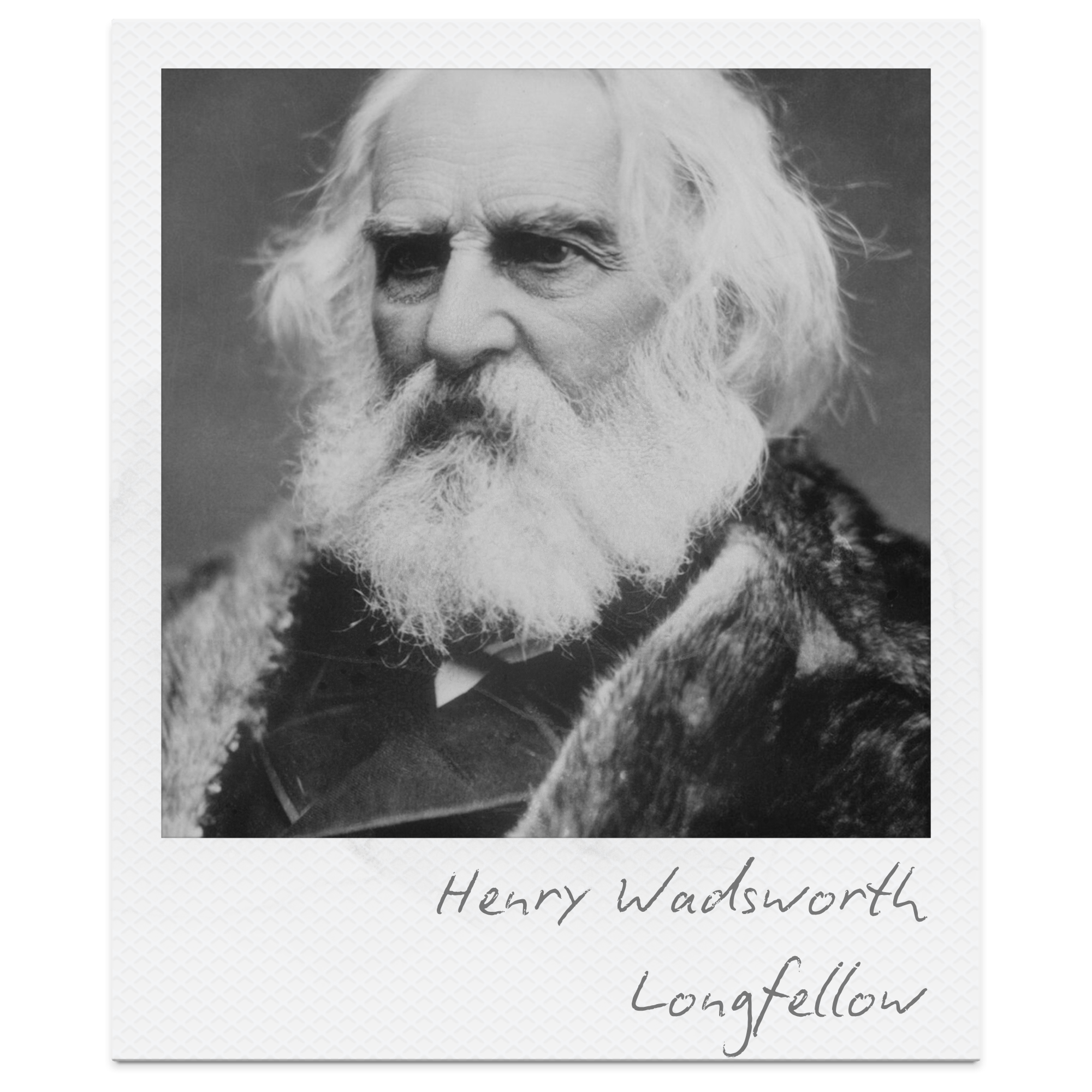
Henry Wadsworth Longfellow (1807–1882) was one of the most widely read and celebrated American poets of the nineteenth century. Writing during the height of the Romantic movement, Longfellow was deeply interested in individual aspiration, nature, emotion, and the search for meaning beyond ordinary experience. Like many Romantic writers, he often explored characters who are driven by powerful ideals, placing personal vision above comfort, security, or social expectations. His poetry frequently combines accessible storytelling with larger philosophical questions, allowing readers to engage with both narrative and symbolism.
The nineteenth century was an era marked by rapid social change, industrial development, and growing interest in the possibilities of human achievement. Against this backdrop, Romantic writers often looked towards dramatic landscapes, heroic journeys, and encounters with the sublime to explore humanity's relationship with ambition, faith, and self-discovery. In Excelsior, the towering Alpine mountains and dangerous natural environment reflect this Romantic fascination with the sublime: experiences that inspire both awe and fear. The vast glaciers, avalanches, and storm-filled heights emphasise the smallness of the individual while simultaneously elevating the traveller's determination to continue his journey.
Longfellow was also influenced by European literature and culture. Having travelled extensively throughout Europe and studied several modern languages, he was particularly interested in German Romanticism and the use of symbolic quests within poetry. The title and recurring refrain, "Excelsior", comes from the Latin word meaning "higher" or "ever upward." Rather than functioning simply as a motto, the word becomes a symbolic expression of the youth's unwavering commitment to a goal that remains undefined throughout the poem. This ambiguity is important because it allows the traveller to represent multiple ideas: ambition, idealism, spiritual striving, artistic aspiration, or even obsessive self-destruction.
Published in 1841, Excelsior quickly became one of Longfellow's most famous poems. At first glance, it appears to celebrate perseverance and determination, but the poem also invites more complex interpretations. The traveller repeatedly rejects warmth, companionship, and safety in pursuit of a higher purpose, eventually dying alone in the snow. As a result, readers are left to question whether Longfellow presents ambition as a noble virtue, a tragic flaw, or something that exists uneasily between the two. This tension between heroism and recklessness, achievement and sacrifice, gives the poem much of its enduring power and interpretive richness.
Excelsior: At a Glance
◆ Form – Narrative lyric poem structured around a recurring refrain, combining storytelling with symbolic and philosophical exploration.
◆ Tone and emotional movement – Determined and idealistic at first, becoming increasingly isolated, ominous, and ultimately elegiac as the traveller moves towards his fate.
◆ Central tensions – Ambition versus safety, idealism versus reality, spiritual aspiration versus earthly comfort, and heroism versus self-destruction.
◆ Core concerns – The pursuit of higher ideals, the cost of ambition, perseverance, sacrifice, individual purpose, and humanity's relationship with the unattainable.
◆ Dominant imagery – Snow-covered mountains, glaciers, storms, avalanches, light and darkness, banners, heights, and the vast Alpine landscape.
◆ Stylistic features – Repetition of the refrain "Excelsior!", vivid Romantic landscape imagery, symbolism, dramatic dialogue, contrasts between warmth and isolation, and elevated, musical language.
◆ Key themes – Ambition, aspiration, idealism, determination, sacrifice, isolation, mortality, and the search for meaning beyond ordinary life.
◆ One-sentence interpretation – Longfellow presents ambition as both inspiring and dangerous, suggesting that the pursuit of higher ideals can elevate the human spirit while also demanding profound personal sacrifice.
Quick Summary of Excelsior
As night falls in the Alps, a mysterious young traveller passes through a village carrying a banner bearing the word "Excelsior!" Despite the harsh weather and dangerous mountain conditions, he continues his journey upwards. Along the way, villagers offer warnings, shelter, companionship, and safety, but he rejects every invitation and remains committed to climbing higher into the mountains.
As the poem progresses, the traveller becomes increasingly isolated as he ascends into the storm. The following morning, he is discovered dead beneath the snow, still clutching his banner. Although his physical journey ends in tragedy, the poem closes with a final heavenly repetition of "Excelsior!", leaving readers to consider whether his quest represents a triumphant spiritual ascent, a warning about unchecked ambition, or a complex combination of both.
Title, Form, Structure and Metre in Excelsior
Longfellow uses the poem's title, narrative structure, regular metre, and recurring refrain to reinforce its exploration of ambition, determination, and the pursuit of higher ideals. The poem's formal control mirrors the traveller's unwavering commitment to his goal, while subtle structural patterns encourage readers to question whether his journey is heroic, tragic, or both.
The Significance of the Title
The title comes from the Latin word "Excelsior", meaning "higher" or "ever upward." Longfellow transforms this single word into both a literal and symbolic destination. On a literal level, the traveller is climbing higher into the mountains. Symbolically, however, the word suggests the pursuit of spiritual, intellectual, or moral elevation.
Importantly, Longfellow never defines exactly what the traveller seeks. This ambiguity allows "Excelsior" to represent many different forms of aspiration, from noble idealism to dangerous obsession. The title therefore establishes one of the poem's central tensions: whether striving endlessly upwards is admirable or self-destructive.
Narrative Ballad Form
Excelsior adopts many features of a ballad, including a clear narrative, dramatic encounters, dialogue, repetition, and a tragic conclusion. Readers follow the traveller through a series of increasingly urgent warnings, creating a sense of progression and inevitability.
The ballad form allows Longfellow to present the youth as an almost legendary figure. He becomes less an individual character and more a symbolic embodiment of human ambition. The poem's storytelling structure also makes the traveller's eventual death feel both shocking and strangely inevitable, as though he is fulfilling a predetermined destiny.
The Refrain "Excelsior!"
Every stanza ends with the repeated refrain "Excelsior!". At first, the word appears inspiring and triumphant, reflecting the traveller's confidence and determination. However, as the dangers increase, the refrain begins to acquire more complex meanings.
When villagers offer shelter, companionship, and safety, the repeated cry demonstrates his refusal to abandon his quest. By the final stanzas, the refrain becomes almost haunting. The reader begins to question whether it represents courage, stubbornness, obsession, or faith.
The fact that the final repetition comes from the heavens after the traveller's death creates deliberate ambiguity. Longfellow leaves readers uncertain whether the traveller has achieved a form of spiritual transcendence or whether the poem is exposing the tragic consequences of pursuing impossible ideals.
Regular Stanza Structure and Progression
The poem consists of nine regular stanzas, each ending with the refrain. This predictable structure creates a sense of relentless forward movement, mirroring the traveller's refusal to stop or change direction.
Each stanza introduces another opportunity for the traveller to turn back. An old man, a young woman, local peasants, and even the natural environment itself urge caution. Structurally, these repeated encounters create a pattern of temptation and rejection. The traveller repeatedly chooses aspiration over comfort, making his fate feel increasingly unavoidable.
Rhyme Scheme
Most stanzas follow an AABBCB pattern:
The shades of night were falling fast (A)
As through an Alpine village passed (A)
A youth, who bore, 'mid snow and ice (B)
A banner with the strange device (B)
Excelsior! (C)
The frequent use of paired rhymes creates a sense of order and stability. This contrasts with the dangerous and unpredictable mountain landscape, suggesting that the traveller's sense of purpose remains firm even as the world around him becomes increasingly hostile.
The isolated refrain at the end of each stanza further emphasises the dominance of the traveller's guiding ideal.
Metre and Rhythm
The poem is written primarily in iambic tetrameter, a metre consisting of four iambic feet per line. An iamb follows an unstressed syllable followed by a stressed syllable:
The SHADES | of NIGHT | were FALL | ing FAST
This regular rhythm creates a steady, marching quality that mirrors the traveller's physical ascent and psychological determination.
Longfellow occasionally varies the rhythm to avoid monotony and to emphasise key moments. However, the overall consistency of the metre reinforces the traveller's unwavering focus. The steady beat carries the poem forward with almost relentless momentum, reflecting a character who refuses to pause despite repeated warnings.
Sound and Musicality
Longfellow enhances the poem's musical quality through alliteration, internal echoes, and carefully controlled rhythm. Phrases such as "snow and ice", "household fires gleam warm and bright", and "Beware the pine-tree's withered branch" create vivid sound patterns that make the poem memorable and song-like.
The repeated exclamation "Excelsior!" functions almost like a trumpet call throughout the poem. Its sharp, emphatic sound cuts through every stanza, reinforcing the traveller's determination and ensuring that the central idea of striving upwards remains at the forefront of the reader's mind.
Voice, Perspective and Emotional Conflict in Excelsior
Although Excelsior appears to tell a straightforward story, Longfellow uses voice and perspective to create significant ambiguity around the traveller's motivations and fate. The poem never allows readers direct access to the youth's thoughts, meaning that his repeated cry of "Excelsior!" must be interpreted through his actions rather than explicit explanation. This distance creates uncertainty and encourages multiple readings of his journey.
The Third-Person Narrative Voice
The poem is narrated in the third person, allowing readers to observe the traveller from the outside. Rather than presenting his inner thoughts directly, the narrator describes his appearance, actions, and responses to others.
This creates an air of mystery around the youth. Readers learn that his "brow was sad" and that he occasionally groans or sighs, suggesting emotional complexity beneath his determination. However, Longfellow never fully explains what drives him. As a result, the traveller becomes less an individual character and more a symbolic figure who can represent ambition, idealism, faith, or even obsession.
The narrative distance also prevents the poem from offering a simple moral judgement. Because readers never hear a detailed explanation of the traveller's purpose, they are left to decide whether his actions are admirable or misguided.
The Traveller as Speaker
Although the narrator controls most of the poem, the traveller's voice repeatedly interrupts through the refrain "Excelsior!". Strikingly, this is almost all he says throughout the poem.
His refusal to engage in extended conversation suggests absolute commitment to a single guiding principle. When an old man warns him about the storm, when a maiden offers comfort, and when villagers urge caution, his response remains unchanged.
This repetition creates the impression of a man who has become defined by his goal. His identity appears inseparable from the idea he pursues. At the same time, the limited nature of his speech raises important questions. Is he displaying admirable conviction, or has he become incapable of considering alternatives?
Emotional Restraint and Hidden Vulnerability
Despite his determination, Longfellow includes subtle signs of emotional conflict. The traveller is not presented as an emotionless hero. His "brow was sad", a groan escapes his lips, and a tear appears in his eye when the maiden invites him to rest.
These moments reveal that he understands what he is sacrificing. The offers of warmth, companionship, and safety clearly affect him, yet he continues his ascent regardless.
This tension makes the character more complex. Rather than simply rejecting earthly comforts because they hold no appeal, he appears to recognise their value while deliberately choosing another path. The emotional conflict between desire and duty strengthens the poem's tragic dimension.
Dialogue and Contrasting Voices
Much of the poem's tension emerges through dialogue. The voices of the villagers represent practicality, caution, and human connection. Their warnings focus on real and immediate dangers, including storms, avalanches, and exhaustion.
Against these grounded voices stands the traveller's single-word response. The contrast emphasises the gulf between ordinary concerns and extraordinary ambition. While the villagers speak in concrete terms, the traveller answers with an abstract ideal.
This opposition creates one of the poem's central conflicts: the tension between human needs and higher aspirations. Longfellow never fully resolves which side is correct, allowing both perspectives to retain credibility.
The Final Shift in Perspective
The poem's most significant shift occurs after the traveller's death. For the first time, the refrain no longer seems to originate from the youth himself. Instead, "a voice fell like a falling star" from the heavens.
This moment transforms the meaning of the poem. If the heavenly voice affirms the traveller's cry, then his journey may represent spiritual triumph despite physical death. However, the poem never explicitly confirms this interpretation.
The ambiguity of the ending is crucial. The final voice may celebrate transcendence, but it may also reflect the enduring power of an ideal that continues beyond the individual who pursued it. By refusing to clarify the source or meaning of the voice, Longfellow leaves readers with an unresolved tension between victory and tragedy, ensuring that the poem remains open to multiple interpretations.
Stanza-by-Stanza Analysis of Excelsior
A close analysis of Excelsior reveals how Longfellow gradually transforms a seemingly straightforward tale of perseverance into a more complex exploration of ambition, idealism, and sacrifice. Each stanza develops the traveller's symbolic journey, introducing new warnings, temptations, and obstacles while deepening the poem's central ambiguity. Through recurring imagery, shifts in atmosphere, and the repeated refrain "Excelsior!", Longfellow encourages readers to consider whether the youth's ascent represents heroic determination, spiritual aspiration, dangerous obsession, or an uneasy combination of all three.
Stanza 1: The Call of Ambition
The opening stanza establishes both the physical journey and the poem's central symbolic conflict. The phrase "The shades of night were falling fast" creates an atmosphere of uncertainty and foreboding from the very beginning. Darkness traditionally suggests the unknown, foreshadowing the dangers that lie ahead and hinting that the traveller's path will not be straightforward.
The setting of an "Alpine village" immediately places the poem within a dramatic Romantic landscape. Mountains frequently symbolise aspiration, spiritual elevation, and the pursuit of something beyond ordinary human experience. The traveller is therefore introduced not simply as someone passing through a village, but as a figure already moving towards a higher destination.
Longfellow deliberately presents the protagonist as "A youth" rather than giving him a name. This makes him feel universal and symbolic, allowing him to represent broader human qualities such as ambition, idealism, and the desire for self-transcendence. Readers are encouraged to see him as more than an individual character.
The image of the "banner" is particularly significant. Banners are traditionally associated with causes, beliefs, and acts of devotion, suggesting that the traveller is guided by a principle greater than himself. However, Longfellow describes the banner's message as a "strange device," creating mystery around its meaning and emphasising that the traveller's purpose remains unexplained.
The stanza concludes with the first appearance of the refrain "Excelsior!". Meaning "higher" or "ever upward," the word immediately becomes the poem's central symbol. At this stage, it appears inspiring and aspirational, presenting the traveller as a figure driven by an unwavering commitment to something beyond the comforts and limitations of ordinary life.
Stanza 2: Hints of Inner Conflict
The second stanza develops the traveller's character while deepening the mystery surrounding his purpose. The description of his "brow was sad" immediately complicates any straightforward interpretation of him as a triumphant hero. The adjective "sad" suggests emotional burden, regret, or loneliness, implying that his journey carries a personal cost.
However, this sadness is contrasted with the striking image of an eye that "Flashed like a falchion from its sheath." A falchion is a type of sword, and the simile creates an impression of sharpness, energy, and determination. The image suggests that despite his sorrow, the traveller possesses an intense inner resolve. This contrast between sadness and strength introduces one of the poem's central tensions: the conflict between emotional vulnerability and unyielding ambition.
Longfellow continues to elevate the traveller through the comparison of his voice to a "silver clarion." A clarion is a trumpet associated with military calls, announcements, and heroic action. The simile gives his speech a clear, commanding quality, suggesting conviction and purpose. The image also reinforces the idea that the traveller is following a calling that feels larger than ordinary life.
Significantly, the refrain is described as "that unknown tongue." Neither the villagers nor the reader are given a full explanation of its meaning. This preserves the ambiguity surrounding "Excelsior!" and transforms it into a symbolic expression of aspiration rather than a clearly defined goal. The traveller therefore remains both inspiring and elusive, a figure driven by a purpose that cannot easily be understood by those around him.
The repeated refrain "Excelsior!" takes on greater significance here. No longer simply a motto on a banner, it becomes the traveller's defining voice, revealing his unwavering commitment to a goal that remains mysterious even as his determination becomes increasingly clear.
Stanza 3: Comfort and Temptation
This stanza introduces the first clear contrast between the traveller's ambition and the comforts of ordinary life. The image of "happy homes" and "household fires" creates a sense of warmth, security, and human connection. The adjectives "warm and bright" emphasise the attractiveness of the life being offered to him, presenting domestic happiness as a genuine alternative to his difficult journey.
In contrast, the traveller's attention is also drawn "Above" to the "spectral glaciers." The vertical positioning is significant. While the homes exist below in the human world, the glaciers occupy the heights towards which he is travelling. The adjective "spectral" gives the mountains a ghostly and almost supernatural quality, suggesting that his goal belongs to a realm beyond ordinary experience. At the same time, the word carries connotations of death and danger, foreshadowing the poem's tragic conclusion.
The stanza's structure reflects the traveller's divided position between these two worlds. He can see the warmth and companionship of the village, yet he remains drawn towards the cold, distant heights. This creates one of the poem's most important tensions: earthly contentment versus higher aspiration.
Significantly, "from his lips escaped a groan." This is one of the clearest indications of emotional conflict in the poem. The traveller is not immune to the appeal of comfort and belonging. The groan suggests pain, longing, or regret, revealing that he recognises what he is sacrificing. However, despite this moment of vulnerability, the stanza ends with the familiar refrain "Excelsior!", demonstrating that his ambition ultimately outweighs his desire for comfort.
The contrast between the warm fires below and the spectral glaciers above also establishes a recurring symbolic pattern throughout the poem. Longfellow repeatedly associates safety, companionship, and ordinary happiness with the lower world, while linking ambition, transcendence, and danger with the heights.
Stanza 4: Rejecting Wisdom and Caution
The fourth stanza introduces the first direct warning from another character. The old man represents experience, wisdom, and practical knowledge, making his advice difficult to dismiss. His command, "Try not the Pass!", reflects genuine concern and introduces a voice of reason that contrasts sharply with the traveller's unwavering determination.
The dangers described by the old man are both immediate and overwhelming. The phrase "Dark lowers the tempest overhead" creates an atmosphere of menace and impending disaster. The storm is presented not as a distant possibility but as an active threat already gathering above the traveller. Similarly, the "roaring torrent" is described as "deep and wide," emphasising the scale of the obstacles ahead and reinforcing the increasingly hostile nature of the landscape.
These warnings also operate symbolically. The storm and torrent can be read as representations of the challenges that accompany the pursuit of ambitious goals. Longfellow suggests that striving towards something higher inevitably involves risk, uncertainty, and the possibility of failure.
Despite the seriousness of the warning, the traveller remains unmoved. His response is described as "that clarion voice," recalling the trumpet imagery introduced earlier in the poem. The repetition reinforces his certainty and conviction, while the adjective suggests confidence and authority. However, there is also a growing sense of inflexibility in his behaviour. He no longer appears merely determined; he seems incapable of reconsidering his course.
The refrain "Excelsior!" functions here as an outright rejection of caution. The traveller chooses aspiration over safety and idealism over practical wisdom. This moment marks an important turning point in the poem, as the reader begins to question whether his commitment is genuinely heroic or whether it is becoming a form of dangerous obsession.
Stanza 5: Sacrificing Human Connection
The warning in this stanza differs significantly from the old man's practical advice. Instead of danger and hardship, the maiden offers comfort, affection, and emotional companionship. Her invitation to "rest / Thy weary head upon this breast" creates an image of warmth, intimacy, and human connection, presenting perhaps the most personal temptation the traveller has faced so far.
The traveller is described as "weary," acknowledging the physical and emotional strain of his journey. This detail undermines any interpretation of him as an invulnerable hero. He is exhausted, vulnerable, and clearly affected by the offer before him.
Longfellow emphasises this emotional response through the image of "A tear stood in his bright blue eye." This is one of the poem's most revealing moments. The tear suggests genuine longing and demonstrates that the traveller is not indifferent to love or companionship. Instead, he recognises the value of what is being offered and experiences real emotional conflict.
The phrase "But still" marks a decisive turning point within the stanza. Despite his visible emotion, the traveller refuses to abandon his quest. His response comes "with a sigh," a detail that contrasts with the confidence of the earlier "clarion voice." Unlike the defiant response to the old man's warning, this reply carries a sense of sadness and sacrifice.
The refrain "Excelsior!" therefore acquires new significance. Here it is not merely a declaration of ambition but a conscious rejection of personal happiness. The traveller chooses his higher ideal over love, comfort, and human connection, reinforcing the poem's exploration of the costs that often accompany the pursuit of extraordinary goals.
This stanza deepens the poem's ambiguity. The traveller's refusal may be interpreted as admirable dedication, but the visible tear and sigh also encourage readers to question whether his commitment is demanding too great a sacrifice.
Stanza 6: The Point of No Return
In this stanza, the warnings become even more urgent and immediate. The peasant's repeated command "Beware" conveys a sense of desperation, suggesting that the dangers facing the traveller are now unavoidable rather than distant possibilities. Unlike the earlier warnings about storms and torrents, the threats here are specific and potentially fatal.
The "pine-tree's withered branch" symbolises instability and decay. The adjective "withered" carries associations of death, decline, and fragility, suggesting that the natural world itself has become hostile. Meanwhile, the "awful avalanche" represents overwhelming destructive force. Avalanches are sudden, uncontrollable, and capable of burying everything in their path, making them a powerful symbol of the risks inherent in pursuing an extreme ambition.
The repetition of "Beware" creates a mounting sense of tension and reinforces the growing concern of those around him. Significantly, this is described as the peasant's "last Good-night," implying a final farewell. There is a strong suggestion that both the peasant and the reader recognise that the traveller may not survive what lies ahead.
A subtle but important shift occurs in the fourth line. The traveller's response no longer comes from beside the speaker but from "far up the height." This physical distance symbolises his increasing separation from ordinary society. He has moved beyond the reach of human advice, companionship, and intervention.
The phrase "far up the height" also reinforces the poem's recurring vertical imagery. Throughout Excelsior, upward movement is associated with aspiration, transcendence, and the pursuit of higher ideals. However, the further the traveller climbs, the more isolated he becomes, suggesting that ambition can create both elevation and alienation.
The refrain "Excelsior!" now feels more distant and haunting than triumphant. Its repetition demonstrates that the traveller remains committed to his goal, yet the increasing separation between him and the other characters creates a growing sense of inevitability. By this point in the poem, his ascent appears less like a journey of choice and more like a destiny from which he cannot turn back.
Stanza 7: Echoes Between Earth and Heaven
The seventh stanza marks a significant shift in atmosphere and symbolism. The phrase "At break of day" introduces the arrival of dawn, traditionally associated with renewal, revelation, and spiritual awakening. However, rather than bringing safety or resolution, the new day is accompanied by another mysterious cry of "Excelsior!", suggesting that the traveller's quest continues despite the dangers that have been repeatedly emphasised.
Longfellow introduces the "pious monks of Saint Bernard," bringing an explicitly religious dimension to the poem. The monks are depicted engaged in prayer, directing their attention "heavenward." This upward movement mirrors the traveller's own ascent, creating a symbolic connection between spiritual devotion and his relentless climb towards the heights.
The phrase "oft-repeated prayer" is particularly significant because it parallels the repeated refrain "Excelsior!". Both the monks and the traveller engage in forms of repetition, suggesting that the traveller's cry may function almost like a prayer, mantra, or declaration of faith. This comparison encourages readers to view his journey not merely as physical ambition but potentially as a form of spiritual striving.
The sudden appearance of "A voice cried through the startled air" creates mystery and uncertainty. Longfellow does not immediately identify the speaker, and the verb "cried" gives the voice a forceful, almost supernatural quality. The adjective "startled" suggests that even the natural world seems disturbed by its appearance.
The refrain "Excelsior!" takes on new significance in this religious context. Surrounded by prayer and references to heaven, the cry begins to seem less like a personal ambition and more like an expression of transcendence. At the same time, Longfellow preserves ambiguity. The voice may signal spiritual elevation, but it may also emphasise the traveller's continued isolation and obsessive pursuit of an unattainable ideal.
By linking the traveller's ascent with religious imagery, the stanza encourages readers to question whether his journey is ultimately physical, spiritual, or symbolic, deepening the poem's interpretive complexity.
Stanza 8: The Cost of Aspiration
The eighth stanza delivers the poem's tragic climax. The traveller is discovered "Half-buried in the snow", confirming the dangers that have been foreshadowed throughout the poem. The image is stark and unsettling, transforming the symbolic threat of the mountain landscape into physical reality. The snow that once formed part of the sublime Alpine setting now becomes the agent of the traveller's destruction.
The discovery is made by "the faithful hound," a detail that introduces ideas of loyalty and devotion. The adjective "faithful" creates an interesting contrast with the traveller himself. While the dog remains devoted to its duty, the traveller has remained devoted to his ideal. This parallel subtly reinforces the poem's focus on unwavering commitment, even when that commitment leads to suffering.
Despite his death, the traveller is described as "Still grasping in his hand of ice / That banner with the strange device." The adverb "Still" is particularly significant because it emphasises the persistence of his purpose. Even in death, he refuses to let go of the symbol that has guided his journey. His "hand of ice" suggests both physical death and symbolic union with the frozen landscape he chose over human warmth and companionship.
The return of the "banner" creates a structural link to the opening stanza. Longfellow reminds readers that the traveller has remained completely faithful to his goal from beginning to end. The phrase "strange device" is repeated unchanged, meaning that the mystery surrounding his purpose remains unresolved. Even at the moment of death, neither the characters nor the reader are given a definitive explanation of what "Excelsior!" truly means.
The refrain takes on a deeply ambiguous quality here. On one hand, the traveller's fate could be viewed as a warning about the dangers of excessive ambition. On the other, his refusal to abandon his ideal may suggest a form of triumph, demonstrating a commitment that survives every obstacle except death itself. Longfellow deliberately leaves both interpretations open, ensuring that the poem's central tension remains unresolved.
Stanza 9: Ambiguous Transcendence
The final stanza brings the poem to a quiet and reflective conclusion, shifting away from danger and struggle towards an atmosphere of stillness. The setting is described as "twilight cold and gray," imagery that suggests transition and uncertainty. Twilight exists between day and night, making it an appropriate backdrop for a poem that ultimately refuses to offer a clear judgement on the traveller's fate.
The description "Lifeless, but beautiful" creates a striking paradox. Death would normally be associated with defeat or failure, yet Longfellow presents the traveller in terms of beauty rather than tragedy. This choice elevates him beyond an ordinary victim of the mountain, encouraging readers to view his death as possessing a certain dignity or significance. At the same time, the fact remains that his quest has ended in physical destruction, preserving the tension between admiration and caution.
The imagery then shifts upwards once again as a voice emerges "from the sky, serene and far." Throughout the poem, upward movement has been associated with aspiration, transcendence, and the pursuit of higher ideals. The sky therefore represents the ultimate destination of the traveller's journey, whether understood in spiritual, symbolic, or philosophical terms.
Longfellow's simile, "A voice fell like a falling star," is particularly rich in meaning. Falling stars are often associated with wonder, inspiration, and fleeting beauty. The image gives the voice a celestial quality while also linking it to ideas of transience and mortality. Just as a falling star burns brightly before disappearing, the traveller's life may be interpreted as brief yet meaningful.
The final repetition of "Excelsior!" transforms the refrain once again. Earlier in the poem it functioned as the traveller's personal declaration of ambition. Here, however, it appears to come from beyond the earthly world. This creates deliberate ambiguity. The voice may suggest that the traveller has achieved a form of spiritual transcendence, validating his pursuit of higher ideals. Equally, it may represent the enduring power of the aspiration itself rather than a reward for the individual who pursued it.
Longfellow refuses to resolve this uncertainty. The poem ends suspended between triumph and tragedy, fulfilment and loss, leaving readers to decide whether the traveller's relentless ascent was ultimately heroic, misguided, or both at the same time.
Key Quotes and Literary Methods in Excelsior
Longfellow uses recurring symbols, vivid imagery, dramatic contrasts, and the repeated refrain "Excelsior!" to explore the nature of ambition, idealism, and sacrifice. The following quotations are particularly useful for analysing how the poem develops its central tensions and meanings.
"The shades of night were falling fast"
◆ Method or literary feature – Atmospheric imagery, symbolism, foreshadowing
◆ Interpretation and implied meaning – The encroaching darkness suggests uncertainty, danger, and the unknown future awaiting the traveller.
◆ Why the poet uses it – To establish a foreboding atmosphere from the opening lines and hint at the risks involved in the journey.
◆ Emotional/intellectual effect – Creates tension and encourages readers to anticipate future hardship.
◆ Broader conceptual significance – Suggests that the pursuit of ambitious goals often involves entering uncertain or dangerous territory.
"A banner with the strange device"
◆ Method or literary feature – Symbolism, mystery
◆ Interpretation and implied meaning – The banner represents the traveller's guiding ideal or purpose, while the adjective "strange" emphasises its elusive nature.
◆ Why the poet uses it – To create intrigue and prevent the traveller's goal from being reduced to a single fixed meaning.
◆ Emotional/intellectual effect – Encourages readers to question what motivates the traveller.
◆ Broader conceptual significance – Highlights how ambition is often driven by visions that others cannot fully understand.
"His brow was sad"
◆ Method or literary feature – Characterisation, emotional imagery
◆ Interpretation and implied meaning – The traveller's sadness suggests that his journey is emotionally burdensome rather than purely triumphant.
◆ Why the poet uses it – To complicate the heroic image of the traveller and reveal hidden vulnerability.
◆ Emotional/intellectual effect – Encourages sympathy while raising questions about the cost of his quest.
◆ Broader conceptual significance – Suggests that pursuing extraordinary goals often involves loneliness and sacrifice.
"Flashed like a falchion from its sheath"
◆ Method or literary feature – Simile, martial imagery
◆ Interpretation and implied meaning – The comparison to a drawn sword emphasises determination, intensity, and purpose.
◆ Why the poet uses it – To present the traveller as energetic and driven despite his sadness.
◆ Emotional/intellectual effect – Creates admiration for his resolve and strength of character.
◆ Broader conceptual significance – Connects ambition with struggle, discipline, and personal conviction.
"The spectral glaciers shone"
◆ Method or literary feature – Visual imagery, symbolism, Gothic undertones
◆ Interpretation and implied meaning – The glaciers appear beautiful yet ghostly, embodying both aspiration and danger.
◆ Why the poet uses it – To make the mountains seem simultaneously alluring and threatening.
◆ Emotional/intellectual effect – Creates awe while foreshadowing the traveller's fate.
◆ Broader conceptual significance – Reflects how ambitious ideals can inspire individuals while also leading them towards destruction.
"From his lips escaped a groan"
◆ Method or literary feature – Emotional imagery, characterisation
◆ Interpretation and implied meaning – The groan reveals inner conflict and suggests that the traveller feels the weight of his choices.
◆ Why the poet uses it – To show that he is not immune to the appeal of comfort and companionship.
◆ Emotional/intellectual effect – Humanises the traveller and adds emotional depth to his journey.
◆ Broader conceptual significance – Suggests that sacrifice often involves conscious awareness of what is being lost.
"A tear stood in his bright blue eye"
◆ Method or literary feature – Emotional imagery, symbolism
◆ Interpretation and implied meaning – The tear reveals genuine longing and demonstrates that the traveller is emotionally affected by the maiden's offer.
◆ Why the poet uses it – To highlight the tension between personal happiness and higher aspiration.
◆ Emotional/intellectual effect – Creates sympathy and emphasises the emotional cost of his decision.
◆ Broader conceptual significance – Suggests that commitment to an ideal may require the rejection of love and human connection.
"Beware the awful avalanche!"
◆ Method or literary feature – Exclamatory language, symbolism, foreshadowing
◆ Interpretation and implied meaning – The avalanche represents overwhelming and potentially fatal consequences.
◆ Why the poet uses it – To increase tension and emphasise the seriousness of the dangers ahead.
◆ Emotional/intellectual effect – Creates a sense of urgency and impending catastrophe.
◆ Broader conceptual significance – Symbolises the destructive risks that can accompany unchecked ambition.
"Still grasping in his hand of ice / That banner with the strange device"
◆ Method or literary feature – Symbolism, imagery, structural repetition
◆ Interpretation and implied meaning – Even in death, the traveller remains committed to his ideal.
◆ Why the poet uses it – To demonstrate the permanence and intensity of his devotion to his goal.
◆ Emotional/intellectual effect – Creates both admiration and unease, depending on how the reader interprets his fate.
◆ Broader conceptual significance – Raises questions about whether absolute commitment is noble or self-destructive.
"A voice fell like a falling star"
◆ Method or literary feature – Simile, celestial imagery, symbolism
◆ Interpretation and implied meaning – The heavenly voice suggests transcendence, inspiration, or spiritual significance.
◆ Why the poet uses it – To create ambiguity around the meaning of the traveller's death.
◆ Emotional/intellectual effect – Leaves readers with a sense of wonder and uncertainty.
◆ Broader conceptual significance – Reinforces the poem's refusal to provide a simple answer about whether the traveller's quest was ultimately successful or tragic.
Key Techniques in Excelsior
Longfellow's poem combines accessible narrative techniques with more sophisticated symbolic and structural methods. While Excelsior can be read as a straightforward story about determination, closer analysis reveals a complex exploration of ambition, idealism, sacrifice, and the tension between earthly fulfilment and higher aspirations.
Refrain and Repetition
The repeated refrain "Excelsior!" is the poem's most obvious structural feature. Appearing at the end of every stanza, it functions as a constant reminder of the traveller's guiding purpose.
◆ The repetition reinforces his unwavering determination.
◆ The meaning of the refrain evolves as the poem progresses.
◆ Initially, it appears inspiring and aspirational.
◆ Later, it becomes increasingly ambiguous and even haunting.
◆ The final repetition encourages readers to reconsider everything that has come before.
Rather than remaining static, the refrain accumulates significance throughout the poem, reflecting the growing complexity of the traveller's quest.
Symbolism
Symbolism operates at the heart of the poem and elevates it beyond a simple narrative journey.
◆ The mountains symbolise aspiration, transcendence, and the pursuit of higher ideals.
◆ The banner represents commitment to a personal vision or belief.
◆ The storm, torrent, and avalanche symbolise the dangers accompanying ambitious pursuits.
◆ The village homes symbolise comfort, security, and ordinary human happiness.
◆ The upward journey becomes a symbolic quest rather than merely a physical climb.
These symbols allow the traveller to function as both an individual character and a representation of universal human ambition.
Romantic Sublime Imagery
The poem draws heavily on the Romantic fascination with the sublime, experiences that combine beauty, wonder, and fear.
◆ The Alpine landscape inspires awe through its vast scale.
◆ The glaciers appear magnificent but threatening.
◆ The mountains emphasise humanity's smallness in relation to nature.
◆ Natural forces such as storms and avalanches appear powerful and uncontrollable.
◆ Beauty and danger exist simultaneously throughout the poem.
This combination of attraction and threat mirrors the traveller's relationship with his goal.
Contrast and Juxtaposition
Longfellow repeatedly places opposing ideas alongside one another.
◆ Warm homes are contrasted with frozen mountains.
◆ Human companionship is contrasted with isolation.
◆ Safety is contrasted with risk.
◆ Earthly happiness is contrasted with spiritual aspiration.
◆ Life is ultimately contrasted with death.
These juxtapositions reinforce the choices facing the traveller and emphasise the sacrifices required by his ambition.
Ambiguity
One of the poem's most sophisticated techniques is its refusal to provide a definitive interpretation.
◆ The traveller's exact goal is never explained.
◆ The meaning of "Excelsior!" remains open to interpretation.
◆ Readers are never told whether his journey is wise or misguided.
◆ The final heavenly voice creates uncertainty rather than resolution.
◆ The poem resists a simple moral lesson.
This ambiguity encourages active interpretation and allows multiple readings to coexist.
Archetypal Characterisation
The traveller functions as an archetypal rather than fully individualised character.
◆ He is introduced simply as "A youth."
◆ He is given few personal details.
◆ His experiences become symbolic rather than purely realistic.
◆ He represents broader human desires and ambitions.
◆ Readers can project different interpretations onto him.
This technique transforms the traveller into a universal figure whose journey reflects wider questions about purpose and aspiration.
Dialogue as Structural Conflict
Longfellow uses dialogue to dramatise competing values throughout the poem.
◆ The old man represents wisdom and experience.
◆ The maiden represents love and companionship.
◆ The peasants represent practicality and survival.
◆ The traveller represents aspiration and idealism.
Each encounter presents an opportunity to abandon the quest, creating a repeated pattern of temptation and rejection that drives the narrative forward.
Vertical Imagery
The poem is structured around a recurring pattern of upward movement.
◆ The traveller constantly moves higher.
◆ The mountains tower above the village.
◆ The monks direct their prayers heavenward.
◆ The final voice descends from the sky.
◆ Physical elevation becomes linked to spiritual and philosophical aspiration.
This sustained pattern creates a symbolic framework that unifies the entire poem.
Emotional Restraint
Longfellow reveals emotion through brief, carefully chosen details rather than extended confession.
◆ The traveller's "brow was sad."
◆ A groan escapes his lips.
◆ A tear appears in his eye.
◆ He answers "with a sigh."
These restrained moments are particularly effective because they hint at powerful feelings without fully explaining them, making the traveller's emotional conflict more compelling.
Structural Circularity
The poem begins and ends with the banner and the refrain "Excelsior!"
◆ The banner appears in both the opening and closing sections.
◆ The refrain remains unchanged despite the traveller's death.
◆ The final voice echoes the opening declaration.
◆ The structure suggests that ideals can outlive the individuals who pursue them.
This circular pattern gives the poem a sense of completion while preserving its central ambiguity, leaving readers to decide whether the traveller's quest ended in fulfilment, failure, or transcendence.
Symbolism in Excelsior
Symbolism is central to Excelsior. While the poem can be read as a narrative about a young traveller crossing the Alps, many of its images operate on a symbolic level, transforming the journey into an exploration of ambition, idealism, sacrifice, and the pursuit of meaning. Longfellow deliberately leaves many symbols open to interpretation, allowing readers to debate whether the traveller's quest is admirable, tragic, or both.
The Banner
The banner is one of the poem's most important symbols. Introduced in the opening stanza and still clutched in the traveller's frozen hand at the end, it functions as a physical representation of his guiding ideal.
◆ The banner symbolises purpose, conviction, and commitment.
◆ It suggests devotion to a cause greater than personal comfort.
◆ Its continued presence throughout the poem reinforces the traveller's unwavering determination.
◆ The fact that he refuses to release it even in death emphasises the depth of his commitment.
Because the banner's message is never fully explained, it also symbolises the mysterious nature of ambition itself. People are often driven by goals that others cannot fully understand.
"Excelsior!"
The repeated word "Excelsior!" functions as both a refrain and a symbol.
◆ Literally, it means "higher" or "ever upward."
◆ It symbolises aspiration and the desire for self-transcendence.
◆ It may represent spiritual growth, artistic ambition, personal achievement, or faith.
◆ Its meaning shifts throughout the poem as the traveller moves closer to death.
The ambiguity of the symbol is crucial. Longfellow never reveals whether "Excelsior!" represents a noble ideal or a destructive obsession. Instead, it remains open to interpretation, reflecting the complexity of human ambition.
The Mountains and Heights
The Alpine mountains operate as a sustained symbol throughout the poem.
◆ They represent lofty goals and higher ideals.
◆ Their physical height mirrors the traveller's desire to rise above ordinary existence.
◆ They symbolise spiritual elevation and transcendence.
◆ Their danger suggests that extraordinary aspirations often carry significant risks.
The mountains therefore function as both a destination and a test, embodying the promise and peril of striving for something greater.
The Glaciers
The "spectral glaciers" introduce a more complex symbolic dimension.
◆ They symbolise beauty and inspiration.
◆ Their ghostly appearance associates them with death and isolation.
◆ They represent the seductive nature of difficult or unattainable goals.
◆ Their coldness contrasts sharply with the warmth of human relationships below.
Longfellow uses the glaciers to suggest that the things people most admire may also be the things that ultimately destroy them.
Household Fires and Happy Homes
The warm homes of the village symbolise an alternative path through life.
◆ They represent security, stability, and belonging.
◆ They symbolise family, companionship, and emotional fulfilment.
◆ Their warmth contrasts with the cold landscape of the mountains.
◆ They represent ordinary human happiness rather than extraordinary achievement.
The traveller's rejection of these comforts highlights the sacrifices demanded by his quest and raises questions about whether his priorities are admirable or misguided.
The Storm, Torrent, and Avalanche
The natural dangers encountered throughout the poem operate as symbolic obstacles.
◆ The storm symbolises uncertainty and adversity.
◆ The torrent represents challenges that appear overwhelming.
◆ The avalanche symbolises destructive consequences that cannot be controlled or reversed.
◆ Together, they reflect the risks associated with pursuing ambitious goals.
These symbols suggest that striving towards higher ideals often involves confronting forces beyond human control.
The Maiden
The maiden functions as a symbolic figure rather than simply a character.
◆ She represents love and emotional connection.
◆ She symbolises domestic fulfilment and companionship.
◆ Her offer provides an alternative to the traveller's solitary path.
◆ Her presence forces him to choose between personal happiness and his higher ideal.
The tear in the traveller's eye suggests that he recognises the value of what she offers, making her symbolic significance particularly powerful.
Snow and Ice
Snow and ice become increasingly important as the poem progresses.
◆ They symbolise hardship and endurance.
◆ They represent emotional and physical isolation.
◆ They suggest the distance between the traveller and ordinary human life.
◆ In the final stanzas, they become symbols of mortality and sacrifice.
The image of the traveller's "hand of ice" suggests that he has become permanently absorbed into the environment he chose over comfort and companionship.
The Journey Upward
The traveller's ascent functions as the poem's overarching symbol.
◆ It symbolises personal ambition and self-improvement.
◆ It may represent spiritual pilgrimage or religious devotion.
◆ It reflects the human desire to exceed limitations.
◆ It embodies the pursuit of ideals that remain permanently beyond reach.
Importantly, Longfellow never reveals whether the journey succeeds. The traveller dies before reaching any clearly defined destination, reinforcing the ambiguity surrounding the meaning of aspiration itself.
The Final Heavenly Voice
The voice that descends from the sky in the final stanza is one of the poem's most debated symbols.
◆ It may symbolise spiritual reward or transcendence.
◆ It may represent divine approval of the traveller's quest.
◆ It may suggest that ideals outlive the individuals who pursue them.
◆ Alternatively, it may simply reinforce the enduring power of aspiration.
Because Longfellow never explains the voice directly, it becomes a symbol of uncertainty itself. The poem ends not with an answer, but with an invitation for readers to decide whether the traveller's pursuit of "Excelsior!" was ultimately glorious, tragic, or both.
How Longfellow Creates Meaning and Impact in Excelsior
Longfellow creates meaning in Excelsior through the interaction of symbolism, structure, imagery, and ambiguity. Rather than presenting a straightforward moral lesson, the poem invites readers to reflect on the nature of ambition and the sacrifices required to pursue ideals that lie beyond ordinary human experience. The result is a poem that can be read simultaneously as an inspirational celebration of perseverance and a cautionary exploration of obsession.
One of the most significant ways Longfellow creates meaning is through the traveller himself. The youth is presented as an almost archetypal figure rather than a fully developed individual. He has no name, no detailed backstory, and no explicit explanation for his journey. This allows him to become a symbolic representation of universal human desires, including the pursuit of excellence, spiritual fulfilment, artistic achievement, and personal ambition. Readers are therefore encouraged to see aspects of themselves within his struggle.
The recurring refrain "Excelsior!" is central to the poem's impact. Because the word remains unchanged throughout the narrative, its meaning evolves according to its context. At first, it appears energetic and inspiring, embodying confidence and aspiration. As the traveller rejects safety, companionship, and practical wisdom, the refrain begins to feel more complex. By the final stanzas, readers may interpret it as a symbol of admirable perseverance, dangerous obsession, or a combination of both. Longfellow's decision to leave the meaning unresolved creates lasting interpretive tension.
The poem's imagery also plays a crucial role in shaping meaning. Longfellow repeatedly contrasts the warmth of the village with the coldness of the mountains. The household fires represent comfort, belonging, and ordinary happiness, while the glaciers, storms, and snow-covered heights symbolise aspiration, isolation, and sacrifice. This pattern encourages readers to consider what is gained and lost when individuals devote themselves entirely to a higher goal.
Longfellow further develops meaning through the poem's structure. Each encounter follows a similar pattern: a warning or temptation is offered, and the traveller responds with "Excelsior!". This repetition creates a sense of inevitability, suggesting that his fate is shaped not by a single decision but by a series of conscious choices. The structure therefore mirrors the way ambition often develops in reality, through persistent commitment rather than dramatic moments of transformation.
The emotional impact of the poem is strengthened by Longfellow's use of restraint. Although the traveller experiences sadness, longing, and exhaustion, these emotions are revealed only briefly through details such as a groan, a sigh, and a tear. Because the poem avoids excessive emotional explanation, these moments become more powerful. Readers recognise that the traveller understands the sacrifices he is making, which adds depth and tragedy to his determination.
Perhaps the most important aspect of the poem is its ambiguity. Longfellow never clearly states whether the traveller's quest should be admired or criticised. His death can be interpreted as evidence of failure, yet the final heavenly voice may suggest spiritual triumph or transcendence. This uncertainty ensures that the poem remains intellectually engaging long after the narrative ends. Rather than providing answers, Longfellow encourages readers to debate the relationship between idealism and reality, success and sacrifice, and ambition and self-destruction.
Ultimately, the poem's enduring impact comes from its refusal to reduce ambition to a simple virtue or flaw. Through its symbolic journey, recurring refrain, and unresolved ending, Excelsior presents aspiration as one of the most powerful and complicated forces in human life, capable of inspiring greatness while demanding profound personal sacrifice.
Central Ideas and Themes in Excelsior
Longfellow's Excelsior explores the powerful forces that drive individuals beyond the boundaries of ordinary life. Through the traveller's relentless ascent, the poem examines the rewards and dangers of pursuing ideals that demand perseverance, sacrifice, and unwavering commitment. Importantly, Longfellow rarely presents these themes in simple terms. Instead, he encourages readers to grapple with contradictions and ambiguities, allowing multiple interpretations to coexist.
Ambition and Aspiration
Ambition lies at the heart of the poem. The traveller's repeated cry of "Excelsior!" reflects a desire to move ever higher, both physically and symbolically.
◆ The upward journey symbolises the pursuit of goals beyond ordinary achievement.
◆ The mountains represent lofty ideals that require effort and sacrifice.
◆ The traveller refuses to abandon his purpose despite repeated warnings.
◆ His commitment transforms ambition into a defining aspect of his identity.
However, Longfellow avoids presenting ambition as entirely positive. The traveller's determination is admirable, yet it ultimately leads him into danger, creating uncertainty about whether ambition should be celebrated or questioned.
Idealism
The poem explores the power of idealism and the willingness to pursue principles that others may not understand.
◆ The traveller remains devoted to an ideal that is never fully explained.
◆ He rejects practical advice in favour of a higher purpose.
◆ His actions suggest faith in something greater than immediate comfort or security.
◆ The mystery surrounding his goal reinforces its symbolic significance.
Longfellow presents idealism as inspiring but potentially isolating, suggesting that devotion to a vision can separate individuals from the ordinary concerns of those around them.
Determination and Perseverance
Throughout the poem, the traveller demonstrates extraordinary determination.
◆ Every warning is met with the same response.
◆ Physical hardship fails to alter his course.
◆ Emotional temptation does not weaken his resolve.
◆ The repeated refrain reinforces his unwavering commitment.
This persistence creates admiration, but it also raises questions about whether determination can become inflexibility when individuals refuse to reconsider their choices.
Sacrifice
The traveller's ascent is defined by sacrifice. Each stage of the journey requires him to abandon something valuable.
◆ He rejects safety and shelter.
◆ He turns away from companionship and affection.
◆ He accepts increasing isolation.
◆ Ultimately, he sacrifices his life in pursuit of his goal.
The poem repeatedly emphasises that extraordinary aspirations often demand painful compromises, making sacrifice one of its most important themes.
Isolation
As the traveller climbs higher, he becomes increasingly separated from other people.
◆ He ignores the advice of villagers.
◆ He rejects opportunities for human connection.
◆ His voice grows more distant as the poem progresses.
◆ The mountain landscape becomes a symbol of solitude.
This isolation can be interpreted in different ways. It may suggest the loneliness that accompanies greatness, or it may serve as a warning about the dangers of pursuing ambition at the expense of human relationships.
Mortality
Although the traveller seeks something higher than ordinary existence, he remains subject to human mortality.
◆ The storm, snow, and avalanche foreshadow death.
◆ The frozen landscape emphasises human vulnerability.
◆ The discovery of his body confirms the physical limits of ambition.
◆ His death forces readers to question the value of his sacrifice.
Mortality therefore becomes a central tension within the poem, highlighting the conflict between human limitations and limitless aspiration.
The Search for Meaning Beyond Ordinary Life
Perhaps the poem's deepest concern is the human desire to seek meaning beyond comfort, routine, and material security.
◆ The traveller rejects the warmth of ordinary domestic life.
◆ He pursues something that cannot be easily defined or explained.
◆ The mountains symbolise a reality beyond everyday experience.
◆ The final heavenly voice hints at transcendence without fully confirming it.
Longfellow suggests that many people feel drawn towards purposes that extend beyond practical concerns. Whether this search leads to fulfilment or destruction remains deliberately unresolved.
The Tension Between Earthly Happiness and Higher Ideals
Running through the entire poem is a conflict between two competing visions of a meaningful life.
◆ The village represents comfort, love, and belonging.
◆ The mountains represent aspiration, transcendence, and achievement.
◆ The traveller repeatedly chooses the second path over the first.
◆ The poem never clearly states whether that choice is correct.
This unresolved tension gives Excelsior much of its lasting power. Rather than offering a simple lesson, Longfellow invites readers to consider what they themselves value most and what sacrifices they might be willing to make in pursuit of a higher ideal.
Alternative Interpretations of Excelsior
One of the reasons Excelsior remains such a compelling poem is that Longfellow refuses to provide a single, definitive meaning. The traveller's motivations, the significance of his journey, and the meaning of the final heavenly voice remain open to debate. As a result, the poem supports multiple interpretations that often exist in tension with one another.
Psychological Interpretation: The Pursuit of Perfection
From a psychological perspective, the traveller may represent an individual driven by an unattainable ideal.
◆ His repeated cry of "Excelsior!" suggests a refusal to accept limitations or compromise.
◆ He continually sacrifices comfort and happiness in pursuit of something greater.
◆ The journey can be interpreted as a symbol of perfectionism or relentless self-improvement.
◆ His inability to stop may indicate an obsession that ultimately becomes destructive.
From this perspective, the poem explores the dangers of defining personal worth entirely through achievement.
Spiritual Interpretation: A Pilgrimage of Faith
The traveller's ascent can also be read as a spiritual journey towards transcendence.
◆ The upward movement mirrors traditional ideas of spiritual elevation.
◆ The monks and their prayers introduce religious imagery.
◆ The repeated refrain functions almost like a sacred mantra.
◆ The final heavenly voice may suggest divine approval or spiritual fulfilment.
Under this interpretation, the traveller's death is not a failure but a transition to a higher state of existence.
Existential Interpretation: The Search for Meaning
An existential reading focuses on humanity's need to create purpose in an uncertain world.
◆ The traveller pursues a goal whose meaning is never fully explained.
◆ He continues despite danger, isolation, and the possibility of failure.
◆ The journey itself becomes more important than reaching a destination.
◆ The poem suggests that meaning is created through commitment rather than certainty.
This interpretation views the traveller as a figure who chooses purpose even when success cannot be guaranteed.
Romantic Interpretation: The Heroic Individual
The poem reflects many values associated with Romanticism, particularly the celebration of the individual.
◆ The traveller follows personal conviction rather than social expectations.
◆ He rejects comfort in favour of self-discovery and transcendence.
◆ Nature becomes both a challenge and a source of inspiration.
◆ His determination elevates him above ordinary concerns.
From this perspective, the traveller embodies the Romantic hero who remains faithful to an ideal regardless of the consequences.
A Critique of Ambition: The Dangers of Obsession
An alternative reading views the poem as a warning about excessive ambition.
◆ Every character urges the traveller to turn back.
◆ The dangers become increasingly obvious throughout the poem.
◆ He rejects wisdom, companionship, and safety.
◆ His journey ends in death rather than fulfilment.
Under this interpretation, Longfellow presents ambition as a potentially destructive force when pursued without balance or self-awareness.
A Celebration of Human Aspiration
Conversely, the poem can be read as an affirmation of humanity's desire to strive beyond limitations.
◆ The traveller remains faithful to his goal despite immense hardship.
◆ His commitment never weakens, even in death.
◆ The final heavenly voice appears to elevate rather than condemn him.
◆ The refrain survives beyond the traveller's physical life.
This interpretation emphasises the nobility of aspiration and the belief that some ideals are worth pursuing regardless of the outcome.
The Ambiguity of Success
Perhaps the most persuasive interpretation is that Longfellow deliberately refuses to choose between triumph and tragedy.
◆ The traveller dies, suggesting failure.
◆ The final heavenly voice suggests transcendence.
◆ The poem admires his determination while exposing its costs.
◆ Both inspiration and warning exist simultaneously within the narrative.
Rather than offering a clear lesson, Excelsior invites readers to confront a difficult question: is a life devoted to a higher ideal successful because of the commitment itself, or unsuccessful because of the sacrifices it demands? Longfellow leaves that question unresolved, ensuring that the poem remains open to debate.
Compare With Other Songs of Ourselves Volume 2 Poems
Excelsior shares several thematic and stylistic connections with other poems in the anthology, particularly those concerned with ambition, identity, journeys, mortality, and the search for meaning. However, Longfellow's use of a symbolic quest narrative gives the poem a distinctive perspective on these ideas.
◆ The Migrant – A. L. Hendriks – Both poems centre on a journey that carries symbolic significance beyond physical travel. While The Migrant explores humanity's passage through life and mortality, Excelsior focuses on aspiration and the pursuit of higher ideals.
◆ I Have a Rendezvous with Death – Alan Seeger – Both speakers willingly continue towards a potentially fatal destiny. Seeger's poem presents a conscious acceptance of death during wartime, while Longfellow explores the risks and sacrifices demanded by ambition.
◆ The Border Builder – Carol Rumens – Both poems examine commitment to a personal vision. However, Rumens explores the consequences of constructing divisions, whereas Longfellow focuses on an individual's pursuit of transcendence.
◆ Homecoming – Lenrie Peters – Both poems explore journeys and ideas of belonging. While Homecoming questions identity and one's relationship with home, Excelsior depicts a character who deliberately turns away from domestic comfort.
◆ The Dead Knight – John Masefield – Both poems present solitary figures associated with heroic traditions and mortality. However, Masefield focuses on remembrance and legacy, while Longfellow emphasises aspiration and sacrifice.
◆ Late Wisdom – George Crabbe – Both poems consider the consequences of human choices. Crabbe's speaker reflects upon life retrospectively, whereas Longfellow presents a protagonist who remains committed to his ideal regardless of the outcome.
◆ Heart and Mind – Edith Sitwell – Both poems explore internal conflict and competing values. Sitwell dramatises tensions within the self, while Longfellow externalises similar conflicts through the traveller's encounters with temptation and warning.
◆ Sleep – Kenneth Slessor – Both poems employ ambiguity and symbolic imagery to explore states that exist beyond ordinary consciousness. However, Slessor's poem focuses on sleep and dreams, while Longfellow examines aspiration and transcendence.
◆ The Poplar-Field – William Cowper – Both poems engage with themes of impermanence and mortality. Cowper emphasises the passage of time through a changing landscape, while Longfellow explores mortality through a symbolic journey towards an uncertain goal.
◆ Blessed by the Indifference... – Christopher Reid – Both poems consider humanity's place within a vast world. Reid highlights nature's indifference to human concerns, whereas Longfellow focuses on an individual's determination to find meaning despite such limitations.
Exam-Ready Insight for Excelsior
Strong AS Level responses to Excelsior move beyond simply identifying the traveller as ambitious and instead explore how Longfellow presents aspiration as both inspiring and potentially destructive. Perceptive essays analyse how symbolism, structure, repetition, and ambiguity work together to create a poem that resists a simple moral judgement. The strongest responses recognise that Longfellow deliberately leaves readers uncertain whether the traveller should be admired, pitied, or both.
Strong responses typically:
◆ Develop a clear conceptual argument rather than simply listing techniques
◆ Analyse how symbolism, structure, and imagery work together to shape meaning
◆ Explore the tension between ambition and self-destruction
◆ Track the traveller's increasing isolation throughout the poem
◆ Analyse the significance of the repeated refrain "Excelsior!"
◆ Explore how the mountains function as symbols of aspiration and transcendence
◆ Discuss the contrast between earthly comfort and higher ideals
◆ Analyse the role of recurring imagery such as snow, heights, storms, and light
◆ Explore the traveller's emotional conflict through details such as the groan, tear, and sigh
◆ Consider the ambiguity of the ending and the significance of the heavenly voice
◆ Use short, embedded quotations naturally within analysis
◆ Move beyond feature spotting into interpretation of effect, purpose, and conceptual significance
The strongest responses often focus on the poem's ambiguity. While the traveller's determination appears admirable, Longfellow repeatedly emphasises the sacrifices and dangers associated with his quest. Essays that explore how the poem simultaneously celebrates and questions ambition are likely to develop more sophisticated interpretations.
Example Thesis Statement
Longfellow's Excelsior presents ambition as both noble and dangerous, using symbolism, repetition, and contrasting imagery to explore the tension between earthly fulfilment and the pursuit of ideals that demand increasing sacrifice.
Model Analytical Paragraph
Longfellow presents ambition as both inspiring and isolating through the traveller's repeated rejection of comfort and companionship. Throughout the poem, the refrain "Excelsior!" functions as a symbol of unwavering aspiration, allowing the traveller's commitment to remain constant even as the dangers surrounding him intensify. This determination is repeatedly contrasted with images of warmth and belonging, particularly when he observes "happy homes" and "household fires gleam warm and bright." The comforting domestic imagery represents an alternative vision of fulfilment based on human connection rather than personal ambition. However, the traveller remains drawn towards the "spectral glaciers," whose ghostly appearance combines beauty with danger. This contrast suggests that higher ideals often possess an alluring quality despite the risks they involve. Longfellow deepens this tension through moments of emotional vulnerability, including the tear that appears in the traveller's eye when he rejects the maiden's offer of companionship. As a result, the poem does not simply celebrate perseverance; instead, it explores the sacrifices required by ambition and leaves readers questioning whether the traveller's devotion ultimately represents heroism, obsession, or a complex mixture of both.
Teaching Ideas for Excelsior
Excelsior works particularly well for advanced literary discussion because of its rich symbolism, moral ambiguity, and exploration of ambition, idealism, and sacrifice. The poem encourages students to move beyond simple interpretations of perseverance and instead consider the complex relationship between aspiration, fulfilment, and personal cost.
1. Ambition and Sacrifice Debate
This activity encourages students to explore the poem's central question: is the traveller's determination admirable or self-destructive? Students should support arguments with close textual analysis while considering multiple perspectives.
◆ Is the traveller ultimately a hero or a tragic figure?
◆ Does Longfellow celebrate ambition or warn against it?
2. Close Analysis Workshop: The Meaning of "Excelsior!"
Students explore how the repeated refrain changes in significance throughout the poem and how context shapes interpretation. This activity works particularly well for developing close-reading skills and analytical writing.
◆ How does the meaning of "Excelsior!" evolve throughout the poem?
◆ Why does Longfellow repeat the refrain unchanged in every stanza?
3. Comparative Anthology Discussion: Journeys and Purpose
This discussion encourages students to place Excelsior within the wider concerns of Songs of Ourselves: Volume 2. Students should compare both thematic ideas and literary methods rather than focusing only on surface similarities.
◆ Compare how Excelsior and The Migrant use journeys as symbols of larger human experiences.
◆ Which anthology poems explore the search for meaning or personal purpose?
4. Building Strong Interpretations and Thesis Statements
This activity helps students move beyond feature spotting and towards more developed literary arguments. Students should focus on linking theme, method, and interpretation throughout their responses.
◆ Write a thesis exploring how Longfellow presents ambition as both inspiring and dangerous.
◆ Develop a thesis examining whether the traveller ultimately succeeds or fails.
5. Silent Debate: The Meaning of the Ending
Students respond to a series of statements around the room before discussing differing viewpoints and supporting their ideas with textual evidence.
◆ The final heavenly voice proves that the traveller's quest was worthwhile.
◆ The ending presents tragedy rather than triumph.
If you want to read how to run an effective silent debate in your classroom, then check out this post
6. Unseen Poetry Connections: Symbolic Journeys
This activity prepares students for unseen poetry analysis by encouraging them to identify how poets use journeys, landscapes, and symbolic movement to explore larger ideas.
◆ How do poets transform physical journeys into symbolic experiences?
◆ What can landscapes reveal about a speaker's emotional or philosophical state?
7. Creative Writing Extension: The Voice Beyond the Mountain
Students write a dramatic monologue, diary entry, or additional stanza from an alternative perspective within the poem. This activity encourages students to engage more deeply with character motivation, symbolism, and alternative interpretations.
Students interested in creating their own symbolic quest narratives may also find inspiration in the Fantasy Writing Hub and the Creative Writing Archive, both of which explore journeys, heroic archetypes, impossible goals, and characters driven by powerful ideals.
◆ Write a diary entry from the traveller before he begins his ascent.
◆ Write a monologue from the maiden reflecting on the traveller's decision to continue his journey.
Go Deeper into Excelsior
Excelsior connects powerfully with a range of poems, novels, and plays that explore ambition, idealism, obsession, and the human desire to pursue goals that lie beyond ordinary experience. These texts work particularly well for wider literary study because they challenge readers to consider the costs as well as the rewards of aspiration.
◆ The Road Not Taken by Robert Frost – Both poems explore individual choice and the desire to follow a path that differs from the ordinary. However, Frost's speaker reflects on a decision after it has been made, while Longfellow's traveller remains relentlessly focused on a future goal.
◆ Moby-Dick by Herman Melville – Both texts examine the dangers of obsessive pursuit. Captain Ahab's determination to hunt the white whale mirrors the traveller's refusal to abandon his quest, raising questions about whether ambition can become self-destructive.
◆ Ulysses by Alfred, Lord Tennyson – Both works celebrate the desire to continue striving beyond the limits of ordinary life. However, Tennyson presents aspiration as an active choice made in old age, while Longfellow focuses on youthful idealism and sacrifice.
◆ The Alchemist by Paulo Coelho – Both texts follow symbolic journeys driven by a higher purpose. The protagonists pursue goals that transcend material success, exploring ideas of destiny, self-discovery, and the search for meaning.
◆ Into the Wild by Jon Krakauer – Both works feature individuals who reject comfort and conventional expectations in pursuit of an ideal. Krakauer's account, like Longfellow's poem, invites debate about whether such determination should be viewed as courageous, reckless, or a complex combination of both.
Final Thoughts
Excelsior remains one of Longfellow's most memorable explorations of ambition, idealism, and the human desire to strive beyond ordinary limitations. Through its symbolic mountain journey, recurring refrain, and powerful contrasts between comfort and aspiration, the poem examines what individuals are willing to sacrifice in pursuit of a higher purpose. The traveller's unwavering commitment is both inspiring and troubling, forcing readers to consider the fine line between perseverance and obsession.
The poem's enduring power lies in its ambiguity. Longfellow never fully reveals the traveller's destination, nor does he provide a clear judgement on the outcome of his quest. The final heavenly voice may suggest transcendence and fulfilment, yet the traveller's frozen body serves as a reminder of the very real costs of his ambition. As a result, Excelsior continues to provoke debate about the nature of success, the value of sacrifice, and whether some ideals are worth pursuing regardless of the consequences.
For more poetry analysis and anthology comparisons, explore the Songs of Ourselves Volume 2 Hub and the Literature Library.
Choose Your Next Text