Notes from the Inkpot
Writing, teaching, creating - one ink-stained idea at a time.




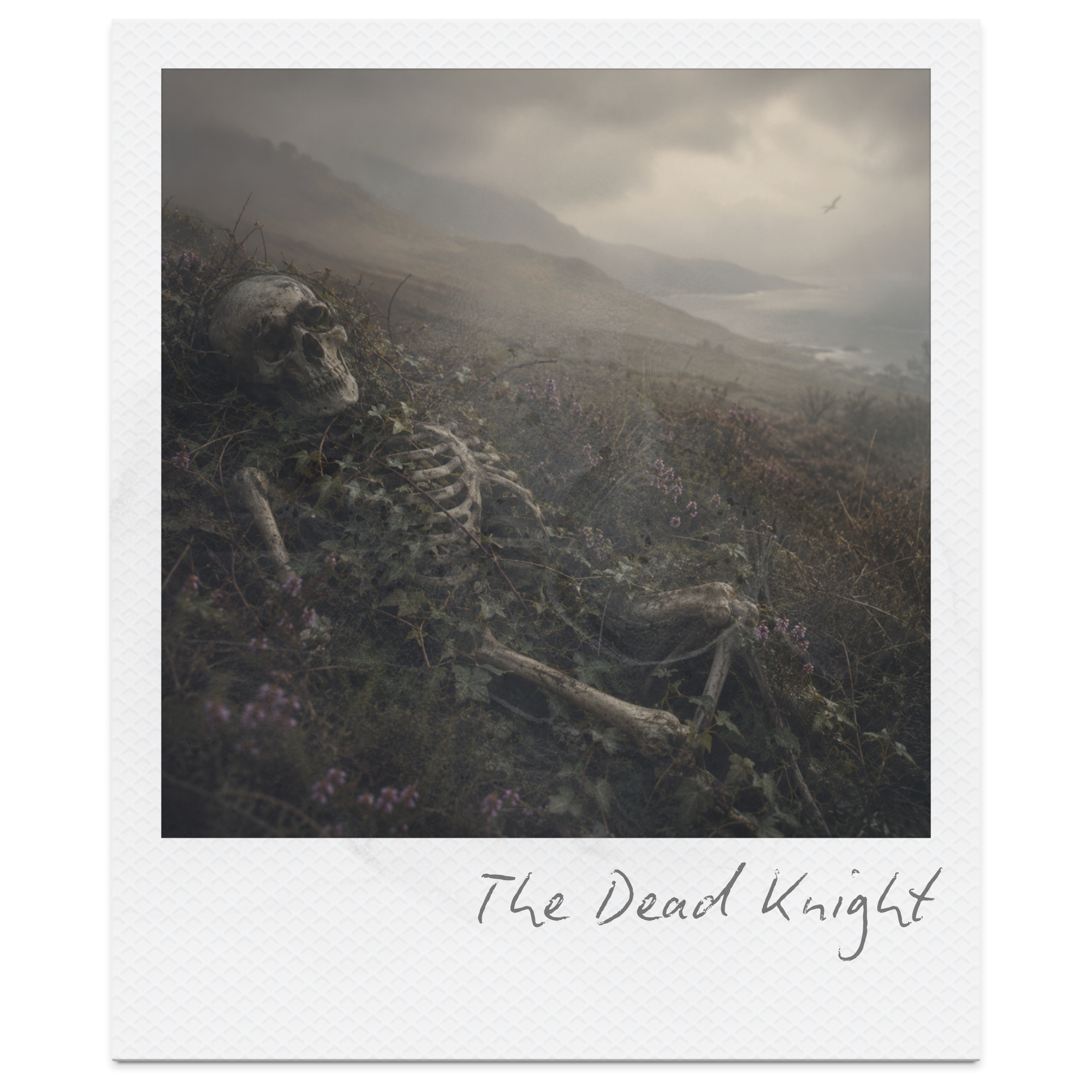
The Dead Knight by John Masefield: Analysis of Death, Memory and Nature's Requiem
John Masefield's The Dead Knight is a powerful meditation on death, memory, and the enduring presence of nature. Through rich natural imagery, religious symbolism, and haunting sound patterns, the poem explores how a forgotten knight is gradually reclaimed by the landscape, transforming physical decay into a reflection on remembrance, mortality, and spiritual peace. This analysis examines the poem's themes, symbolism, structure, voice, and key quotations while exploring how Masefield presents nature as mourner, guardian, and witness.
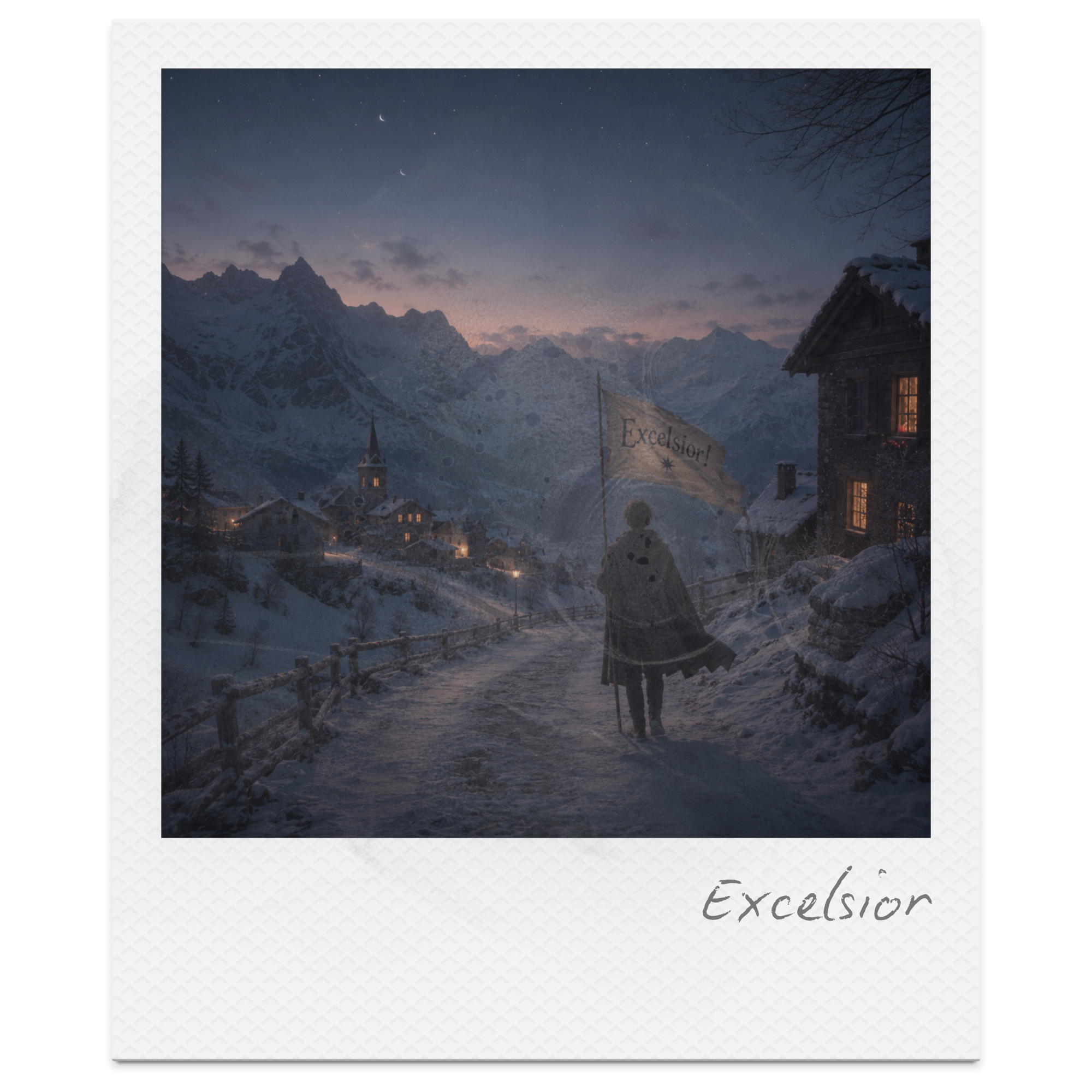
Excelsior by Henry Wadsworth Longfellow: Analysis of Ambition, Idealism and the Cost of Aspiration
Henry Wadsworth Longfellow's Excelsior is a powerful poem about ambition, idealism, and the pursuit of goals that lie beyond ordinary human experience. Through the symbolic journey of a young traveller who repeatedly rejects comfort, safety, and companionship, Longfellow explores the tension between aspiration and sacrifice, inviting readers to question whether the pursuit of higher ideals is heroic, reckless, or both. This analysis examines the poem's symbolism, structure, imagery, and recurring refrain, exploring how Longfellow creates a complex and ambiguous portrait of determination. Ideal for students and teachers studying Cambridge International AS & A Level Literature in English (9695), it also includes key quotes, themes, comparisons, alternative interpretations, and exam-focused insights.
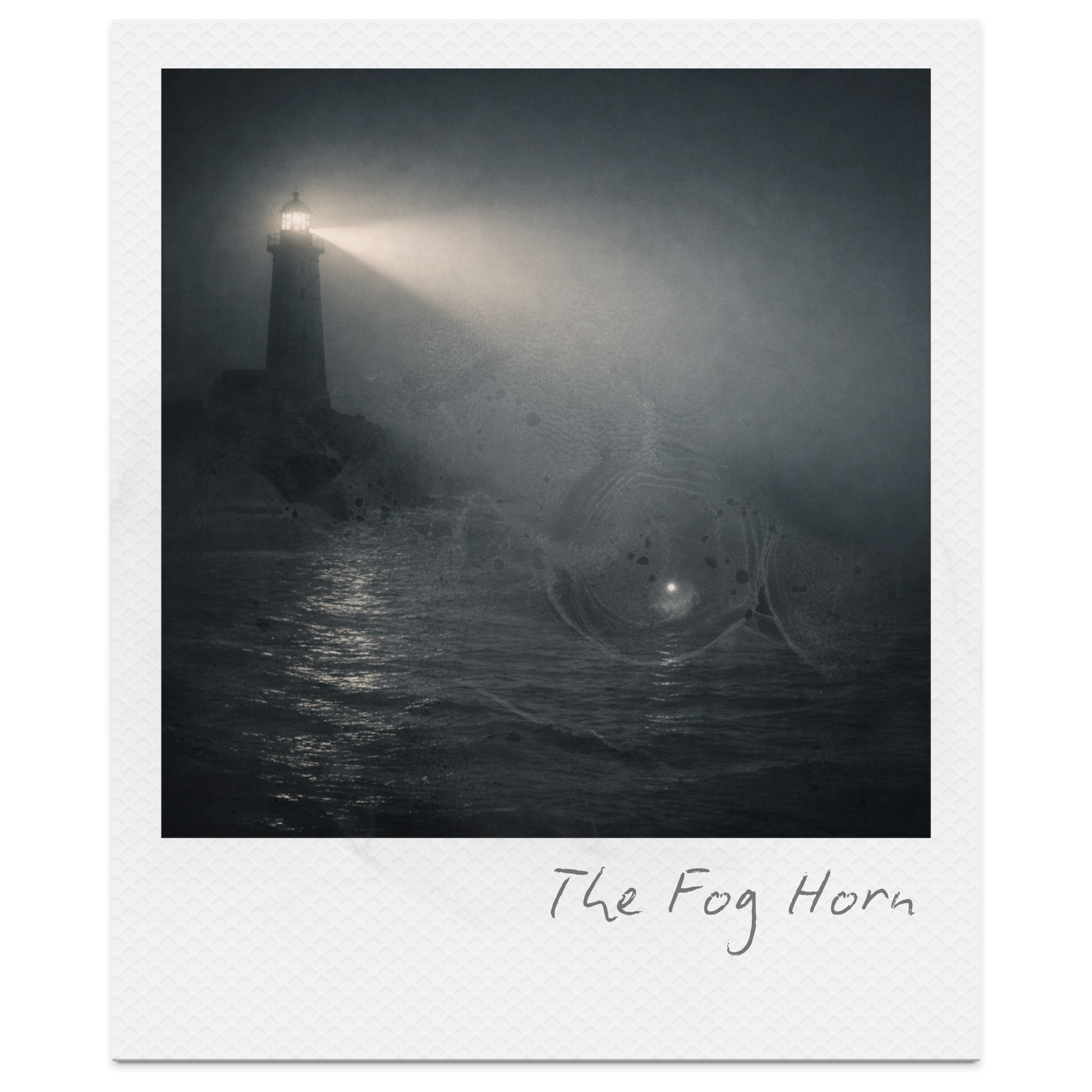
The Fog Horn by Ray Bradbury: Summary, Themes, Symbolism & Analysis
Ray Bradbury’s The Fog Horn is a haunting work of speculative fiction that explores isolation, longing, and the deep human need for connection. Set in a remote lighthouse surrounded by vast, empty seas, the story follows two keepers who encounter a mysterious creature drawn to the mournful sound of the fog horn—a sound that echoes across time like a call waiting to be answered. At its core, the story examines unfulfilled connection, illusion versus reality, and the fragility of belonging, revealing how even the hope of companionship can lead to devastation when it is misunderstood. Through powerful symbolism and atmosphere, Bradbury creates a deeply emotional narrative that lingers long after the final line.
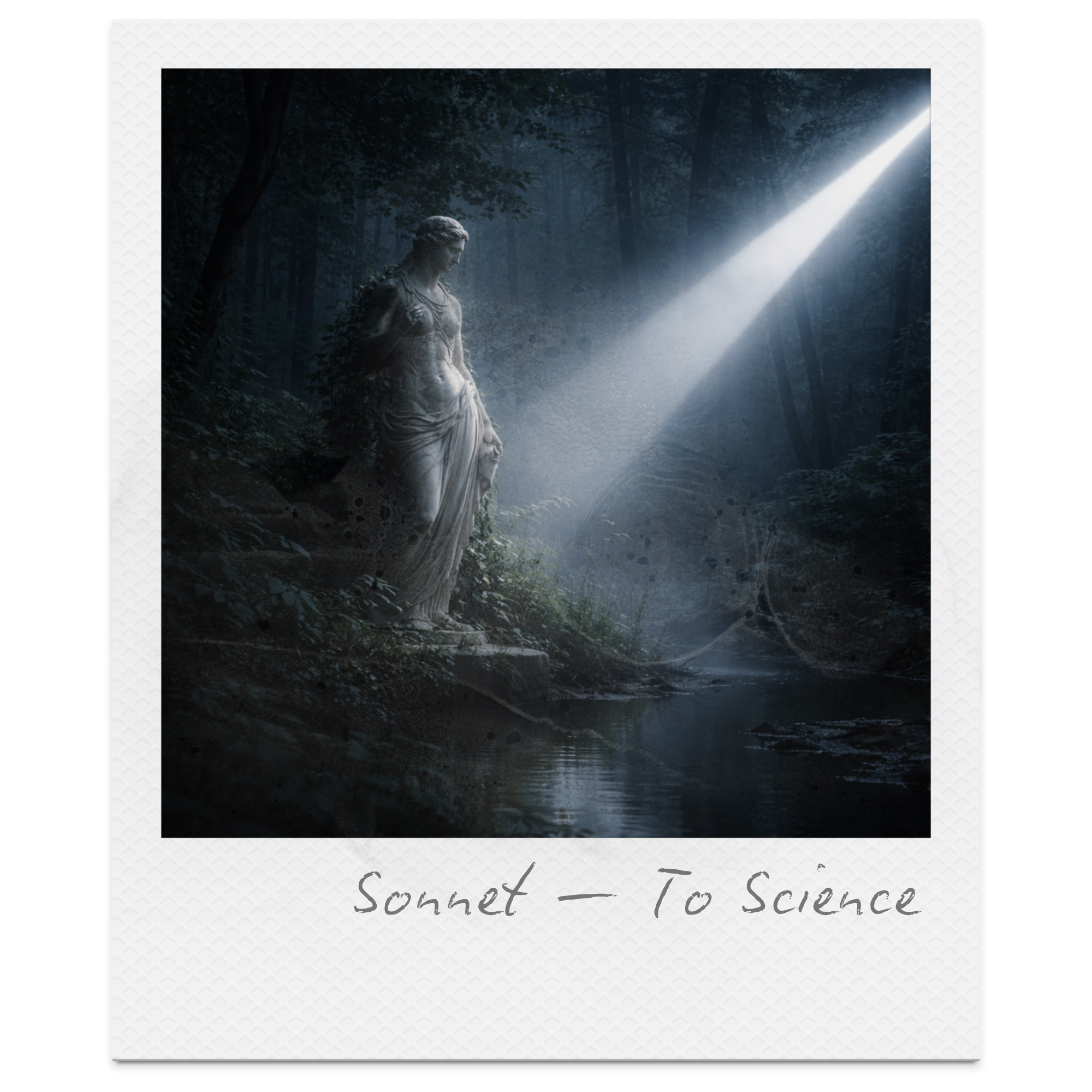
Sonnet—To Science by Edgar Allan Poe: Summary, Themes, Meaning & Analysis
Edgar Allan Poe’s Sonnet—To Science explores the tension between imagination and reason, presenting science as a force that strips the world of its wonder, beauty, and myth. Through a structured sonnet form and a confrontational voice, Poe challenges the dominance of rational thought, suggesting that scientific progress may come at the cost of creativity, emotional depth, and symbolic meaning. The poem draws on classical mythology and rich imagery to show how explanation can replace enchantment, leaving the world diminished. At the same time, the poem remains deliberately ambiguous. While science is criticised for its intrusive “peering eyes,” it is also shown to be an unavoidable force shaped by time and progress. This creates a deeper question at the heart of the poem: does understanding the world mean losing the ability to experience it with wonder? Through this unresolved tension, Poe invites readers to reflect on the balance between knowledge and imagination, making the poem as relevant now as it was in his own time.
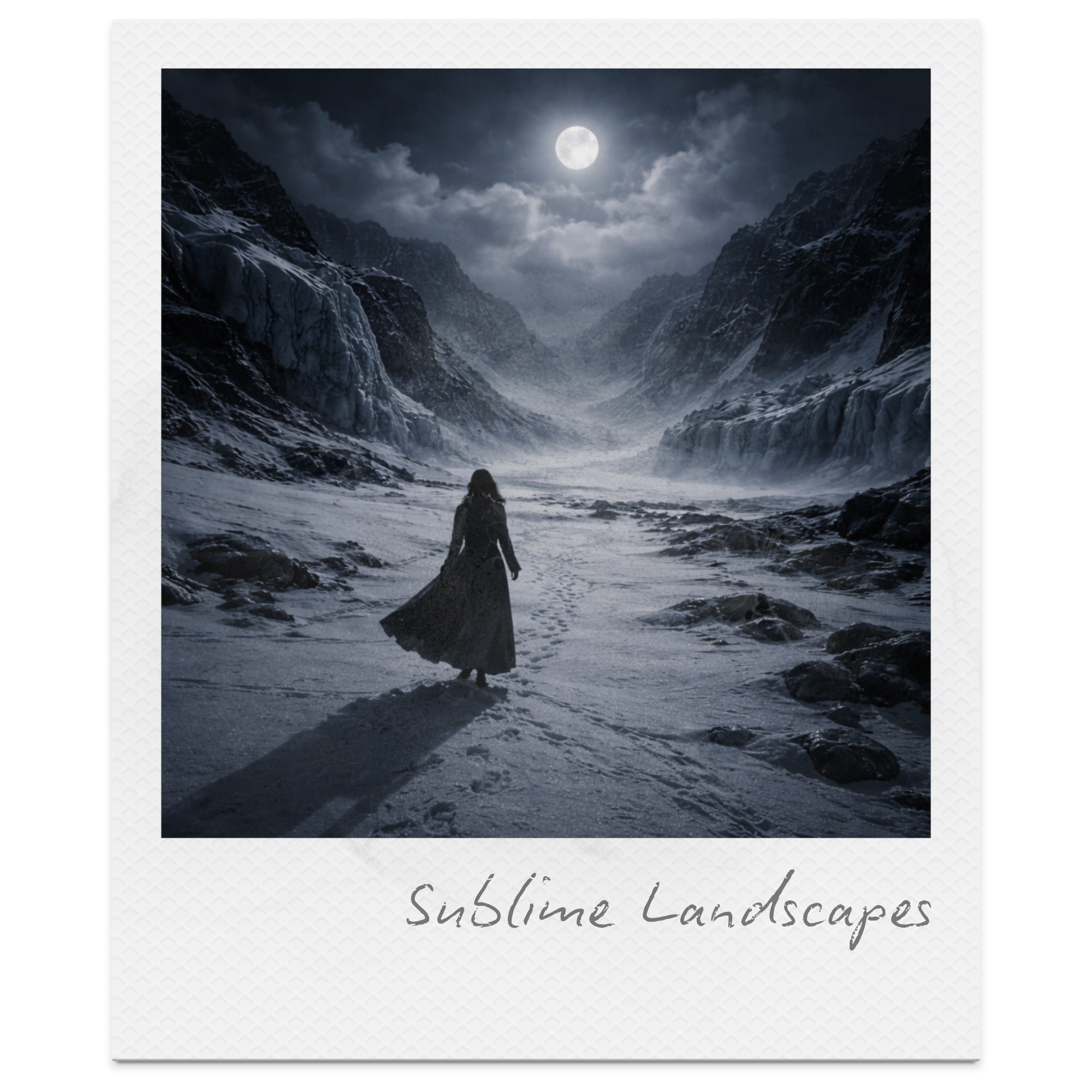
70 Sublime Landscape Writing Prompts: Awe, Danger & the Power of Nature
Sublime landscapes have long played a powerful role in gothic and Romantic storytelling. The idea of the sublime refers to environments that inspire both awe and unease — towering mountains, violent storms, endless oceans, or vast wildernesses that remind us how small human beings can feel within the natural world. Rather than offering comfort, these landscapes create an emotional intensity where beauty and danger exist side by side. This collection of 70 Sublime Landscape Writing Prompts explores dramatic environments where nature becomes an active force within the story. From storm-dark seas and deep canyons to silent valleys and windswept cliffs, the prompts invite writers to imagine stories shaped by scale, atmosphere, and the unsettling power of landscapes that feel both magnificent and overwhelming.