Notes from the Inkpot
Writing, teaching, creating - one ink-stained idea at a time.




Here There Be Tygers by Ray Bradbury: Summary, Themes, Meaning & Analysis
Explore our comprehensive analysis of Here There Be Tygers by Ray Bradbury, including a clear summary, major themes, symbolism, important quotes, literary techniques, alternative interpretations, and detailed character analysis. Discover how Bradbury uses a living planet to explore colonialism, environmentalism, human greed, and respect for nature, while offering teaching ideas, essay guidance, and exam-focused insights for students and teachers.
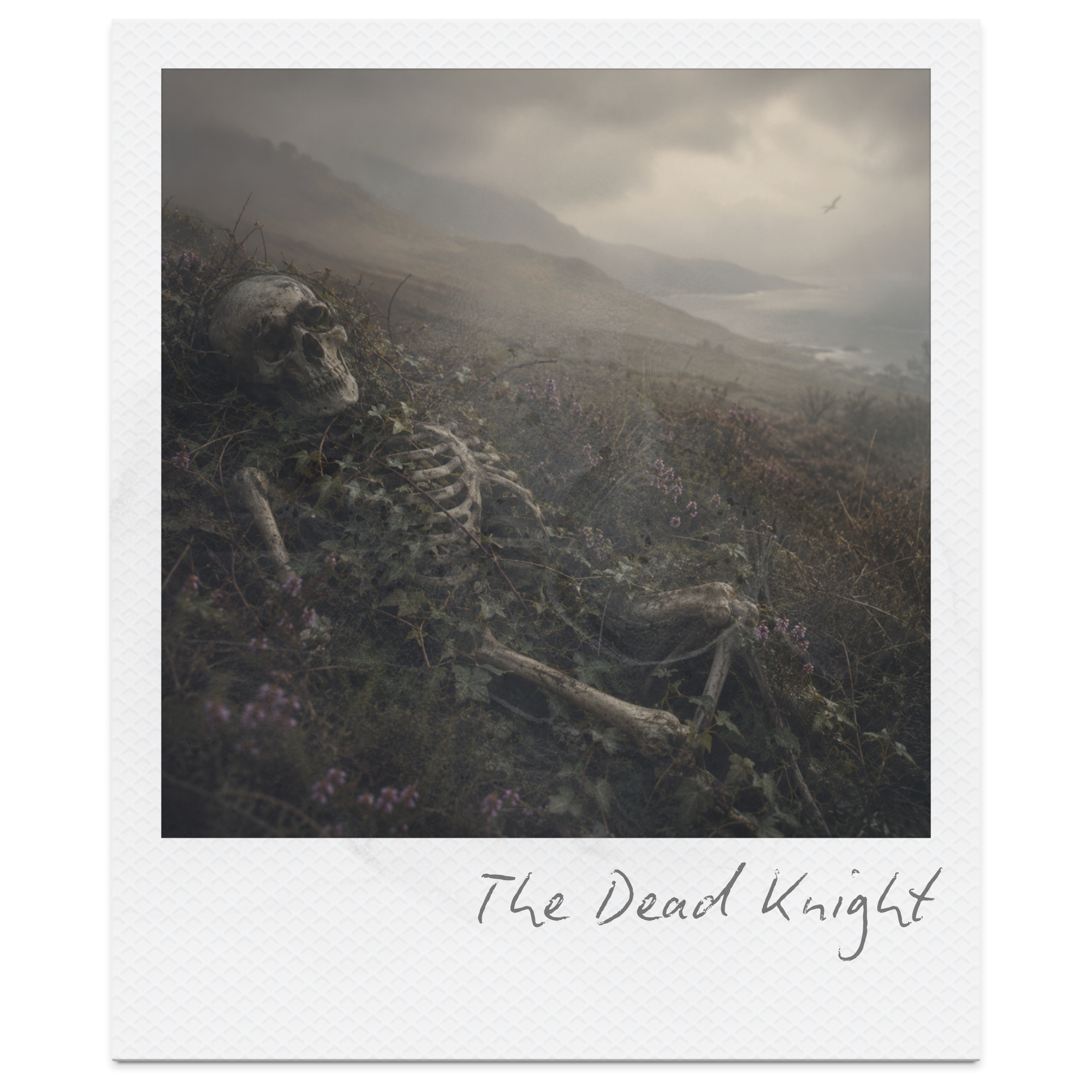
The Dead Knight by John Masefield: Analysis of Death, Memory and Nature's Requiem
John Masefield's The Dead Knight is a powerful meditation on death, memory, and the enduring presence of nature. Through rich natural imagery, religious symbolism, and haunting sound patterns, the poem explores how a forgotten knight is gradually reclaimed by the landscape, transforming physical decay into a reflection on remembrance, mortality, and spiritual peace. This analysis examines the poem's themes, symbolism, structure, voice, and key quotations while exploring how Masefield presents nature as mourner, guardian, and witness.
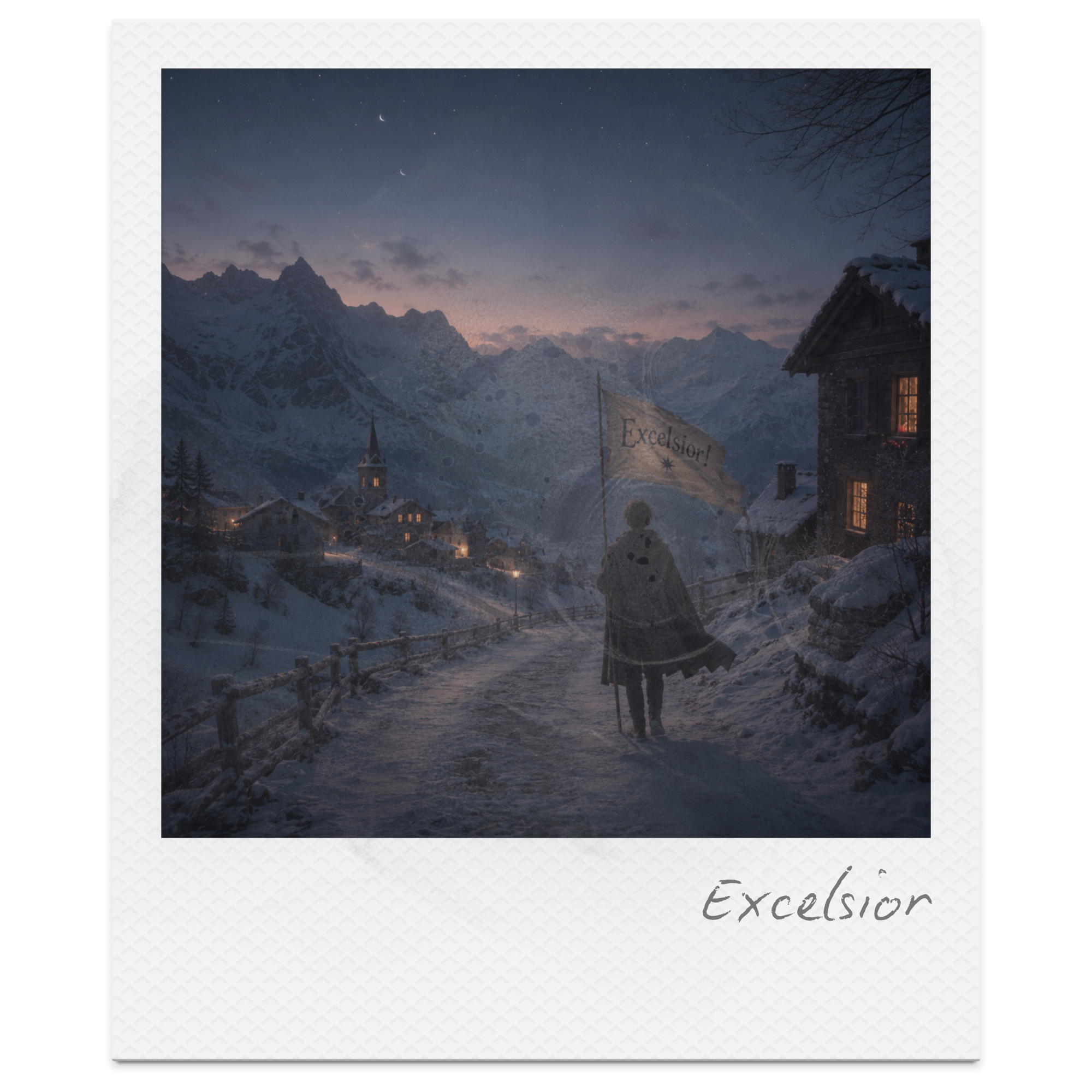
Excelsior by Henry Wadsworth Longfellow: Analysis of Ambition, Idealism and the Cost of Aspiration
Henry Wadsworth Longfellow's Excelsior is a powerful poem about ambition, idealism, and the pursuit of goals that lie beyond ordinary human experience. Through the symbolic journey of a young traveller who repeatedly rejects comfort, safety, and companionship, Longfellow explores the tension between aspiration and sacrifice, inviting readers to question whether the pursuit of higher ideals is heroic, reckless, or both. This analysis examines the poem's symbolism, structure, imagery, and recurring refrain, exploring how Longfellow creates a complex and ambiguous portrait of determination. Ideal for students and teachers studying Cambridge International AS & A Level Literature in English (9695), it also includes key quotes, themes, comparisons, alternative interpretations, and exam-focused insights.
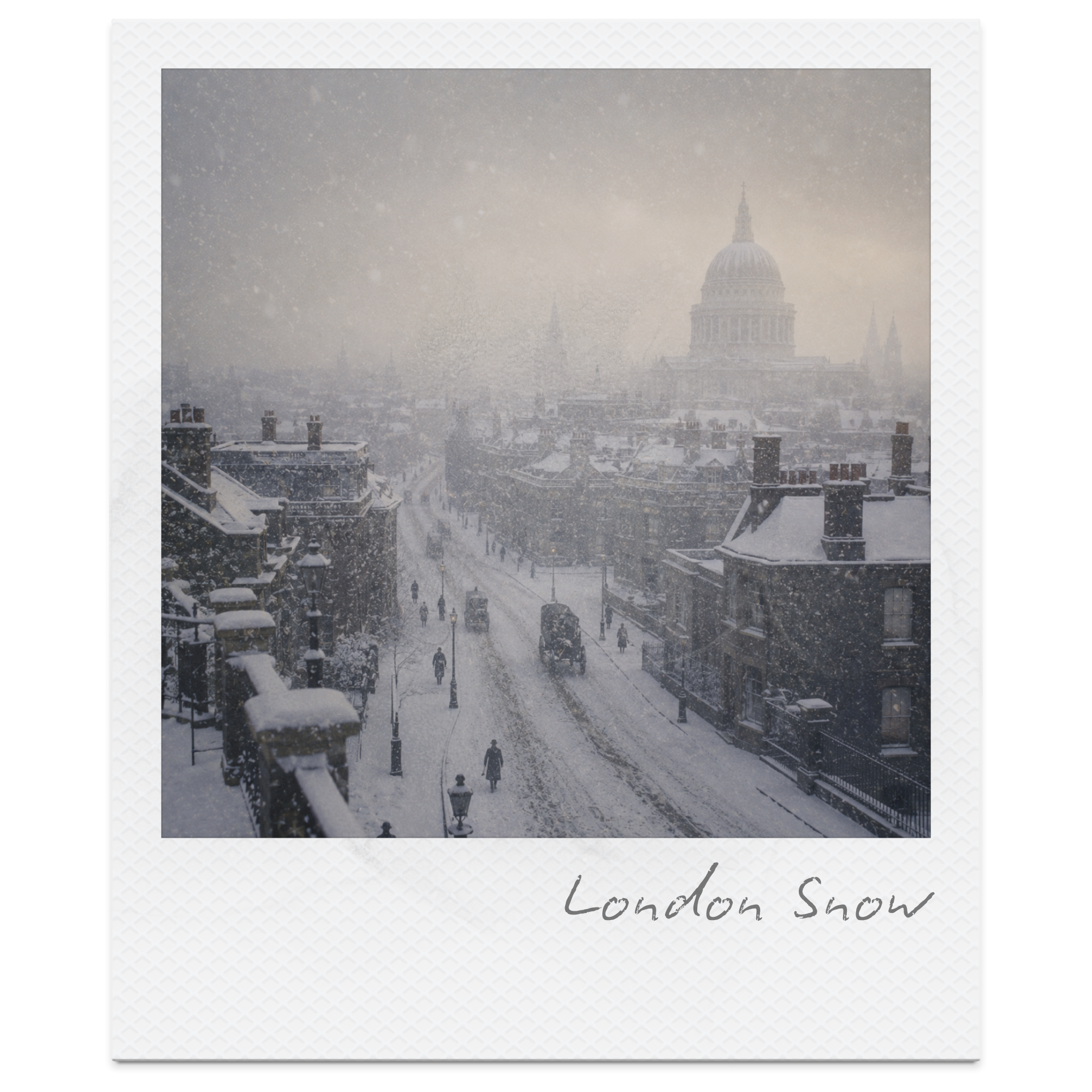
London Snow by Robert Bridges: Analysis of Nature, Wonder & Transformation
Robert Bridges' London Snow transforms a simple winter snowfall into a powerful exploration of wonder, perception, and the relationship between nature and urban life. Through rich sensory imagery, musical language, and vivid observation, Bridges captures a rare moment when London is temporarily silenced and transformed beneath a blanket of snow. This analysis explores the poem's themes, symbolism, literary techniques, and structure, examining how the snowfall unites the city, reshapes human experience, and reveals extraordinary beauty within ordinary surroundings. Whether you are studying CIE AS & A Level Literature or revising the Songs of Ourselves anthology, this guide offers detailed insights into one of the collection's most memorable celebrations of transformation and shared wonder.
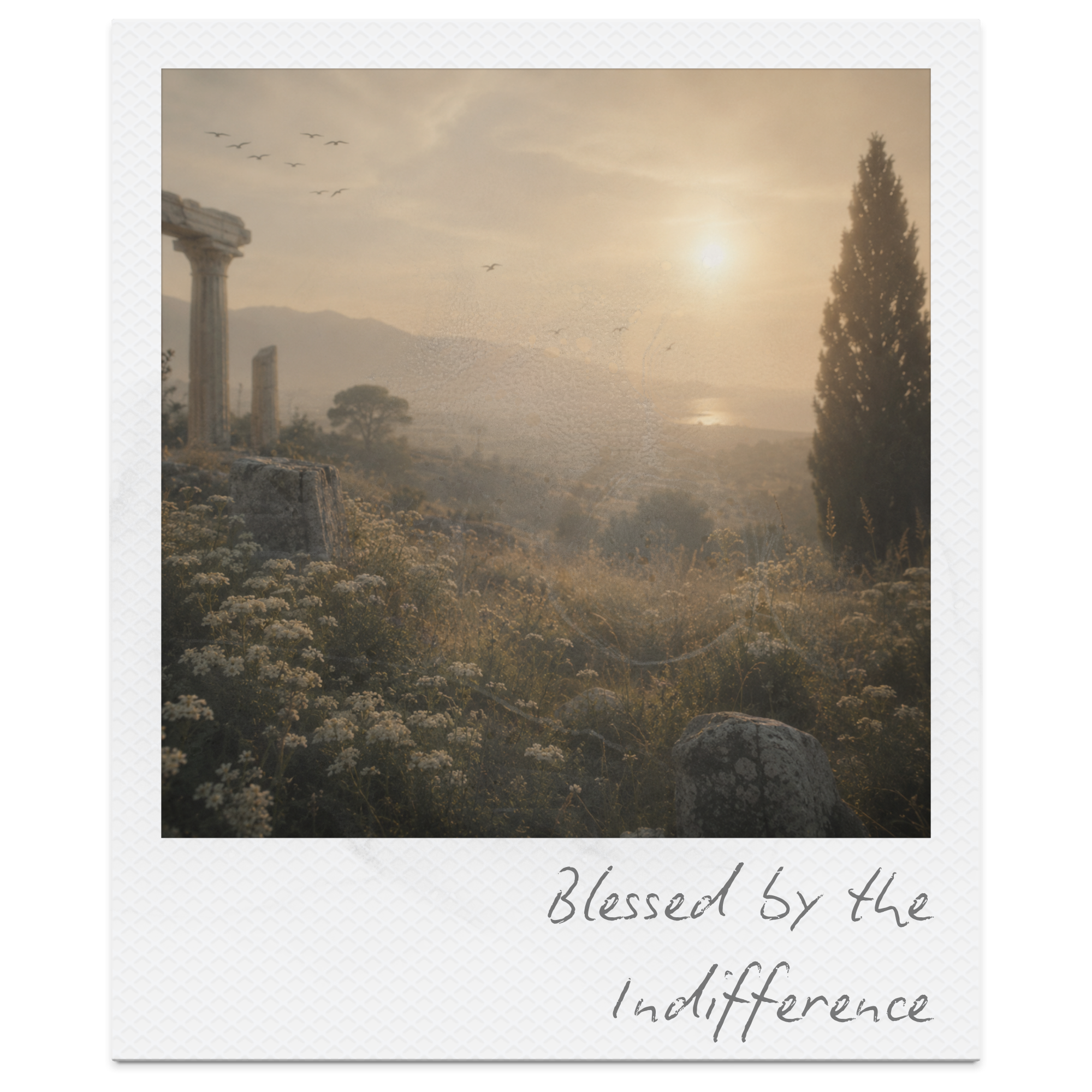
Blessed by the Indifference by Christopher Reid: Analysis of Nature, Time and Human Insignificance
Christopher Reid's Blessed by the Indifference is a thoughtful and quietly philosophical poem that explores human insignificance, nature's indifference, mortality, and the passage of time. Through vivid descriptions of insects, birds, sunlight, and landscape, Reid presents a natural world that exists independently of human concerns, encouraging readers to reconsider assumptions about importance, ownership, and permanence. The poem's central paradox suggests that there may be something unexpectedly liberating about recognising that the world does not revolve around humanity. This detailed analysis explores the poem's themes, symbolism, structure, key quotations, literary techniques, alternative interpretations, and anthology comparisons. Examining ideas such as perspective, environmental awareness, transience, and finding meaning within an indifferent universe, the article reveals how Reid transforms an ordinary breakfast scene into a profound reflection on humanity's place within the larger natural world.
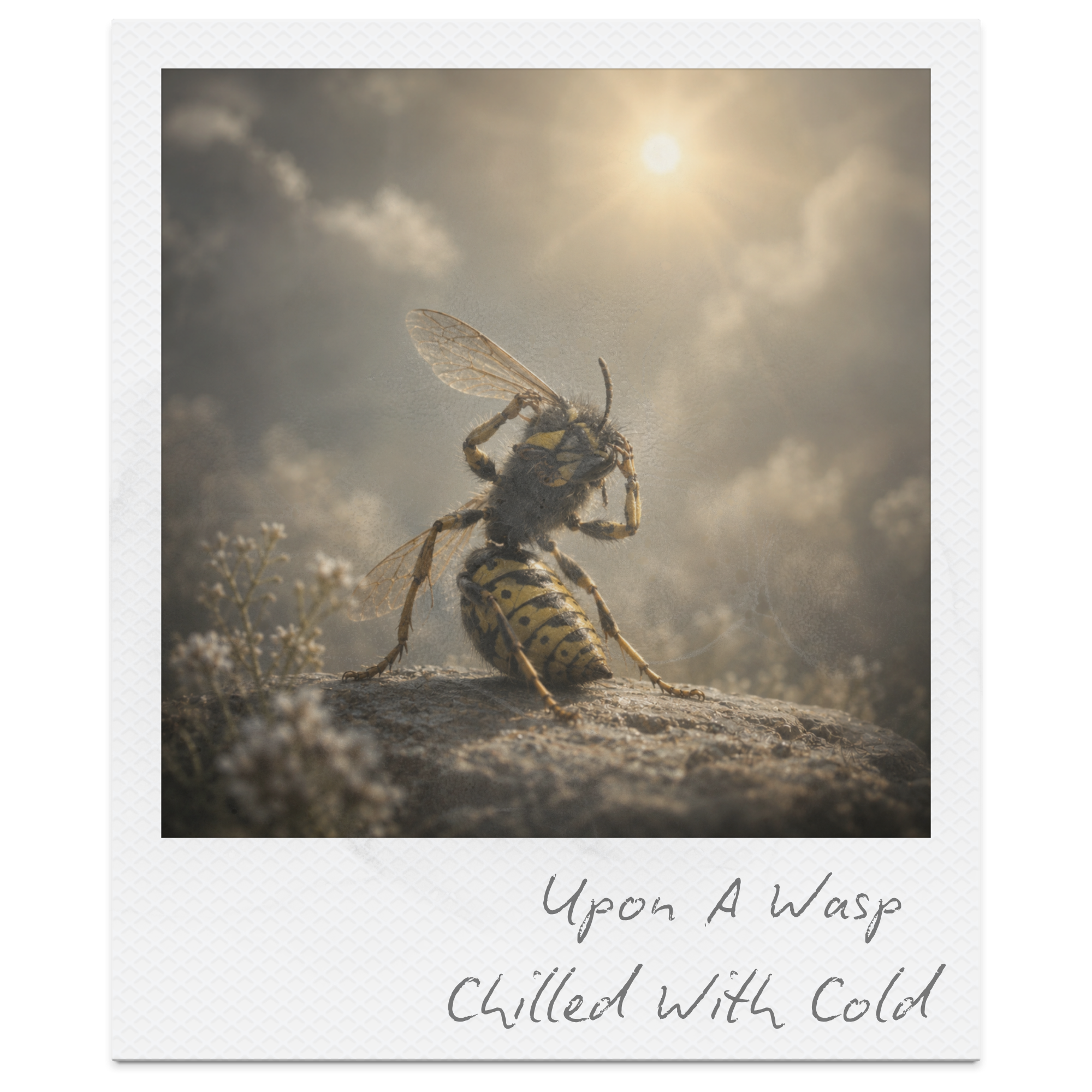
Upon a Wasp Chilled with Cold by Edward Taylor: Analysis of Nature, Faith and Divine Design
Edward Taylor's Upon a Wasp Chilled with Cold is a richly symbolic meditation on nature, faith, and divine design. Beginning with the detailed observation of a wasp recovering from the cold, the poem gradually develops into a reflection on God's presence within creation, exploring how even the smallest creatures can reveal profound spiritual truths. Through personification, extended metaphor, religious symbolism, and vivid natural imagery, Taylor transforms an ordinary encounter into an act of worship. This detailed analysis explores the poem's themes, symbolism, structure, key quotations, literary techniques, alternative interpretations, and anthology comparisons. Examining ideas such as creation as revelation, gratitude, spiritual growth, and observation as a pathway to understanding, the article reveals how Taylor uses a tiny insect to explore humanity's relationship with the divine and the hidden wisdom embedded within the natural world.
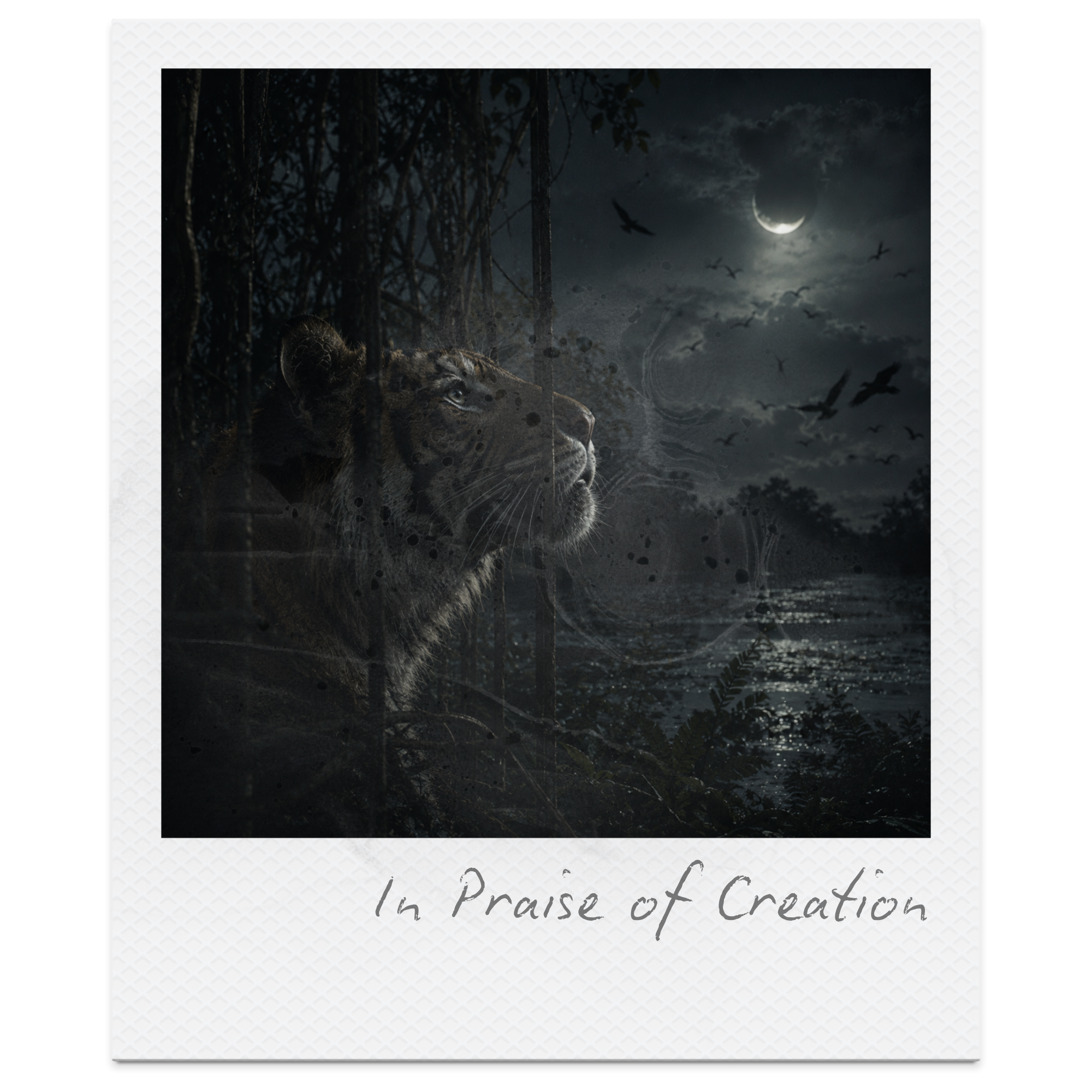
In Praise of Creation by Elizabeth Jennings: Analysis of Nature, Instinct and the Order of Creation
Elizabeth Jennings' In Praise of Creation is a contemplative exploration of nature, instinct, order, and humanity's place within the wider world. Through vivid images of birds, stars, the moon, and a tiger responding to the rhythms of desire and renewal, Jennings presents creation as a system governed by recurring patterns and interconnected cycles. Yet beneath its celebration of the natural world lies a deeper philosophical question: what can human beings learn from a creation that appears so instinctively certain of its purpose? This detailed analysis explores the poem's themes of nature and instinct, order and design, creation and renewal, desire, consciousness, and wonder. Through stanza-by-stanza commentary, key quotations, symbolism, literary techniques, alternative interpretations, anthology comparisons, and exam-focused insights, the article examines how Jennings transforms careful observation into a meditation on meaning, curiosity, and the enduring mysteries of existence.
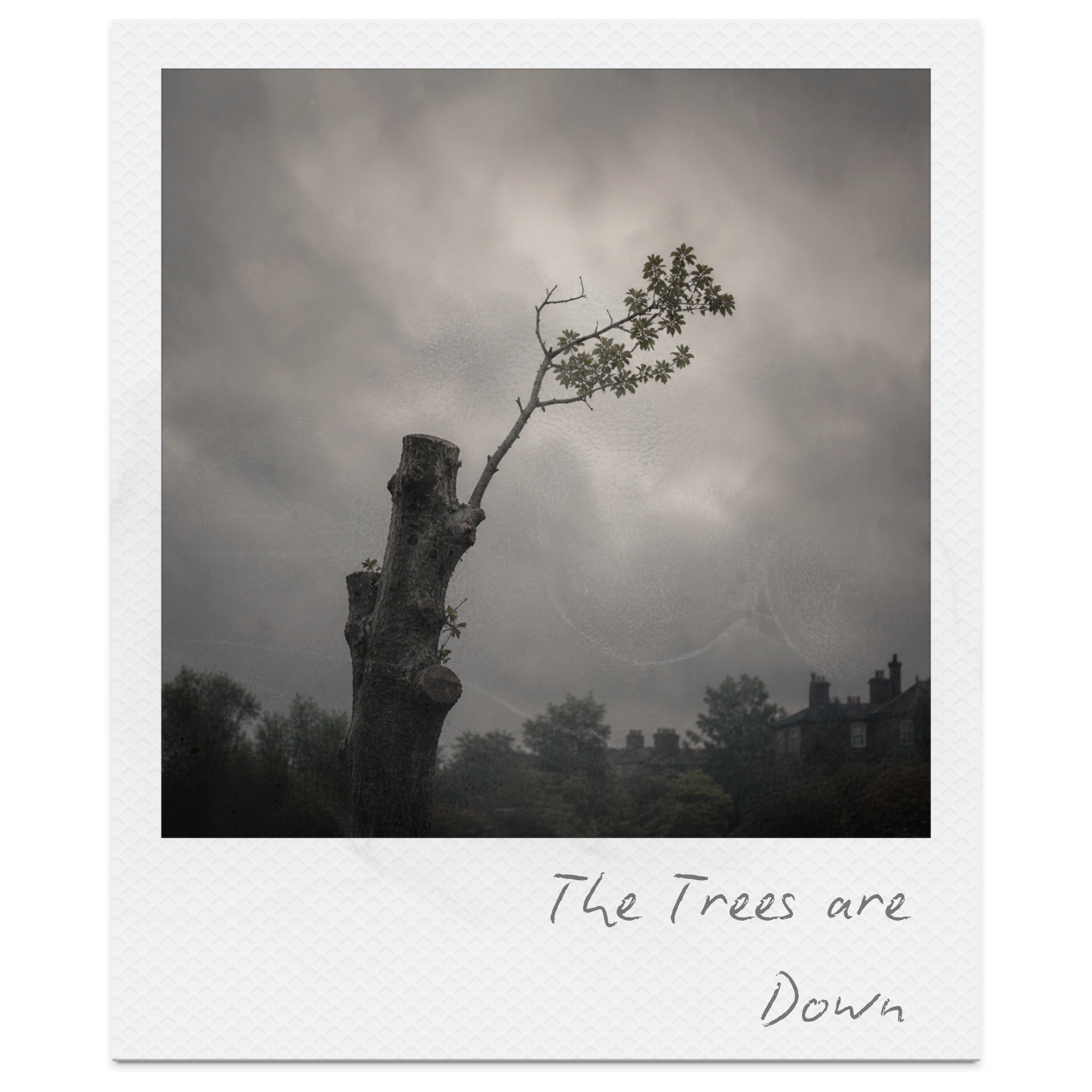
The Trees Are Down by Charlotte Mew: Summary, Themes & Analysis
The Trees Are Down by Charlotte Mew explores loss, destruction of nature, and emotional connection to place, transforming the cutting of trees into a powerful reflection on identity and memory. Through harsh sound imagery, contrast, and a shifting personal voice, Mew presents the act as more than physical labour, revealing it as a deeply unsettling and morally charged event. As the poem develops, the speaker moves from observation to personal reflection and protest, showing how the loss of the trees disrupts both the natural world and her own sense of self. The final image of an “angel crying” elevates this response into a form of spiritual warning, leaving the reader with a lasting sense that what has been destroyed cannot be restored, and that such loss carries profound emotional and ethical consequences.
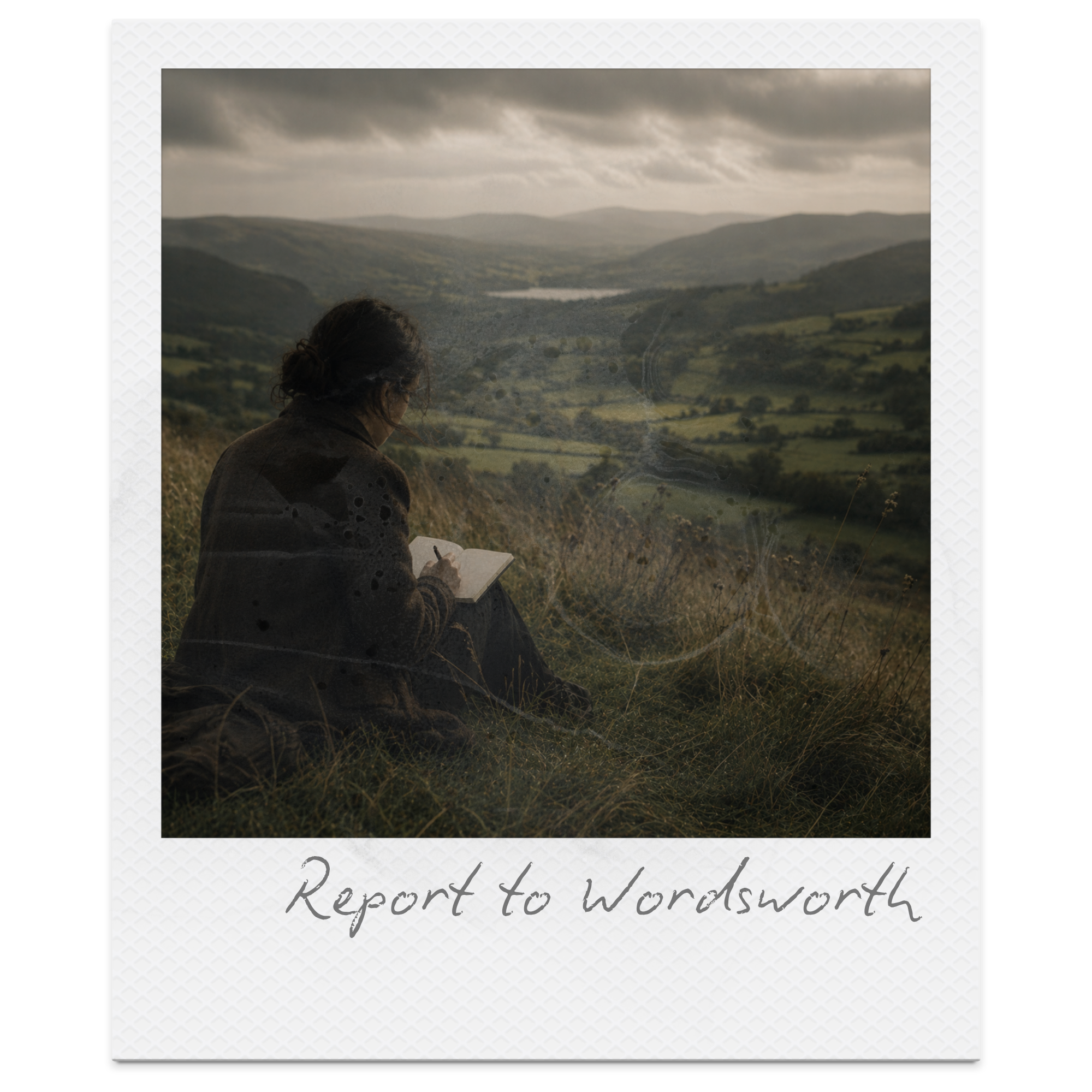
Report to Wordsworth by Boey Kim Cheng: Summary, Themes & Analysis
Report to Wordsworth by Boey Kim Cheng explores the devastating impact of human activity on the natural world, using vivid imagery, mythological allusion, and a disrupted sonnet form to contrast Romantic ideals with modern environmental decline. Through its urgent tone and escalating imagery, the poem presents nature as weakened, silenced, and in need of restoration. This analysis examines how Cheng uses language, structure, and voice to create meaning, focusing on environmental destruction, the failure of poetry and spirituality, and the loss of harmony between humanity and nature. Designed for IGCSE Literature (0475), it supports students in developing clear, method-focused responses.
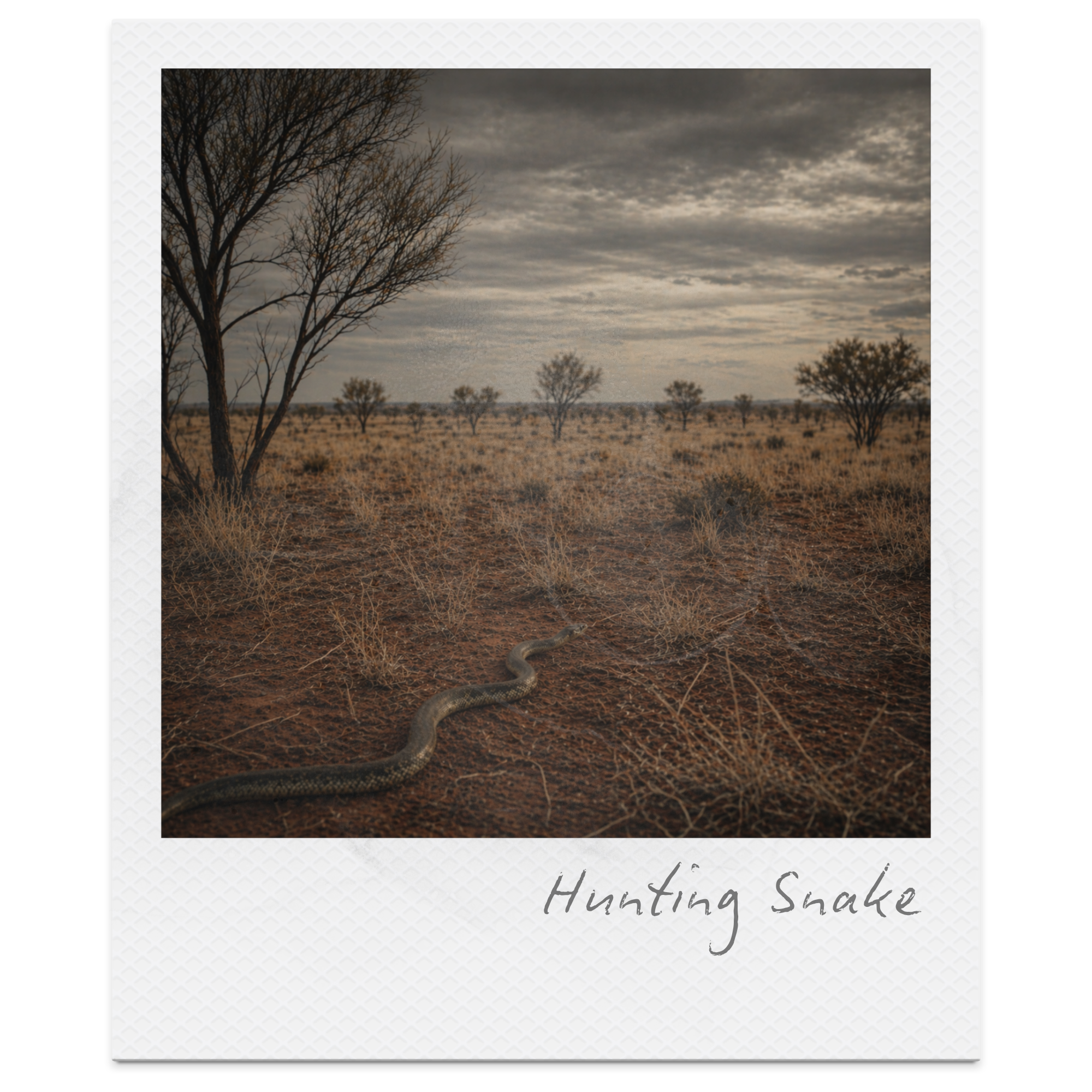
Hunting Snake by Judith Wright: Summary, Themes & Analysis
Judith Wright’s Hunting Snake captures a sudden encounter with nature, using imagery, contrast, and structure to explore the tension between fear and fascination. The poem shows how a moment of interruption can shift human perception, moving from instinctive reaction to reflective awareness. This analysis explores how Wright presents the snake as both threatening and awe-inspiring, focusing on how methods create meaning and impact. It supports students in developing clear, method-driven responses for IGCSE Literature (0475).
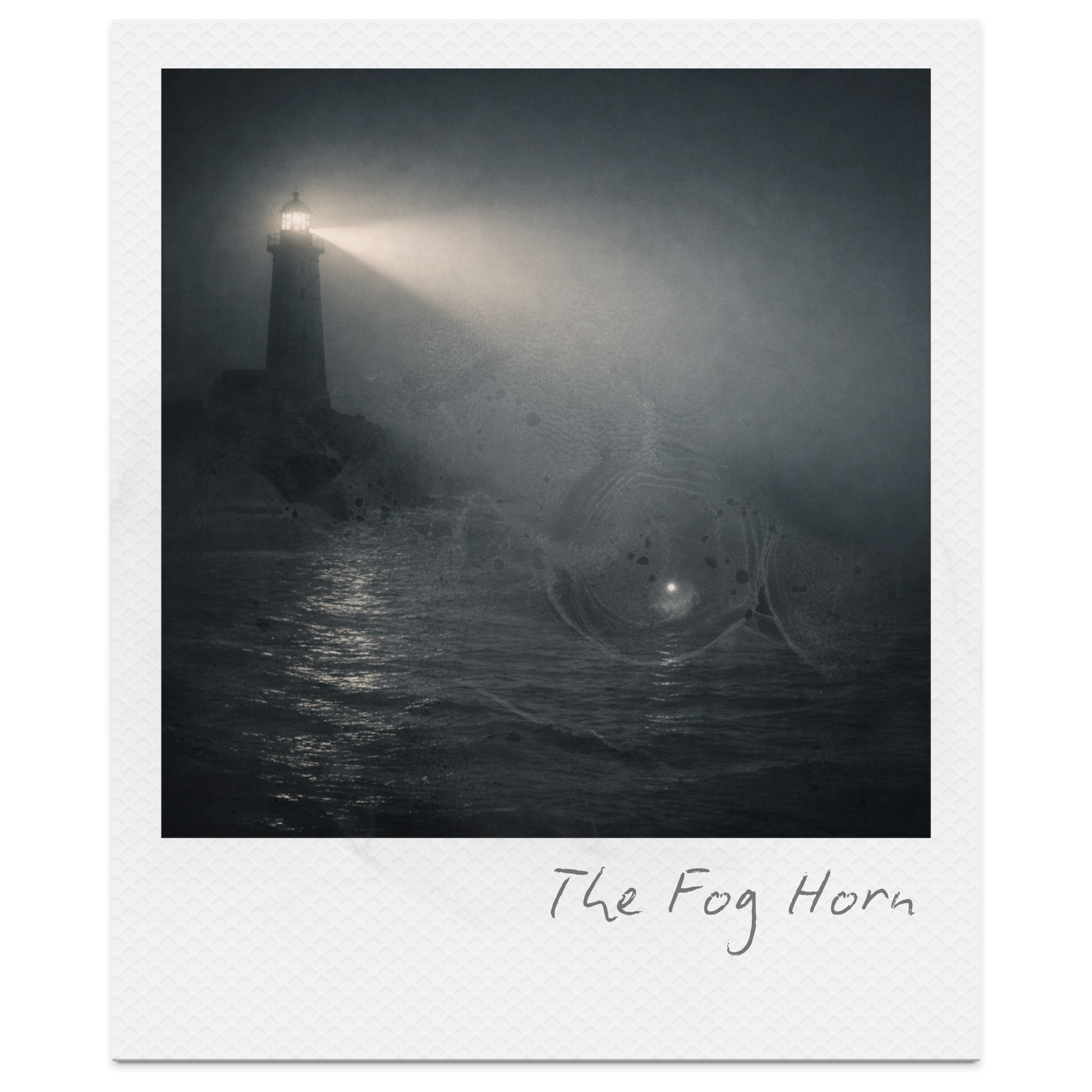
The Fog Horn by Ray Bradbury: Summary, Themes, Symbolism & Analysis
Ray Bradbury’s The Fog Horn is a haunting work of speculative fiction that explores isolation, longing, and the deep human need for connection. Set in a remote lighthouse surrounded by vast, empty seas, the story follows two keepers who encounter a mysterious creature drawn to the mournful sound of the fog horn—a sound that echoes across time like a call waiting to be answered. At its core, the story examines unfulfilled connection, illusion versus reality, and the fragility of belonging, revealing how even the hope of companionship can lead to devastation when it is misunderstood. Through powerful symbolism and atmosphere, Bradbury creates a deeply emotional narrative that lingers long after the final line.
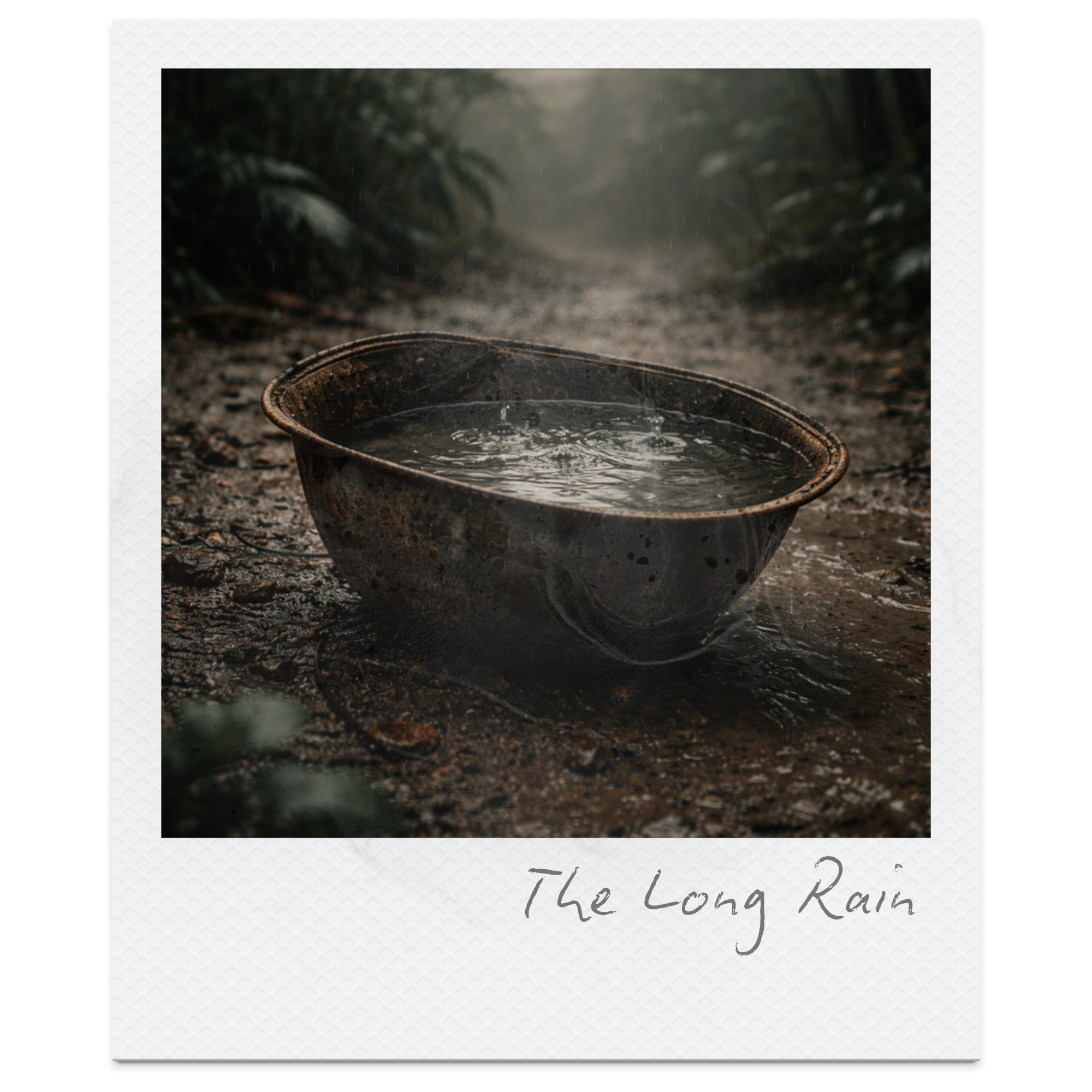
The Long Rain by Ray Bradbury: Summary, Themes, Symbolism & Analysis
Ray Bradbury’s The Long Rain is a relentless exploration of survival, madness, and environmental hostility, set on a version of Venus where the rain never stops. As a group of men struggle through the jungle in search of a Sun Dome, the story shifts from a physical journey into a psychological one, where exhaustion, isolation, and constant sensory pressure begin to erode their sense of reality. Bradbury transforms the environment into a force that does not simply threaten the body, but steadily dismantles the mind. What makes the story so powerful is its focus on endurance rather than action. There is no single moment of catastrophe—only the slow, crushing weight of continuous exposure. Through this, Bradbury explores the fragile balance between hope and despair, showing how quickly control can slip away when relief is out of reach. The ambiguous ending leaves readers questioning whether survival has truly been achieved, or whether it exists only as a final illusion in a mind pushed beyond its limits.
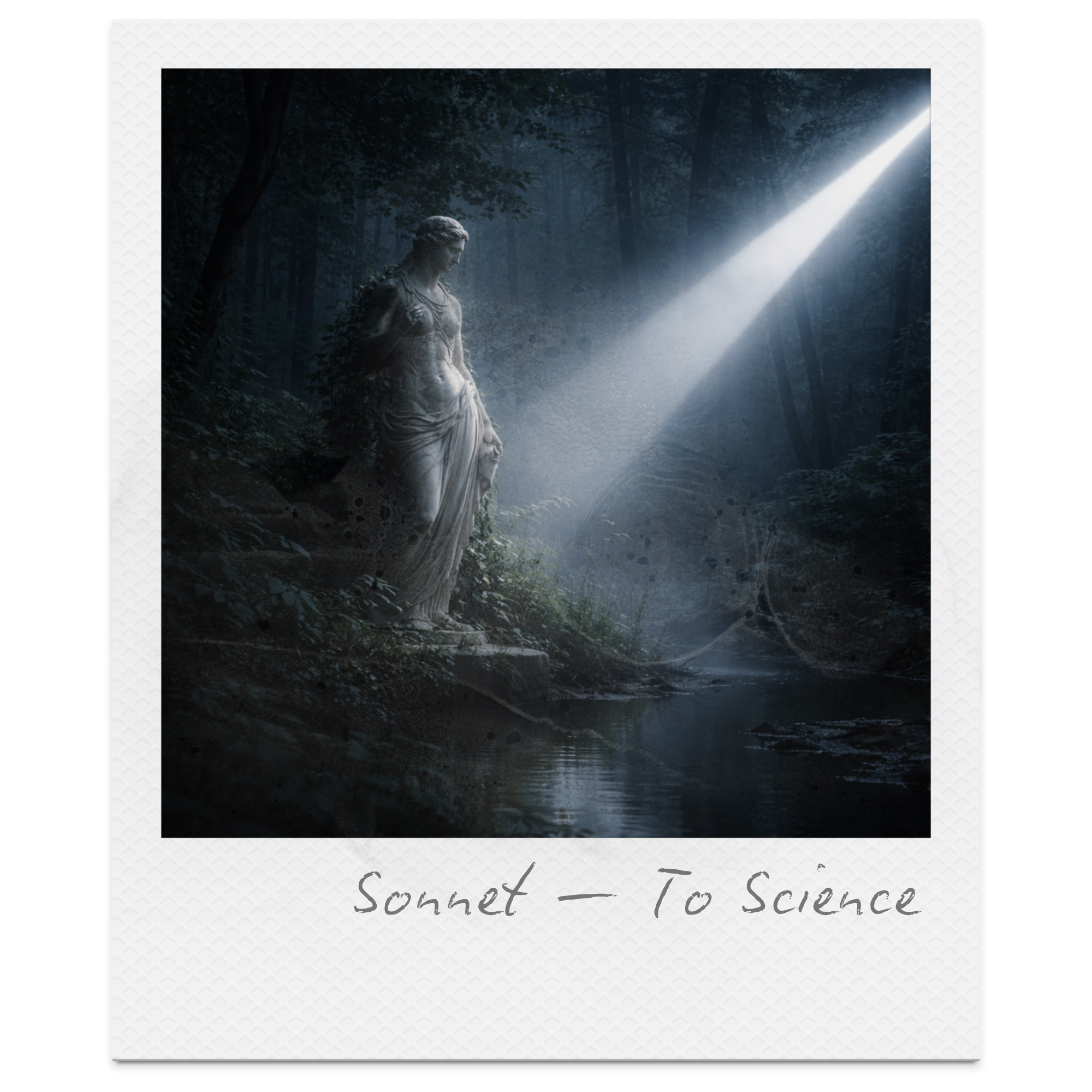
Sonnet—To Science by Edgar Allan Poe: Summary, Themes, Meaning & Analysis
Edgar Allan Poe’s Sonnet—To Science explores the tension between imagination and reason, presenting science as a force that strips the world of its wonder, beauty, and myth. Through a structured sonnet form and a confrontational voice, Poe challenges the dominance of rational thought, suggesting that scientific progress may come at the cost of creativity, emotional depth, and symbolic meaning. The poem draws on classical mythology and rich imagery to show how explanation can replace enchantment, leaving the world diminished. At the same time, the poem remains deliberately ambiguous. While science is criticised for its intrusive “peering eyes,” it is also shown to be an unavoidable force shaped by time and progress. This creates a deeper question at the heart of the poem: does understanding the world mean losing the ability to experience it with wonder? Through this unresolved tension, Poe invites readers to reflect on the balance between knowledge and imagination, making the poem as relevant now as it was in his own time.
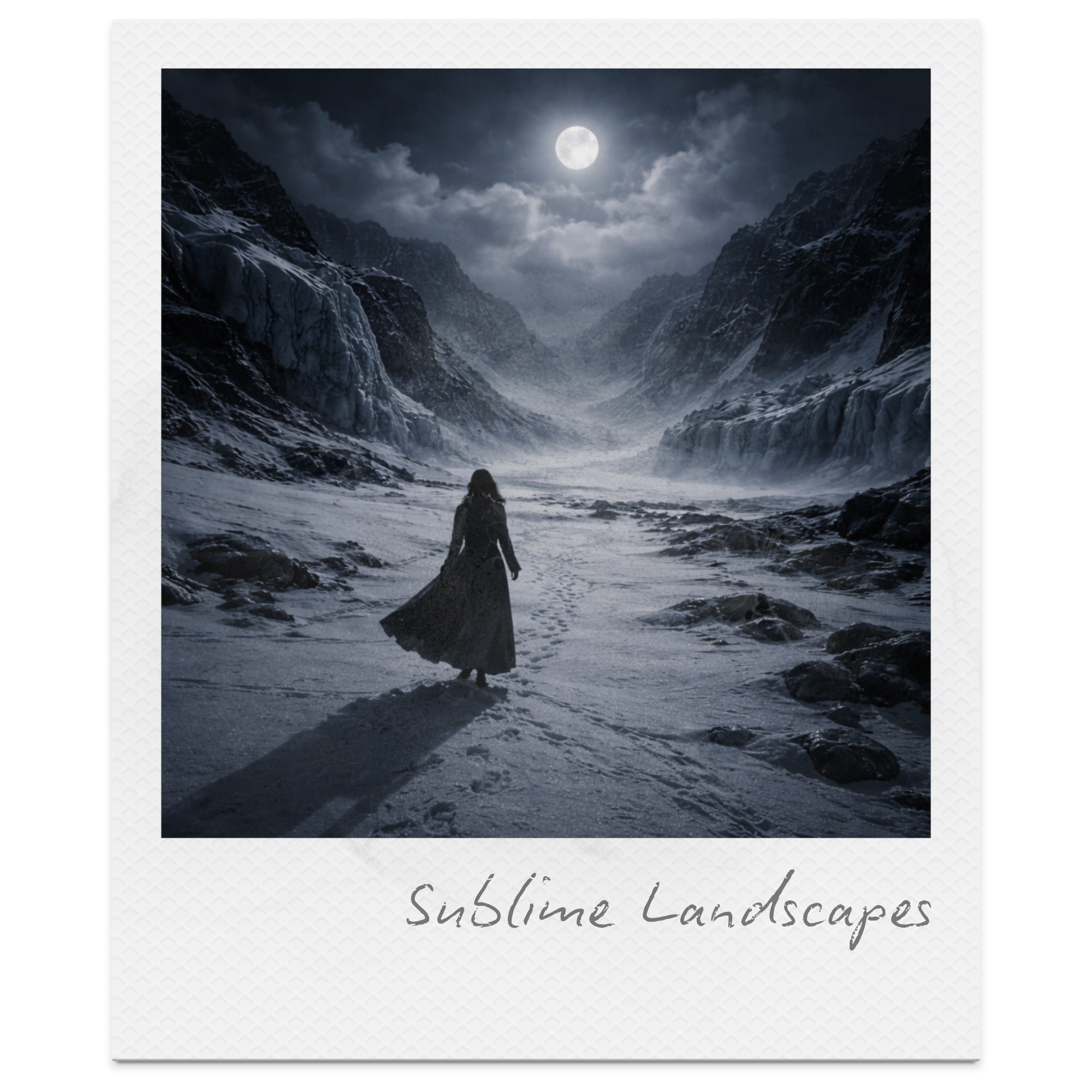
70 Sublime Landscape Writing Prompts: Awe, Danger & the Power of Nature
Sublime landscapes have long played a powerful role in gothic and Romantic storytelling. The idea of the sublime refers to environments that inspire both awe and unease — towering mountains, violent storms, endless oceans, or vast wildernesses that remind us how small human beings can feel within the natural world. Rather than offering comfort, these landscapes create an emotional intensity where beauty and danger exist side by side. This collection of 70 Sublime Landscape Writing Prompts explores dramatic environments where nature becomes an active force within the story. From storm-dark seas and deep canyons to silent valleys and windswept cliffs, the prompts invite writers to imagine stories shaped by scale, atmosphere, and the unsettling power of landscapes that feel both magnificent and overwhelming.