Blessed by the Indifference by Christopher Reid: Analysis of Nature, Time and Human Insignificance
Blessed by the Indifference (From the Flowers of Crete) is a thoughtful and subtly philosophical poem that explores human insignificance, nature's indifference, and the fleeting nature of human existence. Through vivid natural imagery, understated humour, and a reflective conversational voice, Christopher Reid presents a world that exists independently of human concerns, where insects, birds, sunlight, and landscape continue their ancient rhythms regardless of human presence. The poem balances appreciation with unease, inviting readers to consider the tension between humanity's desire for significance and the vast, indifferent forces of nature and time. Through its rich imagery, shifting perspective, and quiet irony, the poem explores how moments of beauty can simultaneously remind us of both our connection to the natural world and our ultimate transience within it. If you are teaching or studying for Paper 1 of CIE 9695 (2027–2028), be sure to explore the Songs of Ourselves Volume 2 Hub and the wider Literature Library for more detailed poetry analysis and anthology support.
Context and Literary Background of Blessed by the Indifference
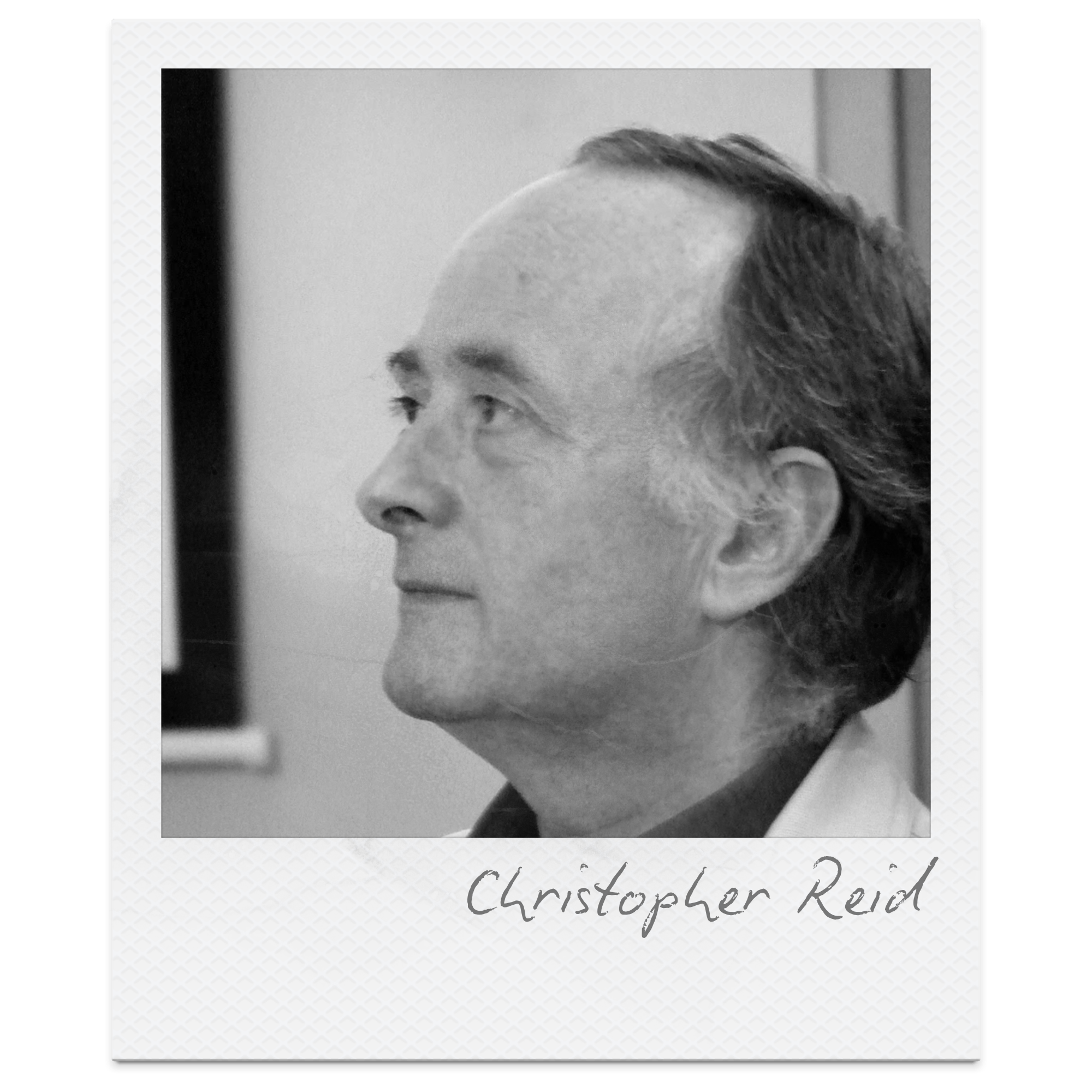
Christopher Reid (born 1949) is a contemporary British poet known for combining intellectual reflection with accessible language, subtle humour, and careful observation. Much of his poetry explores the relationship between everyday experience and larger philosophical questions, often examining how ordinary moments can provoke deeper reflections on time, mortality, identity, and humanity's place in the world.
Blessed by the Indifference (From the Flowers of Crete) comes from a sequence inspired by the Greek island of Crete. The poem reflects a long literary tradition in which travel and encounters with unfamiliar landscapes become opportunities for contemplation and self-examination. However, unlike Romantic poets who often present nature as emotionally responsive to human experience, Reid's poem offers a more detached perspective. The natural world does not exist for humanity's benefit and appears largely indifferent to human concerns.
This perspective reflects a more modern understanding of humanity's place within nature. Rather than presenting humans as central figures within creation, the poem repeatedly emphasises their smallness when compared with the vast age, scale, and permanence of the natural world. The insects, birds, sun, sea, and landscape all continue according to their own rhythms, seemingly unaffected by the presence of the speaker.
The poem also engages with ideas often associated with ecological and existential thinking. Nature is neither hostile nor comforting; it simply exists. The title's apparent paradox is therefore significant. To be "blessed" by indifference suggests a surprising form of freedom. Because nature is unconcerned with human ambitions, anxieties, and desires, it offers a perspective that can be both humbling and strangely reassuring.
Crete itself contributes additional significance. As one of the oldest continuously inhabited regions in Europe, the island carries associations of ancient civilisations, myth, and deep historical time. Against this backdrop, the speaker's brief breakfast in the sun appears temporary and insignificant. This contrast between fleeting human experience and enduring landscapes reinforces the poem's exploration of transience, mortality, and the passage of time.
Understanding these contexts helps explain why the poem balances admiration with philosophical reflection. Reid is not simply describing a beautiful morning. He is using the landscape of Crete to explore what it means to exist within a world that is beautiful, ancient, and enduring, yet fundamentally indifferent to individual human lives.
Blessed by the Indifference: At a Glance
◆ Form – A contemporary lyric poem that combines detailed observation with philosophical reflection, moving from description towards meditation on humanity's place within the natural world.
◆ Tone and emotional movement – Relaxed, observant, amused, contemplative, and subtly humbling; the poem progresses from appreciation of a morning landscape towards reflections on time and human insignificance.
◆ Central tensions – Humanity versus nature, permanence versus transience, significance versus insignificance, ownership versus impermanence, comfort versus vulnerability.
◆ Core concerns – Nature, time, mortality, perspective, human limitations, the passage of time, and the relationship between people and the wider world.
◆ Dominant imagery – Insects, birds, sunlight, landscape, hills, sea, trade, currency, and the natural world as an ancient marketplace.
◆ Stylistic features – Personification, irony, conversational voice, vivid sensory imagery, subtle symbolism, philosophical reflection, and understated humour.
◆ Key themes – Human insignificance, nature's indifference, mortality, time, perspective, environmental awareness, and finding meaning within a world that does not revolve around human concerns.
◆ One-sentence interpretation – Reid uses a seemingly ordinary breakfast in Crete to explore how the beauty, age, and indifference of the natural world challenge human assumptions about importance, permanence, and control.
Quick Summary of Blessed by the Indifference
The poem opens with the speaker and a companion eating breakfast outdoors in Crete while observing the natural world around them. Insects, ants, birds, and other creatures move about their lives with complete indifference to human presence. Rather than feeling threatened or excluded, the speaker finds something unexpectedly comforting in this lack of attention. The surrounding landscape is presented through vivid sensory imagery, creating an atmosphere of calm observation and quiet appreciation.
As the poem develops, attention shifts towards the sun, which is personified as a powerful but indifferent force overseeing the landscape. The speaker imagines the sun displaying the colours and beauty of the world like goods for sale, while gently reminding humanity that its ownership is only temporary. By the end of the poem, the natural world appears ancient, enduring, and self-sufficient, while human life is presented as fleeting and fragile. The poem concludes with a subtle meditation on time, mortality, and the humbling recognition that nature exists independently of human desires and concerns.
Title, Form, Structure and Metre in Blessed by the Indifference
Christopher Reid's formal choices are central to the poem's exploration of human insignificance, nature's autonomy, and the passage of time. The poem's relaxed structure, conversational rhythm, and subtle shifts in perspective mirror the speaker's gradual movement from simple observation towards philosophical reflection. Rather than imposing strict order on the landscape, Reid allows the poem to unfold organically, reflecting the natural world's independence from human attempts to categorise or control it.
The Significance of the Title
The title, Blessed by the Indifference, immediately introduces one of the poem's central paradoxes.
The word "blessed" typically suggests comfort, favour, protection, or divine benevolence. In contrast, "indifference" implies emotional distance, detachment, or a lack of concern. By placing these ideas together, Reid creates a tension that drives the poem's exploration of humanity's relationship with nature.
The title suggests that there may be something unexpectedly reassuring about recognising that the natural world does not revolve around human needs or desires. Rather than presenting indifference as cruel or hostile, the poem gradually reveals it as a source of perspective, humility, and freedom. The title therefore prepares readers for a poem that challenges anthropocentric assumptions and encourages a more balanced understanding of humanity's place within a larger world.
Free Verse and Natural Speech Patterns
The poem is written in free verse, with no fixed rhyme scheme or regular metrical pattern.
This lack of formal restriction reflects the poem's presentation of nature as something that exists independently of human structures and expectations. Just as the insects, birds, and landscape follow their own rhythms, the poem avoids rigid poetic conventions, creating a sense of natural movement and spontaneity.
The conversational quality of lines such as "we take our breakfast of coffee and yoghurt out in the sun" contributes to the poem's accessibility and realism. Reid's language often feels closer to reflective thought than formal poetic performance, allowing philosophical ideas to emerge gradually from ordinary experience.
Enjambment and the Flow of Observation
Reid frequently employs enjambment, allowing sentences to flow across line breaks without interruption.
This technique creates a sense of continuous movement that mirrors the speaker's wandering gaze as attention shifts between insects, birds, sunlight, sea, and landscape. The flowing structure encourages readers to experience the scene as an unfolding process of observation rather than a series of isolated descriptions.
Enjambment also reflects the poem's larger philosophical concerns. Just as the landscape exists as an interconnected whole, the poem resists neat boundaries and divisions, reinforcing ideas about continuity and the interconnectedness of the natural world.
Structural Progression from Observation to Reflection
The poem follows a subtle but important structural journey.
It begins with close observation of specific creatures, including "sting-toting insects," ants, and birds. These concrete details establish a vivid sense of place while emphasising the independence of the natural world.
As the poem develops, the focus gradually widens. Attention shifts from individual creatures to the sun itself, which becomes a symbolic presence overseeing the landscape. This movement from the small and immediate towards larger forces mirrors the speaker's expanding perspective. What begins as a description of breakfast outdoors gradually becomes a meditation on time, mortality, and humanity's temporary place within an ancient world.
The Personified Sun as a Structural Turning Point
A significant turning point occurs when the speaker introduces the sun as "that more dangerous beast."
This moment marks a shift from observation towards interpretation. The natural world is no longer simply being described; it is being imagined and symbolically understood. The personification transforms the sun into a powerful presence that appears indifferent to human concerns yet remains responsible for shaping the landscape.
This shift deepens the poem's philosophical dimension and prepares readers for the concluding metaphor of nature as a marketplace where humans pay for beauty with their limited allotment of "days and hours."
Imagery of Trade and Temporary Ownership
The final section introduces an extended metaphor in which the sun displays the landscape as if presenting goods for sale:
"These are my wares. Yours more or less for the asking."
This commercial language is particularly significant because it challenges assumptions about ownership. The landscape may appear available to humans, but the phrase "more or less" subtly undermines any sense of permanence or possession.
The image of "paltry currency" and "small change / of days and hours" becomes a powerful structural conclusion. After spending the poem observing the enduring natural world, readers are reminded of the limited nature of human existence. The metaphor transforms time itself into a form of payment, reinforcing themes of transience and mortality.
Rhythm, Pace and Reflective Thought
Although the poem lacks a regular metre, its rhythm remains carefully controlled.
Longer sentences, conversational phrasing, and flowing enjambment create a measured pace that encourages contemplation. The poem never rushes towards a conclusion. Instead, its gradual unfolding mirrors the slow development of the speaker's understanding.
This reflective rhythm allows readers to participate in the speaker's thought process, experiencing the same progression from casual observation towards deeper philosophical awareness.
Form Reflecting Meaning
Ultimately, the poem's free verse structure, fluid movement, and conversational voice reinforce its central ideas. Reid avoids rigid formal patterns because the poem is fundamentally concerned with challenging human assumptions about order, significance, and control. The relaxed structure mirrors the natural world's independence from human expectations, while the progression from observation to reflection encourages readers to reconsider their relationship with time, nature, and their own fleeting existence.
The result is a poem whose form and meaning work closely together, creating a reading experience that feels both intimate and quietly profound.
Voice, Perspective and Emotional Conflict in Blessed by the Indifference
Reid's speaker presents an apparently simple account of breakfast in the sun, yet beneath the poem's conversational surface lies a complex meditation on human insignificance, mortality, and the relationship between humanity and the natural world. The voice is reflective, observant, and often quietly amused, but it also contains subtle tensions between comfort and vulnerability, admiration and unease, belonging and exclusion.
The Speaker as Observer of the Natural World
The poem begins with a speaker who appears content simply to watch.
Rather than dominating the landscape, the speaker occupies a relatively passive role, observing "sting-toting insects," ants, birds, and the surrounding scenery. The attention given to these creatures immediately establishes a perspective that resists placing humanity at the centre of experience.
The speaker's observations are highly specific and often affectionate. Details such as the ants with "matching shadows" and the bird with "flight / full of flusters and feints" reveal a voice that delights in the peculiarities of the natural world. This careful attention encourages readers to adopt a similarly observant perspective.
The Speaker as a Witness to Human Smallness
Although the poem includes a brief human presence through the line "we take our breakfast of coffee and yoghurt out in the sun," the speaker never becomes the poem's central focus. Instead, attention repeatedly shifts towards insects, birds, the landscape, and ultimately the sun itself.
This displacement of the human perspective is significant because it challenges the assumption that people occupy the centre of the world. The speaker becomes less a protagonist and more a witness, observing forces that existed long before their arrival and will continue long after their departure. This perspective creates the poem's underlying tension between human self-importance and the humbling recognition of humanity's small place within nature and time.
A Voice Shaped by Humility
One of the most striking aspects of the speaker's voice is its humility.
The natural world is not presented as existing for human benefit. Instead, the speaker repeatedly acknowledges humanity's relative insignificance when compared with the ancient landscape, the creatures that inhabit it, and the vast forces represented by the sun.
This humility is particularly evident in the title itself. To feel "blessed" by indifference requires the speaker to abandon assumptions that nature should care about human concerns. Rather than demanding attention from the world, the speaker learns to accept a more modest position within it.
The Tension Between Comfort and Vulnerability
Although the poem often feels peaceful, there is an underlying tension between comfort and vulnerability.
The breakfast scene appears idyllic, yet the surrounding creatures are described as "sting-toting" and the sun becomes "that more dangerous beast." These descriptions remind readers that nature possesses the power to harm as well as delight.
The speaker seems aware of this reality but does not respond with fear. Instead, the potential dangers contribute to the poem's larger recognition that the natural world operates according to its own priorities. This acceptance creates a subtle emotional complexity beneath the poem's calm surface.
Gentle Irony and Self-Awareness
The speaker's voice is characterised by understated irony.
This is particularly evident in the imagined speech of the sun, which presents the landscape as a collection of "wares" available in exchange for humanity's "paltry currency." The metaphor is playful, yet it carries a serious implication about the temporary nature of human existence.
The speaker appears aware of the absurdity of human attempts to possess, control, or claim permanence within a world that existed long before them and will continue long after they are gone. This self-awareness prevents the poem from becoming sentimental or overly romantic.
The Speaker as Philosopher
As the poem progresses, the speaker becomes increasingly philosophical.
What begins as simple description gradually develops into reflection on time, ownership, and mortality. The landscape is no longer merely beautiful; it becomes a reminder of humanity's fleeting presence within a much larger and older world.
Importantly, these ideas emerge organically from observation rather than being imposed upon the scene. The speaker's philosophy develops through engagement with the landscape itself, creating a sense of authenticity and intellectual openness.
Emotional Conflict: Significance Versus Insignificance
The poem's central emotional conflict arises from the tension between the human desire for significance and the recognition of insignificance.
On one level, the speaker acknowledges that individual lives are fleeting and relatively unimportant within the vast scale of nature and time. The reference to "small change / of days and hours" emphasises the limited duration of human existence.
Yet the poem does not present this recognition as purely negative. Instead, there is a surprising sense of liberation in accepting one's smallness. The speaker appears to find comfort in the fact that nature's beauty, complexity, and endurance do not depend upon human approval or participation.
A Voice Balancing Wonder and Acceptance
Ultimately, Reid creates a voice that balances wonder with acceptance.
The speaker admires the landscape and the creatures that inhabit it, yet never attempts to claim ownership over them. Instead, the poem embraces a perspective that is both humble and appreciative, recognising that the natural world possesses its own existence beyond human concerns.
This balance gives the poem much of its emotional power. Rather than presenting human insignificance as a cause for despair, Reid suggests that acknowledging our temporary place within a vast and indifferent world can become a source of perspective, gratitude, and quiet wisdom.
Stanza-by-Stanza Analysis of Blessed by the Indifference
Reid structures the poem as a gradual expansion of perspective. The opening stanza focuses on the immediate details of a breakfast scene in Crete, observing insects, birds, and the surrounding landscape with curiosity and understated humour. The second stanza widens the scope considerably, shifting attention towards the sun and the larger forces that shape the world. Through this progression, the poem moves from simple observation towards a more philosophical reflection on time, mortality, human insignificance, and nature's enduring independence from human concerns.
Stanza 1: Nature's Indifference and the Freedom of Being Unnoticed
The opening stanza immediately establishes one of the poem's central paradoxes through the phrase "Blessed by the indifference of the creatures." The juxtaposition of "blessed" and "indifference" introduces the idea that there may be something unexpectedly comforting about existing within a world that does not revolve around human concerns. Rather than demanding attention from nature, the speaker finds a form of liberation in being ignored. This perspective challenges the assumption that significance depends upon being noticed or valued by the world around us.
The creatures themselves are presented through vivid, often humorous imagery. The "big, sting-toting insects" are described as being on "haphazard reconnaissance," a phrase that borrows the language of military surveillance. The metaphor playfully attributes purpose and organisation to the insects while simultaneously undermining it through the adjective "haphazard." The creatures appear busy and active, yet their actions remain entirely unrelated to the humans nearby. This reinforces the poem's emphasis on nature's independence from human existence.
Similarly, the image of "scampering ants with their matching shadows / scampering under them" demonstrates Reid's careful observational style. The repetition of "scampering" creates a sense of restless movement, while the doubling effect produced by the shadows draws attention to details that might otherwise go unnoticed. The speaker's fascination with these small moments suggests an attentiveness that contrasts with humanity's tendency to view itself as the most important element of any scene.
The birds continue this pattern of affectionate observation. One becomes "the squeaky-wheel bird," while another is identified by its "white throat" and a flight "full of flusters and feints." The informal descriptions create a conversational tone and emphasise the speaker's delight in the individuality of the creatures. Yet the birds remain fundamentally unknowable. They are defined not by names or symbolic meanings but by fleeting impressions and observed behaviours. Reid therefore resists imposing human significance upon them.
The stanza culminates in the understated line "we take our breakfast of coffee and yoghurt out in the sun." Significantly, this is the poem's first direct reference to human activity, yet it occupies remarkably little space compared with the detailed descriptions of insects and birds. The humans are not presented as central figures but as one small presence within a much larger environment. This subtle structural choice reinforces the poem's challenge to anthropocentric thinking.
By the end of the stanza, the speaker has established a world in which humans and animals coexist, but not as equals competing for attention. Instead, the creatures continue their own lives with complete indifference to human presence. Rather than finding this exclusion unsettling, the speaker experiences it as a form of blessing. The stanza, therefore, introduces the poem's larger exploration of humility, perspective, and the unexpected comfort that can arise from recognising one's small place within a vast and self-sufficient natural world.
Stanza 2: The Sun, Time and Humanity's Temporary Claim on the World
The second stanza expands the poem's perspective dramatically, moving from the small creatures of the opening section towards the immense power represented by the sun. This shift in scale reinforces one of the poem's central concerns: the contrast between fleeting human existence and the vast, enduring forces that shape the natural world. While the first stanza focused on nature's indifference through insects and birds, the second presents that indifference on a much grander level.
The stanza opens with a striking act of personification as the sun becomes "that more dangerous beast." The description immediately complicates the idyllic atmosphere established earlier. Traditionally associated with warmth, life, and comfort, the sun is reimagined as a potentially threatening creature engaged in a "morning prowl." The predatory language reminds readers that nature possesses immense power and exists beyond human control. However, the danger is moderated by the phrase "a spirit of negligent generosity," which introduces another paradox. The sun is simultaneously powerful and careless, capable of sustaining life without consciously intending to do so.
This paradox continues in the observation that the sun seems "not seeming to mind, or to want to murder us, much." The informal humour of "much" prevents the poem from becoming overly solemn while reinforcing the theme of indifference. Humanity's wellbeing is not the sun's priority. The fact that it does not destroy us appears almost incidental rather than intentional. Reid therefore presents nature as neither benevolent nor hostile, but fundamentally unconcerned with human desires.
The focus then shifts towards the landscape itself. The sun is described as "laying the landscape out" in its "ancient / shapes and colours." The adjective "ancient" is particularly significant because it introduces the theme of deep time. The hills, bay, and colours existed long before the speaker's arrival and will continue after their departure. Against this backdrop, human life appears temporary and fragile.
Reid's imagery becomes increasingly painterly as he describes "velvety ochres and greens" and a "blue-green / glaze on the bay." The sensory richness of these colours creates a vivid visual experience while emphasising the beauty of the landscape. Yet this beauty also contributes to the poem's larger philosophical argument. The world possesses value and splendour independent of human observation. The landscape does not become beautiful because people admire it; it simply exists in its own right.
A significant shift occurs when the speaker imagines the sun speaking directly. The phrase "as if to say" introduces an extended metaphor in which the natural world becomes a marketplace. The sun presents the landscape as "wares," transforming the hills, sea, and colours into goods displayed for temporary enjoyment. This commercial imagery is subtly ironic because it initially appears generous. The landscape is "Yours more or less for the asking."
However, the qualification "more or less" immediately undermines any sense of genuine ownership. Humans may enjoy the landscape, but they cannot possess it permanently. The phrase hints at the illusion of control that often characterises humanity's relationship with nature.
The poem's most profound image appears in the final lines. The sun accepts "your paltry currency, your small change / of days and hours." The metaphor transforms time itself into a form of payment. Human beings do not purchase the landscape with money but with their limited lifespan. The adjectives "paltry" and "small" emphasise how little time individuals possess when measured against the age and permanence of the natural world.
This conclusion fundamentally reshapes the poem's earlier observations. The insects, birds, hills, and sea all belong to systems that extend far beyond any individual human life. The speaker's breakfast in the sun becomes a temporary privilege rather than an act of ownership. Reid therefore ends the stanza with a subtle but powerful meditation on mortality, transience, and the humbling recognition that our access to the world's beauty is measured not by possession but by the brief allotment of "days and hours" we are given.
Ultimately, the stanza transforms a peaceful morning scene into a reflection on time itself. Through personification, irony, and the extended metaphor of trade and currency, Reid suggests that humanity's relationship with nature is defined not by control or ownership but by temporary participation in something far older, larger, and more enduring than ourselves.
Key Quotes and Literary Methods in Blessed by the Indifference
Reid's poem combines natural imagery, personification, irony, and philosophical reflection to explore humanity's relationship with a world that exists independently of human concerns. These quotations trace the poem's movement from observation towards a meditation on time, mortality, and nature's indifference.
“Blessed by the indifference of the creatures”
◆ Method or literary feature: Paradox, thematic statement, juxtaposition
◆ Interpretation and implied meaning: The speaker finds comfort in something that would normally be considered negative. Nature's lack of concern becomes a source of freedom rather than rejection.
◆ Why the poet uses it: Reid immediately introduces the poem's central philosophical tension and challenges anthropocentric assumptions.
◆ Emotional/intellectual effect: Encourages readers to reconsider what significance and belonging might mean.
◆ Broader conceptual significance: Establishes themes of human insignificance, humility, and perspective.
“big, sting-toting insects on haphazard reconnaissance”
◆ Method or literary feature: Humorous imagery, military metaphor, personification
◆ Interpretation and implied meaning: The insects are given the appearance of purposeful activity, yet the adjective "haphazard" undermines any sense of organised intent.
◆ Why the poet uses it: Creates a playful tone while emphasising the independence of the natural world.
◆ Emotional/intellectual effect: Generates amusement and curiosity.
◆ Broader conceptual significance: Highlights humanity's tendency to interpret nature through human frameworks.
“scampering ants with their matching shadows / scampering under them”
◆ Method or literary feature: Repetition, visual imagery, observational detail
◆ Interpretation and implied meaning: The repetition draws attention to the tiny movements of creatures that would normally go unnoticed.
◆ Why the poet uses it: Demonstrates the speaker's attentiveness and fascination with ordinary details.
◆ Emotional/intellectual effect: Creates a sense of energy and movement.
◆ Broader conceptual significance: Suggests that significance can be found in overlooked aspects of the natural world.
“flight / full of flusters and feints”
◆ Method or literary feature: Alliteration, playful diction, dynamic imagery
◆ Interpretation and implied meaning: The bird's movement appears unpredictable, energetic, and slightly chaotic.
◆ Why the poet uses it: Captures the individuality of the creature while maintaining the poem's conversational tone.
◆ Emotional/intellectual effect: Creates a vivid sense of motion.
◆ Broader conceptual significance: Reinforces the independence and unpredictability of nature.
“that more dangerous beast”
◆ Method or literary feature: Personification, metaphor
◆ Interpretation and implied meaning: The sun is transformed into a powerful animal capable of both sustaining and destroying life.
◆ Why the poet uses it: Complicates conventional associations of the sun with warmth and comfort.
◆ Emotional/intellectual effect: Introduces subtle tension and unease.
◆ Broader conceptual significance: Highlights nature's power and humanity's vulnerability.
“a spirit of negligent generosity”
◆ Method or literary feature: Paradox, personification
◆ Interpretation and implied meaning: The sun appears generous but without intention or emotional investment.
◆ Why the poet uses it: Reinforces the idea that nature provides beauty and life without actively caring about humanity.
◆ Emotional/intellectual effect: Creates both reassurance and discomfort.
◆ Broader conceptual significance: Develops the poem's exploration of indifference as a form of blessing.
“ancient / shapes and colours”
◆ Method or literary feature: Visual imagery, symbolism
◆ Interpretation and implied meaning: The landscape is presented as enduring and timeless.
◆ Why the poet uses it: Contrasts the permanence of nature with the temporary nature of human life.
◆ Emotional/intellectual effect: Creates awe and perspective.
◆ Broader conceptual significance: Supports themes of time, permanence, and mortality.
“These are my wares”
◆ Method or literary feature: Extended metaphor, personification
◆ Interpretation and implied meaning: The sun imagines itself as a merchant displaying the beauty of the natural world.
◆ Why the poet uses it: Introduces the poem's metaphor of trade and temporary ownership.
◆ Emotional/intellectual effect: Creates a playful yet thought-provoking shift in perspective.
◆ Broader conceptual significance: Questions assumptions about possession and entitlement.
“Yours more or less for the asking”
◆ Method or literary feature: Irony, conversational voice
◆ Interpretation and implied meaning: The landscape appears available to humans, but the qualification "more or less" undermines any genuine sense of ownership.
◆ Why the poet uses it: Challenges the idea that humans possess or control the natural world.
◆ Emotional/intellectual effect: Creates subtle uncertainty.
◆ Broader conceptual significance: Explores the temporary nature of human experience.
“your paltry currency”
◆ Method or literary feature: Extended metaphor, evaluative diction
◆ Interpretation and implied meaning: Human life is represented as something limited and ultimately insignificant when measured against the age of the natural world.
◆ Why the poet uses it: Emphasises humanity's small place within a much larger system.
◆ Emotional/intellectual effect: Creates humility and reflection.
◆ Broader conceptual significance: Reinforces themes of mortality, scale, and transience.
“your small change / of days and hours”
◆ Method or literary feature: Extended metaphor, symbolism
◆ Interpretation and implied meaning: Time becomes a form of currency that humans spend in exchange for temporary access to the world's beauty.
◆ Why the poet uses it: Concludes the poem with a reflection on the finite nature of human existence.
◆ Emotional/intellectual effect: Leaves readers with a sense of both gratitude and melancholy.
◆ Broader conceptual significance: Encapsulates the poem's exploration of time, mortality, and humanity's fleeting presence within an enduring natural world.
Key Techniques in Blessed by the Indifference
Reid's poem derives much of its power from the tension between its apparently casual observations and its deeper philosophical implications. Through personification, paradox, irony, and carefully developed imagery, the poem encourages readers to reconsider humanity's place within a world that exists independently of human concerns. Rather than presenting nature as either hostile or comforting, Reid creates a more complex vision in which indifference itself becomes meaningful.
Paradox
The poem is built around a central paradox introduced in the title and opening line.
To be "Blessed by the indifference of the creatures" appears contradictory because blessings are normally associated with care, protection, or affection. Yet the speaker discovers comfort precisely because the natural world is unconcerned with human existence.
This paradox shapes the entire poem. Nature's indifference is neither cruel nor comforting in a conventional sense, but it offers a perspective that frees the speaker from assumptions about human importance. The technique encourages readers to reconsider ideas of significance, belonging, and value.
Personification
Reid repeatedly personifies elements of the natural world.
The insects appear to undertake "haphazard reconnaissance," while the sun becomes "that more dangerous beast" engaged in a "morning prowl." Later, the sun effectively acquires a voice, presenting the landscape as a collection of "wares."
These acts of personification make the natural world feel vivid and dynamic. However, unlike traditional Romantic poetry, the personification does not make nature emotionally sympathetic to humanity. Instead, it emphasises nature's autonomy and reinforces the poem's theme of indifference.
Irony
A subtle but important irony runs throughout the poem.
The speaker appears grateful for something that would normally be viewed negatively. Similarly, the landscape is presented as being available to humans, yet the phrase "Yours more or less for the asking" quietly undermines any genuine sense of ownership.
The final metaphor of "paltry currency" deepens this irony. Human beings often imagine themselves as possessing power and control, yet the poem reminds readers that their only payment consists of a limited number of "days and hours." The irony therefore exposes the fragility of human assumptions about permanence and significance.
Scale and Perspective
One of the poem's most effective techniques is its manipulation of scale.
The poem begins with tiny creatures such as ants and insects before expanding towards birds, the landscape, and finally the sun itself. This gradual widening of perspective mirrors the speaker's developing awareness of humanity's place within a much larger system.
The shift in scale also reinforces themes of humility and transience. Human life appears increasingly small when viewed against the age and permanence of the natural world.
Humorous Observation
Despite its philosophical concerns, the poem frequently employs understated humour.
Descriptions such as "sting-toting insects" and "the squeaky-wheel bird" create a light, conversational tone. These informal phrases make the speaker feel approachable while preventing the poem from becoming overly solemn.
The humour also reflects the speaker's attitude towards the world. Rather than reacting with fear or despair when confronted with humanity's insignificance, the speaker responds with curiosity, amusement, and acceptance.
Imagery of Commerce and Trade
The poem's concluding section develops an extended semantic field of commerce.
Words such as "wares," "currency," "small change," and "asking" transform the landscape into a marketplace. This metaphor encourages readers to think about the relationship between humanity and the natural world in economic terms.
However, the comparison ultimately reveals the inadequacy of ownership. The landscape can be enjoyed but never permanently possessed. By turning time into currency, Reid emphasises the finite nature of human existence.
Juxtaposition
The poem frequently relies on juxtaposition to generate meaning.
Beauty is placed alongside danger through the description of the sun as a "more dangerous beast." Comfort is balanced against vulnerability. Human presence is contrasted with nature's enduring independence.
These juxtapositions prevent the poem from settling into a simple celebration of nature. Instead, they create a more nuanced perspective that acknowledges both the beauty and the indifference of the world.
Conversational Voice
The poem's reflective tone is strengthened by its conversational voice.
Phrases such as "not seeming to mind" and "or to want to murder us, much" sound natural and informal. This style creates the impression of a speaker thinking through ideas rather than presenting fixed conclusions.
The conversational voice also allows complex philosophical questions to emerge organically from ordinary experience, making the poem's reflections feel authentic rather than imposed.
Symbolic Landscape
Although the poem is rooted in a specific physical setting, the landscape gradually becomes symbolic.
The hills, bay, sunlight, and creatures represent more than a holiday scene. Together, they become reminders of permanence, continuity, and the vast scale of the natural world.
The landscape therefore functions as both a real place and a symbolic space in which the speaker confronts questions about time, mortality, and human significance.
Philosophical Reflection Through Observation
Perhaps the poem's most important technique is its ability to move from observation towards reflection.
The poem never abandons its concrete details, yet those details gradually acquire wider significance. Ants become reflections on scale, the sun becomes a meditation on power, and the landscape becomes a reminder of mortality.
This progression allows Reid to explore philosophical questions without becoming abstract. Meaning emerges naturally from the speaker's engagement with the world, demonstrating how ordinary experiences can lead to profound insights about existence itself.
Symbolism in Blessed by the Indifference
Although Blessed by the Indifference appears deceptively simple, much of its meaning emerges through symbolism. Reid uses creatures, landscape, sunlight, and imagery of trade to explore larger ideas about human insignificance, time, mortality, and humanity's relationship with the natural world. Importantly, these symbols remain open to multiple interpretations, allowing the poem to balance appreciation, humility, and philosophical reflection.
The Creatures: Nature's Independence from Humanity
The insects, ants, and birds symbolise a world that exists entirely outside human concerns.
None of the creatures appear interested in the speaker's presence. They continue their activities without acknowledging the humans nearby. This indifference becomes symbolic of nature's autonomy and self-sufficiency.
At the same time, the creatures challenge assumptions about human importance. Their lives appear complete and meaningful without any reference to humanity, suggesting that people are not the centre of existence in the way they often imagine themselves to be.
The Ants and Their Shadows: Smallness and Continuity
The image of "scampering ants with their matching shadows" symbolises both fragility and persistence.
The tiny shadows reinforce the ants' physical smallness, while the repetition of "scampering" emphasises constant movement and activity. The image can be read as a reflection of human existence itself. Like the ants, people move through the world pursuing their own purposes, often unaware of larger forces operating around them.
The shadows may also symbolise the inseparable relationship between life and mortality. Wherever the ants go, their shadows accompany them, quietly hinting at the transient nature of existence.
The Birds: Freedom and Unknowability
The birds symbolise aspects of the natural world that resist human understanding and control.
The "squeaky-wheel bird" and the bird whose flight is "full of flusters and feints" are defined through observation rather than explanation. The speaker can describe them but cannot fully know them.
As symbols, the birds represent the limits of human perception. They remind readers that nature contains mysteries that cannot be completely understood or categorised.
Breakfast in the Sun: Temporary Human Presence
The breakfast scene symbolises humanity's brief occupation of a much older world.
Coffee and yoghurt are ordinary, everyday items associated with comfort and routine. Yet their placement within the landscape creates an important contrast. The humans are temporary visitors, while the surrounding hills, sea, sunlight, and creatures belong to a much longer timescale.
The breakfast therefore becomes a symbol of transience. It is a small, fleeting moment set against the backdrop of something ancient and enduring.
The Sun: Power, Time and Indifferent Authority
The sun functions as the poem's most powerful symbol.
Described as "that more dangerous beast," it represents the immense forces that sustain life while remaining indifferent to individual human concerns. Unlike traditional symbols of warmth and comfort, Reid's sun is neither benevolent nor hostile. It simply exists according to its own nature.
The sun therefore symbolises time, permanence, and the vast scale of existence. It also serves as a reminder that humanity's survival depends upon forces that operate entirely outside human control.
The Landscape: Endurance and Deep Time
The "ancient / shapes and colours" of the landscape symbolise permanence and continuity.
The hills and bay have existed long before the speaker's arrival and will continue after their departure. This endurance contrasts sharply with the limited duration of human life.
The landscape therefore becomes a symbol of deep time, reminding readers that individual lives represent only brief moments within a much larger history.
The Marketplace Imagery: The Illusion of Ownership
One of the poem's most sophisticated symbols emerges through the extended metaphor of trade.
The sun presents the landscape as "wares" available to human visitors. At first, this appears generous, suggesting that nature's beauty is freely available.
However, the metaphor gradually reveals the illusion underlying this arrangement. Human beings do not truly own the landscape. They merely borrow it for a short time. The imagery therefore symbolises the temporary and conditional nature of human possession.
Currency: Human Mortality
The poem's most important symbol appears in the final lines through the image of "paltry currency" and "small change / of days and hours."
Time becomes a symbolic form of payment. Human beings exchange portions of their limited lifespan for temporary access to the beauty of the world.
This symbolism transforms mortality into the poem's central concern. The true cost of experience is not money but time itself. Every moment spent enjoying the landscape simultaneously brings individuals closer to the end of their allotted "days and hours."
Indifference: Freedom and Perspective
Perhaps the poem's most significant symbol is indifference itself.
Rather than representing cruelty or rejection, indifference becomes a symbol of perspective. Nature's lack of concern forces the speaker to abandon assumptions about human centrality and importance.
Paradoxically, this recognition becomes liberating. The speaker discovers that there is something comforting about existing within a world that does not constantly revolve around human desires and anxieties.
Ultimately, the poem presents indifference not as a threat but as a pathway towards humility, gratitude, and a clearer understanding of humanity's place within the larger order of existence.
How Christopher Reid Creates Meaning and Impact in Blessed by the Indifference
Reid creates meaning by combining close observation with philosophical reflection, transforming an ordinary breakfast scene into a meditation on human insignificance, time, and humanity's relationship with the natural world. Through paradox, personification, vivid imagery, and subtle irony, the poem encourages readers to reconsider assumptions about importance, ownership, and permanence. Rather than presenting nature as either comforting or threatening, Reid explores the more complex possibility that its indifference may itself be a source of wisdom.
One of the poem's most effective techniques is its manipulation of perspective. The opening focuses on small details: insects, ants, birds, shadows, and fleeting movements. These observations create a sense of intimacy while simultaneously reducing the significance of the human presence within the landscape. The speaker and companion appear only briefly, while the majority of the stanza is devoted to creatures that continue their lives entirely unaffected by human existence. This structural imbalance subtly reinforces the poem's challenge to anthropocentric thinking.
Reid also creates impact through the poem's central paradox. To be "Blessed by the indifference of the creatures" appears contradictory because indifference is usually associated with neglect or exclusion. Yet the speaker discovers something liberating in recognising that nature does not revolve around human concerns. The paradox encourages readers to question deeply rooted assumptions about significance and belonging. Instead of presenting human importance as self-evident, the poem suggests that humility may offer a more truthful perspective.
The poem's use of personification further develops this idea. The insects appear to conduct "haphazard reconnaissance," while the sun becomes "that more dangerous beast." These descriptions make the natural world feel active and animated, yet they do not make it sympathetic to humanity. Unlike many Romantic poems, Reid's personification does not create emotional intimacy between people and nature. Instead, it emphasises the independence of natural forces, reinforcing the idea that the world exists according to its own priorities.
A particularly important aspect of the poem is its treatment of scale. The perspective gradually widens from insects and birds to hills, sea, sunlight, and ultimately the passage of time itself. This expansion mirrors the speaker's growing awareness of humanity's relative smallness. The landscape's "ancient / shapes and colours" contrast sharply with the fleeting presence of the breakfast scene, creating a powerful reminder of the difference between human timescales and the enduring rhythms of the natural world.
Reid's imagery is equally significant in creating emotional impact. The sensory richness of "velvety ochres and greens" and the "blue-green / glaze on the bay" allows readers to appreciate the beauty of the landscape alongside the speaker. However, this beauty is never presented as belonging to humanity. The landscape possesses its own value independent of human observation, which gives the poem both its humility and its sense of wonder.
The poem's final extended metaphor provides its most profound insight. By presenting the landscape as a collection of "wares" and human life as "paltry currency," Reid transforms time into a form of payment. The image suggests that people do not purchase experiences with money but with portions of their finite existence. The phrase "small change / of days and hours" is particularly powerful because it reduces an entire human life to a limited amount of expendable currency. This metaphor forces readers to confront the reality of mortality while simultaneously encouraging gratitude for the temporary access they are granted to the world's beauty.
Importantly, the poem does not treat this recognition as tragic. Although there is an awareness of mortality throughout the final lines, there is no sense of despair. Instead, Reid creates a tone of acceptance. The speaker recognises that human life is brief, but also that its brevity makes moments of beauty and observation more valuable. The poem therefore balances humility with appreciation, suggesting that understanding our limitations can deepen rather than diminish our experience of the world.
Ultimately, Reid creates meaning through a careful interplay of observation, irony, symbolism, and philosophical reflection. By shifting attention away from humanity and towards the larger natural world, he encourages readers to adopt a broader perspective on existence. The poem's lasting impact lies in its ability to transform a simple morning scene into a meditation on time, mortality, and the unexpected freedom that comes from accepting our small place within an ancient and indifferent universe.
Central Ideas and Themes in Blessed by the Indifference
Beneath its relaxed, conversational surface, Blessed by the Indifference explores profound questions about humanity's place within the natural world. Reid uses an ordinary breakfast scene to examine human insignificance, time, mortality, and the challenge of finding meaning in a world that does not exist for human benefit. Rather than presenting nature as either comforting or threatening, the poem explores the unsettling yet liberating implications of recognising that the world continues independently of human concerns.
Human Insignificance
One of the poem's central themes is human insignificance.
Throughout the poem, humans occupy surprisingly little space. The speaker and companion appear only briefly, while most of the attention is directed towards insects, birds, sunlight, hills, and sea. This imbalance is significant because it challenges the assumption that human beings are naturally the centre of experience.
The final image of humanity possessing only "small change / of days and hours" reinforces this idea. Individual lives appear fleeting when compared with the age of the landscape and the enduring rhythms of the natural world. Reid does not present this recognition as humiliating, however. Instead, it becomes a source of perspective, encouraging humility rather than despair.
Nature's Indifference
The poem's title introduces the theme of nature's indifference, which shapes every aspect of the speaker's experience.
The insects, ants, and birds continue their activities without acknowledging the humans nearby. Even the sun, which sustains life, is described as acting with "negligent generosity." Nature is neither hostile nor compassionate; it simply follows its own course.
Importantly, the speaker does not interpret this indifference negatively. Instead, there is something unexpectedly comforting about recognising that the world does not constantly revolve around human needs and anxieties. The poem therefore challenges readers to reconsider what it means to belong within the natural world.
Mortality
Although death is never mentioned directly, mortality lies beneath the poem's reflections.
The final metaphor of "paltry currency" and "small change / of days and hours" transforms human life into a limited resource that is gradually spent. Every moment of beauty and enjoyment is accompanied by the awareness that time is finite.
What makes the poem distinctive is its refusal to treat mortality as tragic. The speaker accepts the temporary nature of human existence with a tone of calm reflection. The awareness of death ultimately deepens appreciation for the present moment rather than diminishing it.
Time
The theme of time becomes increasingly important as the poem develops.
The landscape is described in its "ancient / shapes and colours," suggesting a world shaped by centuries or even millennia of existence. Against this backdrop, the breakfast scene appears brief and insignificant.
The contrast between geological time and human time creates much of the poem's philosophical depth. Reid encourages readers to recognise that human lives occupy only a tiny fraction of the world's history, while the landscape continues largely unchanged.
Perspective
The poem repeatedly explores the importance of perspective.
What begins as a simple scene gradually expands into a reflection on humanity's relationship with the wider world. The movement from insects to birds, landscape, sun, and ultimately time itself mirrors the speaker's growing awareness of scale.
This changing perspective allows the speaker to see human existence differently. Instead of viewing themselves as central, they recognise their place within a much larger and more enduring system. The poem therefore suggests that wisdom often comes from stepping outside purely human concerns.
Environmental Awareness
Although not an overtly environmental poem, Blessed by the Indifference encourages a form of environmental awareness grounded in humility.
Rather than treating nature as a resource that exists for human use, Reid presents it as something possessing value independent of human observation or ownership. The landscape's beauty does not depend upon being admired, and the creatures' lives continue regardless of human presence.
This perspective challenges anthropocentric attitudes and encourages readers to view themselves as participants within nature rather than masters of it.
Finding Meaning in a World That Does Not Revolve Around Human Concerns
Perhaps the poem's most distinctive theme is its exploration of how meaning can be found within a world that remains fundamentally indifferent to humanity.
Many literary works seek reassurance in nature's responsiveness or divine purpose. Reid offers something more ambiguous. The world does not appear to care about individual human lives, yet this recognition becomes strangely liberating.
The speaker discovers that significance does not require centrality. Beauty can still be appreciated, moments can still be treasured, and life can still possess value even within an ancient world that existed before us and will continue after us. In this sense, the poem transforms indifference from a source of anxiety into a source of wisdom.
Ultimately, Blessed by the Indifference suggests that accepting our small place within a vast and enduring world may lead not to despair, but to gratitude, perspective, and a deeper appreciation of the time we are given.
Alternative Interpretations of Blessed by the Indifference
Although Blessed by the Indifference appears to offer a straightforward meditation on nature and perspective, the poem supports a range of alternative interpretations. Reid's understated style and philosophical tone leave important questions unresolved, allowing readers to approach the poem through existential, environmental, psychological, and even spiritual lenses. The poem's richness lies partly in its refusal to provide a single definitive meaning.
Existential Interpretation: Accepting Human Insignificance
One interpretation views the poem as an exploration of existential humility.
From this perspective, the speaker confronts the reality that human beings occupy only a tiny place within a vast and indifferent universe. The insects, birds, landscape, and sun continue their existence without reference to humanity, while human life is reduced to "small change / of days and hours."
Rather than resisting this recognition, however, the speaker embraces it. The poem suggests that meaning does not depend upon cosmic importance. Instead, value can be found in temporary experiences, moments of beauty, and an honest acceptance of human limitations.
Environmental Interpretation: Challenging Human-Centred Thinking
The poem can also be read as a critique of anthropocentrism.
Throughout the poem, humans are displaced from the centre of attention. The insects and birds receive more descriptive detail than the people eating breakfast, while the landscape itself appears to possess an existence entirely independent of human observers.
Under this interpretation, Reid encourages readers to recognise that nature does not exist for human benefit. The poem challenges assumptions of ownership and control, promoting a more ecologically aware perspective in which humanity becomes one participant among many within a larger system.
Psychological Interpretation: Escaping Human Anxiety
A psychological reading focuses on the emotional effect of nature's indifference.
Modern life often encourages individuals to view themselves as the centre of events, creating anxiety, pressure, and self-consciousness. The speaker's feeling of being "blessed" by indifference can therefore be understood as a form of psychological relief.
The creatures do not judge, evaluate, or even notice the humans. Freed from the need to perform or matter, the speaker experiences a rare sense of peace. Under this interpretation, the poem becomes a meditation on the benefits of escaping human preoccupations and reconnecting with a larger world.
Philosophical Interpretation: The Search for Perspective
The poem can also be interpreted as an exploration of perspective itself.
The movement from insects to landscape, sun, and finally time mirrors an intellectual expansion in the speaker's thinking. What initially appears to be a simple breakfast scene gradually becomes a reflection on scale and proportion.
From this viewpoint, the poem argues that wisdom emerges when people recognise the limits of their own perspective. By seeing themselves as part of something larger, the speaker gains a more balanced understanding of existence.
Mortality Interpretation: The Cost of Experience
The final metaphor of "paltry currency" and "small change / of days and hours" supports a reading centred on mortality.
The landscape appears available for human enjoyment, but the price is time itself. Every experience requires the expenditure of a portion of one's limited lifespan.
Under this interpretation, the poem becomes a subtle memento mori, reminding readers that life is finite. However, unlike many poems about death, Reid does not emphasise fear or loss. Instead, mortality gives value to experience because it makes every moment precious.
Spiritual Interpretation: A Secular Version of Reverence
Although the poem contains no explicit religious references, it can be read as a form of secular spirituality.
The speaker experiences awe in the presence of something larger than themselves. The landscape inspires humility, gratitude, and reflection, emotions often associated with religious experience. However, the source of these feelings is nature itself rather than a divine being.
From this perspective, the poem explores how meaning, wonder, and reverence can emerge from the natural world without requiring a traditional religious framework.
The Sun as a Symbol of Indifferent Authority
Another interpretation focuses on the role of the sun.
The sun's imagined speech positions it as a figure of immense authority overseeing the landscape. It possesses power, controls access to beauty, and determines the conditions under which life exists. Yet it remains fundamentally indifferent to those beneath it.
The sun can therefore be interpreted as a symbol of larger forces—nature, time, fate, or even the universe itself—that shape human existence without regard for individual desires.
Is the Poem Comforting or Unsettling?
Perhaps the most important debate surrounding the poem concerns its overall tone.
Some readers will find comfort in the speaker's acceptance of human smallness and nature's indifference. Others may view the same ideas as unsettling, emphasising humanity's lack of importance within an ancient and uncaring world.
Reid deliberately leaves this question unresolved. The poem's power comes from its ability to balance wonder and vulnerability, gratitude and insignificance, allowing readers to decide whether nature's indifference should ultimately be understood as reassuring, disturbing, or perhaps both at once.
Ultimately, Blessed by the Indifference remains open to multiple interpretations because it asks questions rather than providing answers. Whether read as an environmental statement, a meditation on mortality, a psychological reflection, or an existential exploration of meaning, the poem encourages readers to reconsider their place within a world that continues far beyond the boundaries of individual human lives.
Compare With Other Songs of Ourselves Volume 2 Poems
Like many poems in Songs of Ourselves Volume 2, Blessed by the Indifference explores humanity's relationship with forces larger than itself. However, Reid's poem is distinctive in its presentation of a natural world that is neither comforting nor hostile, but fundamentally indifferent to human concerns. Through its combination of close observation, irony, and philosophical reflection, the poem connects with several anthology texts while offering a uniquely modern perspective on nature, time, and significance.
◆ In Praise of Creation by Elizabeth Jennings – Both poems focus on the natural world and encourage readers to look closely at their surroundings. Jennings sees nature as evidence of order, purpose, and possibly divine design, whereas Reid presents nature as largely indifferent to humanity. While Jennings finds reassurance in the patterns of creation, Reid finds perspective in recognising humanity's relative insignificance within it.
◆ Upon a Wasp Chilled with Cold by Edward Taylor– Both poems begin with detailed observations of small creatures and develop larger philosophical ideas from them. Taylor interprets the wasp as evidence of God's wisdom and presence within creation, while Reid resists imposing a religious framework on nature. The contrast highlights the difference between a devotional worldview and a more secular, existential perspective.
◆ Afternoon with Irish Cows by Billy Collins – Both poets use encounters with animals to reflect on human behaviour and understanding. Collins humorously contrasts human self-consciousness with the simplicity of the cows, while Reid uses insects and birds to expose human assumptions about importance and centrality. Both poems suggest that animals may reveal uncomfortable truths about the way humans perceive themselves.
◆ The Poplar-Field by William Cowper – Both poems explore time, transience, and the contrast between fleeting human lives and a larger natural world. Cowper reflects on change and loss as a familiar landscape disappears, whereas Reid focuses on the enduring presence of the landscape itself. Together, the poems highlight different ways nature can provoke reflections on mortality.
◆ Sleep by Kenneth Slessor – Both poems move beyond straightforward description towards more philosophical territory. Slessor explores altered consciousness and the mysteries of existence through dream imagery, while Reid reflects on perspective and mortality through observations of the natural world. Both poems encourage readers to look beyond surface appearances and consider larger questions about human experience.
◆ The Migrant by A. L. Hendriks – Both poems explore humanity's temporary place within a much larger journey. Hendriks presents life itself as a form of transit, while Reid presents human existence as a brief exchange of "days and hours" within an ancient landscape. Both poets challenge assumptions about permanence and encourage readers to adopt a broader perspective on life.
◆ I Years Had Been from Home by Emily Dickinson – Dickinson's speaker experiences a sense of estrangement when returning to a familiar place, while Reid's speaker recognises that the natural world has never belonged to humanity in the first place. Both poems examine questions of belonging, perspective, and the relationship between the individual and the wider world.
◆ Late Wisdom by George Crabbe – Both poems encourage humility and reflection. Crabbe's speaker looks back upon life with greater understanding, while Reid's speaker gains perspective by recognising humanity's small place within nature. In both poems, wisdom emerges through a reassessment of human importance and expectation.
Exam-Ready Insight for Blessed by the Indifference
Strong responses to Blessed by the Indifference move beyond describing the poem as a simple celebration of nature. The most sophisticated essays recognise that Reid presents a much more complex relationship between humanity and the natural world. Rather than portraying nature as nurturing, hostile, or spiritually meaningful, the poem explores the unsettling yet liberating implications of nature's indifference. High-level responses should analyse how Reid uses observation, irony, personification, and shifting scale to challenge assumptions about human importance while simultaneously finding beauty and value within that recognition.
What Strong Responses Do
◆ Explore the significance of the title's central paradox and explain why indifference becomes a form of blessing.
◆ Analyse how the poem challenges anthropocentric perspectives by consistently placing humans at the margins of the landscape.
◆ Track the structural movement from observation of small creatures towards larger reflections on time, mortality, and scale.
◆ Examine how personification makes nature feel active and powerful without making it emotionally connected to humanity.
◆ Analyse the significance of the sun's imagined speech and the extended metaphor of trade and currency.
◆ Explore how humour and irony soften the poem's potentially unsettling ideas.
◆ Consider whether the poem ultimately presents nature's indifference as comforting, disturbing, or both.
◆ Discuss how Reid balances appreciation of beauty with an awareness of human transience.
◆ Explore alternative interpretations rather than treating the poem as a straightforward nature poem.
◆ Analyse the relationship between the temporary human breakfast scene and the enduring landscape surrounding it.
Example of a Strong Thesis
Through paradox, personification, and an extended metaphor of trade and currency, Reid presents nature's indifference not as a source of despair but as a humbling perspective that challenges human self-importance and encourages a deeper appreciation of life's temporary beauty.
Example of a Strong Analytical Paragraph
A central achievement of the poem is Reid's transformation of nature's indifference into a source of insight rather than alienation. The opening declaration that the speaker is "Blessed by the indifference of the creatures" immediately establishes a paradox that challenges conventional expectations. The noun "indifference" suggests emotional distance and a lack of concern, yet it is unexpectedly paired with the positive connotations of "blessed." Throughout the poem, Reid develops this tension by presenting insects, birds, and even the sun as forces that continue their existence without reference to human needs or desires. Significantly, the speaker does not respond with resentment. Instead, nature's lack of interest becomes liberating because it undermines assumptions about human centrality. This idea reaches its culmination in the image of "small change / of days and hours," where human life is reduced to a limited form of currency when measured against the vast scale of the natural world. The metaphor creates a humbling perspective on mortality, yet it also encourages gratitude by suggesting that life's value lies not in permanence but in the fleeting opportunity to experience beauty. Reid therefore transforms what initially appears to be a poem about insignificance into a more nuanced reflection on perspective, acceptance, and the meaning of temporary existence.
Teaching Ideas for Blessed by the Indifference
Blessed by the Indifference offers excellent opportunities for discussion because its central ideas remain open to interpretation. The poem encourages students to engage with questions of human significance, nature, mortality, and perspective while developing the analytical skills required for high-level literary study. Its accessible language also makes it particularly useful for introducing complex philosophical concepts through close textual analysis.
Debate Activity
This poem works particularly well as a discussion-based text because readers often disagree about whether its message is ultimately comforting or unsettling.
Possible debate statements:
◆ "Nature's indifference is a blessing."
◆ "The poem presents human life as insignificant."
◆ "The speaker finds comfort rather than sadness in mortality."
Students should support their views with specific textual evidence and respond directly to alternative interpretations.
Silent Debate
Place the following statement in the centre of large paper to run this activity as a silent debate:
"The poem is more comforting than unsettling."
Students respond silently using quotations and analysis from the text, building upon, questioning, or challenging each other's interpretations.
This activity works particularly well because the poem deliberately leaves its emotional implications unresolved.
Comparative Anthology Discussion
Ask students to compare Reid's presentation of nature with other anthology poems.
Useful comparisons:
◆ In Praise of Creation – nature as order and design.
◆ Upon a Wasp Chilled with Cold – nature and spiritual meaning.
◆ Afternoon with Irish Cows – animals and human self-awareness.
◆ The Poplar-Field – nature and time.
Discussion questions:
◆ Does nature care about humanity in any of these poems?
◆ Which poet presents the most positive view of human existence?
◆ How do different poets use nature to explore larger philosophical ideas?
Scale and Perspective Exercise
Ask students to list every reference to:
◆ insects
◆ birds
◆ humans
◆ landscape
◆ the sun
Students then discuss:
◆ Which receives the most attention?
◆ Why are the humans described so briefly?
◆ How does the poem's movement from small creatures to the sun affect meaning?
This activity helps students recognise how Reid manipulates scale to develop his ideas.
Exploring the Title
Write the title on the board:
Blessed by the Indifference
Before reading the poem, ask students:
◆ How can indifference be a blessing?
◆ Is the title positive, negative, or both?
◆ What expectations does the title create?
After reading, revisit these questions and examine how the poem complicates initial assumptions.
Thesis Building Activity
Encourage students to move beyond simple thematic statements.
Weak thesis:
◆ "The poem is about nature."
Stronger thesis:
◆ "The poem explores humanity's small place within the natural world."
Strongest thesis:
◆ "Through paradox, irony, and shifting scale, Reid transforms nature's indifference into a source of perspective, suggesting that recognising human insignificance can lead to greater appreciation of life's temporary beauty."
This helps students understand the difference between identifying themes and constructing arguments.
Language and Tone Workshop
Focus on the description of the sun as "that more dangerous beast."
Ask students to explore:
◆ Why does Reid personify the sun?
◆ Is the description serious, humorous, or both?
◆ How does it alter the atmosphere of the poem?
◆ What does it suggest about humanity's relationship with nature?
This activity encourages close analysis of individual word choices.
Unseen Poetry Skills
The poem is particularly useful for developing unseen poetry techniques.
Students can practise:
◆ identifying shifts in perspective
◆ analysing paradox
◆ tracking imagery patterns
◆ exploring symbolism
◆ examining tone
◆ recognising structural development
Because the poem appears deceptively simple, it helps students learn how deeper meanings emerge through careful analysis rather than obvious symbolism.
Creative Reflection Activity
Ask students to write a short paragraph beginning:
"I was blessed by the indifference of..."
They should choose a landscape, animal, weather event, or natural setting and explain how its indifference affected their perspective.
This activity encourages students to engage personally with the poem's central paradox while deepening their understanding of its philosophical concerns.
Go Deeper into Blessed by the Indifference
Blessed by the Indifference sits within a rich tradition of literature that explores humanity's relationship with the natural world and questions whether nature offers comfort, meaning, or simply perspective. Reid's poem is particularly distinctive because it finds value in recognising that the world does not revolve around human concerns. Readers interested in exploring similar ideas may find the following texts especially rewarding.
◆ Walden by Henry David Thoreau – Like Reid, Thoreau examines what can be learned by paying close attention to the natural world. Both writers challenge assumptions about human importance and encourage readers to adopt a broader perspective on life. However, while Thoreau actively seeks solitude and self-discovery, Reid focuses more on humanity's relative insignificance within a much larger system.
◆ Lines Composed a Few Miles Above Tintern Abbey by William Wordsworth – Both texts explore how encounters with nature can alter human perspective. Wordsworth finds emotional, spiritual, and philosophical meaning within the landscape, while Reid arrives at a more modern and ambiguous understanding. Together, they reveal changing attitudes towards nature across literary history.
◆ The Old Man and the Sea by Ernest Hemingway – Hemingway's novella explores humanity's relationship with powerful natural forces that exist independently of human desires. Like Reid's poem, it presents nature as neither cruel nor compassionate, but fundamentally indifferent. Both works suggest that dignity comes not from controlling the natural world but from accepting one's place within it.
◆ The Road by Cormac McCarthy – Although dramatically different in tone, McCarthy's novel explores what remains of human meaning when nature and the wider universe appear indifferent to human suffering. Reid approaches this idea through beauty and contemplation, while McCarthy explores it through loss and survival. Both works raise questions about significance in a world that does not guarantee comfort or purpose.
◆ Meditations by Marcus Aurelius – Reid's emphasis on perspective, humility, and accepting one's place within a larger order closely aligns with Stoic philosophy. Marcus Aurelius repeatedly reminds readers that individual lives are brief when viewed against the scale of time and nature. Both texts suggest that peace comes from recognising what lies beyond human control rather than resisting it.
Taken together, these texts reveal that Reid's poem participates in a long-standing philosophical conversation about nature, mortality, and perspective. What makes Blessed by the Indifference particularly memorable is its ability to transform a simple breakfast scene into a reflection on some of humanity's most enduring questions, while finding unexpected comfort in the recognition that the world is far larger, older, and more enduring than any individual life.
Final Thoughts
Christopher Reid's Blessed by the Indifference transforms an ordinary holiday breakfast into a thoughtful meditation on human insignificance, time, and the enduring independence of the natural world. Through its careful observations, understated humour, and philosophical reflection, the poem challenges readers to reconsider assumptions about importance, ownership, and humanity's place within existence.
What makes the poem particularly powerful is its refusal to present nature as either a comforting companion or a hostile force. Instead, Reid explores a more complex possibility: that nature's indifference can itself be a source of wisdom. The insects, birds, landscape, and sun continue their existence without reference to human concerns, yet this recognition ultimately leads the speaker towards humility, perspective, and appreciation rather than despair.
The poem also offers a subtle reflection on mortality. By presenting human life as "small change / of days and hours," Reid reminds readers that time is finite and that our experience of the world is temporary. However, this awareness does not diminish the beauty of the landscape. Instead, it enhances it, suggesting that life's value may lie precisely in its fleeting nature.
Ultimately, Blessed by the Indifference is a poem about perspective. It invites readers to step outside their own concerns and recognise their place within a world that is ancient, beautiful, and enduring. In doing so, Reid offers a vision of existence that is both humbling and strangely reassuring, finding meaning not through human centrality but through an honest acceptance of our small place within something far larger than ourselves.
For more analysis of the Songs of Ourselves Volume 2 anthology, explore the Songs of Ourselves Volume 2 Hub and the wider Literature Library, where you'll find detailed guides to themes, symbolism, literary techniques, comparisons, and exam-focused interpretations.
Choose Your Next Text