Upon a Wasp Chilled with Cold by Edward Taylor: Analysis of Nature, Faith and Divine Design
Upon a Wasp Chilled with Cold is a richly detailed meditation on nature, faith, and the presence of the divine within the smallest aspects of creation. Beginning with the close observation of a wasp recovering from the effects of winter cold, Edward Taylor gradually transforms a seemingly ordinary encounter into a reflection on God's design, spiritual understanding, and humanity's relationship with the natural world. Through vivid imagery, extended metaphor, personification, and religious symbolism, the poem explores how careful attention to creation can reveal evidence of divine wisdom. At once scientific, devotional, and philosophical, the poem invites readers to consider whether even the humblest creature can serve as a pathway towards deeper spiritual insight. For more poetry analysis, explore the Songs of Ourselves Volume 2 Hub and the wider Literature Library.
Context and Literary Background of Upon a Wasp Chilled with Cold
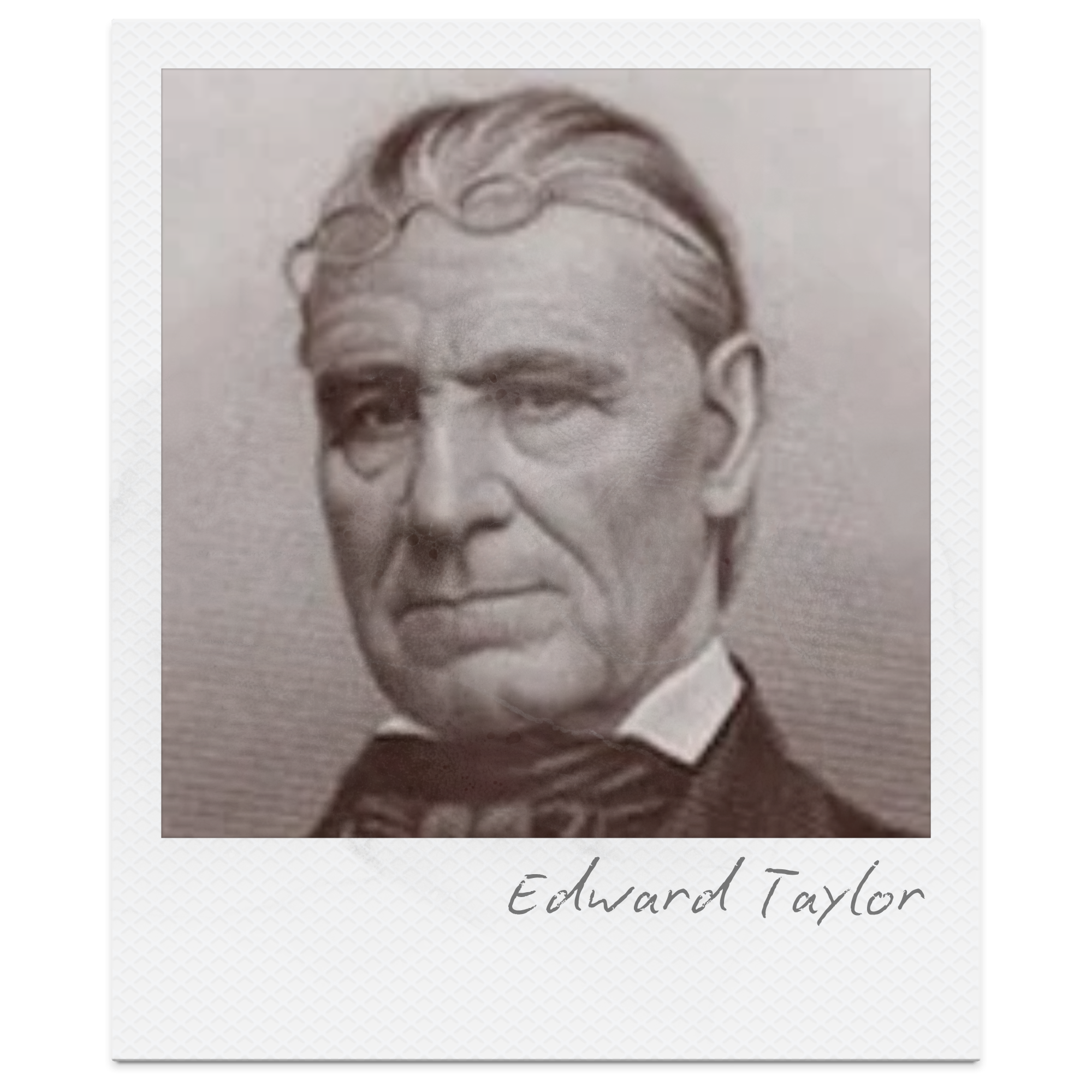
Edward Taylor (c.1642–1729) was a colonial American poet, physician, and Puritan minister whose poetry combines close observation of the natural world with intense spiritual reflection. Although much of his work remained unpublished during his lifetime, Taylor is now regarded as one of the most important early American poets because of his ability to transform everyday experiences into meditations on faith, salvation, and divine truth.
Understanding Puritanism is particularly important when reading this poem. Puritans believed that God's presence could be perceived throughout creation and that the natural world functioned as a visible expression of divine wisdom. Ordinary objects and events were often interpreted symbolically, revealing spiritual lessons about humanity's relationship with God. As a result, Taylor frequently uses nature not merely as description but as a source of religious insight.
Upon a Wasp Chilled with Cold reflects this worldview. What begins as a detailed observation of a wasp recovering in the warmth of the sun gradually develops into a meditation on divine design, creation, and spiritual understanding. The speaker's fascination with the insect's behaviour reflects a belief that even the smallest creatures reveal evidence of God's power and intelligence.
The poem also draws upon the tradition of metaphysical poetry, associated with writers such as John Donne and George Herbert. Like these poets, Taylor combines intellectual argument with vivid imagery and extended metaphor. The wasp is transformed from a simple insect into a spiritual lesson, creating a bridge between the physical and the divine. This movement from observation to religious contemplation is central to the poem's structure and meaning.
The scientific detail within the poem is also significant. During the seventeenth century, growing interest in the natural world encouraged increasingly careful observation of animals, plants, and physical processes. Taylor's precise descriptions of the wasp's movements reflect this curiosity. However, unlike modern scientific observation, his purpose is not simply to understand how nature works. Instead, the natural world becomes evidence of a greater spiritual reality.
Understanding these contexts helps explain why the poem devotes so much attention to such a small creature. For Taylor, the wasp is not insignificant. It becomes proof that divine wisdom can be found throughout creation and that even the smallest aspects of the natural world can guide humanity towards a deeper understanding of God.
Upon a Wasp Chilled with Cold: At a Glance
◆ Form – A devotional lyric that combines close observation of nature with spiritual meditation, moving from physical description towards religious revelation.
◆ Tone and emotional movement – Curious, admiring, playful, reflective, and ultimately reverential; the poem progresses from fascination with the wasp's behaviour to spiritual awe.
◆ Central tensions – Nature versus divinity, physical observation versus spiritual understanding, human limitation versus divine perfection, the small versus the infinite.
◆ Core concerns – Faith, divine design, creation, spiritual insight, observation, gratitude, and humanity's relationship with God.
◆ Dominant imagery – The wasp, sunlight, warmth, cold, clothing, healing, flight, music, ladders, and heavenly ascent.
◆ Stylistic features – Extended metaphor, personification, religious symbolism, detailed natural imagery, conceits, apostrophe, and shifts from observation to prayer.
◆ Key themes – Nature and faith, divine design, creation as revelation, gratitude, spiritual growth, observation as a pathway to understanding, and the presence of God within the natural world.
◆ One-sentence interpretation – Taylor transforms the recovery of a tiny wasp into a meditation on God's wisdom, suggesting that careful observation of creation can lead humanity towards spiritual understanding and divine praise.
Quick Summary of Upon a Wasp Chilled with Cold
The poem begins with the speaker observing a wasp that has been numbed by cold weather and is slowly recovering in the warmth of the sun. Taylor describes the insect's movements in remarkable detail as it stretches, rubs its limbs, warms itself, and prepares to fly again. Through playful personification, the wasp is presented almost as a miniature human being, carefully tending to its own wellbeing and restoring itself after hardship.
As the poem develops, the focus shifts from physical observation to spiritual reflection. The speaker begins to see the wasp as evidence of God's wisdom and design, arguing that even the smallest creature can teach important lessons about diligence, purpose, and divine creation. The poem concludes with a prayer in which the speaker asks God to clear his spiritual vision so that he may recognise divine truth more fully and ascend towards a deeper understanding of the Godhead, transforming a simple encounter with nature into an act of praise and worship.
Title, Form, Structure and Metre in Upon a Wasp Chilled with Cold
Taylor's formal choices are closely connected to the poem's movement from physical observation towards spiritual revelation. What begins as a detailed description of a recovering insect gradually develops into a devotional meditation on God's presence within creation. Through its structure, rhyme, and carefully controlled progression, the poem demonstrates how a seemingly insignificant natural event can become a source of profound religious insight.
Title: Finding the Divine in the Ordinary
The title, Upon a Wasp Chilled with Cold, appears surprisingly simple and specific.
Rather than introducing a grand theological subject, Taylor focuses on a tiny creature struggling to recover from the effects of winter weather. This immediately establishes one of the poem's central ideas: divine truth can be discovered within even the smallest aspects of creation.
The word "Upon" is also significant. Common in seventeenth-century poetry, it signals a reflective response to a particular object, event, or experience. Readers are therefore prepared not simply for description but for contemplation and interpretation. The title encourages us to see the wasp not merely as an insect but as a source of meaning.
Form: A Devotional Meditation
The poem takes the form of a devotional lyric, combining close observation of nature with spiritual reflection.
Taylor begins by carefully describing the wasp's recovery, focusing on its movements, behaviour, and apparent determination to survive. However, the poem gradually moves beyond physical description towards religious contemplation, transforming a simple encounter with nature into a lesson about God's wisdom and power.
This blend of nature poetry and devotional poetry reflects Taylor's Puritan belief that creation serves as a visible expression of divine design. The form therefore mirrors the poem's larger purpose: to reveal spiritual truth through observation of the natural world.
Structure: Observation Followed by Revelation
The poem is divided into two substantial stanzas, and this division is highly significant.
The first stanza focuses almost entirely on the wasp itself. Taylor describes its frozen condition, gradual recovery, grooming rituals, and eventual return to flight. Through extensive personification, the insect becomes increasingly human-like as it warms its limbs, stretches its body, and prepares to continue its work. Throughout this section, the speaker remains focused on careful observation.
The second stanza introduces a dramatic shift in perspective. The speaker turns directly towards God, asking Him to "clear my misted sight" so that he may recognise divine wisdom more fully. What initially appears to be a detailed nature poem suddenly becomes a devotional meditation. The wasp is transformed into evidence of God's presence within creation and a source of spiritual instruction.
The two-stanza structure mirrors the speaker's intellectual and spiritual journey from observation to interpretation, from creation to Creator, and from the physical world towards divine understanding. The first stanza provides the evidence; the second explores its significance.
The Structural Shift from Nature to Prayer
One of the poem's most important structural features is its movement from external observation towards inward reflection.
The opening stanza is dominated by descriptions of what the speaker sees. Readers watch the wasp recover, groom itself, and prepare for flight. The focus remains firmly rooted in the physical world.
However, when the speaker addresses "Lord", the poem undergoes a significant transformation. The emphasis shifts from the behaviour of the wasp to the meaning behind that behaviour. The insect becomes a symbolic reminder of divine wisdom, prompting spiritual contemplation rather than simple observation.
This structural movement reinforces the Puritan belief that creation can guide humanity towards a deeper understanding of God.
Extended Conceit and Structural Development
The poem is built around an extended conceit, one of the defining features of metaphysical poetry.
Throughout the first stanza, Taylor repeatedly imagines the wasp as possessing human characteristics. Its head becomes a "volume of choice precepts clear," its body resembles an "apothecary's shop," and its behaviour appears governed by "rationality."
These comparisons accumulate gradually throughout the poem. By the time the speaker turns to prayer, readers have already been encouraged to view the wasp as something more than a simple insect. The conceit therefore provides the bridge between the poem's natural and spiritual dimensions.
Rhyme Scheme: Order and Harmony
The poem makes extensive use of rhyming couplets, creating a strong sense of order and balance.
Examples include:
◆ "stands" and "hands"
◆ "fire" and "desire"
◆ "see" and "we"
◆ "find" and "mind"
The regular rhyme contributes to the poem's musical quality while also reinforcing its vision of a universe governed by divine order. Just as the wasp appears to follow a purposeful design, the poem itself unfolds according to a carefully organised pattern.
The harmony created by the rhyme reflects the harmony the speaker perceives within creation.
Metre and Rhythmic Movement
Although the poem does not follow a perfectly regular metrical pattern throughout, Taylor frequently employs rhythms associated with iambic movement, creating a natural and conversational flow.
The rhythm often becomes more energetic during descriptions of the wasp's activity. A sequence of active verbs such as "chafes," "stands," "rubbing," "stretch," and "comb" mirrors the insect's gradual recovery and growing vitality.
Later, the pace becomes more reflective as the speaker enters prayer. This subtle shift in rhythm mirrors the movement from physical activity towards spiritual contemplation.
Sound Patterns and Musicality
Taylor frequently uses sound to reinforce meaning.
Alliteration appears in phrases such as "warm breath", "great desire", and "vital grace", helping to create a pleasing musical texture while drawing attention to important ideas.
The poem also makes use of repetition and rhythmic phrasing to create momentum. This contributes to the sense that the wasp is gradually regaining strength and purpose.
Significantly, the poem concludes with the image of "heavenly music furred with praise." This ending reflects the musical qualities present throughout the poem itself. Taylor's poem does not merely describe praise; it becomes an act of praise.
Form as a Reflection of Divine Design
Ultimately, the poem's formal features reinforce its central message.
The orderly structure, regular rhyme, and movement from observation to prayer all reflect Taylor's belief that creation possesses underlying purpose and coherence. Just as the speaker discovers evidence of divine wisdom within the wasp, readers encounter that same sense of order within the poem's own construction.
The form therefore becomes part of the poem's argument, suggesting that both nature and poetry can reveal traces of a larger divine design.
Voice, Perspective and Emotional Conflict in Upon a Wasp Chilled with Cold
Taylor's speaker undergoes a significant transformation throughout the poem. What begins as the voice of a careful observer gradually becomes the voice of a worshipper, demonstrating how observation can lead to spiritual revelation. The poem's perspective is therefore central to its meaning, allowing Taylor to explore the relationship between physical experience, intellectual understanding, and religious faith.
The Speaker as Observer of Creation
The poem begins with a speaker who is intensely attentive to the natural world.
The wasp's movements are recorded with remarkable precision as it stretches, rubs its limbs, warms itself in the sunlight, and prepares for flight. The speaker notices even the smallest details, creating the impression of someone who is patient, curious, and deeply engaged with the workings of creation.
This careful observation reflects an important belief underpinning the poem: meaningful truths can be discovered through close attention to seemingly ordinary things. The speaker's detailed descriptions encourage readers to look beyond first impressions and recognise significance in places they might otherwise overlook.
The Speaker as Interpreter of Meaning
The speaker does not remain a neutral observer for long.
As the poem progresses, the wasp becomes increasingly symbolic. The speaker imagines that its "little brain pan" contains a "volume of choice precepts clear" and that its body functions like an "apothecary's shop." These imaginative interpretations reveal a mind actively searching for meaning rather than simply recording facts.
The speaker therefore acts as an interpreter of creation, transforming physical observation into philosophical and spiritual insight. This movement reflects the poem's larger argument that nature can reveal truths extending beyond the material world.
Wonder, Admiration and Intellectual Curiosity
The dominant tone throughout much of the poem is one of wonder.
The speaker appears genuinely fascinated by the wasp's resilience, energy, and apparent intelligence. Although the descriptions occasionally contain playful humour, there is also a strong sense of admiration. The insect's determination to recover becomes evidence of the remarkable complexity embedded within creation.
Importantly, this wonder is intellectual as well as emotional. The speaker is not merely impressed by the wasp but curious about what it might reveal about the nature of existence itself.
The Shift from Observation to Prayer
The poem's most significant change in voice occurs at the beginning of the second stanza.
The direct address "Lord, clear my misted sight" immediately transforms the poem's perspective. The speaker is no longer focused solely on the wasp but on their own ability to perceive divine truth.
This shift reveals an important element of the speaker's character: humility. Despite the insights gained from observing the wasp, the speaker recognises the limits of human understanding and seeks spiritual guidance. The movement from confidence in observation to dependence upon God creates an important emotional and theological turning point.
Human Limitation and Divine Wisdom
A central tension within the speaker's perspective concerns the relationship between human limitation and divine wisdom.
The speaker can observe the wasp's actions, but understanding their deeper significance requires more than physical sight. The metaphor of "misted sight" suggests that spiritual truth is partially obscured by human weakness and imperfection.
As a result, the speaker presents knowledge as something that requires both observation and divine assistance. Human reason alone is insufficient; true understanding emerges when intellectual curiosity is combined with spiritual openness.
The Speaker as Worshipper
By the poem's conclusion, the speaker has fully embraced the role of worshipper.
The wasp has become a "schoolmaster" capable of teaching lessons about God's design, while creation itself functions as a pathway towards spiritual enlightenment. The speaker's desire to "climb into / The Godhead" reflects a longing not simply to understand God intellectually but to draw closer to divine truth.
This transformation gives the poem its emotional power. What begins as an encounter with a small insect becomes an act of devotion, demonstrating how ordinary experiences can inspire profound spiritual reflection.
A Voice Characterised by Humility and Awe
Ultimately, the speaker's voice is defined by a combination of curiosity, humility, and awe.
Taylor does not present the speaker as someone who possesses complete understanding. Instead, they remain open to learning from creation and are willing to recognise the limits of their own perception. This humility allows the poem to retain a sense of wonder, even as it moves towards confident expressions of faith.
The result is a voice that feels both intellectually engaged and spiritually receptive, inviting readers to share in the speaker's journey from observation to revelation.
Stanza-by-Stanza Analysis of Upon a Wasp Chilled with Cold
Taylor structures the poem around a movement from observation to revelation. The first stanza focuses on the wasp itself, presenting a detailed and increasingly symbolic account of its recovery from the cold. The second stanza shifts towards direct spiritual reflection, transforming the insect into a source of religious insight. Through this progression, Taylor demonstrates how close attention to the natural world can lead to a deeper understanding of divine wisdom and creation.
Stanza 1: Recovery, Resilience and the Hidden Wisdom of Creation
The opening stanza begins with an image of vulnerability. The wasp has been overwhelmed by the "northern blast," which Taylor personifies as a "bear" breathing cold across the landscape. This metaphor transforms the weather into a powerful, almost predatory force, immediately establishing nature as both life-giving and threatening. The unusual comparison of the wasp being "torpedo-like" numbed suggests a sudden, almost violent paralysis, emphasising the fragility of even the smallest living creatures.
Against this destructive force stands the restorative power of the sun. The wasp lies "bathing / In Sol's warm breath and shine as saving," introducing imagery of healing and renewal. The personification of the sun as "Sol" elevates the scene beyond ordinary description and gives the recovery an almost sacred quality. The adjective "saving" is particularly significant because it carries religious connotations of salvation and deliverance. Even before the poem becomes explicitly devotional, Taylor subtly links physical restoration with spiritual redemption.
One of the most striking features of the stanza is its extensive personification. The wasp is repeatedly described in human terms. She possesses "hands," "fingers," "temples," and a "head" that appears to ache as she slowly recovers. These descriptions blur the boundary between insect and human being, encouraging readers to identify with her struggle. The detailed catalogue of movements as she "chafes," "stands," "rubbing her legs" and stretches towards the sun creates a vivid image of determination and perseverance.
The emphasis on bodily recovery also highlights the wasp's instinctive desire for survival. The phrase "in great desire / To warm her digits at that fire" presents warmth not merely as comfort but as necessity. The imagery reflects a universal struggle against suffering and weakness, making the wasp's experience unexpectedly relatable.
As the stanza develops, Taylor's descriptions become increasingly imaginative and symbolic. The repeated phrase "As if" introduces a series of comparisons that transform the insect into a miniature embodiment of wisdom and self-sufficiency. Her "little brain pan" becomes "A volume of choice precepts clear," suggesting intelligence, knowledge, and instruction. The metaphor is particularly important because it foreshadows the second stanza, where the wasp becomes a spiritual teacher for humanity.
Similarly, the wasp's body is imagined as an "apothecary's shop / Of nature's receipts." This extended metaphor presents the insect as containing its own remedies and restorative powers. The language of medicine reflects Taylor's interest in the natural world while also suggesting that creation possesses an internal order and wisdom established by God.
The repeated references to "velvet", "satin", and "pettycoat" are also significant. These luxurious materials elevate the wasp far beyond an ordinary insect. Rather than presenting her as insignificant, Taylor clothes her in imagery associated with dignity, value, and refinement. The wasp becomes a tiny noble figure, a creature worthy of admiration and attention.
Perhaps the most surprising image occurs when Taylor imagines the wasp's "velvet helmet" as a structure that "Did turret rationality." The metaphor attributes reason and intelligence to the insect, challenging assumptions about human superiority. Although the description is playful, it contributes to the poem's larger argument that even the smallest creatures reveal evidence of extraordinary design.
The final lines complete the wasp's transformation from helpless victim to active participant in creation. As she "hoists sails" and flies away "in thankful gales," the imagery shifts towards travel, freedom, and gratitude. The wasp's flight becomes a symbolic act of thanksgiving, culminating in her return to her "dun curled palace hall." The description of her nest as a palace reinforces the elevated status Taylor has gradually granted her throughout the stanza.
By the end of the stanza, the wasp has been transformed from a frozen insect into a symbol of resilience, wisdom, gratitude, and divine craftsmanship. Through personification, extended metaphor, and increasingly elaborate imagery, Taylor encourages readers to see the creature not merely as part of nature but as evidence of the remarkable intelligence embedded within creation itself.
Stanza 2: Spiritual Insight, Divine Design and the Ascent Towards God
The second stanza marks a dramatic shift from observation to prayer. Having spent the first stanza examining the wasp's behaviour, the speaker now turns directly towards God, transforming the insect from an object of curiosity into a source of spiritual revelation. This movement from the physical world towards the divine reflects one of the poem's central beliefs: creation can guide humanity towards a deeper understanding of God.
The opening plea, "Lord, clear my misted sight", immediately introduces the theme of spiritual perception. The metaphor of "misted sight" suggests that human beings are limited in their ability to recognise divine truth. Although God's presence exists throughout creation, spiritual understanding is obscured by human weakness and imperfect perception. The speaker therefore asks not for new knowledge but for clearer vision, implying that evidence of God's existence already surrounds him.
This idea develops through the desire to "view Thy divinity." The verb "view" is significant because it connects directly to the act of observation that dominated the first stanza. The speaker's careful study of the wasp becomes a form of spiritual investigation. Physical sight evolves into religious insight, reinforcing the poem's belief that creation functions as a visible expression of divine wisdom.
Taylor then suggests that God has placed "Some sparks" of His divinity "Within this little downy wasp." The image of "sparks" implies small but visible traces of a greater power. The wasp does not contain God Himself, but it reveals aspects of divine intelligence and craftsmanship. The contrast between the immense concept of "divinity" and the tiny "little downy wasp" emphasises one of the poem's central paradoxes: the infinite can be glimpsed through the insignificant.
The description of the wasp as "A school and a schoolmaster" develops the educational imagery hinted at earlier through references to "choice precepts." The insect becomes both the lesson and the teacher. This metaphor reflects the Puritan belief that nature functions as a form of divine instruction. By studying creation carefully, humanity can learn important truths about God and existence.
The phrase "A nimble spirit bravely mind / Her work in every limb" reinforces the wasp's role as a model of diligence and purpose. The insect performs its duties with efficiency and determination, becoming an example of how all parts of creation fulfil their intended function. The adjective "nimble" suggests energy and responsiveness, while "bravely" implies courage and perseverance. These qualities transform the wasp into a moral as well as spiritual example.
Taylor's admiration is further evident in the image of the wasp "lacing" its work together "with a vital grace." The combination of "vital" and "grace" is particularly significant. The phrase unites physical life with spiritual blessing, suggesting that the natural vitality observed in the wasp ultimately originates from God.
Despite this admiration, Taylor also reminds readers of the creature's humble status. The wasp is described as a "fustian animal." The word "fustian" can imply something coarse, ordinary, or humble. This creates an important contrast. Although the insect appears insignificant, it nevertheless reveals profound spiritual truths. Taylor repeatedly demonstrates that divine wisdom can be discovered in unexpected places.
The final lines move beyond observation and instruction towards mystical aspiration. The speaker hopes to "climb into / The Godhead on this ladder." The metaphor of the ladder is one of the poem's most important images. The wasp becomes a stepping stone leading from earthly observation towards heavenly understanding. The image recalls biblical traditions of ascent, particularly Jacob's Ladder, where earthly and divine realms become connected.
The verb "enravished" suggests spiritual ecstasy and overwhelming joy. The speaker does not merely wish to understand God intellectually but longs for an emotional and spiritual union with divine truth. This marks the culmination of the poem's movement from scientific observation to religious devotion.
The concluding image of "heavenly music furred with praise" provides a fitting ending. Music traditionally symbolises harmony, worship, and spiritual transcendence. The phrase suggests that all aspects of creation ultimately contribute to the praise of God. Significantly, the speaker joins this chorus, transforming his observations of the wasp into an act of worship.
By the end of the poem, the wasp has become far more than an insect. It functions as a symbol of divine design, a spiritual teacher, and a ladder leading towards God. Through prayer, metaphor, and religious imagery, Taylor demonstrates how attentive observation of creation can inspire wonder, deepen faith, and bring humanity closer to the divine.
Key Quotes and Literary Methods in Upon a Wasp Chilled with Cold
Taylor uses vivid imagery, personification, religious symbolism, and extended metaphor to transform a simple observation of a recovering wasp into a meditation on divine wisdom. These quotations are particularly useful because they trace the poem's movement from natural description towards spiritual revelation.
“The bear that breathes the northern blast”
◆ Method or literary feature: Personification, metaphor, nature imagery
◆ Interpretation and implied meaning: The cold wind is transformed into a powerful, almost predatory creature, emphasising the harshness of the natural world.
◆ Why the poet uses it: Taylor establishes the threat facing the wasp while highlighting the immense forces operating within creation.
◆ Emotional/intellectual effect: Creates a sense of danger and vulnerability.
◆ Broader conceptual significance: Introduces themes of survival, divine providence, and humanity's smallness within creation.
“In Sol's warm breath and shine as saving”
◆ Method or literary feature: Personification, classical allusion, religious language
◆ Interpretation and implied meaning: The sun becomes a life-giving force whose warmth rescues the wasp from near death.
◆ Why the poet uses it: Taylor creates a parallel between physical restoration and spiritual salvation.
◆ Emotional/intellectual effect: Generates hope and renewal after the opening imagery of suffering.
◆ Broader conceptual significance: Connects healing, creation, and divine grace.
“in great desire / To warm her digits at that fire”
◆ Method or literary feature: Personification, imagery, symbolism
◆ Interpretation and implied meaning: The wasp's instinctive search for warmth becomes a universal desire for life and restoration.
◆ Why the poet uses it: Taylor encourages readers to identify emotionally with the insect's struggle.
◆ Emotional/intellectual effect: Creates sympathy and admiration.
◆ Broader conceptual significance: Explores themes of resilience, survival, and renewal.
“A volume of choice precepts clear”
◆ Method or literary feature: Extended metaphor, educational imagery
◆ Interpretation and implied meaning: The wasp's mind is imagined as a book filled with wisdom and instruction.
◆ Why the poet uses it: Taylor elevates the insect beyond its physical form and presents it as a source of knowledge.
◆ Emotional/intellectual effect: Encourages readers to reconsider assumptions about significance and intelligence.
◆ Broader conceptual significance: Supports themes of learning, divine design, and creation as instruction.
“Contained apothecary's shop / Of nature's receipts”
◆ Method or literary feature: Extended metaphor, medical imagery
◆ Interpretation and implied meaning: The wasp appears to contain within itself the remedies necessary for recovery.
◆ Why the poet uses it: Taylor emphasises the self-sustaining wisdom embedded within creation.
◆ Emotional/intellectual effect: Creates admiration for the complexity of the natural world.
◆ Broader conceptual significance: Reinforces ideas of divine craftsmanship, order, and purpose.
“Did turret rationality”
◆ Method or literary feature: Metaphor, personification
◆ Interpretation and implied meaning: The wasp is presented as possessing reason and intelligence.
◆ Why the poet uses it: Taylor challenges assumptions about human superiority and highlights the sophistication of creation.
◆ Emotional/intellectual effect: Creates surprise and wonder.
◆ Broader conceptual significance: Explores the relationship between nature, intelligence, and divine design.
“hoists sails / And humming flies in thankful gales”
◆ Method or literary feature: Extended metaphor, auditory imagery, symbolism
◆ Interpretation and implied meaning: The wasp's flight becomes a voyage of gratitude and celebration.
◆ Why the poet uses it: Taylor transforms a simple action into an act of thanksgiving.
◆ Emotional/intellectual effect: Creates a sense of joy and triumph.
◆ Broader conceptual significance: Connects creation with gratitude, praise, and spiritual fulfilment.
“Lord, clear my misted sight”
◆ Method or literary feature: Direct address, metaphor, prayer
◆ Interpretation and implied meaning: The speaker acknowledges that human understanding is limited and requires divine guidance.
◆ Why the poet uses it: Taylor marks the shift from observation to spiritual reflection.
◆ Emotional/intellectual effect: Creates humility and sincerity.
◆ Broader conceptual significance: Explores themes of faith, perception, and spiritual growth.
“Some sparks whereof thou up dost hasp / Within this little downy wasp”
◆ Method or literary feature: Religious symbolism, contrast, metaphor
◆ Interpretation and implied meaning: The wasp contains traces of divine wisdom despite its small size.
◆ Why the poet uses it: Taylor demonstrates that God's presence can be revealed through even the humblest parts of creation.
◆ Emotional/intellectual effect: Inspires wonder and reverence.
◆ Broader conceptual significance: Reinforces themes of divine design, creation, and spiritual revelation.
“A school and a schoolmaster see”
◆ Method or literary feature: Educational metaphor, symbolism
◆ Interpretation and implied meaning: The wasp becomes both a lesson and a teacher.
◆ Why the poet uses it: Taylor presents nature as a source of spiritual instruction.
◆ Emotional/intellectual effect: Encourages reflection and intellectual engagement.
◆ Broader conceptual significance: Explores the idea of creation as a pathway to wisdom.
“Till I enravished climb into / The Godhead on this ladder”
◆ Method or literary feature: Extended metaphor, religious imagery, biblical allusion
◆ Interpretation and implied meaning: The speaker hopes to ascend from earthly observation towards divine understanding.
◆ Why the poet uses it: Taylor presents creation as a means of approaching God.
◆ Emotional/intellectual effect: Creates a sense of aspiration and spiritual longing.
◆ Broader conceptual significance: Connects nature, faith, and transcendence.
“An heavenly music furred with praise”
◆ Method or literary feature: Auditory imagery, symbolism, devotional language
◆ Interpretation and implied meaning: The poem concludes with an image of harmonious worship and celebration.
◆ Why the poet uses it: Taylor ends the poem by transforming observation into praise.
◆ Emotional/intellectual effect: Leaves readers with a sense of spiritual fulfilment and awe.
◆ Broader conceptual significance: Reinforces themes of worship, divine harmony, and humanity's relationship with God.
Key Techniques in Upon a Wasp Chilled with Cold
Taylor uses a wide range of literary techniques to transform a simple observation of a recovering insect into a meditation on faith, creation, and divine wisdom. The poem's richness comes not only from its religious ideas but from the imaginative ways in which those ideas are developed through symbolism, extended comparison, and shifts in perspective.
Extended Conceit
One of the poem's most important techniques is the use of an extended conceit, a hallmark of metaphysical poetry.
Throughout the poem, the wasp becomes far more than an insect. Taylor repeatedly compares it to a miniature human being, imagining its body as an "apothecary's shop," its mind as "A volume of choice precepts clear," and its head as a place that "Did turret rationality."
These comparisons accumulate throughout the first stanza, gradually elevating the insect into a symbol of divine craftsmanship and wisdom. The conceit allows Taylor to bridge the gap between the physical and spiritual worlds, preparing readers for the explicitly religious interpretation that follows.
Personification
Taylor extensively personifies the wasp, giving it human characteristics, emotions, and behaviours.
The insect possesses "hands," "fingers," "temples," and appears capable of reasoning, gratitude, and self-awareness. It rubs its limbs, warms itself in the sun, and seems to consciously prepare for its return to work.
This personification encourages readers to identify with the wasp while also challenging assumptions about the separation between humanity and the rest of creation. The insect becomes a reflection of qualities that humans value in themselves: perseverance, intelligence, and purpose.
Religious Symbolism
The poem is saturated with religious symbolism.
The warmth of the sun functions as a symbol of salvation and divine grace, while the wasp itself becomes evidence of God's presence within creation. Later, the speaker interprets the insect as containing "sparks" of divinity and ultimately uses it as a "ladder" towards the "Godhead."
These symbols transform a natural event into a spiritual lesson, reinforcing the Puritan belief that creation reveals truths about God.
Imagery of Healing and Restoration
The poem repeatedly employs imagery associated with healing, recovery, and renewal.
The wasp moves from paralysis to activity, from weakness to strength, and from near-death to flight. Images of warming limbs, stretching muscles, and restorative sunlight create a narrative of recovery that operates on both physical and spiritual levels.
The healing imagery also foreshadows the speaker's desire for spiritual restoration when he asks God to "clear my misted sight."
Juxtaposition
Taylor frequently uses juxtaposition to create wonder and emphasise contrast.
The poem places immense theological ideas alongside an extremely small creature. The contrast between "divinity" and a "little downy wasp" highlights the paradox that God's greatness can be revealed through seemingly insignificant aspects of creation.
Similarly, the poem juxtaposes physical observation with spiritual revelation, encouraging readers to recognise connections between the material and divine worlds.
Paradox
A number of important ideas within the poem depend upon paradox.
The wasp is both tiny and significant.
It is both an insect and a teacher.
It is physically fragile yet symbolically powerful.
It is ordinary enough to be overlooked yet extraordinary enough to reveal traces of divinity.
These tensions deepen the poem's meaning by encouraging readers to reconsider assumptions about value, importance, and wisdom.
Educational and Instructional Imagery
The poem repeatedly presents nature as a source of learning.
The wasp becomes "A school and a schoolmaster," while its mind resembles a book of wisdom and instruction. This educational imagery reflects Taylor's belief that creation functions as a form of divine teaching.
Nature is therefore not merely beautiful or useful; it becomes a classroom through which spiritual understanding can be acquired.
Metaphysical Argument
Like many metaphysical poets, Taylor builds his poem around a process of intellectual discovery.
The poem does not begin with a theological conclusion. Instead, the speaker carefully observes, interprets, compares, and reflects before arriving at a spiritual insight. Readers therefore experience the speaker's reasoning process as it unfolds.
This technique creates a sense of participation, inviting readers to follow the same journey from observation to revelation.
Shift in Perspective
A crucial structural technique is the poem's shift from description to prayer.
The first stanza focuses on the external world and the behaviour of the wasp. The second turns inward, addressing God directly and exploring the speaker's own spiritual understanding.
This shift transforms the poem from nature writing into devotional poetry and mirrors the speaker's movement from curiosity towards worship.
Symbolic Ascent
The final section of the poem introduces imagery of upward movement and ascent.
The wasp becomes a "ladder" through which the speaker hopes to climb towards the "Godhead." This symbolic ascent suggests spiritual growth, enlightenment, and the desire to move beyond earthly limitations.
The image also recalls biblical traditions of ascending towards God, reinforcing the poem's religious framework.
Sound and Musicality
Taylor frequently uses alliteration, rhythm, and rhyming couplets to create musical harmony.
Phrases such as "warm breath," "great desire," and "vital grace" contribute to the poem's rich soundscape. The regular rhymes create a sense of order that mirrors the divine order the speaker perceives within creation.
The poem culminates in "heavenly music furred with praise," a fitting conclusion for a work whose own language becomes an act of worship.
Symbolic Transformation
Perhaps the poem's most important technique is its continual process of transformation.
The wasp is never allowed to remain simply a wasp. It becomes a patient recovering from illness, a scholar, an apothecary, a sailor, a teacher, and ultimately a spiritual guide.
This pattern of transformation reflects the poem's central argument: careful observation reveals deeper layers of meaning hidden within the natural world. What appears ordinary gradually becomes extraordinary, allowing the speaker to glimpse traces of divine wisdom in creation itself.
Symbolism in Upon a Wasp Chilled with Cold
Symbolism is central to Taylor's exploration of faith, creation, and divine wisdom. Although the poem begins with the description of a single insect, the wasp gradually becomes a complex symbolic figure through which Taylor explores humanity's relationship with God. Throughout the poem, natural objects and physical processes acquire spiritual significance, allowing the speaker to move from observation towards revelation.
The Wasp: Divine Wisdom Within Creation
The wasp is the poem's most important symbol.
Initially presented as a vulnerable creature struggling to recover from the cold, the insect gradually becomes a symbol of the wisdom, complexity, and purpose embedded within creation. Taylor repeatedly elevates the wasp through personification and metaphor, transforming it from an ordinary insect into a source of spiritual instruction.
By the second stanza, the wasp functions as evidence of God's presence within the natural world. It becomes both a lesson and a teacher, demonstrating that divine truth can be discovered in even the smallest aspects of creation.
The Northern Blast: Suffering and Human Vulnerability
The "northern blast" symbolises hardship, adversity, and the forces that threaten life.
Personified as a "bear," the cold becomes an almost hostile presence capable of overwhelming the wasp's strength. On a literal level, the blast represents winter and physical danger. Symbolically, however, it can be read as representing suffering, spiritual struggle, mortality, or the trials that all living creatures must endure.
Its presence establishes the need for restoration and redemption, themes that resonate throughout the poem.
The Sun: Divine Grace and Salvation
The sun functions as one of the poem's clearest religious symbols.
The wasp recovers by bathing in "Sol's warm breath and shine as saving," language that closely resembles descriptions of spiritual salvation. The warmth restores life, energy, and purpose, suggesting parallels between physical healing and divine grace.
The sun therefore symbolises God's sustaining power, providing the life-giving force that enables creation to flourish.
Warmth: Renewal and Spiritual Restoration
The recurring imagery of warmth extends beyond physical comfort.
The wasp's desire to warm its limbs symbolises renewal, recovery, and the restoration of vitality. As the poem develops, this process acquires spiritual significance. Just as warmth revives the insect's body, divine truth has the power to revive the soul.
The symbolism therefore links bodily healing with spiritual awakening.
Clothing Imagery: Dignity and Divine Craftsmanship
Throughout the poem, the wasp is described using images of luxurious clothing.
Its body becomes a "satin jacket," a "velvet helmet," and a "pettycoat." These garments symbolically elevate the insect, transforming it from a humble creature into something noble and worthy of admiration.
The imagery reflects Taylor's belief that all creation possesses value because it has been fashioned by God. The wasp's apparent insignificance is repeatedly challenged through these descriptions.
The Apothecary's Shop: Nature's Hidden Wisdom
The image of the wasp containing an "apothecary's shop / Of nature's receipts" symbolises the remarkable intelligence embedded within creation.
An apothecary traditionally stores medicines and remedies, making this metaphor a symbol of healing and self-sufficiency. Taylor suggests that God has placed restorative powers within nature itself.
The image therefore becomes a symbol of divine provision and the hidden wisdom operating throughout the natural world.
The School and Schoolmaster: Nature as Teacher
One of the poem's most important symbolic ideas appears when the wasp becomes "A school and a schoolmaster."
The insect symbolises nature's ability to educate humanity. Rather than treating creation as passive scenery, Taylor presents it as an active source of instruction. The wasp teaches lessons about diligence, purpose, resilience, and divine design.
This symbolism reflects the Puritan belief that nature can reveal spiritual truths to those willing to observe carefully.
Sparks: Traces of Divinity
The "sparks" of divinity contained within the wasp symbolise visible traces of God's presence within creation.
A spark is small, yet it originates from a larger source of fire. Similarly, the wasp contains only a tiny reflection of divine wisdom, but that reflection points towards God's greater power.
The image highlights the relationship between the finite and the infinite, suggesting that even the smallest creatures can reveal something of their Creator.
The Ladder: Spiritual Ascent
The ladder is one of the poem's most significant religious symbols.
When the speaker hopes to climb into "The Godhead on this ladder," the wasp becomes a symbolic pathway towards spiritual understanding. The image recalls biblical traditions of ascent, particularly Jacob's ladder, which connects earthly and heavenly realms.
The ladder therefore symbolises growth, revelation, and the possibility of moving from observation towards deeper knowledge of God.
Heavenly Music: Worship and Divine Harmony
The poem concludes with the image of "heavenly music furred with praise."
Music traditionally symbolises harmony, beauty, and spiritual unity. Here it represents the culmination of the speaker's journey, transforming observation into worship. The image suggests that all creation ultimately contributes to the praise of God.
As a result, heavenly music becomes a symbol of spiritual fulfilment and the harmonious relationship between Creator and creation.
Creation Itself: A Reflection of the Divine
Ultimately, the natural world functions as the poem's overarching symbol.
The wasp, the sun, the wind, and the processes of recovery and flight all point beyond themselves towards a larger spiritual reality. Taylor presents creation as a visible reflection of divine wisdom, inviting readers to recognise God's presence in the ordinary details of everyday life.
The poem therefore suggests that nature is never merely nature. For those willing to observe carefully, it becomes a pathway towards wonder, understanding, and praise.
How Edward Taylor Creates Meaning and Impact in Upon a Wasp Chilled with Cold
Taylor creates meaning by transforming an apparently insignificant moment into a profound spiritual meditation. Through personification, extended metaphor, religious symbolism, and carefully structured reflection, he demonstrates how close observation of the natural world can reveal evidence of divine wisdom. The poem encourages readers to look beyond appearances and recognise deeper significance within even the smallest aspects of creation.
One of the poem's most effective strategies is its movement from observation to interpretation. The opening stanza focuses on the physical reality of a wasp recovering from the cold. Taylor records its actions with remarkable precision, describing how it stretches, warms itself, and prepares to fly again. This detailed observation grounds the poem in the material world and establishes a sense of authenticity. Readers witness the wasp's struggle before being invited to consider its wider significance.
Taylor gradually deepens meaning through extensive personification. The wasp is given human characteristics, possessing "hands,""fingers," and even apparent powers of reasoning. These descriptions encourage readers to identify with the insect and view it as more than a simple creature. By narrowing the perceived distance between humanity and the wasp, Taylor suggests that all living things participate in the same divine order.
The poem's use of extended conceit is equally important. The wasp becomes a scholar, an apothecary, a sailor, and eventually a teacher. These imaginative transformations elevate the insect while reinforcing the idea that creation contains hidden layers of meaning. Rather than presenting nature as passive scenery, Taylor depicts it as active, purposeful, and intellectually rich. The wasp becomes a symbol of the wisdom embedded within God's creation.
Religious symbolism gives the poem much of its emotional and philosophical weight. The sun's "saving" warmth evokes ideas of grace and redemption, while the speaker's request that God "clear my misted sight" introduces the theme of spiritual perception. Taylor suggests that the problem is not the absence of divine truth but humanity's inability to recognise it fully. Creation continually reveals God's presence, yet people often fail to see what is before them.
A particularly powerful aspect of the poem is its exploration of scale. Taylor repeatedly juxtaposes the tiny wasp with immense theological concepts such as divinity, the Godhead, and heavenly praise. This contrast creates wonder by demonstrating that greatness can be discovered within apparent smallness. The wasp's significance does not derive from its size but from what it reveals about its Creator.
The poem also creates impact through its emphasis on gratitude. The wasp's return to flight is described as a journey undertaken in "thankful gales," transforming a natural action into an act of praise. This prepares readers for the speaker's own response in the second stanza. Observation ultimately leads not to scientific curiosity alone but to worship. Taylor suggests that recognising the complexity and beauty of creation naturally inspires gratitude towards God.
The structural shift between the two stanzas further strengthens the poem's meaning. The first stanza focuses on external reality, while the second turns inward towards spiritual reflection. This progression mirrors the speaker's intellectual journey. The wasp becomes a "schoolmaster" capable of teaching lessons about divine design, demonstrating how physical observation can lead to spiritual understanding.
The poem's conclusion provides its most powerful image when the speaker hopes to climb into "The Godhead on this ladder." The metaphor transforms the wasp into a bridge between the earthly and the divine. Nature becomes a means of ascent, enabling the speaker to move from the visible world towards deeper spiritual truth. The final image of "heavenly music furred with praise" completes this movement, replacing observation with worship and contemplation with celebration.
Ultimately, Taylor creates meaning by showing that no part of creation is truly insignificant. Through detailed observation, imaginative symbolism, and devotional reflection, he argues that the natural world is filled with evidence of divine wisdom. The poem challenges readers to look more carefully at the world around them and consider what spiritual truths might be hidden within ordinary experiences.
Central Ideas and Themes in Upon a Wasp Chilled with Cold
Although Upon a Wasp Chilled with Cold begins with the description of a single insect recovering from the cold, Taylor uses this seemingly ordinary event to explore profound questions about faith, creation, and humanity's relationship with God. The poem presents the natural world as a source of spiritual insight, suggesting that careful observation can reveal evidence of divine wisdom and inspire deeper religious understanding.
Nature and Faith
One of the poem's central themes is the relationship between nature and faith.
Taylor does not treat the natural world as separate from spiritual experience. Instead, nature becomes one of the primary ways through which God reveals Himself. The wasp's recovery is not merely a biological process but an opportunity for religious reflection.
By observing the insect closely, the speaker moves towards a deeper appreciation of divine wisdom. The poem therefore suggests that faith can be strengthened through attentive engagement with the natural world.
Divine Design
The poem repeatedly emphasises the idea of divine design.
The wasp's behaviour appears purposeful, orderly, and remarkably complex. Through descriptions of its recovery, self-care, and return to activity, Taylor highlights the intricate systems operating within even the smallest creatures.
The repeated comparisons to books, apothecaries, and rational thought suggest that creation reflects intelligence rather than randomness. For Taylor, the wasp's existence serves as evidence of a Creator whose wisdom is visible throughout the natural world.
Creation as Revelation
A key theme throughout the poem is the idea that creation functions as a form of revelation.
The speaker believes that God leaves visible traces of Himself within the world. This idea appears most clearly when Taylor refers to "Some sparks" of divinity contained within the wasp.
Nature therefore becomes more than a collection of physical objects. It acts as a source of spiritual knowledge, revealing truths about God to those willing to observe carefully. The poem presents creation as a bridge between the human and the divine.
Gratitude
The theme of gratitude develops throughout the poem and culminates in its final lines.
The wasp's flight is described as taking place in "thankful gales," transforming a simple natural action into an act of thanksgiving. This prepares readers for the speaker's own response of praise and worship.
Taylor suggests that recognising the beauty and complexity of creation naturally leads to gratitude. The more deeply the speaker understands the wasp, the more intensely he appreciates the wisdom of its Creator.
Spiritual Growth
The poem can also be read as a journey of spiritual growth.
At the beginning, the speaker is primarily concerned with observing the wasp. By the end, he seeks to "climb into / The Godhead" through the lessons the creature has provided.
This progression reflects a movement from curiosity towards spiritual enlightenment. The speaker does not simply learn about the wasp; he learns through the wasp, allowing the experience to deepen his understanding of divine truth.
Observation as a Pathway to Understanding
Taylor repeatedly suggests that careful observation is essential to genuine understanding.
The poem's detailed descriptions encourage readers to slow down and pay attention to aspects of creation that might otherwise be ignored. The speaker's spiritual insights emerge not through sudden revelation but through sustained reflection upon the natural world.
This theme reflects both Puritan spirituality and the growing scientific curiosity of the seventeenth century. Observation becomes a means of discovering hidden truths, whether physical or spiritual.
The Presence of God Within the Natural World
Perhaps the poem's most important theme is the belief that God is present throughout creation.
The speaker does not encounter God through miraculous visions or supernatural events. Instead, divine wisdom is revealed through an ordinary wasp recovering in the sunlight.
This theme challenges assumptions about where spiritual significance can be found. Taylor suggests that God's presence is woven into every aspect of creation, from the vastness of the universe to the smallest living creature.
Ultimately, the poem argues that nature is not merely evidence of God's existence but an active expression of His wisdom, power, and creativity. Through the wasp, Taylor demonstrates that even the humblest elements of creation can lead humanity towards wonder, understanding, and praise.
Alternative Interpretations of Upon a Wasp Chilled with Cold
While Upon a Wasp Chilled with Cold can be read as a straightforward expression of Christian faith, the poem also supports a range of more complex interpretations. Taylor's combination of natural observation, symbolism, and spiritual reflection creates space for multiple readings, allowing the poem to be understood as a meditation on consciousness, humanity's place within creation, and the search for meaning itself.
Religious Interpretation: Creation as Evidence of God's Presence
The most obvious interpretation views the poem as a celebration of divine design.
From this perspective, the wasp serves as evidence of God's wisdom and craftsmanship. The speaker's detailed observations reveal traces of divine intelligence within creation, culminating in the recognition of "Some sparks" of God's presence within the insect itself.
The poem therefore reflects a deeply Puritan worldview in which nature functions as a visible manifestation of divine truth. The wasp becomes a spiritual lesson, teaching humanity how to recognise God's presence in the world.
Nature as a Sacred Text
The poem can also be interpreted as suggesting that nature functions like a second form of scripture.
Taylor repeatedly presents the wasp as a source of knowledge. Its mind becomes "A volume of choice precepts clear," while the insect itself becomes "A school and a schoolmaster."
Under this reading, creation is not simply evidence of God but a form of divine communication. The natural world becomes something to be read, interpreted, and studied in the same way as a sacred text.
Psychological Interpretation: Learning to See Clearly
A psychological reading focuses less on God and more on the speaker's own process of perception.
The request "Lord, clear my misted sight" suggests that the central challenge is not the absence of meaning but humanity's inability to recognise it. The poem can therefore be interpreted as a reflection on attention, awareness, and the importance of looking beyond surface appearances.
The wasp becomes symbolic of truths that are often overlooked because they appear ordinary or insignificant. The speaker's spiritual growth depends upon learning to observe more carefully.
Existential Interpretation: Finding Meaning in the Smallest Things
Although the poem ultimately arrives at a religious conclusion, it can also be read in existential terms.
The speaker begins with something seemingly insignificant: a tiny insect warming itself in the sun. Yet this minor event becomes the foundation for profound reflection. Under this interpretation, the poem suggests that meaning is not necessarily found in grand experiences but in everyday encounters that encourage deeper contemplation.
The wasp becomes a reminder that significance can emerge from the smallest details of existence.
Humanity and Nature: A Challenge to Human Superiority
The poem repeatedly blurs the boundary between human beings and the natural world.
The wasp possesses apparent intelligence, self-discipline, resilience, and purpose. It is described using language normally associated with scholars, physicians, and teachers. This challenges assumptions about human exceptionalism.
From this perspective, Taylor presents creation as a community of interconnected beings rather than a hierarchy dominated by humanity. The poem encourages humility by suggesting that humans may have much to learn from creatures they often dismiss as insignificant.
The Wasp as a Model of Ideal Behaviour
The wasp can also be interpreted symbolically as an example of ideal spiritual conduct.
Despite its suffering, the insect diligently returns to its work, performs every task with "vital grace," and ultimately offers "warm thanks" for its recovery. These qualities reflect virtues often celebrated within Puritan thought, including diligence, perseverance, gratitude, and devotion.
Under this reading, the wasp functions almost as a moral exemplar, demonstrating the attitudes that humans should cultivate in their own lives.
Metaphysical Interpretation: The Material and the Divine
As a metaphysical poem, Upon a Wasp Chilled with Cold can be read as an exploration of the relationship between physical reality and spiritual truth.
Taylor repeatedly transforms concrete observations into abstract insights. The wasp is simultaneously an insect, a teacher, a scholar, and a ladder leading towards God. These shifting identities suggest that material objects possess layers of meaning extending beyond their immediate appearance.
The poem, therefore, becomes an exploration of how the visible world can point towards invisible realities.
Mystical Interpretation: Spiritual Ascent Through Creation
The poem's concluding image of climbing into "The Godhead on this ladder" supports a more mystical interpretation.
Rather than focusing solely on religious doctrine, the speaker expresses a desire for direct spiritual experience. The goal is not simply knowledge about God but a deeper union with divine truth.
Under this reading, the wasp becomes a catalyst for transcendence. Creation serves as a pathway through which the speaker moves beyond ordinary perception towards a heightened spiritual awareness.
Ultimately, the richness of Upon a Wasp Chilled with Cold lies in its ability to support multiple interpretations simultaneously. Whether read as a devotional poem, a meditation on perception, a challenge to human superiority, or an exploration of the relationship between nature and meaning, Taylor's poem invites readers to look more closely at the world around them and consider what truths might be hidden within it.
Compare With Other Songs of Ourselves Volume 2 Poems
Like many poems in the anthology, Upon a Wasp Chilled with Cold explores how individuals interpret the world around them. However, Taylor's poem is distinctive in its belief that close observation of nature can reveal divine truth. Through its blend of scientific curiosity, religious reflection, and symbolic interpretation, the poem connects with several other anthology texts while offering a uniquely spiritual perspective.
◆ In Praise of Creation by Elizabeth Jennings – Both poems explore the idea that the natural world reveals deeper truths. Jennings presents nature as evidence of order, instinct, and wonder, while Taylor goes further by explicitly identifying creation as a manifestation of God's wisdom. Both poets encourage careful observation, but Jennings remains more open-ended and philosophical whereas Taylor reaches a clear devotional conclusion.
◆ The Poplar-Field by William Cowper – Both poets use close observation of nature to reflect on larger ideas. Cowper focuses on change, loss, and mortality as the natural landscape alters over time, while Taylor emphasises renewal, resilience, and divine design. Together, the poems demonstrate how nature can inspire very different forms of reflection.
◆ Afternoon with Irish Cows by Billy Collins – Both poems examine what humans can learn from animals. Collins uses humour and self-awareness to contrast human complexity with animal simplicity, whereas Taylor transforms the wasp into a spiritual teacher. Both works challenge assumptions about human superiority and suggest that animals may possess forms of wisdom that people overlook.
◆ Heart and Mind by Edith Sitwell – Both poems explore questions about knowledge and understanding. Sitwell examines the tension between emotion and reason, while Taylor focuses on the relationship between observation and spiritual insight. Both poets ultimately suggest that rational understanding alone is insufficient for grasping deeper truths.
◆ The Migrant by A. L. Hendriks – Although very different in subject matter, both poems explore the idea of learning through experience. Hendriks' speaker gradually comes to understand her place within a larger journey, while Taylor's speaker gains spiritual understanding through observing the wasp. Both poems involve movement from limited understanding towards broader insight.
◆ Sleep by Kenneth Slessor – Both poems move beyond literal description towards more abstract and symbolic explorations of reality. Slessor examines altered states of consciousness through dream imagery, while Taylor explores spiritual awakening through nature. In both poems, ordinary experience becomes a gateway to something larger and less easily defined.
◆ Blessed by the Indifference... by Christopher Reid – Both poets find significance within seemingly ordinary aspects of life. Reid reflects on existence through contemporary observation and philosophical reflection, while Taylor uses a single insect to explore divine presence. Both poems demonstrate how close attention to everyday experiences can generate profound insights.
◆ I Dream of You... by Christina Rossetti – Both poems contain strong spiritual dimensions and explore realities that extend beyond immediate physical experience. Rossetti focuses on memory, longing, and emotional transcendence, whereas Taylor emphasises faith, creation, and divine revelation. Both suggest that the visible world points towards deeper truths beyond itself.
Exam-Ready Insight for Upon a Wasp Chilled with Cold
Strong responses to Upon a Wasp Chilled with Cold move beyond treating the poem as a simple description of nature or a straightforward expression of religious faith. The most perceptive essays explore how Taylor transforms a seemingly insignificant creature into a symbol of divine wisdom, using observation as a pathway towards spiritual understanding. High-level responses should analyse the poem's movement from physical description to religious revelation and consider how the wasp functions simultaneously as an insect, a teacher, a symbol, and a link between creation and Creator.
What Strong Responses Do
◆ Explore how the poem progresses from observation to spiritual insight.
◆ Analyse the wasp as a complex symbol rather than merely a natural creature.
◆ Examine how personification elevates the insect and challenges assumptions about significance and intelligence.
◆ Discuss the role of the extended conceit and how it develops throughout the poem.
◆ Analyse the relationship between nature and divinity.
◆ Explore how the speaker's perspective changes between the two stanzas.
◆ Consider the significance of images such as "sparks", "schoolmaster", and "ladder."
◆ Analyse how Taylor combines scientific curiosity with religious devotion.
◆ Explore the poem's emphasis on humility, perception, and spiritual growth.
◆ Consider alternative interpretations while recognising the poem's strong devotional framework.
Example of a Strong Thesis
Taylor uses personification, extended metaphor, and religious symbolism to transform an ordinary wasp into evidence of divine design, suggesting that careful observation of creation can lead humanity towards spiritual understanding and a deeper appreciation of God's presence within the natural world.
Example of an Analytical Paragraph
Throughout the poem, Taylor transforms the wasp into a symbol of divine wisdom in order to challenge assumptions about where spiritual truth can be found. The speaker observes that God has placed "Some sparks" of divinity "Within this little downy wasp," creating a striking contrast between the insignificance traditionally associated with an insect and the immense concept of divine presence. The metaphor of "sparks" suggests small but visible traces of a greater power, implying that the natural world contains evidence of its Creator for those willing to recognise it. This idea develops further when the wasp becomes "A school and a schoolmaster," an educational metaphor that transforms the creature into both a lesson and a teacher. By presenting the insect as a source of wisdom, Taylor overturns expectations about value and significance while reinforcing the Puritan belief that creation functions as a form of divine revelation. The wasp, therefore, becomes more than an object of observation; it serves as a bridge between the material and spiritual worlds, demonstrating how careful attention to nature can lead to a deeper understanding of God.
Teaching Ideas for Upon a Wasp Chilled with Cold
Upon a Wasp Chilled with Cold is particularly valuable for advanced literary study because it demonstrates how a poet can transform an apparently insignificant subject into a complex exploration of faith, symbolism, perception, and meaning. The poem encourages students to move beyond literal interpretation and consider how observation, metaphor, and religious belief interact to create deeper layers of significance.
Debate Activity
This poem lends itself well to discussion-based exploration because its central ideas remain relevant beyond its historical context.
Possible debate statements:
◆ "The poem is really about God, not the wasp."
◆ "Taylor uses the wasp to challenge human arrogance."
◆ "Nature teaches lessons that humans often fail to learn."
Students should support their interpretations with close textual evidence and explore multiple possible readings.
Comparative Anthology Discussion
Ask students to compare Taylor's presentation of nature with other poems from the anthology.
Possible comparisons:
◆ In Praise of Creation – nature as evidence of order and wonder.
◆ The Poplar-Field – nature and the passage of time.
◆ Afternoon with Irish Cows – animals as sources of insight.
◆ Heart and Mind – reason, understanding, and larger truths.
Discussion questions:
◆ What can humans learn from nature?
◆ How does each poet present the relationship between observation and understanding?
◆ Which poem offers the most optimistic view of the natural world?
Close Analysis Workshop
Provide students with the sequence beginning "As if her little brain pan were / A volume of choice precepts clear."
Ask them to identify:
◆ The methods being used.
◆ How the wasp is being transformed through metaphor.
◆ What assumptions about insects and intelligence are being challenged.
◆ How the imagery prepares readers for the poem's religious conclusion.
This activity works particularly well for developing analytical depth.
Silent Debate
Place the following statement in the centre of large paper to conduct a silent debate:
"The wasp is the poem's most important character."
Students respond silently using evidence from the text, building on, questioning, or challenging each other's ideas.
This activity encourages students to move beyond plot summary and engage with symbolism and interpretation.
Analytical Thesis Building
Challenge students to move beyond simple thematic statements.
Weak thesis:
◆ "The poem is about nature and God."
Stronger thesis:
◆ "Taylor uses the recovery of a wasp to demonstrate that even the smallest aspects of creation reveal evidence of divine wisdom."
Strongest thesis:
◆ "Through personification, extended conceit, and religious symbolism, Taylor transforms a seemingly insignificant insect into a spiritual teacher, suggesting that divine truth becomes visible through attentive observation of the natural world."
This helps students understand the difference between identification and argument.
Observation and Interpretation Exercise
Ask students to bring an image of a natural object:
◆ leaf
◆ bird
◆ insect
◆ flower
◆ shell
Students first describe it objectively.
They then write a second paragraph exploring what it might symbolise.
Finally, they write a third paragraph connecting it to a larger philosophical or spiritual idea.
This mirrors the movement Taylor makes throughout the poem from observation to interpretation.
Unseen Poetry Connections
The poem is excellent preparation for unseen poetry because it teaches students how meaning develops gradually.
Students can practise:
◆ identifying shifts in perspective
◆ tracking symbolism
◆ analysing extended metaphors
◆ recognising structural turning points
◆ exploring multiple interpretations
These are precisely the skills required for high-level unseen responses.
Exploring Metaphysical Poetry
Use the poem as an introduction to the conventions of metaphysical poetry.
Students can investigate:
◆ extended conceits
◆ intellectual argument
◆ surprising comparisons
◆ religious reflection
◆ movement from concrete imagery to abstract ideas
This provides useful preparation for studying poets such as John Donne and George Herbert while helping students recognise Taylor's place within that literary tradition.
Go Deeper into Upon a Wasp Chilled with Cold
While Upon a Wasp Chilled with Cold is firmly rooted in its Puritan and metaphysical context, its central concerns remain remarkably enduring. Taylor explores how close observation can lead to deeper understanding, how apparently insignificant creatures can reveal profound truths, and how the natural world can become a source of reflection on humanity's place within creation. These texts offer particularly rich connections for readers wishing to explore similar ideas beyond the anthology.
◆ The Cockroach by Kevin Halligan – Like Taylor's wasp, Halligan's cockroach begins as an ordinary insect that gradually acquires symbolic significance. Both poets use detailed observation and personification to blur the boundary between human and animal behaviour. However, Taylor discovers evidence of divine design and spiritual purpose, whereas Halligan's poem becomes a reflection on human uncertainty, vulnerability, and self-recognition. Together, the poems demonstrate how a seemingly insignificant creature can become a vehicle for exploring larger philosophical questions.
◆ The Windhover by Gerard Manley Hopkins – Both poems find evidence of God's presence within the natural world. Hopkins transforms the flight of a kestrel into a vision of divine beauty and spiritual power, while Taylor discovers traces of divinity within a recovering wasp. In both poems, careful observation becomes an act of devotion, revealing the extraordinary within the ordinary.
◆ The Tyger by William Blake – Blake and Taylor are both fascinated by creation, yet they approach it from very different perspectives. Blake asks what kind of creator could fashion such a powerful and terrifying creature, while Taylor views creation as evidence of divine wisdom and benevolence. Both poems encourage readers to reflect upon the relationship between the Creator and the created world, but Blake embraces mystery and uncertainty where Taylor finds reassurance and faith.
◆ Design by Robert Frost – Frost's poem provides a particularly interesting contrast because it explores many of the same questions about nature and purpose. Observing a white spider holding a white moth, Frost wonders whether apparent patterns in nature reveal intentional design or mere coincidence. Taylor confidently interprets the wasp as evidence of God's presence, while Frost leaves the question unresolved. Reading the poems together highlights the difference between religious certainty and philosophical doubt.
◆ Tintern Abbey by William Wordsworth – Although very different in style and setting, both poems suggest that attentive observation of nature can lead to deeper understanding. Wordsworth finds emotional, philosophical, and spiritual insight in the landscape, while Taylor discovers religious truth in a single insect. Both writers encourage readers to look beyond surface appearances and recognise that encounters with the natural world can transform how we understand ourselves and our place within a larger reality.
Final Thoughts
Edward Taylor's Upon a Wasp Chilled with Cold demonstrates how a seemingly insignificant moment can become a source of profound spiritual and philosophical reflection. Through the careful observation of a recovering insect, Taylor explores faith, divine design, and humanity's ability to discover meaning within the natural world. The poem reminds readers that creation is not merely something to be observed but something to be interpreted, contemplated, and ultimately appreciated.
What makes the poem particularly compelling is its transformation of the ordinary into the extraordinary. A creature that might normally be ignored becomes a symbol of wisdom, resilience, gratitude, and divine craftsmanship. Through personification, extended conceit, and religious symbolism, Taylor challenges assumptions about significance and encourages readers to look more closely at the world around them.
The poem also explores the relationship between observation and understanding. The speaker's spiritual insights do not arrive through sudden revelation but emerge gradually through sustained attention to the wasp's behaviour. In this way, Taylor suggests that wisdom often begins with curiosity and that even the smallest details of creation can reveal larger truths.
Ultimately, Upon a Wasp Chilled with Cold is both a celebration of nature and an act of worship. It presents creation as a source of wonder, instruction, and spiritual growth, while inviting readers to consider what hidden meanings might exist within the ordinary experiences of everyday life. Through its blend of scientific observation, imaginative symbolism, and devotional reflection, the poem remains a powerful reminder that the smallest aspects of creation can point towards something far greater than themselves.
For more poetry analysis, explore the Songs of Ourselves Volume 2 hub and the wider Literature Library, where you'll find detailed explorations of symbolism, themes, literary techniques, and comparative readings across the anthology.
