Notes from the Inkpot
Writing, teaching, creating - one ink-stained idea at a time.



O Earth by Siriman Cissoko: Summary, Themes & Analysis
Explore O Earth by Siriman Cissoko with this in-depth poetry analysis covering context, summary, stanza-by-stanza analysis, key quotes, literary techniques, themes, alternative interpretations, and exam-ready insights. Discover how Cissoko uses the personified earth, natural and musical imagery, and spiritual resonances to explore grief, remembrance, brotherhood, sacrifice, and cultural identity. Moving from the burial of “my dead” towards the hope that “liberty might live,” the poem transforms personal mourning into a powerful reflection on political freedom, heroism, collective memory, and the human cost of liberation.
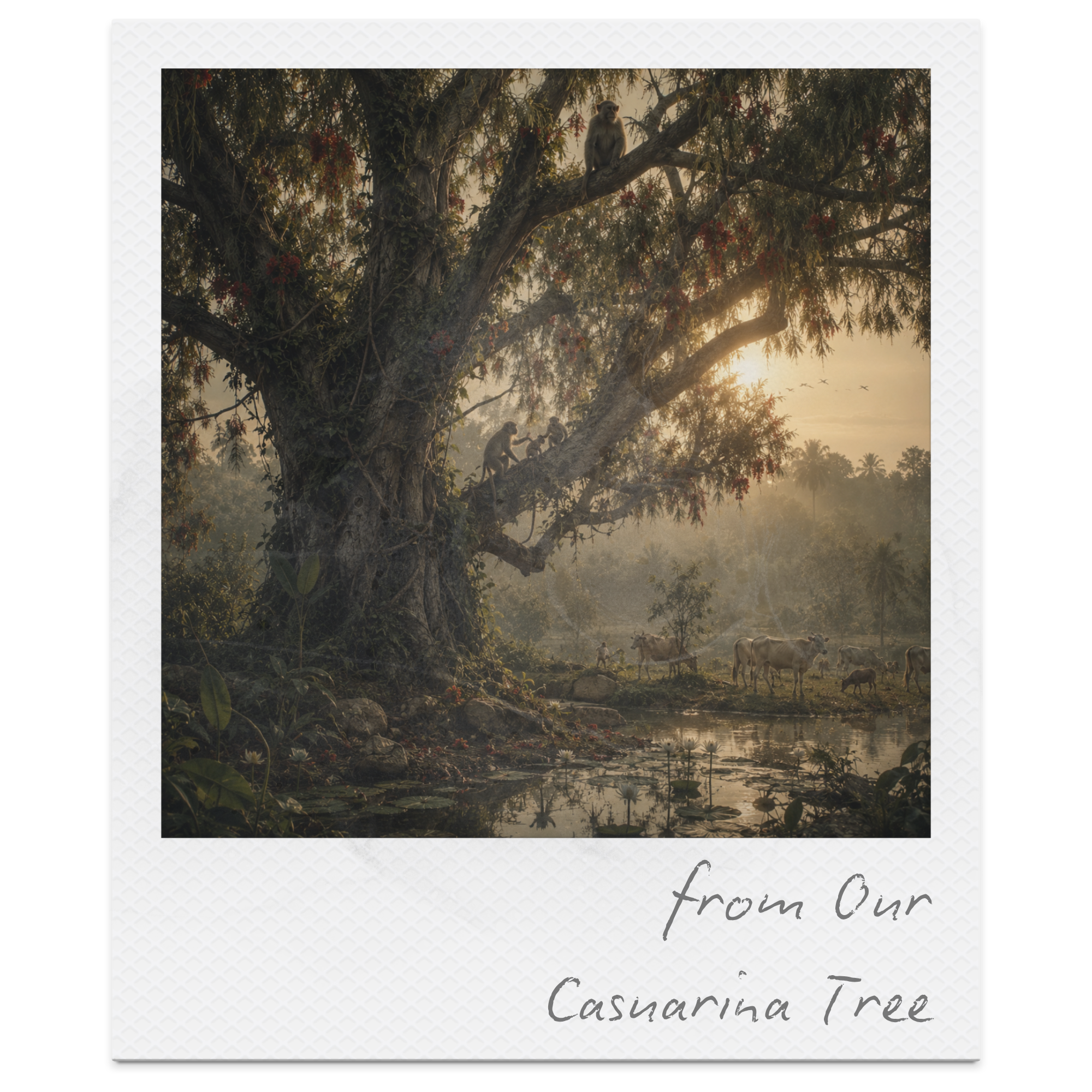
from Our Casuarina Tree by Toru Dutt: Summary, Themes & Analysis
Explore Our Casuarina Tree by Toru Dutt with this comprehensive poetry analysis, including context, summary, line-by-line analysis, key quotes, literary techniques, themes, alternative interpretations, and exam-ready insights. Discover how Dutt transforms a magnificent tree from her childhood into a powerful symbol of memory, sibling love, grief, home, cultural identity, and the passage of time. Through vivid natural imagery, symbolism, personification, and an increasingly reflective voice, Dutt explores the connections between nature, memory, and human mortality, ultimately turning to poetry as a way of preserving the people, places, and experiences threatened by time and forgetting.
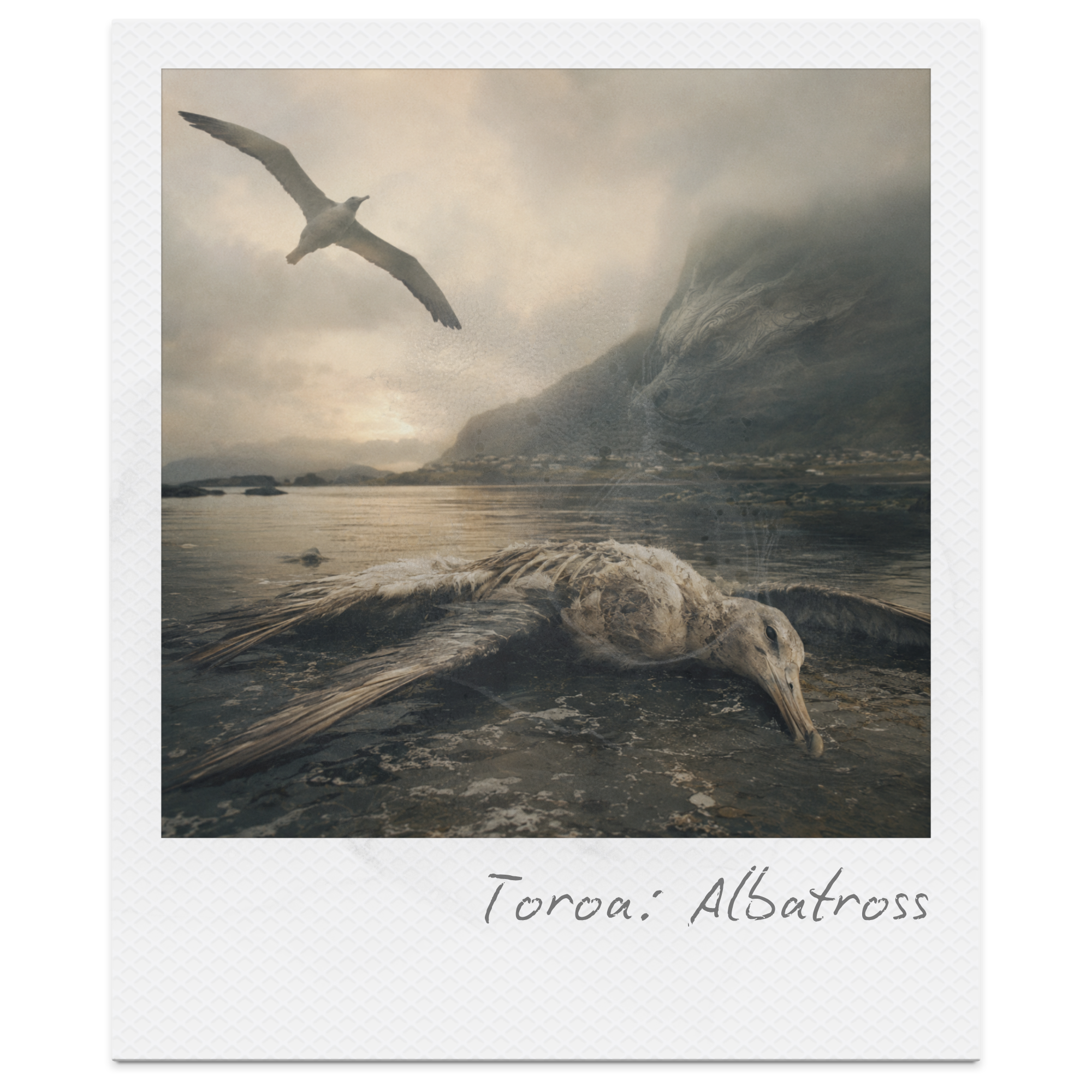
Toroa: Albatross by Hone Tuwhare: Summary, Themes & Analysis
Discover our complete analysis of Toroa: Albatross by Hone Tuwhare. Explore the poem's context, summary, key quotes, literary techniques, themes, and alternative interpretations, alongside detailed stanza-by-stanza analysis and exam-ready insights. You'll also find practical teaching ideas, comparison suggestions, and revision support to help students develop confident, method-based responses. Whether you're studying the poem independently or teaching it in the classroom, this guide explains how Tuwhare uses imagery, symbolism, Māori cultural references, and structure to explore belonging, environmental responsibility, compassion, and spiritual renewal.
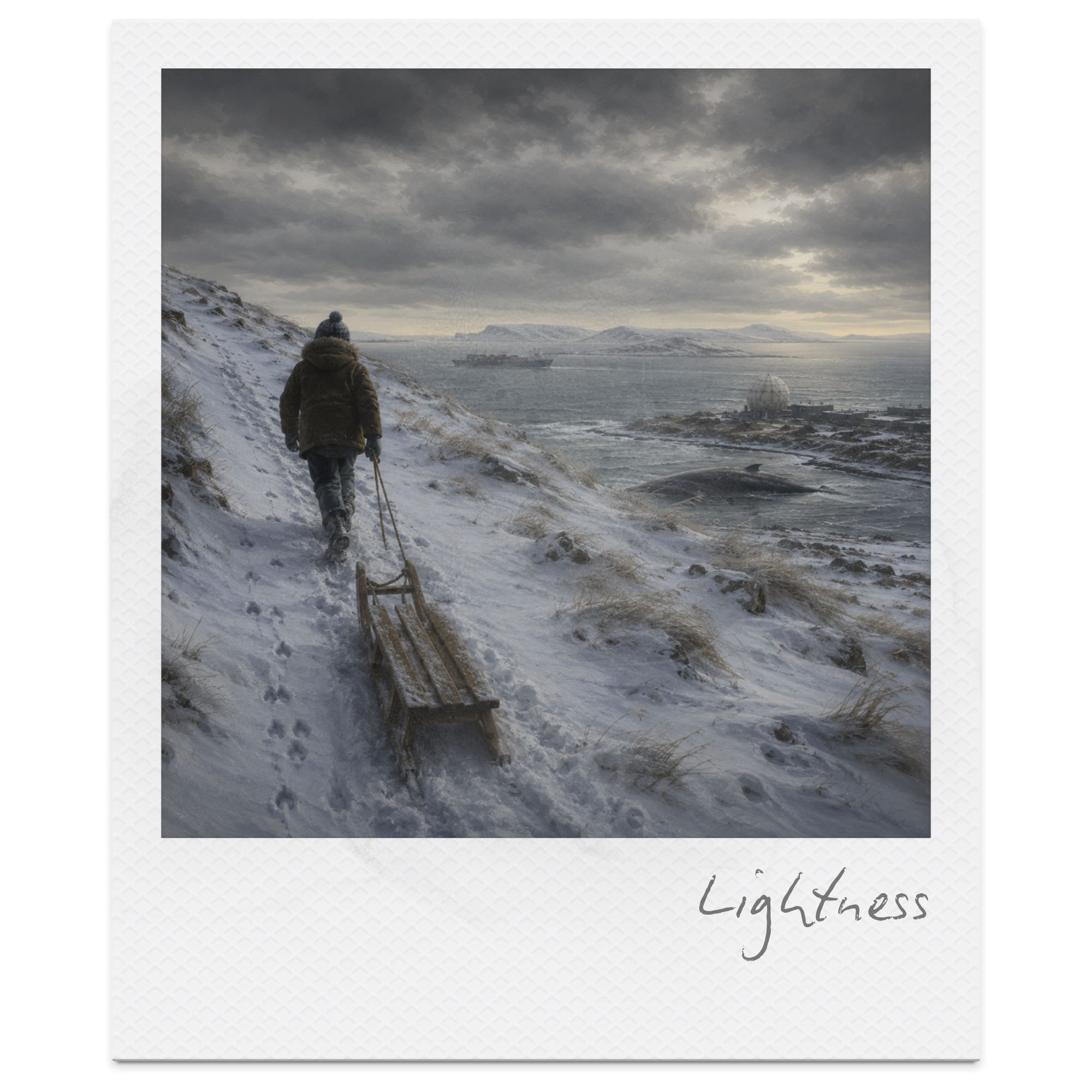
Lightness by Yvonne Gray: Summary, Themes & Analysis
Explore our complete analysis of Lightness by Yvonne Gray. This guide examines the poem's summary, themes, symbolism, villanelle form, structure, key quotations, and literary techniques, showing how Gray explores perseverance, hope, and the search for meaning through a powerful winter landscape. Perfect for students, teachers, and revision, this analysis also includes stanza-by-stanza commentary, alternative interpretations, exam-ready insights, and a model analytical paragraph to help you build confident, evidence-based responses.
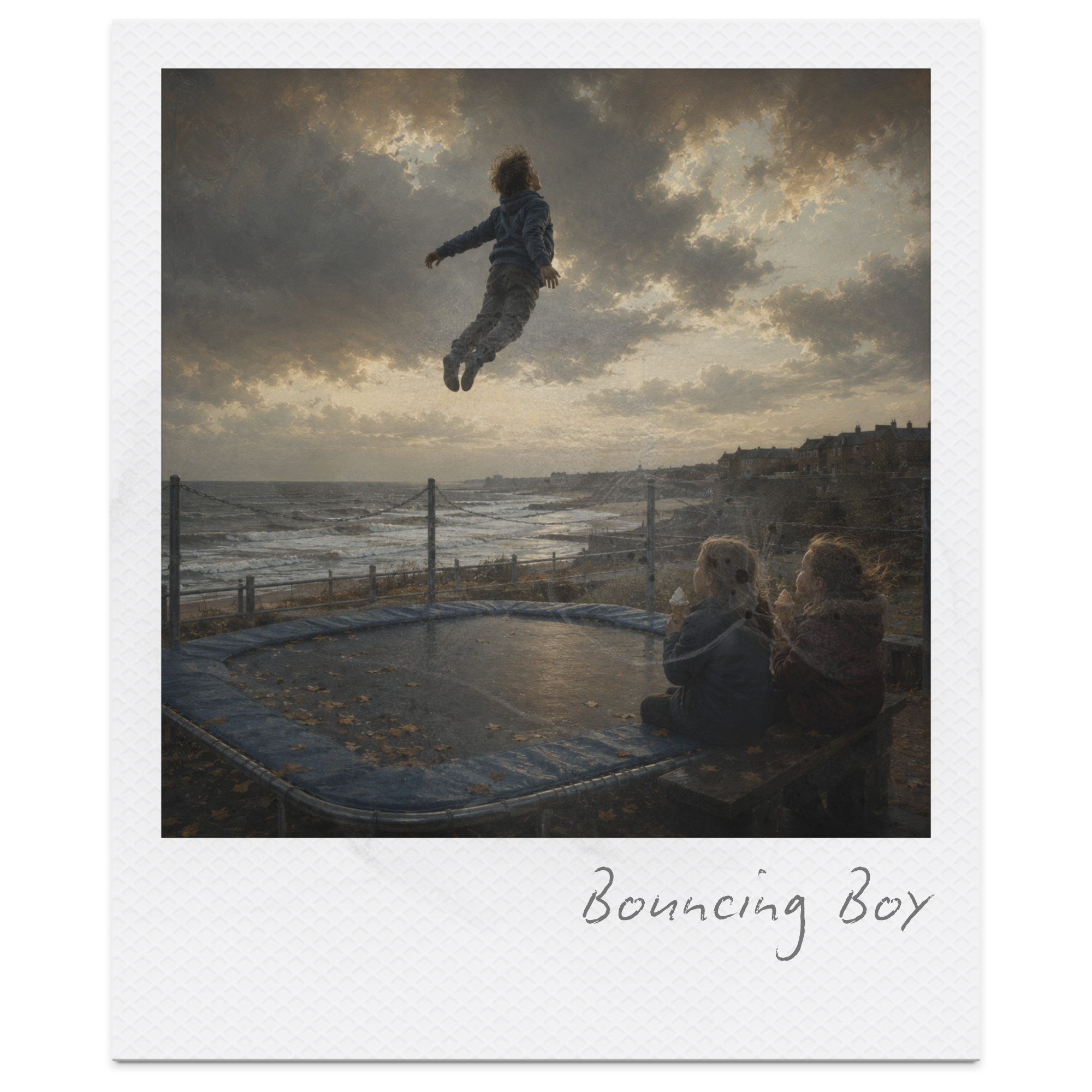
Bouncing Boy by Helen Dunmore: Summary, Themes & Analysis
Explore Bouncing Boy by Helen Dunmore with a detailed summary, stanza-by-stanza analysis, key quotations, themes, literary techniques, and exam-ready insights. Discover how Dunmore uses symbolism, imagery, and ambiguity to transform an ordinary childhood scene into a poignant exploration of memory, grief, love, and the enduring presence of those we have lost.
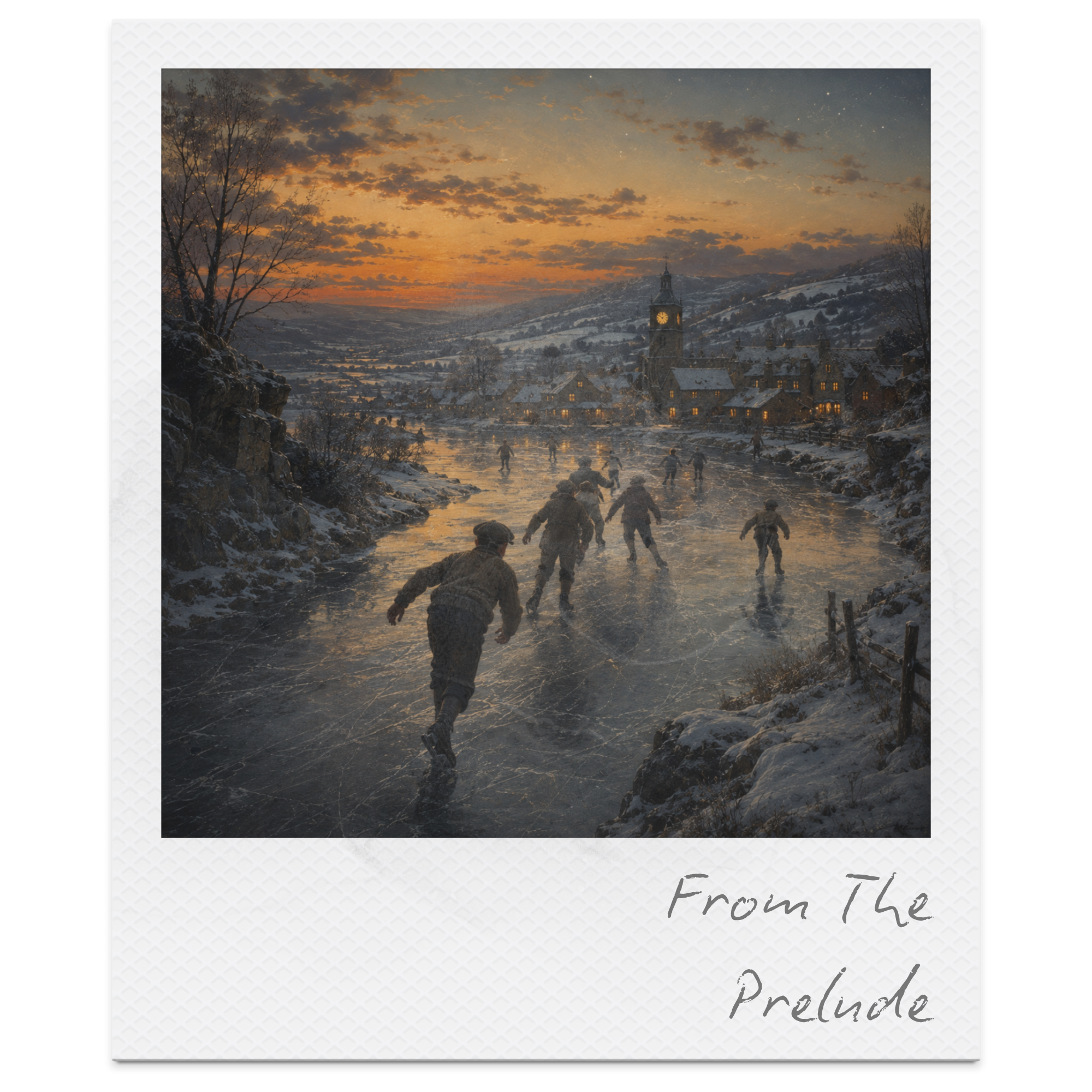
From The Prelude (1805 Extract) by William Wordsworth: Summary, Themes & Analysis
Explore The Prelude (1805 Extract) by William Wordsworth with a detailed summary, line-by-line analysis, key quotations, themes, literary techniques, and alternative interpretations. Discover how Wordsworth uses vivid imagery, sound, and the beauty of the natural world to explore childhood, memory, freedom, imagination, and the formative experiences that shape identity.

Oblivion by Ellis Ayitey Komey: Summary, Themes & Analysis
Discover Oblivion by Ellis Ayitey Komey through a clear summary, exploration of its key themes, important quotations, literary techniques, and alternative interpretations. Learn how Komey uses vivid imagery, symbolism, and repetition to explore memory, identity, nature, and the enduring power of remembering the people and places that shape our lives.
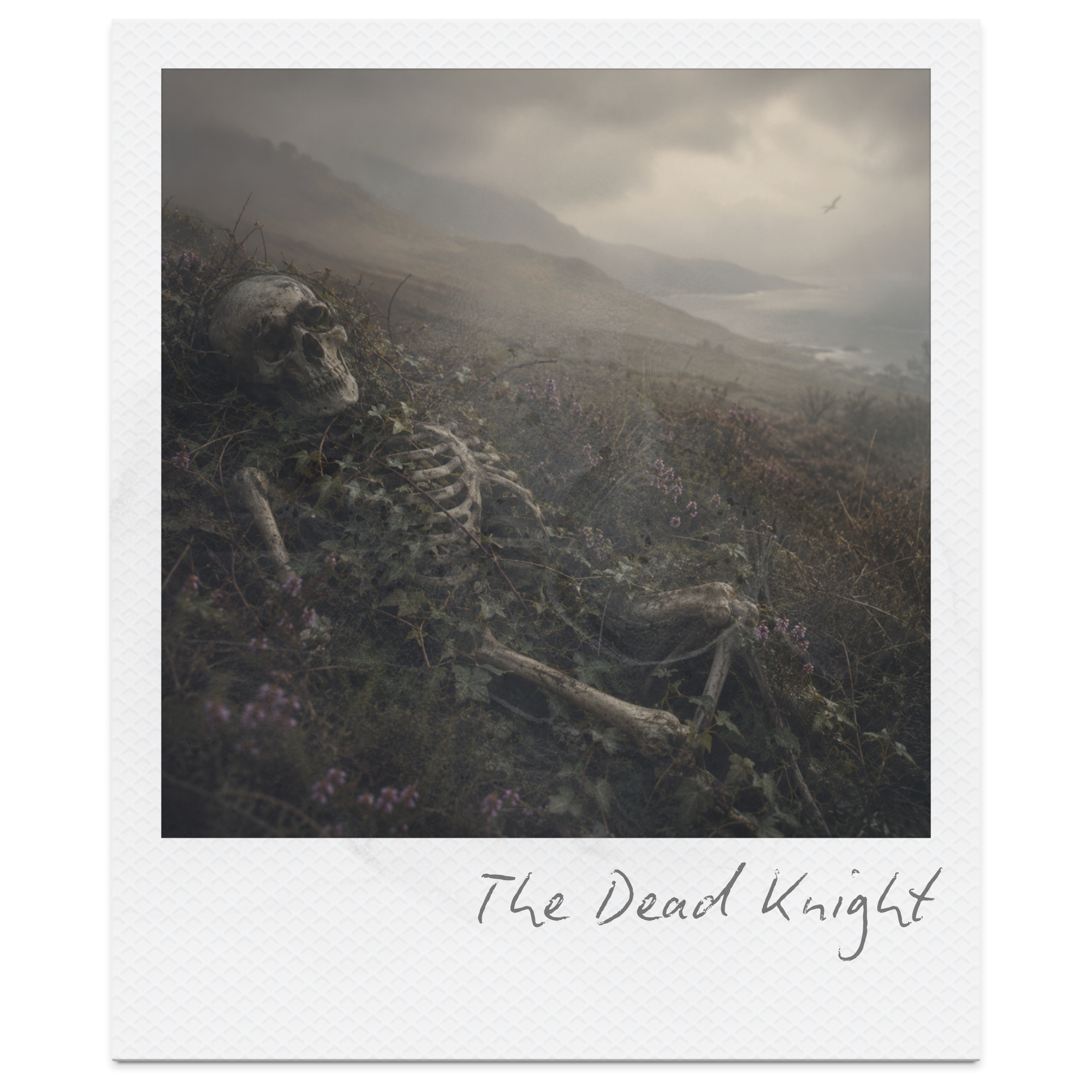
The Dead Knight by John Masefield: Analysis of Death, Memory and Nature's Requiem
John Masefield's The Dead Knight is a powerful meditation on death, memory, and the enduring presence of nature. Through rich natural imagery, religious symbolism, and haunting sound patterns, the poem explores how a forgotten knight is gradually reclaimed by the landscape, transforming physical decay into a reflection on remembrance, mortality, and spiritual peace. This analysis examines the poem's themes, symbolism, structure, voice, and key quotations while exploring how Masefield presents nature as mourner, guardian, and witness.
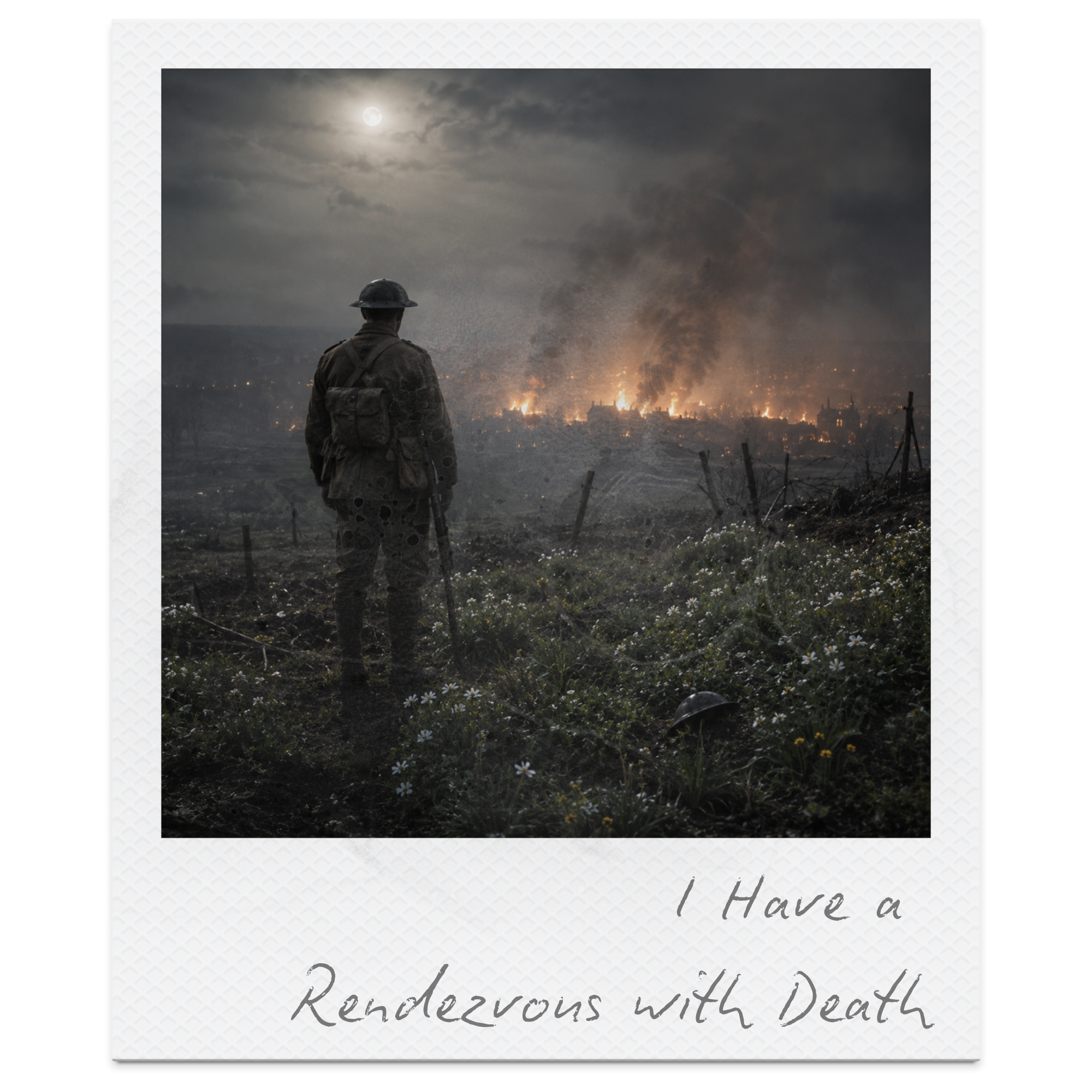
I Have a Rendezvous with Death by Alan Seeger: Themes, Symbolism and Analysis
I Have a Rendezvous with Death by Alan Seeger is a powerful First World War poem exploring mortality, duty, sacrifice, honour, and courage. Through the personification of Death, recurring spring imagery, and a speaker who calmly accepts the possibility of dying in battle, Seeger examines the tension between the beauty of life and the obligations that may require its sacrifice. This analysis explores the poem's themes, symbolism, structure, literary techniques, key quotes, and exam-ready insights, revealing how Seeger transforms a wartime reflection into a timeless meditation on commitment, mortality, and personal conviction.

The Poplar-Field by William Cowper: Time, Mortality and Loss
William Cowper's The Poplar-Field explores mortality, time, memory, and the impermanence of human happiness through the destruction of a beloved grove of trees. What begins as a lament for a changed landscape gradually develops into a philosophical reflection on the fragility of both life and the pleasures that give it meaning. Through vivid natural imagery, symbolism, and an elegiac tone, Cowper transforms a local act of loss into a universal meditation on change, reminding readers that neither landscapes nor human lives can escape the passage of time.

Upon a Wasp Chilled with Cold by Edward Taylor: Analysis of Nature, Faith and Divine Design
Edward Taylor's Upon a Wasp Chilled with Cold is a richly symbolic meditation on nature, faith, and divine design. Beginning with the detailed observation of a wasp recovering from the cold, the poem gradually develops into a reflection on God's presence within creation, exploring how even the smallest creatures can reveal profound spiritual truths. Through personification, extended metaphor, religious symbolism, and vivid natural imagery, Taylor transforms an ordinary encounter into an act of worship. This detailed analysis explores the poem's themes, symbolism, structure, key quotations, literary techniques, alternative interpretations, and anthology comparisons. Examining ideas such as creation as revelation, gratitude, spiritual growth, and observation as a pathway to understanding, the article reveals how Taylor uses a tiny insect to explore humanity's relationship with the divine and the hidden wisdom embedded within the natural world.
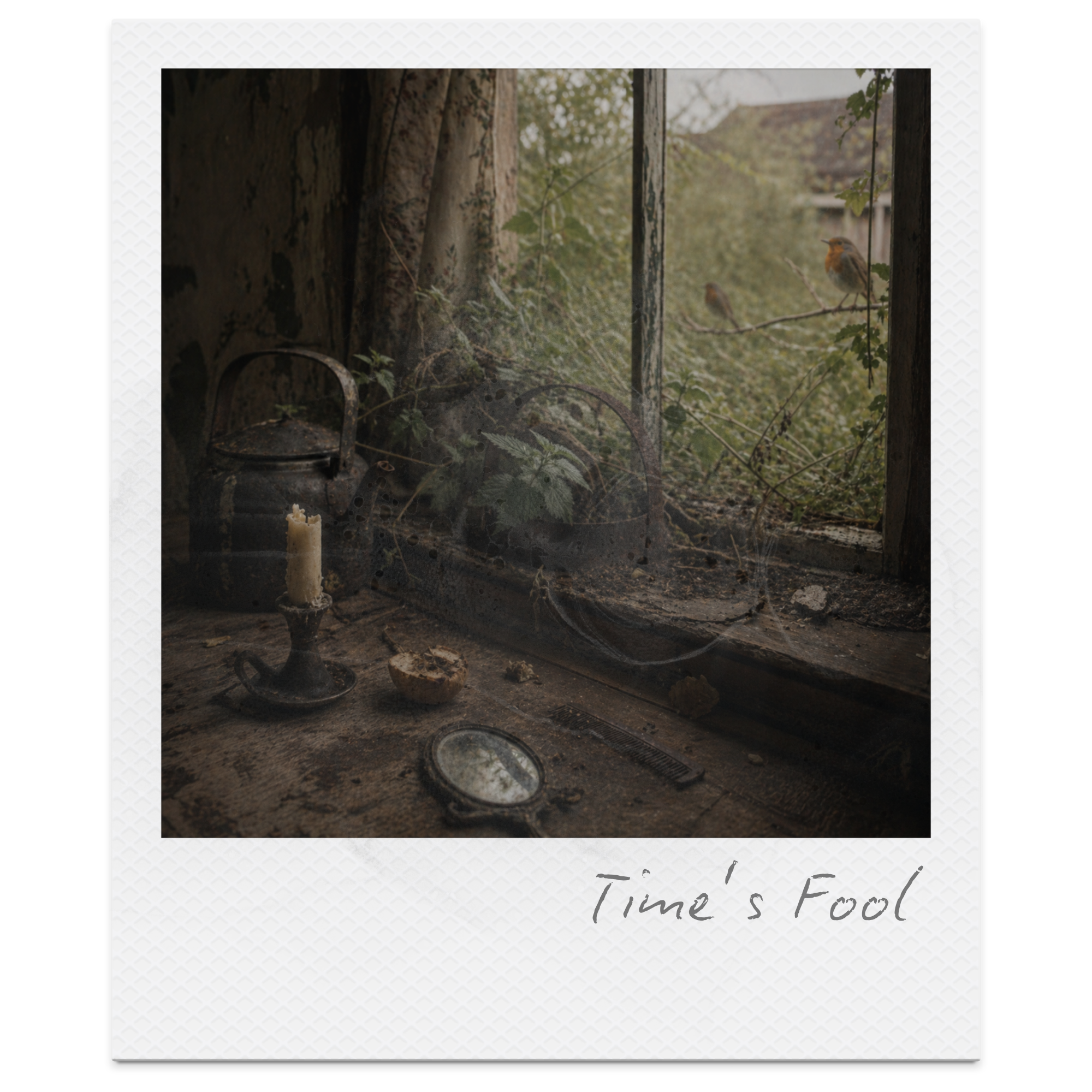
Time’s Fool by Ruth Pitter: Summary, Themes & Analysis
Ruth Pitter’s Time’s Fool reflects on how time reshapes our understanding of the past, transforming experiences that once seemed ordinary or insignificant into sources of deep emotional value. Through nostalgic imagery, paradox, and a reflective tone, the poem explores the contrast between material poverty and inner richness, revealing how memory redefines what truly matters. As the speaker revisits a life of simple comforts and natural surroundings, the poem shifts from a sense of loss to quiet acceptance, suggesting that fulfilment lies not in possessions but in experience, connection, and perspective. In doing so, Pitter presents a nuanced view of time—not just as a force of change, but as something that gives meaning to what has been left behind.
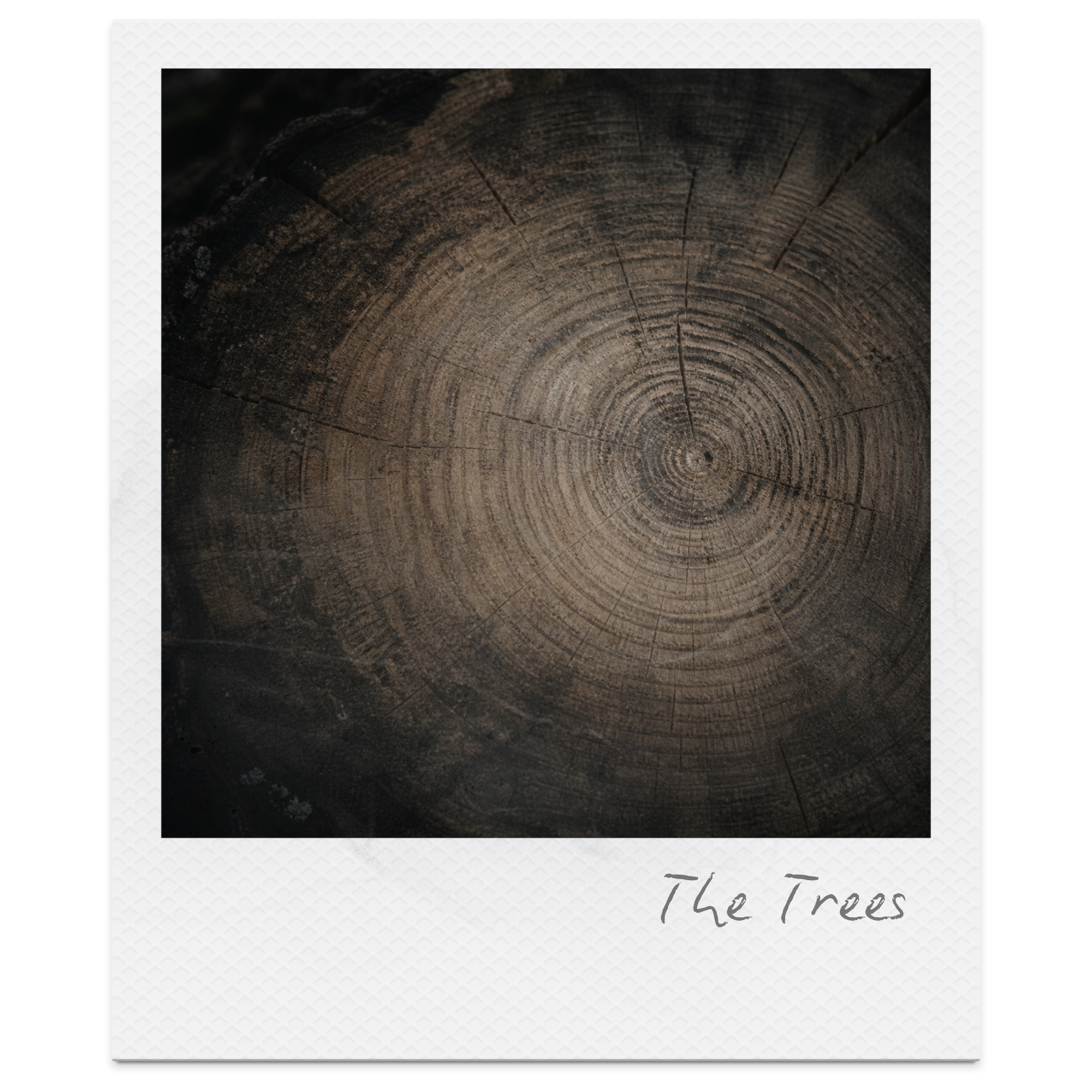
The Trees by Philip Larkin: Summary, Themes & Analysis
Philip Larkin’s The Trees explores the tension between renewal and mortality, using the natural cycle of spring to question whether fresh beginnings are ever truly possible. Through juxtaposition, controlled structure, and subtle tonal shifts, the poem presents the trees as symbols of apparent rebirth while revealing the underlying reality of ageing and continuity, challenging the reader’s assumptions about nature and time. As the poem develops, Larkin moves from quiet observation to a more unsettled recognition that the trees’ “yearly trick of looking new” conceals an ongoing process of change and decline. The repeated call to “begin afresh” feels both hopeful and fragile, leaving the reader with an unresolved tension between appearance and reality and reinforcing the idea that renewal may be more complex—and less reassuring—than it first appears.
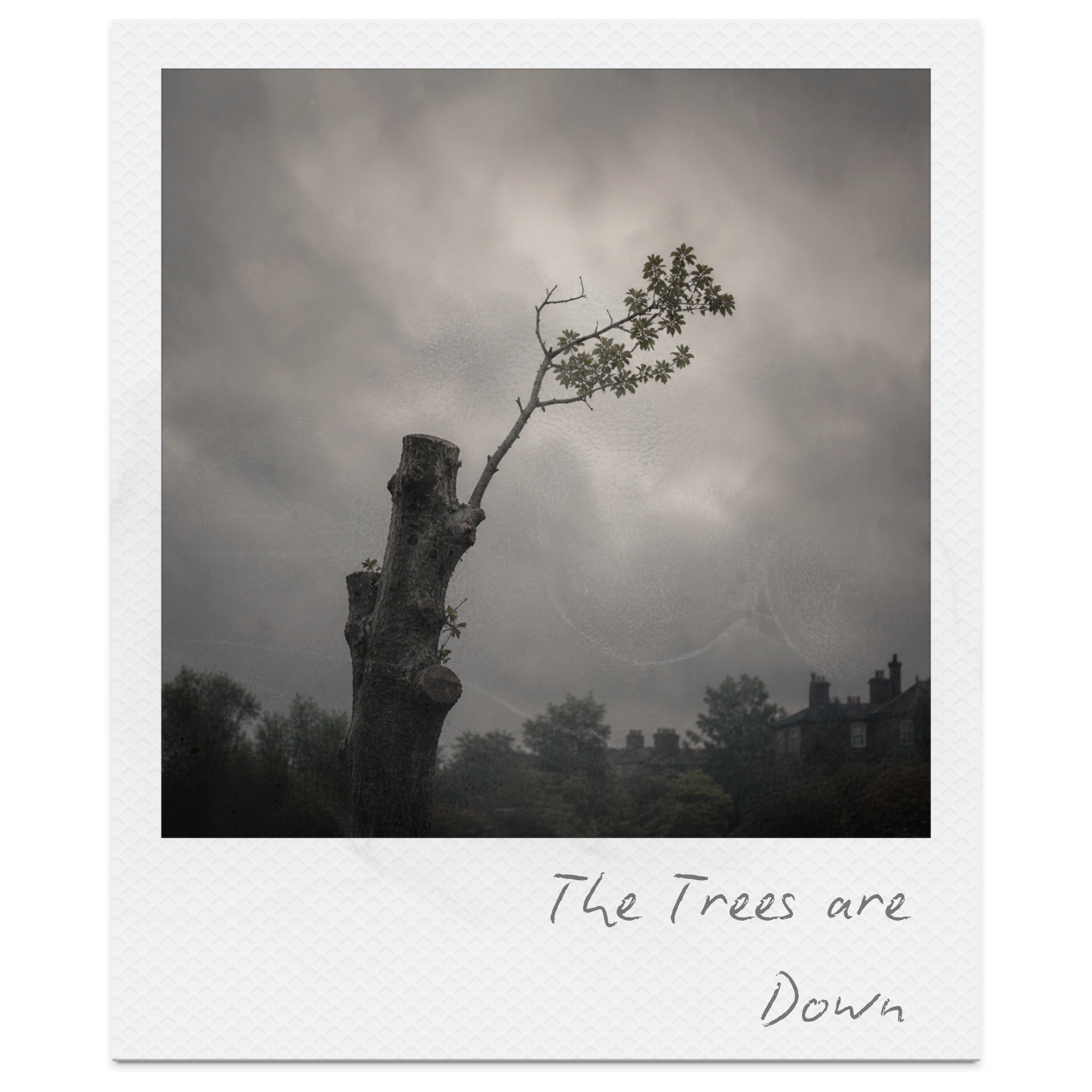
The Trees Are Down by Charlotte Mew: Summary, Themes & Analysis
The Trees Are Down by Charlotte Mew explores loss, destruction of nature, and emotional connection to place, transforming the cutting of trees into a powerful reflection on identity and memory. Through harsh sound imagery, contrast, and a shifting personal voice, Mew presents the act as more than physical labour, revealing it as a deeply unsettling and morally charged event. As the poem develops, the speaker moves from observation to personal reflection and protest, showing how the loss of the trees disrupts both the natural world and her own sense of self. The final image of an “angel crying” elevates this response into a form of spiritual warning, leaving the reader with a lasting sense that what has been destroyed cannot be restored, and that such loss carries profound emotional and ethical consequences.

Praise Song for My Mother by Grace Nichols: Summary, Themes & Analysis
Praise Song for My Mother by Grace Nichols explores motherhood, nurture, and identity through a sequence of extended metaphors, repetition, and sensory imagery, presenting the mother as a sustaining, life-giving force. The poem moves through images of water, the moon, and sunrise, each representing different forms of care, while the repeated structure “You were” creates a rhythmic, cumulative pattern that mirrors the ongoing nature of maternal influence. As the poem develops, the imagery shifts from elemental and universal to more specific, culturally grounded detail, particularly in the final stanza, where references to food and environment highlight the importance of heritage and lived experience. The repetition of “replenishing” reinforces the idea of continuous nourishment, suggesting that the mother’s influence does not end, but remains present in shaping identity. Through its controlled voice and patterned structure, the poem presents nurture as both foundational and enduring.
Sonnet 18 by William Shakespeare: Summary, Themes & Analysis of “Shall I compare thee to a summer’s day?”
Sonnet 18 by William Shakespeare explores the contrast between temporary natural beauty and the lasting power of poetry. Through a structured argument and a clear shift in tone, the poem shows how beauty fades in nature but can be preserved through language. This analysis breaks down how Shakespeare uses imagery, structure, and sound to present ideas about time, permanence, and legacy, helping students understand how meaning is created and how to write strong, method-focused responses.
L.E.L. by Christina Rossetti: Summary, Themes, Symbolism & Analysis
Christina Rossetti’s L.E.L. explores unfulfilled love, emotional isolation, and the tension between public performance and private suffering. Through its repeated refrain and vivid spring imagery, the poem contrasts a lively, outward persona with a deeply lonely inner life, revealing how easily pain can remain hidden beneath social appearances. This analysis examines Rossetti’s use of structure, symbolism, and religious imagery to present longing as both a personal and spiritual experience. It considers how the poem moves from quiet despair toward deferred hope, suggesting that love denied in the present may find fulfilment beyond earthly life.
From the Antique Christina Rossetti Analysis: Themes, Feminism & Existential Meaning
Christina Rossetti’s From the Antique offers a striking exploration of weariness, identity, and existential despair, presenting a speaker who moves beyond dissatisfaction with life to question the value of existence itself. Through deceptively simple language and a controlled, almost conversational tone, the poem traces a progression from frustration with a “woman’s lot” to a far more unsettling desire for complete non-existence. The speaker does not merely long for change or escape, but for the erasure of both body and soul, revealing a profound rejection of identity and selfhood. At the same time, Rossetti contrasts this personal despair with the steady continuity of the natural world. While the speaker imagines her own disappearance, the seasons continue to turn, blossoms bloom, and life moves forward unchanged. This juxtaposition highlights a central tension within the poem: the individual experience of suffering exists within a world that remains indifferent and self-sustaining. Through this contrast, Rossetti raises deeper questions about insignificance, perception, and the meaning of existence, positioning the poem as both a personal reflection and a broader philosophical meditation.
Autumn Violets Christina Rossetti Analysis: Themes, Symbolism, Structure & Key Quotes
Christina Rossetti’s Autumn Violets is a reflective sonnet that explores how love is shaped by time, age, and emotional limitation. Through the delicate image of violets blooming out of season, Rossetti contrasts youthful, idealised love with a quieter, more restrained form of love that emerges later in life. The poem suggests that, like the natural world, emotional experiences follow a pattern, and when they occur outside their “proper” moment, they must be understood differently. In this analysis, we explore Rossetti’s use of seasonal symbolism, structure, and language to examine the relationship between love and timing. With detailed breakdowns of key lines, themes, and techniques, this guide offers a clear and insightful reading of Autumn Violets, revealing how the poem ultimately presents acceptance—not fulfilment—as the defining quality of later love.

Passing and Glassing by Christina Rossetti: Summary, Themes, Symbolism & Analysis
Christina Rossetti’s Passing and Glassing is a reflective poem exploring aging, transience, memory, and the development of wisdom through time. Using symbolic imagery of fading flowers, fallen fruit, and preserved scents, Rossetti suggests that the natural world functions as a mirror reflecting human life. What begins as a meditation on the fading of beauty gradually expands into a deeper reflection on how experience shapes understanding. This analysis explores the poem’s imagery, symbolism, structure, and philosophical ideas, showing how Rossetti moves from personal reflection on aging toward a broader meditation on human experience. Through close reading of the poem’s language and imagery, we can see how Passing and Glassing transforms the passing of time into a source of perspective and insight.