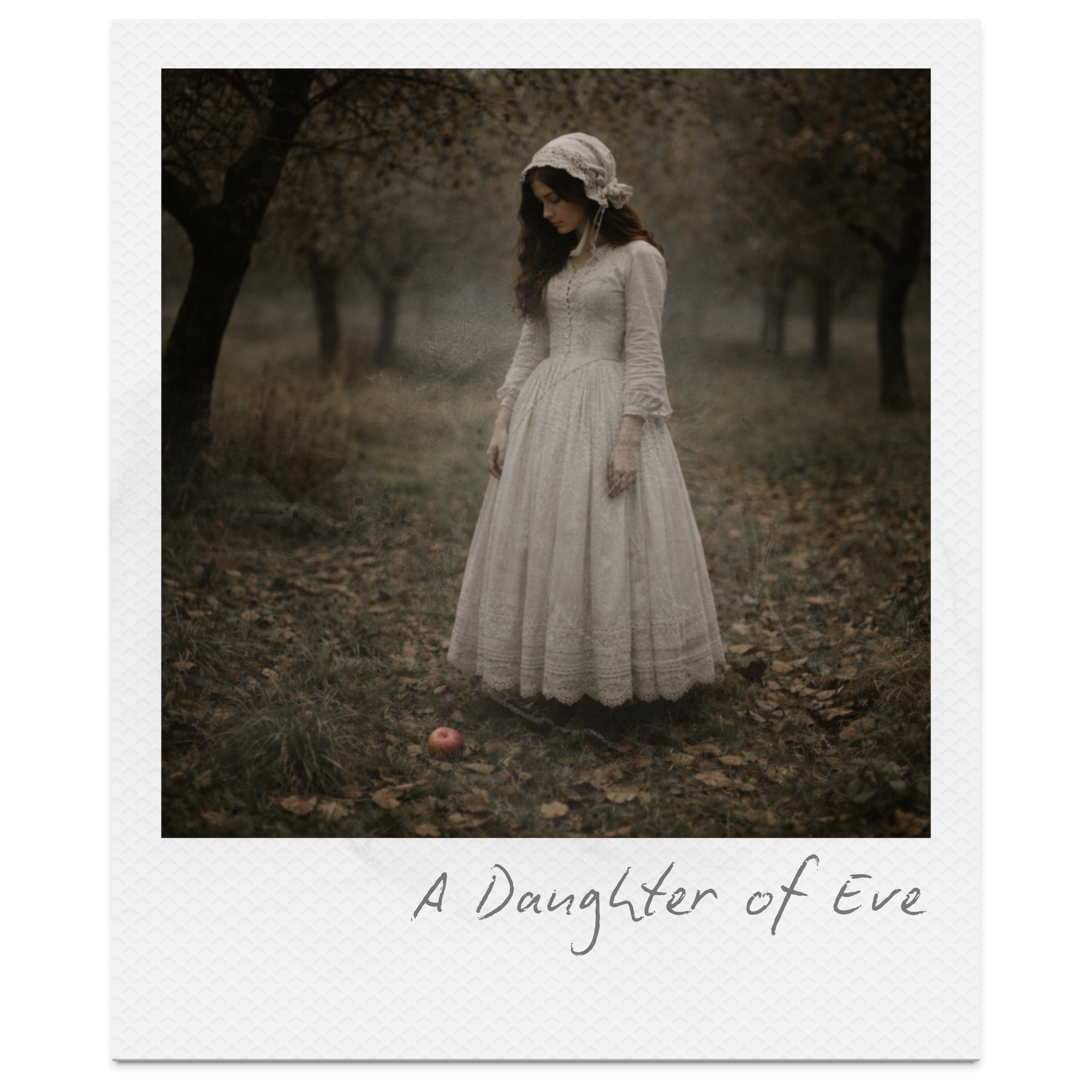
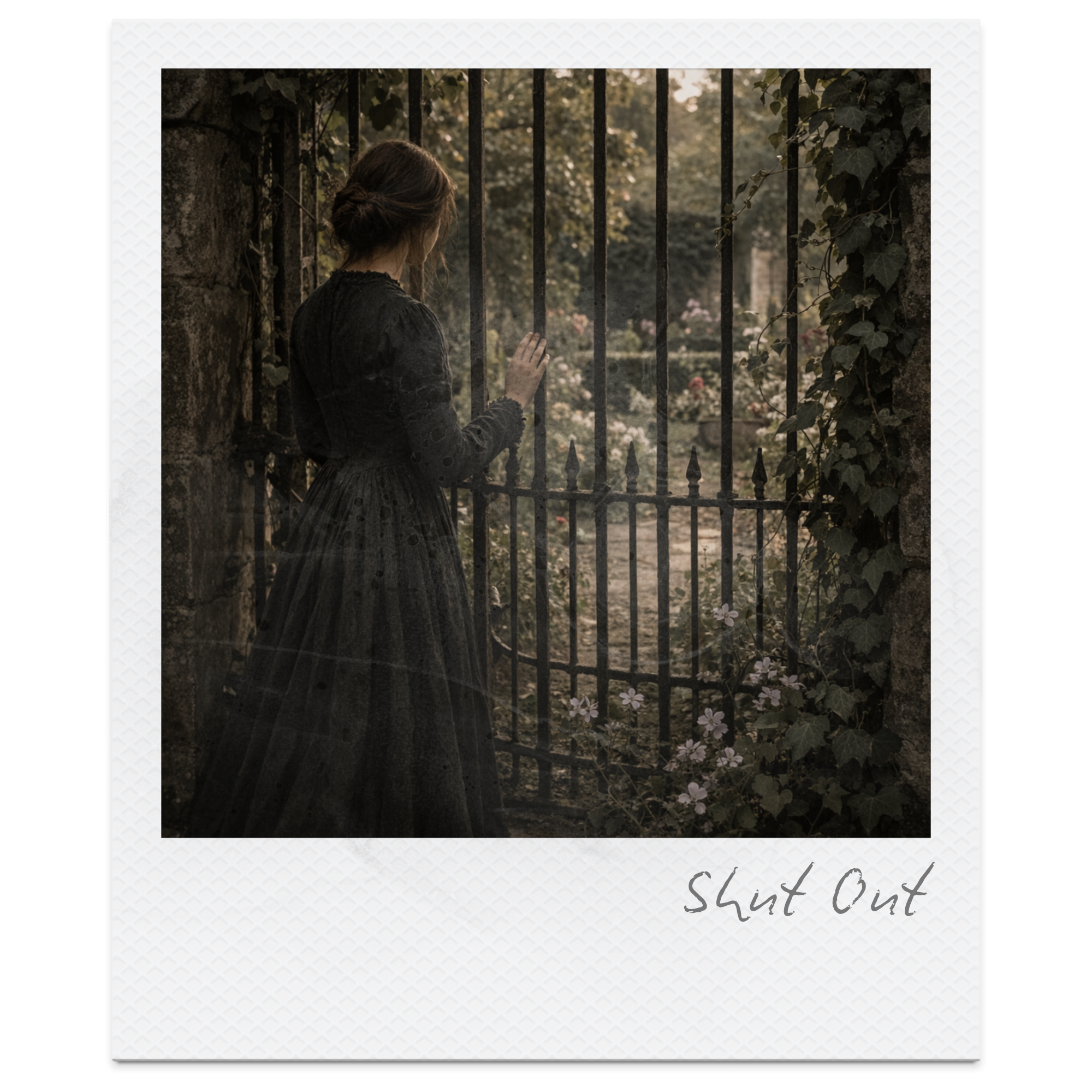
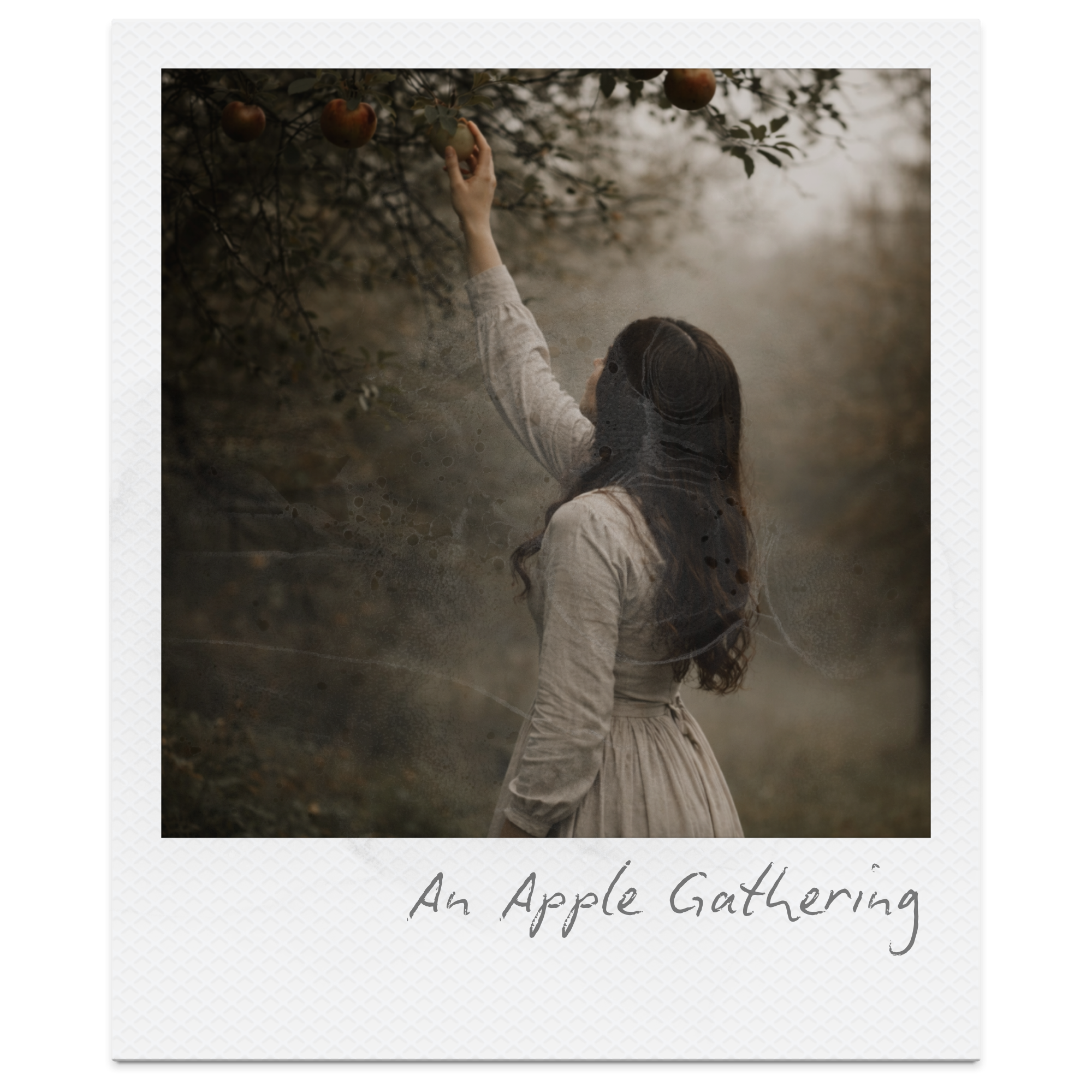
Passing and Glassing by Christina Rossetti: Summary, Themes, Symbolism & Analysis
Christina Rossetti’s Passing and Glassing is a reflective poem that explores the passage of time, aging, and the gradual development of wisdom through observation. Through a series of symbolic reflections, Rossetti presents everyday natural objects—flowers, fruit, and fading scents—as quiet reminders that beauty, youth, and joy are temporary. The poem invites readers to recognise that the visible changes in the natural world mirror the inevitable changes within human life.
At the centre of the poem is the idea that time itself acts as a mirror, revealing deeper truths about mortality, memory, and the relationship between youth and maturity. Rossetti develops this idea through repeated references to different kinds of “looking-glasses”, suggesting that life constantly reflects back lessons about change and acceptance. The poem moves gradually from an awareness of physical fading, to a quieter appreciation of enduring emotional sweetness, and finally to a broader meditation on human experience and wisdom.
This analysis explores how Rossetti uses symbolic imagery, repetition, and natural metaphors to reflect on the passage of time and the meaning that can be drawn from it. You can explore more of Rossetti’s poetry in our Christina Rossetti Poetry Hub, or browse our wider collection of literary analysis in the Literature Library.

Context of Passing and Glassing
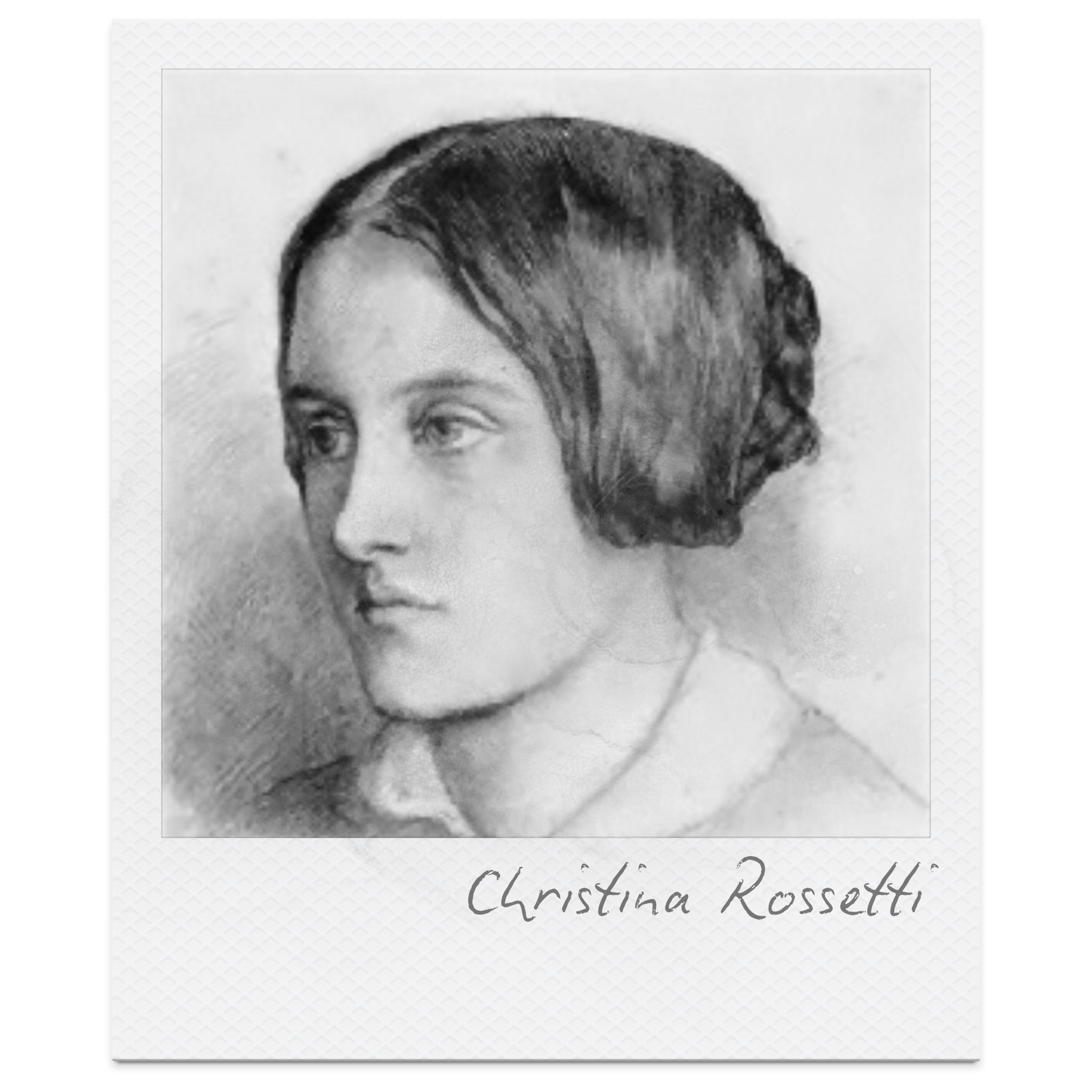
Christina Rossetti wrote during the Victorian period, a time deeply concerned with questions of mortality, spiritual reflection, and the inevitable passing of earthly beauty. Victorian poetry frequently explored how nature reflects the human experience, particularly the movement from youth to age and from worldly concerns toward deeper forms of understanding. In Passing and Glassing, Rossetti uses fading flowers, fallen fruit, and lingering scents as symbols of how the natural world quietly mirrors the stages of human life.
Rossetti’s work often reflects her strong religious faith and her interest in the moral and philosophical lessons that can be drawn from everyday observation. Rather than presenting change as something tragic, she frequently portrays it as part of a larger spiritual pattern in which loss, memory, and reflection gradually lead to wisdom. The poem’s repeated references to looking-glasses suggest that life itself functions as a mirror, revealing truths about time, human effort, and the consequences of our actions.
These ideas connect closely to Rossetti’s broader poetic concerns, including transience, spiritual awareness, and the tension between physical beauty and lasting meaning. If you would like to explore these influences in more detail, read our full Christina Rossetti context post here.
Passing and Glassing: At a Glance
Form: Lyric poem structured in three reflective stanzas
Mood: Meditative, contemplative, gently philosophical
Central tension: The contrast between youthful beauty and inevitable fading, and the search for meaning within life’s passing moments
Core themes: transience, aging, memory, acceptance of change, wisdom through experience
One-sentence meaning:
The poem suggests that the passing of time acts like a mirror, revealing how beauty fades, how memories endure, and how reflection on life’s changes can lead to deeper wisdom.
Quick Summary of Passing and Glassing
In the opening stanza, Rossetti presents the natural world as a “looking-glass” that reflects the inevitable fading of beauty and youth. The imagery of withered roses and fallen fruit suggests that all living things eventually lose their freshness and vitality. Through these symbols, the poem reflects on how women in particular may see their own aging mirrored in the changing seasons of nature. The stanza establishes the idea that time quietly reminds us that physical beauty and youthful joy cannot last forever.
The second stanza introduces a softer and more comforting perspective. While flowers may fade, their dried forms still retain sweetness, as seen in the imagery of lavender and violets preserved for their scent. This shift suggests that although youth may pass, something meaningful can remain. Memories, emotional warmth, and the lingering traces of past experiences continue to hold value, offering a sense of consolation rather than pure loss.
In the final stanza, the poem broadens its focus from personal aging to a wider philosophical reflection on human life. Rossetti describes all passing things as “wisdom’s looking-glass,” suggesting that the movement of time ultimately teaches deeper truths about existence. The stanza emphasises that human actions and choices shape the meaning of life, while the closing reference to “nothing new beneath the sun” echoes the biblical idea that human experiences repeat across generations. The poem therefore concludes with the suggestion that reflection on life’s changes can lead to understanding and wisdom.
Title, Form, Structure, and Metre
Christina Rossetti carefully shapes Passing and Glassing through repetition, patterned rhyme, and symbolic imagery. Although the poem appears simple on the surface, its structural design reinforces the poem’s meditation on time, aging, and reflection. The repeated references to “looking-glasses” create a sense that each stanza offers a different perspective on the same underlying truth: the passing of time reveals deeper understanding.
Title
The title Passing and Glassing brings together two closely connected ideas: the passing of time and the act of reflection. The word “passing” emphasises the inevitability of change, suggesting that beauty, youth, and joy are all temporary. “Glassing,” meanwhile, refers to a mirror or reflective surface, implying that life constantly reveals truths about itself through observation.
Within the poem, natural objects function as these metaphorical mirrors. Flowers, fruit, and fading scents become symbolic surfaces in which human life is reflected. Through this imagery Rossetti suggests that people learn about their own lives by watching the transformations that occur in the natural world.
Form and Structure
The poem is organised into three eight-line stanzas, called octaves. Each stanza introduces a different type of metaphorical “glass”: woman’s looking-glass, woman’s tiring-glass, and wisdom’s looking-glass. This structural repetition creates a clear progression in the poem’s thinking. The first stanza focuses on the fading of physical beauty, the second reflects on emotional memory and comfort, and the final stanza expands into a broader philosophical reflection about human life.
This movement from personal reflection to universal insight gives the poem a sense of gradual development. Rossetti begins by considering the way individuals experience aging, particularly through the cultural pressures placed upon women’s appearance. By the final stanza, however, the poem shifts toward a wider perspective in which the passing of time becomes a source of philosophical understanding rather than purely personal loss.
Rhyme Scheme and Poetic Pattern
Each stanza follows a consistent rhyme scheme of AABBBCCA, creating a sense of controlled order within the poem. The clustering of the middle rhymes slows the pace of the stanza, encouraging the reader to pause and reflect on the images Rossetti introduces.
This carefully patterned structure reinforces the poem’s central idea that life unfolds according to recognisable cycles. Just as the rhyme scheme repeats across each stanza, the experiences of youth, change, fading beauty, and reflection recur throughout human life. The regularity of the rhyme therefore mirrors the larger pattern of existence the poem describes.
Metre and Rhythmic Movement
Unlike some of Rossetti’s more formally regular poems, Passing and Glassing does not maintain a strict metrical pattern throughout. The lines vary in length and rhythm, producing a flexible and contemplative cadence rather than a steady poetic beat. Many of the shorter lines loosely follow iambic movement, where an unstressed syllable is followed by a stressed one, but Rossetti frequently disrupts this rhythm with shifts in stress and pacing.
For example, the opening line:
all THINGS that PASS
moves quickly and emphatically, with strong stresses placed on things and pass. The compressed rhythm draws attention to the poem’s central idea of transience. In contrast, longer lines such as:
they SHOW her HOW her BLOOM must FADE
extend the rhythm and slow the reader’s pace, allowing the imagery of fading beauty to unfold more gradually.
Rossetti also makes effective use of short, abrupt lines that interrupt the rhythm and isolate key emotional ideas. A line such as:
un LOVE ly, OUT of REACH
breaks the flow of the stanza and emphasises the sense of separation and loss associated with aging. These sudden shifts in rhythm create moments of pause within the poem, encouraging reflection on the images being presented.
The overall effect of this flexible metre is to support the poem’s contemplative tone. Rather than moving with mechanical regularity, the rhythm expands and contracts as the speaker moves through different stages of thought. The shifting cadence mirrors the poem’s thematic journey—from the sharp awareness of fading beauty, to the quieter recognition that time’s passing ultimately leads to deeper wisdom.
Speaker of Passing and Glassing
The speaker in Passing and Glassing adopts a reflective and contemplative voice that observes the passing of time through symbolic images drawn from nature. Rather than presenting a personal narrative, the speaker speaks with a tone of quiet philosophical reflection, using the natural world to explore how aging, memory, and wisdom shape human experience.
Although the poem focuses particularly on women’s experience of aging, the speaker does not present herself as a specific individual. Instead, the voice functions almost like a thoughtful observer who interprets the lessons contained within everyday objects. References to “woman’s looking-glass” and “woman’s tiring-glass” highlight how women historically measured themselves against ideals of beauty and youth. The speaker recognises that these social expectations can make the fading of beauty feel like a form of loss.
However, the speaker does not remain fixed in this perspective. As the poem progresses, the voice gradually shifts toward a broader philosophical understanding. By the final stanza, the focus expands beyond women’s aging to reflect on human life more generally, suggesting that the passage of time ultimately reveals deeper truths about existence.
The speaker’s tone remains calm, reflective, and accepting, avoiding bitterness or despair. Instead of presenting aging purely as decline, the voice suggests that life’s passing moments function as mirrors that reveal experience, emotional endurance, and eventual wisdom. Through this reflective perspective, the speaker encourages readers to see the passage of time not only as loss but also as a source of understanding.
Stanza-by-Stanza Analysis of Passing and Glassing
Christina Rossetti develops the meaning of Passing and Glassing gradually through three carefully structured stanzas. Each stanza introduces a different type of symbolic “looking-glass,” using images from the natural world to reflect on the relationship between beauty, aging, memory, and wisdom. The poem begins with a focus on the fading of physical beauty, moves toward a gentler recognition of emotional endurance, and finally broadens into a philosophical reflection on human experience as a whole.
Through close reading of the poem’s imagery, symbolism, and tone, it becomes clear that Rossetti is not simply describing the passage of time. Instead, she suggests that the natural world functions as a mirror in which human life can be understood. The fading flowers, fallen fruit, and preserved scents of the poem become symbolic reminders that although youth may pass, the process of reflection can lead to greater emotional and intellectual understanding.
Stanza 1: The Looking-Glass of Fading Beauty
The opening stanza introduces the poem’s central metaphor: the idea that everything that fades in nature functions as a mirror reflecting human aging. The line “All things that pass / Are woman's looking-glass” immediately establishes the idea that the passing of time is visible through the natural world. Flowers fading, fruit falling, and summer ending all become symbolic reflections of the way human beauty and vitality inevitably decline.
Rossetti develops this idea through the image of a woman watching “her bloom” fade. The word bloom carries layered meaning. On a literal level it refers to flowers, reinforcing the poem’s natural imagery. At the same time, it traditionally symbolises youthful beauty and vitality, suggesting that the woman recognises her own aging in the fading blossoms around her. By connecting human beauty to flowers, Rossetti highlights how both are admired when fresh but often undervalued once they begin to fade.
The stanza’s imagery becomes increasingly stark as it progresses. The woman imagines herself eventually being “laid / With withered roses in the shade.” The association with burial introduces a reminder of mortality, linking the fading of beauty with the inevitability of death. The repeated image of “withered roses” reinforces the sense of decline, suggesting that what was once vibrant and admired has now become fragile and diminished.
Rossetti extends this symbolism with the image of “the fallen peach.” The peach, a fruit associated with ripeness and sweetness, represents the fullness of youth and sensual vitality. Once fallen, however, it becomes “unlovely, out of reach / Of summer joy that was.” The contrast between the abundance of summer and the fruit’s fallen state emphasises how quickly beauty and pleasure can disappear.
Despite the melancholy tone of this stanza, Rossetti’s language remains reflective rather than bitter. The stanza establishes the emotional starting point of the poem: an awareness that physical beauty fades and that society often measures women by that fading. This recognition prepares the reader for the later stanzas, where the poem gradually moves toward a more nuanced understanding of time, memory, and wisdom.
Stanza 2: Enduring Sweetness Beyond Youth
The second stanza revisits the poem’s central metaphor but subtly shifts its meaning. Instead of a “looking-glass,” the passing world now becomes “woman’s tiring-glass.” In Victorian usage, a tiring-glass refers to a mirror used while dressing or preparing oneself. This change in imagery suggests a more intimate and reflective form of self-examination. The woman is no longer simply observing the fading of beauty in the natural world; she is reconsidering how that change shapes her understanding of herself.
Rossetti continues to use floral imagery, but the tone becomes noticeably gentler than in the first stanza. The speaker describes “the faded lavender” and “the dead violet,” flowers that have lost their visual brightness but still retain their fragrance. The repetition of the word “sweet” emphasises this lingering quality, suggesting that even when outward beauty fades, something valuable remains.
The imagery of flowers that have been “culled and laid by and cared for yet” introduces an important shift in perspective. Rather than being discarded once their freshness is gone, these flowers are preserved and valued. In Victorian domestic culture, dried lavender and violets were often kept for their scent, symbolising memory, affection, and continuity. Rossetti therefore suggests that the passing of youth does not erase emotional depth or personal worth.
The stanza concludes with a quiet reassurance: “Still sweet, may comfort her, / Nor need she cry Alas!” Unlike the sombre tone of the first stanza, this ending offers a form of consolation. Although time inevitably transforms beauty, the speaker suggests that aging does not lead only to loss. Instead, it allows for the preservation of memory, emotional richness, and enduring sweetness, offering comfort rather than despair.
Stanza 3: Reflection and the Growth of Wisdom
In the final stanza, Rossetti expands the poem’s perspective beyond the experience of women to reflect on human life as a whole. The repeated phrase “All things that pass” now introduces “wisdom’s looking-glass,” suggesting that the passing of time ultimately reveals deeper truths about existence. While the earlier stanzas focused on beauty and emotional endurance, this final section moves toward a more philosophical understanding of life.
The stanza emphasises that human experience is always “full of hope and fear,” highlighting the mixture of optimism and anxiety that accompanies life’s journey. Rossetti suggests that the meaning of these experiences depends largely on human action, describing life as “brimful of good or ill, / According to our work and will.” This idea introduces a moral dimension to the poem, implying that individuals shape the character of their lives through their choices and intentions.
The closing lines echo the biblical idea that “there is nothing new beneath the sun,” a phrase that recalls the Book of Ecclesiastes. By invoking this scriptural reference, Rossetti situates the poem within a wider tradition of religious and philosophical reflection on time. The suggestion that “our doings have been done” emphasises the cyclical nature of human experience: the struggles, hopes, and fears of one generation are repeated by the next.
The final line, “And that which shall be was,” reinforces this sense of continuity between past, present, and future. Rather than presenting time as a simple movement toward loss, Rossetti suggests that the passing of events allows people to recognise patterns that have always existed. Through this final “looking-glass,” the poem proposes that reflection on life’s changes leads not only to awareness of aging, but to a broader understanding of human nature and the rhythms of history.
Key Quotes from Passing and Glassing
Rossetti’s Passing and Glassing uses carefully chosen images and repeated metaphors to explore the themes of aging, reflection, and the development of wisdom through time. The following quotations highlight key moments in the poem where Rossetti’s imagery and symbolism deepen the poem’s meaning.
All things that pass / Are woman's looking-glass
◆ Establishes the poem’s central metaphor: the passing world functions as a mirror reflecting human life.
◆ Suggests that natural change allows women to recognise the fading of youth and beauty.
◆ Introduces the theme that time reveals truths about identity and self-perception.
They show her how her bloom must fade
◆ The word “bloom” symbolises youthful beauty and vitality.
◆ Rossetti links human aging to the natural life cycle of flowers.
◆ Emphasises the inevitability of change and the cultural pressure placed on women’s appearance.
With withered roses in the shade
◆ The withered roses symbolise beauty that has faded over time.
◆ The image of shade suggests both aging and the approach of death.
◆ Reinforces the poem’s early focus on the loss of youthful vitality.
With withered roses and the fallen peach
◆ The fallen peach represents ripeness and sensual fullness that has passed its peak.
◆ Extends the poem’s imagery of natural decay to emphasise transience.
◆ Suggests how society often judges value according to outward appearance.
The faded lavender is sweet
◆ Introduces the idea that something valuable can remain even after beauty fades.
◆ Lavender symbolises memory, preservation, and emotional continuity.
◆ Marks a tonal shift from loss toward quiet acceptance.
Sweet the dead violet
◆ The repeated emphasis on “sweet” suggests that emotional richness can endure beyond youth.
◆ Violets traditionally symbolise modesty and affection.
◆ Reinforces the stanza’s idea that aging does not erase emotional depth.
The dried-up violets and dried lavender / Still sweet, may comfort her
◆ Highlights how preserved flowers continue to provide comfort despite their faded appearance.
◆ Suggests that memory and experience can retain value even after youth passes.
◆ Offers a gentler perspective on aging than the first stanza.
All things that pass / Are wisdom's looking-glass
◆ Expands the poem’s metaphor from personal aging to philosophical reflection.
◆ Suggests that time itself becomes a mirror through which deeper truths emerge.
◆ Marks the transition from physical concerns to intellectual and spiritual understanding.
According to our work and will
◆ Introduces the idea that human life is shaped by personal choices and actions.
◆ Adds a moral dimension to the poem’s reflections on time.
◆ Suggests that wisdom develops through lived experience.
For there is nothing new beneath the sun
◆ Echoes the biblical language of Ecclesiastes.
◆ Emphasises the cyclical nature of human experience across generations.
◆ Concludes the poem’s reflection by suggesting that the patterns of life repeat throughout history.
Key Techniques in Passing and Glassing
Christina Rossetti uses a small number of carefully controlled poetic techniques in Passing and Glassing to explore transience, reflection, and the gradual movement from physical fading to philosophical understanding. The poem’s power lies in its repeated mirror metaphor, symbolic natural imagery, and structured development of ideas across the three stanzas.
◆ Extended metaphor – Rossetti structures the poem around the repeated image of different kinds of “looking-glass” or “tiring-glass.” These mirrors are symbolic rather than literal. The passing of natural things becomes a reflective surface through which human life can be understood. Each stanza introduces a different “glass,” gradually expanding the poem’s perspective from personal aging to broader wisdom.
◆ Repetition – The phrase “All things that pass” opens every stanza, reinforcing the poem’s central concern with change and the passage of time. This repetition creates a meditative rhythm and emphasises that the same fundamental process of fading and transformation applies to both nature and human life.
◆ Symbolic natural imagery – Rossetti uses objects from the natural world—withered roses, fallen peach, faded lavender, and violets—to illustrate the inevitability of change. These images allow the poem to present aging and passing as part of a wider natural cycle rather than an isolated human experience.
◆ Floral symbolism and Victorian flower language – The poem’s flowers would likely have carried cultural associations for Victorian readers familiar with the language of flowers. Roses were commonly linked with beauty and youth, violets with modesty and enduring affection, and lavender with memory and domestic comfort. Rossetti’s movement from withered roses in the first stanza to preserved lavender and violets in the second subtly shifts the poem’s focus from fading beauty toward the idea that emotional value and memory can endure.
◆ Contrast between fading and endurance – Rossetti repeatedly contrasts visible decline with lingering sweetness. For example, “faded lavender” and “dead violet” are no longer fresh but are still described as “sweet.” This contrast reinforces the poem’s suggestion that while outward beauty fades, other forms of value—such as memory or emotional depth—can remain.
◆ Structured progression of ideas – The poem develops through a clear three-stage movement. The first stanza reflects on fading beauty, the second introduces the idea of comfort and preserved sweetness, and the third expands into philosophical reflection and wisdom. This progression allows the poem to move from personal experience toward universal insight.
◆ Regular rhyme scheme – Each stanza follows the same rhyme pattern of AABBBCCA, giving the poem a strong sense of structural unity. The repeated rhyme scheme mirrors the poem’s theme that the patterns of life—youth, aging, memory, and reflection—recur across human experience.
◆ Biblical allusion – The line “For there is nothing new beneath the sun” echoes Ecclesiastes 1:9, a biblical reflection on the cyclical nature of human experience. This allusion broadens the poem’s meaning beyond individual reflection, suggesting that the patterns described in the poem have been repeated across generations.
◆ Shift in perspective – The poem begins with “woman’s looking-glass” and ends with “wisdom’s looking-glass.” This shift marks an expansion in the poem’s scope. What begins as a reflection on aging and beauty gradually becomes a wider meditation on human action, moral consequence, and the repetition of experience across time.
◆ Measured reflective tone – Rossetti’s language remains calm and contemplative throughout the poem. Even when she introduces images of fading beauty or mortality, the tone is restrained rather than dramatic. This measured voice reinforces the poem’s reflective purpose, encouraging readers to consider the passage of time thoughtfully rather than fearfully.
Themes in Passing and Glassing
Christina Rossetti’s Passing and Glassing reflects on the relationship between time, human experience, and reflection. Through repeated imagery of fading flowers, preserved scents, and symbolic mirrors, the poem explores how the passing of time shapes both outward appearance and inner understanding. The poem moves gradually from an awareness of physical change to a broader recognition that life’s passing moments can lead to wisdom and acceptance.
Transience
One of the central ideas in the poem is the transience of beauty and life. Rossetti repeatedly emphasises that everything in the natural world eventually fades or passes. Images such as “withered roses” and the “fallen peach” highlight how beauty, youth, and vitality are temporary.
By connecting human life with the life cycle of flowers and fruit, Rossetti places aging within the wider patterns of nature. The passing of time is presented not as an isolated human tragedy but as part of the universal processes that shape the natural world.
Aging
The poem begins by focusing specifically on the experience of aging, particularly as it affects women. The image of “woman’s looking-glass” suggests that the changes visible in nature reflect the changes people see in themselves. The fading of “her bloom” mirrors the fading of youth and physical beauty.
However, Rossetti does not present aging purely as loss. Instead, the poem gradually shifts its perspective, suggesting that the passing of youth may lead to new forms of understanding and emotional depth.
Memory
Memory plays an important role in the poem’s imagery. The second stanza introduces dried lavender and violets, flowers that were often preserved in Victorian homes for their scent. Even though the flowers have faded, they are still described as “sweet.”
These preserved flowers symbolise the way memories can retain emotional value even after the moment itself has passed. Rossetti suggests that the passing of time does not erase the past but instead allows meaningful experiences to remain in a different form.
Acceptance of Change
As the poem progresses, its tone becomes increasingly reflective rather than mournful. The recognition that beauty fades does not lead to despair. Instead, the speaker suggests that understanding the inevitability of change can bring a sense of calm acceptance.
The second stanza’s reassurance that the preserved flowers “may comfort her” indicates that the passing of time does not need to be viewed entirely as loss. Instead, it can encourage a different appreciation of life’s experiences.
Wisdom Through Experience
In the final stanza, the poem moves from personal reflection toward a broader philosophical insight. The phrase “wisdom’s looking-glass” suggests that the passage of time eventually reveals deeper truths about human life.
Rossetti emphasises that life is shaped by human choices, describing it as “brimful of good or ill, / According to our work and will.” This idea suggests that experience itself becomes a source of understanding. By observing the patterns of life and reflecting on the past, individuals can develop a more thoughtful and mature perspective on the world.
Cycles of Human Experience
The poem concludes by emphasising the recurring nature of human experience. The line “there is nothing new beneath the sun” echoes a biblical reflection on the repetition of events across generations. By invoking this idea, Rossetti suggests that the patterns of hope, fear, aging, and reflection described in the poem are not unique to any one individual.
Instead, they are part of a larger human story that has been repeated throughout history. Recognising this continuity allows the poem to end not with despair but with a quiet sense of perspective.
Alternative Interpretations of Passing and Glassing
Rossetti’s Passing and Glassing invites several interpretive approaches. While the poem initially appears to reflect simply on aging and the passing of time, its symbolic imagery and philosophical tone allow readers to explore deeper questions about female identity, spiritual reflection, human experience, and the meaning of change.
Feminist Interpretation: The Social Value of Female Beauty
A feminist reading of the poem focuses on the way Rossetti highlights how women are encouraged to evaluate themselves through youth and physical beauty. The repeated images of “woman’s looking-glass” and “woman’s tiring-glass” suggest that women are constantly invited to measure themselves against changing appearances.
The imagery of fading bloom, withered roses, and fallen fruit reflects the cultural expectation that a woman’s value is closely tied to her youthful attractiveness. As beauty fades, the poem implies that women may feel they are becoming “unlovely, out of reach / Of summer joy.” This perspective reflects Victorian attitudes in which female worth was often linked to youth, marriage prospects, and outward appearance.
However, the poem ultimately shifts away from this narrow framework. By the final stanza, Rossetti introduces “wisdom’s looking-glass,” suggesting that value does not disappear with youth but can transform into deeper understanding. From this perspective, the poem may be read as quietly challenging the idea that beauty defines a woman’s worth.
Religious Interpretation: Earthly Transience and Spiritual Perspective
Rossetti’s strong Christian beliefs make a religious interpretation particularly compelling. Many of her poems reflect on the idea that earthly beauty and pleasure are temporary, while spiritual understanding endures.
The final stanza’s line “For there is nothing new beneath the sun” echoes Ecclesiastes 1:9, a biblical reflection on the cyclical nature of human life. This allusion places the poem within a tradition of spiritual meditation on time, suggesting that the patterns of human experience repeat across generations.
From this perspective, the fading flowers and fallen fruit symbolise the temporary nature of worldly life. The poem’s movement from physical beauty to wisdom reflects a broader Christian idea that earthly concerns gradually give way to deeper spiritual reflection.
Fertility and Aging Interpretation: Bloom, Ripeness, and the Passing of Youth
The poem’s imagery of flowers, bloom, and fruit can also be read through the symbolism of fertility and life stages. In Victorian poetry, flowers and fruit often represented youth, vitality, and reproductive maturity.
The phrase “her bloom must fade” suggests the passing of youthful vitality, while the image of the fallen peach evokes fruit that has reached its ripest point and begun to decline. These images may symbolise the transition from youth toward later stages of life, when women were often perceived differently within society.
However, the poem complicates this idea in the second stanza. The faded lavender and dried violets retain their sweetness even after their freshness has passed. Through these preserved flowers, Rossetti suggests that aging does not erase value but can allow different forms of meaning and comfort to emerge.
Existential Interpretation: The Repetition of Human Experience
The poem may also be read as a philosophical meditation on the recurring patterns of human life. In the final stanza, the speaker shifts from the experience of women to a broader reflection on human existence.
The idea that life is “brimful of good or ill, / According to our work and will” suggests that human actions shape the character of experience. At the same time, the reference to “nothing new beneath the sun” implies that the hopes, fears, and struggles of human life have been repeated throughout history.
From this perspective, the poem presents the passing of time not only as personal aging but as part of a larger pattern in which generations repeat similar experiences. Reflection on this continuity becomes “wisdom’s looking-glass,” allowing individuals to recognise their place within the wider rhythms of human life.
Teaching Ideas for Passing and Glassing
Christina Rossetti’s Passing and Glassing is particularly effective for classroom study because its imagery is clear while its ideas are philosophically layered. The poem allows students to explore how Rossetti uses symbolism, structure, and metaphor to reflect on aging, memory, and the development of wisdom. The activities below encourage students to move from basic comprehension toward deeper analytical interpretation.
1. Tracking the “Looking-Glass” Metaphor
Begin by asking students to identify the three mirrors introduced in the poem:
◆ Woman’s looking-glass
◆ Woman’s tiring-glass
◆ Wisdom’s looking-glass
Students should then examine how the meaning of the mirror changes across the poem. In the first stanza the mirror reflects fading beauty, in the second it reflects emotional endurance, and in the final stanza it reflects human experience and wisdom.
Students can create a short comparison chart showing:
◆ the imagery used in each stanza
◆ what the “mirror” reveals
◆ how the poem’s perspective expands
This activity helps students recognise the poem’s structural development of ideas.
2. Imagery and the Language of Flowers
Ask students to examine the natural imagery in the poem, focusing on the flowers and fruit Rossetti chooses. Students can discuss what each object might symbolise within the poem’s wider reflection on time.
Possible discussion prompts include:
◆ Why might Rossetti choose withered roses to represent fading beauty?
◆ Why are lavender and violets still described as “sweet” even after they have dried?
◆ How does the image of the fallen peach reinforce the poem’s theme of transience?
Students can then consider how the imagery shifts from loss in the first stanza to comfort in the second, helping them understand how Rossetti shapes the poem’s emotional movement.
3. Close Reading and Analytical Paragraph Writing
Students can practise analytical writing by developing a paragraph that explores how Rossetti uses imagery to present the passing of time. Begin by giving students the following model paragraph and asking them to identify the key analytical components.
Model analytical paragraph
Rossetti uses natural imagery in Passing and Glassing to reflect on the relationship between aging and wisdom. In the opening stanza, the speaker describes how passing things act as “woman’s looking-glass,” suggesting that nature mirrors the fading of human beauty. The phrase “her bloom must fade” links women’s youth with the life cycle of flowers, emphasising the temporary nature of physical attractiveness. However, Rossetti complicates this idea in the second stanza when the speaker observes that “the faded lavender is sweet.” Although the flower has lost its freshness, its scent remains. This contrast suggests that while outward beauty fades, other qualities—such as memory and emotional richness—can endure. Through these images, Rossetti moves from a reflection on loss toward a broader understanding of how experience develops over time.
After examining the paragraph, students can identify the following elements:
◆ a clear analytical claim
◆ short quotations used as evidence
◆ explanation linking imagery to the poem’s themes
Students can then write their own analytical paragraph exploring a different quotation from the poem. For further practice, students can respond to essay-style questions from our Rossetti Essay Questions collection.
4. Stanza Comparison Discussion
Divide students into three groups and assign each group one stanza. Each group should identify:
◆ the key images in their stanza
◆ the emotional tone
◆ what the stanza suggests about time and human experience
Students then present their findings to the class, allowing everyone to see how the poem develops from personal reflection on aging to a wider philosophical meditation on human life.
5. Creative Reflection Exercise
To help students engage with Rossetti’s central metaphor, ask them to write a short reflection or poem inspired by the idea of a “looking-glass” in nature. Students should choose a natural object—such as a flower, season, or landscape—and describe how it might symbolise a stage of human life.
This activity encourages students to recognise how Rossetti uses everyday imagery to explore larger ideas about time, change, and understanding, while also allowing them to experiment creatively with metaphor.
Go Deeper into Passing and Glassing
Christina Rossetti frequently returned to the themes explored in Passing and Glassing, particularly the ideas of transience, aging, memory, and reflection on human life. Reading the poem alongside other works from Rossetti’s poetry reveals how she repeatedly uses natural imagery, symbolism, and philosophical reflection to explore the passage of time and the emotional consequences of change.
◆ An Apple-Gathering – This poem also uses fruit imagery to reflect on ripeness, youth, and the passing of time. Like Passing and Glassing, it draws on natural cycles to mirror human experience, particularly the movement from youthful promise to later reflection.
◆ From the Antique – While Passing and Glassing ultimately moves toward a calm acceptance of time and wisdom, From the Antique presents a far more pessimistic perspective on human life. The poem reflects on the exhaustion of existence and the burden of repeated suffering, offering an interesting contrast to Rossetti’s more reflective tone in Passing and Glassing.
◆ Up-Hill – In this poem, Rossetti uses the extended metaphor of a journey along a road to explore life’s challenges and spiritual purpose. Like Passing and Glassing, the poem reflects on human experience through symbolic imagery and ultimately moves toward the idea that life’s struggles lead to deeper understanding.
◆ Autumn Violets – Rossetti again uses floral imagery and seasonal change to explore memory and emotional endurance. The fading violets in this poem echo the dried violets and lavender in Passing and Glassing, reinforcing Rossetti’s recurring interest in how beauty fades but emotional meaning can remain.
◆ Remember – This well-known sonnet also reflects on memory and the passage of time, particularly in the context of death. Like Passing and Glassing, it explores how individuals respond to the inevitability of change and how remembrance can preserve meaning beyond the present moment.
Final Thoughts
Christina Rossetti’s Passing and Glassing offers a thoughtful meditation on the relationship between time, beauty, memory, and wisdom. Through carefully chosen images of fading flowers, fallen fruit, and preserved scents, Rossetti reflects on the inevitability of change while also suggesting that the passing of youth does not erase meaning or value. Instead, the poem gradually shifts from an awareness of physical fading toward a broader understanding of human experience and reflection.
The poem’s repeated metaphor of the looking-glass emphasises the idea that the natural world reflects deeper truths about human life. What begins as a reflection on aging becomes a wider philosophical observation about the patterns that shape human experience across generations. By the final stanza, Rossetti suggests that observing these patterns allows individuals to gain perspective, understanding, and wisdom.
In this way, Passing and Glassing moves beyond a simple meditation on aging to become a poem about how reflection itself can transform loss into insight. Through its calm tone and symbolic imagery, Rossetti encourages readers to see the passage of time not only as decline but also as an opportunity for deeper understanding.
You can explore more of Rossetti’s poetry in our Christina Rossetti Poetry Hub, or continue exploring literary analysis and teaching resources in the Literature Library.
Choose Your Next Text