Notes from the Inkpot
Writing, teaching, creating - one ink-stained idea at a time.

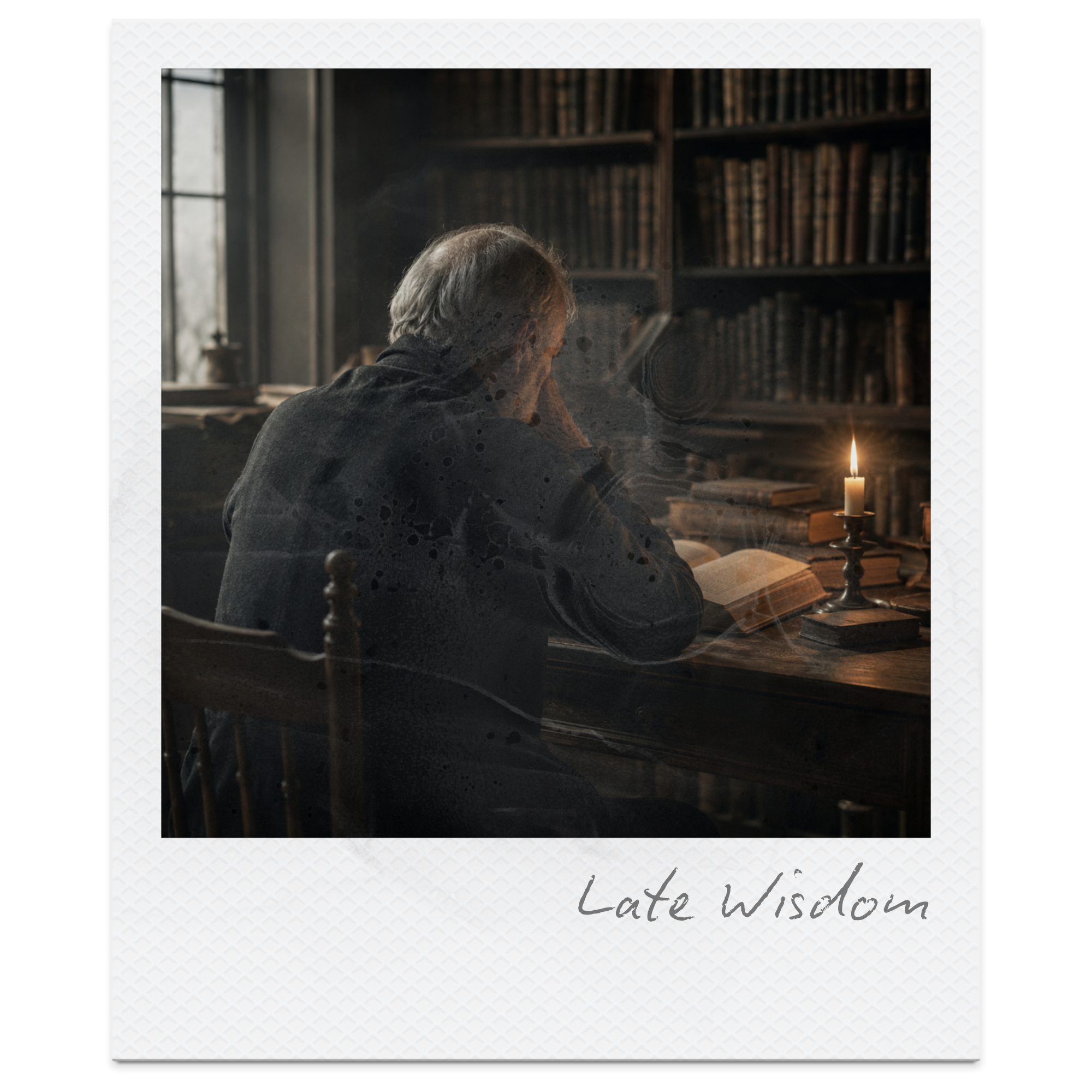
Late Wisdom by George Crabbe: Meaning, Mortality and the Limits of Experience
Late Wisdom by George Crabbe is a thoughtful exploration of ageing, experience, hindsight, and self-knowledge. Through the powerful symbolism of a "maze of error" and a "torch of truth," Crabbe examines the uncomfortable reality that wisdom often arrives only after life's most important mistakes and opportunities have passed. This analysis explores the poem's themes, symbolism, structure, literary techniques, key quotes, and exam-ready insights, revealing how Crabbe transforms a reflection on old age into a deeper meditation on human limitation and the true value of understanding.
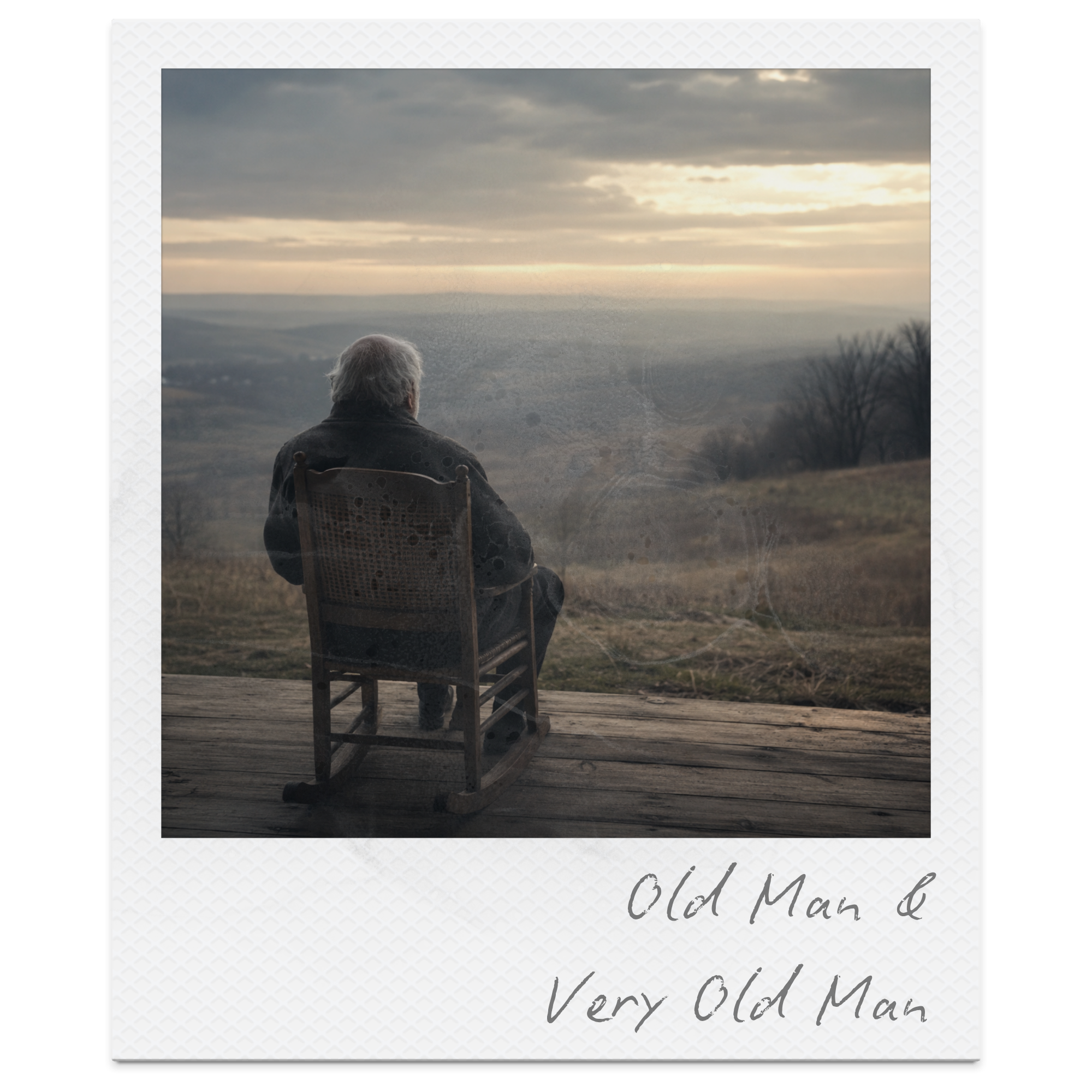
Old Man and Very Old Man by Henry James: Summary, Themes & Analysis
Old Man and Very Old Man by Henry James explore ageing, mortality, memory, and the passage of time through two closely connected reflections on later life. Using powerful symbolism, cyclical structures, and philosophical imagery, James examines humanity's lifelong search for fulfilment and understanding. This analysis explores the poems' themes, symbolism, structure, key quotes, and literary methods, revealing how James challenges assumptions about ageing by suggesting that uncertainty and unanswered questions remain with us from childhood to old age.
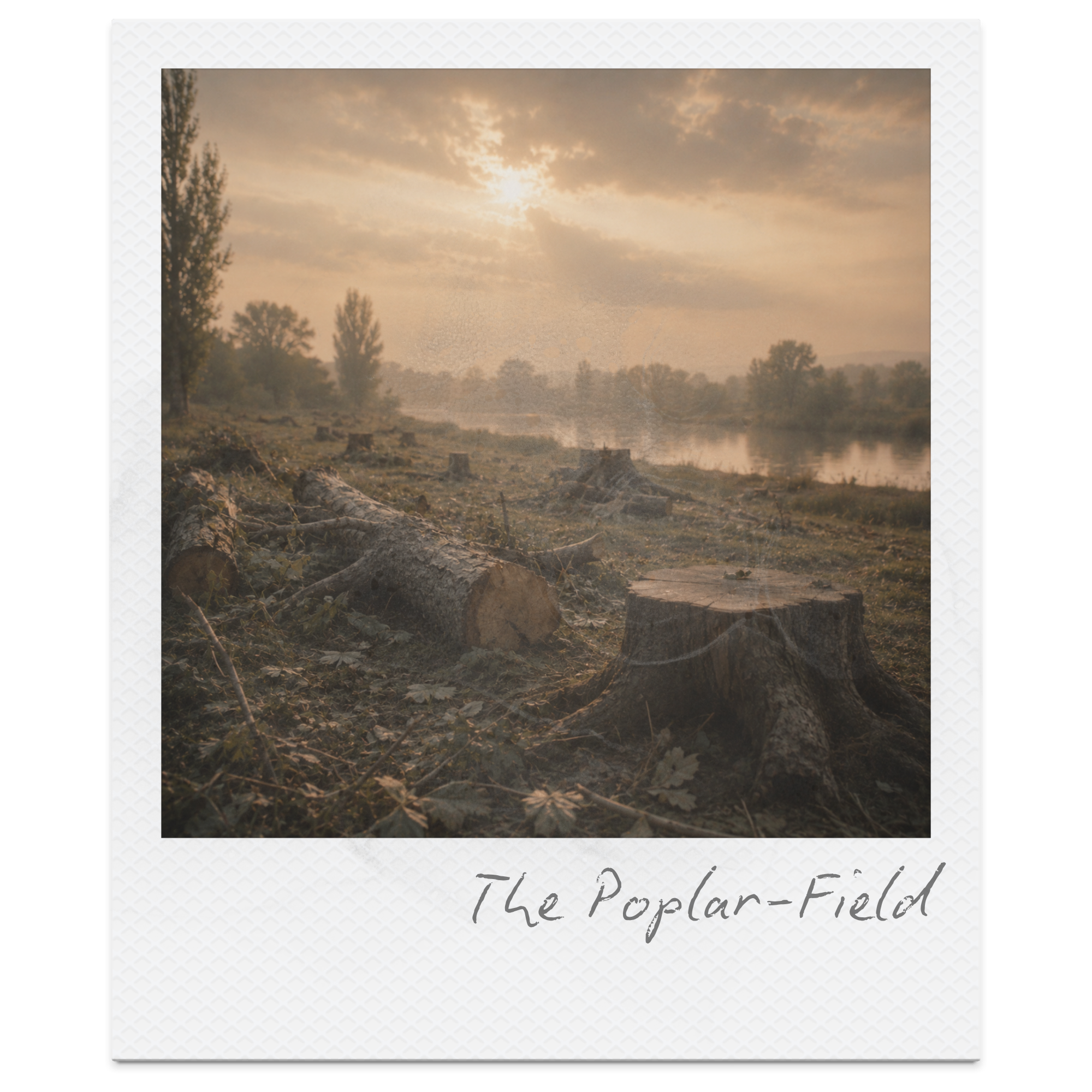
The Poplar-Field by William Cowper: Time, Mortality and Loss
William Cowper's The Poplar-Field explores mortality, time, memory, and the impermanence of human happiness through the destruction of a beloved grove of trees. What begins as a lament for a changed landscape gradually develops into a philosophical reflection on the fragility of both life and the pleasures that give it meaning. Through vivid natural imagery, symbolism, and an elegiac tone, Cowper transforms a local act of loss into a universal meditation on change, reminding readers that neither landscapes nor human lives can escape the passage of time.
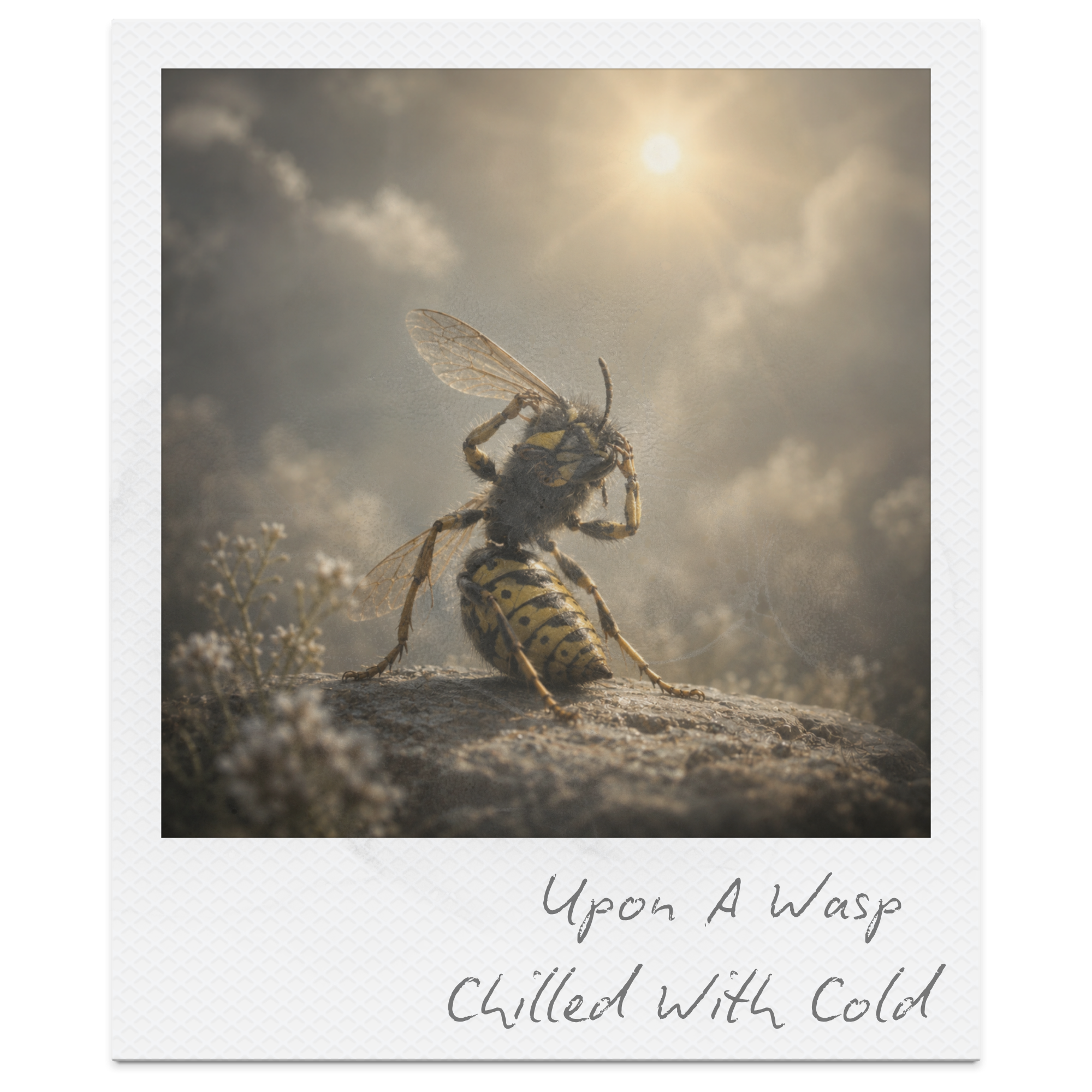
Upon a Wasp Chilled with Cold by Edward Taylor: Analysis of Nature, Faith and Divine Design
Edward Taylor's Upon a Wasp Chilled with Cold is a richly symbolic meditation on nature, faith, and divine design. Beginning with the detailed observation of a wasp recovering from the cold, the poem gradually develops into a reflection on God's presence within creation, exploring how even the smallest creatures can reveal profound spiritual truths. Through personification, extended metaphor, religious symbolism, and vivid natural imagery, Taylor transforms an ordinary encounter into an act of worship. This detailed analysis explores the poem's themes, symbolism, structure, key quotations, literary techniques, alternative interpretations, and anthology comparisons. Examining ideas such as creation as revelation, gratitude, spiritual growth, and observation as a pathway to understanding, the article reveals how Taylor uses a tiny insect to explore humanity's relationship with the divine and the hidden wisdom embedded within the natural world.
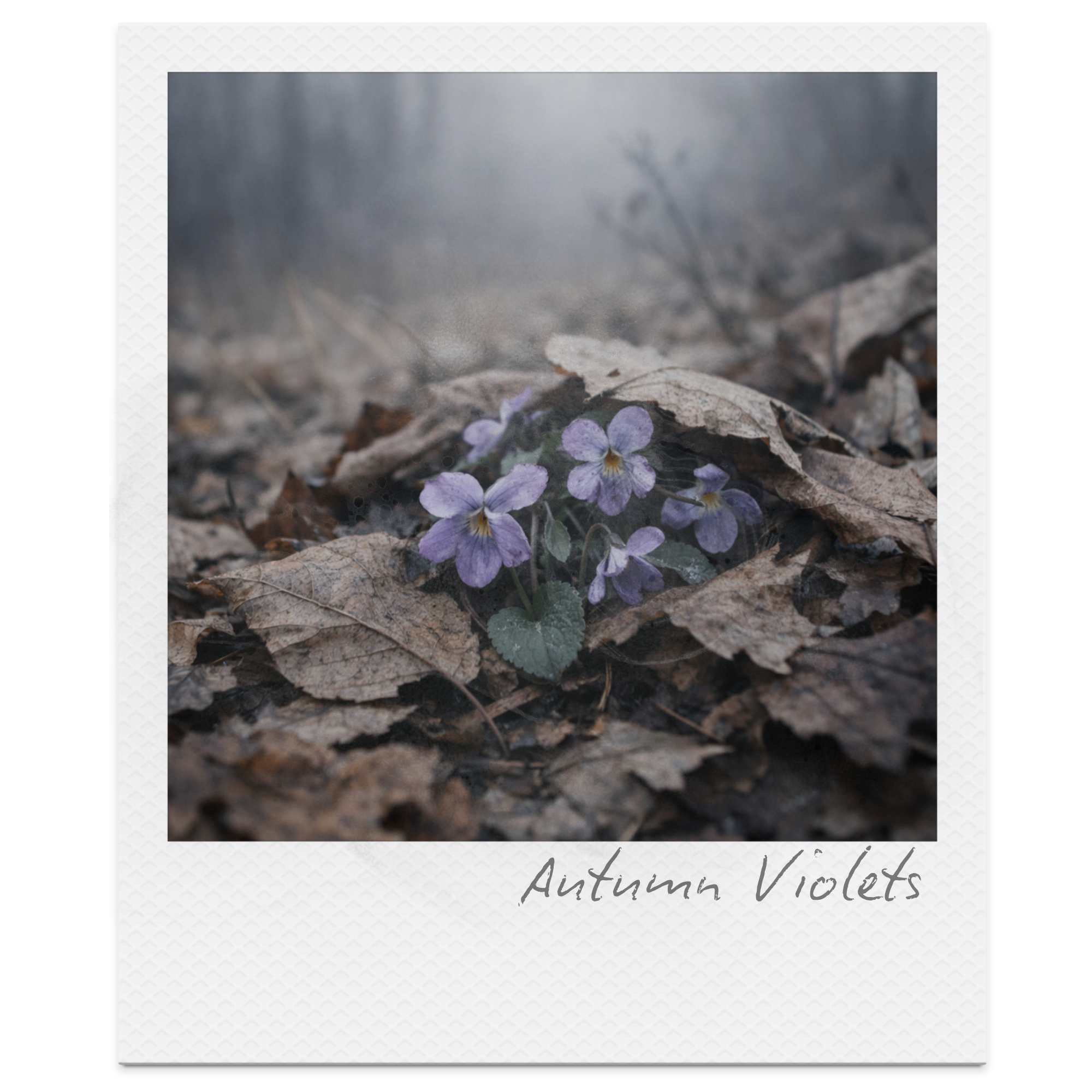
Autumn Violets Christina Rossetti Analysis: Themes, Symbolism, Structure & Key Quotes
Christina Rossetti’s Autumn Violets is a reflective sonnet that explores how love is shaped by time, age, and emotional limitation. Through the delicate image of violets blooming out of season, Rossetti contrasts youthful, idealised love with a quieter, more restrained form of love that emerges later in life. The poem suggests that, like the natural world, emotional experiences follow a pattern, and when they occur outside their “proper” moment, they must be understood differently. In this analysis, we explore Rossetti’s use of seasonal symbolism, structure, and language to examine the relationship between love and timing. With detailed breakdowns of key lines, themes, and techniques, this guide offers a clear and insightful reading of Autumn Violets, revealing how the poem ultimately presents acceptance—not fulfilment—as the defining quality of later love.
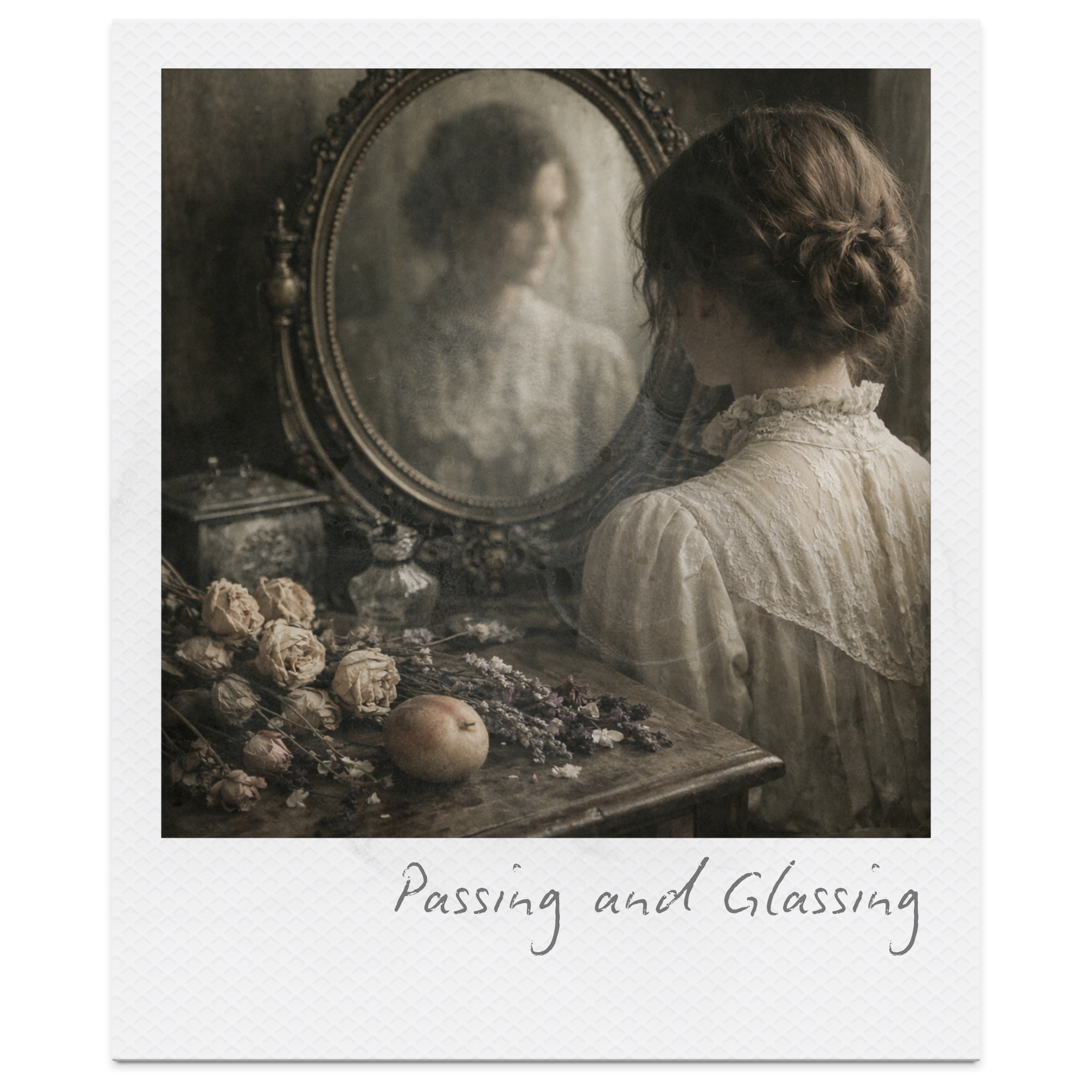
Passing and Glassing by Christina Rossetti: Summary, Themes, Symbolism & Analysis
Christina Rossetti’s Passing and Glassing is a reflective poem exploring aging, transience, memory, and the development of wisdom through time. Using symbolic imagery of fading flowers, fallen fruit, and preserved scents, Rossetti suggests that the natural world functions as a mirror reflecting human life. What begins as a meditation on the fading of beauty gradually expands into a deeper reflection on how experience shapes understanding. This analysis explores the poem’s imagery, symbolism, structure, and philosophical ideas, showing how Rossetti moves from personal reflection on aging toward a broader meditation on human experience. Through close reading of the poem’s language and imagery, we can see how Passing and Glassing transforms the passing of time into a source of perspective and insight.