Late Wisdom by George Crabbe: Meaning, Mortality and the Limits of Experience
George Crabbe's Late Wisdom is a thoughtful reflection on ageing, experience, self-knowledge, and the irony of belated understanding, exploring what happens when wisdom arrives only after the passions and mistakes that once required it have already faded. Through metaphor, contrast, rhetorical questioning, and reflective first-person voice, Crabbe examines the uneasy relationship between knowledge and timing, suggesting that human beings often gain their clearest insights only when opportunities for action have largely passed. The poem's central tension lies in its questioning of whether wisdom is truly valuable if it comes too late, making it one of the anthology's most quietly philosophical explorations of experience and human limitation. For more poetry analysis, explore the Songs of Ourselves Volume 2 Hub and the Literature Library.
Context and Literary Background of Late Wisdom
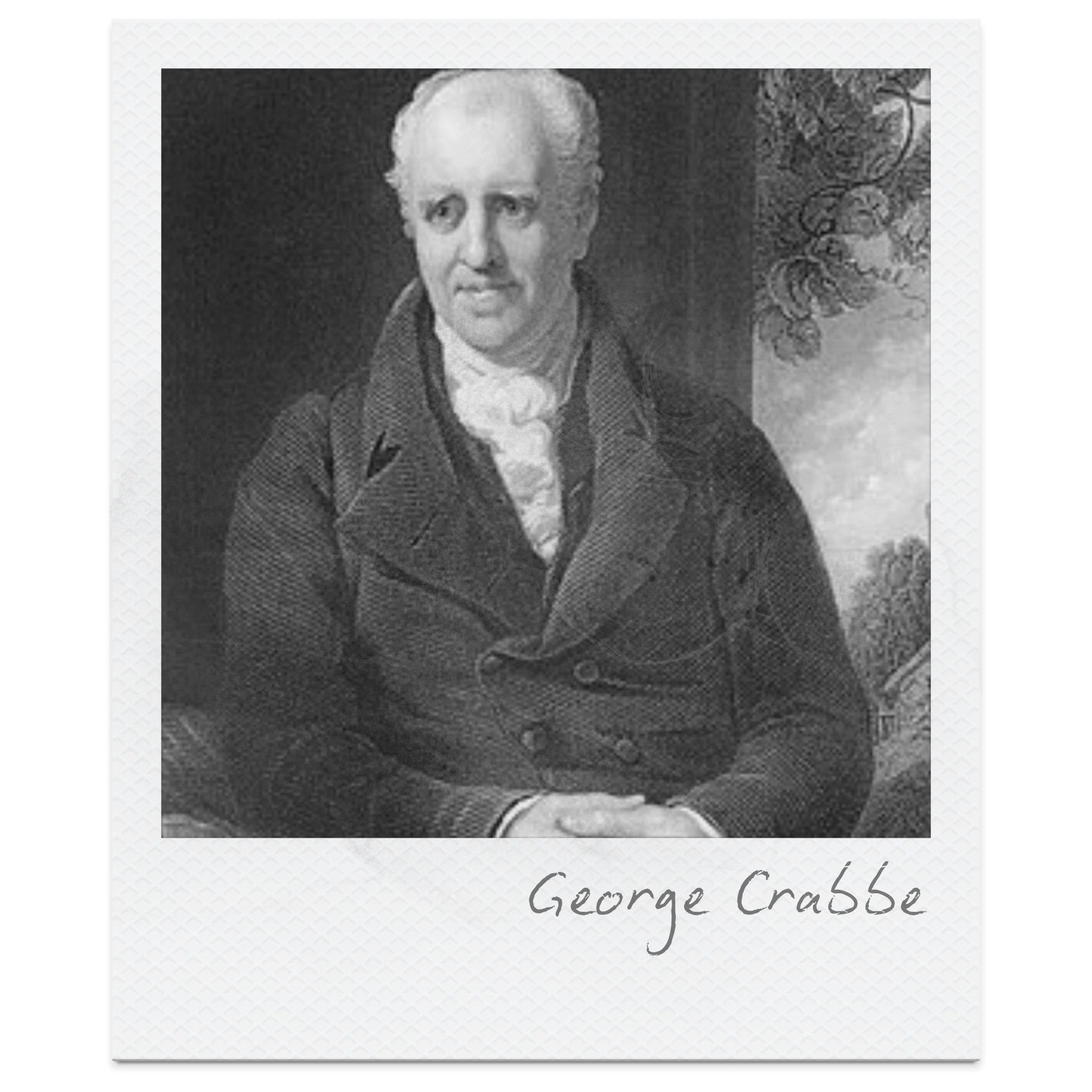
George Crabbe (1754–1832) was an English poet whose work often focused on ordinary human experience, moral reflection, and the gap between idealised expectations and reality. Writing during a period that bridged the late eighteenth century and the Romantic era, Crabbe differed from many of his contemporaries by favouring psychological realism and careful observation over emotional idealisation. His poetry frequently examines human weaknesses, mistakes, and the lessons gained through experience.
Late Wisdom reflects this interest in self-examination and moral judgement. Rather than celebrating the wisdom that comes with age, Crabbe explores a more uncomfortable possibility: that understanding often arrives only after life's most important struggles have already been fought. The poem questions whether knowledge gained through experience is truly valuable when opportunities for action have passed, creating a tension between enlightenment and regret.
The poem also reflects broader literary and philosophical concerns about the relationship between reason and passion. Throughout the eighteenth century, writers frequently debated whether human beings should be guided by rational judgement or emotional impulse. Crabbe complicates this debate by suggesting that reason may emerge only after youthful passions have naturally faded, raising questions about the true nature of virtue and self-control.
As a result, Late Wisdom becomes more than a reflection on old age. It is a meditation on human limitation, exploring how hindsight sharpens understanding while simultaneously revealing the mistakes, missed opportunities, and misplaced certainties of the past.
Late Wisdom: At a Glance
◆ Form: Two balanced octaves combining reflective meditation with moral commentary.
◆ Tone and emotional movement: Confident and reflective at first, before becoming increasingly questioning, ironic, and self-critical.
◆ Central tensions: Wisdom versus timing; reason versus passion; experience versus opportunity; virtue versus necessity.
◆ Core concerns: Ageing, self-knowledge, hindsight, human error, moral judgement, and the value of wisdom gained late in life.
◆ Dominant imagery: Mazes, wandering paths, light and illumination, warfare, rebellion, tyranny, and conflict.
◆ Stylistic features: Extended metaphor, rhetorical questioning, contrast, personification, balanced syntax, and reflective first-person narration.
◆ Key themes: Experience and understanding, the limitations of hindsight, ageing and self-reflection, virtue and morality, the relationship between reason and passion.
◆ One-sentence interpretation: Crabbe suggests that human beings often gain their clearest understanding of life only after the passions, mistakes, and opportunities that required such wisdom have already passed.
Quick Summary of Late Wisdom
The poem begins with the speaker reflecting upon the mistakes and misunderstandings of earlier life. Using the metaphor of wandering through a "maze of error," he suggests that human beings often spend years pursuing false assumptions before finally discovering truth. With age and experience comes a clearer understanding of people and situations, allowing the speaker to distinguish more accurately between genuine friends and enemies and to recognise both virtues and flaws in others.
However, the poem undergoes a significant shift in its second stanza. The speaker initially appears proud of the self-control and wisdom that age has brought, claiming that he can now restrain the passions that once governed his behaviour. Yet this confidence quickly gives way to irony and self-questioning. Through a series of rhetorical questions, he wonders whether virtue has arrived too late to be meaningful. If the passions have already faded with age, is self-control really an achievement? The poem ends by questioning the value of wisdom gained only after life's greatest struggles have already passed.
Late Wisdom: Title, Form, Structure and Metre
Crabbe's formal choices reinforce the poem's central concern with hindsight, self-reflection, and the uneasy value of wisdom acquired late in life. The poem's carefully controlled structure mirrors the speaker's mature perspective, while shifts in rhyme and argument help emphasise the tension between youthful error and belated understanding.
The Significance of the Title
The title Late Wisdom immediately introduces one of the poem's central ironies. The word "wisdom" typically carries positive associations of knowledge, judgement, and maturity. However, the adjective "late" complicates this expectation. The title raises an important question before the poem even begins: what is the value of wisdom if it arrives only after life's most significant mistakes have already been made?
This tension drives the entire poem. Rather than celebrating age and experience, Crabbe explores the possibility that understanding often arrives when opportunities for action have diminished, creating an uneasy relationship between knowledge and usefulness.
Form and Structural Development
The poem consists of two octaves (eight-line stanzas). This balanced structure reflects the speaker's reflective and analytical approach as he evaluates the lessons gained through experience.
The first stanza focuses primarily on hindsight and self-knowledge. The speaker reflects on humanity's tendency to wander through a "maze of error" before finally discovering truth. This section concentrates on understanding the past and recognising earlier mistakes.
The second stanza shifts towards questions of virtue, self-control, and moral authority. Rather than celebrating the wisdom gained with age, the speaker challenges its significance through a series of rhetorical questions. This structural movement creates an important progression from apparent confidence to growing scepticism, suggesting that self-knowledge may bring discomfort as well as insight.
Rhyme Scheme
The poem employs a carefully organised rhyme pattern that contributes to its sense of order and reflection. The first stanza follows an AAAABCBC pattern, creating a strong sense of continuity and control. The repeated rhymes reinforce the impression of accumulated experience and carefully considered judgement.
The second stanza introduces a noticeable shift, moving towards a more varied DEDEBABA pattern. This formal change coincides with the poem's movement from confident observation towards self-questioning and irony. As the speaker begins to challenge the value of his own wisdom, the rhyme scheme becomes less predictable, subtly reflecting the growing complexity of the poem's argument.
The contrast between the two stanzas mirrors the poem's broader movement from certainty towards doubt. What initially appears to be a celebration of wisdom gradually becomes a meditation on its limitations.
Metre and Rhythm
The poem is primarily written in iambic tetrameter, with four metrical stresses per line. This regular rhythm creates a measured, conversational quality that suits the poem's reflective tone.
For example:
We've trod | the maze | of er | ror round
The steady movement of the metre reinforces the sense of mature consideration and accumulated experience. Unlike highly emotional or dramatic poetry, the rhythm encourages thoughtful reflection rather than passionate expression.
At the same time, Crabbe occasionally varies the rhythm through natural speech patterns and emphatic phrasing. These subtle disruptions help draw attention to key ideas, particularly in the second stanza when the speaker begins questioning the usefulness of virtue acquired in old age.
Form and Meaning
Ultimately, the poem's tightly controlled form creates an interesting contrast with its message. The orderly structure suggests clarity, wisdom, and intellectual control, yet the poem's conclusions remain deeply uncertain. By pairing formal balance with philosophical doubt, Crabbe reinforces the central paradox of Late Wisdom: understanding may arrive with age, but that understanding often reveals how little can be changed once experience has already done its work.
Voice, Perspective and Emotional Conflict in Late Wisdom
Crabbe uses a reflective first-person plural voice to create the impression of shared human experience rather than individual confession. The speaker looks back on life with the confidence of someone who believes experience has provided greater understanding, yet the poem gradually reveals a more complicated and self-questioning perspective. This tension between apparent certainty and underlying doubt lies at the heart of the poem's emotional and philosophical impact.
A Collective and Reflective Speaker
The poem opens with the inclusive pronoun "we", immediately broadening its scope beyond a single individual. Rather than recounting a personal story, the speaker presents himself as part of a wider human experience. The claim that "We've trod the maze of error round" suggests that mistakes, misunderstandings, and flawed judgement are universal aspects of life.
This collective voice gives the poem an almost conversational authority. The speaker appears to be sharing hard-earned insights gathered through years of observation and experience, inviting readers to recognise their own lives within his reflections.
The Voice of Experience
Throughout the first stanza, the speaker adopts the tone of someone who has gained wisdom through suffering and reflection. Phrases such as "By long experience taught" establish age and experience as sources of knowledge, while the confident assertions about judging "friends and foes" suggest a speaker who believes he now sees the world more clearly than before.
The measured and controlled language reinforces this impression. The speaker appears calm, rational, and detached from the mistakes of the past, creating an initial sense of intellectual authority.
The Emergence of Doubt and Irony
The poem's most significant shift occurs in the second stanza. The speaker initially continues his confident tone, claiming that "Now, 'tis our boast that we can quell / The wildest passions in their rage." At first glance, this appears to celebrate the self-control and emotional restraint associated with maturity.
However, this confidence quickly becomes undermined by irony. The speaker begins questioning whether virtue deserves praise when the passions requiring control have already weakened with age. The rhetorical challenge "Ah, Virtue! dost thou arm when now / This bold rebellious race are fled?" exposes a growing scepticism towards his earlier claims.
As a result, the voice becomes more complex and self-aware. What initially sounded like wisdom begins to resemble a recognition of human limitation.
Emotional Conflict and Philosophical Uncertainty
The poem's emotional conflict emerges from the gap between understanding and usefulness. The speaker has gained wisdom, but he questions whether that wisdom has arrived too late to matter. This creates a subtle tension between satisfaction and regret.
On one hand, the speaker recognises the value of experience and self-knowledge. On the other, he suspects that age may receive credit for victories already secured by the natural decline of youthful passions. The poem therefore presents a speaker who is both enlightened and disillusioned.
Rather than ending with certainty, Crabbe leaves readers with a voice that remains questioning and unresolved. This uncertainty transforms the poem from a simple celebration of wisdom into a more profound reflection on ageing, hindsight, and the limitations of human achievement.
Stanza-by-Stanza Analysis of Late Wisdom
A close analysis of each stanza reveals how Crabbe develops the poem's central tension between knowledge and timing. The poem initially appears to celebrate the wisdom gained through experience, but a closer reading shows that this confidence gradually gives way to irony and self-questioning. Through imagery of wandering, illumination, conflict, and warfare, Crabbe explores whether understanding gained late in life can truly compensate for earlier mistakes and lost opportunities.
Stanza 1: The Maze of Error and the Lessons of Experience
The opening stanza presents life as a journey shaped by mistakes, misunderstandings, and gradual learning. Crabbe immediately introduces the extended metaphor of a "maze of error," suggesting that human beings spend much of their lives navigating confusion and false assumptions. The image of wandering through a "winding glade" reinforces the idea that life's path is rarely direct or straightforward. Both images emphasise uncertainty, implying that error is not an occasional deviation but an almost inevitable part of human experience.
The discovery of the "torch of truth" initially appears triumphant, creating the expectation that wisdom will provide clarity and resolution. However, Crabbe quickly undermines this optimism through the ironic observation that truth "only shows us where we strayed." Rather than offering a path forwards, truth functions retrospectively, illuminating past mistakes that can no longer be undone. This creates one of the poem's central tensions: knowledge arrives, but it arrives too late to alter what has already happened.
The stanza also explores the relationship between experience and judgement. Through "long experience taught," the speaker claims that age has provided the ability to distinguish accurately between "friends and foes." The balanced pairing of opposites reflects the confidence that comes with hindsight, suggesting that maturity allows people to see others more clearly than they could in youth.
Yet there is a subtle irony beneath this apparent certainty. The speaker can now recognise "all the worth" in some people and "all the faults" in others, but this insight emerges only after years of wandering through error. As a result, the stanza raises an uncomfortable question that will become increasingly important throughout the poem: what is the value of wisdom if it is acquired only after mistakes have already been made?
By the end of the stanza, Crabbe presents experience as both valuable and frustrating. It provides greater understanding, but it also reveals how much time has been spent misunderstanding the world.
Stanza 2: Virtue, Ageing, and the Irony of Belated Wisdom
The second stanza develops the poem's central irony by questioning whether wisdom and self-control deserve admiration when they arrive only after youthful passions have faded. The speaker initially adopts a confident tone, claiming that "we can quell / The wildest passions in their rage" and restrain their "destructive force." The language of control suggests maturity, discipline, and moral authority, creating the impression that age has brought genuine victory over the emotional impulses that once dominated human behaviour.
Crabbe reinforces this apparent triumph through violent and political imagery. The passions are presented as powerful forces capable of causing destruction, while phrases such as "impetuous wrath" emphasise their unpredictability and intensity. The speaker appears to celebrate the ability to resist these impulses, presenting self-mastery as a hard-earned achievement of experience.
However, the poem's tone shifts dramatically with the exclamation "Ah, Virtue!" This sudden direct address introduces scepticism and transforms the remainder of the stanza into a series of rhetorical questions. Rather than praising virtue, the speaker begins to challenge its significance. The personification of Virtue as a warrior who "arm[s]" for battle creates an extended military metaphor that dominates the stanza.
Crucially, the speaker questions whether virtue has arrived too late to be meaningful. The passions are described as a "bold rebellious race" that have already "fled," while the former tyrants now "rest." These images suggest that age has naturally weakened the emotional forces that once required restraint. Virtue therefore appears less heroic than it first seemed, because its victory has been achieved only after the enemy has effectively disappeared.
The final image is particularly ironic. Virtue is depicted as "warring with the mighty dead," suggesting a battle against opponents who no longer pose any threat. The military imagery exposes the poem's central paradox: self-control may appear impressive, but if it emerges only after passion has faded with age, can it truly be considered a moral triumph?
By ending on these unanswered questions, Crabbe transforms the poem from a celebration of wisdom into a more unsettling meditation on timing, ageing, and human limitation. The stanza suggests that understanding and virtue may arrive too late to demonstrate their full value, leaving the speaker with insight but also with a lingering sense of doubt.
Key Quotes and Literary Methods in Late Wisdom
Crabbe's most significant quotations reveal the poem's exploration of ageing, hindsight, self-knowledge, virtue, and the limitations of human experience. Through extended metaphor, irony, personification, and rhetorical questioning, he challenges the comforting assumption that wisdom naturally leads to fulfilment. Instead, the poem suggests that understanding often arrives only after the opportunities to use it have largely passed.
"We've trod the maze of error round"
◆ Method or literary feature: Extended metaphor; journey imagery.
◆ Interpretation and implied meaning: Life is presented as a confusing and indirect journey characterised by mistakes, misunderstandings, and flawed judgement.
◆ Why the poet uses it: Crabbe establishes error as a universal human experience rather than an individual failing.
◆ Emotional/intellectual effect: Encourages readers to reflect on their own mistakes and experiences.
◆ Broader conceptual significance: Suggests that wisdom is often gained through failure rather than immediate understanding.
"Long wandering in the winding glade"
◆ Method or literary feature: Natural imagery; alliteration; extended metaphor.
◆ Interpretation and implied meaning: The image reinforces the sense of uncertainty and lack of direction that characterises much of human life.
◆ Why the poet uses it: To emphasise the slow and often frustrating process through which experience accumulates.
◆ Emotional/intellectual effect: Creates a sense of prolonged searching and confusion.
◆ Broader conceptual significance: Suggests that self-knowledge is rarely achieved quickly or easily.
"the torch of truth is found"
◆ Method or literary feature: Symbolism; light imagery.
◆ Interpretation and implied meaning: The torch symbolises knowledge, understanding, and intellectual clarity.
◆ Why the poet uses it: To create the expectation that wisdom will provide answers and resolution.
◆ Emotional/intellectual effect: Initially creates a sense of optimism and enlightenment.
◆ Broader conceptual significance: Reflects humanity's desire to discover certainty and truth.
"It only shows us where we strayed"
◆ Method or literary feature: Irony; contrast.
◆ Interpretation and implied meaning: Truth reveals past mistakes rather than providing a means of correcting them.
◆ Why the poet uses it: To undermine the apparent triumph associated with wisdom.
◆ Emotional/intellectual effect: Creates disappointment and philosophical unease.
◆ Broader conceptual significance: Suggests that hindsight often highlights regret as much as understanding.
"By long experience taught"
◆ Method or literary feature: Reflective tone; appeal to experience.
◆ Interpretation and implied meaning: Knowledge has been acquired gradually through years of observation and error.
◆ Why the poet uses it: To establish the authority of the speaker's perspective.
◆ Emotional/intellectual effect: Encourages readers to trust the speaker's conclusions.
◆ Broader conceptual significance: Highlights the relationship between suffering, experience, and wisdom.
"Now, 'tis our boast that we can quell / The wildest passions in their rage"
◆ Method or literary feature: Emotive language; violent imagery.
◆ Interpretation and implied meaning: The speaker claims to have gained control over powerful emotions and impulses.
◆ Why the poet uses it: To present self-mastery as a traditional sign of maturity and wisdom.
◆ Emotional/intellectual effect: Creates an impression of confidence and achievement.
◆ Broader conceptual significance: Introduces the poem's later questioning of whether such victories are truly earned.
"Ah, Virtue! dost thou arm"
◆ Method or literary feature: Apostrophe; personification; rhetorical question.
◆ Interpretation and implied meaning: Virtue is presented as a warrior preparing for battle.
◆ Why the poet uses it: To begin questioning the significance of virtue gained late in life.
◆ Emotional/intellectual effect: Marks a dramatic shift from confidence to scepticism.
◆ Broader conceptual significance: Challenges conventional assumptions about morality and self-control.
"This bold rebellious race are fled"
◆ Method or literary feature: Military metaphor; personification.
◆ Interpretation and implied meaning: The passions are presented as defeated rebels who have already abandoned the battlefield.
◆ Why the poet uses it: To suggest that age has naturally weakened the impulses virtue claims to conquer.
◆ Emotional/intellectual effect: Undermines the speaker's earlier sense of triumph.
◆ Broader conceptual significance: Raises questions about whether wisdom deserves credit for victories won by time.
"When all these tyrants rest"
◆ Method or literary feature: Political imagery; metaphor.
◆ Interpretation and implied meaning: The passions are portrayed as oppressive rulers whose power has diminished.
◆ Why the poet uses it: To continue the poem's extended conflict imagery.
◆ Emotional/intellectual effect: Creates a sense of anticlimax.
◆ Broader conceptual significance: Suggests that ageing itself may be responsible for emotional restraint rather than moral strength.
"Art warring with the mighty dead?"
◆ Method or literary feature: Rhetorical question; extended military metaphor; irony.
◆ Interpretation and implied meaning: Virtue is depicted as fighting enemies who can no longer resist.
◆ Why the poet uses it: To expose the central paradox of the poem.
◆ Emotional/intellectual effect: Leaves readers questioning the value of wisdom and self-control acquired late in life.
◆ Broader conceptual significance: Suggests that understanding may arrive only after the conflicts requiring it have already ended.
Key Techniques in Late Wisdom
Crabbe uses a range of literary techniques to explore the relationship between experience, wisdom, ageing, and self-knowledge. While the poem initially appears to celebrate the insights gained through age, its techniques gradually introduce doubt and irony, encouraging readers to question whether wisdom acquired late in life can truly compensate for earlier mistakes. The poem's power comes from the tension between apparent certainty and underlying scepticism.
Extended Metaphor
The poem is built around an extended metaphor of life as a journey through a "maze of error." Human experience is presented as a process of wandering through confusion, misunderstanding, and mistaken judgement before eventually discovering truth. This metaphor transforms an abstract philosophical idea into a vivid and memorable image while reinforcing the poem's concern with hindsight and self-reflection.
Symbolism
Several key symbols shape the poem's meaning. The "maze" symbolises confusion and human fallibility, while the "torch of truth" represents understanding and self-knowledge. Importantly, the torch does not illuminate the future but instead reveals past mistakes, creating a more complex and ironic view of wisdom than readers might initially expect.
Irony
Irony is central to the poem's argument. The speaker appears to celebrate the wisdom and self-control that come with age, yet the poem gradually questions whether these achievements deserve admiration. The final rhetorical questions expose the possibility that virtue emerges only after the passions it seeks to control have naturally weakened. As a result, wisdom becomes both valuable and potentially ineffective.
Personification
Crabbe personifies abstract ideas throughout the poem, most notably in his treatment of Virtue. By addressing virtue directly and presenting it as a warrior preparing for battle, he transforms a moral quality into an active character within the poem. This personification allows the speaker to question virtue's significance in a dramatic and memorable way.
Rhetorical Questions
The poem concludes with a sequence of rhetorical questions that fundamentally alter its tone. Rather than providing certainty or resolution, these questions introduce doubt and philosophical complexity. They encourage readers to consider whether moral victories achieved in old age are genuine triumphs or simply the result of changing circumstances.
Military and Conflict Imagery
The second stanza develops an extended pattern of military imagery. Virtue is imagined as a soldier who "arm[s]" for battle, while the passions become a "bold rebellious race" and former "tyrants." This language transforms an internal psychological struggle into a political and military conflict. However, the imagery also becomes ironic because the enemy has already retreated before the battle truly begins.
Contrast
Crabbe repeatedly uses contrast to highlight the poem's central tensions. Error is contrasted with truth, youth with age, passion with self-control, and confidence with doubt. These oppositions create a dynamic structure that mirrors the speaker's movement from apparent certainty towards deeper questioning.
Light and Darkness Imagery
The image of the "torch of truth" draws upon a long literary tradition in which light symbolises knowledge and understanding. However, Crabbe complicates this convention by showing that illumination does not necessarily bring comfort or satisfaction. The light reveals mistakes rather than solutions, making knowledge a source of regret as well as insight.
Inclusive First-Person Narration
The repeated use of "we" broadens the poem beyond the experiences of a single individual. The speaker presents his observations as universal rather than personal, encouraging readers to recognise themselves within the poem's reflections on error, experience, and ageing. This collective perspective gives the poem a reflective and philosophical quality.
Balanced Structure
The poem's two-octave structure mirrors the development of its argument. The first stanza focuses on the wisdom gained through experience, while the second questions the value of that wisdom. This balanced organisation reinforces the poem's movement from confidence towards irony and allows Crabbe to present a more nuanced exploration of ageing and self-knowledge.
Alliteration
Crabbe uses alliteration selectively to add emphasis and reinforce key ideas. Phrases such as "bold rebellious race" draw attention to the passions that once dominated human behaviour, while the repetition of consonant sounds creates rhythmic energy that reflects the force and vitality of these emotions.
Philosophical Reflection
Perhaps the poem's most significant technique is its use of philosophical reflection. Rather than focusing on narrative events or personal confession, Crabbe uses observation, questioning, and abstract imagery to explore broader truths about human experience. This reflective approach gives the poem its enduring relevance and allows it to function as both a personal meditation and a wider commentary on ageing, wisdom, and human limitation.
Symbolism in Late Wisdom
Symbolism plays a crucial role in Late Wisdom, allowing Crabbe to transform a brief reflection on ageing into a broader exploration of human experience. The poem's symbols operate on both a personal and philosophical level, representing the processes of learning, self-discovery, moral development, and the limitations of hindsight. Importantly, many of these symbols contain an element of irony, reinforcing the poem's central question about whether wisdom arrives too late to be fully useful.
The Maze of Error
The "maze of error" is the poem's most important symbol. It represents the confusion, misjudgements, and misunderstandings that characterise much of human life. A maze suggests complexity, uncertainty, and repeated wrong turns, implying that mistakes are not isolated incidents but an unavoidable part of gaining experience.
The symbol also emphasises the indirect nature of learning. The speaker does not arrive at wisdom through immediate understanding but through years of wandering and error. As a result, the maze becomes a symbol of both human weakness and personal growth.
The Winding Glade
The "winding glade" extends the poem's journey imagery while adding a more natural and pastoral dimension. Unlike a clearly marked road, a winding path suggests uncertainty and a lack of clear direction.
The image reinforces the idea that life rarely follows a straightforward course. Human beings often move forwards without fully understanding where they are going, only recognising the significance of their choices when looking back.
The Torch of Truth
The "torch of truth" symbolises knowledge, understanding, and enlightenment. Traditionally, light imagery is associated with clarity and revelation, and readers initially expect the torch to provide answers or guidance.
However, Crabbe subverts this expectation. The torch does not illuminate the future but instead reveals "where we strayed." Truth therefore becomes a symbol of hindsight rather than transformation. It provides understanding, but it cannot undo past mistakes. This ironic use of the symbol reflects the poem's sceptical attitude towards late-acquired wisdom.
Friends and Foes
The distinction between "friends and foes" operates symbolically as well as literally. These figures represent the broader challenge of judgement and discernment throughout life.
The speaker's ability to distinguish between them suggests increased self-awareness and maturity. Yet the symbol also highlights the delayed nature of understanding, as this insight emerges only after years of experience and potential misjudgement.
Virtue
Crabbe personifies and symbolises Virtue as a warrior preparing for battle. In traditional moral literature, virtue often represents strength, discipline, and moral authority.
In this poem, however, the symbol becomes more ambiguous. The speaker questions whether virtue deserves praise when the passions it seeks to defeat have already weakened with age. Virtue therefore symbolises not only moral achievement but also the possibility that wisdom and self-control may arrive after their greatest tests have passed.
The Rebellious Race
The "bold rebellious race" symbolises youthful passions, desires, impulses, and emotional intensity. By presenting these feelings as rebels, Crabbe transforms internal psychological struggles into a political conflict.
The image captures the energy and force of youth while also suggesting disorder and resistance to control. The fact that these rebels have already "fled" reinforces the poem's central irony: victory becomes less impressive when the opposition has already disappeared.
Tyrants
The passions are later described as "tyrants," symbolising the powerful emotions that can dominate human behaviour. The political language suggests oppression and loss of control, implying that anger, desire, pride, and impulse often govern individuals more than reason does.
Yet the image is complicated by the fact that these tyrants now "rest." Their decline suggests that time itself may have weakened them, raising questions about whether virtue is truly responsible for their defeat.
Warfare
The recurring imagery of battle and conflict symbolises the struggle between reason and passion. Throughout literature, this conflict is often presented as one of humanity's defining moral challenges.
Crabbe complicates this traditional symbolism by suggesting that the battle may already be over. The image therefore becomes a symbol of belated action and diminished opportunity, reinforcing the poem's scepticism about wisdom acquired late in life.
Light and Conflict: A Symbolic Progression
One of the most striking features of the poem is its movement between two symbolic worlds. The first stanza is dominated by images of journeys, wandering, and illumination, while the second shifts towards warfare, rebellion, and conflict.
This progression mirrors the speaker's intellectual journey. He begins by celebrating the clarity provided by experience before questioning whether such clarity has arrived too late to make a meaningful difference. Through this symbolic development, Crabbe transforms a simple reflection on ageing into a deeper meditation on time, wisdom, and human limitation.
How Crabbe Creates Meaning and Impact in Late Wisdom
Crabbe creates meaning in Late Wisdom by combining reflective imagery, philosophical questioning, and subtle irony to challenge conventional assumptions about ageing and experience. While the poem initially appears to celebrate the wisdom gained through a lifetime of learning, it gradually develops a more complex argument, suggesting that understanding often arrives only after the opportunities to apply it have diminished. This tension between knowledge and timing gives the poem much of its intellectual and emotional power.
One of the poem's most significant achievements is its exploration of hindsight. The image of the "torch of truth" initially suggests enlightenment and clarity, yet the speaker quickly reveals that truth merely illuminates past mistakes. Rather than offering solutions, wisdom exposes the errors that have already shaped a person's life. Crabbe therefore presents knowledge as both valuable and painful, capable of increasing understanding while simultaneously deepening awareness of past failures.
The poem also derives much of its impact from its use of irony. The first stanza appears confident and assured, presenting experience as a source of reliable judgement. However, the second stanza gradually undermines this certainty. The speaker claims to have gained mastery over passion, yet immediately questions whether this achievement deserves praise when the passions themselves have already weakened with age. This shift transforms the poem from a celebration of wisdom into a more unsettling meditation on human limitation.
Crabbe further develops meaning through the contrast between youth and old age. Youth is associated with wandering, error, rebellion, and emotional intensity, while old age is associated with reflection, judgement, and self-control. However, the poem avoids presenting either stage as entirely desirable. Youth lacks understanding, but old age gains understanding only after many opportunities have passed. As a result, neither condition provides complete fulfilment.
The recurring imagery of warfare strengthens this idea. Virtue is imagined as a warrior preparing for battle, while the passions become rebels and tyrants. Traditionally, such imagery would celebrate moral victory. Instead, Crabbe questions whether the victory is genuine because the enemy has already retreated. The military metaphor therefore becomes a powerful symbol of belated achievement, reinforcing the poem's scepticism about wisdom acquired late in life.
The poem's impact also stems from its universality. Through the repeated use of "we," Crabbe expands the speaker's experience into a broader reflection on the human condition. Readers are encouraged to recognise their own mistakes, regrets, and moments of hindsight within the poem. The reflections therefore feel both personal and collective, transforming an individual meditation into a wider philosophical observation about life itself.
Ultimately, Late Wisdom leaves readers with a deliberately unresolved question. Experience undoubtedly produces greater understanding, but Crabbe challenges us to consider whether understanding alone is enough. The poem's lasting power lies in its refusal to provide an easy answer. Instead, it presents wisdom as both a reward and a reminder of human limitation, encouraging readers to reflect upon the relationship between knowledge, time, and the opportunities that shape a life.
Central Ideas and Themes in Late Wisdom
Although Late Wisdom is a brief poem, it explores a surprisingly rich range of ideas about ageing, experience, morality, and human limitation. Crabbe is less interested in celebrating wisdom than in questioning its usefulness when it arrives only after life's most important struggles have passed. As a result, the poem becomes a thoughtful meditation on the relationship between knowledge, time, and self-understanding.
Experience and Understanding
One of the poem's central themes is the belief that genuine understanding emerges through experience rather than instinct or youth. The speaker reflects on having wandered through a "maze of error" before finally discovering truth, suggesting that knowledge is earned through mistakes, disappointments, and reflection.
However, Crabbe complicates this idea by emphasising how long the process takes. Experience provides greater clarity, but only after years of misunderstanding. The poem therefore presents wisdom as valuable while also questioning whether it arrives quickly enough to shape a person's life in meaningful ways.
The Limitations of Hindsight
The poem repeatedly explores the difference between understanding an event and being able to change it. The "torch of truth" provides illumination, yet it merely reveals "where we strayed." Knowledge arrives retrospectively, exposing mistakes rather than preventing them.
This creates one of the poem's most powerful tensions. The speaker possesses greater insight than he once did, but that insight cannot alter the choices already made. Crabbe therefore presents hindsight as both enlightening and frustrating, capable of increasing understanding while simultaneously deepening awareness of lost opportunities.
Ageing and Self-Reflection
Ageing is portrayed as a period of reflection and reassessment. The speaker looks back across a lifetime of experiences and evaluates both personal behaviour and human nature more broadly.
Unlike many literary depictions of old age, however, Crabbe does not present ageing as a stage of complete certainty or wisdom. Instead, greater self-awareness leads to more complex questions. The poem suggests that maturity may bring clearer vision, but it also reveals uncomfortable truths about time, regret, and human limitation.
Virtue and Morality
The second stanza focuses on questions of virtue and moral achievement. At first, the speaker appears proud of having learned to control powerful emotions and destructive impulses. Yet this apparent confidence quickly gives way to doubt.
Through the personification of Virtue and the poem's concluding rhetorical questions, Crabbe challenges conventional assumptions about moral success. If passions naturally weaken with age, can self-control truly be considered a triumph? The poem therefore explores the difference between genuine moral achievement and the changes brought about by time itself.
The Relationship Between Reason and Passion
A significant tension throughout the poem exists between reason and passion. Youth is associated with powerful emotions, impulsiveness, and error, while age is associated with judgement, restraint, and understanding.
However, Crabbe avoids presenting reason as an uncomplicated victory. The passions are no longer defeated through direct struggle but seem to have faded naturally over time. This ambiguity raises important questions about whether wisdom is responsible for self-control or whether ageing itself has reduced the need for it.
As a result, the poem presents reason and passion not as simple opposites but as forces whose relationship changes throughout life.
Human Limitation
Underlying all of the poem's themes is a recognition of human limitation. People make mistakes, misunderstand others, and often acquire knowledge only after the moment when it would have been most useful.
Crabbe does not present this limitation as a personal failure but as a fundamental aspect of the human condition. The poem's lasting power comes from its willingness to acknowledge that wisdom, understanding, and virtue may all be constrained by the passage of time itself.
Alternative Interpretations of Late Wisdom
Although Late Wisdom appears to offer a straightforward reflection on ageing and experience, Crabbe leaves enough ambiguity within the poem to support multiple interpretations. The speaker's attitude towards wisdom remains deliberately complex, allowing readers to view the poem as a meditation on regret, morality, self-deception, ageing, or the broader limitations of human existence.
Psychological Interpretation: Self-Deception and Rationalisation
From a psychological perspective, the poem can be read as an attempt to rationalise the disappointments of later life. The speaker initially presents himself as wiser and more discerning than before, claiming that experience now allows him to judge accurately between "friends and foes."
However, the poem's second stanza introduces uncertainty that undermines this confidence. The speaker's questioning of virtue may suggest an awareness that his supposed wisdom has arrived too late to alter past mistakes. Rather than celebrating understanding, the poem becomes an exploration of how individuals attempt to find meaning in experiences they cannot change.
Existential Interpretation: The Search for Meaning in an Imperfect Life
An existential reading focuses on the poem's concern with uncertainty, limitation, and the human search for meaning.
The "maze of error" suggests a life spent navigating confusion without clear guidance, while the "torch of truth" offers only partial answers. Rather than providing certainty, knowledge merely reveals how frequently human beings misunderstand themselves and the world around them.
From this perspective, the poem suggests that meaning is not discovered through perfect understanding but through the ongoing process of questioning and reflection.
Philosophical Interpretation: The Limits of Human Knowledge
The poem can also be interpreted as a philosophical reflection on the limitations of knowledge itself.
The speaker eventually discovers truth, yet that truth serves primarily to illuminate previous mistakes. Crabbe therefore questions whether knowledge possesses the transformative power people often attribute to it. Understanding may increase with age, but it cannot reverse time or undo experience.
This interpretation positions the poem as a meditation on the gap between knowing and acting, suggesting that wisdom and effectiveness do not always arrive together.
Moral Interpretation: What Constitutes True Virtue?
A moral reading focuses on the poem's treatment of virtue and self-control.
The speaker initially appears proud of having learned to restrain destructive passions. However, the poem's closing questions challenge the value of this achievement. If passions weaken naturally with age, is self-control really evidence of moral strength?
Crabbe leaves this question unresolved, encouraging readers to consider whether virtue should be measured by successful resistance to temptation or by the willingness to confront temptation while it remains powerful.
Religious Interpretation: Human Fallibility and Moral Growth
The imagery of error, truth, and virtue lends itself to a religious interpretation. The speaker's journey through the "maze of error" resembles a moral or spiritual journey towards greater understanding.
In this reading, the "torch of truth" may symbolise spiritual enlightenment or moral awakening. However, Crabbe avoids presenting redemption as complete or uncomplicated. Human beings remain flawed, and even wisdom cannot erase the consequences of earlier mistakes.
The poem therefore reflects a Christian awareness of human imperfection while remaining sceptical about the possibility of complete moral fulfilment in earthly life.
A Satirical Interpretation: Mocking the Wisdom of Old Age
The poem can also be read as a subtle satire of conventional attitudes towards ageing. Society often assumes that older people possess greater wisdom, judgement, and self-control. Crabbe initially appears to support this view before gradually exposing its weaknesses.
The final image of Virtue "warring with the mighty dead" borders on the absurd. The metaphor suggests a warrior arriving heroically to a battlefield after the conflict has already ended. Through this irony, Crabbe may be gently mocking the tendency to celebrate wisdom without questioning when and how that wisdom was acquired.
A Universal Interpretation: The Human Condition
Perhaps the broadest interpretation is that the poem explores a universal aspect of human experience. Most people acquire understanding gradually, recognising mistakes only after they have made them and appreciating opportunities only after they have passed.
From this perspective, the poem is not simply about old age but about the fundamental relationship between time and knowledge. Crabbe suggests that human beings are always learning, but that learning is inevitably shaped by hindsight. The result is a deeply human paradox: understanding grows throughout life, yet it often arrives after it is needed most.
Compare Late Wisdom With Other Songs of Ourselves Volume 2 Poems
Crabbe's poem explores ageing, hindsight, self-knowledge, and the limitations of human understanding. Many poems in Songs of Ourselves Volume 2 similarly examine how experience shapes perception, although they often reach very different conclusions about wisdom, mortality, and the value of reflection.
◆ Old Man and Very Old Man – James Henry
Both poems explore the relationship between ageing and understanding. James and Crabbe challenge the comforting belief that age automatically brings fulfilment or certainty. In both works, experience provides greater insight, yet that insight arrives alongside a growing awareness of human limitations. However, James focuses more heavily on mortality and existential uncertainty, while Crabbe concentrates on hindsight and the ironic timing of wisdom.
◆ I Years Had Been from Home – Emily Dickinson
Like Crabbe, Dickinson explores how time alters perception and self-understanding. Both speakers reflect upon the gap between expectation and reality, discovering that experience complicates rather than simplifies their view of the world. Dickinson focuses on psychological uncertainty and emotional distance, while Crabbe examines moral judgement and hindsight.
◆ To a Millionaire – A. R. D. Fairburn
Both poems question conventional ideas of success and achievement. Fairburn critiques material wealth, while Crabbe questions the value of wisdom acquired too late in life. In both cases, external measures of success are shown to be less meaningful than they initially appear, encouraging readers to reconsider what constitutes genuine fulfilment.
Both poets explore reflection and reassessment in later life. In Homecoming, the speaker discovers that time has altered both place and identity, while Crabbe's speaker recognises how experience has changed his understanding of people and himself. Both poems suggest that maturity often brings uncomfortable truths rather than comforting certainty.
◆ The Song of the Shirt – Thomas Hood
Although very different in subject matter, both poems question easy assumptions about virtue and human experience. Hood exposes the realities hidden beneath social and economic structures, while Crabbe exposes the limitations hidden beneath traditional ideas of wisdom and moral achievement. Both poets encourage readers to look beyond appearances and examine deeper truths.
Exam-Ready Insight for Late Wisdom
Strong AS Level responses to Late Wisdom move beyond describing the poem as a simple reflection on ageing and instead explore the irony that lies at the centre of Crabbe's argument. Perceptive essays recognise that while experience undoubtedly brings greater understanding, the poem repeatedly questions whether that understanding arrives too late to be fully useful. Crabbe uses symbolism, contrast, rhetorical questioning, and extended metaphor to challenge conventional assumptions about wisdom, virtue, and self-control.
Strong Responses Typically:
◆ Explore how the "maze of error" functions as an extended metaphor for human experience, misunderstanding, and personal growth.
◆ Analyse the symbolism of the "torch of truth" and its ironic role in revealing past mistakes rather than providing future guidance.
◆ Examine how hindsight operates as both a source of knowledge and a source of regret.
◆ Explore the contrast between youthful passion and the restraint associated with old age.
◆ Analyse the significance of the poem's structural movement from apparent confidence towards scepticism and self-questioning.
◆ Discuss how Crabbe uses rhetorical questions to undermine the speaker's earlier certainty.
◆ Examine the personification of Virtue and its role within the poem's wider moral argument.
◆ Analyse the military imagery surrounding rebellion, tyranny, warfare, and conflict.
◆ Explore whether the poem presents self-control as a genuine moral achievement or simply a consequence of ageing.
◆ Consider how Crabbe challenges traditional assumptions that age automatically brings wisdom and fulfilment.
◆ Analyse how the poem balances admiration for experience with scepticism about its practical value.
◆ Use short, embedded quotations naturally to support interpretation.
◆ Move beyond feature spotting into analysis of irony, symbolism, and philosophical meaning.
The strongest responses often focus on the poem's central paradox: wisdom appears valuable and desirable, yet Crabbe repeatedly suggests that it arrives only after the passions, mistakes, and opportunities that required such wisdom have largely disappeared. Essays that sustain this tension throughout their argument are likely to produce more sophisticated interpretations.
Example Thesis Statement
In Late Wisdom, Crabbe presents experience as a source of valuable insight while simultaneously questioning its usefulness, using extended metaphor, symbolism, irony, and rhetorical questioning to suggest that understanding often arrives only after the circumstances that required it have already passed.
Model Analytical Paragraph
Crabbe uses the symbolism of light to challenge conventional ideas about wisdom and understanding. The discovery of the "torch of truth" initially appears to represent enlightenment and intellectual clarity. Traditionally, light imagery is associated with knowledge, guidance, and progress. However, Crabbe immediately complicates this expectation by observing that truth "only shows us where we strayed." The adverb "only" is particularly significant because it limits the value of the revelation. Rather than providing solutions or opportunities for change, truth merely exposes past errors that cannot be undone. This creates a powerful irony at the heart of the poem. Wisdom arrives, but it arrives retrospectively, functioning as a source of understanding rather than transformation. Through this symbolism, Crabbe suggests that experience often provides clarity only after the moment when that clarity would have been most useful.
Teaching Ideas for Late Wisdom
Late Wisdom works particularly well for advanced literary discussion because its apparently simple reflection on ageing develops into a much deeper exploration of hindsight, self-knowledge, morality, and human limitation. The poem encourages students to move beyond straightforward interpretations of wisdom and instead examine the tensions between understanding, timing, virtue, and experience.
1. Exploring Wisdom as a Gift or a Frustration
This activity encourages students to debate whether the poem ultimately celebrates wisdom or questions its value. Students should focus closely on the poem's changing tone and its treatment of hindsight.
◆ Does the poem present wisdom as something desirable?
◆ Why does Crabbe suggest that truth may be disappointing as well as enlightening?
◆ Is understanding still valuable if it arrives too late to change the past?
2. Close Analysis Workshop: Symbolism and Irony
Students explore how Crabbe uses symbolism to develop the poem's central ideas. This activity works particularly well for strengthening analytical writing and close-reading skills.
◆ What does the "maze of error" symbolise?
◆ Why does the "torch of truth" reveal past mistakes rather than future solutions?
◆ How does irony shape the reader's understanding of wisdom throughout the poem?
3. Comparative Anthology Discussion: Ageing, Reflection, and Human Understanding
This discussion encourages students to place Late Wisdom within the wider concerns of Songs of Ourselves Volume 2. Students should compare both thematic ideas and literary methods rather than focusing only on surface similarities.
◆ Compare how Crabbe and another poet present the relationship between age and understanding.
◆ Which anthology poems suggest that experience brings wisdom, and which suggest that uncertainty remains?
◆ How do different poets explore hindsight, memory, or self-reflection?
4. Building Strong Interpretations and Thesis Statements
This activity helps students move beyond feature spotting and towards more developed literary arguments. Students should focus on connecting method, meaning, and interpretation throughout their responses.
◆ Write a thesis statement exploring how Crabbe presents wisdom as both valuable and limited.
◆ Develop a thesis focusing on the significance of the poem's central irony.
◆ Create a comparative thesis linking Late Wisdom with another anthology poem exploring ageing or self-knowledge.
5. Virtue, Passion, and Moral Achievement
This activity encourages students to examine the poem's most challenging philosophical question: whether self-control achieved in old age should be considered a genuine moral victory.
◆ Why does Crabbe personify Virtue as a warrior?
◆ Does the poem suggest that age defeats passion more effectively than virtue does?
◆ How does the final rhetorical question alter the reader's judgement of the speaker's wisdom?
Go Deeper in Late Wisdom
Late Wisdom connects strongly with a range of poetry and prose exploring ageing, hindsight, self-knowledge, mortality, and the limitations of human understanding. These texts work particularly well for broader literary study beyond the Songs of Ourselves Volume 2 anthology.
◆ Ulysses by Alfred, Lord Tennyson – Both texts explore the relationship between ageing and experience. However, Tennyson presents old age as an opportunity for continued action, ambition, and exploration, while Crabbe focuses on reflection and the uncomfortable realisation that wisdom may arrive after life's most important opportunities have passed.
◆ The Love Song of J. Alfred Prufrock by T. S. Eliot – Both poems examine self-reflection, regret, and the passage of time. Eliot's speaker becomes trapped by hesitation and self-consciousness, while Crabbe's speaker reflects upon mistakes already made. Both texts explore the gap between understanding and action.
◆ Tintern Abbey by William Wordsworth – Like Crabbe, Wordsworth reflects upon the ways experience changes perception and understanding. Both poets explore the benefits of maturity, yet Crabbe adopts a far more sceptical perspective, questioning whether wisdom arrives soon enough to be genuinely useful.
◆ When You Are Old by W. B. Yeats – Both poems use old age as a lens through which to examine memory and self-understanding. While Yeats focuses on love, memory, and regret, Crabbe broadens his focus to consider the wider relationship between experience, wisdom, and human limitation.
◆ King Lear by William Shakespeare – Shakespeare's tragedy and Crabbe's poem both explore the painful relationship between knowledge and timing. Lear gains profound insight into himself and others only after suffering devastating losses, while Crabbe's speaker recognises that understanding often emerges only after opportunities for change have diminished. Both works question whether wisdom acquired too late can truly be considered a victory.
Final Thoughts
George Crabbe's Late Wisdom is a deceptively simple poem that develops into a profound reflection on ageing, experience, and the limitations of human understanding. Through its powerful symbolism, carefully balanced structure, and increasingly ironic tone, the poem challenges the comforting belief that wisdom automatically brings fulfilment, certainty, or peace.
Rather than presenting old age as a period of unquestionable insight, Crabbe highlights the tension between knowledge and timing. The speaker gains a clearer understanding of people, passions, and past mistakes, yet this understanding arrives only after many of life's most significant struggles have already been fought. As a result, the poem transforms wisdom from a straightforward achievement into something more complicated: valuable, illuminating, and yet potentially acquired too late to alter the course of a life.
The poem's lasting power lies in its central paradox. Experience undoubtedly teaches, but it also reveals how much has been misunderstood, overlooked, or lost. Through images such as the "maze of error", the "torch of truth", and Virtue's battle with already defeated enemies, Crabbe encourages readers to reflect on the relationship between knowledge, action, and the passage of time.
Ultimately, Late Wisdom offers a thoughtful exploration of the human condition, reminding readers that understanding often comes through error, reflection, and hindsight. Its questions remain as relevant today as they were when the poem was written, making it one of the anthology's most insightful meditations on ageing, self-knowledge, and the elusive nature of wisdom.
For more poetry analysis and anthology comparisons, explore the Songs of Ourselves Volume 2 Hub and the Literature Library.
Choose Your Next Text