Homecoming by Lenrie Peters: Analysis of Memory, Identity and Return
Homecoming by Lenrie Peters is a reflective poem about memory, identity, belonging, and the unsettling experience of returning home after a long absence. Through vivid imagery of decay, burial, roots, and changing landscapes, Peters explores the tension between the past people remember and the present reality they encounter upon their return. The poem presents homecoming not as a comforting reunion but as a confrontation with loss, change, and the realisation that both places and people continue to evolve in our absence. For students studying Songs of Ourselves Volume 2, the poem offers a rich exploration of displacement, nostalgia, memory, and the passage of time, while its symbolism and shifting emotional perspective reward close analysis. For more anthology resources, explore the Songs of Ourselves Volume 2 Hub and the Literature Library.
Context and Literary Background of Homecoming
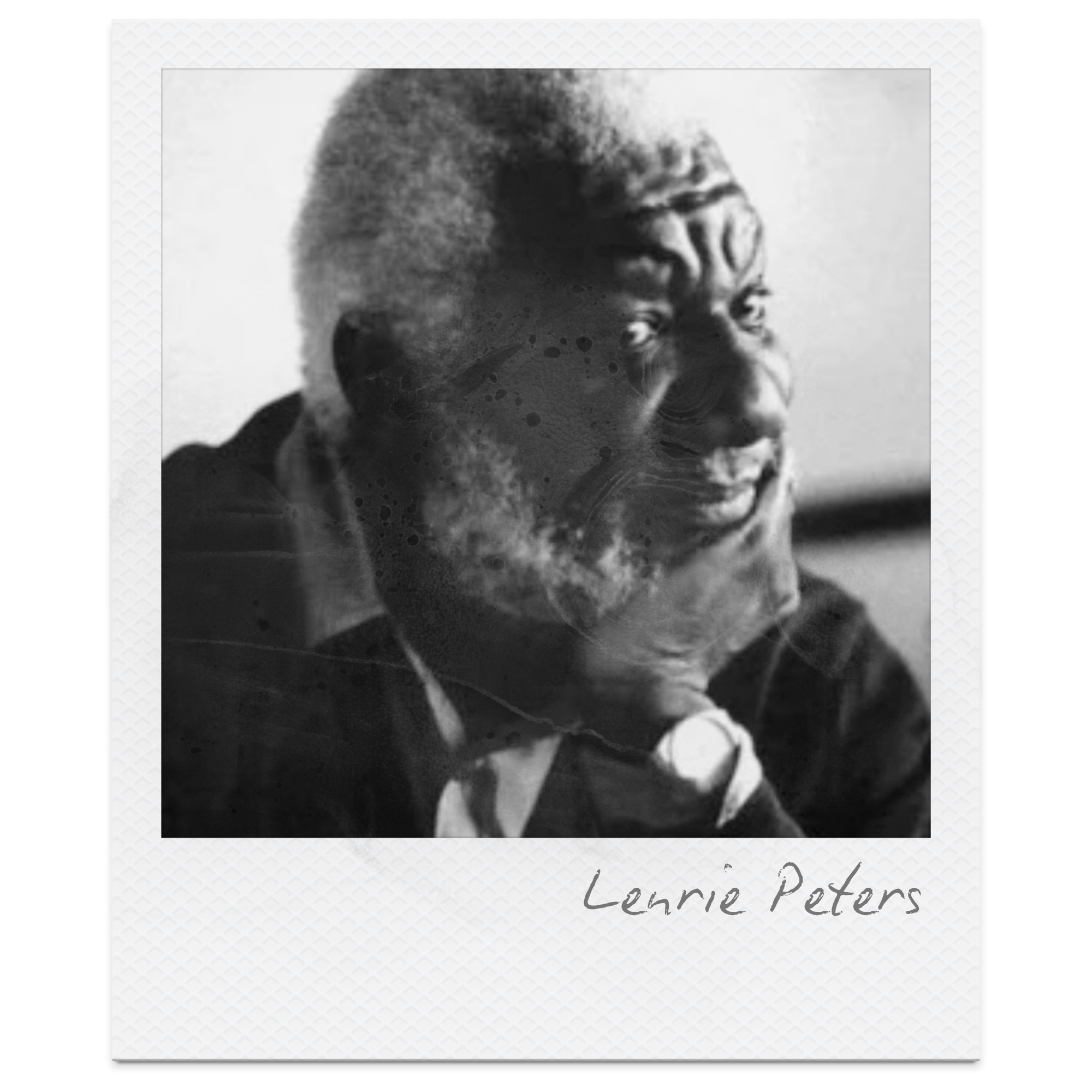
Understanding the context of Homecoming helps illuminate the poem's exploration of displacement, identity, memory, and belonging. Written by Lenrie Peters (1932–2009), a Gambian poet, novelist, and physician, the poem reflects concerns that appear throughout much of his work: the relationship between the individual and their homeland, the effects of time and change, and the emotional complexities of return.
Peters belonged to a generation of African writers working during the late colonial and postcolonial periods. Many writers of this era explored questions of national identity, cultural change, and the experience of living between different worlds. Having studied and worked abroad before returning to West Africa, Peters was personally familiar with the emotional tensions that can accompany leaving home and later returning to it.
Importantly, Homecoming is not simply a poem about physical travel. Instead, it explores the psychological reality of returning to a place that exists both as a real location and as a collection of memories. The speaker discovers that while memory often preserves the past, the world itself continues to change. This creates a conflict between expectation and reality that lies at the heart of the poem.
The poem also reflects a broader literary tradition concerned with homecoming narratives. From classical literature such as Homer's Odyssey to modern postcolonial writing, authors have frequently explored the idea that returning home can be as challenging as leaving it. Rather than presenting home as a place of certainty and comfort, Peters presents it as a site of change, loss, and emotional uncertainty.
This context deepens the significance of the poem's recurring images of burial, roots, skeletons, and changing landscapes. These images suggest that home is not a fixed or permanent concept but something continually reshaped by time, memory, and human experience. As a result, Homecoming becomes not only a poem about returning to a physical place but also a meditation on how identity and belonging are affected by the passage of time.
Homecoming: At a Glance
◆ Form: Lyric poem structured in regular quatrains, combining personal reflection with broader observations about memory, identity, and belonging.
◆ Tone and emotional movement: Reflective, nostalgic, unsettled, and increasingly melancholic as the speaker confronts the gap between memory and reality.
◆ Central tensions: Past versus present; memory versus reality; belonging versus alienation; permanence versus change.
◆ Core concerns: Homecoming, displacement, identity, memory, loss, change, and the emotional consequences of returning to a familiar place that has become unfamiliar.
◆ Dominant imagery: Floods, roots, weeds, burial grounds, shadows, skeletons, journeys, and landscapes altered by time.
◆ Stylistic features: Symbolism, contrast, natural imagery, metaphor, cyclical movement, reflective voice, and understated emotional expression.
◆ Key themes: Memory and identity; home and belonging; displacement; the passage of time; change and impermanence; nostalgia and loss.
◆ One-sentence interpretation: Peters presents homecoming as a deeply unsettling experience in which the past survives only in memory, forcing the speaker to confront the reality that both places and people are transformed by time.
Quick Summary of Homecoming
Homecoming follows a speaker returning to a place that was once familiar and meaningful. As he revisits his former home, he reflects on the years spent away and discovers that both the landscape and his memories have been altered by the passage of time. Places that once seemed permanent have changed, while the past survives only as fragments preserved in memory.
As the poem develops, the speaker becomes increasingly aware of the gap between remembered experience and present reality. Images of roots, weeds, burial grounds, and skeletons emphasise change, loss, and displacement. By the end of the poem, the anticipated comfort of returning home has been replaced by a sense of alienation, as the speaker realises that neither he nor his home remains unchanged. The poem concludes with a reflective meditation on memory, belonging, and the emotional consequences of return.
Title, Form, Structure and Metre in Homecoming
The formal features of Homecoming play an important role in shaping its exploration of memory, displacement, identity, and change. Although the poem appears controlled and carefully organised, its structural patterns gradually become less stable as the speaker confronts the unsettling reality of returning to a home that no longer matches his memories. Peters uses form, rhyme, and structural progression to reinforce the poem's central tension between the desire for familiarity and the inevitability of change.
The Significance of the Title
The title Homecoming initially creates expectations of reunion, comfort, and belonging. Traditionally, a homecoming suggests a return to familiar people, places, and memories after a period of absence.
However, Peters quickly challenges these expectations. Rather than finding stability and recognition, the speaker encounters change, loss, and emotional dislocation. The title therefore becomes subtly ironic. The journey home has been completed physically, but the emotional fulfilment associated with homecoming remains elusive. This tension between expectation and reality shapes the poem from beginning to end.
Quatrain Structure and Fragmented Reflection
The poem consists of five quatrains, creating a clear and orderly structure. Each stanza focuses on a slightly different aspect of the speaker's experience, gradually building a picture of a homeland transformed by time.
The regular stanza pattern creates an impression of control and organisation. Yet each quatrain also feels like a separate reflection or memory fragment. The poem moves from observations about time and memory to images of roots, weeds, burial grounds, and finally the disappointing reality of the return itself.
This combination of order and fragmentation mirrors the speaker's emotional state. He attempts to make sense of his experiences through reflection, yet the memories and observations never fully combine into a comforting or coherent vision of home.
Enjambment and the Flow of Memory
Peters frequently employs enjambment within stanzas, allowing ideas to flow across line endings without strong pauses. This creates a natural, conversational movement that reflects the speaker's reflective thought process.
The technique often gives the impression that memories and observations are unfolding spontaneously rather than being carefully arranged. As a result, the poem feels intimate and personal, drawing readers into the speaker's process of remembering and reassessing the past.
Interestingly, the enjambment remains largely contained within individual stanzas. The poem rarely flows directly from one stanza into the next, creating subtle boundaries between different memories, images, and reflections.
Free Verse and Natural Speech Rhythms
The poem does not follow a strict metrical pattern. Unlike traditional lyric poems that rely on regular rhythms such as iambic pentameter, Homecoming adopts a more flexible approach to metre.
This freedom allows the language to resemble natural speech and reflective thought. The rhythm feels conversational rather than highly formal, helping the poem capture the uncertainty and emotional complexity of the speaker's experience.
The absence of rigid metre is significant because it reflects the instability at the heart of the poem. Just as the speaker discovers that home is no longer fixed or secure, the poem avoids the predictable regularity associated with more traditional verse forms.
Rhyme and the Illusion of Stability
Although the poem lacks a regular metre, it makes considerable use of rhyme. The opening three stanzas establish a recognisable pattern of alternating rhymes:
ABAB CDCD EFEF
For example, the first stanza links:
supreme (A)
gutters (B)
been (A)
shutters (B)
Some of these pairings function as slant rhymes rather than perfect rhymes, but the overall pattern remains clear enough to create a sense of order and stability.
This is significant because the early sections of the poem still operate within the speaker's memories and expectations. The rhyme scheme creates an impression of structure that mirrors the speaker's attempt to maintain connections with the past.
Structural Disruption and Sudden Change
As the poem progresses, the rhyme scheme becomes noticeably less predictable. The fourth stanza abandons the established alternating pattern:
town
ground
shadow
skeletons
Here, "town" and "ground" form a rhyming couplet, while the remaining lines resist the pattern established earlier.
The final stanza also loosens the structure, with only a partial echo between "home-coming" and "returning." The increasingly irregular rhyme reflects the poem's central realisation: the stability the speaker expected no longer exists.
Readers become accustomed to one pattern only to discover that it has changed. This structural disruption mirrors the speaker's experience of returning home and finding that familiar places, memories, and identities have been altered by time.
Structural Progression and Emotional Development
The poem's structure mirrors the speaker's growing awareness of loss. It begins with reflections on memory and time before moving towards increasingly unsettling images of rootlessness, decay, burial, and replacement.
By the fourth stanza, the speaker arrives at the physical location he has returned to find. The house remains, but it is now inhabited by "new skeletons", emphasising that even the most familiar places have been transformed.
The final stanza provides a subdued conclusion rather than a dramatic resolution. The anticipated homecoming becomes an encounter with change itself, reinforcing the poem's exploration of memory, belonging, and impermanence.
Through its combination of regular quatrains, loosening rhyme patterns, free verse rhythms, and carefully structured progression, Homecoming transforms a personal return into a powerful meditation on the ways time reshapes both places and people.
Voice, Perspective and Emotional Conflict in Homecoming
The emotional impact of Homecoming emerges largely through its reflective and deeply personal voice. Peters presents a speaker looking back on a place that once formed a central part of his identity, only to discover that both the landscape and his relationship with it have changed. The voice moves between memory and observation, nostalgia and disappointment, creating a powerful sense of emotional dislocation. Although the poem describes a physical return, its deeper concern is the psychological experience of confronting a past that can no longer be recovered.
The Collective Voice of Experience
One of the most striking features of the poem is its use of the first-person plural pronoun "we" rather than the singular "I". The speaker repeatedly refers to shared experiences, memories, and losses, suggesting that the poem represents more than an individual perspective.
This collective voice broadens the poem's significance. The homecoming becomes a shared experience of a generation rather than a purely personal journey. The repeated use of "we" implies that many people have left, returned, and discovered that the places they once knew have changed beyond recognition.
As a result, the poem explores not only individual memory but also collective identity and cultural change.
A Voice Shaped by Memory
The speaker's perspective is heavily influenced by memory. Much of the poem is concerned not with describing the present moment but with comparing present reality to remembered experience.
References to "the times we buried", "the memories that we kept", and places where the speaker once walked reveal a voice continually looking backwards. The past remains emotionally significant, even though it can no longer be recovered.
This retrospective perspective creates a sense of melancholy throughout the poem. The speaker is not simply observing change but measuring it against a remembered version of home that exists only in memory.
Nostalgia and Disillusionment
The voice combines nostalgia with growing disillusionment. Initially, there is an implied expectation that returning home might reconnect the speaker with something familiar and meaningful.
However, each stanza gradually undermines this hope. The speaker discovers altered landscapes, lost traditions, and unfamiliar occupants. The emotional movement of the poem therefore shifts from remembrance towards disappointment.
This tension between expectation and reality creates much of the poem's emotional power. The speaker longs for continuity but encounters evidence of change at every turn.
Emotional Restraint and Understatement
Although the poem deals with loss and alienation, the speaker rarely expresses emotion directly. Instead of dramatic declarations of grief, Peters adopts a restrained and controlled voice.
The emotional impact emerges through imagery rather than explicit statements. References to "sapless roots", "burial ground", and "new skeletons" communicate loss indirectly, allowing readers to infer the depth of the speaker's disappointment.
This restraint makes the poem more powerful because the emotions feel genuine rather than exaggerated. The speaker appears thoughtful and reflective rather than openly sentimental.
Alienation and the Loss of Belonging
As the poem develops, the speaker increasingly appears detached from the place he has returned to. Although he physically occupies the same space, he no longer feels fully connected to it.
This sense of alienation is particularly evident in the image of the house now occupied by "new skeletons." The phrase suggests that the people who live there are strangers, emphasising the distance between the speaker and the home he once knew.
The voice therefore reveals a painful realisation: returning home does not necessarily restore a sense of belonging. The speaker has become an outsider in a place that was once central to his identity.
A Movement from Personal Reflection to Wider Observation
While the poem begins with specific memories and experiences, the speaker gradually develops a broader perspective on change and time. The homecoming becomes symbolic of a larger human experience in which people inevitably outgrow places, memories become unreliable, and the past cannot be preserved indefinitely.
This shift gives the voice a reflective and philosophical quality. The poem is not simply about one person's return but about the universal difficulty of reconciling memory with reality.
An Unresolved Perspective
Importantly, the speaker never reaches emotional closure. The poem ends with the image of returning travellers confronted only by the remnants of what once existed.
There is no moment of reconciliation, acceptance, or renewed belonging. Instead, the voice remains suspended between memory and reality, attachment and loss. This unresolved perspective reinforces the poem's exploration of displacement and ensures that the emotional tensions continue beyond the poem's final lines.
Stanza-by-Stanza Analysis of Homecoming
A close reading of Homecoming reveals how Peters gradually develops his exploration of memory, displacement, belonging, and change. Each stanza introduces new images and perspectives that deepen the speaker's growing awareness that the home preserved in memory no longer exists in reality. Through recurring symbols of nature, decay, burial, and renewal, the poem traces the emotional journey from remembrance to alienation, revealing the complex relationship between identity, place, and the passage of time.
Stanza 1: The Present Overwhelms the Past
The poem opens with the striking declaration that "The present reigned supreme", immediately establishing one of the poem's central tensions between memory and reality. The verb "reigned" suggests authority, dominance, and control, implying that the present has conquered or replaced the past. This creates an atmosphere of inevitability, as though the speaker's memories are powerless against the force of time and change.
Peters develops this idea through the simile "Like the shallow floods over the gutters". Flood imagery often suggests overwhelming force and transformation, but the adjective "shallow" introduces an interesting ambiguity. The change may appear superficial or temporary, yet it is still powerful enough to cover what existed before. The image suggests that the familiar details of the past have been obscured beneath newer layers of experience and development.
The reference to "raw paths where we had been" introduces a sense of personal and collective history. The adjective "raw" suggests exposure, incompleteness, or vulnerability, perhaps implying that these memories remain emotionally sensitive despite the passing of time. The use of the collective pronoun "we" also reinforces the idea that the poem concerns a shared experience of departure and return rather than an entirely individual journey.
The stanza concludes with the image of "The house with the shutters." Houses often symbolise home, identity, memory, and belonging, making this an important early image. However, the shutters imply closure and separation. Rather than welcoming the speaker back, the house appears closed off and inaccessible, foreshadowing the emotional distance that will characterise the rest of the poem.
As an opening stanza, these lines immediately challenge traditional expectations of homecoming. Instead of comfort and familiarity, the speaker encounters a present reality that has asserted its dominance over the remembered past, establishing the poem's exploration of change, displacement, and the fragility of memory.
Stanza 2: Buried Memories and Unresolved Change
The second stanza introduces a stronger sense of emotional disorientation as the speaker reflects on the "strange" and "sudden change" that has taken place during his absence. The adjective "strange" immediately emphasises unfamiliarity, suggesting that what was once known and comfortable now feels unsettling and difficult to recognise. Meanwhile, "sudden" implies that the transformation feels abrupt from the speaker's perspective, even though it may have occurred gradually over many years.
Peters develops this idea through the striking phrase "the times we buried when we left." The verb "buried" introduces one of the poem's most important semantic fields: death, burial, and loss. The image suggests that the past has not simply disappeared but has been deliberately laid to rest. At the same time, burial implies permanence, reinforcing the speaker's growing awareness that the world he remembers can never be fully recovered.
The repetition of "time" in both the second and third lines draws attention to the poem's concern with the passage of years and the relationship between memory and change. However, Peters complicates this idea by suggesting that the departure occurred "before we had properly arranged / The memories that we kept." The verb "arranged" implies organisation, understanding, and control. The speaker suggests that he left before fully processing or preserving the experiences that mattered to him.
This creates an important tension between memory and reality. The speaker's recollections are incomplete and imperfect, making his return even more unsettling. He is not only confronted by a changed homeland but also by the limitations of his own memory. The past survives only in fragments, leaving him unable to reconstruct the home he once knew with complete certainty.
As a result, the stanza deepens the poem's exploration of loss, nostalgia, and displacement. The speaker realises that both the physical landscape and his memories of it have been altered by time, creating a growing sense of distance between the past he remembers and the present he encounters.
Stanza 3: Rootlessness, Renewal, and a Lost Generation
The third stanza develops the poem's exploration of change, displacement, and generational loss through a series of powerful natural images. Peters moves away from the language of memory and burial seen earlier in the poem and instead focuses on images of growth, roots, and renewal, suggesting that while the past may have faded, new generations and new ways of life have emerged in its place.
The metaphor "Our sapless roots have fed / The wind-swept seedlings of another age" is particularly significant. Roots traditionally symbolise heritage, identity, ancestry, and connection to place, yet these roots are described as "sapless". The adjective suggests lifelessness, depletion, and the loss of vitality. The speaker's generation appears disconnected from the source of its former strength, implying a weakening of cultural continuity or communal identity.
However, the roots continue to "feed" the next generation. This creates an important paradox. Although the older generation may feel displaced or diminished, it has nevertheless contributed to the growth of those who came after it. The "wind-swept seedlings" symbolise a new age that is still developing and vulnerable, yet also independent from the traditions that preceded it. The phrase "another age" reinforces the speaker's growing awareness that history has moved on without him.
The image of "Luxuriant weeds" further complicates the stanza. The adjective "luxuriant" conveys abundance, vitality, and successful growth, yet weeds are traditionally associated with neglect, disorder, and unwanted change. Peters therefore presents renewal as both positive and unsettling. New life has flourished, but not necessarily in the form the speaker expected or desired.
This tension becomes particularly poignant in the final lines: "where we led / The Virgins to the water's edge." The image evokes ritual, innocence, community, and tradition. Whether interpreted literally or symbolically, the memory suggests a place once associated with cultural continuity and collective identity. The contrast between this remembered past and the present reality of "luxuriant weeds" highlights the extent of the transformation that has occurred.
As a result, the stanza explores the complicated relationship between generations. The speaker recognises that change is natural and inevitable, yet he also mourns the disappearance of traditions, places, and experiences that once seemed permanent. The imagery of roots and seedlings therefore reflects both continuity and loss, reinforcing the poem's central tension between memory and renewal.
Stanza 4: Death, Displacement, and the Unrecognisable Home
The fourth stanza marks a significant turning point in the poem. After reflecting on memory, loss, and generational change, the speaker finally arrives at the physical location that has been at the centre of his recollections. However, rather than finding reassurance or familiarity, he encounters imagery dominated by death, absence, and alienation.
The stanza begins with the location "at the edge of the town / Just by the burial ground." The positioning is important. Both the town and the burial ground occupy liminal spaces, places associated with boundaries and transitions. The proximity of the house to the cemetery immediately creates an atmosphere of mortality and decline, while also extending the poem's recurring semantic field of burial, death, and the passing of time.
At the centre of the stanza stands "the house without a shadow." Houses throughout literature often symbolise home, identity, family, memory, and belonging, making this image particularly significant. The absence of a shadow is deeply unsettling because shadows normally suggest presence, depth, and continuity. A house without a shadow appears strangely insubstantial, almost ghostly, as though it has been stripped of the life and meaning it once possessed.
The image may also symbolise the loss of historical and emotional connection. The physical structure remains, but the identity attached to it has disappeared. The speaker has returned to the same location, yet it no longer feels like the home preserved in memory.
The final line delivers one of the poem's most striking and ambiguous images: the house is "Lived in by new skeletons." On one level, the phrase refers to new occupants who have replaced those the speaker once knew. However, Peters deliberately avoids describing them as ordinary people. Instead, they are reduced to "skeletons", a word associated with death, anonymity, and the stripping away of individual identity.
The image reflects the speaker's sense of estrangement. The new inhabitants appear unfamiliar and emotionally distant because they exist outside his memories and personal history. At the same time, the metaphor suggests a broader truth about mortality and change: every generation eventually replaces the one before it.
As a result, the stanza becomes the emotional centre of the poem. The speaker is confronted with undeniable evidence that home has continued to evolve in his absence. The house remains physically present, yet it has become a symbol not of belonging but of displacement, reinforcing the poem's exploration of memory, impermanence, and the painful realisation that the past cannot be recovered.
Stanza 5: The Disappointment of Return
The final stanza brings the poem's emotional journey to a subdued and deeply melancholic conclusion. After reflecting on memory, change, generational replacement, and the transformed landscape, the speaker reaches a stark realisation about what remains of the home he once knew.
The opening statement, "That is all that is left", is deliberately blunt and final. The phrase conveys resignation and disappointment, suggesting that the house and its unfamiliar occupants represent the last surviving connection to a vanished past. The certainty of "all" emphasises the scale of the loss, implying that much of what once gave meaning to the place has disappeared.
The next line, "To greet us on the home-coming", creates a powerful contrast between expectation and reality. Traditionally, a homecoming implies welcome, reunion, and belonging. Yet the only thing available to greet the returning travellers is a transformed landscape and a house inhabited by strangers. The title of the poem gains additional significance here because the anticipated emotional fulfilment of returning home never materialises.
Peters then broadens the poem's perspective through the phrase "After we have paced the world." The verb "paced" suggests extensive travel, experience, and the passage of time. It implies years spent moving through different places and cultures, reinforcing the speaker's sense of distance from the homeland he left behind. At the same time, the image suggests restlessness, as though the travellers have spent years searching for something that remains unresolved.
The final line, "And longed for returning," introduces a poignant irony. The verb "longed" emphasises the strength and persistence of the desire to come home. Throughout their travels, the speakers have imagined return as a source of comfort and reconnection. However, the reality of homecoming has failed to fulfil those expectations.
The poem therefore ends without resolution or reconciliation. The speakers achieve the physical act of returning, but they cannot return to the past itself. Memory has preserved an idealised version of home that no longer exists, leaving them suspended between belonging and alienation.
As a concluding stanza, these lines crystallise the poem's central message: home is not a fixed place waiting unchanged for our return. It is continually reshaped by time, memory, and human experience. The homecoming that once promised comfort instead becomes a reminder of loss, change, and the impossibility of recovering the past.
Key Quotes and Literary Methods in Homecoming
The most significant quotations in Homecoming reveal Peters' exploration of memory, displacement, belonging, identity, and the passage of time. Through symbolism, metaphor, contrast, and imagery, the poem presents homecoming not as a comforting return but as a confrontation with change and loss.
"The present reigned supreme"
◆ Method or literary feature: Personification; metaphor of power and authority.
◆ Interpretation and implied meaning: The present is presented as a ruling force that has overcome the past and reshaped the speaker's homeland.
◆ Why the poet uses it: To establish the poem's central conflict between memory and reality.
◆ Emotional/intellectual effect: Creates an immediate sense of displacement and loss.
◆ Broader significance: Suggests that time inevitably transforms places and identities, regardless of human attempts to preserve them.
"Like the shallow floods over the gutters"
◆ Method or literary feature: Simile; natural imagery.
◆ Interpretation and implied meaning: The present has covered over traces of the past, just as floodwater obscures what lies beneath it.
◆ Why the poet uses it: To illustrate how change can overwhelm memory and familiarity.
◆ Emotional/intellectual effect: Creates a sense of gradual erasure and disorientation.
◆ Broader significance: Highlights the fragility of personal and collective memory.
"Too strange the sudden change"
◆ Method or literary feature: Emotive language; alliteration.
◆ Interpretation and implied meaning: The speaker is shocked by the extent of the transformation that has taken place during his absence.
◆ Why the poet uses it: To emphasise the emotional impact of returning to a changed homeland.
◆ Emotional/intellectual effect: Conveys surprise, unease, and disappointment.
◆ Broader significance: Reflects the universal experience of discovering that familiar places do not remain unchanged.
"The times we buried when we left"
◆ Method or literary feature: Metaphor; semantic field of death and burial.
◆ Interpretation and implied meaning: The past has been laid to rest and can no longer be fully recovered.
◆ Why the poet uses it: To connect memory with loss and the passage of time.
◆ Emotional/intellectual effect: Creates a mournful and reflective atmosphere.
◆ Broader significance: Suggests that leaving a place often means leaving part of one's identity behind.
"Our sapless roots have fed / The wind-swept seedlings of another age"
◆ Method or literary feature: Extended metaphor; natural imagery.
◆ Interpretation and implied meaning: The older generation has contributed to the development of a new generation, even as its own influence declines.
◆ Why the poet uses it: To explore continuity and change across time.
◆ Emotional/intellectual effect: Creates mixed feelings of loss, pride, and displacement.
◆ Broader significance: Suggests that renewal often depends upon the sacrifices of previous generations.
"Luxuriant weeds have grown"
◆ Method or literary feature: Symbolism; contrasting imagery.
◆ Interpretation and implied meaning: New growth has flourished, but not necessarily in ways the speaker values or recognises.
◆ Why the poet uses it: To present change as both productive and unsettling.
◆ Emotional/intellectual effect: Encourages readers to question whether progress always represents improvement.
◆ Broader significance: Explores the tension between renewal and the loss of tradition.
"The house without a shadow"
◆ Method or literary feature: Symbolism; unsettling imagery.
◆ Interpretation and implied meaning: The house has lost the sense of identity, familiarity, and emotional significance it once possessed.
◆ Why the poet uses it: To transform the house into a symbol of alienation and disconnection.
◆ Emotional/intellectual effect: Creates an eerie and unsettling atmosphere.
◆ Broader significance: Suggests that physical places can survive even when their emotional meaning has disappeared.
"Lived in by new skeletons"
◆ Method or literary feature: Metaphor; death imagery.
◆ Interpretation and implied meaning: The new inhabitants feel unfamiliar and disconnected from the speaker's memories.
◆ Why the poet uses it: To emphasise the speaker's sense of estrangement from his former home.
◆ Emotional/intellectual effect: Creates discomfort and reinforces the theme of displacement.
◆ Broader significance: Highlights the inevitability of generational replacement.
"That is all that is left"
◆ Method or literary feature: Emphatic statement; understated tone.
◆ Interpretation and implied meaning: Very little remains of the home the speaker remembers.
◆ Why the poet uses it: To convey the scale of the loss revealed by the homecoming.
◆ Emotional/intellectual effect: Creates a powerful sense of resignation.
◆ Broader significance: Suggests that memory often preserves more than reality can sustain.
"After we have paced the world / And longed for returning"
◆ Method or literary feature: Journey imagery; contrast between expectation and reality.
◆ Interpretation and implied meaning: The travellers spent years imagining a return that ultimately fails to meet their hopes.
◆ Why the poet uses it: To emphasise the emotional importance of home and belonging.
◆ Emotional/intellectual effect: Creates a poignant sense of disappointment and irony.
◆ Broader significance: Suggests that the places we long for often exist more vividly in memory than in reality.
Key Techniques in Homecoming
Peters employs a range of literary techniques in Homecoming to explore the emotional consequences of returning to a place transformed by time. The poem moves beyond simple nostalgia, using symbolism, imagery, sound patterns, and structural disruption to examine questions of identity, belonging, memory, and displacement. These techniques work together to create a poem that is both deeply personal and widely relatable.
Extended Metaphor of Growth and Decline
One of the poem's most significant techniques is its use of an extended metaphor drawn from the natural world. The speaker's generation becomes "sapless roots", while younger generations become "wind-swept seedlings".
The metaphor allows Peters to explore continuity and change simultaneously. Although the older generation feels depleted and disconnected, it has still provided nourishment for those who follow. The image therefore captures both loss and renewal, reflecting the poem's complex attitude towards historical change.
Symbolism of Home
The house functions as a central symbol throughout the poem. Rather than simply representing a physical building, it comes to symbolise memory, identity, belonging, family, and cultural continuity.
However, Peters repeatedly undermines these traditional associations. The house appears closed, detached, and eventually inhabited by "new skeletons." As a result, it becomes a symbol of alienation rather than comfort, reflecting the speaker's inability to reconnect with the past he remembers.
Death and Burial Imagery
A recurring semantic field of death, burial, and decay runs throughout the poem. Readers encounter references to "the times we buried," the "burial ground," and "new skeletons."
These images reinforce the idea that the past cannot simply be revisited or recovered. Instead, it has been laid to rest. Peters therefore presents homecoming not as a reunion with the past but as a confrontation with its disappearance.
Contrast Between Past and Present
The poem is built upon a sustained contrast between remembered experience and present reality. The speaker returns expecting familiarity but discovers transformation instead.
This contrast appears throughout the poem:
memory versus reality
continuity versus change
belonging versus alienation
preservation versus decay
expectation versus disappointment
These opposing forces create the poem's central tension and drive its emotional development.
Personification of Time
Peters opens the poem by declaring that "The present reigned supreme." Through this personification, the present is transformed into a powerful ruler that has conquered what came before.
The image emphasises the inevitability of change. Time becomes an active force shaping the landscape and the lives of those who inhabit it. The speaker's memories are powerless against this authority.
Simile and Flood Imagery
The opening simile compares the present to "shallow floods over the gutters."
Floods suggest overwhelming force, transformation, and the covering over of what previously existed. The image therefore reflects the way change has obscured the traces of the past. At the same time, the adjective "shallow" introduces ambiguity, suggesting that beneath the altered surface, remnants of the past may still survive.
Natural Imagery
Nature imagery dominates the poem, particularly through references to roots, seedlings, weeds, and water.
These images reinforce the poem's concern with growth, change, and generational succession. Nature continues its cycles regardless of individual wishes, mirroring the unstoppable progression of time. The imagery therefore highlights the tension between human memory and natural change.
Alliteration and Sibilance
Peters frequently employs alliteration and sibilance to create subtle emphasis and reinforce key ideas.
The alliteration of "strange" and "sudden" draws attention to the speaker's shock at the transformation he encounters. Similarly, "sapless" and "seedlings" create a sonic link between the older and younger generations, reinforcing the relationship between decline and renewal.
The repeated soft s sounds throughout the poem create a reflective, almost whispering quality that complements its contemplative tone. In phrases such as "wind-swept seedlings", the sound patterns also echo the movement of the wind itself, helping to bring the imagery to life.
Enjambment and Reflective Movement
Peters frequently uses enjambment, allowing sentences to flow across line endings without strong pauses.
This technique creates a natural, conversational rhythm that mirrors the speaker's reflective thought process. Memories and observations seem to emerge organically rather than according to a rigid structure, reinforcing the poem's introspective atmosphere.
The flowing movement also reflects the act of remembering itself, with one memory leading naturally into another.
Structural Disruption
The poem initially establishes a recognisable rhyme pattern before gradually loosening and disrupting it in the later stanzas.
This structural shift mirrors the speaker's experience. Just as readers become accustomed to a pattern, the poem destabilises it. The technique reflects the central experience of homecoming itself: expectations of familiarity are replaced by unexpected change.
The disruption therefore functions not merely as a formal device but as a structural expression of the poem's themes.
Irony of Homecoming
The title and central premise create a subtle but powerful irony. A homecoming is traditionally associated with welcome, reunion, and belonging.
Yet the speaker finds none of these things. The place he returns to has changed, the people are unfamiliar, and the emotional connection he hoped to recover remains out of reach.
This irony lies at the heart of the poem. The physical journey home is completed successfully, but the emotional homecoming never truly occurs.
Symbolic Landscapes
Throughout the poem, landscapes function symbolically rather than simply descriptively. Floods, raw paths, weeds, burial grounds, and shadowless houses all carry emotional and thematic significance.
These settings externalise the speaker's internal experience, transforming the physical environment into a reflection of memory, loss, and displacement. The landscape becomes a visible expression of the emotional changes that have occurred during the speaker's absence.
Symbolism in Homecoming
Symbolism plays a crucial role in Homecoming, allowing Peters to explore complex ideas about identity, memory, displacement, change, and belonging. Many of the poem's most memorable images operate on both a literal and symbolic level, transforming a personal journey into a broader reflection on the relationship between people, places, and time.
The House
The house is the poem's most important symbol. On a literal level, it is the physical destination of the speaker's return. Symbolically, however, it represents home, identity, family history, memory, and belonging.
Throughout the poem, the speaker appears to invest the house with emotional significance because it embodies the world he remembers from the past. Yet when he finally encounters it, the house no longer provides comfort or recognition. Instead, it appears detached, unfamiliar, and disconnected from his memories.
As a result, the house symbolises the painful realisation that physical places may survive while their emotional meaning changes. The speaker can return to the same location, but he cannot return to the same version of home.
Floods
The opening image of "shallow floods" symbolises the power of change and the passage of time. Floods cover, alter, and reshape landscapes, making them an appropriate symbol for the transformations that have taken place during the speaker's absence.
Importantly, the floods are described as "shallow." This suggests that traces of the past may still exist beneath the surface, even if they are no longer immediately visible. The image therefore symbolises both loss and continuity, reflecting the poem's complex treatment of memory.
Paths
The "raw paths where we had been" symbolise personal history and shared experience. Paths often represent journeys, movement, and connections between past and present.
The adjective "raw" suggests vulnerability and exposure, implying that these memories remain emotionally significant despite the years that have passed. The paths therefore symbolise the enduring marks left by experience, even when the surrounding landscape has changed.
Roots
The image of "sapless roots" functions as a powerful symbol of ancestry, heritage, and cultural identity. Roots traditionally suggest stability, continuity, and connection to a place or community.
However, Peters presents these roots as depleted and lacking vitality. This suggests a weakening of traditional connections and a growing sense of dislocation. The symbol reflects the speaker's fear that the values, traditions, and identities associated with the past are fading away.
Seedlings
In contrast to the roots, the "wind-swept seedlings of another age" symbolise renewal, change, and the emergence of a new generation.
Seedlings represent growth and possibility, yet the description "wind-swept" also suggests vulnerability and uncertainty. Peters therefore presents the future as something both promising and unstable. The symbol reinforces the idea that societies continually evolve, even when individuals struggle to adapt to those changes.
Weeds
The "luxuriant weeds" are among the poem's most ambiguous symbols. On one hand, they represent growth, vitality, and successful renewal. On the other, weeds are often associated with neglect, disorder, and the disappearance of what once existed.
This dual symbolism reflects the speaker's conflicted attitude towards change. The landscape is thriving, but not in the way he remembers or desires. The weeds therefore symbolise the uneasy relationship between progress and loss.
Water
The reference to "the water's edge" introduces symbolism associated with transition, memory, and boundaries. Water frequently represents movement, change, and the passage of time in literature.
The image also marks a threshold between past and present. The remembered scene involving the virgins belongs to a world that no longer exists, making the water's edge a symbolic boundary between memory and reality.
The Burial Ground
The burial ground extends the poem's recurring imagery of death and remembrance. Symbolically, it represents the past itself: preserved, honoured, yet permanently separated from the present.
Its proximity to the house is significant because it suggests that memory and loss are inseparable from the speaker's understanding of home. The burial ground becomes a reminder that the world he remembers has effectively been laid to rest.
Shadows
The image of "the house without a shadow" is particularly striking because shadows often symbolise presence, memory, continuity, and connection.
A house without a shadow appears unnatural and incomplete. Symbolically, the absence of a shadow suggests that something essential has been lost. The house remains physically present, but its emotional and historical significance has faded.
The image therefore reinforces the poem's central concern with the gap between appearance and reality.
Skeletons
The poem's final major symbol is the image of "new skeletons." Skeletons traditionally symbolise death, mortality, and the passage of time.
However, these skeletons are also the house's current occupants, making the symbol more complex. From the speaker's perspective, they appear anonymous and disconnected from the past he remembers. The image therefore symbolises both generational replacement and emotional estrangement.
At the same time, the adjective "new" introduces an important paradox. Skeletons are associated with death, yet they represent the living present. This contradiction reinforces the poem's exploration of continuity, change, and the unsettling nature of homecoming.
Homecoming
The title itself functions symbolically throughout the poem. A homecoming traditionally symbolises reunion, belonging, and emotional fulfilment.
Peters deliberately subverts these expectations. Instead of comfort and recognition, the homecoming becomes an encounter with loss, change, and alienation. The title therefore symbolises the tension between memory and reality that lies at the heart of the poem.
By the end of the poem, homecoming represents not a return to the past but an acceptance that the past can never be fully recovered.
How Peters Creates Meaning and Impact in Homecoming
In Homecoming, Peters transforms a seemingly simple journey back to a familiar place into a powerful exploration of memory, identity, belonging, and change. Through symbolism, natural imagery, structural progression, and emotional restraint, he examines the unsettling realisation that home is not a fixed destination but something continually reshaped by time. The poem's impact comes from its ability to capture a deeply personal experience while simultaneously reflecting a universal human fear: returning to something once loved and discovering that it no longer exists in the form remembered.
The Conflict Between Memory and Reality
One of the poem's most important ideas is the tension between remembered experience and present reality. Throughout the poem, the speaker measures what he sees against what he remembers, creating a continual sense of disappointment and dislocation.
Peters suggests that memory preserves places in an idealised form, freezing them at a particular moment in time. Reality, however, continues to change. This creates a painful gap between expectation and experience, as the speaker realises that the home he longs for survives only in memory.
The poem's emotional power emerges from this conflict. Readers recognise the universal experience of discovering that people, places, and relationships often change while memories remain fixed.
The Presentation of Home as an Idea Rather Than a Place
Although the poem centres on a physical return, Peters ultimately presents home as something more psychological than geographical. The speaker successfully reaches the location he once knew, yet he never recovers the sense of belonging he expected.
The house remains standing, but its meaning has changed. Familiar places no longer provide familiarity. As a result, Peters suggests that home is not simply a location but a combination of memory, identity, relationships, and personal history.
This idea deepens the poem's significance because it transforms a specific homecoming into a broader exploration of how individuals construct their sense of belonging.
Generational Change and Historical Continuity
The imagery of roots, seedlings, and weeds introduces a more complex perspective on change. While the speaker mourns what has been lost, Peters also acknowledges that new generations continue to grow and develop.
This creates an important tension within the poem. Change is presented as painful because it disrupts memory and tradition, yet it is also shown to be natural and unavoidable. The younger generation exists partly because of the sacrifices and experiences of those who came before.
As a result, the poem avoids becoming simply nostalgic. Instead, Peters presents history as a continuous process in which loss and renewal occur simultaneously.
Death Imagery and the Irrecoverable Past
The recurring references to burial, skeletons, and death reinforce the idea that the past cannot be fully recovered. These images suggest that the world the speaker remembers has effectively been laid to rest.
Importantly, Peters does not present death imagery solely as something frightening or tragic. Instead, it becomes a way of illustrating the permanence of change. Just as the dead cannot return to life, the past cannot be restored to its former state.
This symbolism deepens the emotional impact of the poem because it forces both the speaker and the reader to confront the limits of memory and the inevitability of transformation.
Emotional Restraint and Reflective Tone
One of the poem's most effective features is its emotional restraint. Peters avoids dramatic expressions of grief or anger, instead allowing the imagery and symbolism to communicate the speaker's feelings indirectly.
This controlled tone makes the poem feel thoughtful and reflective rather than sentimental. Readers are invited to infer the speaker's disappointment through images such as the "house without a shadow" and the "new skeletons" rather than through explicit emotional declarations.
The restraint increases the poem's impact because the emotions feel genuine and understated, reflecting the quiet sadness often associated with memory and loss.
The Unresolved Ending
The poem concludes without reconciliation or emotional closure. The speaker returns home, but the homecoming fails to provide the comfort he imagined during his years away.
This unresolved ending is significant because it reflects the poem's central insight: some losses cannot be reversed, and some aspects of the past cannot be recovered. The speaker achieves the physical act of returning but remains emotionally separated from the world he remembers.
The lack of resolution leaves readers with a lingering sense of melancholy and reflection, encouraging them to consider their own relationships with memory, place, and identity.
Why the Poem Remains Powerful
The enduring power of Homecoming lies in its exploration of experiences that extend far beyond the speaker's specific circumstances. Most readers can recognise the emotions associated with returning to a place after a long absence and discovering that it has changed.
Through its combination of symbolic imagery, carefully controlled structure, reflective voice, and emotional subtlety, the poem explores universal questions about belonging, memory, and the passage of time. Peters ultimately suggests that while people may return to the places they once knew, they can never fully return to the past itself. It is this insight that gives the poem its lasting emotional and intellectual impact.
Central Ideas and Themes in Homecoming
Although Homecoming focuses on a speaker returning to a familiar place after a long absence, Peters uses this experience to explore broader questions about identity, memory, belonging, change, and the passage of time. The poem suggests that home exists not only as a physical location but also as a collection of memories and emotional attachments that may become increasingly difficult to reconcile with reality.
Memory and Identity
One of the poem's central themes is the relationship between memory and identity. The speaker's understanding of both himself and his homeland is shaped by memories formed before his departure.
However, Peters demonstrates that memory is neither fixed nor entirely reliable. The speaker returns expecting to reconnect with a familiar version of home, only to discover that the place preserved in memory no longer exists in reality. This creates a crisis of identity because part of the speaker's sense of self is connected to a past that cannot be recovered.
The poem therefore suggests that identity is closely tied to memory, but both are vulnerable to the effects of time and change.
Home and Belonging
Throughout the poem, Peters explores what it truly means to belong somewhere. At first glance, the speaker's return appears to be a straightforward journey home, yet the experience quickly becomes more complicated.
The house remains standing, but it no longer feels like home. Familiar places have become unfamiliar, while the people now occupying them seem disconnected from the speaker's memories. As a result, the poem challenges the assumption that belonging can simply be restored through physical return.
Peters ultimately suggests that home is not merely a location but a complex combination of memory, history, relationships, and emotional connection.
Displacement
Despite returning to his homeland, the speaker experiences a profound sense of displacement. The irony at the heart of the poem is that the act of coming home makes him feel more aware of his distance from it.
This displacement operates on multiple levels. The speaker is geographically present but emotionally disconnected. He recognises the physical landscape, yet the meaning he once attached to it has changed. The result is a powerful sense of estrangement, as though he has become an outsider in a place that was once central to his identity.
The poem therefore presents displacement not only as a physical condition but also as a psychological experience.
The Passage of Time
The passage of time shapes every aspect of the poem. From the opening declaration that "The present reigned supreme", Peters emphasises the power of time to transform landscapes, communities, and individual lives.
Importantly, time is presented as both natural and unstoppable. The speaker may wish to recover the past, but the poem repeatedly demonstrates that such recovery is impossible. New generations emerge, landscapes evolve, and memories become increasingly distant.
The poem therefore reflects on the inevitability of change and the limitations of human attempts to resist it.
Change and Impermanence
Closely linked to the passage of time is the theme of change and impermanence. Nearly every image in the poem reinforces the idea that nothing remains exactly as it was.
The floods cover familiar paths, weeds replace former landmarks, and new inhabitants occupy the house. Even the traditions and experiences remembered by the speaker appear to belong to a vanished era. Peters presents this transformation as an unavoidable feature of life rather than an isolated event.
At the same time, the poem acknowledges the emotional difficulty of accepting impermanence. The speaker understands that change is natural, yet he still mourns what has been lost.
Nostalgia and Loss
The poem is deeply shaped by nostalgia, yet Peters presents nostalgia as both comforting and painful. The speaker's memories preserve a version of home that remains emotionally meaningful, allowing him to maintain a connection with the past.
However, these same memories intensify his disappointment when he returns. The more vividly he remembers the old world, the more sharply he feels its disappearance. Nostalgia therefore becomes a source of both attachment and suffering.
This tension leads directly to the theme of loss. Throughout the poem, the speaker confronts the loss of places, traditions, relationships, and certainties that once defined his understanding of home. The recurring imagery of burial and skeletons reinforces the idea that some aspects of the past have been permanently laid to rest.
Continuity and Renewal
Although the poem is often associated with loss, Peters also introduces a more hopeful theme of continuity and renewal through the imagery of roots and seedlings.
The older generation may feel disconnected from the present, yet it continues to nourish the future. New growth emerges from what came before, suggesting that change does not necessarily erase the past entirely. Instead, the past remains embedded within the foundations of the present.
This theme prevents the poem from becoming wholly pessimistic. While the speaker mourns what has been lost, Peters also acknowledges the ongoing cycles of growth and regeneration that shape human communities and societies.
Alternative Interpretations of Homecoming
Like many poems concerned with memory, identity, and belonging, Homecoming supports multiple interpretations. While it can be read as a personal reflection on returning to a changed homeland, Peters' imagery and symbolism also open up broader psychological, social, philosophical, and postcolonial readings. These interpretations often overlap, revealing the poem's emotional and intellectual complexity.
Psychological Interpretation: Memory and Self-Deception
From a psychological perspective, the poem explores the tendency to idealise the past. The speaker returns expecting to rediscover a familiar version of home, yet his disappointment suggests that memory may have preserved an unrealistic image of what once existed.
In this reading, the speaker is not only confronting a changed homeland but also confronting the limitations of his own recollections. The home he longs for may never have existed quite as perfectly as he remembers it.
Postcolonial Interpretation: Cultural Change and Dislocation
A postcolonial reading focuses on the experience of leaving one's homeland and returning to find it transformed by social, political, and cultural change.
The poem can be interpreted as reflecting the tensions experienced by many individuals who studied, worked, or lived abroad before returning home. The speaker occupies an uncertain position between different worlds, no longer fully belonging to either the place he left or the place to which he returns.
Existential Interpretation: The Impossibility of Returning
An existential reading suggests that the poem explores a universal truth: it is impossible to return to the past.
The speaker's disappointment stems not simply from the changes in the landscape but from the fact that time itself cannot be reversed. The poem therefore becomes a meditation on impermanence and the human desire to recover experiences that have already passed beyond reach.
Generational Interpretation: The Replacement of One Generation by Another
The imagery of "sapless roots", "seedlings", and "new skeletons" invites a generational interpretation. The speaker may be reflecting on the inevitable process through which one generation gradually gives way to the next.
In this reading, the poem is less concerned with a specific homecoming and more concerned with ageing, succession, and the realisation that the world increasingly belongs to those who follow.
Symbolic Interpretation: Home as Identity
Rather than reading the house and homeland literally, a symbolic interpretation views them as representations of the speaker's identity.
The return journey becomes a search for a former version of the self. The unsettling discovery that the house has changed mirrors the speaker's growing awareness that he, too, has been transformed by time and experience. The poem therefore explores not only the loss of home but also the loss of certainty about who one has become.
Social Interpretation: Community and Collective Memory
The repeated use of "we" encourages a social interpretation of the poem. Rather than focusing solely on an individual's experience, Peters may be exploring the relationship between communities and collective memory.
The poem suggests that societies, like individuals, construct identities through shared stories and traditions. When those traditions disappear or evolve, communities may experience the same sense of dislocation and uncertainty that affects the speaker.
Universal Interpretation: Change as an Inevitable Human Experience
The poem can ultimately be read as a reflection on a universal aspect of human life. Most people experience moments when familiar places, relationships, or memories no longer match reality.
In this interpretation, Homecoming is not simply about one person's return to a homeland but about the broader human experience of confronting change, accepting impermanence, and recognising that the past can never be fully recovered.
Compare Homecoming With Other Songs of Ourselves Volume 2 Poems
Comparing Homecoming with other poems in Songs of Ourselves Volume 2 reveals recurring concerns with memory, identity, displacement, belonging, change, and the passage of time. These comparisons can help students develop stronger comparative arguments while exploring how different poets use imagery, symbolism, structure, and voice to examine similar human experiences.
◆ The Migrant – A. L. Hendriks: Both poems explore displacement and the complex relationship between individuals and place. While Hendriks focuses on the experience of migration and cultural identity, Peters examines the emotional consequences of returning to a homeland that no longer feels familiar.
◆ I Years had been from Home – Emily Dickinson: Both poems centre on the experience of returning after a long absence. Dickinson explores estrangement through psychological uncertainty, while Peters focuses on the physical and emotional changes that make home feel unfamiliar.
◆ Late Wisdom – George Crabbe: Both poems are reflective and shaped by hindsight. Crabbe looks back on life with a sense of regret and hard-earned understanding, while Peters reflects on the loss of belonging and the inevitability of change.
◆ The Poplar-Field – William Cowper: Both poems explore the destructive effects of time on places associated with memory. Cowper laments the disappearance of a beloved landscape, while Peters confronts a homeland transformed by years of absence.
◆ London Snow – Robert Bridges: Both poems examine how familiar places can be transformed by external forces. Bridges presents temporary transformation through snowfall, whereas Peters explores permanent change brought about by time and history.
◆ Old Man & Very Old Man – James Henry: Both poems explore ageing and the passage of time. Henry focuses on physical decline and mortality, while Peters considers the broader effects of time on communities, memories, and identity.
◆ The White House – Claude McKay: Both poems explore exclusion and the feeling of being disconnected from a place. McKay focuses on social and racial barriers, while Peters presents alienation through the experience of returning home after a long absence.
◆ Excelsior – Henry Wadsworth Longfellow: Both poems involve journeys and movement through the world. However, Longfellow celebrates relentless striving towards an ideal, while Peters examines the emotional consequences of returning after such journeys have ended.
◆ I Dream of You... – Christina Rossetti: Both poems explore the power of memory and the persistence of emotional attachment. Rossetti focuses on remembered love, while Peters expands memory into a reflection on place, identity, and belonging.
◆ Sleep – Kenneth Slessor: Both poems blur the boundaries between reality and perception. Slessor explores altered consciousness through sleep and dreams, while Peters examines how memory shapes the way individuals experience and interpret reality.
Exam-Ready Insight for Homecoming
Strong AS Level responses to Homecoming move beyond identifying individual images and instead develop a clear argument about how Peters presents memory, identity, belonging, and the emotional consequences of change. Perceptive essays closely analyse how symbolism, natural imagery, structure, and voice work together to reveal the speaker's growing awareness that the home preserved in memory no longer exists in reality.
Strong responses typically:
◆ Develop a clear argument about the relationship between memory and reality
◆ Analyse how language, structure, and imagery work together to present displacement and loss
◆ Explore the tension between belonging and alienation throughout the poem
◆ Track the speaker's movement from remembrance towards disappointment and acceptance
◆ Analyse the significance of recurring symbols such as the house, roots, weeds, burial ground, and skeletons
◆ Explore how Peters presents home as both a physical place and an emotional idea
◆ Discuss the importance of generational change within the poem
◆ Analyse how natural imagery contributes to themes of renewal and impermanence
◆ Explore the effects of the collective voice created through the repeated use of "we"
◆ Examine how the poem presents time as a force that reshapes people, places, and memories
◆ Use short, embedded quotations naturally within analysis
◆ Move beyond feature spotting into interpretation of effect, purpose, and broader significance
The strongest responses often focus on the poem's central irony. Although the speaker successfully returns home, the emotional fulfilment traditionally associated with homecoming never occurs. Essays that explore this tension between physical return and emotional displacement are likely to produce particularly perceptive interpretations.
Example Thesis Statement
In Homecoming, Peters presents return as a deeply unsettling experience, using symbolism, natural imagery, structural progression, and contrasts between memory and reality to suggest that time transforms both places and identities, making true homecoming ultimately impossible.
Model Analytical Paragraph
Peters presents homecoming as an experience of alienation rather than belonging, particularly through his symbolism of the house. Early in the poem, the speaker's memories remain tied to "The house with the shutters", an image that initially suggests familiarity and personal history. However, when the house reappears later, it has become "the house without a shadow", a striking image that implies the loss of identity, continuity, and emotional significance. The symbolism suggests that while the physical structure remains unchanged, its meaning has fundamentally altered. Peters reinforces this sense of displacement through the unsettling description of the house as being "Lived in by new skeletons." The metaphor strips the new occupants of individuality, reflecting the speaker's inability to recognise or connect with those who have replaced the people he once knew. As a result, the house becomes a symbol not of belonging but of estrangement, illustrating the poem's broader argument that returning to a familiar place does not guarantee a return to the past. Through this symbolism, Peters demonstrates how time reshapes both landscapes and identities, leaving the speaker caught between memory and reality.
Teaching Ideas for Homecoming
Homecoming works particularly well for advanced literary discussion because of its exploration of memory, belonging, displacement, identity, and change. The poem encourages students to think beyond the literal journey of return and consider broader questions about how people relate to places, memories, and the passage of time. Its rich symbolism and emotional ambiguity make it especially valuable for developing close-reading and interpretative skills.
1. Exploring Home and Belonging
This activity encourages students to examine what the poem suggests about the meaning of home. Students should support their ideas closely with textual evidence while considering whether home is presented as a physical location, an emotional attachment, or a combination of both.
◆ What does the speaker expect to find when returning home?
◆ Why does the homecoming fail to provide comfort or reassurance?
◆ Does Peters suggest that belonging depends more on memory than place?
2. Close Analysis Workshop: The Symbolism of the House
The house functions as one of the poem's most important symbols. This activity helps students explore how Peters develops its meaning throughout the poem and how it contributes to the speaker's sense of alienation.
◆ What does the house symbolise at different points in the poem?
◆ Why is it described as "the house without a shadow"?
◆ How does the image of "new skeletons" change our understanding of homecoming?
3. Comparative Anthology Discussion: Memory and Displacement
This discussion encourages students to place Homecoming within the wider concerns of Songs of Ourselves: Volume 2. Students should compare both literary methods and thematic ideas rather than focusing only on surface similarities.
◆ Compare how Peters and another poet present the effects of absence or displacement.
◆ Which poems in the anthology explore the relationship between memory and identity?
◆ How do different poets present the emotional consequences of change?
4. Building Strong Interpretations and Thesis Statements
This activity helps students move beyond identifying techniques and towards developing thoughtful literary arguments. Students should focus on linking theme, method, and interpretation throughout their responses.
◆ Write a thesis statement exploring how Peters presents home as both familiar and unfamiliar.
◆ Develop a thesis focusing on the relationship between memory and reality in the poem.
◆ Create a comparative thesis linking Homecoming with another poem exploring loss, change, or belonging.
5. Analysing Generational Change
The imagery of roots, seedlings, and weeds provides an opportunity to explore the poem's presentation of historical and generational change. Students should consider whether Peters presents these developments positively, negatively, or ambiguously.
◆ What do the "sapless roots" represent?
◆ How should readers interpret the "wind-swept seedlings of another age"?
◆ Does the poem ultimately celebrate renewal or mourn what has been lost?
6. Unseen Poetry Connections: Time, Memory, and Identity
This activity prepares students for unseen poetry analysis by encouraging them to identify recurring literary concerns and techniques across different texts.
◆ How does Peters use symbolism to explore the passage of time?
◆ In what ways does the poem suggest that memory can distort reality?
◆ How does the speaker's perspective shape the reader's understanding of change and belonging?
Go Deeper in Homecoming
Homecoming connects powerfully with a range of poems, novels, and plays exploring memory, identity, belonging, displacement, and the passage of time. These texts are particularly useful for extending understanding of how writers examine the relationship between people and places, as well as the emotional consequences of change and loss.
◆ The Return by Ngũgĩ wa Thiong'o – Both texts explore the complexities of returning home after a period of absence. Ngũgĩ's story, like Peters' poem, reveals how social change and altered expectations can transform the meaning of homecoming.
◆ The Odyssey by Homer – One of the most famous homecoming narratives in literature, The Odyssey follows Odysseus' long journey home after years of wandering. Both works explore the tension between the desire for return and the reality that time changes both people and places.
◆ The Emigrée by Carol Rumens – Both texts examine memory and attachment to place. Rumens presents a speaker who idealises a remembered homeland from afar, while Peters explores what happens when memory is confronted by reality.
◆ Brooklyn by Colm Tóibín – Like Homecoming, this novel explores identity, migration, belonging, and the emotional complexities of living between different worlds. Both texts question whether a person can ever fully return to the life they once left behind.
◆ Remember by Christina Rossetti – Both works are deeply concerned with memory and loss. While Rossetti focuses on remembering a loved one after death, Peters examines the loss of a homeland preserved only through memory, suggesting that absence can transform both people and places.
Final Thoughts on Homecoming
Homecoming is a powerful exploration of memory, identity, belonging, and change, revealing the emotional complexity of returning to a place that has continued to evolve in one's absence. Through its rich symbolism, natural imagery, and reflective voice, the poem challenges idealised notions of homecoming, presenting return not as a comforting reunion but as a confrontation with the realities of time and loss.
What makes the poem particularly compelling is its refusal to offer a simple resolution. Peters acknowledges the enduring emotional power of memory while simultaneously demonstrating its limitations. The speaker longs to reconnect with the past, yet repeatedly discovers that neither places nor people remain unchanged. As a result, the poem explores the tension between continuity and transformation, showing how identity itself can become unsettled when familiar landmarks no longer carry the meanings they once held.
The poem's lasting significance lies in its universal insight that home exists not only as a physical location but also as a collection of memories, relationships, and experiences that cannot be perfectly preserved. Through the speaker's disappointment, Peters reminds readers that while we may return to the places we once knew, we can never fully return to the past itself. For more poetry analysis and anthology comparisons, explore the Songs of Ourselves Volume 2 Hub and the Literature Library.
Choose Your Next Text