Notes from the Inkpot
Writing, teaching, creating - one ink-stained idea at a time.


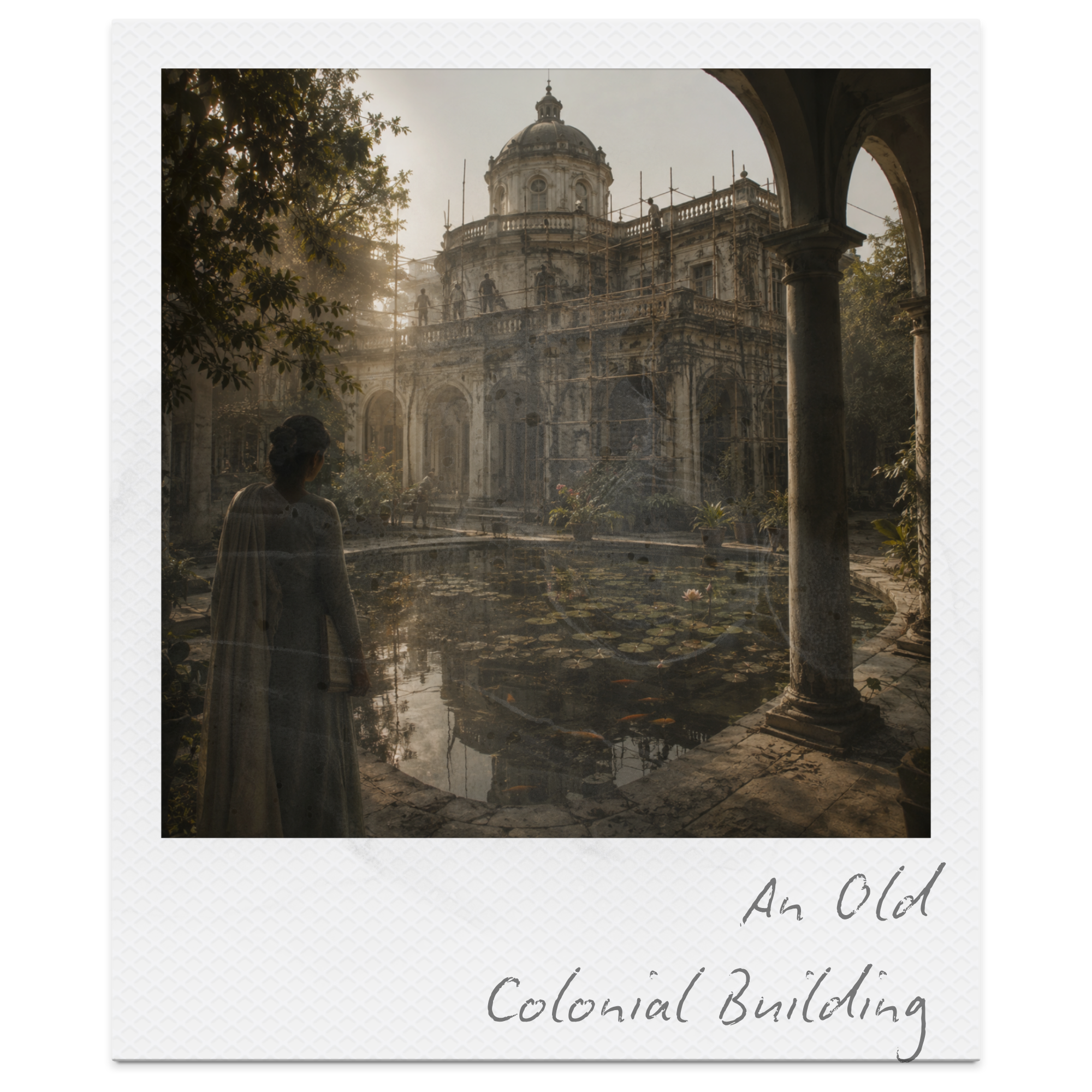
An Old Colonial Building by Leung Ping-Kwan: Summary, Themes & Analysis
Explore An Old Colonial Building by Leung Ping-Kwan with this detailed poetry analysis covering summary, context, themes, key quotes, language, imagery, structure, symbolism and alternative interpretations. Discover how Leung uses colonial architecture, shifting reflections and fragmented imagery to explore identity, history, political power, belonging and the complicated legacy of colonialism.
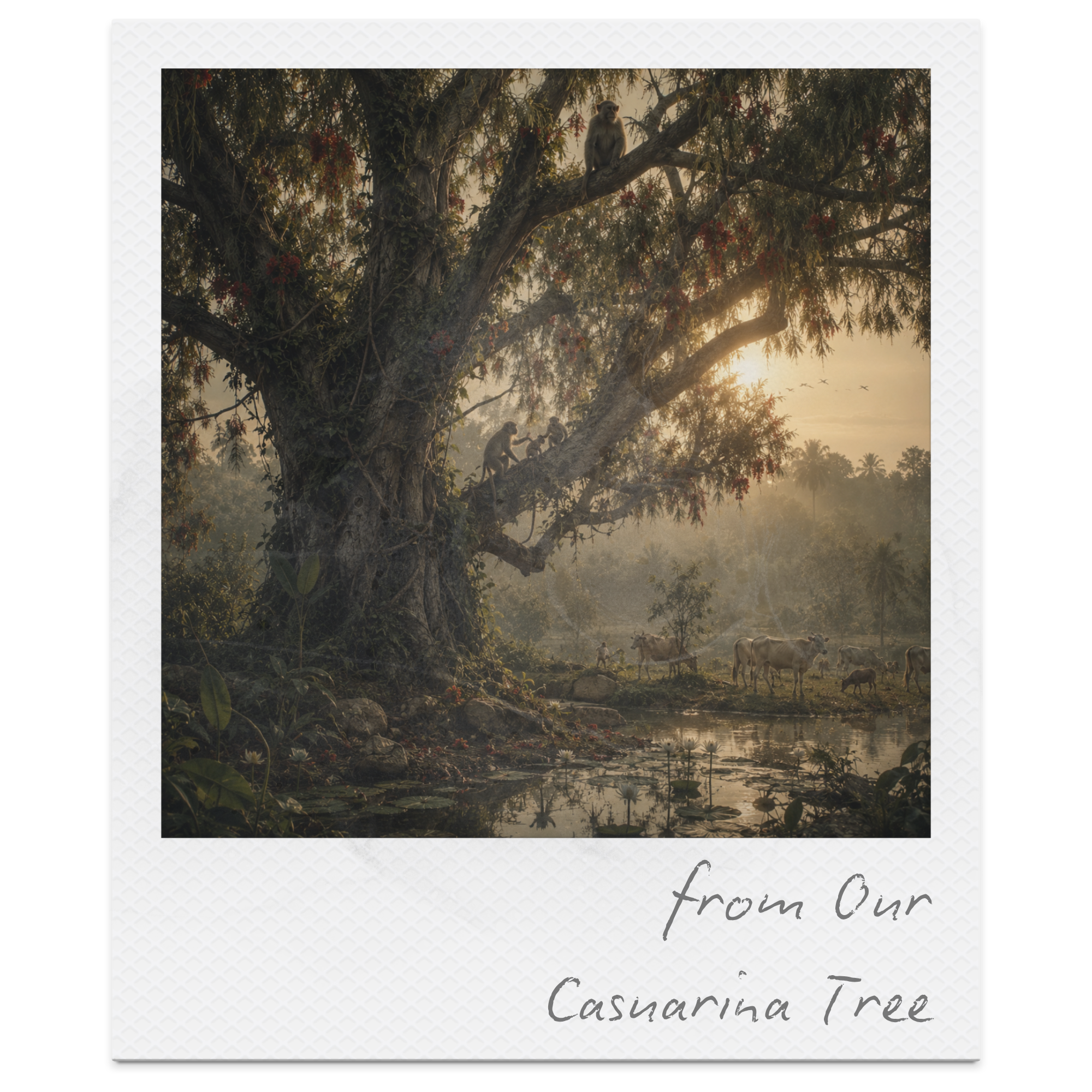
from Our Casuarina Tree by Toru Dutt: Summary, Themes & Analysis
Explore Our Casuarina Tree by Toru Dutt with this comprehensive poetry analysis, including context, summary, line-by-line analysis, key quotes, literary techniques, themes, alternative interpretations, and exam-ready insights. Discover how Dutt transforms a magnificent tree from her childhood into a powerful symbol of memory, sibling love, grief, home, cultural identity, and the passage of time. Through vivid natural imagery, symbolism, personification, and an increasingly reflective voice, Dutt explores the connections between nature, memory, and human mortality, ultimately turning to poetry as a way of preserving the people, places, and experiences threatened by time and forgetting.

Homecoming by Lenrie Peters: Analysis of Memory, Identity and Return
Explore Homecoming by Lenrie Peters with this detailed analysis of memory, identity, belonging, displacement, and the passage of time. Discover how Peters uses symbolism, natural imagery, structure, and contrast to examine the emotional consequences of returning to a homeland transformed by change. This guide explores the poem's themes, symbolism, literary techniques, key quotations, alternative interpretations, anthology comparisons, and exam-ready insights, making it ideal for students and teachers studying Cambridge International AS & A Level Literature in English (9695) Songs of Ourselves: Volume 2.
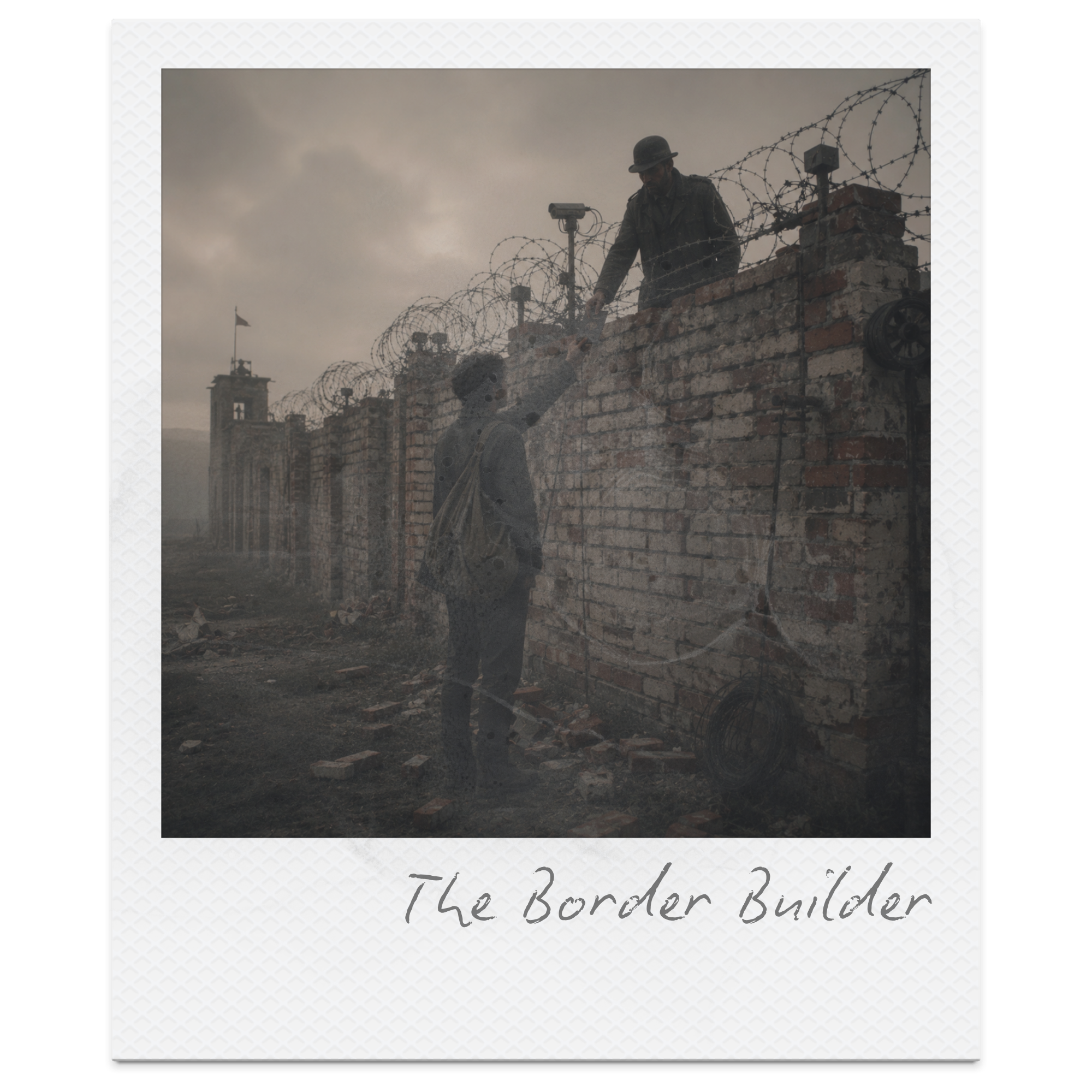
The Border Builder by Carol Rumens: Analysis of Borders, Identity and Division
Carol Rumens' The Border Builder is a powerful poem about identity, belonging, power, and the dangers of reducing people to categories. Through the symbolic figure of a man obsessed with constructing borders, Rumens explores how societies create divisions based on nationality, race, politics, and other forms of classification, revealing the human cost of exclusion and surveillance. This analysis examines the poem's symbolism, political allegory, imagery, and use of bureaucratic language, exploring how Rumens critiques systems that define individuals through labels rather than humanity. Ideal for students and teachers studying Cambridge International AS & A Level Literature in English (9695), it includes line-by-line analysis, key quotes, themes, alternative interpretations, anthology comparisons, teaching ideas, and exam-focused insights.

Lion Heart by Amanda Chong: Analysis of Identity, Nationhood and Transformation
Amanda Chong's Lion Heart is a rich and ambitious exploration of national identity, cultural memory, and transformation. Drawing upon Singapore's founding myths, maritime history, and modern development, Chong presents the nation as a living being whose journey from sea to skyscraper reflects both remarkable progress and an enduring connection to its origins. Through powerful symbolism, vivid natural imagery, and an extended metaphor centred on the lion, the poem celebrates resilience, growth, and collective identity while questioning what must be preserved as a nation evolves. This detailed analysis of Lion Heart explores the poem's structure, voice, symbolism, themes, and literary techniques, alongside its treatment of history, belonging, and nationhood. It includes stanza-by-stanza analysis, key quotations, alternative interpretations, anthology comparisons, and exam-ready insights.

Fluke by Romesh Gunesekera: Summary, Themes & Analysis:::
Romesh Gunesekera’s Fluke is a darkly ironic and politically unsettling short story exploring memory, denial, capitalism, post-war identity, and collective amnesia in modern Sri Lanka. Through the reflective narration of Vasantha, a van driver transporting a motivational speaker to a luxury business seminar, Gunesekera gradually exposes the uneasy tension between commercial optimism and unresolved political violence. Although the story initially appears humorous and conversational, references to disappearances, war crimes, and forgetting slowly reveal a society attempting to bury trauma beneath tourism, branding, and economic growth. This detailed analysis explores the story’s symbolism, narrative voice, themes, structure, key quotes, and alternative interpretations while examining how Gunesekera uses irony, understatement, and reflective imagery to question whether genuine progress is possible without confronting the past.
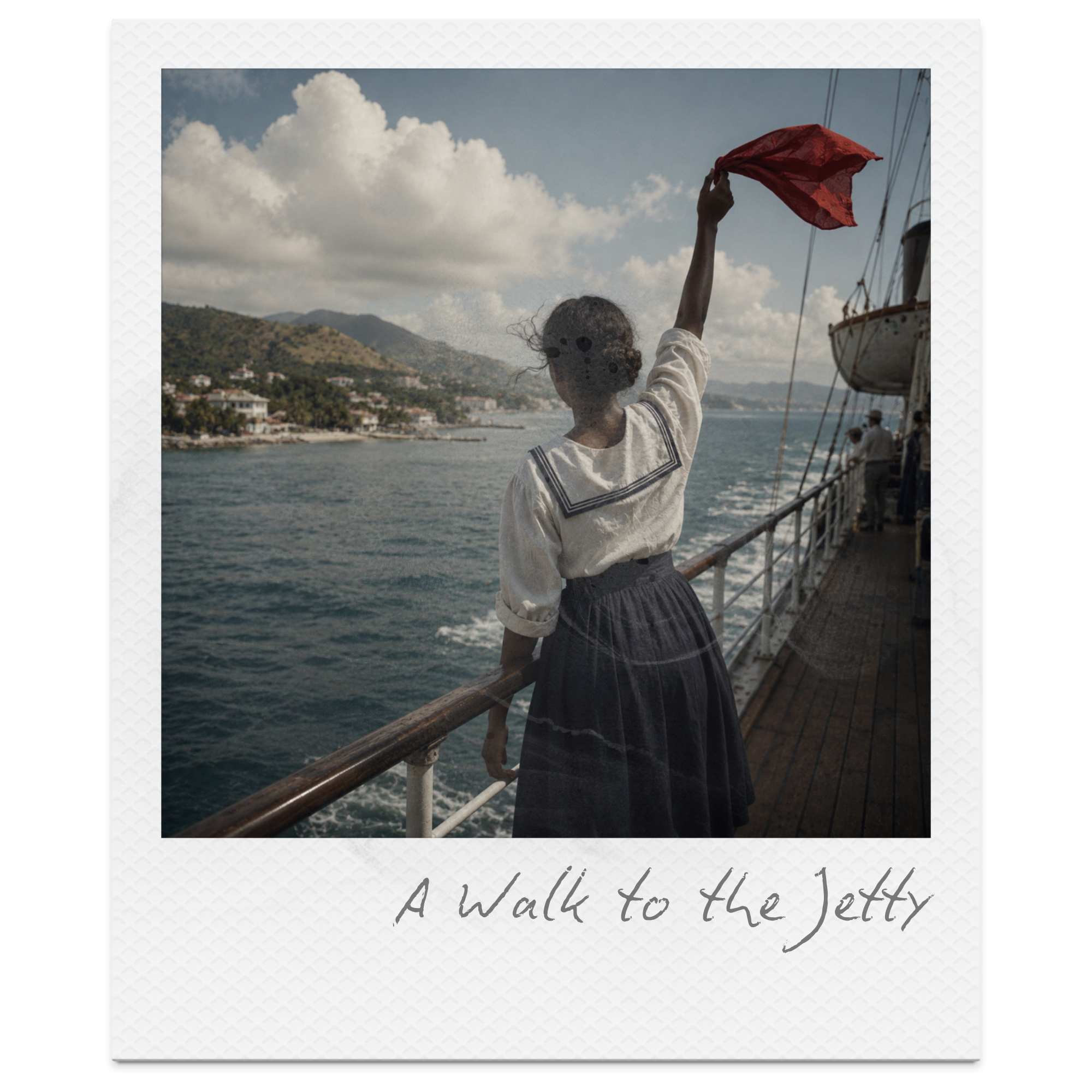
A Walk to the Jetty by Jamaica Kincaid: Summary, Themes & Analysis
Jamaica Kincaid’s A Walk to the Jetty is a deeply reflective short story exploring identity, separation, motherhood, migration, and the emotional conflict of leaving home. Through Annie John’s final journey from Antigua to the ship that will carry her to England, Kincaid examines the painful transition between childhood and adulthood, revealing how independence can feel both liberating and devastating at the same time. This detailed analysis explores the story’s themes, symbolism, structure, narrative voice, key quotes, alternative interpretations, and exam-focused insights for CIE IGCSE English Literature (0475 & 0922).

The Gold Watch by Mulk Raj Anand: Summary, Themes & Analysis
Mulk Raj Anand’s The Gold Watch is a quietly devastating short story exploring colonial power, workplace hierarchy, economic insecurity, and human dignity. Through the experiences of the ageing dispatch clerk Sharma, Anand exposes how institutional systems disguise emotional cruelty beneath politeness, routine, and formal gestures of appreciation. This analysis explores the story’s themes, symbolism, narrative voice, and psychological tension, examining how Anand uses irony, restraint, and symbolism to critique systems that value workers only while they remain useful. Ideal for students studying CIE IGCSE English Literature (0475 & 0922) and anyone exploring postcolonial short fiction.
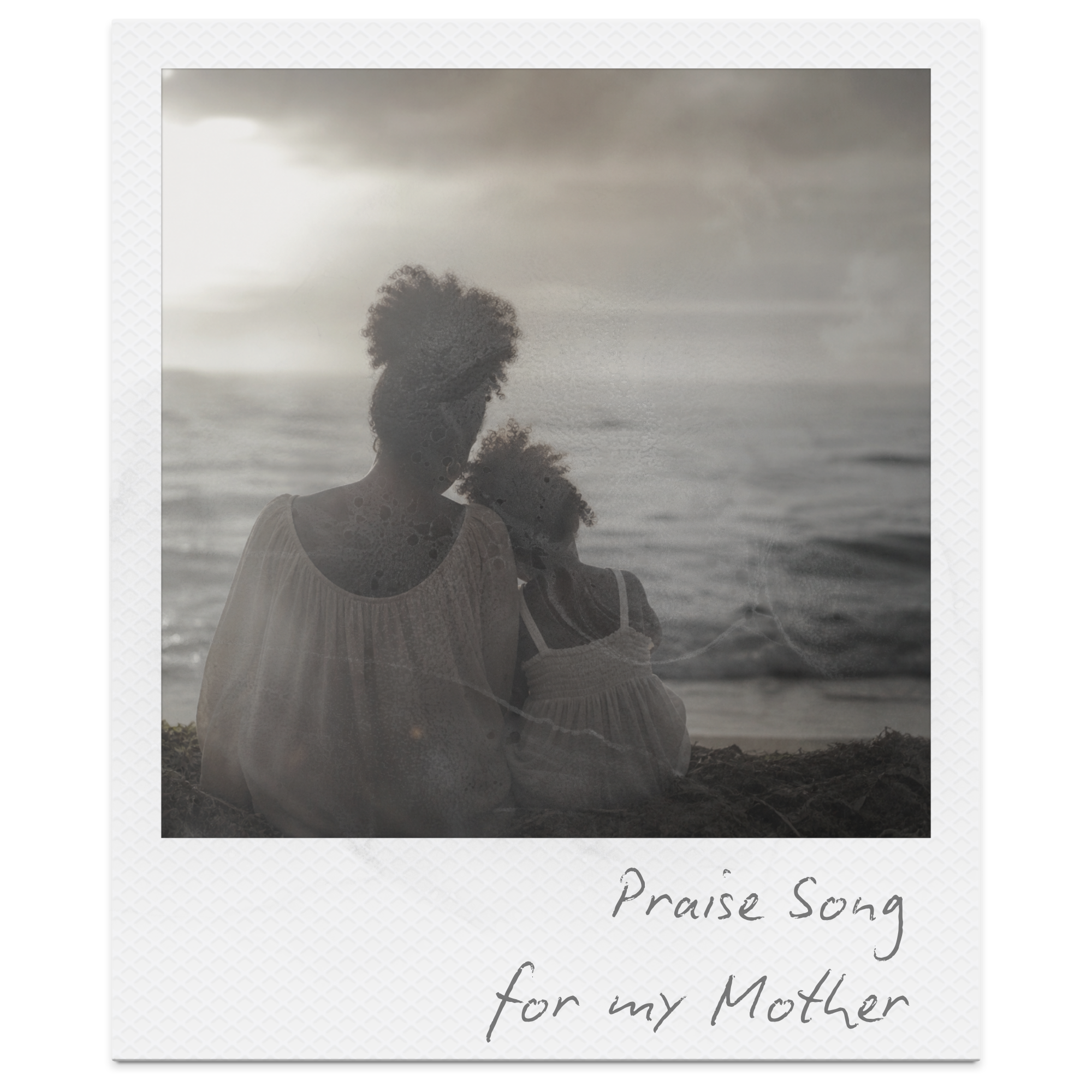
Praise Song for My Mother by Grace Nichols: Summary, Themes & Analysis
Praise Song for My Mother by Grace Nichols explores motherhood, nurture, and identity through a sequence of extended metaphors, repetition, and sensory imagery, presenting the mother as a sustaining, life-giving force. The poem moves through images of water, the moon, and sunrise, each representing different forms of care, while the repeated structure “You were” creates a rhythmic, cumulative pattern that mirrors the ongoing nature of maternal influence. As the poem develops, the imagery shifts from elemental and universal to more specific, culturally grounded detail, particularly in the final stanza, where references to food and environment highlight the importance of heritage and lived experience. The repetition of “replenishing” reinforces the idea of continuous nourishment, suggesting that the mother’s influence does not end, but remains present in shaping identity. Through its controlled voice and patterned structure, the poem presents nurture as both foundational and enduring.
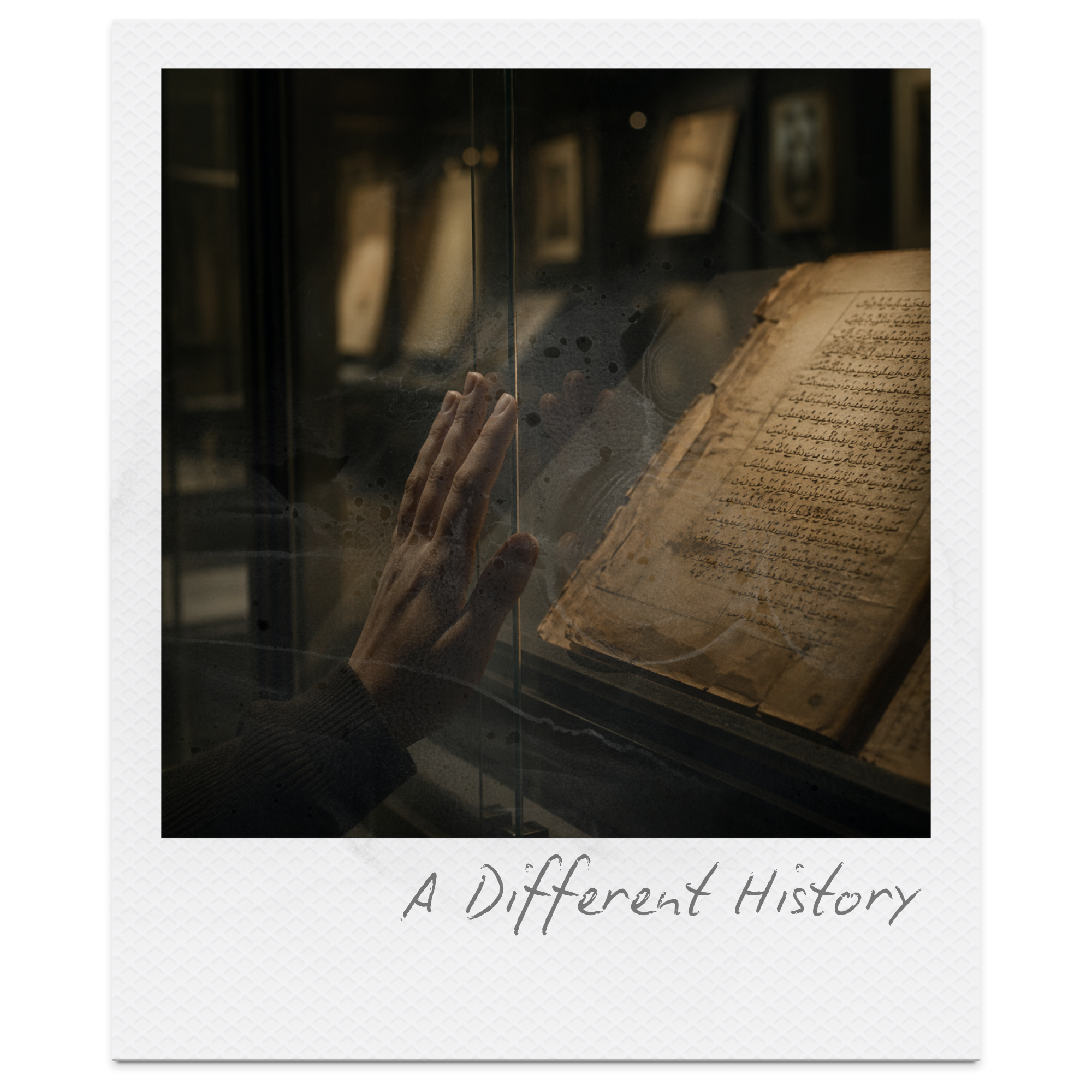
A Different History by Sujata Bhatt: Summary, Themes & Analysis
Sujata Bhatt’s A Different History explores language as power, examining how it can be both respected and used for control. Through contrast, repetition, and rhetorical questions, the poem highlights the tension between cultural identity and the lasting effects of colonial influence. This analysis breaks down key themes, methods, and structural shifts, helping students understand how meaning is created. Ideal for IGCSE Literature, it supports clear, method-focused responses and strong exam preparation.