Fluke by Romesh Gunesekera: Summary, Themes & Analysis:::
Romesh Gunesekera’s Fluke is a darkly ironic and quietly unsettling short story exploring memory, guilt, denial, modernisation, political violence, and moral responsibility in post-war Sri Lanka. Through the observations of Vasantha, a thoughtful van driver transporting a motivational speaker to a corporate seminar, the story gradually reveals the uneasy tension between commercial optimism and the unresolved trauma of civil conflict. Although much of the story appears humorous and conversational on the surface, Gunesekera steadily exposes the moral discomfort hidden beneath the language of business growth, tourism, and “new opportunities.”
The story remains especially powerful because of its emotional ambiguity and understated political criticism. Rather than presenting violence directly, Gunesekera focuses on silence, avoidance, euphemism, and casual conversation, showing how societies attempt to move forward without fully confronting the damage of the past. Through symbolism, irony, conversational narration, and recurring imagery of water, sleep, and forgetting, Fluke explores the dangerous temptation of collective amnesia and asks whether genuine progress is possible when people choose comfort over accountability. If you are studying or teaching Stories of Ourselves Volume 2 for CIE IGCSE English Literature (0475 & 0922, 2027 syllabus), explore the full anthology in the Stories of Ourselves Volume 2 Hub, or discover more prose and poetry analysis in the Literature Library.

Context of Fluke
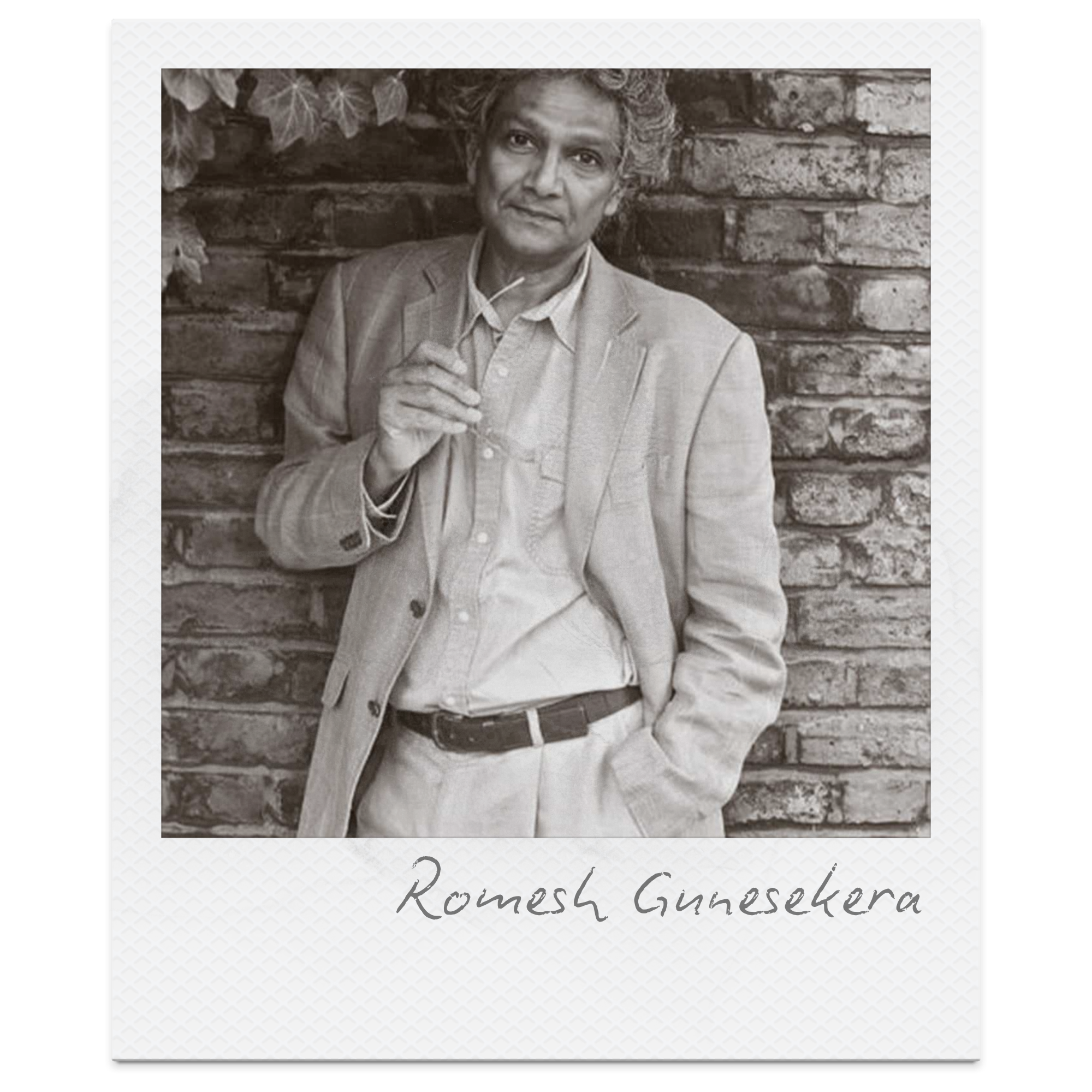
Romesh Gunesekera is a Sri Lankan writer whose fiction often explores identity, memory, displacement, political violence, and the emotional consequences of social change. Much of his work focuses on ordinary individuals living within larger historical and political tensions, particularly the impact of the Sri Lankan Civil War and the uneasy transition into post-war modernity.
Fluke is set in post-war Sri Lanka after the defeat of the LTTE (Liberation Tigers of Tamil Eelam) in 2009. During the civil war, the country experienced decades of violence, bombings, disappearances, military conflict, and political instability. Although the war officially ended, many debates continued surrounding accountability, trauma, nationalism, censorship, and alleged war crimes. The story reflects this atmosphere indirectly through conversations about tourism, economic growth, “white van disappearances,” and the navy officer’s comments about “war crimes” and “scabs.”
The story is also shaped by Sri Lanka’s rapid push toward globalisation, tourism, and commercial development after the war. Characters such as Mr Weerakoon represent a new business culture focused on marketing, branding, and economic ambition. However, Gunesekera contrasts this modern corporate optimism with unresolved moral and emotional tensions beneath the surface of society.
Importantly, the story uses humour, irony, and conversational narration rather than direct political argument. This understated approach reflects one of the story’s central concerns: how societies attempt to suppress or forget painful histories while presenting an image of progress and normality to the outside world.
Fluke: At a Glance
Form: Short story / political and social realism
Mood: Reflective, ironic, uneasy, darkly humorous, morally ambiguous
Central conflict: Vasantha observes the clash between post-war commercial optimism and the unresolved moral and emotional consequences of violence and social corruption.
Core themes: Memory, guilt, denial, post-war society, modernisation, moral responsibility, capitalism, political violence, collective amnesia, survival, identity
Narrative perspective: First-person narration through Vasantha’s reflective and conversational perspective
One-sentence meaning: Gunesekera explores how societies attempt to bury violence and guilt beneath economic progress and commercial ambition, questioning whether genuine peace is possible without confronting uncomfortable truths.
Quick Summary of Fluke
The story follows Vasantha, a van driver hired to transport a motivational business speaker, Mr Weerakoon, to a marketing seminar at a luxury hotel on the Sri Lankan coast. During the journey, Vasantha observes Mr Weerakoon’s exaggerated enthusiasm for business growth, globalisation, and “success,” while quietly reflecting on his own practical understanding of life and work. The seminar itself appears filled with corporate jargon, flashy presentations, and optimistic promises about economic opportunity in post-war Sri Lanka.
During the lunch break, Vasantha meets a navy officer named Lucky, who explains plans to transform military resources into whale-watching tourism ventures after the war. However, their conversation gradually becomes more unsettling as Lucky casually refers to “war crimes,” “scabs,” and the importance of forgetting past violence for the sake of stability and tourism. Through humour and indirect conversation, the story reveals the uneasy tension between commercial progress and unresolved political trauma.
In the final section, Vasantha chooses not to return to the afternoon seminar and instead rests outside listening to the sea. Reflecting on memory, guilt, mistakes, and the desire to forget painful truths, he considers how easily people can drift into comfortable “sleep” and collective amnesia. The story ends ambiguously, suggesting that modern society may prefer profit, convenience, and emotional numbness over confronting moral responsibility and the lingering consequences of violence.
Title of Fluke
The title Fluke immediately introduces ideas of chance, uncertainty, and unpredictability. Literally, the word refers to the tail of a whale, connecting directly to Lucky’s plans for whale-watching tourism after the war. This creates an important symbolic link between the sea, commercial opportunity, and the wider themes of post-war reinvention running throughout the story.
However, the title also carries broader meanings connected to luck, accident, and survival. Many of the characters seem to view Sri Lanka’s post-war economic boom almost as a fortunate “fluke” — an unexpected opportunity to profit, modernise, and move on from conflict. Vasantha repeatedly encounters people attempting to transform violence, military infrastructure, and political instability into commercial success stories.
At the same time, the title carries strong irony. Although the story presents images of optimism, tourism, business seminars, and “new opportunities,” uncomfortable references to war crimes, disappearances, corruption, and forgetting suggest that the apparent success of post-war society may rest upon denial and moral avoidance rather than genuine healing.
The whale itself also becomes symbolically important. Whales move silently beneath the surface of the ocean just as buried memories and unresolved guilt remain hidden beneath the surface of society. Vasantha wonders: “what the whales out there in their sea lanes knew of us and our schemes.”
This reflective moment transforms the title into something larger and more philosophical, suggesting the insignificance and moral foolishness of human ambition.
By the ending, the title therefore comes to represent both survival and moral uncertainty. The story questions whether peace, prosperity, and success are genuine achievements or merely temporary “flukes” built upon collective forgetting and emotional numbness.
Structure of Fluke
Gunesekera structures Fluke as a gradually unfolding conversation-driven narrative in which humour, casual dialogue, and everyday observations slowly reveal deeper tensions surrounding memory, denial, post-war society, and moral responsibility. Although very little dramatic action occurs externally, the structure steadily shifts from light social comedy toward philosophical and political unease, allowing hidden meanings to emerge beneath ordinary interactions.
Opening / Exposition
The story opens with Vasantha collecting Mr Weerakoon for a business seminar, immediately establishing the atmosphere of post-war commercial optimism. The opening focuses heavily on appearance, branding, and performance. Mr Weerakoon’s “tight” blue suit, matching laptop case, and energetic behaviour symbolise the new corporate culture emerging in Sri Lanka after the war.
At first, the structure feels light, observational, and even comic. Vasantha describes Mr Weerakoon with subtle irony, noting how he “looked like he was bursting with energy” while speaking in exaggerated motivational language about “setting goals, objectives, priorities.” This humorous tone initially disguises the darker political concerns developing underneath the surface of the story.
The exposition also quietly introduces important contextual tensions. References to “white van disappearances” and memories of suicide bombings hint at the violent recent history that still shadows society despite the language of economic growth and progress.
Development / Rising Tension
As the seminar begins, the structure increasingly contrasts corporate optimism with Vasantha’s practical realism and scepticism. Mr Weerakoon’s presentation is filled with “exploding pie charts,” “bell curves,” and “market segmentation,” yet Vasantha quietly dismisses much of it as “hot air.”
This section develops the story’s satirical edge. Gunesekera structures the seminar almost like a performance, exposing how business language attempts to simplify or package reality into attractive slogans and strategies. The delegates themselves appear awkward, uncertain, and artificial, reinforcing the sense that modern success is partly theatrical.
At the same time, Vasantha’s reflections about starting his own van business provide a structural counterpoint to the seminar. His simple explanation that “pure patience” matters more than complicated theories subtly undermines the empty jargon of the marketing world.
The structure also gradually introduces stronger political unease through Lucky, the navy officer. Their lunch conversation initially appears humorous and casual, particularly when Lucky jokes about whale tourism and military strategy. However, references to “war crimes,” “scabs,” and forgetting the past slowly darken the atmosphere.
Turning Point / Climax
The story’s emotional and philosophical turning point occurs during Vasantha’s conversation with Lucky beside the pool. Structurally, this moment shifts the story away from satire toward moral ambiguity and political discomfort.
Lucky’s discussion of tourism, military business ventures, and forgetting the past reveals the central tension of the story: society’s desire to transform violence into economic opportunity without fully confronting moral responsibility. His statement that “we have to learn not to scratch at the scabs” becomes symbolically important because it suggests that remembering and questioning the past are treated as threats to stability and profit.
The conversation also becomes increasingly unsettling because Lucky speaks casually and conversationally about serious moral issues. Gunesekera deliberately avoids dramatic confrontation, making the political tension feel more realistic and psychologically disturbing.
The discovery of Mr Weerakoon’s forgotten phone immediately afterwards reinforces another important structural idea. Phones throughout the story symbolise hidden secrets and private truths. Vasantha reflects that phones are “aching to spill the beans,” suggesting that beneath society’s polished surface, uncomfortable realities remain hidden but unresolved.
Ending / Resolution
The final section slows dramatically in pace and becomes far more reflective and philosophical. Instead of returning to the seminar, Vasantha chooses to sit outside listening to the sea and thinking about memory, guilt, mistakes, and forgetting.
This structural shift away from action toward contemplation allows the story’s deeper meaning to emerge gradually. The sea becomes symbolic of both memory and oblivion, while the sleeping whales represent the temptation of emotional numbness and collective amnesia.
Importantly, the ending remains ambiguous rather than offering clear moral judgement. Vasantha reflects that “with luck, one can forget it all” and imagines people “snor[ing] with the whales-head down in our great comfortable sea of amnesia.” This image creates an uneasy conclusion because forgetting appears comforting but morally dangerous at the same time.
The final line — “A secure pin number is a good start” — returns ironically to the earlier lost phone while also symbolising secrecy, concealment, and emotional self-protection. Structurally, the ending circles back to ideas of hidden truths and guarded access, reinforcing the story’s wider concern with what societies choose to hide, suppress, or forget.
Overall, Gunesekera uses structure to move gradually from humour and surface-level optimism toward moral uncertainty and philosophical reflection. The slow escalation of political tension beneath ordinary conversation mirrors the story’s wider warning about the dangers of collective forgetting and the seductive comfort of denial.
Setting of Fluke
Gunesekera uses the setting of Fluke to expose the uneasy contrast between post-war luxury, commercial optimism, and the unresolved trauma hidden beneath modern Sri Lankan society. Hotels, roads, conference rooms, pools, and coastal landscapes initially appear calm and prosperous, yet beneath this polished environment lies a constant awareness of violence, corruption, and collective forgetting. The setting therefore becomes symbolic of a country attempting to reinvent itself while suppressing uncomfortable memories of the past.
The story begins on the roads of Colombo and the southern coast, immediately grounding the narrative within a rapidly modernising post-war environment. Vasantha describes Mr Weerakoon as “the brand-new face of our remodelled country open at last for full-on business,” linking the setting directly to economic growth, tourism, and globalisation. The roads, hotels, and business seminars symbolise a society trying to market itself as modern, stable, and commercially attractive after decades of conflict.
The luxury coastal hotel is especially important symbolically. Its “massive gates,” enormous porch, polished meeting rooms, swimming pool, and sea views create an atmosphere of comfort, exclusivity, and controlled calm. However, Gunesekera deliberately contrasts this peaceful setting with references to war, disappearances, and military violence. The physical beauty of the location therefore masks deeper social unease beneath the surface.
The conference room setting reinforces ideas of artificiality and performance. The delegates sit awkwardly around the “conference doughnut” surrounded by projectors, pie charts, and business slogans. The corporate environment feels theatrical and emotionally detached from reality, reflecting how modern business culture attempts to simplify or package complex human problems into strategies and “solutions.”
The coastal setting also carries strong symbolic meaning throughout the story. The sea repeatedly appears as both peaceful and unsettling. From the hotel, the characters can “just about glimpse the sea beyond the steep beach,” suggesting that larger realities remain partially hidden beyond the visible surface of everyday life.
The sea becomes even more important during Vasantha’s reflections at the ending. Listening to “the sound of the sea keeping the same soft time it has done since the world began,” he imagines whales moving silently beneath the water while humans pursue schemes, businesses, and denial above the surface. The ocean symbolises memory, depth, concealment, and the persistence of history beyond human attempts to forget it.
The setting of the buffet lunch beside the swimming pool is also significant. The relaxed atmosphere, expensive food, and tourist luxury sharply contrast with Lucky’s disturbing references to war crimes and military violence. This juxtaposition creates moral discomfort because horrifying political realities are discussed casually within an environment designed for leisure and consumption.
Importantly, many settings in the story feel emotionally detached or artificial. Vasantha repeatedly notices surfaces, branding, hotel décor, and polished appearances, reinforcing the idea that society is carefully constructing an image of stability and success. Yet references to “white van disappearances,” bombings, and “scabs” constantly remind readers of the unresolved violence hidden beneath this modern exterior.
By the ending, the natural setting beneath the trees beside the sea becomes almost dreamlike and symbolic of emotional surrender. Vasantha imagines people floating into a “great comfortable sea of amnesia,” where painful memories disappear beneath sleep and forgetfulness. The setting therefore shifts from physical location into symbolic psychological space, representing the temptation to escape guilt, responsibility, and historical truth.
Ultimately, Gunesekera uses setting not simply as background, but as a powerful reflection of post-war Sri Lanka itself — beautiful, modernising, commercially ambitious, yet haunted by what remains hidden beneath the surface.
Narrative Voice in Fluke
Gunesekera uses a first-person narrative voice through Vasantha’s perspective to create a tone that is reflective, observant, ironic, and morally ambiguous. Because readers experience events entirely through Vasantha’s thoughts and conversations, the narrative voice becomes central to how the story explores memory, denial, political violence, and post-war society.
Vasantha’s narration is highly conversational and often humorous. He describes people with sharp observational detail, quietly mocking Mr Weerakoon’s “tight” blue suit, “exploding pie charts,” and exaggerated motivational energy. This understated irony creates a satirical tone that exposes the artificiality of the corporate world developing around him.
At the same time, Vasantha’s voice feels grounded and practical. Unlike Mr Weerakoon’s business jargon, Vasantha values common sense, patience, and lived experience. His explanation that successful business simply requires understanding “what your customers want and when they want it” contrasts sharply with the empty complexity of the seminar language.
Importantly, the narrative voice also creates emotional ambiguity. Vasantha often sounds detached or casual even while discussing deeply unsettling subjects such as war crimes, disappearances, corruption, and betrayal. This calm conversational tone reflects one of the story’s central ideas: post-war society has become accustomed to avoiding direct confrontation with violence and guilt.
The narration is also deeply reflective. As the story progresses, Vasantha increasingly moves away from surface observations toward philosophical thoughts about forgetting, responsibility, and survival. His reflections beside the sea become quieter and more meditative, particularly when he imagines people “snor[ing] with the whales-head down in our great comfortable sea of amnesia.” This shift in tone allows the story to move gradually from satire into moral and existential reflection.
Vasantha’s narration is also partially unreliable in subtle ways. He often avoids fully explaining certain events or emotional truths, hinting at hidden knowledge without directly confronting it. For example, he casually admits to steaming open “Mrs Subramaniam’s letter” and choosing not to post it, yet refuses to explain the full consequences. This selective narration mirrors the wider culture of concealment and silence within the story itself.
The voice additionally positions readers carefully between judgement and sympathy. Vasantha recognises hypocrisy, denial, and moral compromise around him, yet he also admits his own desire to forget painful memories and “sleep easy.” Gunesekera therefore avoids presenting Vasantha as morally superior. Instead, his reflective narration reveals how ordinary people become psychologically entangled within systems of avoidance, survival, and collective amnesia.
Ultimately, the narrative voice controls the story’s emotional complexity. Through Vasantha’s ironic observations, reflective digressions, and understated honesty, Gunesekera creates a narrative perspective that feels simultaneously humorous, unsettling, compassionate, and morally uncertain.
Characters in Fluke
Gunesekera uses the characters in Fluke to explore post-war society, moral compromise, capitalism, memory, denial, and the tension between survival and responsibility. Many of the characters symbolise wider social attitudes within modern Sri Lanka, particularly the desire to transform violence, conflict, and instability into commercial opportunity while avoiding direct confrontation with the past.
Vasantha
Vasantha is the story’s narrator and emotional centre. As a van driver, he occupies an interesting social position because he moves between different worlds — corporate business culture, tourism, ordinary working life, and the lingering shadows of war. His narration is observant, ironic, reflective, and quietly intelligent.
Unlike Mr Weerakoon, Vasantha values practicality over performance. He dismisses much of the seminar’s marketing jargon as “hot air” and believes success comes from understanding “what your customers want and when they want it.” His business philosophy is based on patience, personal relationships, and common sense rather than flashy presentations or business theories.
Vasantha also functions as a moral observer throughout the story. He notices hypocrisy, artificiality, and hidden tensions beneath the surface of post-war optimism. However, he is not presented as morally pure or heroic. He casually admits to steaming open “Mrs Subramaniam’s letter” and choosing not to post it, revealing his own ethical ambiguity and tendency toward concealment.
Importantly, Vasantha understands the temptation of forgetting. By the ending, he imagines people floating into a “great comfortable sea of amnesia” where painful memories disappear beneath sleep and silence. This reflects one of the story’s most unsettling ideas: ordinary people may willingly participate in collective forgetting because remembering feels emotionally exhausting.
At the same time, Vasantha remains thoughtful and self-aware. His reflections beside the sea suggest that he recognises the danger of denial even while feeling drawn toward it himself.
Mr Weerakoon
Mr Weerakoon symbolises post-war corporate ambition, globalisation, and performative modernity. From the beginning, Vasantha presents him almost satirically through details such as his “tight” blue suit, matching laptop case, and exaggerated enthusiasm.
Mr Weerakoon constantly speaks the language of self-improvement, productivity, and commercial growth:
“setting goals, objectives, priorities.”
His motivational energy feels artificial and rehearsed, reinforcing the idea that business culture itself is partly theatrical.
Symbolically, Mr Weerakoon represents a society eager to market itself as modern, efficient, and internationally successful after the war. He proudly describes Sri Lanka as “open at last for full-on business.” However, his obsession with branding and corporate image also reflects emotional superficiality and avoidance.
His panic over the missing Nokia phone is especially significant. Although he presents himself as confident and successful, he quickly becomes anxious when he loses control over private information. The phone symbolises hidden secrets and vulnerability beneath polished appearances.
Importantly, Mr Weerakoon is not presented as intentionally cruel. Instead, he reflects a wider culture focused on economic progress and reinvention while avoiding deeper moral questions.
Lucky
Lucky is one of the story’s most unsettling and symbolically important characters. Introduced casually during lunch beside the pool, he initially appears humorous and friendly. However, as the conversation develops, his comments gradually reveal darker political and moral implications.
Lucky is a former navy officer involved in military operations during the civil war. He now wants to transform military resources into whale-watching tourism businesses:
“The war is over. We have ships doing nothing.”
This shift from warfare to tourism symbolises post-war society’s attempt to convert violence into commercial opportunity without confronting ethical consequences. Lucky’s enthusiasm for business and development initially mirrors Mr Weerakoon’s optimism, but his references to “war crimes” and “scabs” introduce strong moral discomfort.
Lucky repeatedly suggests that society should avoid revisiting painful truths:
“We have to learn not to scratch at the scabs.”
This metaphor symbolises collective denial and the pressure to suppress memory for the sake of stability and economic growth.
His personality constantly shifts between charm, humour, menace, and emotional unease. He jokes casually about bombs, military violence, and Pearl Harbour while speaking beside a luxury swimming pool. This unsettling mixture of friendliness and implied violence reflects the lingering psychological effects of war beneath everyday normality.
Lucky also symbolises moral ambiguity. He is neither presented as a simple villain nor a heroic figure. Instead, he embodies the uncomfortable reality that societies often continue functioning through compromise, silence, and selective forgetting.
Mr Weerakoon’s Delegates
The seminar delegates symbolise the awkwardness and uncertainty of Sri Lanka’s emerging corporate culture. The “shy men” with “plump polyester ties” and the nervous women attempting to network reflect a society trying to adapt quickly to new business identities and expectations.
Many of them appear uncertain, artificial, or performative, reinforcing the satirical tone surrounding the seminar itself. Their behaviour suggests that the language of marketing and global success often masks insecurity and imitation beneath the surface.
The Buddhist monk attending the seminar is especially ironic. His silent presence among discussions of profit, marketing, and corporate success subtly highlights tensions between spiritual values and modern capitalism.
The Whales
Although not human characters, the whales function symbolically throughout the story and become increasingly important by the ending. Lucky views them commercially as tourism opportunities, while Vasantha imagines them as ancient, silent witnesses moving beneath the sea beyond human schemes and ambitions.
The whales symbolise memory, depth, permanence, and emotional distance from human corruption. Their calm existence contrasts sharply with human greed, violence, and denial.
By the ending, Vasantha imagines people “snor[ing] with the whales-head down in our great comfortable sea of amnesia,” transforming the whales into symbols of forgetting, emotional numbness, and the seductive comfort of silence.
Key Themes in Fluke
Gunesekera explores a range of interconnected themes in Fluke, focusing on the uneasy relationship between economic progress, political violence, memory, and moral responsibility in post-war Sri Lanka. Through Vasantha’s reflective narration, the story gradually reveals the tension between outward optimism and the unresolved psychological and ethical consequences of conflict.
Memory
The story constantly returns to the idea of memory and the pressure to suppress or escape painful truths. Although the war has officially ended, reminders of violence remain everywhere beneath the surface of daily life. References to “white van disappearances,” bombings, and “war crimes” suggest that memory cannot be fully erased even within a rapidly modernising society.
By the ending, Vasantha reflects on personal and collective memory together, thinking about arguments, betrayals, financial worries, and political violence all at once. The sea becomes symbolic of memory itself — vast, deep, and impossible to control completely.
Importantly, the story suggests that remembering is emotionally exhausting, which makes forgetting dangerously appealing.
Guilt
Guilt operates quietly throughout the story, often hidden beneath humour, casual conversation, and ordinary behaviour. Lucky’s uneasy comments about “scabs” and avoiding discussions of war crimes suggest buried national guilt surrounding violence during the civil war.
Vasantha also carries smaller forms of personal guilt, particularly when he admits to steaming open “Mrs Subramaniam’s letter” and deciding not to post it. This detail reinforces the idea that moral compromise exists not only within governments or armies, but within ordinary individuals trying to survive comfortably.
The story therefore presents guilt as both personal and collective, lingering beneath society even when openly ignored.
Denial
One of the story’s strongest themes is denial. Many characters attempt to avoid uncomfortable truths by focusing on business, tourism, technology, and “new opportunities.”
Lucky insists that people “have to learn not to scratch at the scabs,” using physical imagery to suggest that revisiting painful memories is dangerous or unnecessary. This metaphor symbolises the deliberate suppression of historical truth in favour of stability and economic growth.
The polished luxury hotel, marketing seminar, and corporate optimism all reinforce this atmosphere of denial. Society attempts to present itself as modern and successful while leaving deeper moral wounds unresolved.
Post-War Society
The story presents post-war Sri Lanka as a society caught between recovery and avoidance. On the surface, the country appears energetic, commercially ambitious, and globally connected. Mr Weerakoon proudly describes Sri Lanka as “open at last for full-on business.”
However, beneath this optimism remain signs of fear, violence, corruption, and unresolved trauma. The casual references to disappearances, bombings, and military violence reveal how closely recent conflict still shadows everyday life.
Gunesekera therefore suggests that post-war societies often struggle to balance progress with honest confrontation of the past.
Modernisation
Modernisation appears throughout the story through laptops, business seminars, branding, mobile phones, tourism, and marketing culture. Mr Weerakoon represents the new face of global business culture with his “exploding pie charts” and motivational language about success and objectives.
However, Gunesekera presents modernisation with strong irony. Much of the corporate language feels empty, artificial, or disconnected from reality. Vasantha repeatedly views the seminar’s complicated theories as “hot air” compared with ordinary practical knowledge.
The story therefore questions whether technological and economic modernisation automatically lead to moral or social progress.
Moral Responsibility
The story repeatedly asks whether individuals and societies have a responsibility to confront uncomfortable truths about violence and corruption. Lucky’s comments about “war crimes” expose the tension between accountability and convenience.
Rather than offering simple answers, Gunesekera presents moral responsibility as emotionally difficult and politically uncomfortable. Remembering may threaten tourism, economic growth, and social stability, yet forgetting risks moral emptiness and denial.
Vasantha himself becomes morally ambiguous because he recognises the danger of forgetting while still feeling tempted by the comfort of emotional numbness.
Capitalism
Capitalism in the story often appears performative, opportunistic, and morally detached. The marketing seminar reduces success to slogans, charts, and business strategies, while former military resources are transformed into whale-watching ventures and tourism schemes.
Lucky’s proposal to connect “cruise to hotel” and attract wealthy tourists reveals how commercial thinking can absorb almost anything — even war infrastructure — into systems of profit and consumption.
Gunesekera therefore critiques a version of capitalism that prioritises branding, tourism, and economic image over ethical reflection or social healing.
Political Violence
Although direct violence rarely appears explicitly, political violence shapes the entire atmosphere of the story. References to suicide bombings, disappearances, military operations, and “Sea Tigers” constantly remind readers of the recent civil war.
Importantly, violence is discussed casually rather than dramatically. Lucky jokes about bombs while eating lunch beside a swimming pool, creating strong moral discomfort. This casual tone suggests how societies become psychologically desensitised after long periods of conflict.
The story therefore explores not only violence itself, but the normalisation of violence within everyday life.
Collective Amnesia
The idea of collective amnesia becomes central by the ending of the story. Vasantha imagines people floating into a “great comfortable sea of amnesia” where painful memories disappear beneath sleep and silence.
This image symbolises society’s desire to forget conflict, guilt, corruption, and personal failures in order to continue functioning peacefully. However, the description of amnesia as “comfortable” also makes it morally dangerous because forgetting becomes seductive rather than accidental.
Gunesekera ultimately questions whether a society built upon forgetting can ever achieve genuine healing or justice.
Survival
Many characters are motivated primarily by survival and adaptation. Vasantha starts his transport business after retirement because he wants freedom and practical stability rather than office life during wartime insecurity.
Similarly, Lucky transforms military experience into tourism planning while Mr Weerakoon markets self-improvement and economic ambition. These characters represent different strategies for surviving within rapidly changing post-war society.
The story suggests that survival often requires compromise, reinvention, and selective forgetting.
Identity
Identity throughout the story is closely connected to performance and reinvention. Mr Weerakoon carefully constructs himself as a modern business guru through clothing, technology, and motivational language. Sri Lanka itself is also attempting to reconstruct its national identity as modern, peaceful, and commercially successful after the war.
However, hidden memories and unresolved violence constantly threaten these polished identities. The story therefore suggests that identity — whether personal or national — can become unstable when built upon suppression and denial rather than honest self-understanding.
Symbolism in Fluke
Gunesekera uses symbolism throughout Fluke to explore memory, denial, political violence, capitalism, survival, and collective amnesia. Many ordinary objects and settings gradually gain deeper moral and psychological meaning as the story develops.
The Whales
The whales are the story’s most important symbol. On the surface, they represent tourism opportunities and post-war business development through Lucky’s whale-watching schemes. However, they gradually become symbolic of something much larger and more unsettling.
Whales move silently beneath the ocean while humans pursue profit, ambition, and political forgetting above the surface. Vasantha reflects on “what the whales out there in their sea lanes knew of us and our schemes,” suggesting that the whales symbolise permanence, memory, and perspective beyond human corruption and violence.
By the ending, the whales become connected to sleep and forgetting as Vasantha imagines people “snor[ing] with the whales-head down in our great comfortable sea of amnesia.” The whales therefore symbolise both peace and dangerous emotional numbness.
The Sea
The sea symbolises memory, concealment, history, and emotional depth. Throughout the story, the sea exists quietly beyond the luxury hotel and business seminar, suggesting a larger reality hidden beneath modern commercial optimism.
The sea also symbolises permanence. Vasantha describes “the sound of the sea keeping the same soft time it has done since the world began,” contrasting the endless rhythm of nature with temporary human schemes, wars, and ambitions.
At the ending, the sea becomes symbolic of collective forgetting and moral surrender. The image of a “comfortable sea of amnesia” suggests the seductive temptation to allow painful memories to disappear beneath emotional silence.
The Marketing Seminar
The marketing seminar symbolises artificiality, performance, and post-war commercial reinvention. Mr Weerakoon’s “exploding pie charts,” slogans, and motivational language create an atmosphere where reality is simplified into strategies, branding, and salesmanship.
The seminar represents a society trying to market itself as modern, stable, and internationally attractive after years of violence. However, the exaggerated corporate language also symbolises emptiness and emotional detachment from deeper moral realities.
Gunesekera therefore uses the seminar as a symbol of how capitalism can transform even trauma and conflict into commercial opportunity.
Mr Weerakoon’s Laptop and Phone
Mr Weerakoon’s laptop and mobile phone symbolise modernisation, technology, image management, and hidden vulnerability. His attachment to the devices reflects his dependence upon appearance, presentation, and professional identity.
The lost phone becomes especially symbolic because it contains private information and “secrets, aching to spill the beans.” This image suggests that beneath polished public identities lie hidden truths waiting to emerge.
The phone’s “four zeros” pin number is also symbolically important. The weak security code reflects the fragility of the barriers protecting personal and social secrets.
The Luxury Hotel
The coastal luxury hotel symbolises post-war reinvention, tourism, and controlled appearances. Its pools, buffet lunches, conference rooms, and sea views create an image of comfort and prosperity.
However, this polished environment contrasts sharply with discussions of disappearances, war crimes, and violence. The hotel therefore symbolises how societies attempt to hide trauma beneath commercial success and attractive surfaces.
Its physical beauty masks unresolved moral tensions beneath the surface of society itself.
White Vans
The reference to “white van disappearances” carries strong political symbolism. During the Sri Lankan Civil War and its aftermath, white vans became associated with kidnappings, disappearances, and state violence.
Vasantha’s decision to repaint his van blue because “white worries too many people” symbolises society’s attempt to distance itself from visible reminders of violence without truly confronting the past itself.
The van therefore becomes symbolic of survival through adaptation and selective avoidance.
Scabs
Lucky’s metaphor about not “scratch[ing] at the scabs” symbolises unresolved trauma and suppressed guilt. Scabs temporarily cover wounds but do not necessarily heal them underneath.
This image suggests that post-war society is attempting to protect itself from reopening painful memories, even if deeper emotional and moral damage remains unresolved.
The symbol also reflects the tension between healing and denial running throughout the story.
Sleep
Sleep becomes increasingly symbolic by the ending of the story. Vasantha imagines sleep as emotional escape from guilt, responsibility, memory, and anxiety.
The ability to “sleep easy” symbolises moral numbness and psychological avoidance. Characters throughout the story seek comfort, stability, and peace through forgetting rather than confrontation.
Sleep therefore represents both survival and moral danger. It offers emotional relief while encouraging collective amnesia and denial.
Food and Buffets
The luxurious buffet lunch symbolises excess, consumption, and distraction. Characters discuss war crimes, tourism, capitalism, and violence while eating expensive food beside a swimming pool.
This juxtaposition creates strong irony because horrifying political realities are absorbed casually into environments of leisure and comfort. Food therefore symbolises society’s ability to normalise moral discomfort through routine pleasure and consumption.
Water Transport
Lucky’s transition from naval warfare to “water transport” tourism symbolises the transformation of violence into business opportunity. Military ships that once participated in war are now reimagined as whale-watching attractions.
This transformation reflects the wider post-war attempt to commercialise and repackage the past rather than confront it directly. Water transport therefore symbolises reinvention built upon uneasy foundations.
Key Quotes and Methods in Fluke
Important quotations in Fluke reveal key ideas about memory, denial, capitalism, political violence, moral responsibility, and collective amnesia. Gunesekera combines irony, symbolism, conversational narration, and juxtaposition to expose the tension between post-war optimism and unresolved trauma.
Modernisation and Performance
“He was a man of the modern world.”
◆ Method — Symbolism and ironic narration
◆ Meaning — Mr Weerakoon represents post-war modernisation, globalisation, and commercial ambition.
◆ Purpose — Gunesekera critiques the artificial performance of modern business culture.
◆ Impact — The phrase sounds admiring on the surface but carries subtle irony through Vasantha’s narration.
◆ Link to theme, conflict, or symbolism — Links to modernisation, capitalism, and identity.
“The brand-new face of our remodelled country open at last for full-on business.”
◆ Method — Metaphor and political symbolism
◆ Meaning — Sri Lanka is presented as a nation trying to reinvent and market itself after the war.
◆ Purpose — Gunesekera exposes the tension between commercial optimism and hidden trauma.
◆ Impact — The language of business makes national recovery feel superficial and performative.
◆ Link to theme, conflict, or symbolism — Links to post-war society, capitalism, and denial.
Capitalism and Corporate Culture
“Exploding pie charts.”
◆ Method — Visual imagery and satire
◆ Meaning — The seminar reduces complex human realities into exaggerated corporate presentations.
◆ Purpose — Gunesekera mocks the emptiness and artificiality of business jargon.
◆ Impact — The phrase creates humour while exposing the superficial nature of corporate performance.
◆ Link to theme, conflict, or symbolism — Links to capitalism, modernisation, and identity performance.
“The other stuff about bell curves and market segmentation and www dot shots seemed so much hot air.”
◆ Method — Dismissive tone and irony
◆ Meaning — Vasantha views corporate language as disconnected from ordinary practical life.
◆ Purpose — Gunesekera contrasts lived experience with artificial commercial theory.
◆ Impact — Readers trust Vasantha’s grounded perspective over the seminar’s exaggerated optimism.
◆ Link to theme, conflict, or symbolism — Links to capitalism, survival, and modernisation.
Political Violence and Denial
“White worries too many people, given all our white van disappearances.”
◆ Method — Euphemism and political allusion
◆ Meaning — The casual reference hints at kidnappings and disappearances during the civil war.
◆ Purpose — Gunesekera shows how violence still shadows everyday life even after the war has ended.
◆ Impact — The understated tone makes the violence feel disturbingly normalised.
◆ Link to theme, conflict, or symbolism — Links to political violence, memory, and denial.
“We have to learn not to scratch at the scabs.”
◆ Method — Metaphor and symbolic imagery
◆ Meaning — Lucky suggests society should avoid reopening painful memories about war crimes and violence.
◆ Purpose — Gunesekera critiques collective denial and the pressure to suppress historical truth.
◆ Impact — The metaphor implies that the wounds of conflict remain unhealed beneath the surface.
◆ Link to theme, conflict, or symbolism — Links to collective amnesia, guilt, and moral responsibility.
“We all make mistakes, it is not always a war crime.”
◆ Method — Euphemism and moral minimisation
◆ Meaning — Lucky attempts to reduce serious violence into ordinary human error.
◆ Purpose — Gunesekera exposes how societies justify or normalise political violence.
◆ Impact — The casual phrasing creates strong moral discomfort for readers.
◆ Link to theme, conflict, or symbolism — Links to political violence, denial, and guilt.
Memory and Forgetting
“What the whales out there in their sea lanes knew of us and our schemes.”
◆ Method — Symbolism and reflective narration
◆ Meaning — The whales symbolise permanence, perspective, and existence beyond human greed or violence.
◆ Purpose — Gunesekera contrasts nature’s endurance with temporary human ambition and corruption.
◆ Impact — The reflective tone creates philosophical depth and emotional distance from human conflict.
◆ Link to theme, conflict, or symbolism — Links to memory, identity, and collective behaviour.
“With luck, one can forget it all, scabs or no scabs.”
◆ Method — Repetition and ironic reflection
◆ Meaning — Forgetting appears emotionally comforting despite unresolved guilt and trauma.
◆ Purpose — Gunesekera explores the seductive danger of denial and emotional numbness.
◆ Impact — The phrase feels calm and unsettling simultaneously.
◆ Link to theme, conflict, or symbolism — Links to collective amnesia, denial, and survival.
“Snore with the whales-head down in our great comfortable sea of amnesia.”
◆ Method — Extended metaphor and symbolic imagery
◆ Meaning — Society drifts into emotional sleep and deliberate forgetting.
◆ Purpose — Gunesekera warns against the moral dangers of collective silence and denial.
◆ Impact — The final image feels peaceful on the surface yet deeply disturbing underneath.
◆ Link to theme, conflict, or symbolism — Links to collective amnesia, memory, and moral responsibility.
Hidden Truths and Secrecy
“Nursing secrets, aching to spill the beans.”
◆ Method — Personification and metaphor
◆ Meaning — The phone symbolises hidden truths beneath polished public appearances.
◆ Purpose — Gunesekera suggests that suppressed realities continue to exist beneath social performance.
◆ Impact — The playful phrasing creates irony while hinting at deeper political and personal secrets.
◆ Link to theme, conflict, or symbolism — Links to secrecy, guilt, and denial.
“A secure pin number is a good start.”
◆ Method — Symbolism and ironic ending
◆ Meaning — Security becomes associated with concealment, secrecy, and emotional self-protection.
◆ Purpose — Gunesekera ends the story ambiguously, suggesting that modern society prioritises hiding truth rather than confronting it.
◆ Impact — The understated ending leaves readers with lingering moral uncertainty.
◆ Link to theme, conflict, or symbolism — Links to denial, secrecy, and collective amnesia.
Key Techniques in Fluke
Gunesekera combines irony, symbolism, conversational narration, political understatement, and reflective imagery to explore memory, denial, capitalism, post-war identity, and moral responsibility.
◆ First-person narration — Vasantha’s reflective voice creates intimacy while allowing readers to observe post-war society through an ordinary but thoughtful perspective.
◆ Conversational narration — Casual dialogue makes political and moral tensions feel disturbingly normalised within everyday life.
◆ Irony — Business optimism, tourism schemes, and motivational language contrast sharply with references to war crimes, disappearances, and violence.
◆ Political understatement — Serious subjects such as conflict and disappearances are discussed indirectly rather than dramatically, increasing emotional unease.
◆ Symbolism — Whales, the sea, phones, white vans, scabs, and sleep all carry deeper meanings connected to memory, denial, guilt, and forgetting.
◆ Juxtaposition — Luxury hotels, buffet lunches, and marketing seminars are placed beside references to war and political violence.
◆ Satire — Mr Weerakoon’s seminar and corporate language mock superficial commercial culture and motivational business performance.
◆ Reflective imagery — The sea and whales create philosophical reflections about memory, permanence, and human insignificance.
◆ Dark humour — Lucky’s jokes about bombs and war create discomfort by blending comedy with violence.
◆ Code-switching — Shifts between Sinhala and English reflect social identity, class, and postcolonial modernisation.
◆ Metaphor — “Scratching at the scabs” symbolises reopening unresolved political trauma and collective guilt.
◆ Personification — Phones are described as “aching to spill the beans,” symbolising hidden truths and suppressed secrets.
◆ Symbolic contrast — Nature’s calm permanence contrasts with human ambition, greed, and conflict.
◆ Repetition — References to forgetting, sleeping, luck, and comfort reinforce the theme of collective amnesia.
◆ Ambiguous ending — The final line leaves readers uncertain whether forgetting is necessary for survival or morally dangerous.
◆ Sensory imagery — Sea breezes, lemongrass soap, food, and coastal sounds create a vivid atmosphere that contrasts with the darker political implications beneath the surface.
◆ Motif of concealment — Hidden secrets, locked phones, unopened truths, and suppressed memories recur throughout the story.
◆ Shifts in tone — The story moves gradually from light social comedy toward philosophical and moral unease.
How the Writer Creates Meaning and Impact in Fluke
Gunesekera creates meaning in Fluke through irony, symbolism, conversational narration, political understatement, and reflective imagery to explore memory, denial, post-war identity, capitalism, and collective amnesia. Although the story initially appears humorous and observational, deeper moral and political tensions gradually emerge beneath the surface of ordinary conversations and everyday situations.
One of the most important methods Gunesekera uses is first-person narration through Vasantha’s perspective. Vasantha’s voice feels practical, reflective, and quietly ironic, allowing readers to observe post-war Sri Lankan society from the viewpoint of an ordinary working man rather than a politician or authority figure. His calm conversational tone makes disturbing subjects feel unsettlingly normal. References to “white van disappearances,” bombings, and “war crimes” appear casually within everyday discussion, reflecting how violence has become psychologically absorbed into ordinary life.
Gunesekera also creates strong meaning through irony and satire. Mr Weerakoon’s marketing seminar is filled with “exploding pie charts,” motivational slogans, and complicated business jargon, yet Vasantha dismisses much of it as “hot air.” This contrast exposes the superficiality of corporate optimism in a society still shaped by unresolved trauma and political violence. The seminar itself becomes symbolic of post-war reinvention — a polished performance attempting to present Sri Lanka as modern, globally competitive, and commercially successful.
At the same time, Gunesekera repeatedly contrasts surface appearances with hidden realities. The luxury hotel, buffet lunch, swimming pool, and sea views create an atmosphere of comfort and prosperity, yet conversations beneath this calm surface constantly return to war, corruption, and forgetting. This juxtaposition creates moral discomfort because horrifying realities are discussed casually beside scenes of leisure and tourism.
The story’s symbolism is especially important in shaping its deeper meaning. The sea symbolises memory, concealment, and emotional depth. Vasantha reflects on “the sound of the sea keeping the same soft time it has done since the world began,” suggesting that nature exists beyond temporary human schemes, wars, and ambitions. The sea therefore contrasts with the artificiality and short-term thinking of the business world surrounding the seminar.
The whales also develop into powerful symbols. Lucky initially views them commercially as tourism opportunities, but Vasantha imagines them moving silently through ancient “sea lanes” beyond human corruption and political conflict. By the ending, the whales become connected to forgetting and emotional numbness as Vasantha imagines society “snor[ing] with the whales-head down in our great comfortable sea of amnesia.” This image creates strong impact because it feels peaceful and deeply disturbing simultaneously.
Gunesekera additionally creates meaning through political understatement. Rather than describing violence directly, the story hints constantly at hidden guilt and unresolved trauma. Lucky’s metaphor about not “scratch[ing] at the scabs” suggests that post-war society is deliberately suppressing painful memories in order to maintain stability, tourism, and economic growth. The metaphor is especially effective because scabs cover wounds without necessarily healing them underneath.
The recurring motif of secrecy also reinforces the story’s themes. Mr Weerakoon’s phone contains “secrets, aching to spill the beans,” while Vasantha admits privately to opening another person’s letter. These details suggest that hidden truths exist everywhere beneath polished public appearances. Even the final line —
“A secure pin number is a good start” —
symbolises concealment and emotional self-protection rather than honesty or accountability.
Importantly, Gunesekera avoids offering clear moral judgement. Vasantha himself recognises the danger of forgetting while simultaneously longing for the emotional relief it offers. This ambiguity makes the story more psychologically realistic because survival, denial, guilt, and comfort become deeply entangled together.
Ultimately, Gunesekera creates meaning by exposing the tension between modernisation and memory, prosperity and guilt, comfort and responsibility. Through symbolism, irony, understated political commentary, and reflective narration, Fluke explores how societies attempt to move forward after violence while questioning the emotional and moral cost of collective forgetting.
Alternative Interpretations of Fluke
Strong literary analysis recognises that Fluke supports multiple valid interpretations. Gunesekera deliberately combines humour, ambiguity, symbolism, and political understatement so that the story can be understood psychologically, socially, morally, and politically at the same time.
Psychological Interpretation: Forgetting as emotional survival
From a psychological perspective, the story explores the human desire to escape guilt, anxiety, and painful memory. Vasantha’s reflections at the ending suggest that forgetting can feel emotionally comforting after years of conflict and instability. The image of people “snor[ing] with the whales-head down in our great comfortable sea of amnesia” presents forgetting almost like a form of emotional self-protection. The story therefore becomes an exploration of psychological exhaustion and the temptation of emotional numbness after trauma.
Social Interpretation: Post-war society built on denial
A social interpretation focuses on Sri Lanka’s attempt to reinvent itself economically after the civil war. The luxury hotels, marketing seminars, tourism plans, and business language all symbolise a society trying to project stability, modernity, and commercial success. However, references to disappearances, war crimes, and violence constantly interrupt this polished image. Gunesekera therefore suggests that post-war recovery may be built partly upon collective denial and the suppression of uncomfortable truths.
Political Interpretation: Critique of state violence and silence
Politically, the story can be interpreted as a critique of how governments and institutions avoid accountability after violence. Lucky’s statement that “we have to learn not to scratch at the scabs” symbolises pressure to suppress discussion of war crimes and state brutality for the sake of stability and tourism. The casual references to “white van disappearances” reinforce this atmosphere of political fear and silence. The story therefore questions whether genuine peace is possible without truth or accountability.
Capitalist Interpretation: Profit replacing morality
A capitalist interpretation focuses on how commercial ambition absorbs and repackages everything — even violence and military infrastructure — into opportunities for profit. Lucky transforms naval warfare into whale-watching tourism, while Mr Weerakoon markets post-war success through motivational seminars and business branding. Gunesekera suggests that capitalism encourages surface-level reinvention while ignoring deeper ethical questions. Economic growth becomes more important than moral reflection.
Philosophical Interpretation: Human insignificance and illusion
The story can also be interpreted philosophically through its recurring whale and sea imagery. The whales moving silently through ancient “sea lanes” symbolise existence beyond human ambition, politics, and greed. Vasantha’s reflections beside the sea suggest that human schemes and commercial obsessions may ultimately be insignificant compared with the permanence of nature and time itself. The story therefore questions whether human attempts at control, reinvention, and success are ultimately temporary illusions.
Moral Interpretation: Complicity exists in ordinary life
Rather than presenting clear villains or heroes, the story suggests that moral compromise exists throughout ordinary society. Vasantha himself admits to opening another person’s letter and choosing not to post it, while also recognising the comfort of forgetting painful truths. Gunesekera therefore implies that complicity does not belong only to governments or soldiers. Ordinary individuals also participate in silence, secrecy, and denial because confronting truth can feel emotionally and socially dangerous.
Why Fluke Matters
Romesh Gunesekera’s Fluke remains deeply relevant because its exploration of memory, denial, political violence, capitalism, and collective amnesia reflects issues that continue to affect societies across the world. Although the story is rooted in post-war Sri Lanka, its central concerns about how nations recover — or fail to recover — after conflict feel universally important.
The story especially matters because it examines the dangerous temptation to prioritise comfort, tourism, business growth, and public image over honest confrontation with the past. Modern societies frequently encourage people to “move on” quickly after political violence or social trauma, yet Gunesekera suggests that unresolved guilt and suppressed memory continue to exist beneath the surface. Lucky’s warning not to “scratch at the scabs” remains powerful because it reflects ongoing debates about truth, accountability, and historical responsibility in many countries.
The story also feels highly relevant because of its critique of capitalism and commercial culture. Mr Weerakoon’s motivational seminar, branding language, and obsession with success resemble modern corporate environments where performance, marketing, and productivity often matter more than ethical reflection or emotional honesty. Gunesekera questions whether economic progress alone can create genuine healing or stability.
At the same time, Fluke remains emotionally powerful because it focuses on ordinary people rather than political leaders or soldiers. Vasantha’s reflections reveal how survival, guilt, denial, and compromise become part of everyday life. His desire to “sleep easy” reflects a deeply human impulse to escape anxiety and painful memory, making the story psychologically realistic rather than simply political.
The story also resonates strongly in modern classrooms because it encourages students to think critically about memory, nationalism, tourism, propaganda, modernisation, and the relationship between truth and comfort. Its ambiguity forces readers to question whether forgetting can ever truly bring peace or whether silence simply allows deeper problems to remain hidden beneath the surface.
Ultimately, Fluke still matters because it warns that societies cannot fully escape their histories. Beneath modernisation, branding, and economic ambition, unresolved memories and moral questions continue to shape both individuals and nations.
Exam-Ready Insight for Fluke
Strong responses on Fluke move beyond identifying political themes and instead explore how Gunesekera uses irony, symbolism, conversational narration, contrast, and understatement to create moral ambiguity and expose the tension between post-war optimism and unresolved trauma.
What strong responses do
◆ analyse how humour and irony disguise deeper political discomfort
◆ explore how symbolism develops across the story
◆ examine the contrast between luxury, tourism, and violence
◆ track shifts in tone from satire to philosophical reflection
◆ analyse Vasantha’s narrative voice carefully
◆ explain how understatement increases emotional impact
◆ use embedded quotations naturally and selectively
◆ explore ambiguity rather than forcing simple moral conclusions
Conceptual argument
A strong thesis for Fluke might be:
Gunesekera presents post-war society as outwardly modern and commercially optimistic while revealing the unresolved guilt, denial, and moral uncertainty hidden beneath the surface through symbolism, irony, and reflective narration.
Model analytical paragraph
Gunesekera uses symbolism and irony to expose the uneasy relationship between economic progress and collective denial in post-war Sri Lanka. Throughout the story, the luxury hotel and marketing seminar symbolise a society attempting to reinvent itself through tourism, branding, and commercial success. Mr Weerakoon proudly represents “the brand-new face of our remodelled country open at last for full-on business,” yet this optimistic language is repeatedly interrupted by references to disappearances, war crimes, and violence. The contrast between the polished business environment and Lucky’s disturbing comments about “scratch[ing] at the scabs” creates moral discomfort because painful political realities are discussed casually beside buffet lunches and swimming pools. Gunesekera strengthens this tension through Vasantha’s reflective narration, which often sounds calm and humorous even when describing deeply unsettling subjects. By the ending, the symbolic image of people “snor[ing] with the whales-head down in our great comfortable sea of amnesia” suggests that forgetting has become emotionally comforting but morally dangerous. Through irony, symbolism, and understated political commentary, Gunesekera questions whether genuine healing is possible when societies prioritise comfort and economic progress over truth and accountability.
Teaching Ideas for Fluke
This story works particularly well for exploring political symbolism, irony, narrative voice, moral ambiguity, and the relationship between memory and denial. Its conversational style also makes it ideal for analysing how writers communicate serious ideas indirectly through everyday interactions.
1. Structured Close Analysis
Ask students to track how Gunesekera gradually shifts the story from light humour toward political and moral unease.
Students should focus on:
◆ shifts in tone throughout the story
◆ moments where humour becomes uncomfortable
◆ references to war and political violence
◆ symbolic imagery connected to the sea and whales
◆ how setting contrasts with conversation and subject matter
Students can then write analytical paragraphs exploring how understatement shapes reader response.
2. Silent Debate
Use conceptual statements such as:
◆ “Forgetting is necessary for society to move forward.”
◆ “Economic progress matters more than revisiting the past.”
◆ “Vasantha is morally compromised.”
◆ “The story suggests modern society values comfort over truth.”
Students should:
◆ respond only in writing
◆ challenge interpretations respectfully
◆ support ideas with embedded quotations
◆ track how viewpoints develop across the discussion
This activity works especially well because the story encourages multiple interpretations rather than simple moral answers. For more strategies, explore our silent debate post.
3. Model Paragraph Development
Provide students with a model analytical paragraph focusing on symbolism or irony.
Students should then:
◆ identify methods clearly
◆ track method → meaning → impact
◆ improve embedded evidence
◆ add alternative interpretations
◆ rewrite the paragraph using a different conceptual focus
Possible focuses:
◆ capitalism and modernisation
◆ collective amnesia
◆ political violence
◆ symbolism of the sea and whales
This helps students move beyond feature-spotting into deeper conceptual analysis.
4. Comparative Thinking Task
Students compare Fluke with another anthology story by focusing on:
◆ memory and forgetting
◆ political or social tension
◆ irony and understatement
◆ identity and survival
◆ emotional repression
◆ symbolism and moral ambiguity
Possible comparisons:
◆ Showing the Flag by Jane Gardam
◆ A Walk to the Jetty by Jamaica Kincaid
◆ The Third and Final Continent by Jhumpa Lahiri
◆ The Man Who Walked on the Moon by J.G. Ballard
Students can then create comparative thesis statements exploring how different writers present uncertainty, belonging, or emotional concealment.
5. Creative Writing Extension
Ask students to write a short story where ordinary conversation slowly reveals deeper political, emotional, or moral tension beneath the surface.
Students should aim to:
◆ use understatement carefully
◆ create symbolic imagery
◆ shift tone gradually
◆ include subtle political or emotional implications
◆ balance humour with unease
Possible prompts:
◆ a conversation during a business event
◆ tourism hiding darker history
◆ a narrator avoiding an uncomfortable truth
◆ a peaceful setting masking tension beneath the surface
If you’re looking for creative writing prompts and classroom-ready activities across a wide range of genres, tropes, and themes, explore the Creative Writing Archive.
Go Deeper into Fluke
Comparing stories helps students develop more conceptual interpretations about memory, political tension, moral ambiguity, identity, and the relationship between public appearances and hidden truths.
◆ The Third and Final Continent by Jhumpa Lahiri — comparison of migration, identity, adaptation, and individuals navigating changing social worlds
◆ Showing the Flag by Jane Gardam — comparison of emotional repression, misunderstanding, hidden anxieties, and the gap between surface appearances and deeper emotional realities
◆ The Pedestrian by Ray Bradbury — comparison of conformity, modern society, isolation, and subtle critiques of technological and social control
◆ 1984 by George Orwell — comparison of political fear, suppression of truth, collective control, and the manipulation of memory within society
These comparisons help students explore how writers use irony, symbolism, reflective narration, and understated tension to examine guilt, identity, modernisation, and the psychological consequences of silence and denial.
Final Thoughts
Romesh Gunesekera’s Fluke is a subtle but deeply unsettling exploration of memory, denial, post-war identity, and the moral cost of forgetting. Through the seemingly ordinary experiences of a van driver transporting a motivational speaker to a business seminar, Gunesekera gradually reveals the unresolved tension beneath Sri Lanka’s polished image of recovery and modernisation. The story becomes powerful precisely because it avoids dramatic confrontation, instead allowing political violence, guilt, and moral uncertainty to emerge slowly through casual conversation, irony, and reflective narration.
The contrast between luxury hotels, tourism, corporate ambition, and references to disappearances and war crimes creates a constant sense of unease beneath the surface of the narrative. Characters such as Mr Weerakoon and Lucky symbolise different versions of post-war reinvention, while Vasantha’s thoughtful narration exposes how ordinary individuals become caught between survival, denial, and moral responsibility. Gunesekera refuses to offer easy answers, instead presenting forgetting as both emotionally comforting and ethically dangerous.
The final image of society drifting into a “great comfortable sea of amnesia” remains especially powerful because it captures one of the story’s central warnings: progress built upon silence and avoidance may appear peaceful on the surface while deeper wounds remain unresolved underneath. Ultimately, Fluke is not simply a story about post-war Sri Lanka, but about the universal human temptation to choose comfort over truth, and forgetting over confrontation. If you are studying or teaching Stories of Ourselves Volume 2 for CIE IGCSE English Literature (0475 & 0922, 2027 syllabus), explore the full anthology in the Stories of Ourselves Volume 2 Hub, or discover more prose and poetry analysis in the Literature Library.
Choose Your Next Text