Notes from the Inkpot
Writing, teaching, creating - one ink-stained idea at a time.


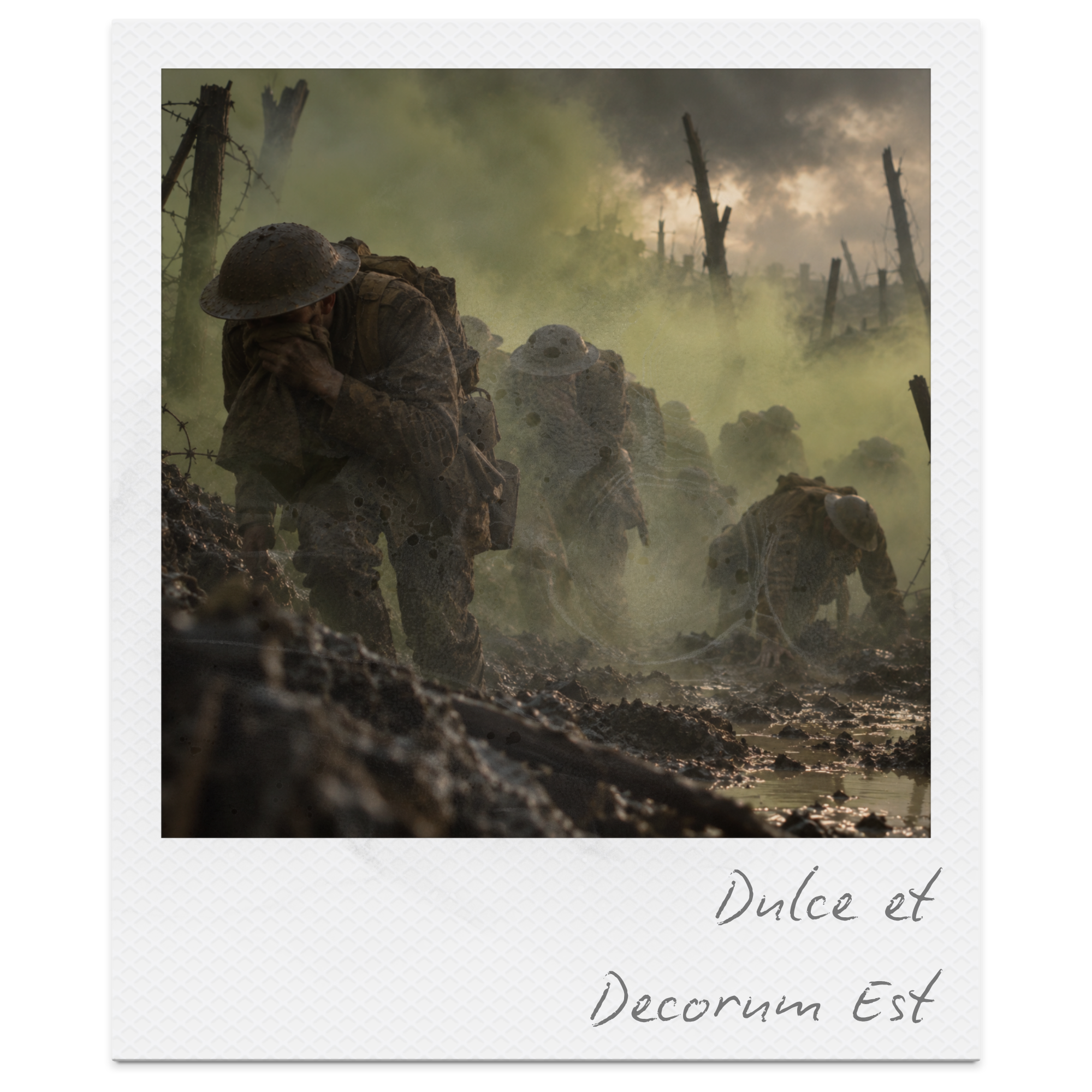
Dulce et Decorum Est by Wilfred Owen: Summary, Themes & Analysis
Explore Dulce et Decorum Est by Wilfred Owen with detailed analysis of its meaning, themes, form, structure, metre, symbolism, imagery and poetic techniques. Discover how Owen uses the horror of a gas attack and its traumatic aftermath to challenge patriotism, propaganda, glorious sacrifice and romanticised ideas of war.
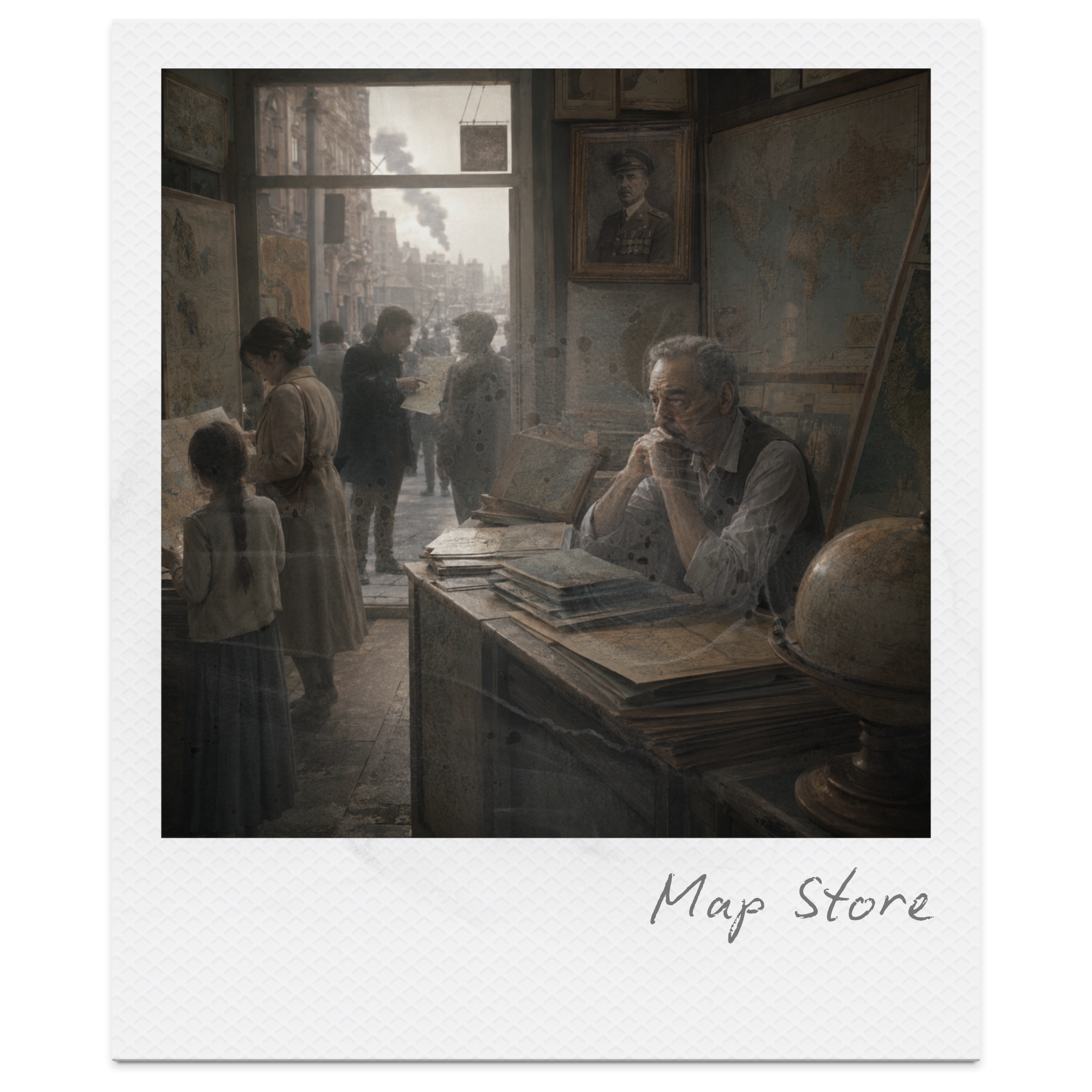
Map Store by Iman Mersal: Summary, Themes & Analysis
Iman Mersal’s Map Store explores war, displacement, memory, geography and belonging, using maps, photographs and other forms of representation to question the distance between seeing a place and truly understanding the experiences connected to it. Through striking imagery, irony and a powerful final reversal, the poem challenges the idea that suffering can remain safely “elsewhere”.
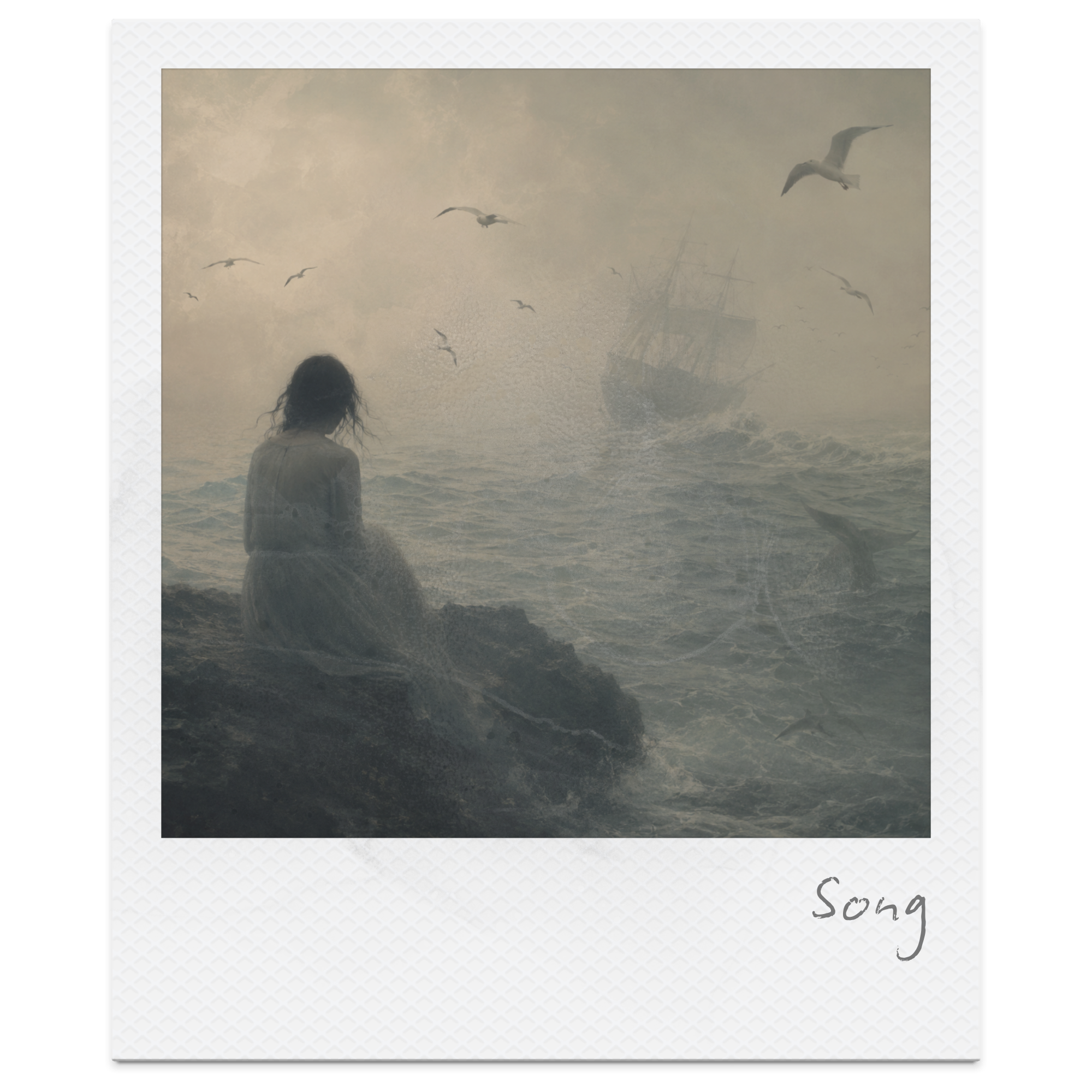
Song by Alun Lewis: Summary, Themes & Analysis
Alun Lewis's Song is a moving elegy that explores grief, love, absence, and the lasting psychological effects of loss. Written from the perspective of a woman mourning a lover lost at sea, the poem traces the gradual progression of bereavement through vivid maritime imagery, natural symbolism, and haunting reflections on memory. In this analysis, we explore the poem's themes, structure, symbolism, key quotations, and deeper meanings while examining how Lewis presents mourning as a force that reshapes both identity and the relationship between the living and the dead.

Fluke by Romesh Gunesekera: Summary, Themes & Analysis:::
Romesh Gunesekera’s Fluke is a darkly ironic and politically unsettling short story exploring memory, denial, capitalism, post-war identity, and collective amnesia in modern Sri Lanka. Through the reflective narration of Vasantha, a van driver transporting a motivational speaker to a luxury business seminar, Gunesekera gradually exposes the uneasy tension between commercial optimism and unresolved political violence. Although the story initially appears humorous and conversational, references to disappearances, war crimes, and forgetting slowly reveal a society attempting to bury trauma beneath tourism, branding, and economic growth. This detailed analysis explores the story’s symbolism, narrative voice, themes, structure, key quotes, and alternative interpretations while examining how Gunesekera uses irony, understatement, and reflective imagery to question whether genuine progress is possible without confronting the past.
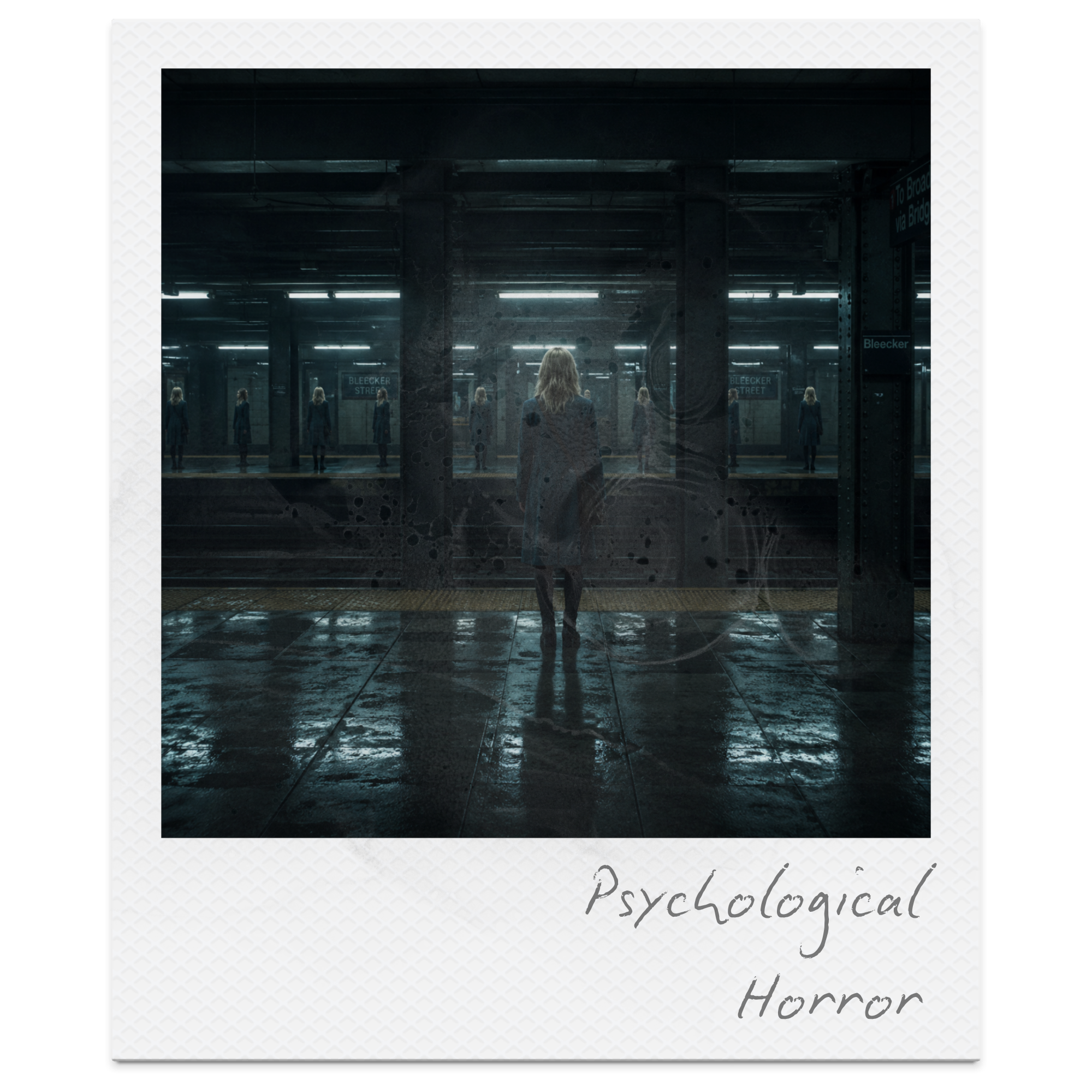
70 Psychological Horror Writing Prompts: Unreliable Minds, Emotional Dread & Quiet Terror
A dark and atmospheric collection of 70 psychological horror writing prompts exploring unreliable narrators, distorted memory, paranoia, emotional manipulation, fractured identity, uncanny repetition, hidden surveillance, and the terrifying instability of perception. This complete creative writing toolkit includes plot hooks, title ideas, opening lines, closing lines, character ideas, eerie settings, and cinematic visual prompts designed to inspire unsettling stories filled with emotional dread, quiet tension, ambiguity, and psychological unease.
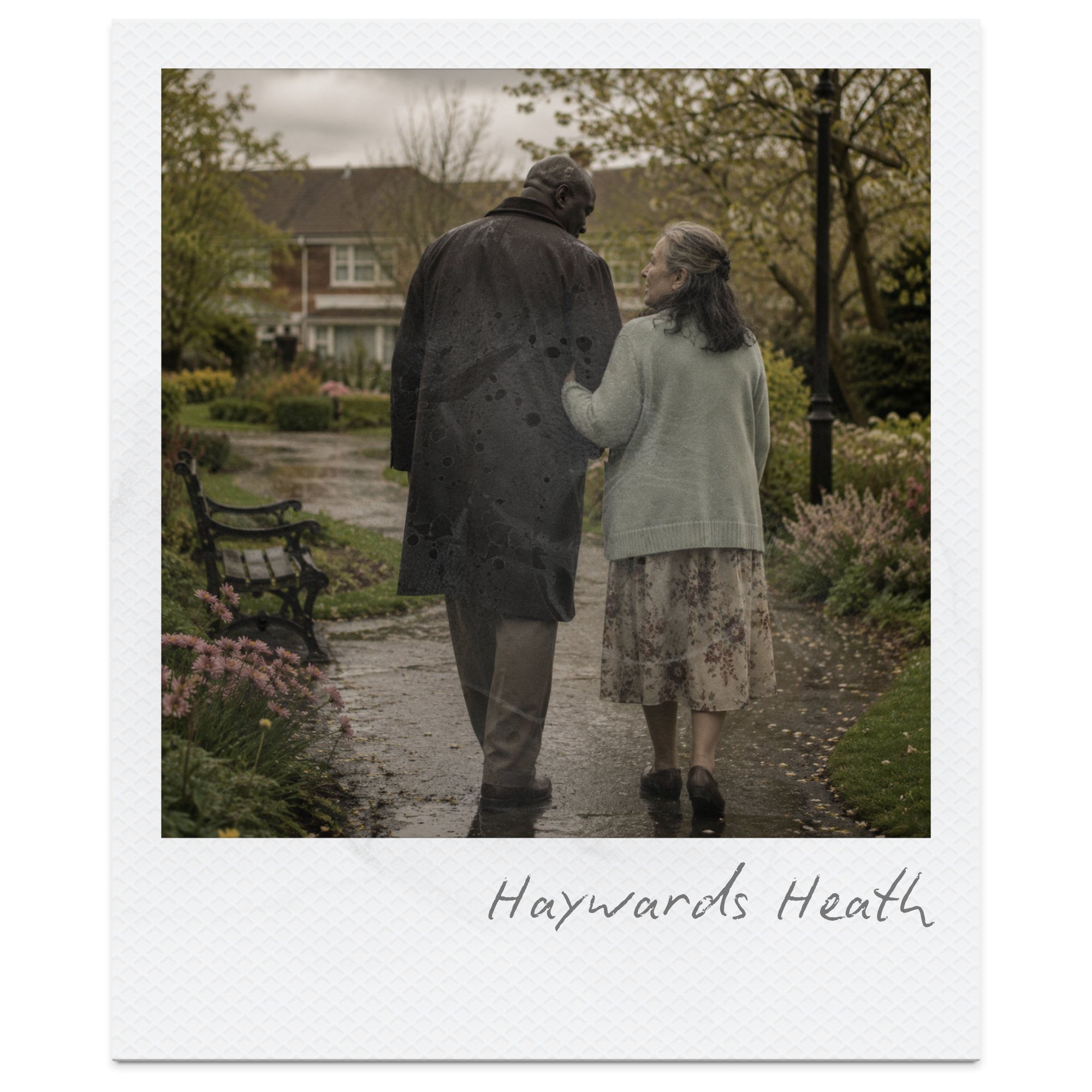
Haywards Heath by Aminatta Forna: Summary, Themes & Analysis
Explore Haywards Heath by Aminatta Forna with this detailed analysis for CIE IGCSE English Literature (0475 & 0922, 2027 syllabus). This post examines the story’s exploration of memory, aging, regret, love, and emotional displacement, alongside Forna’s use of restrained narration, symbolism, repetition, and fragmented structure. Perfect for revision and classroom study, this guide analyses key themes, characters, setting, narrative voice, symbolism, important quotations, and writer’s methods, while also offering alternative interpretations, exam-ready insights, and teaching ideas designed to support deeper conceptual analysis.
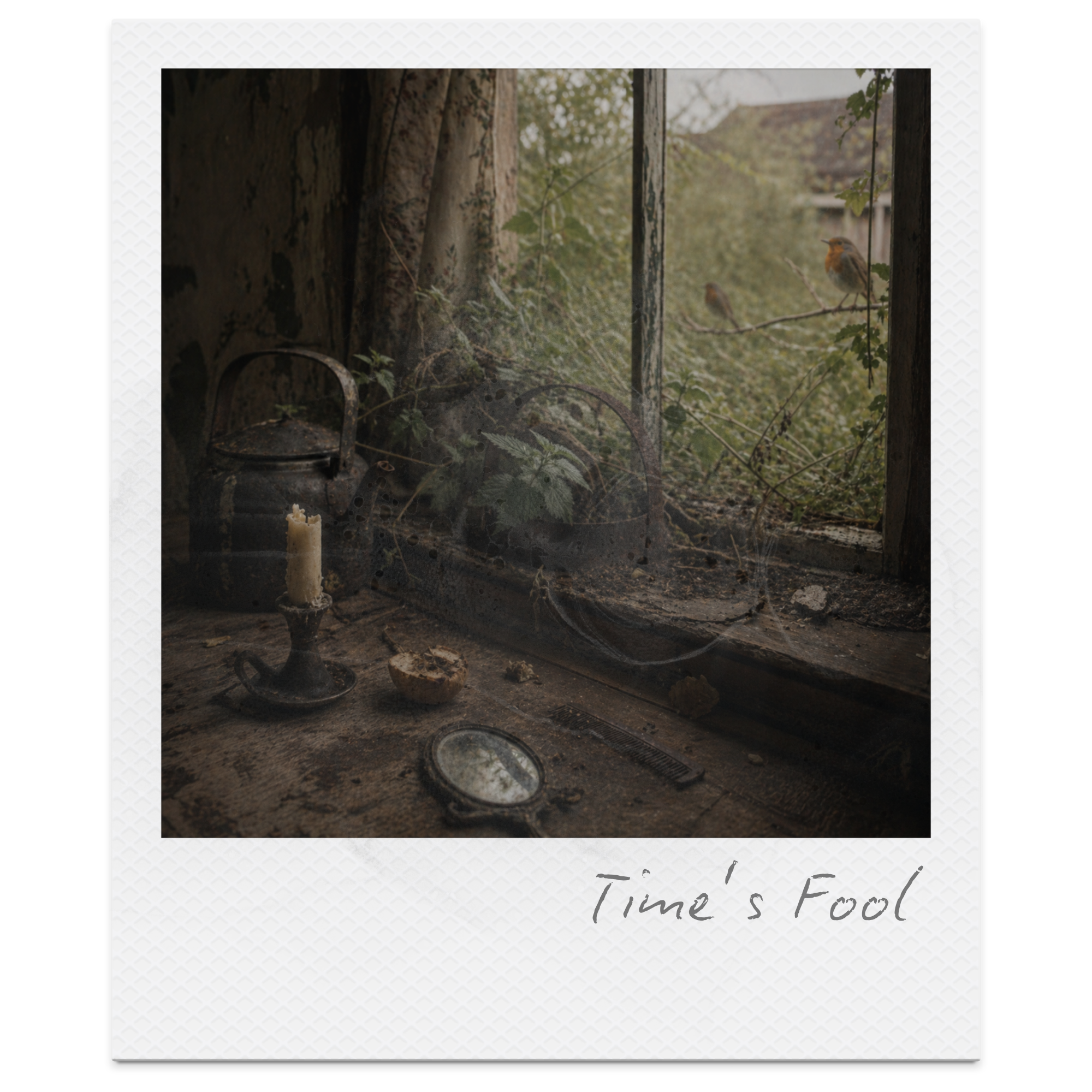
Time’s Fool by Ruth Pitter: Summary, Themes & Analysis
Ruth Pitter’s Time’s Fool reflects on how time reshapes our understanding of the past, transforming experiences that once seemed ordinary or insignificant into sources of deep emotional value. Through nostalgic imagery, paradox, and a reflective tone, the poem explores the contrast between material poverty and inner richness, revealing how memory redefines what truly matters. As the speaker revisits a life of simple comforts and natural surroundings, the poem shifts from a sense of loss to quiet acceptance, suggesting that fulfilment lies not in possessions but in experience, connection, and perspective. In doing so, Pitter presents a nuanced view of time—not just as a force of change, but as something that gives meaning to what has been left behind.
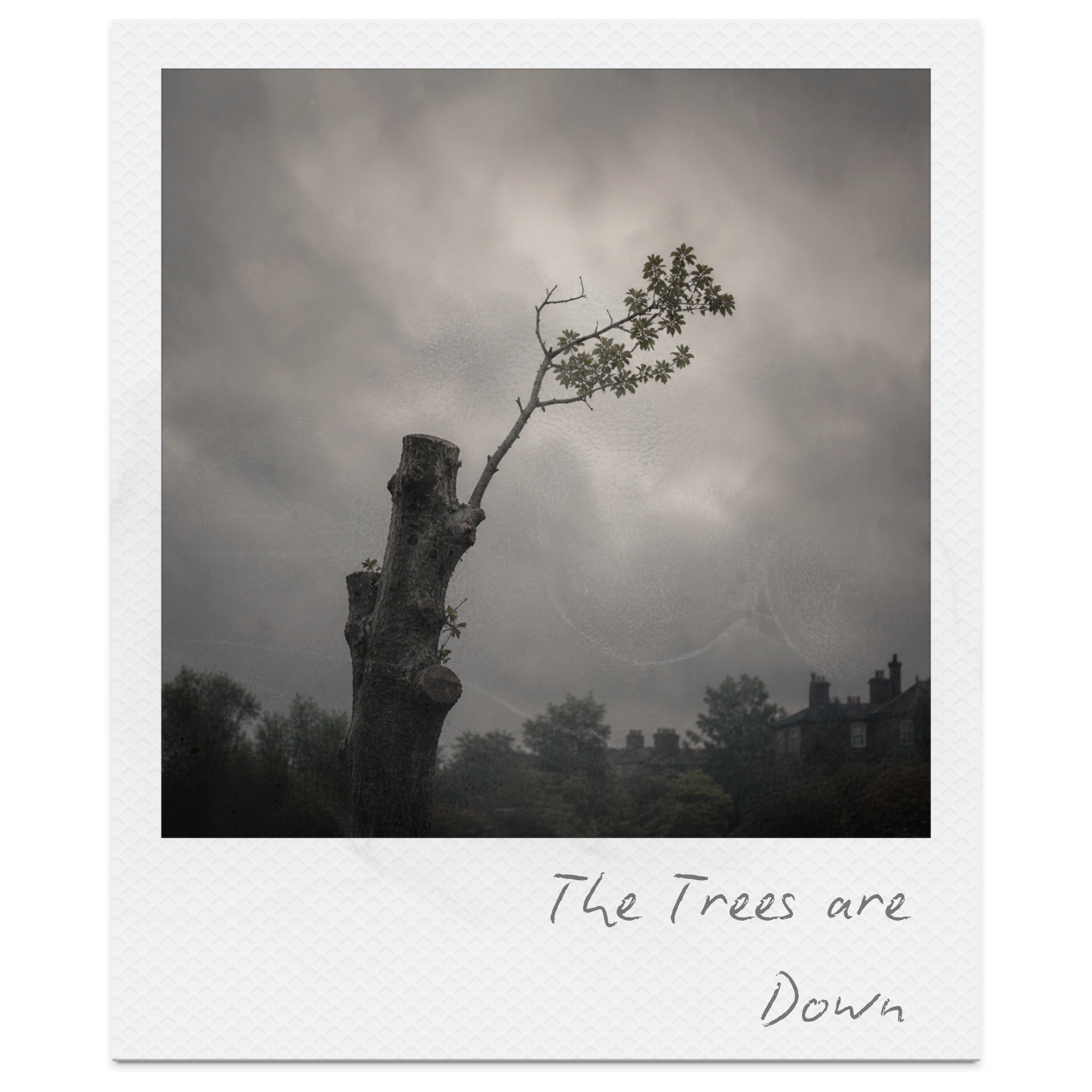
The Trees Are Down by Charlotte Mew: Summary, Themes & Analysis
The Trees Are Down by Charlotte Mew explores loss, destruction of nature, and emotional connection to place, transforming the cutting of trees into a powerful reflection on identity and memory. Through harsh sound imagery, contrast, and a shifting personal voice, Mew presents the act as more than physical labour, revealing it as a deeply unsettling and morally charged event. As the poem develops, the speaker moves from observation to personal reflection and protest, showing how the loss of the trees disrupts both the natural world and her own sense of self. The final image of an “angel crying” elevates this response into a form of spiritual warning, leaving the reader with a lasting sense that what has been destroyed cannot be restored, and that such loss carries profound emotional and ethical consequences.

For Heidi With Blue Hair by Fleur Adcock: Summary, Themes & Analysis
Fleur Adcock’s For Heidi With Blue Hair explores individuality, authority, and conformity through a seemingly minor conflict that reveals deeper tensions between self-expression and institutional control. Through a conversational voice, irony, and narrative progression, the poem presents the school’s response as rigid and inconsistent, exposing how rules are interpreted to enforce conformity rather than fairness. The detailed imagery of Heidi’s hair emphasises deliberate self-expression, while the use of dialogue allows competing perspectives to emerge. As the poem develops, a subtle shift introduces emotional depth, as the reference to the mother’s death “shimmer[s] behind the arguments,” suggesting that the conflict is shaped by unspoken grief as well as institutional pressure. The resolution, marked by an act of solidarity, reframes the situation as one where authority is quietly undermined rather than directly confronted. This movement from surface conflict to deeper meaning reveals how identity, emotion, and power interact, giving the poem its lasting impact.
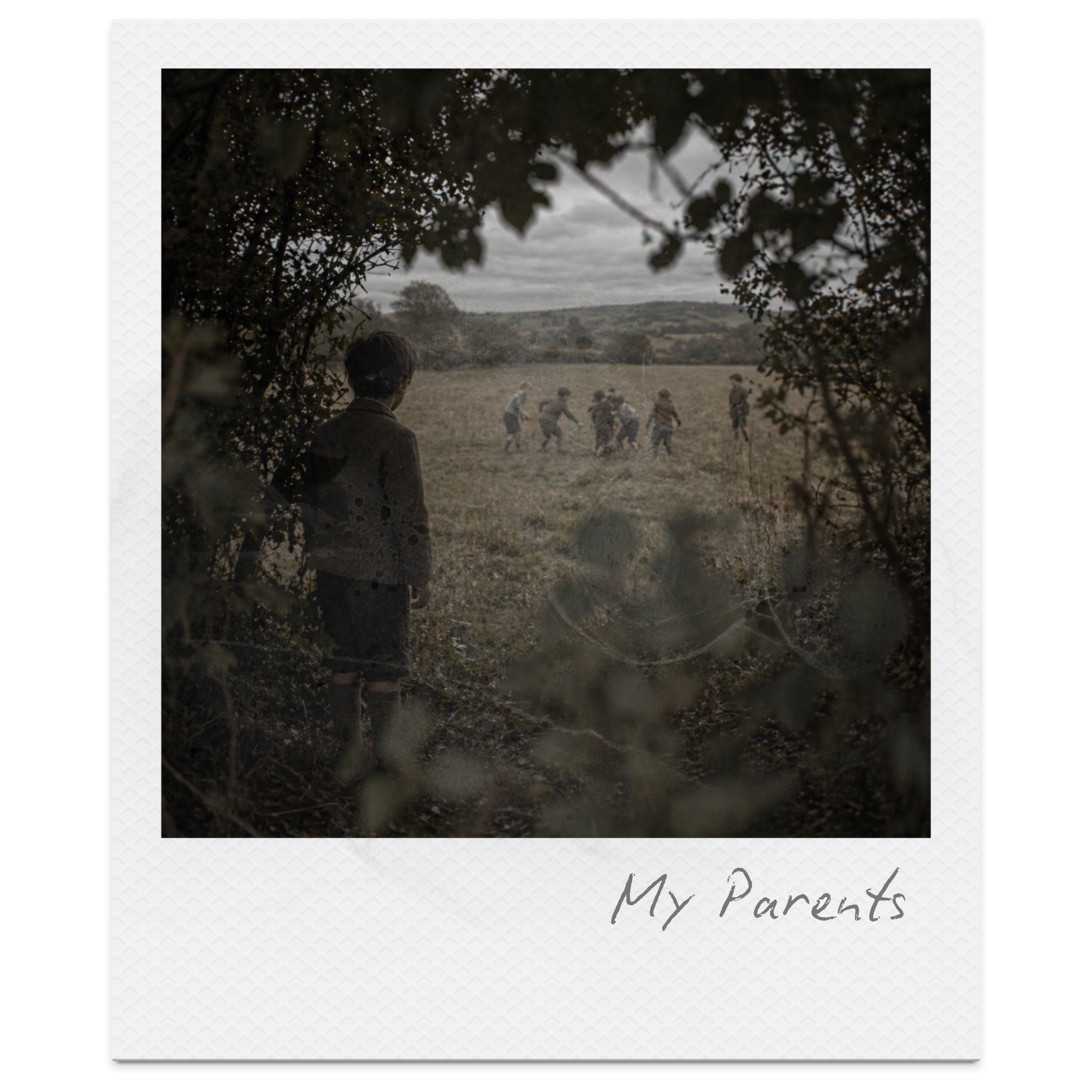
My Parents by Stephen Spender: Summary, Themes & Analysis
Stephen Spender’s My Parents explores childhood fear, class division, and social conditioning through a speaker who is both protected and isolated, shaped by the boundaries imposed on him. Through simile, animalistic imagery, and a reflective narrative voice, the poem presents the “rough” children as threatening and unpredictable, revealing how perception is constructed through upbringing rather than objective reality. The speaker’s fear is intensified by both physical imagery and social humiliation, particularly in moments where language becomes a form of attack. As the poem develops, a shift toward self-awareness and regret reframes the speaker’s experience, revealing that his fear was shaped as much by parental influence as by direct interaction. The final lines introduce a sense of missed empathy, suggesting that the speaker now recognises the limitations of his earlier perspective. This movement from fear to reflection transforms the poem into a powerful exploration of how memory, class division, and upbringing shape both experience and understanding.
Tears, Idle Tears by Alfred, Lord Tennyson: Summary, Themes & Analysis
Alfred, Lord Tennyson’s Tears, Idle Tears explores memory, loss, and emotional longing, capturing the powerful and often inexplicable nature of nostalgia. Through repetition, extended similes, and shifting imagery, the poem presents a speaker overwhelmed by emotion triggered not by a specific event, but by reflection on “the days that are no more.” Tennyson shows how memory can make the past feel vividly present while simultaneously reinforcing its irretrievable loss. As the poem develops, contrasting images of life and death, arrival and departure, and joy and sorrow deepen this emotional tension. The recurring refrain anchors the poem’s cyclical structure, while the final paradox, “O Death in Life,” reveals the central idea: that living with memory creates a constant awareness of absence. Rather than resolving this tension, Tennyson leaves the reader in a state of reflection, suggesting that the experience of memory is not something to be explained, but something to be felt.
One Art by Elizabeth Bishop: Summary, Themes & Analysis
Elizabeth Bishop’s One Art explores loss and emotional control through a tightly structured villanelle, presenting the idea that losing can be learned and mastered. Through repetition and an authoritative, instructional voice, the poem initially suggests that loss is manageable, using everyday examples to create a sense of calm and control. However, as the poem progresses, the scale of loss becomes more personal and emotionally significant, revealing cracks in this composure. Subtle shifts in tone and structure expose the tension between the speaker’s claims and her true feelings, ultimately suggesting that loss cannot be fully mastered, no matter how carefully it is framed.
Lament by Gillian Clarke: Summary, Themes & Analysis
Lament by Gillian Clarke presents a powerful, cumulative expression of grief, exploring the impact of war, environmental destruction, and human responsibility. Through repetition, vivid imagery, and structured listing, Clarke connects the suffering of animals, people, and landscapes, showing how these losses are deeply interconnected. By building a sequence of images that move from individual creatures to global devastation, the poem creates a sense of scale and inevitability, while its restrained tone allows the destruction to speak for itself. The result is a poem that not only mourns what has been lost, but also challenges the reader to recognise the ongoing consequences of human actions.
Storyteller by Liz Lochhead: Summary, Meaning, Themes & Analysis
Liz Lochhead’s Storyteller explores the power of oral storytelling, showing how stories are shaped through voice, memory, and everyday labour. Set within a domestic, communal environment, the poem presents storytelling as both practical work and a form of creative expression, revealing how stories are created, shared, and carried forward across generations. This analysis breaks down key themes, methods, and structural shifts, focusing on how Lochhead uses imagery, metaphor, and voice to create meaning. Ideal for IGCSE Literature, it helps students develop clear, method-focused responses, build confident interpretations, and prepare for high-level exam answers.
The City by Ray Bradbury: Summary, Themes, Meaning & Analysis
Ray Bradbury’s The City is a haunting work of speculative science fiction that explores revenge, memory, and technological power through the image of a vast, silent city waiting across twenty thousand years. At first, the city appears empty and lifeless, but as human explorers arrive, it becomes clear that it is watching, analysing, and responding with cold precision. Bradbury transforms setting into a conscious force, creating a narrative where the environment itself becomes the central intelligence. As the story unfolds, the city reveals its true purpose: to enact a long-delayed act of revenge against humanity. What makes this particularly unsettling is the way emotion has been embedded into a mechanical system, removing empathy and replacing it with calculation. The result is a chilling exploration of how violence and memory can be preserved beyond human life, raising questions about justice, control, and the consequences of past actions that continue to shape the future.