70 Psychological Horror Writing Prompts: Unreliable Minds, Emotional Dread & Quiet Terror
Psychological horror explores fear through perception, emotion, memory, paranoia, obsession, and the terrifying instability of the human mind. Unlike traditional horror focused on monsters or violence, psychological horror often creates unease through atmosphere, emotional tension, distorted reality, and the growing fear that something may be deeply wrong beneath ordinary life. These stories frequently blur the line between reality and delusion, forcing characters — and readers — to question what can truly be trusted.
Some of the most influential psychological horror stories focus less on external threats and more on internal collapse. The Turn of the Screw by Henry James explores ambiguity, repression, and paranoia, while The Yellow Wallpaper by Charlotte Perkins Gilman examines isolation and psychological deterioration. Novels such as Rebecca, We Have Always Lived in the Castle, American Psycho, Misery, and I'm Thinking of Ending Things create horror through obsession, manipulation, emotional instability, fractured identity, and unreliable narration. In film and television, works such as Black Swan, Hereditary, The Shining, Get Out, and Severance demonstrate how psychological horror often emerges through atmosphere, emotional pressure, repetition, memory, and distorted perception rather than overt violence.
Psychological horror settings are often deceptively ordinary — quiet houses, schools, offices, hospitals, apartment blocks, forests, roads, hotels, family homes, empty swimming pools, shopping centres, or isolated rural towns. These familiar spaces become terrifying because the horror feels emotionally possible. The fear comes from uncertainty, emotional vulnerability, fractured memory, hidden motives, surveillance, manipulation, loneliness, grief, guilt, or the growing suspicion that reality itself may be unstable.
This collection of 70 Psychological Horror Writing Prompts is designed as a complete creative toolkit, combining plot hooks, title ideas, opening lines, closing lines, character ideas, setting prompts, and cinematic visual inspiration. These prompts explore unreliable narrators, emotional manipulation, fractured identities, uncanny repetition, social paranoia, obsession, grief, surveillance, hidden doubles, distorted memory, and the terrifying fear of losing control over your own mind.
If you would like to explore more dark atmospheric storytelling, eerie genre-inspired fiction, and imaginative horror concepts, you can browse the Creative Writing Archive, or discover darker speculative fiction and unsettling atmosphere inside the Horror Writing Hub.
1. Plot Hooks
Psychological horror stories often begin with emotional instability, strange behaviour, fractured memory, social unease, paranoia, manipulation, or the growing fear that reality itself may not be trustworthy.
Write about a woman who keeps seeing herself standing motionless in crowded places moments before disappearing again.
Write about a therapist who slowly realises every patient has been describing the same nightmare.
Write about a family who notices objects inside their house changing position overnight, despite security cameras showing nothing.
Write about a man who becomes convinced his neighbours are subtly replacing pieces of his life one object at a time.
Write about a student who discovers every person in their class writes identical diary entries without realising it.
Write about a hotel where guests begin forgetting why they originally arrived.
Write about a woman who receives phone calls from herself warning her not to trust her own memories.
Write about a support group where nobody remembers joining.
Write about an office worker who slowly realises their coworkers never blink.
Write about a mother who becomes convinced her child has been replaced, despite everyone insisting nothing has changed.
2. Title Ideas
Psychological horror titles often suggest emotional instability, hidden truths, fragmented identity, repetition, surveillance, memory, or the unsettling collapse of ordinary reality.
The Shape of Someone Watching
Before I Forgot Myself
The Silence in Apartment 14
We Were Never Alone Here
Every Mirror Looked Wrong
The Woman Beneath the Water
What the Neighbours Heard
Nothing Stayed the Same After Tuesday
The House That Remembered Us
Somewhere Behind Her Smile
3. Opening Lines
Psychological horror openings often establish discomfort immediately through emotional unease, subtle impossibility, repetition, surveillance, or the creeping feeling that something ordinary has become deeply wrong.
Nobody else noticed the woman standing at the end of the hallway.
My mother started locking the bedroom doors three weeks before she disappeared.
Every clock in the apartment stopped at exactly 3:17.
The therapist asked me to describe the dream again, but this time she looked frightened.
I realised the photographs had changed sometime during the night.
Nobody at work remembered hiring me.
The voice on the voicemail sounded exactly like mine.
Something about the house felt rehearsed.
The neighbours waved every morning at precisely the same time.
By the third day, I understood why nobody opened the curtains anymore.
4. Closing Lines
Psychological horror endings often leave behind ambiguity, emotional devastation, paranoia, or the terrifying possibility that the horror never truly ended.
Even now, I still avoid looking directly into mirrors.
Somewhere upstairs, the footsteps started again.
I finally understood why nobody had tried to leave.
The photographs changed one final time after midnight.
Outside, the neighbours were all standing perfectly still.
I could no longer remember which memories belonged to me.
The voice on the phone laughed softly before hanging up.
Behind me, someone whispered my name in my own voice.
We never found out who had been watching us.
By morning, the entire town had forgotten she ever existed.
5. Character Ideas
Psychological horror characters are often shaped by grief, obsession, repression, loneliness, guilt, paranoia, emotional instability, or fractured perception.
A therapist hiding disturbing gaps in their own memory.
A woman obsessed with documenting tiny changes inside her apartment.
A widower convinced his dead partner still lives somewhere inside the house.
A teenager struggling to separate dreams from reality.
A teacher who becomes terrified of one silent student.
A security guard monitoring cameras that show impossible events.
A journalist investigating disappearances connected to a support group.
A man slowly losing the ability to recognise familiar faces.
A nurse working night shifts inside an isolated psychiatric hospital.
A woman who compulsively records conversations because she no longer trusts her memory.
6. Setting Ideas
Psychological horror settings often transform ordinary spaces into places shaped by emotional dread, repetition, isolation, silence, uncertainty, and subtle unreality.
A silent apartment complex where residents never speak to each other directly.
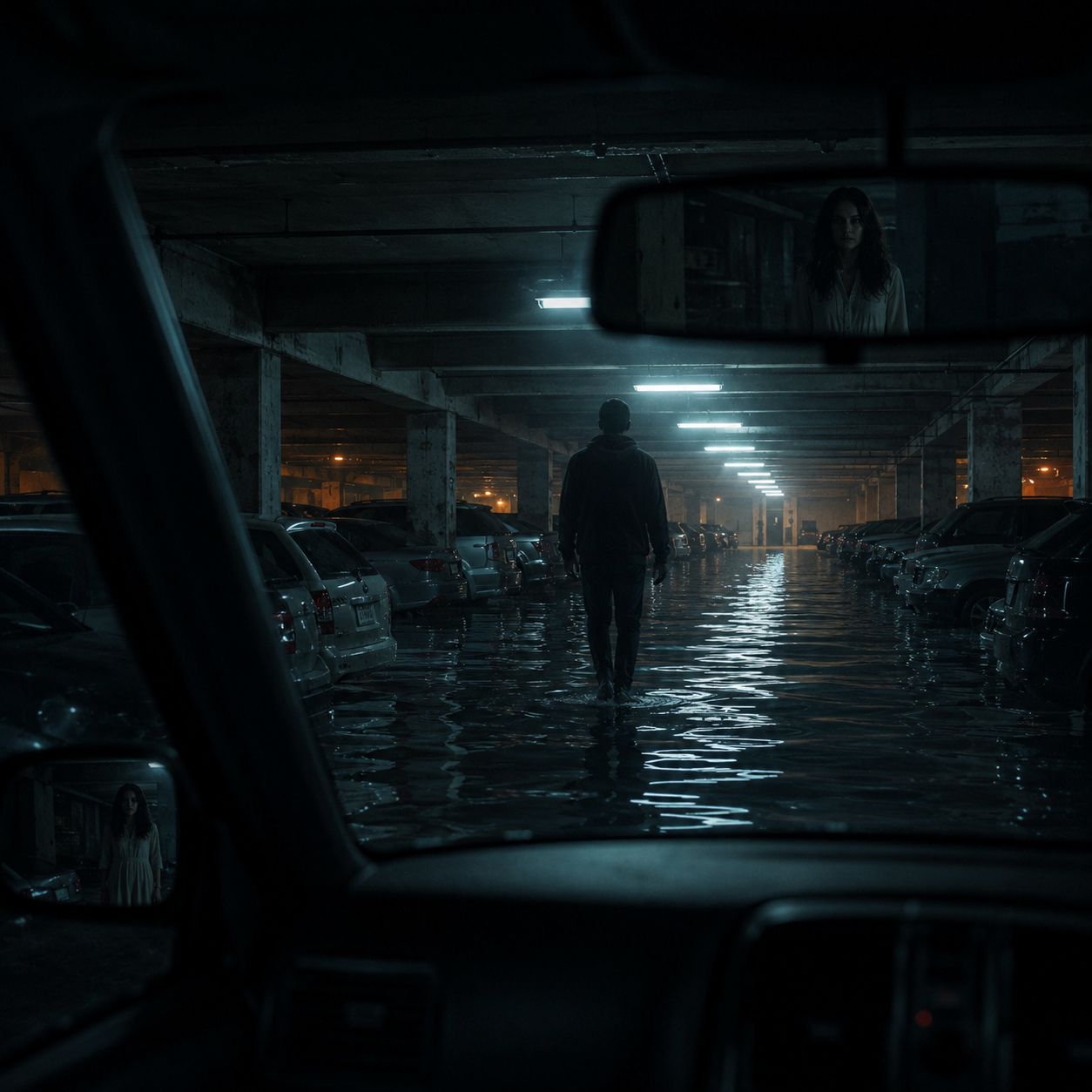
A flooded underground parking garage illuminated by flickering fluorescent lights.
An isolated motorway hotel during constant rain.
A quiet suburban street where every house looks nearly identical.
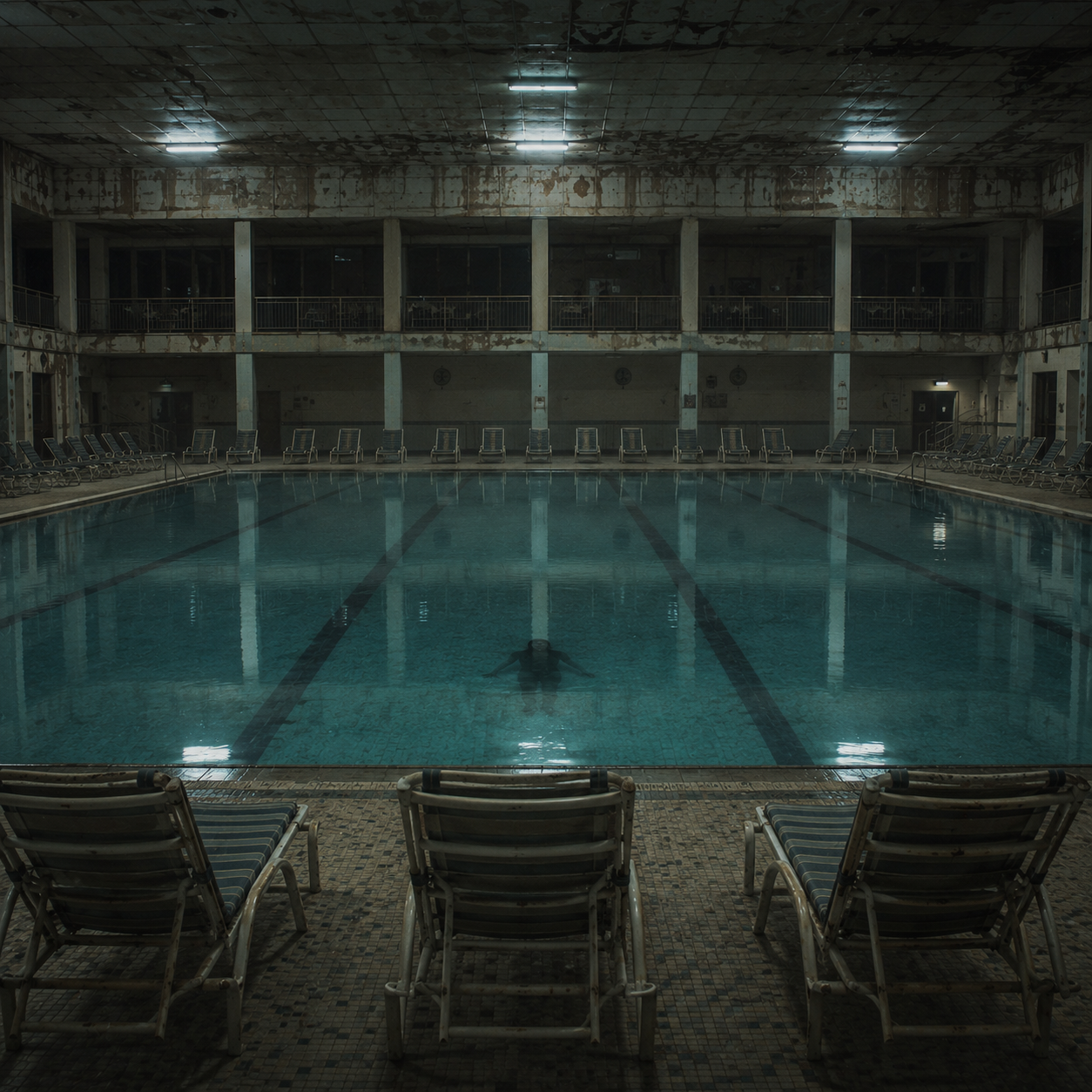
An abandoned indoor swimming pool inside a decaying leisure centre.
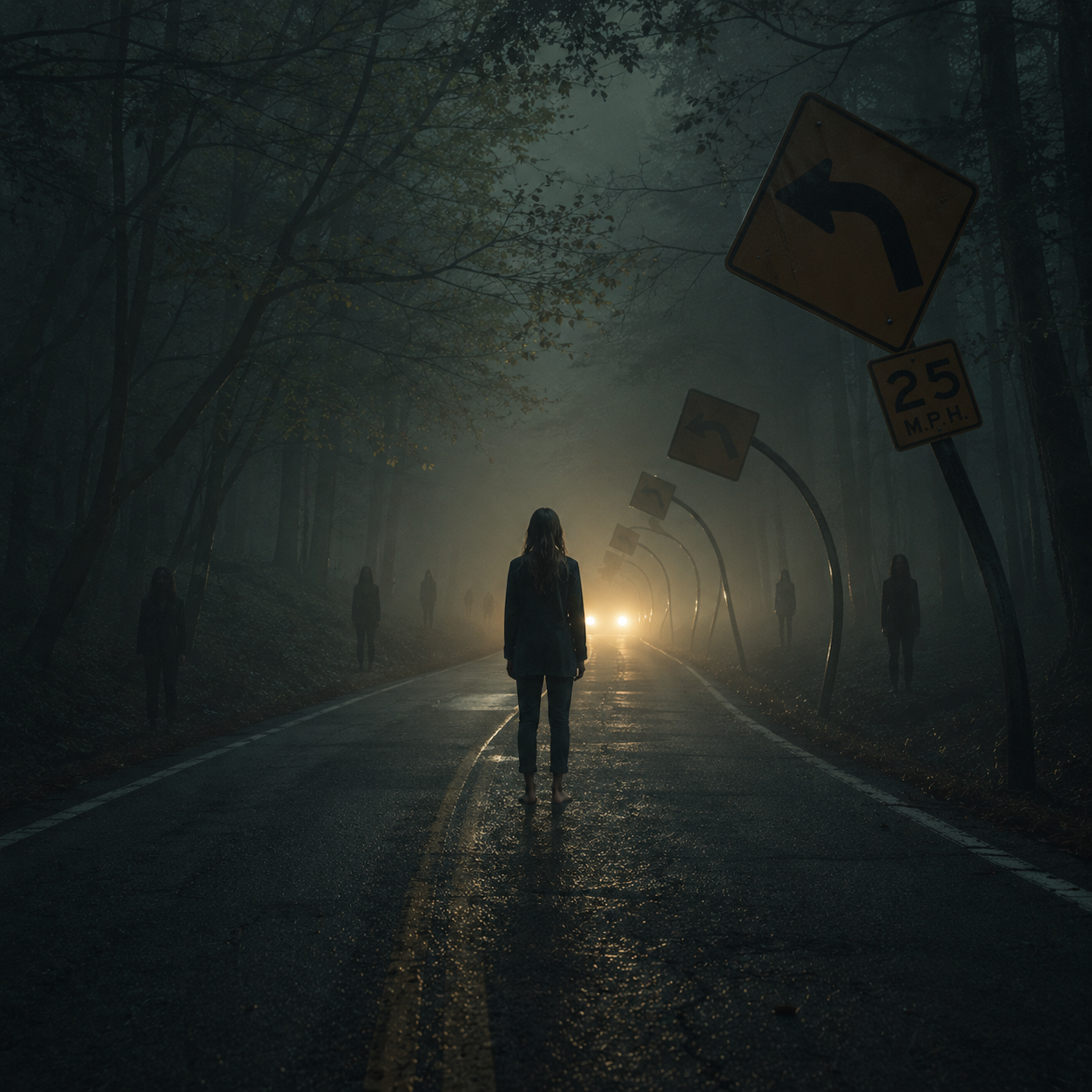
A forest road lined with distorted road signs.
A modern office building where entire floors remain permanently empty.
A small coastal town covered in dense sea fog.
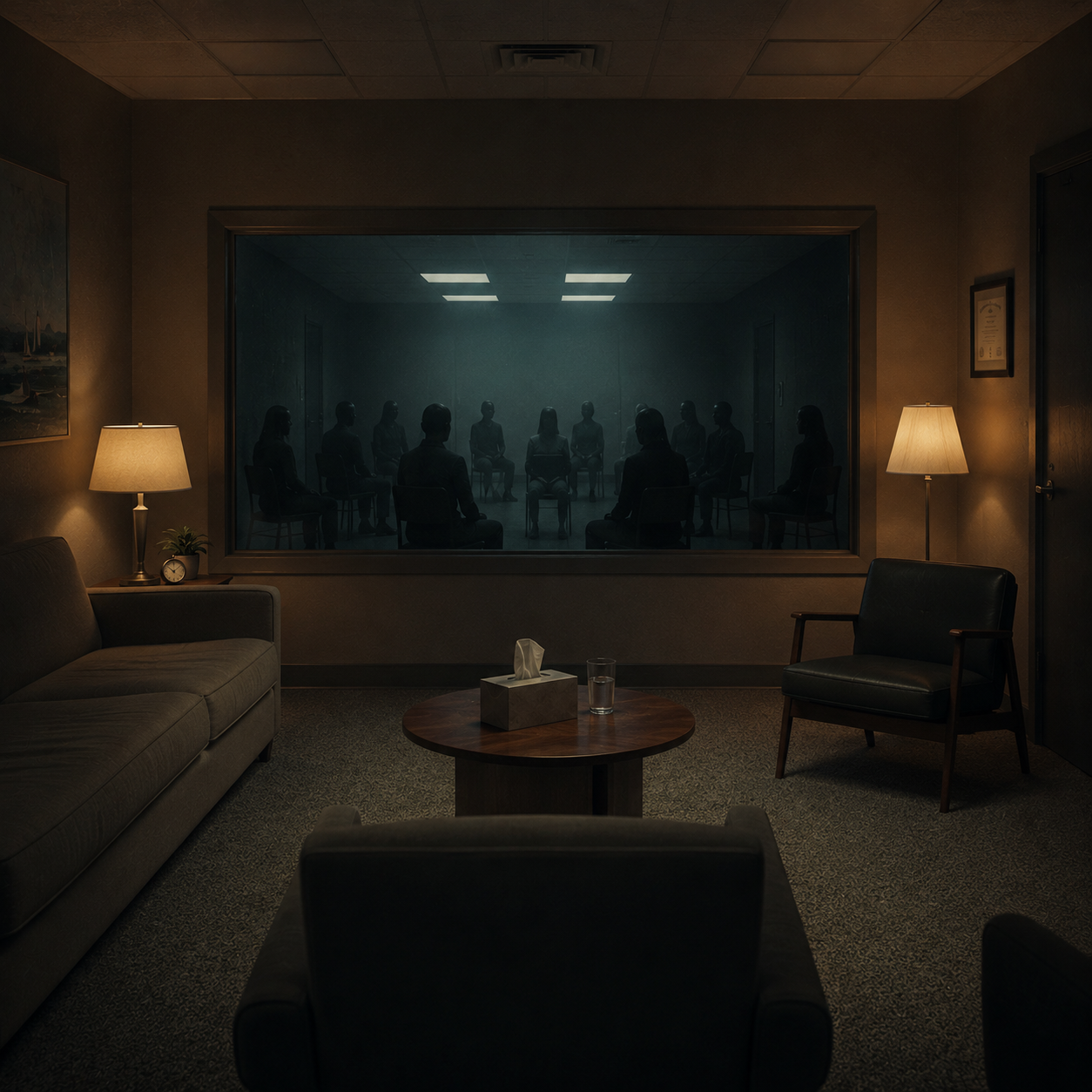
A private therapy clinic hidden deep within the countryside.
A shopping centre that remains open despite having almost no customers.
7. Picture Prompts
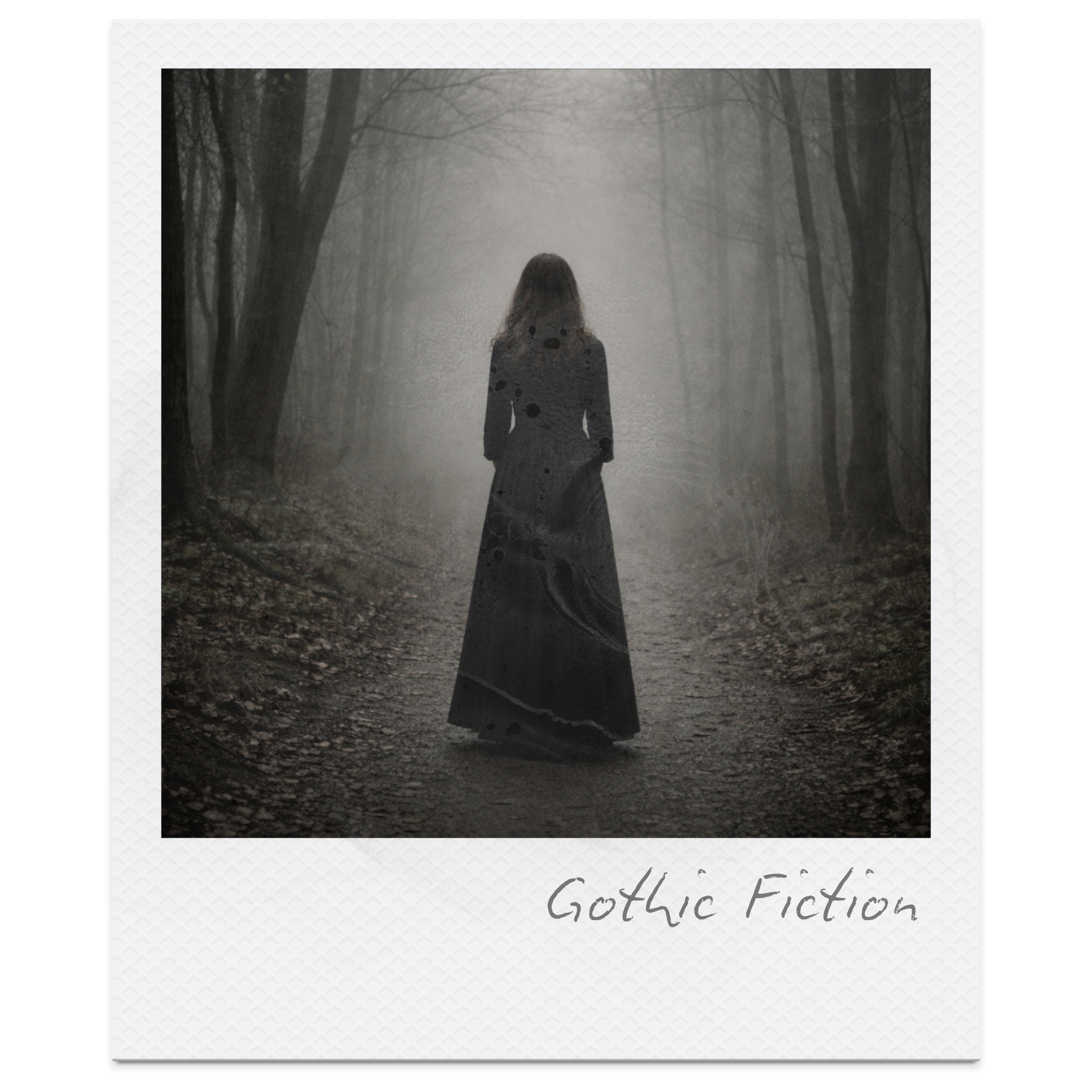
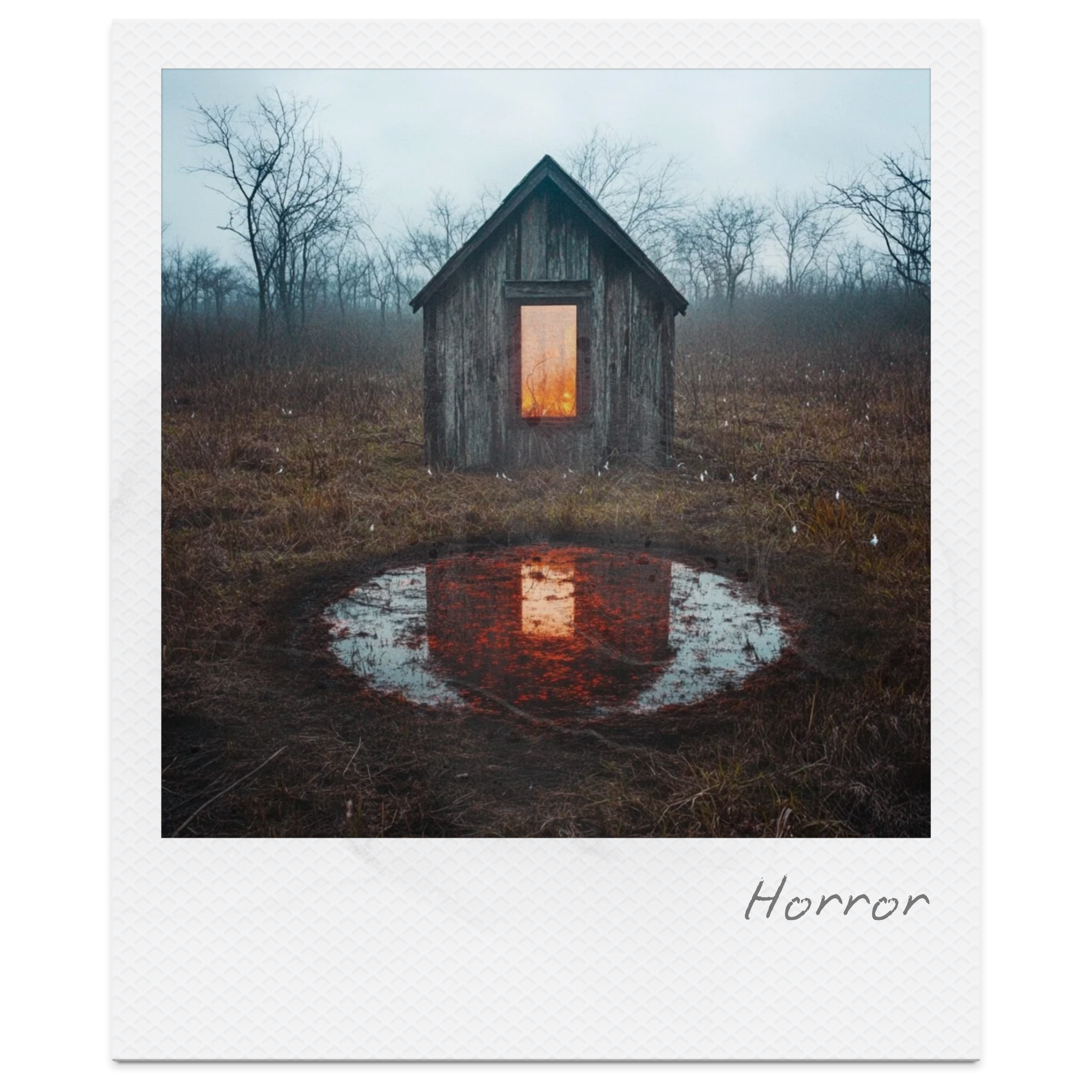
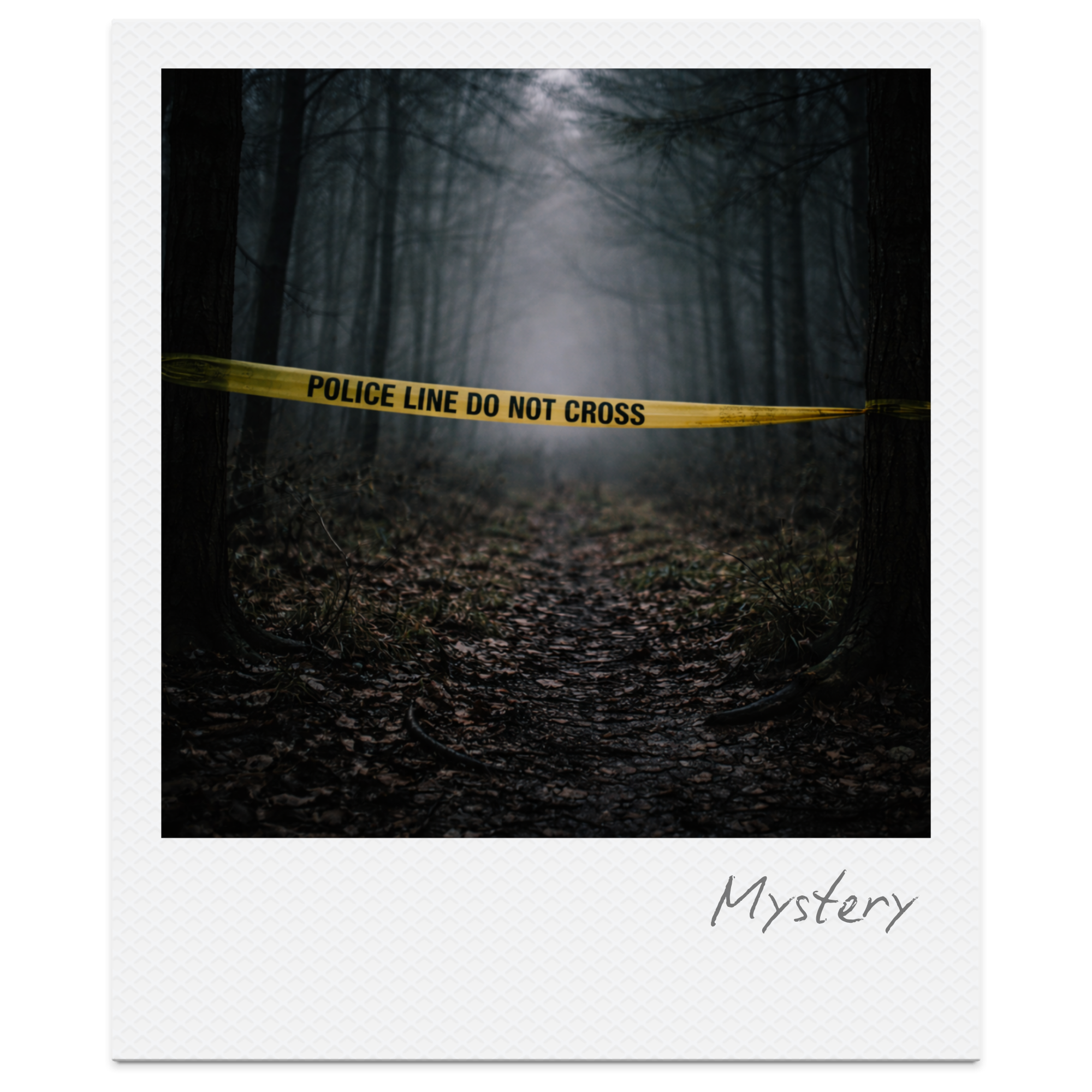
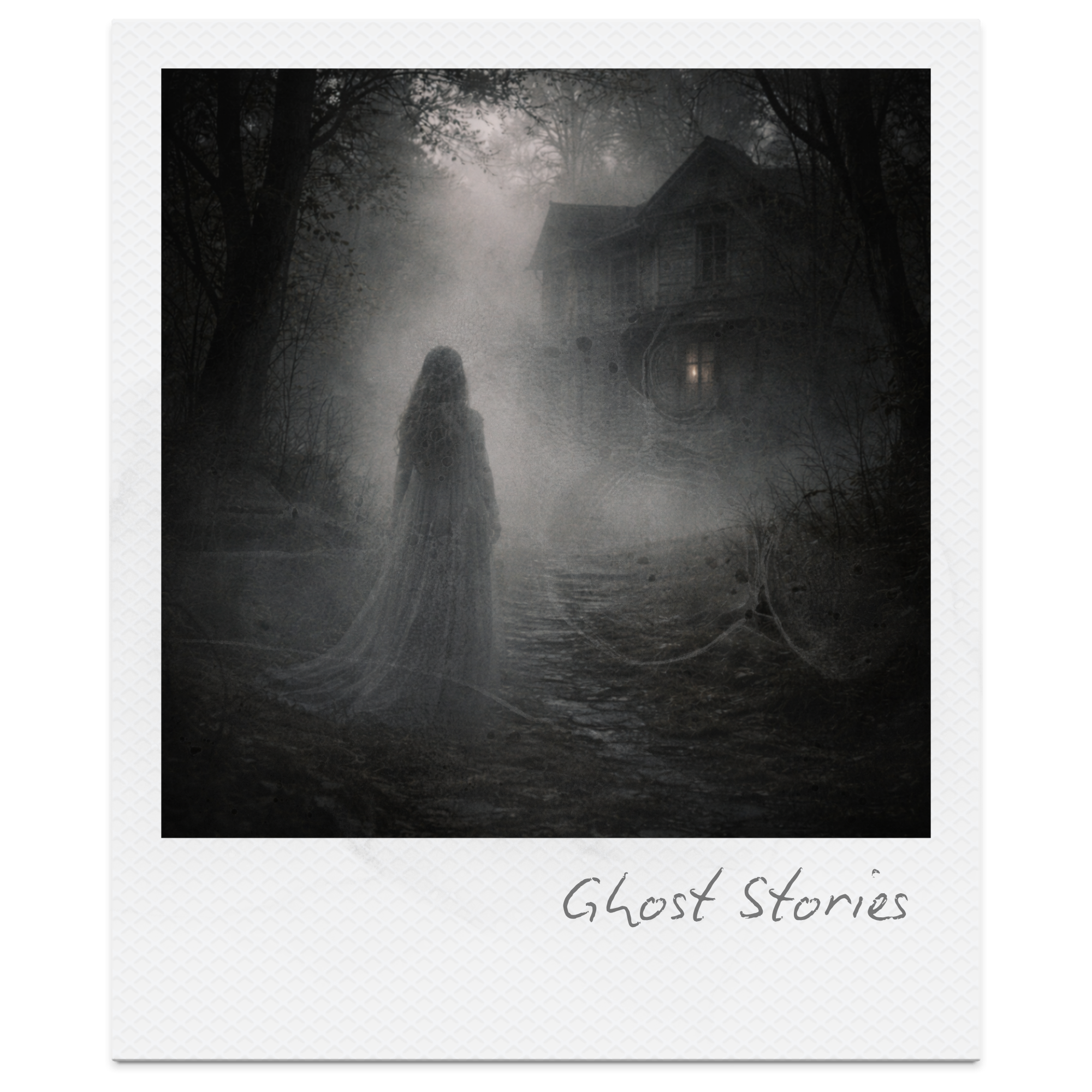
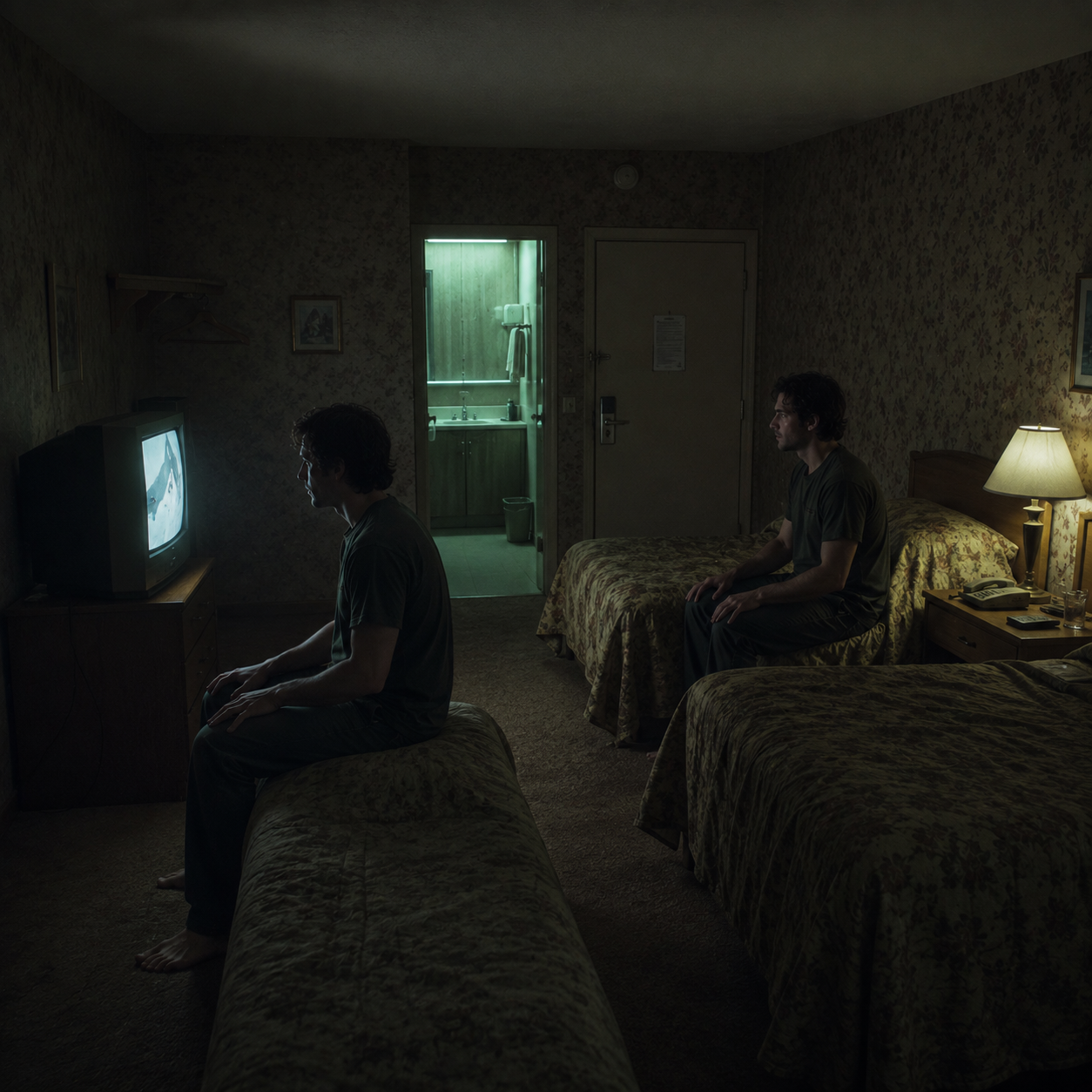
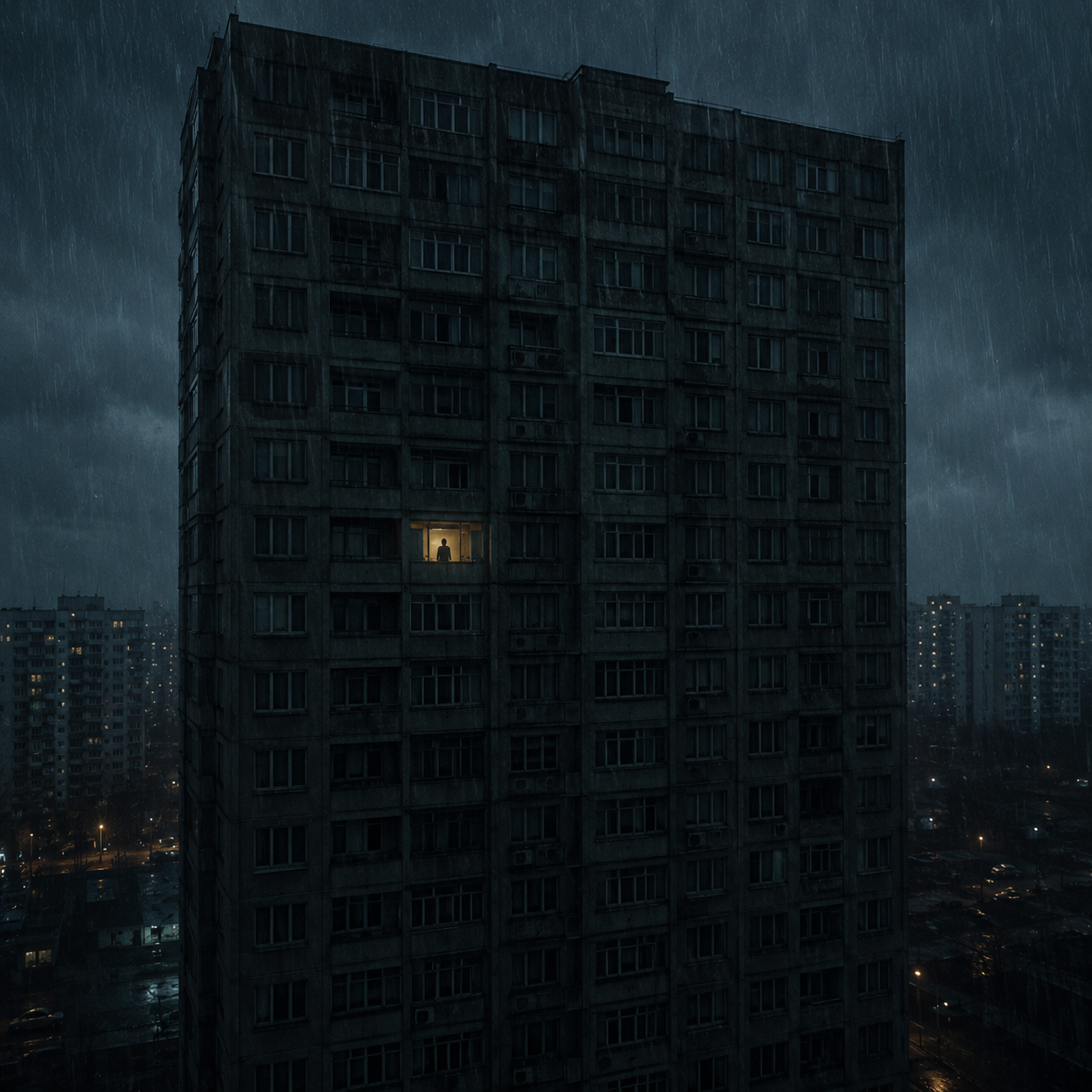
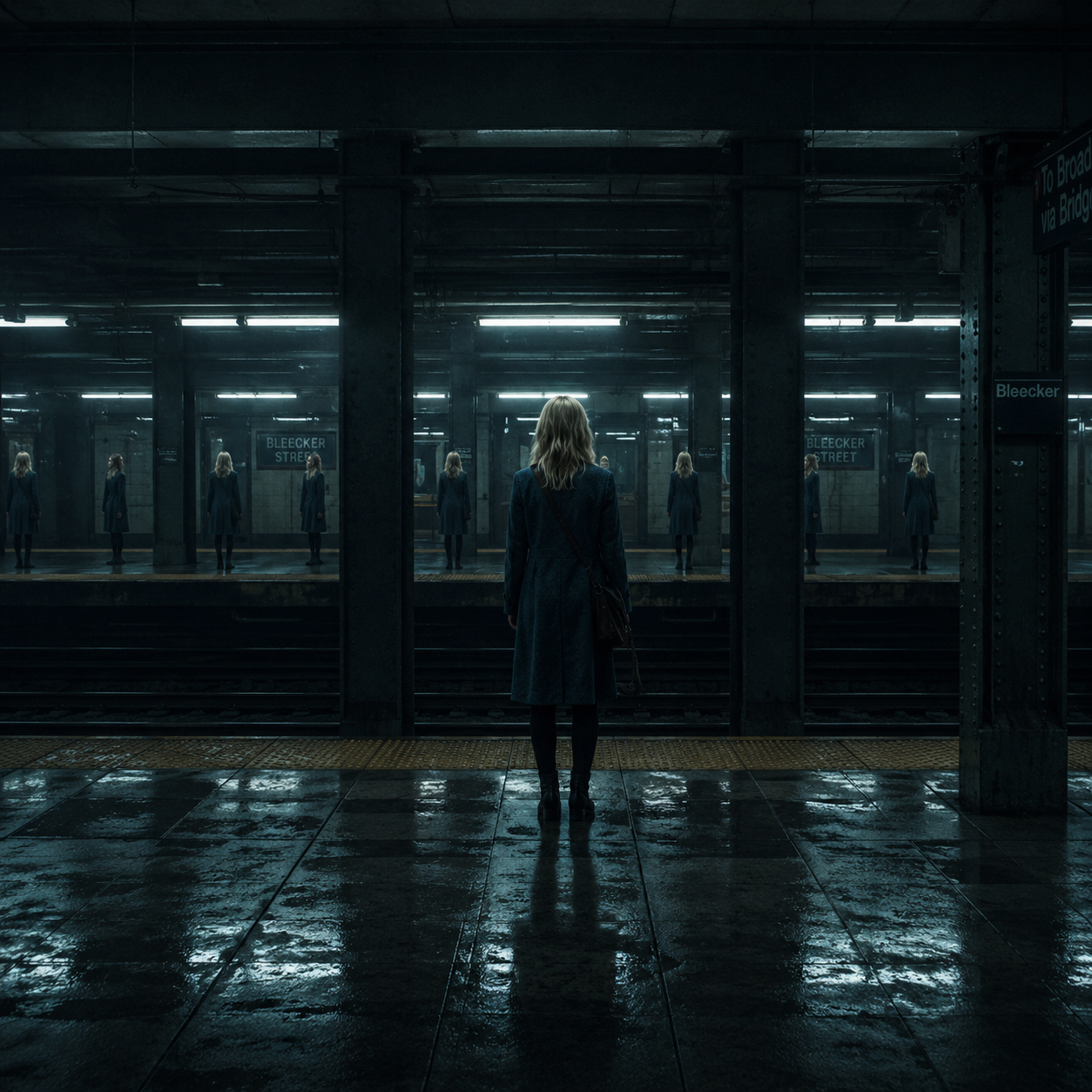
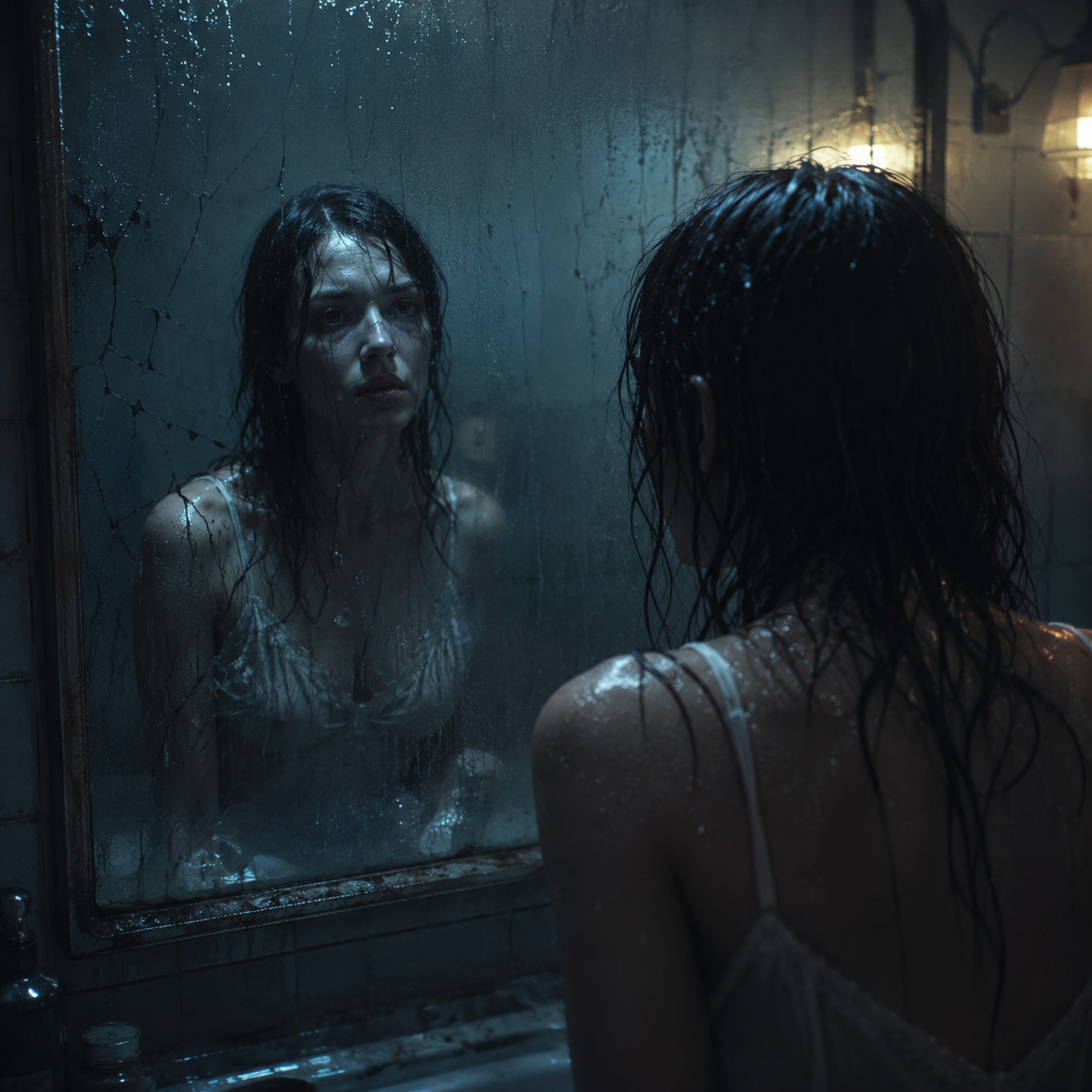
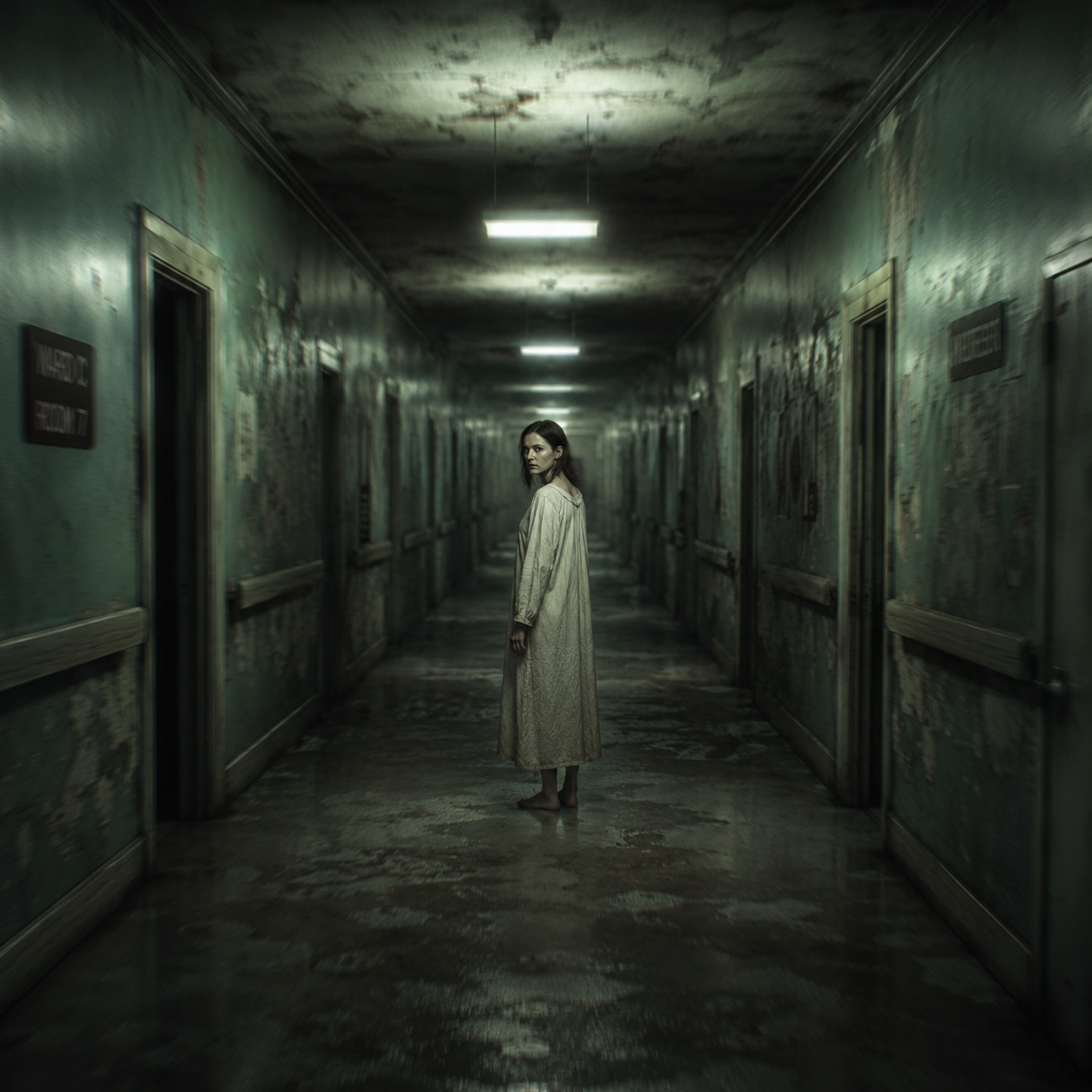
Visual prompts are especially effective for psychological horror because atmosphere depends heavily on lighting, emotional isolation, subtle distortion, repetition, silence, and uncanny detail. Empty rooms, fog-covered roads, flooded interiors, fluorescent lighting, abandoned public spaces, reflections, motionless figures, surveillance imagery, and ordinary environments altered in impossible ways all encourage stories shaped by paranoia, emotional dread, fractured identity, and unreliable perception.
Go Deeper into Psychological Horror
Psychological horror becomes more unsettling when writers focus on emotional vulnerability, uncertainty, distorted perception, and the terrifying possibility that reality itself may not be reliable.
◆ Write a scene where a character slowly realises nobody else remembers a major event they clearly experienced.
◆ Explore how repetition and routine can become terrifying when tiny details begin changing.
◆ Describe the emotional effects of being unable to trust your own memory.
◆ Write about a character forced to question whether the people around them are manipulating them or trying to help them.
Final Thoughts
Psychological horror combines emotional realism with atmosphere, paranoia, and the terrifying instability of perception. These stories often explore fractured identity, obsession, grief, repression, manipulation, unreliable memory, social isolation, and the growing fear that reality itself may no longer be trustworthy. Unlike more graphic horror genres, psychological horror unsettles readers by creating emotional discomfort, uncertainty, and lingering ambiguity that continues long after the story ends.
These 70 Psychological Horror Writing Prompts invite writers to explore silent apartment blocks, distorted memories, unsettling doubles, impossible repetitions, hidden surveillance, emotional manipulation, abandoned public spaces, and ordinary environments transformed by dread and uncertainty. Whether used for classroom writing, horror planning, creative exercises, short stories, or larger novels, these prompts encourage atmospheric storytelling shaped by tension, paranoia, emotional depth, and quiet terror.
If you would like to explore more dark genre fiction, eerie storytelling prompts, and atmospheric creative writing ideas, you can browse the Creative Writing Archive, or discover more unsettling narratives, gothic horror, speculative terror, and psychological unease inside the Horror Writing Hub.
Choose Your Next Adventure