70 Folk Horror Writing Prompts: Rituals, Isolated Villages & Ancient Dread
Folk horror combines folklore, ritual, superstition, isolation, and landscape-driven terror to create stories shaped by ancient fears and collective belief. Unlike fast-paced modern horror, folk horror often unfolds slowly through atmosphere, rural settings, hidden traditions, strange ceremonies, and the growing sense that an isolated community is protecting something ancient and dangerous. These stories frequently explore the tension between modern rationality and older belief systems rooted in nature, sacrifice, seasonal ritual, and inherited violence.
Some of the most influential folk horror stories use landscape and ritual to create deep emotional unease. The Wicker Man helped define the genre through pagan ritual and isolated communities, while Midsommar explored grief, cult psychology, and disturbing ceremonial tradition beneath bright pastoral imagery. Works such as The Witch, Apostle, The Ritual, The Blair Witch Project, and Men blend folklore, rural isolation, religion, superstition, and psychological dread into stories where the landscape itself feels ancient, hostile, and spiritually corrupted.
Folk horror settings are often deeply atmospheric — fog-covered forests, isolated villages, abandoned churches, marshlands, cliffside paths, standing stones, forgotten orchards, remote farms, ancient caves, and windswept moors. These environments become terrifying because they feel disconnected from modern society, governed instead by ritual, inherited belief, and traditions outsiders cannot fully understand.
This collection of 70 Folk Horror Writing Prompts is designed as a complete creative toolkit, combining plot hooks, title ideas, opening lines, closing lines, character ideas, setting prompts, and cinematic visual inspiration. These prompts explore cult rituals, harvest festivals, antlered figures, isolated communities, drowned villages, ritual sacrifice, pagan symbolism, scarecrow effigies, hidden gods, and ancient traditions buried deep within the landscape.
If you would like to explore more dark atmospheric storytelling, eerie folklore-inspired fiction, and unsettling horror concepts, you can browse the Creative Writing Archive, explore the wider Horror Writing Hub, or discover mythic landscapes, folklore creatures, and ritual storytelling inside the Folklore Writing Hub.
1. Plot Hooks
Folk horror stories often begin with isolated communities, hidden rituals, inherited traditions, disappearances, seasonal ceremonies, or the growing suspicion that outsiders are not welcome.
Write about a remote village where nobody is allowed outdoors after sunset during the harvest festival.
Write about a woman who returns to her childhood village only to discover the townspeople preparing for a ceremony involving her family.
Write about a flooded forest where dozens of flower crowns keep appearing on the water each morning.
Write about villagers who believe an ancient standing stone must be fed blood every winter solstice.
Write about a remote island community where every resident wears ceremonial masks during storms.
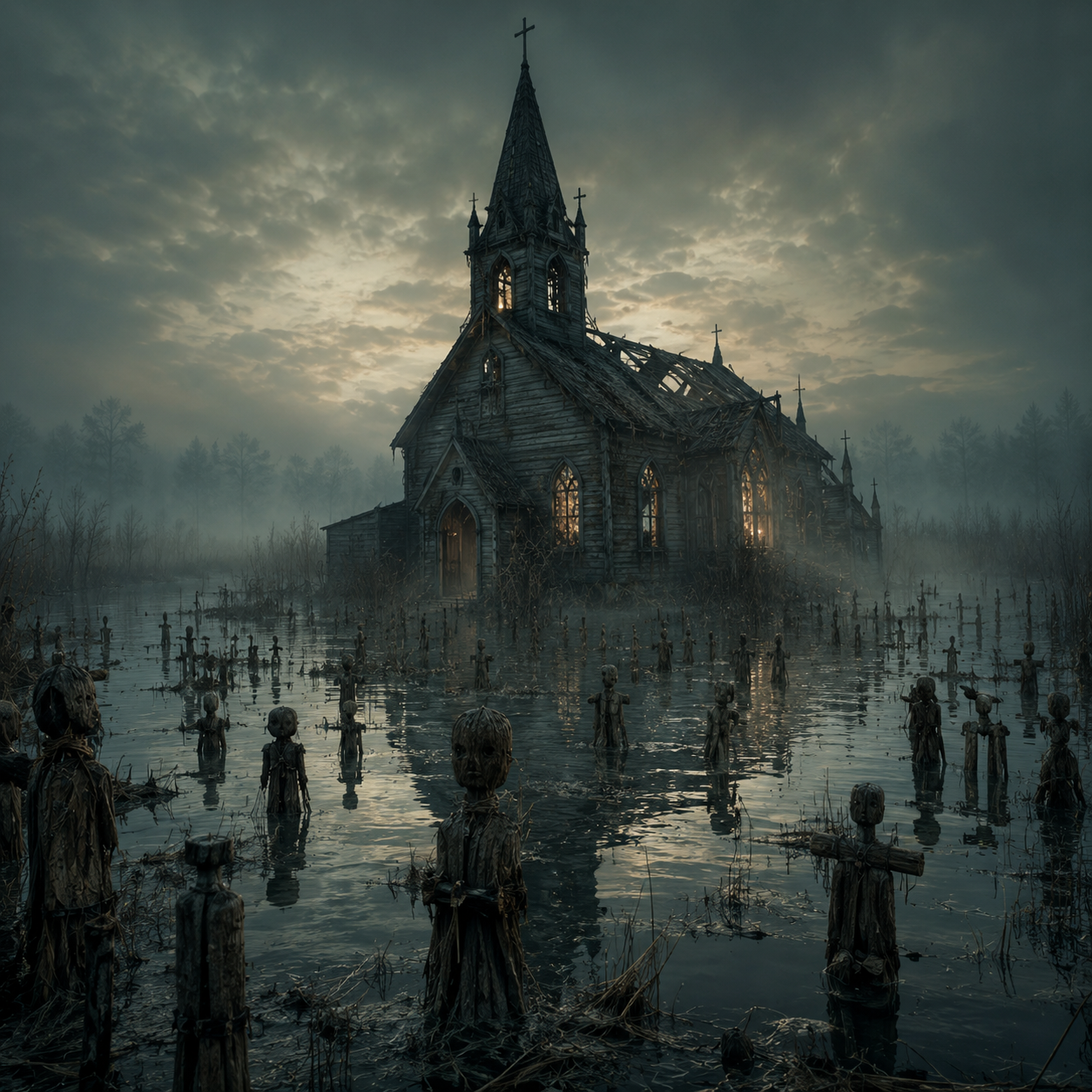
Write about a crumbling church hidden deep within marshland where abandoned wedding dresses hang from trees.
Write about travellers who accidentally interrupt a ritual in the woods and are forbidden from leaving.
Write about an isolated farming community where scarecrows are treated like living guardians.
Write about a man who discovers his family has secretly belonged to a pagan cult for generations.
Write about a village where the dead are buried standing upright facing the forest.
2. Title Ideas
Folk horror titles often evoke ritual, nature, isolation, sacrifice, folklore, and ancient forces hidden within the landscape.
Beneath the Hollow Hill
The Harvest Still Burns
Where the Forest Watches
The Village at Blackwater Marsh
The Antlered God of Hollowmere
Before the Bells Stopped Ringing
The Ceremony in the Woods
Daughters of the Drowned Lake
Beneath the Wicker Sky
The Last Festival of Winter
3. Opening Lines
Folk horror openings often establish atmosphere immediately through landscape, ritual, inherited fear, silence, or the growing sense that something ancient has awakened.
Nobody in the village spoke about the bonfires until the first snowfall arrived.
The scarecrows appeared overnight after the children vanished.
Every doorway in the village had been marked with the same red symbol.
My grandmother warned me never to follow the lanterns into the marsh.
The bells in the church tower rang long after the building collapsed.
Something moved between the standing stones during the eclipse.
The villagers smiled too warmly when they learned my surname.
Every spring, the river returned something to the village.
The flower crown floating in the lake still looked freshly woven.
By dusk, the forest paths no longer led where they should have.
4. Closing Lines
Folk horror endings often leave behind ambiguity, ritualistic dread, emotional unease, or the terrifying suggestion that ancient traditions will continue forever.
Somewhere in the forest, the drums started again.
The villagers never spoke of the ceremony after that night.
At dawn, another flower crown floated silently across the water.
We realised too late that the festival had always needed a sacrifice.
Beyond the hill, the bonfires continued burning.
Even now, nobody enters the woods after sunset.
The scarecrows were facing the house by morning.
Behind us, the bells rang beneath the fog.
The standing stone was warm when I touched it.
Deep in the marsh, something answered the chanting.
5. Character Ideas
Folk horror characters are often shaped by inherited belief, isolation, grief, religious fear, superstition, devotion, or growing paranoia.
A folklorist investigating a disappearing rural festival.
A woman returning to her isolated hometown after years away.
A village priest secretly terrified of the local traditions.
A child who claims to hear voices from the forest.
A groundskeeper protecting an ancient stone circle.
A traveller trapped inside a remote farming village.
A cult leader convinced the landscape itself is sacred.
A grieving mother participating in forbidden rituals to contact the dead.
A fisherman who discovers ceremonial objects washing ashore.
A teenager beginning to question the traditions they were raised to obey.
6. Setting Ideas
Folk horror settings often combine rural isolation, ancient ritual, atmospheric decay, folklore symbolism, and threatening natural landscapes.
A fog-covered forest filled with hanging charms and animal bones.
A remote village hidden deep within the mountains.
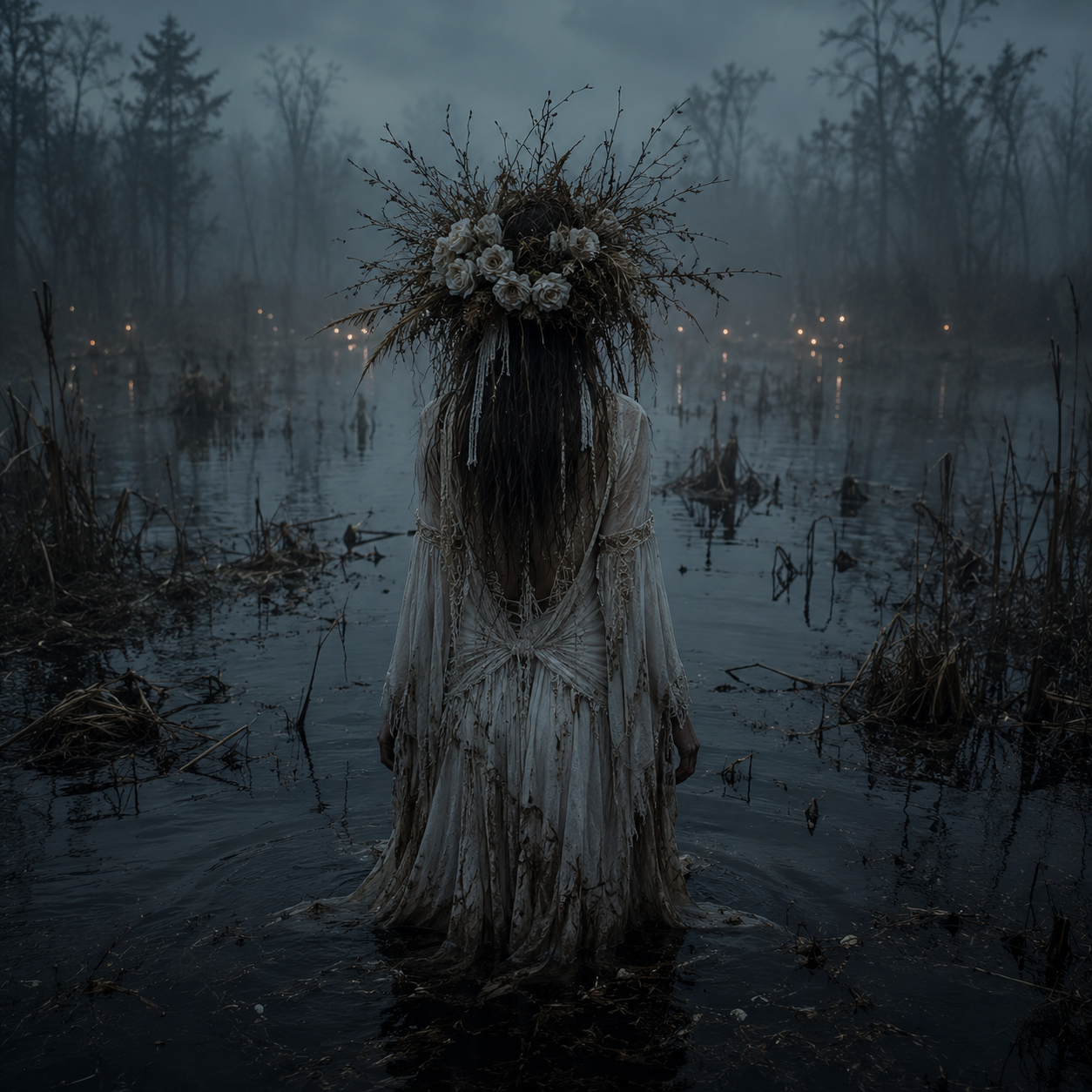
A flooded marshland surrounding a ruined church.
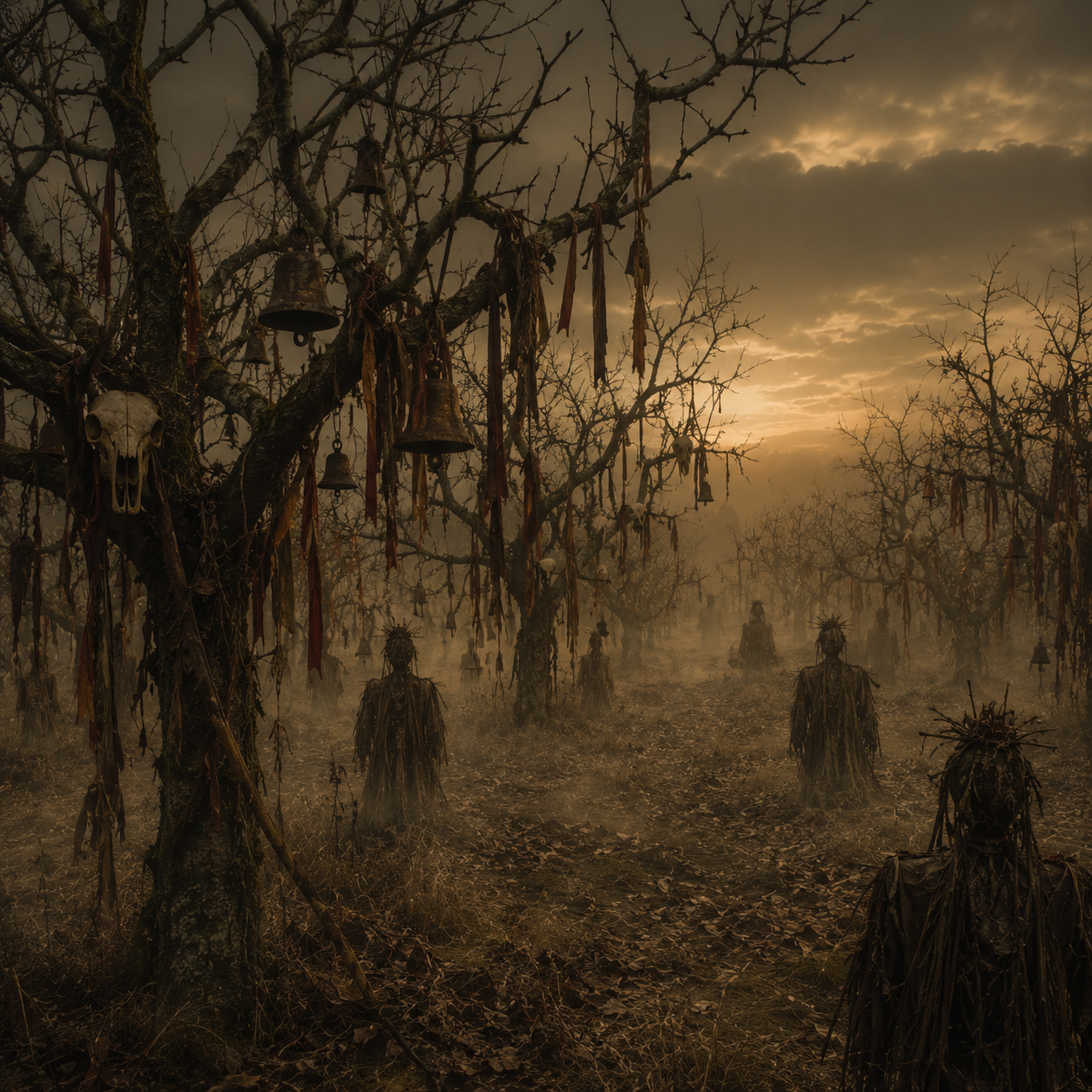
An abandoned orchard decorated with bells, ribbons, and skulls.
A windswept cliffside path lined with standing stones.
A hidden underground cave shrine illuminated by candles.
A decaying lakeside settlement where ceremonial dresses hang from trees.
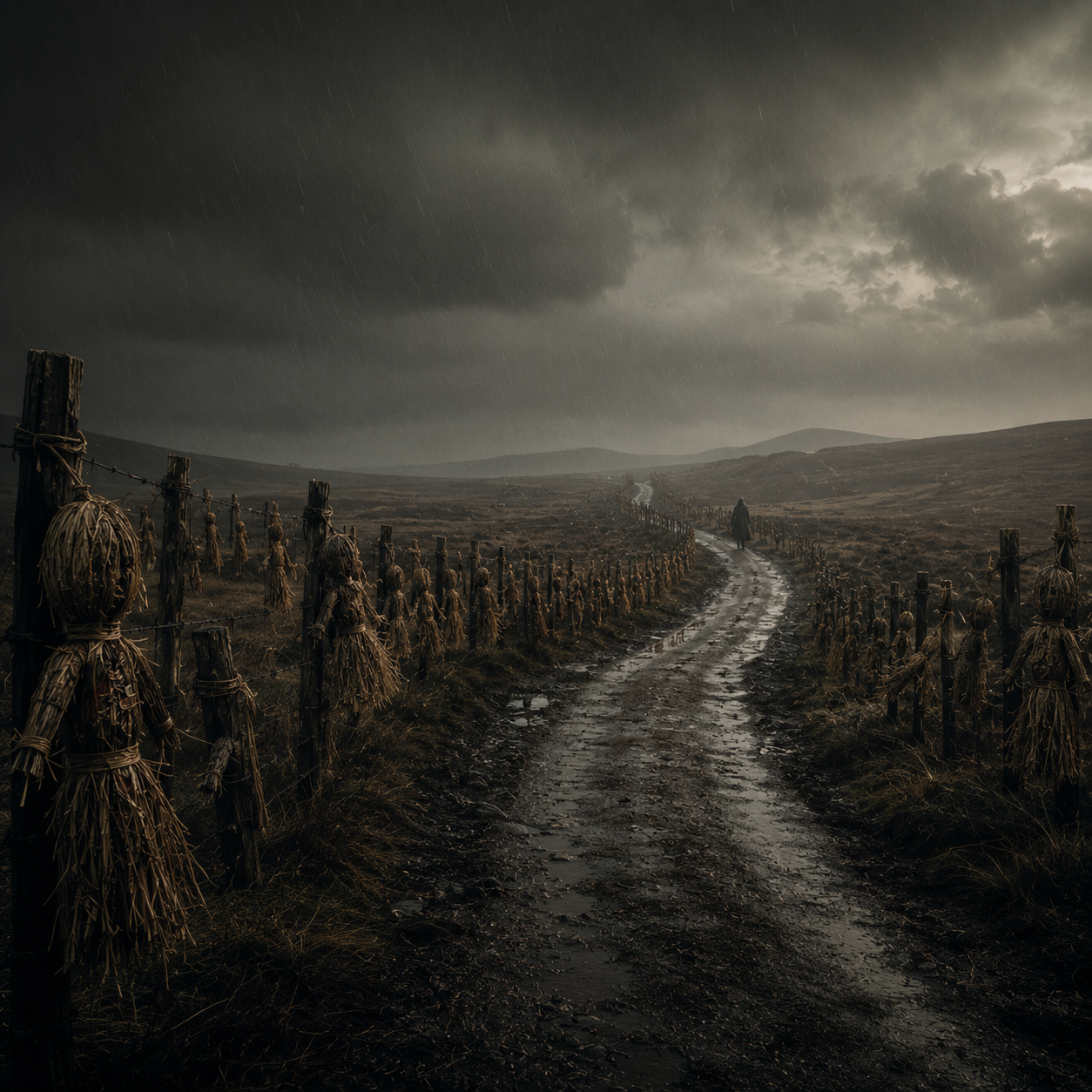
A rain-soaked moorland road surrounded by straw effigies.
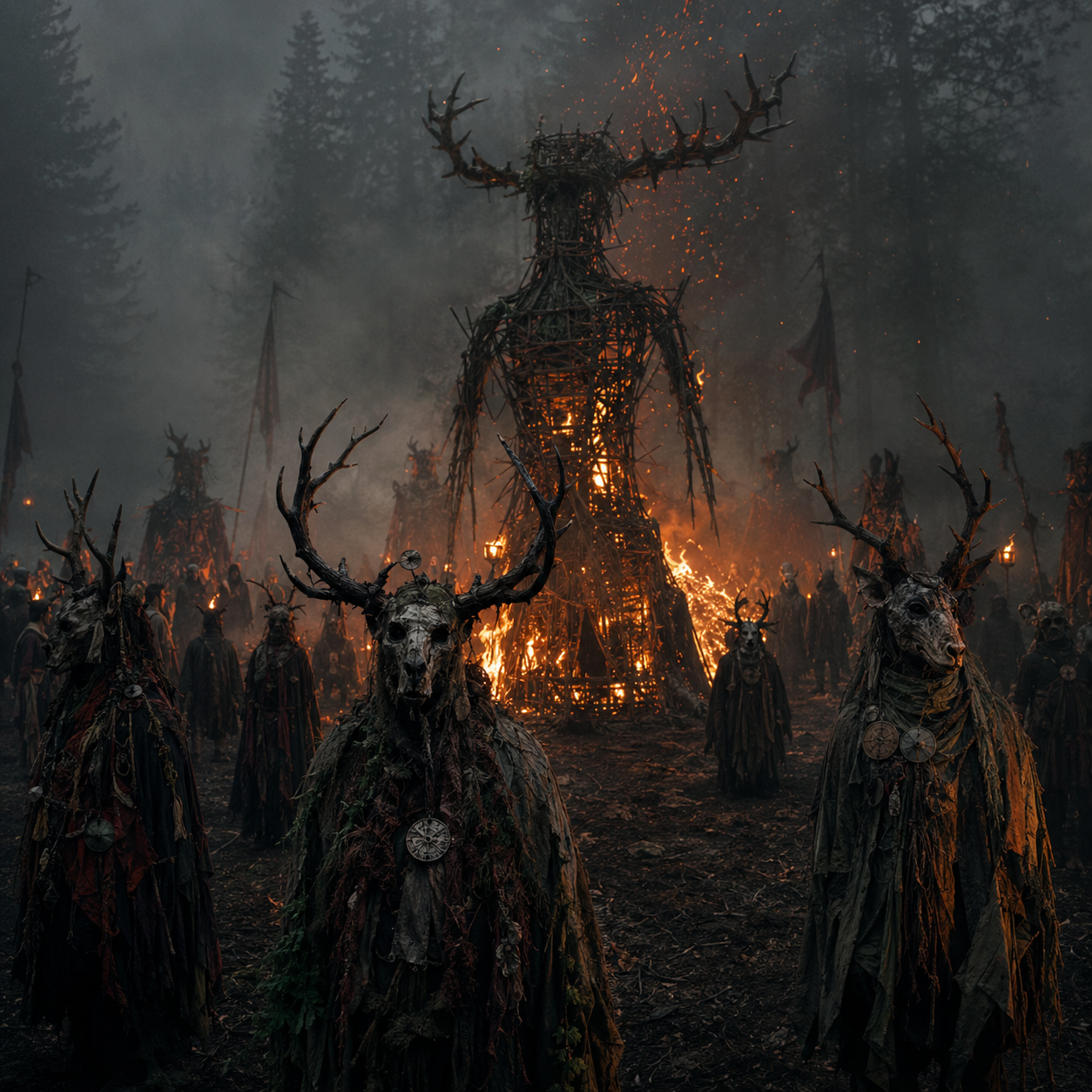
A forgotten harvest field dominated by an enormous wicker figure.
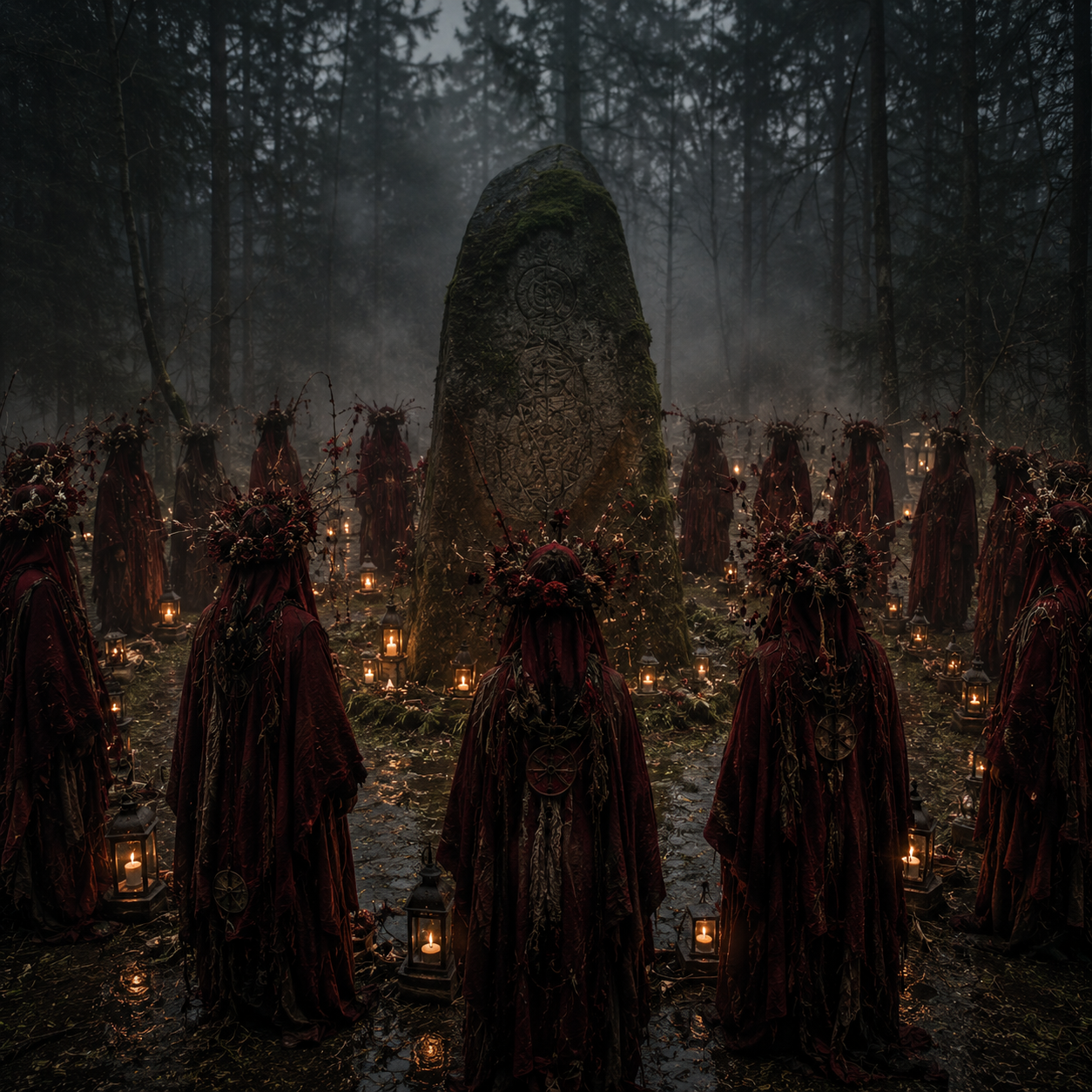
A dense woodland clearing used for ancient rituals.
7. Picture Prompts
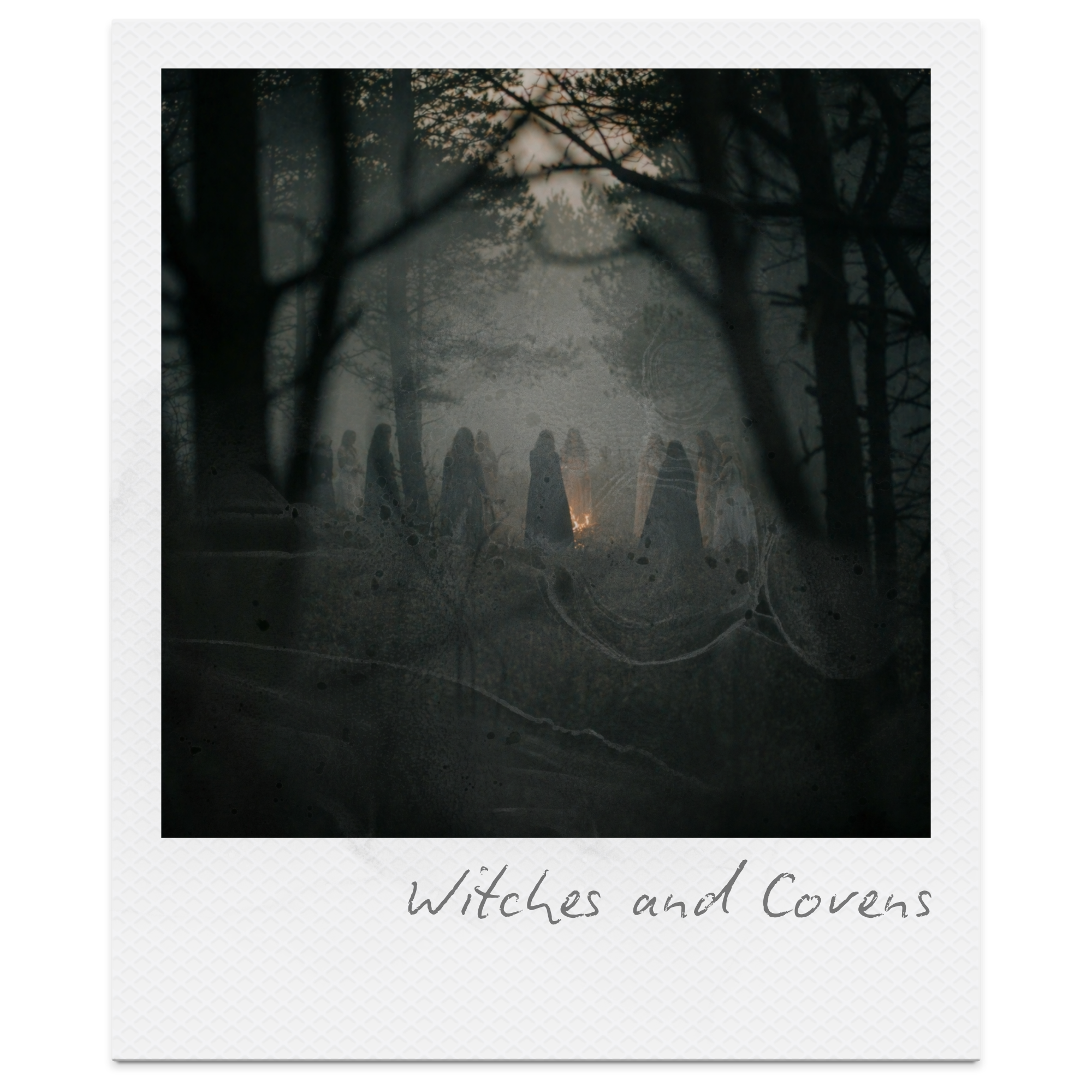
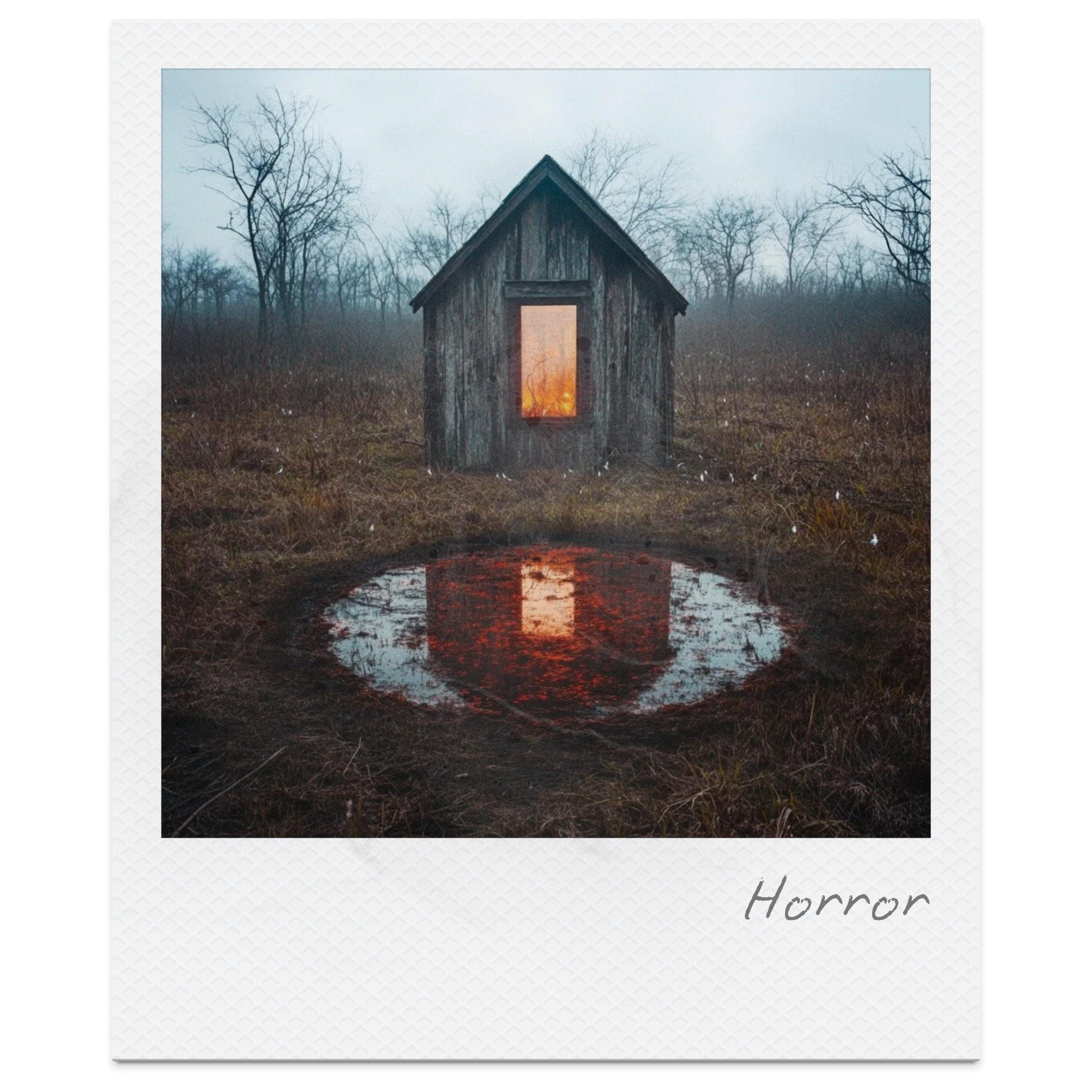
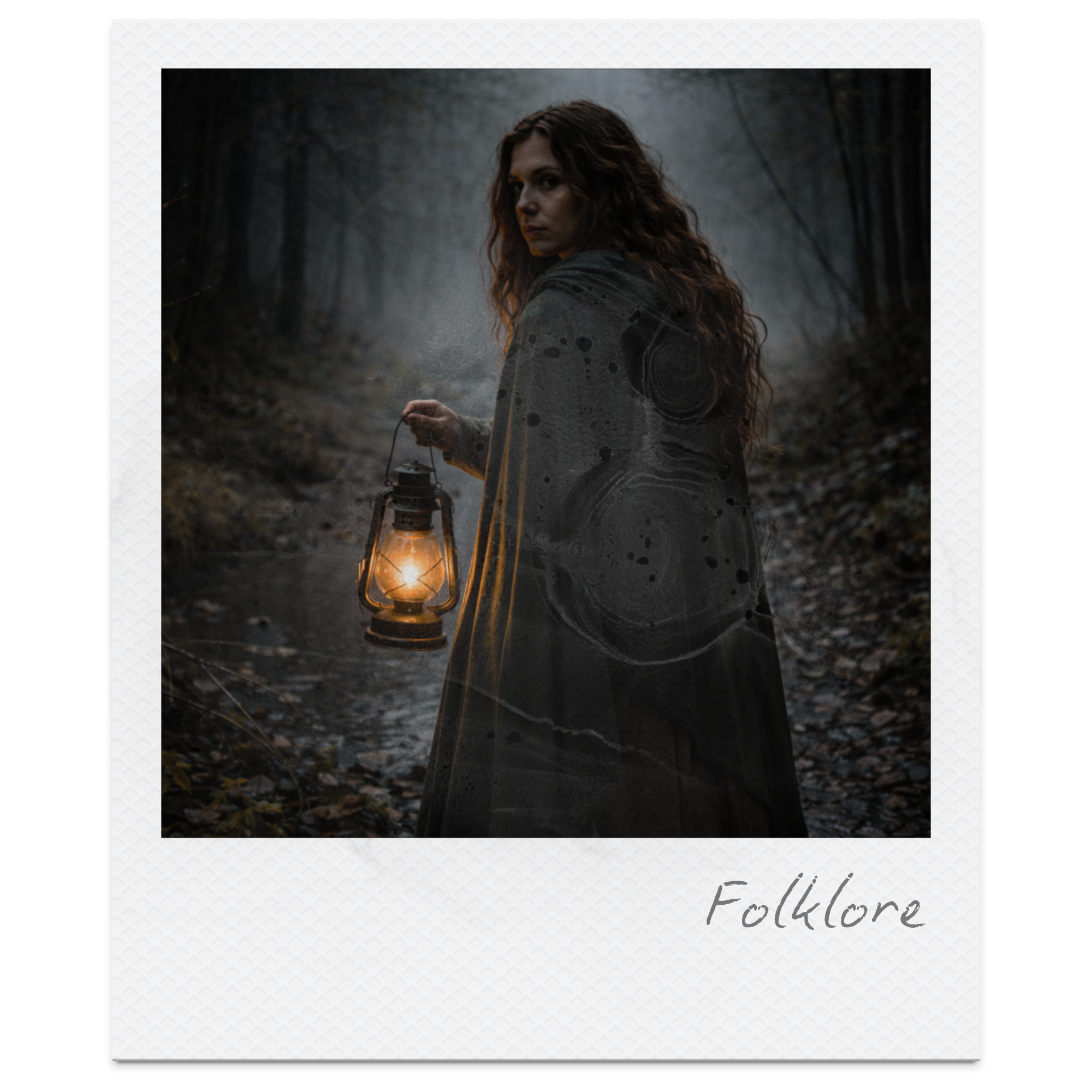
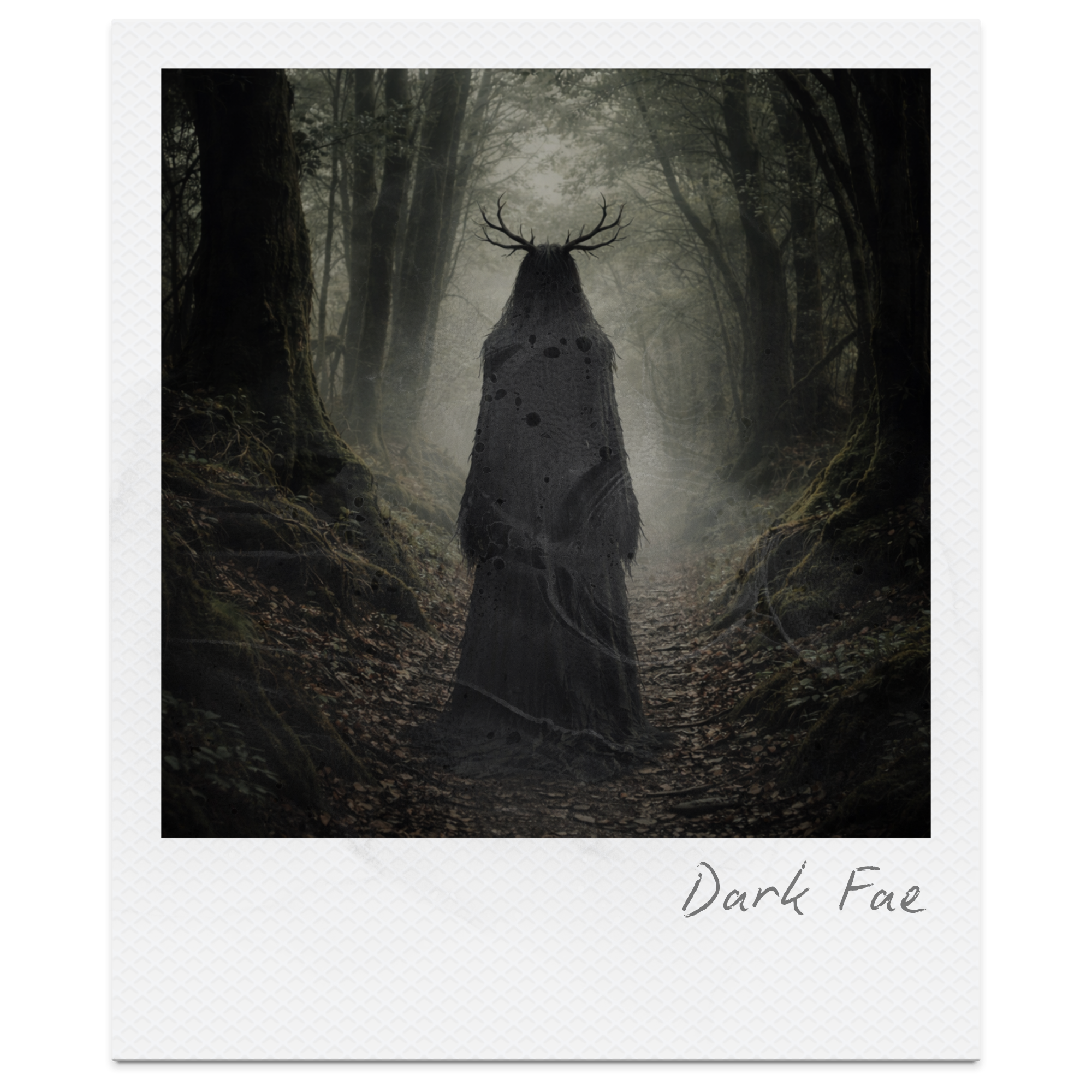
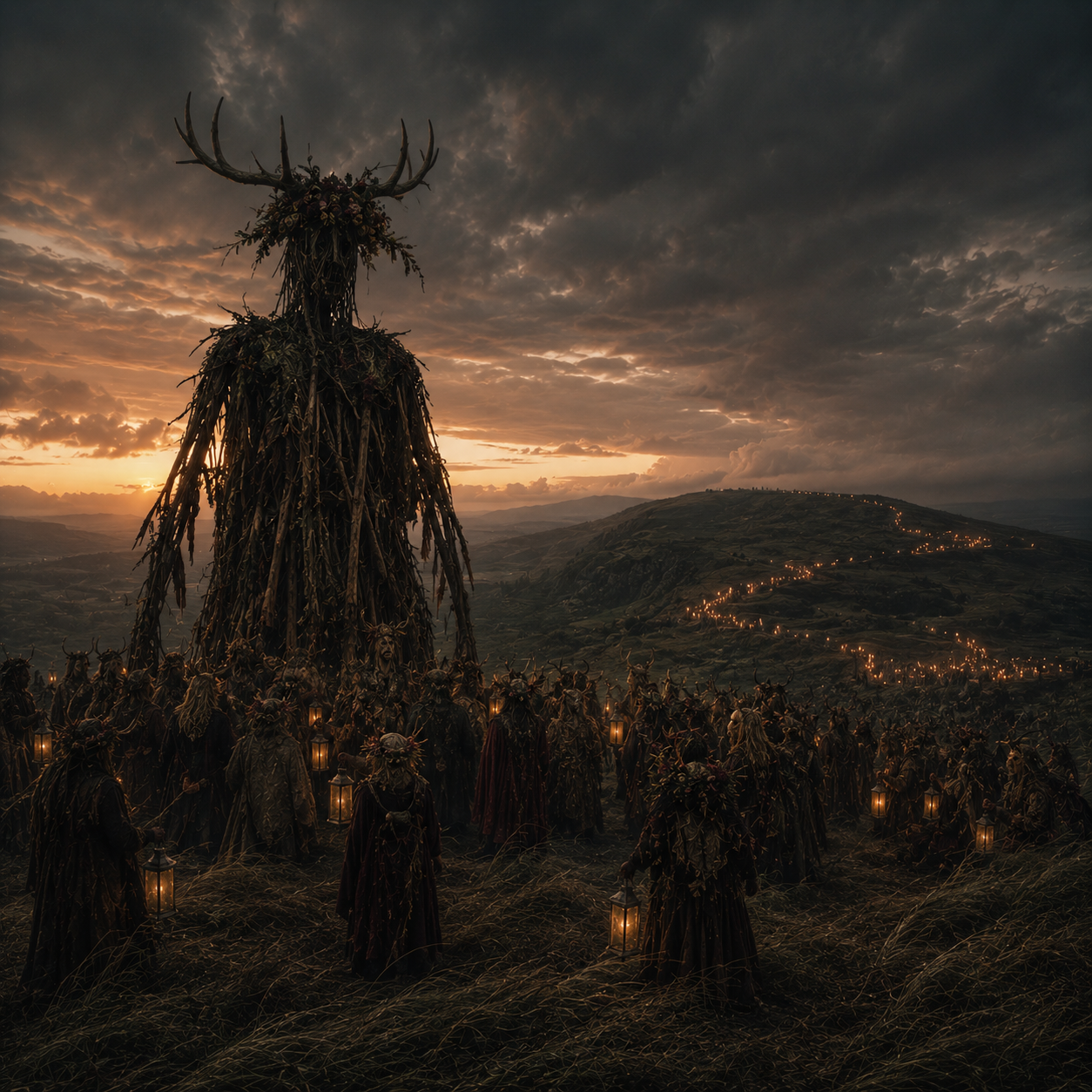
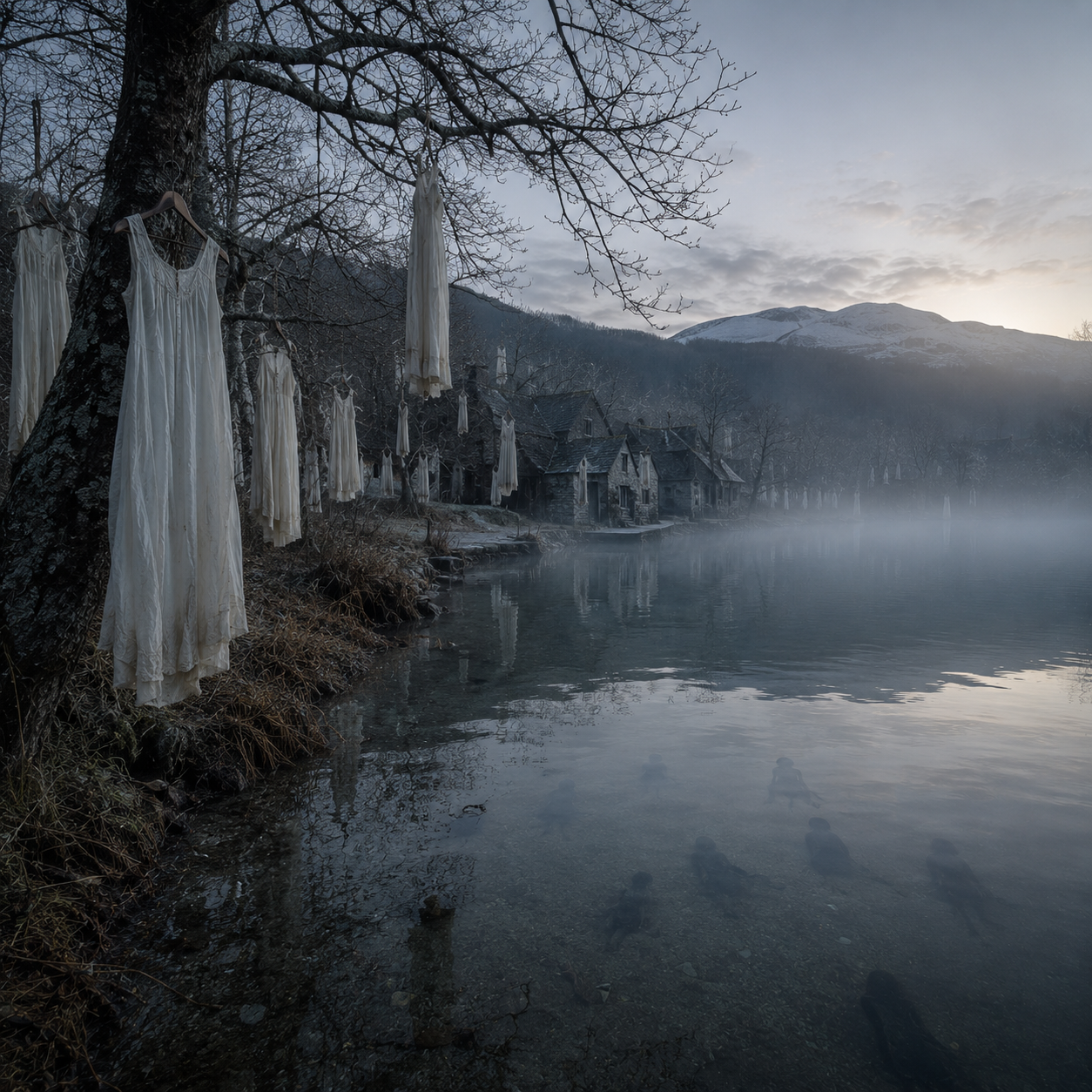
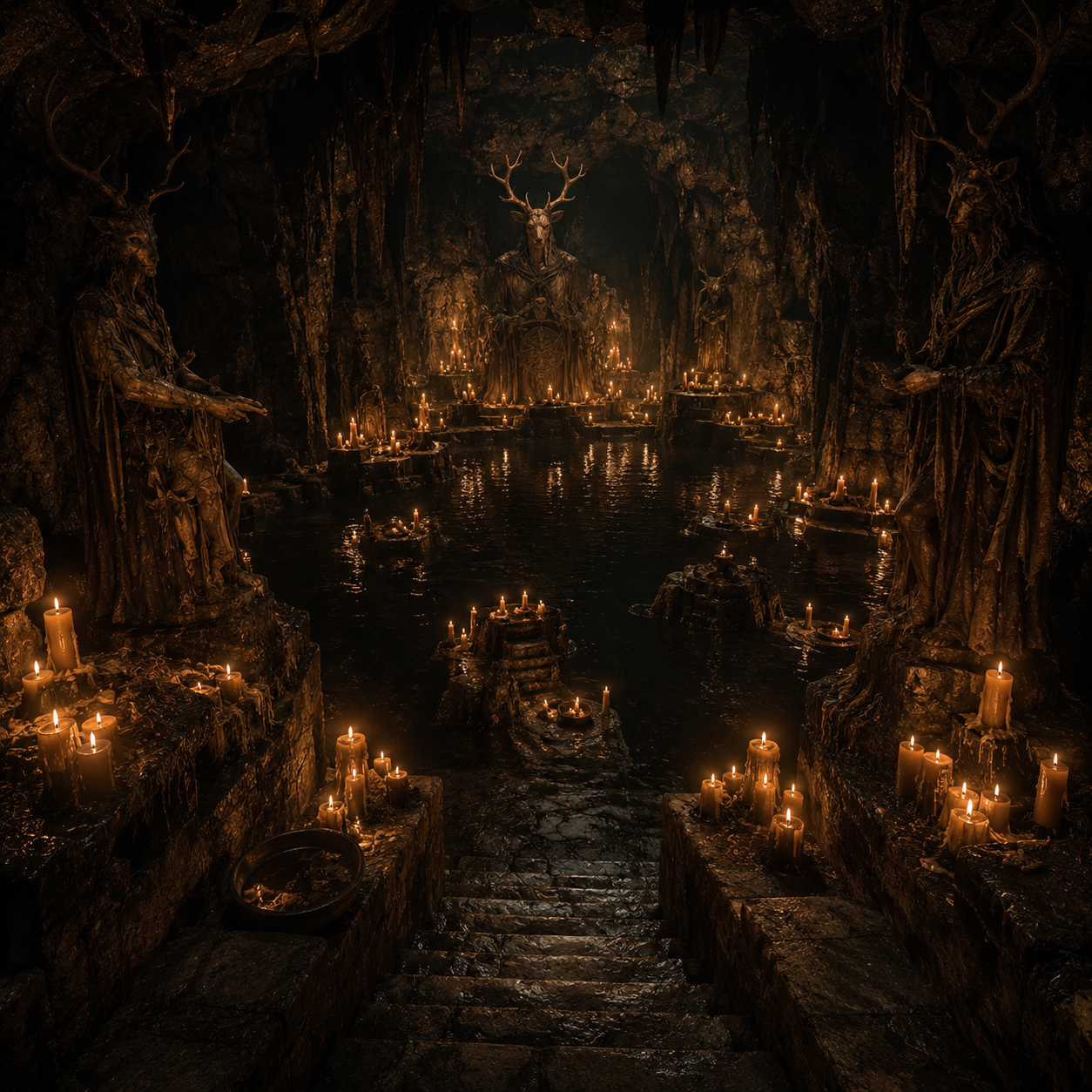
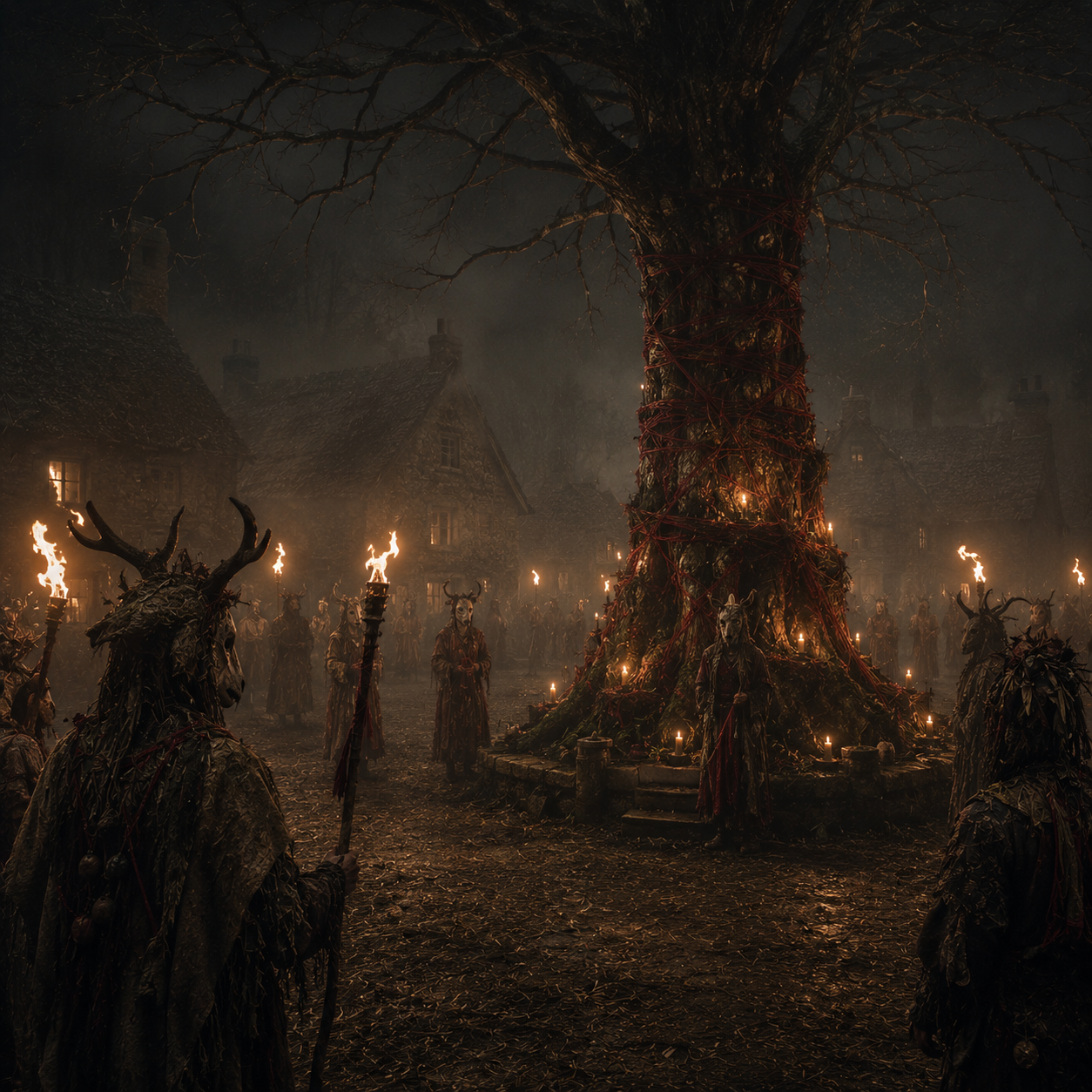
Visual prompts are especially effective for folk horror because atmosphere depends heavily on landscape, ritual, symbolism, isolation, and collective unease. Fog-covered forests, candlelit ceremonies, standing stones, abandoned churches, wicker effigies, antlered masks, drowned villages, ritual clothing, and ancient shrines all encourage stories shaped by inherited fear, folklore, secrecy, and the terrifying persistence of old traditions.
Go Deeper into Folk Horror
Folk horror becomes more unsettling when writers focus on landscape, inherited belief, ritual behaviour, collective silence, and the terrifying persistence of ancient traditions.
◆ Write a scene where a community treats an obviously horrifying ritual as completely ordinary.
◆ Explore how isolation allows dangerous traditions to survive for generations.
◆ Describe the emotional effect of entering a village where outsiders are quietly unwelcome.
◆ Write about a character forced to choose between escaping a ritual or becoming part of it forever.
Final Thoughts
Folk horror combines folklore, ritual, landscape, superstition, and psychological unease to create stories shaped by isolation and ancient fear. These narratives often explore cult behaviour, inherited violence, sacrifice, hidden belief systems, seasonal ritual, and the terrifying possibility that ancient traditions still survive beneath modern society. In many folk horror stories, nature itself feels alive — ancient forests, marshes, rivers, mountains, and forgotten villages becoming part of the horror rather than simply the setting.
These 70 Folk Horror Writing Prompts invite writers to explore ritual ceremonies, isolated villages, antlered figures, standing stones, drowned churches, wicker effigies, hidden shrines, cult gatherings, scarecrow guardians, and landscapes haunted by old belief systems. Whether used for classroom writing, atmospheric storytelling, horror planning, short fiction, or larger novels, these prompts encourage eerie, cinematic storytelling filled with ritual, symbolism, mystery, and slow-building dread.
If you would like to explore more unsettling horror concepts, atmospheric genre fiction, and folklore-inspired storytelling, you can browse the Creative Writing Archive, discover darker narratives inside the Horror Writing Hub, or explore mythic landscapes, supernatural folklore, and ritual storytelling within the Folklore Writing Hub.
Choose Your Next Adventure