Notes from the Inkpot
Writing, teaching, creating - one ink-stained idea at a time.


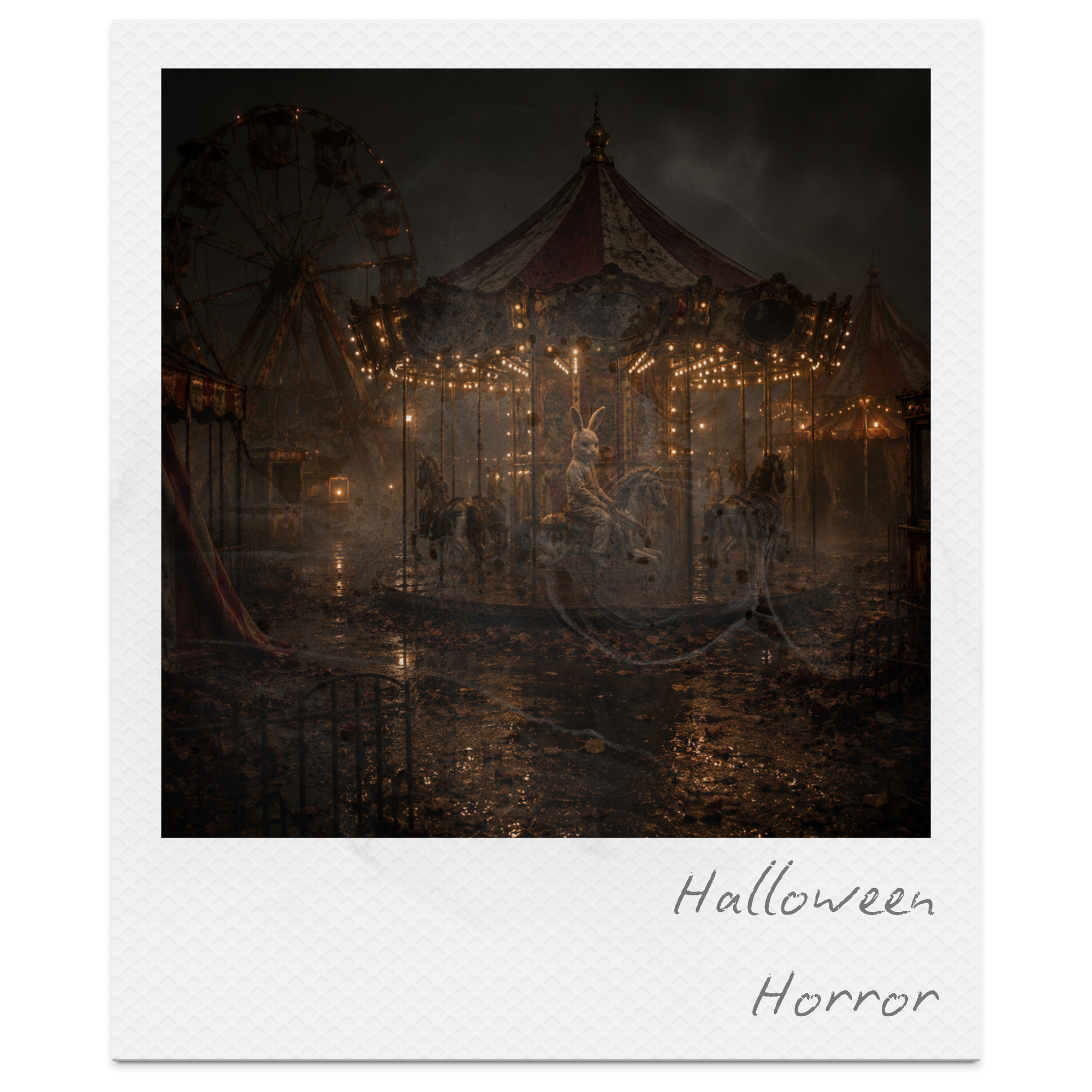
70 Halloween Horror Writing Prompts: Haunted Houses, Cursed Traditions & Autumn Nightmares
Discover 70 Halloween Horror Writing Prompts featuring haunted houses, cursed traditions, ghost stories, abandoned corn mazes, sinister scarecrows, eerie small towns, supernatural folklore, unforgettable characters, atmospheric settings, and cinematic picture prompts to inspire your next terrifying story.
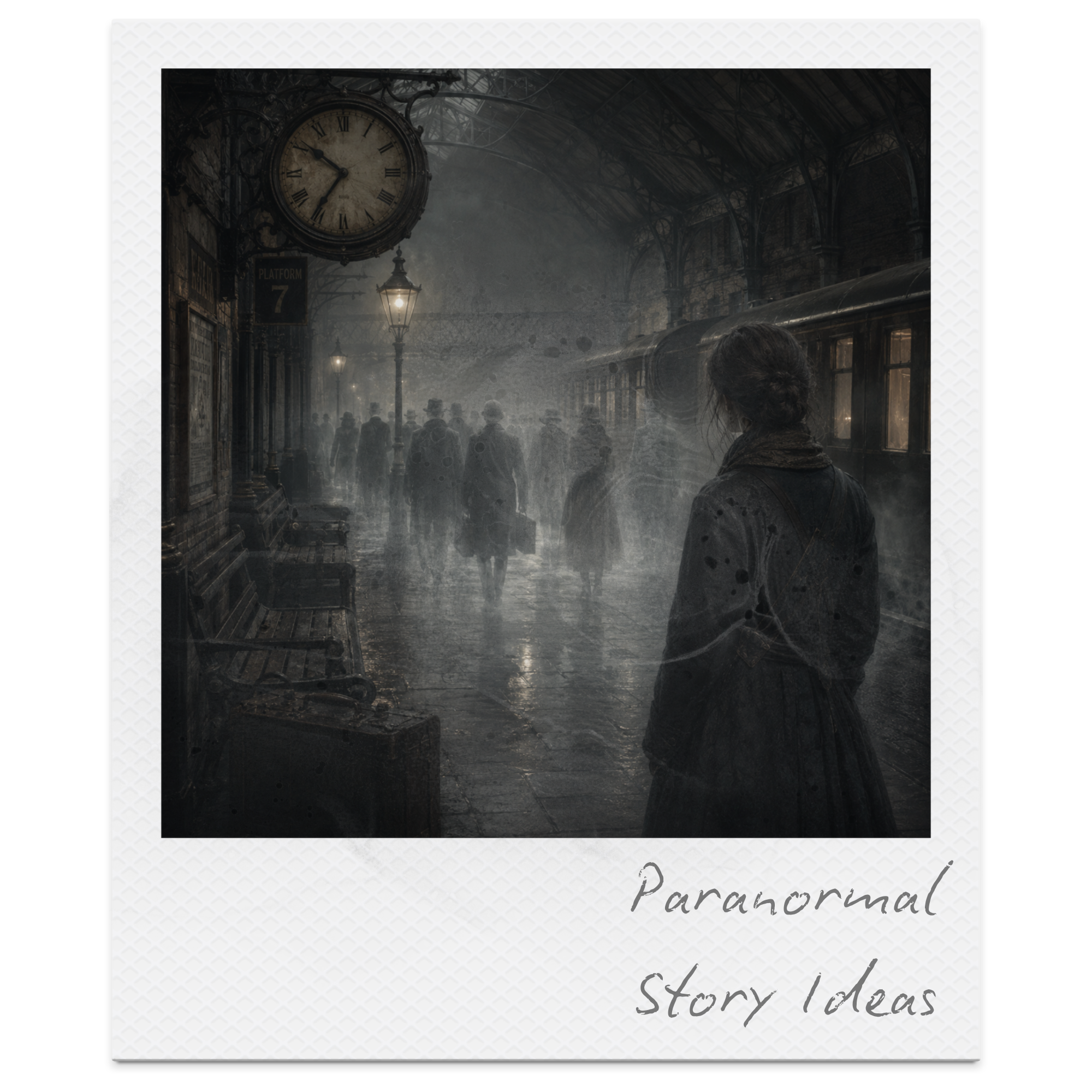
100 Paranormal Story Ideas to Inspire Your Next Supernatural Tale
Discover 100 paranormal story ideas to inspire your next supernatural tale, from ghostly hauntings and cursed artefacts to psychic abilities, cryptids, time slips and reality-bending mysteries. Each original idea includes three story directions to help writers create unforgettable paranormal fiction.
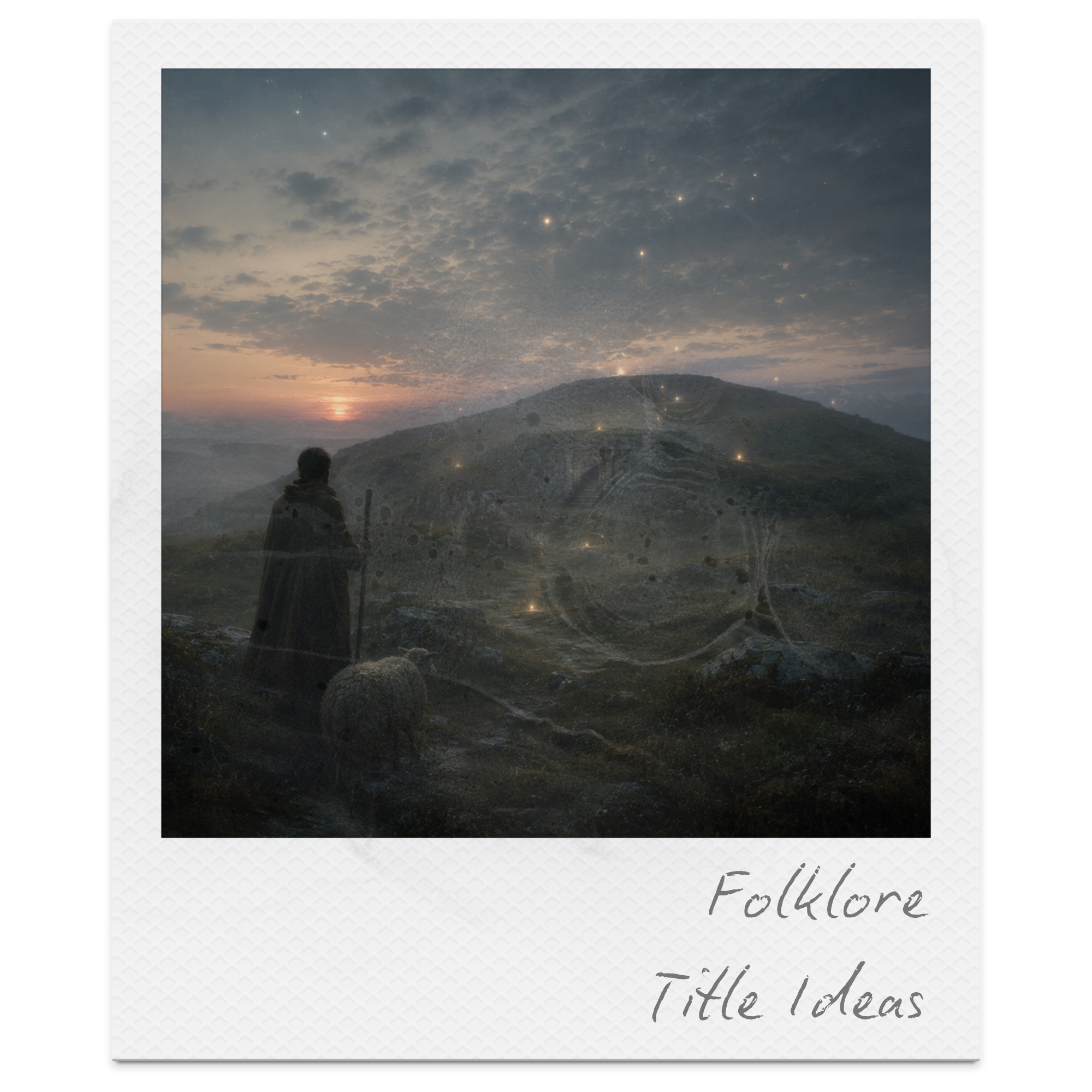
100 Folklore Title Ideas (Original Story Titles & Folklore Writing Inspiration)
Discover 100 original folklore title ideas, each paired with an atmospheric story hook inspired by ancient legends, forgotten villages, sacred landscapes, restless spirits, mythical creatures, old superstitions, hidden kingdoms, and timeless traditions. Perfect for writers creating folklore-inspired novels, folk horror, historical fantasy, paranormal mysteries, and original stories rooted in myth, mystery, and the enduring power of oral storytelling.
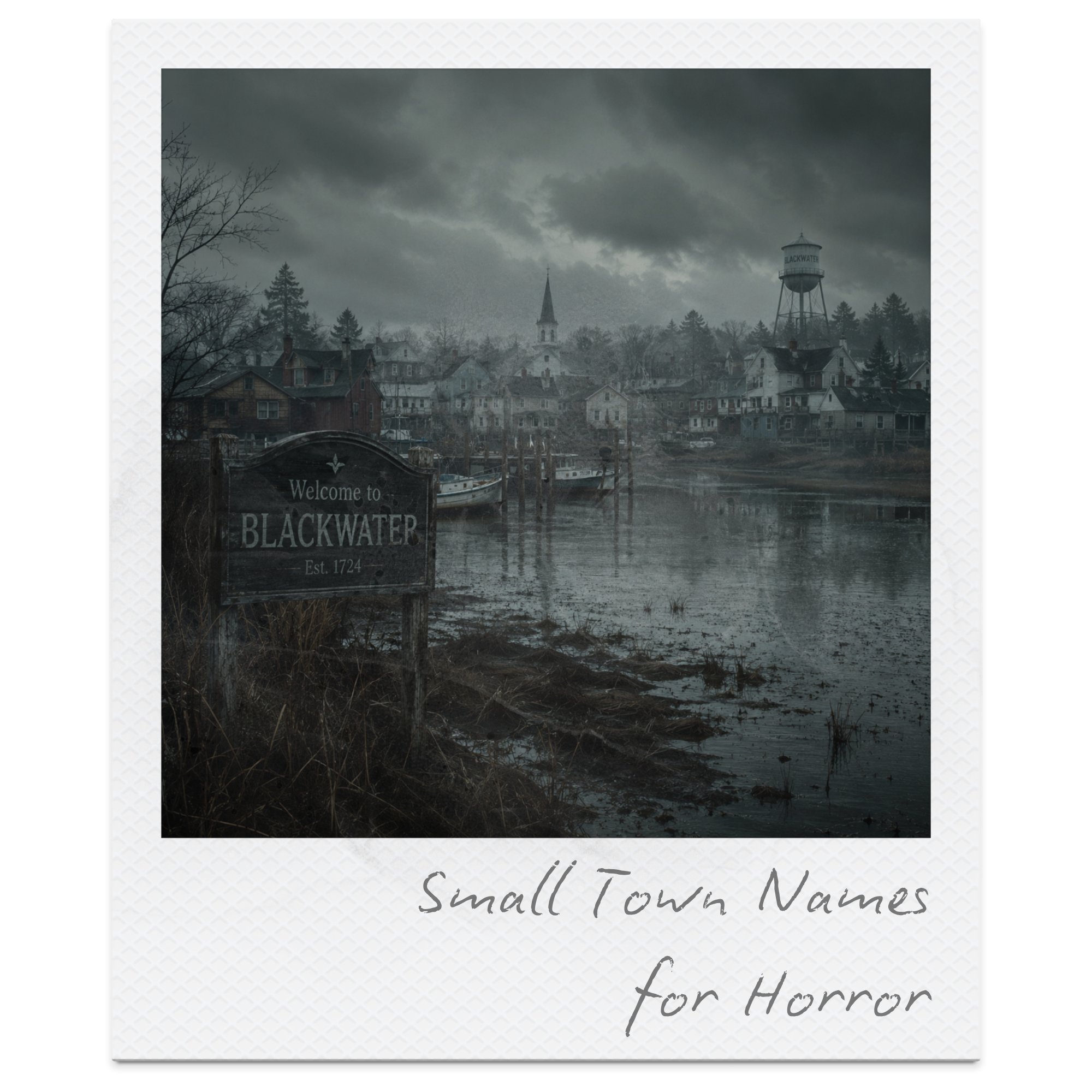
100 Small Town Names for Horror Stories (With Meanings, Symbolism & Story Ideas)
Discover 100 small town names for horror stories, complete with symbolism, atmosphere, and story ideas. From isolated villages and coastal communities to abandoned settlements, mining towns, and cult-like communities, these eerie locations will help you create unforgettable horror settings filled with secrets, folklore, and unsettling histories.
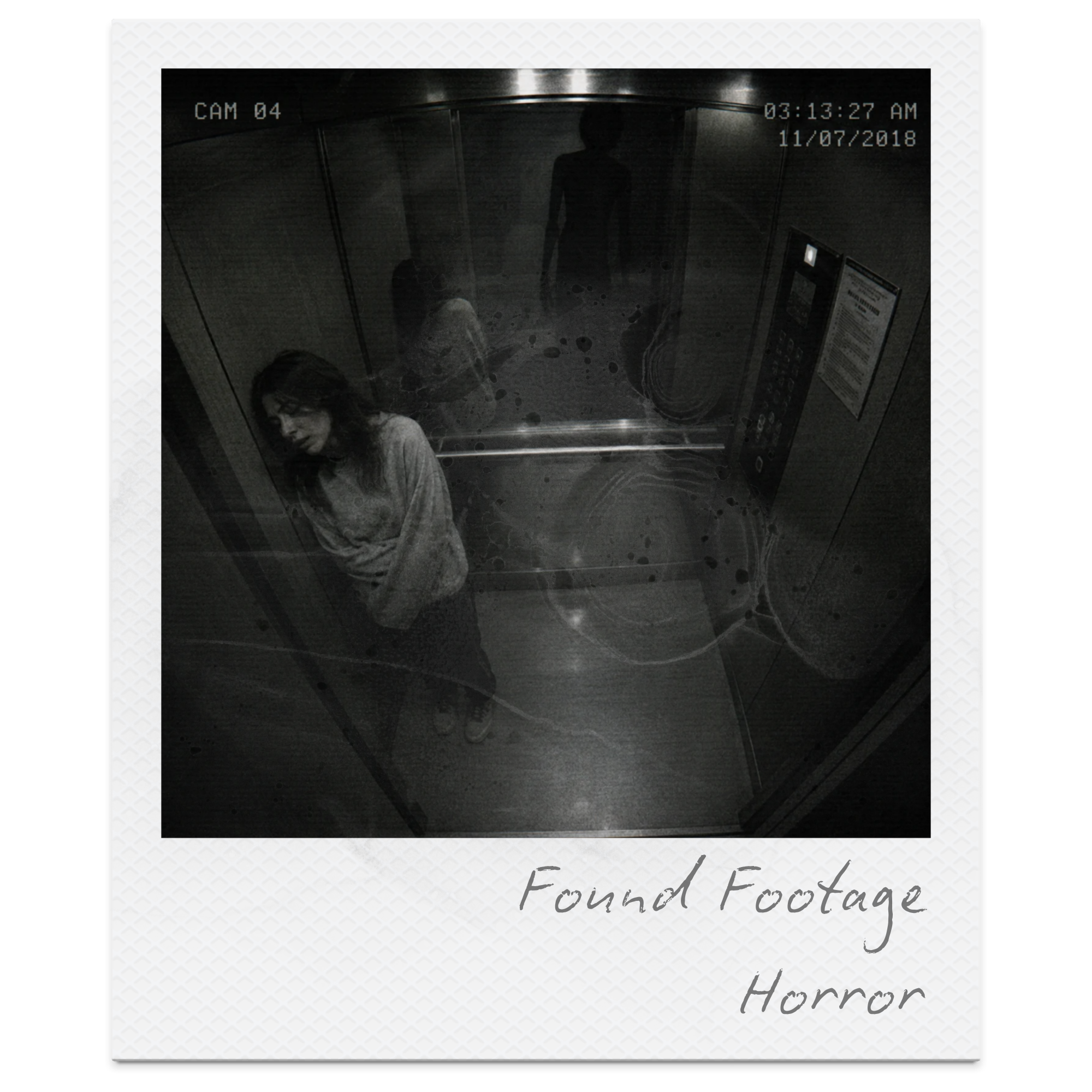
70 Found Footage Horror Writing Prompts: Lost Recordings, Corrupted Evidence & Fragmented Terror
Found footage horror uses recovered recordings, damaged tapes, surveillance footage, livestreams, and fragmented evidence to create fear through realism and uncertainty. From The Blair Witch Project and REC to Paranormal Activity and Lake Mungo, the genre builds terror through incomplete recordings, hidden details, corrupted media, and the terrifying sense that horrifying events were captured accidentally. These 70 Found Footage Horror Writing Prompts explore abandoned recordings, emergency broadcasts, paranormal investigations, missing expeditions, surveillance horror, analog terror, and fragmented storytelling through plot hooks, title ideas, opening lines, setting prompts, character concepts, and cinematic visual inspiration.
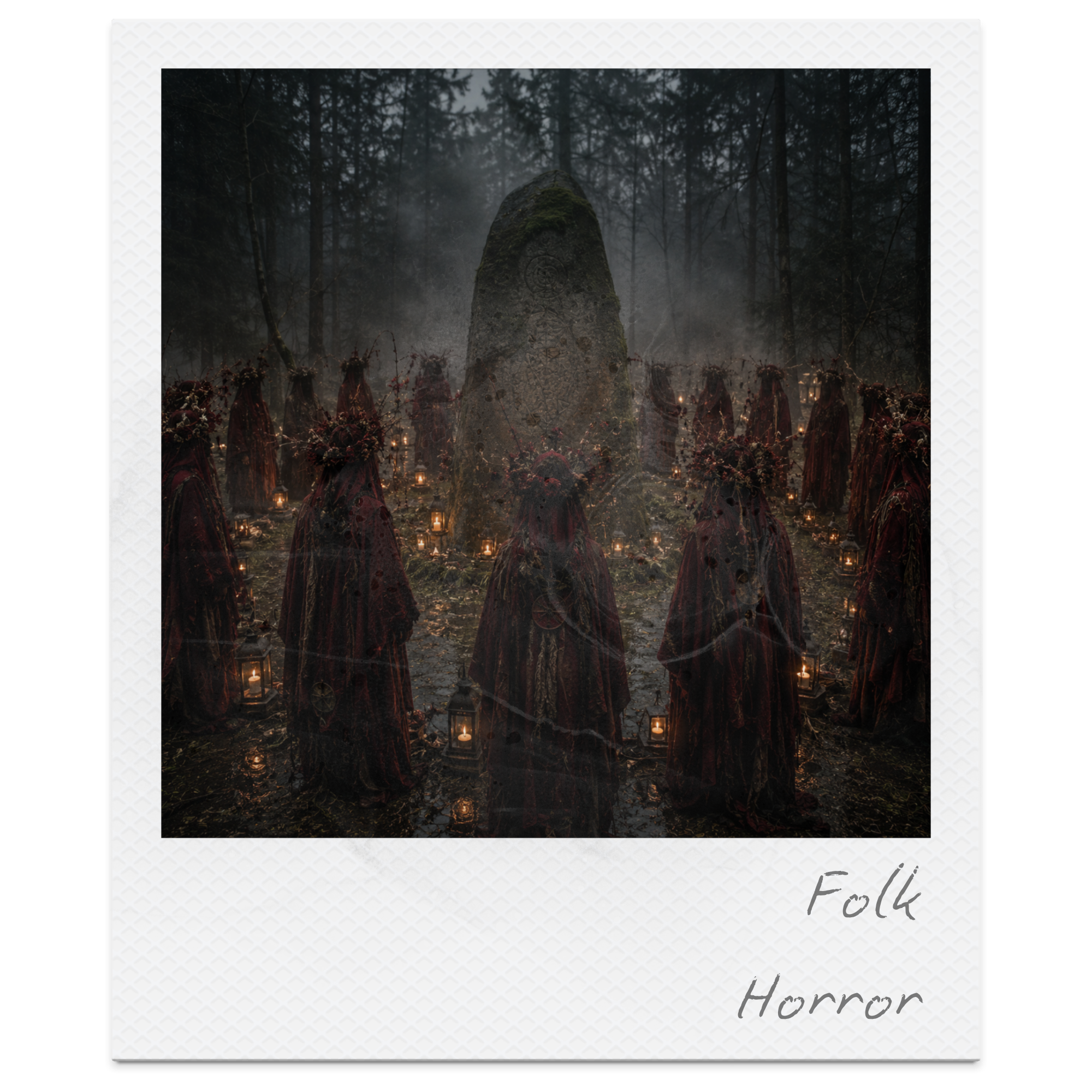
70 Folk Horror Writing Prompts: Rituals, Isolated Villages & Ancient Dread
Folk horror combines folklore, ritual, superstition, isolation, and landscape-driven terror to create stories shaped by ancient fears and collective belief. Unlike fast-paced modern horror, folk horror often unfolds slowly through atmosphere, rural settings, hidden traditions, strange ceremonies, and the growing sense that an isolated community is protecting something ancient and dangerous. These stories frequently explore the tension between modern rationality and older belief systems rooted in nature, sacrifice, seasonal ritual, and inherited violence. This collection of 70 Folk Horror Writing Prompts explores cult rituals, abandoned villages, antlered figures, standing stones, drowned churches, hidden gods, scarecrow effigies, harvest festivals, swamp rituals, and ancient traditions buried deep within isolated landscapes. Designed for atmospheric horror writers, folklore-inspired fiction, and dark speculative storytelling, these prompts combine plot ideas, opening lines, eerie settings, cinematic picture prompts, and unsettling character concepts to inspire haunting stories filled with ritual, dread, and psychological unease.
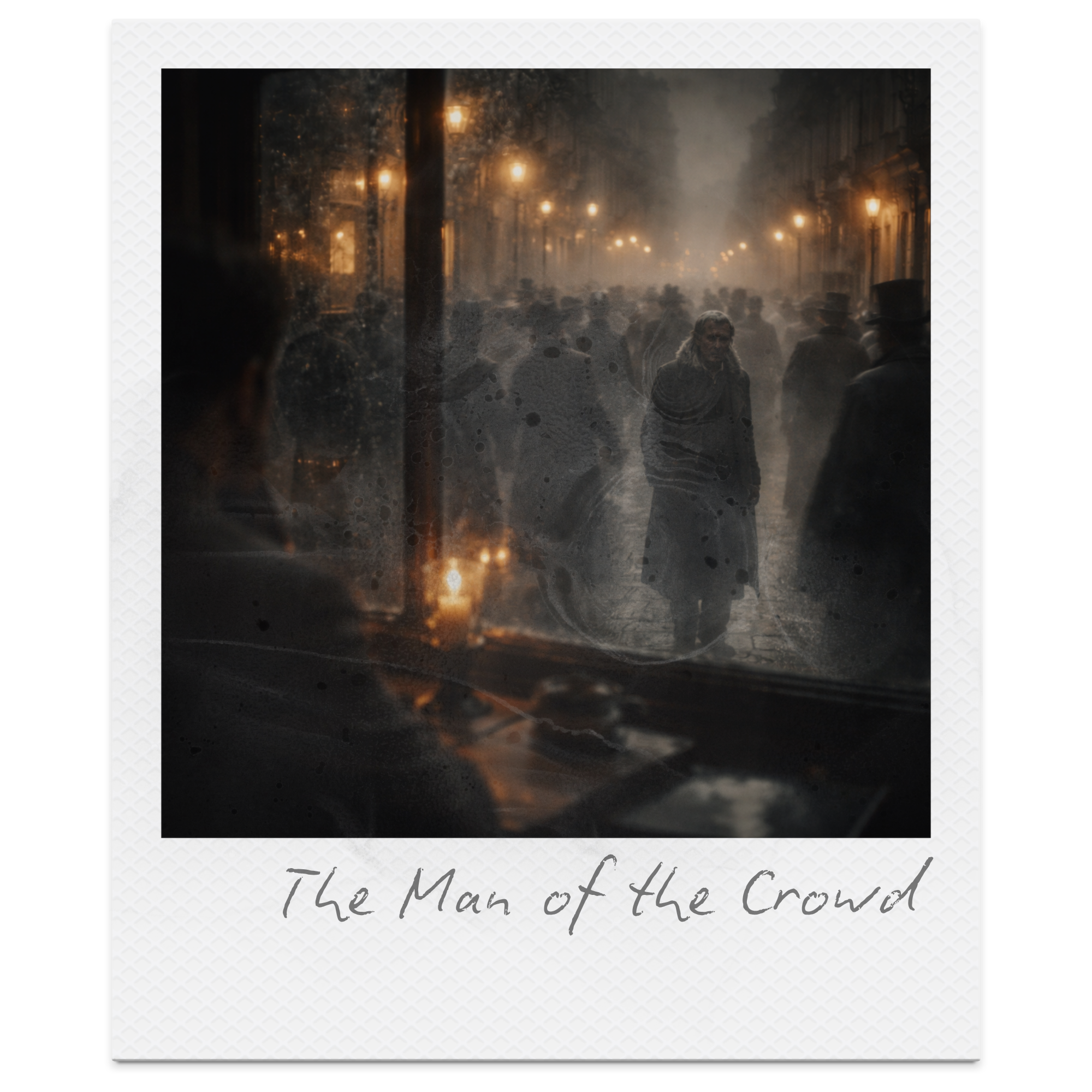
The Man of the Crowd by Edgar Allan Poe: Summary, Themes, Symbolism & Psychological Analysis
The Man of the Crowd by Edgar Allan Poe is a compelling exploration of urban anonymity, psychological obsession, and the limits of human understanding. Set against the restless backdrop of London, the story follows a narrator who becomes fixated on a mysterious old man whose expression defies interpretation. What begins as casual observation quickly develops into an intense pursuit, raising unsettling questions about whether people can ever truly be known. At its core, the story examines identity, surveillance, alienation, and unknowability, presenting the modern city as a space where individuals are both constantly visible and fundamentally hidden. Through its cyclical structure and ambiguous ending, Poe challenges the idea that observation leads to truth, instead suggesting that some lives — and some minds — remain permanently beyond comprehension.
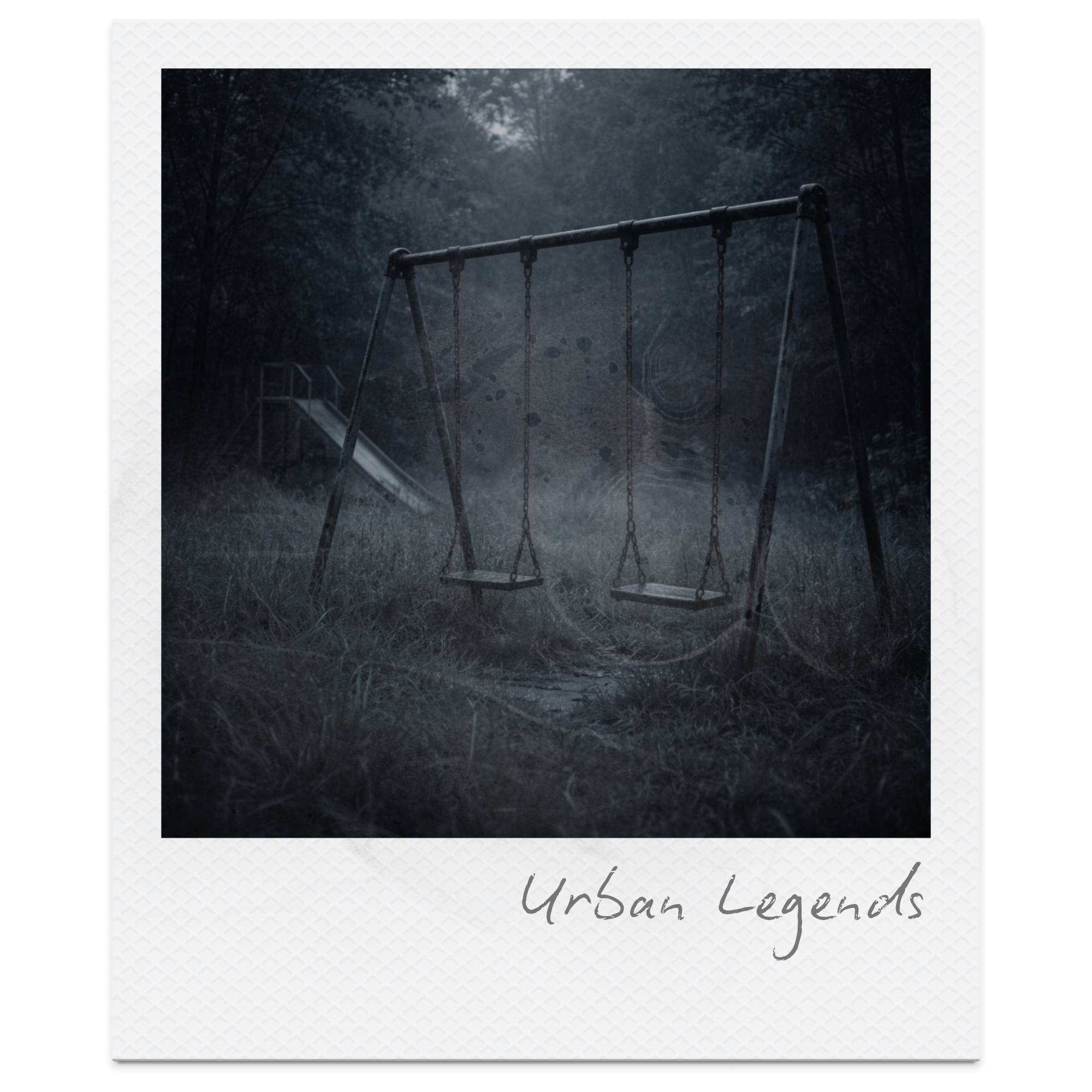
70 Urban Legend–Inspired Writing Prompts for Teens: Modern Folklore, Myths & Unseen Threats
Urban legends live in the space between belief and denial — stories passed quietly, rarely confirmed, and shaped by repetition rather than proof. Rooted in modern folklore, these narratives attach unease to ordinary places and routines, transforming roads, buildings, and shared habits into sources of quiet tension. This collection of 70 Urban Legend–Inspired Writing Prompts for Teens brings together plot hooks, opening and closing lines, character ideas, settings, and visual inspiration designed for atmosphere-driven storytelling. Ideal for creative writing lessons, classrooms, and independent projects, the prompts encourage writers to explore modern myths, uncertainty, and consequence with restraint rather than spectacle.