70 Urban Legend–Inspired Writing Prompts for Teens: Modern Folklore, Myths & Unseen Threats
Urban legends have always existed in the space between belief and denial — stories passed quietly, half-remembered, and rarely confirmed. Rooted in modern folklore, these narratives thrive on uncertainty rather than spectacle, drawing power from suggestion, repetition, and the sense that something might be true simply because people refuse to talk about it. From roads no one drives at night to rules no one remembers agreeing to, urban legends reveal how fear attaches itself to ordinary places and everyday routines.
Urban legend–inspired writing prompts invite teen writers to explore stories where the threat is often unseen and the danger is implied rather than explained. Instead of jump scares or monsters on display, these prompts focus on atmosphere, consequence, and the slow realisation that a place, habit, or rumour carries meaning. Designed for creative writing lessons, English classrooms, writing clubs, or independent projects, this collection encourages writers to work with modern myths, quiet tension, and narrative restraint — shaping stories that linger long after they end.
If you’d like to explore more folklore-inspired writing prompts, modern myth collections, or atmosphere-led storytelling ideas, you can browse the full Creative Writing Archive to discover new genres, themes, and ways to shape your next story.
1. Plot Hooks
Urban legend plot hooks often centre on ordinary places that carry unspoken rules. Rooted in modern folklore, these stories rely on repetition, rumour, and the quiet sense that something has gone wrong — or always was. Each prompt below is designed to suggest threat without explanation, allowing writers to build tension through implication, setting, and consequence.
Write about a stretch of road locals avoid after dark, and the teenager who takes it anyway because the detour feels worse.
Write about a school stairwell that adds an extra step at night, and the rule about never counting them aloud.
Write about a town where everyone locks their doors at the same time each evening, even though no one remembers why.
Write about a bus route that only appears on certain nights, taking passengers somewhere familiar but slightly altered.
Write about a swimming pool that is never drained, and the reason the lifeguards rotate so frequently.
Write about a message that appears written on fogged mirrors across the neighbourhood, always disappearing before anyone can photograph it.
Write about a playground where children refuse to use one particular piece of equipment, despite there being no obvious danger.
Write about a local tradition that everyone follows automatically, until one person forgets.
Write about a building scheduled for demolition that people swear has already been torn down before.
Write about a warning shared online that locals insist is not a joke, even though no evidence exists.
2. Title Ideas
Urban legend titles often sound incomplete, as though something important has been left unsaid. Influenced by modern myths and folklore storytelling, these titles suggest atmosphere and unease without revealing the story’s centre.
The Road
We Don’t Use That Stairwell
The Last Stop Isn’t Listed
Everyone Locks Their Doors
What Happened at the Pool
The Message on the Glass
Rules No One Wrote Down
After Midnight, It Changes
The Night the Town Forgot
Some Warnings Aren’t Jokes
3. Opening Lines
Strong urban legend opening lines establish unease immediately, often by treating the strange as normal. Rather than explaining the legend, these lines invite readers into a world where the rules already exist — and breaking them has consequences.
Everyone in town knew not to take that road, but no one could remember who decided it.
The stairwell only changed after the lights went out.
The bus arrived three minutes late, just like the rumour said it would.
No one ever told us to lock the doors at eight — we just did.
The message appeared on my mirror the same night the warning was posted online.
They said the pool was safe as long as you didn’t swim alone.
I realised something was wrong when the building was still there.
The playground was empty, except for the one swing no one used.
The rule was simple: don’t look back.
I didn’t believe the story until it used my name.
4. Closing Lines
Urban legend endings rarely offer resolution. Instead, they suggest survival, repetition, or quiet acceptance — allowing the story to linger beyond its final sentence.
By morning, everything looked the same, which felt worse.
The road was still there, waiting.
No one asked where the extra step went.
The bus never came again, but the warning stayed.
We kept locking the doors, even after it stopped happening.
The message didn’t return, but neither did the feeling of safety.
They rebuilt the playground exactly the same.
I followed the rule after that.
The story spread faster once it was denied.
Some legends only exist because we keep living with them.
5. Character Ideas
Urban legend characters are often defined by proximity rather than power — witnesses, rule-followers, and those who arrive too late. These character ideas support character-driven storytelling, focusing on reaction, belief, and moral choice rather than heroism.
A teenager who grew up following a rule without ever questioning it, and what happens when they finally do.
A newcomer to town who doesn’t know the stories everyone else treats as common knowledge.
A bus driver assigned to a route no one talks about.
A student responsible for locking up a school building at night, who begins to notice patterns others ignore.
A lifeguard who understands why the pool is never emptied, but can’t explain it without sounding insane.
A local influencer who accidentally spreads a warning they were told never to share publicly.
A caretaker who knows which areas of a building must remain undisturbed.
A child who understands the legend better than the adults.
A person who breaks the rule and survives — but is never the same.
Someone tasked with enforcing a tradition they don’t believe in.
6. Setting Ideas
Urban legend settings are ordinary places shaped by repetition and rumour. Drawing on modern folklore, these locations feel familiar until a detail shifts, making the setting an active force in the story.
A pedestrian tunnel locals cross quickly without explanation.
A housing estate where one flat is always empty.
A stretch of countryside road without phone signal.
A public swimming pool that closes earlier than posted.
A multi-storey car park with inconsistent floor numbers.
A school corridor that is always locked after hours.
A bus stop with no timetable.
A playground bordered by woods.
A town square that empties unnaturally fast at night.
A block of flats where sounds travel incorrectly.
7. Picture Prompts
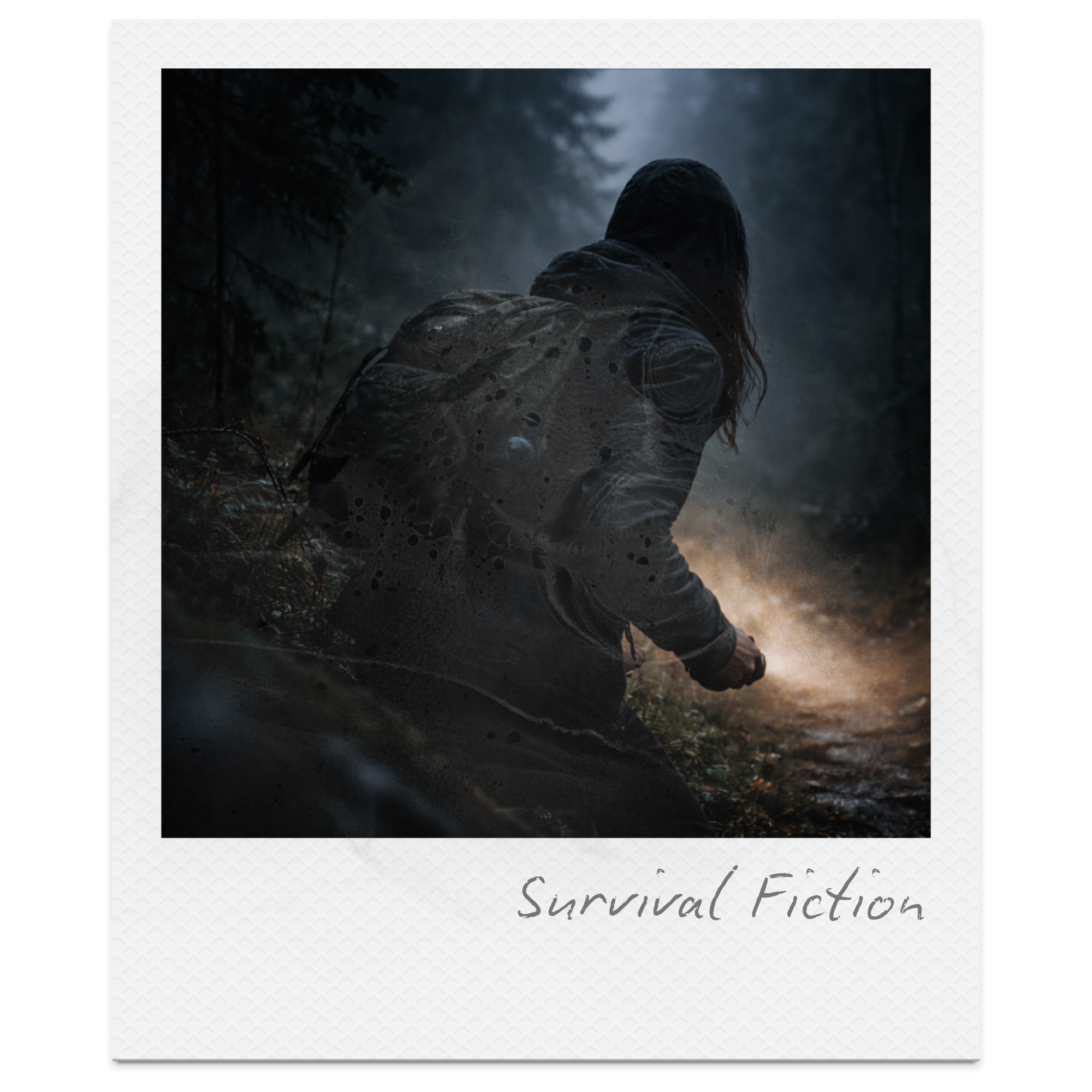
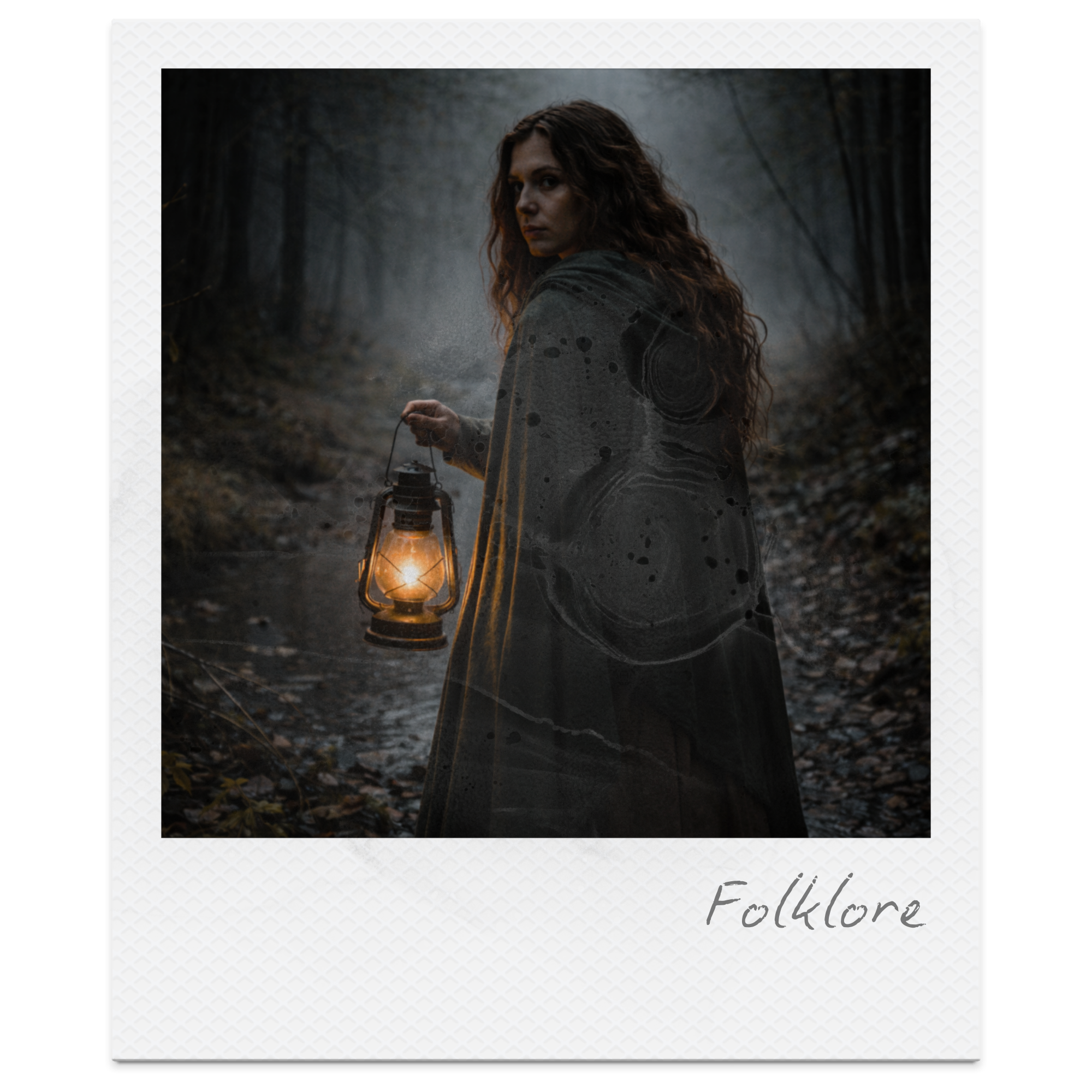
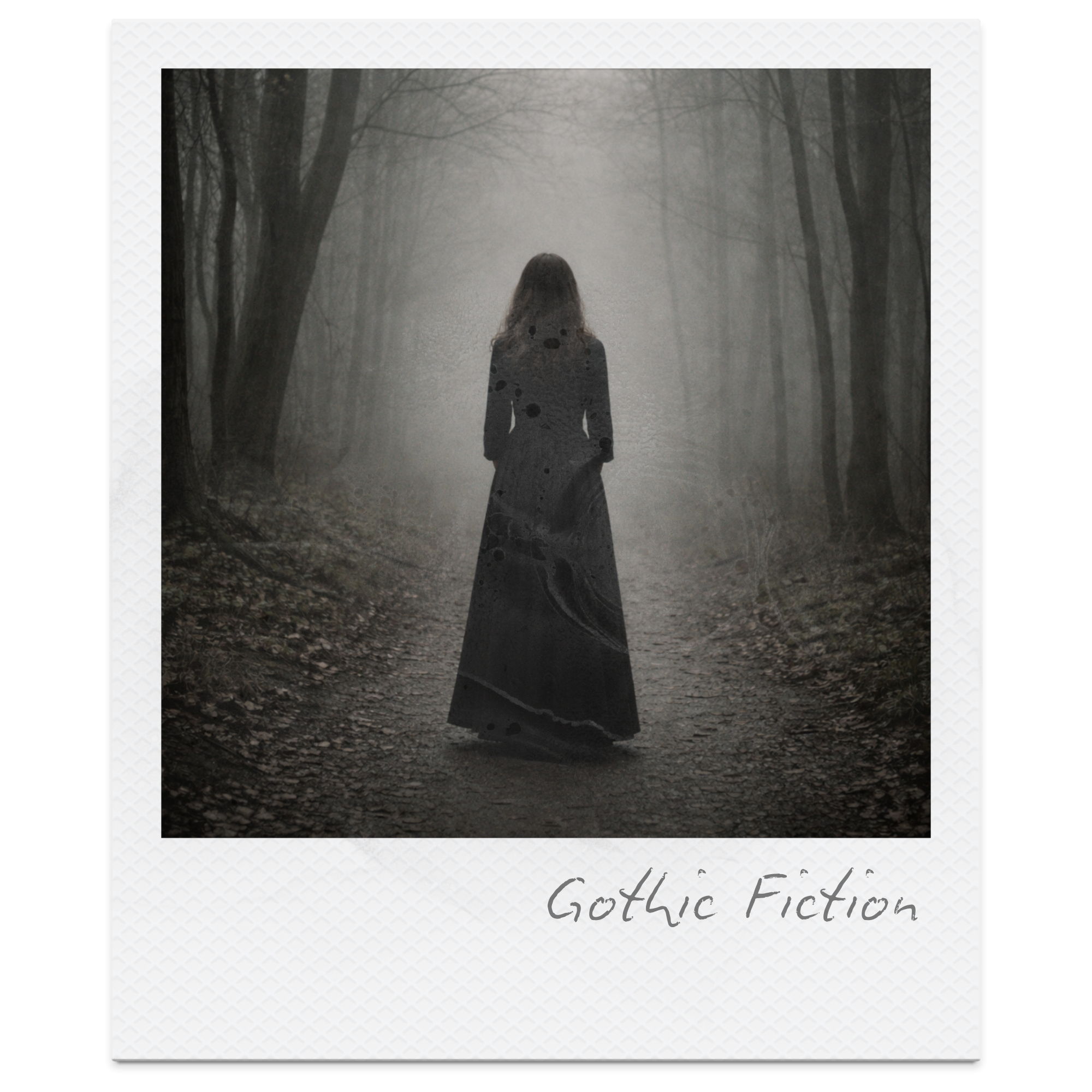
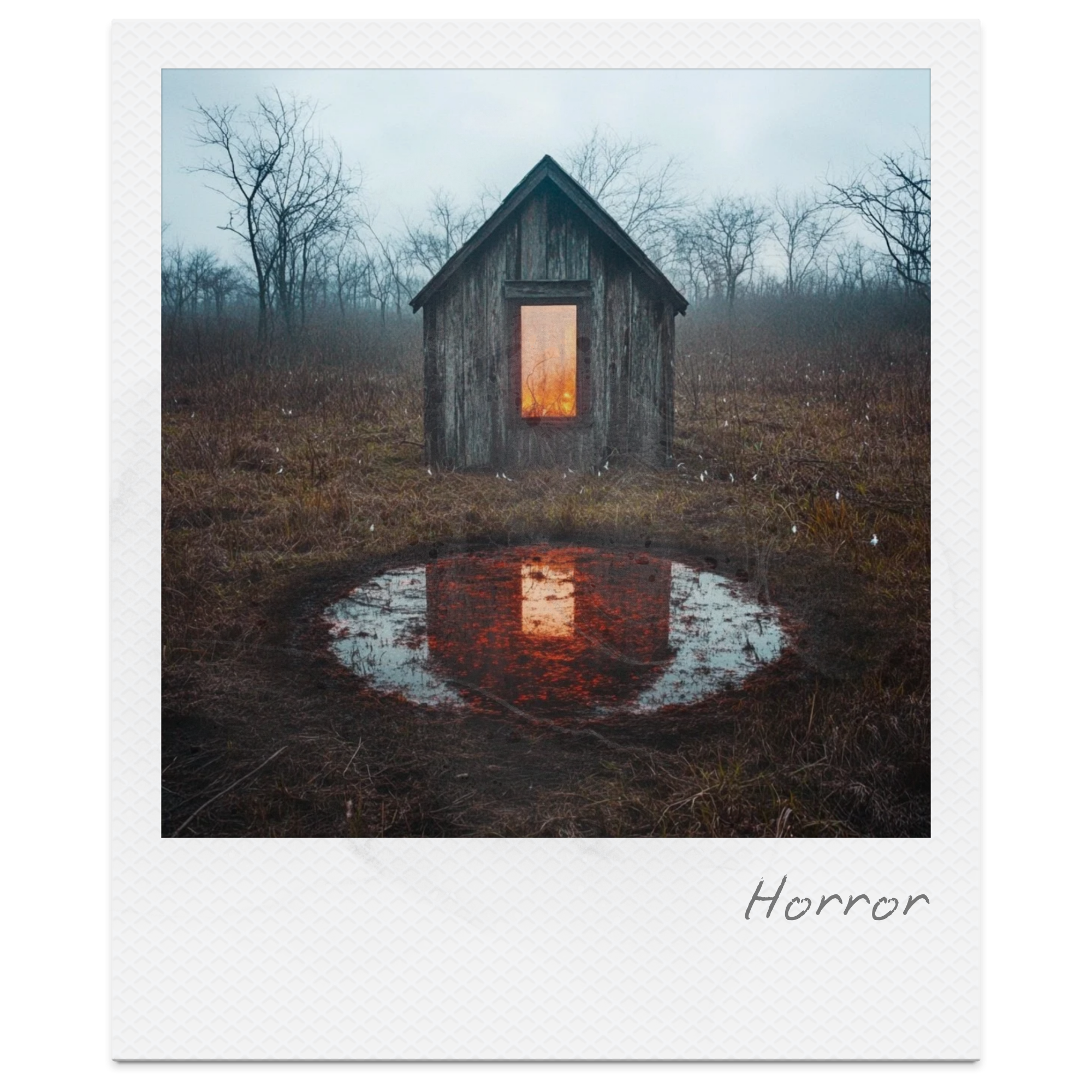
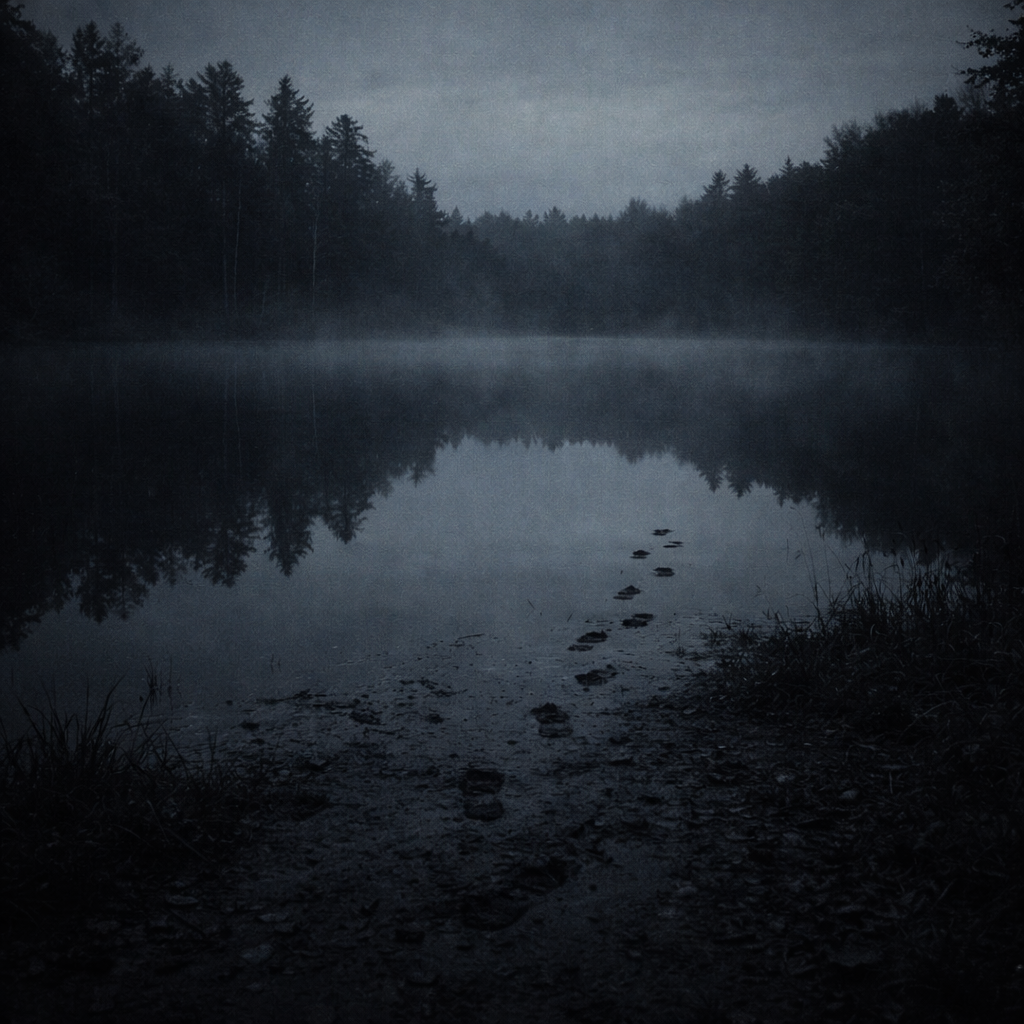
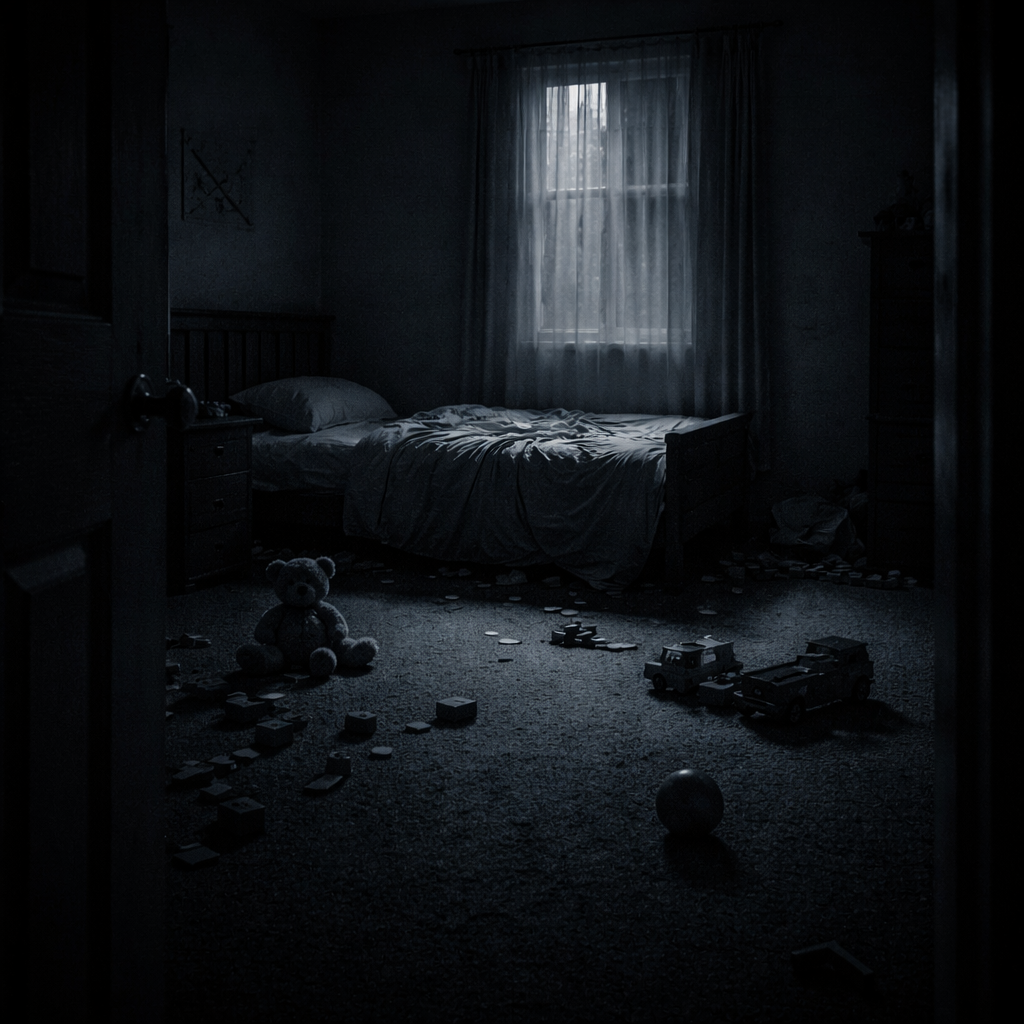
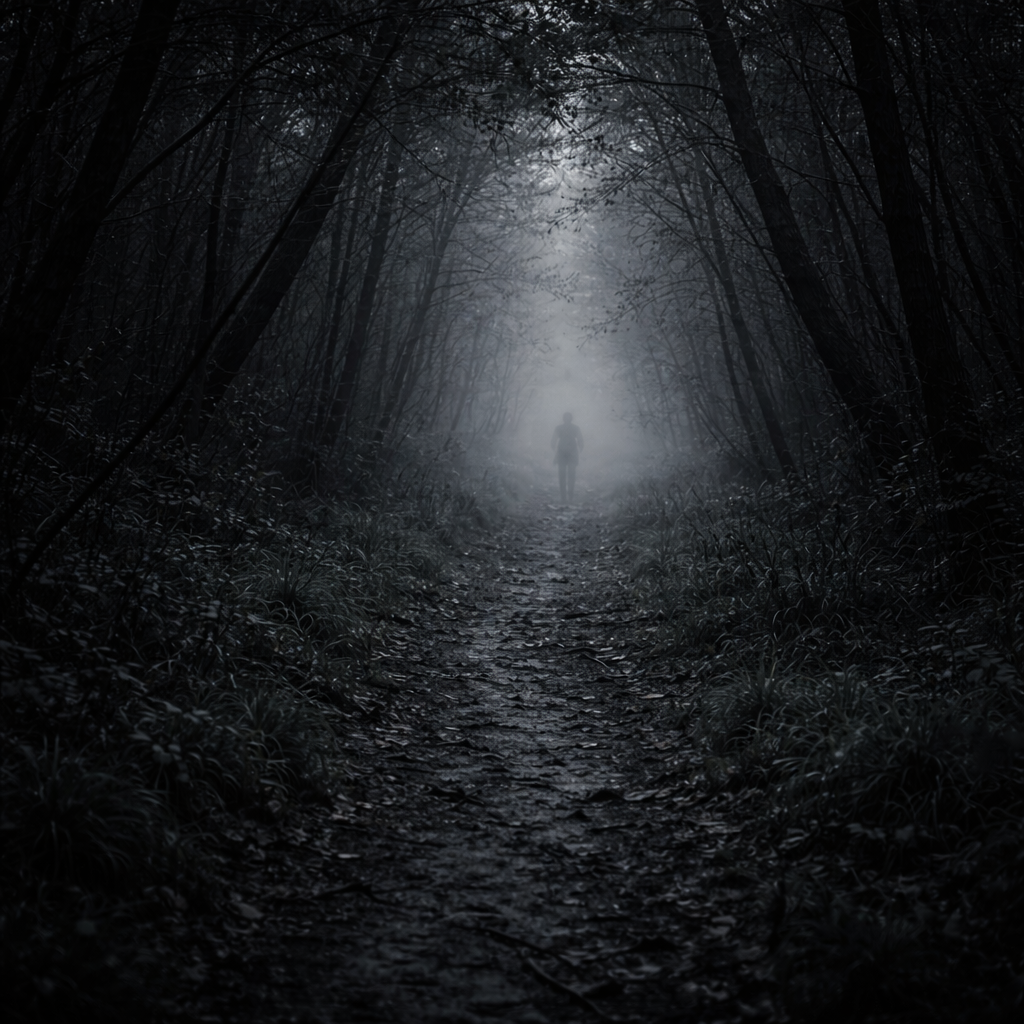
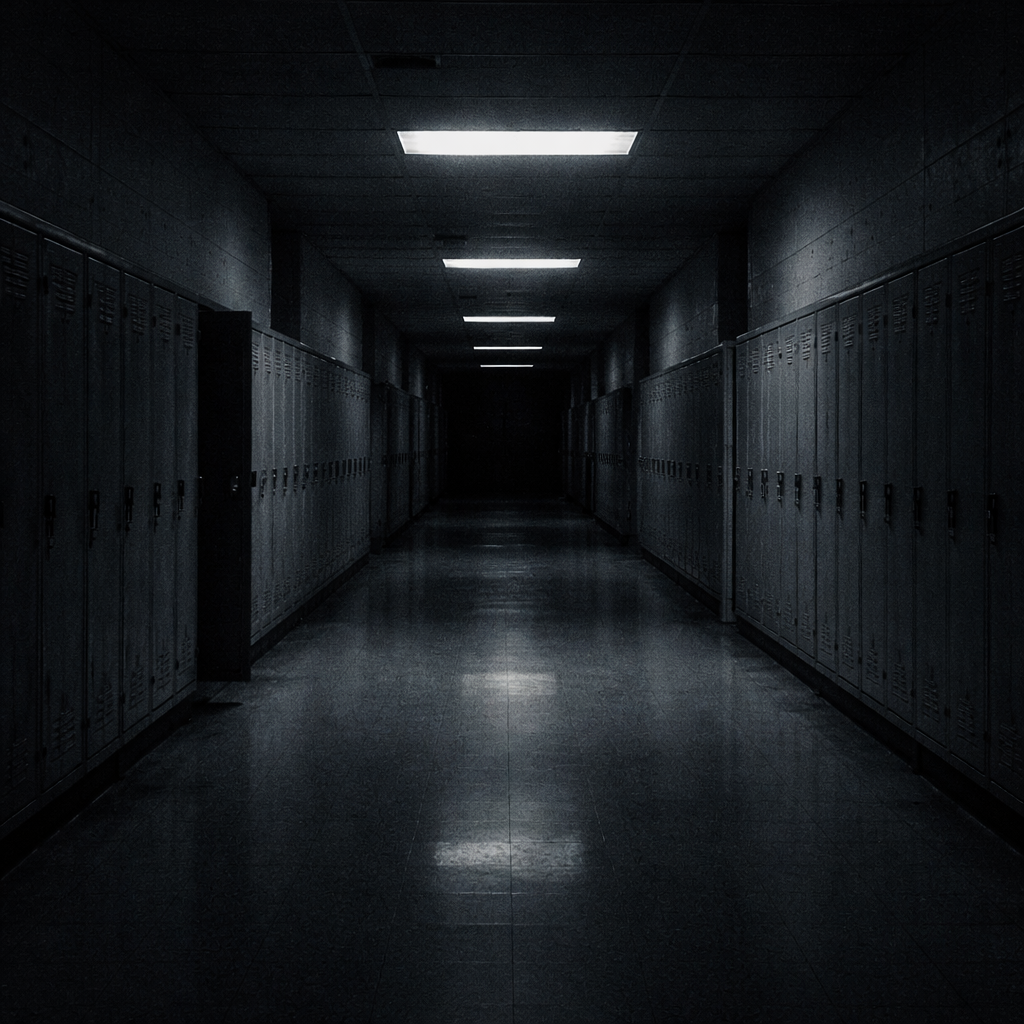
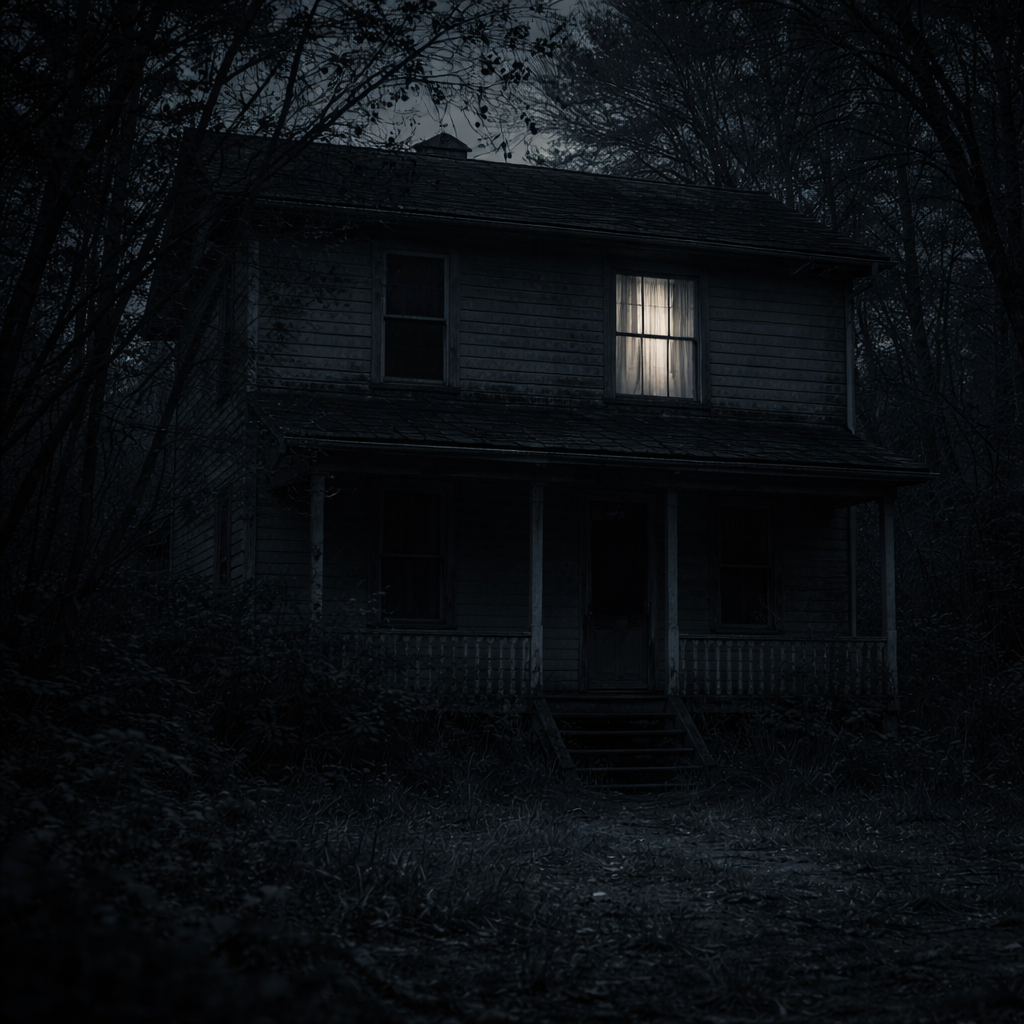
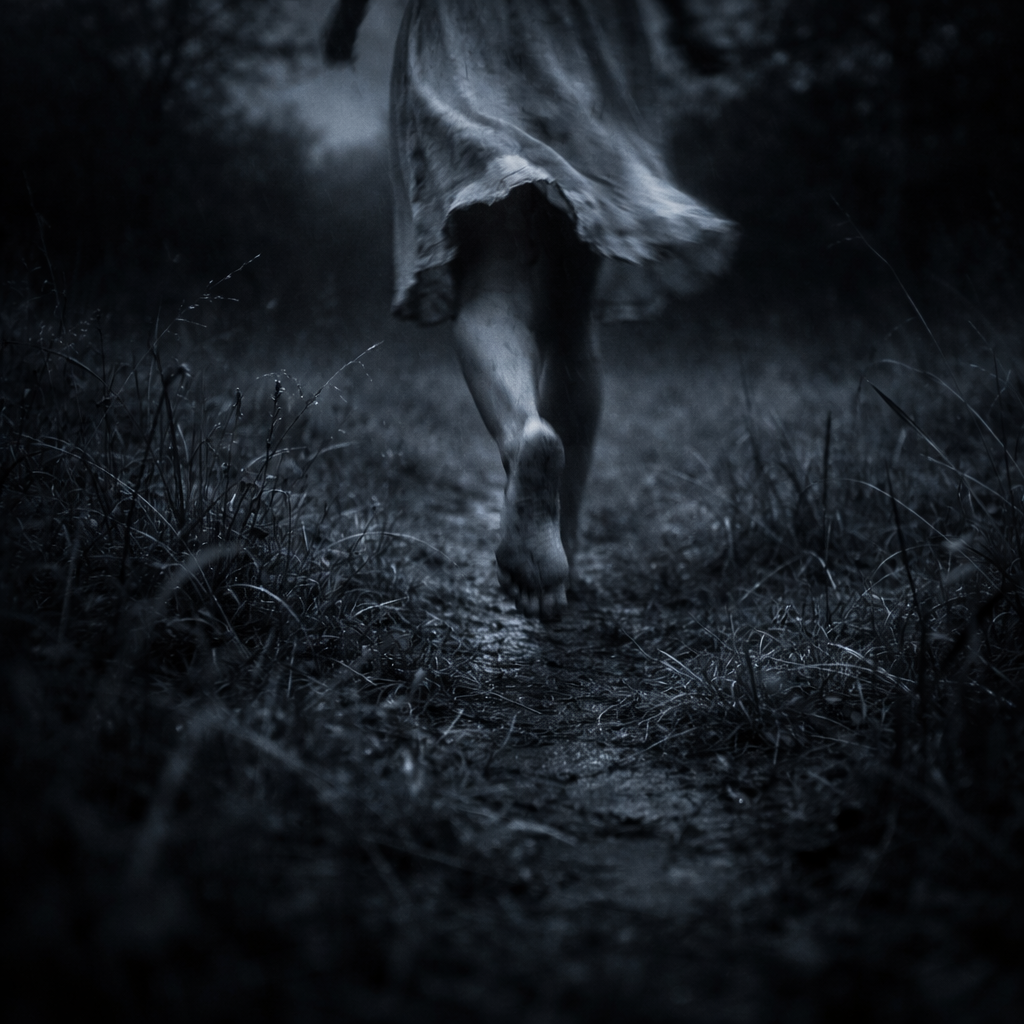
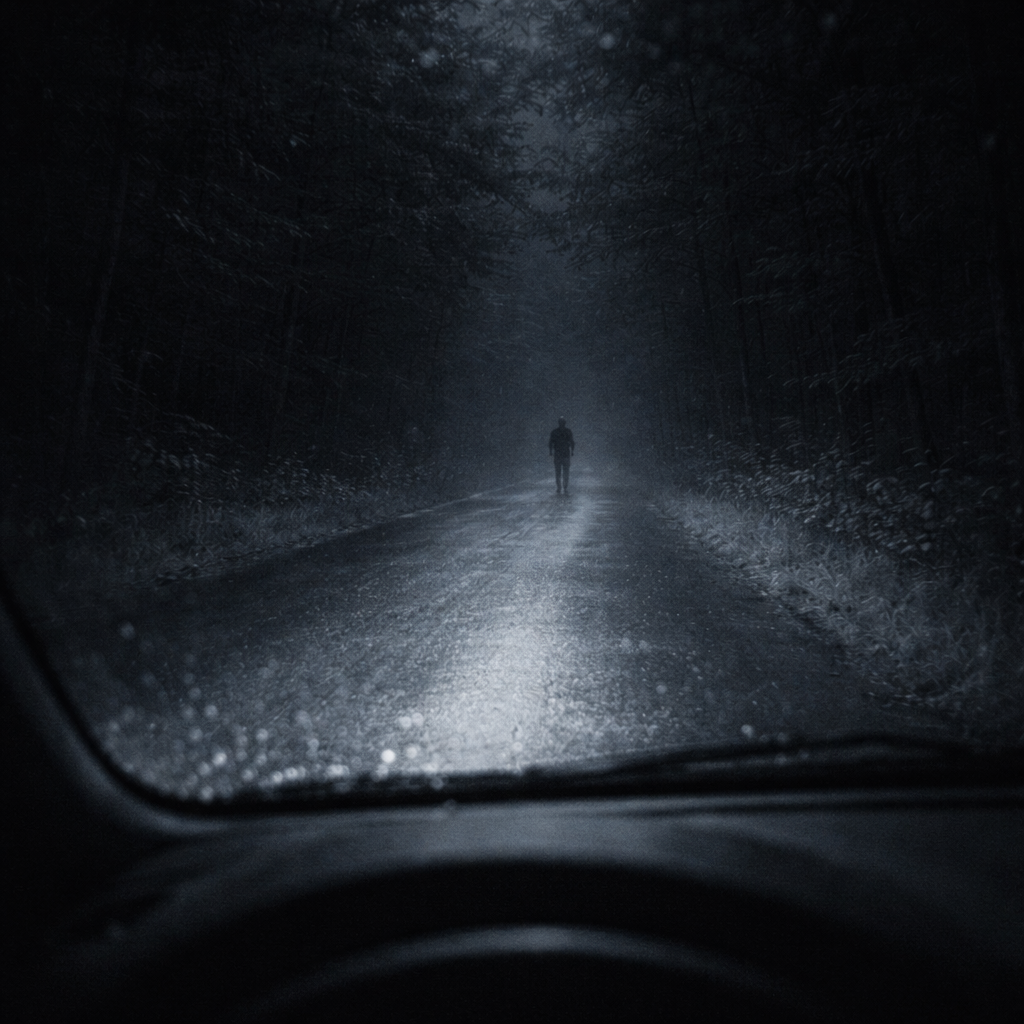
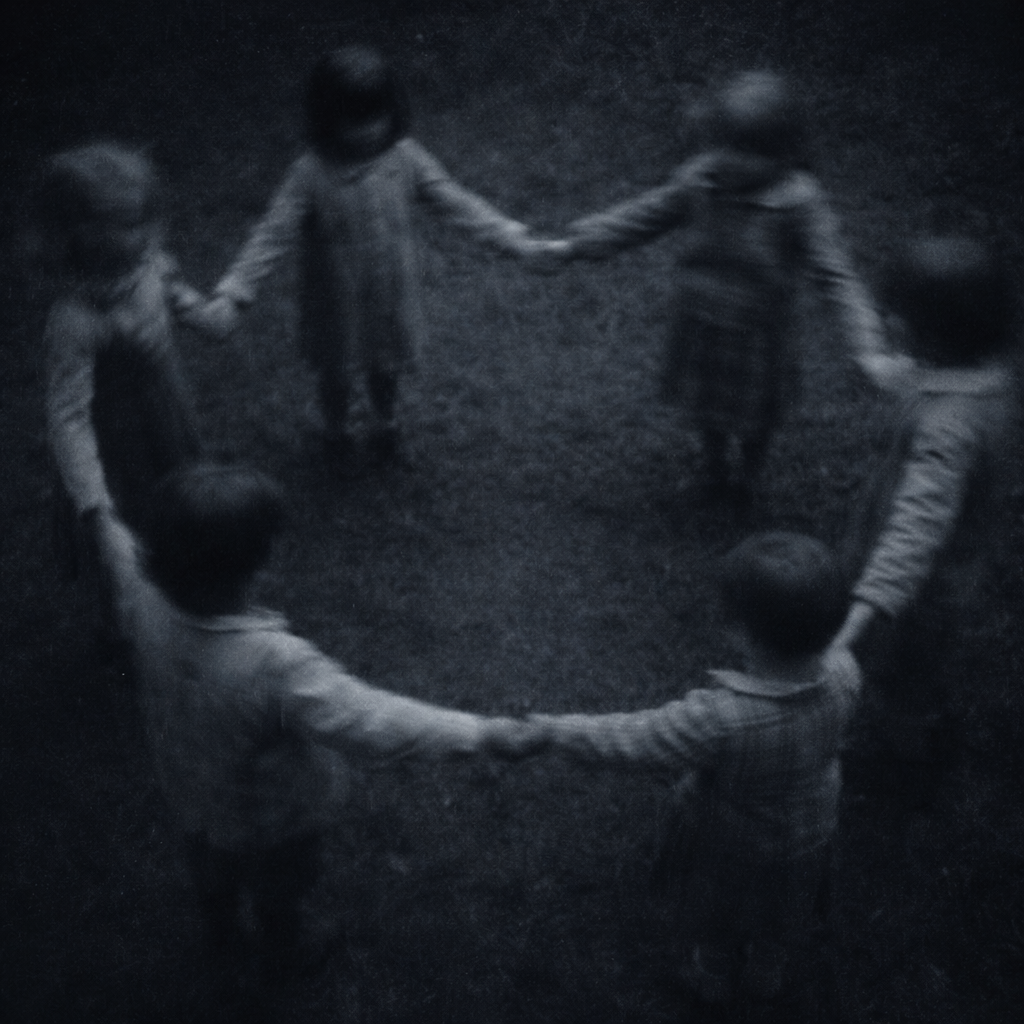
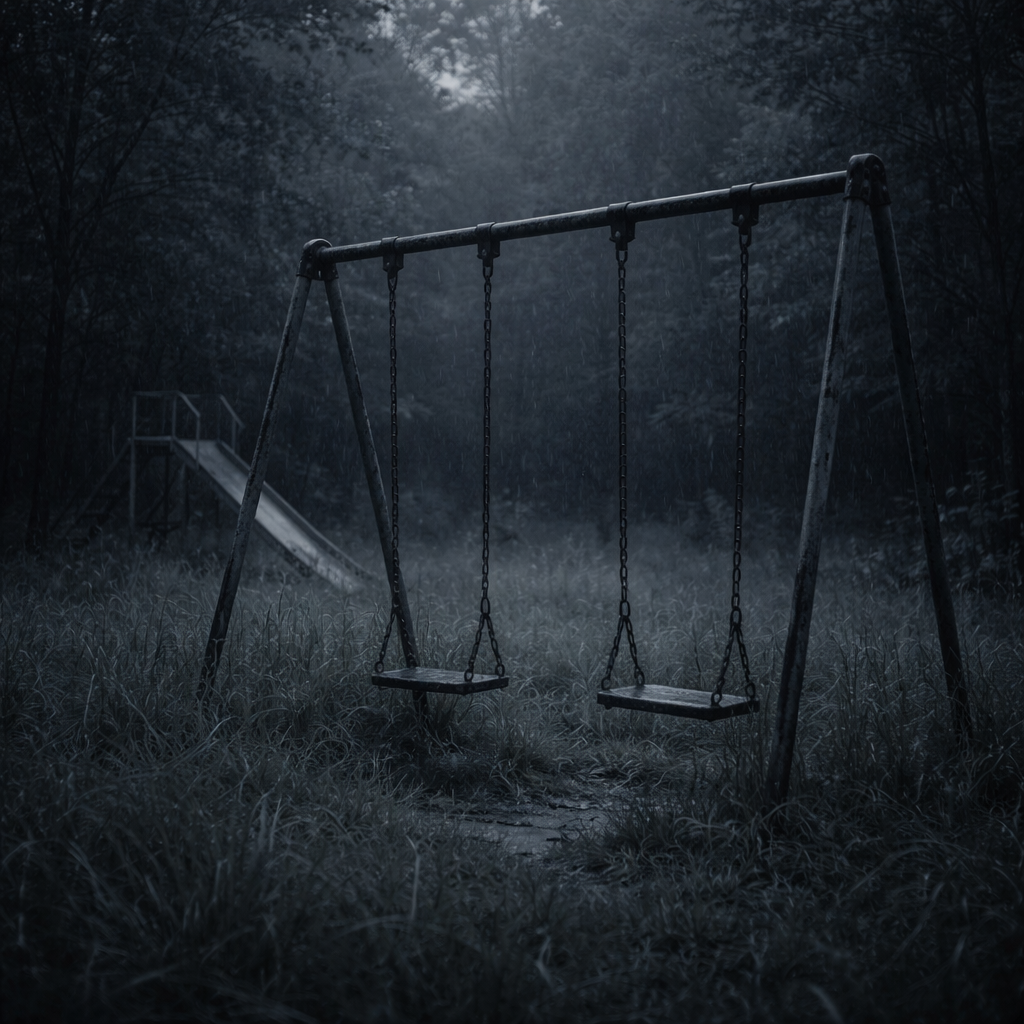
Visual prompts are especially effective for urban legend storytelling, where atmosphere and implication matter more than clarity. Rather than illustrating the legend directly, images should suggest absence, repetition, or disturbance — encouraging writers to ask what happened before and what might happen next.
Effective urban legend visuals often feature empty spaces, artificial lighting, partial views, or signs of recent movement without visible cause. Roads at night, stairwells, abandoned public spaces, and ordinary locations with subtle wrongness help writers explore modern myths through mood and interpretation.
When paired with the prompts above, these images support writing that prioritises tension, restraint, and uncertainty — allowing the legend to remain unresolved, as all good urban legends do.
Go Deeper into Urban Legend Writing
To move urban legend stories beyond surface-level scares, encourage writers to focus on belief, repetition, and consequence rather than explanation. Urban legends are most effective when the truth remains uncertain and the threat is sustained through habit, silence, or shared understanding rather than confrontation.
◆ Rewrite one prompt by removing the moment of discovery. Begin the story after the rule is already known, and explore how living with that knowledge shapes behaviour.
◆ Shift the focus from danger to routine. Write a scene where characters follow a strange rule automatically, and let the unease emerge through normalisation rather than fear.
◆ Experiment with denial. Write from the perspective of someone who actively dismisses the legend, even as their actions suggest belief.
◆ Lower the external stakes and raise the psychological ones. Instead of harm or disappearance, focus on discomfort, doubt, or quiet loss of control.
◆ Write the same legend twice: once as a warning shared casually, and once as an experience lived privately. Notice how certainty, tone, and meaning change.
Final Thoughts
Urban legends endure because they sit at the intersection of familiarity and unease. Rooted in modern folklore, these stories reveal how fear attaches itself to ordinary spaces — roads, schools, buildings, routines — and how belief can persist without proof. Unlike traditional horror, urban legends rarely offer resolution; they survive through repetition, silence, and the decision to comply rather than confront.
These 70 Urban Legend–Inspired Writing Prompts for Teens are designed to help young writers practise atmosphere-driven storytelling, develop narrative restraint, and explore how meaning can be shaped through implication rather than explanation. Whether used for creative writing lessons, classroom discussions, writing clubs, or independent projects, the prompts encourage writers to engage with modern myths thoughtfully — crafting stories that linger not because they are shocking, but because they feel possible.
If you’d like to explore more folklore-inspired writing prompts, modern myth collections, or atmosphere-led storytelling ideas, you can browse the full Creative Writing Archive to discover new genres, themes, and ways to shape your next story.
Choose Your Next Adventure