Notes from the Inkpot
Writing, teaching, creating - one ink-stained idea at a time.


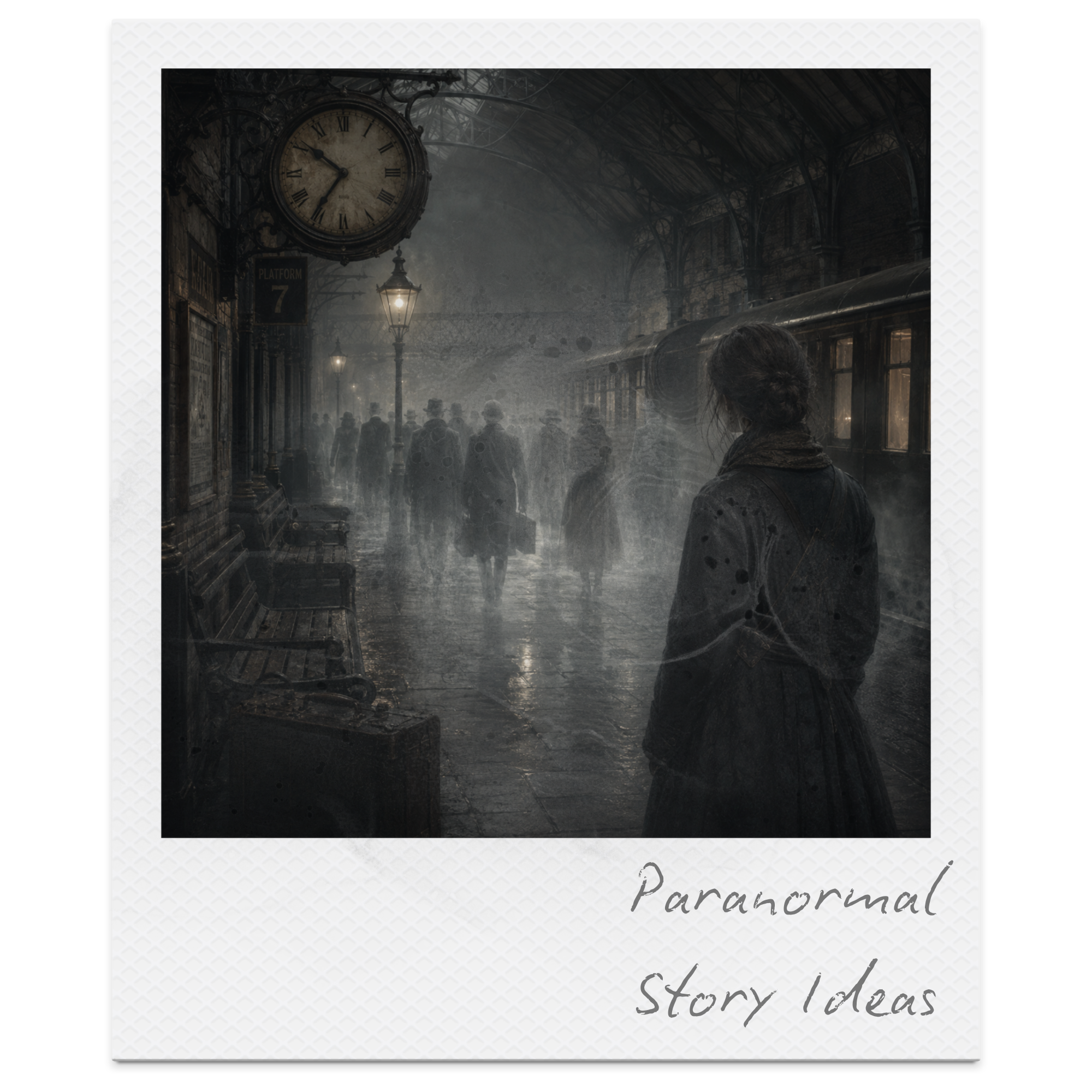
100 Paranormal Story Ideas to Inspire Your Next Supernatural Tale
Discover 100 paranormal story ideas to inspire your next supernatural tale, from ghostly hauntings and cursed artefacts to psychic abilities, cryptids, time slips and reality-bending mysteries. Each original idea includes three story directions to help writers create unforgettable paranormal fiction.
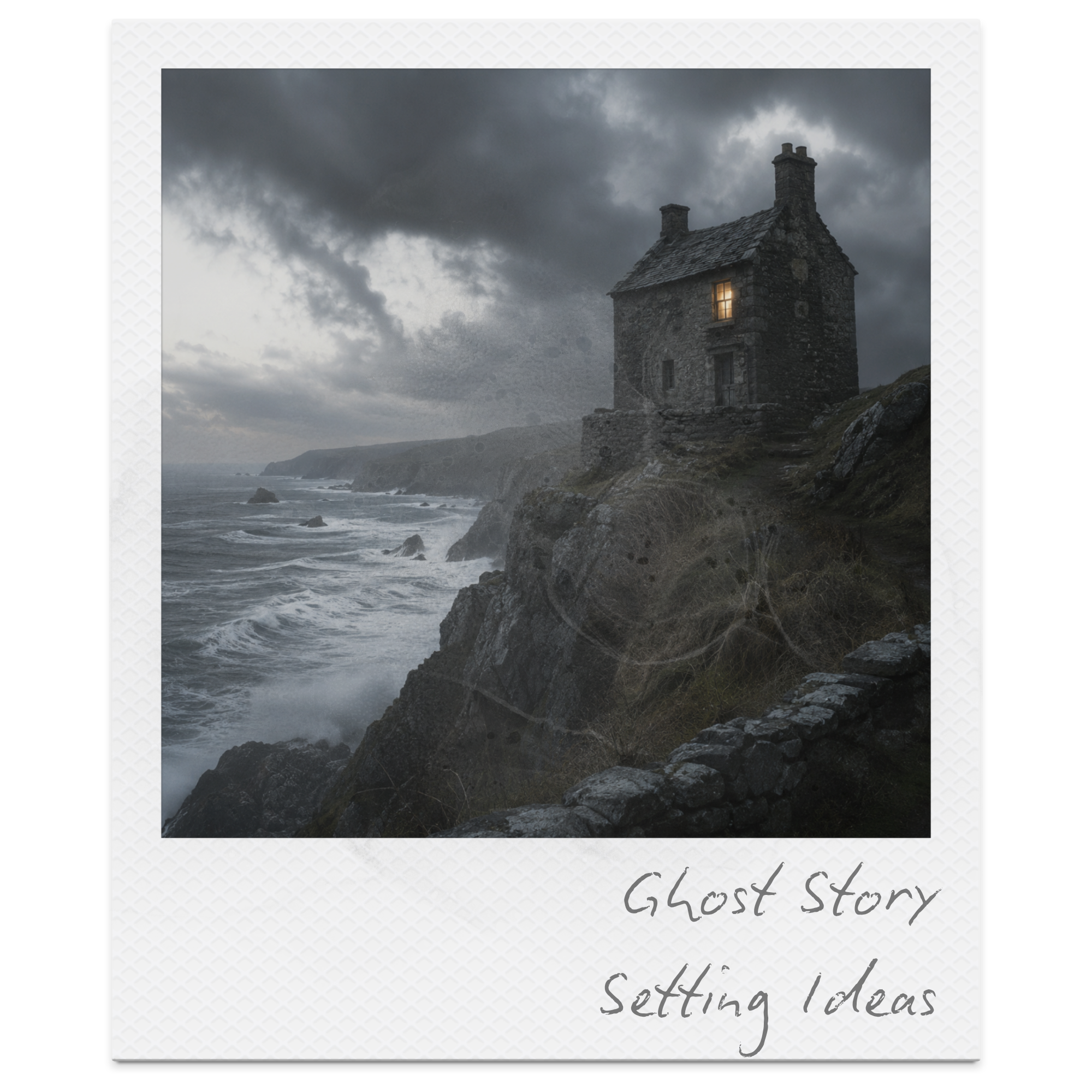
100 Ghost Story Settings to Inspire Your Next Paranormal Tale
Discover 100 ghost story settings to inspire your next paranormal tale, from haunted manors and abandoned asylums to forgotten lighthouses, eerie villages and mysterious liminal spaces. Each atmospheric location includes a detailed description and three ghost story ideas to help writers create unforgettable supernatural fiction.
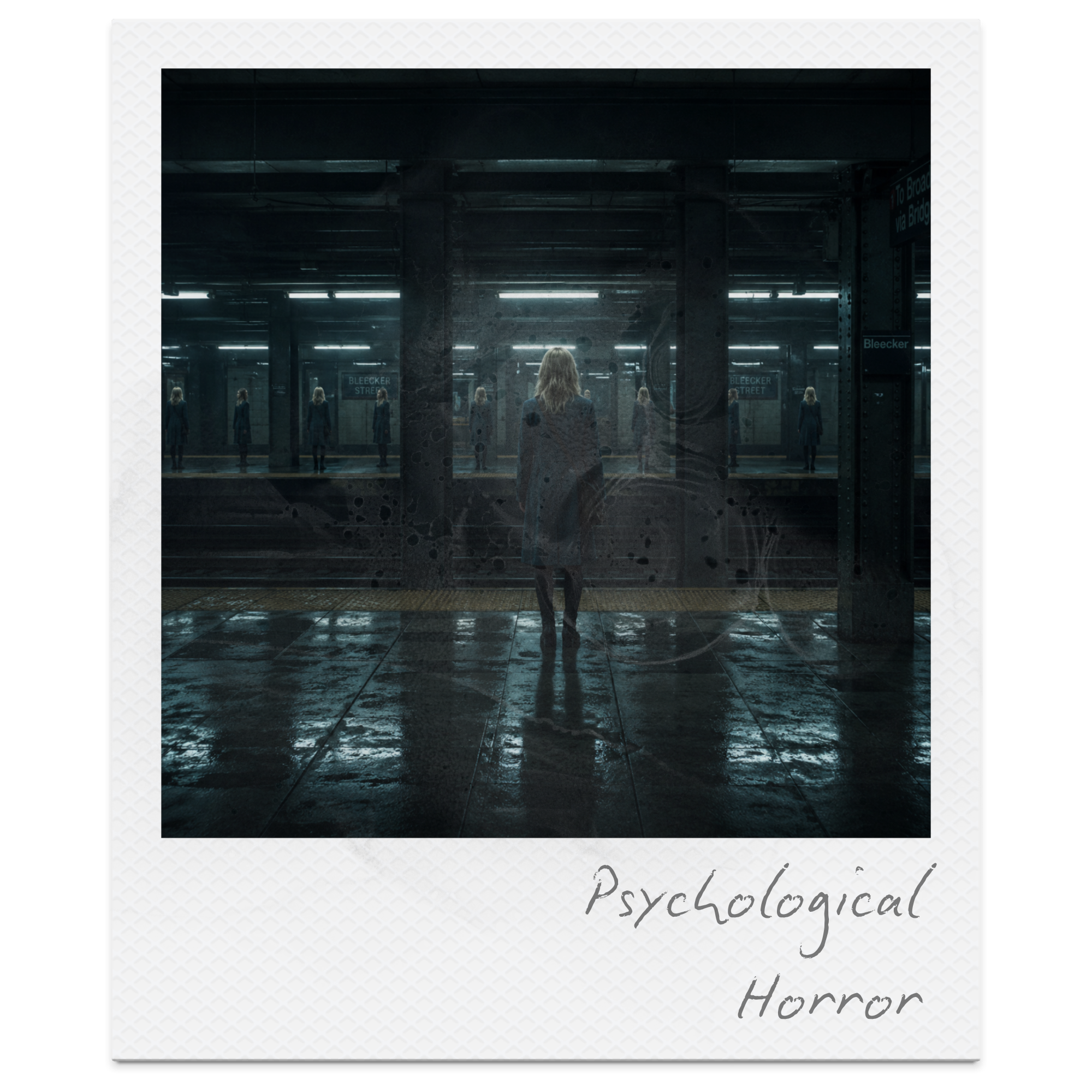
70 Psychological Horror Writing Prompts: Unreliable Minds, Emotional Dread & Quiet Terror
A dark and atmospheric collection of 70 psychological horror writing prompts exploring unreliable narrators, distorted memory, paranoia, emotional manipulation, fractured identity, uncanny repetition, hidden surveillance, and the terrifying instability of perception. This complete creative writing toolkit includes plot hooks, title ideas, opening lines, closing lines, character ideas, eerie settings, and cinematic visual prompts designed to inspire unsettling stories filled with emotional dread, quiet tension, ambiguity, and psychological unease.
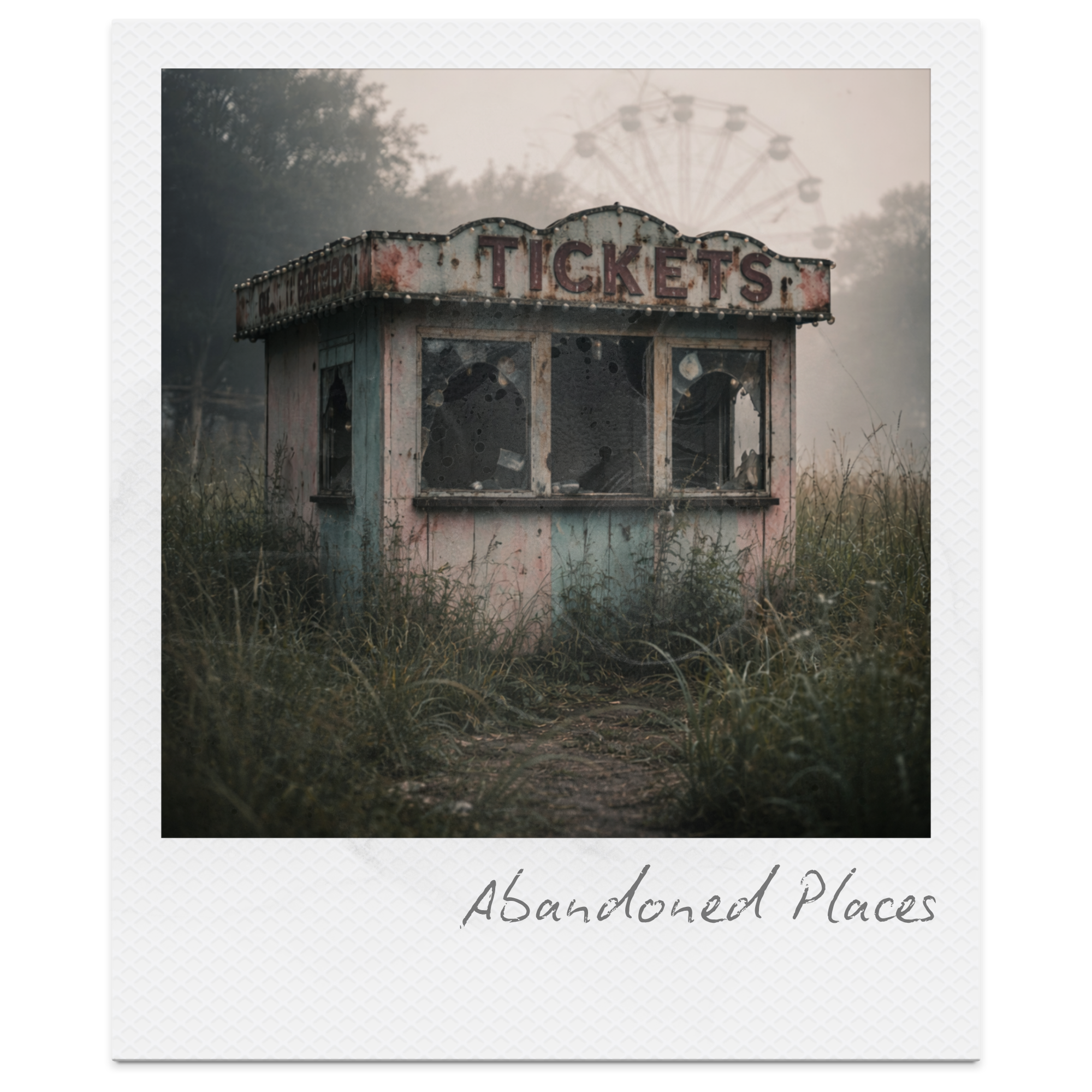
70 Abandoned Places Writing Prompts: Ruins, Empty Spaces & Forgotten Worlds
Abandoned places are some of the most powerful settings in horror, where absence becomes presence and silence carries its own kind of threat. These spaces are defined not just by what remains, but by what is missing — people, purpose, and the sense of safety that once existed there. In stories set in empty towns, derelict buildings, and forgotten landscapes, the past lingers in unsettling ways, creating tension through atmosphere alone. Nothing is ever entirely gone; it simply waits to be discovered. This collection of 70 Abandoned Places Writing Prompts explores ruins, empty spaces, and forgotten worlds through plot hooks, opening lines, character ideas, and cinematic inspiration. From decaying hospitals and deserted streets to isolated houses that feel anything but empty, these prompts are designed to help you build tension, atmosphere, and unease — where every space holds a story, and every silence suggests something more.
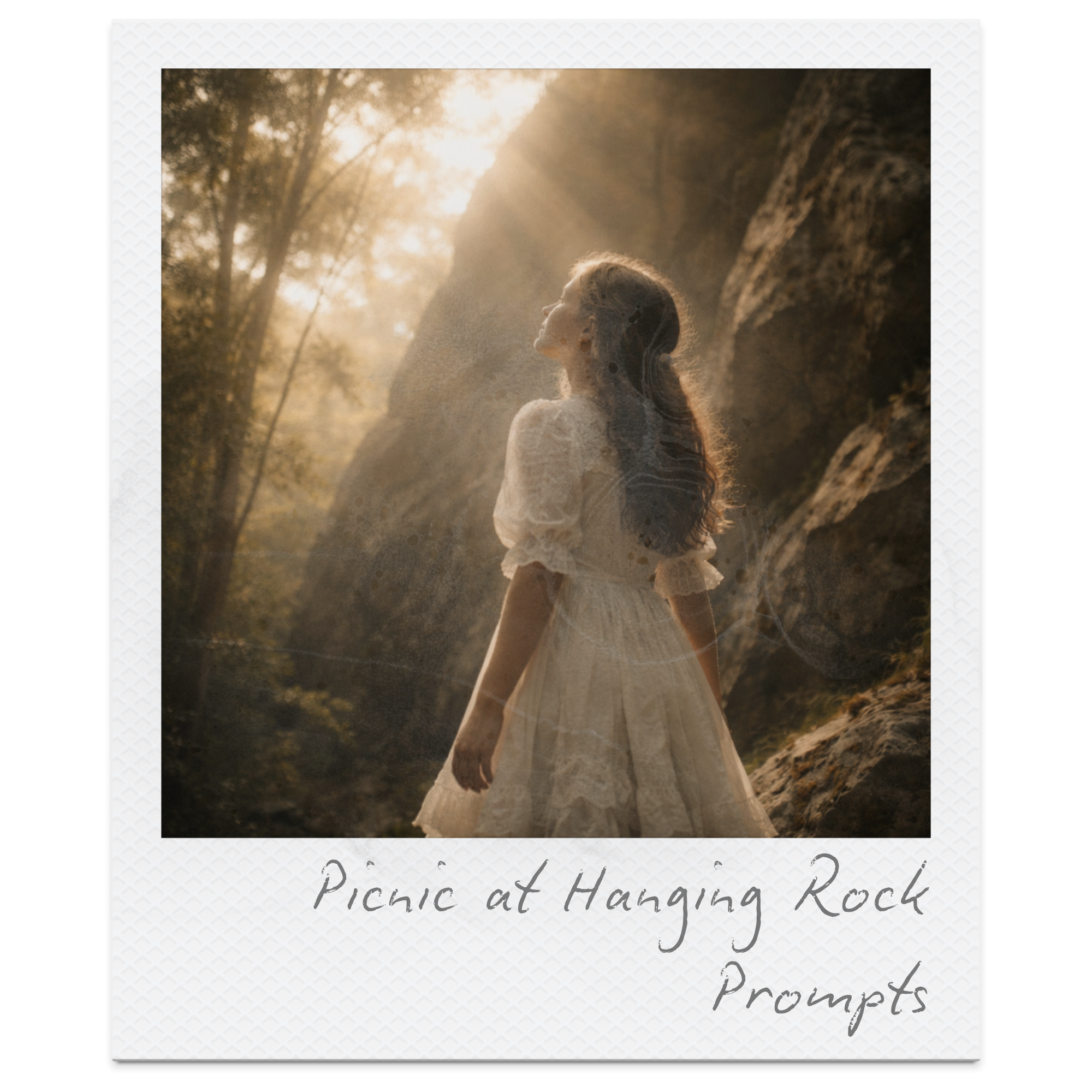
70 Creative Writing Prompts Inspired by Picnic at Hanging Rock: Plot Hooks, Opening Lines, Characters & Visual Ideas
The haunting mystery of Picnic at Hanging Rock has captivated readers and viewers for decades, blending historical fiction, Gothic atmosphere, and psychological intrigue into one of the most unsettling stories of disappearance in literature and film. Set against the strange, ancient landscape of the Australian bush, the story invites questions about memory, nature, and the thin boundary between the rational world and the unknown. This collection of 70 creative writing prompts inspired by Picnic at Hanging Rock explores themes of isolation, unanswered mysteries, hidden landscapes, and unsettling moments where reality seems to shift. Through plot hooks, opening lines, character ideas, setting prompts, and visual inspiration, these prompts are designed to help writers craft eerie historical mysteries, psychological stories, and atmospheric Gothic fiction.
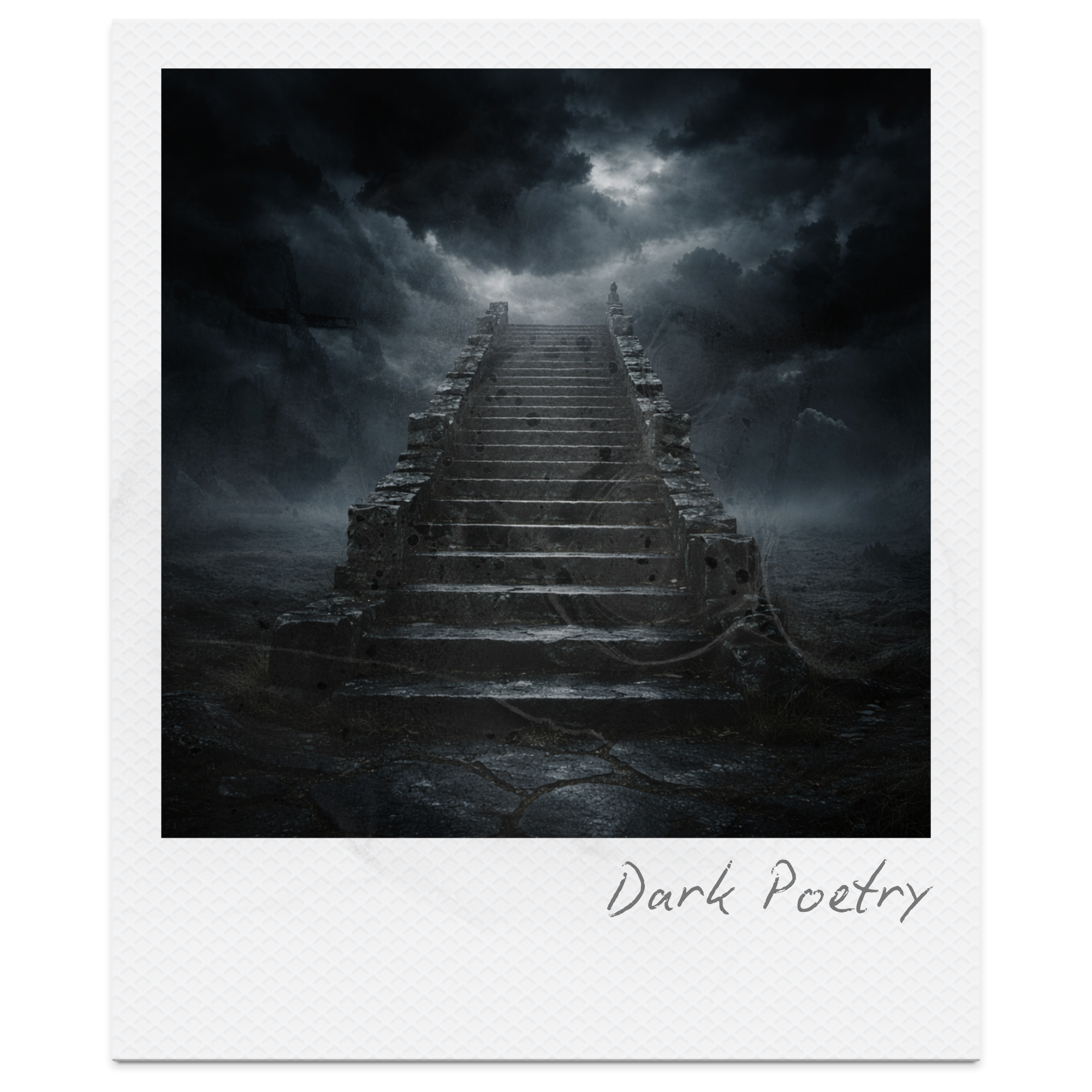
10 Dark Poetry Prompts for Teens & Adults: Exploring Shadow, Silence, and Emotion
Dark poetry explores shadow, silence, and the emotions we rarely name out loud. In this collection of dark poetry prompts for teens and adults, you’ll find atmospheric writing ideas designed to encourage restraint, tension, and emotional depth rather than shock or spectacle. Each prompt invites writers to focus on imagery, form, and what remains unsaid. This post includes 10 dark poetry writing prompts, craft techniques such as enjambment and repetition, suggested opening lines, and ekphrastic poetry images inspired by gothic art, surrealism, and classical forms. Whether you’re teaching poetry, writing independently, or exploring darker themes with care and intention, these prompts offer a thoughtful starting point for powerful, atmosphere-driven writing.
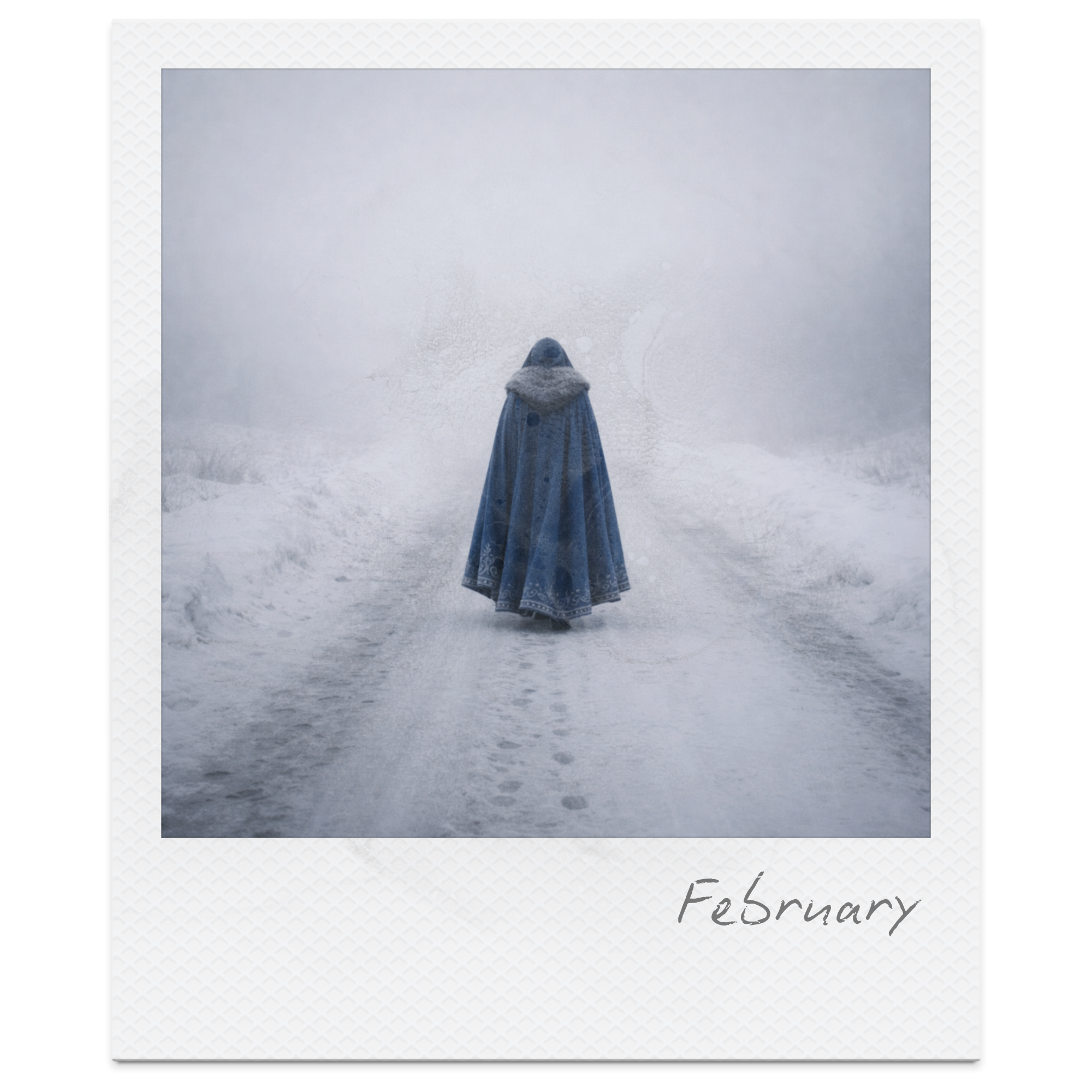
70 February Writing Prompts for Teens: Story Starters, Characters, Settings & Visual Ideas
These February writing prompts for teens explore the quieter, colder side of late winter, focusing on atmosphere-driven storytelling, seasonal folklore, and emotionally grounded conflict. Designed for secondary classrooms and independent writers, this 70-prompt collection moves beyond Valentine’s Day clichés to capture the tension, endurance, and subtle transformation that define February. Inside, you’ll find plot hooks, opening and closing lines, character and setting ideas, and picture prompts inspired by icy landscapes, winter rituals, and communities pushed to their limits. Ideal for creative warm-ups, short fiction, or extended writing projects, these prompts support confident creative writing while encouraging depth, restraint, and reflection during the final stretch of winter.
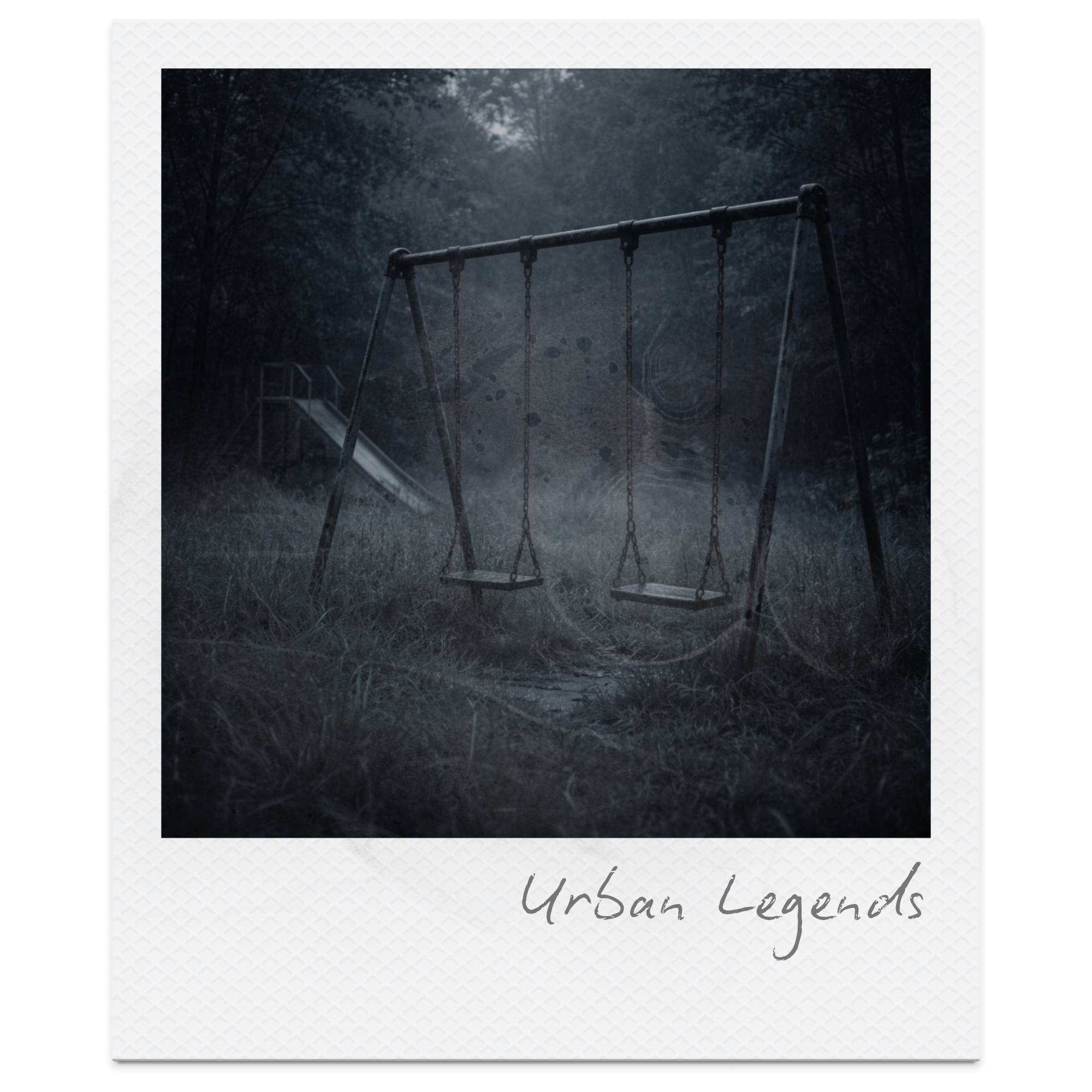
70 Urban Legend–Inspired Writing Prompts for Teens: Modern Folklore, Myths & Unseen Threats
Urban legends live in the space between belief and denial — stories passed quietly, rarely confirmed, and shaped by repetition rather than proof. Rooted in modern folklore, these narratives attach unease to ordinary places and routines, transforming roads, buildings, and shared habits into sources of quiet tension. This collection of 70 Urban Legend–Inspired Writing Prompts for Teens brings together plot hooks, opening and closing lines, character ideas, settings, and visual inspiration designed for atmosphere-driven storytelling. Ideal for creative writing lessons, classrooms, and independent projects, the prompts encourage writers to explore modern myths, uncertainty, and consequence with restraint rather than spectacle.
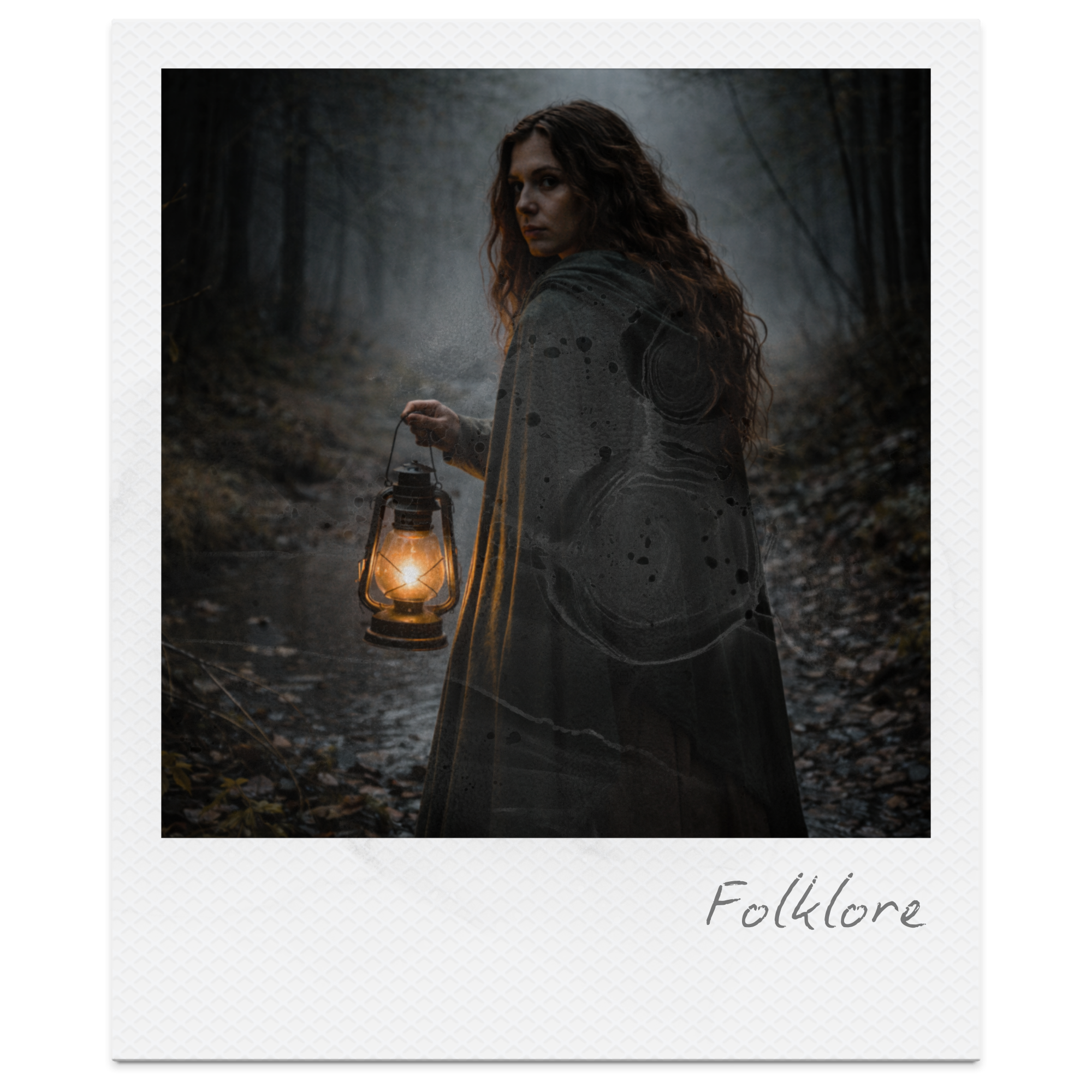
70 Folklore Writing Prompts: Myths, Legends, Warnings & Old Stories Reimagined
Folklore stories have been passed down for generations as warnings, explanations, and shared memory rather than entertainment. Rooted in myths, legends, and oral storytelling traditions, folklore explores unspoken rules, inherited beliefs, and the consequences of crossing boundaries that exist for a reason. These folklore writing prompts for teens invite writers to reimagine traditional stories through atmosphere, symbolism, and restraint rather than spectacle. This collection of 70 Folklore Writing Prompts for Teens includes plot hooks, opening and closing lines, character and setting ideas, and ekphrastic picture prompts inspired by global folklore traditions. Designed for creative writing lessons, classrooms, writing clubs, or independent practice, the prompts support original storytelling that treats folklore as living narrative — shaped by place, ritual, and memory.