70 Creative Writing Prompts Inspired by Picnic at Hanging Rock: Plot Hooks, Opening Lines, Characters & Visual Ideas
Some stories don’t begin with answers. They begin with questions that refuse to disappear.
Picnic at Hanging Rock remains haunting not because it explains what happened, but because it never fully does. The story blends beauty, unease, and silence, creating a mystery that feels both natural and unsettling. The landscape itself seems to hold secrets, and the absence at the centre of the story becomes more powerful than any explanation.
This collection of 70 creative writing prompts inspired by Picnic at Hanging Rock explores the novel’s atmosphere, mystery, and emotional tension rather than its plot. The prompts invite writers to explore disappearance, place-based storytelling, memory, and the strange feeling that something meaningful has happened — even when no one understands it completely.
Designed for classroom use, writing clubs, creative warm-ups, journaling, or longer creative projects, these prompts encourage writers to focus on mood, observation, and ambiguity. Many of the ideas centre on landscapes, silence, and moments where the natural world feels quietly powerful.
If you’d like to explore more literature-inspired creative writing prompts, you can browse the full Creative Writing Archive, where classic texts become starting points for new stories.
You can also explore our Literature-Inspired Creative Writing Prompts Hub to discover more creative prompts based on novels, poems and short stories.
1. Plot Hooks
These plot hooks are inspired by the central ideas in Picnic at Hanging Rock: disappearance, mystery, nature, and the unsettling feeling that some events resist explanation.
Write about a group of people who visit a beautiful place where something quietly strange begins to happen.
Write about a character who notices small details that others seem to ignore.
Write about a place where people say time behaves differently.
Write about someone who returns to the location of a mysterious event years later.
Write about a character who realises that a landscape may be hiding something.
Write about a disappearance that leaves behind more questions than answers.
Write about someone who remembers an event differently from everyone else.
Write about a location where people feel calm and uneasy at the same time.
Write about a character who becomes fascinated with an unsolved mystery.
Write about a story where silence reveals more than explanation.
2. Title Ideas
Titles inspired by Picnic at Hanging Rock often feel quiet, natural, and mysterious, hinting at events without fully explaining them.
The Place Where They Vanished
What the Mountain Kept
The Day No One Could Explain
After the Picnic
The Silence Between the Trees
What We Didn’t Understand
Where the Path Disappeared
The Story the Landscape Knows
A Moment That Stayed Unfinished
The Mystery We Carried Home
3. Opening Lines
Opening lines inspired by Picnic at Hanging Rock often introduce place and mood before explaining what happened.
The day began peacefully, the way many strange days do.
No one expected anything unusual to happen.
The place looked beautiful, but something about it felt different.
At first, we thought they had simply wandered off.
There are places where the air feels heavier with memory.
I remember the moment before everything changed.
Some mysteries begin quietly.
Even now, people speak about that day in uncertain voices.
The landscape looked calm, but it didn’t feel that way.
Looking back, I think the place was trying to tell us something.
4. Closing Lines
Closing lines inspired by Picnic at Hanging Rock often leave space for interpretation rather than neat resolution.
In the end, we never learned the truth.
The place remained, silent and unchanged.
Some mysteries do not belong to us.
What happened that day stayed with us, even without answers.
The landscape kept its secret.
Years later, we still wondered.
Perhaps the question mattered more than the answer.
The memory became part of the place.
The story ended, but the mystery did not.
Some things remain unexplained — and always will.
5. Character Ideas
Characters inspired by Picnic at Hanging Rock are often shaped by curiosity, memory, or the quiet impact of an unexplained event.
A character who becomes fascinated by an unsolved mystery.
Someone who remembers a place differently from everyone else.
A person who feels strangely connected to a particular landscape.
A narrator trying to piece together what happened years earlier.
Someone who notices details others overlook.
A character who suspects the truth might never be discovered.
A person who feels uneasy returning to a place connected with the past.
Someone who believes the natural world holds hidden stories.
A character who begins questioning what they remember.
A person who learns that mystery can change people.
6. Setting Ideas
Settings inspired by Picnic at Hanging Rock often feel beautiful, quiet, and slightly unsettling, where nature seems both peaceful and unknowable.
A large rock formation rising above open countryside.
A quiet natural location visited during a peaceful outing.
A landscape that feels older than the people exploring it.
A place where the air feels unusually still.
A location that looks different at different times of day.
A natural environment where sounds carry strangely.
A place where visitors feel watched without knowing why.
A location where paths seem to disappear.
A landscape that inspires both wonder and unease.
A place that becomes associated with a mysterious event.
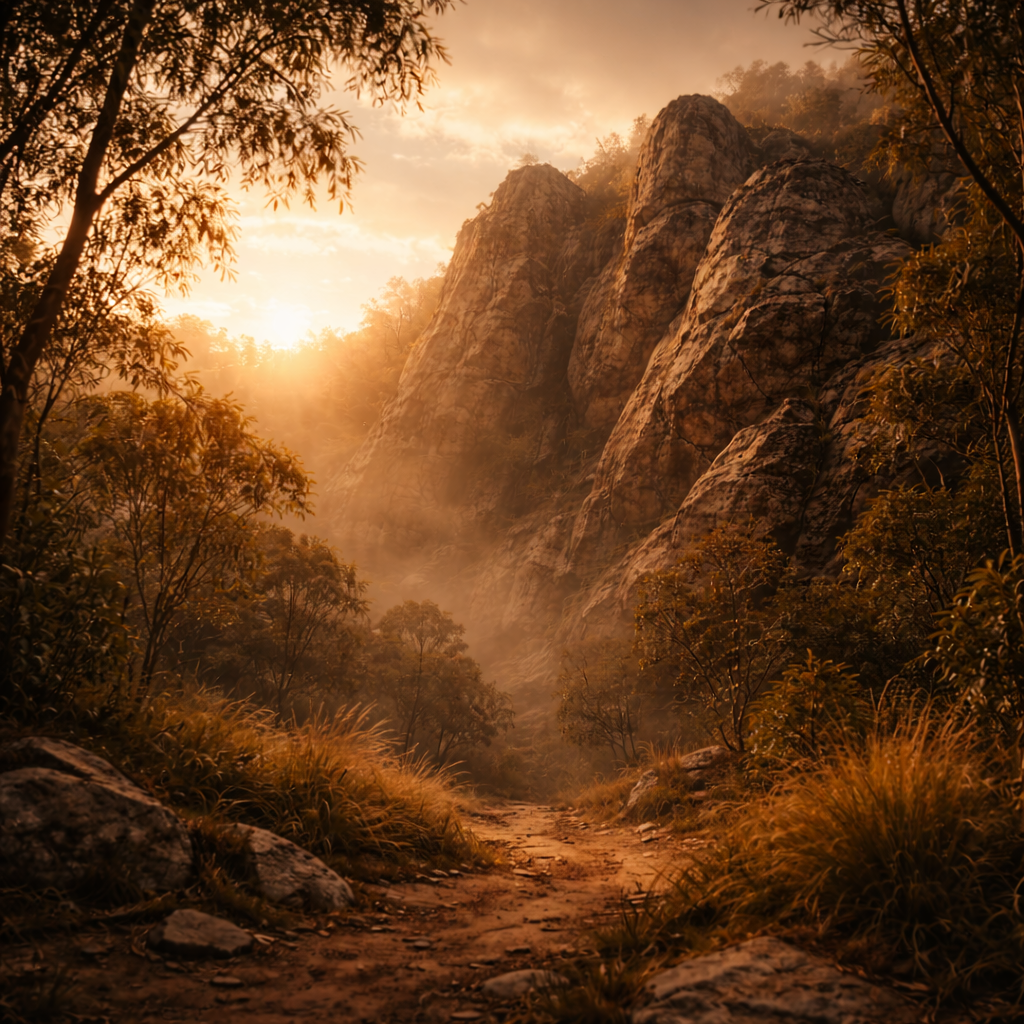
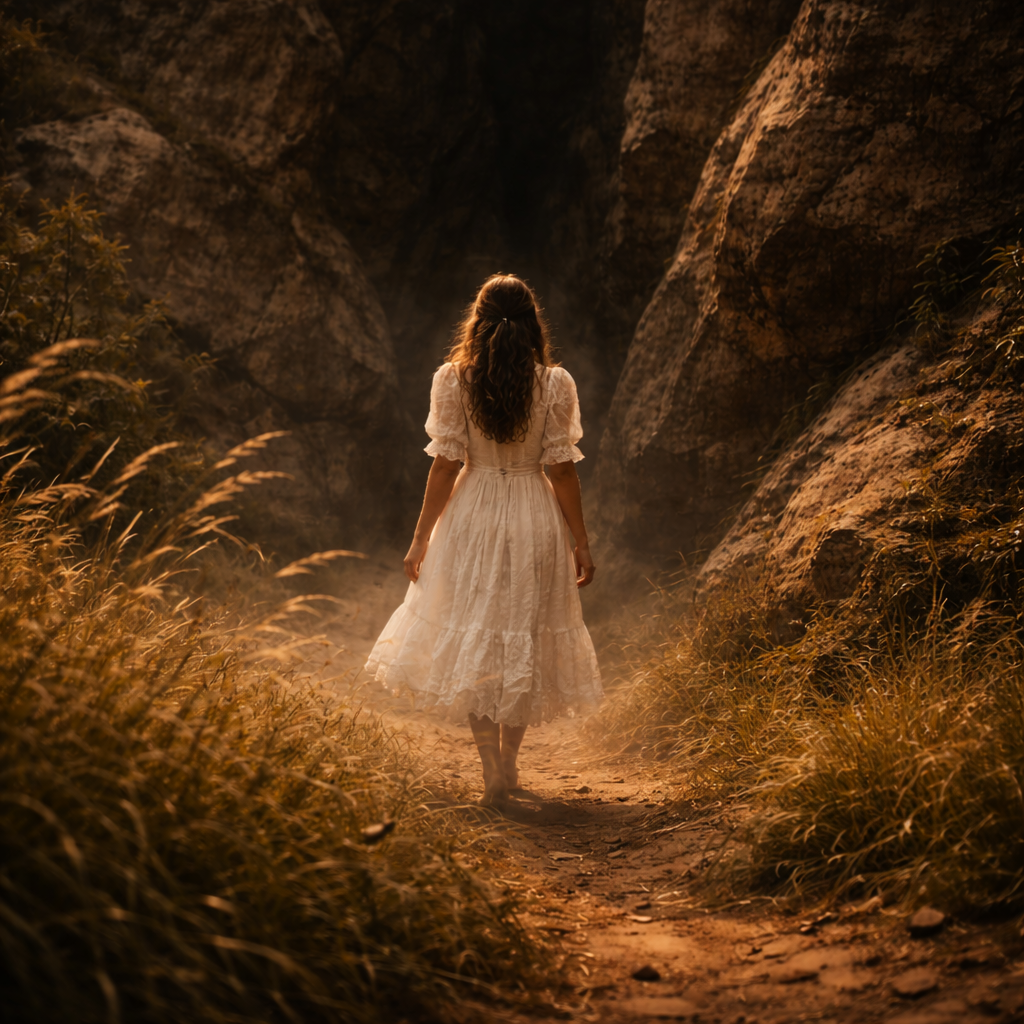
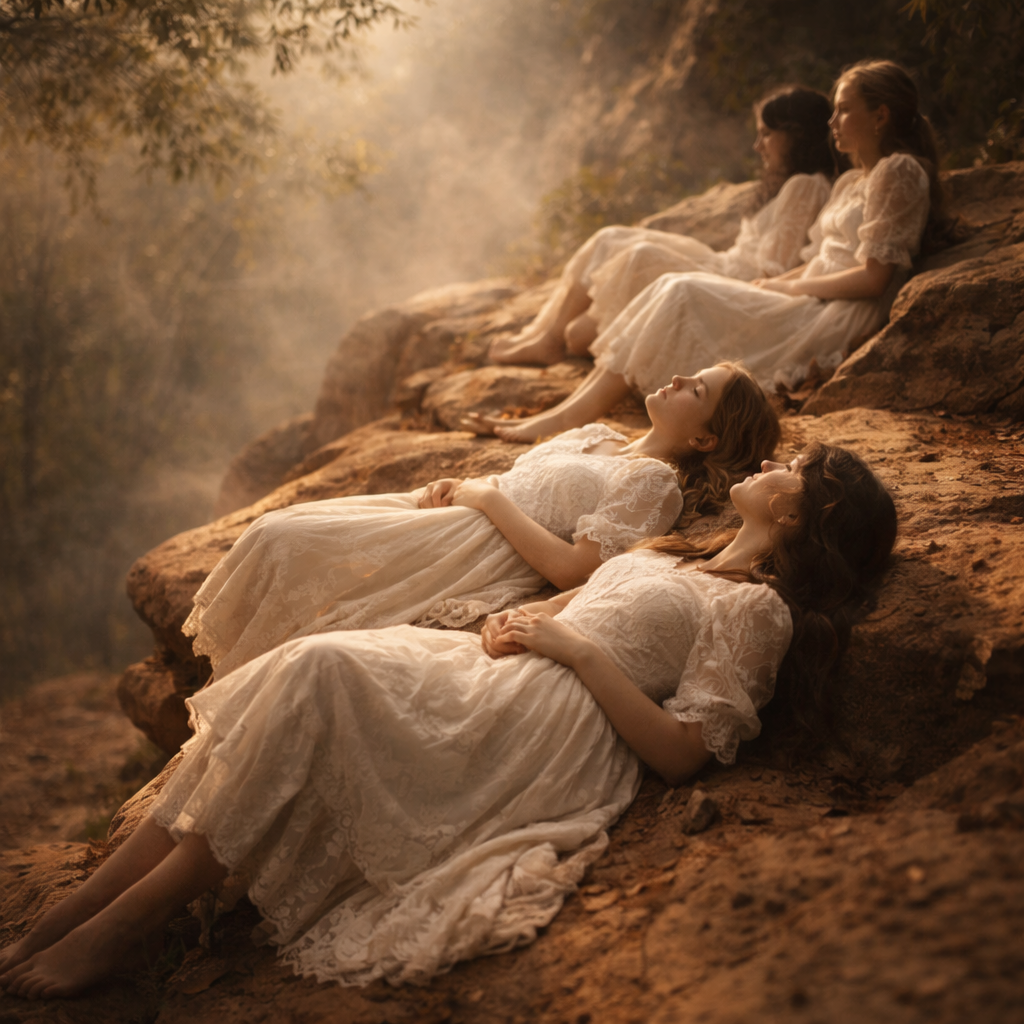
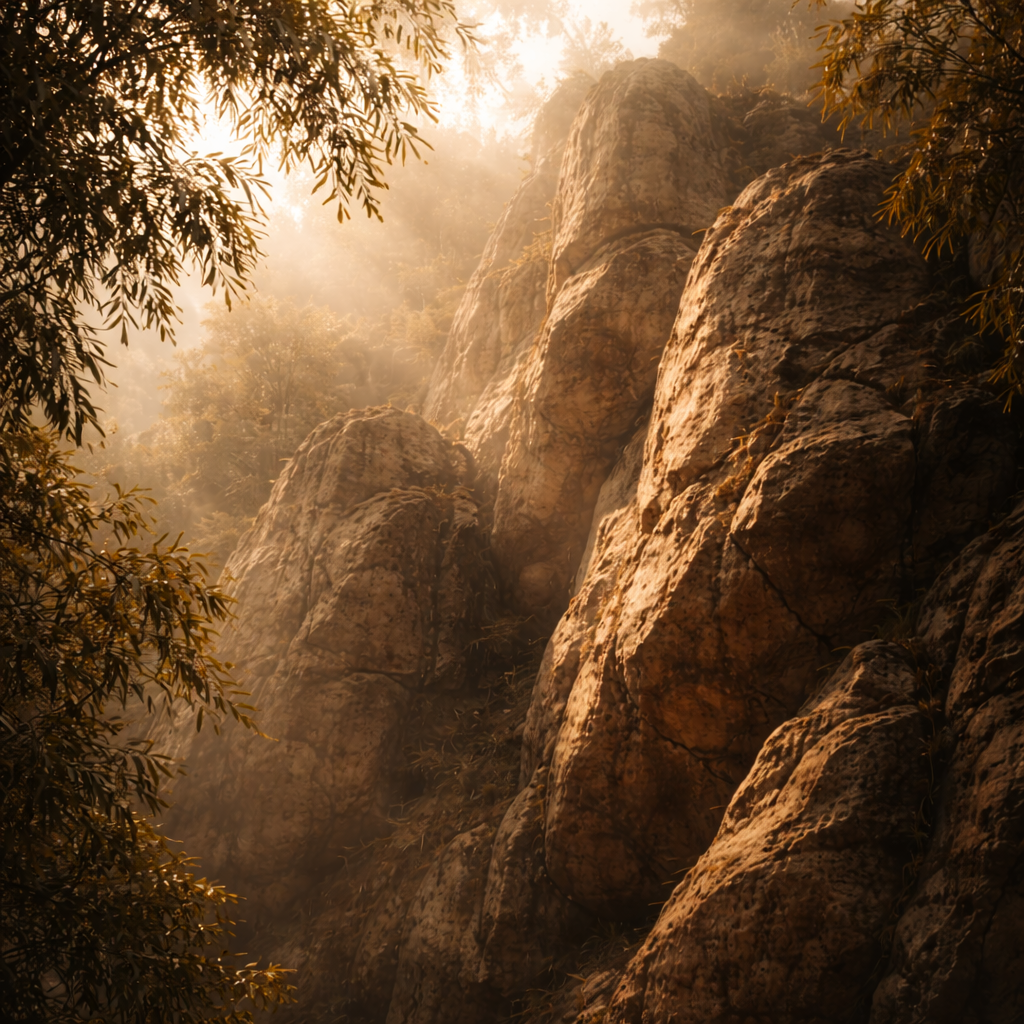
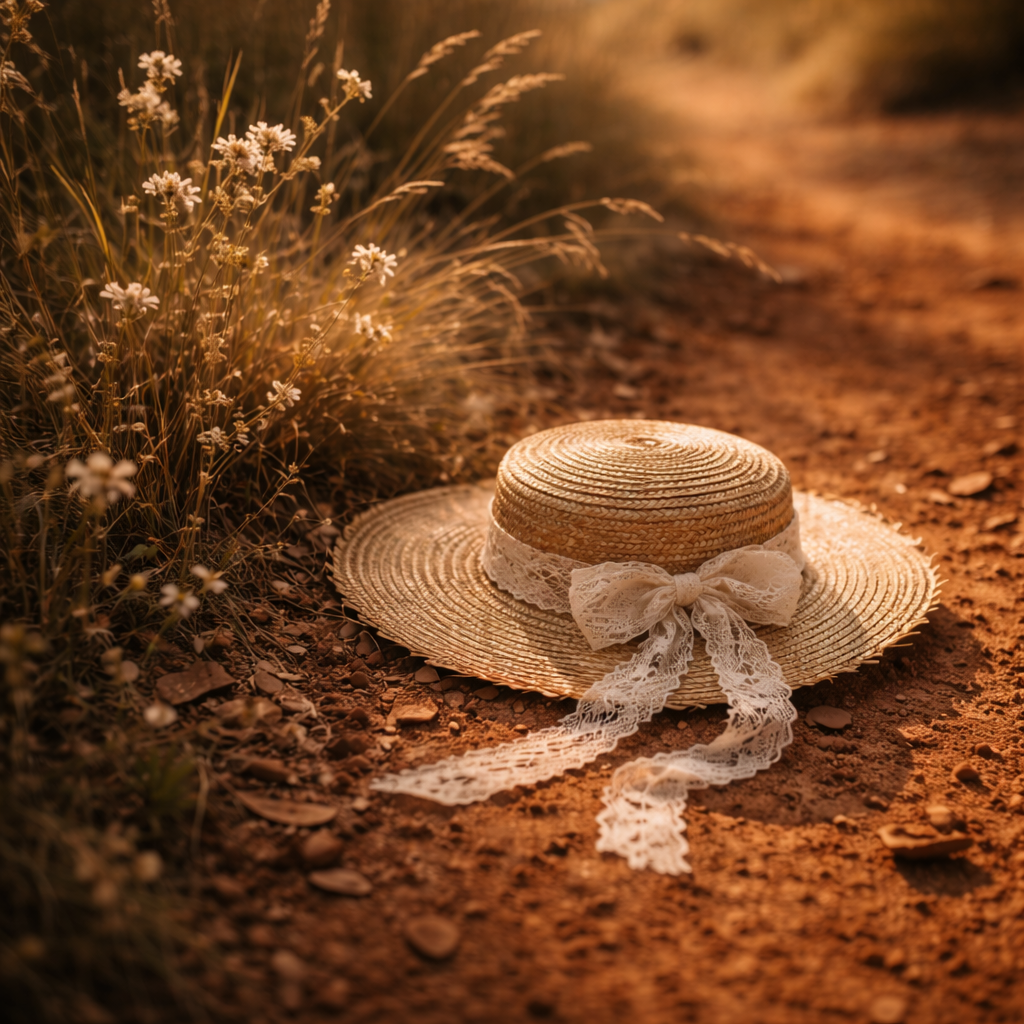
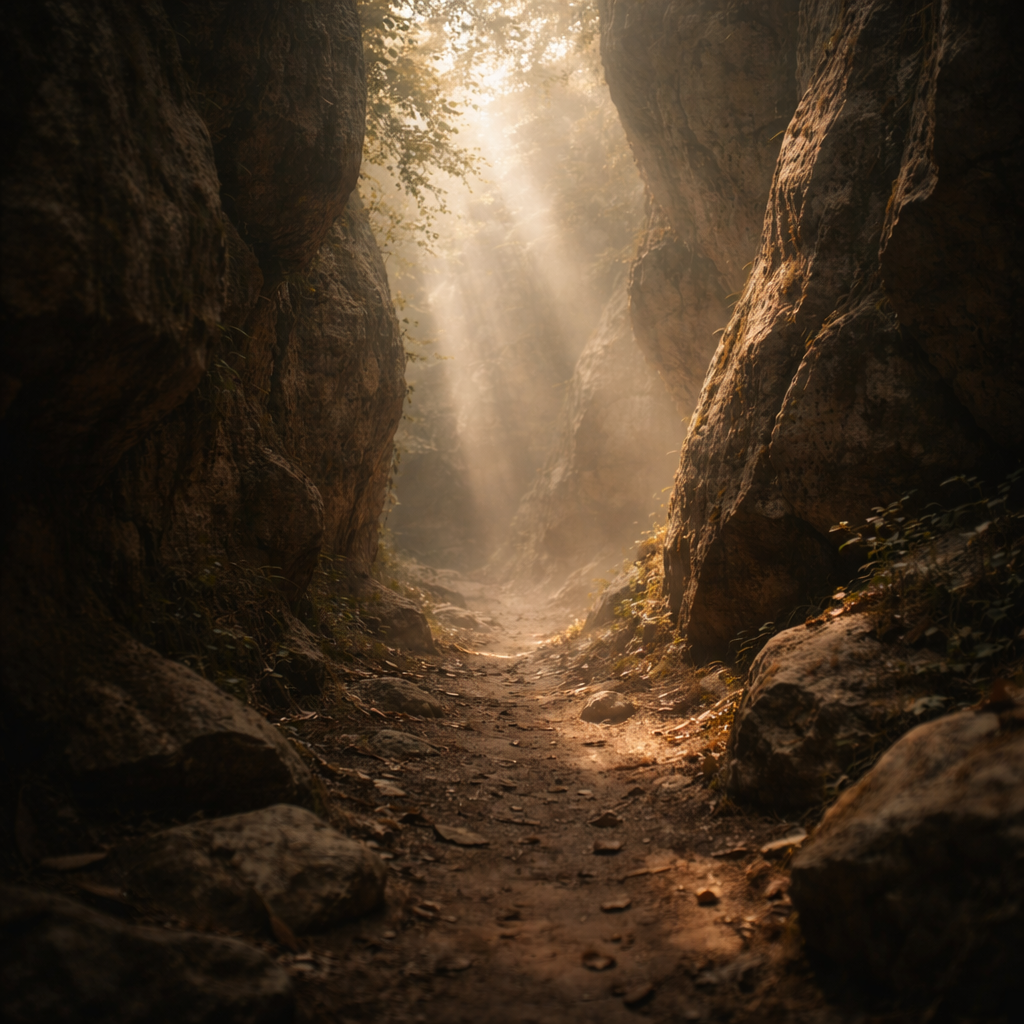
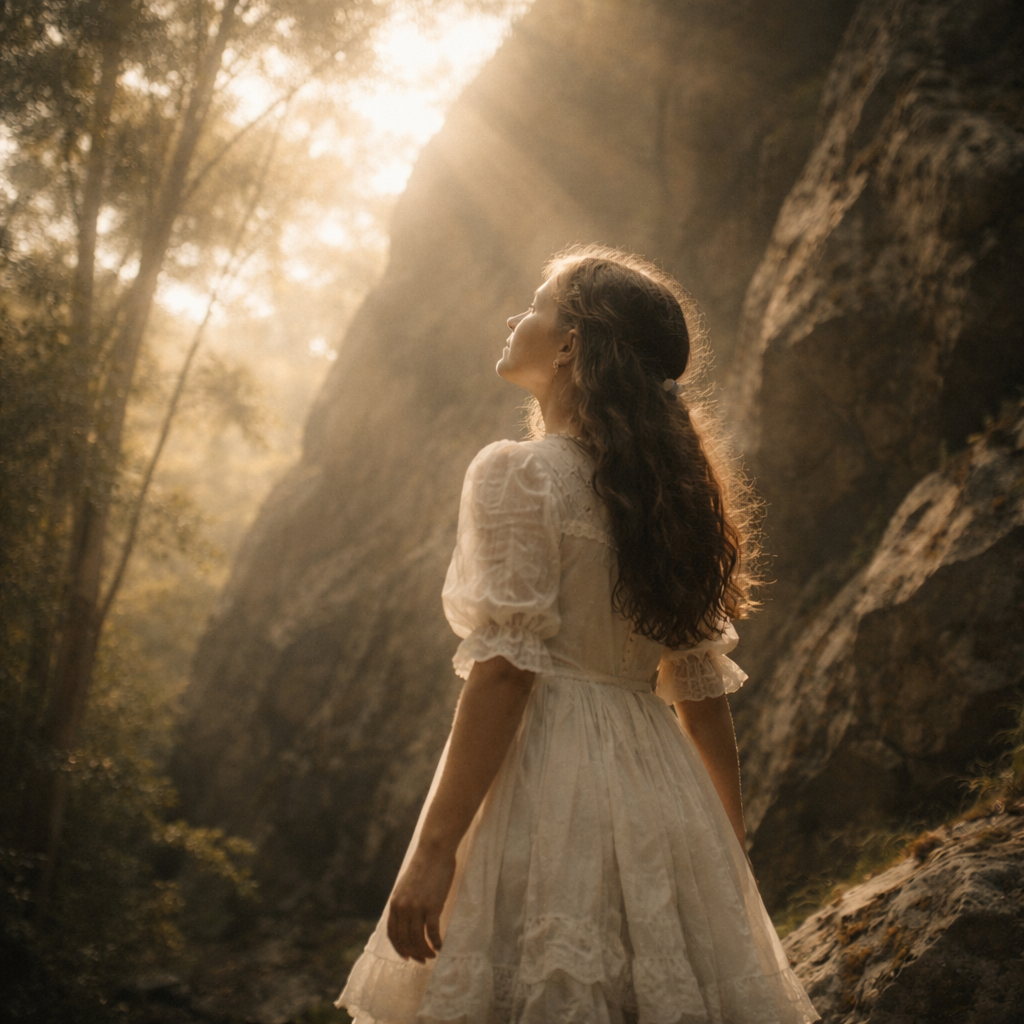
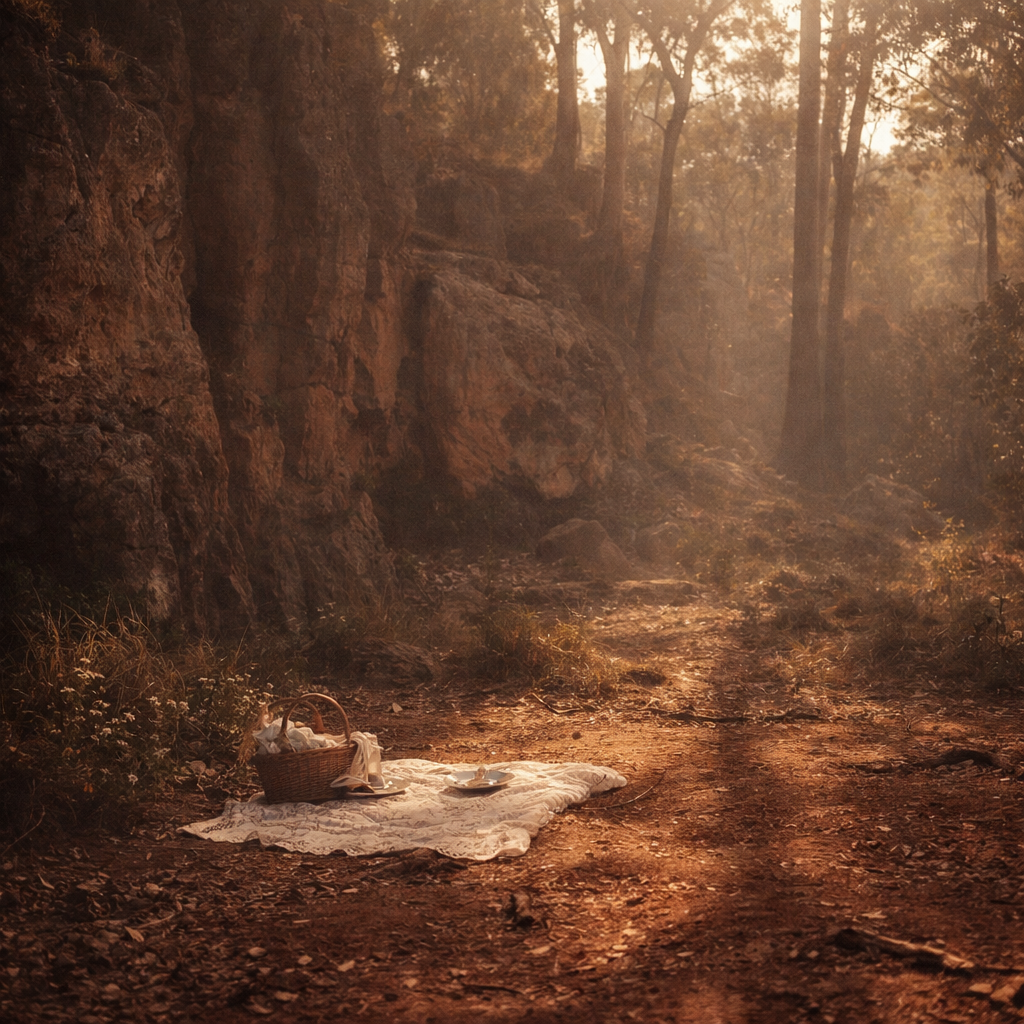
7. Picture Prompts
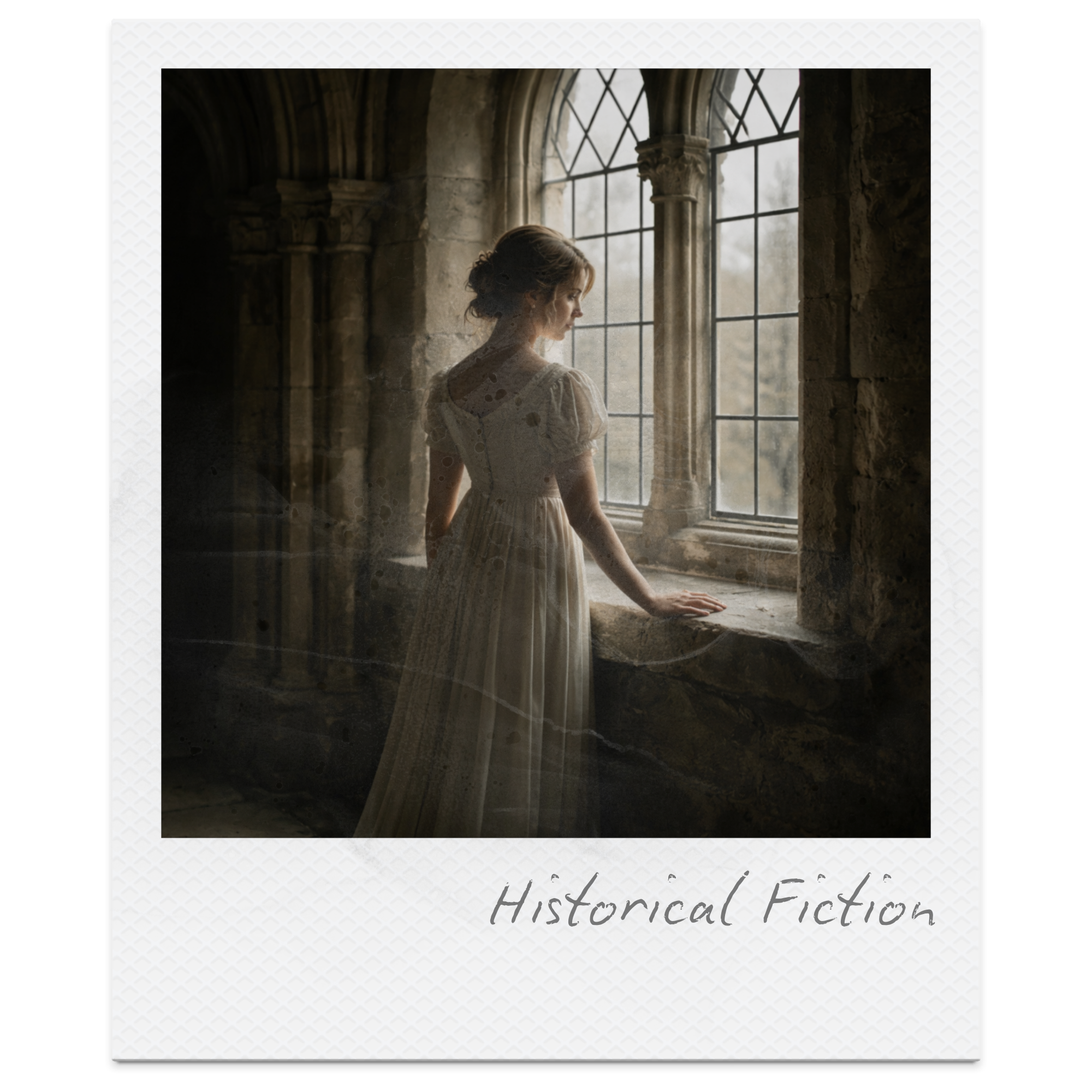
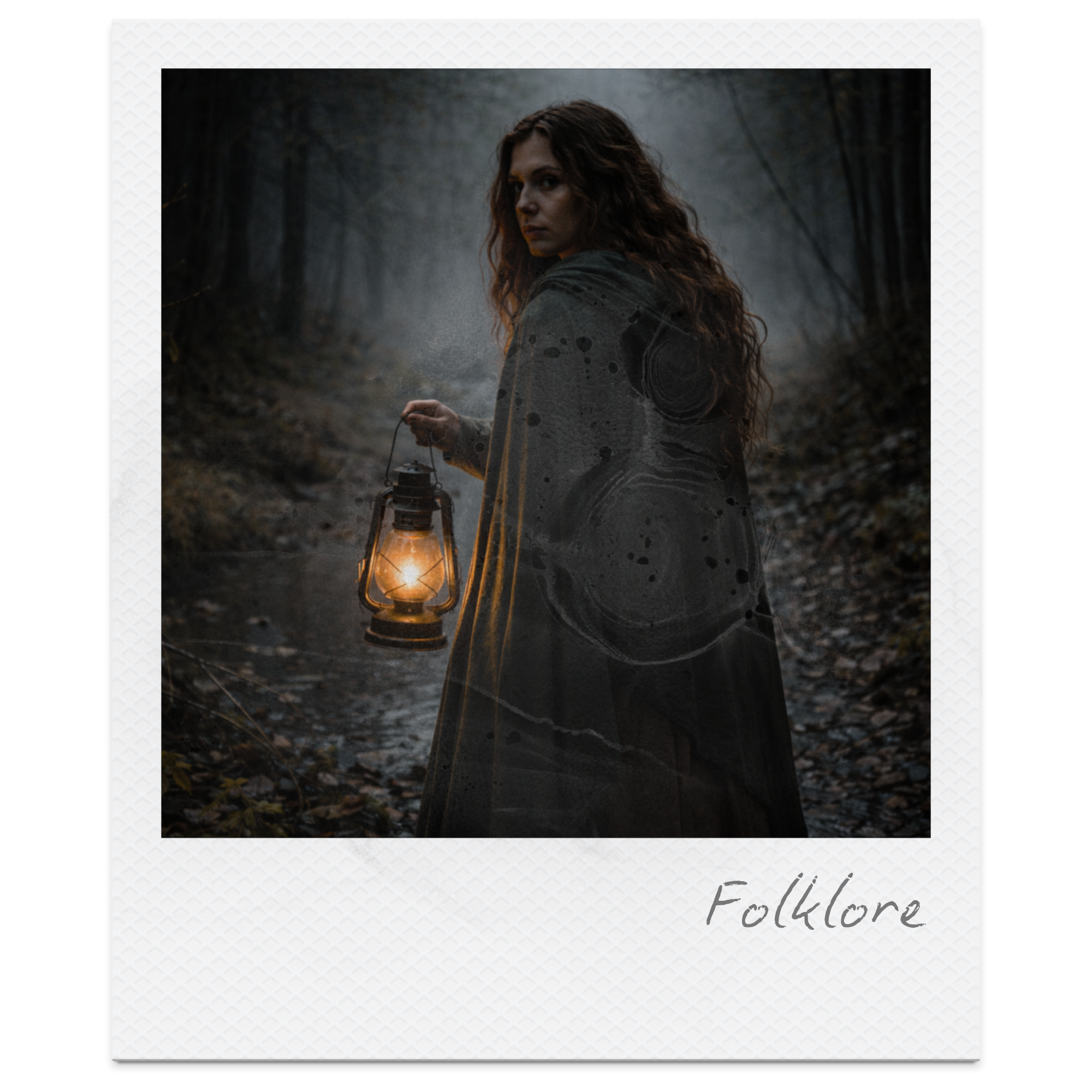
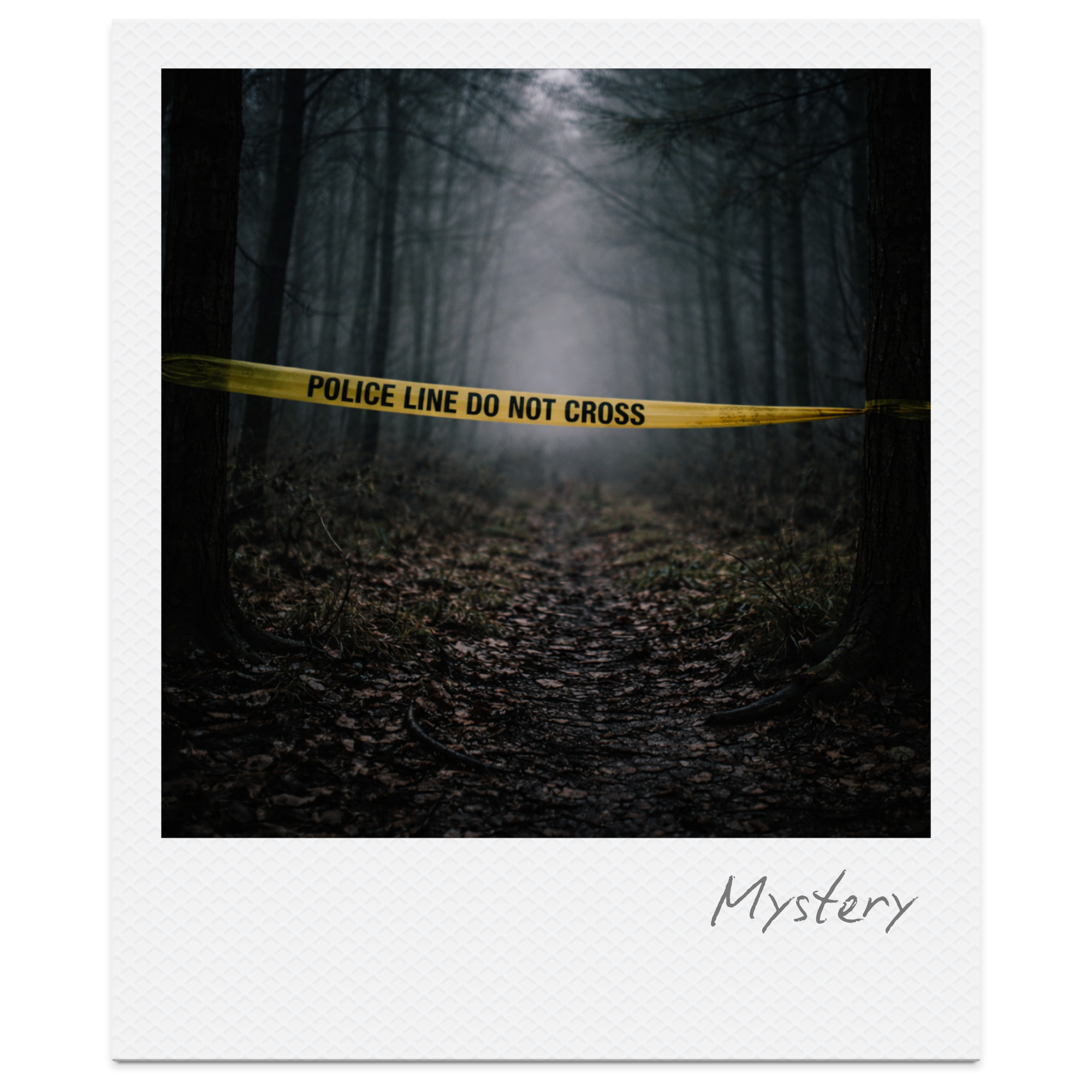
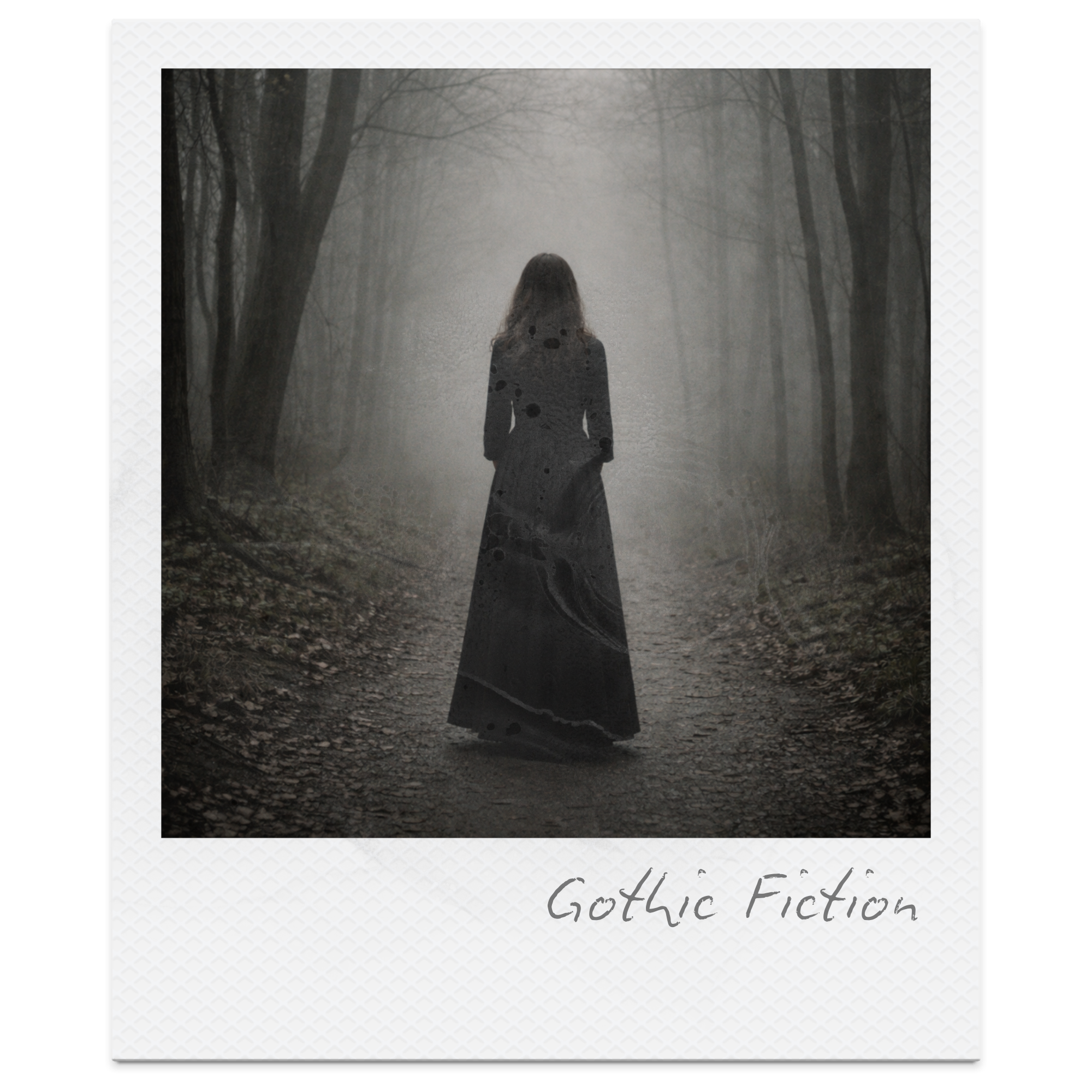
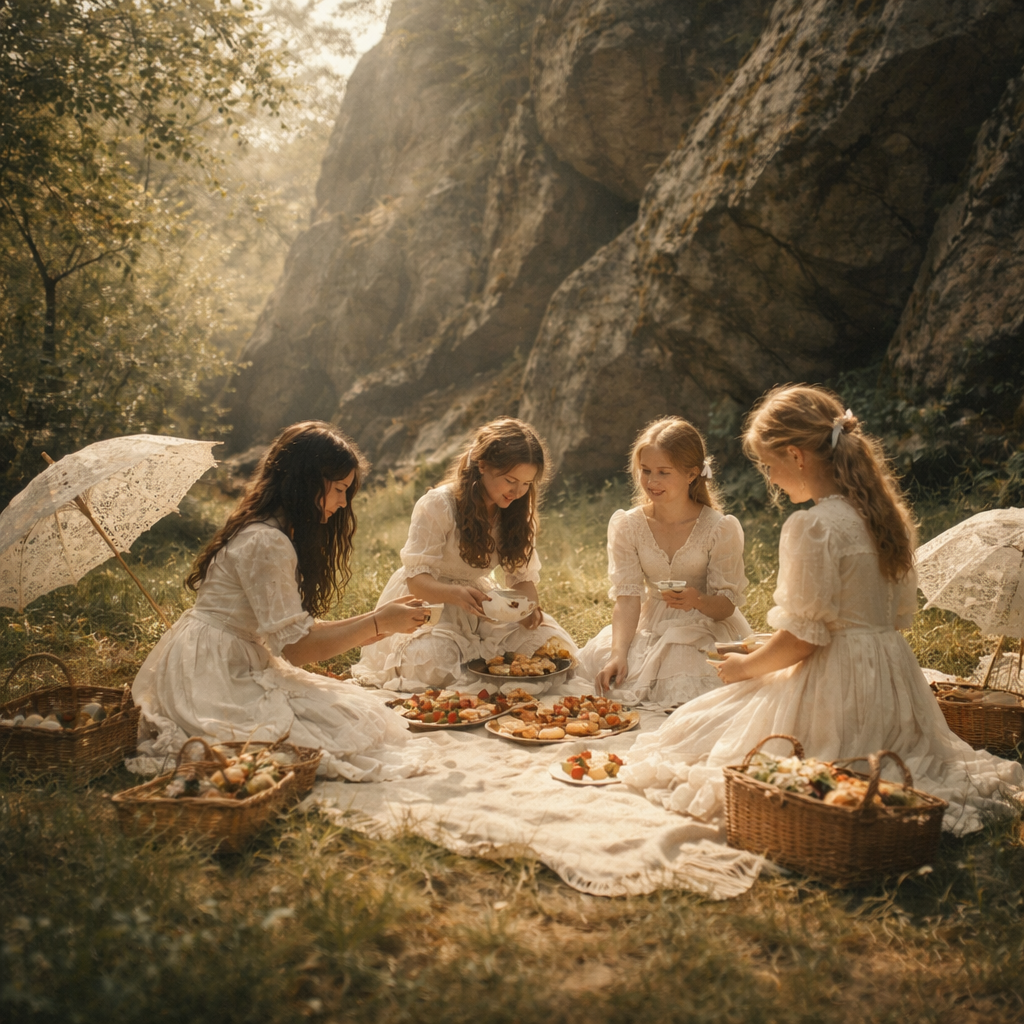
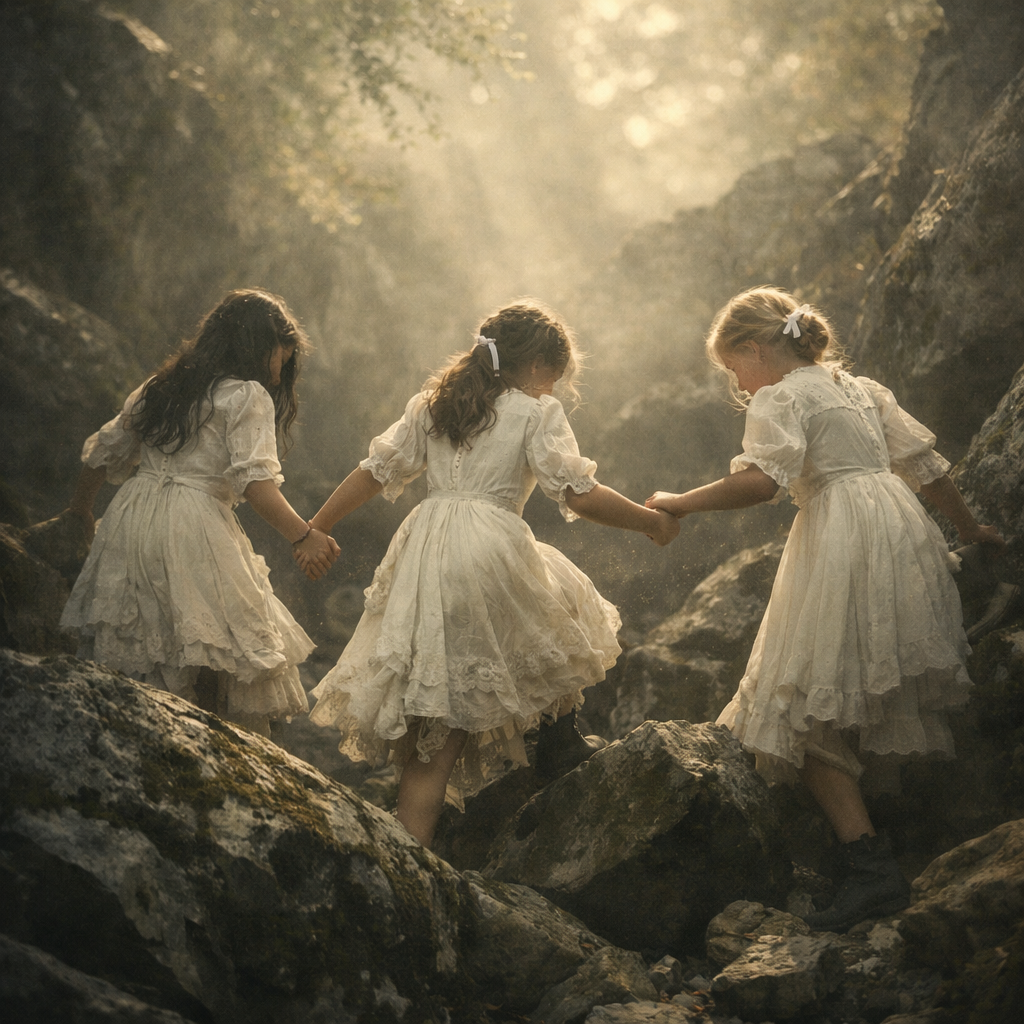
Visual prompts inspired by Picnic at Hanging Rock focus on landscape, stillness, and subtle tension.
Images might include rock formations, quiet fields, empty paths, cliffs, sunlight through trees, or figures seen from a distance. These scenes work best when they feel peaceful at first glance but carry a quiet sense that something might be hidden.
Writers can use each image to explore description, atmosphere, and uncertain events, paying attention to how environment shapes mood and interpretation.
Go Deeper into Picnic at Hanging Rock–Inspired Writing
These prompts are designed to help students explore the mood, mystery, and interpretive openness of Picnic at Hanging Rock through original storytelling.
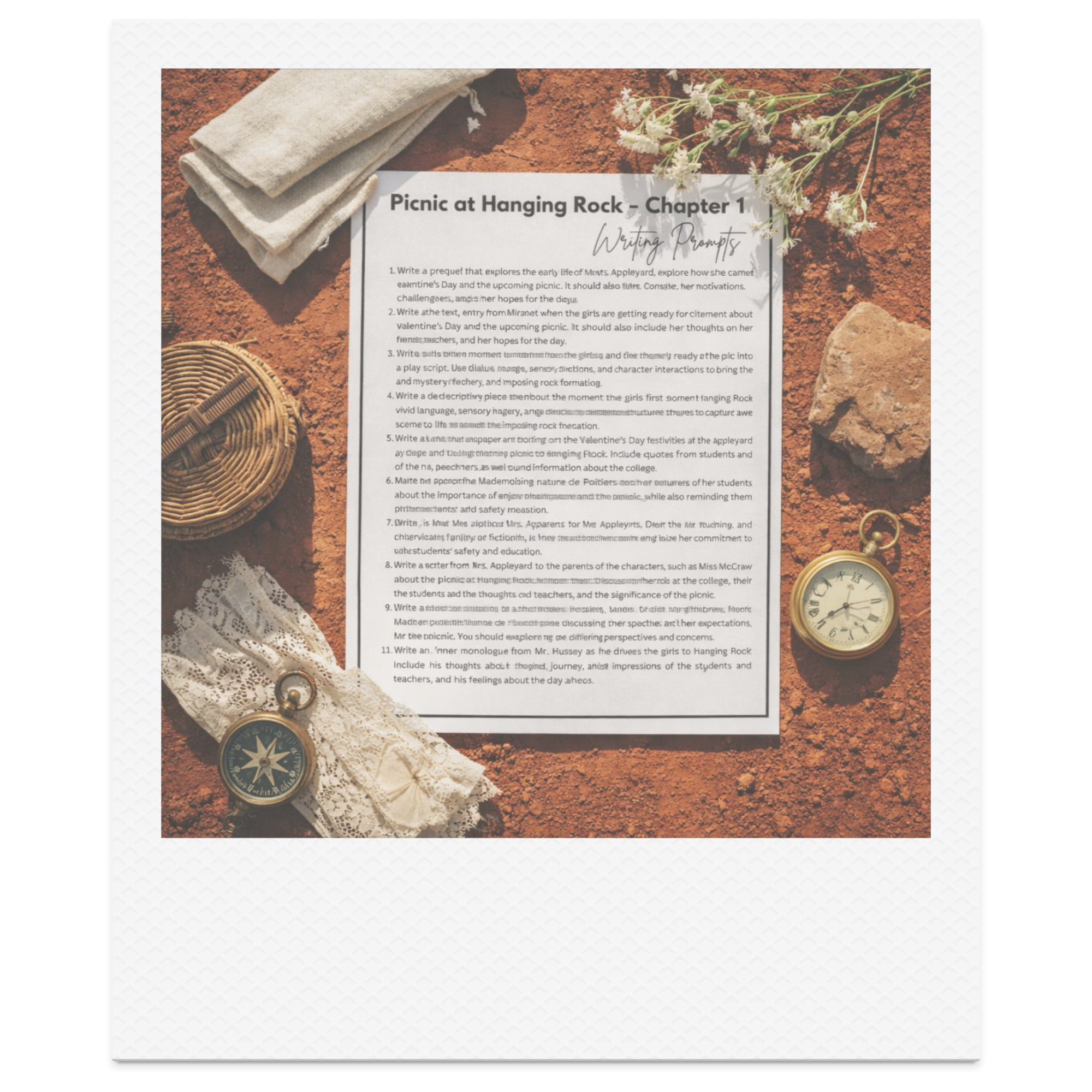
For classroom teaching, creative writing becomes even more powerful when paired with text-rooted tasks that return students directly to the novel. Structured prompts linked to key chapters, character perspectives, and moments of uncertainty help students develop confidence with voice, interpretation, and narrative ambiguity.
If you’d like to extend this work, a dedicated set of Picnic at Hanging Rock creative writing chapter prompts offers more focused, text-based tasks, including:
◆ First-person diary entries exploring the thoughts of different characters
◆ Narrative reconstructions of the mysterious disappearance
◆ Landscape-driven description inspired by the Australian setting
◆ Writing tasks exploring memory, silence, and interpretation
◆ Creative responses imagining alternative explanations
◆ Reflective pieces exploring how place influences storytelling
These activities keep students closely anchored to the novel while allowing space for creative exploration and interpretive thinking.
Final Thoughts
Creative writing inspired by Picnic at Hanging Rock encourages writers to explore the power of mystery, landscape, and unanswered questions. By focusing on atmosphere, place, and emotional response, these prompts allow students to engage with the novel’s themes without needing to resolve its central mystery.
Working with inspired prompts helps writers experiment with tone, observation, and narrative ambiguity, building confidence in storytelling while remaining connected to the novel’s haunting sense of uncertainty.
When used alongside more text-focused creative tasks, these prompts also support deeper literary understanding by showing how writers shape meaning through setting, silence, and suggestion.
Together, these approaches make creative writing both imaginative and analytical — an ideal combination for classrooms, writing clubs, and independent creative practice.
You can also explore our Literature-Inspired Creative Writing Prompts Hub to discover more creative prompts based on novels, poems and short stories, or for a wider range of prompts for different genres and tropes, then visit our Creative Writing Archive.
Choose Your Next Adventure