Notes from the Inkpot
Writing, teaching, creating - one ink-stained idea at a time.


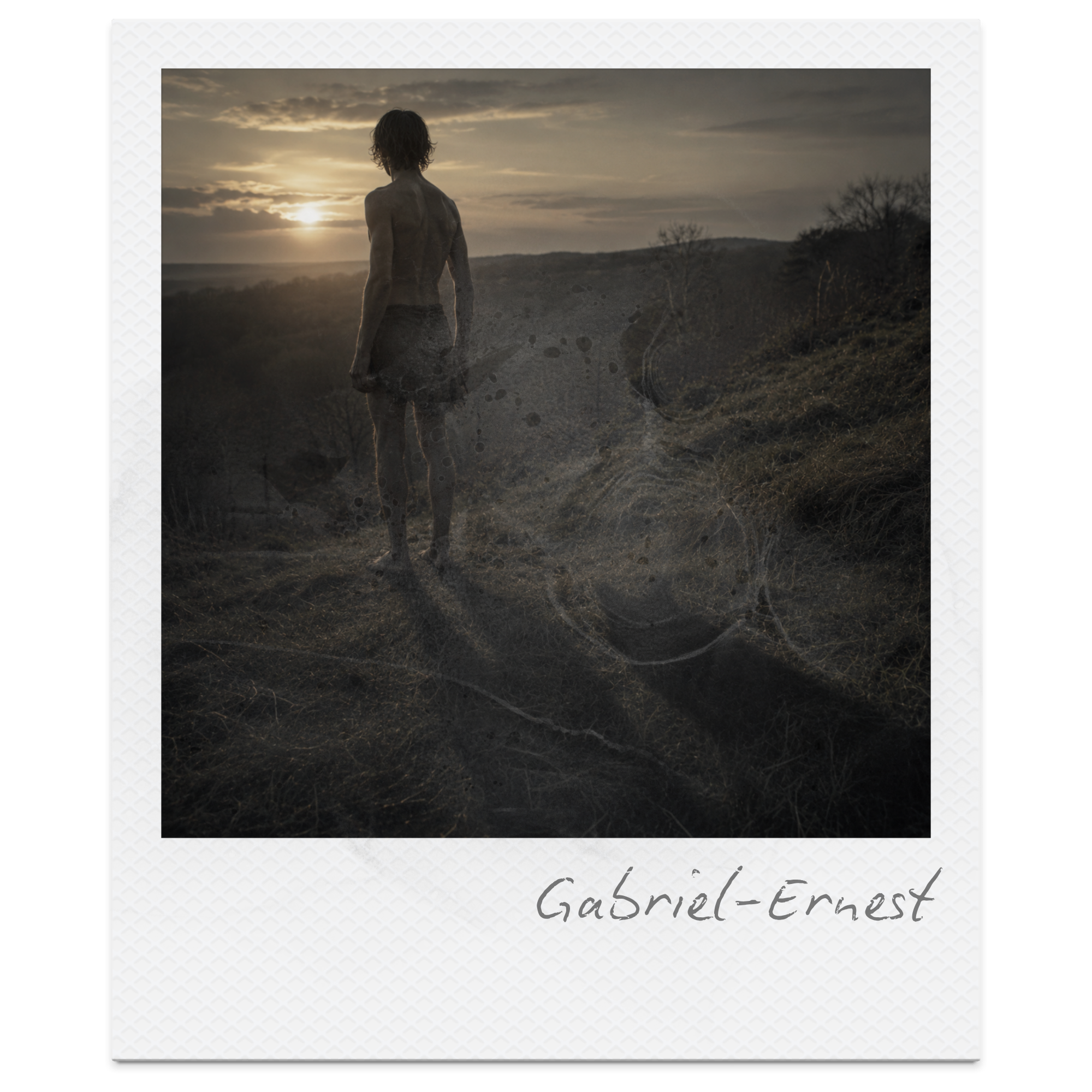
Gabriel-Ernest by Saki: Summary, Themes & Analysis
Saki’s Gabriel-Ernest is a dark and unsettling Gothic short story exploring civilisation versus savagery, hidden violence, fear of the unknown, and the dangerous instincts lurking beneath respectable society. Through the mysterious figure of Gabriel-Ernest, Saki gradually transforms an apparently ordinary rural setting into a landscape filled with supernatural tension, psychological unease, and growing horror. This detailed analysis for CIE IGCSE World Literature (0408) explores the story’s themes, symbolism, narrative voice, structure, and key quotations, while examining how Saki uses animalistic imagery, irony, and ambiguity to create suspense and fear. The guide also includes alternative interpretations, exam-ready insights, and classroom-focused teaching ideas designed to support deeper literary analysis and discussion.
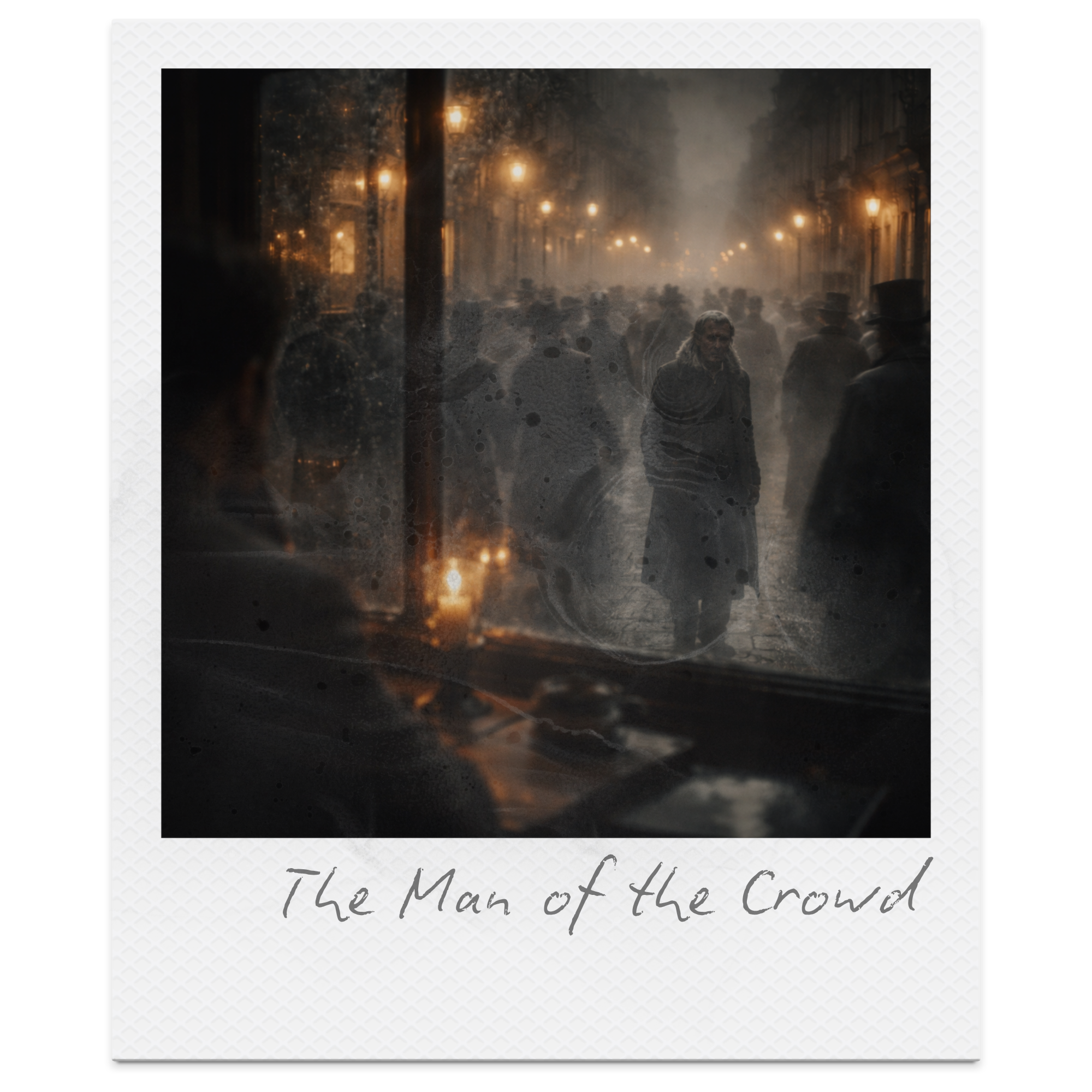
The Man of the Crowd by Edgar Allan Poe: Summary, Themes, Symbolism & Psychological Analysis
The Man of the Crowd by Edgar Allan Poe is a compelling exploration of urban anonymity, psychological obsession, and the limits of human understanding. Set against the restless backdrop of London, the story follows a narrator who becomes fixated on a mysterious old man whose expression defies interpretation. What begins as casual observation quickly develops into an intense pursuit, raising unsettling questions about whether people can ever truly be known. At its core, the story examines identity, surveillance, alienation, and unknowability, presenting the modern city as a space where individuals are both constantly visible and fundamentally hidden. Through its cyclical structure and ambiguous ending, Poe challenges the idea that observation leads to truth, instead suggesting that some lives — and some minds — remain permanently beyond comprehension.
Lenore by Edgar Allan Poe: Summary, Themes, Meaning, Death & Defiance Analysis
Lenore by Edgar Allan Poe is a powerful exploration of death, mourning, and the rejection of false grief, offering a striking contrast to more traditional elegies. Rather than presenting sorrow as the only response to loss, Poe introduces a speaker who challenges ritual mourning and social expectation, exposing the hypocrisy of those who claim to grieve while having wronged the dead in life. Through its dramatic structure and shifting voices, the poem becomes both a lament and a moral confrontation, questioning what it truly means to honour the dead. At the same time, Lenore redefines death as a form of spiritual transcendence, where loss is transformed into elevation. The speaker’s refusal to mourn suggests a deeper tension between grief and denial, leaving readers to question whether his response represents devotion or emotional resistance. Rich in religious imagery, symbolism, and sound, the poem invites multiple interpretations while maintaining a powerful focus on love, loss, and the afterlife, making it an ideal text for both classroom analysis and deeper literary study.
70 Coastal Gothic Writing Prompts: Atmospheric Story Starters, Characters, Settings & Visual Ideas
Coastal gothic stories unfold where land meets sea — in windswept villages, fogbound harbours, and cliffside landscapes shaped by erosion, memory, and loss. Rooted in the traditions of gothic fiction and maritime folklore, these narratives explore themes of isolation, haunting, secrecy, and the uneasy relationship between people and the sea. In coastal gothic storytelling, the shoreline is never simply a setting; it becomes an active force, returning fragments of the past through tides, storms, and forgotten ruins. This collection of 70 Coastal Gothic Writing Prompts invites writers to explore atmospheric storytelling through plot hooks, opening lines, character ideas, settings, and visual prompts inspired by haunted coastlines and abandoned maritime worlds. Designed for creative writing lessons, English classrooms, writing clubs, or personal projects, these prompts encourage mood-driven storytelling that prioritises atmosphere, symbolism, and emotional tension — helping writers craft gothic narratives shaped by landscape, history, and the quiet persistence of memory.
10 Gothic Poetry Prompts for Teens & Adults: Atmosphere, Obsession, and the Unseen
Gothic poetry explores atmosphere, memory, obsession, and the uneasy boundary between beauty and decay. Rather than relying on dramatic horror, many gothic poems build tension through symbolism, landscape, emotional restraint, and suggestion, allowing meaning to emerge slowly through image and voice. This collection of gothic poetry prompts for teens and adults encourages writers to experiment with mood, setting, and ambiguity while developing confidence in poetic craft. Each prompt includes a title, opening line, and craft focus designed to support creative writing in classrooms, writing groups, and independent practice. Whether you’re teaching gothic literature, exploring dark poetry themes, or looking for atmospheric poetry prompts, these ideas help writers move beyond the blank page and begin with imagery, atmosphere, and emotional depth.
70 Creative Writing Prompts Inspired by Picnic at Hanging Rock: Plot Hooks, Opening Lines, Characters & Visual Ideas
The haunting mystery of Picnic at Hanging Rock has captivated readers and viewers for decades, blending historical fiction, Gothic atmosphere, and psychological intrigue into one of the most unsettling stories of disappearance in literature and film. Set against the strange, ancient landscape of the Australian bush, the story invites questions about memory, nature, and the thin boundary between the rational world and the unknown. This collection of 70 creative writing prompts inspired by Picnic at Hanging Rock explores themes of isolation, unanswered mysteries, hidden landscapes, and unsettling moments where reality seems to shift. Through plot hooks, opening lines, character ideas, setting prompts, and visual inspiration, these prompts are designed to help writers craft eerie historical mysteries, psychological stories, and atmospheric Gothic fiction.
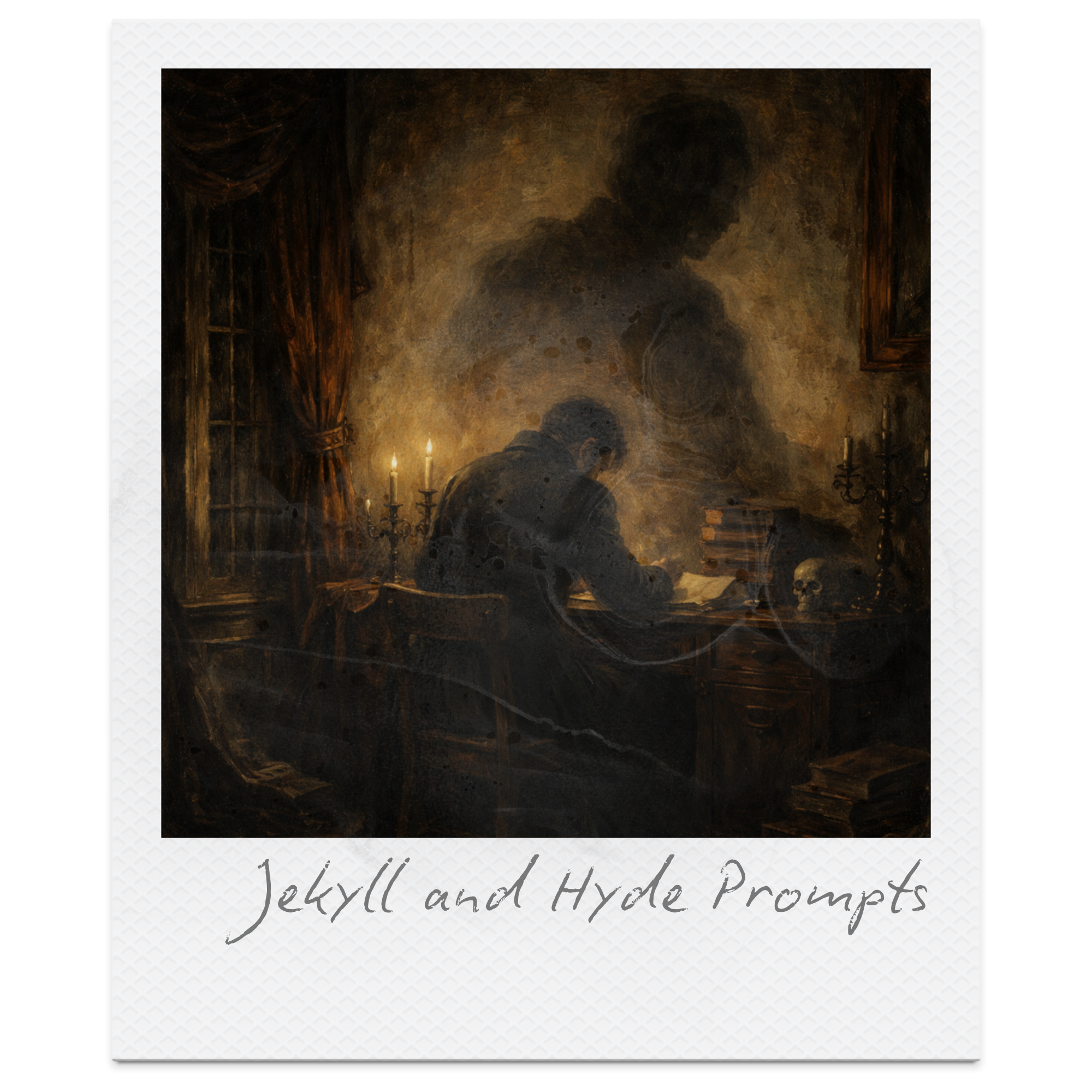
70 Creative Writing Prompts Inspired by Jekyll and Hyde: Plot Hooks, Opening Lines, Characters & Visual Ideas
Robert Louis Stevenson’s The Strange Case of Dr Jekyll and Mr Hyde explores the unsettling idea that people are not neatly divided into good and evil, but shaped by duality, repression, and the parts of themselves they try hardest to hide. This collection of creative writing prompts inspired by Jekyll and Hyde invites teen writers to engage with the novella’s gothic atmosphere, psychological tension, and moral complexity through original storytelling rather than retelling the plot. Designed for classroom use, writing clubs, and independent practice, these Jekyll and Hyde–inspired writing prompts focus on identity, secrecy, and inner conflict, encouraging students to experiment with voice, perspective, and setting. By working with mood-led, character-driven ideas, writers can explore Stevenson’s themes in a way that feels creative, accessible, and deeply connected to the text — making these prompts ideal for both short starters and extended creative tasks.
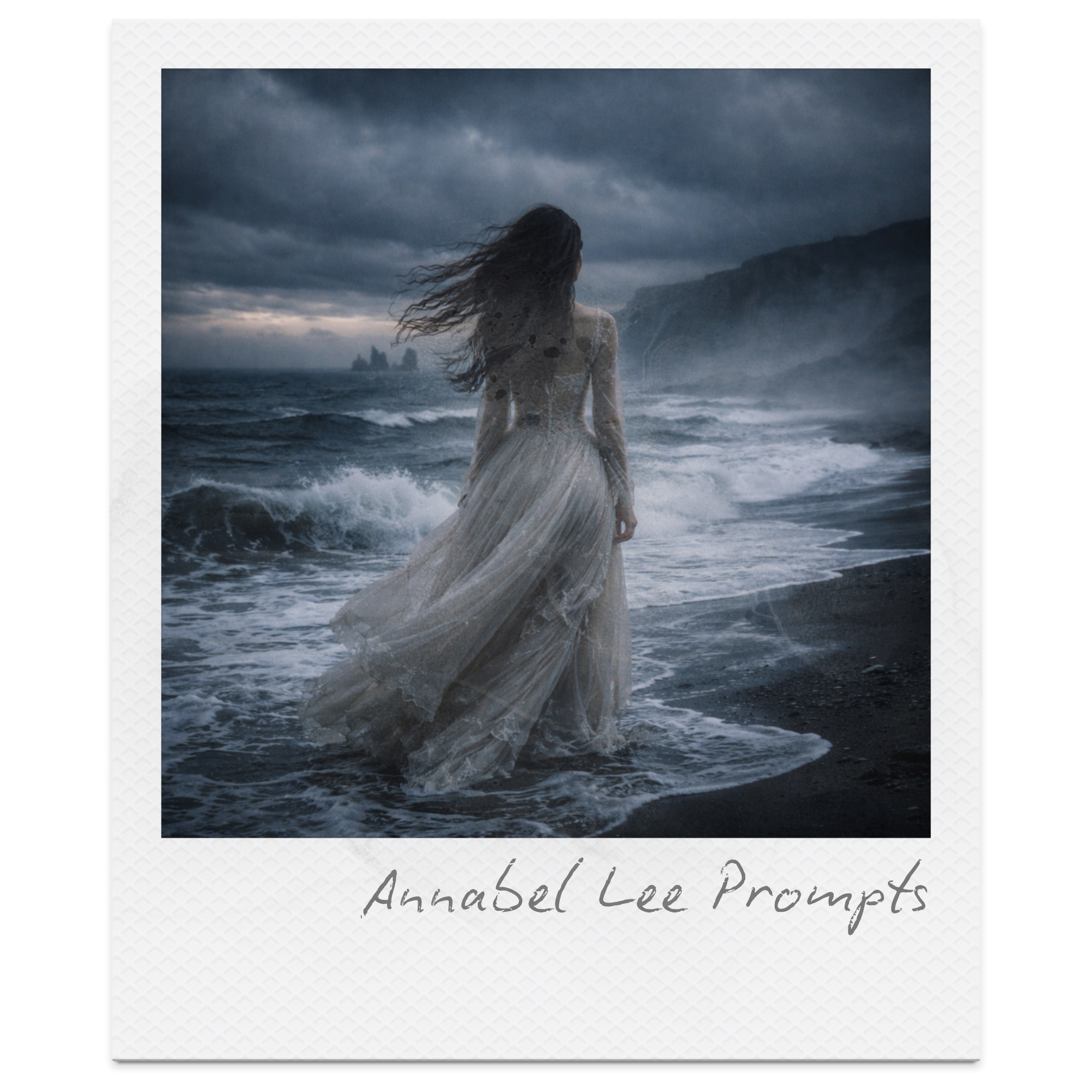
70 Creative Writing Prompts Inspired by Annabel Lee: Plot Hooks, Opening Lines, Characters & Visual Ideas
These 70 creative writing prompts inspired by Edgar Allan Poe’s Annabel Lee are designed to help young writers explore emotion, memory, and atmosphere through original storytelling. Rather than retelling the poem, the prompts draw on its mood, imagery, and central ideas, encouraging students to experiment with voice, setting, and feeling while developing confidence in expressive writing. Suitable for classroom use, writing clubs, and independent practice, this collection supports creative engagement with literature across a range of age groups. The prompts can be used as short writing starters, extended creative tasks, or inspiration for reflective pieces that connect literary study with imagination and personal response.
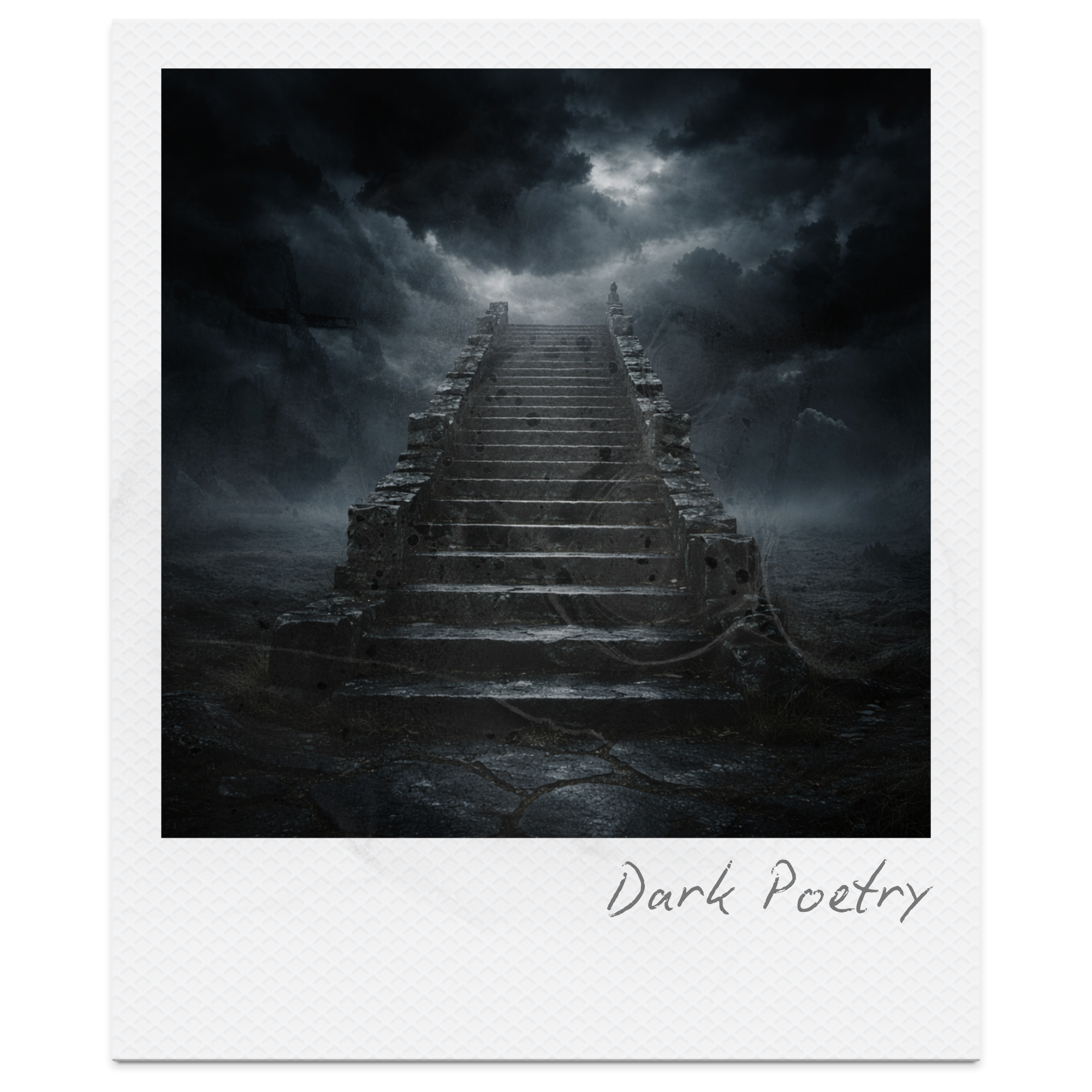
10 Dark Poetry Prompts for Teens & Adults: Exploring Shadow, Silence, and Emotion
Dark poetry explores shadow, silence, and the emotions we rarely name out loud. In this collection of dark poetry prompts for teens and adults, you’ll find atmospheric writing ideas designed to encourage restraint, tension, and emotional depth rather than shock or spectacle. Each prompt invites writers to focus on imagery, form, and what remains unsaid. This post includes 10 dark poetry writing prompts, craft techniques such as enjambment and repetition, suggested opening lines, and ekphrastic poetry images inspired by gothic art, surrealism, and classical forms. Whether you’re teaching poetry, writing independently, or exploring darker themes with care and intention, these prompts offer a thoughtful starting point for powerful, atmosphere-driven writing.
Teaching The Lottery by Shirley Jackson Without Context (And Why It Works)
When teaching The Lottery by Shirley Jackson, I deliberately avoid giving students historical context before the first reading. Instead, I let them experience the story as it was designed to be read: ordinary, unsettling, and deeply uncomfortable. In this post, I explain why teaching The Lottery without context leads to stronger discussion, deeper understanding, and more meaningful student responses — and how delaying explanation allows the text itself to do the work.
70 Gothic Writing Prompts for Teens: Story Starters, Characters, Settings & Visual Ideas
Gothic fiction is defined by atmosphere — haunted houses, storm-lashed castles, shadowed forests, and secrets that refuse to stay buried. This collection of 70 gothic writing prompts helps teen writers explore gothic fiction through eerie story starters, haunting titles, tragic characters, evocative settings, and atmospheric picture prompts inspired by classic and modern gothic literature. Ideal for classrooms, creative writing clubs, or independent writers, these prompts capture the beauty, tension, and unease at the heart of gothic storytelling.

10 Haunting Poems to Teach This Halloween (That Aren’t Just The Raven)
Halloween isn’t just for spooky short stories — poetry can be just as haunting. From Poe’s The Raven to eerie ballads like The Unquiet Grave, these poems bring atmosphere, symbolism, and Gothic chills into the classroom. Perfect for middle and high school, this list offers ten haunting poems that make October lessons both literary and seasonal.
Teaching Edgar Allan Poe in the Secondary English Classroom
Edgar Allan Poe remains one of the most effective writers to teach in the secondary English classroom, offering short stories and poems that reward close reading, discussion, and interpretation. His work explores unreliable narrators, psychological tension, symbolism, and moral ambiguity, making it ideal for discussion-led lessons that move beyond plot and towards deeper literary thinking. In this post, Poe’s most commonly taught texts are organised by theme rather than chronology, allowing teachers to explore patterns around guilt, power, grief, atmosphere, and logic across both prose and poetry. With practical classroom ideas and links to complete teaching resources, this guide supports secondary English teachers looking to teach Edgar Allan Poe with depth, flexibility, and intellectual rigour.
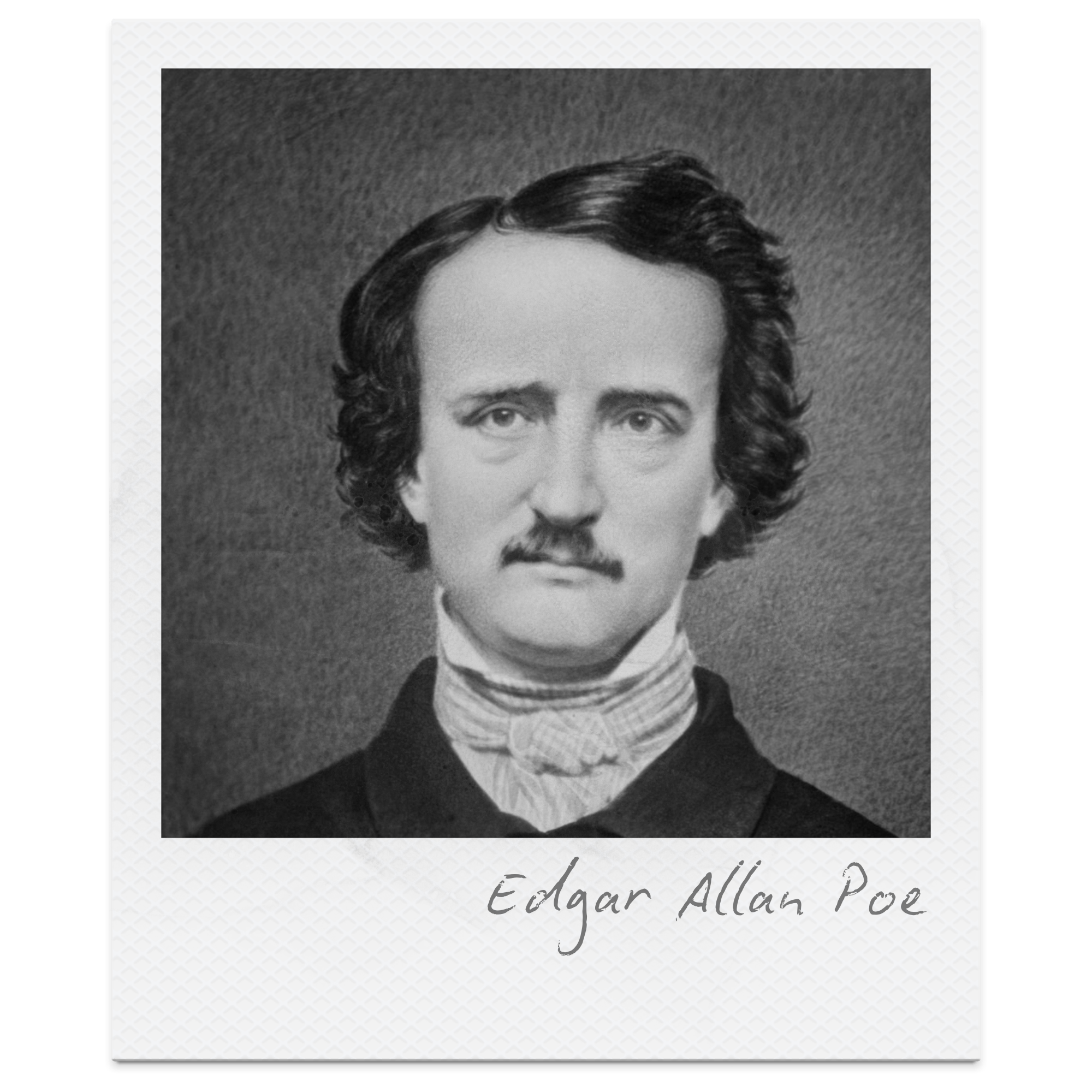
Edgar Allan Poe: Context, Themes, and Literary Significance
Edgar Allan Poe is one of the most widely taught American writers in the secondary English classroom, known for his Gothic fiction, psychological narratives, and influential detective stories. Writing in the early nineteenth century, Poe explored themes of unreliable narration, guilt, obsession, and moral ambiguity, using tightly controlled structure and atmosphere to shape reader interpretation. His work rewards close reading and discussion, making it particularly effective for developing analytical confidence. This guide explores Edgar Allan Poe’s historical context, recurring themes, and literary significance, offering a framework for understanding how his writing operates across poetry and short fiction. Rather than focusing on plot or biography, it examines how Poe uses voice, perspective, and implication to generate meaning, supporting discussion-led teaching and thematic study in the secondary English classroom.