10 Gothic Poetry Prompts for Teens & Adults: Atmosphere, Obsession, and the Unseen
Gothic poetry is less concerned with overt horror than with atmosphere, emotional intensity, and lingering uncertainty. At its strongest, it exists in the space between beauty and decay — where love borders on obsession, where landscapes feel charged with memory, and where the past refuses to remain buried.
These gothic poetry prompts for teens and adults are designed to support atmosphere-driven, craft-focused writing in classrooms, writing groups, and independent practice. Each prompt encourages writers to work with imagery, mood, symbolism, and voice, creating poems that feel unsettling, reflective, or quietly haunting rather than simply dramatic.
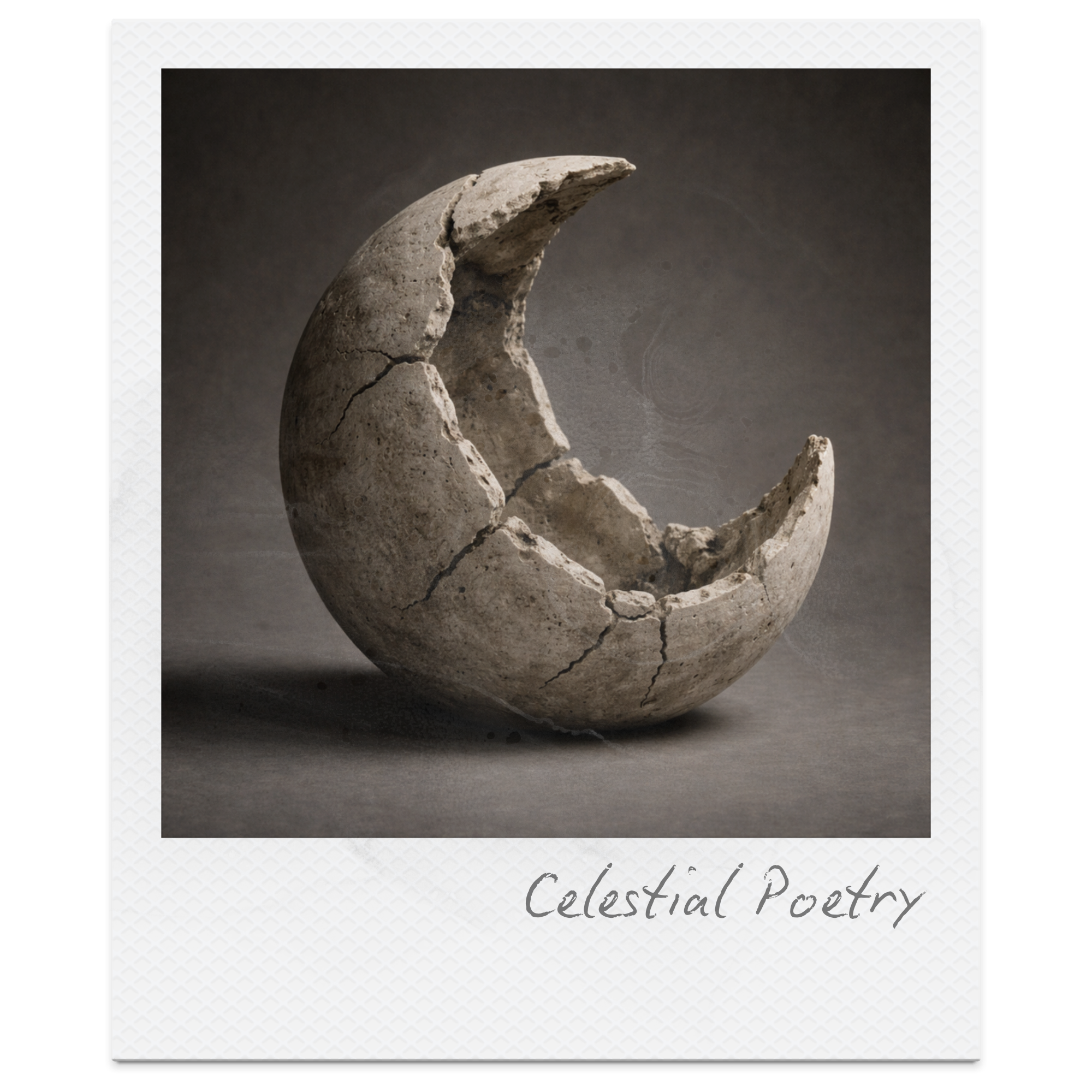
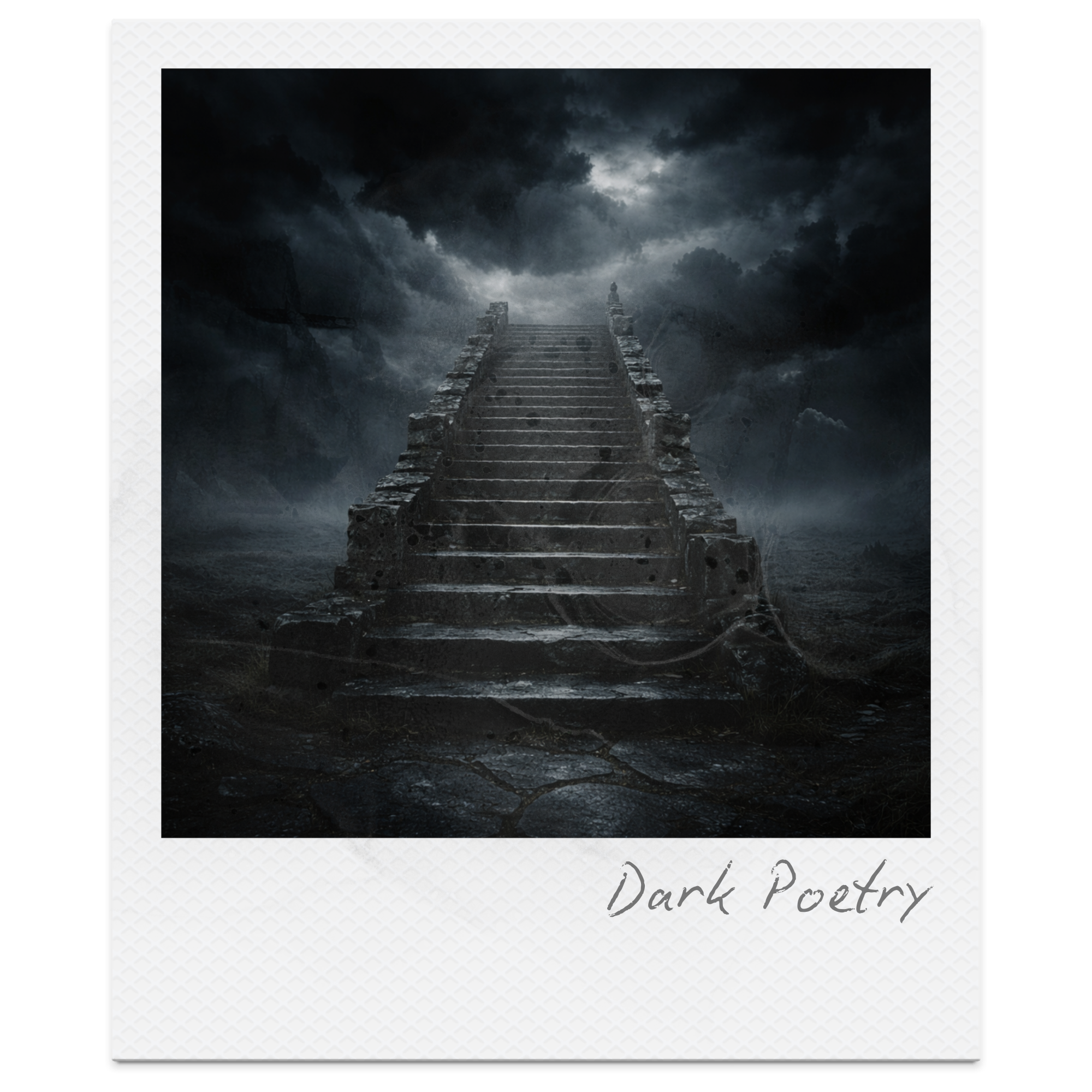
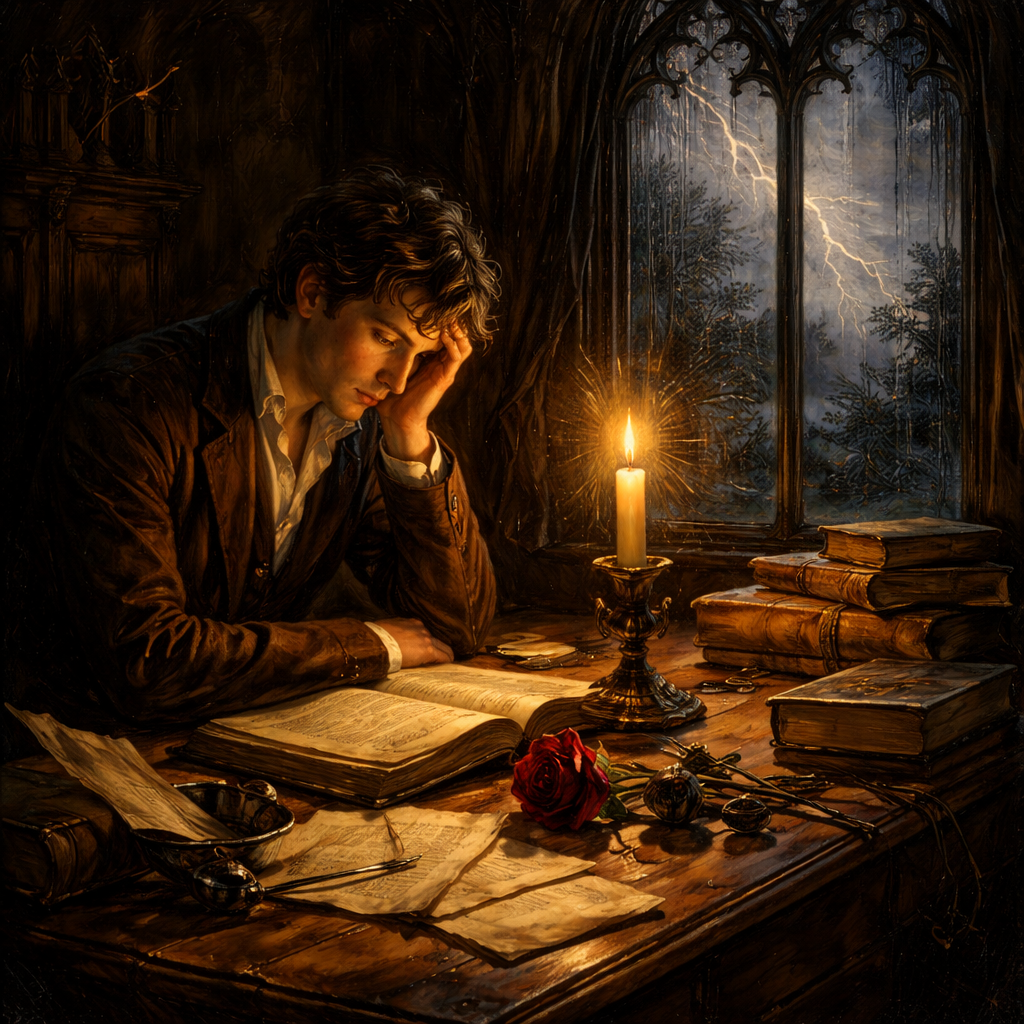
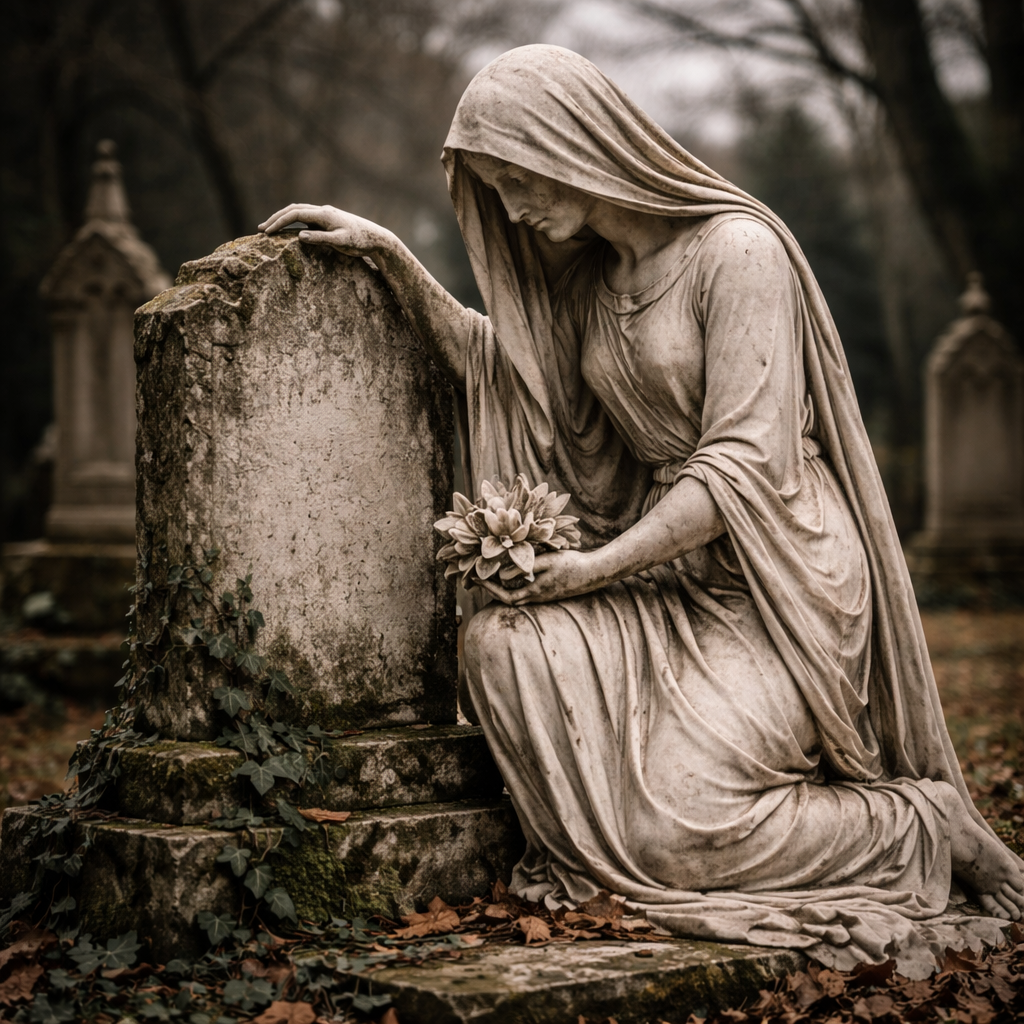
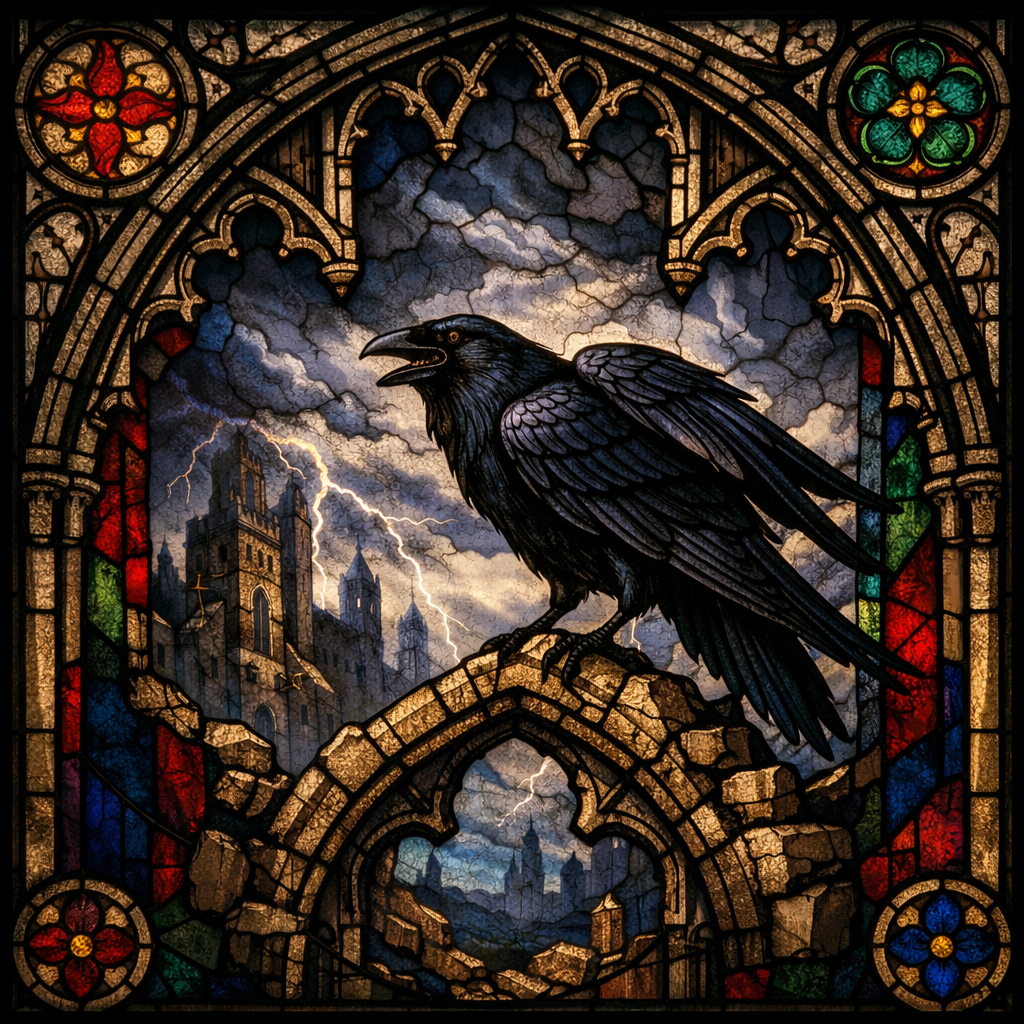
Alongside the prompts, you’ll find suggested opening lines, writing techniques, and ekphrastic poetry images to help writers move beyond the blank page and begin with atmosphere rather than explanation.
If you're exploring gothic writing more broadly, you may also want to explore the Poetry Writing Hub or Gothic Writing Hub, which brings together gothic fiction ideas, themes, and prompts across genres.
For writers looking for further inspiration beyond gothic poetry, the Creative Writing Archive collects writing prompts, storytelling ideas, and image-based inspiration designed to support reflective and imaginative writing.
Short on time?
Scroll down for the 10 gothic poetry prompts, or keep reading for writing techniques and poetry examples to support atmospheric gothic writing.
How to Approach Gothic Poetry
Writing gothic poetry is less about describing fear and more about creating unease, atmosphere, and emotional tension. The most effective gothic poems often feel calm on the surface while hinting at something deeper — unresolved grief, obsession, memory, or the quiet presence of something unseen.
Start with place. Gothic poetry frequently begins with locations that carry emotional weight: abandoned houses, fog-covered landscapes, empty corridors, or storm-lit coastlines. These environments often mirror the speaker’s emotional state, allowing setting and psychology to blend together.
Objects also play an important role in gothic writing. Letters, mirrors, portraits, jewellery, and flowers often appear as symbols of memory, secrecy, or emotional attachment. Rather than explaining their meaning directly, allow these objects to appear naturally within the poem and accumulate significance through repetition.
Voice matters too. Gothic poetry often speaks from positions of uncertainty or partial knowledge. The speaker may suspect something is wrong, remember something imperfectly, or feel watched by the past. This ambiguity allows the poem to build tension without needing to provide clear answers.
Pay attention to rhythm, pacing, and silence. Slower lines, careful enjambment, and deliberate pauses can create a sense of quiet suspense. White space on the page can mirror absence, distance, or emotional restraint — all central to gothic poetry writing.
Resist the urge to explain everything. Gothic poetry thrives on suggestion. Often, what the poem refuses to clarify is exactly what gives it power.
Techniques to Try in Gothic Poetry
Gothic poetry writing relies heavily on symbolism, atmosphere, and emotional tension rather than narrative action. These techniques help writers create poems that feel haunting, reflective, and layered without relying on dramatic events.
Try one or two techniques at a time, paying attention to how imagery, voice, and structure interact.
◆ Atmospheric Setting
Begin the poem with place rather than action. Fog-covered landscapes, abandoned buildings, quiet interiors, or moonlit gardens can establish tone immediately. In gothic poetry, the environment often carries emotional meaning before the speaker even appears.
◆ Symbolic Objects
Introduce an object that gradually becomes significant — a portrait, letter, mirror, flower, or heirloom. Gothic poems frequently allow objects to hold emotional or supernatural weight without explaining why.
◆ Ambiguous Presence
Suggest that someone or something may be present without confirming it. Sounds, shadows, movements, or remembered voices can create tension through uncertainty.
◆ Repetition as Obsession
Repeat a word, phrase, or image throughout the poem. In gothic poetry, repetition often reflects grief, fixation, or emotional intensity.
◆ Nature as Emotional Mirror
Use storms, forests, winter landscapes, or coastlines to reflect the internal state of the speaker. Gothic poems often allow the natural world to echo emotional conflict.
◆ Slow Revelation
Allow the poem to unfold gradually, revealing details piece by piece. Each stanza should deepen the atmosphere rather than explaining the situation immediately.
◆ Beauty Paired With Decay
Combine elegant or romantic imagery with subtle signs of deterioration — fading flowers, crumbling buildings, dim candlelight. Gothic poetry often relies on this contrast.
◆ Unreliable Voice
Allow the speaker to question what they see or remember. Doubt, hesitation, and contradiction can create psychological unease.
◆ Quiet Endings
End the poem on an image rather than an explanation — a door closing, footsteps fading, a shadow remaining. Gothic poetry often leaves the reader with unresolved tension.
Read for Inspiration: Gothic Poetry
Reading gothic poems can help writers understand how atmosphere, symbolism, and emotional restraint shape the genre. Many gothic poems create unease not through dramatic events but through imagery, repetition, and voice.
Read these poems closely for tone, structure, and atmosphere.
◆ Edgar Allan Poe – The Raven
A poem driven by repetition, obsession, and emotional descent. Poe’s use of rhythm and refrain demonstrates how sound and structure can intensify gothic atmosphere.
◆ Christina Rossetti – Goblin Market
A richly symbolic poem exploring temptation, danger, and redemption. Rossetti’s imagery shows how gothic poetry can blend beauty with underlying threat.
◆ Emily Dickinson – Because I could not stop for Death
Dickinson’s calm voice transforms death into something quietly eerie and intimate, demonstrating how restraint can create gothic atmosphere.
◆ Alfred, Lord Tennyson – Mariana
A poem of isolation and emotional stagnation set within a decaying landscape. Tennyson’s repeated refrain and detailed setting make it a powerful model for gothic mood.
◆ Christina Rossetti – After Death
A haunting poem that explores unreturned love and posthumous recognition, showing how gothic poetry can transform emotional realisation into quiet tragedy.
◆ Charlotte Smith – Sonnet XLIV: Written in the Churchyard at Middleton
Smith’s poem blends landscape, ruin, and reflection, capturing how gothic poetry often connects place with emotional and historical memory.
Choose one or two poems to read closely before writing. Pay attention to how imagery, repetition, and atmosphere shape the emotional impact of the poem.
Gothic Poetry Writing Prompts
The prompts below are designed to help writers explore gothic poetry through atmosphere, symbolism, and emotional tension rather than dramatic events. Each prompt focuses on a single image, place, or emotional shift, allowing meaning to emerge through imagery and tone rather than explanation.
You can work through the prompts in order or choose one that resonates. Focus on creating a moment rather than telling a full story.
Gothic Poetry Prompt 1: The House That Remembers
Write a poem about a building that seems to hold memories of what happened inside it.
Possible opening line:
The walls have learned to listen.
Craft focus:
Atmosphere through setting. Let the house reveal its past through small physical details.
Gothic Poetry Prompt 2: A Letter Never Sent
Write about a letter written but never delivered. The poem should focus on what remains unsaid.
Possible opening line:
I folded the words before they could reach you.
Craft focus:
Symbolic objects. Allow the letter to carry emotional meaning without explaining its contents.
Gothic Poetry Prompt 3: The Garden After Dark
Write about a garden that feels different once night falls.
Possible opening line:
By daylight the roses behaved themselves.
Craft focus:
Contrast between beauty and unease. Pair delicate imagery with subtle signs of decay.
Gothic Poetry Prompt 4: A Voice You Might Have Heard
Write a poem about a sound or voice that may or may not have been real.
Possible opening line:
Someone spoke my name from the empty stair.
Craft focus:
Ambiguous presence. Allow uncertainty to remain unresolved.
Gothic Poetry Prompt 5: The Portrait That Watches
Write about a painting or photograph that seems to observe the speaker.
Possible opening line:
The eyes followed me long after I turned away.
Craft focus:
Symbolic imagery. Let the object gather meaning through repeated references.
Gothic Poetry Prompt 6: Returning to a Forgotten Place
Write about revisiting a location connected to the past.
Possible opening line:
Nothing had changed except the silence.
Craft focus:
Temporal distance. Let the setting reveal what time has altered.
Gothic Poetry Prompt 7: Something Left Behind
Write about an object that remains after someone has gone.
Possible opening line:
It waited where they last touched it.
Craft focus:
Concrete imagery. Focus on physical detail rather than explanation.
Gothic Poetry Prompt 8: The Storm That Wouldn’t End
Write a poem set during a storm that feels symbolic rather than purely natural.
Possible opening line:
The sky refused to close its wound.
Craft focus:
Nature as emotional mirror. Allow weather to reflect internal conflict.
Gothic Poetry Prompt 9: The Shadow in the Corridor
Write about a moment when a shadow or movement seems out of place.
Possible opening line:
Something moved where nothing should.
Craft focus:
Suspense through pacing. Use line breaks to create hesitation and tension.
Gothic Poetry Prompt 10: The Thing You Never Spoke About
Write about a family secret or event that was never openly discussed.
Possible opening line:
We learned early which questions not to ask.
Craft focus:
Understatement and implication. Let silence carry emotional weight.
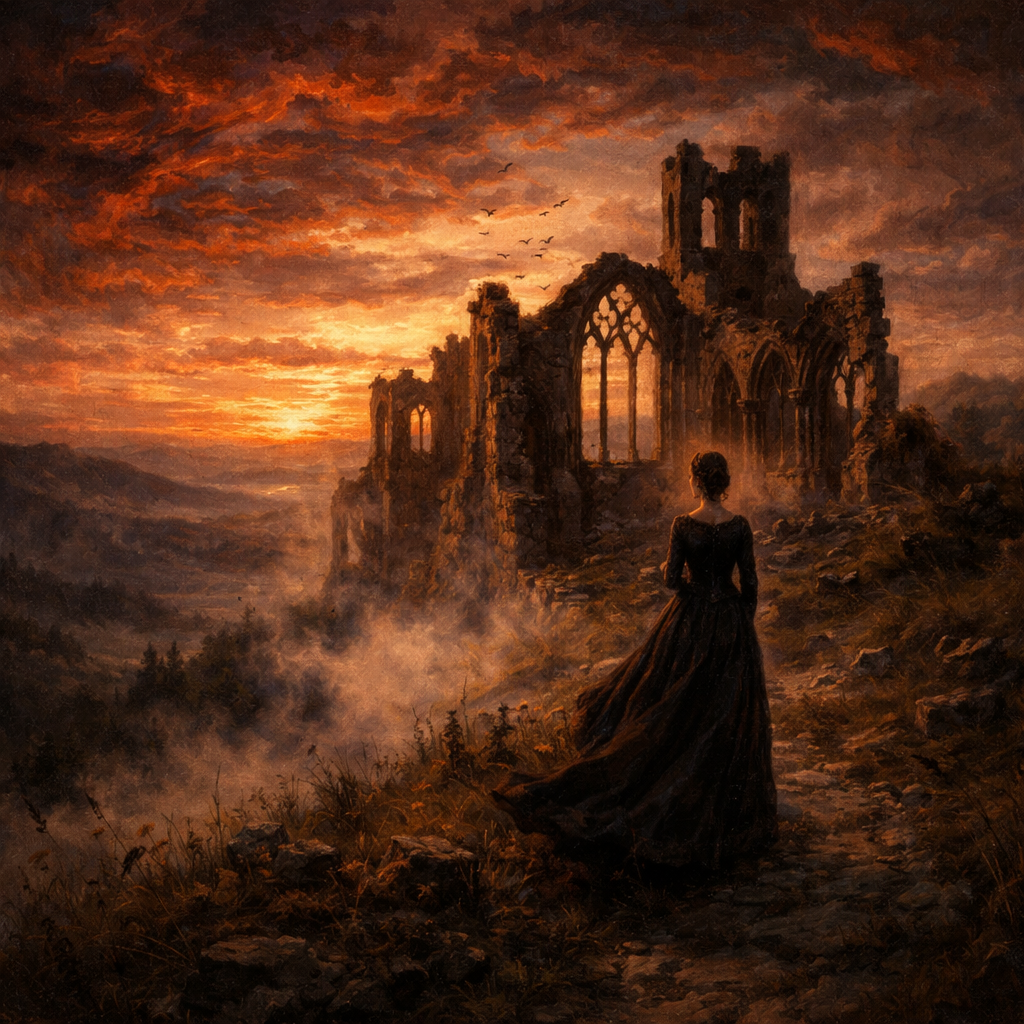
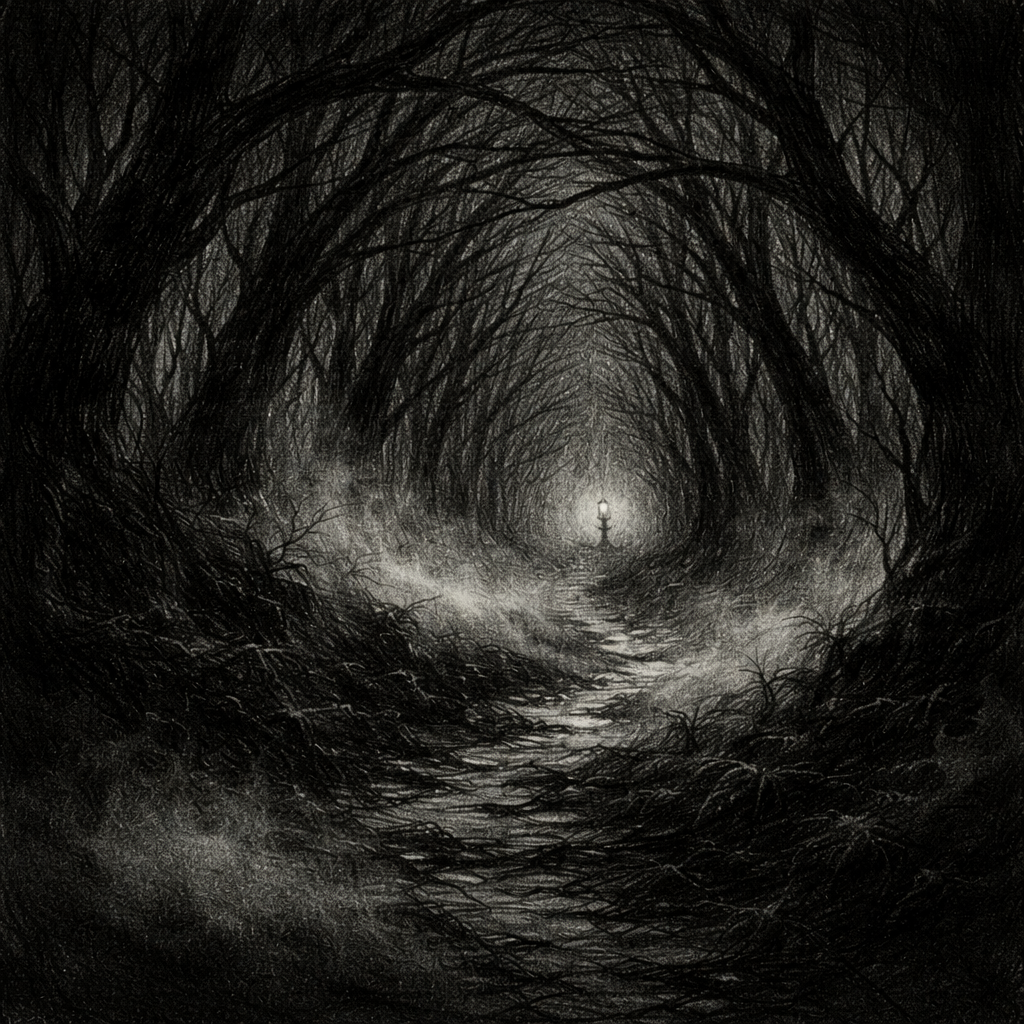
Ekphrastic Poetry: Writing Gothic Poems From Images
Ekphrastic poetry uses visual imagery as a starting point for writing, allowing poets to explore atmosphere, symbolism, and emotional tension through observation rather than direct explanation.
In gothic poetry, images often suggest more than they reveal: abandoned buildings, mist-covered landscapes, solitary figures, or objects that seem charged with memory. These visual prompts can help writers move beyond narrative and focus instead on mood, suggestion, and ambiguity.
When working with gothic images, try one or more of the following approaches:
◆ Focus on a single unsettling detail
A broken window, a wilted flower, an empty chair, or a shadow falling in the wrong direction can become the emotional centre of the poem.
◆ Write from just outside the moment
Imagine what happened immediately before or after the image was captured. Allow implication rather than explanation to shape the poem.
◆ Let the setting shape the emotion
In gothic poetry, landscapes often mirror psychological states. Use weather, light, and environment to guide the poem’s emotional tone.
◆ Allow beauty and unease to coexist
Many gothic images contain elements of elegance alongside decay. Let the poem explore this contrast rather than resolving it.
◆ Use silence and space
Short lines and pauses can create a sense of suspense or stillness, mirroring the quiet tension often present in gothic imagery.
In ekphrastic gothic poetry, the image is not the subject of the poem but the starting point. The poem begins where the image stops explaining itself.
Go Deeper into Gothic Poetry
If these gothic poetry prompts sparked ideas, you may want to explore how gothic themes, imagery, and atmosphere appear across other forms of writing. Gothic poetry shares many techniques with gothic fiction, particularly its use of setting, symbolism, emotional intensity, and ambiguity.
One useful next step is exploring the broader world of gothic storytelling, where similar themes appear in short stories, novels, and creative writing exercises. The Gothic Writing Hub brings together gothic writing prompts, tropes, and genre guides, helping writers understand how gothic atmosphere can shape both poetry and fiction.
You might try:
◆ Expanding a gothic poem into a short gothic narrative or scene
◆ Writing a poem that explores a gothic trope such as haunted houses, forbidden love, or family secrets
◆ Using gothic imagery as a starting point for creative writing across genres
◆ Experimenting with voice and atmosphere to create tension without relying on dramatic events
For broader inspiration, the Creative Writing Archive collects writing prompts, storytelling ideas, and image-based exercises designed to help writers explore different genres, styles, and creative approaches.
Approaching gothic writing across forms can deepen your understanding of how imagery, mood, and suggestion work together to create lasting atmosphere.
Final Thoughts
Gothic poetry rarely reveals everything it suggests. Instead, it allows atmosphere, symbolism, and emotional tension to accumulate slowly, leaving space for ambiguity and interpretation.
You don’t need dramatic events or supernatural elements to write gothic poetry. Often, the most powerful poems emerge from quiet places, unresolved memories, and small unsettling details.
Let images carry meaning.
Let silence remain where explanation might weaken the poem.
If you’d like to explore gothic storytelling beyond poetry, the Poetry Writing Hub or Gothic Writing Hubincludes prompts, themes, and ideas for gothic fiction, gothic tropes, and atmospheric storytelling.
For broader inspiration across genres and forms, the Creative Writing Archive brings together writing prompts, storytelling techniques, and image-led inspiration designed to support reflective and imaginative writing.
Sometimes the most haunting poems are the ones that stop just before the truth becomes clear.
Choose Your Next Theme