Notes from the Inkpot
Writing, teaching, creating - one ink-stained idea at a time.


Sleep by Kenneth Slessor: Analysis of Death, Rebirth and Surrender
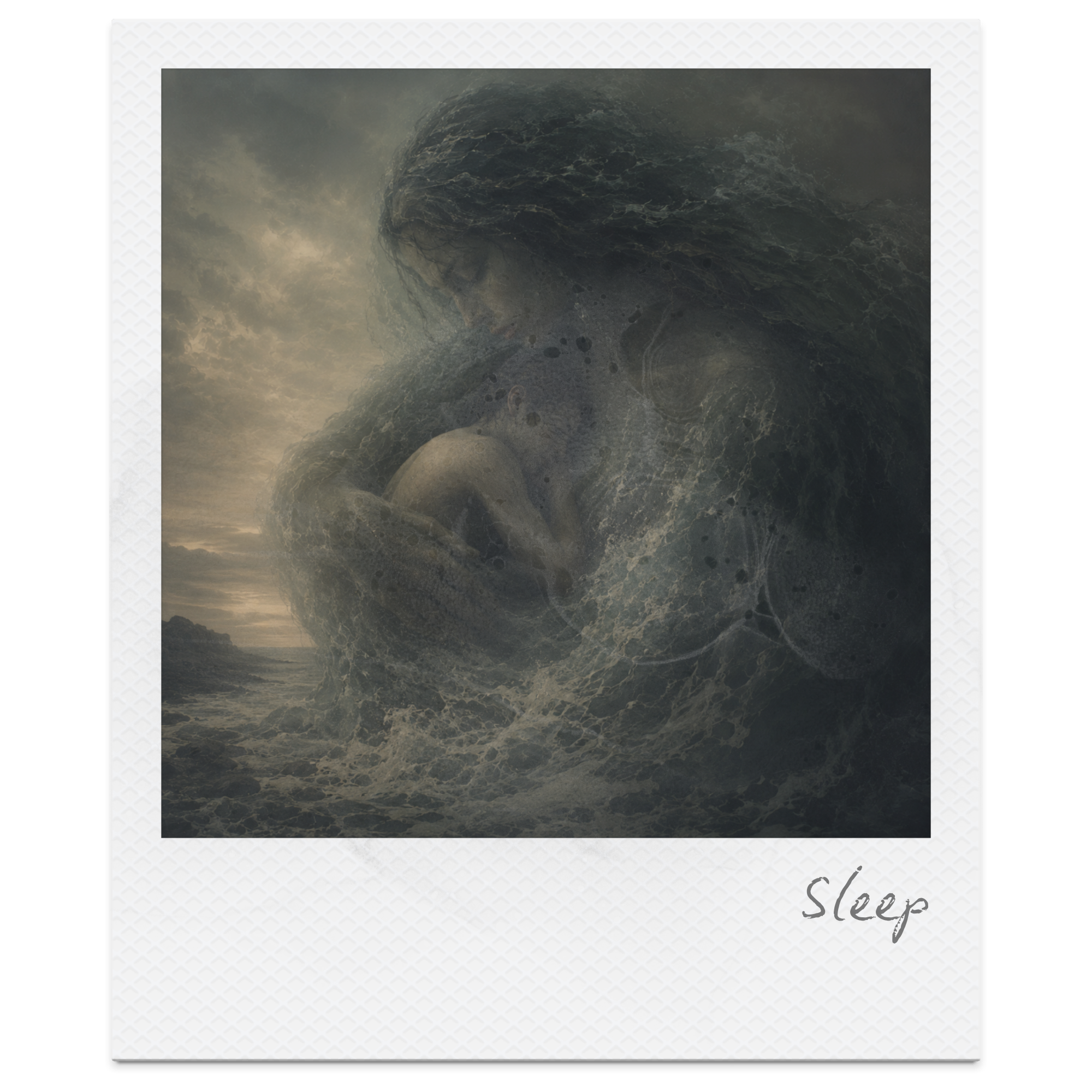
Kenneth Slessor's Sleep is a richly symbolic poem exploring mortality, rebirth, the unconscious, surrender, and the cyclical nature of human existence. Through the personification of Sleep as a powerful speaking presence, Slessor transforms an everyday experience into a profound meditation on death, renewal, and the temporary dissolution of identity. Using imagery of burial, water, gestation, and childbirth, the poem blurs the boundaries between life and death, safety and vulnerability, comfort and annihilation. This analysis explores the poem's themes, structure, symbolism, literary techniques, key quotations, and alternative interpretations while examining how Slessor presents sleep as a paradoxical state that resembles both death and rebirth. Ideal for students studying CIE AS & A Level Literature (9695) Songs of Ourselves Volume 2.
From the Coptic by Stevie Smith: Analysis of Mortality, Choice and the Human Condition
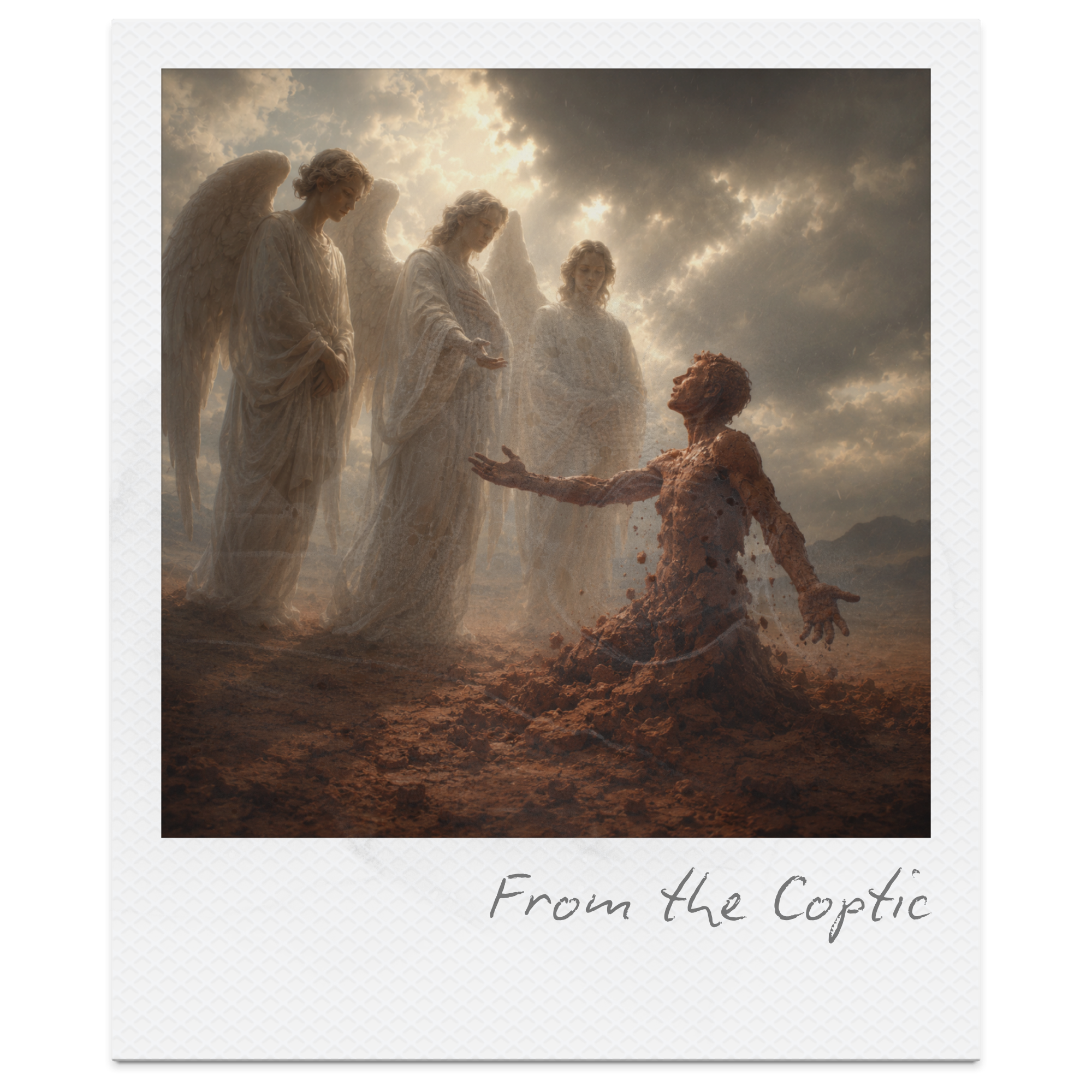
Stevie Smith's From the Coptic is a thought-provoking poem exploring mortality, free will, human existence, and the search for meaning. Framed as a creation myth, the poem imagines a reluctant heap of clay being invited to become human, only agreeing after learning that life has an ending. Through symbolism, dialogue, irony, and paradox, Smith challenges readers to reconsider the relationship between death and the value of existence. This analysis explores the poem's themes, structure, voice, symbolism, literary techniques, and key quotations while examining how Smith presents mortality not as a limitation of life, but as one of the qualities that gives life purpose and significance. Ideal for students studying CIE AS & A Level Literature (9695) Songs of Ourselves Volume 2.
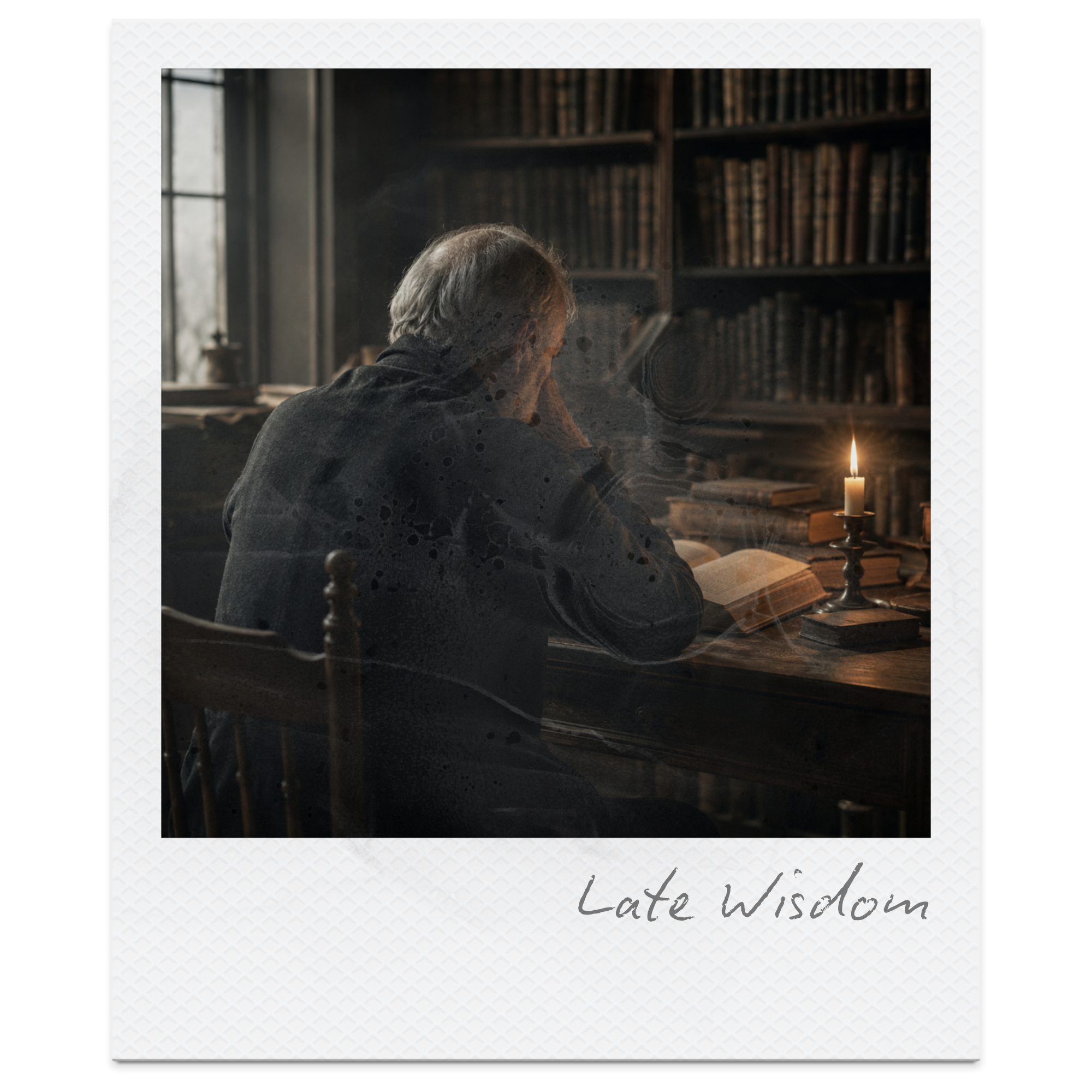
Late Wisdom by George Crabbe: Meaning, Mortality and the Limits of Experience
Late Wisdom by George Crabbe is a thoughtful exploration of ageing, experience, hindsight, and self-knowledge. Through the powerful symbolism of a "maze of error" and a "torch of truth," Crabbe examines the uncomfortable reality that wisdom often arrives only after life's most important mistakes and opportunities have passed. This analysis explores the poem's themes, symbolism, structure, literary techniques, key quotes, and exam-ready insights, revealing how Crabbe transforms a reflection on old age into a deeper meditation on human limitation and the true value of understanding.

Old Man and Very Old Man by Henry James: Summary, Themes & Analysis
Old Man and Very Old Man by Henry James explore ageing, mortality, memory, and the passage of time through two closely connected reflections on later life. Using powerful symbolism, cyclical structures, and philosophical imagery, James examines humanity's lifelong search for fulfilment and understanding. This analysis explores the poems' themes, symbolism, structure, key quotes, and literary methods, revealing how James challenges assumptions about ageing by suggesting that uncertainty and unanswered questions remain with us from childhood to old age.
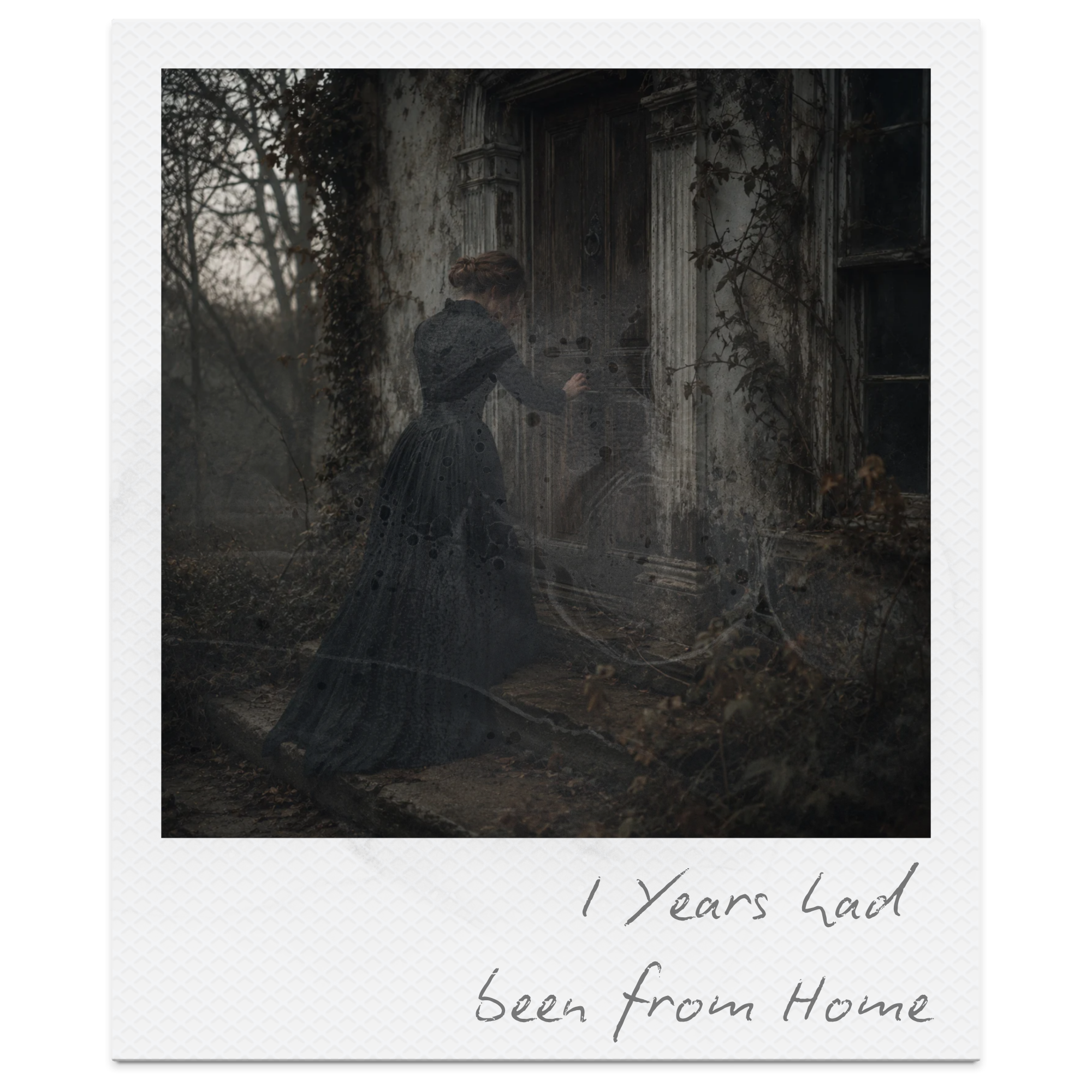
I Years Had Been from Home by Emily Dickinson: Analysis of Memory, Alienation and Belonging
Explore I Years Had Been from Home by Emily Dickinson with this detailed analysis of memory, identity, belonging, displacement, psychological uncertainty, and the passage of time. Discover how Dickinson uses symbolism, imagery, structure, and first-person perspective to transform a simple homecoming into a powerful exploration of fear, change, and self-recognition. This guide explores the poem's themes, symbolism, literary techniques, key quotes, alternative interpretations, anthology comparisons, and exam-ready insights, making it ideal for students and teachers studying Cambridge International AS & A Level Literature in English (9695) Songs of Ourselves: Volume 2.

The Migrant by A. L. Hendriks: Analysis of Belonging, Mortality and the Human Journey
A. L. Hendriks' The Migrant is a powerful allegorical poem that explores belonging, identity, transience, and the universal human journey. Through the story of a woman who gradually discovers that she is only "in transit," Hendriks transforms the experience of migration into a profound reflection on mortality, uncertainty, and humanity's search for a place to call home. This analysis explores the poem's symbolism, travel imagery, extended allegory, themes, key quotes, alternative interpretations, and structural development. Ideal for students and teachers studying Cambridge International AS & A Level Literature in English (9695), it includes stanza-by-stanza analysis, anthology comparisons, exam-focused insights, and classroom discussion ideas.
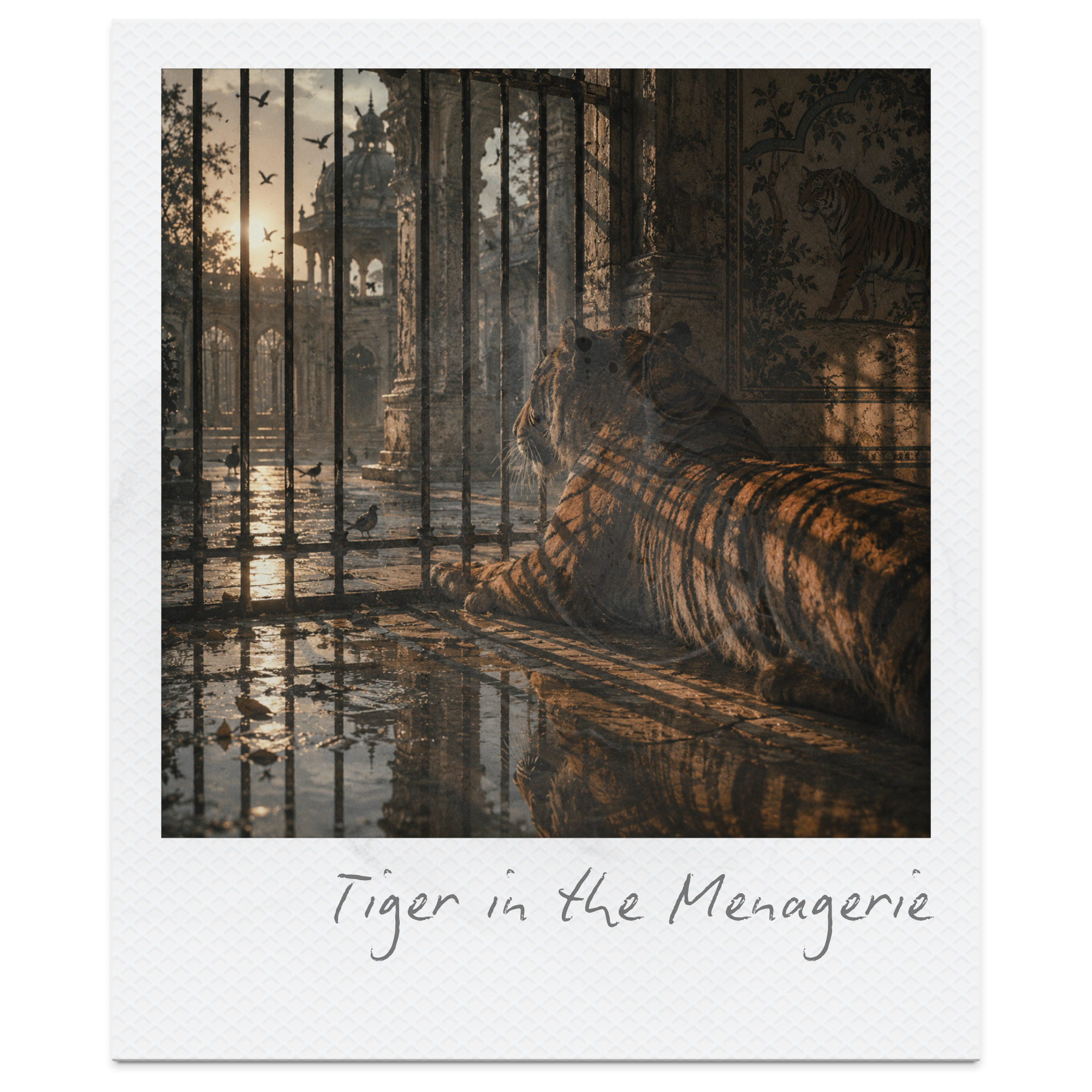
Tiger in the Menagerie by Emma Jones: Analysis of Captivity, Transformation and Identity
Emma Jones’s Tiger in the Menagerie is a surreal and psychologically unsettling poem that explores captivity, identity, and the fragile boundary between civilisation and instinct. Through shifting imagery, dreamlike transformations, and symbolic ambiguity, Jones gradually dissolves the distinction between the tiger and the cage itself, creating a world where reality becomes unstable and impossible to fully control. The poem’s recurring focus on observation, fear, and transformation allows the tiger to become both a literal creature and a haunting symbolic presence. This detailed analysis of Tiger in the Menagerie explores the poem’s structure, symbolism, surreal imagery, and emotional tension, alongside its exploration of psychological fear and unstable identity. It includes close stanza analysis, key quotations, literary techniques, alternative interpretations, anthology comparisons, and exam-ready insights.
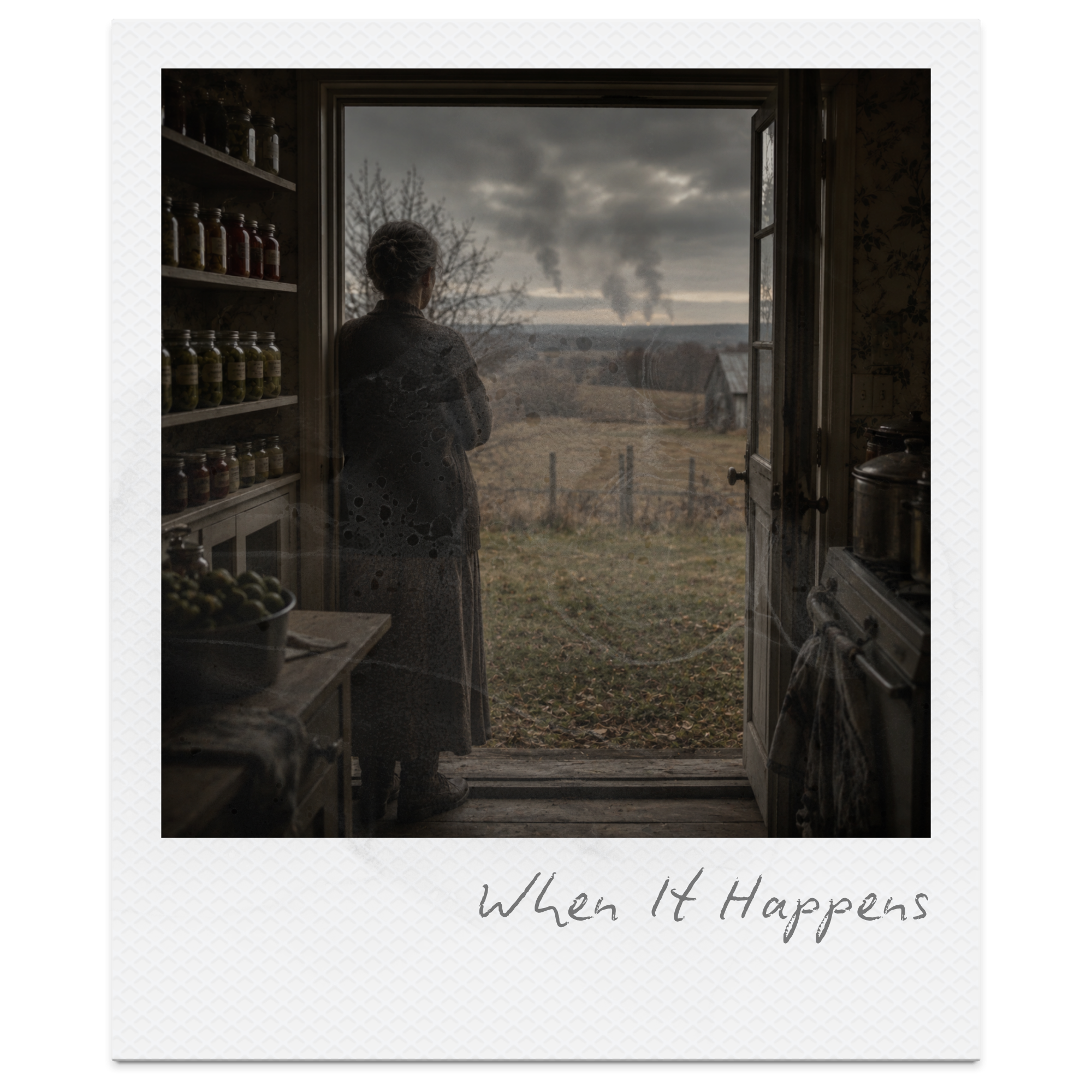
When It Happens by Margaret Atwood: Summary, Themes & Analysis
Margaret Atwood’s When It Happens is a haunting and psychologically tense short story exploring fear, survival, uncertainty, and the quiet collapse of ordinary life. Through the perspective of Mrs. Burridge, Atwood transforms domestic routines such as preserving food, writing shopping lists, and organising supplies into symbols of preparation and anxiety, gradually revealing a world overshadowed by the expectation of disaster. This detailed analysis explores the story’s themes, symbolism, structure, narrative voice, key quotes, and exam-focused interpretations for CIE IGCSE English Literature (0475 & 0922).
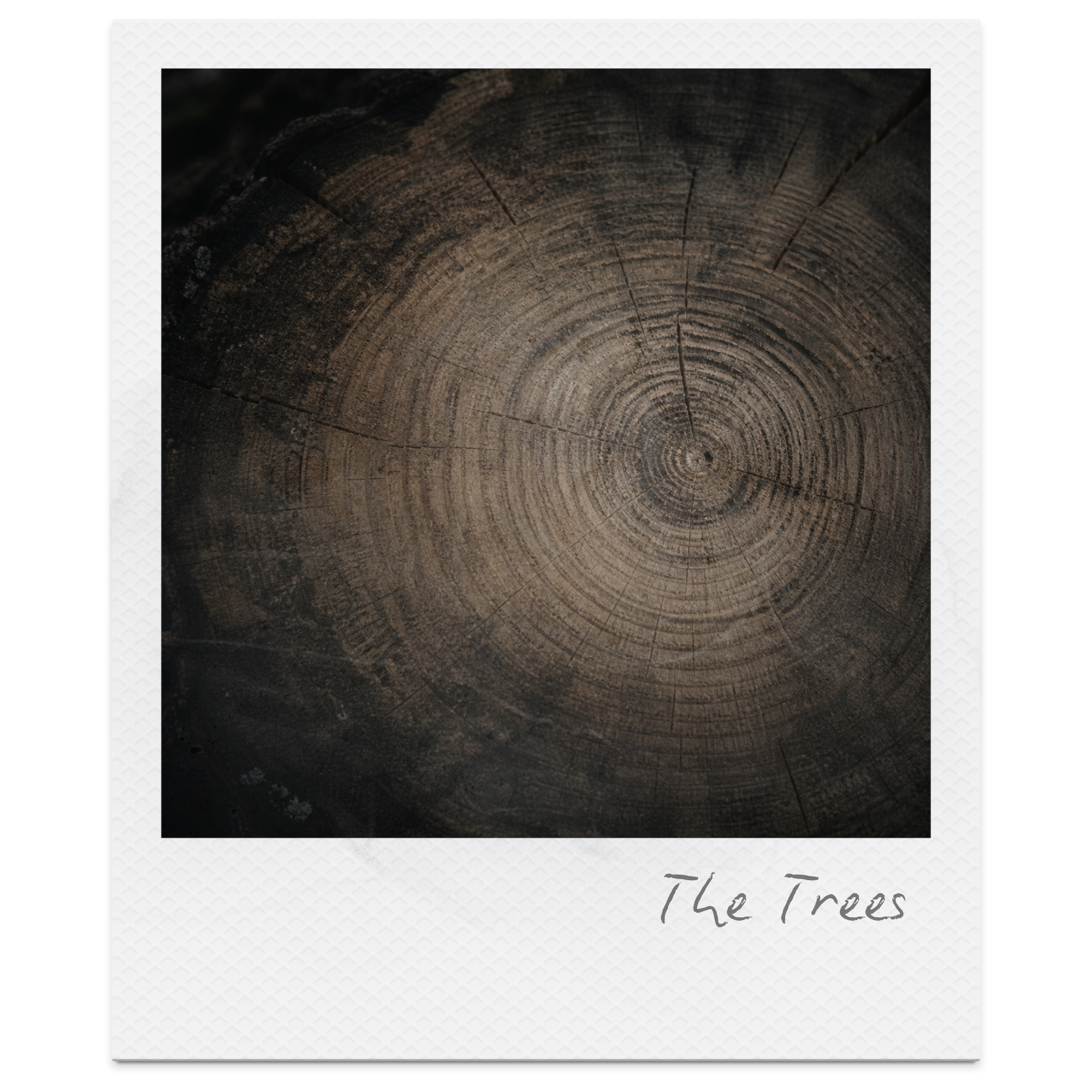
The Trees by Philip Larkin: Summary, Themes & Analysis
Philip Larkin’s The Trees explores the tension between renewal and mortality, using the natural cycle of spring to question whether fresh beginnings are ever truly possible. Through juxtaposition, controlled structure, and subtle tonal shifts, the poem presents the trees as symbols of apparent rebirth while revealing the underlying reality of ageing and continuity, challenging the reader’s assumptions about nature and time. As the poem develops, Larkin moves from quiet observation to a more unsettled recognition that the trees’ “yearly trick of looking new” conceals an ongoing process of change and decline. The repeated call to “begin afresh” feels both hopeful and fragile, leaving the reader with an unresolved tension between appearance and reality and reinforcing the idea that renewal may be more complex—and less reassuring—than it first appears.
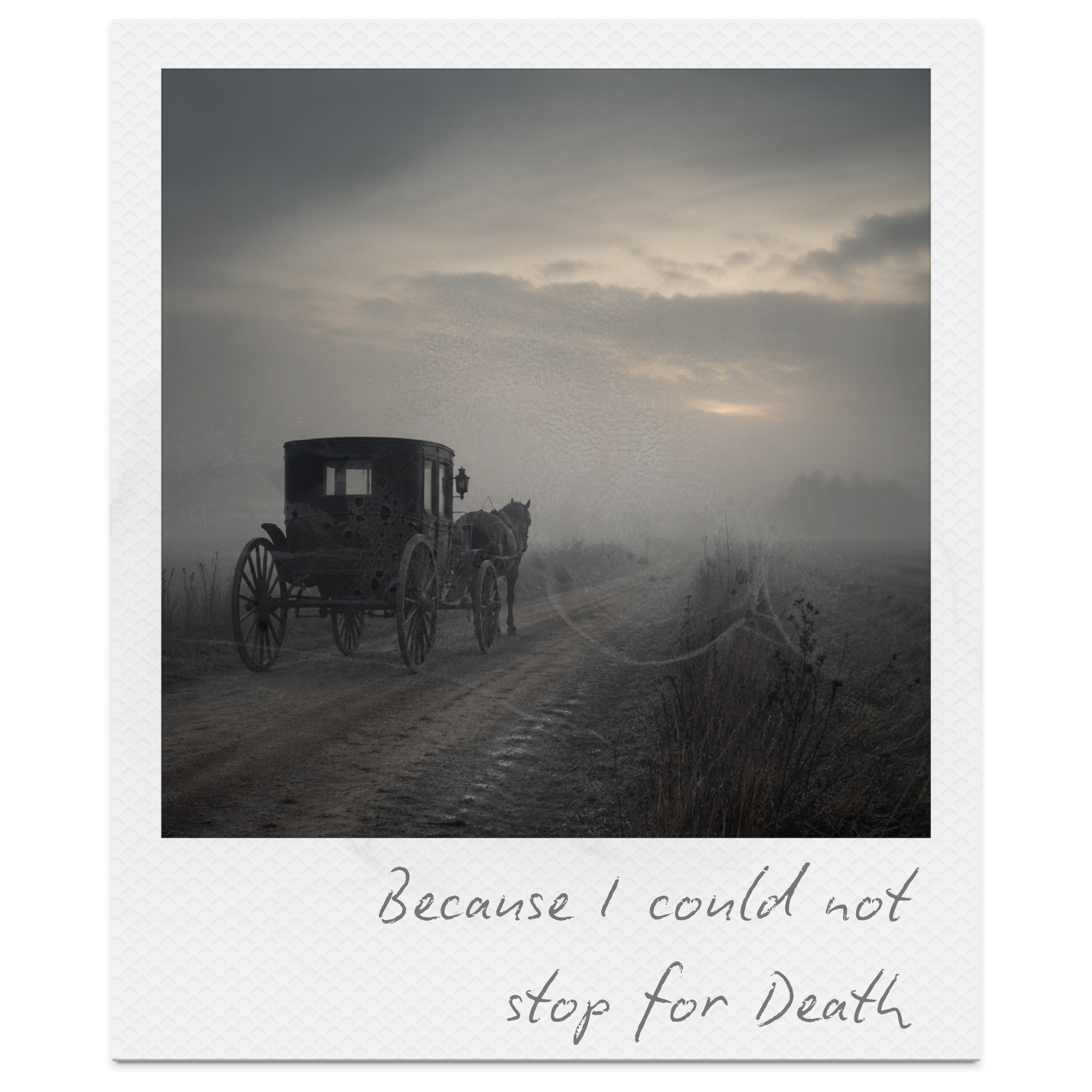
Because I could not stop for Death by Emily Dickinson: Summary, Themes & Analysis
Emily Dickinson’s Because I could not stop for Death presents death as a calm, deliberate journey, using personification and symbolism to transform a typically feared concept into something controlled and almost reassuring. Through the image of a carriage ride, the poem moves steadily through the stages of life, suggesting that death is not a sudden end but a process leading toward eternity. However, beneath this calm surface lies a deeper sense of uncertainty, as shifts in perspective and imagery reveal the limits of human understanding. The progression from familiar scenes to the final realisation of eternity highlights how time and control break down beyond life, leaving the reader with a quiet but unsettling reflection on what lies beyond death.
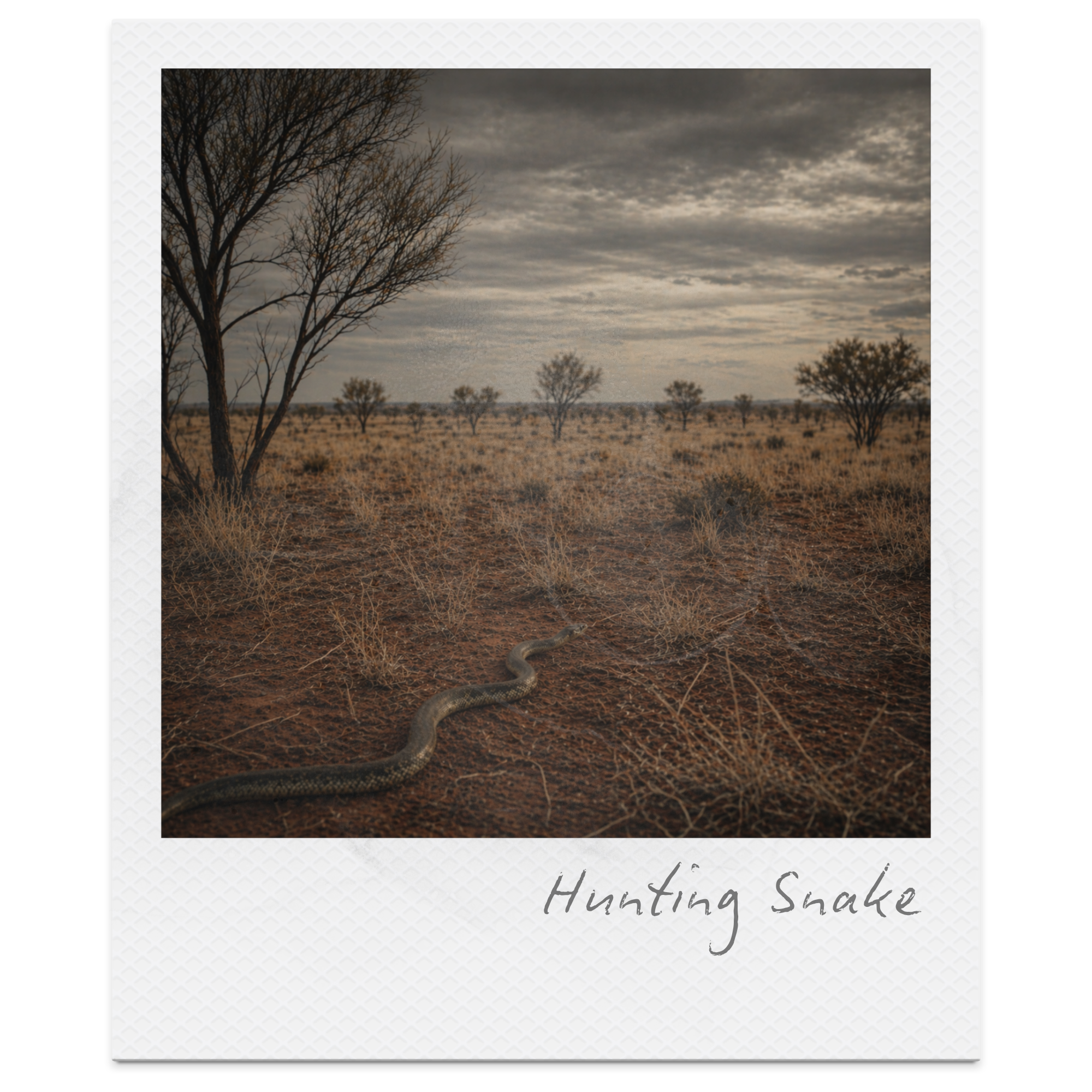
Hunting Snake by Judith Wright: Summary, Themes & Analysis
Judith Wright’s Hunting Snake captures a sudden encounter with nature, using imagery, contrast, and structure to explore the tension between fear and fascination. The poem shows how a moment of interruption can shift human perception, moving from instinctive reaction to reflective awareness. This analysis explores how Wright presents the snake as both threatening and awe-inspiring, focusing on how methods create meaning and impact. It supports students in developing clear, method-driven responses for IGCSE Literature (0475).

The Cockroach by Kevin Halligan: Summary, Themes & Analysis
Kevin Halligan’s The Cockroach explores identity, restlessness, and the unsettling nature of self-recognition through a close observation of an insect’s movement. The poem begins with a detached, almost clinical tone, as the speaker describes the cockroach’s behaviour in precise detail. At first, its movement appears controlled and purposeful, creating an illusion of order and direction. However, as the poem develops, this sense of control breaks down into increasingly erratic and circular motion, reflecting a deeper psychological unease. By the final line, the speaker recognises himself in the cockroach’s behaviour, transforming the poem into a reflection on human identity and uncertainty. This shift from observation to self-awareness creates a subtle but powerful sense of discomfort, leaving the reader questioning the nature of purpose and control.
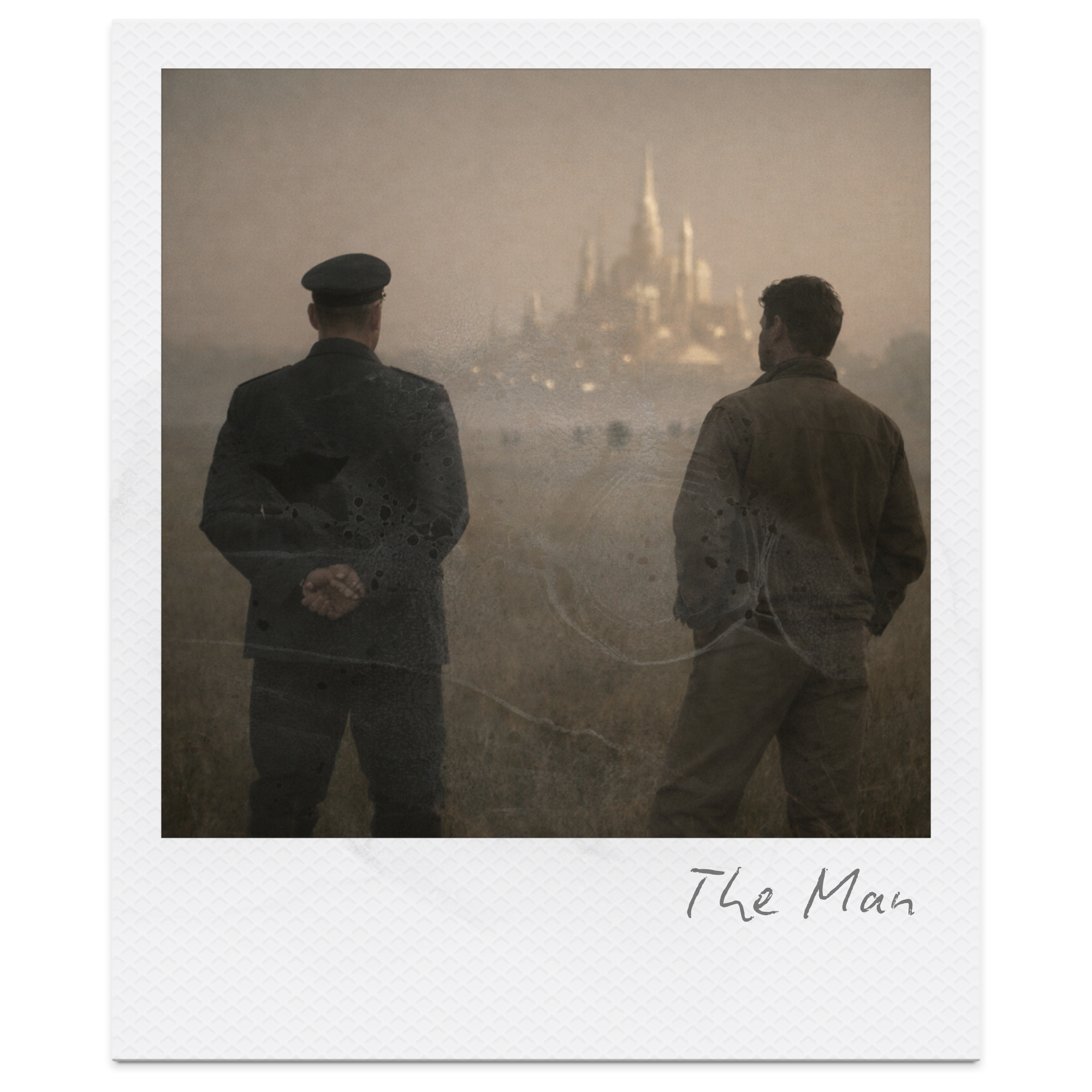
The Man by Ray Bradbury: Summary, Themes, Symbolism & Analysis
The Man by Ray Bradbury is a powerful work of science fiction that explores faith, belief, and the limits of human understanding. When Captain Hart and his crew land on a distant planet expecting recognition for their achievement, they are met with complete indifference. Instead, they discover that something far more significant has already taken place—a mysterious visitor who healed the sick and inspired quiet, unwavering belief among the inhabitants. As Hart clings to logic and proof, refusing to accept what he cannot explain, his lieutenant Martin begins to recognise that they have just missed something extraordinary. The story becomes a subtle but striking exploration of ego, skepticism, and the search for meaning, raising a central question: what happens when truth appears, but we are unwilling—or unable—to see it?

The Highway by Ray Bradbury: Summary, Themes, Symbolism & Analysis
Ray Bradbury’s The Highway is a striking piece of speculative fiction that explores isolation, perspective, and the fragility of civilisation. Set in a quiet rural valley, the story follows Hernando, a farmer whose life is largely untouched by the modern world—until a sudden, frantic stream of cars on the nearby highway signals that something catastrophic has happened beyond his understanding. As news of “the atom war, the end of the world!” rushes past him, Hernando’s response challenges everything we assume about global events and their impact. Bradbury uses this powerful contrast between panic and stillness to question whether such events are truly universal, revealing that meaning is shaped by experience, distance, and perspective.

Kaleidoscope by Ray Bradbury: Summary, Themes, Symbolism & Analysis
Ray Bradbury’s Kaleidoscope is a striking exploration of human insignificance, mortality, and isolation, set against the vast and indifferent backdrop of space. After a catastrophic explosion scatters a crew of astronauts, the story follows their fragmented descent as they drift apart, connected only by fading voices. Through this disintegration, Bradbury examines how individuals respond when faced with the loss of control, connection, and certainty. As the astronauts confront their inevitable deaths, the story becomes a powerful reflection on memory, regret, and the search for meaning. While some find comfort in the lives they have lived, others are left questioning what their existence has amounted to. Blending science fiction with existential philosophy, Kaleidoscope leaves readers with a haunting question: when everything falls away, what truly gives a life value?
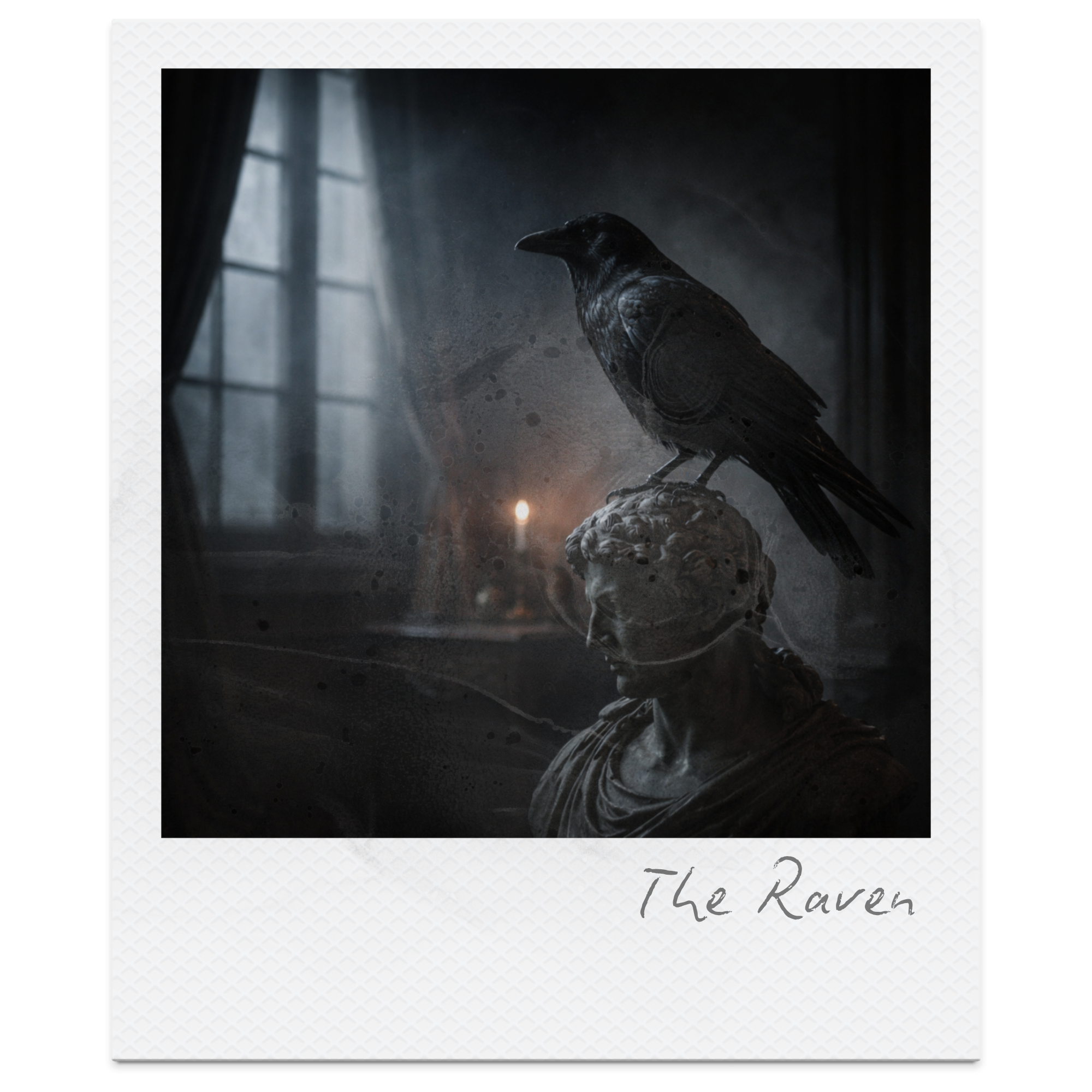
The Raven by Edgar Allan Poe: Summary, Themes, Meaning & Analysis
The Raven is one of the most famous and haunting poems in English literature, exploring grief, memory, and psychological decline through its hypnotic rhythm and Gothic atmosphere. Following a lone speaker on a bleak December night, Poe constructs a narrative where sound, repetition, and symbolism mirror the mind’s descent into obsession, as the mysterious raven becomes a voice for inescapable loss and unanswered questions. This analysis explores the poem’s structure, key themes, and layered meanings, from its intricate use of metre and refrain to its deeper exploration of death, the afterlife, and the limits of human understanding. Through close analysis and creative teaching ideas, it reveals how The Raven remains a powerful study of how the mind processes grief—and how it can become trapped within it.
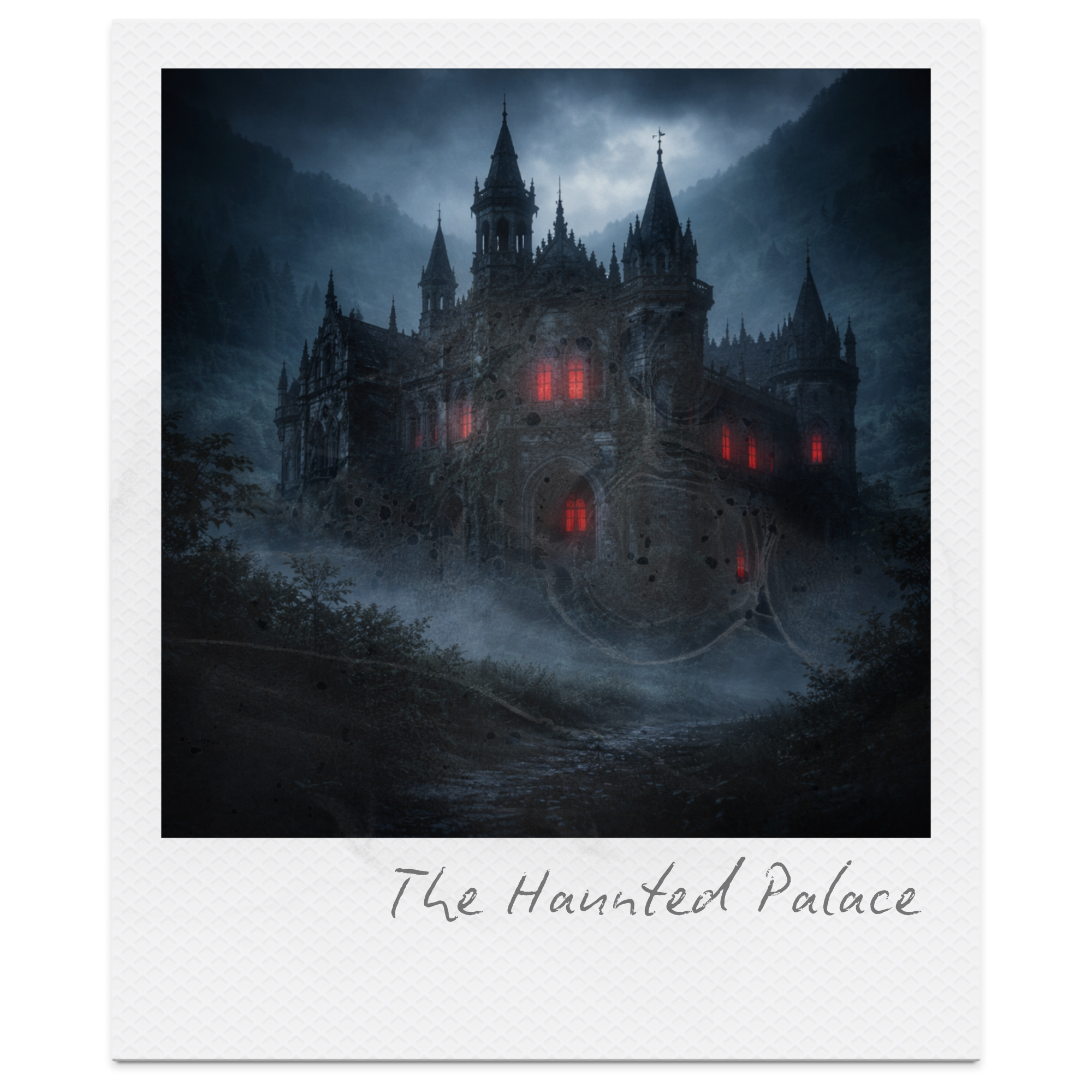
The Haunted Palace by Edgar Allan Poe: Summary, Themes, Meaning & Analysis
“The Haunted Palace” by Edgar Allan Poe is a hauntingly symbolic gothic poem that explores the fragile boundary between sanity and madness, using the image of a once-radiant palace to represent the human mind. Through rich imagery, musical language, and an extended allegory, Poe traces the gradual transformation from harmony and order to distortion and decay, creating a powerful depiction of psychological collapse. At its core, the poem moves beyond a simple narrative of decline, inviting multiple interpretations that explore memory, identity, and the instability of perception. As beauty becomes corruption and music turns to discord, the palace reflects not just a mind in ruin, but the unsettling idea that order itself may always contain the seeds of its own destruction.
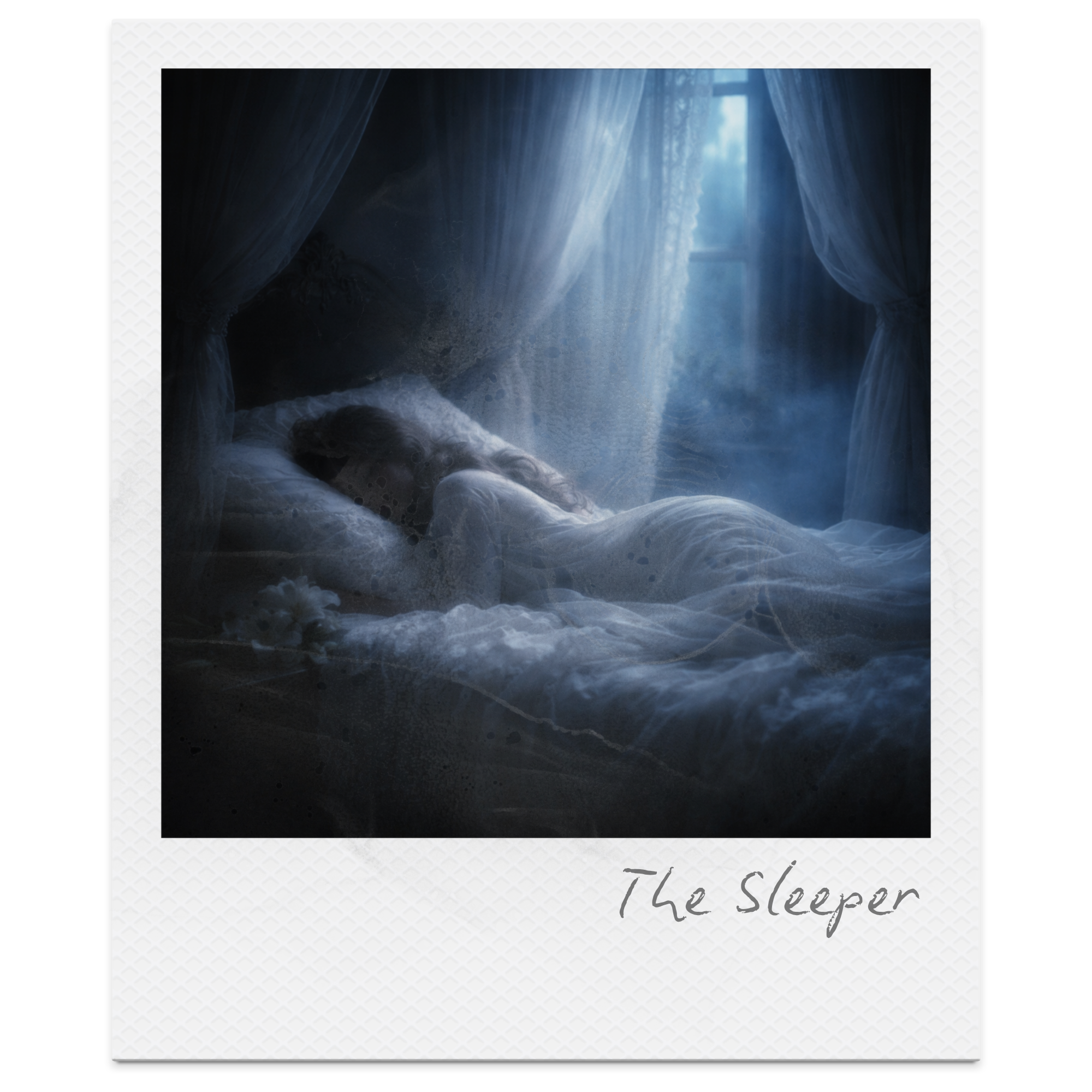
The Sleeper by Edgar Allan Poe: Summary, Themes, Meaning & Analysis
The Sleeper by Edgar Allan Poe presents a dreamlike meditation on death, beauty, and the boundary between life and stillness, using rich imagery and hypnotic rhythm to create an atmosphere that is both serene and unsettling. What begins as a tranquil midnight scene gradually reveals a deeper exploration of mortality and suspended existence, as the figure of Irene shifts from peaceful rest into something far more ambiguous. Through its layered symbolism and evolving tone, the poem blurs the line between sleep and death, reverence and control, inviting readers to question whether beauty is preserved or distorted through stillness. Poe leaves the meaning deliberately open, transforming a simple image of sleep into a haunting reflection on the unconscious mind, illusion, and the inevitability of death.

Eldorado by Edgar Allan Poe: Summary, Themes, Meaning & Analysis
Eldorado by Edgar Allan Poe presents a deceptively simple tale of a knight’s lifelong quest, yet beneath its musical, ballad-like surface lies a powerful exploration of illusion, ambition, and the passage of time. As the knight searches endlessly for the legendary land of gold, the poem gradually reveals that fulfilment may be unattainable, transforming what begins as a hopeful journey into a meditation on disillusionment and human limitation. Through its shifting imagery and tightly controlled structure, Eldorado moves from youthful optimism to existential uncertainty, culminating in a haunting suggestion that the knight’s goal lies beyond the physical world. Poe leaves the meaning deliberately open, inviting readers to question whether the pursuit itself gives life meaning, or whether some desires are destined to remain forever out of reach.
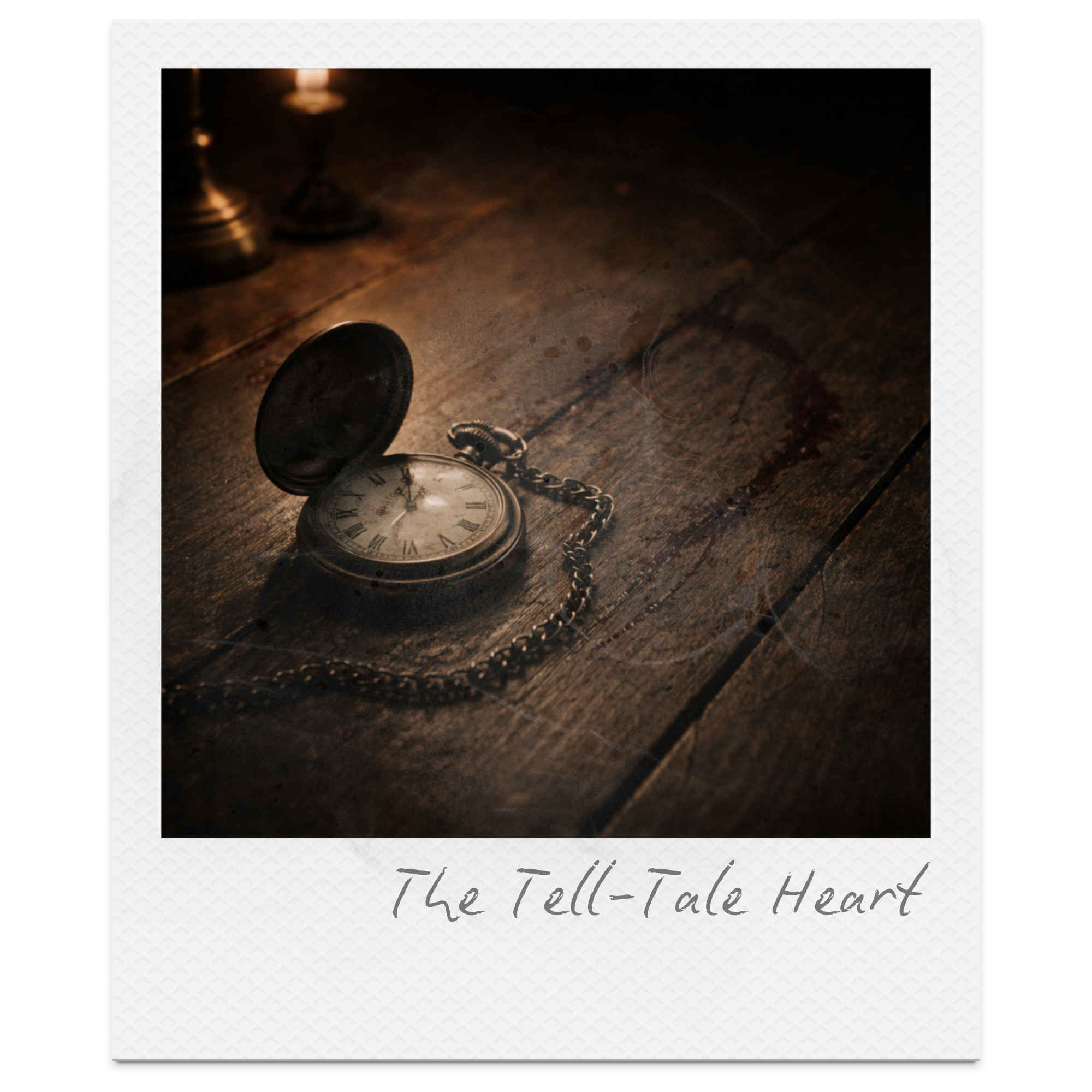
The Tell-Tale Heart by Edgar Allan Poe: Summary, Themes, Madness & Analysis
The Tell-Tale Heart by Edgar Allan Poe is a masterclass in psychological gothic fiction, exploring the fragile boundary between sanity and madness through an intensely unreliable narrator. As the speaker insists on their rationality while describing a calculated murder, Poe exposes how obsession, perception, and control can distort reality, creating a narrative where logic becomes inseparable from instability. This analysis breaks down the story’s themes of guilt, conscience, and psychological collapse, alongside its use of symbolism, narrative voice, and setting as meaning. With key quotes, detailed interpretation, and classroom-ready insights, this guide helps readers uncover how Poe transforms a simple premise into a powerful exploration of the human mind and its limits.