Winter: My Secret by Christina Rossetti: Summary, Themes, Symbolism & Analysis
Christina Rossetti’s Winter: My Secret is a playful yet intriguing poem built around the idea of concealment, privacy, and emotional self-protection. Through its teasing tone and shifting seasonal imagery, the poem explores the tension between curiosity and restraint, asking whether every inner thought must be revealed or whether some truths should remain deliberately hidden. (You can explore more of Rossetti’s poetry in the Christina Rossetti Poetry Hub.)
The poem is structured as a kind of conversation with an unseen listener, whose curiosity the speaker repeatedly deflects. Rossetti uses imagery of winter cold, masks, and seasonal change to suggest the ways people protect themselves emotionally. At the same time, the poem raises questions about truth, identity, and the power of withholding information, leaving readers uncertain whether the speaker truly has a secret—or whether the entire performance is simply a game.
This analysis explores how Rossetti develops this idea through seasonal symbolism, shifting tone, and playful rhetorical structure, revealing a poem that balances humour with deeper reflections on privacy, vulnerability, and control over one’s inner life. If you are studying Rossetti or Victorian poetry more broadly, you can also explore related texts in the Literature Library.

Context of Winter: My Secret
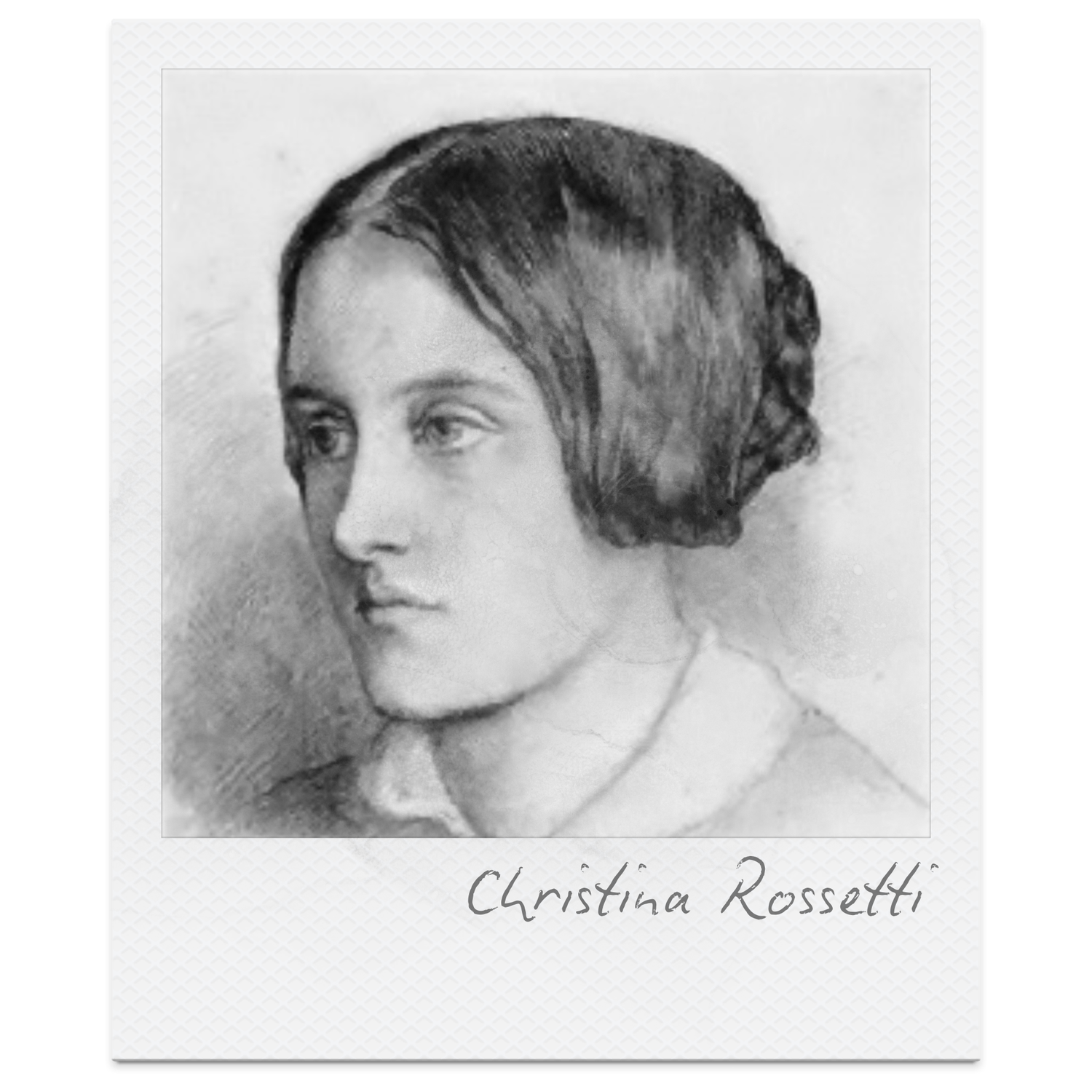
Christina Rossetti wrote during the Victorian period, a time when social expectations strongly emphasised female modesty, restraint, and emotional reserve. Women were often expected to present themselves as morally pure, quiet, and self-controlled, particularly in public or social settings. These cultural expectations form an important backdrop for Winter: My Secret, a poem that playfully explores the idea of withholding personal truths and resisting the pressure to reveal one’s inner life.
Rossetti herself was known for her deeply private personality and strong religious convictions, and many of her poems explore themes of self-discipline, emotional restraint, and inner spiritual life. In Winter: My Secret, however, Rossetti approaches these ideas with unusual humour. Rather than solemn reflection, the speaker engages in a teasing refusal to share her “secret,” repeatedly frustrating the curiosity of the listener. This playful tone allows Rossetti to question the assumption that others have a right to full emotional access to another person’s thoughts and feelings.
The poem also reflects broader Victorian anxieties about privacy and social performance. Much like the metaphorical “mask” the speaker claims to wear for warmth, Victorian society often required individuals—particularly women—to present a carefully controlled public image. Rossetti’s poem suggests that maintaining a degree of secrecy may be a form of self-protection rather than deception.
For a deeper exploration of Rossetti’s life, religious influences, and Victorian cultural background, see the Christina Rossetti Context Post in the Rossetti hub.
Winter: My Secret: At a Glance
Form: Lyric poem written as a dramatic monologue addressed to an unseen listener.
Mood: Playful, teasing, and slightly mischievous, with an undertone of deflection and guardedness.
Central tension: The speaker repeatedly refuses to reveal a “secret,” creating tension between curiosity and personal privacy.
Core themes: Secrecy and privacy, emotional self-protection, curiosity, social performance, seasonal symbolism.
One-sentence meaning:
Through playful refusal and shifting seasonal imagery, Rossetti suggests that not every truth must be revealed, and that maintaining personal privacy can be an act of self-control and emotional protection.
Quick Summary of Winter: My Secret
The poem begins with the speaker teasing the listener about a mysterious “secret” she refuses to reveal. When asked directly, she firmly insists that she will not tell it, suggesting that the harsh conditions of winter make it the wrong time for such revelations. Her tone is playful yet defensive, as she pushes back against the listener’s curiosity while still engaging in the conversation.
In the second section, the speaker expands on this idea using extended winter imagery. She compares revealing her secret to opening a door during a storm and allowing cold winds to rush inside. Through this metaphor, secrecy becomes a form of emotional protection, shielding her inner thoughts from intrusion. At one point, she even suggests there may be no secret at all, raising the possibility that the entire exchange is simply a game designed to frustrate the listener’s curiosity.
As the poem continues, the speaker considers whether the secret might eventually be revealed in a different season. She briefly entertains the idea of telling it during spring or summer, when the atmosphere is warmer and more open. Yet each season carries its own uncertainty, and the poem ends with deliberate ambiguity: perhaps she will reveal the secret one day—or perhaps the listener will simply guess it. The unresolved ending reinforces the poem’s central idea that privacy and mystery can be deliberately maintained.
Title, Form, Structure, and Metre
The formal qualities of Winter: My Secret are central to its meaning. Rossetti does not present the poem in a neat, controlled, predictable structure. Instead, the poem shifts in stanza length, rhyme pattern, and metrical movement, creating a voice that feels lively, evasive, and deliberately hard to pin down. This is crucial to the poem’s effect: the speaker refuses to surrender her “secret,” and the poem’s structure mirrors that refusal by resisting fixed order and full disclosure.
Title
The title Winter: My Secret immediately joins together two important ideas: seasonal coldness and concealment. The word “Winter” suggests more than simply a time of year. It evokes a world of frost, harshness, enclosure, and withdrawal, making it an apt symbol for emotional guardedness. Winter is a season associated with covering, sheltering, and retreating inward, so it becomes the perfect setting for a poem about not revealing too much.
The phrase “My Secret” is equally important because it immediately creates curiosity. It promises hidden knowledge, encouraging the reader to lean in and want disclosure. Yet the poem repeatedly frustrates that expectation. In this way, the title itself performs a kind of teasing contradiction: it appears to offer intimacy, but instead establishes distance. The colon strengthens this effect, creating a pause that sounds almost like an announcement, as though a confession is about to follow. Instead, Rossetti turns the promised revelation into an act of prolonged deferral.
Form and Structure
The poem is made up of four irregular stanzas of uneven length. Rather than adopting a tightly controlled sonnet form or a regular lyrical pattern, Rossetti allows the poem to expand and contract according to the movement of the speaker’s voice. This gives the poem the feel of a dramatic monologue, as though we are overhearing a witty, self-aware speaker answering an insistent listener.
The first stanza is short and compact, quickly establishing the poem’s central situation: the speaker is being pressed to reveal something and refuses. The second stanza is much longer and more expansive, allowing the speaker to develop her extended metaphor of drafts, veils, wraps, and intruding cold. This large middle section feels almost like a performance of resistance, with the speaker talking at length while still saying nothing definitive. The third stanza narrows again as the speaker considers spring, but distrusts it. The final stanza softens into the possibility of summer, ending not with resolution but with continued uncertainty.
This irregular structure is significant because it reflects the poem’s shifting mood and strategic evasiveness. The poem does not move in a straightforward argumentative line. Instead, it circles, delays, qualifies, and diverts. That movement mirrors the behaviour of the speaker herself, who controls the conversation by never quite arriving at revelation.
Rhyme Scheme and Poetic Pattern
One of the most striking features of the poem is that it uses plentiful rhyme without settling into a fully stable rhyme scheme. There are certainly patterned moments, but the poem as a whole avoids the reassuring neatness of a simple repeated structure. This makes the rhyme feel playful and mobile rather than fixed.
The opening stanza, for example, loosely follows the pattern A B B A C C:
I tell my secret? No indeed, not I
Perhaps some day, who knows?
But not to-day; it froze, and blows and snows,
And you’re too curious: fie!
You want to hear it? well:
Only, my secret’s mine, and I won’t tell.
This is tidy enough to sound witty and controlled, but it is not so rigid that it feels formal or ceremonious. Instead, it suits the speaker’s teasing manner.
The long second stanza becomes much more irregular. Its rhyme pattern is far more difficult to reduce to a simple repeated formula because Rossetti keeps introducing and then abandoning sounds. A rough mapping of the stanza shows how much it swerves: A B A C B D D B E E B F F F G G. The effect is one of movement rather than containment. Rhymes gather, drift away, and reappear, echoing the imagery of drafts and buffeting winds in the stanza itself. This matters because the rhyme does not simply decorate the meaning: it helps create the sensation of something restless, shifting, and hard to catch.
The third stanza is more concise, with a tighter pattern around A A B C C, while the final stanza also draws on linked end sounds without arriving at perfect symmetry. Across the poem, Rossetti keeps rhyme active, but she does not allow it to become fully predictable. That choice mirrors the poem’s central dynamic: the listener may think they are getting closer to the secret, but the poem keeps slipping away.
Rossetti also uses internal rhyme and sound patterning to energise the lines. In “it froze, and blows, and snows,” the repeated long “o” sound creates a musical pattern that feels both playful and sharp. Likewise, “bounding and surrounding me” uses echoing sounds to suggest movement closing in around the speaker. These sonic textures make the poem lively and mischievous, which is important because they prevent secrecy from seeming solemn or tragic. Instead, secrecy becomes part of the speaker’s verbal game.
Metre and Rhythmic Movement
The metre of Winter: My Secret is similarly flexible. Much of the poem moves in an iambic direction, with many lines built around the familiar unstressed-stressed pattern. However, Rossetti does not maintain one strict metrical scheme throughout. Line lengths change noticeably, and the rhythm frequently loosens into speech-like movement. This creates a voice that sounds crafted but not mechanical.
For example, the lines
Or, afTER ALL, perHAPS there’s NONE
SupPOSE there IS no SEcret AFter ALL
But ONly JUST my FUN
show the poem shifting rapidly between different line lengths. The first line moves roughly in iambic tetrameter, the second stretches toward iambic pentameter, and the third contracts into trimeter. That variation is important because it reflects the speaker’s sudden rhetorical turn: she moves from suggesting there is a secret to implying there may be none at all. The metre enacts this instability.
Elsewhere, Rossetti uses rhythm to imitate natural speech. Questions, interruptions, and exclamations disrupt any overly regular flow, making the poem feel conversational and spontaneous. This is particularly effective in lines such as:
I wear my MASK for WARMTH: who EVer SHOWS
The stresses fall strongly on “mask,” “warmth,” and “shows,” drawing attention to the language of self-protection and exposure. The line feels assertive and defensive at once.
The poem’s shifting metre therefore contributes to its larger meaning. A rigidly controlled rhythm might suggest certainty or confession, but Rossetti instead creates a pattern that keeps adjusting itself. Just as the speaker refuses to be cornered into disclosure, the rhythm also refuses to settle fully into one predictable shape. The poem’s metrical instability becomes part of its strategy of concealment.
Taken together, the title, form, rhyme, and metre all reinforce the same central idea: Winter: My Secret is a poem about control over revelation. Its structure invites curiosity, but its patterns remain too fluid to be mastered completely. Rossetti makes the very shape of the poem participate in the speaker’s act of withholding.
Speaker in Winter: My Secret
The speaker of Winter: My Secret presents herself as a witty and self-aware voice engaged in a playful exchange with an unseen listener. The poem unfolds as a dramatic monologue, meaning the reader overhears only the speaker’s side of the conversation while the listener’s questions and curiosity must be inferred. This structure immediately creates a dynamic of pressure and resistance, as the listener appears eager to uncover the speaker’s secret while the speaker repeatedly refuses to reveal it.
The speaker’s tone is deliberately teasing and evasive. She acknowledges the listener’s curiosity but refuses to satisfy it, often turning the conversation into a kind of verbal game. At times she even undermines the premise of the discussion itself, suggesting that there may not be a secret at all. This shifting attitude allows the speaker to maintain control of the interaction. Rather than being cornered into confession, she continually redirects the conversation and reshapes the terms of the exchange.
Importantly, the speaker presents her secrecy as a form of self-protection rather than deception. Her imagery of masks, wraps, and protective coverings suggests that withholding information can function like clothing in cold weather—something that shields the self from exposure. When she asks rhetorically who would show their face in “Russian snows,” she implies that revealing too much of oneself can invite discomfort or even harm. In this sense, secrecy becomes a sensible response to an intrusive environment.
The speaker’s voice also reflects the social expectations placed on women in the Victorian period, when public expressions of emotion or desire were often carefully regulated. Her refusal to reveal the secret may therefore be read as a subtle assertion of personal autonomy. Instead of allowing the listener to dictate the terms of intimacy, she insists that the secret belongs to her alone.
At the same time, the poem never fully clarifies whether the secret exists at all. This ambiguity is crucial to the speaker’s character. By keeping the truth uncertain, she maintains control over the listener’s curiosity and over the reader’s interpretation. The result is a voice that feels both playful and powerful: a speaker who transforms secrecy into a form of rhetorical authority, ensuring that the final word always remains hers.
Stanza-by-Stanza Analysis of Winter: My Secret
A close reading of Winter: My Secret reveals how Rossetti carefully develops the poem’s ideas through imagery, tone, and rhetorical shifts across its four stanzas. Each section of the poem adds another layer to the speaker’s playful refusal to reveal her secret, moving from teasing deflection to extended metaphor and finally to delayed possibility.
Rather than progressing toward a clear revelation, the poem repeatedly circles around the idea of disclosure without ever fully arriving at it. Rossetti uses changing seasons, defensive imagery, and conversational language to show how the speaker maintains control over the interaction. By examining each stanza closely, we can see how the poem builds its central themes of privacy, curiosity, emotional self-protection, and deliberate ambiguity.
Stanza 1: Playful Refusal and the Assertion of Privacy
The opening stanza immediately establishes the poem’s central tension between curiosity and concealment. The speaker begins with a rhetorical question—“I tell my secret?”—only to answer it instantly with a firm refusal. This quick reversal sets the tone for the entire poem: the possibility of revelation is raised only to be withdrawn, creating a teasing dynamic in which the listener is repeatedly denied satisfaction.
The stanza’s conversational style reinforces the sense that the speaker is responding directly to an unseen listener. Phrases such as “Perhaps some day, who knows?” and “You want to hear it?” imitate the rhythms of everyday speech, making the poem feel spontaneous and playful. At the same time, these questions subtly shift control back to the speaker. By acknowledging the listener’s curiosity without yielding to it, she maintains authority over the conversation.
Winter imagery is introduced almost immediately through the line “it froze, and blows and snows.” The harsh weather becomes a metaphor for emotional conditions that make openness undesirable. Just as cold winds discourage someone from exposing themselves to the elements, the speaker suggests that the present moment is not suitable for revealing something personal. The repeated sounds in “froze, and blows and snows” create a musical internal rhyme that emphasises the biting atmosphere while adding to the stanza’s lively tone.
Despite the playful language, the stanza ends with a clear statement of personal ownership and autonomy: “Only, my secret’s mine, and I won’t tell.” This declaration frames secrecy not as deception but as a deliberate choice. From the very beginning, the speaker establishes that the secret belongs to her alone, reinforcing the poem’s broader exploration of privacy, self-control, and the right to withhold personal truths.
Stanza 2: Winter as a Metaphor for Emotional Defence
The second stanza expands the poem’s central idea of secrecy by developing an extended metaphor based on winter cold and physical protection. The speaker begins by briefly undermining the entire premise of the poem, suggesting that there may be “no secret after all.” This playful suggestion introduces uncertainty and deepens the poem’s teasing tone. By proposing that the secret might simply be “my fun,” the speaker turns the listener’s curiosity into part of the game itself.
However, the stanza quickly shifts toward a more elaborate explanation of why secrets must sometimes remain hidden. The speaker describes the day as “a nipping day, a biting day,” using sharp, physical language to evoke the discomfort of harsh winter weather. In response to these conditions, she imagines wrapping herself in “a shawl, / A veil, a cloak, and other wraps.” These layers of clothing become symbolic of emotional protection, suggesting that just as people shield themselves from cold winds, they may also shield their private thoughts from intrusive curiosity.
This metaphor develops further when the speaker compares revealing her secret to opening the doors of her house and allowing draughts to rush inside. The invading winds are described with energetic verbs such as “bounding,” “surrounding,” “buffeting,” and “astounding.” These dynamic sounds create a sense of movement and pressure, emphasising how overwhelming curiosity can feel. The imagery suggests that once a secret is exposed, it becomes vulnerable to external forces that the speaker may no longer control.
The image of wearing a “mask for warmth” reinforces the theme of deliberate concealment. Masks and veils appear frequently in Victorian literature as symbols of social performance and self-protection, and here the mask functions as a practical defence against exposure. When the speaker asks rhetorically who would show their nose to “Russian snows,” she implies that revealing too much of oneself in harsh conditions would be foolish. The listener may claim good intentions, but the speaker ultimately refuses to test that promise.
The stanza therefore strengthens the poem’s central argument: secrecy is not merely playful but protective. By presenting curiosity as a cold wind that can penetrate even the speaker’s layers of defence, Rossetti suggests that withholding personal truths can be a rational and necessary form of self-preservation.
Stanza 3: Distrusting the Promises of Spring
In the third stanza, the speaker briefly turns from the harsh imagery of winter to consider spring, a season traditionally associated with renewal, openness, and emotional expansion. At first, spring appears to offer the possibility of greater freedom. The speaker acknowledges that it is “an expansive time,” suggesting a moment when people might naturally become more expressive or willing to share their thoughts.
Yet the stanza quickly reveals that even this seemingly hopeful season cannot be trusted. Each spring month is introduced only to be questioned or dismissed. March is described as bringing a “peck of dust,” implying dryness and instability rather than genuine renewal. April, despite its colourful “rainbow-crowned brief showers,” remains unreliable because its beauty is fleeting. Even May, the height of spring’s flourishing growth, cannot guarantee safety, as its flowers may still be destroyed by unexpected frost.
Through these examples, Rossetti undermines the idea that the passing of time will naturally create the right conditions for disclosure. The seasonal imagery shows that appearances of warmth or openness may still conceal underlying uncertainty. Just as a late frost can destroy fragile flowers, moments that seem inviting may still carry the risk of emotional exposure.
This stanza therefore extends the poem’s exploration of caution and guardedness. Even when the environment appears more welcoming than winter, the speaker remains wary of revealing too much. Spring promises expansion, but the speaker recognises that such openness may still prove temporary or deceptive, reinforcing her decision to maintain control over what she chooses to reveal.
Stanza 4: The Possibility of Revelation
In the final stanza, the speaker turns to summer, a season often associated with maturity, fulfilment, and abundance. Compared with the harsh defensiveness of winter and the uncertainty of spring, summer appears calmer and more stable. The imagery of “drowsy birds” and “golden fruit ripening” suggests a world that has reached its fullest development, hinting that this may be the moment when a secret could finally be revealed.
However, the speaker immediately places conditions on this possibility. The day must not have “too much sun nor too much cloud,” and the wind must be “neither still nor loud.” These balanced conditions suggest that the moment for revelation must be perfectly moderated, neither overwhelming nor oppressive. Such precise qualifications make the promised confession feel increasingly unlikely, as though the right circumstances may never truly arrive.
The stanza therefore maintains the poem’s pattern of delayed disclosure. Even when the speaker imagines a season favourable to openness, she refuses to commit fully to revealing her secret. Instead, she ends with two possibilities: “Perhaps my secret I may say, / Or you may guess.” This conclusion leaves the secret unresolved, placing responsibility back on the listener or reader.
By ending the poem with uncertainty, Rossetti reinforces the speaker’s control over the narrative. The secret remains hidden, and the reader is left in the same position as the unseen listener—curious, intrigued, and ultimately denied full knowledge. The poem closes not with revelation but with the preservation of mystery and personal autonomy.
Key Quotes from Winter: My Secret
These quotations highlight how the poem develops its ideas of secrecy, curiosity, emotional protection, and playful deflection. Rossetti’s language repeatedly shifts between teasing humour and guarded resistance, reinforcing the speaker’s control over what is revealed.
“I tell my secret? No indeed, not I:”
◆ The rhetorical question immediately establishes the poem’s central tension between curiosity and refusal.
◆ The swift self-answer shows the speaker maintaining complete control over disclosure.
◆ The confident tone signals that secrecy is a deliberate choice rather than hesitation.
“Perhaps some day, who knows?”
◆ The phrase introduces possibility without commitment, prolonging the listener’s curiosity.
◆ It allows the speaker to appear open while still deferring revelation indefinitely.
◆ The conversational tone strengthens the poem’s dramatic monologue style.
“Only, my secret’s mine, and I won’t tell.”
◆ The line asserts personal ownership of private thoughts, reinforcing the theme of autonomy.
◆ The blunt refusal contrasts with the earlier playful tone, briefly revealing firm boundaries.
◆ The statement emphasises the poem’s core argument that privacy can be intentionally protected.
“Or, after all, perhaps there’s none:”
◆ The speaker introduces doubt about the secret’s existence, deepening the poem’s ambiguity.
◆ This suggestion transforms the entire conversation into a possible game of misdirection.
◆ The line destabilises the listener’s expectations and highlights the speaker’s rhetorical control.
“To-day’s a nipping day, a biting day;”
◆ The harsh winter imagery symbolises unwelcoming emotional conditions.
◆ The repetition of sharp adjectives emphasises the physical discomfort of exposure.
◆ Winter becomes a metaphor for the speaker’s defensive emotional state.
“A veil, a cloak, and other wraps:”
◆ The layered clothing imagery represents psychological and emotional protection.
◆ Veils and cloaks evoke ideas of concealment, modesty, and guarded identity.
◆ The accumulation of coverings suggests how carefully the speaker protects her inner life.
“I wear my mask for warmth:”
◆ The mask symbolises deliberate concealment and social performance.
◆ Protection from cold doubles as protection from intrusive curiosity.
◆ The line suggests that hiding one’s feelings can be a practical form of self-preservation.
“Spring’s an expansive time: yet I don’t trust”
◆ Spring traditionally symbolises renewal and openness, creating an expectation of revelation.
◆ The speaker’s distrust undermines the idea that warmth automatically encourages emotional honesty.
◆ The line shows her continuing caution even in more hopeful circumstances.
“One frost may wither thro’ the sunless hours.”
◆ The image of frost destroying flowers symbolises how fragile openness can be.
◆ It reinforces the speaker’s belief that apparently safe moments may still contain hidden risks.
◆ Nature imagery reflects the poem’s broader concern with uncertain emotional conditions.
“Perhaps my secret I may say, / Or you may guess.”
◆ The poem ends with deliberate ambiguity, refusing to provide resolution.
◆ The possibility that the listener may simply guess keeps the secret partly hidden.
◆ This closing line ensures the speaker retains final authority over revelation.
Key Techniques in Winter: My Secret
Rossetti uses a range of sound patterns, rhetorical strategies, and figurative language to create the poem’s playful yet guarded tone. These techniques reinforce the speaker’s control over the conversation while emphasising the themes of secrecy, curiosity, and emotional self-protection.
◆ Repetition – Repetition plays a crucial role in shaping the speaker’s evasive voice. The poem opens with the question “I tell my secret?” and concludes the stanza with the firm declaration “my secret’s mine, and I won’t tell.” This circular structure establishes a pattern that continues throughout the poem: the speaker repeatedly raises the possibility of revelation only to withdraw it again. Repeated phrases such as “perhaps” and “after all” prolong suspense and reinforce the sense that the speaker enjoys maintaining control over the listener’s curiosity.
◆ Rhetorical questions – The poem frequently uses rhetorical questions to simulate conversation and heighten the dramatic monologue form. Lines such as “I tell my secret?” and “who ever shows / His nose to Russian snows/ To be pecked at by every wind that blows?” invite the listener to consider the answer while clearly guiding them toward the speaker’s perspective. These questions reinforce the speaker’s authority, allowing her to shape the exchange without actually revealing anything.
◆ Anaphora – Rossetti uses repeated openings of phrases to build energy and rhythm within the poem. For example, the sequence “Come bounding and surrounding me, / Come buffeting, astounding me” creates a lively momentum that mirrors the imagined movement of the wind. This repetition emphasises the overwhelming nature of intrusive curiosity while also giving the stanza a playful, almost theatrical quality.
◆ Polysyndeton – The line “Only, my secret’s mine, and I won’t tell” uses additional conjunctions to slow the rhythm and emphasise the speaker’s final refusal. The repeated “and” creates a sense of insistence, reinforcing the idea that the speaker views the secret as something personally owned and carefully guarded.
◆ Seasonal symbolism – The poem’s progression through winter, spring, and summer functions as a symbolic structure. Winter represents withdrawal and emotional defence, spring suggests potential openness that proves unreliable, and summer offers the possibility of maturity and revelation. However, the speaker ultimately resists even summer’s promise, reinforcing the theme that emotional disclosure cannot be forced by external circumstances.
◆ Metaphor of clothing and protection – References to shawls, veils, cloaks, and masks create an extended metaphor for psychological defence. These protective layers symbolise the ways individuals shield their inner lives from scrutiny. Just as clothing protects the body from harsh weather, secrecy protects the speaker from unwanted exposure.
◆ Personification – Natural forces are described with human or animal-like energy, particularly in the imagery of the wind that seems to “come bounding and surrounding” and “buffeting” the speaker. This personification makes curiosity feel almost aggressive, suggesting that external pressures attempt to penetrate the speaker’s defences.
◆ Sound patterning and internal rhyme – Rossetti frequently uses sound echoes to create musicality within the poem. Phrases such as “it froze, and blows, and snows” rely on repeated vowel sounds, while “bounding and surrounding” creates internal rhyme. These sound patterns reinforce the poem’s lively tone and mirror the swirling movement of winter weather.
◆ Irony – The poem’s central situation contains a subtle irony. The speaker repeatedly promises that the secret might be revealed under certain conditions, yet each possibility is immediately undermined. This ironic structure turns the expectation of confession into a playful refusal, allowing the speaker to retain authority while entertaining the listener’s curiosity.
◆ Ambiguity – The poem never confirms whether a secret truly exists. The speaker even suggests that there may be “no secret after all.” This ambiguity is deliberate, allowing the poem to explore the power dynamics involved in curiosity and disclosure. By leaving the truth unresolved, Rossetti ensures that the speaker maintains control over both the conversation and the reader’s interpretation.
Themes in Winter: My Secret
Winter: My Secret explores the tension between disclosure and concealment, presenting secrecy not as something shameful but as a deliberate form of control. Through playful dialogue, seasonal imagery, and metaphors of clothing and protection, the poem examines how individuals manage curiosity, vulnerability, and social expectations.
Secrecy and Privacy
The most obvious theme of the poem is the value of secrecy and personal privacy. From the opening line, the speaker firmly refuses to reveal her secret, repeatedly asserting that it belongs to her alone. The statement “my secret’s mine, and I won’t tell” emphasises the idea that private thoughts are personal possessions, not information that others are automatically entitled to.
Rather than treating secrecy as suspicious or deceitful, Rossetti presents it as a reasonable boundary. The speaker refuses to surrender her inner life simply to satisfy the curiosity of others. In doing so, the poem challenges the assumption that emotional honesty must always involve full disclosure.
Emotional Self-Protection
Closely linked to secrecy is the theme of emotional self-protection. The speaker repeatedly compares revealing her secret to exposing oneself to harsh winter weather. Images of shawls, veils, cloaks, and masks suggest layers of defence that shield the speaker from uncomfortable exposure.
These protective layers imply that sharing personal truths can leave someone vulnerable. Just as clothing protects the body from cold winds, emotional boundaries protect the self from intrusion or judgement. The poem therefore suggests that secrecy can function as a necessary form of psychological defence rather than an act of dishonesty.
Curiosity and Intrusion
The listener’s curiosity drives the entire poem. Although the listener never speaks directly, their persistent questioning can be inferred from the speaker’s responses. Rossetti presents curiosity as something potentially invasive, especially when it attempts to force access to another person’s private thoughts.
The wind imagery in the second stanza reinforces this idea. Curiosity becomes like a cold draught pushing its way through doors and windows, threatening to disturb the speaker’s carefully maintained comfort. In this sense, the poem explores the boundary between healthy interest and intrusive questioning.
Social Performance
The poem also suggests that secrecy can function as part of social performance. The speaker’s teasing tone and witty evasions indicate that she is aware of being observed and judged. By controlling what she reveals and what she withholds, she shapes the way others perceive her.
The image of the mask is particularly significant in this context. Masks can protect but also conceal identity, suggesting that people often present carefully constructed versions of themselves in social situations. The speaker’s refusal to reveal her secret therefore becomes a way of maintaining control over her public persona.
Seasonal Symbolism
Rossetti structures the poem around a sequence of winter, spring, and summer, using seasonal imagery to represent emotional states. Winter symbolises withdrawal and defensive concealment, reflecting the speaker’s reluctance to expose herself to harsh conditions.
Spring appears to promise openness and growth, yet the speaker distrusts it because its beauty may still be fragile and temporary. Even summer, a season associated with abundance and maturity, does not guarantee disclosure. By linking emotional openness to seasonal change, Rossetti suggests that conditions must feel safe before vulnerability becomes possible.
Ambiguity and Uncertainty
Another important theme is ambiguity. At several points the speaker suggests that the secret might not exist at all. This uncertainty becomes part of the poem’s central dynamic, keeping the listener—and the reader—engaged in speculation.
The final lines reinforce this ambiguity when the speaker concludes that she might reveal the secret someday, or that the listener might simply guess it. This unresolved ending highlights the poem’s broader exploration of mystery, curiosity, and the limits of knowledge.
Alternative Interpretations of Winter: My Secret
Although Winter: My Secret appears playful and light on the surface, the poem invites several deeper interpretations. Rossetti deliberately leaves the nature of the “secret” ambiguous, allowing readers to approach the poem through different critical perspectives. These interpretations highlight how the poem explores power, identity, curiosity, and personal boundaries.
Feminist Interpretation: Control Over Female Privacy
From a feminist perspective, the poem can be read as a subtle assertion of female autonomy and control over personal knowledge. In Victorian society, women were often expected to be transparent, modest, and emotionally accessible, particularly within social or romantic contexts. The speaker’s refusal to reveal her secret challenges this expectation.
Throughout the poem, the speaker firmly asserts ownership of her inner life, most clearly in the line “my secret’s mine, and I won’t tell.” This declaration rejects the assumption that others—particularly male listeners—have the right to access a woman’s private thoughts. The listener’s curiosity therefore becomes a symbol of social pressure, while the speaker’s playful evasiveness becomes a form of resistance.
The imagery of veils, cloaks, and masks reinforces this interpretation. Such coverings can be read as symbols of the protective strategies women may use to navigate social expectations. Rather than exposing herself to scrutiny, the speaker chooses concealment, turning secrecy into a tool of self-possession and independence.
Psychological Interpretation: The Protected Inner Self
A psychological reading of the poem focuses on the idea that every individual possesses an inner self that cannot easily be shared. The “secret” may therefore represent private thoughts, emotions, or aspects of identity that remain inaccessible to others.
The speaker’s comparisons between emotional exposure and harsh winter weather suggest that revealing too much can feel uncomfortable or even threatening. Just as someone protects themselves from cold winds with layers of clothing, the speaker protects her inner life through deflection and ambiguity.
From this perspective, the poem explores the boundaries between self-expression and self-preservation. The speaker’s secrecy is not merely playful but reflects a deeper recognition that some parts of identity remain fundamentally private.
Social Interpretation: Identity as Performance
Another interpretation emphasises the poem’s exploration of social performance. The speaker appears highly aware that she is being observed and questioned, and much of her language suggests that she is deliberately shaping the interaction.
The metaphor of wearing a mask for warmth can symbolise the roles people adopt in social situations. Rather than revealing their authentic selves completely, individuals often present carefully managed versions of their identities. The speaker’s playful evasiveness therefore becomes part of a performance designed to maintain intrigue and control the conversation.
In this reading, the secret itself may be less important than the act of withholding it. The speaker gains power by controlling the listener’s curiosity, demonstrating how social interactions often involve negotiations of knowledge and authority.
Existential Interpretation: The Mystery of the Self
An existential interpretation suggests that the poem reflects the idea that human identity is ultimately unknowable, even to those closest to us. The speaker repeatedly hints at a secret but never confirms whether it truly exists. This ambiguity raises the possibility that the secret represents the ungraspable core of personal identity.
The final lines reinforce this uncertainty: “Perhaps my secret I may say, / Or you may guess.” Even here, the poem refuses to offer clarity. The secret remains unresolved, leaving both the listener and the reader in a position of speculation.
From this perspective, Rossetti suggests that individuals are never fully transparent to others. Every person contains elements that remain partly hidden, partly imagined, and perhaps even partly unknowable. The poem therefore reflects on the enduring mystery of the human self.
Teaching Ideas for Winter: My Secret
Winter: My Secret works well in the classroom because its playful voice and layered meanings invite discussion about secrecy, identity, and interpretation. The poem encourages students to explore how language, structure, and symbolism contribute to meaning while also considering the speaker’s motives and the poem’s wider social context.
1. Who Owns the Secret? Discussion Activity
Begin by asking students to consider why the speaker refuses to reveal her secret. Divide the class into small groups and ask them to discuss whether the speaker’s secrecy feels playful, defensive, or powerful.
Students could explore questions such as:
Why might the speaker enjoy keeping the listener curious?
Does the listener have a right to know the secret?
Is the speaker protecting herself, or simply enjoying the attention?
This activity encourages students to consider the poem’s central themes of privacy, curiosity, and control, while helping them recognise the dramatic monologue form.
2. Seasonal Symbolism Mapping
Ask students to identify how the poem moves through the seasons of winter, spring, and summer. Working in pairs, students can map each season to the emotional conditions it represents.
For example:
Winter – concealment, protection, emotional distance
Spring – potential openness but lingering uncertainty
Summer – maturity and possible revelation
Students can then discuss why the poem never fully reaches a moment of confession. This helps them understand how symbolism and structure shape the poem’s meaning.
3. Analysing the Speaker’s Voice
Provide students with several key quotations from the poem and ask them to analyse how Rossetti creates the speaker’s distinctive tone.
Students could examine lines such as:
“I tell my secret? No indeed, not I:”
“Only, my secret’s mine, and I won’t tell.”
“Perhaps my secret I may say, / Or you may guess.”
Ask students to identify techniques such as rhetorical questions, repetition, and playful deflection, explaining how they shape the speaker’s relationship with the listener.
This activity helps students develop close-reading skills and encourages them to recognise how language creates character.
4. Developing an Analytical Paragraph
One effective way to prepare students for essay writing is to analyse and refine a model paragraph. The paragraph below demonstrates how students might explore the poem’s theme of emotional self-protection.
Model paragraph
In Winter: My Secret, Rossetti presents secrecy as a form of emotional protection. The speaker repeatedly compares revealing her secret to exposing oneself to harsh winter weather. When she describes the day as “a nipping day, a biting day,” the cold imagery suggests an environment that discourages vulnerability. This idea is reinforced through the metaphor of protective clothing such as “a veil, a cloak, and other wraps,” which symbolise the layers people use to guard their private thoughts. By linking emotional disclosure with physical exposure, Rossetti suggests that secrecy can be a rational response to intrusive curiosity. The speaker’s refusal to reveal her secret therefore becomes an assertion of personal control rather than an act of deception.
Student tasks
Ask students to identify the question that this paragraph answers.
Using the poem, students create two additional analytical questions that this paragraph could also address.
Students use a mark scheme to identify strengths and areas for improvement in the paragraph (for example: use of evidence, analysis of language, or clarity of argument).
Students rewrite the paragraph to improve it by adding further textual analysis or contextual insight.
Finally, students extend the paragraph into a short essay introduction and second paragraph.
This activity works particularly well alongside the essay questions for Winter: My Secret, where students can practise developing full responses to analytical prompts. If you are looking for essay questions for Winter: My Secret then check out our Rossetti Poetry Essay Questions post.
5. Creative Interpretation Task
Invite students to imagine what the speaker’s secret might actually be. Students can write a short monologue in which the speaker finally reveals the secret in summer, using imagery and tone that reflect the poem’s style.
Afterwards, students compare their interpretations and discuss whether revealing the secret changes the poem’s meaning. This activity encourages creative engagement while reinforcing the poem’s themes of mystery and interpretation.
Go Deeper into Winter: My Secret
Rossetti often returns to themes of privacy, emotional restraint, spiritual conflict, and personal identity across her poetry. Reading Winter: My Secret alongside other poems from her work reveals how she repeatedly explores the tension between self-expression and concealment, often through symbolic imagery and carefully controlled speakers.
◆ Shut Out – Like Winter: My Secret, this poem explores themes of exclusion and emotional distance. While Shut Out presents separation as painful and imposed by external forces, Winter: My Secret presents concealment as a deliberate choice, highlighting the difference between being excluded and choosing to remain private.
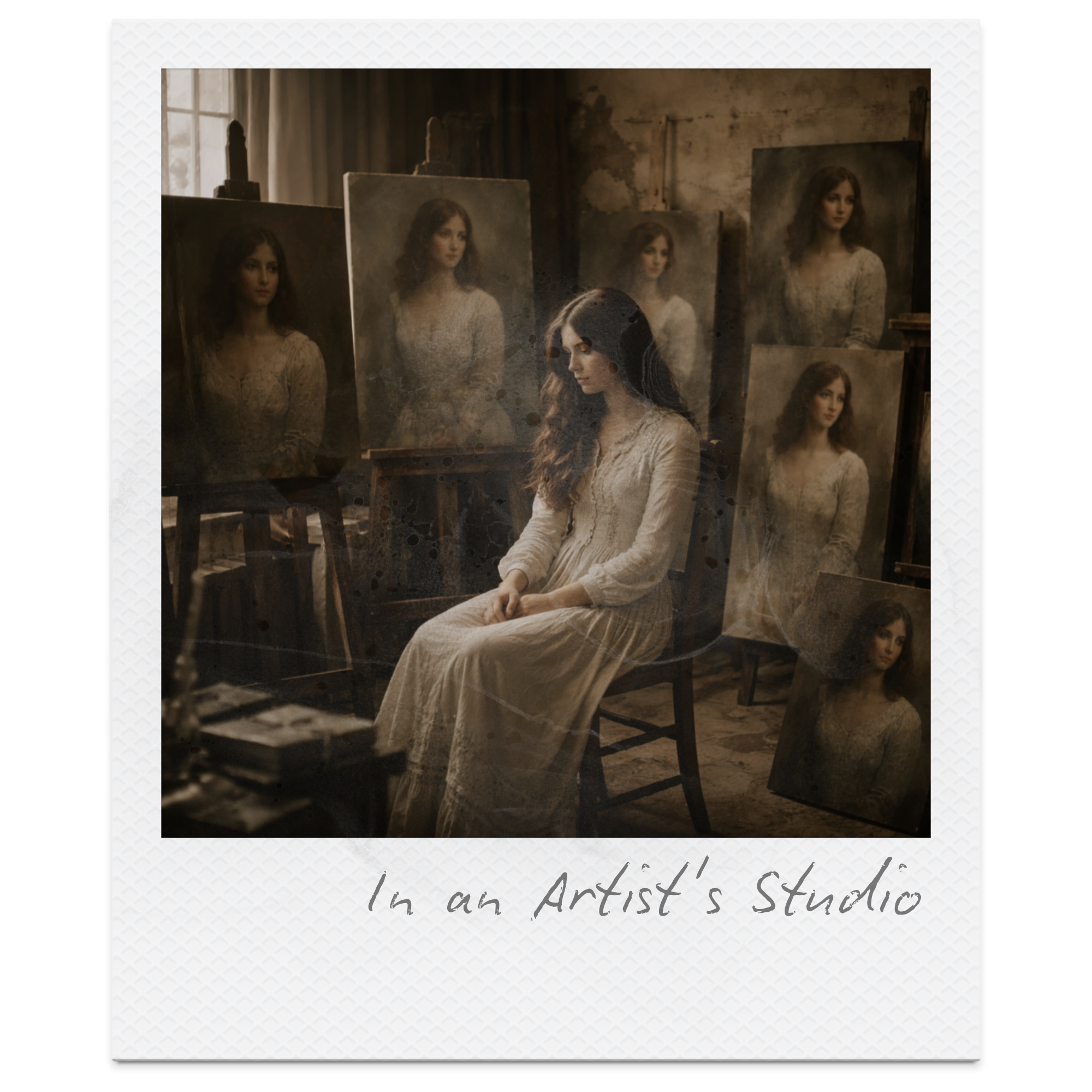
◆ In an Artist’s Studio – Both poems explore ideas of control and perception. In In an Artist’s Studio, the woman becomes a passive subject shaped by the artist’s gaze, while in Winter: My Secret the speaker actively controls how she is perceived, refusing to reveal the truth behind her carefully maintained image.
◆ ‘No, Thank You, John’ – This poem also features a speaker asserting personal boundaries within social interaction. In both works, Rossetti presents women who resist expectations placed upon them, using language that combines politeness with firm independence.
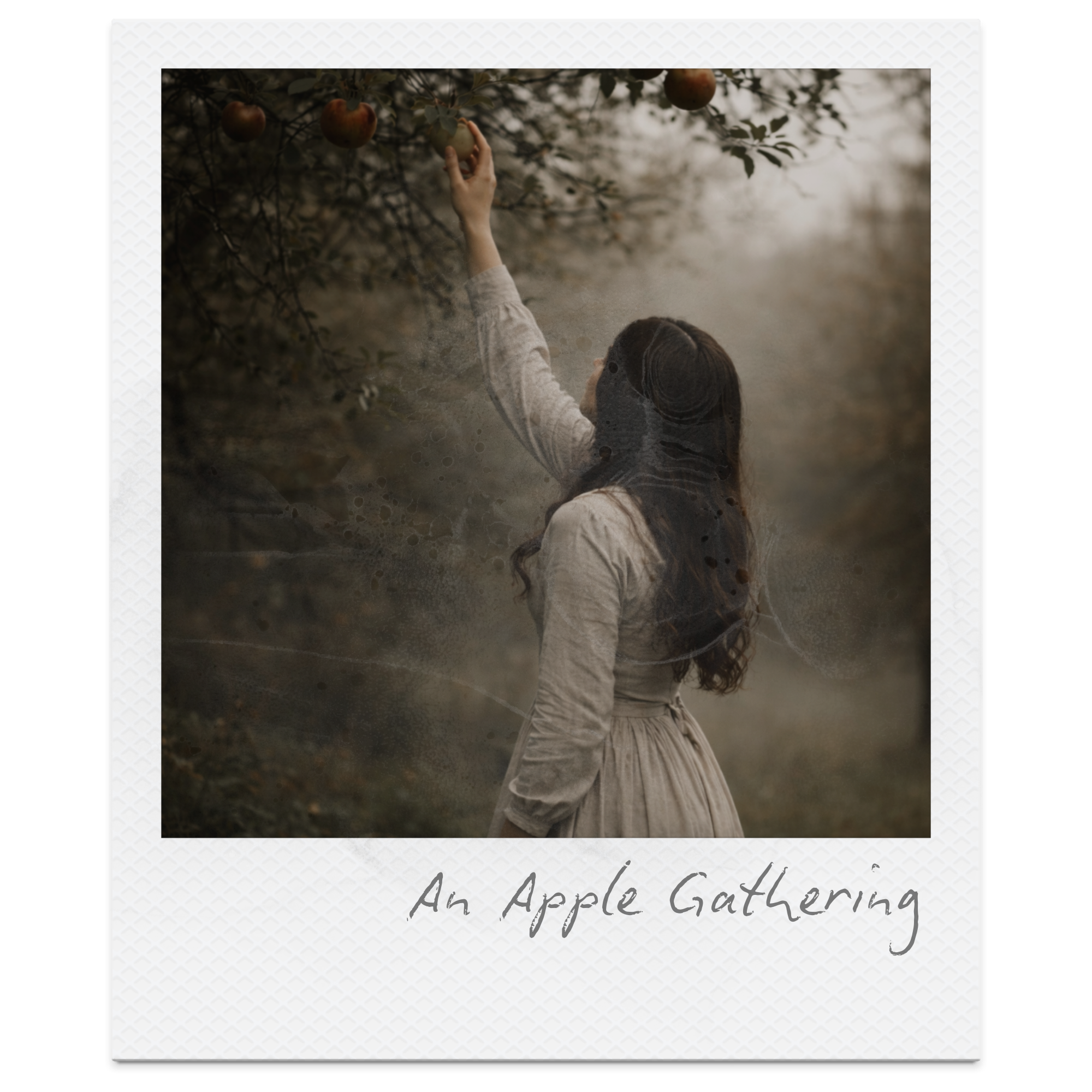
◆ An Apple-Gathering – This poem similarly uses seasonal imagery and natural symbolism to explore emotional vulnerability and social judgement. While An Apple-Gathering depicts the consequences of emotional exposure, Winter: My Secret shows a speaker who deliberately avoids such vulnerability through secrecy.
◆ Remember – In contrast to the playful tone of Winter: My Secret, Remember presents a more serious meditation on memory, loss, and emotional restraint. Both poems, however, explore the idea that individuals maintain control over what others remember or know about them.
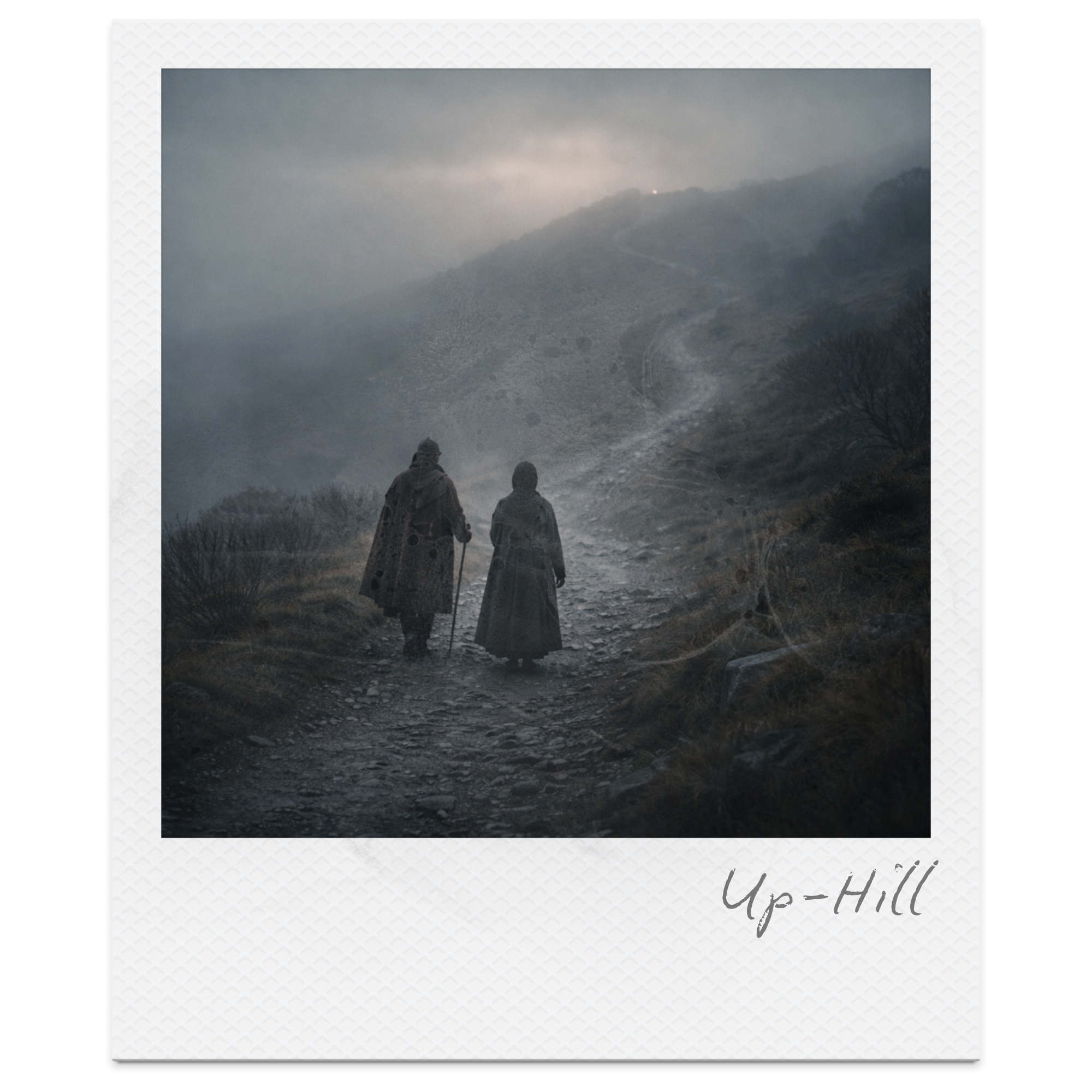
◆ Up-Hill – Rossetti’s famous allegorical poem explores the idea of life as a spiritual journey guided by questions and answers. Like Winter: My Secret, it uses a dialogue-like structure, though in Up-Hill questions eventually receive clear answers, whereas in Winter: My Secret the mystery deliberately remains unresolved.
◆ Echo – This poem explores longing and the persistence of memory. Compared with the emotional vulnerability expressed in Echo, the speaker of Winter: My Secret deliberately avoids revealing her inner feelings, highlighting Rossetti’s ability to present contrasting approaches to emotional openness.
◆ Twice – In Twice, the speaker openly offers her heart and confronts rejection, exposing emotional vulnerability. This contrasts sharply with Winter: My Secret, where the speaker refuses to reveal anything that might expose her to similar emotional risk.
These connections show how Rossetti repeatedly explores the balance between revealing and concealing the self, using different voices and situations to examine the complexities of emotional expression.
Final Thoughts
Winter: My Secret is one of Christina Rossetti’s most playful and intriguing poems, yet beneath its teasing tone lies a thoughtful exploration of privacy, identity, and personal boundaries. Through conversational language, seasonal imagery, and shifting rhythms, Rossetti creates a speaker who refuses to be pressured into revealing what she chooses to keep hidden. The poem therefore transforms secrecy from something suspicious into a form of self-possession and control.
Rossetti’s use of winter imagery, protective clothing, and rhetorical deflection reinforces the idea that emotional openness requires the right conditions. Just as a person would not expose themselves to harsh winter winds, the speaker refuses to expose her inner life to curiosity that may prove intrusive or unreliable. The poem’s progression through winter, spring, and summer suggests that the possibility of revelation may exist, but it cannot be forced or demanded.
Ultimately, the poem leaves its central mystery unresolved. Whether the speaker truly has a secret or is simply enjoying the power of withholding information remains uncertain. This ambiguity is part of the poem’s enduring appeal, inviting readers to reflect on the nature of curiosity, trust, and the limits of knowing another person completely.
To explore more of Rossetti’s poetry and its recurring themes of spiritual reflection, emotional restraint, and symbolic imagery, visit the Christina Rossetti Poetry Hub. You can also discover additional poetry and literature analysis in the Literature Library, where Rossetti’s work sits alongside other major texts studied in literature courses.
Choose Your Next Text