Notes from the Inkpot
Writing, teaching, creating - one ink-stained idea at a time.



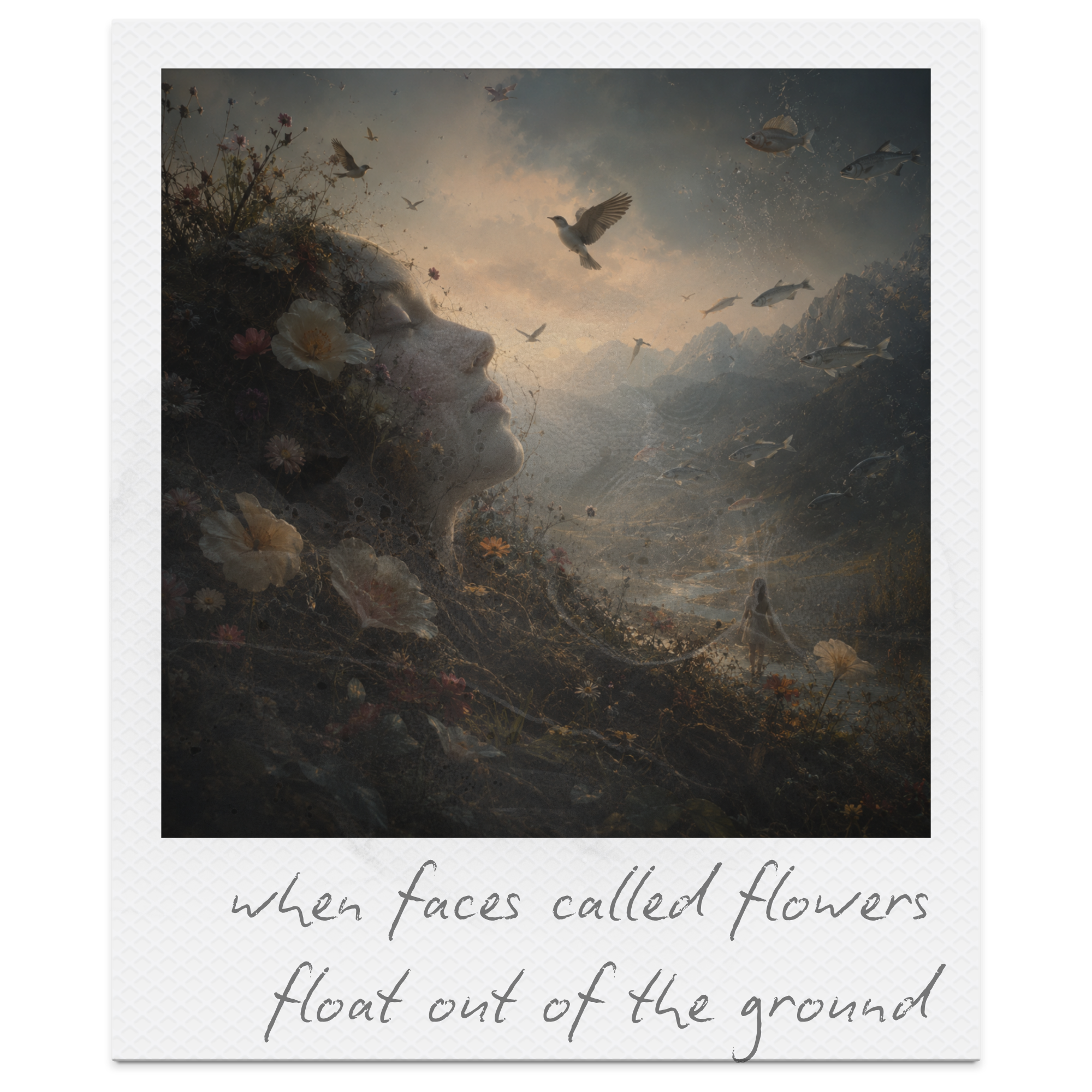
when faces called flowers float out of the ground by E. E. Cummings: Summary, Themes & Analysis
Explore E. E. Cummings’s when faces called flowers float out of the ground with a detailed summary and analysis of its themes, imagery, structure, unconventional punctuation and poetic techniques. Discover how Cummings transforms the arrival of spring into a joyful exploration of renewal, love, nature, freedom, generosity, transformation and the experience of being fully alive.

I Have a Rendezvous with Death by Alan Seeger: Themes, Symbolism and Analysis
I Have a Rendezvous with Death by Alan Seeger is a powerful First World War poem exploring mortality, duty, sacrifice, honour, and courage. Through the personification of Death, recurring spring imagery, and a speaker who calmly accepts the possibility of dying in battle, Seeger examines the tension between the beauty of life and the obligations that may require its sacrifice. This analysis explores the poem's themes, symbolism, structure, literary techniques, key quotes, and exam-ready insights, revealing how Seeger transforms a wartime reflection into a timeless meditation on commitment, mortality, and personal conviction.

London Snow by Robert Bridges: Analysis of Nature, Wonder & Transformation
Robert Bridges' London Snow transforms a simple winter snowfall into a powerful exploration of wonder, perception, and the relationship between nature and urban life. Through rich sensory imagery, musical language, and vivid observation, Bridges captures a rare moment when London is temporarily silenced and transformed beneath a blanket of snow. This analysis explores the poem's themes, symbolism, literary techniques, and structure, examining how the snowfall unites the city, reshapes human experience, and reveals extraordinary beauty within ordinary surroundings. Whether you are studying CIE AS & A Level Literature or revising the Songs of Ourselves anthology, this guide offers detailed insights into one of the collection's most memorable celebrations of transformation and shared wonder.
The Trees by Philip Larkin: Summary, Themes & Analysis
Philip Larkin’s The Trees explores the tension between renewal and mortality, using the natural cycle of spring to question whether fresh beginnings are ever truly possible. Through juxtaposition, controlled structure, and subtle tonal shifts, the poem presents the trees as symbols of apparent rebirth while revealing the underlying reality of ageing and continuity, challenging the reader’s assumptions about nature and time. As the poem develops, Larkin moves from quiet observation to a more unsettled recognition that the trees’ “yearly trick of looking new” conceals an ongoing process of change and decline. The repeated call to “begin afresh” feels both hopeful and fragile, leaving the reader with an unresolved tension between appearance and reality and reinforcing the idea that renewal may be more complex—and less reassuring—than it first appears.
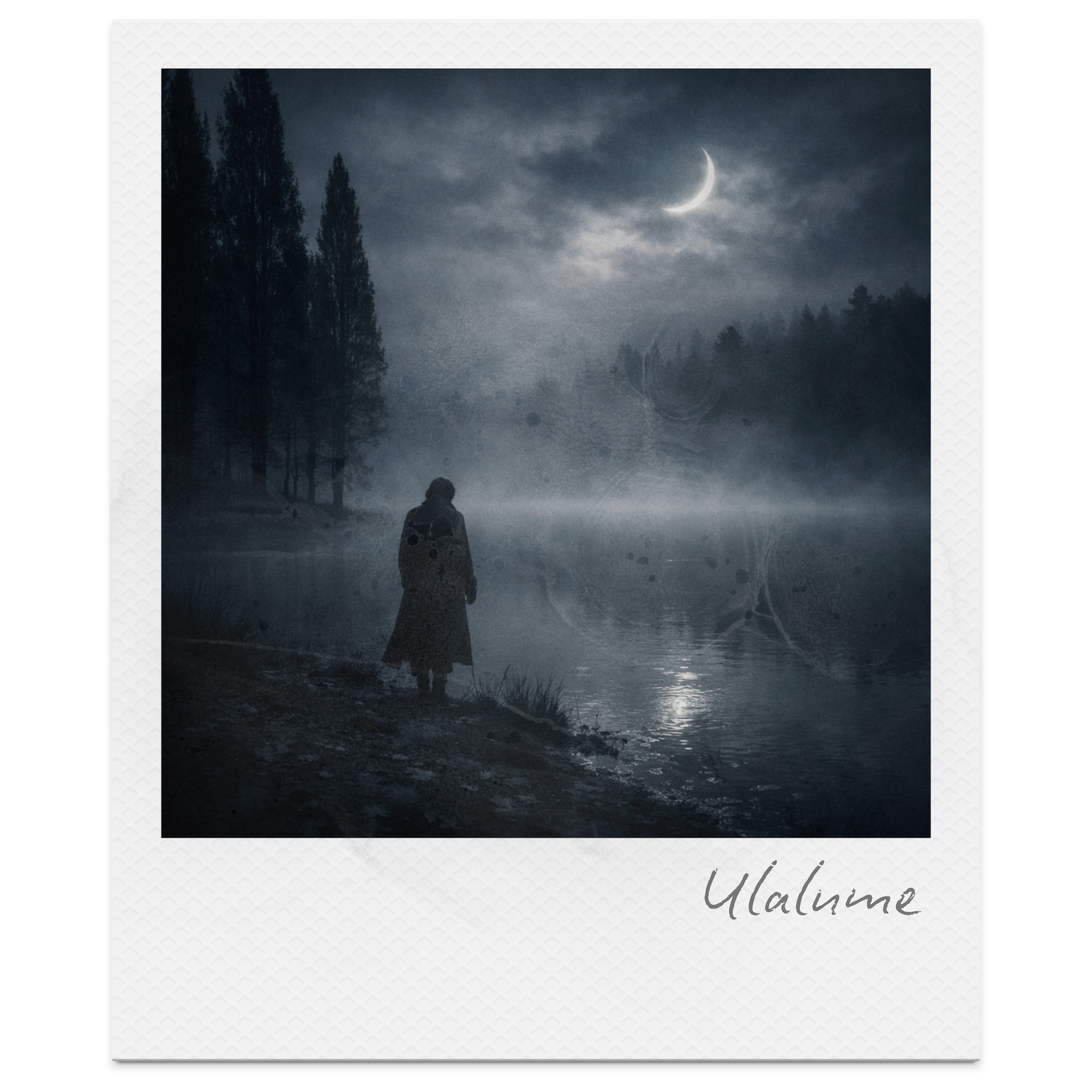
Ulalume by Edgar Allan Poe: Summary, Themes, Meaning & Analysis
Edgar Allan Poe’s Ulalume is a haunting exploration of grief, memory, and the unconscious mind, unfolding through a dreamlike journey into a desolate, symbolic landscape. Following a speaker who unknowingly retraces his steps to the tomb of his lost love, the poem reveals how repressed memory continues to shape perception and behaviour, even when consciously denied. Through its hypnotic rhythm, repetition, and rich Gothic imagery, Poe creates a psychological experience that blurs the boundary between reality and illusion. At its core, Ulalume examines the tension between denial and recognition, as the speaker projects hope onto a mysterious celestial light, only to be led back to the very truth he seeks to avoid. The poem’s cyclical structure and layered symbolism reveal grief as something inescapable and deeply embedded, offering a powerful meditation on how the mind responds to loss. This analysis explores the poem’s structure, key themes, and techniques, providing a clear and insightful guide for students and teachers alike.
L.E.L. by Christina Rossetti: Summary, Themes, Symbolism & Analysis
Christina Rossetti’s L.E.L. explores unfulfilled love, emotional isolation, and the tension between public performance and private suffering. Through its repeated refrain and vivid spring imagery, the poem contrasts a lively, outward persona with a deeply lonely inner life, revealing how easily pain can remain hidden beneath social appearances. This analysis examines Rossetti’s use of structure, symbolism, and religious imagery to present longing as both a personal and spiritual experience. It considers how the poem moves from quiet despair toward deferred hope, suggesting that love denied in the present may find fulfilment beyond earthly life.
Autumn Violets Christina Rossetti Analysis: Themes, Symbolism, Structure & Key Quotes
Christina Rossetti’s Autumn Violets is a reflective sonnet that explores how love is shaped by time, age, and emotional limitation. Through the delicate image of violets blooming out of season, Rossetti contrasts youthful, idealised love with a quieter, more restrained form of love that emerges later in life. The poem suggests that, like the natural world, emotional experiences follow a pattern, and when they occur outside their “proper” moment, they must be understood differently. In this analysis, we explore Rossetti’s use of seasonal symbolism, structure, and language to examine the relationship between love and timing. With detailed breakdowns of key lines, themes, and techniques, this guide offers a clear and insightful reading of Autumn Violets, revealing how the poem ultimately presents acceptance—not fulfilment—as the defining quality of later love.

Winter: My Secret by Christina Rossetti: Summary, Themes, Symbolism & Analysis
Christina Rossetti’s Winter: My Secret is a playful yet thought-provoking poem that explores secrecy, privacy, and emotional self-protection. Through teasing dialogue, seasonal imagery, and shifting rhythms, Rossetti presents a speaker who refuses to reveal her secret, turning the listener’s curiosity into part of the poem’s central tension. This analysis examines the poem’s themes, symbolism, structure, and key quotations, while also exploring alternative interpretations including feminist, psychological, and social readings. By combining close textual analysis with contextual insight, the article reveals how Rossetti transforms a seemingly light-hearted exchange into a deeper reflection on identity, autonomy, and the power of withholding personal truths.