The Trees by Philip Larkin: Summary, Themes & Analysis
Philip Larkin’s The Trees explores the quiet tension between renewal, ageing, and the illusion of permanence, using the natural cycle of spring growth to question what it truly means to begin again. Through extended metaphor, cyclical structure, and subtle tonal shifts, the poem presents the trees as both a symbol of apparent rebirth and a reminder of inevitable decline, suggesting that what looks like renewal may in fact conceal continuity and loss. Larkin’s restrained, reflective voice draws attention to the gap between appearance and reality, creating a meditation on time, mortality, and the human desire to believe in fresh starts. If you are studying or teaching Songs of Ourselves Volume 1 for CIE English World Literature (0408), explore all the poems in depth in our Songs of Ourselves Volume 1 hub, or a wider range of texts in the Literature Library
Context of The Trees
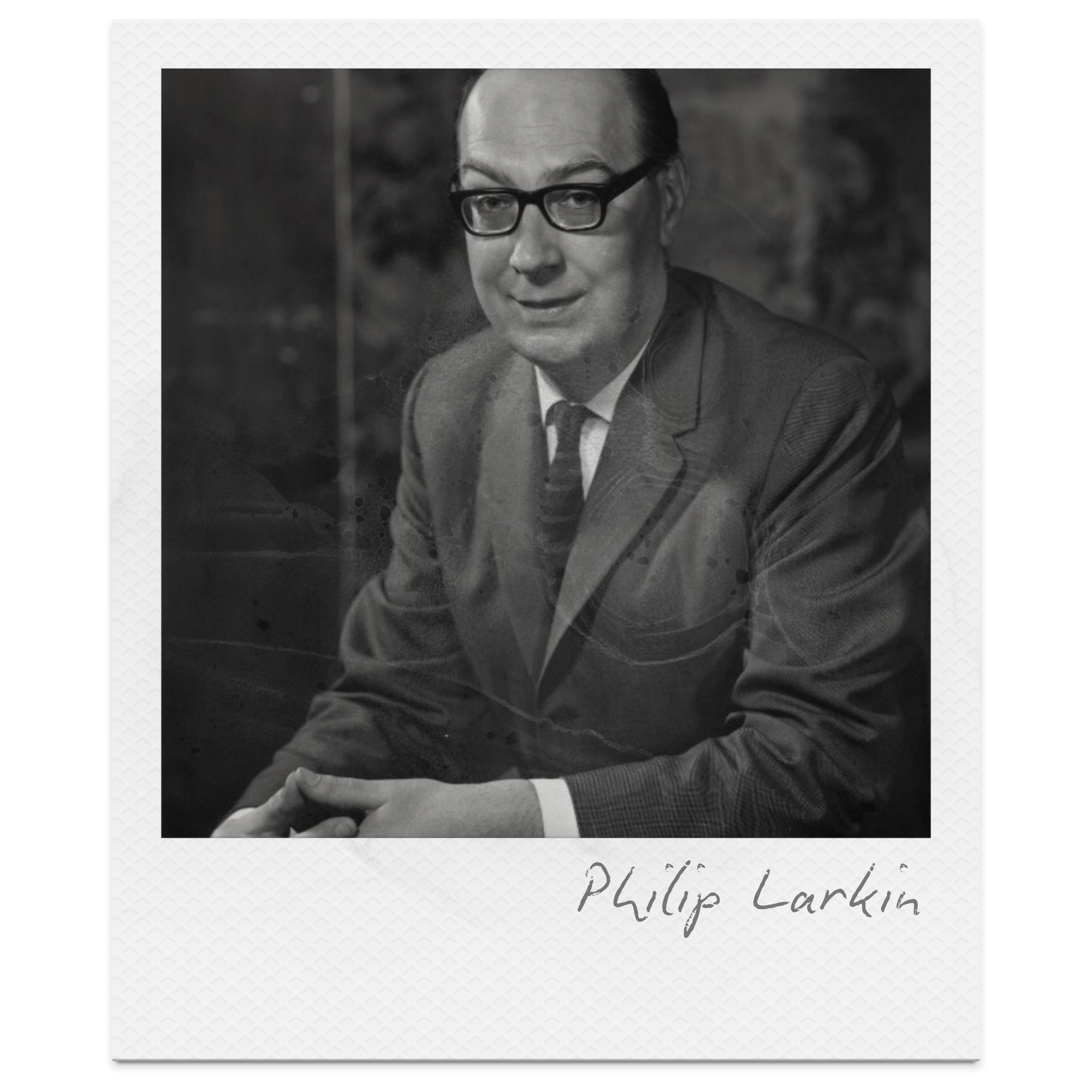
Philip Larkin wrote during the post-war period in Britain, a time marked by social change, disillusionment, and a growing scepticism toward grand ideals. Associated with The Movement, Larkin’s poetry is known for its restrained voice, clear language, and focus on ordinary experience rather than romanticised or abstract themes.
Published in 1967, The Trees reflects this context by presenting nature without sentimentality, using it instead to explore time, mortality, and the uneasy relationship between human perception and reality. Rather than celebrating renewal, the poem questions it, suggesting that apparent rebirth may mask a deeper continuity of ageing and decline, aligning with Larkin’s broader tendency to challenge comforting illusions.
The Trees: At a Glance
Form: Three quatrains with a regular structure, creating a controlled, reflective progression
Mood: Quietly contemplative, shifting from hopeful observation to subdued unease
Central tension: The contrast between apparent renewal and inevitable ageing and decay
Core themes: Time and mortality, illusion vs reality, renewal and continuity, human perception of nature
One-sentence meaning: The poem suggests that what appears to be renewal in nature may in fact conceal an ongoing process of ageing and loss, challenging the idea of true beginnings.
Quick Summary of The Trees
The poem begins by observing how the trees come into leaf, creating the impression of new life and renewal. This moment is described as something “almost being said,” suggesting that the natural world seems to communicate a message of hope and rebirth. However, this sense of freshness is immediately complicated by the idea that their greenness is also a kind of grief, hinting at a deeper awareness of loss beneath the surface appearance.
As the poem develops, the speaker questions whether the trees are truly “born again” while humans simply age, but quickly rejects this comforting idea, recognising that the trees also die. Their yearly cycle is revealed as a “trick,” with the evidence of time and mortality hidden within their internal rings. By the final stanza, the trees seem to insist on beginning “afresh,” yet this repeated renewal feels both defiant and fragile, leaving the reader with an unresolved tension between appearance and reality.
Title, Form, Structure, and Metre
Larkin’s formal control shapes the poem’s reflective tone, using regular patterns to mirror the predictable cycle of time, while subtle disruptions expose the tension beneath the surface appearance of renewal.
Title
The title The Trees appears simple and neutral, directing attention to the natural world. However, this simplicity is misleading: as the poem develops, the trees become a symbolic lens through which ideas of time, mortality, and illusion are explored. The definite article (“The”) gives the subject a sense of universality, suggesting that the poem is not about specific trees, but about a recurring, shared experience of observing nature.
Form and Structure
The poem is organised into three quatrains, creating a balanced and controlled structure that reflects the speaker’s measured, analytical tone. Each stanza marks a clear stage in the poem’s development: initial observation of renewal, followed by questioning and doubt, and finally a more complex, unresolved response to the idea of beginning again. This progression mirrors the speaker’s movement from surface impression to deeper reflection.
The closing line, “Begin afresh, afresh, afresh,” uses repetition to create a sense of insistence, yet this feels slightly strained rather than wholly reassuring, suggesting that renewal may be more fragile than it appears.
Rhyme Scheme and Poetic Pattern
Each stanza follows a consistent enclosed rhyme scheme (ABBA CDDC EFFE), which reinforces the poem’s sense of control and containment. This pattern creates a subtle feeling of circularity, echoing the cyclical nature of the seasons.
Larkin often pairs words that complicate meaning through rhyme, most notably “leaf” and “grief,” linking growth with loss. This unexpected pairing challenges the reader’s assumptions about spring as purely positive, suggesting that renewal is inseparable from awareness of time passing.
Metre and Rhythmic Movement
The poem is predominantly written in iambic tetrameter, with four iambic feet per line (an unstressed syllable followed by a stressed syllable):
the TREES | are COM | ing IN | to LEAF
like SOME | thing AL | most BE | ing SAID
This steady, regular rhythm creates a sense of continuity and inevitability, reflecting the ongoing cycles of nature and time. However, Larkin introduces subtle variations to draw attention to key ideas.
For example, the line “Last year is dead, they seem to say,” begins with a stressed syllable:
LAST YEAR | is DEAD | they SEEM | to SAY
This disruption emphasises “Last,” foregrounding the finality of the past and interrupting the otherwise smooth rhythm.
The final line restores a clearer rhythmic pattern:
beGIN | aFRESH | aFRESH | aFRESH
The repeated stress pattern, combined with the triple repetition of “afresh,” creates a rhythmic insistence that feels both urgent and slightly forced, reinforcing the poem’s central tension between the desire for renewal and the reality of ongoing change.
The Speaker in The Trees
The speaker presents as an observant, reflective voice, closely engaged with the natural world yet ultimately preoccupied with its deeper implications. While the perspective may be associated with Philip Larkin himself, the lack of specific personal detail keeps the voice universal, allowing the poem’s concerns with time and mortality to feel widely applicable.
The tone shifts from quiet appreciation of apparent renewal to a more questioning, unsettled awareness of ageing and loss, revealing a speaker who resists easy consolation. Rather than accepting the trees as simple symbols of rebirth, the speaker interrogates what they represent, exposing the tension between appearance and reality. This measured, analytical voice shapes the poem’s meaning, guiding the reader toward a more complex and less comforting interpretation of the natural cycle.
Stanza-by-Stanza Analysis of The Trees
A close reading of each stanza reveals how Larkin develops meaning through imagery, tone, and structural progression, moving from surface observation to a more unsettled reflection on time, renewal, and mortality. Each stanza builds on the last, shifting the reader’s understanding and exposing the tension between what the trees appear to represent and what they ultimately reveal.
Stanza 1: Renewal Complicated by Grief
The opening line presents the trees “coming into leaf,” immediately establishing imagery of renewal and growth, but the simile “like something almost being said” introduces a sense of uncertainty. The phrasing suggests that nature appears to communicate a message, yet this message remains incomplete or just out of reach, creating a tone of quiet hesitation rather than celebration.
The description of buds that “relax and spread” reinforces the idea of natural unfolding, but the language is controlled and restrained, avoiding any overtly joyful or vibrant imagery. This measured tone prepares the reader for the shift in the final line, where the expected association of greenness with life is disrupted.
By describing their “greenness” as “a kind of grief,” Larkin creates a striking juxtaposition, linking life with loss. This suggests that the appearance of renewal is inseparable from an awareness of time passing and mortality, immediately complicating the reader’s expectations and establishing the poem’s central tension between appearance and reality.
Stanza 2: Illusion of Renewal Exposed
The stanza opens with a rhetorical question—“Is it that they are born again / And we grow old?”—which introduces a moment of speculation and tentative hope. The contrast between the trees’ apparent rebirth and human ageing reflects a natural desire to believe in renewal, positioning nature as something that might escape the limitations of time.
However, this idea is immediately rejected by the abrupt response, “No, they die too,” creating a tonal shift from questioning to certainty. The bluntness of this statement strips away any comforting illusion, reinforcing the shared reality of mortality between humans and the natural world.
The phrase “yearly trick of looking new” further develops this idea, suggesting that renewal is not genuine but deceptive—an appearance rather than a transformation. This sense of illusion is grounded in the physical image of “rings of grain,” where time is permanently recorded within the tree itself. The imagery reveals that beneath the surface of freshness lies a continuous accumulation of age, reinforcing the poem’s central tension between appearance and reality.
Stanza 3: Defiant Renewal Against Time
The stanza opens with “Yet still,” signalling a shift toward persistence despite the recognition of mortality. The trees are described as “unresting castles,” a striking metaphor that presents them as both powerful and enduring, while “thresh” introduces a sense of ongoing, almost mechanical movement. This suggests that the cycle of growth continues relentlessly, regardless of the truths uncovered in the previous stanza.
The phrase “fullgrown thickness every May” reinforces the idea of repeated renewal, but the emphasis on “fullgrown” subtly acknowledges maturity and accumulation rather than pure newness. The seasonal reference grounds the cycle in time, highlighting its predictability and inevitability.
“Last year is dead, they seem to say” personifies the trees, giving them a voice that appears to assert the importance of the present. However, the phrasing “seem to say” introduces distance, suggesting that this message may be a projection rather than a certainty. The final line, “Begin afresh, afresh, afresh,” uses repetition to create rhythmic insistence, yet this urgency feels slightly strained, leaving the reader with an unresolved tension between hope and illusion, and reinforcing the poem’s complex view of renewal as both compelling and uncertain.
Key Quotes and Methods in The Trees
Larkin’s poem uses carefully selected phrases to reveal the tension between renewal and mortality, with each quotation combining method, purpose, and impact to deepen meaning.
“Like something almost being said”
◆ Technique: Simile and tentative phrasing
◆ Meaning: Suggests that the trees appear to communicate a message, but one that remains incomplete or unclear
◆ Purpose: To introduce uncertainty and resist a straightforward interpretation of renewal
◆ Impact: Creates a reflective tone, drawing the reader into questioning what nature truly represents
“Their greenness is a kind of grief”
◆ Technique: Juxtaposition and metaphor
◆ Meaning: Links the vitality of new leaves with an underlying sense of loss
◆ Purpose: To disrupt conventional associations of spring with joy and renewal
◆ Impact: Forces the reader to reconsider the meaning of growth, revealing its connection to time and mortality
“Is it that they are born again / And we grow old?”
◆ Technique: Rhetorical question and contrast
◆ Meaning: Presents the possibility that nature renews while humans age
◆ Purpose: To voice a hopeful but uncertain interpretation of the trees
◆ Impact: Engages the reader in the speaker’s thought process before the idea is challenged
“No, they die too”
◆ Technique: Abrupt declarative statement
◆ Meaning: Rejects the idea of true renewal, affirming shared mortality
◆ Purpose: To dismantle comforting illusions about nature’s permanence
◆ Impact: Creates a stark tonal shift, emphasising the inevitability of death
“Their yearly trick of looking new”
◆ Technique: Metaphor and dismissive diction
◆ Meaning: Presents renewal as deceptive rather than genuine
◆ Purpose: To expose the illusion behind seasonal change
◆ Impact: Encourages the reader to question surface appearances and recognise underlying continuity
“Is written down in rings of grain”
◆ Technique: Metaphor and natural imagery
◆ Meaning: Suggests that time and ageing are permanently recorded within the tree
◆ Purpose: To reveal the hidden evidence of mortality beneath outward freshness
◆ Impact: Reinforces the idea that renewal does not erase the past but accumulates it
“Begin afresh, afresh, afresh”
◆ Technique: Repetition and imperative tone
◆ Meaning: Suggests a call to renewal and starting again
◆ Purpose: To present the trees as embodying persistence despite mortality
◆ Impact: Creates rhythmic insistence that feels both hopeful and strained, leaving the reader with an unresolved tension between renewal and reality
Key Techniques in The Trees
Larkin’s poem relies on a controlled range of language, structure, and sound techniques to explore the tension between renewal and mortality, revealing how surface appearances can conceal deeper truths.
◆ Simile – The comparison “like something almost being said” creates a sense of incompletion and hesitation, suggesting that the trees appear to communicate a message that remains just out of reach. This introduces uncertainty from the outset and implies that the meaning of renewal is not straightforward but partially obscured.
◆ Metaphor – The description of greenness as “a kind of grief” transforms a symbol of life into one of loss, while the “rings of grain” act as a metaphor for recorded time. These metaphors expose the gap between appearance and reality, showing that growth carries the trace of ageing within it.
◆ Personification – The trees are given a voice in “they seem to say,” presenting them as if they actively communicate a message of renewal. However, the phrase “seem to” introduces doubt, suggesting that this voice may be a projection of human desire rather than an objective truth.
◆ Rhetorical Question – “Is it that they are born again / And we grow old?” captures a moment of hopeful speculation, inviting the reader into the speaker’s thought process. Its immediate rejection highlights the fragility of this idea and reinforces the inevitability of mortality.
◆ Irony – The poem’s central irony lies in the contrast between the trees’ appearance of renewal and the reality that they are continuously ageing. What seems to represent fresh beginnings is revealed as part of an ongoing process of decline, challenging comforting assumptions about nature.
◆ Repetition (Epizeuxis) – The repeated “afresh, afresh, afresh” creates rhythmic insistence, emphasising the idea of renewal. However, the repetition also feels slightly forced, suggesting a tension between the desire to begin again and the reality that true renewal may be impossible.
◆ Sound Patterning (Sibilance, Assonance, Consonance) – Soft sibilant sounds in phrases such as “relax and spread” and “seem to say” create a flowing, continuous quality, echoing the natural cycle of growth. Subtle patterns of vowel and consonant sounds contribute to the poem’s smooth, controlled tone, reinforcing its reflective mood.
◆ Caesura – Pauses within lines, particularly in “Last year is dead, they seem to say,” slow the rhythm and emphasise key ideas. This interruption draws attention to the finality of “dead,” reinforcing the poem’s focus on time and loss.
◆ Enjambment – The movement of meaning across line breaks mirrors the continuity of natural cycles, allowing ideas to unfold gradually. This fluidity contrasts with the poem’s moments of interruption, highlighting the tension between ongoing growth and sudden awareness of mortality.
◆ Juxtaposition – The pairing of opposing ideas, such as “leaf” and “grief,” or renewal and decay, creates a persistent tension throughout the poem. This contrast forces the reader to reconsider familiar symbols, revealing the complexity beneath seemingly simple natural imagery.
How the Writer Creates Meaning and Impact in The Trees
Larkin creates meaning in The Trees by carefully combining language, structure, voice, and sound to challenge the idea of renewal and expose the tension between appearance and reality.
◆ Language (imagery, symbolism, diction) – The poem uses natural imagery of buds, leaves, and growth to suggest renewal, but this is complicated through unexpected word choices such as “grief” and “trick.” These shifts in diction transform familiar symbols into something more unsettling, revealing that apparent freshness may conceal ageing and loss.
◆ Structure (shifts, contrast, progression) – The poem moves from observation to questioning and then to a more complex, unresolved conclusion. The shift from the hopeful suggestion of rebirth to the blunt statement “they die too” disrupts expectations, while the final repetition of “afresh” leaves the reader with a sense of tension rather than resolution. This progression mirrors the speaker’s deepening understanding.
◆ Voice and tone – The speaker’s measured, reflective voice creates a sense of control and restraint, avoiding overt emotion while still conveying underlying unease. Subtle tonal shifts—from tentative wonder to certainty and then to uneasy insistence—guide the reader toward a more critical interpretation of renewal.
◆ Sound and rhythm – The regular iambic rhythm reflects the steady, predictable cycles of nature, while small disruptions draw attention to key ideas such as the finality of the past. The repeated “afresh” creates a rhythmic insistence that feels both hopeful and slightly forced, reinforcing the poem’s central ambiguity.
Together, these elements ensure that meaning is not simply stated but constructed, encouraging the reader to move beyond surface impressions and recognise the complex relationship between renewal, time, and mortality.
Themes in The Trees
Larkin’s poem explores a series of interconnected ideas, using the natural cycle of the seasons to question assumptions about renewal, time, and human perception.
Renewal and Continuity
The poem initially presents the trees as symbols of new life, with buds forming and leaves spreading. However, this sense of renewal is quickly complicated, as the speaker recognises that the trees are not truly “born again” but are instead continuing an ongoing cycle. Through this, Larkin suggests that what appears to be a fresh beginning is actually part of an unbroken process of growth and decline, challenging the idea of genuine renewal.
Time and Mortality
A central concern of the poem is the inevitability of ageing and death. The image of “rings of grain” highlights how time is physically recorded within the trees, revealing that they are subject to the same processes as humans. By rejecting the idea that nature escapes mortality, the poem emphasises the universality of time’s impact, reinforcing a more sobering view of existence.
Appearance vs Reality
Larkin repeatedly contrasts what the trees seem to represent with what they actually reveal. Their “greenness” appears to symbolise life and vitality, yet it is described as a form of “grief,” exposing a deeper truth beneath the surface. This tension between illusion and reality encourages the reader to question comforting interpretations and recognise the complexity behind familiar symbols.
Human Perception of Nature
The poem explores how humans interpret the natural world, often projecting meaning onto it. The trees appear to “say” something, but this voice is uncertain and possibly imagined. This suggests that the idea of renewal may be less an inherent truth of nature and more a reflection of human desire for hope and continuity, highlighting the limitations of perception.
Cycles and Repetition
The recurring pattern of seasonal change reflects the broader idea of cycles, where endings and beginnings are intertwined. The repetition of “afresh” reinforces this sense of ongoing renewal, yet its insistence also suggests a need to reaffirm something that is not entirely secure. This highlights the tension between the comfort of repetition and the reality of constant change.
Alternative Interpretations of The Trees
Larkin’s poem invites multiple interpretations, with its controlled language and subtle tonal shifts allowing different perspectives on renewal, time, and human perception.
Psychological Interpretation: The Need to Believe in Renewal
From a psychological perspective, the poem can be read as an exploration of the human desire to find meaning and hope in natural cycles. The trees appear to offer reassurance through their repeated renewal, but the speaker’s questioning suggests an underlying resistance to this comfort. The final insistence to “begin afresh” may reflect not a truth about nature, but a psychological need to impose optimism in the face of inevitable ageing and loss.
Social Interpretation: Post-War Disillusionment and Scepticism
Viewed in its post-war context, the poem can reflect a broader cultural shift toward disillusionment and scepticism about traditional sources of hope. Rather than embracing nature as a symbol of rebirth, the speaker exposes it as a “trick,” aligning with a society increasingly wary of comforting narratives. In this reading, the poem challenges the idea that renewal—whether personal or collective—is ever complete or uncomplicated.
Philosophical / Existential Interpretation: The Illusion of Beginnings
Philosophically, the poem can be interpreted as questioning whether true beginnings exist at all. The trees’ apparent renewal is revealed as a continuous process, with time accumulating rather than resetting. The repeated “afresh” becomes ambiguous—either a genuine call to embrace the present or an ironic acknowledgement that starting again is impossible. This interpretation positions the poem as a meditation on existence, where change is constant but never wholly transformative.
Exam-Ready Insight for The Trees
This section shows how to turn your understanding of The Trees into a strong, exam-focused response for IGCSE World Literature (0408), with a clear focus on how meaning is created through methods rather than just ideas.
What strong responses do
◆ focus closely on the question
◆ analyse methods (language, structure, and sound), not just ideas
◆ explain how effects are created, not just what happens
◆ track shifts in voice and tone across the poem
◆ use short, precise quotations to support points
Conceptual argument
A strong thesis for The Trees might be:
Larkin presents the apparent renewal of the trees as an illusion, using juxtaposition, controlled structure, and subtle tonal shifts to reveal that what seems like rebirth is in fact a continuous process of ageing, challenging comforting assumptions about time and mortality.
Model analytical paragraph
Larkin presents renewal as deceptive through contrast and carefully controlled language. In the phrase “Their greenness is a kind of grief,” the unexpected juxtaposition of “greenness” and “grief” disrupts the reader’s expectation that spring symbolises vitality, instead linking growth with loss. This is reinforced by the description of the trees’ “yearly trick of looking new,” where the word “trick” suggests deliberate deception, implying that renewal is only surface-level. Structurally, the poem moves from tentative speculation—“Is it that they are born again”—to the blunt certainty of “No, they die too,” creating a tonal shift that dismantles any comforting interpretation. This progression encourages the reader to recognise that the apparent freshness of the trees conceals an ongoing process of ageing, reinforcing the poem’s central tension between appearance and reality.
Teaching Ideas for The Trees
This poem is ideal for exploring how writers use language, structure, and voice to present complex ideas, while also supporting collaborative and discussion-based classroom approaches.
1. Collaborative Analytical Paragraph (Paired Writing)
Give students a focused question, for example:
How does Larkin present the idea of renewal in The Trees?
Students work together to produce a single paragraph, combining their ideas and interpretations. They should:
◆ select and embed quotations
◆ identify methods (language, structure, sound)
◆ explain meaning → purpose → impact
Because both students contribute, they can challenge and refine each other’s ideas, leading to a stronger, more developed response. This approach reinforces that strong analysis is built through discussion and refinement, not just individual effort.
2. Structured Group Close Analysis (Role-Based)
Instead of traditional annotation, assign students specific roles in small groups for a stanza-by-stanza reading:
◆ Structure specialist – tracks shifts, voice, and progression
◆ Language analyst – explores word choices and imagery
◆ Methods expert – identifies poetic devices and techniques
◆ Tone tracker – comments on voice and emotional shifts
Each group analyses a stanza, then feeds back to the class, building a full interpretation together.
This makes close reading more active and collaborative, while still developing detailed analytical skills.
3. Silent Debate
Set up a silent debate around the question:
Is The Trees ultimately hopeful or pessimistic about renewal?
Students respond to prompts in writing, building on and challenging each other’s ideas. They should:
◆ use quotations as evidence
◆ respond directly to others’ interpretations
◆ develop and refine arguments over time
This encourages deeper thinking and ensures all students participate. For guidance on structuring this activity, see this post on silent debate activities.
4. Creative Writing: Voice and Perspective
Ask students to write a short piece from the perspective of something undergoing change over time.
Prompt:
Write in the voice of a natural object or environment that appears to renew itself but carries hidden signs of ageing.
Students should aim to:
◆ use sensory imagery (sound, sight, texture)
◆ develop a clear voice and emotional perspective
◆ include contrast between appearance and reality
◆ show how meaning is shaped through language choices
This helps students apply literary techniques in their own writing, reinforcing their understanding of how texts create meaning. For more structured prompts, explore the Creative Writing Archive.
Go Deeper into The Trees
Exploring The Trees alongside other texts can deepen understanding of how writers present time, mortality, and the tension between appearance and reality, helping students build more comparative and conceptual responses.
◆ Aubade by Philip Larkin – A far more direct and unsettling meditation on death, allowing comparison between the subtle questioning in The Trees and the explicit fear of mortality.
◆ Afternoons by Philip Larkin – Explores the passage of time through everyday life, reinforcing Larkin’s recurring concern with ageing and the quiet erosion of youth.
◆ Spring and Fall by Gerard Manley Hopkins – Links nature and human mortality, offering a more emotional and personal response to the inevitability of loss.
◆ Nothing Gold Can Stay by Robert Frost – A concise reflection on the fleeting nature of youth and beauty, useful for comparing how poets present transience.
◆ Ozymandias by Percy Bysshe Shelley – Explores the impermanence of human achievement, reinforcing the broader theme of time’s power.
◆ The Trees Are Down by Charlotte Mew – Provides a striking contrast, focusing on the destruction of trees rather than renewal, and exploring how human action disrupts the natural world.
Final Thoughts
Larkin’s The Trees offers a subtle yet unsettling meditation on time, renewal, and mortality, using the familiar cycle of spring to challenge comforting assumptions about fresh beginnings. Through controlled structure, careful diction, and tonal shifts, the poem moves from surface observation to a more complex recognition that renewal may be an illusion, shaped as much by human perception as by the natural world itself.
Rather than providing resolution, the poem leaves the reader in a space of tension, where the repeated call to “begin afresh” feels both hopeful and fragile. This ambiguity is what makes the poem enduringly powerful, encouraging readers to reflect on the relationship between appearance and reality and to question whether true renewal is ever possible.
For more detailed poetry analysis and teaching resources, explore the Songs of Ourselves Volume 1 Hub and the wider Literature Library.
Choose Your Next Text