Notes from the Inkpot
Writing, teaching, creating - one ink-stained idea at a time.




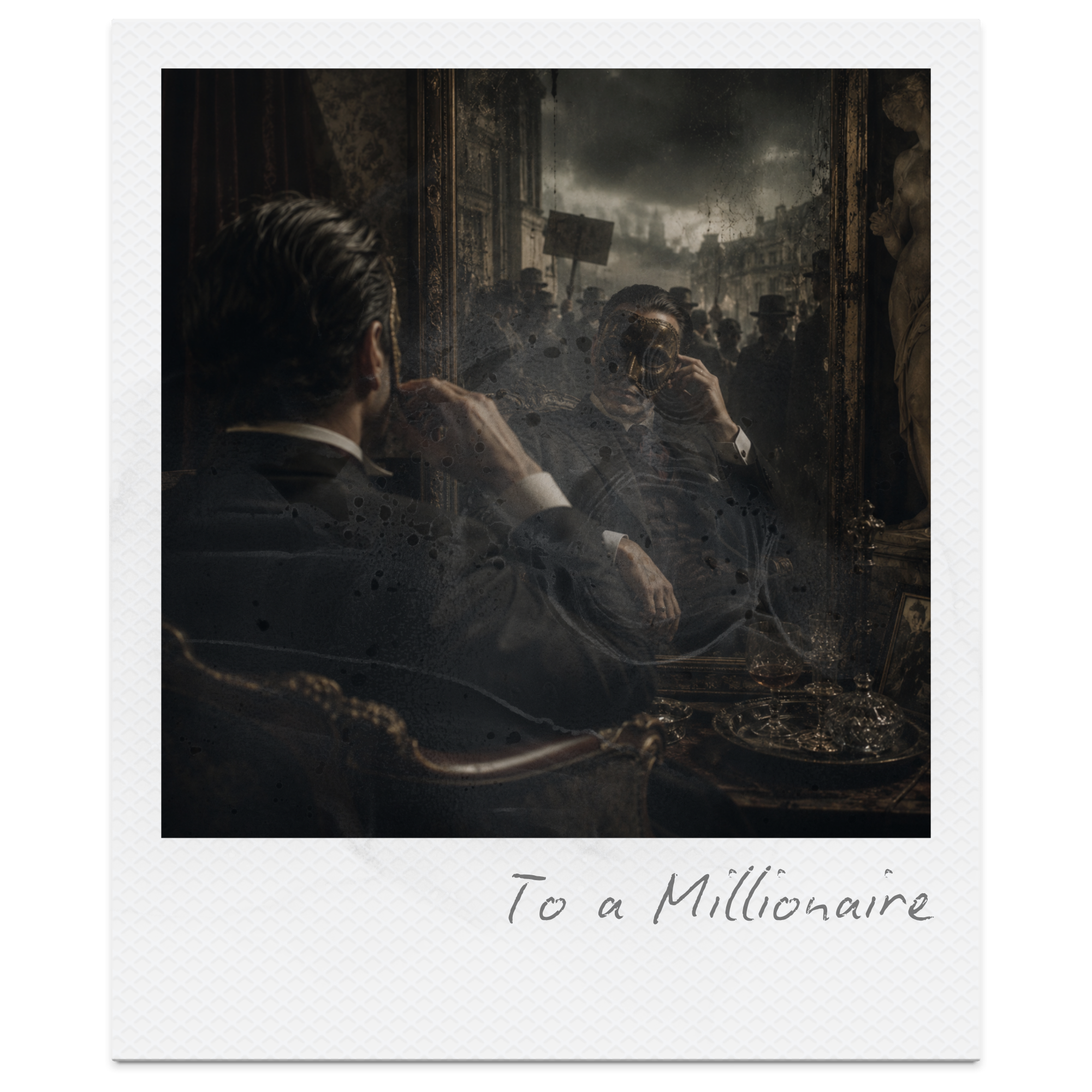
To a Millionaire by A. R. D. Fairburn: Power, Wealth and Corruption
A detailed analysis of To a Millionaire by A. R. D. Fairburn, exploring themes of wealth, corruption, class inequality, exploitation, social injustice, moral responsibility, mortality, power, and decline. Includes context, summary, stanza-by-stanza analysis, key quotations, symbolism, literary techniques, alternative interpretations, anthology comparisons, exam insights, and teaching ideas for CIE AS Level English Literature.
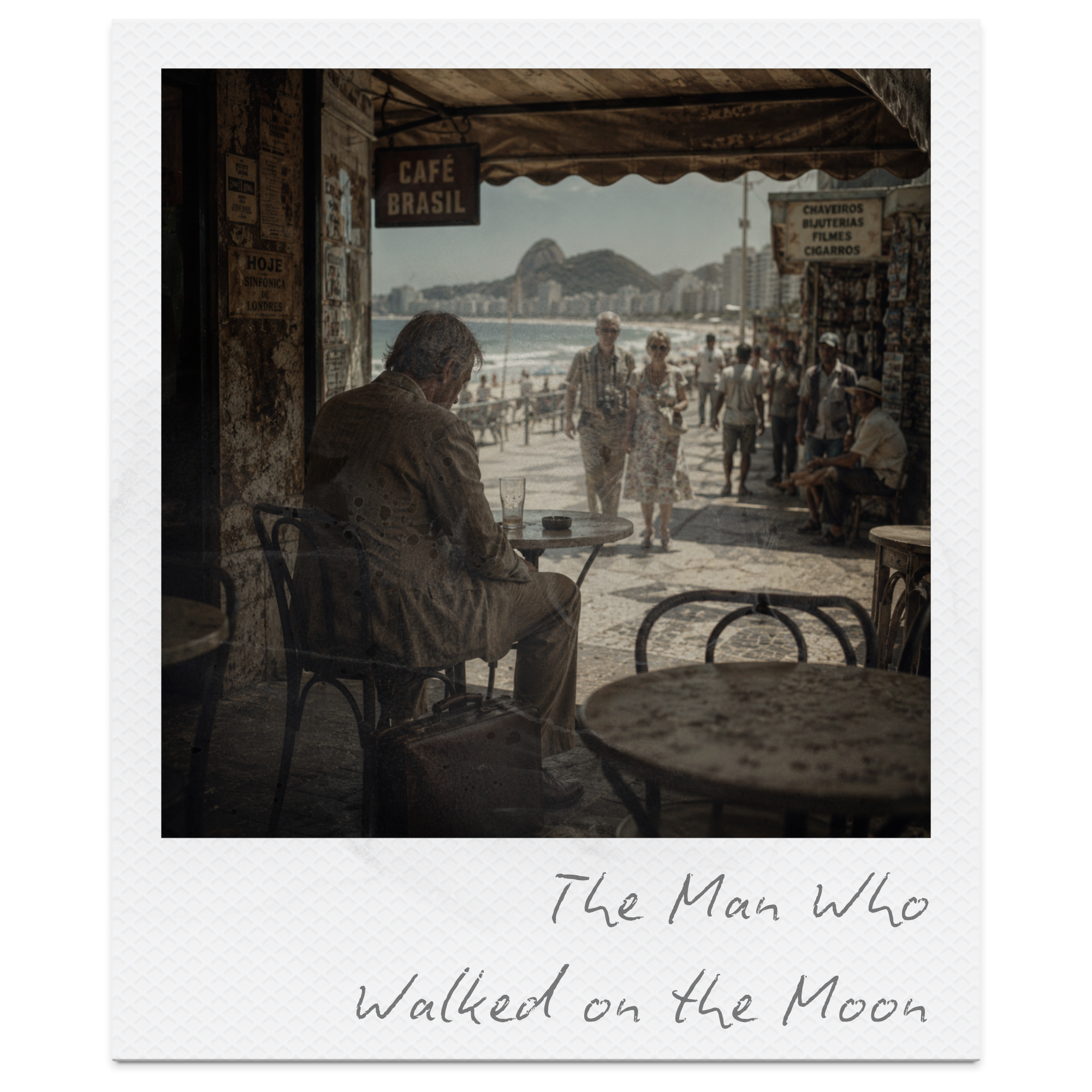
The Man Who Walked on the Moon by J.G. Ballard: Summary, Themes & Analysis
J.G. Ballard’s The Man Who Walked on the Moon is a psychologically unsettling short story exploring alienation, identity, loneliness, and the blurred boundary between fantasy and reality. Through the relationship between the unnamed narrator and Scranton — a failed American who falsely claims to have been an astronaut — Ballard examines how emotional isolation can gradually reshape a person’s understanding of truth, society, and selfhood. This detailed analysis explores the story’s themes, symbolism, structure, narrative voice, key quotes, alternative interpretations, and exam-focused insights for CIE IGCSE English Literature (0475 & 0922).
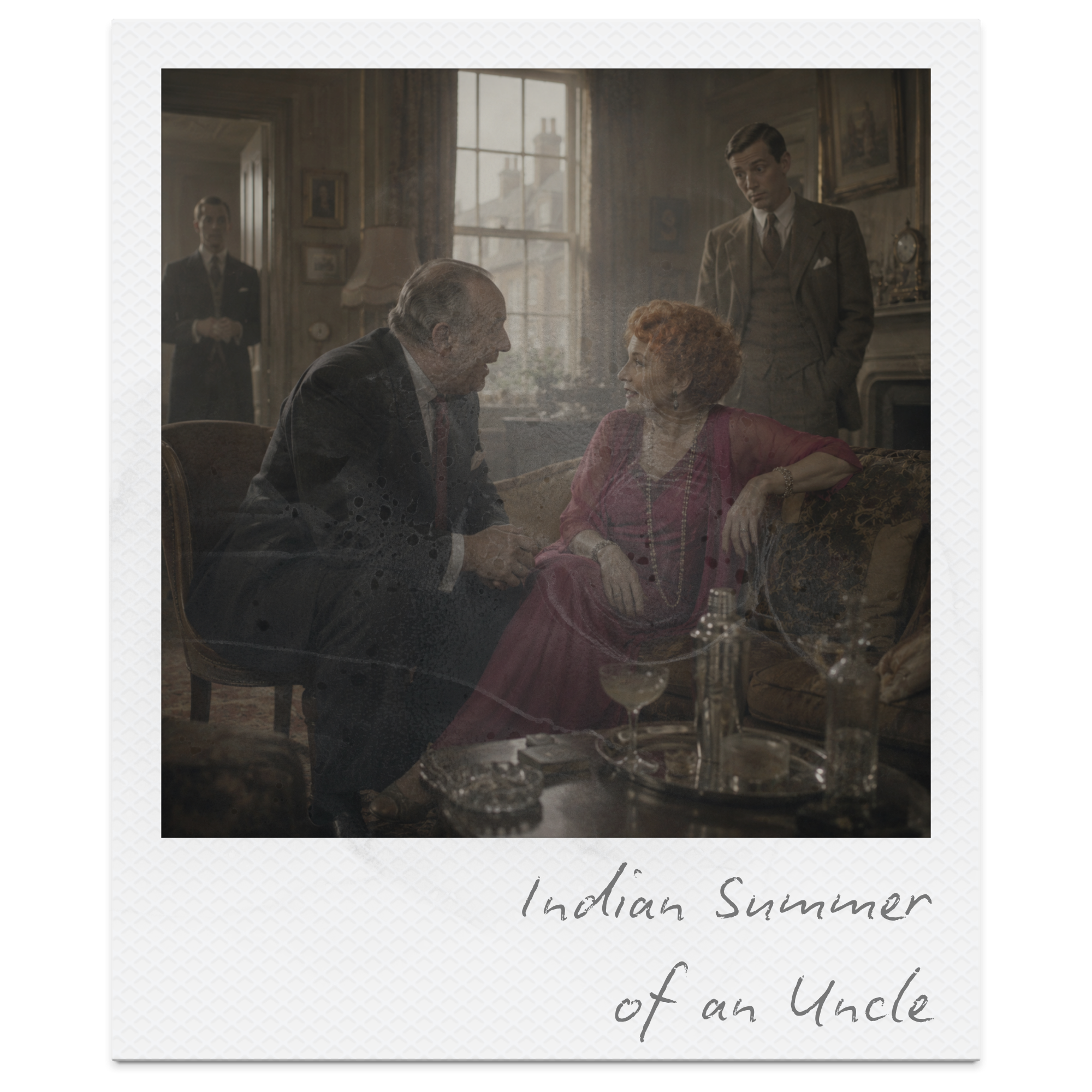
Indian Summer of an Uncle by P.G. Wodehouse: Summary, Themes & Analysis
P.G. Wodehouse’s Indian Summer of an Uncle is a comic short story exploring class, marriage, family pressure, romantic misunderstanding, and the absurdities of upper-class society through dramatic irony, exaggerated narration, and sharp social satire. Told through Bertie Wooster’s humorous first-person perspective, the story follows the chaos that erupts when the elderly Uncle George suddenly decides to marry a young waitress, horrifying his aristocratic family and forcing Bertie into a series of increasingly awkward situations. This detailed analysis for CIE IGCSE World Literature (0408) explores the story’s themes, symbolism, structure, narrative voice, and key quotations, while examining how Wodehouse creates humour through comic contrast, misunderstanding, and the gap between appearance and emotional reality. The guide also includes alternative interpretations, exam-ready insights, and classroom-focused teaching ideas designed to support deeper literary analysis and discussion.
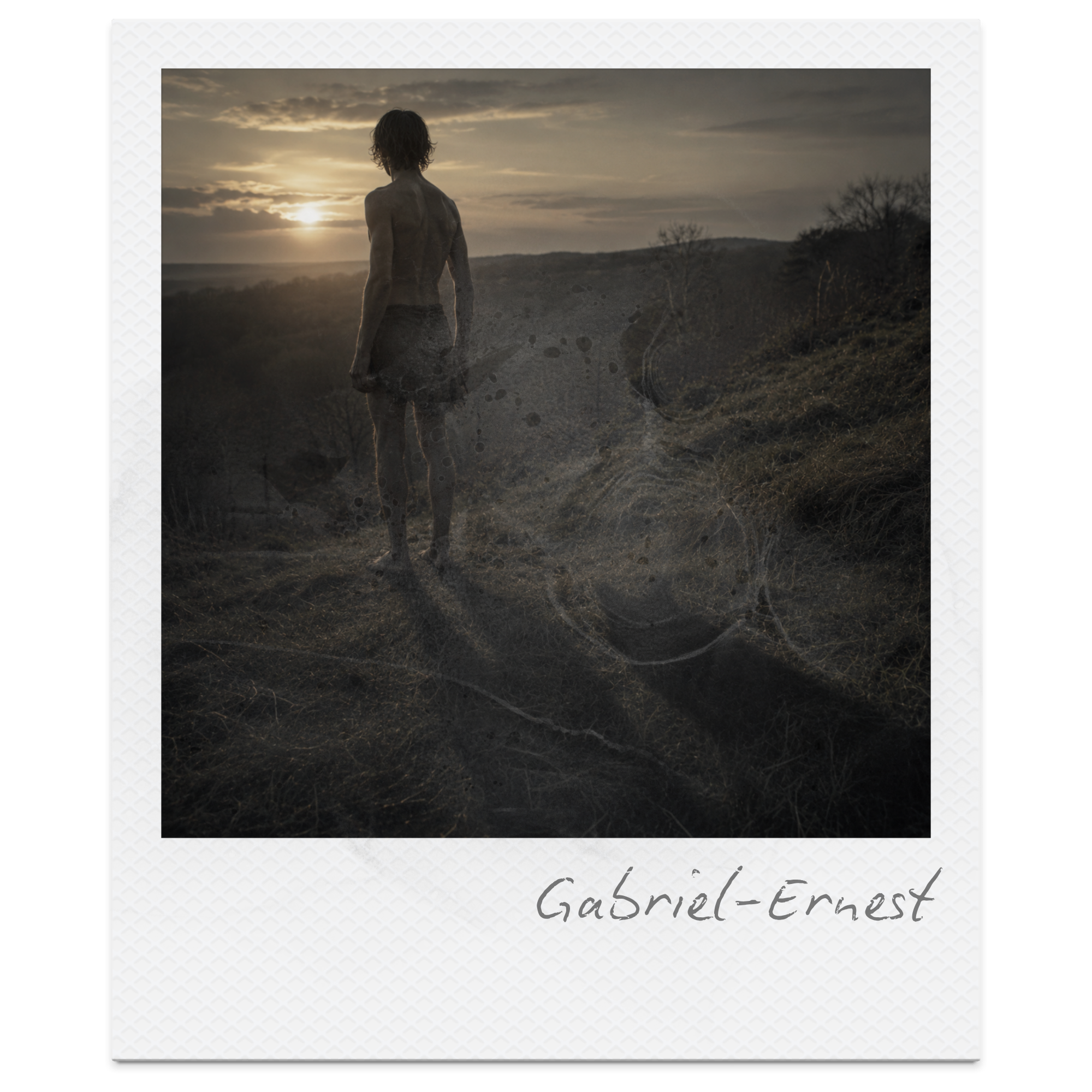
Gabriel-Ernest by Saki: Summary, Themes & Analysis
Saki’s Gabriel-Ernest is a dark and unsettling Gothic short story exploring civilisation versus savagery, hidden violence, fear of the unknown, and the dangerous instincts lurking beneath respectable society. Through the mysterious figure of Gabriel-Ernest, Saki gradually transforms an apparently ordinary rural setting into a landscape filled with supernatural tension, psychological unease, and growing horror. This detailed analysis for CIE IGCSE World Literature (0408) explores the story’s themes, symbolism, narrative voice, structure, and key quotations, while examining how Saki uses animalistic imagery, irony, and ambiguity to create suspense and fear. The guide also includes alternative interpretations, exam-ready insights, and classroom-focused teaching ideas designed to support deeper literary analysis and discussion.
A Story of a Wedding-Tour by Margaret Oliphant: Summary, Themes & Analysis
Margaret Oliphant’s A Story of a Wedding-Tour is a psychologically complex Victorian short story exploring marriage, female autonomy, freedom, identity, and moral ambiguity through the story of Janey, a young bride who impulsively abandons her husband during their honeymoon journey through France. Combining emotional realism with powerful symbolism, Oliphant examines the suffocating realities hidden beneath romantic expectations while exploring the emotional consequences of escape and reinvention. This analysis explores the story’s themes, structure, symbolism, narrative voice, and key quotations, while examining how Oliphant uses trains, movement, and shifting settings to reflect Janey’s psychological transformation. Ideal for students studying Stories of Ourselves Volume 2 for CIE IGCSE World Literature (0408), the guide also includes exam-ready insights, alternative interpretations, and classroom-focused teaching ideas.
The Copper Beeches by Sir Arthur Conan Doyle: Summary, Themes & Analysis
In this detailed analysis of The Copper Beeches by Sir Arthur Conan Doyle, we explore how Doyle combines detective fiction, Gothic atmosphere, and psychological tension to examine power, imprisonment, deception, gender control, and appearance versus reality. Through the mysterious Copper Beeches house, the unsettling behaviour of the Rucastles, and Sherlock Holmes’s analytical methods, the story gradually reveals hidden cruelty beneath outward respectability. Designed for CIE IGCSE World Literature (0408) and wider secondary literature study, this guide explores structure, symbolism, narrative voice, key quotes, themes, and writer’s methods in a clear, classroom-ready format. Perfect for revision, essay planning, close analysis, and discussion-based learning.
Meeting at Night by Robert Browning: Summary, Themes, Meaning & Analysis
Robert Browning’s Meeting at Night explores romantic desire, anticipation, and secrecy, presenting a speaker driven across a dark landscape to reach a moment of intimate connection. Through vivid sensory imagery, rhythmic variation, and a carefully structured progression from distance to closeness, the poem transforms a physical journey into a powerful expression of emotional urgency. This analysis examines how Browning uses language, form, and sound to create meaning and impact, showing how each stage of the journey intensifies the speaker’s focus and desire. With a clear emphasis on method → purpose → effect, this guide supports IGCSE World Literature (0408) students in developing precise, high-level analytical responses.
A Quoi Bon Dire by Charlotte Mew: Summary, Themes & Analysis
Charlotte Mew’s À Quoi Bon Dire explores enduring love, memory, and the tension between public perception and private truth, presenting a speaker who refuses to accept the finality of loss. Through parallel structure, structural contrast, and subtle shifts in voice, the poem reveals how emotional connection can persist beyond physical absence, challenging conventional ideas of death and separation. This analysis examines how Mew uses language, form, and temporal ambiguity to create meaning and impact, showing how the speaker’s quiet certainty resists social assumptions. With a focus on method → purpose → effect, this guide supports IGCSE World Literature (0408) students in developing strong, analytical responses.
The Trees by Philip Larkin: Summary, Themes & Analysis
Philip Larkin’s The Trees explores the tension between renewal and mortality, using the natural cycle of spring to question whether fresh beginnings are ever truly possible. Through juxtaposition, controlled structure, and subtle tonal shifts, the poem presents the trees as symbols of apparent rebirth while revealing the underlying reality of ageing and continuity, challenging the reader’s assumptions about nature and time. As the poem develops, Larkin moves from quiet observation to a more unsettled recognition that the trees’ “yearly trick of looking new” conceals an ongoing process of change and decline. The repeated call to “begin afresh” feels both hopeful and fragile, leaving the reader with an unresolved tension between appearance and reality and reinforcing the idea that renewal may be more complex—and less reassuring—than it first appears.

For Heidi With Blue Hair by Fleur Adcock: Summary, Themes & Analysis
Fleur Adcock’s For Heidi With Blue Hair explores individuality, authority, and conformity through a seemingly minor conflict that reveals deeper tensions between self-expression and institutional control. Through a conversational voice, irony, and narrative progression, the poem presents the school’s response as rigid and inconsistent, exposing how rules are interpreted to enforce conformity rather than fairness. The detailed imagery of Heidi’s hair emphasises deliberate self-expression, while the use of dialogue allows competing perspectives to emerge. As the poem develops, a subtle shift introduces emotional depth, as the reference to the mother’s death “shimmer[s] behind the arguments,” suggesting that the conflict is shaped by unspoken grief as well as institutional pressure. The resolution, marked by an act of solidarity, reframes the situation as one where authority is quietly undermined rather than directly confronted. This movement from surface conflict to deeper meaning reveals how identity, emotion, and power interact, giving the poem its lasting impact.
Because I could not stop for Death by Emily Dickinson: Summary, Themes & Analysis
Emily Dickinson’s Because I could not stop for Death presents death as a calm, deliberate journey, using personification and symbolism to transform a typically feared concept into something controlled and almost reassuring. Through the image of a carriage ride, the poem moves steadily through the stages of life, suggesting that death is not a sudden end but a process leading toward eternity. However, beneath this calm surface lies a deeper sense of uncertainty, as shifts in perspective and imagery reveal the limits of human understanding. The progression from familiar scenes to the final realisation of eternity highlights how time and control break down beyond life, leaving the reader with a quiet but unsettling reflection on what lies beyond death.

Childhood by Frances Cornford: Summary, Themes & Analysis
Frances Cornford’s Childhood explores innocence, perception, and the sudden recognition of human vulnerability, as a child’s confident assumptions about adulthood are quietly dismantled. Through contrast, imagery, and a reflective first-person voice, the poem captures the moment when a child realises that ageing is not chosen or controlled, but something inevitable and unsettling. By structuring the poem around a shift from belief to observation, Cornford reveals that both youth and old age are defined by helplessness, creating a balanced but uncomfortable insight into the human condition. This transformation is made particularly powerful through the symbolic image of the unstrung beads, which represents the collapse of order and control, leaving a lasting impression on both the speaker and the reader.
A Married State by Katherine Philips: Summary, Themes & Analysis
A Married State by Katherine Philips presents a sharp and ironic critique of marriage, challenging the idea that it brings happiness or fulfilment. Through rhyming couplets, controlled structure, and persuasive voice, Philips contrasts the pressures of married life with the freedom of remaining unmarried, exposing the emotional strain, physical burden, and social expectations placed on women. By combining satire, contrast, and direct address, the poem constructs a clear and memorable argument while also leaving room for ambiguity. The idealised “virgin state” and the command to “suppress wild nature” suggest a tension between freedom and desire, encouraging readers to question whether independence is truly simple or shaped by the same societal pressures the poem critiques.
A Different History by Sujata Bhatt: Summary, Themes & Analysis
Sujata Bhatt’s A Different History explores language as power, examining how it can be both respected and used for control. Through contrast, repetition, and rhetorical questions, the poem highlights the tension between cultural identity and the lasting effects of colonial influence. This analysis breaks down key themes, methods, and structural shifts, helping students understand how meaning is created. Ideal for IGCSE Literature, it supports clear, method-focused responses and strong exam preparation.
Song: Love Armed by Aphra Behn: Summary, Themes & Analysis
Aphra Behn’s Song: Love Armed explores love as power, presenting it as a force shaped by emotional imbalance, vulnerability, and control. Through the extended metaphor of Cupid as a tyrannical ruler, alongside vivid violent imagery and structural contrast, the poem reveals how love is constructed through unequal contributions—where one lover provides desire and feeling, while the other exerts dominance and cruelty. This analysis examines how Behn uses language, structure, and voice to create meaning, offering a clear breakdown of key themes, techniques, and effects. Designed for IGCSE Literature, it supports students in developing method-focused analysis and building strong, conceptual responses for exam success.

Carpet-Weavers, Morocco by Carol Rumens: Summary, Themes & Analysis
Carpet-Weavers, Morocco by Carol Rumens explores the tension between beauty and labour, presenting children at work through vivid imagery and controlled structure. The poem moves from admiration of their skill to a more reflective awareness of constraint, showing how something culturally valuable is created through repetitive, limited experience. Through metaphor, contrast, and shifts in perspective, Rumens highlights the gap between the luxury of the finished carpet and the lives of those who produce it. This makes the poem a powerful exploration of identity, inequality, and artistic creation, ideal for IGCSE Literature analysis.
The Chimney Sweeper by William Blake: Summary, Themes & Analysis
The Chimney Sweeper by William Blake explores child exploitation, religious hypocrisy, and social injustice through the voice of a young chimney sweep. The poem contrasts innocence and experience, revealing how suffering is hidden behind appearances of happiness and morality. This analysis breaks down how Blake uses imagery, structure, sound, and irony to create meaning, helping students develop clear, method-focused responses for IGCSE Literature.
The Concrete Mixer by Ray Bradbury: Summary, Themes, Meaning & Analysis
The Concrete Mixer by Ray Bradbury is a darkly satirical science fiction story that explores the dangers of consumerism, mass culture, and the quiet power of assimilation. When the Martian Ettil arrives on Earth expecting war, he instead finds a world of overwhelming friendliness, entertainment, and excess. Beneath the surface of this hospitality, however, lies something far more unsettling—a society that conquers not through violence, but through distraction, comfort, and the erosion of individuality. As Ettil moves through this strange new world, he begins to realise that the Martians are not being defeated—they are being absorbed. Bradbury uses irony, exaggeration, and symbolic imagery to critique modern life, suggesting that the greatest threat to identity is not destruction, but transformation. In this analysis, we explore the story’s themes, symbolism, and deeper meaning, revealing why The Concrete Mixer remains one of Bradbury’s most thought-provoking and relevant works.

The Other Foot by Ray Bradbury: Summary, Themes, Symbolism & Analysis
The Other Foot by Ray Bradbury is a powerful work of speculative fiction that explores racism, revenge, and the possibility of moral transformation through a striking reversal of power. Set on a Martian colony built by Black settlers who fled Earth, the story imagines what happens when the oppressed are given the chance to become the oppressors. As news spreads of a white survivor arriving from a devastated Earth, long-buried memories of violence and segregation resurface, pushing the community toward retaliation. However, Bradbury complicates this desire for revenge by revealing the complete destruction of Earth and the collapse of the very systems the characters seek to punish. In doing so, the story shifts from anger to reflection, asking whether true justice lies in reversal or in breaking the cycle altogether. Through its tense narrative and powerful moral turning point, The Other Foot challenges readers to reconsider what equality, responsibility, and humanity really mean.
The Purloined Letter by Edgar Allan Poe: Summary, Themes, Symbolism & Analysis
The Purloined Letter is a clever and thought-provoking detective story that challenges the idea that mysteries are always complex. Instead, Edgar Allan Poe presents a case where the solution is hidden in plain sight, revealing how assumptions and rigid thinking can prevent us from seeing the obvious. Through the character of Dupin, Poe explores how true intelligence lies in understanding how others think, rather than simply relying on method or procedure. As the investigation unfolds, the story shifts from a traditional search for hidden clues to a deeper exploration of perception, power, and psychological strategy. The stolen letter becomes more than just an object—it represents control, secrecy, and vulnerability, showing how knowledge can be used as a form of influence. Ultimately, the story leaves readers questioning not just the mystery itself, but the way human reasoning shapes what we see—and what we miss.