The Murders in the Rue Morgue by Edgar Allan Poe: Summary, Themes, Symbolism & Analysis
The Murders in the Rue Morgue by Edgar Allan Poe is a groundbreaking tale of murder, mystery, and analytical reasoning, often recognised as the first modern detective story. On the surface, it presents an apparently impossible crime: two brutal deaths, a locked room, contradictory witness testimony, and no obvious suspect. Yet beneath its sensational violence, Poe is doing something far more ambitious. He is exploring the relationship between reason and chaos, observation and interpretation, and the difference between merely seeing facts and truly understanding them.
More than a shocking Gothic crime narrative, The Murders in the Rue Morgue becomes a story about how the mind works under pressure. Through Dupin, Poe examines logic, perception, misdirection, and the danger of false assumptions, while also filling the story with the unsettling atmosphere and grotesque horror associated with Gothic fiction. It is both a gruesome mystery and a meditation on intelligence itself, making it an essential text in Poe’s body of work. If you are exploring more of Poe’s fiction, you can also visit the Edgar Allan Poe Hub and browse the wider Literature Library for related analysis and teaching resources.

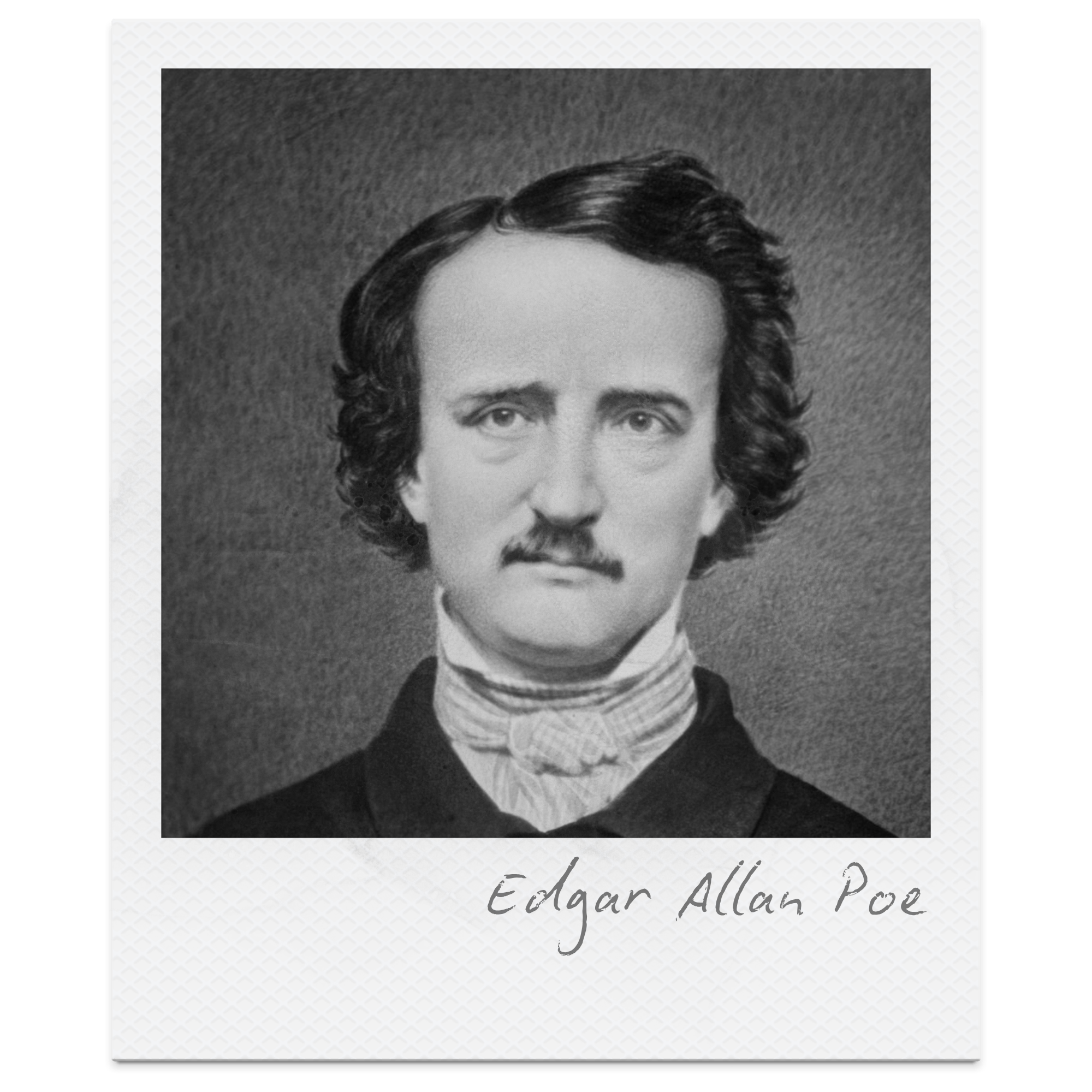
Context of The Murders in the Rue Morgue
The Murders in the Rue Morgue was first published in 1841 by Edgar Allan Poe in Graham’s Magazine. It is widely regarded as the first modern detective story, establishing many of the conventions that would later define the genre: the brilliant but unconventional investigator (Dupin), the baffling crime, the ineffective police force, and the final rational explanation that resolves what initially appears impossible. Poe’s creation of Dupin directly influenced later literary detectives, most notably Sherlock Holmes and his method of logical deduction.
The story emerges from a broader 19th-century fascination with reason, science, and the workings of the human mind, alongside a growing public interest in crime reporting and urban life. Set in Paris, it reflects anxieties about the modern city—its anonymity, its crowds, and its hidden violence—while also engaging with Gothic traditions of horror, confinement, and the uncanny. Crucially, Poe blends these influences to create something new: a narrative where logic confronts chaos, and where the seemingly supernatural is ultimately explained through analytical reasoning. In doing so, he not only pioneers detective fiction but also explores the limits—and power—of human perception. If you would like to read more about the wider context surrounding Edgar Allan Poe’s work, then read our Poe Context Post.
The Murders in the Rue Morgue: At a Glance
Form: Short story / detective fiction / Gothic fiction
Mood: unsettling, analytical, grotesque
Central tension: An apparently impossible double murder challenges logic and reason, forcing Dupin to uncover the truth where evidence seems contradictory
Core themes: reason vs chaos, observation and perception, violence and the grotesque, urban anonymity, the limits of logic, human vs animal nature
One-sentence meaning: What appears supernatural or inexplicable can be understood through precise observation and analytical reasoning—but only if we are willing to see beyond assumptions.
Quick Summary of The Murders in the Rue Morgue
The story begins with the narrator introducing his friendship with C. Auguste Dupin, a man of extraordinary analytical ability who takes pleasure in solving complex intellectual problems. While living together in Paris, the pair become interested in a brutal and seemingly inexplicable double murder reported in the newspapers. Madame L’Espanaye and her daughter are found violently killed inside a locked apartment, with no clear means of escape for the murderer and wildly conflicting witness testimonies about strange, unidentifiable voices.
As the investigation unfolds, the Parisian police are unable to solve the crime, becoming overwhelmed by its bizarre and contradictory details. Dupin, however, approaches the case differently, focusing on careful observation and logical reasoning rather than surface-level assumptions. He visits the crime scene, analyses the physical evidence, and identifies key inconsistencies that the police have overlooked—particularly the unusual strength involved, the lack of motive, and the strange, inhuman quality of the voice heard by witnesses.
Ultimately, Dupin reveals that the murders were not committed by a human at all, but by an escaped Ourang-Outang belonging to a sailor. The animal, imitating human behaviour and acting with uncontrollable violence, killed both women before fleeing the scene. Through this explanation, the story shifts from seeming supernatural horror to rational clarity, demonstrating that even the most grotesque and impossible crimes can be solved through disciplined analysis and perception.
Title, Form, Structure, and Narrative Voice of The Murders in the Rue Morgue
This section is central to understanding how Poe constructs meaning through structure, narrative perspective, and intellectual progression. In The Murders in the Rue Morgue, the form itself mirrors Dupin’s method of reasoning, moving from apparent chaos to clarity. Rather than simply telling a crime story, Poe carefully shapes the narrative so that the reader experiences the same confusion, misdirection, and eventual revelation as the investigator, reinforcing the story’s core focus on analysis, perception, and the limits of human understanding.
Title
The title immediately signals both place and crime, anchoring the story in a specific urban setting while foregrounding its central mystery. “Rue Morgue” evokes death (echoing “morgue”) and confinement, reinforcing the story’s Gothic atmosphere and sense of entrapment. At the same time, the directness of “murders” reflects the story’s focus on rational investigation rather than supernatural ambiguity. The title therefore captures the tension at the heart of the narrative: a brutal, almost incomprehensible act that demands logical explanation.
Form and Structure
The story follows a carefully controlled narrative progression that mirrors the process of analytical reasoning, moving from confusion to clarity.
Exposition:
Poe opens with a philosophical discussion of analysis and intellect, establishing the conceptual framework for the story. Dupin is introduced not just as a character, but as a representation of pure reasoning, preparing the reader to view the narrative as a test of intellectual method.Rising Action:
The newspaper reports of the murders introduce the central mystery, escalating tension through contradictory evidence, locked-room impossibility, and the grotesque violence of the crime. Witness testimonies create confusion, particularly through the unexplained inhuman voice, building a sense that the case is beyond rational explanation.Climax:
Dupin’s analytical reconstruction of the crime marks the turning point. By re-examining overlooked details—such as the window mechanism, the physical strength required, and the nature of the voice—he begins to dismantle the illusion of impossibility.Falling Action:
The arrival of the sailor confirms Dupin’s theory, shifting the narrative from speculation to certainty. The explanation of the Ourang-Outang’s actions resolves the mystery while maintaining the story’s unsettling tone.Resolution:
The case is closed, Le Bon is released, and Dupin’s intellectual superiority is affirmed. However, the resolution also reinforces a key idea: that truth often appears hidden not because it is complex, but because it is misinterpreted.
Narrative Voice
The story is told through a first-person narrator who acts as both observer and intermediary between Dupin and the reader. This narrative choice is crucial, as it limits the reader’s understanding to that of someone who is intelligent but not exceptional, allowing Dupin’s brilliance to stand out.
The narrator is reliable but limited, often confused or astonished by Dupin’s reasoning. This creates a gap between what is seen and what is understood, reinforcing the theme of perception versus interpretation. His tone is reflective and admiring, positioning Dupin as an almost mythic figure of intellect.
Setting as Structure
In Poe’s work, setting is never passive—it actively shapes the narrative and reflects psychological states. Here, the Parisian urban environment, with its dark streets, enclosed spaces, and hidden interiors, mirrors the complexity of the human mind.
The locked room itself becomes a structural device, embodying the central puzzle: a space that appears sealed and impossible, yet contains the answer within it. The city, meanwhile, represents anonymity and disorder, where truth is obscured by surface confusion.
Ultimately, the setting reinforces the story’s central idea: that meaning is not absent, but concealed within systems that require careful interpretation.
Setting of The Murders in the Rue Morgue
The setting in The Murders in the Rue Morgue is not merely a backdrop but a crucial element in shaping the story’s mystery, psychological tension, and analytical structure. Poe constructs a world of enclosed spaces, shadowed streets, and unsettling interiors, where the environment itself reflects both the confusion of the crime and the process of uncovering truth.
The story is set in Paris, a city associated with intellectual life and modernity, yet here it becomes a place of secrecy and unease. The narrator and Dupin deliberately isolate themselves within a “time-eaten and grotesque mansion,” a space described as “long deserted through superstitions… in a retired and desolate portion of the Faubourg St. Germain.” This setting establishes a distinctly Gothic atmosphere, where decay, darkness, and isolation mirror the inward, analytical focus of the characters. Their habit of shutting out daylight—“we closed all the messy shutters… lighting a couple of tapers… which threw out only the ghastliest and feeblest of rays”—creates an artificial darkness, reinforcing the idea that understanding requires moving beyond surface visibility into deeper perception.
The crime scene itself intensifies this sense of enclosure and horror. The apartment in the Rue Morgue is described as being in “the wildest disorder—the furniture broken and thrown about in all directions,” immediately signalling chaos and violence. The locked-room nature of the space—“the door… was found locked, with the key inside”—creates the central impossibility of the narrative, turning the setting into a physical manifestation of the mystery. The room becomes a puzzle: sealed, impenetrable, and seemingly defying logic.
Poe further uses the setting to evoke the grotesque through disturbing spatial imagery. The discovery of the daughter’s body “head downward… thrust up the narrow aperture” of the chimney transforms the domestic interior into something deeply unnatural, where familiar spaces are violently distorted. Similarly, the courtyard below, where the mother’s body is found “so entirely cut that… the head fell off,” extends the horror beyond the room, suggesting that the violence cannot be contained.
Crucially, the setting also functions as a tool of analytical revelation. Dupin’s investigation focuses not on abstract speculation but on the physical details of space: windows, shutters, and architectural features. His observation that the shutters could provide “an excellent hold for the hands” and that the window mechanism allowed it to appear locked demonstrates how the environment itself contains the solution. What seems impossible is resolved through careful attention to the structure of the space.
Ultimately, the setting reflects the story’s central idea: that truth is hidden within complexity, not because it is unknowable, but because it requires a shift in perspective. The enclosed room, the darkened house, and the labyrinthine city all mirror the workings of the mind—spaces where meaning exists, but must be actively uncovered through observation, logic, and interpretation.
Characters in The Murders in the Rue Morgue
Poe’s characters are not simply individuals within a narrative but function as embodiments of intellectual ideas, psychological states, and thematic contrasts. Rather than developing complex emotional backstories, Poe uses his characters to explore the tension between reason and instinct, order and chaos, and human and animal nature. Each figure plays a distinct role within the structure of the investigation, contributing to the story’s exploration of perception, logic, and misunderstanding.
C. Auguste Dupin
Dupin is the central intellectual force of the story, representing pure analytical reasoning. His ability to observe, interpret, and reconstruct events sets him apart from both the narrator and the police. He takes pleasure in the act of analysis itself, viewing the crime as a puzzle to be solved rather than a tragedy to be mourned.
Psychologically, Dupin embodies a mind that operates beyond ordinary perception. His method involves entering the thought processes of others, “identifying himself” with them in order to anticipate their actions. This allows him to see patterns where others see only confusion. Symbolically, he represents rational order imposed upon chaos, demonstrating that even the most grotesque events can be understood through disciplined thought.
The Narrator
The unnamed narrator serves as both observer and intermediary, guiding the reader through the investigation. While intelligent and perceptive, he lacks Dupin’s extraordinary analytical ability, which creates a necessary contrast. His frequent astonishment highlights the gap between seeing and understanding, reinforcing one of the story’s central themes.
Psychologically, the narrator represents the ordinary rational mind—capable, but limited by assumption and habit. Symbolically, he functions as a stand-in for the reader, experiencing confusion, curiosity, and eventual clarity alongside us. His presence ensures that Dupin’s brilliance is not abstract, but clearly visible through comparison.
The Parisian Police (Prefect G——)
The police, particularly the Prefect, represent institutional authority and conventional methods of investigation. Despite their confidence and reputation, they are repeatedly described as ineffective, relying on surface-level observations rather than deeper reasoning.
Symbolically, the police embody misapplied logic—a form of thinking that appears rational but lacks true insight. Dupin criticises them for being “too cunning to be profound,” suggesting that their failure lies not in a lack of effort, but in a misunderstanding of how to interpret evidence. They represent the danger of mistaking complexity for depth.
Madame and Mademoiselle L’Espanaye
The victims of the crime are presented with minimal personal detail, which shifts the focus away from their individuality and toward the nature of the violence inflicted upon them. Their isolation—living “an exceedingly retired life”—reinforces the story’s themes of secrecy and urban anonymity.
Symbolically, they represent vulnerability within domestic space, where the home—typically a place of safety—is transformed into a site of horror. Their deaths also emphasise the randomness and brutality of the crime, heightening its unsettling nature.
The Sailor
The sailor introduces the human element behind the crime, though he is not the murderer himself. His role is crucial in bridging the gap between human society and the animal violence at the heart of the story.
Psychologically, he is driven by fear and self-preservation, choosing silence rather than coming forward immediately. Symbolically, he represents indirect responsibility, highlighting how human actions—such as capturing and transporting the Ourang-Outang—can unleash forces beyond control.
The Ourang-Outang
The true perpetrator of the murders, the Ourang-Outang, is central to the story’s exploration of human versus animal nature. Its actions are both horrifying and disturbingly logical: it imitates human behaviour, attempting to shave like its master, before descending into uncontrollable violence.
Symbolically, the creature represents primal instinct, unrestrained physical power, and the terrifying boundary between civilisation and savagery. Its presence disrupts assumptions about rationality, forcing both the characters and the reader to reconsider what is “human.” The fact that the crime is solved not through moral understanding but through recognition of non-human agency reinforces the story’s unsettling conclusion: that chaos does not always originate from within society, but can emerge from beyond it.
Themes in The Murders in the Rue Morgue
Poe’s The Murders in the Rue Morgue explores a complex interplay of intellect, violence, and perception, using the framework of a detective story to examine how humans interpret the world around them. Beneath the surface of the narrative lies a deeper investigation into the limits of reason, the instability of meaning, and the unsettling proximity between civilisation and savagery. Each theme contributes to the story’s central tension: the struggle to impose order on chaos.
Reason vs Chaos
At the heart of the story is the conflict between rational thought and apparent disorder. The crime itself appears chaotic, brutal, and impossible to explain, with its locked-room setting and contradictory evidence creating a sense of complete confusion. However, Dupin demonstrates that this chaos is only superficial. Through careful reasoning, he reveals that the events follow a logical pattern.
This theme reinforces the idea that chaos often arises not from the absence of meaning, but from a failure to interpret it correctly. The police, overwhelmed by the strangeness of the crime, mistake complexity for impossibility, while Dupin recognises that the very features that seem irrational are the key to understanding it.
Observation and Perception
Poe draws a clear distinction between seeing and understanding. Many characters in the story observe the same details—the locked doors, the witnesses, the disorder of the room—yet arrive at entirely different conclusions. Dupin’s success lies in his ability to observe selectively and interpret meaningfully.
The story suggests that perception is an active process, requiring attention, imagination, and intellectual discipline. Dupin’s method of “identifying himself” with others allows him to reconstruct their actions, highlighting the importance of perspective in uncovering truth. In contrast, the police rely on surface-level observation, demonstrating how easily perception can mislead when it is not guided by analysis.
Violence and the Grotesque
The murders themselves are depicted with shocking intensity, emphasising the theme of grotesque violence. The brutality of the crime—the mutilation of the bodies, the unnatural positioning of the daughter, the extreme force involved—creates a sense of horror that borders on the absurd.
This violence is not merely for shock value; it serves to destabilise the reader’s expectations and reinforce the idea that the crime exists outside ordinary human experience. The grotesque nature of the deaths contributes to the illusion that the crime is inexplicable, making Dupin’s rational solution all the more striking.
Urban Anonymity
Set in Paris, the story reflects anxieties about modern urban life, where individuals can exist in close proximity yet remain completely unknown to one another. Madame and Mademoiselle L’Espanaye live in isolation, rarely seen and barely understood by their neighbours.
This anonymity contributes to the mystery, as the lack of social connection means there are few clues about motive or relationships. The city becomes a space where secrecy thrives, and where events can occur unnoticed until it is too late. Poe suggests that urban environments, rather than offering clarity, can obscure truth and complicate understanding.
The Limits of Logic
While the story celebrates the power of analytical reasoning, it also acknowledges its limitations. Dupin’s success depends on his willingness to move beyond conventional logic and consider possibilities that others dismiss as absurd. The police fail not because they lack intelligence, but because they are constrained by rigid thinking.
Poe suggests that logic must be flexible and imaginative to be effective. Pure rationality, when applied too narrowly, becomes a barrier rather than a tool. The solution to the mystery requires not just logic, but a willingness to question assumptions and embrace the unexpected.
Human vs Animal Nature
One of the most unsettling aspects of the story is the revelation that the murders were committed by an Ourang-Outang. This introduces a disturbing exploration of the boundary between human and animal behaviour.
The creature’s actions blur the line between imitation and instinct: it mimics human behaviour, yet its violence is uncontrolled and primal. This raises questions about the nature of humanity itself. If such brutality can be replicated through imitation, what separates human civilisation from animal savagery?
Symbolically, the Ourang-Outang represents the hidden potential for chaos within structured systems, suggesting that civilisation is more fragile than it appears.
The Illusion of the Impossible
A recurring idea throughout the story is that what appears impossible is often simply misunderstood. The locked-room mystery, the conflicting testimonies, and the lack of motive all contribute to the belief that the crime cannot be solved.
Dupin challenges this assumption, demonstrating that impossibility is often an illusion created by flawed reasoning. By re-examining the evidence without preconceived ideas, he reveals that the solution was always present, hidden within the details.
Knowledge, Power, and Intellectual Superiority
The story also explores the relationship between knowledge and power. Dupin’s intellectual abilities give him control over the narrative, allowing him to succeed where official authority fails. His superiority over the police highlights the limitations of institutional power when it is not supported by genuine understanding.
This theme reinforces Poe’s broader interest in the capabilities of the human mind, suggesting that true power lies not in position or status, but in the ability to think clearly and perceive accurately.
Key Quotes from The Murders in the Rue Morgue
Poe’s language is central to the power of the story, blending analytical precision with Gothic intensity. The following quotes are organised by character, setting, and theme, allowing you to see how meaning is constructed across different layers of the text. Each quote reveals how Poe develops ideas of reason, violence, and perception, while reinforcing the unsettling tone of the narrative.
Characters
Poe uses his characters to embody different ways of thinking, particularly the contrast between analytical reasoning and limited perception.
Dupin
“The analytical power should not be confounded with simple ingenuity.”
♦ Technique: Didactic tone / declarative statement
♦ Meaning: Dupin distinguishes true analysis from superficial cleverness
♦ Effect: Establishes him as intellectually superior and frames the story as a demonstration of higher reasoning
“He boasted to me… that most men, in respect to himself, wore windows in their bosoms.”
♦ Technique: Metaphor
♦ Meaning: Suggests Dupin can “see through” others’ thoughts and motivations
♦ Effect: Elevates him to an almost supernatural level of perception, reinforcing his role as detective
The Narrator
“I was even more startled than I would have been willing to express.”
♦ Technique: First-person reflective voice
♦ Meaning: Highlights the narrator’s limited understanding compared to Dupin
♦ Effect: Positions the reader alongside the narrator, sharing his confusion and awe
The Police / Prefect
“The Parisian police… are cunning, but no more.”
♦ Technique: Direct critique
♦ Meaning: Suggests they rely on surface-level intelligence without depth
♦ Effect: Undermines authority and reinforces Dupin’s superiority
Setting
Poe’s settings create both atmosphere and meaning, shaping the reader’s understanding of the crime and its psychological implications.
The Mansion and Isolation
“A time-eaten and grotesque mansion, long deserted… in a retired and desolate portion of the Faubourg St. Germain.”
♦ Technique: Gothic imagery
♦ Meaning: Emphasises decay, isolation, and unease
♦ Effect: Establishes a dark, introspective environment reflecting Dupin’s analytical mind
The Crime Scene
“The apartment was in the wildest disorder—the furniture broken and thrown about in all directions.”
♦ Technique: Violent imagery
♦ Meaning: Represents chaos and disruption
♦ Effect: Creates a sense of overwhelming confusion, mirroring the mystery itself
“The corpse of the daughter, head downward, was dragged… from the chimney.”
♦ Technique: Grotesque imagery
♦ Meaning: Distorts domestic space into something unnatural and horrifying
♦ Effect: Intensifies the shock of the crime and reinforces its apparent impossibility
Themes
Poe’s key ideas are embedded within striking lines that reveal his exploration of reason, perception, and the grotesque.
Reason vs Chaos
“The results… have, in truth, the whole air of intuition.”
♦ Technique: Paradox
♦ Meaning: Suggests that true reasoning can appear instinctive or effortless
♦ Effect: Blurs the boundary between logic and intuition, reinforcing Dupin’s brilliance
Observation and Perception
“The necessary knowledge is that of what to observe.”
♦ Technique: Aphorism
♦ Meaning: Emphasises selective perception as key to understanding
♦ Effect: Reinforces the idea that observation is more important than raw intelligence
Violence and the Grotesque
“The throat was so entirely cut that… the head fell off.”
♦ Technique: Shock imagery
♦ Meaning: Highlights the extreme brutality of the crime
♦ Effect: Disturbs the reader and heightens the sense of unnatural violence
Human vs Animal Nature
“This is no human hair.”
♦ Technique: Declarative statement
♦ Meaning: Marks the turning point in the investigation
♦ Effect: Forces a re-evaluation of assumptions about the crime and its perpetrator
The Limits of Logic
“They have fallen into the gross but common error of confounding the unusual with the abstruse.”
♦ Technique: Didactic critique
♦ Meaning: Suggests that people mistake strangeness for complexity
♦ Effect: Reinforces Poe’s argument that true reasoning requires flexibility and clarity
Key Techniques in The Murders in the Rue Morgue
Poe combines Gothic intensity with analytical precision, using a range of literary techniques to construct both the mystery and its resolution. These techniques work together to create a narrative that feels chaotic and inexplicable, while ultimately revealing a carefully ordered structure beneath the surface. Each device reinforces the story’s central concerns with perception, logic, and the instability of meaning.
♦ Symbolism – Objects and spaces carry layered meaning, particularly the locked room, which symbolises the illusion of impossibility and the limits of perception; it appears sealed and unknowable, yet ultimately contains a logical solution, reinforcing the idea that truth is hidden within structure rather than beyond it.
♦ Grotesque Imagery – Poe uses extreme, unsettling descriptions of violence (mutilated bodies, unnatural positioning) to distort reality and create a sense of horror; this heightens the reader’s emotional response while also contributing to the illusion that the crime is beyond rational explanation.
♦ Narrative Voice (First-Person Observer) – The story is told through a limited narrator who cannot fully comprehend Dupin’s reasoning; this creates a gap between observation and understanding, allowing the reader to experience confusion before revelation, and positioning Dupin as intellectually superior.
♦ Analytical Structure – The narrative is organised like a logical argument, moving from exposition to evidence to conclusion; this mirrors Dupin’s method and transforms the story into a demonstration of reasoning, where meaning emerges through structured thought rather than emotional reaction.
♦ Contrast (Dupin vs Police) – Poe contrasts Dupin’s precise, imaginative reasoning with the police’s rigid and superficial methods; this highlights the difference between true analysis and false logic, reinforcing the theme that intelligence depends on interpretation, not just effort.
♦ Repetition and Patterning – Recurring references to observation, analysis, and misinterpretation create a pattern that guides the reader toward the story’s central ideas; this repetition reinforces key concepts while subtly shaping expectations about how the mystery will be resolved.
♦ Foreshadowing – Early discussions of analytical reasoning and the distinction between ingenuity and true analysis prepare the reader for Dupin’s method; these moments ensure that the solution feels earned rather than arbitrary, even when it is surprising.
♦ Setting as Symbolic Structure – Physical spaces, particularly the apartment and its architectural details (windows, shutters, chimney), are not just locations but functional elements of the mystery; the environment itself encodes the solution, reinforcing the idea that meaning is embedded within material reality.
♦ Irony – The police, who are expected to solve the crime, fail due to their overconfidence and flawed reasoning, while Dupin, an outsider, succeeds; this irony critiques institutional authority and emphasises the value of independent thought.
♦ Unreliable Assumptions – Poe deliberately presents misleading evidence (conflicting testimonies, apparent impossibilities) to expose how easily conclusions can be distorted by assumption; this technique forces both characters and readers to reconsider what they believe to be true.
Alternative Interpretations of The Murders in the Rue Morgue
While the story is often read as a triumph of analytical reasoning, it also invites a range of deeper interpretations that complicate its apparent clarity. Beneath Dupin’s logical solution lies a more unsettling exploration of the human mind, modern society, and the fragile boundary between order and chaos. The following interpretations offer different lenses through which the story can be understood.
Psychological / Psychoanalytical Interpretation
From a psychoanalytical perspective, the story can be read as a conflict between controlled rationality and primal instinct. Dupin represents the disciplined, analytical mind—ordered, precise, and capable of imposing structure on chaos. In contrast, the Ourang-Outang embodies the unconscious, driven by impulse, imitation, and uncontrolled violence.
The murders themselves can be interpreted as the eruption of this suppressed instinct into the ordered world. The fact that the creature mimics human behaviour before committing violence suggests that the boundary between civilisation and savagery is not fixed, but disturbingly porous. In this reading, the story reflects a deeper anxiety: that beneath rational thought lies something far more chaotic and uncontrollable.
Rationalism vs Chaos (Philosophical Interpretation)
The story can also be understood as a philosophical exploration of the tension between Enlightenment rationalism and irrational chaos. Dupin embodies the Enlightenment ideal of reason, demonstrating that even the most baffling events can be explained through logic. However, the crime itself resists this framework, appearing grotesque, excessive, and beyond human comprehension.
Rather than presenting reason as inherently stable, Poe suggests that it must actively confront and interpret chaos. The solution does not eliminate disorder, but reframes it. In this sense, the story reflects a world in which reason is powerful, but not absolute—constantly challenged by forces that lie outside its immediate grasp.
Gothic / Uncanny Interpretation
From a Gothic perspective, the story is deeply concerned with the uncanny—the transformation of the familiar into something strange and disturbing. The domestic interior, typically a space of safety, becomes a site of extreme violence. The bodies are placed in unnatural positions, and the crime scene itself defies ordinary logic.
The Ourang-Outang intensifies this effect. It is both recognisable and alien, human-like yet fundamentally other. This blurring of boundaries creates a sense of unease, as the reader is forced to confront something that is simultaneously known and unknowable. Even after the mystery is solved, the Gothic tension remains, suggesting that rational explanation cannot fully dispel the unsettling nature of the events.
Urban / Modernity Interpretation
Set in Paris, the story reflects anxieties about modern urban life, particularly the effects of anonymity and disconnection. The victims live in isolation, largely unknown to their neighbours, and the crime itself occurs within a densely populated city without immediate detection.
This urban setting creates conditions where meaning is obscured and individuals become difficult to understand or trace. The conflicting witness testimonies highlight the unreliability of perception within a crowded, fragmented environment. In this reading, the story anticipates the emergence of modern detective fiction as a response to the complexities of urban society, where truth must be actively reconstructed from incomplete and contradictory information.
Human vs Animal / Posthuman Interpretation
The revelation that the murders were committed by an Ourang-Outang invites a posthuman reading that challenges assumptions about human identity and superiority. The creature imitates human behaviour—attempting to shave, entering a domestic space—yet its actions quickly descend into uncontrollable violence.
This raises unsettling questions about what distinguishes humans from animals. If behaviour can be imitated, and violence replicated, then the boundary between civilisation and savagery becomes unstable. The story suggests that what we consider uniquely human—reason, control, morality—may not be as secure as we believe.
In this interpretation, the true horror lies not in the animal itself, but in the recognition that human systems of meaning can be disrupted by forces that do not adhere to them. The Ourang-Outang becomes a symbol of the limits of human understanding, exposing the fragility of the structures we rely on to make sense of the world.
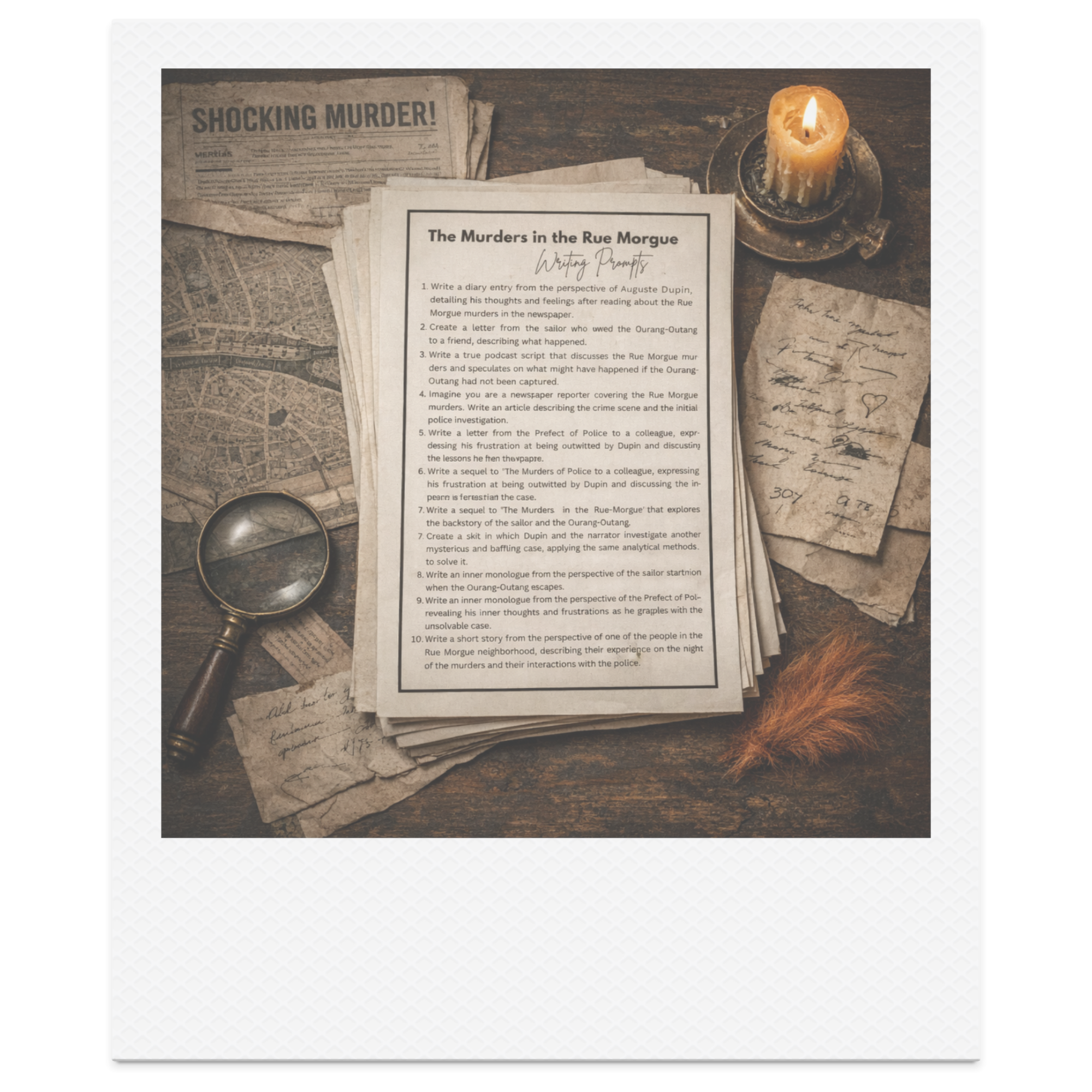
Teaching Ideas for The Murders in the Rue Morgue
This text offers rich opportunities to explore analysis, Gothic atmosphere, and interpretation, making it ideal for lessons that combine critical thinking with creative response. The following ideas are designed to engage students at multiple levels, from structured analysis to imaginative exploration.
1. Analytical Focus: Dupin’s Method
This activity focuses on how Poe constructs analytical reasoning through Dupin’s character, encouraging students to understand not just the solution, but the process behind it.
◆ How does Dupin approach the crime differently from the police?
◆ What does the story suggest about the difference between observation and interpretation?
◆ How does Poe present the idea that truth is hidden in plain sight?
This is an excellent entry point into the text, as it builds confidence in students’ ability to follow complex reasoning. To streamline planning and ensure high-quality responses, our The Murders in the Rue Morgue resource bundle provides structured discussion tasks, analytical prompts, and interactive activities that guide students through Dupin’s method while saving valuable teacher time.
2. Exploring Perspective and Perception
This activity encourages students to examine how perception can be unreliable, and how Poe manipulates both characters and readers.
◆ Why do the witnesses give such conflicting accounts of the voice?
◆ What does this reveal about human perception?
◆ How does Poe use misdirection to shape the reader’s understanding of the crime?
This works particularly well as a collaborative or discussion-based task. Our The Murders in the Rue Morgue resource bundle supports this with ready-made discussion boards and silent debate prompts, allowing students to explore complex ideas like truth, bias, and interpretation in a structured and engaging way.
3. Analytical Paragraph + Peer Marking
This task develops students’ ability to construct and refine analytical writing, focusing on clarity, evidence, and interpretation.
Question:
How does Poe present the conflict between reason and chaos in The Murders in the Rue Morgue?
Model Paragraph:
Poe presents the conflict between reason and chaos through the contrast between Dupin and the seemingly inexplicable nature of the crime. The murders are described in grotesque and disordered terms, creating the impression that they exist beyond logical explanation. However, Dupin’s analytical method reveals that this chaos is only superficial. His focus on precise observation—particularly his attention to details overlooked by the police—demonstrates that meaning can be constructed even from the most confusing evidence. In doing so, Poe suggests that chaos is not the absence of order, but a failure of perception.
◆ Identify strengths in the paragraph
◆ Apply marking criteria
◆ Rewrite the paragraph to improve clarity and depth
This task can be extended or differentiated using the The Murders in the Rue Morgue resource bundle, which includes essay questions and assessment-focused activities designed to support high-level written responses.
4. Debate
This activity encourages students to engage critically with the story’s most unsettling ideas, developing argument and interpretation skills.
Statement:
“The crime in The Murders in the Rue Morgue is only disturbing because it challenges our assumptions about what is human.”
◆ Argue for or against the statement
◆ Use evidence from the text
◆ Explore links to human vs animal nature and the grotesque
This can be run as a structured discussion or silent debate, both of which are supported by the The Murders in the Rue Morgue resource bundle, allowing for meaningful engagement without extensive preparation.
5. Creative Writing Extension
This activity allows students to respond imaginatively to the text, applying its themes and atmosphere in their own writing.
◆ Write a short detective story where the solution appears impossible but has a logical explanation
◆ Rewrite the story from the perspective of the sailor or another witness
◆ Create a narrative where the “truth” is hidden in plain sight but misinterpreted
◆ Describe the crime scene using Gothic imagery and atmosphere
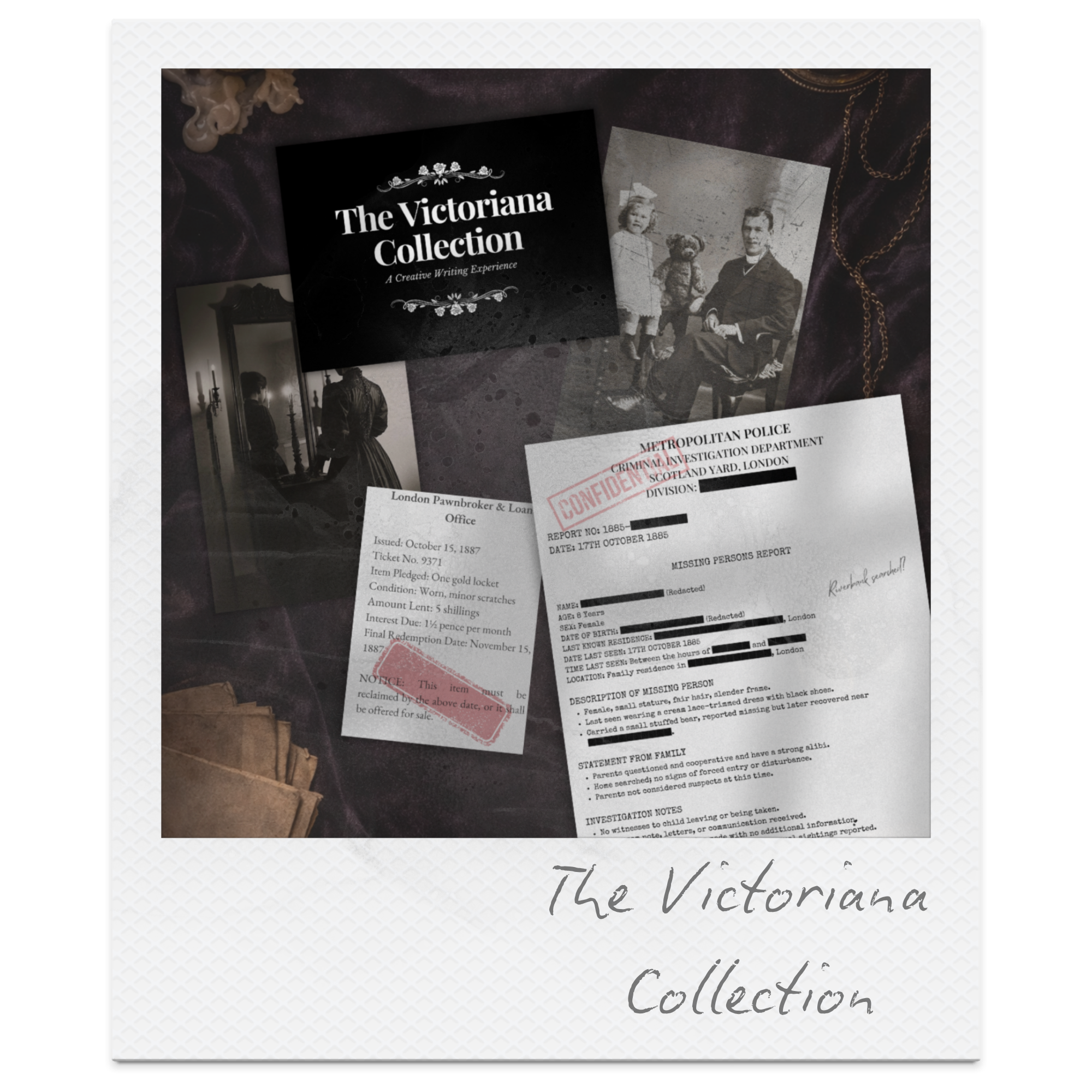
To extend this further, students can explore the Gothic Writing Hub and Creative Writing Archive, where they will find a wide range of atmospheric prompts and ideas linked to mystery, horror, and perception. These pair seamlessly with the picture prompts and creative tasks included in the resource bundle, providing both inspiration and structure for high-quality creative responses.
Go Deeper into The Murders in the Rue Morgue
This story is an excellent foundation for exploring Poe’s wider work, particularly his recurring interest in psychology, the Gothic, and the limits of human understanding. Teaching it alongside other texts allows students to see how these ideas develop across different forms and genres.
Check out my Favourite Poe Texts to Teach in the Classroom, which highlights carefully selected works that pair naturally with The Murders in the Rue Morgue. To support planning and reduce workload, our Poe Mega Bundle provides a cohesive collection of high-quality, classroom-ready resources across Poe’s most widely taught short stories and poems, allowing you to build a consistent, engaging unit with ease.
Related Texts to Teach Alongside The Murders in the Rue Morgue
The following texts complement Rue Morgue by developing similar themes, techniques, and ideas:
◆ The Tell-Tale Heart – Explores psychological instability, unreliable narration, and the limits of perception, offering a strong contrast to Dupin’s controlled reasoning
◆ The Black Cat – Examines violence, guilt, and the darker aspects of human nature, reinforcing the theme of primal instinct
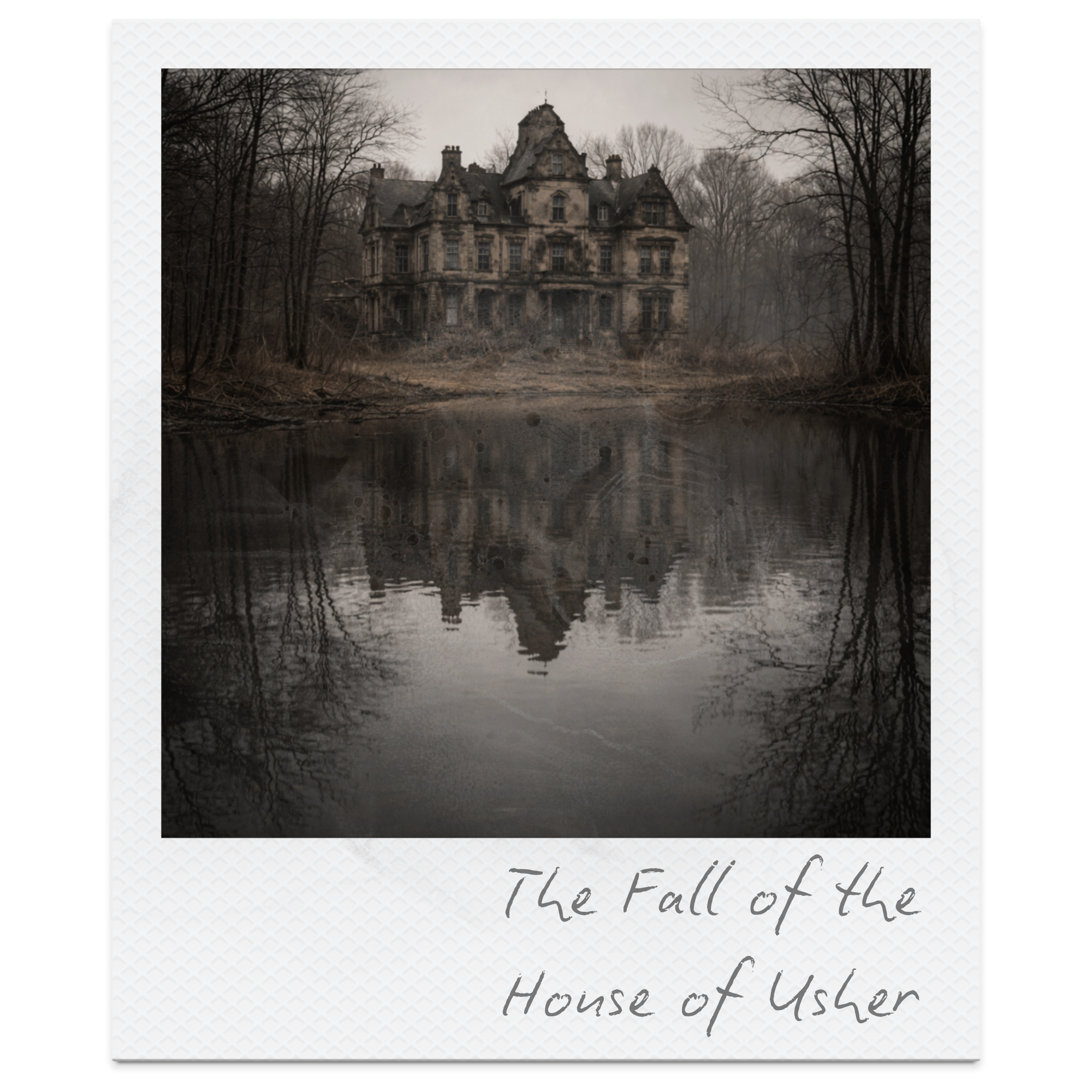
◆ The Fall of the House of Usher – Develops Gothic atmosphere, setting as psychology, and the idea of internal decay reflected in external spaces
◆ The Masque of the Red Death – Explores the illusion of control and the inevitability of chaos, linking closely to themes of reason vs inevitability
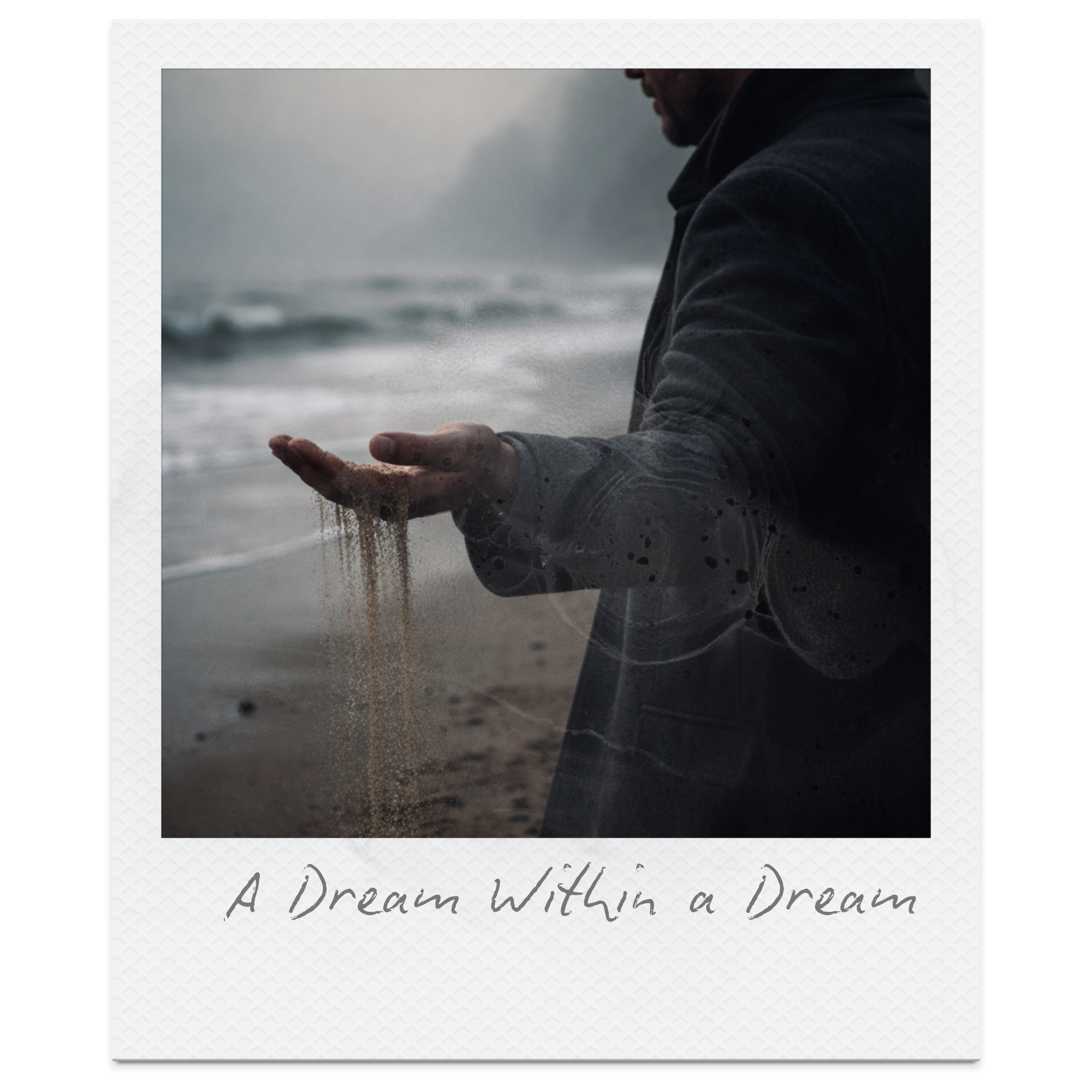
◆ A Dream Within a Dream – Offers a philosophical exploration of reality, illusion, and perception, connecting to the story’s focus on interpretation
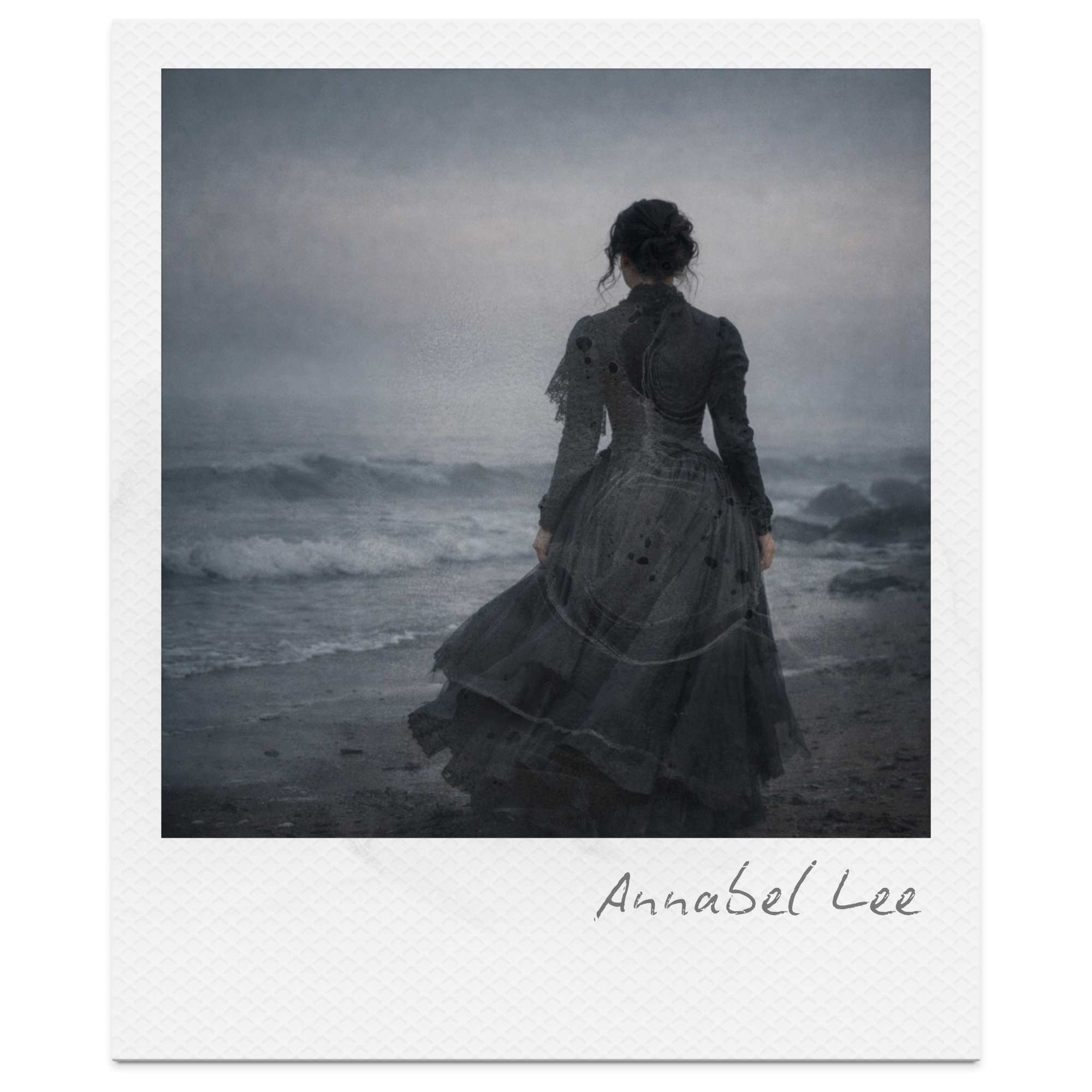
◆ Annabel Lee – Provides a contrast in tone, allowing students to explore Poe’s treatment of love, death, and memory in a more lyrical form
◆ The Purloined Letter – Continues Dupin’s investigative approach, reinforcing the importance of observation, misdirection, and hidden meaning
By teaching these texts together, students can build a deeper understanding of Poe’s work as a whole, recognising patterns in his use of Gothic conventions, psychological exploration, and analytical reasoning, while also strengthening their comparative analysis skills.
Final Thoughts
The Murders in the Rue Morgue remains a foundational text not only because it introduces the detective figure, but because it challenges readers to rethink how truth is discovered. Poe demonstrates that meaning is not always hidden in complexity, but often obscured by flawed assumptions and limited perception. Through Dupin, the story asserts that careful observation and flexible reasoning can transform even the most chaotic events into something understandable.
At the same time, the story resists a completely reassuring resolution. While the mystery is solved, the violence remains deeply unsettling, and the revelation of a non-human perpetrator raises disturbing questions about the boundaries between civilisation and savagery, logic and instinct. Poe leaves us with the sense that understanding is possible—but never complete, and never entirely comfortable.
To explore more of Poe’s work and related teaching resources, visit the Edgar Allan Poe Hub and browse the wider Literature Library, where you’ll find further analysis, comparisons, and classroom-ready materials.
Choose Your Next Text