Notes from the Inkpot
Writing, teaching, creating - one ink-stained idea at a time.


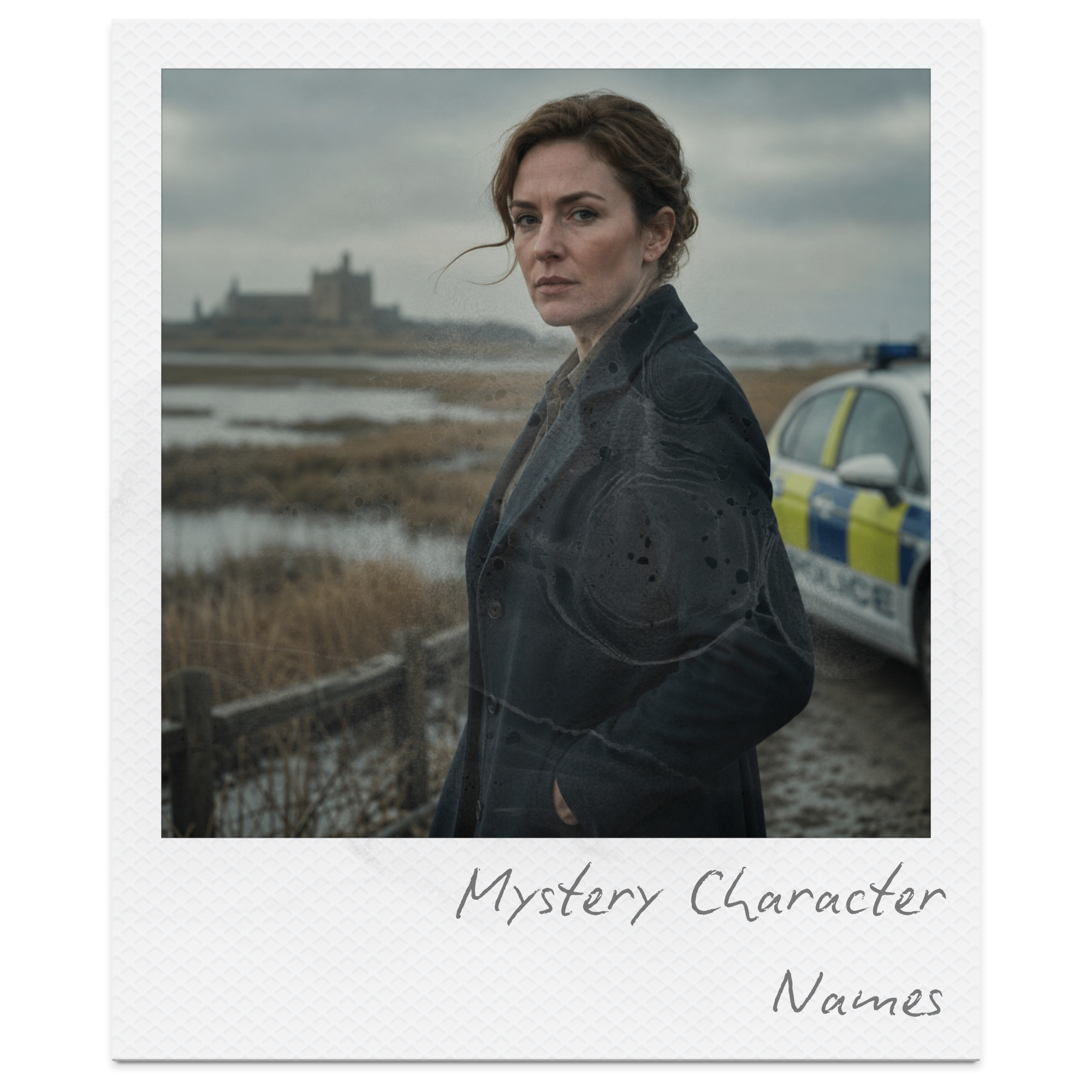
100 Mystery Character Names (With Meanings, Atmosphere & Story Ideas)
Looking for the perfect name for your detective, suspect, journalist, historian, or amateur sleuth? This collection of 100 mystery character names includes atmospheric names, hidden symbolism, and story ideas to help you create memorable characters for detective fiction, cosy mysteries, gothic mysteries, psychological thrillers, cold cases, and crime stories. Whether you're building a clever investigator, a suspicious stranger, a missing person, or a wealthy family with secrets, these names are designed to spark new mysteries and inspire unforgettable characters.
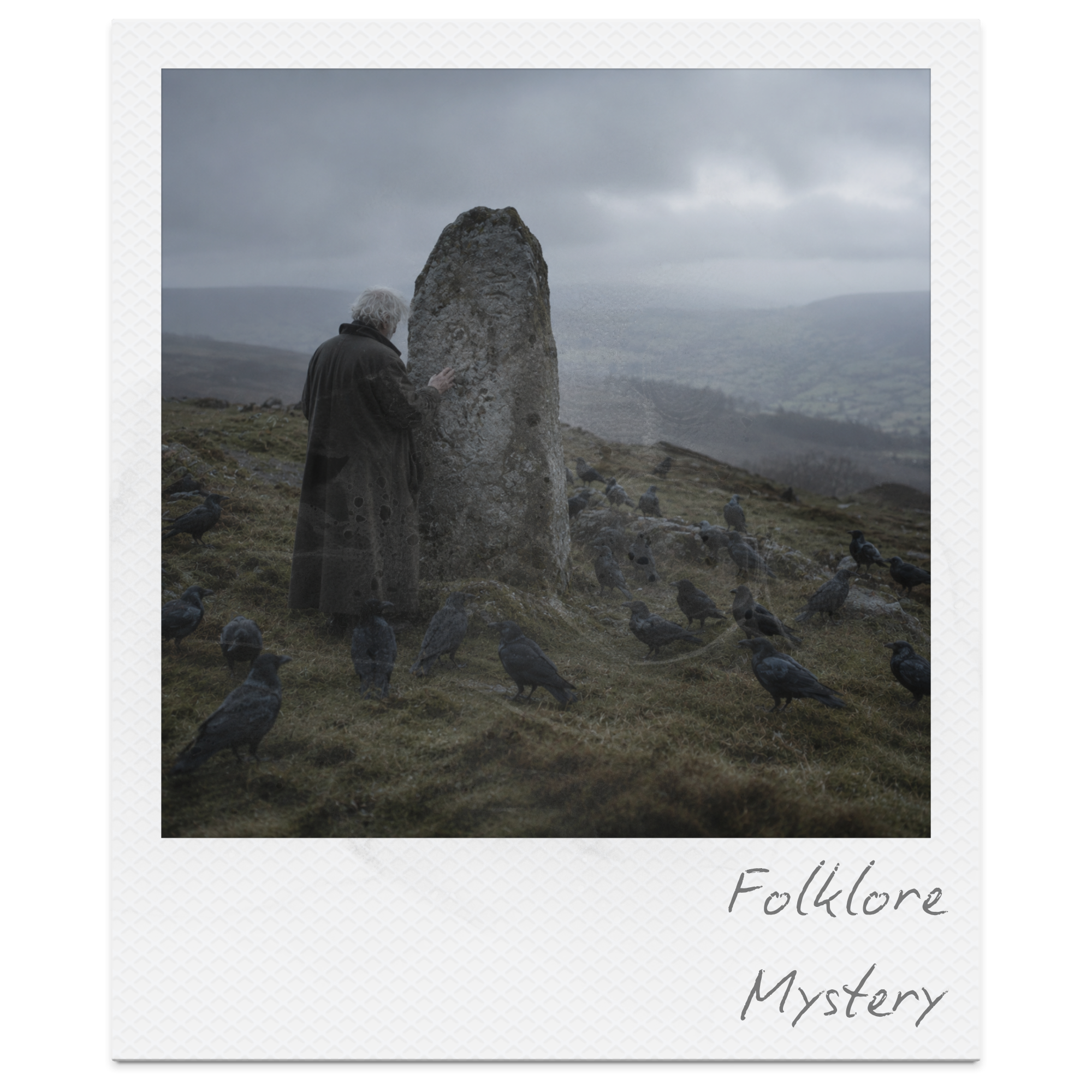
70 Folklore Mystery Writing Prompts: Legends, Secrets & Hidden Truths
Explore 70 folklore mystery writing prompts featuring local legends, forgotten traditions, missing persons, hidden histories, strange rituals, mysterious artefacts, ancient symbols, and secrets buried beneath generations of storytelling. Perfect for writers who love atmospheric mysteries inspired by folklore, myth, and community memory.
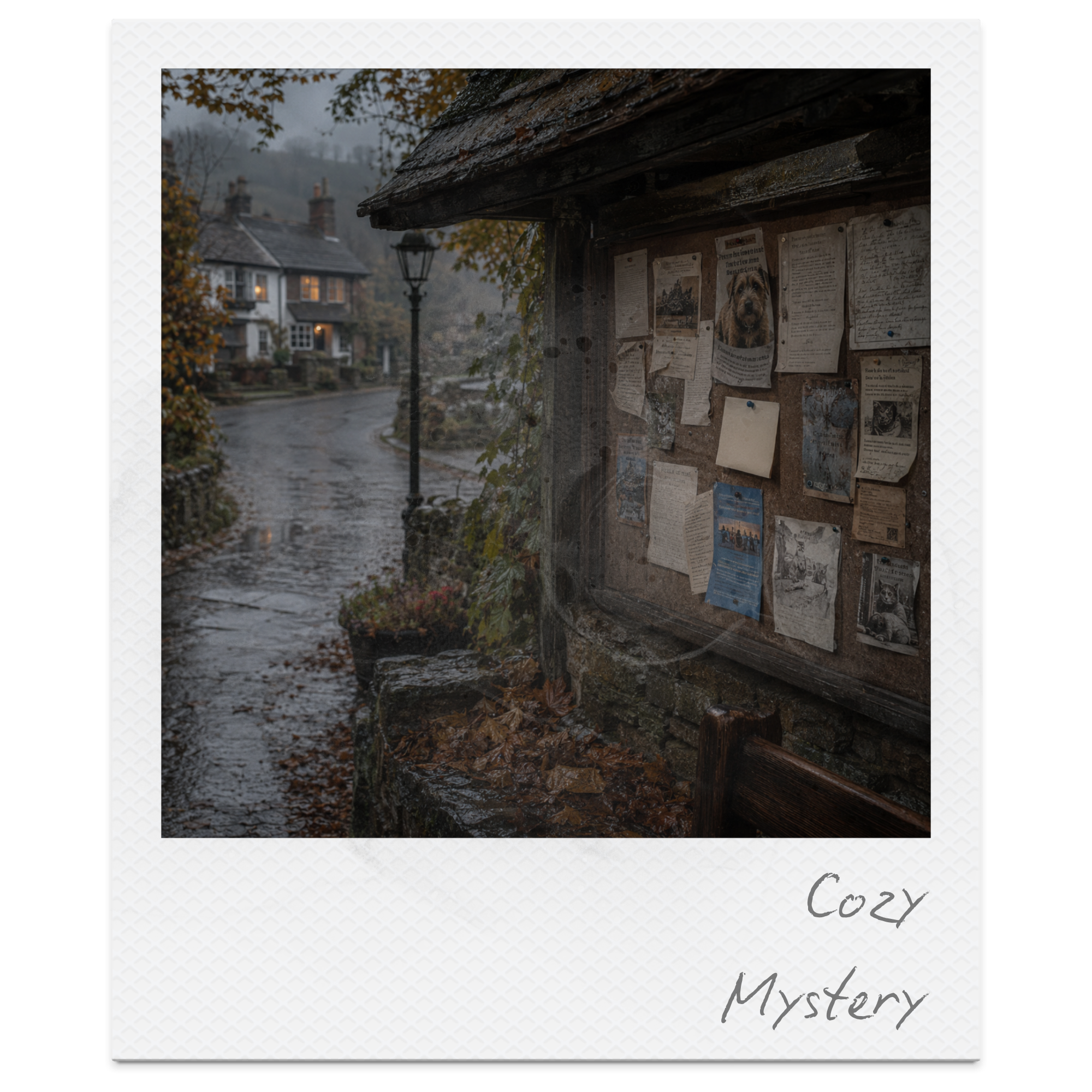
70 Cozy Mystery Writing Prompts: Amateur Sleuths, Village Secrets & Curious Clues
Explore 70 cozy mystery writing prompts featuring village secrets, amateur sleuths, missing heirlooms, local legends, mysterious letters, hidden histories, bookshops, cafés, and charming small-town investigations. Perfect for writers who love clever mysteries, memorable communities, and intriguing clues.
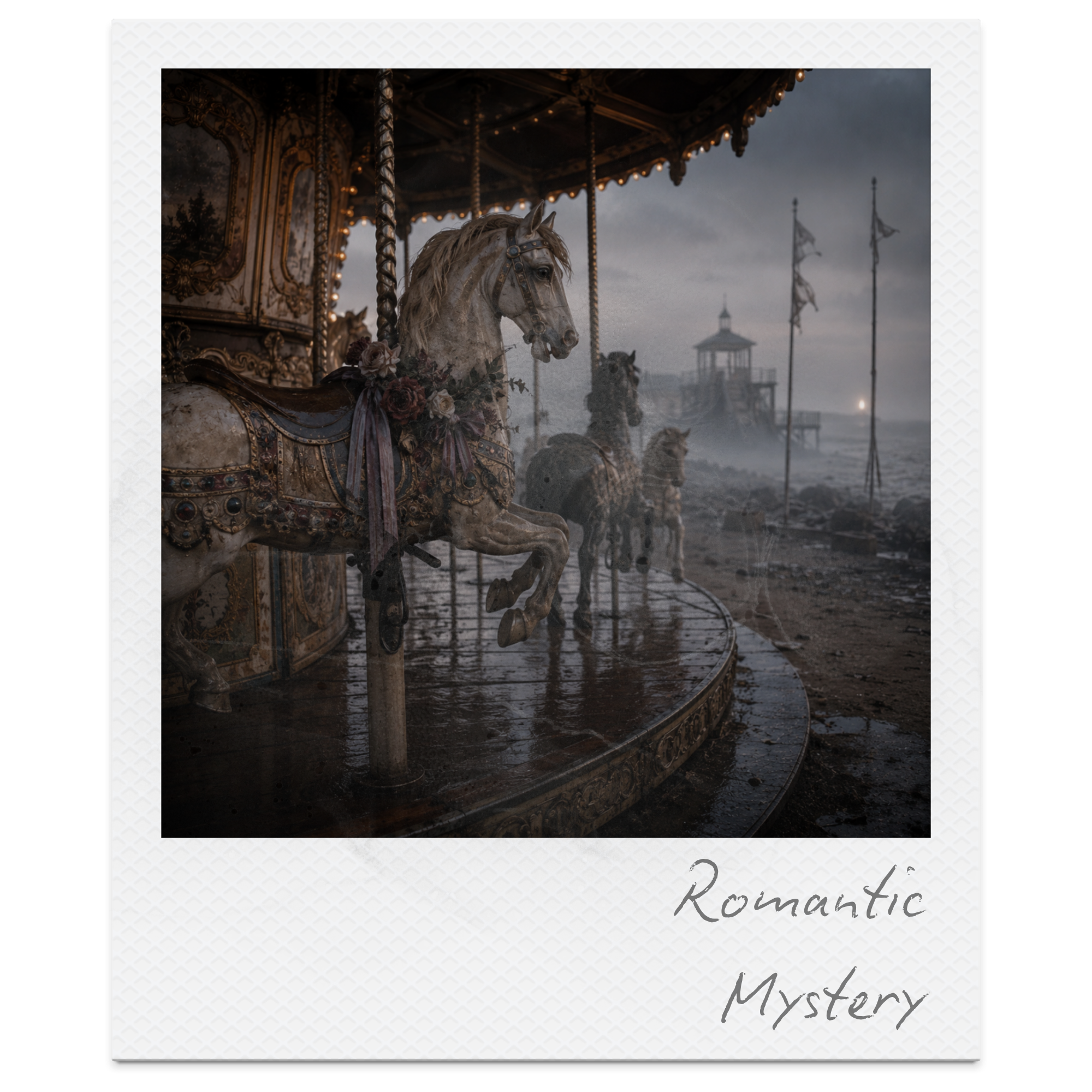
70 Romantic Mystery Writing Prompts: Secrets, Suspense & Unfinished Love Stories
Explore 70 romantic mystery writing prompts featuring missing persons, secret correspondence, mysterious inheritances, hidden identities, family secrets, unsolved disappearances, and suspenseful love stories. Perfect for writers looking to combine romance, intrigue, and unforgettable twists.
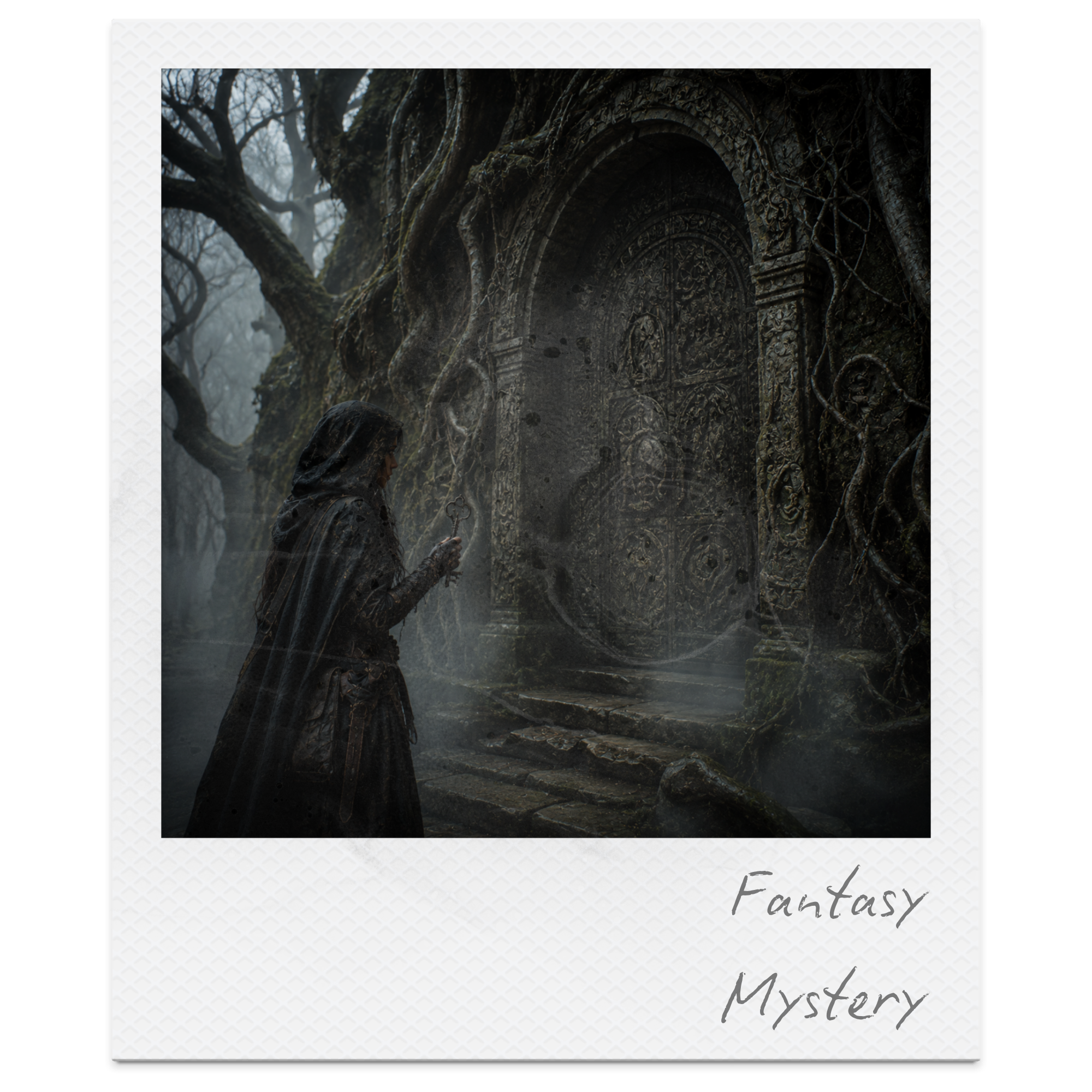
70 Fantasy Mystery Writing Prompts: Secrets, Lost Relics & Hidden Truths
Explore 70 fantasy mystery writing prompts featuring lost kingdoms, magical investigations, hidden relics, secret societies, ancient prophecies, and forgotten histories. Perfect for fantasy writers looking to combine mystery, intrigue, and worldbuilding in their next story.
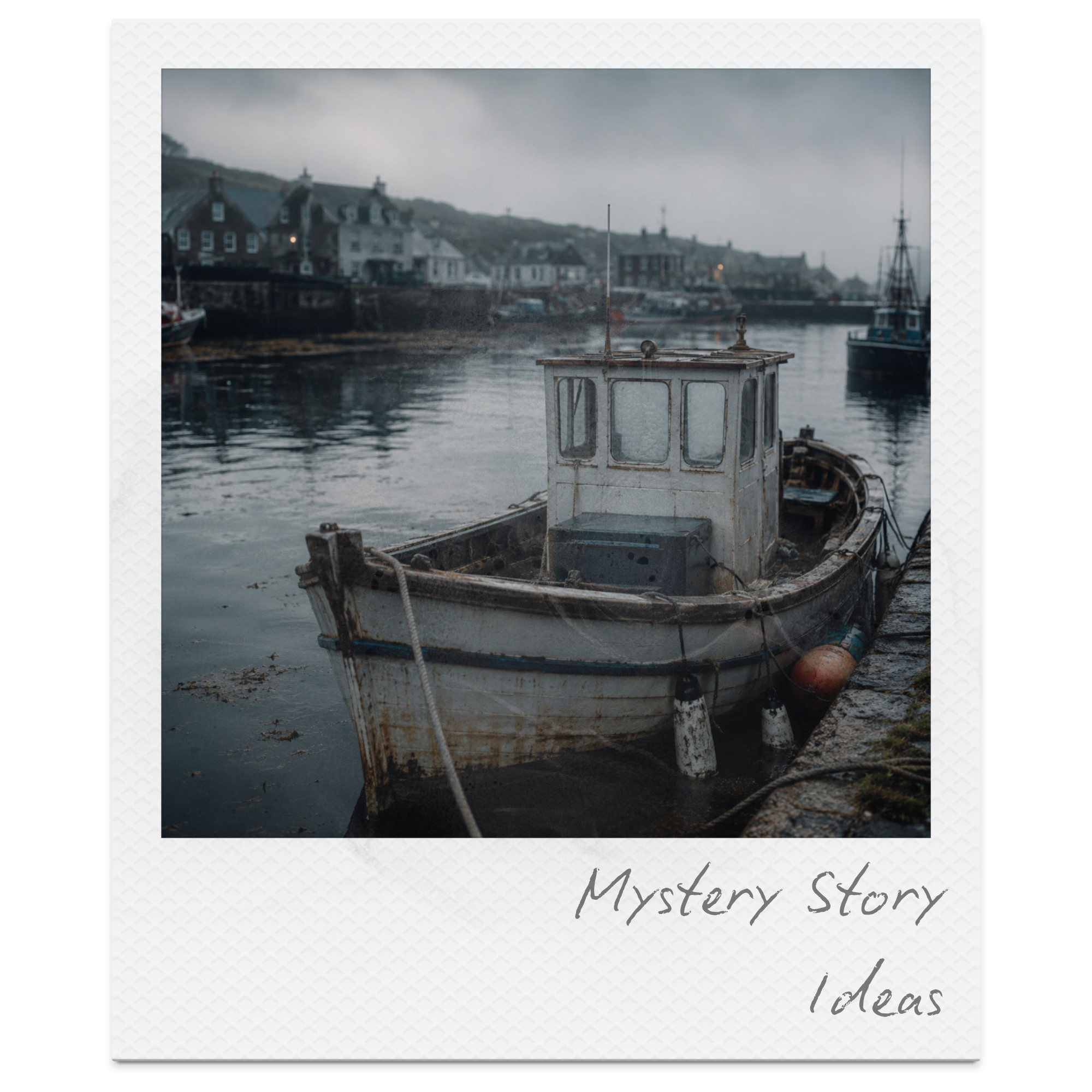
100 Mystery Story Ideas for Writers, Students and Creative Thinkers
Uncover hidden clues, family secrets, missing persons, locked-room puzzles, historical mysteries, and psychological twists with these 100 mystery story ideas. Whether you're writing a detective story, paranormal mystery, gothic mystery, or suspenseful thriller, these prompts will help you create compelling investigations filled with intrigue, secrets, and unexpected revelations.
The Copper Beeches by Sir Arthur Conan Doyle: Summary, Themes & Analysis
In this detailed analysis of The Copper Beeches by Sir Arthur Conan Doyle, we explore how Doyle combines detective fiction, Gothic atmosphere, and psychological tension to examine power, imprisonment, deception, gender control, and appearance versus reality. Through the mysterious Copper Beeches house, the unsettling behaviour of the Rucastles, and Sherlock Holmes’s analytical methods, the story gradually reveals hidden cruelty beneath outward respectability. Designed for CIE IGCSE World Literature (0408) and wider secondary literature study, this guide explores structure, symbolism, narrative voice, key quotes, themes, and writer’s methods in a clear, classroom-ready format. Perfect for revision, essay planning, close analysis, and discussion-based learning.
The Purloined Letter by Edgar Allan Poe: Summary, Themes, Symbolism & Analysis
The Purloined Letter is a clever and thought-provoking detective story that challenges the idea that mysteries are always complex. Instead, Edgar Allan Poe presents a case where the solution is hidden in plain sight, revealing how assumptions and rigid thinking can prevent us from seeing the obvious. Through the character of Dupin, Poe explores how true intelligence lies in understanding how others think, rather than simply relying on method or procedure. As the investigation unfolds, the story shifts from a traditional search for hidden clues to a deeper exploration of perception, power, and psychological strategy. The stolen letter becomes more than just an object—it represents control, secrecy, and vulnerability, showing how knowledge can be used as a form of influence. Ultimately, the story leaves readers questioning not just the mystery itself, but the way human reasoning shapes what we see—and what we miss.
The Murders in the Rue Morgue by Edgar Allan Poe: Summary, Themes, Symbolism & Analysis
The Murders in the Rue Morgue by Edgar Allan Poe is widely regarded as the first modern detective story, blending Gothic horror with analytical reasoning to create a mystery that appears impossible to solve. Set in a shadowed Parisian apartment, the story follows C. Auguste Dupin as he unravels a brutal double murder that has left the police completely baffled. Through its focus on observation, perception, and the limits of logic, the text explores how truth can be hidden not in complexity, but in the way evidence is interpreted. This detailed analysis breaks down the story’s key themes, structure, characters, and literary techniques, offering a clear and accessible guide for both students and teachers. With a focus on high-level interpretation and classroom application, this post also includes teaching ideas, key quotes, and links to further resources, making it an ideal starting point for exploring one of Poe’s most influential and thought-provoking works.
70 Paranormal Mystery Prompts for Teens: Story Starters, Titles, Characters, Settings & Visual Ideas
Paranormal mystery writing prompts for teens combine eerie atmosphere with investigation, logic, and unanswered questions. Unlike pure horror or fantasy, paranormal mystery stories focus on clues, unreliable evidence, and the tension between what can be explained and what refuses to make sense. This collection of 70 paranormal mystery writing prompts is designed to help teen writers develop suspense-driven narratives through plot hooks, story titles, opening and closing lines, character ideas, setting prompts, and visual inspiration. From missing person cases and coded messages to unsettling locations and unexplained phenomena, these prompts encourage writers to think like investigators while crafting stories rich in mood and mystery. Perfect for classroom creative writing, Halloween units, writing clubs, or independent practice, these paranormal mystery prompts support deeper storytelling, critical thinking, and atmosphere-led writing — without relying on shock or spectacle.
Teaching Edgar Allan Poe in the Secondary English Classroom
Edgar Allan Poe remains one of the most effective writers to teach in the secondary English classroom, offering short stories and poems that reward close reading, discussion, and interpretation. His work explores unreliable narrators, psychological tension, symbolism, and moral ambiguity, making it ideal for discussion-led lessons that move beyond plot and towards deeper literary thinking. In this post, Poe’s most commonly taught texts are organised by theme rather than chronology, allowing teachers to explore patterns around guilt, power, grief, atmosphere, and logic across both prose and poetry. With practical classroom ideas and links to complete teaching resources, this guide supports secondary English teachers looking to teach Edgar Allan Poe with depth, flexibility, and intellectual rigour.
70 Mystery Writing Prompts for Teens: Ideas, Openings, and Visual Starters for the English Classroom
From eerie settings to twisty plot hooks, these 70 mystery writing prompts are built to spark curiosity and sharpen storytelling. Whether you're planning a full unit or just want a way to get students writing again, you'll find character ideas, opening lines, titles, and atmospheric visuals ready to use in the classroom.
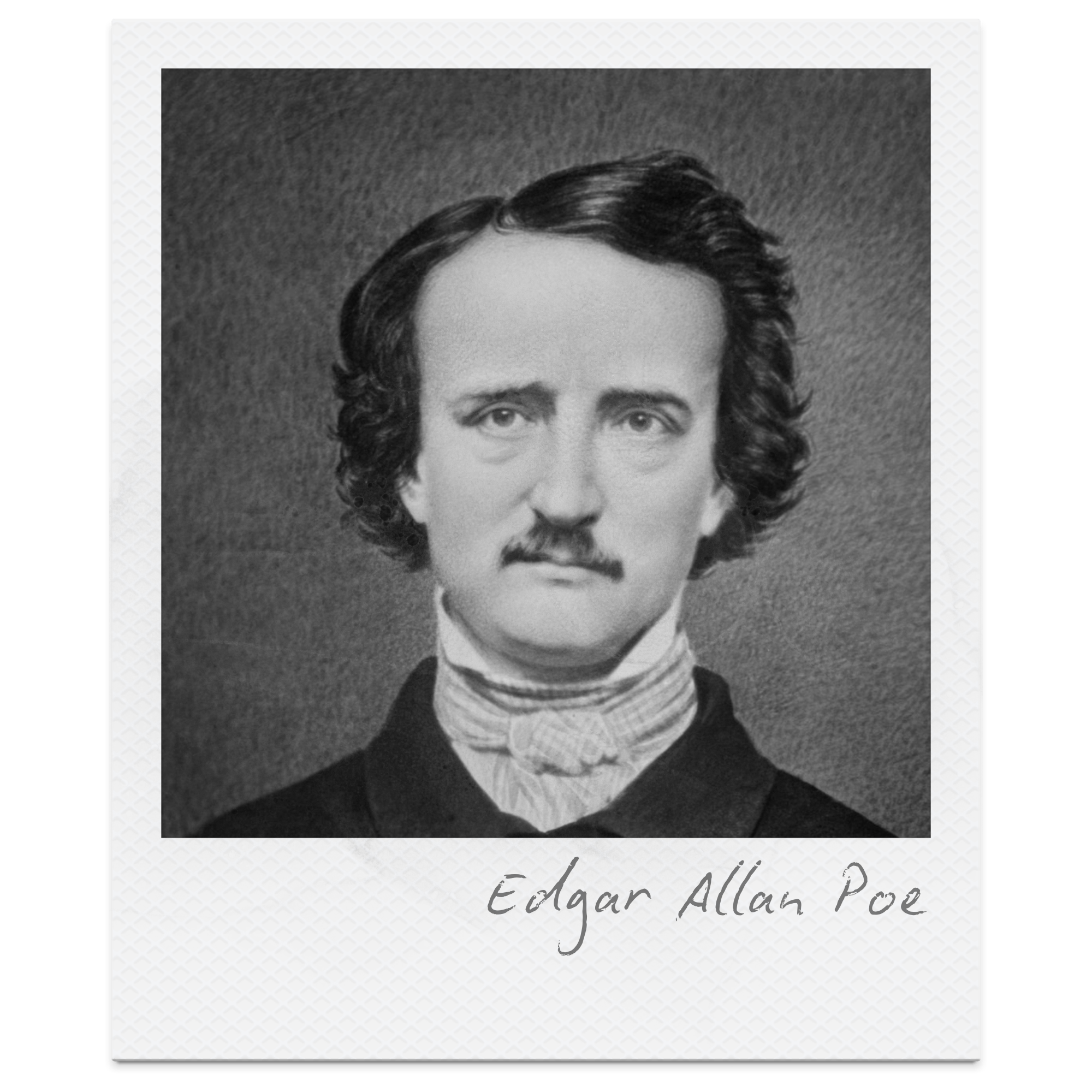
Edgar Allan Poe: Context, Themes, and Literary Significance
Edgar Allan Poe is one of the most widely taught American writers in the secondary English classroom, known for his Gothic fiction, psychological narratives, and influential detective stories. Writing in the early nineteenth century, Poe explored themes of unreliable narration, guilt, obsession, and moral ambiguity, using tightly controlled structure and atmosphere to shape reader interpretation. His work rewards close reading and discussion, making it particularly effective for developing analytical confidence. This guide explores Edgar Allan Poe’s historical context, recurring themes, and literary significance, offering a framework for understanding how his writing operates across poetry and short fiction. Rather than focusing on plot or biography, it examines how Poe uses voice, perspective, and implication to generate meaning, supporting discussion-led teaching and thematic study in the secondary English classroom.