70 Twist-in-the-Tale Writing Prompts for Teens: Unexpected Endings, Reversals & Story Turns
Twist-in-the-tale stories are built on expectation and disruption. Rather than relying on spectacle or shock, the most effective twists work through misdirection, withheld information, and subtle narrative control, reshaping how readers understand everything that came before. A strong twist does not exist purely for surprise; it deepens theme, reframes character, and exposes the assumptions that shaped the story’s world.
These twist-in-the-tale writing prompts for teens are designed to help young writers explore unexpected endings, reversals, and narrative turns with intention rather than gimmickry. Instead of focusing solely on last-line surprises, the prompts encourage writers to think about structure, perspective, reliability, and foreshadowing, showing how twists emerge gradually through careful choice rather than sudden revelation.
This collection of 70 Twist-in-the-Tale Writing Prompts for Teens functions as a complete creative toolkit, combining plot hooks, opening lines, closing lines, character ideas, setting prompts, and visual inspiration. The prompts work well in creative writing lessons, English classrooms, writing clubs, and independent practice, supporting short fiction, flash narratives, and longer YA projects that prioritise meaning and control over simple shock value.
If you’d like to explore more creative writing prompts for teens, genre-based collections, or craft-focused story ideas, you can browse the Creative Writing Archive to discover additional prompts designed to support confident, thoughtful storytelling.
1. Plot Hooks
Twist-in-the-tale stories rely on expectation, assumption, and controlled withholding. Rather than hinging on a single shock moment, effective twists are seeded early through perspective, omission, and subtle contradiction, allowing the ending to reframe what the reader thought they understood. The plot hooks below are designed to support twist writing prompts for teens that prioritise craft, foreshadowing, and narrative restraint over surprise for its own sake.
Write about a character who believes they are helping to uncover a secret, only to realise their actions have been carefully guiding others away from the truth.
Write about a long-standing family tradition that appears harmless until the protagonist discovers what it was originally designed to prevent.
Write about a narrator who insists they are telling the whole story, while small, seemingly insignificant details quietly contradict their account.
Write about a town that celebrates the end of a tragedy each year, and the teenager who realises the event being commemorated never actually ended.
Write about a character searching for someone who disappeared, only to uncover evidence suggesting the person chose to vanish — and that the search itself is part of the reason.
Write about a story that appears to centre on survival, until it becomes clear the real conflict is about who is allowed to be remembered.
Write about a trusted authority figure whose advice consistently leads the protagonist away from danger — until the pattern itself becomes suspicious.
Write about a mystery that seems solved halfway through the story, forcing the narrator to confront what they were relieved not to question.
Write about a character convinced they are being watched, who slowly realises the observation is not surveillance but protection.
Write about an ending everyone expects — and the quiet decision made earlier in the story that makes that ending impossible.
2. Title Ideas
Twist-in-the-tale stories often signal reversal, misdirection, or withheld truth through implication rather than explanation. Effective titles suggest certainty, order, or familiarity — only for the story itself to quietly dismantle those assumptions. The titles below work well for short stories, flash fiction, and longer narrative pieces where the ending reframes what came before.
They’re designed to model restraint, ambiguity, and narrative confidence for teen writers.
The Ending Everyone Expected
Nothing About This Was an Accident
What We Were Told to Remember
The Version That Made Sense
Before the Truth Was Useful
A Very Reasonable Explanation
What Was Left Out
The Story We Agreed On
After the Decision Had Already Been Made
This Is How It Was Supposed to End
3. Opening Lines
Effective twist-in-the-tale opening lines establish a version of reality the reader feels comfortable accepting. They introduce confidence, order, or familiarity, allowing later revelations to reframe what initially seemed clear. Rather than signalling surprise too early, these openings rely on voice, certainty, and selective detail, encouraging readers to trust the narrator — and overlook what has not yet been said.
For teen writers, these examples model how to begin stories in a way that feels grounded and reliable, while still leaving room for a narrative turn later.
Nothing about the plan worried me until it started working exactly as intended.
Everyone agreed on what had happened, which made it easy not to question it.
I was chosen because I was reliable, not because I knew the truth.
The story made sense at the time, and that felt like enough.
There was no reason to doubt the explanation we were given.
I believed I was protecting someone when I made that choice.
The mistake wasn’t what we did, but how early we stopped asking questions.
By the time I noticed the pattern, I had already helped complete it.
I trusted the version of events that asked the least of me.
It seemed important that I remember things in the correct order.
4. Closing Lines
Strong twist-in-the-tale endings rarely explain themselves. Instead of announcing the reversal, they allow a final detail, choice, or absence to shift the reader’s understanding of the story’s events, encouraging reflection rather than resolution. These closing lines model how to end stories with restraint, ambiguity, and emotional weight, leaving the twist to surface in hindsight.
For teen writers, these examples demonstrate how a story can end without answering every question — and still feel complete.
Only then did I understand why no one had stopped me sooner.
The truth changed nothing about what we had already decided to accept.
I realised the warning had never been meant for me.
By the time the explanation made sense, it was no longer useful.
What we agreed to call the ending was never the end at all.
I carried the answer with me, unsure who it was meant to protect.
Nothing about the story needed correcting — except who it belonged to.
I left knowing the choice had already been made, and that it had been mine.
The silence that followed felt intentional.
Looking back, the signs had been careful, not hidden.
5. Character Ideas
Twist-in-the-tale characters are often defined by what they think they know, what they choose not to question, and the roles they accept without examining the cost. Rather than relying on villains or hidden masterminds, effective twist narratives allow character motivation, loyalty, fear, or self-preservation to quietly shape the outcome. The ideas below support character-driven storytelling where the twist feels inevitable in hindsight.
A narrator chosen specifically because they are trusted to repeat the official version of events, never realising their reliability is the point.
A character tasked with protecting someone else’s secret, slowly discovering the secret exists to protect them from responsibility.
A well-meaning observer who believes they are neutral, only to realise their silence has been actively shaping the outcome.
A rule-follower who prides themselves on fairness, unaware that the rules themselves are designed to exclude one person.
A sibling who has built their identity around being the “responsible one,” and must confront what that role has allowed them to overlook.
A character who believes they survived an event by chance, only to uncover the quiet decision that ensured they would.
A witness whose account is valued precisely because it leaves out the most important detail.
A character who thinks they are being manipulated, not recognising that their willingness to comply is the real leverage.
A caretaker or authority figure who insists they are acting for everyone’s good, while avoiding the one truth that would change that belief.
A narrator who is convinced they are telling the story honestly, having never considered which version they chose to remember.
6. Setting Ideas
In twist-in-the-tale stories, setting often functions as more than a backdrop. Familiar places, ordered environments, and seemingly neutral spaces can quietly reinforce assumptions about safety, authority, and truth. When those assumptions shift, the setting becomes part of the revelation — not because it changes, but because it was never as neutral as it appeared.
The settings below are designed to support narrative reversals through routine, containment, and overlooked detail, making them especially effective for twist writing prompts for teens.
A school that prides itself on transparency, where every rule is visible but the consequences are never discussed.
A small town built around a single historical event, with plaques, tours, and annual ceremonies that quietly distort what actually happened.
A family home that has been carefully preserved, where certain rooms are never entered and certain questions are never asked.
A workplace where everyone follows the same procedures, unaware that the system was designed to fail one specific person.
A public building with restricted access areas that are described as “out of bounds for safety reasons,” rather than secrecy.
A neighbourhood where everyone knows one another well enough not to look too closely.
A courtroom or administrative space where decisions are framed as neutral, procedural, and unavoidable.
A care facility, boarding house, or institution where routines replace personal memory.
A place designed to observe or record — a control room, archive, or monitoring centre — where information is collected but interpretation is tightly controlled.
A location associated with rescue or protection, where help arrives reliably but always a little too late.
7. Picture Prompts
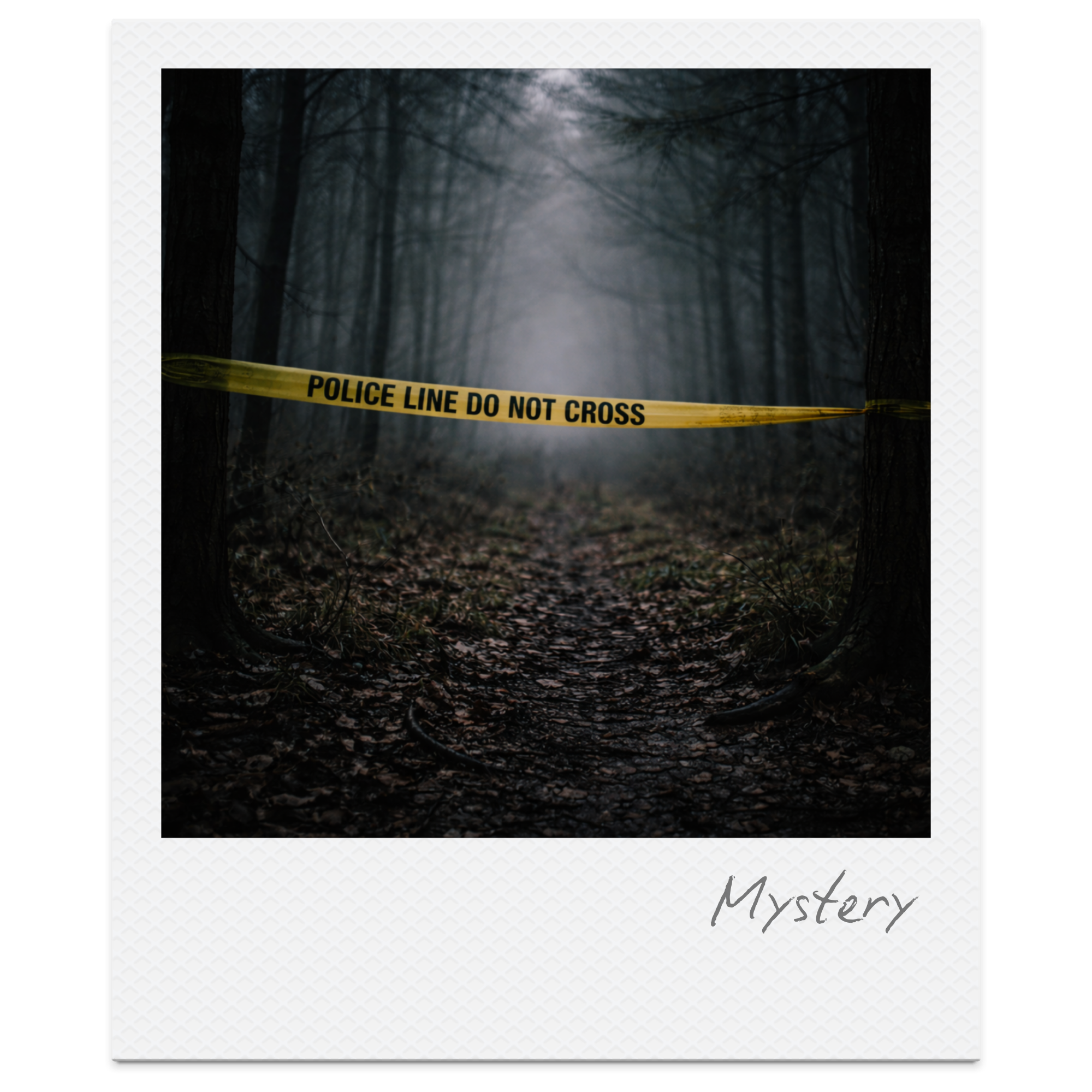
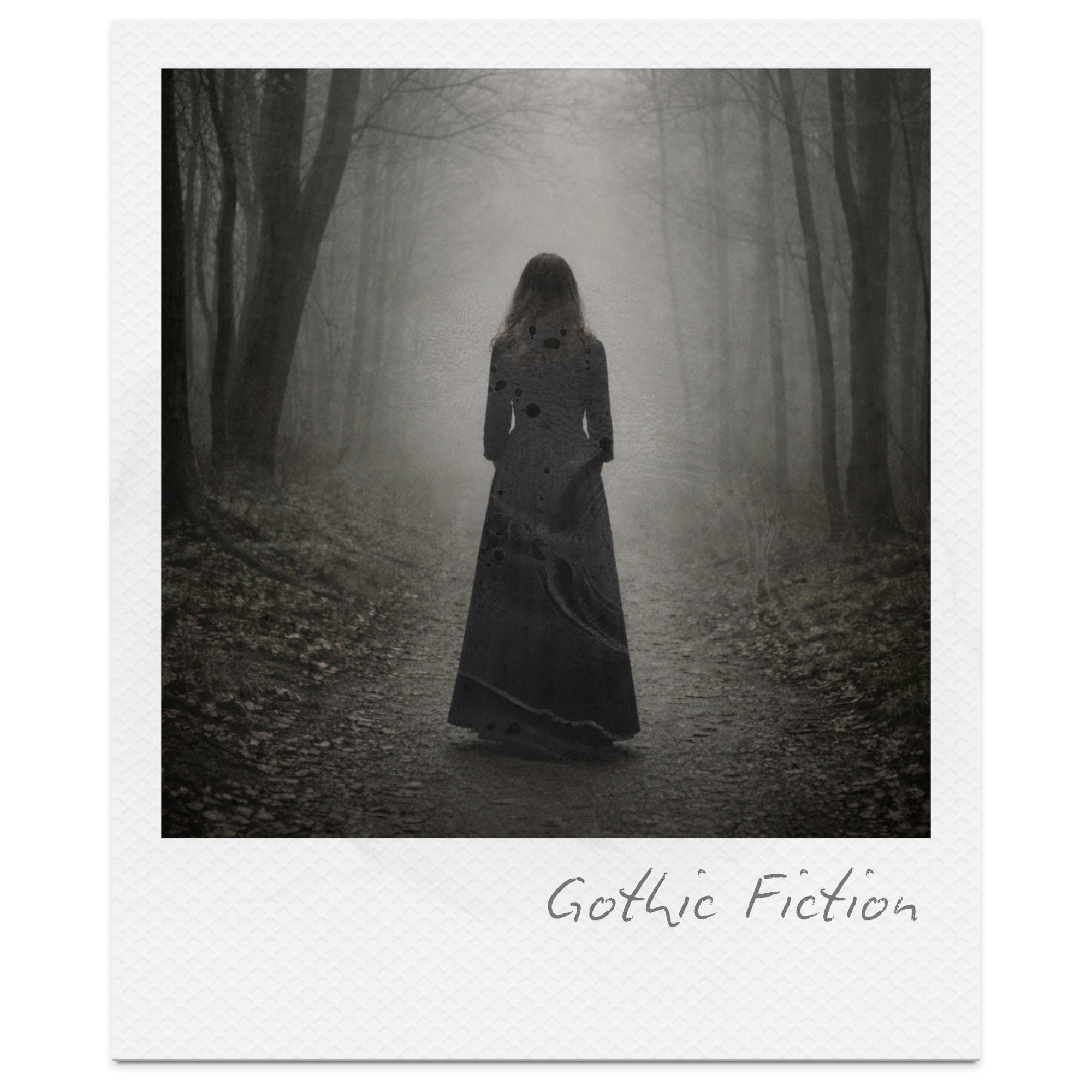
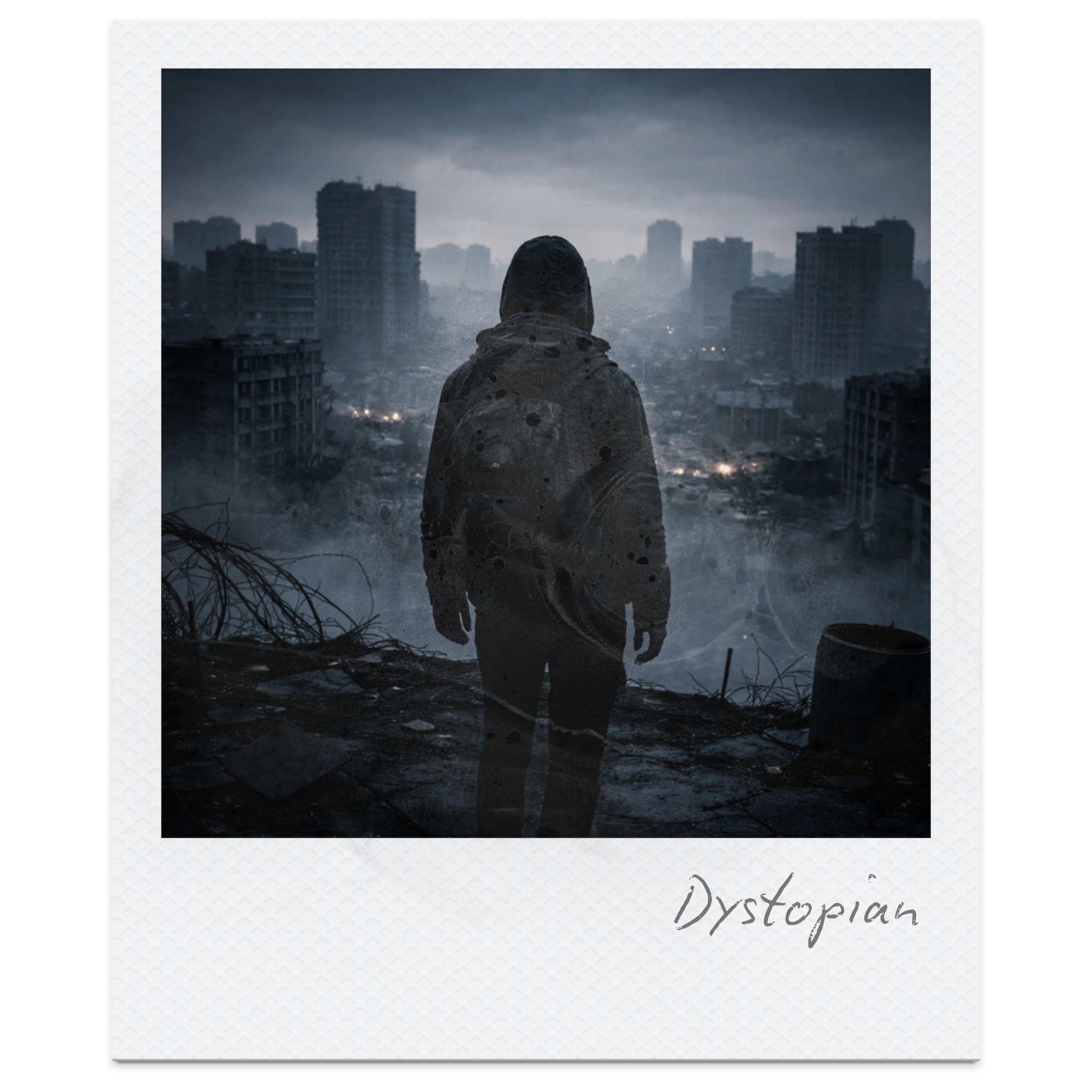
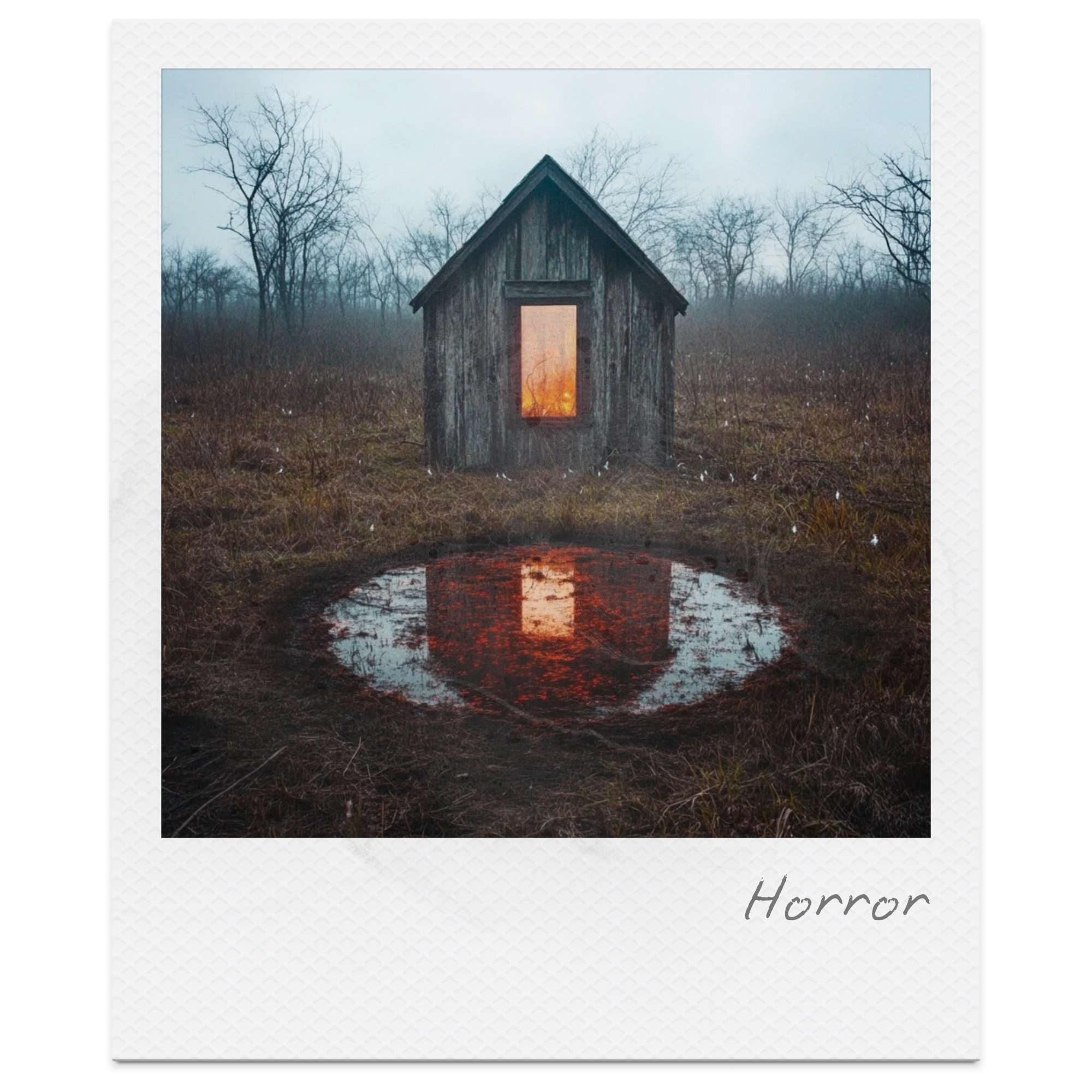
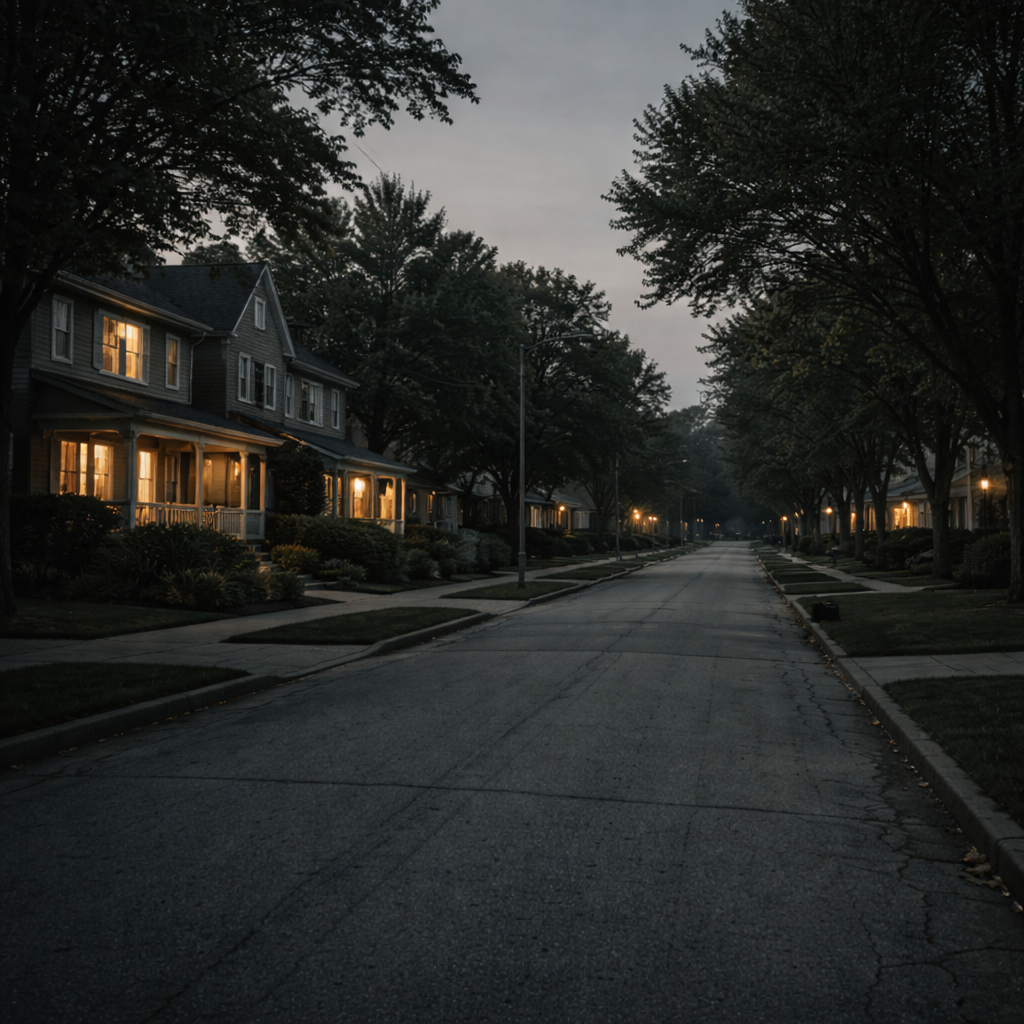
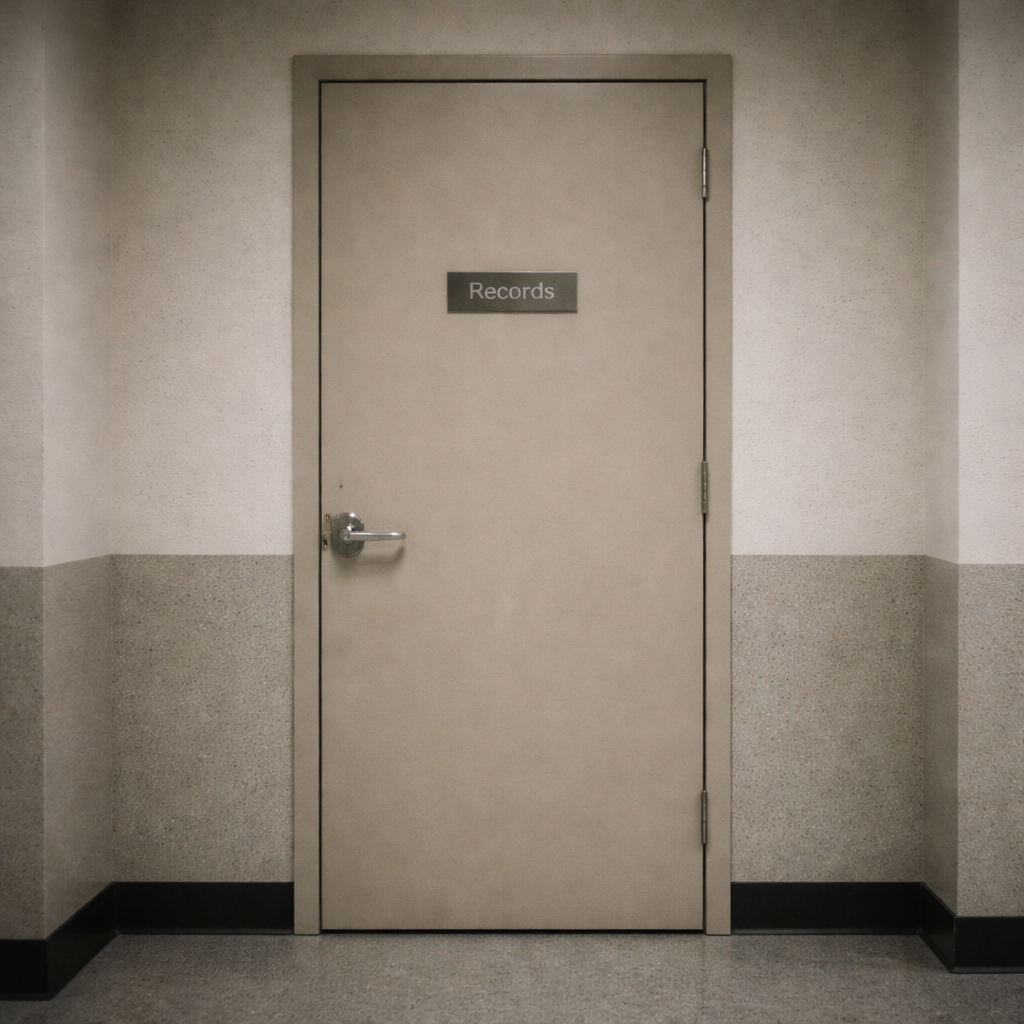
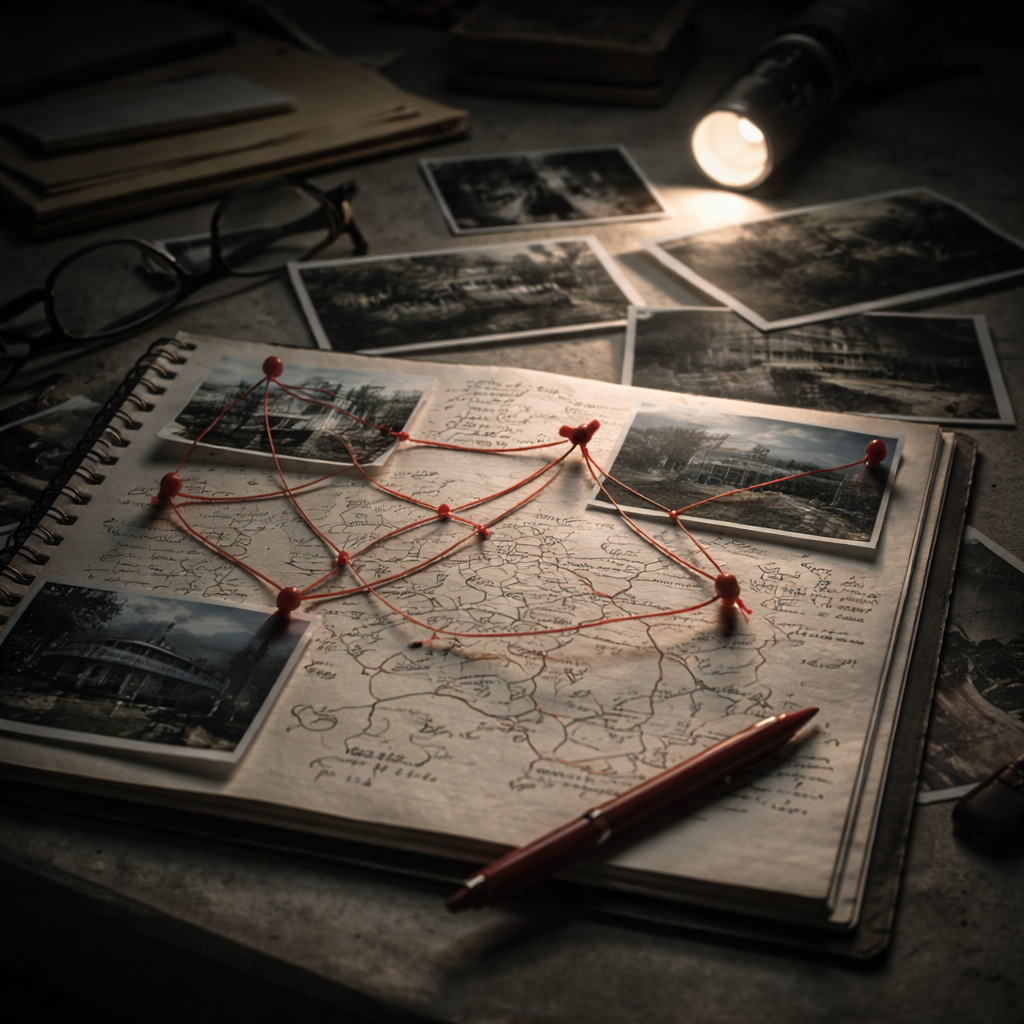
Visual prompts are especially effective for twist-in-the-tale storytelling, where meaning often emerges through what appears ordinary, incomplete, or slightly misaligned. Rather than illustrating the twist itself, strong images invite writers to notice contradictions, absences, or details that do not quite fit — encouraging interpretation rather than explanation.
The images in this collection are designed to support twist writing prompts for teens by suggesting story rather than defining it. They focus on familiar spaces, controlled environments, and quiet moments that feel stable on the surface, but carry the potential for reversal once examined more closely. Each image can be approached as a moment before, during, or after the story’s turning point.
Writers can use these visuals as story starters, setting anchors, or structural prompts, asking what assumptions the image encourages, which details might later be reinterpreted, and whose perspective is missing from the frame. Used alongside the prompts above, these picture cues support narrative writing that prioritises foreshadowing, misdirection, and hindsight over immediate revelation.







Hello, World!
Go Deeper into Twist-in-the-Tale Writing
Twist-in-the-tale stories are rarely about the ending alone. The most effective reversals are built through control rather than concealment — deciding what the reader is allowed to assume, which details feel safe to ignore, and where certainty is offered too easily. Rather than asking how to surprise the reader, strong twist writing asks how meaning can be quietly redirected.
To deepen your work with twists, try one or more of the following approaches:
◆ Seed the twist early, then normalise it.
Include a detail in the opening third of the story that later becomes significant, but present it as routine, procedural, or unremarkable. When revisited, the detail should feel obvious rather than clever.
◆ Let omission do the work.
Instead of hiding information, allow the narrator to speak confidently around it. What they do not mention — because it feels settled, justified, or irrelevant — often becomes the source of the reversal.
◆ Shift the moral centre, not the plot.
Many effective twists do not change what happened, but how responsibility, blame, or intent is understood. Ask what the story looks like when the reader’s sympathy moves.
◆ Trust ambiguity.
A twist does not need to be explained. Often, stopping the story just before interpretation is fixed allows the reader to do the final work themselves.
◆ Re-read from the end.
Once a draft is complete, return to the opening with the ending in mind. Remove any moment that tries to mislead. Replace it with moments that simply assume the reader will not ask the harder question yet.
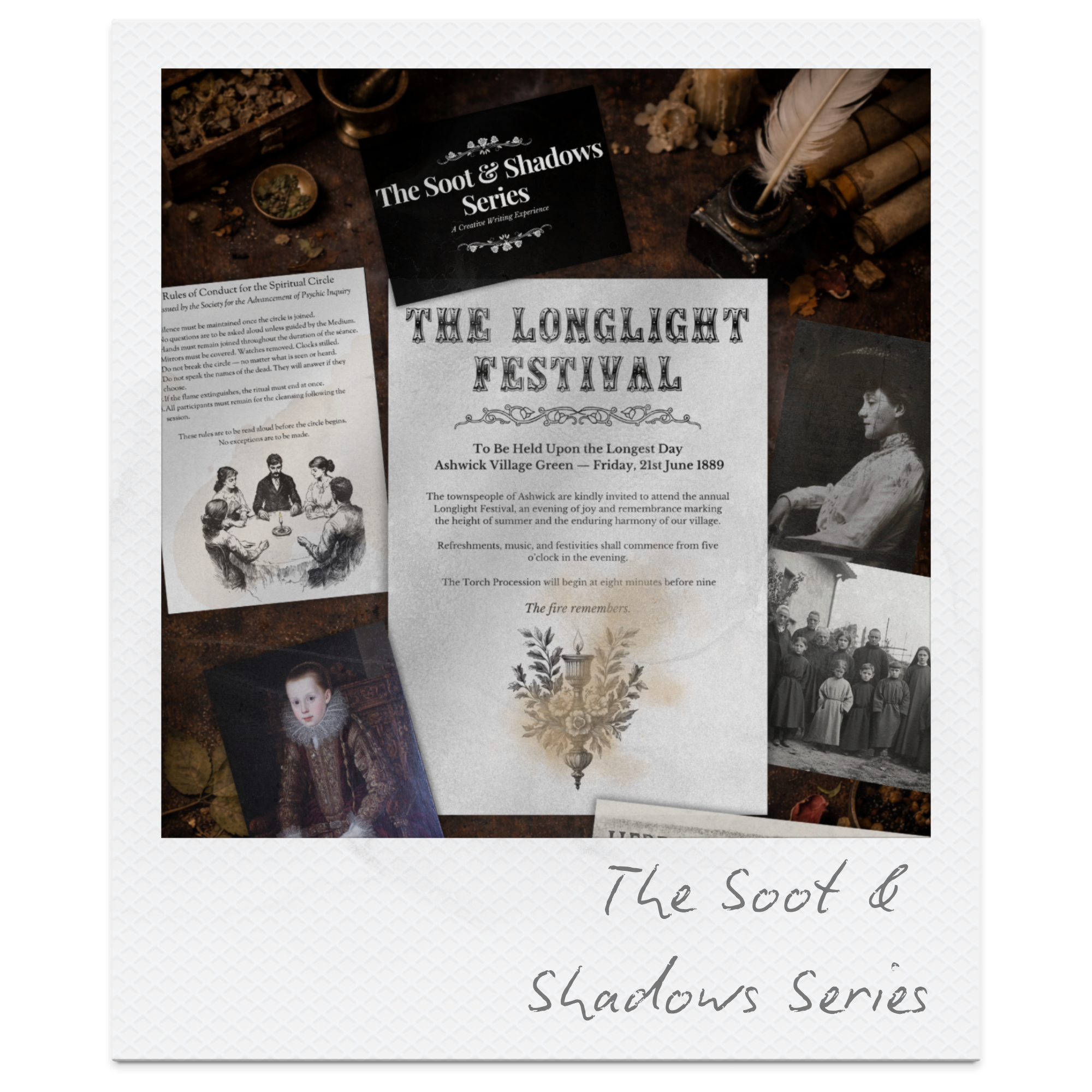
For writers drawn to twists built from fragments, documents, and partial truths, The Soot & Shadows Series offers a natural next step.
Rather than providing plots or solutions, this immersive digital trilogy invites writers to work like archivists — assembling stories from police reports, pawn tickets, gravestones, festival posters, séance notes, and museum exhibits scattered across time. Each collection is self-contained, yet threaded with echoes, contradictions, and unanswered questions that resist a single explanation.
Inspired by Victorian crime, rural folklore, and witch-trial paranoia, the series blends historical atmosphere with narrative uncertainty. There are no instructions. No official timeline. No canonical truth. Only evidence — waiting to be interpreted.
Writers use the materials to:
practise inference and misdirection
experiment with unreliable narratives
build twist-driven stories where meaning emerges through what survives — and what does not
Whether you follow one thread or weave all three collections together, The Soot & Shadows Series asks the same question every good twist eventually leaves behind:
What really happened?
Final Thoughts
Twist-in-the-tale stories endure because they respect the reader. Rather than relying on shock or spectacle, they invite careful attention — rewarding those who notice patterns, question certainty, and remain alert to what has been left unsaid. A strong twist does not undo the story that came before it; it reframes it, allowing meaning to shift without erasing what felt true in the moment.
These 70 Twist-in-the-Tale Writing Prompts for Teens are designed to help young writers practise that kind of control. By working with expectation, misdirection, and perspective, the prompts encourage stories where reversals emerge naturally from character, setting, and choice. Whether used for short writing exercises, classroom lessons, or longer narrative projects, they support thoughtful storytelling that values restraint, inference, and hindsight.
If you’d like to continue exploring creative writing prompts for teens, genre-based collections, or craft-led story ideas, you can browse the Creative Writing Archive to discover further prompts designed to build confidence, range, and narrative skill.
Write carefully. Leave space. Let the ending do the quiet work.
Choose Your Next Adventure