Notes from the Inkpot
Writing, teaching, creating - one ink-stained idea at a time.


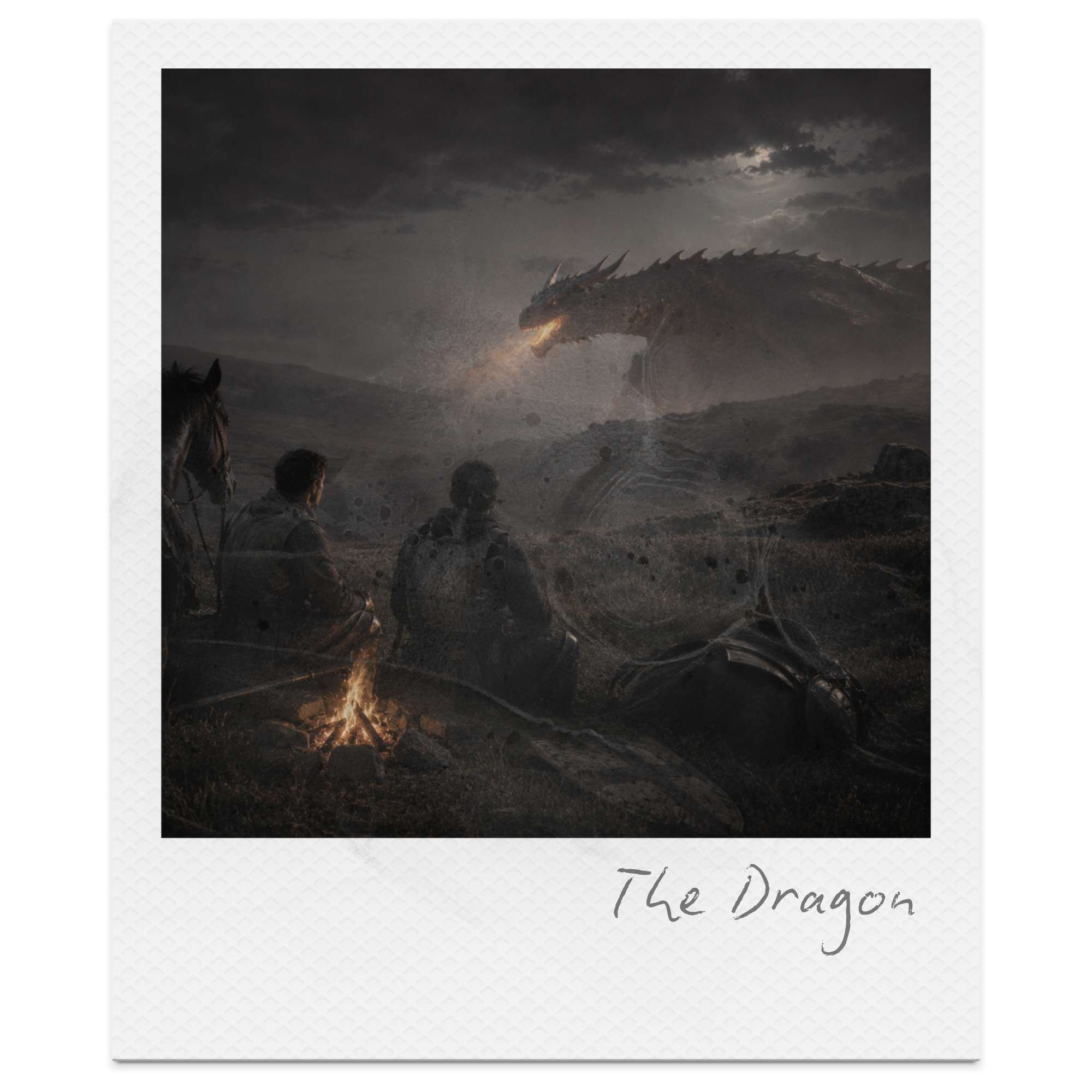
The Dragon by Ray Bradbury: Summary, Themes, Meaning & Analysis
Discover our complete analysis of The Dragon by Ray Bradbury, including a clear summary, detailed exploration of its themes, symbolism, characters, structure, narrative voice, and important quotes. Uncover how Bradbury uses a brilliant twist ending to examine perception, fear, time, technology, and the limits of human understanding, while exploring why this thought-provoking science fiction story continues to resonate with modern readers. You'll also find alternative interpretations, classroom teaching ideas, essay inspiration, and further reading to deepen your understanding of one of Bradbury's most ingenious short stories.
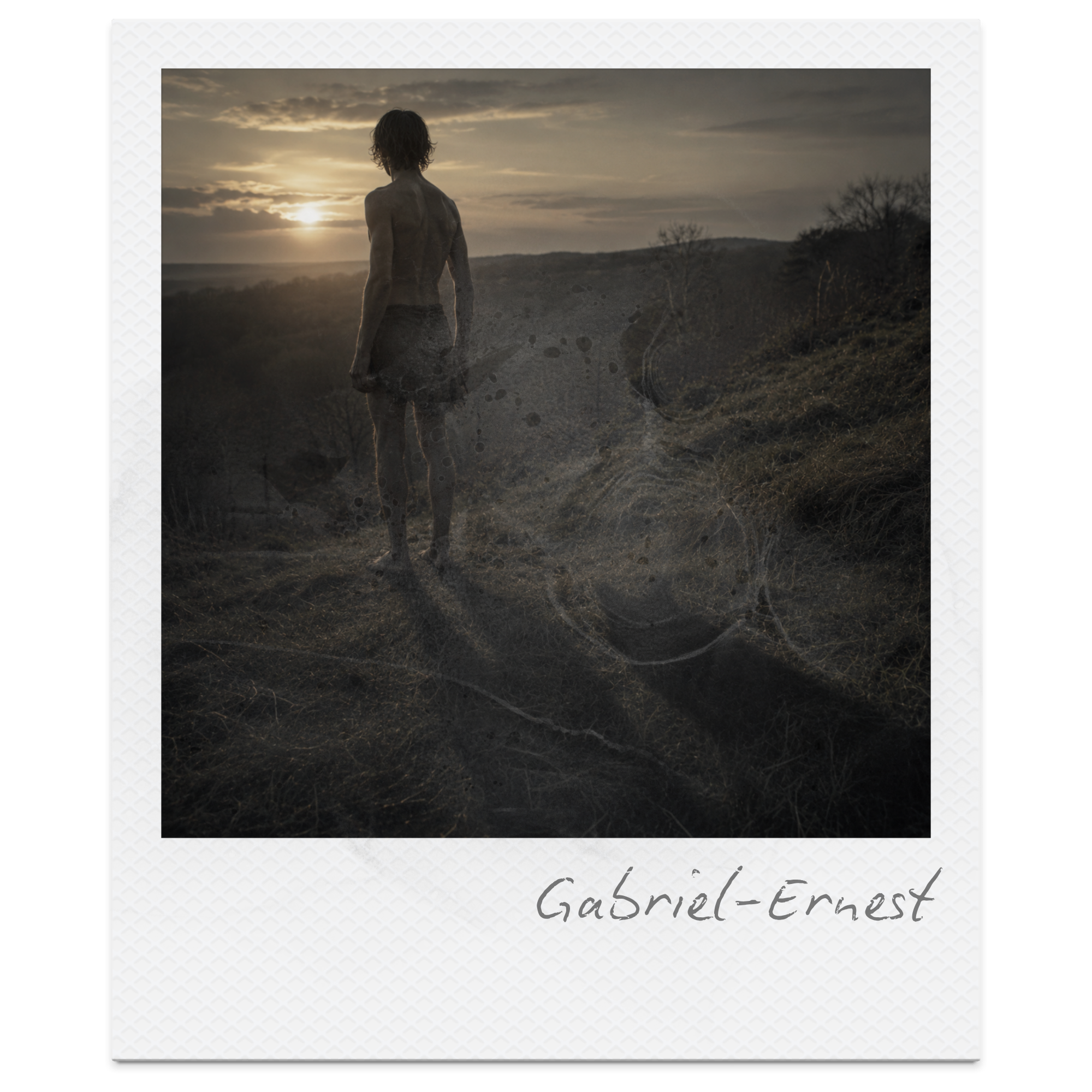
Gabriel-Ernest by Saki: Summary, Themes & Analysis
Saki’s Gabriel-Ernest is a dark and unsettling Gothic short story exploring civilisation versus savagery, hidden violence, fear of the unknown, and the dangerous instincts lurking beneath respectable society. Through the mysterious figure of Gabriel-Ernest, Saki gradually transforms an apparently ordinary rural setting into a landscape filled with supernatural tension, psychological unease, and growing horror. This detailed analysis for CIE IGCSE World Literature (0408) explores the story’s themes, symbolism, narrative voice, structure, and key quotations, while examining how Saki uses animalistic imagery, irony, and ambiguity to create suspense and fear. The guide also includes alternative interpretations, exam-ready insights, and classroom-focused teaching ideas designed to support deeper literary analysis and discussion.
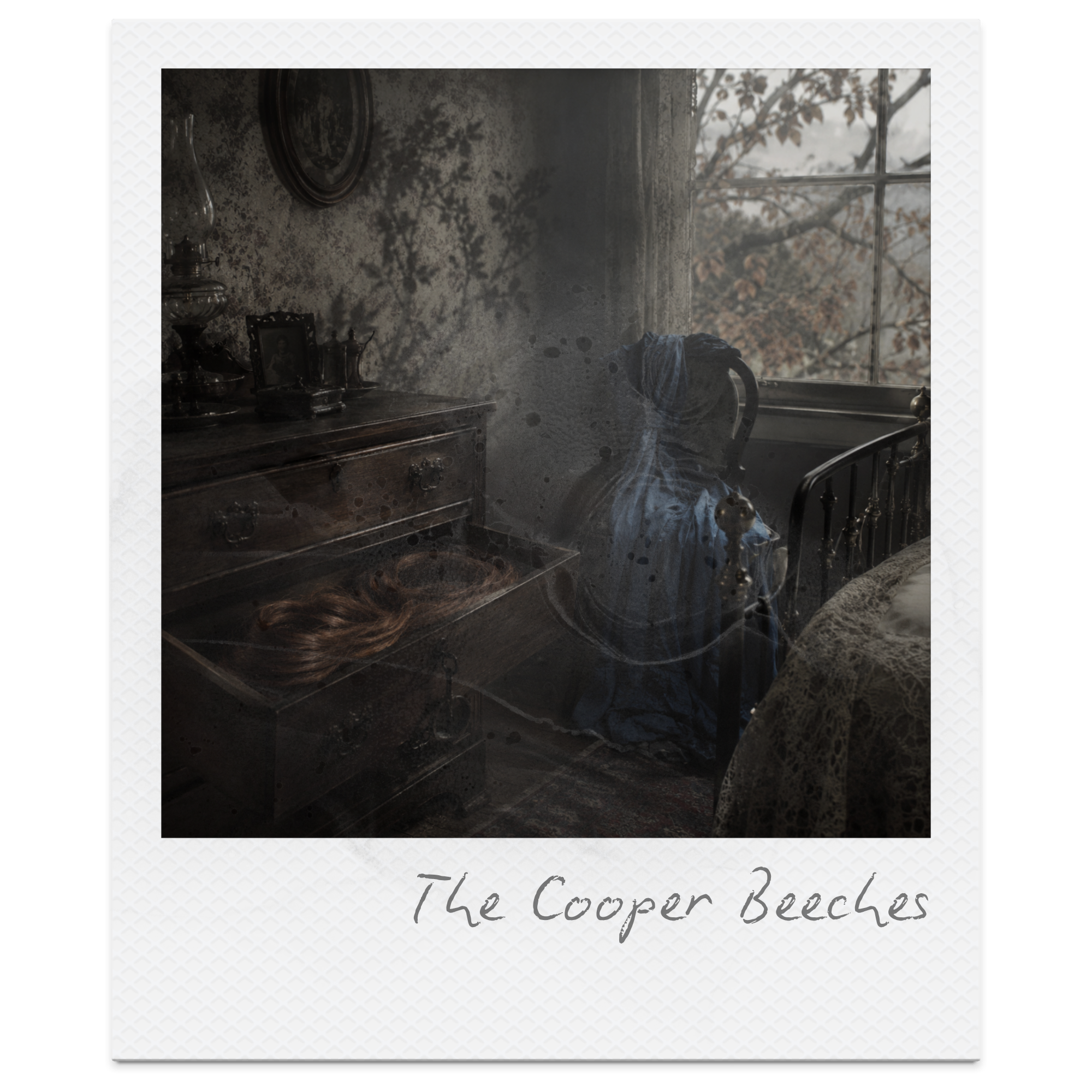
The Copper Beeches by Sir Arthur Conan Doyle: Summary, Themes & Analysis
In this detailed analysis of The Copper Beeches by Sir Arthur Conan Doyle, we explore how Doyle combines detective fiction, Gothic atmosphere, and psychological tension to examine power, imprisonment, deception, gender control, and appearance versus reality. Through the mysterious Copper Beeches house, the unsettling behaviour of the Rucastles, and Sherlock Holmes’s analytical methods, the story gradually reveals hidden cruelty beneath outward respectability. Designed for CIE IGCSE World Literature (0408) and wider secondary literature study, this guide explores structure, symbolism, narrative voice, key quotes, themes, and writer’s methods in a clear, classroom-ready format. Perfect for revision, essay planning, close analysis, and discussion-based learning.
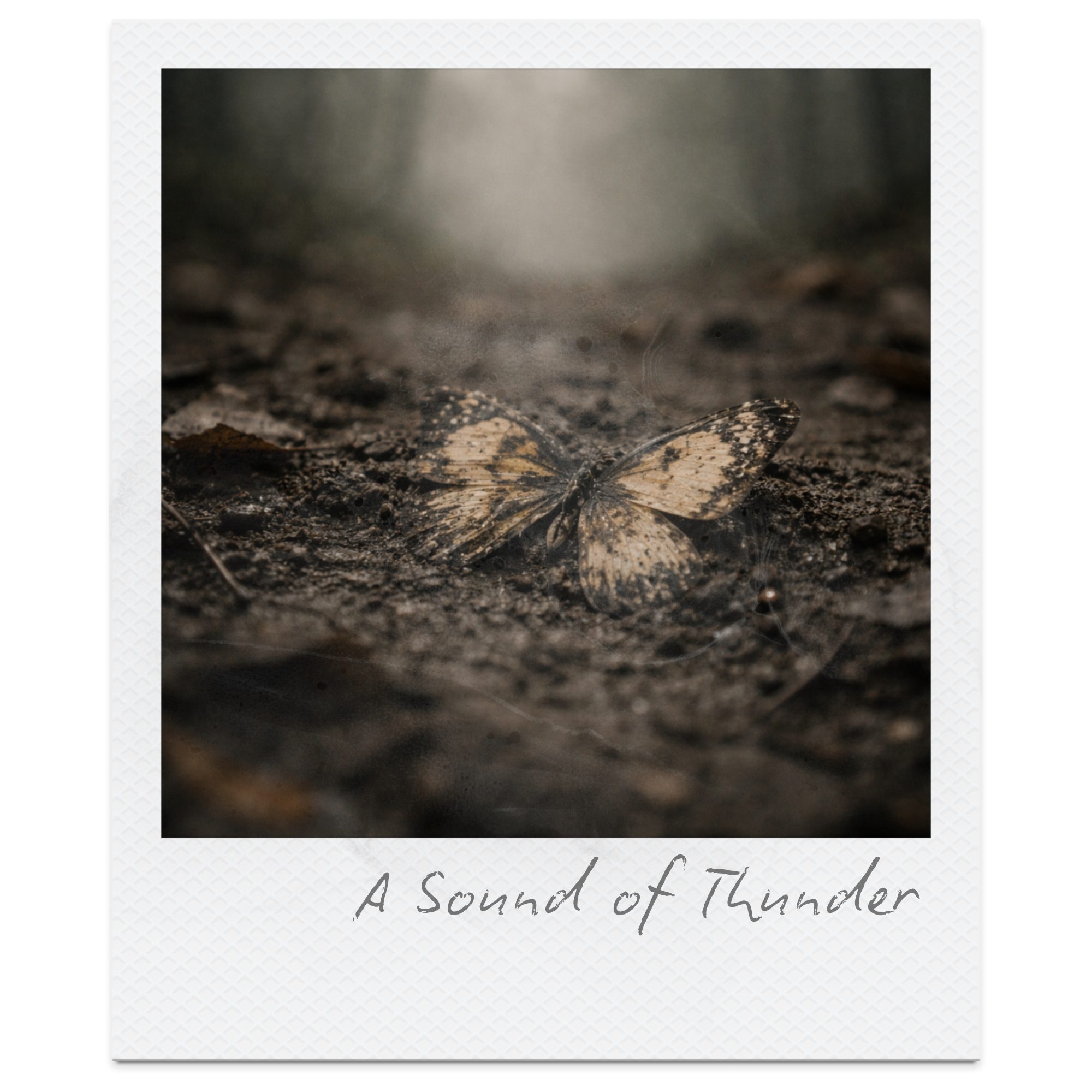
A Sound of Thunder by Ray Bradbury: Summary, Themes, Meaning & Analysis
A Sound of Thunder by Ray Bradbury is a gripping work of science fiction that explores the dangers of time travel, human interference, and unintended consequences. When a group of hunters travel back in time to kill a dinosaur, they are given one strict rule: stay on the Path. But when Eckels panics and steps off it, a seemingly small action triggers a chain reaction that alters the future in subtle but devastating ways. Through its famous exploration of the butterfly effect, the story reveals how fragile and interconnected reality truly is. Bradbury presents a powerful warning about cause and effect, responsibility, and the illusion of control, showing that even the smallest mistake can reshape entire systems. The story’s unsettling ending lingers long after reading, reminding us that once a choice is made, its consequences cannot be undone.

Zero Hour by Ray Bradbury: Summary, Themes, Meaning & Analysis
Ray Bradbury’s Zero Hour explores childhood innocence and hidden power, revealing how easily trust can be manipulated when adults underestimate what they do not understand. Through the children’s seemingly harmless game of “Invasion,” Bradbury presents a world where imagination becomes a vehicle for real danger, blurring the line between play and reality. As the story unfolds, this illusion collapses into something far more unsettling. The adults’ confidence in their own control gives way to panic as they realise too late that the threat has already taken hold. Bradbury exposes the dangers of complacency, misjudgement, and unseen influence, showing how quickly stability can be replaced by chaos when warning signs are ignored.

The Exiles by Ray Bradbury: Summary, Themes, Symbolism & Analysis
Bradbury’s The Exiles is a haunting exploration of censorship, imagination, and the fragility of stories, set on a dying Mars where forgotten authors and their creations struggle to survive. As books are banned and burned on Earth, the figures they once sustained begin to fade, turning the story into a powerful reflection on what happens when culture is erased and memory is lost. Blending science fiction, gothic atmosphere, and a deeply meta-literary perspective, the story challenges readers to consider the true cost of suppressing imagination. Through its unsettling imagery and quiet, devastating ending, The Exiles asks a central question: if stories disappear, what happens to the parts of ourselves they once held together?
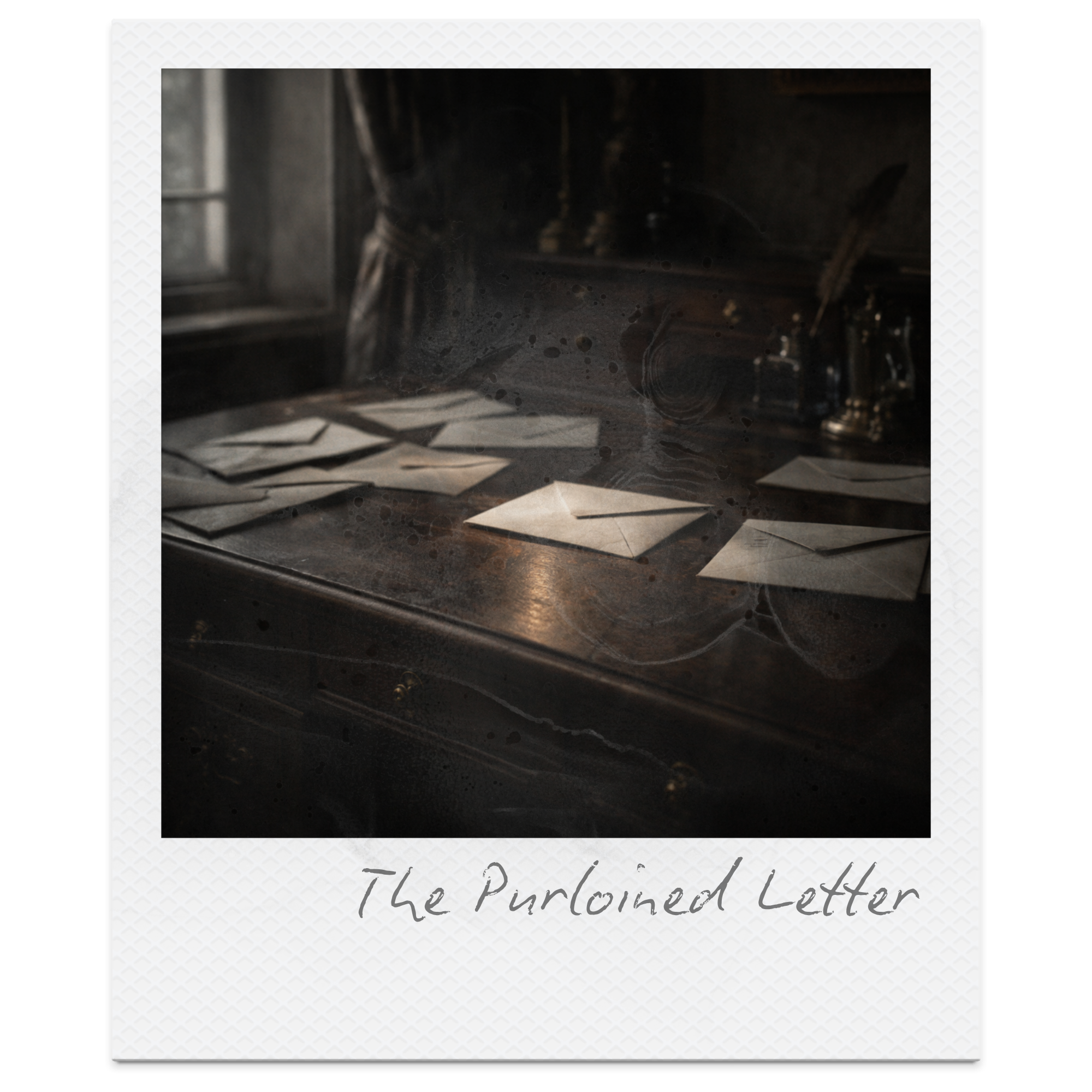
The Purloined Letter by Edgar Allan Poe: Summary, Themes, Symbolism & Analysis
The Purloined Letter is a clever and thought-provoking detective story that challenges the idea that mysteries are always complex. Instead, Edgar Allan Poe presents a case where the solution is hidden in plain sight, revealing how assumptions and rigid thinking can prevent us from seeing the obvious. Through the character of Dupin, Poe explores how true intelligence lies in understanding how others think, rather than simply relying on method or procedure. As the investigation unfolds, the story shifts from a traditional search for hidden clues to a deeper exploration of perception, power, and psychological strategy. The stolen letter becomes more than just an object—it represents control, secrecy, and vulnerability, showing how knowledge can be used as a form of influence. Ultimately, the story leaves readers questioning not just the mystery itself, but the way human reasoning shapes what we see—and what we miss.
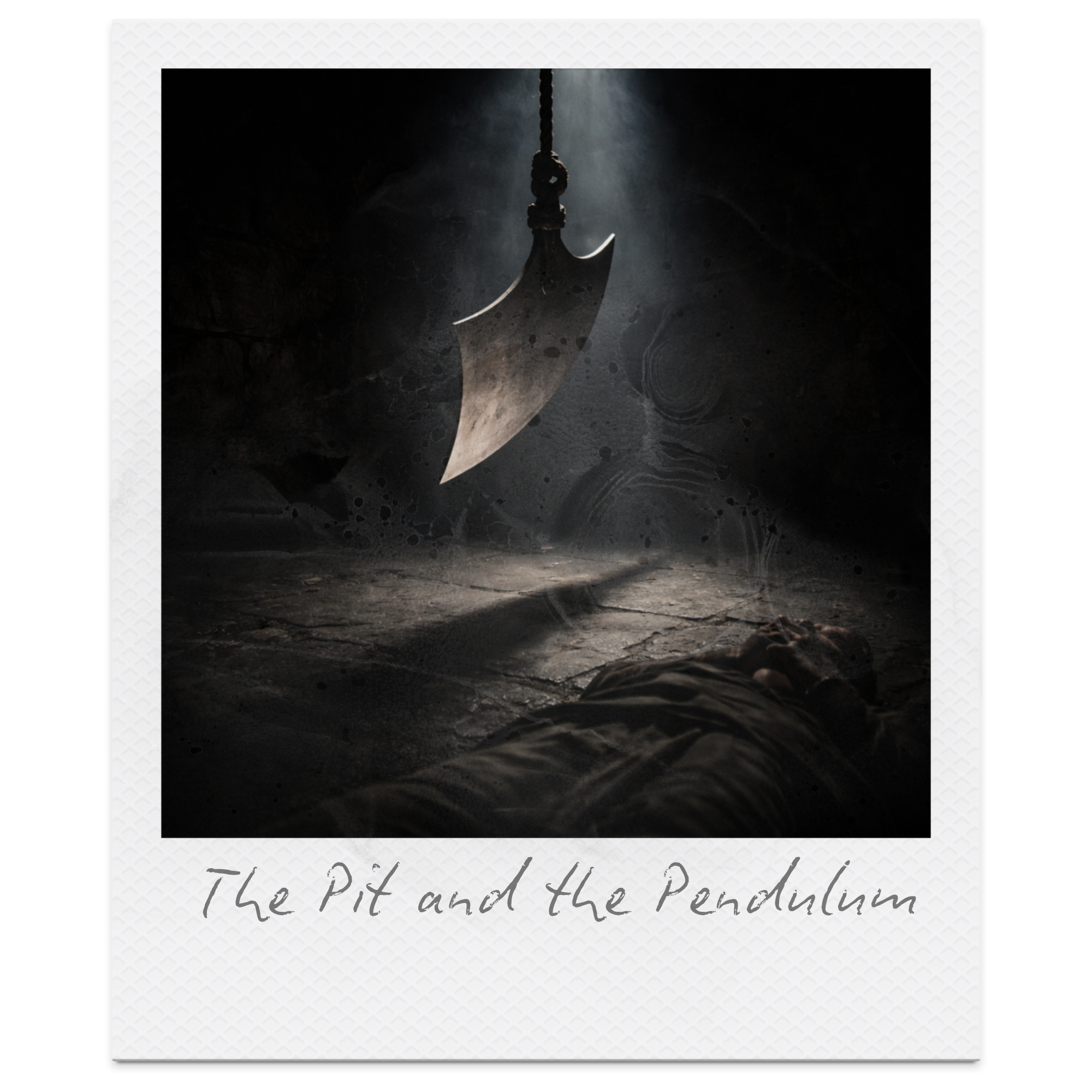
The Pit and the Pendulum by Edgar Allan Poe: Summary, Themes, Symbolism & Analysis
The Pit and the Pendulum by Edgar Allan Poe is a chilling exploration of psychological horror, fear, and survival under extreme control. Set within the terrifying world of the Inquisition, the story follows a condemned narrator trapped in a shifting dungeon where darkness, hidden dangers, and calculated torture push him to the brink of madness. Rather than relying on sudden shocks, Poe builds tension through anticipation, sensory deprivation, and the slow passage of time, creating a deeply unsettling reading experience. As the narrator faces the horrors of the pit, the descending pendulum, and the enclosing walls, the story explores powerful themes including power and control, perception and reality, death and mortality, and endurance. The setting itself becomes an instrument of torture, reflecting the narrator’s deteriorating mental state and forcing him into a desperate fight for survival. Through its intense focus on the mind under pressure, The Pit and the Pendulum remains one of Poe’s most compelling and psychologically complex short stories.
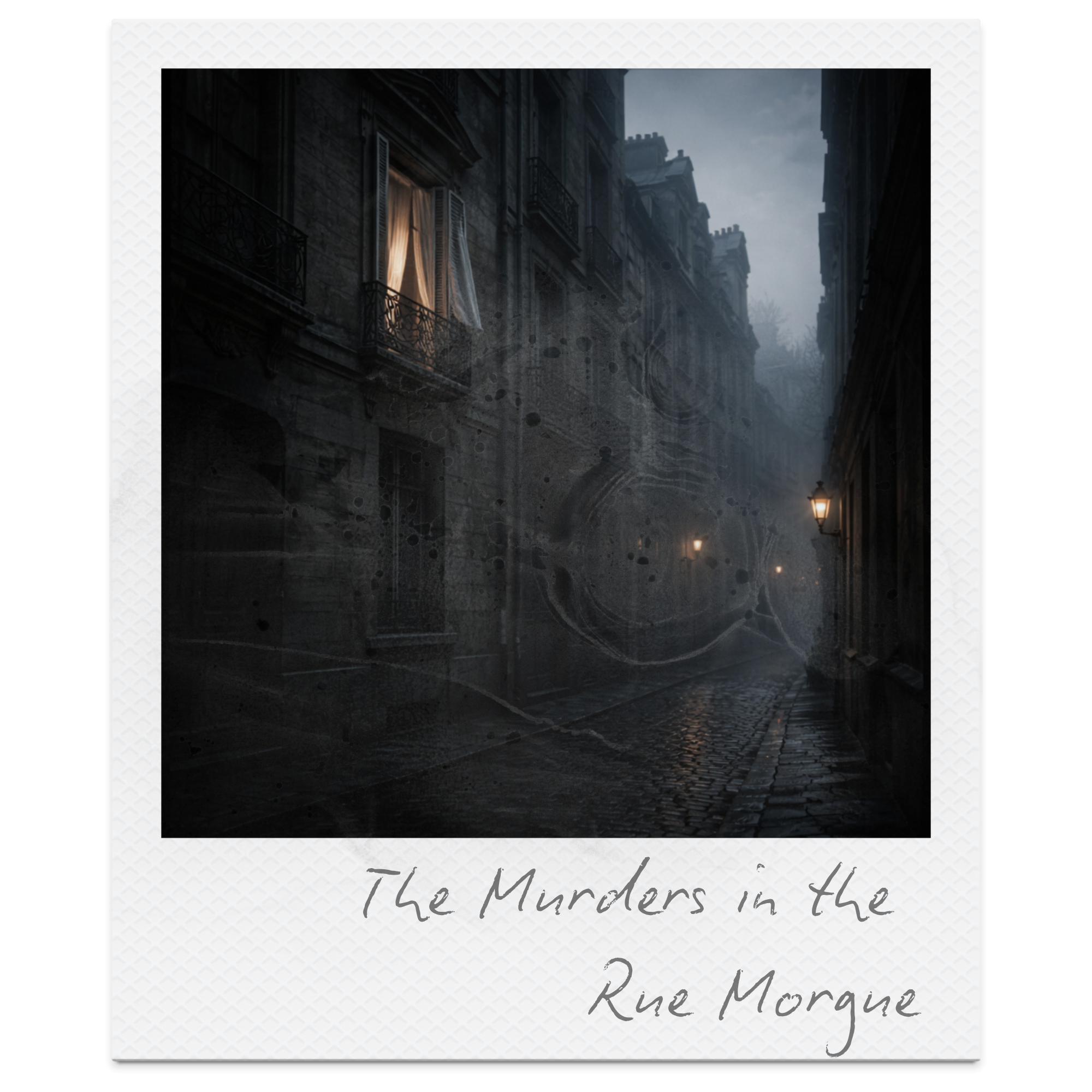
The Murders in the Rue Morgue by Edgar Allan Poe: Summary, Themes, Symbolism & Analysis
The Murders in the Rue Morgue by Edgar Allan Poe is widely regarded as the first modern detective story, blending Gothic horror with analytical reasoning to create a mystery that appears impossible to solve. Set in a shadowed Parisian apartment, the story follows C. Auguste Dupin as he unravels a brutal double murder that has left the police completely baffled. Through its focus on observation, perception, and the limits of logic, the text explores how truth can be hidden not in complexity, but in the way evidence is interpreted. This detailed analysis breaks down the story’s key themes, structure, characters, and literary techniques, offering a clear and accessible guide for both students and teachers. With a focus on high-level interpretation and classroom application, this post also includes teaching ideas, key quotes, and links to further resources, making it an ideal starting point for exploring one of Poe’s most influential and thought-provoking works.
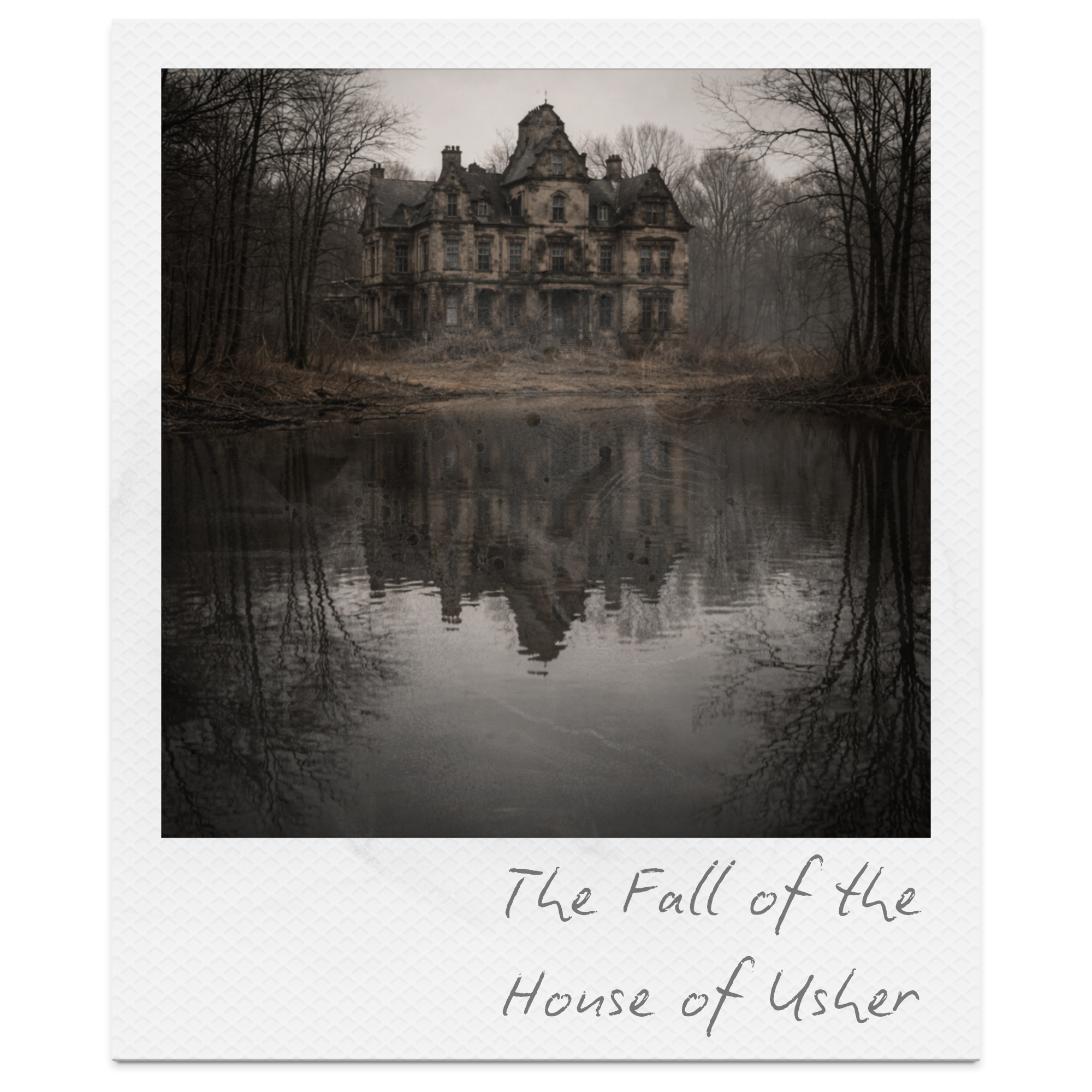
The Fall of the House of Usher by Edgar Allan Poe: Summary, Themes, Symbolism & Analysis
The Fall of the House of Usher is one of Edgar Allan Poe’s most famous Gothic short stories, exploring madness, isolation, fear, and the uneasy link between the human mind and its surroundings. This analysis examines the story’s plot, themes, symbolism, and literary techniques, showing how Poe transforms the decaying Usher mansion into a powerful reflection of psychological collapse and family decline. Ideal for students, teachers, and anyone revising Gothic fiction, this guide explores key ideas such as unreliable narration, family decay, premature burial, and the blurred boundary between reality and the supernatural. It also includes quotes, alternative interpretations, and teaching ideas to support deeper reading and classroom discussion.
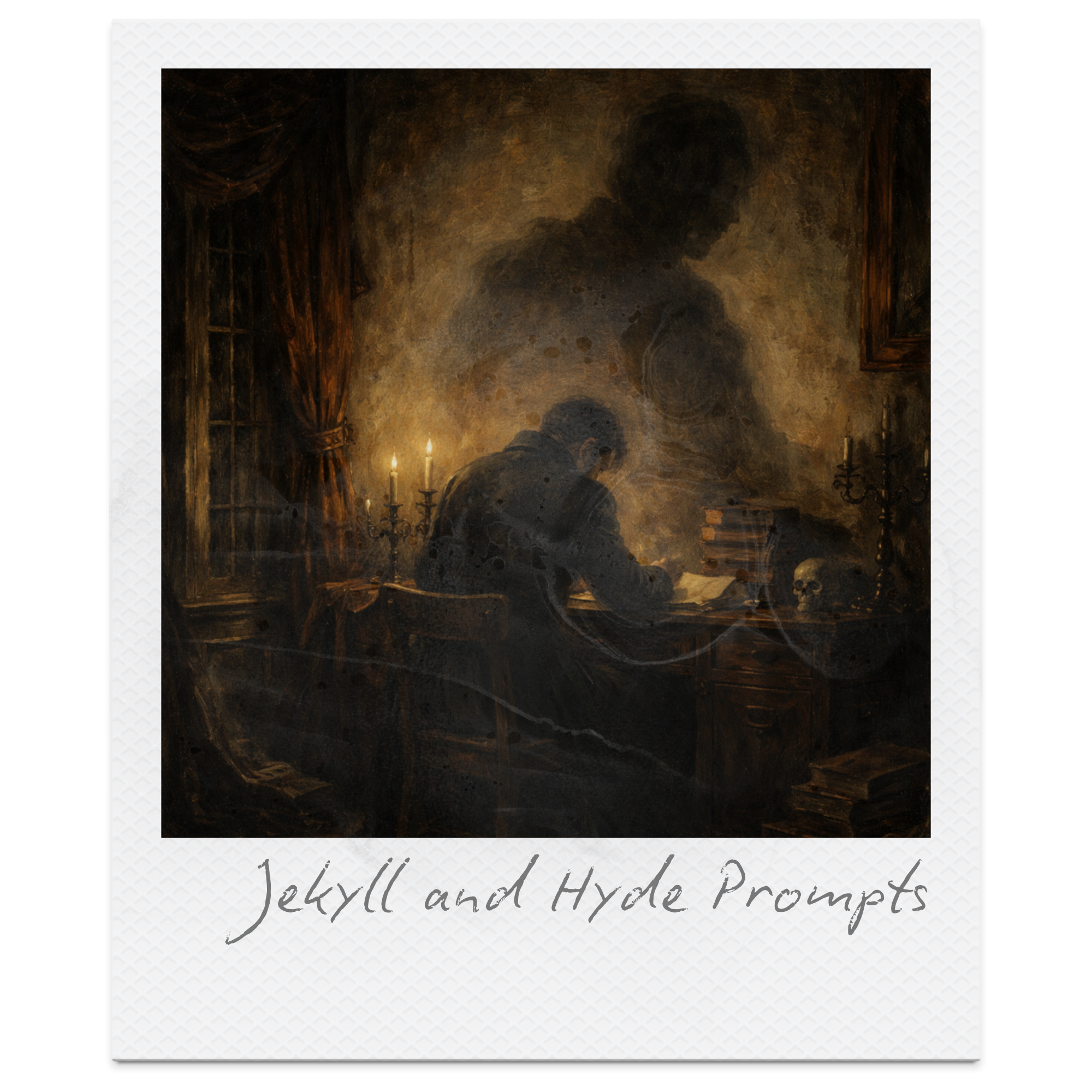
70 Creative Writing Prompts Inspired by Jekyll and Hyde: Plot Hooks, Opening Lines, Characters & Visual Ideas
Robert Louis Stevenson’s The Strange Case of Dr Jekyll and Mr Hyde explores the unsettling idea that people are not neatly divided into good and evil, but shaped by duality, repression, and the parts of themselves they try hardest to hide. This collection of creative writing prompts inspired by Jekyll and Hyde invites teen writers to engage with the novella’s gothic atmosphere, psychological tension, and moral complexity through original storytelling rather than retelling the plot. Designed for classroom use, writing clubs, and independent practice, these Jekyll and Hyde–inspired writing prompts focus on identity, secrecy, and inner conflict, encouraging students to experiment with voice, perspective, and setting. By working with mood-led, character-driven ideas, writers can explore Stevenson’s themes in a way that feels creative, accessible, and deeply connected to the text — making these prompts ideal for both short starters and extended creative tasks.
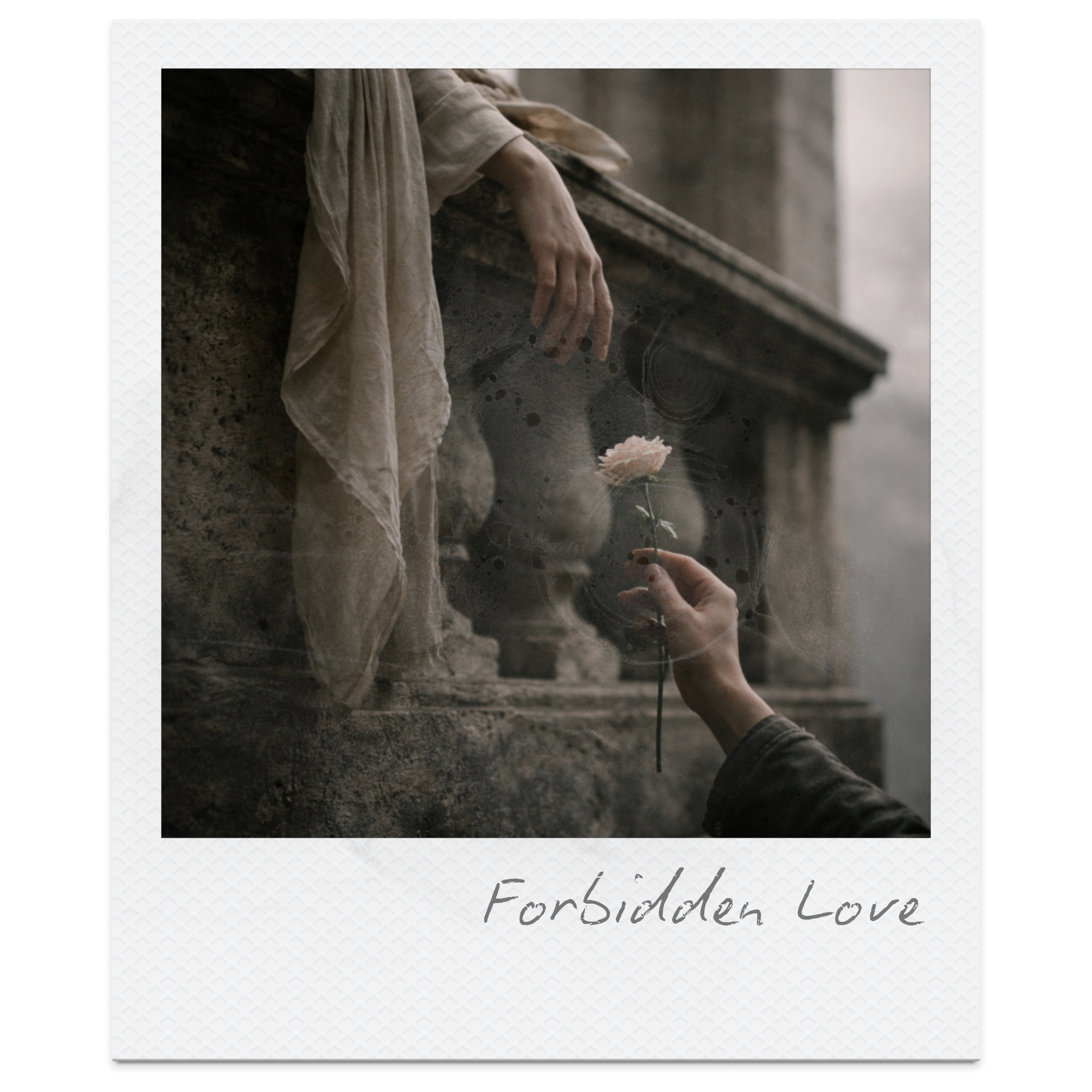
70 Forbidden Love Writing Prompts for Teens: Secret Relationships, Impossible Choices & Hidden Desire
Forbidden love stories explore what happens when desire collides with rules, expectations, or loyalty. Found throughout myth, folklore, and classic literature, this trope focuses less on romance itself and more on tension, secrecy, and consequence. Whether love is forbidden by family, duty, social boundaries, or unspoken rules, these narratives are shaped by restraint — what cannot be said, shown, or chosen without cost. This collection of 70 Forbidden Love Writing Prompts for Teens offers a structured set of story starters designed for classroom use, creative writing lessons, and independent writing. Combining plot hooks, opening and closing lines, character ideas, settings, and visual prompts, the collection encourages students to explore emotionally complex storytelling while remaining appropriate, thoughtful, and grounded in literary tradition.
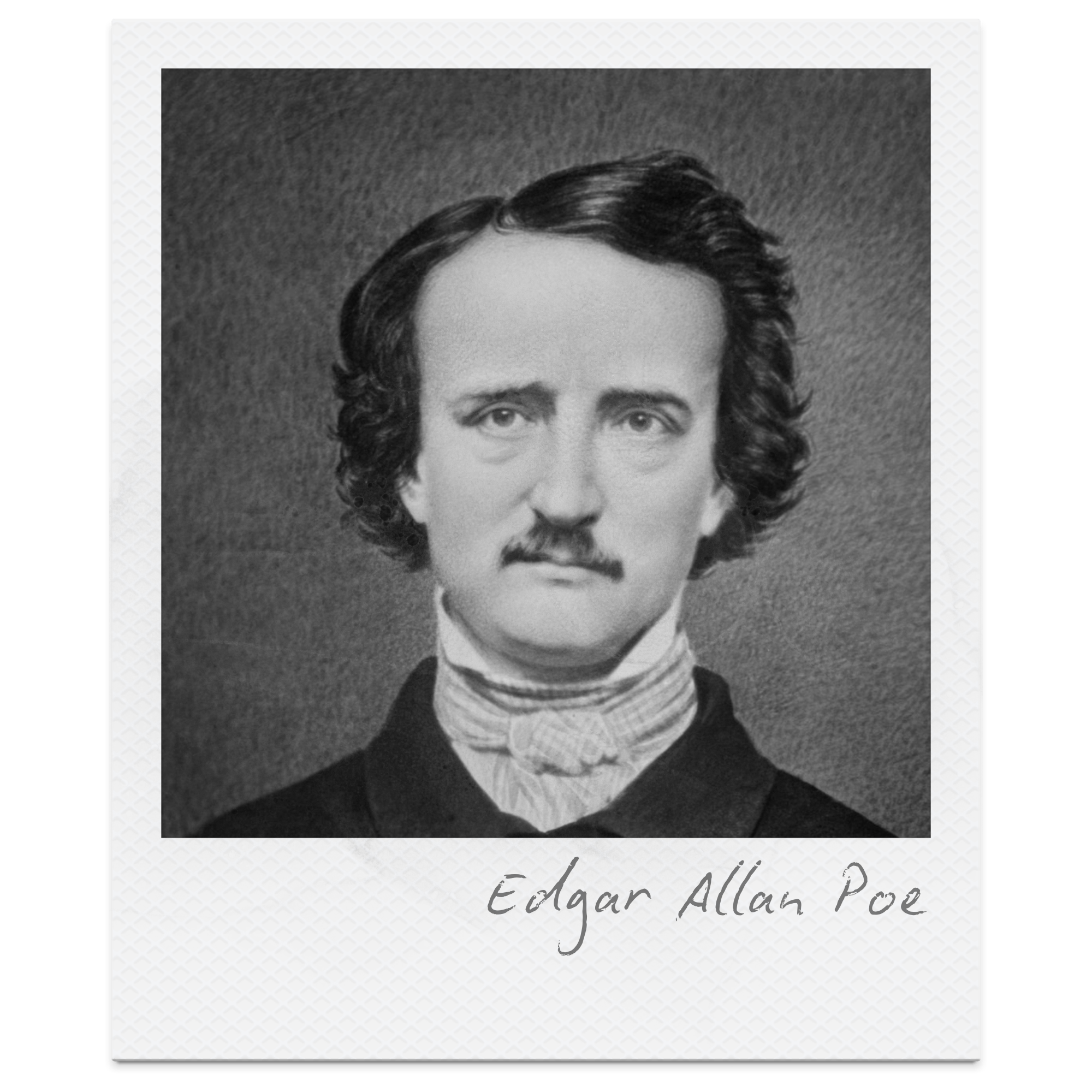
Edgar Allan Poe: Context, Themes, and Literary Significance
Edgar Allan Poe is one of the most widely taught American writers in the secondary English classroom, known for his Gothic fiction, psychological narratives, and influential detective stories. Writing in the early nineteenth century, Poe explored themes of unreliable narration, guilt, obsession, and moral ambiguity, using tightly controlled structure and atmosphere to shape reader interpretation. His work rewards close reading and discussion, making it particularly effective for developing analytical confidence. This guide explores Edgar Allan Poe’s historical context, recurring themes, and literary significance, offering a framework for understanding how his writing operates across poetry and short fiction. Rather than focusing on plot or biography, it examines how Poe uses voice, perspective, and implication to generate meaning, supporting discussion-led teaching and thematic study in the secondary English classroom.
70 Twist-in-the-Tale Writing Prompts for Teens: Unexpected Endings, Reversals & Story Turns
Twist-in-the-tale stories rely on misdirection, withheld information, and narrative control rather than shock. These twist-in-the-tale writing prompts for teens help young writers explore unexpected endings, reversals, and narrative turns through carefully structured plot hooks, opening lines, character ideas, settings, and closing lines that reward hindsight rather than surprise. This collection of 70 Twist-in-the-Tale Writing Prompts is designed for English classrooms, creative writing lessons, and independent practice, supporting short fiction, flash narratives, and longer story projects. By focusing on perspective, reliability, and foreshadowing, the prompts encourage confident, craft-led storytelling where the ending reshapes meaning instead of explaining it.