The Fall of the House of Usher by Edgar Allan Poe: Summary, Themes, Symbolism & Analysis
The Fall of the House of Usher by Edgar Allan Poe is one of the most famous examples of Gothic short fiction, exploring themes of madness, isolation, fear, and the uneasy relationship between mind and environment. The story follows an unnamed narrator who visits his childhood friend Roderick Usher at the decaying Usher mansion, a place surrounded by an atmosphere of illness, anxiety, and psychological dread. From the narrator’s first sight of the building — with its “empty eye-like windows” reflected in the dark lake — the story establishes a powerful mood of unease and impending collapse.
As the narrator spends time inside the house, he discovers that Roderick Usher suffers from a severe nervous disorder and believes the house itself exerts a mysterious influence over his mind. Meanwhile, Roderick’s sister Madeline is slowly dying from a strange illness, and the oppressive atmosphere of the house grows increasingly disturbing. Through this unsettling situation, Poe explores the fragile boundary between sanity and madness, suggesting that fear, grief, and imagination can distort reality itself.
This analysis explores the plot, characters, symbols, and major themes of Poe’s haunting story, showing how the collapsing Usher mansion mirrors the psychological breakdown of the Usher family. If you would like to explore more works by Poe, visit our Edgar AllanPoe Hub, or browse the full Literature Library for additional short story analyses and teaching resources.

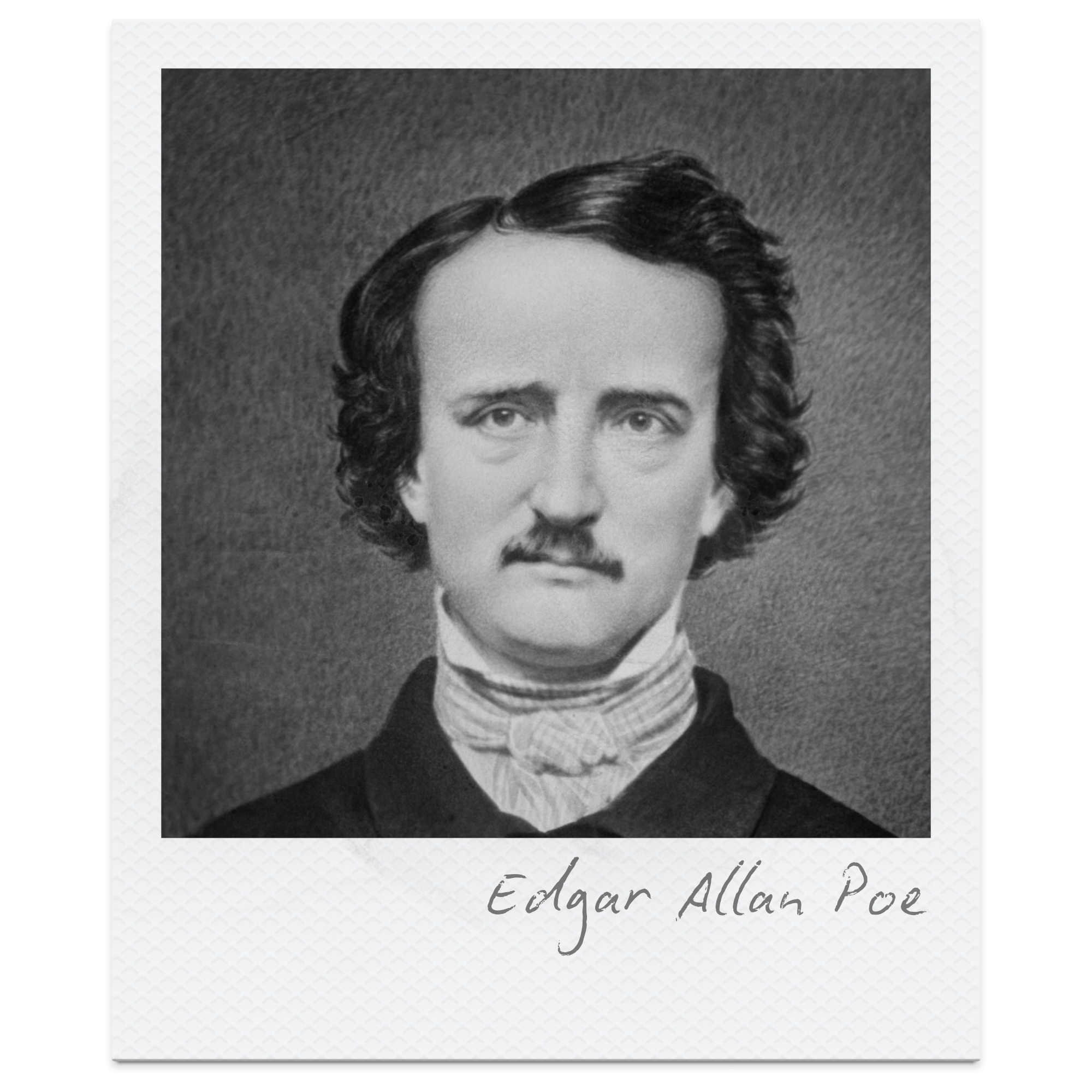
Edgar Allan Poe and the Gothic Context of The Fall of the House of Usher
Edgar Allan Poe is widely regarded as one of the defining writers of Gothic fiction and psychological horror in nineteenth-century literature. Writing during the early nineteenth century, Poe helped shape a darker form of storytelling that focused less on external monsters and more on the disturbing possibilities within the human mind. His stories frequently explore madness, fear, death, and the fragile boundary between imagination and reality. Many of Poe’s works place characters in confined or decaying environments where their psychological state gradually deteriorates, reflecting the Gothic fascination with mental instability, isolation, and the supernatural atmosphere of haunted spaces.
In The Fall of the House of Usher, these Gothic elements combine in one of Poe’s most powerful and symbolic narratives. The Usher mansion itself appears almost alive, its crumbling structure mirroring the psychological decline of the Usher family. Roderick Usher’s extreme sensitivity to sound, light, and emotion reflects Poe’s interest in nervous illness and heightened perception, while the strange connection between the house and its inhabitants suggests the unsettling possibility that environment and mind are deeply intertwined. To explore Poe’s life, literary influences, and the development of his Gothic style in more detail, visit our Edgar Allan Poe Context Post.
The Fall of the House of Usher: At a Glance
Author: Edgar Allan Poe
Published: 1839
Genre: Gothic fiction / psychological horror
Setting: The decaying Usher mansion in a bleak, isolated landscape dominated by a dark lake and dying trees.
Main Conflict: The narrator struggles to understand and help his friend Roderick Usher, whose mind appears to be collapsing under the influence of illness, fear, and the oppressive atmosphere of the family house.
Central Themes: madness, fear, death, isolation, family decay, the relationship between mind and environment, the supernatural in Gothic fiction
Story Meaning (in one sentence):
A haunting exploration of how psychological fear, family decline, and the oppressive influence of environment can lead to both mental and physical collapse.
Plot Summary of The Fall of the House of Usher
The story begins as the unnamed narrator travels through a bleak countryside to visit his childhood friend, Roderick Usher. When he first sees the Usher mansion, he is immediately overcome by a powerful feeling of unease and sadness. The house appears ancient and decaying, surrounded by dead trees and reflected in the dark waters of a nearby lake. Even before entering, the narrator senses something deeply unsettling about the building and the oppressive atmosphere around it.
Inside the mansion, the narrator reunites with Roderick, who has changed dramatically since their youth. Roderick suffers from a mysterious nervous illness that makes him extremely sensitive to light, sound, and touch. He explains that he feels overwhelmed by constant fear and anxiety, and he believes the house itself exerts a strange influence over his mind. The narrator also learns that Roderick’s twin sister, Madeline Usher, is suffering from a mysterious illness that leaves her weak and often in a deathlike state.
Soon after the narrator’s arrival, Madeline appears briefly before disappearing again into the depths of the house. Not long afterward, Roderick announces that she has died. Because of the unusual nature of her illness and the remote location of the Usher family tomb, the two men decide to temporarily place her body in a vault beneath the mansion. As they seal the heavy iron door of the underground chamber, the narrator notices the striking physical resemblance between the twins and senses that Roderick’s mental state is becoming increasingly unstable.
Over the following days, the atmosphere inside the mansion becomes more tense and disturbing. Roderick grows increasingly agitated and restless, wandering the house in fear and claiming to hear strange sounds. One night, during a violent storm, the narrator attempts to calm Roderick by reading aloud from a book. As the story progresses, the sounds described in the book begin to echo through the mansion itself.
Suddenly, the door bursts open and Madeline Usher appears, having been buried alive in the vault below. Covered in blood and clearly weakened from her struggle to escape, she collapses onto her brother. The shock and terror cause Roderick to die instantly. Horrified, the narrator flees the house. As he runs across the bridge outside, he turns back just in time to see the Usher mansion split apart and collapse into the dark lake, bringing an end to both the house and the ancient Usher family line.
Narrative Structure in The Fall of the House of Usher
The Fall of the House of Usher by Edgar Allan Poe builds tension through a carefully controlled Gothic narrative structure. The story gradually moves from an atmosphere of unease to a terrifying climax, with the psychological decline of the Usher family mirrored by the physical decay of their mansion. As the narrator observes the strange events inside the house, each stage of the narrative deepens the sense of fear, madness, and impending collapse.
Exposition
The story opens with the narrator arriving at the Usher mansion, a decaying and isolated building surrounded by a bleak landscape and a dark lake. From the beginning, the narrator describes a powerful feeling of unease and melancholy, establishing the Gothic atmosphere that defines the story. He soon reunites with his childhood friend, Roderick Usher, who is suffering from a severe nervous disorder that heightens his sensitivity to sound, light, and emotion. The narrator also learns about Roderick’s twin sister, Madeline Usher, whose mysterious illness has left her weak and close to death. This opening section introduces the setting, central characters, and the growing sense that something deeply unnatural surrounds the Usher family.
Rising Action
As the narrator spends more time inside the mansion, the atmosphere becomes increasingly oppressive. Roderick’s mental condition worsens, and his behaviour grows more erratic and fearful. When Madeline apparently dies, Roderick decides to place her body temporarily in a vault beneath the house, claiming that the family tomb is too far away. After sealing the iron door of the underground chamber, both men begin to feel the psychological weight of the event. Over the following days, Roderick becomes increasingly agitated, claiming to hear strange sounds within the house.
Climax
The story reaches its dramatic climax during a violent storm. As the narrator attempts to calm Roderick by reading aloud from a book, the sounds described in the story seem to echo through the mansion itself. Suddenly, the door bursts open and Madeline Usher appears, having escaped from the vault where she had been placed. Exhausted and covered in blood from her struggle, she collapses onto her brother. The shock and terror cause Roderick Usher to die instantly, revealing the horrifying truth that she had been buried alive.
Falling Action
After witnessing the terrifying scene, the narrator immediately flees the house in panic. Outside, the storm continues to rage as he runs across the bridge leading away from the mansion. The tension of the story shifts from the shocking revelation inside the house to the narrator’s desperate attempt to escape the unfolding disaster.
Resolution
As the narrator looks back one final time, he sees a deep crack in the front wall of the mansion widen and tear the building apart. The entire structure collapses into the dark lake below, symbolically bringing an end to both the Usher family and the cursed house itself. With the destruction of the mansion, the long and troubled history of the House of Usher finally comes to an end.
Setting in The Fall of the House of Usher
The setting of The Fall of the House of Usher plays a crucial role in establishing the story’s Gothic atmosphere and reinforcing its themes of decay, madness, and family decline. From the narrator’s first arrival, the Usher mansion is described as a place that inspires deep emotional unease. The surrounding landscape appears bleak and lifeless, with dead trees, dark waters, and an overwhelming sense of isolation. The narrator describes the house as having “empty eye-like windows,” an image that immediately suggests something unnatural and unsettling about the building itself.
Inside the mansion, the environment becomes even more oppressive. The rooms are dark and filled with heavy decorations, old furniture, and objects collected from long-forgotten times. Light barely enters through the tall windows, leaving much of the interior hidden in shadow. The narrator explains that the room feels dominated by a “deep cold gloom”, reinforcing the sense that the house itself reflects the declining mental state of its inhabitants.
The Usher mansion also functions as a powerful symbol within the story. The building is ancient and visibly deteriorating, with a crack running down the front wall that hints at its eventual destruction. This physical decay mirrors the psychological breakdown of Roderick Usher and the dying family line. By the end of the story, when the house finally collapses into the lake, the destruction of the building symbolically represents the complete collapse of the Usher family, linking the fate of the house and its inhabitants together.
Characters in The Fall of the House of Usher
The characters in The Fall of the House of Usher by Edgar Allan Poe are closely connected to the story’s themes of madness, fear, and family decline. Poe focuses on a very small cast of characters, allowing the psychological tension between them to dominate the narrative. The strange relationship between the Usher siblings and the narrator’s role as an observer helps intensify the story’s atmosphere of Gothic dread and psychological instability.
Roderick Usher
Roderick Usher represents the theme of psychological collapse. When the narrator first encounters him, he is shocked by how dramatically his friend has changed. Roderick appears pale, fragile, and unnervingly intense. The narrator describes the “horrible white of his skin, and the strange light in his eyes,” emphasising his unnatural appearance and mental instability.
Roderick suffers from a severe nervous disorder that makes him painfully sensitive to light, sound, and physical sensations. More importantly, he lives in constant fear, believing that the house itself exerts a supernatural influence over his mind. At one point he declares, “I shall die… I must die of this fool’s sickness… fear!” revealing how completely terror dominates his thoughts.
His mental state deteriorates rapidly after the apparent death of his twin sister. As the story progresses, Roderick becomes increasingly agitated and paranoid, convinced that something terrible is approaching. When Madeline finally returns after escaping the vault, the shock and terror cause him to die instantly. Through Roderick, Poe explores how fear and imagination can overwhelm reason and destroy the human mind.
Madeline Usher
Madeline Usher is a mysterious and unsettling figure who appears only briefly but has a powerful impact on the narrative. She suffers from a strange illness that leaves her weak and prone to deathlike trances. Her presence in the story is almost ghostly, reinforcing the story’s atmosphere of uncertainty and dread.
Roderick explains that Madeline is the last remaining member of the Usher family besides himself, saying that when she dies he will become “the last of the old, old family — the House of Usher.” This moment emphasises the theme of family decline and the idea that the Usher line is nearing its end.
Madeline’s dramatic return near the end of the story is one of the most shocking moments in Gothic literature. Having been mistakenly buried alive, she escapes the underground vault and collapses onto her brother. Her return represents the terrifying consequences of the family’s psychological and physical decay, and it triggers the final destruction of both Roderick and the Usher house.
The Narrator and Narrative Voice
The narrator plays a crucial role in shaping the reader’s experience of the story. The events are told through a first-person narrative voice, meaning the reader only sees the events through the narrator’s perspective. At the beginning of the story, the narrator appears rational and calm, arriving at the Usher mansion simply to support his old friend. However, from the moment he first sees the building, he admits that a sense of “heavy sadness” filled his spirit.
As the story progresses, the narrator’s perception becomes increasingly influenced by the oppressive atmosphere of the house and by Roderick’s growing fear. Although he tries to explain events logically, he gradually becomes more uncertain about what is real. This creates a sense of narrative ambiguity, leaving readers unsure whether the strange events have supernatural causes or whether they are the result of psychological stress and imagination.
Through this first-person narrative perspective, Poe draws the reader directly into the unsettling atmosphere of the story. The narrator’s gradual loss of certainty mirrors the reader’s own experience, making the psychological horror of the story feel more immediate and disturbing.
Themes in The Fall of the House of Usher
Edgar Allan Poe’s The Fall of the House of Usher explores a range of deeply unsettling themes connected to psychological instability, decay, and the influence of environment on the human mind. Through the gradual collapse of both the Usher family and their ancestral home, Poe constructs a narrative in which mental deterioration, fear, and isolation shape every aspect of the story.
Rather than relying on external monsters or supernatural events, Poe’s Gothic horror emerges from the fragility of the human mind, suggesting that terror often originates within the imagination itself.
Madness
One of the most central themes of the story is madness and psychological deterioration. Roderick Usher suffers from a severe nervous disorder that heightens his senses and fills him with overwhelming anxiety. His erratic behaviour, intense fears, and growing paranoia demonstrate how fragile the human mind can become when isolated from society.
Poe presents madness not simply as illness but as a gradual collapse of reason. Roderick becomes increasingly consumed by fear, convinced that the house itself has influence over him. As the story progresses, the narrator himself begins to experience similar feelings of dread, suggesting that madness may be contagious within an oppressive environment.
Fear
Fear is the driving force behind the events of the story. Roderick repeatedly describes fear itself as his greatest enemy, suggesting that terror arises not from physical danger but from the anticipation of suffering.
Poe emphasises how imagination intensifies fear. Roderick becomes terrified not of specific threats but of the possibility of what might happen. This psychological anticipation creates a constant state of anxiety that ultimately destroys him. The story suggests that fear can grow so powerful that it overwhelms reason and consumes the mind.
Death
Death is present throughout the story, shaping both the atmosphere and the characters’ behaviour. The Usher house is surrounded by images of decay, lifelessness, and deterioration, while Madeline Usher’s mysterious illness constantly reminds readers of the proximity of death.
However, Poe complicates this theme by blurring the boundary between life and death. Madeline appears to die, yet later returns from the vault in one of the most shocking moments of the story. This uncertainty reflects a common Gothic fascination with premature burial, the fragility of life, and the fear of death itself.
Isolation
The Usher family exists in almost complete isolation from the outside world. Their ancestral home stands alone in a bleak landscape, separated from society and surrounded by a silent lake and decaying trees.
This isolation has profound psychological consequences. Without outside contact or influence, Roderick becomes trapped within his own thoughts and fears. Poe suggests that isolation allows anxiety and imagination to grow unchecked, eventually leading to psychological collapse.
The house itself symbolises this isolation, functioning as a physical barrier separating the Ushers from the wider world.
Family Decay
The decline of the Usher family represents another major theme. The narrator explains that the family line has never expanded into many branches, suggesting that the Ushers have remained unusually isolated and closely connected for generations.
This lack of growth symbolises genetic and social stagnation, implying that the family has gradually weakened over time. By the end of the story, both Roderick and Madeline die, bringing the ancient bloodline to an end.
The final destruction of the house therefore represents not only the collapse of a building but the extinction of an entire family lineage.
The Relationship Between Mind and Environment
Poe repeatedly suggests that the physical environment influences the human mind. From the moment the narrator first sees the Usher mansion, he experiences an unexplained sense of dread.
Roderick himself believes that the house has gained a mysterious power over him, claiming that the stones, plants, and surrounding landscape affect his mental state. Whether this belief is supernatural or psychological remains uncertain, but Poe uses it to explore the idea that place can shape emotional and psychological experience.
The decaying mansion therefore becomes a symbolic reflection of the deteriorating minds of its inhabitants.
The Supernatural in Gothic Fiction
Although the story contains no clearly confirmed supernatural events, Poe creates a persistent sense that something unnatural may be present within the Usher house. The atmosphere of the building, the mysterious illness affecting Madeline, and the eerie return from the vault all contribute to this uncertainty.
However, Poe deliberately leaves these events ambiguous. Rather than presenting obvious supernatural forces, the story suggests that the most frightening possibilities may emerge from human perception and psychological instability.
This ambiguity is a key feature of Gothic fiction, where the boundary between the supernatural and the psychological is often deliberately blurred.
Key Quotes from The Fall of the House of Usher
Edgar Allan Poe’s The Fall of the House of Usher contains a number of striking passages that reveal the story’s Gothic atmosphere, psychological horror, and the gradual collapse of the Usher family. Poe uses vivid description, symbolic imagery, and a deeply unreliable narrative perspective to create a world where the boundary between reality and imagination becomes increasingly unstable.
The following quotations highlight how Poe develops setting, character, and the central themes of fear, decay, and psychological collapse.
Quotes About Setting and Atmosphere
Poe’s description of the Usher estate establishes the story’s oppressive Gothic setting from the very beginning. The house and surrounding landscape appear lifeless and decaying, creating an atmosphere in which the environment itself seems to influence the narrator’s emotions and perceptions. Through pathetic fallacy, symbolic imagery, and unsettling sensory description, Poe creates a setting that reflects the psychological decline of the Usher family.
“It was a dark and soundless day near the end of the year, and clouds were hanging low in the heavens.”
◆ The adjectives “dark” and “soundless” establish a Gothic atmosphere of emptiness and isolation, creating an unsettling silence before the events of the story unfold.
◆ Poe uses pathetic fallacy, with the heavy clouds mirroring the narrator’s growing unease and anticipation of something disturbing.
◆ The phrase “near the end of the year” subtly reinforces themes of decline, endings, and decay, foreshadowing the collapse of the Usher family.
“With my first sight of the building, a sense of heavy sadness filled my spirit.”
◆ The noun phrase “heavy sadness” suggests emotional weight, implying that the house exerts a powerful psychological influence on the narrator.
◆ Poe deliberately avoids explaining the reason for this reaction, creating a sense of mysterious dread typical of Gothic fiction.
◆ The verb “filled” suggests that the emotion is overwhelming and unavoidable, reinforcing the idea that the environment itself is oppressive.
“The cold stone walls of the building — its empty eye-like windows — and a few dead trees.”
◆ The simile “eye-like windows” personifies the house, making it appear as if it is watching the narrator, which adds to the sense of unease.
◆ The adjective “empty” suggests lifelessness and abandonment, reinforcing the theme of decay and isolation.
◆ The imagery of “dead trees” contributes to a wider semantic field of death, foreshadowing the fate of the Usher family.
“I stopped my horse beside the building, on the edge of a dark and quiet lake.”
◆ The adjectives “dark” and “quiet” continue the atmosphere of eerie stillness that dominates the setting.
◆ The lake functions symbolically as a mirror, reflecting the house and reinforcing the idea that the building and its surroundings are inseparable.
◆ Water imagery often represents the subconscious mind, suggesting that the narrator is entering a space where psychological fears will emerge.
“It was a sickly, unhealthy air that I could see, slow-moving, heavy, and gray.”
◆ The adjectives “sickly” and “unhealthy” create imagery associated with disease, reinforcing the idea that both the house and its inhabitants are decaying.
◆ Poe’s description of air that can be “seen” blurs the boundary between reality and imagination, suggesting that the narrator’s perceptions may be unreliable.
◆ The imagery of “slow-moving” and “heavy” air creates a
Quotes About Roderick Usher and Madness
Roderick Usher represents one of Poe’s most striking portrayals of psychological deterioration. Throughout the story, Poe presents him as a figure overwhelmed by fear, nervous illness, and heightened sensory perception. Through detailed physical description, fragmented speech, and expressions of terror, Poe explores how madness, anxiety, and inherited decay gradually destroy both Roderick’s mind and body.
“The horrible white of his skin, and the strange light in his eyes.”
◆ The adjective “horrible” suggests that Roderick’s appearance is not simply pale but unnatural and disturbing, reinforcing the Gothic tone of the story.
◆ The imagery of “white” skin evokes death and illness, suggesting that Roderick already resembles a corpse long before his actual death.
◆ The phrase “strange light in his eyes” implies instability and intensity, hinting at his unbalanced mental state and growing psychological disturbance.
“His actions were first too quick and then too quiet.”
◆ The contrast between “too quick” and “too quiet” highlights Roderick’s erratic behaviour, suggesting that his emotions and reactions are unstable.
◆ Poe uses antithesis to reflect the unpredictable nature of Roderick’s mental state, reinforcing the sense that his mind is losing control.
◆ The sudden shifts in behaviour contribute to the story’s atmosphere of psychological tension and unease.
“He suffered much from a sickly increase in the feeling of all the senses.”
◆ The phrase “sickly increase” suggests that Roderick’s heightened senses are not a gift but a symptom of illness.
◆ Poe introduces the idea of sensory hypersensitivity, which reflects Roderick’s fragile psychological state and inability to tolerate normal stimuli.
◆ This exaggerated sensitivity emphasises how deeply Roderick is trapped within his own anxiety and nervous fear.
“I shall die… I must die of this fool’s sickness.”
◆ The repetition of “I shall die… I must die” emphasises Roderick’s overwhelming sense of fatalism and inevitability.
◆ The fragmented structure of the sentence mirrors his panic and emotional instability, suggesting that his thoughts are disordered.
◆ The phrase “fool’s sickness” suggests self-awareness, implying that Roderick recognises his fear as irrational but cannot escape it.
“I fear what will happen in the future, not for what happens, but for the result of what happens.”
◆ This line reveals that Roderick’s greatest terror lies not in events themselves but in the anticipation of consequences, highlighting his obsessive anxiety.
◆ The repetition of the word “happens” creates a circular structure that reflects the endless cycle of fear within his mind.
◆ Poe suggests that psychological horror can arise not from external threats but from the human imagination and anticipation of disaster.
“Fear! I feel that the time will soon arrive when I must lose my life, and my mind, and my soul.”
◆ The isolated exclamation “Fear!” emphasises that terror itself has become the central force governing Roderick’s life.
◆ The triplet structure — “life, mind, and soul” — suggests total destruction, implying that fear will consume every part of his existence.
◆ Poe portrays fear not merely as an emotion but as a destructive psychological force capable of destroying identity and sanity.
Quotes About the Usher Family and Decay
Throughout the story, Poe links the physical decline of the Usher mansion with the degeneration of the Usher bloodline. The family is presented as isolated, fragile, and gradually collapsing under the weight of its own history. Through symbolism, description, and the eerie relationship between Roderick and Madeline, Poe suggests that the fate of the house and the fate of the family are inseparable.
“When people spoke of the ‘House of Usher,’ they included both the family and the family home.”
◆ Poe deliberately merges the meanings of “house” as both building and family, suggesting that the physical mansion symbolises the Usher bloodline itself.
◆ This dual meaning introduces a central Gothic idea: that the decay of the house reflects the decline of the family.
◆ The phrase emphasises how closely the Ushers are tied to their environment, reinforcing the theme that heritage and place shape identity.
“The family had never been a large one, with many branches.”
◆ The metaphor of “branches” suggests a family tree, highlighting the lack of expansion within the Usher lineage.
◆ This imagery implies genetic isolation, hinting at the possibility of inbreeding within the family line.
◆ Poe uses this detail to foreshadow the inevitable extinction of the Usher family.
“When she dies, I will be the last of the old, old family — the House of Usher.”
◆ The repetition of “old, old” emphasises the ancient nature of the family while also suggesting exhaustion and decline.
◆ Roderick’s statement reveals that the Usher line is on the verge of extinction, heightening the sense of inevitable collapse.
◆ By directly linking Madeline’s death to the end of the family, Poe reinforces the fragile and isolated nature of the Usher bloodline.
“For that reason the understanding between them had always been great, and the tie that held them together very strong.”
◆ The phrase “tie that held them together” suggests an unusually intense bond between Roderick and Madeline.
◆ As twins who have lived in isolation, their relationship appears almost unnaturally close, which many readers interpret as hinting at incestuous undertones.
◆ Poe uses this closeness to reinforce the Gothic theme of family isolation and psychological dependence.
“There was still a little color in her face and there seemed to be a smile on her lips.”
◆ This description creates unsettling uncertainty about whether Madeline is truly dead, heightening the story’s tension.
◆ The imagery of life remaining in her face foreshadows the horror of her eventual return from the vault.
◆ Poe uses this moment to blur the boundary between life and death, a common Gothic theme.
“The deep black lake closed darkly over all that remained of the house of Usher.”
◆ The verb “closed” suggests finality, symbolising the complete destruction of both the mansion and the Usher family line.
◆ The repetition of “darkly” and “black” reinforces the Gothic imagery of death and oblivion.
◆ Poe ends the story with a powerful symbol of total collapse, implying that the corruption of the Usher family has finally consumed itself.
Quotes About Fear and Psychological Horror
Fear is the central force driving the events of The Fall of the House of Usher. Poe presents terror not as a response to external danger but as a psychological condition that consumes the mind. Through repetition, fragmented speech, and descriptions of heightened anxiety, Poe shows how fear gradually overwhelms both Roderick Usher and the narrator, creating an atmosphere where imagination and reality begin to merge.
“I have, indeed, no fear of pain, but only fear of its result — of terror.”
◆ The repetition of the noun “fear” emphasises how completely terror dominates Roderick’s thoughts and identity.
◆ The phrase “fear of its result” reveals that his anxiety comes not from actual events but from anticipating their consequences, highlighting the psychological nature of the horror.
◆ Poe suggests that the greatest source of terror is the human imagination, which magnifies uncertainty and expectation.
“I feel that the time will soon arrive when I must lose my life, and my mind, and my soul.”
◆ The triplet structure “life, mind, and soul” suggests total destruction, implying that fear will consume every aspect of Roderick’s existence.
◆ The modal verb “must” conveys inevitability, reinforcing Roderick’s belief that his fate is unavoidable.
◆ Poe presents fear as a powerful psychological force capable of destroying both body and identity.
“At times he sat looking at nothing for hours, as if listening to some sound I could not hear.”
◆ The phrase “looking at nothing” highlights Roderick’s growing detachment from reality, suggesting a mind overwhelmed by internal fears.
◆ The narrator’s observation that he listens to sounds “I could not hear” introduces ambiguity about whether the threat is real or imagined.
◆ Poe uses this moment to create psychological tension, implying that terror may originate within the mind itself.
“A trembling I could not stop filled my body, and fear without reason caught my heart.”
◆ The physical description of “trembling” shows how fear affects the body as well as the mind.
◆ The phrase “fear without reason” suggests irrational terror, reinforcing the idea that the narrator is being influenced by the same psychological instability affecting Usher.
◆ Poe gradually allows fear to spread from Roderick to the narrator, intensifying the story’s atmosphere of dread.
“We have put her living in the vault!”
◆ The exclamatory sentence reflects Roderick’s sudden panic and guilt, revealing the horrifying realisation that Madeline was buried alive.
◆ The verb “put” implies deliberate action, heightening the sense of responsibility and horror surrounding the event.
◆ This moment marks the climax of the psychological tension, as Roderick’s fears finally become terrifying reality.
“He too was dead, killed by his own fear.”
◆ Poe emphasises that Roderick does not die from physical violence but from psychological terror, reinforcing fear as the story’s most destructive force.
◆ The phrase “his own fear” highlights the idea that the true threat comes from within the mind.
◆ This conclusion reinforces the Gothic theme that human imagination and anxiety can be more dangerous than any supernatural force.
Literary Techniques in The Fall of the House of Usher
Edgar Allan Poe uses a range of literary techniques to create the intense atmosphere of psychological horror that defines The Fall of the House of Usher. Rather than relying on external monsters or overt supernatural events, Poe builds tension through symbolism, foreshadowing, sensory imagery, and narrative perspective. These techniques allow the story to explore deeper themes of madness, fear, decay, and the fragile boundary between imagination and reality.
Symbolism
Symbolism plays a crucial role in the story, particularly through the image of the Usher mansion itself. The house is not simply a setting but a symbol of the Usher family’s psychological and physical decline.
The narrator notices that the building appears ancient and decaying, with a barely visible crack running down the wall. This structural weakness symbolises the fragile state of the Usher family line. Just as the house is slowly collapsing, so too are the lives and minds of its inhabitants.
The surrounding lake also functions symbolically. It reflects the image of the house, suggesting a distorted mirror of reality and reinforcing the theme that the Ushers are trapped within their own psychological world.
Foreshadowing
Poe carefully plants hints throughout the story that foreshadow the final catastrophe. One of the most important examples is the small crack in the front wall of the mansion, which the narrator notices during his first view of the house. At first the damage appears minor, but by the end of the story the building splits apart completely and sinks into the lake.
Another example occurs when Madeline appears to die yet shows signs that she may still be alive. Her faint colour and lifelike appearance suggest that something is not quite right, preparing the reader for the terrifying moment when she later returns from the vault.
These early hints create a sense of inevitable tragedy, making the final collapse feel both shocking and unavoidable.
Imagery
Poe relies heavily on vivid imagery to create the story’s dark and oppressive atmosphere. The descriptions of the Usher house emphasise lifelessness and decay, with references to dead trees, grey walls, and dark water.
Colour imagery also plays an important role. Words associated with darkness and sickness — such as black, grey, and pale — appear repeatedly throughout the story, reinforcing the sense that both the house and its inhabitants are slowly deteriorating.
This imagery creates a world that feels both physically and emotionally suffocating, reflecting the characters’ psychological distress.
Sensory Imagery and Sound
Poe also uses detailed sensory description to heighten the reader’s sense of tension. Roderick Usher’s illness causes him to experience extreme sensitivity to sound, light, and texture, which contributes to the story’s atmosphere of discomfort.
Later in the narrative, subtle sounds within the house gradually build suspense. The narrator hears distant noises while reading aloud during the storm, and these sounds appear to echo events described in the story he is reading. This technique blurs the boundary between fiction and reality, intensifying the horror of Madeline’s eventual return.
Through these sensory details, Poe allows the reader to experience the growing tension alongside the characters.
Narrative Voice and Unreliable Perception
The story is told through a first-person narrator, whose perceptions shape everything the reader experiences. Because the narrator himself begins to feel the oppressive atmosphere of the house, it becomes difficult to determine whether the events of the story are truly supernatural or simply the result of psychological influence.
As the narrator spends more time in the mansion, he begins to experience the same sense of dread that affects Roderick Usher. This gradual shift in perception suggests that the narrator may be becoming psychologically influenced by the environment, making his perspective increasingly unreliable.
Poe uses this narrative technique to maintain ambiguity, allowing readers to question whether the horrors of the story are caused by supernatural forces or by the fragile human mind.
Gothic Conventions
Finally, Poe employs many traditional elements of Gothic fiction. The story takes place in an isolated, decaying mansion surrounded by bleak natural scenery, a setting typical of Gothic literature.
Themes of family decline, premature burial, madness, and death reinforce the genre’s fascination with psychological and emotional extremes. The presence of mysterious illness, unsettling atmosphere, and the blurred boundary between life and death all contribute to the story’s deeply unsettling tone.
Through these Gothic conventions, Poe creates a narrative that explores the darker aspects of human experience while maintaining an enduring sense of mystery.
Alternative Readings of The Fall of the House of Usher
Literary texts often allow multiple interpretations depending on how readers approach the story. Edgar Allan Poe’s The Fall of the House of Usher can be understood in several different ways, particularly because Poe deliberately blurs the boundary between psychological explanation and supernatural possibility. The following interpretations offer different perspectives on the meaning of the story.
Psychological Reading
From a psychological perspective, the events of the story can be interpreted as the result of mental instability and shared fear rather than supernatural forces.
Roderick Usher suffers from a severe nervous disorder that heightens his senses and overwhelms him with anxiety. His obsession with fear and illness suggests that much of the horror may originate within his own mind. As the narrator spends more time in the oppressive environment of the Usher mansion, he begins to experience similar feelings of dread and paranoia.
This interpretation suggests that the strange events of the story — including Madeline’s return — may not be supernatural at all, but rather the result of psychological breakdown, guilt, and heightened imagination.
Gothic / Supernatural Reading
Another interpretation views the story as a genuinely supernatural Gothic narrative. Throughout the story, Poe hints that the Usher mansion itself may possess a mysterious influence over its inhabitants.
Roderick believes that the house and the surrounding landscape have developed a power over his spirit. The strange atmosphere surrounding the building, the unnatural stillness of the lake, and the eerie timing of Madeline’s return all contribute to a sense that the house may be alive or haunted in some way.
In this interpretation, the collapse of the mansion at the end of the story represents the destruction of a place that has long been corrupted by supernatural forces.
Symbolic Reading
A symbolic interpretation focuses on the idea that the Usher house represents the human mind. In this reading, the mansion’s gradual deterioration mirrors the psychological breakdown of Roderick Usher.
The crack in the wall symbolises a hidden weakness within the Usher family, while the oppressive atmosphere of the house reflects the growing instability of Roderick’s thoughts. Madeline’s return from the vault can also be interpreted symbolically, representing the return of repressed fears and emotions that Roderick has attempted to bury.
From this perspective, the final destruction of the house represents the complete collapse of Roderick’s mind, suggesting that psychological instability ultimately leads to self-destruction.
Degenerate Bloodline and Incestuous Isolation
Another interpretation focuses on the possibility that the Usher family has become genetically and socially isolated over generations, leading to physical and psychological degeneration.
The narrator explains that the Usher family has “never been a large one, with many branches,” suggesting that the bloodline has not spread outward through marriage into other families. Instead, the family line has remained unusually narrow and concentrated. This lack of expansion has led some readers to interpret the Ushers as a degenerate aristocratic lineage, weakened by generations of isolation.
The extremely intense relationship between Roderick and Madeline, who are twins and the last remaining members of the family, further strengthens this interpretation. Their emotional and psychological connection appears unusually powerful, suggesting a bond that may go beyond ordinary sibling attachment.
From this perspective, the collapse of the Usher mansion symbolises the inevitable destruction of a corrupted and declining bloodline. The extinction of the family therefore becomes both a personal tragedy and a Gothic warning about the dangers of social and genetic isolation.

Teaching Ideas for The Fall of the House of Usher
Edgar Allan Poe’s The Fall of the House of Usher offers rich opportunities for classroom exploration. Its combination of Gothic atmosphere, psychological horror, symbolism, and unreliable narration allows students to practise both close language analysis and creative interpretation. The following activities help students engage with the story’s themes while developing analytical and creative skills.
1. Prediction Activity
Before revealing the final section of the story, ask students to pause after Madeline is placed in the vault. At this point, students can discuss what they believe will happen next and identify clues that may foreshadow the ending.
Encourage students to consider details such as the crack in the wall, the atmosphere of the house, and the unusual bond between Roderick and Madeline. This activity helps students recognise how writers use foreshadowing and tension to guide reader expectations.
2. Symbolism Investigation
Students can explore how Poe uses symbolic imagery throughout the story. Ask them to identify recurring symbols such as the Usher mansion, the lake, and the crack in the building.
Working in pairs or small groups, students can analyse how these symbols reflect the themes of family decay, psychological instability, and the relationship between environment and the human mind. This activity encourages students to move beyond plot summary and develop deeper analytical responses.
3. Character Debate
The story raises an interesting question about responsibility: who is truly responsible for the tragic ending?
Students can debate whether the catastrophe is caused primarily by:
Roderick Usher’s psychological instability
The influence of the house and environment
The isolation of the Usher family
The narrator’s failure to recognise what is happening
This activity encourages students to consider multiple interpretations of the story and to support their ideas with textual evidence.
4. Model Analytical Paragraph (PETAL)
Students often benefit from seeing an example of a strong analytical paragraph before attempting their own responses. One useful activity is to provide a model paragraph using the PETAL structure (Point, Evidence, Technique, Analysis, Link) and ask students to assess it using a mark scheme before improving or expanding the response.
Start by giving students an essay-style question such as:
How does Poe use setting to create a sense of fear and psychological unease in The Fall of the House of Usher?
Students can then read and evaluate the following analytical paragraph.
Example PETAL Paragraph
Poe uses the setting of the Usher mansion to create a powerful atmosphere of psychological fear. At the beginning of the story, the narrator describes the house as having “empty eye-like windows.” The simile is an important technique here because it personifies the building, suggesting that the house itself is watching those who approach it. This imagery makes the mansion appear alive and threatening, reinforcing the idea that the environment is connected to the psychological state of its inhabitants. By presenting the house as something unsettling and almost human, Poe creates a Gothic atmosphere that immediately fills both the narrator and the reader with unease.
Students can then:
identify the Point, Evidence, Technique, Analysis, and Link
use a mark scheme to evaluate the paragraph
improve it by adding further language analysis or contextual ideas
This activity helps students practise recognising the features of a strong analytical paragraph while developing their confidence in structuring literary analysis.
5. Classroom Resources
Teaching a Gothic short story like The Fall of the House of Usher often requires a mixture of discussion, creative tasks, and structured analysis. To support this, I’ve created a comprehensive classroom bundle designed to help teachers explore Poe’s story without spending hours preparing materials.
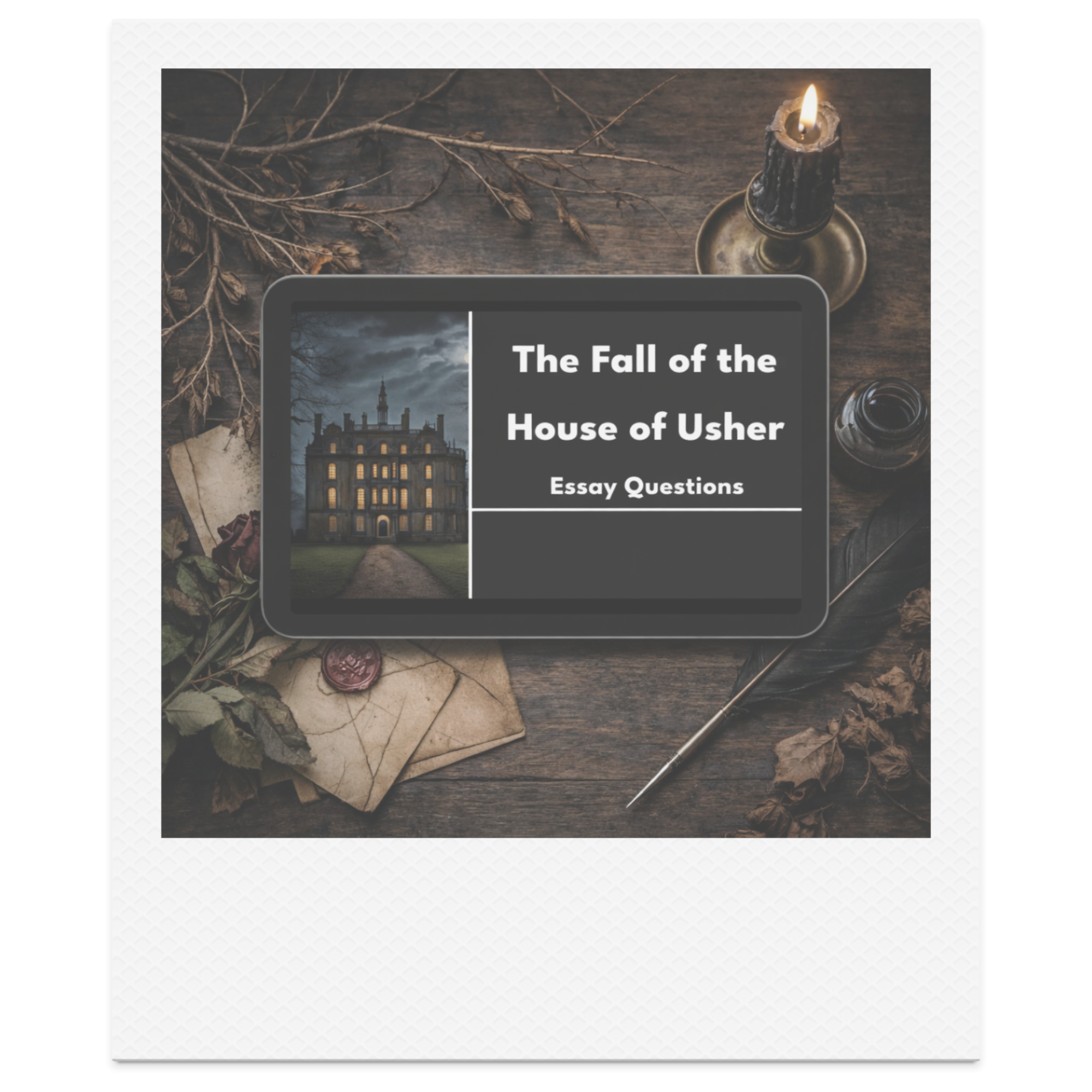
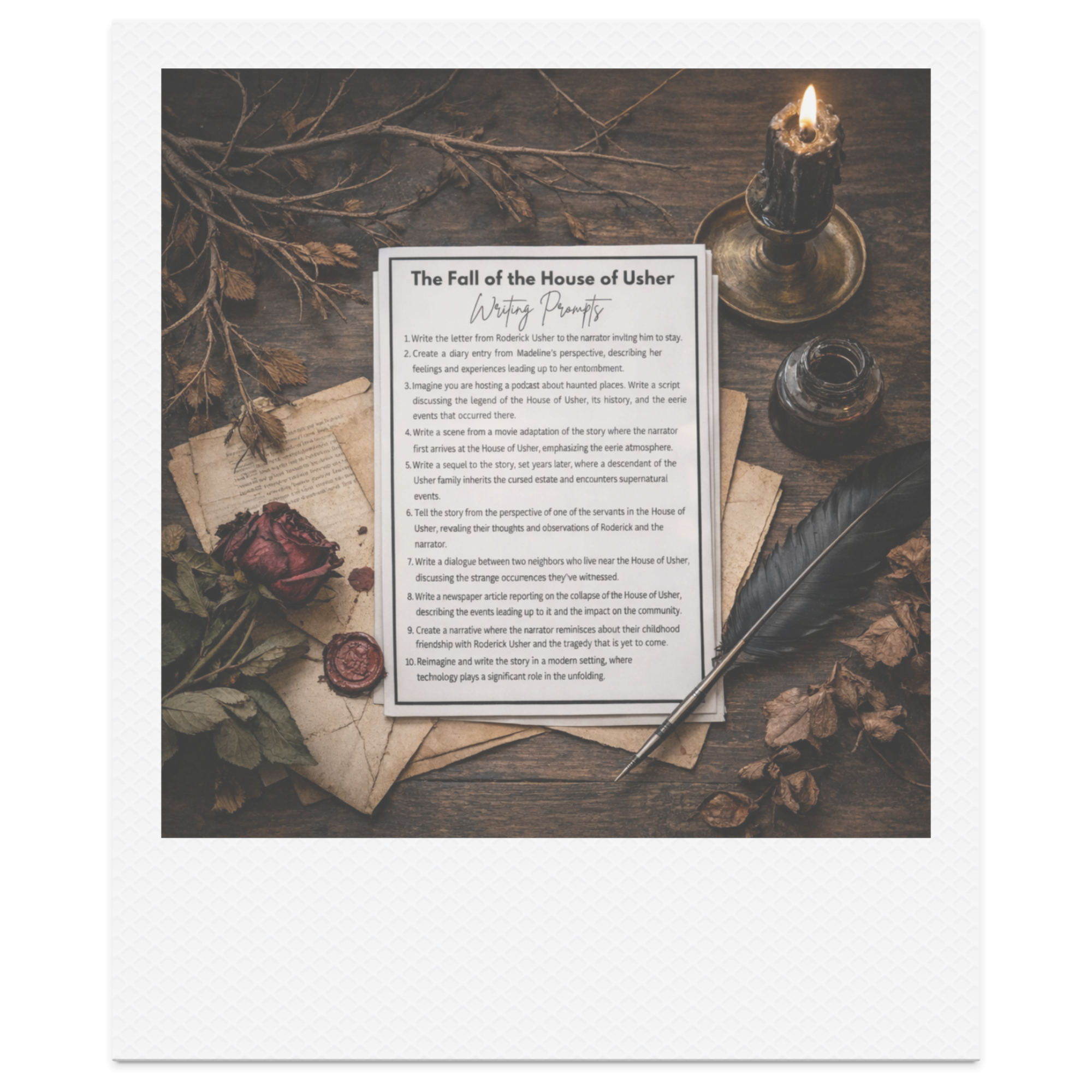
The Fall of the House of Usher Teaching Bundle includes a wide range of ready-to-use activities that help students engage with the story from multiple angles. These include a self-grading digital quiz for quick comprehension checks, creative writing prompts (both printable and editable Google Slides versions), and a selection of interactive review activities such as a bingo game, crossword, and word search that reinforce key ideas from the text.
The bundle also includes more analytical classroom tools, such as a Roll the Dice discussion board, silent debate questions, and a set of 15 essay questions designed to encourage deeper critical thinking about the story’s themes and symbolism. For creative exploration, there are post-reading creative tasks and a set of 20 atmospheric picture prompts with five-senses worksheets, helping students develop descriptive writing inspired by Poe’s Gothic setting.
Together, these activities provide comprehensive coverage of the story’s plot, characters, themes, and literary techniques, while also keeping students actively engaged through varied formats. Because the resources are ready to use and adaptable for both in-person and digital classrooms, they can save significant preparation time while still supporting meaningful literary analysis.
Teachers who want a full set of activities for teaching Poe’s story can explore the bundle here:
◆ The Fall of the House of Usher Teaching Bundle
6. Springboard into Creative Writing
After analysing The Fall of the House of Usher, students are often inspired to experiment with writing their own Gothic fiction. Poe’s story provides an excellent model for exploring how writers create atmosphere, tension, and psychological unease through setting, imagery, and symbolism.
One way to extend learning is to ask students to apply the techniques they have studied in the story to their own creative work. For example, students could write a short scene set in an abandoned or unsettling location, focusing on how description of environment can influence the mood of the story. They might also explore how a narrator’s perspective shapes the reader’s understanding of events, experimenting with unreliable narration or psychological tension.
Students could also revisit a key moment from the story and rewrite it from another perspective. For instance, they might imagine the events of the story from Madeline Usher’s point of view, or write a continuation describing the narrator’s experience after escaping the collapsing mansion. These exercises help students recognise how authors use narrative voice, atmosphere, and symbolism to shape a reader’s response.
For further inspiration, students can explore the Gothic Writing Hub, which collects a range of prompts and activities designed to help writers experiment with dark settings, psychological tension, and eerie imagery. You can also browse the Creative Writing Archive, which includes themed prompt collections across multiple genres and styles, providing students with ideas for developing their own stories.
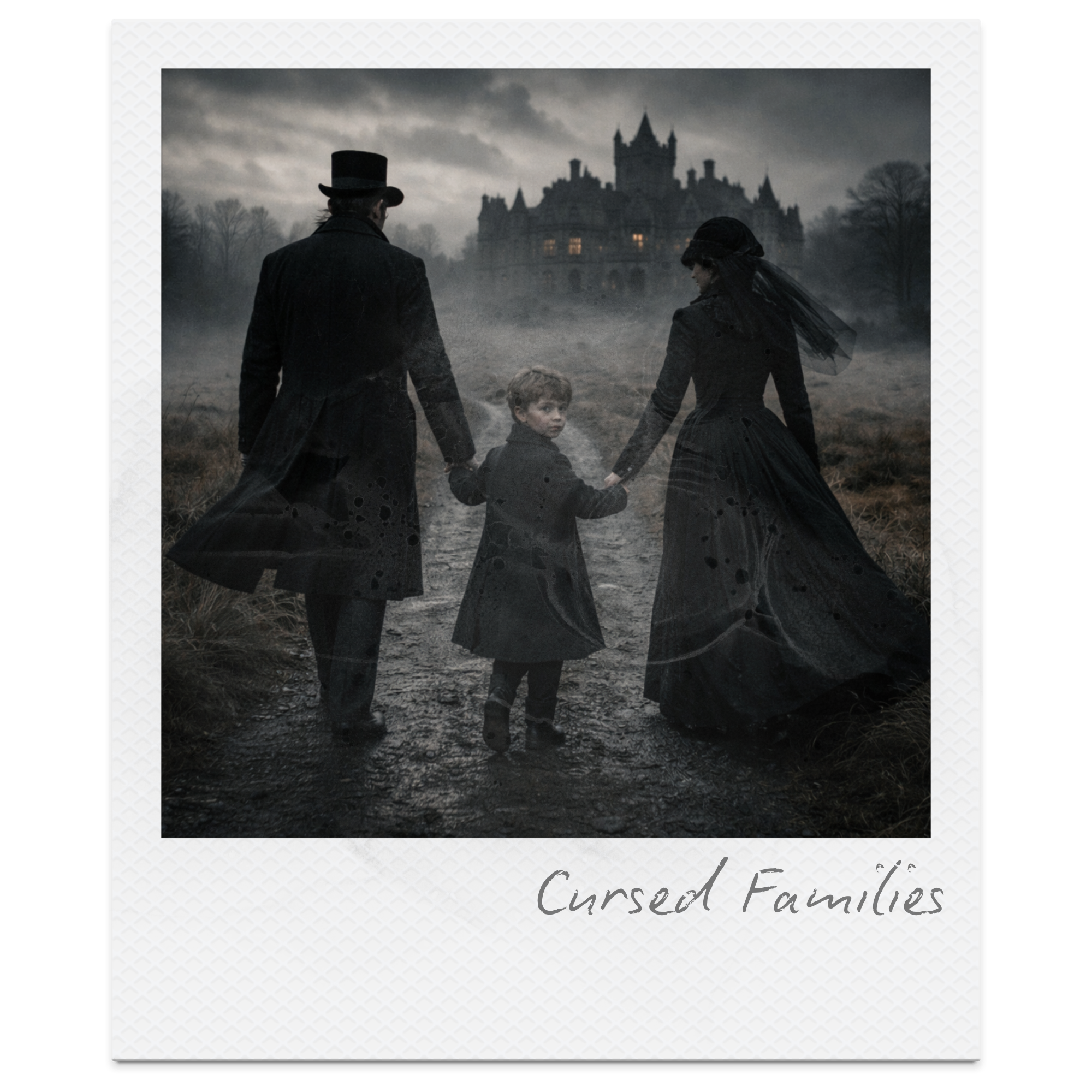
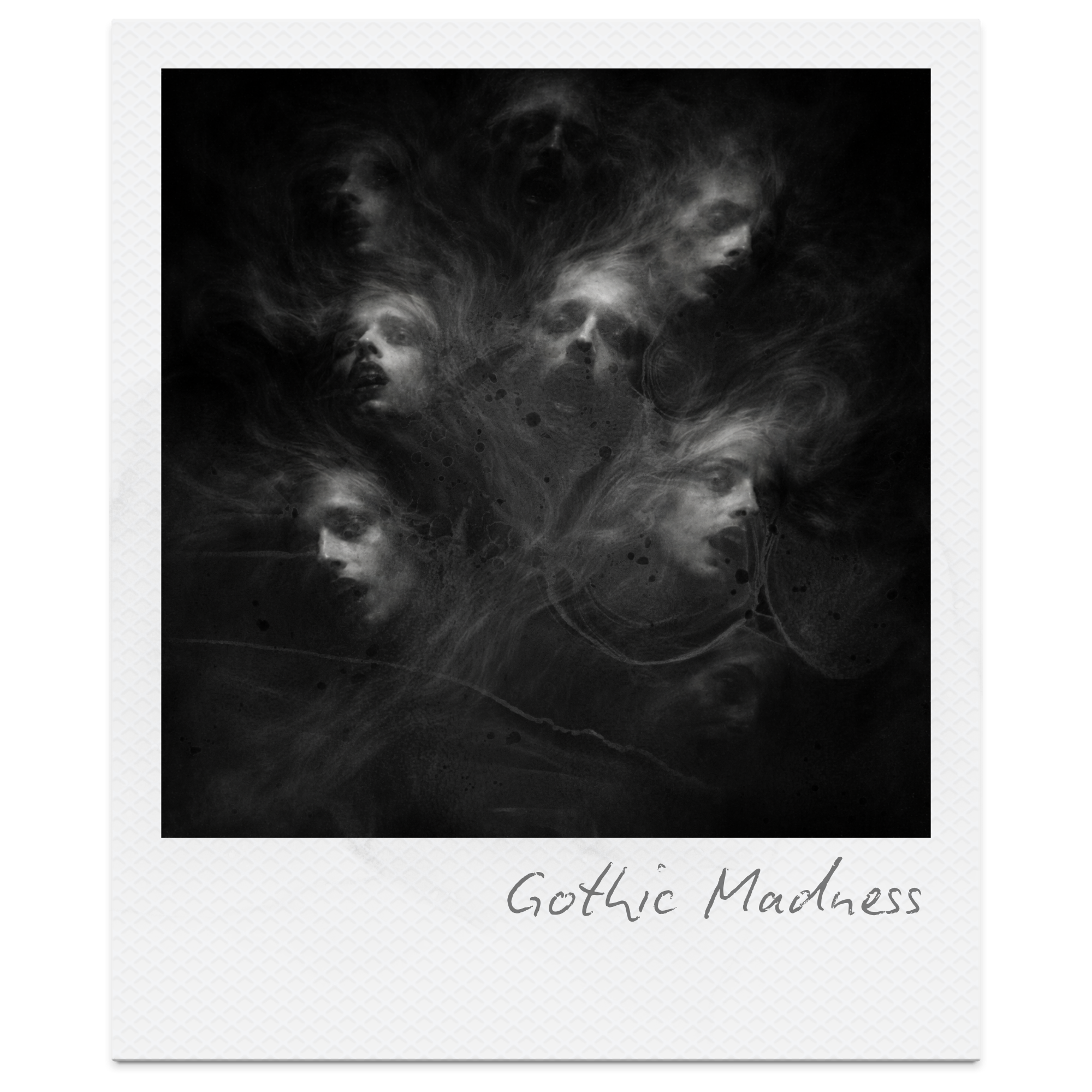
Below, you’ll find a Polaroid gallery of creative writing prompt collections that connect particularly well with the atmosphere and themes of Poe’s story. These prompts encourage students to experiment with Gothic settings, mysterious houses, and psychological suspense, helping them move from analysing literature to creating their own imaginative work.
Go Deeper: Exploring Similar Gothic Stories
The Fall of the House of Usher sits at the heart of Gothic literature, combining psychological horror, atmospheric setting, and themes of decay and madness. Students who study the story often benefit from comparing it with other texts that explore similar ideas, particularly those that examine fear, unreliable perception, and the darker side of human psychology.
Many of Edgar Allan Poe’s stories return to these themes, making them excellent companion texts in the classroom. Teachers looking to expand a Gothic unit can explore a range of related stories that highlight Poe’s fascination with madness, guilt, death, and the fragile boundary between imagination and reality.
For a broader overview of how Poe’s works can be used across different lessons and themes, see: Teaching Edgar Allan Poe in the Secondary English Classroom
Edgar Allan Poe Stories That Work Well in the Classroom
Several of Poe’s stories pair particularly well with The Fall of the House of Usher because they explore similar Gothic ideas while offering slightly different narrative approaches.
◆ The Tell-Tale Heart – Like Usher, this story explores the theme of psychological madness through an unreliable narrator whose perception of reality gradually breaks down.
◆ The Black Cat – This disturbing story examines guilt, violence, and moral corruption, offering a powerful example of how Poe uses first-person narration to reveal a character’s psychological collapse.
◆ The Masque of the Red Death – A symbolic tale about death and inevitability, this story can be compared with Usher for its use of Gothic imagery and allegory.
◆ The Cask of Amontillado – This story explores themes of revenge, deception, and hidden cruelty, providing another example of Poe’s fascination with dark aspects of human behaviour.
◆ The Pit and the Pendulum – A tense exploration of fear and psychological torture, demonstrating Poe’s ability to create suspense through sensory description and atmosphere.
Exploring the Gothic Tradition
The Fall of the House of Usher also works well within a wider exploration of Gothic fiction. The story contains many classic Gothic elements, including an isolated mansion, family decay, psychological instability, and a constant sense of impending doom.
Students interested in exploring the genre further can browse the Gothic Writing Hub, which collects creative prompts and activities inspired by Gothic settings, eerie landscapes, and unsettling psychological themes.
These resources can help students see how the techniques Poe uses in The Fall of the House of Usher continue to influence writers today.
Final Thoughts
Edgar Allan Poe’s The Fall of the House of Usher remains one of the most powerful examples of psychological Gothic fiction. Through its haunting setting, fragile characters, and unsettling atmosphere, the story explores enduring themes such as madness, fear, isolation, family decay, and the relationship between the human mind and its environment. Rather than relying on traditional supernatural monsters, Poe creates horror through the gradual collapse of the human psyche, showing how imagination, anxiety, and guilt can become more terrifying than any external threat.
The story also demonstrates Poe’s mastery of symbolism, atmosphere, and narrative tension. The crumbling Usher mansion reflects the deterioration of the Usher family itself, while the oppressive landscape reinforces the sense that the characters are trapped within both their environment and their own psychological fears. These elements combine to create a narrative that continues to fascinate readers and remains a valuable text for exploring the techniques of Gothic storytelling.
If you are teaching Poe in the classroom or exploring his work further, you may also find it helpful to visit the Edgar AllanPoe Hub, where you can explore additional analysis, resources, and classroom ideas related to Edgar Allan Poe’s stories and poems.
For more literature analysis, teaching ideas, and classroom resources, browse the full Literature Library, where you’ll find a growing collection of posts designed to support the study of classic texts.
Choose Your Next Text