Notes from the Inkpot
Writing, teaching, creating - one ink-stained idea at a time.




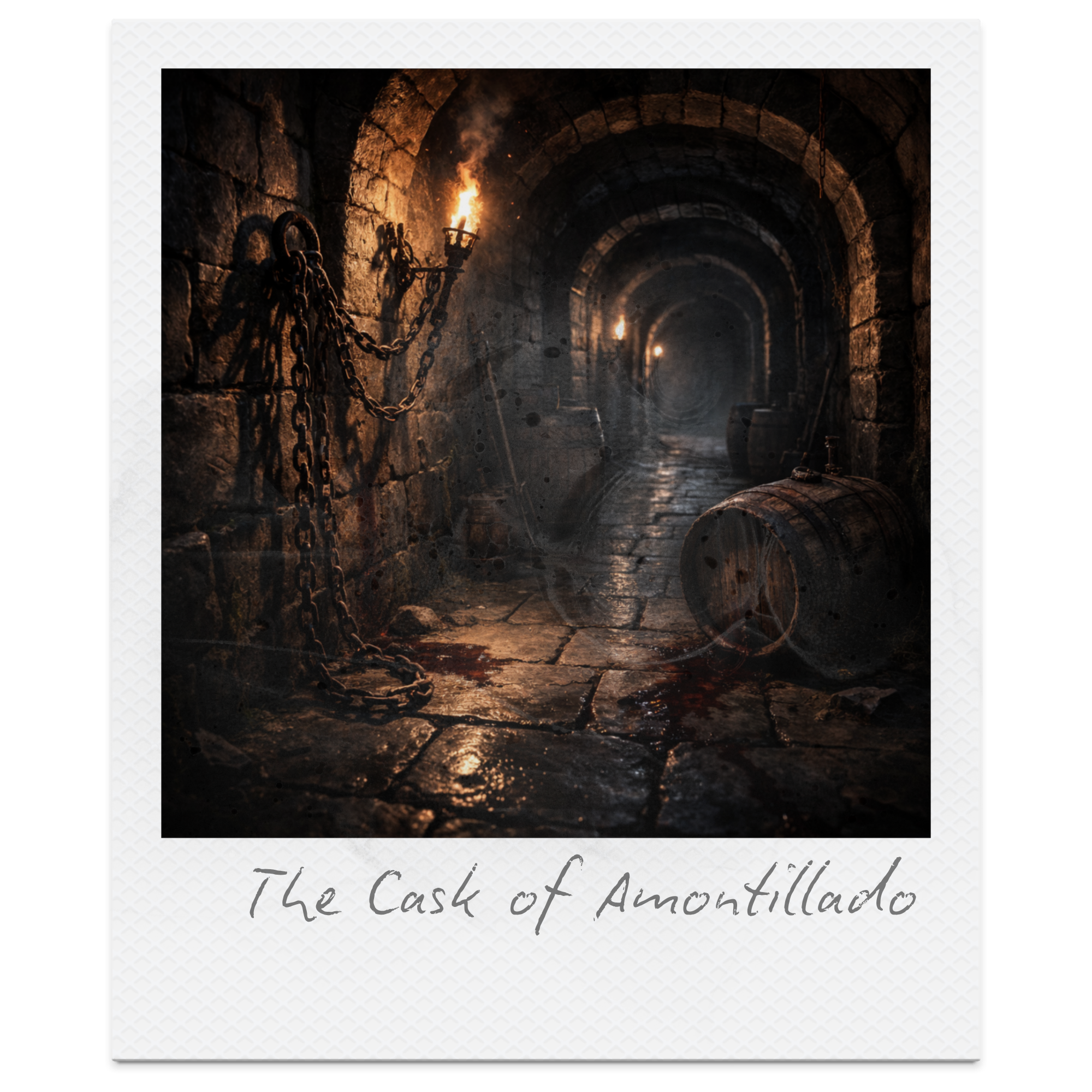
The Cask of Amontillado by Edgar Allan Poe: Summary, Themes, Symbolism & Analysis
The Cask of Amontillado by Edgar Allan Poe is a chilling work of gothic fiction that explores revenge, pride, and psychological manipulation through one of literature’s most disturbingly controlled narrators. Set against the deceptive brightness of carnival and the suffocating darkness of the catacombs, the story follows Montresor as he carefully lures Fortunato toward a fate that feels both inevitable and horrifying. Poe’s use of irony, symbolism, and setting creates a narrative where every detail contributes to a growing sense of tension and unease. At its core, the story examines how power and deception can operate beneath the surface of civility, raising unsettling questions about justice, morality, and human psychology. With its unreliable narrator and claustrophobic setting, The Cask of Amontillado invites readers to question what is true, what is justified, and how easily violence can be hidden behind a mask of reason.
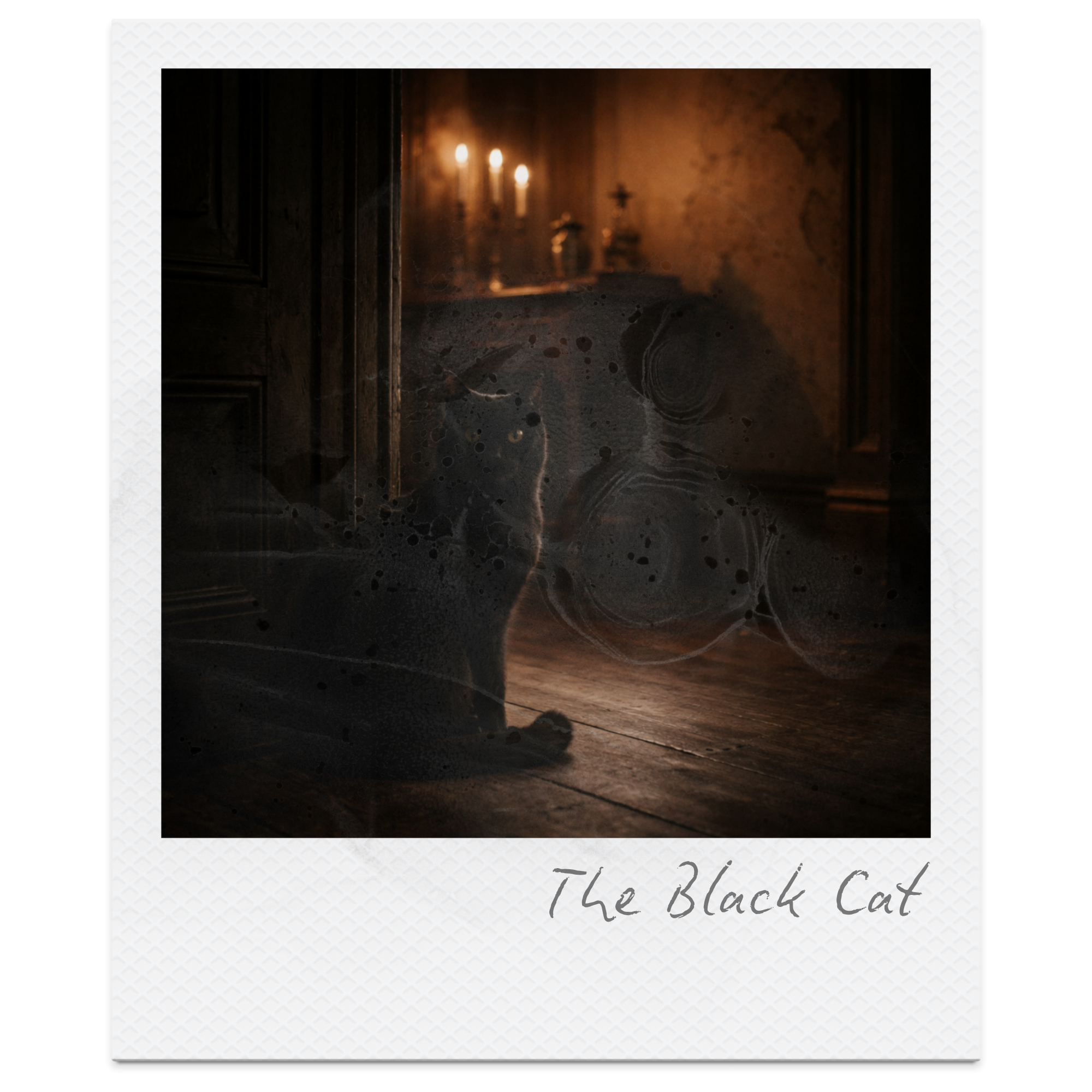
The Black Cat by Edgar Allan Poe: Summary, Themes, Symbolism, Madness & Analysis
The Black Cat by Edgar Allan Poe is a chilling exploration of madness, guilt, and moral corruption, following a narrator who insists on his sanity while recounting his descent into violence, alcoholism, and psychological collapse. What begins as a domestic narrative of companionship and affection quickly deteriorates into something far darker, as acts of cruelty escalate into murder. Through its intense first-person voice and disturbing imagery, the story exposes the fragile boundary between reason and irrationality, forcing readers to question whether the true horror lies in supernatural forces or within the human mind itself. This post explores The Black Cat in depth, including a clear summary, detailed analysis of themes and symbolism, key quotes, and alternative interpretations to support both teaching and study. With a focus on narrative voice, psychological instability, and Gothic conventions, it provides everything needed to confidently approach the text in the classroom or for exam preparation, while encouraging deeper discussion around guilt, perverseness, and the nature of human behaviour.
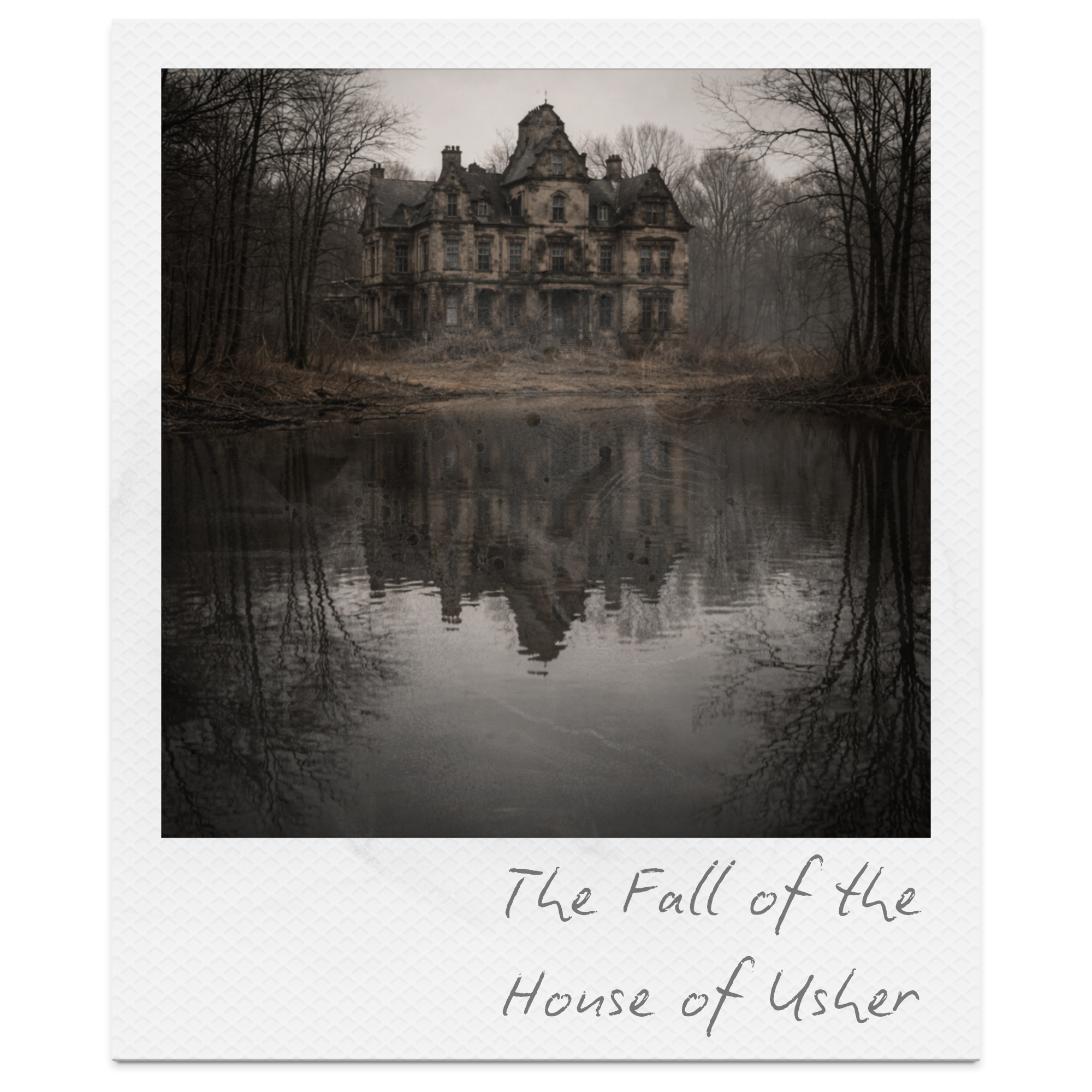
The Fall of the House of Usher by Edgar Allan Poe: Summary, Themes, Symbolism & Analysis
The Fall of the House of Usher is one of Edgar Allan Poe’s most famous Gothic short stories, exploring madness, isolation, fear, and the uneasy link between the human mind and its surroundings. This analysis examines the story’s plot, themes, symbolism, and literary techniques, showing how Poe transforms the decaying Usher mansion into a powerful reflection of psychological collapse and family decline. Ideal for students, teachers, and anyone revising Gothic fiction, this guide explores key ideas such as unreliable narration, family decay, premature burial, and the blurred boundary between reality and the supernatural. It also includes quotes, alternative interpretations, and teaching ideas to support deeper reading and classroom discussion.