Notes from the Inkpot
Writing, teaching, creating - one ink-stained idea at a time.

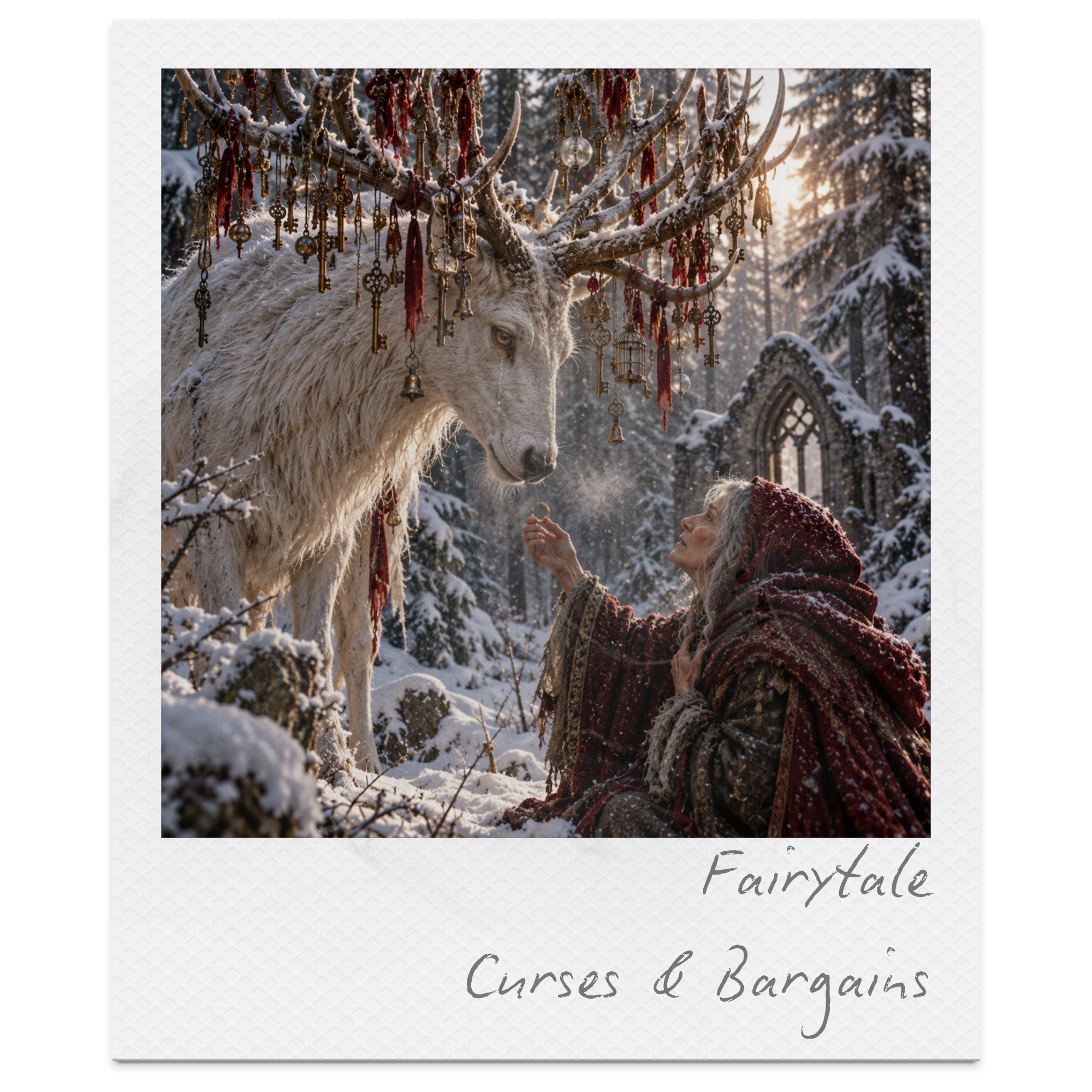
70 Fairytale Curses and Bargains Writing Prompts: Dark Enchantments, Dangerous Deals & Broken Promises
Explore 70 Fairytale Curses and Bargains Writing Prompts filled with dark enchantments, dangerous deals, broken promises, and magical consequences. Discover imaginative plot ideas, mysterious characters, atmospheric settings, and intriguing opening and closing lines to inspire your next story. From vengeful witches and cunning faeries to cursed kingdoms and impossible sacrifices, these prompts explore the darker side of fantasy and folklore. Use the picture prompts to spark original fairytales or reimagine familiar stories with unexpected twists. Perfect for creative writers, fantasy enthusiasts, and anyone who loves the strange and enchanting world of fairytales.
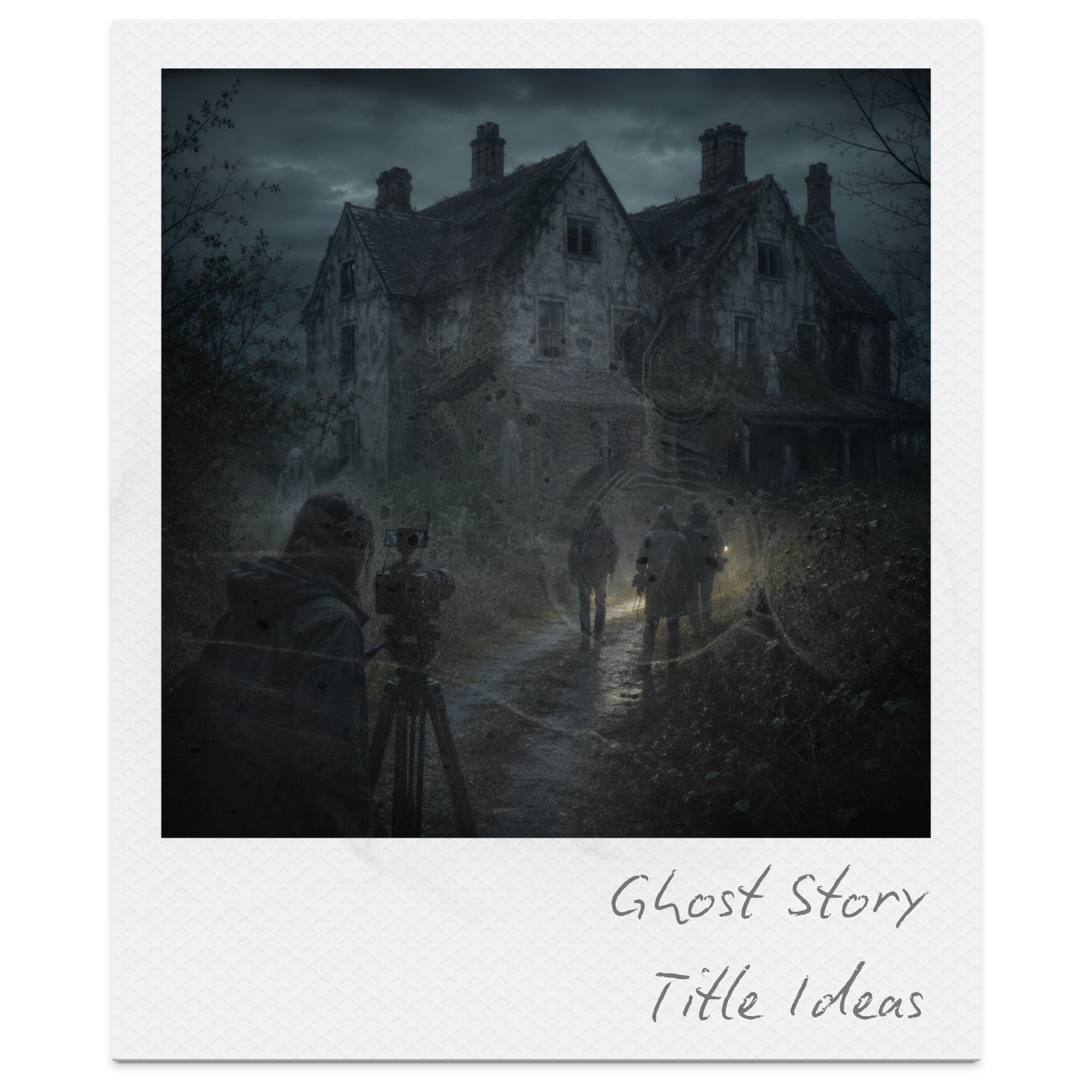
100 Ghost Story Titles to Inspire Your Next Paranormal Tale
Discover 100 original ghost story titles designed to inspire unforgettable paranormal fiction, gothic horror, and supernatural mysteries. From haunted houses and abandoned villages to ghost ships, forgotten institutions, ancient curses, and modern hauntings, these atmospheric titles include story hooks to help writers develop chilling novels, short stories, and creative writing projects filled with restless spirits and lingering secrets.
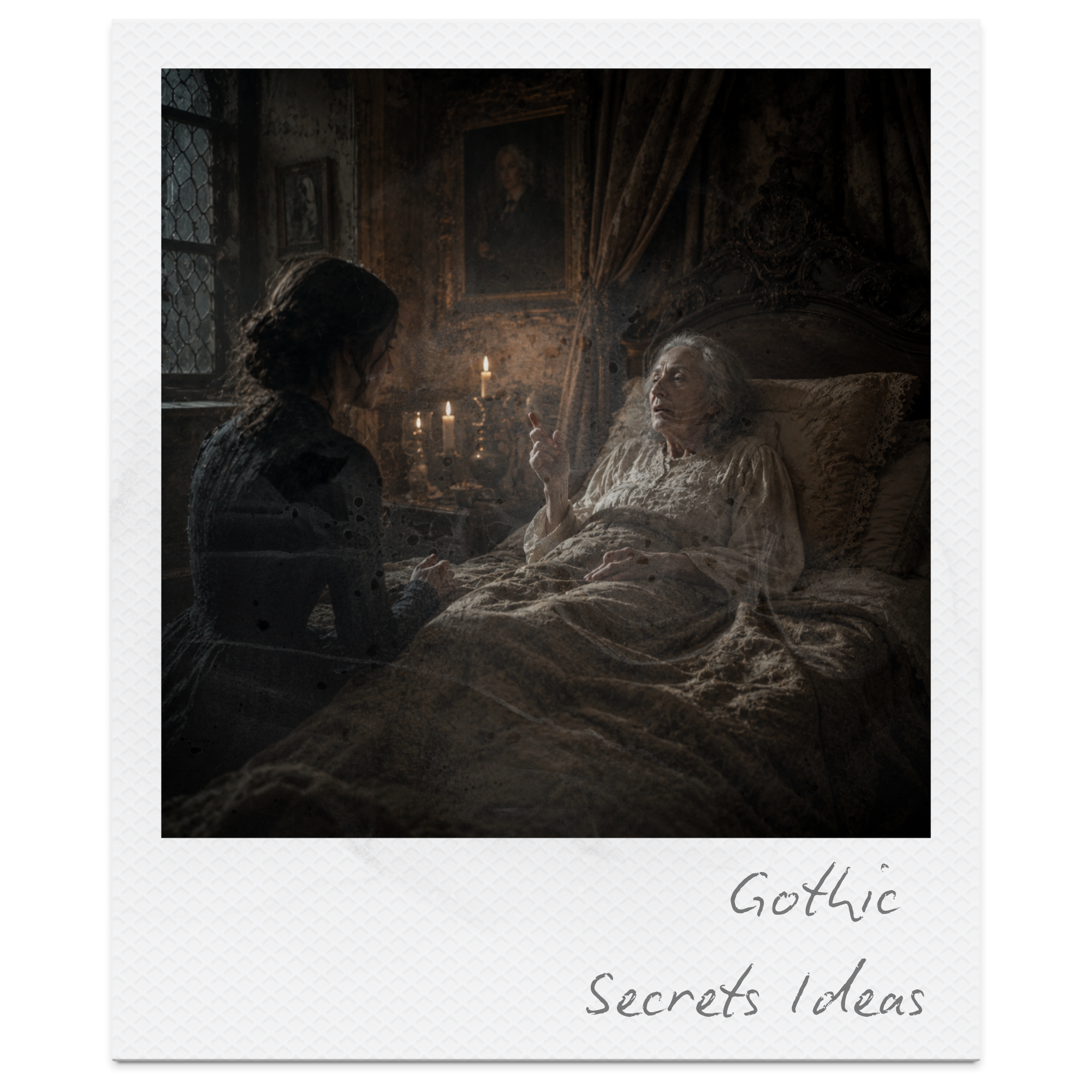
100 Gothic Secrets: Story Ideas for Writers of Gothic Horror, Mystery & Fantasy
Every great Gothic story begins with a secret. Discover 100 Gothic Secrets inspired by haunted manor houses, cursed bloodlines, forgotten rooms, ghostly apparitions, hidden identities, forbidden love, occult mysteries, and long-buried family legacies. Whether you're writing gothic horror, gothic romance, historical gothic, or dark fantasy, these atmospheric story prompts will help you create unforgettable tales filled with suspense, mystery, and haunting revelations.
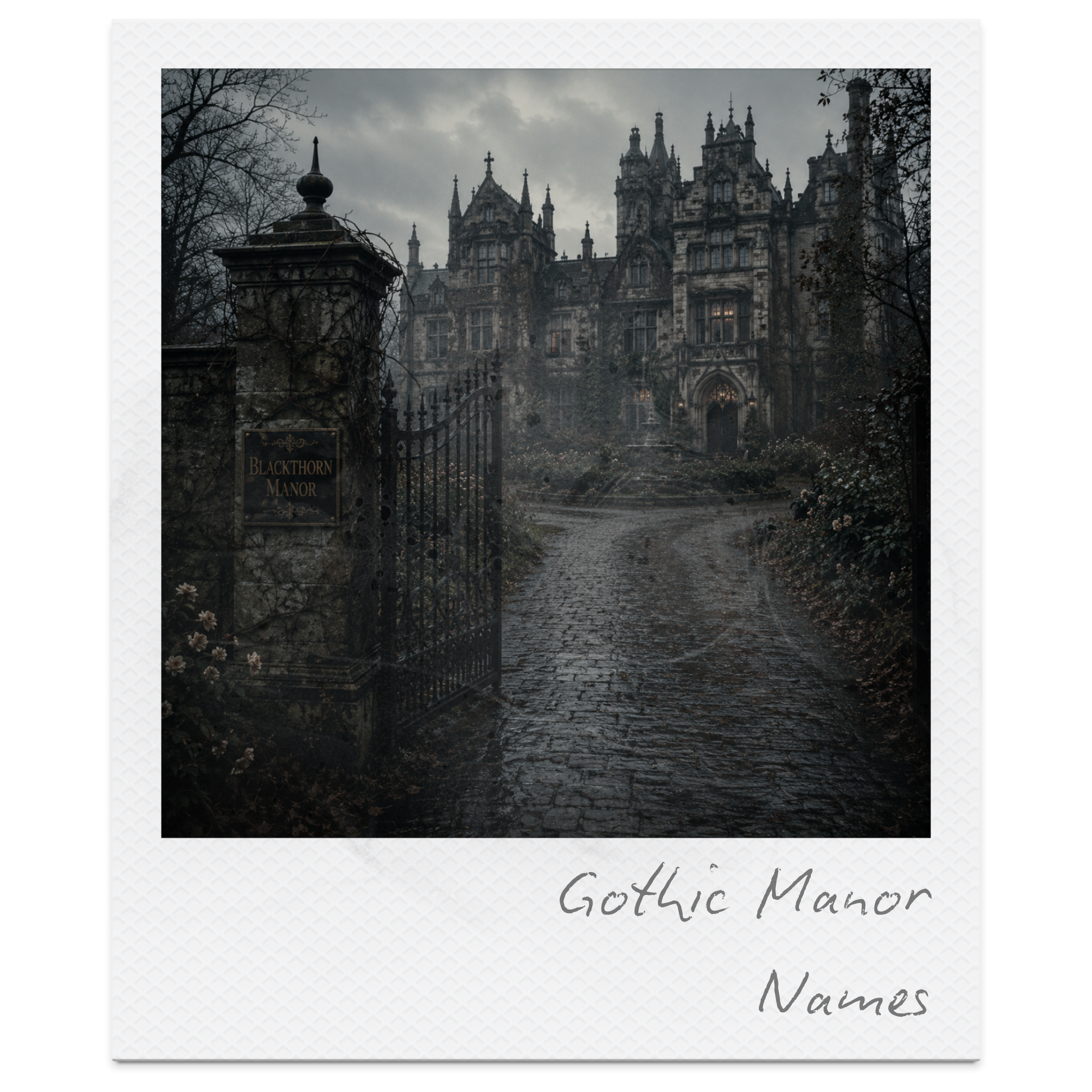
100 Gothic Manor Names (With Meanings, Atmosphere & Story Ideas)
Discover 100 gothic manor names complete with atmosphere, symbolism, and story ideas. Explore windswept coastal estates, ancestral halls, ruined abbeys, isolated manors, dark academia houses, and cursed family properties perfect for gothic fiction, horror, mystery, and historical storytelling.
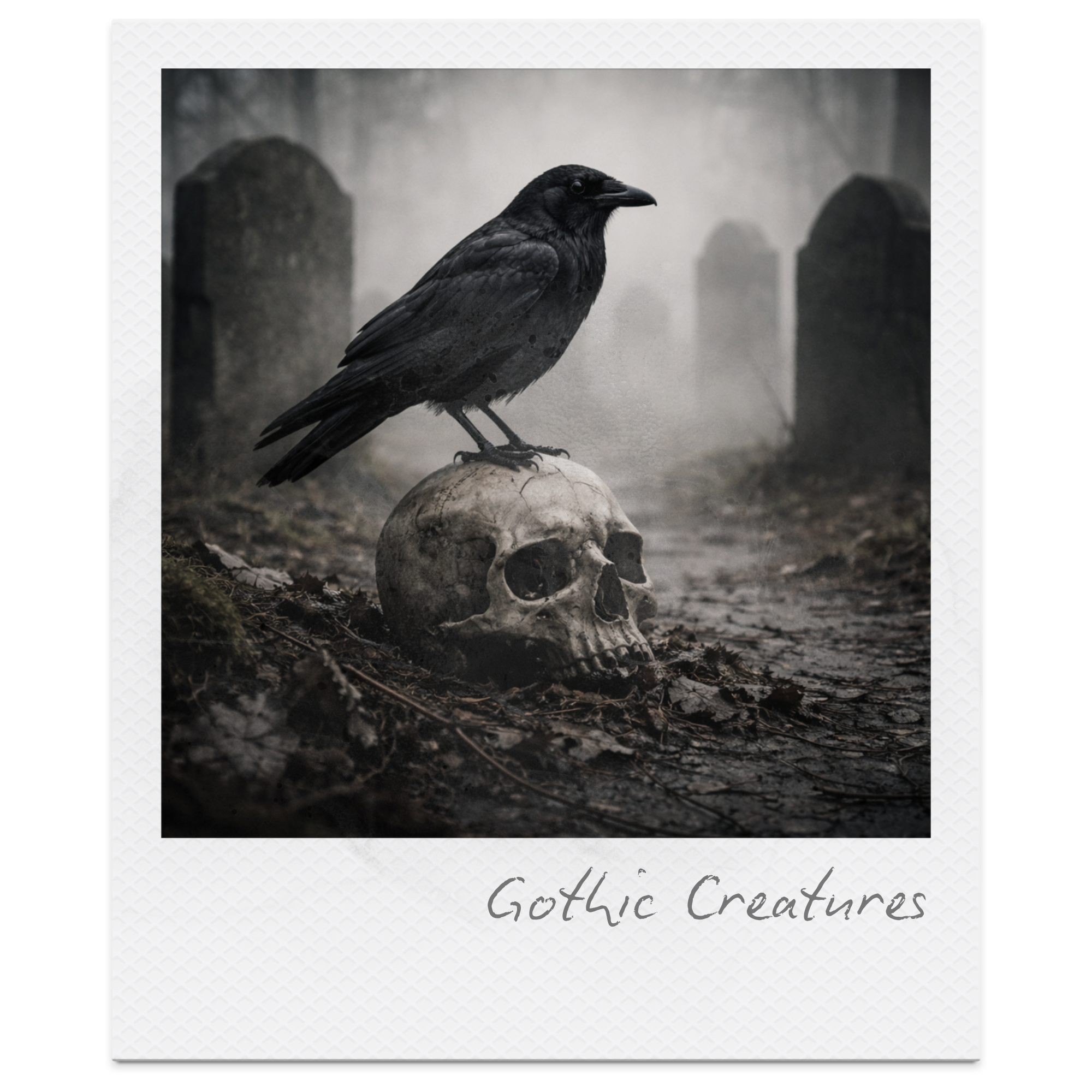
70 Gothic Creature Writing Prompts: Monsters, Myths & Unnatural Beings
Gothic creature writing prompts explore the darker edges of storytelling, where the line between human and inhuman begins to blur. Drawing on Gothic literature, supernatural folklore, and psychological horror, these prompts focus on creatures shaped by grief, obsession, decay, and memory rather than spectacle. From vampires and revenants to doppelgängers and unnamed presences, each idea invites writers to create stories where the unsettling feels intimate and the familiar becomes distorted. This collection of 70 Gothic Creature Writing Prompts offers a complete creative toolkit, including plot hooks, title ideas, opening and closing lines, character concepts, and setting prompts. Designed for atmosphere-driven storytelling, these prompts support short exercises, classroom writing, or longer Gothic and horror projects, helping writers build narratives rooted in tension, symbolism, and quiet unease.
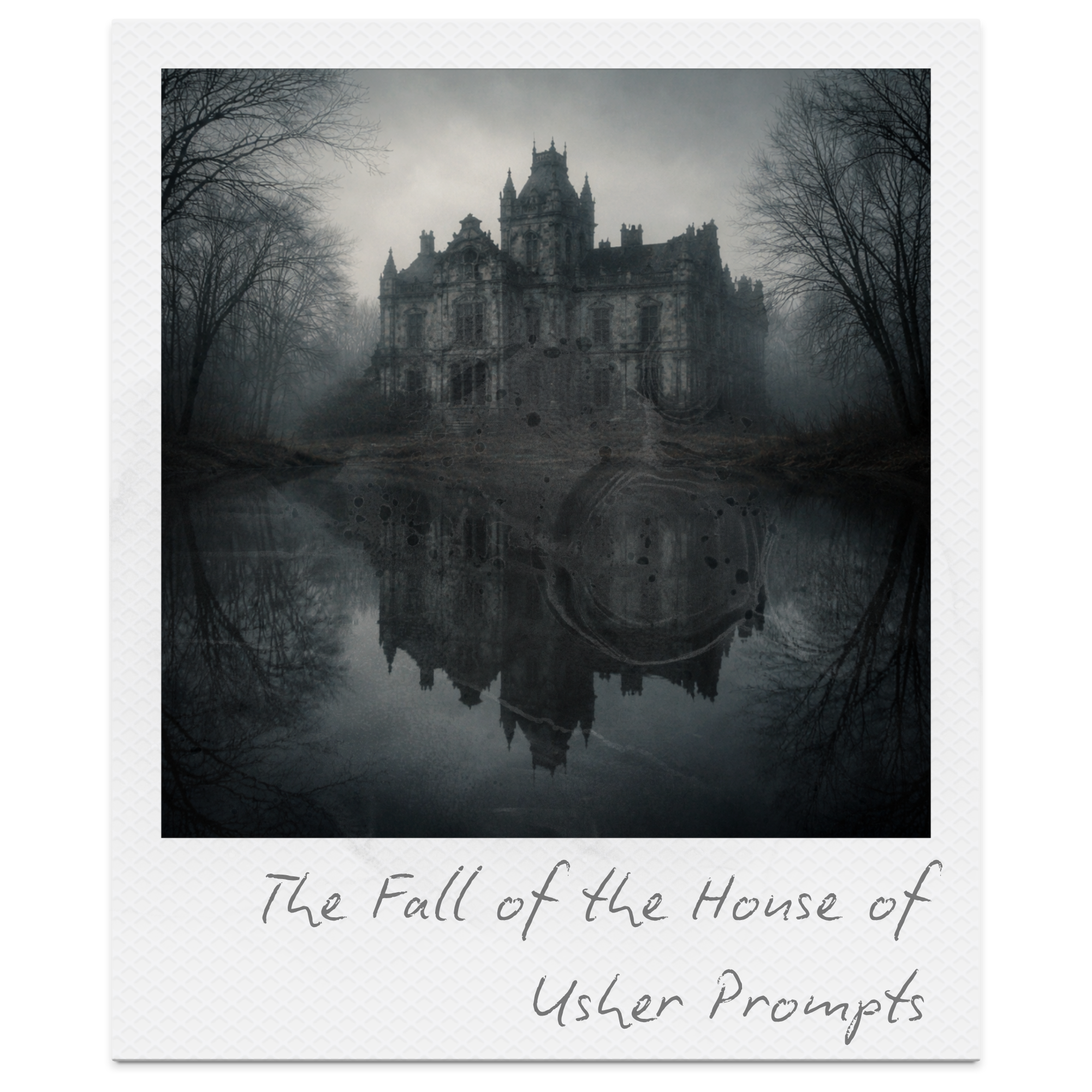
70 Creative Writing Prompts Inspired by The Fall of the House of Usher: Plot Hooks, Opening Lines, Characters & Visual Ideas
Explore 70 creative writing prompts inspired by The Fall of the House of Usher by Edgar Allan Poe. This collection draws on the story’s gothic atmosphere, psychological tension, and themes of madness, decay, and unreliable perception, helping students and writers craft original stories shaped by mood, setting, and symbolism rather than plot retelling. Ideal for classrooms, writing clubs, or independent practice, these prompts include plot hooks, opening lines, character ideas, and setting inspiration. They support both creative confidence and deeper understanding of Gothic fiction, making them a flexible tool for KS3–KS5 teaching, revision, and imaginative storytelling.
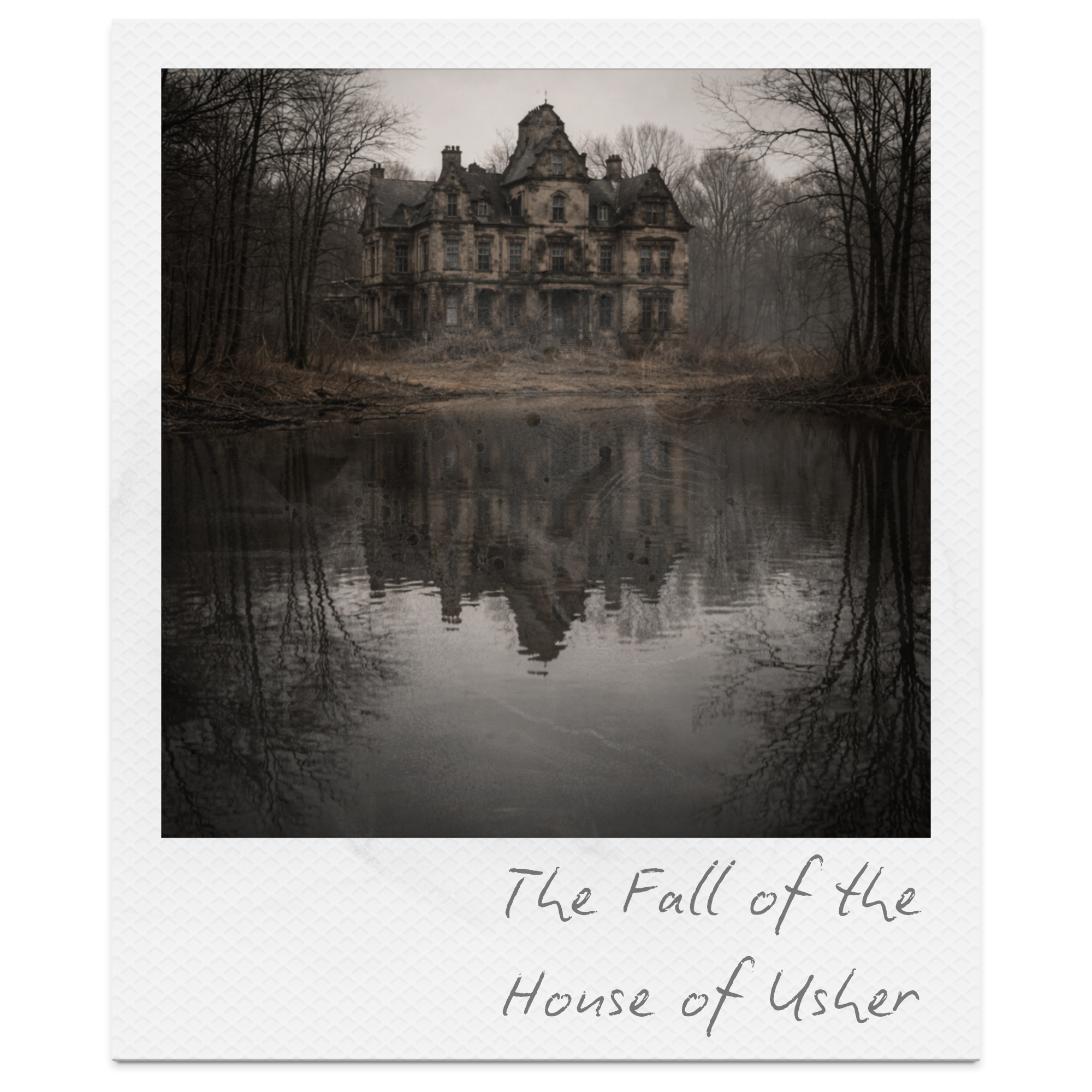
The Fall of the House of Usher by Edgar Allan Poe: Summary, Themes, Symbolism & Analysis
The Fall of the House of Usher is one of Edgar Allan Poe’s most famous Gothic short stories, exploring madness, isolation, fear, and the uneasy link between the human mind and its surroundings. This analysis examines the story’s plot, themes, symbolism, and literary techniques, showing how Poe transforms the decaying Usher mansion into a powerful reflection of psychological collapse and family decline. Ideal for students, teachers, and anyone revising Gothic fiction, this guide explores key ideas such as unreliable narration, family decay, premature burial, and the blurred boundary between reality and the supernatural. It also includes quotes, alternative interpretations, and teaching ideas to support deeper reading and classroom discussion.
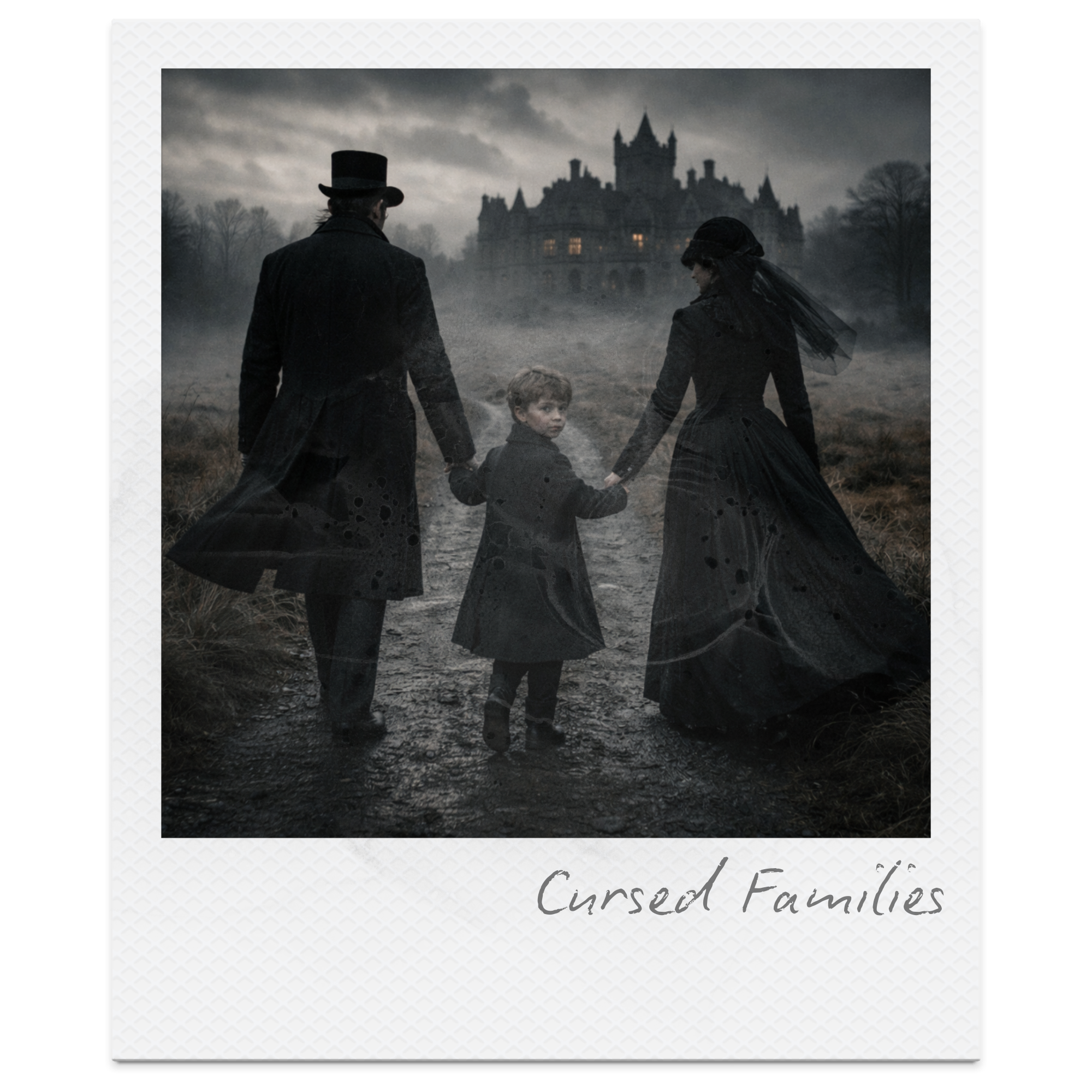
70 Gothic Family Curse Writing Prompts: Haunted Bloodlines, Ancestral Secrets & Dark Legacies
Family curses are one of the most enduring tropes in Gothic fiction, exploring haunted bloodlines, inherited guilt, and the idea that the past never truly stays buried. These 70 Gothic family curse writing prompts draw on classic Gothic literature themes such as ancestral secrets, decaying estates, cursed heirs, and forgotten crimes that echo across generations. From eerie plot hooks and atmospheric opening lines to character ideas, settings, and visual prompts, this collection helps writers explore the unsettling power of legacy and inherited fate. Perfect for creative writing lessons, Gothic storytelling, and dark fiction inspiration, these prompts encourage writers to build stories rooted in atmosphere, mystery, and psychological tension. Whether you are exploring haunted houses, cursed family histories, or hidden ancestral secrets, these prompts offer a structured toolkit for crafting Gothic stories that blur the line between supernatural curse and human consequence.