70 Gothic Family Curse Writing Prompts: Haunted Bloodlines, Ancestral Secrets & Dark Legacies
Family curses are one of the oldest and most enduring Gothic storytelling traditions. Long before they appeared in modern horror or fantasy fiction, tales of cursed bloodlines, inherited guilt, and doomed families appeared in folklore, Gothic novels, and tragic legends across Europe. These stories explore the idea that the past never truly disappears — that crimes, betrayals, and broken oaths can echo across generations, shaping lives long after the original act has been forgotten.
Gothic family curse stories rarely focus on simple supernatural punishment. Instead, they often reveal a deeper truth: the curse is usually tied to a buried injustice, a forbidden choice, or a secret deliberately hidden by those who came before. Decaying estates, locked rooms, abandoned churches, and family portraits become symbols of inherited memory, suggesting that some histories refuse to remain buried.
This collection of 70 Gothic Family Curse Writing Prompts is designed as a complete creative toolkit, combining plot hooks, title ideas, opening lines, closing lines, character concepts, setting ideas, and cinematic visual prompts inspired by Gothic literature and haunted ancestry. These prompts work well for creative writing lessons, English classrooms, writing clubs, journaling, or longer Gothic fiction projects, encouraging writers to explore atmosphere, legacy, and the unsettling power of inherited secrets.
If you would like to explore more Gothic writing prompts, dark storytelling tropes, and atmospheric fiction ideas, you can also browse the full Creative Writing Archive or explore the wider Gothic Writing Prompts hub, where similar themes of haunted houses, forbidden knowledge, and ancestral guilt continue to shape Gothic storytelling.
Some objects should never be collected.
Others refuse to be forgotten.
Deep within the Kingdom of Rosenwald, a mysterious collector has spent thirty-seven years gathering objects of unusual provenance, uncertain purpose and, in several instances, deeply unsettling reputation.
A mechanical nightingale sings with a voice that is not its own.
A silver brush continues to grow hair.
A pair of bridal slippers remembers a wedding nobody wishes to discuss.
And a queen's beautiful porcelain sugar bowl conceals a terrible secret.
Each object has a history.
Some have several.
Not all of them can be trusted.
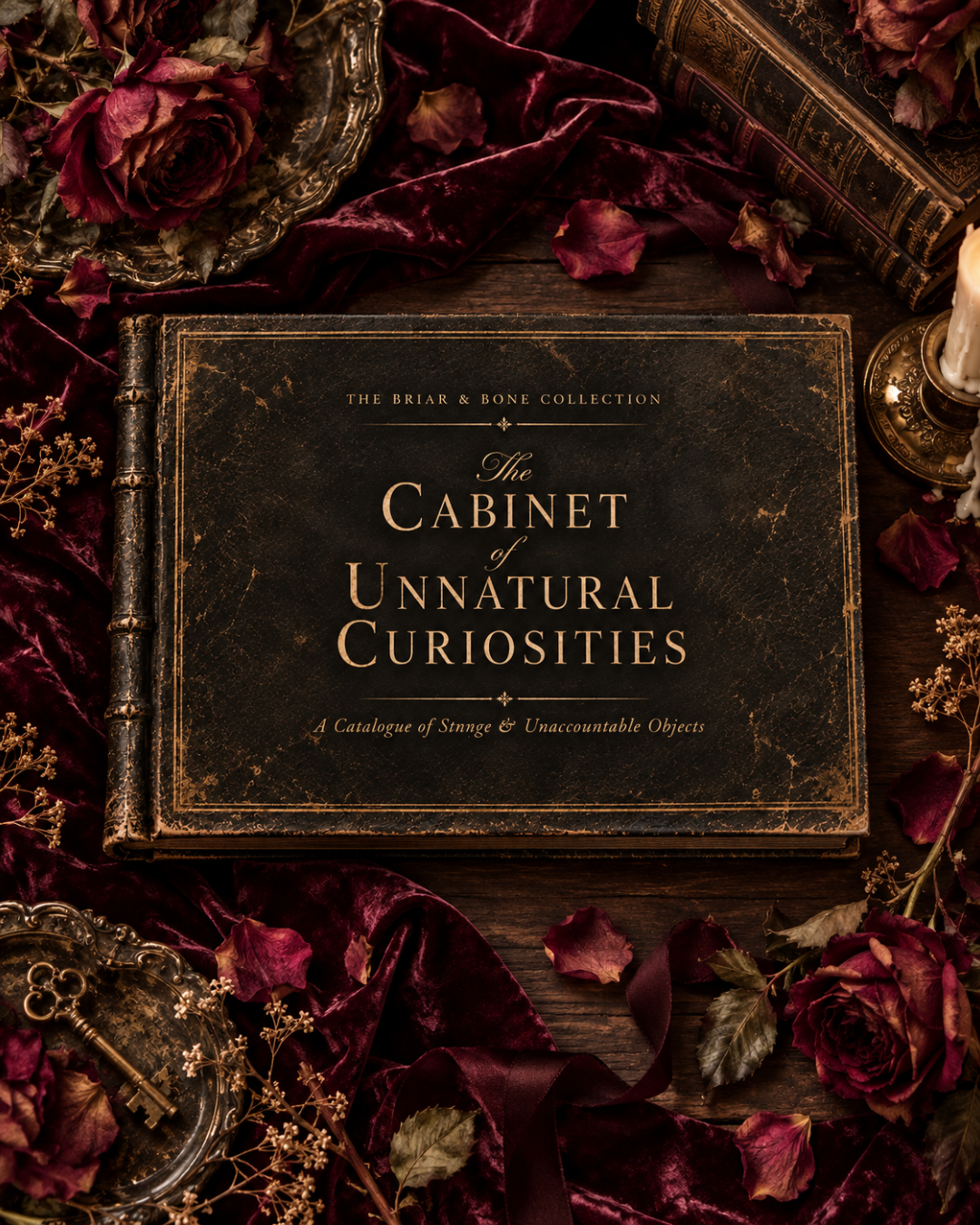
Briar & Bone: The Cabinet of Unnatural Curiosities is an immersive, 21-page illustrated catalogue of enchanted objects, forgotten treasures and mysterious artefacts from the dark fairytale Kingdom of Rosenwald.
Inspired by Victorian cabinets of curiosities, Gothic literature and twisted fairytales, this fictional collection brings together intricate specimen illustrations, collector's observations, mysterious photographs, preserved curiosities and fragments of a world where even the most beautiful possessions may conceal something sinister.
Who placed a human heart inside the mechanical nightingale?
Why were the feathers carefully labelled with names and ages?
What happened to the owners of the objects that were never reclaimed?
Why have certain photographs been removed?
And what secrets has the collector chosen not to record?
There are no definitive explanations.
No complete histories.
No guarantee that the collector is telling the truth.
Only strange objects, forgotten stories and unanswered questions waiting to be explored.
What's Inside?
◆ 21 beautifully illustrated digital pages from the fictional Kingdom of Rosenwald
◆ 11 detailed specimen entries featuring cursed objects, enchanted possessions and mysterious artefacts
◆ Intricate illustrations, classifications, provenance records and the collector's observations
◆ Collections of preserved flowers, feathers and other unusual curiosities
◆ Atmospheric photographs, mysterious locations and fragments of forgotten histories
◆ An illustrated inventory of additional objects and incomplete records
◆ An exploration guide with creative writing ideas and classroom activities
◆ Instant digital download in PDF format
Who Is It For?
Perfect for:
◆ Fantasy writers and worldbuilders
◆ Gothic fiction and dark fairytale enthusiasts
◆ Novelists, short-story writers and creative storytellers
◆ Teachers looking for imaginative visual writing prompts
◆ Mystery lovers and fans of supernatural folklore
◆ Journalers, roleplayers and curious minds
◆ Anyone who loves antique curiosities, fictional archives and strange forgotten histories
What Makes This Different?
This isn't a traditional collection of writing prompts.
It's a cabinet of curiosities.
Every specimen offers another glimpse into Rosenwald's mysterious past, but the histories are incomplete, the evidence is uncertain and the collector's observations cannot always be trusted.
Examine the nightingale's mechanical heart.
Study the preserved feathers.
Investigate the queen's sugar bowl.
Search the photographs for missing details.
Read the collector's observations and decide which accounts you believe.
Perhaps an object is genuinely enchanted.
Perhaps its reputation has grown from superstition.
Perhaps somebody has deliberately concealed the truth.
Or perhaps the strangest explanation is the correct one.
You decide what these objects mean.
Use the collection to inspire a Gothic short story, develop a dark fairytale, invent a mysterious character or build an entire fantasy world around its forgotten artefacts.
Follow the clues.
Question the collector.
Imagine the histories that were never recorded.
Which curiosity will you investigate? What story will you uncover?
Digital download: 21-page illustrated PDF collection, designed in A4 landscape format. Some pages contain multiple individual artefacts. No physical product will be shipped.
Briar & Bone: The Cabinet of Unnatural Curiosities
Every Gothic family has its secrets. Some are buried in forgotten graves, others concealed in family records, and a few are passed from one generation to the next in the form of seemingly innocent possessions.
A wedding gift that should never have been accepted. A mourning locket that refuses to surrender its secrets. A beautiful porcelain bowl whose history has been carefully rewritten.
In Briar & Bone: The Cabinet of Unnatural Curiosities, these troubling objects have found their way into a mysterious collector's archive in the dark fairytale Kingdom of Rosenwald.
This 21-page illustrated digital collection contains eleven enchanted and cursed curiosities, accompanied by fragments of their histories, collector's observations and unanswered questions. Among them are the Bridegroom's Slippers, the Mourning Locket and the Queen's Sugar Bowl, each suggesting a story of inheritance, betrayal or dangerous family secrets.
For writers exploring Gothic family curses, the Cabinet offers an opportunity to approach inherited evil through the objects families leave behind.
Who first placed the curse upon an heirloom? Why has a particular possession survived generations of tragedy? And what might happen when the newest heir discovers that an apparently harmless family treasure has been carefully preserved for a terrible purpose?
Explore the mysteries, illustrations and storytelling possibilities in The Cabinet of Unnatural Curiosities: Creative Writing Ideas from a Dark Fairytale World.

1. Plot Hooks
Family curse stories often begin with discovery — a document, a portrait, a hidden room, or a forgotten piece of family history that reveals the past is not finished yet. Drawing on Gothic fiction traditions of haunted ancestry and generational guilt, these prompts explore inherited secrets, buried crimes, and the uneasy feeling that a family’s history may still be unfolding.
Write about a teenager who discovers that every firstborn in their family dies at exactly the same age — and realises their own birthday is only weeks away.
Write about a character who inherits a decaying estate along with a letter warning them never to open the locked chapel behind the house.
Write about a genealogist who uncovers a missing generation in a noble family tree — and begins to suspect the records were deliberately erased.
Write about a character whose reflection slowly begins to resemble the portrait of a long-dead ancestor accused of witchcraft.
Write about a family who insists their bloodline is blessed, until an old servant reveals the blessing was originally meant to contain a curse.
Write about a character who learns that every member of their family has dreamed of the same ruined tower for centuries.
Write about a wedding that cannot take place because every previous marriage in the family ended in tragedy within a year.
Write about a character who discovers their surname was once different — changed after a scandal no one will explain.
Write about a family heirloom that cannot be thrown away, sold, or destroyed without triggering strange disasters.
Write about a character who realises the family curse does not kill its victims — it transforms them into something else.
2. Title Ideas
Gothic family curse titles often suggest inheritance, secrecy, and ancestral guilt without revealing the full nature of the curse itself. Drawing on Gothic fiction traditions of haunted houses, doomed dynasties, and forgotten crimes, these titles emphasise legacy, atmosphere, and unease rather than explicit horror. They work particularly well for Gothic short stories, supernatural fiction, and dark historical narratives where the past continues to shape the present.
The Bloodline Oath
The House That Remembered
Inheritance of the Hollow Name
The Curse Beneath the Chapel
Daughters of the Ruined Estate
What the Portrait Knew
The Family That Never Left
A Legacy Written in Ash
The Name That Should Not Be Spoken
Heir to the Broken Line
3. Opening Lines
Strong Gothic opening lines often establish atmosphere before explanation, suggesting inherited danger without fully revealing it. In family curse stories, the narrator frequently begins with a fragment of memory, a warning passed down through generations, or a quiet realisation that something within the family history has been deliberately concealed.
The curse in our family was never spoken about aloud, but everyone knew the rules.
My grandmother always said the house had chosen us long before we chose it.
The first time I saw the portrait, I understood why my father had boarded up that hallway.
Our family tree ended in the same place every generation — the graveyard behind the chapel.
No one in my family believes in curses, yet none of us will sleep in the east wing.
The letter arrived the morning after my inheritance was announced.
I learned about the curse the same way everyone in our family does — by accident.
The estate had belonged to us for centuries, though no one seemed eager to explain why.
Every portrait in the gallery watched me as though I had returned rather than arrived.
The first sign that the curse was real appeared long before I knew what it meant.
4. Closing Lines
Gothic family curse stories rarely end with certainty. Instead of resolving the supernatural threat, they often reveal that the curse is deeper than anyone first believed, or that the narrator has unknowingly become part of the legacy themselves. These closing lines emphasise ambiguity, inheritance, and the unsettling idea that some histories continue beyond the final page.
By morning, the portrait had changed again — and this time it looked exactly like me.
The curse was never meant to end, only to choose its next keeper.
As the house settled into silence, I realised it had been waiting for my return.
The family records ended with my name, though I had never written it there.
The graveyard behind the chapel held one empty place, and I finally understood why.
The letter burned quickly, but the words remained in my mind.
The house seemed calmer once the truth was spoken, though the doors still refused to open.
I left the estate before dawn, carrying a name I was no longer sure belonged to me.
The curse had never been punishment — only inheritance.
And as the portraits watched me leave, I knew the story had only just begun.
5. Character Ideas
Characters in Gothic family curse stories are often shaped by inheritance, secrecy, and moral tension. Rather than simple heroes or villains, these figures occupy uneasy roles within a long family history — heirs who question their legacy, historians who uncover dangerous truths, or ancestors whose actions echo through the present.
An heir who inherits a vast but crumbling estate along with a warning never to investigate the family chapel.
A family historian tasked with maintaining the ancestral records, slowly discovering entire generations have been removed.
A sceptical descendant who refuses to believe in the curse until the same signs that haunted previous generations begin appearing in their life.
A priest or caretaker who has protected the family secret for decades but begins to question whether the curse should remain hidden.
A distant relative who arrives unexpectedly claiming to know how the curse began.
A servant who has lived on the estate long enough to understand the house better than the family who owns it.
A descendant accused of resembling the ancestor who originally brought the curse upon the family.
A genealogist who becomes obsessed with solving the mystery behind a vanished branch of the bloodline.
A family matriarch who has quietly manipulated events to prevent the curse from spreading.
A reluctant heir who realises the curse may have been designed to protect something far worse.
6. Setting Ideas
Gothic family curse stories rely heavily on atmosphere, with locations that feel shaped by history, secrecy, and time. These settings often function as extensions of the family itself — places where the past lingers physically in architecture, objects, and landscape.
A decaying ancestral estate whose locked wings contain rooms no living family member remembers using.
A remote countryside village where the same family has held power for generations.
A family chapel hidden deep within an overgrown estate, its records sealed and its graves unmarked.
A coastal manor slowly collapsing into the sea, its foundations weakened by storms and time.
A portrait gallery where the faces of previous generations seem to shift subtly over time.
A family library containing journals, letters, and documents that contradict the official history of the bloodline.
An abandoned wing of a mansion sealed after a mysterious death decades earlier.
A hidden garden filled with statues of long-dead relatives whose expressions appear strangely lifelike.
A ruined castle that once belonged to the family but was abandoned after a violent scandal.
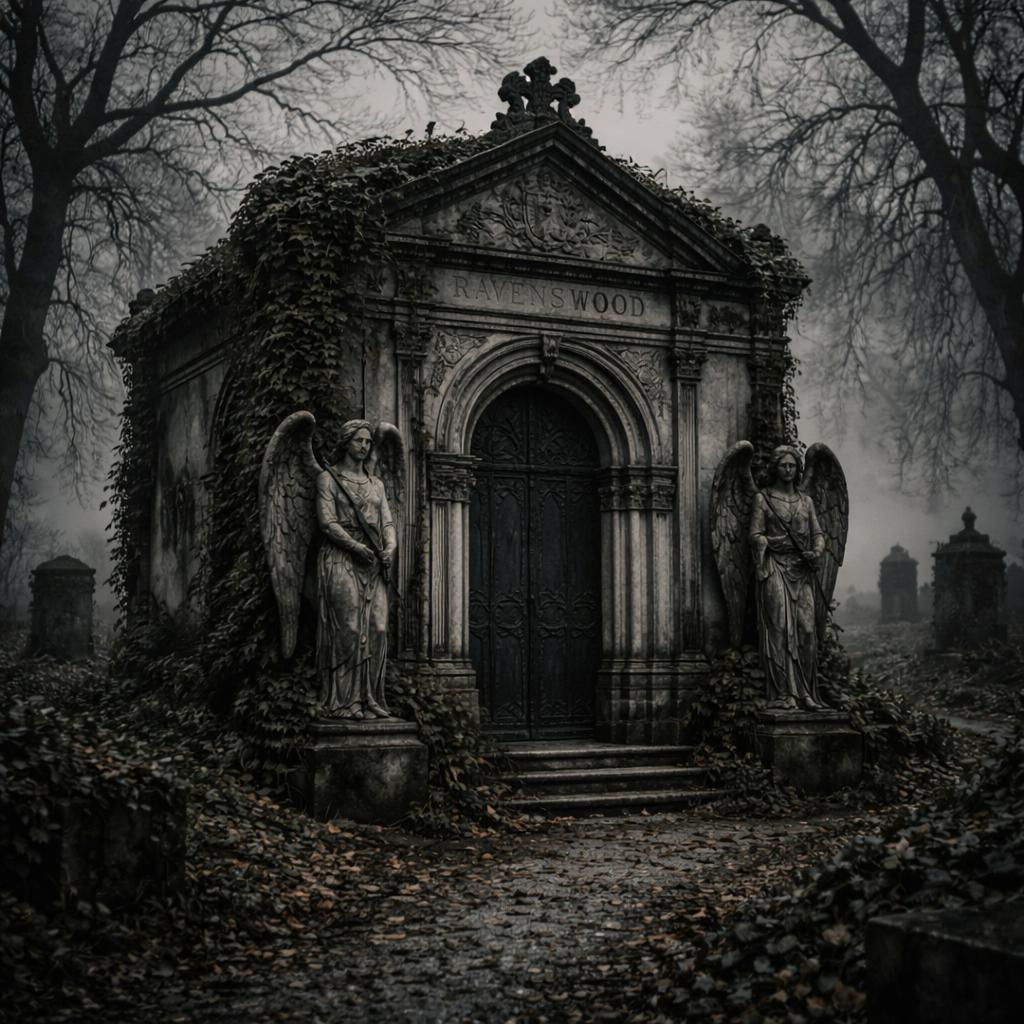
A fog-covered graveyard where each generation of the family is buried in identical tombs.
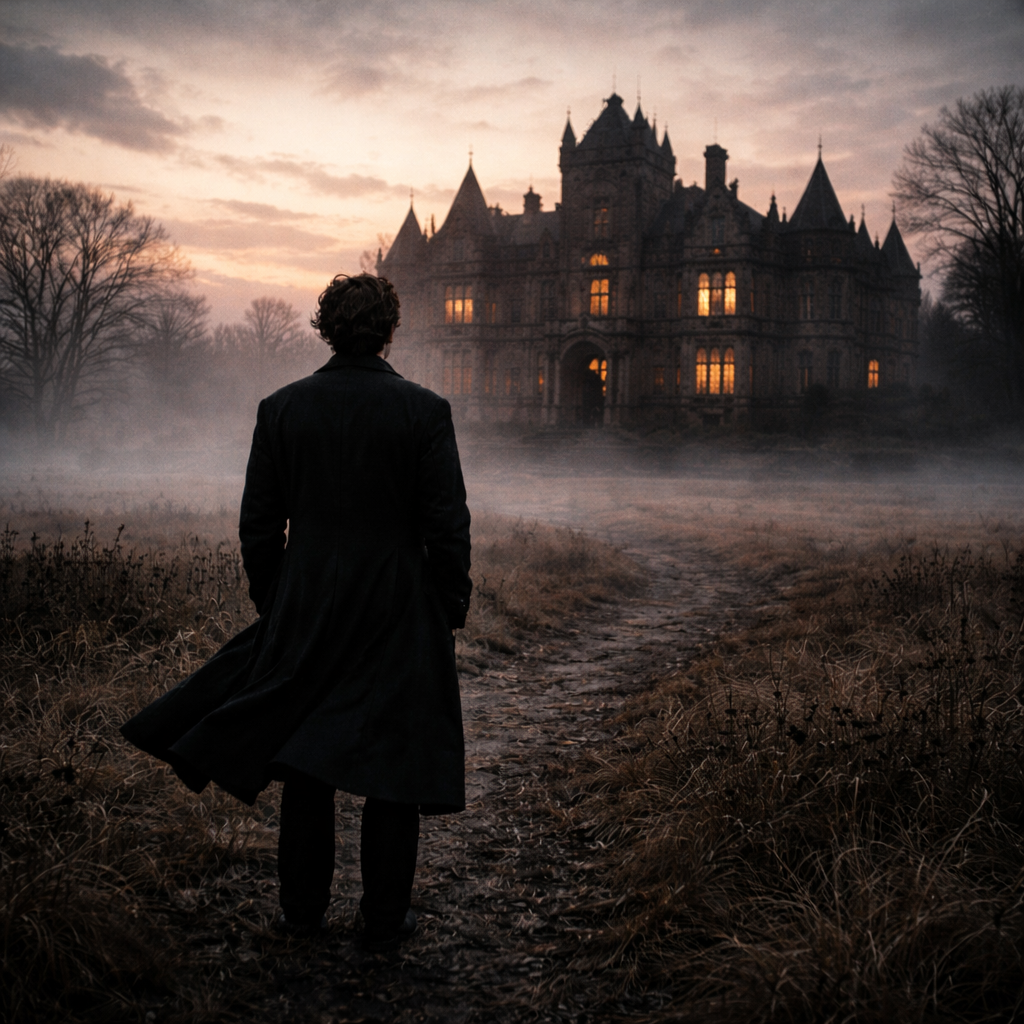
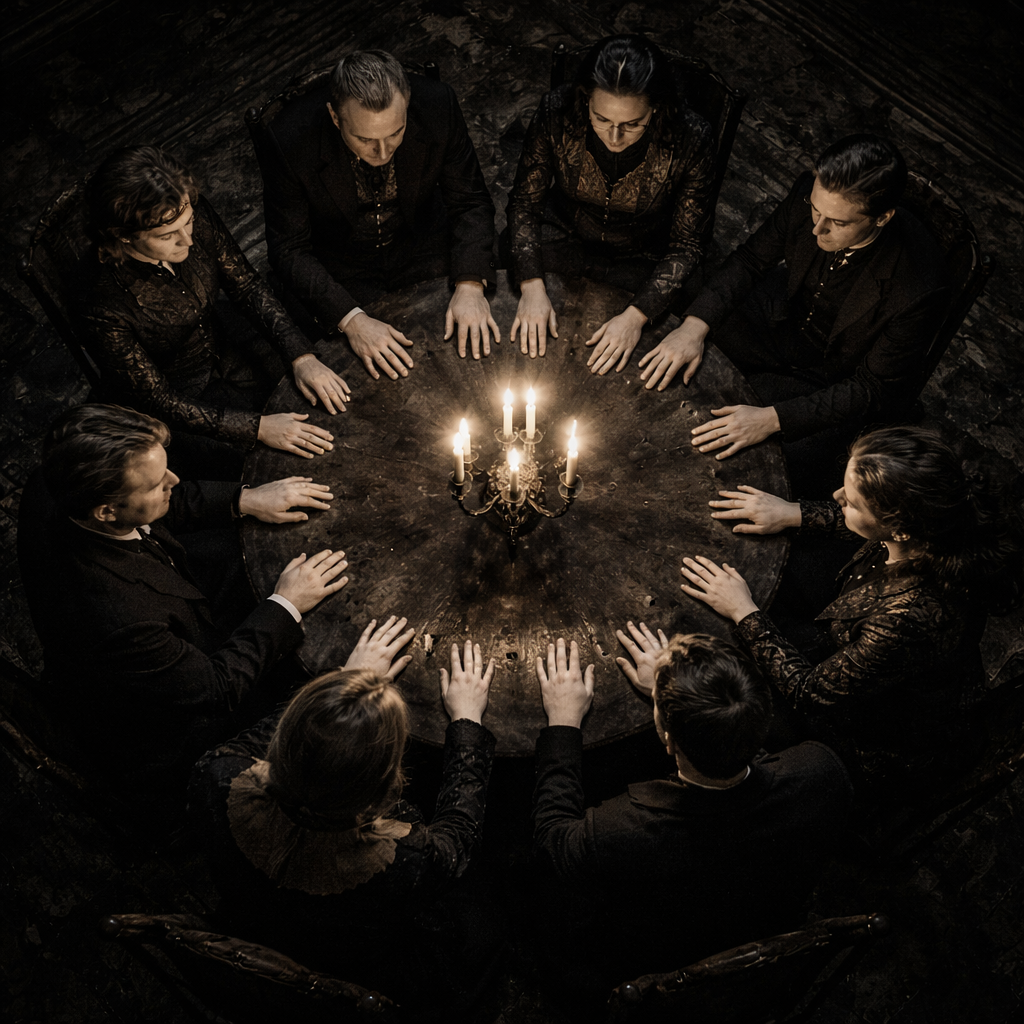
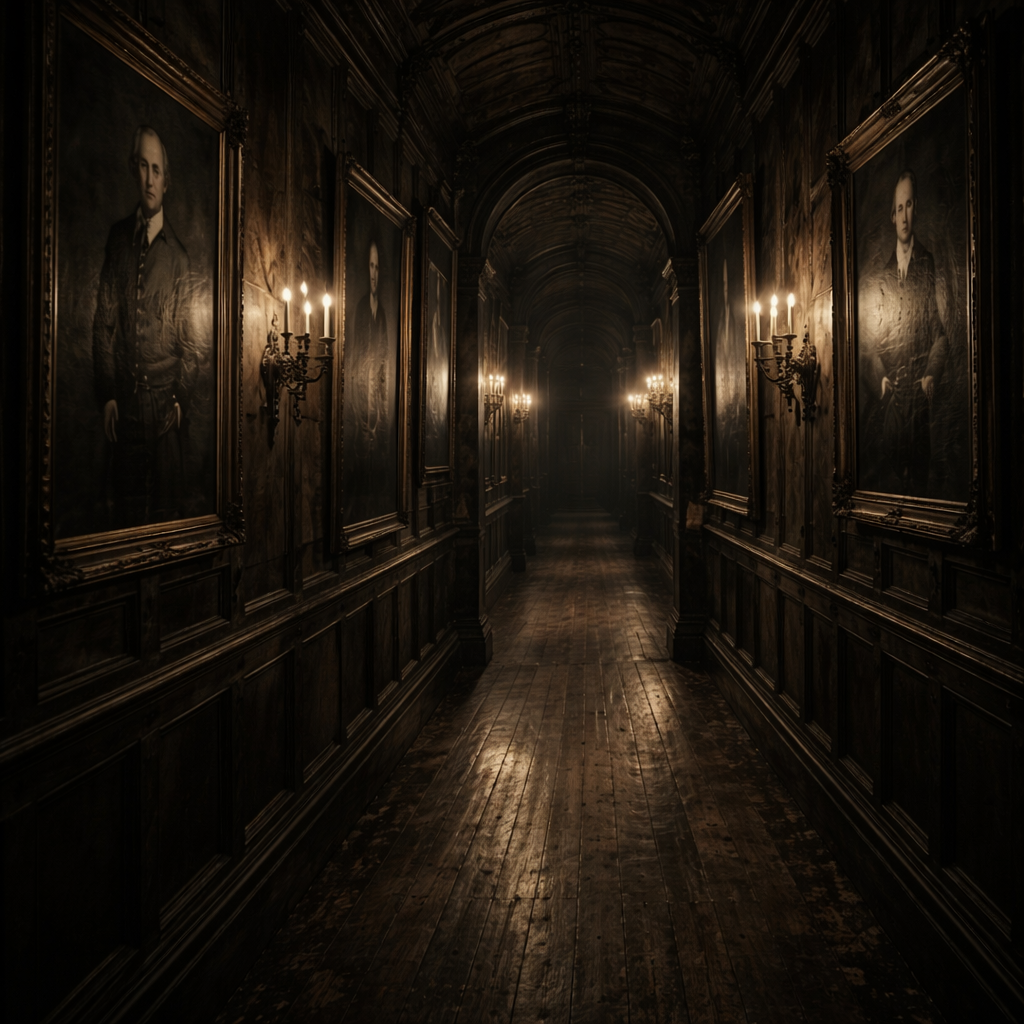
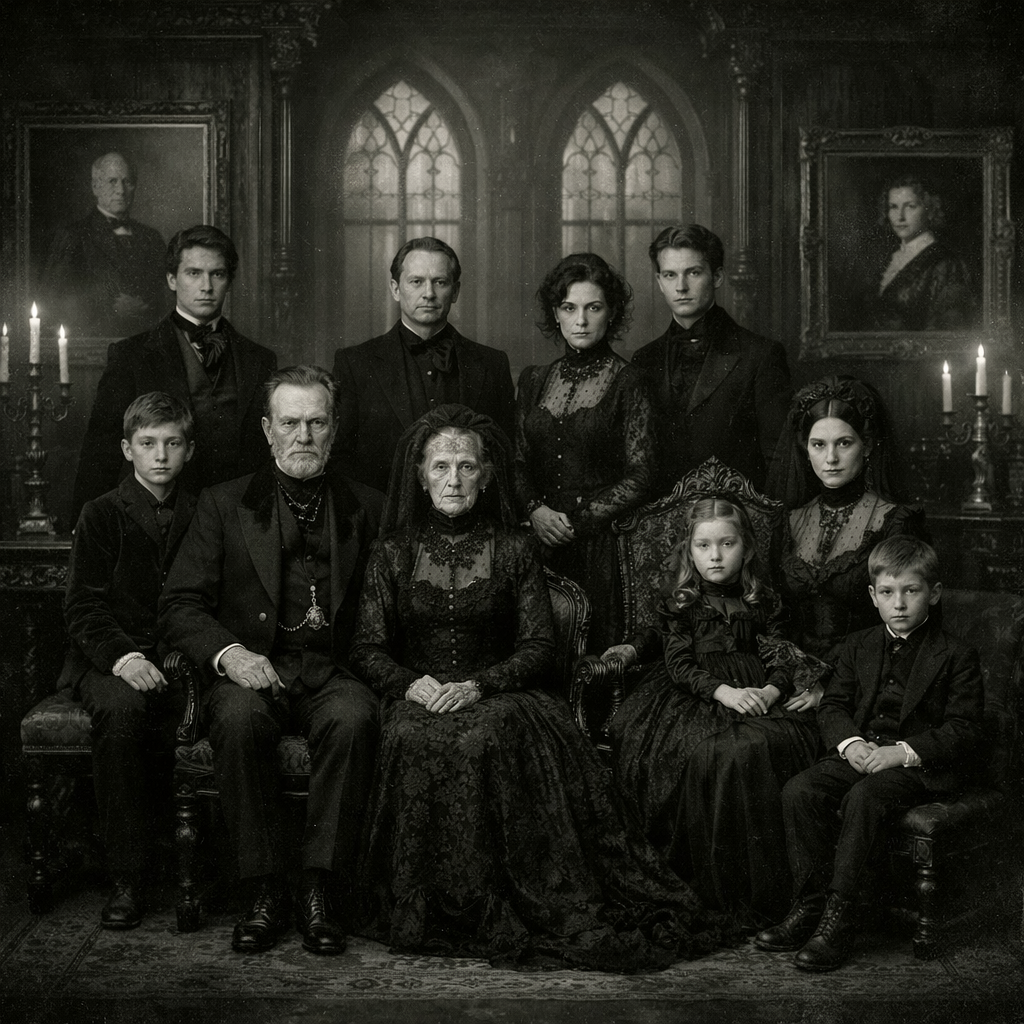
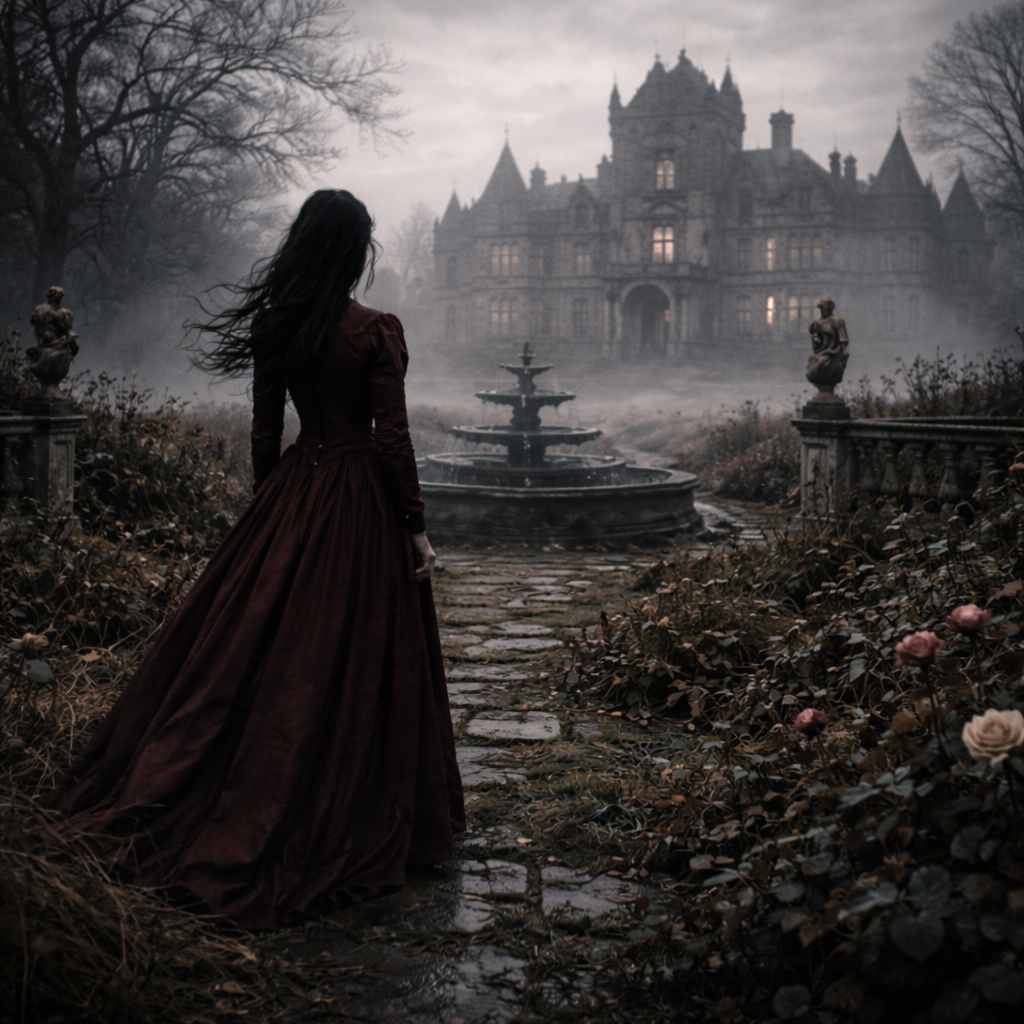
7. Picture Prompts
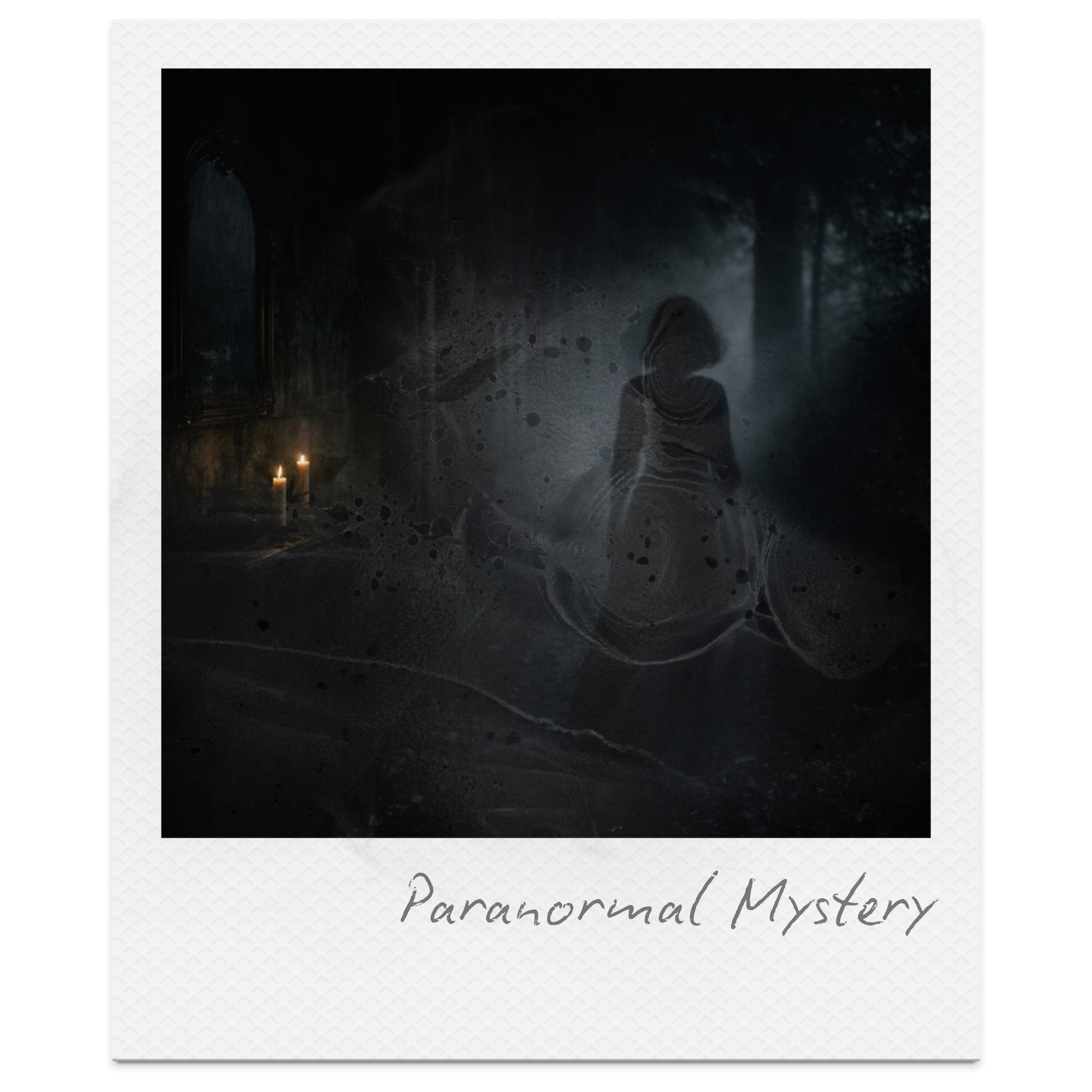
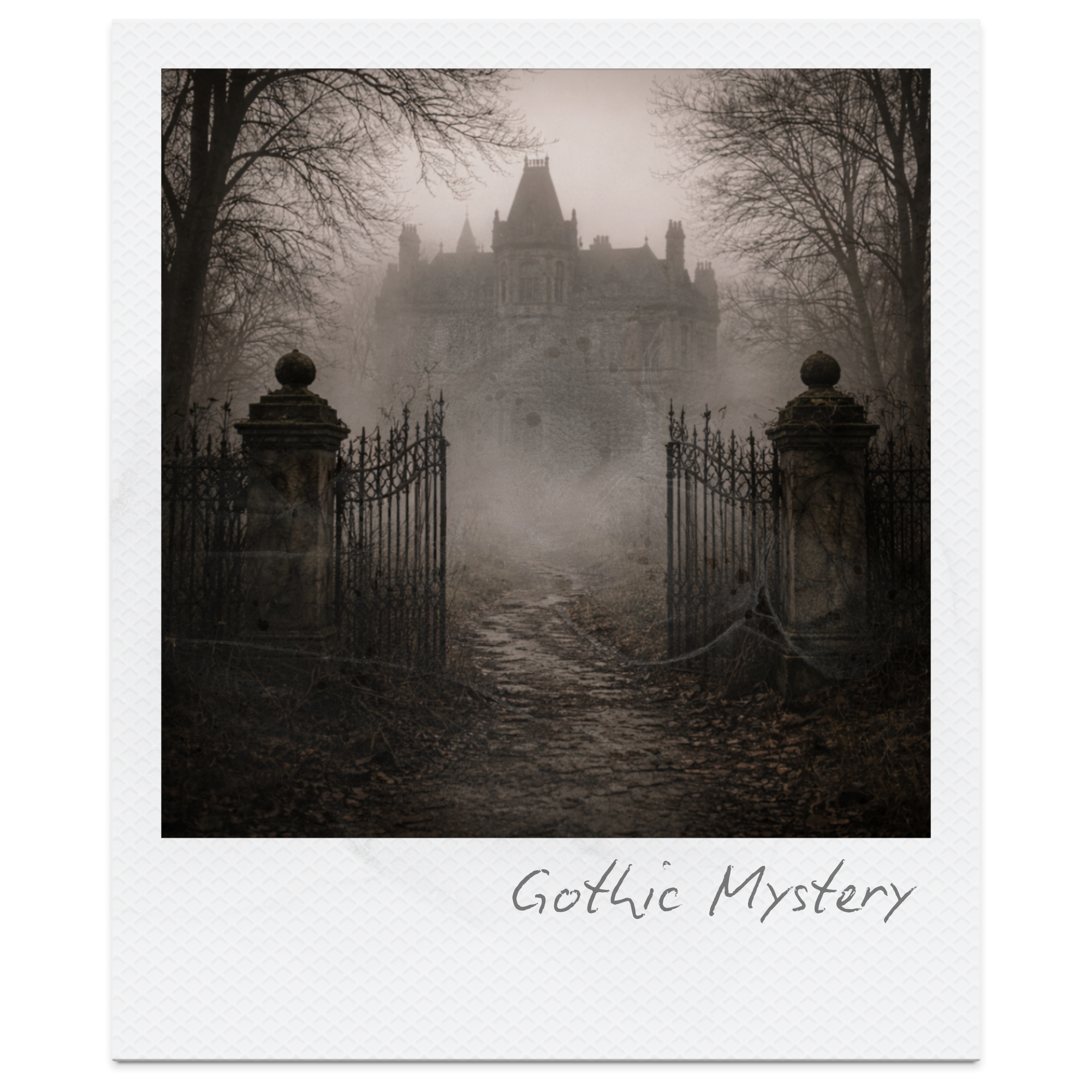
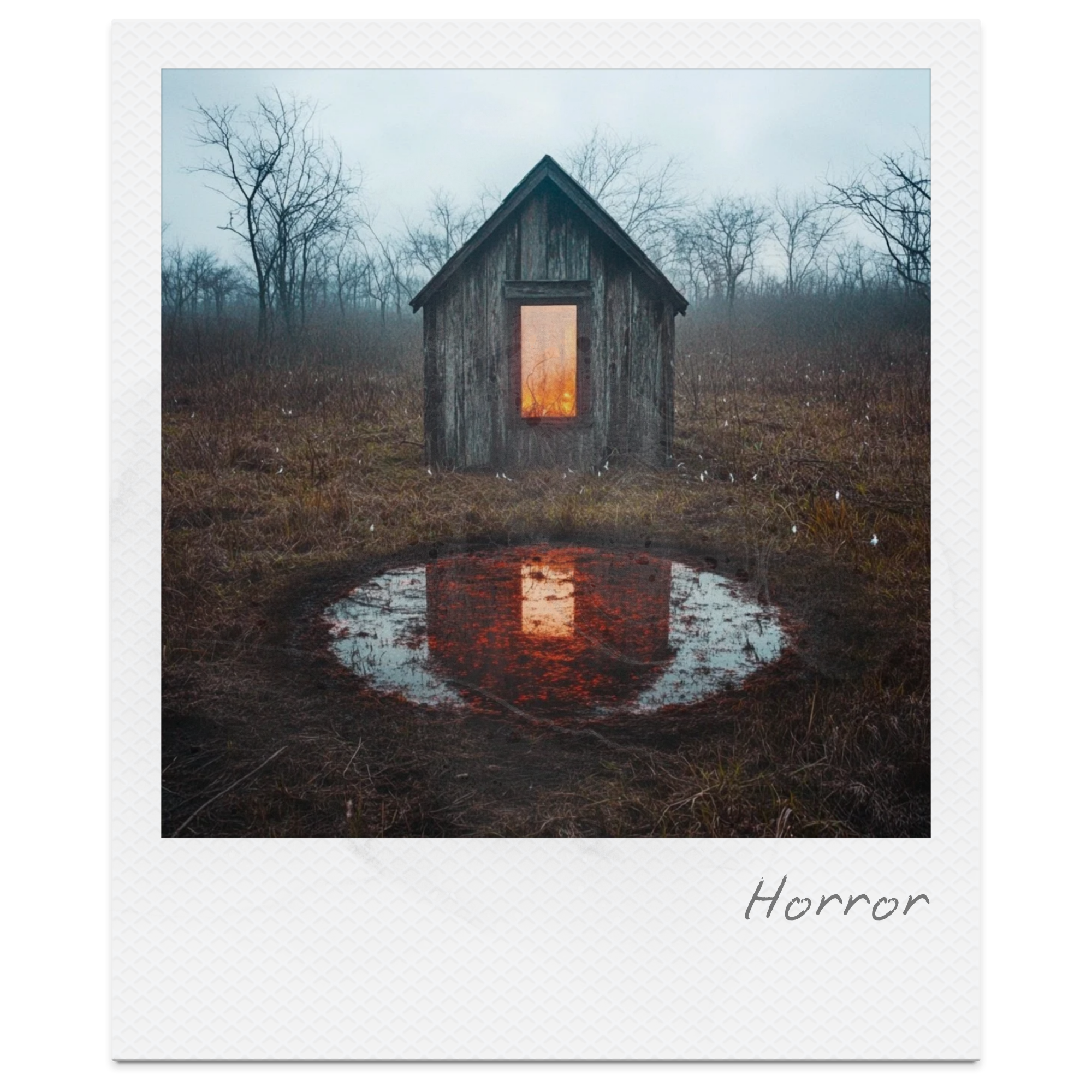
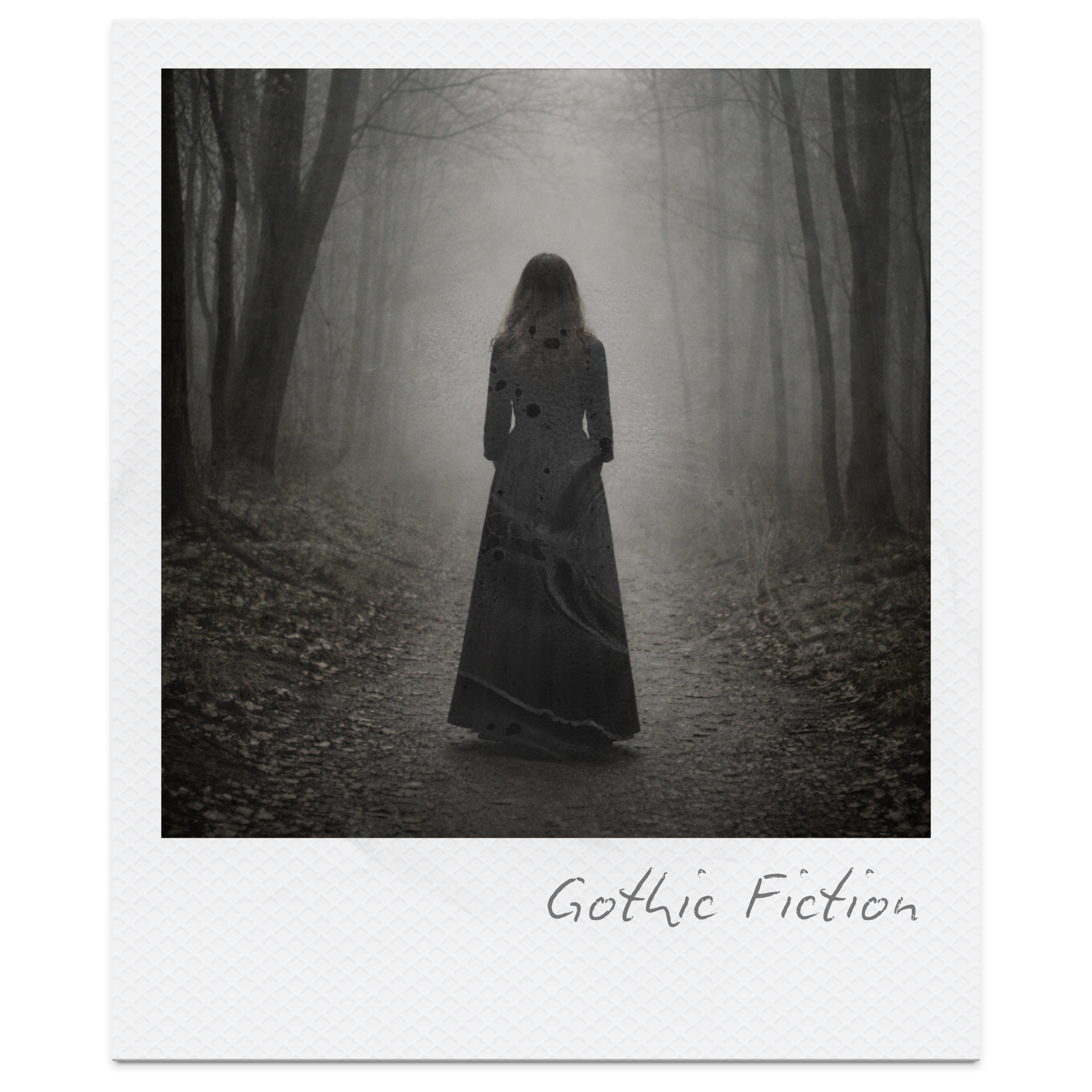
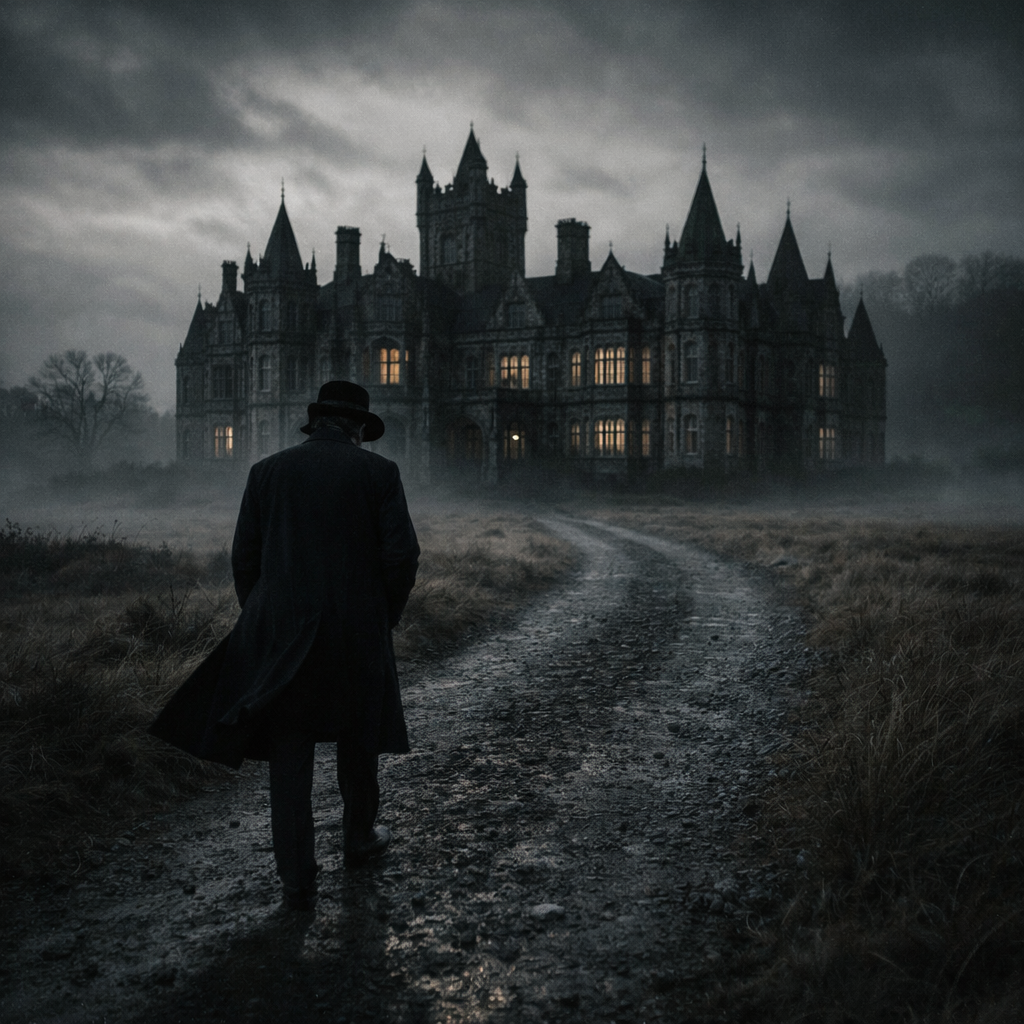
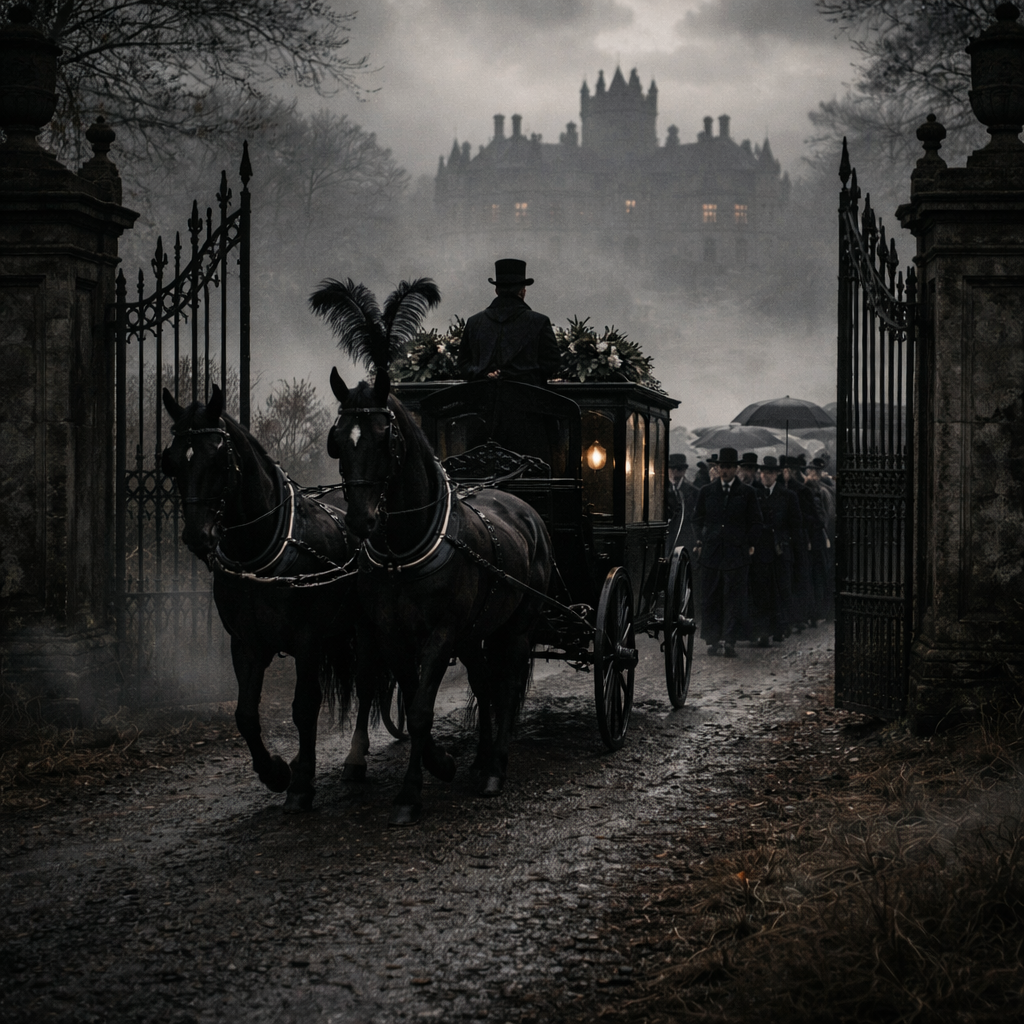
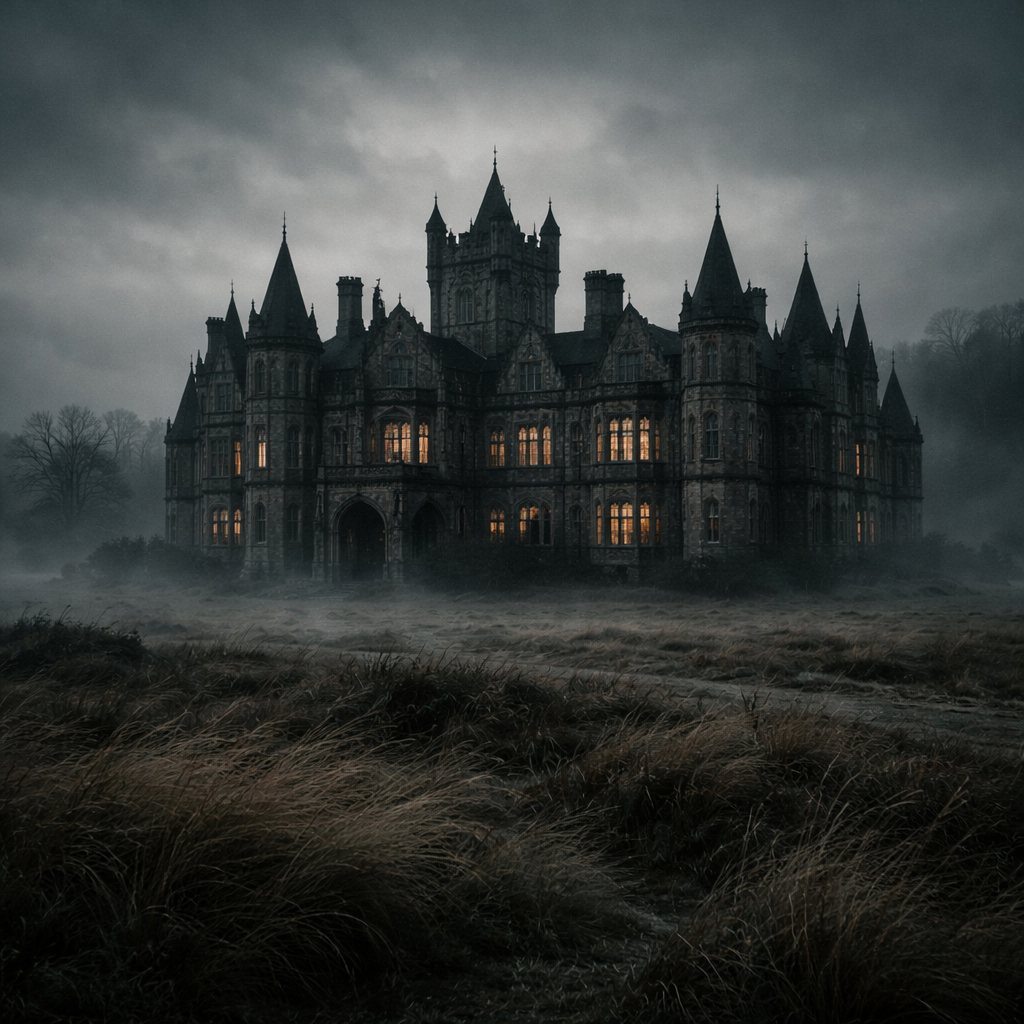
Visual prompts are especially effective for Gothic storytelling, where atmosphere, symbolism, and silence often communicate more than direct explanation. Inspired by Gothic literature and family curse traditions, these images are designed to suggest story rather than define it — encouraging writers to imagine what happened before the moment captured and what consequences might follow.
Each picture prompt reflects classic Gothic imagery: decaying estates, shadowed corridors, ancestral portraits, and landscapes shaped by secrecy and time. Rather than illustrating a single narrative, the visuals allow writers to explore generational mystery, hidden guilt, and the uneasy presence of the past.
Writers can use these images as story starters, setting inspiration, or mood anchors — asking what the location remembers, what secret might be hidden within the frame, and which member of the family first began the curse. Used alongside the prompts above, these visuals support Gothic writing prompts that prioritise atmosphere, symbolism, and psychological tension.

Go Deeper into Gothic Family Curse Stories
To develop family curse stories beyond simple supernatural horror, encourage writers to focus on inheritance, secrecy, and the moral choices that shape generational history. In Gothic fiction, the curse is often less important than why it began and who benefits from keeping it hidden.
◆ Rewrite one prompt from the perspective of an ancestor responsible for starting the curse, exploring their motivations rather than portraying them as purely villainous.
◆ Focus on the emotional cost of inheritance. Write a scene where a character learns the truth about the curse and must decide whether to continue the family tradition or break it.
◆ Experiment with unreliable family history. Write a story where two versions of the same event exist in different family records, forcing the narrator to decide which version to believe.
◆ Explore the idea that the curse may not be supernatural at all. Write a version where the family has mistaken a pattern of human choices for a supernatural fate.
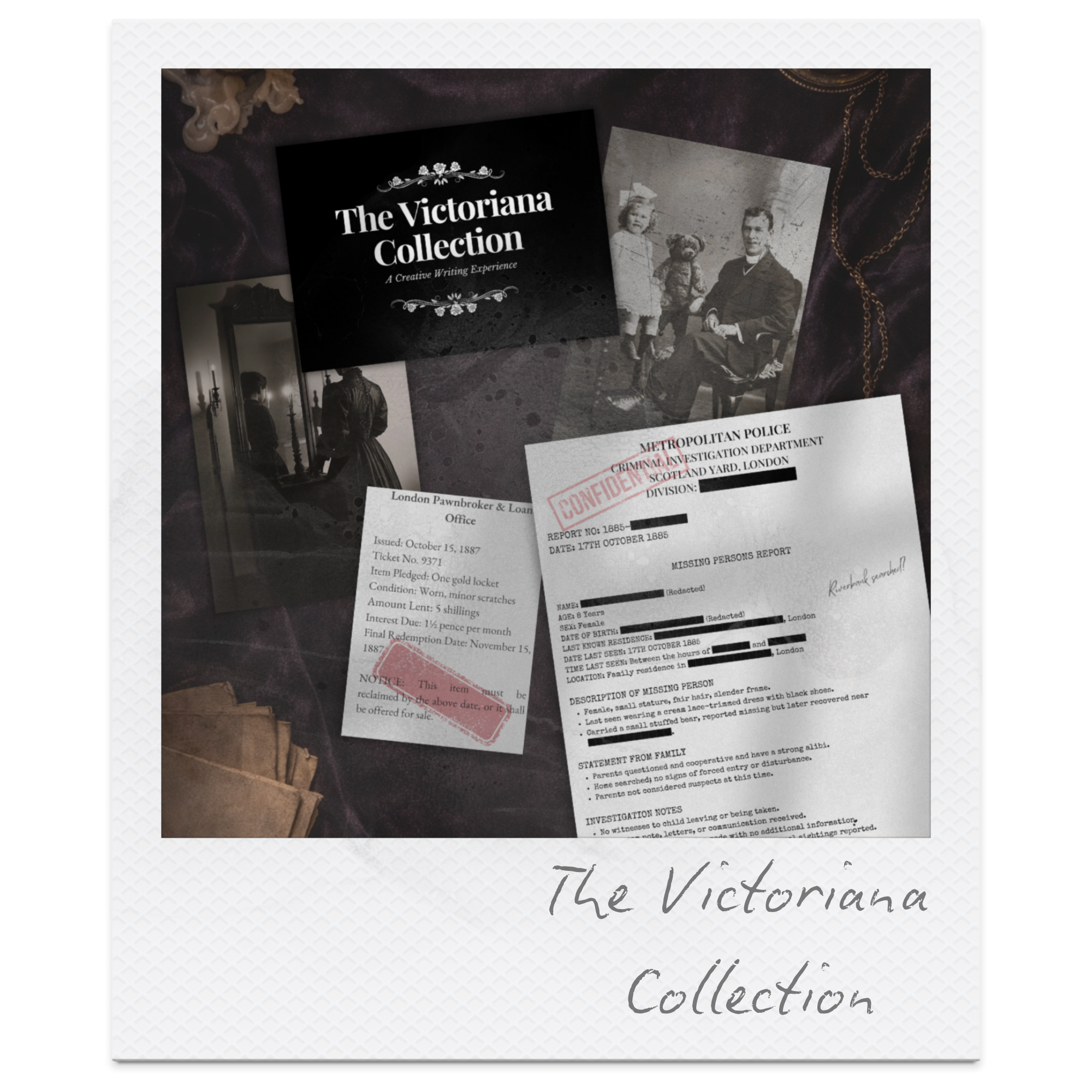
If you’d like a more immersive gothic storytelling experience, you can also explore The Victoriana Collection, a narrative writing box inspired by nineteenth-century mysteries, archival storytelling, and atmospheric gothic worlds where fragments of letters, photographs, and historical clues invite writers to reconstruct a haunting story.
Final Thoughts
Family curse stories endure because they explore a fear that is both supernatural and deeply human: the idea that the past cannot simply be left behind. Rooted in Gothic literature traditions of haunted houses, inherited guilt, and ancestral secrets, these narratives reveal how history shapes identity, choice, and destiny across generations.
These 70 Gothic Family Curse Writing Prompts are designed to help writers experiment with atmospheric storytelling, generational mystery, and morally complex legacies. Whether used for creative writing lessons, journaling, classroom activities, or longer Gothic fiction projects, the prompts encourage writers to explore how hidden histories continue to influence the present.
If you would like to explore more Gothic writing prompts, dark storytelling tropes, and atmospheric fiction ideas, you can browse the full Creative Writing Archive or visit the Gothic Writing Prompts hub, where you will find additional prompts inspired by haunted houses, forbidden knowledge, ancestral secrets, and the enduring power of Gothic storytelling.
Choose Your Next Adventure