70 Gothic Mystery Writing Prompts: Dark Secrets, Suspenseful Stories, Characters, Settings & Visual Ideas
Gothic mystery explores the darker side of curiosity — the impulse to uncover secrets hidden within abandoned houses, forgotten towns, and long-buried histories. Rooted in the traditions of gothic literature and nineteenth-century detective fiction, these stories often unfold in isolated places where the past refuses to remain silent. Crumbling estates, fog-covered villages, shadowed forests, and quiet libraries become spaces where mysteries slowly reveal themselves.
Gothic mystery writing prompts invite teen writers to explore stories built around investigation, hidden identities, unexplained events, and secrets that have shaped families or communities for generations. Unlike traditional mysteries focused purely on solving crimes, gothic mysteries emphasise atmosphere, psychological tension, and the unsettling feeling that something within the story world is not quite right.
This collection of 70 Gothic Mystery Writing Prompts includes plot hooks, story starters, opening lines, closing lines, character ideas, atmospheric settings, and cinematic visual prompts designed to inspire eerie investigative storytelling. These prompts work well for creative writing lessons, mystery-themed writing clubs, journaling, or longer YA storytelling projects.
If you’d like to explore more dark storytelling ideas, atmospheric fantasy prompts, and eerie creative writing collections, you can browse the Creative Writing Archive, Mystery Writing Hub or explore the Gothic Writing Hub to discover additional prompts across gothic horror, gothic romance, and gothic fantasy.
Some objects should never be collected.
Others refuse to be forgotten.
Deep within the Kingdom of Rosenwald, a mysterious collector has spent thirty-seven years gathering objects of unusual provenance, uncertain purpose and, in several instances, deeply unsettling reputation.
A mechanical nightingale sings with a voice that is not its own.
A silver brush continues to grow hair.
A pair of bridal slippers remembers a wedding nobody wishes to discuss.
And a queen's beautiful porcelain sugar bowl conceals a terrible secret.
Each object has a history.
Some have several.
Not all of them can be trusted.
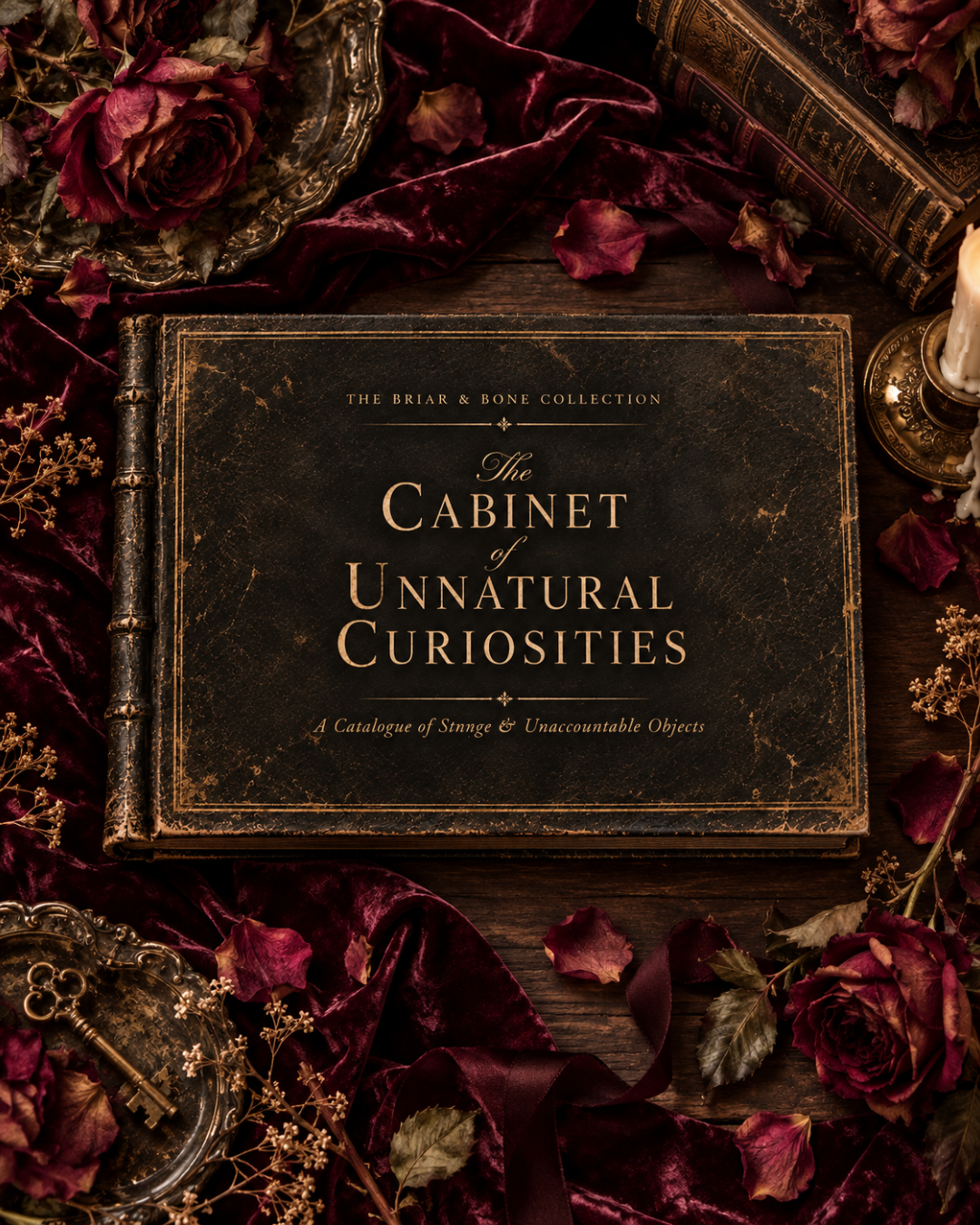
Briar & Bone: The Cabinet of Unnatural Curiosities is an immersive, 21-page illustrated catalogue of enchanted objects, forgotten treasures and mysterious artefacts from the dark fairytale Kingdom of Rosenwald.
Inspired by Victorian cabinets of curiosities, Gothic literature and twisted fairytales, this fictional collection brings together intricate specimen illustrations, collector's observations, mysterious photographs, preserved curiosities and fragments of a world where even the most beautiful possessions may conceal something sinister.
Who placed a human heart inside the mechanical nightingale?
Why were the feathers carefully labelled with names and ages?
What happened to the owners of the objects that were never reclaimed?
Why have certain photographs been removed?
And what secrets has the collector chosen not to record?
There are no definitive explanations.
No complete histories.
No guarantee that the collector is telling the truth.
Only strange objects, forgotten stories and unanswered questions waiting to be explored.
What's Inside?
◆ 21 beautifully illustrated digital pages from the fictional Kingdom of Rosenwald
◆ 11 detailed specimen entries featuring cursed objects, enchanted possessions and mysterious artefacts
◆ Intricate illustrations, classifications, provenance records and the collector's observations
◆ Collections of preserved flowers, feathers and other unusual curiosities
◆ Atmospheric photographs, mysterious locations and fragments of forgotten histories
◆ An illustrated inventory of additional objects and incomplete records
◆ An exploration guide with creative writing ideas and classroom activities
◆ Instant digital download in PDF format
Who Is It For?
Perfect for:
◆ Fantasy writers and worldbuilders
◆ Gothic fiction and dark fairytale enthusiasts
◆ Novelists, short-story writers and creative storytellers
◆ Teachers looking for imaginative visual writing prompts
◆ Mystery lovers and fans of supernatural folklore
◆ Journalers, roleplayers and curious minds
◆ Anyone who loves antique curiosities, fictional archives and strange forgotten histories
What Makes This Different?
This isn't a traditional collection of writing prompts.
It's a cabinet of curiosities.
Every specimen offers another glimpse into Rosenwald's mysterious past, but the histories are incomplete, the evidence is uncertain and the collector's observations cannot always be trusted.
Examine the nightingale's mechanical heart.
Study the preserved feathers.
Investigate the queen's sugar bowl.
Search the photographs for missing details.
Read the collector's observations and decide which accounts you believe.
Perhaps an object is genuinely enchanted.
Perhaps its reputation has grown from superstition.
Perhaps somebody has deliberately concealed the truth.
Or perhaps the strangest explanation is the correct one.
You decide what these objects mean.
Use the collection to inspire a Gothic short story, develop a dark fairytale, invent a mysterious character or build an entire fantasy world around its forgotten artefacts.
Follow the clues.
Question the collector.
Imagine the histories that were never recorded.
Which curiosity will you investigate? What story will you uncover?
Digital download: 21-page illustrated PDF collection, designed in A4 landscape format. Some pages contain multiple individual artefacts. No physical product will be shipped.
Investigate Briar & Bone: The Cabinet of Unnatural Curiosities
Every Gothic mystery begins with something that doesn't quite make sense. A photograph showing someone who should not be there. An object whose recorded history contradicts the evidence. A collector who seems determined to conceal as much as they reveal.
But what if an entire cabinet of curiosities contained mysteries waiting to be solved?
Briar & Bone: The Cabinet of Unnatural Curiosities is a 21-page illustrated digital collection set in the dark fairytale Kingdom of Rosenwald, where eleven extraordinary objects have been gathered, examined and catalogued by an unnamed collector.
Inside, you'll discover peculiar artefacts, preserved specimens, mysterious photographs and fragmented records. Among the curiosities are the Mourning Locket, the Thirteenth Spindle and the Queen's Sugar Bowl, each accompanied by details that suggest something far stranger than its official history.
For writers interested in Gothic mystery writing, the Cabinet provides an opportunity to build stories around physical evidence, unreliable testimony and unanswered questions.
Perhaps a photograph contradicts the collector's description of an object. Perhaps a seemingly insignificant detail reveals the identity of a missing owner. Or perhaps the most important clue is something deliberately omitted from the inventory.
Rather than presenting a completed mystery, the collection invites you to become the investigator, inventing connections, questioning appearances and imagining the stories concealed within its pages.
Discover the artefacts and explore their storytelling possibilities in The Cabinet of Unnatural Curiosities: Creative Writing Ideas from a Dark Fairytale World.

1. Plot Hooks
Gothic mystery plot hooks often begin with unexplained events or long-hidden secrets that draw characters into dangerous investigations. These prompts introduce mysteries rooted in forgotten histories, strange coincidences, and places where the past refuses to stay buried.
Write about a teenager who discovers a locked room inside their new home that does not appear on any floor plan.
Write about a character who finds a diary hidden behind a loose stone in an abandoned church wall.
Write about a student researching local history who uncovers evidence that a decades-old disappearance may have been deliberately covered up.
Write about a village where every house contains the same portrait of a woman no one can identify.
Write about a character who receives a package containing an old key and a note that simply says, “You deserve the truth.”
Write about a teenager who begins hearing footsteps in the corridor outside their bedroom every night at exactly the same time.
Write about a character who discovers that their name appears in an unsolved case file from years before they were born.
Write about a group of friends exploring a ruined estate who realise the building seems to change each time they return.
Write about a character who finds a hidden map suggesting that something valuable — or dangerous — is buried beneath the town.
Write about a teenager who notices that certain pages have been carefully removed from every history book in the school library.
2. Title Ideas
Gothic mystery titles often hint at secrecy, forgotten histories, and hidden truths waiting to be uncovered.
The House That Kept Its Secrets
The Locked Room at Blackwood Hall
The Village That Forgot
The Shadow Beneath the Staircase
The Case of the Silent Manor
Where the Fog Hides the Truth
The Portrait in the Corridor
The Key No One Claimed
The Library of Lost Names
The Secret Beneath the Chapel
3. Opening Lines
Gothic mystery openings often establish both atmosphere and uncertainty, inviting readers into a story where small details quickly begin to feel suspicious.
The first time I noticed the door, I was certain it had not been there the day before.
No one in the village would talk about what happened at the manor, which only made me more determined to find out.
The diary should not have existed — especially not with my name written on the first page.
The fog that morning felt thicker than usual, as though the town itself was trying to hide something.
I realised something was wrong when I saw my reflection standing in a room I had not yet entered.
The key arrived in the post without a return address, wrapped in paper that smelled faintly of smoke.
Everyone insisted the old house was empty, yet the light in the tower window burned every night.
I thought the archive would contain forgotten history, not secrets someone was still trying to hide.
The librarian hesitated before giving me the book, which was when I knew it mattered.
The moment I stepped into the abandoned hallway, I felt certain someone had been waiting for me.
4. Closing Lines
Gothic mystery endings often suggest that solving the mystery reveals deeper questions, leaving readers with the sense that some secrets will never fully disappear.
The house stood silent again, though I knew its story was far from finished.
By morning the fog had cleared, but the truth we uncovered refused to fade with it.
I locked the door behind me, hoping the secret would remain buried — though I suspected it never would.
The portrait returned to its place in the corridor, watching quietly as if nothing had changed.
Some mysteries end with answers, but this one only opened another door.
When the last page of the diary fell shut, I finally understood why someone had tried to hide it.
The town looked peaceful again, though I could never see it the same way.
I left the key exactly where I found it, hoping no one else would need to use it.
The lantern in the tower went dark that night, but the memory of it never did.
And somewhere beneath the quiet streets of the village, the truth remained waiting.
5. Character Ideas
Gothic mystery characters are often shaped by curiosity, secrecy, and personal connections to the mysteries they investigate. Many protagonists begin as observers or outsiders before gradually discovering that the truth is far more personal than they expected.
A student researching local history who realises their own family appears repeatedly in old records.
A quiet caretaker who knows more about the abandoned estate than they are willing to admit.
A new resident in a small village who notices strange patterns in the town’s history.
A curious teenager who discovers hidden passages while exploring an inherited house.
A local journalist determined to reopen an unsolved case that everyone else wants forgotten.
A librarian who quietly collects documents and letters that others have tried to remove from the archives.
A sceptical friend who initially refuses to believe the mystery until they uncover evidence themselves.
A young artist who begins sketching buildings and locations that appear connected to an unsolved disappearance.
A descendant of a powerful family who suspects their relatives have hidden something dangerous for generations.
A character who slowly realises they may be the final piece of a mystery that began long before they were born.
6. Setting Ideas
Gothic mystery settings create tension through isolation, history, and atmosphere. These environments often hold physical clues — hidden rooms, forgotten objects, or places where important events once occurred.
An abandoned manor filled with locked doors and long corridors lined with faded portraits.
A fog-covered coastal village where the lighthouse keeper disappeared many years ago.
A quiet library containing rare books, missing pages, and documents no one remembers cataloguing.
A crumbling chapel on the edge of town where strange lights sometimes appear at night.
A forest path that leads to the ruins of a house no longer marked on any map.
A hidden underground tunnel connecting several buildings in an old part of the city.
A remote boarding school where generations of students have whispered about unexplained events.
A forgotten cemetery where several gravestones appear to have been deliberately altered.
A narrow street where every building seems older than the town’s official records suggest.
A deserted railway station where a train once vanished without explanation.
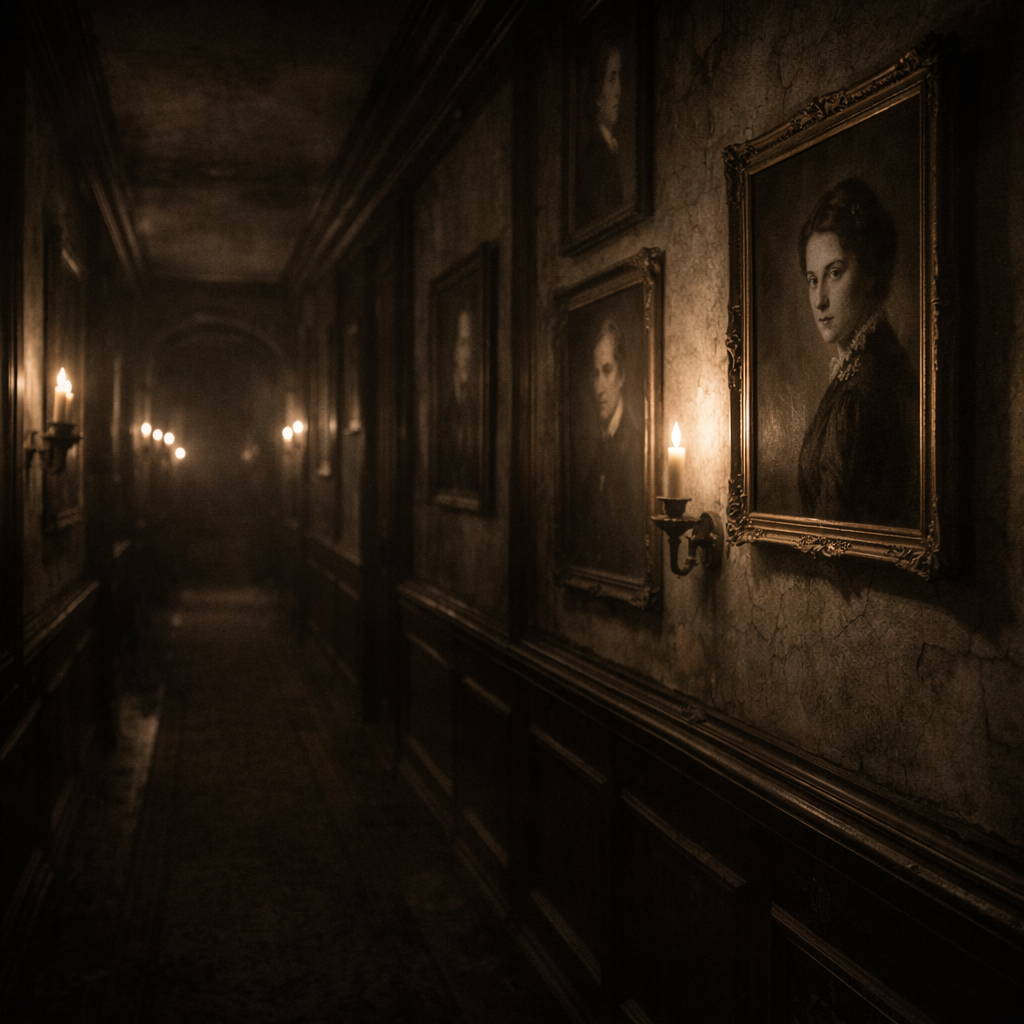
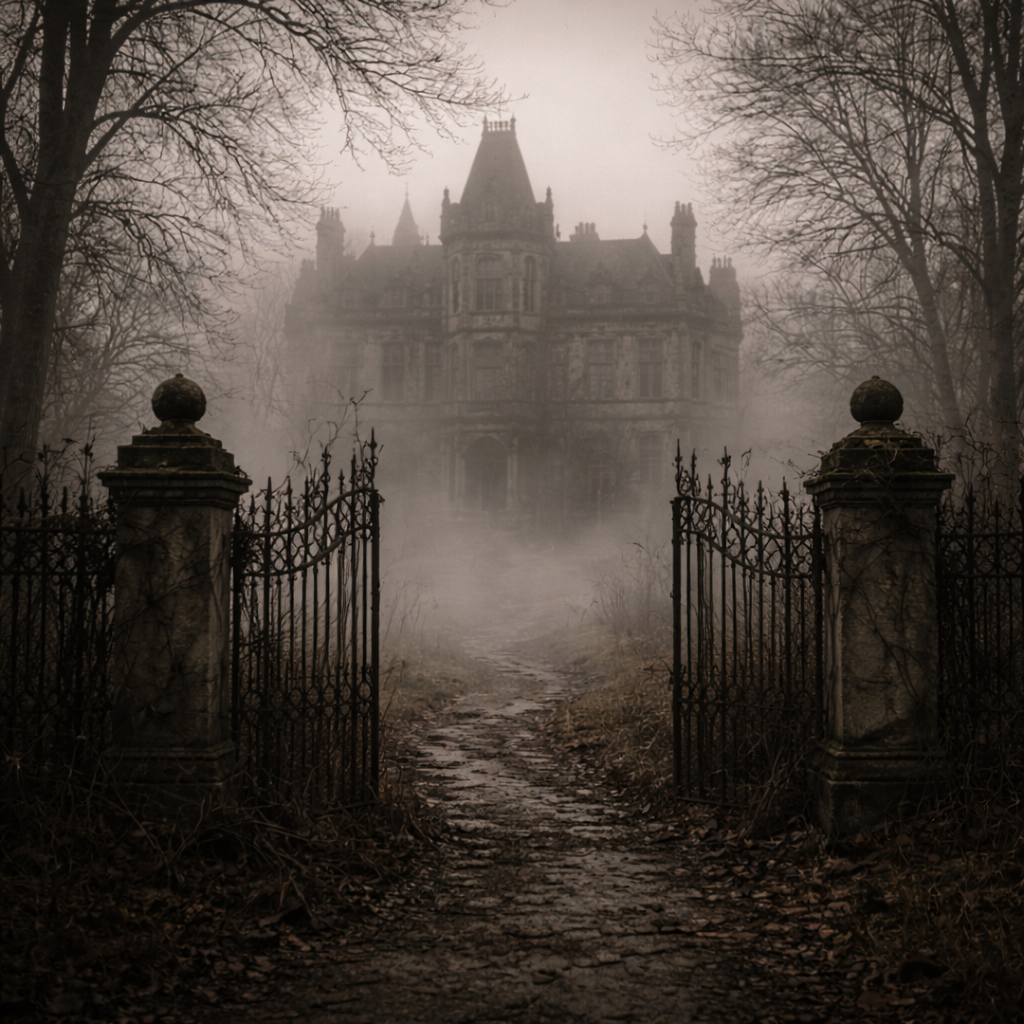
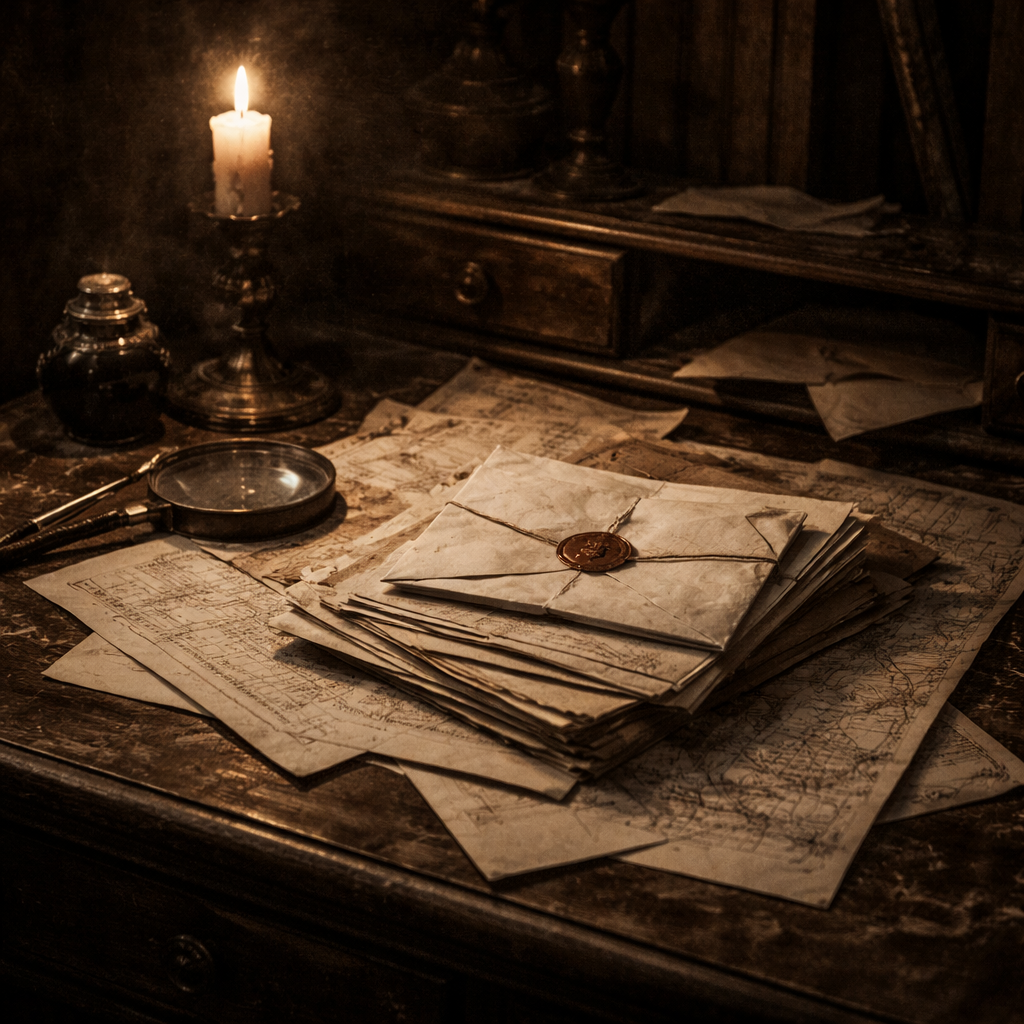
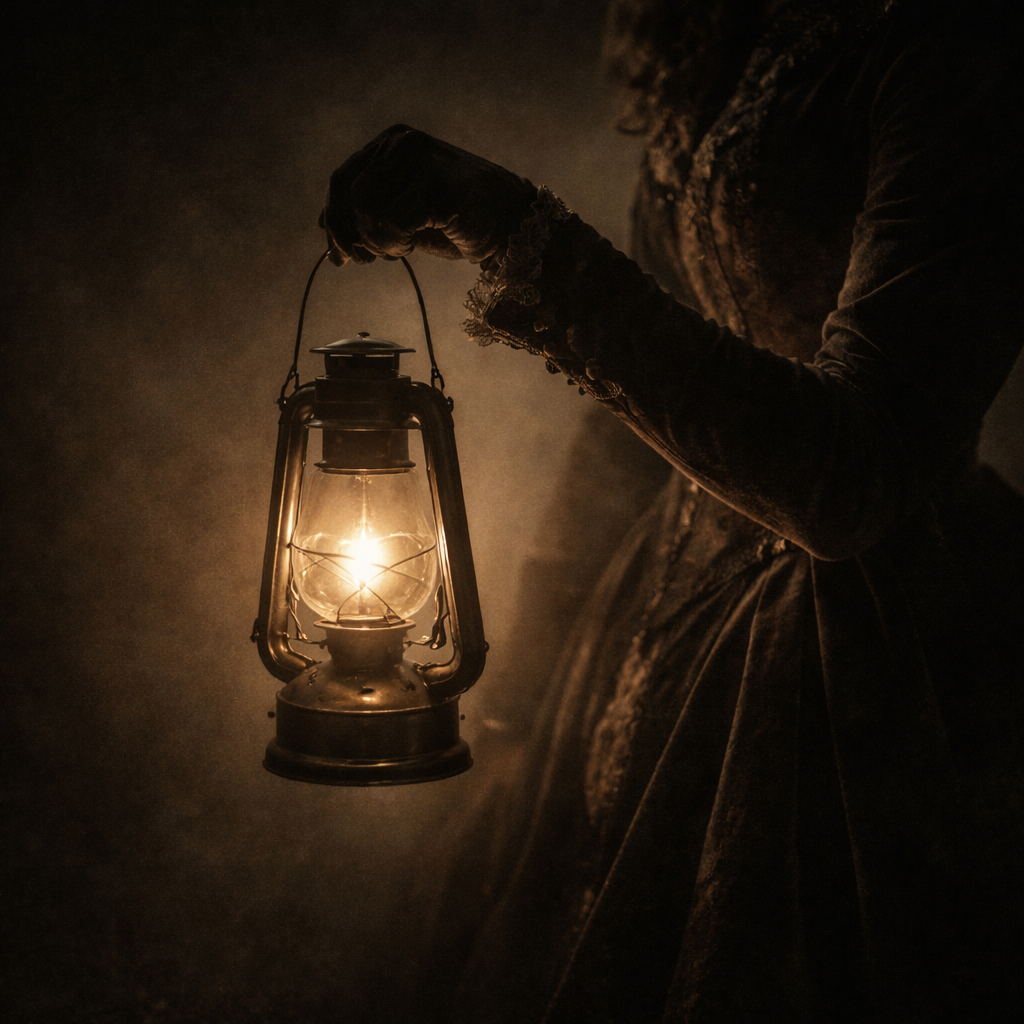
7. Picture Prompts
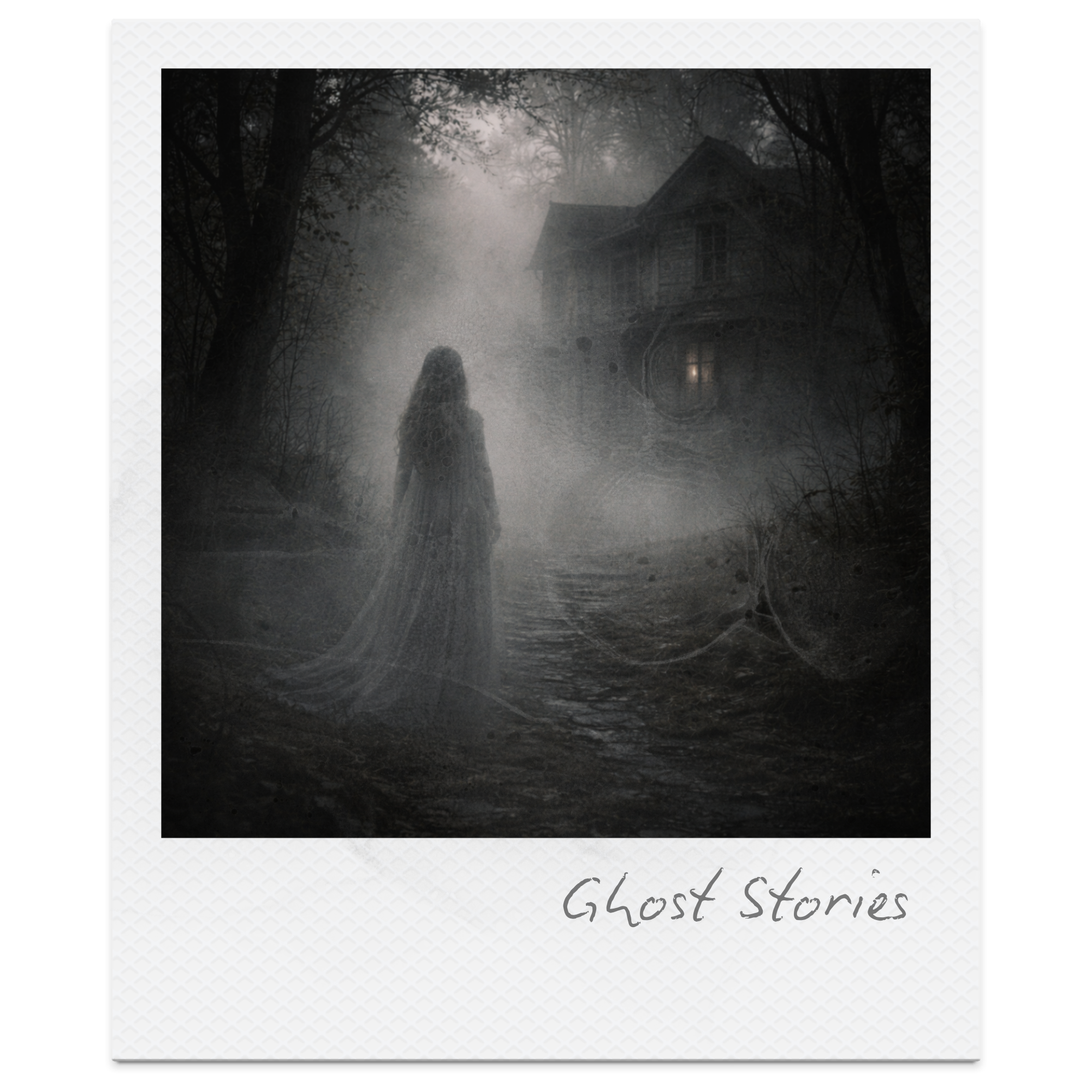
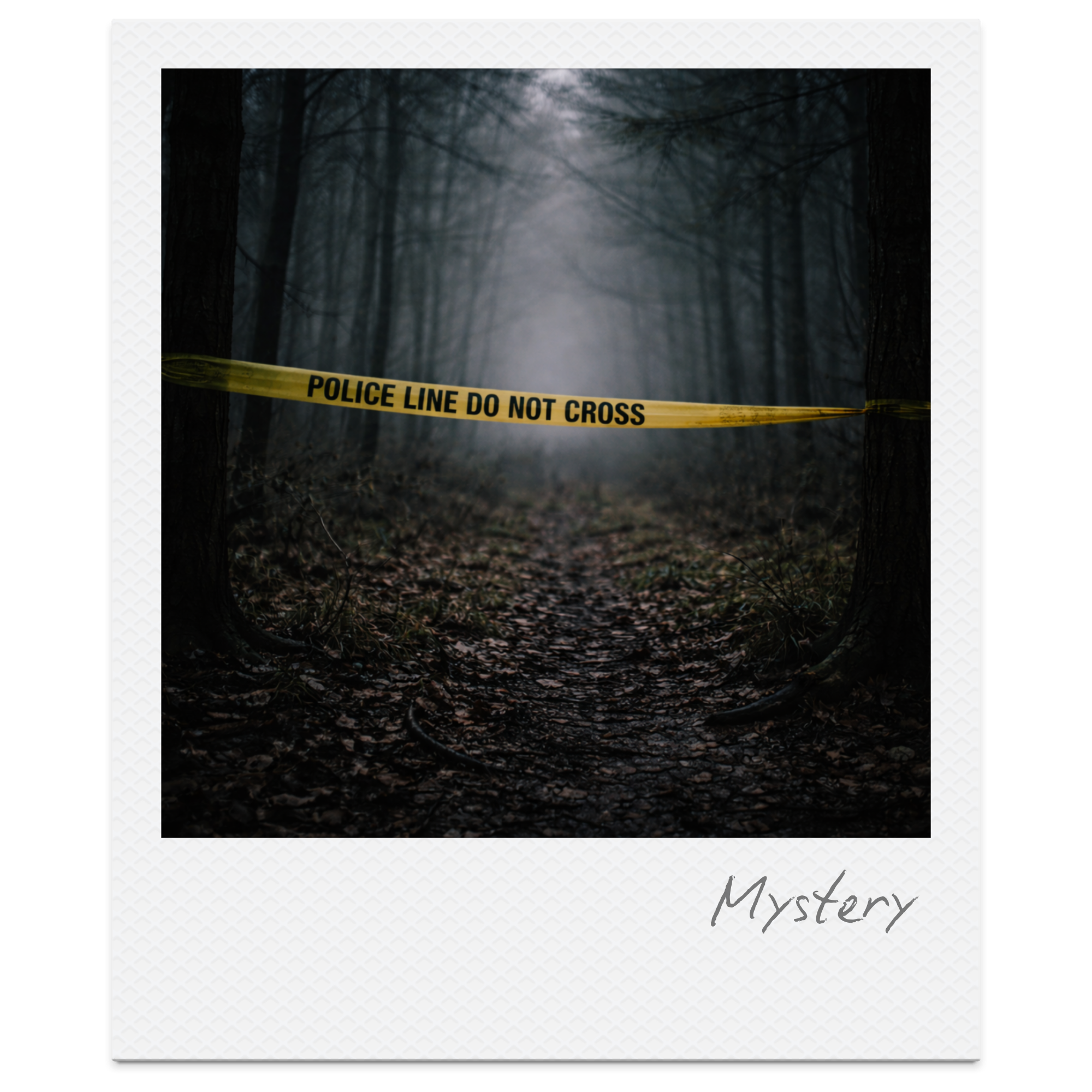
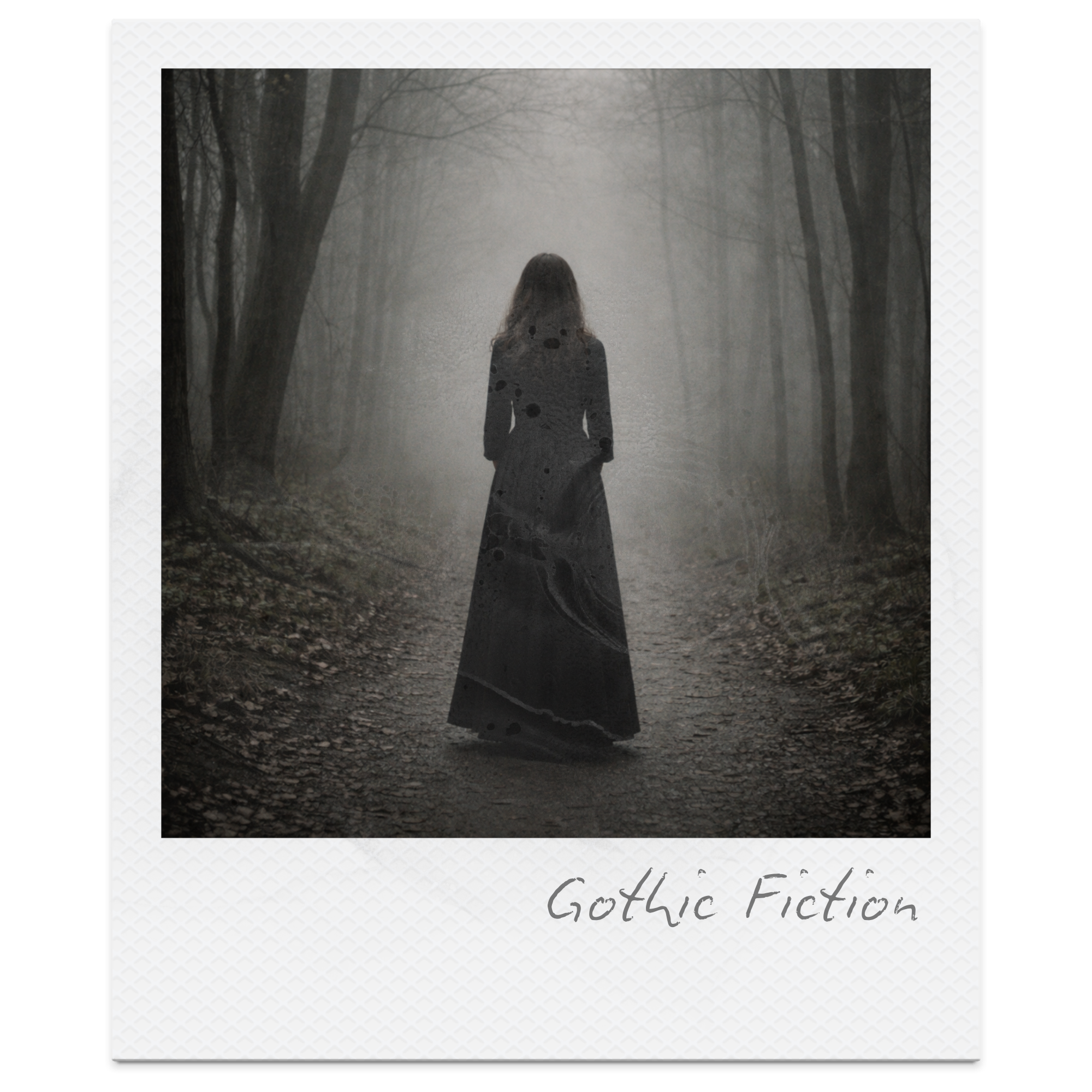
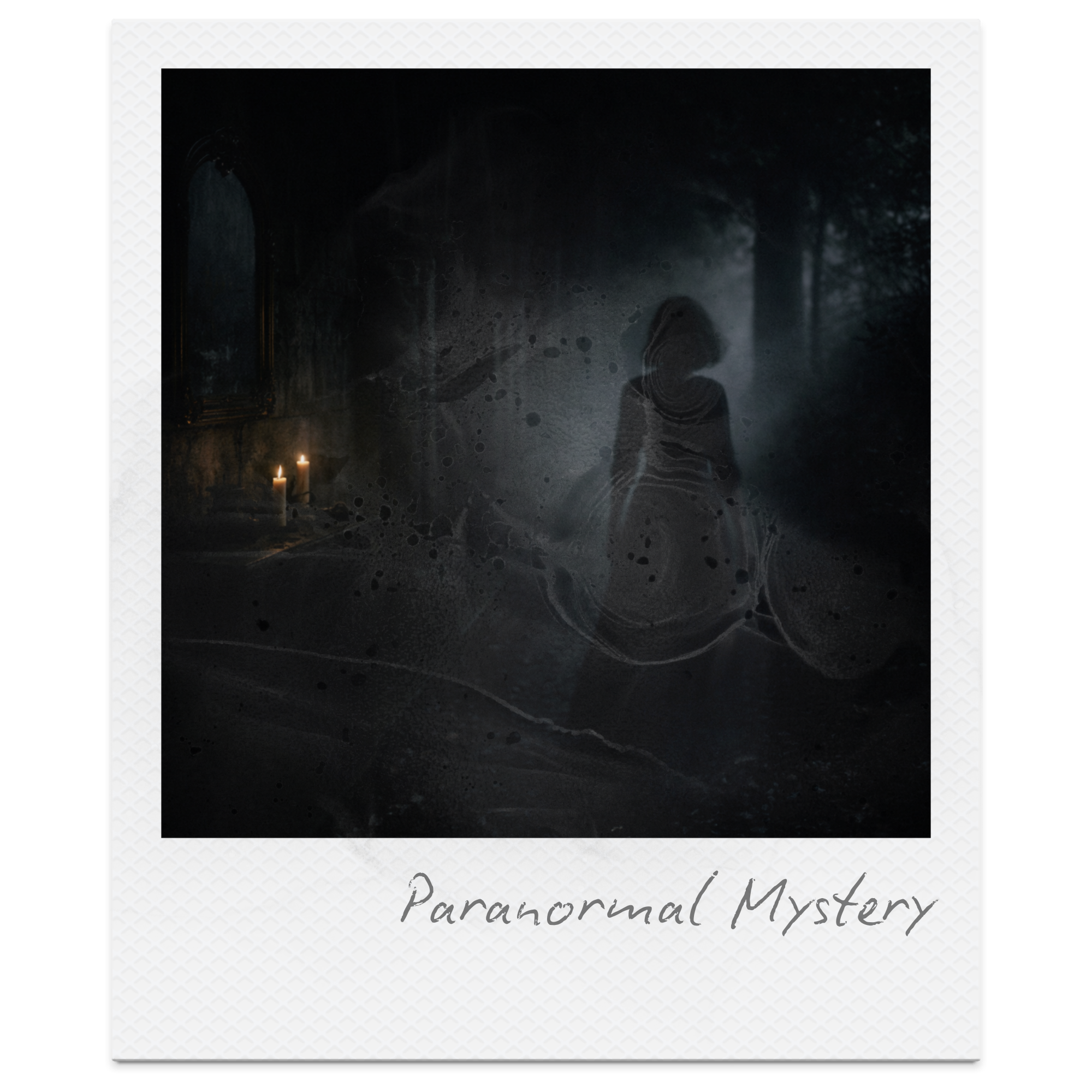
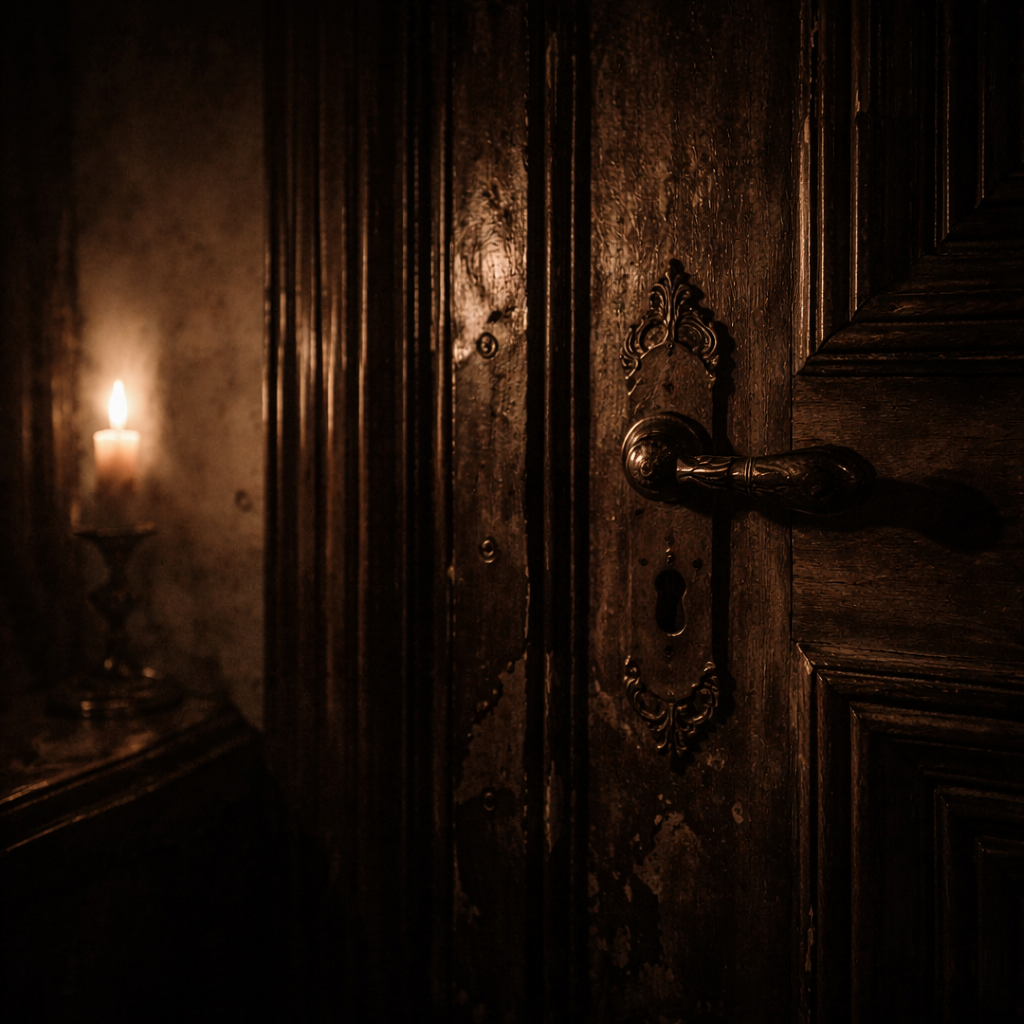
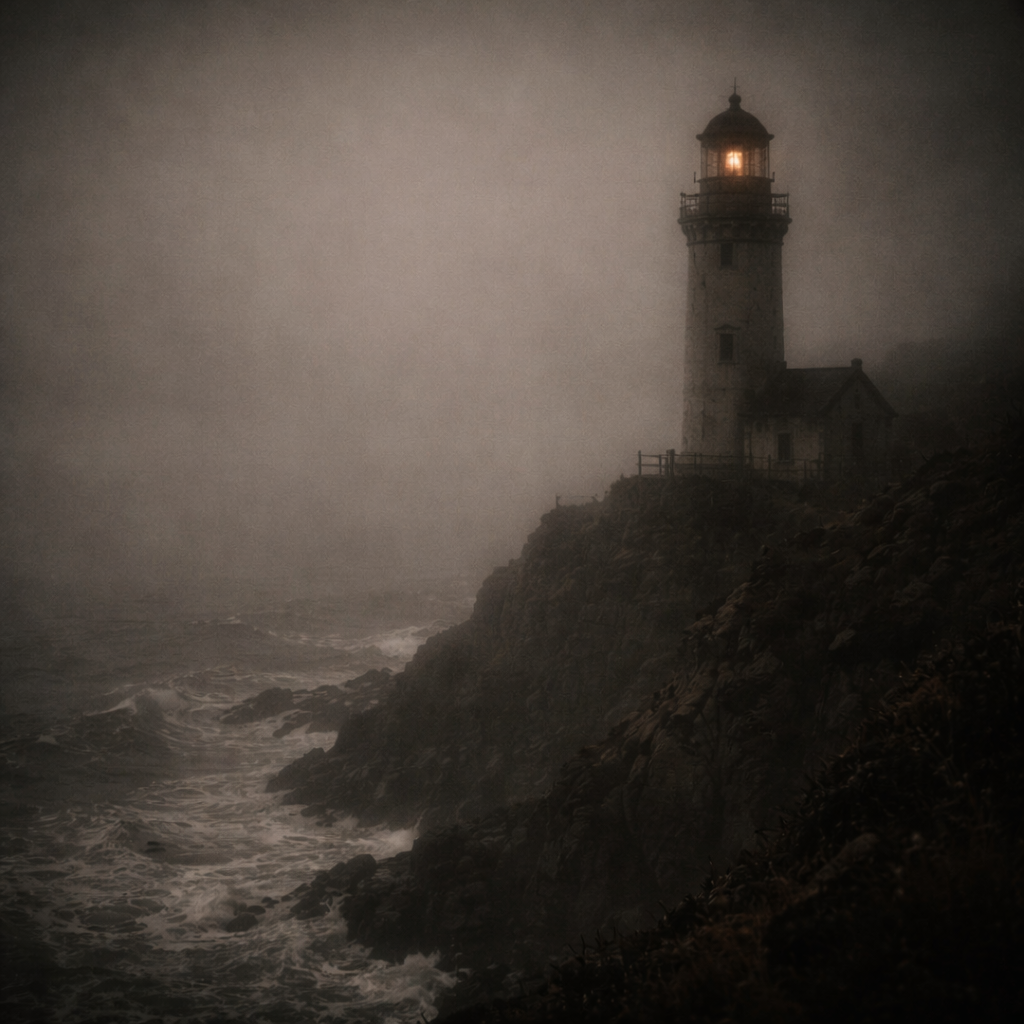
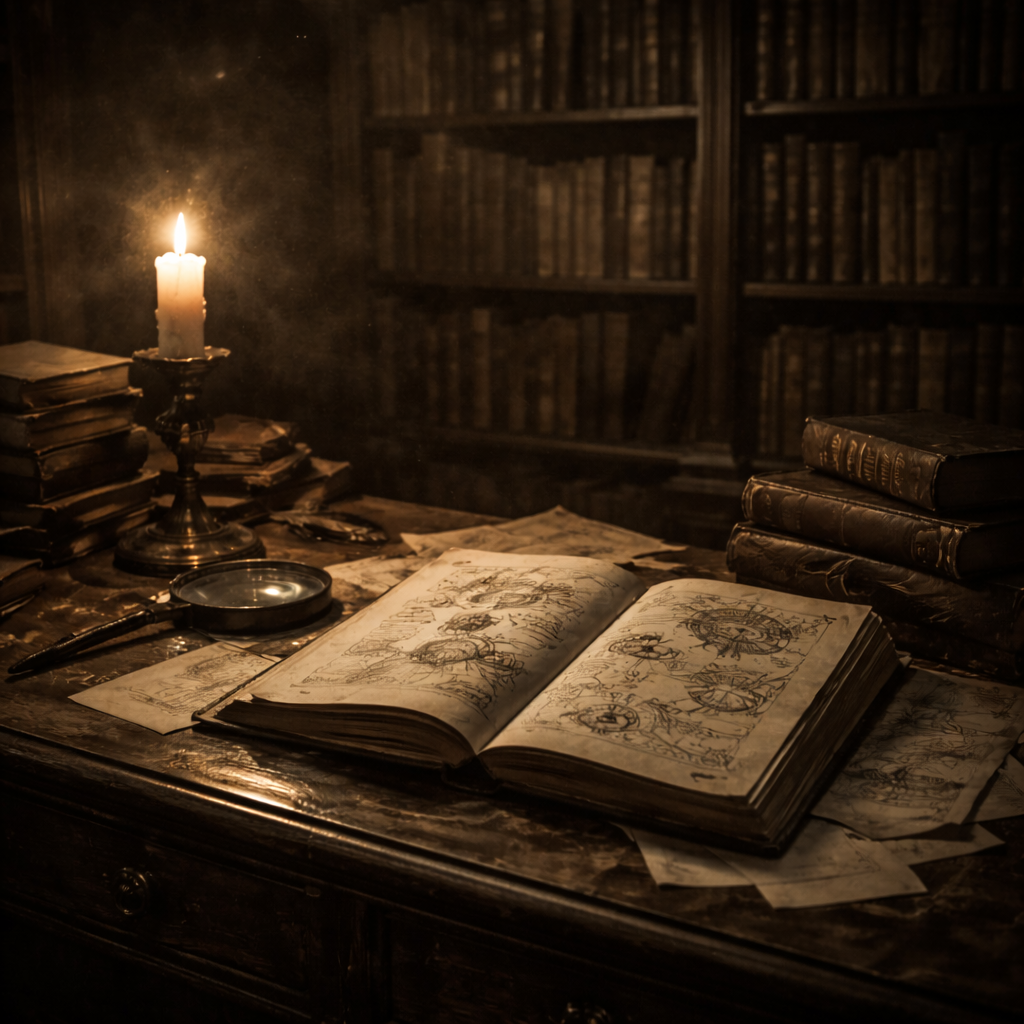
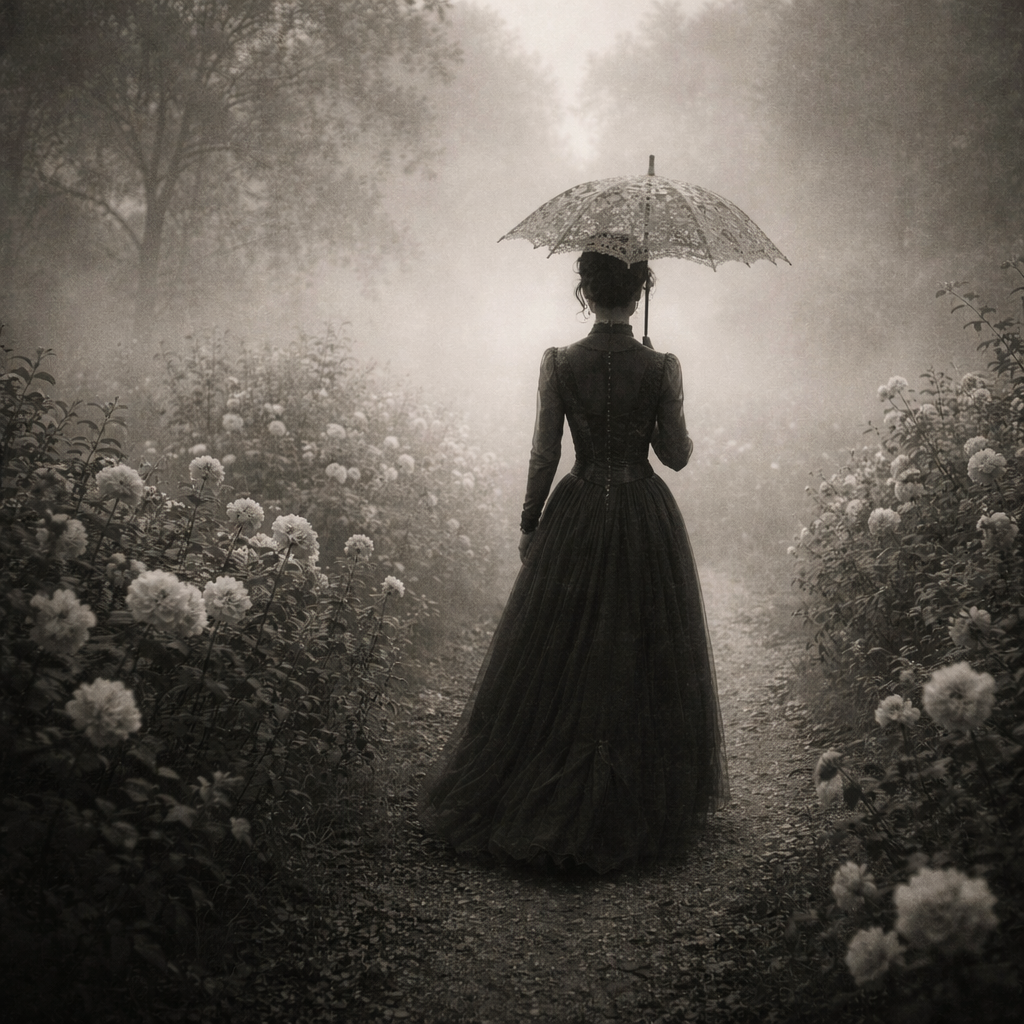
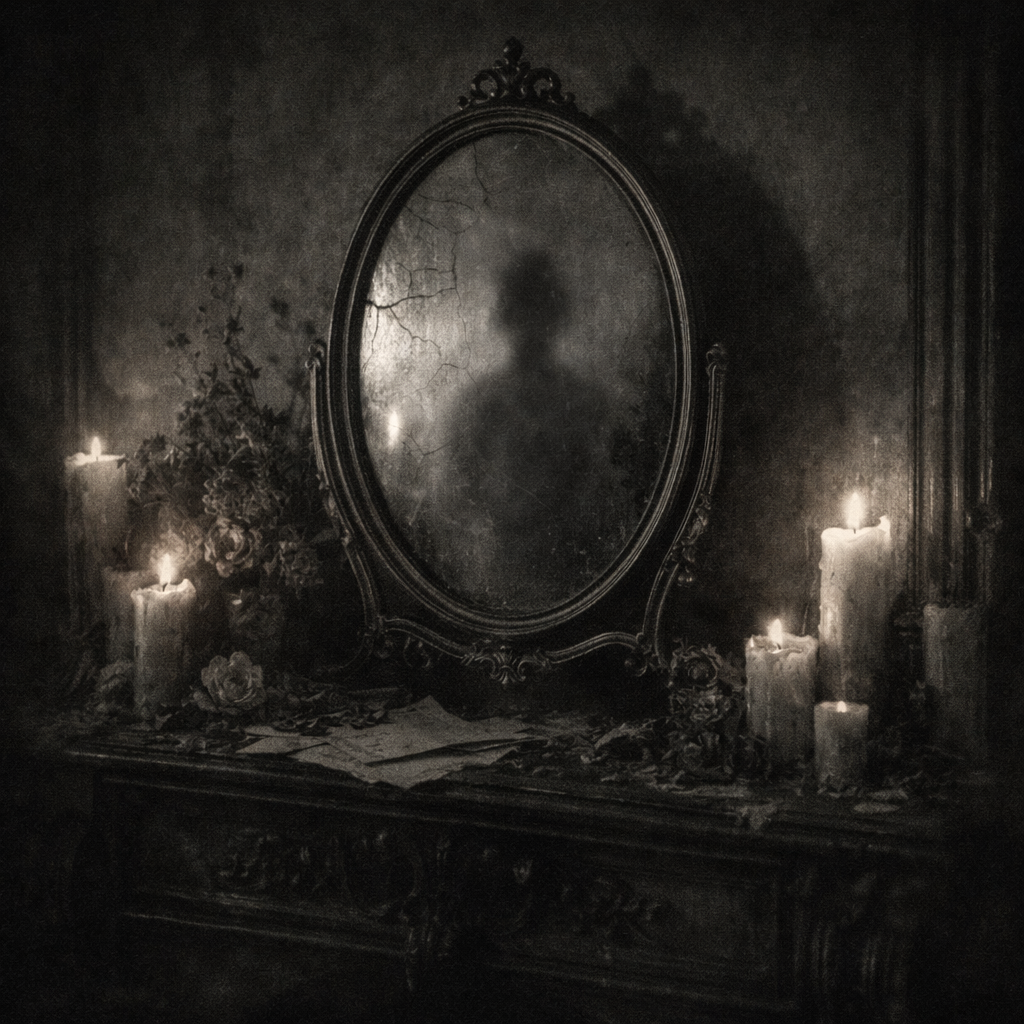
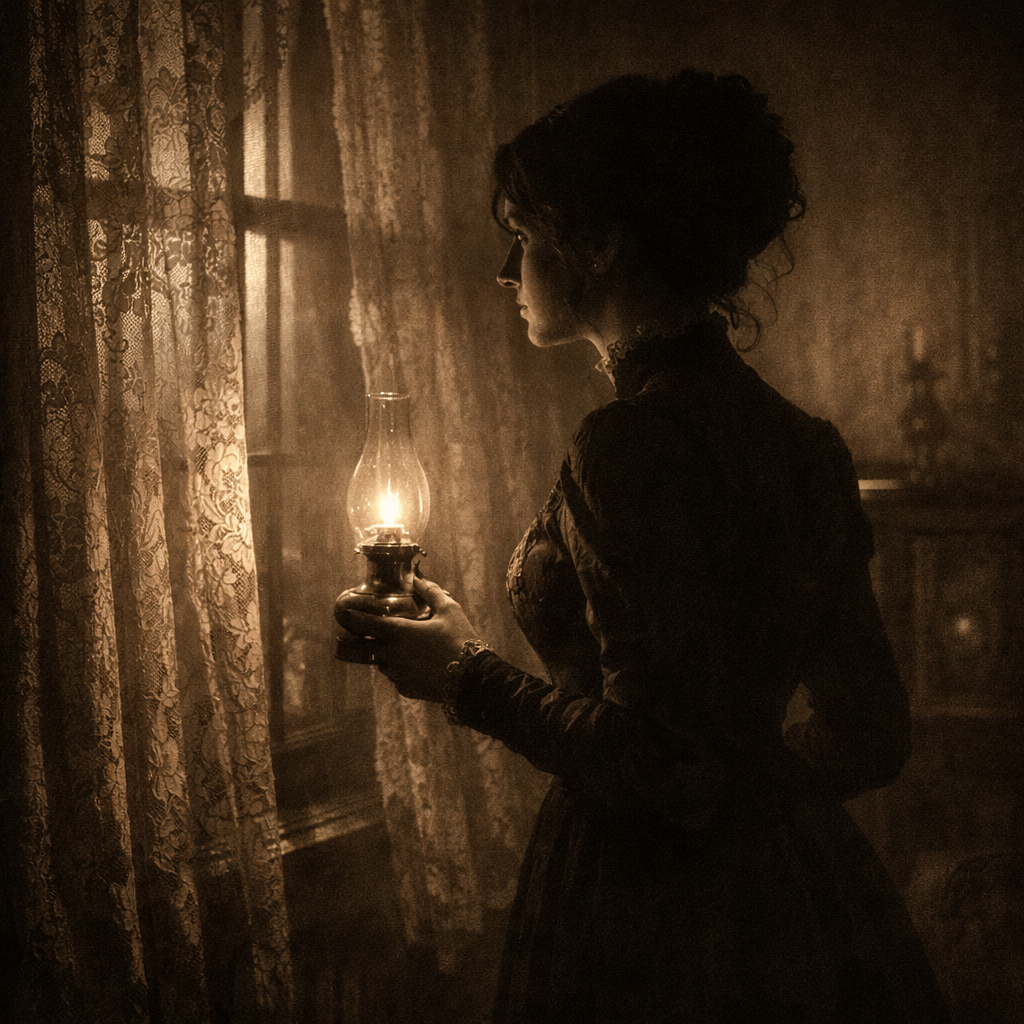
Visual prompts are particularly effective for gothic mystery because atmosphere, architecture, and subtle details often hint at hidden stories waiting to be uncovered. Rather than showing a complete narrative, these images capture moments filled with uncertainty — places where something important may have just happened, or where a discovery is about to be made.
Each visual prompt reflects elements commonly found in gothic mystery storytelling: abandoned buildings, shadowed corridors, fog-covered landscapes, and characters searching for answers in places where the past still lingers. Writers can imagine what occurred before the moment in the image or what might be revealed immediately after.
These images can be used as story starters, descriptive writing exercises, or inspiration for longer mystery narratives focused on investigation, hidden histories, and unexpected discoveries.
Go Deeper into Gothic Mystery Writing
To build stronger gothic mystery stories, writers should focus on gradually revealing secrets rather than explaining everything immediately. Suspense often grows through small clues, unanswered questions, and the gradual discovery of hidden connections.
◆ Write a scene where a character finds an object that appears ordinary at first but later becomes the key to solving the mystery.
◆ Describe a location where something important once happened, allowing the setting itself to hint at the story’s hidden past.
◆ Write a conversation between two characters where one of them knows more than they are willing to reveal.
◆ Rewrite an investigative scene from the perspective of someone secretly observing the protagonist.
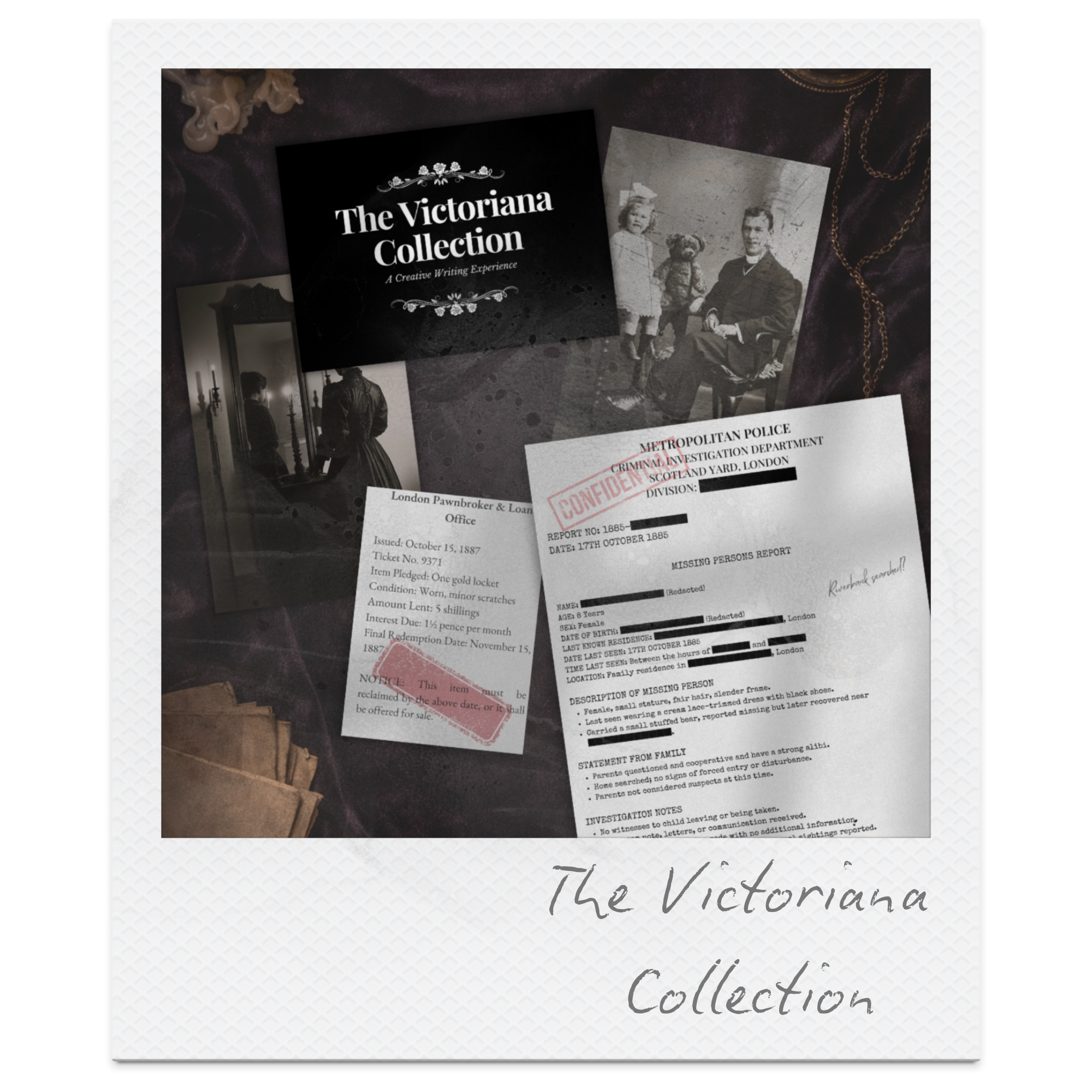
If you’d like a more immersive gothic storytelling experience, you can also explore The Victoriana Collection, a narrative writing box inspired by nineteenth-century mysteries, archival storytelling, and atmospheric gothic worlds where fragments of letters, photographs, and historical clues invite writers to reconstruct a haunting story.
Final Thoughts
Gothic mystery remains a powerful storytelling form because it combines investigation with atmosphere, allowing writers to explore how secrets shape people and places over time. These stories invite readers to question appearances, uncover hidden histories, and gradually reveal truths that have long been buried.
These 70 Gothic Mystery Writing Prompts for Teens encourage young writers to experiment with suspenseful storytelling through plot hooks, characters, settings, and visual inspiration. Whether used in classrooms, writing clubs, or personal creative projects, the prompts help writers practise building tension while developing engaging mysteries.
To explore more atmospheric storytelling ideas, you can browse the Creative Writing Archive or return to the Gothic Writing Hub to discover additional prompts across gothic horror, gothic romance, and gothic fantasy.
Choose Your Next Adventure