Notes from the Inkpot
Writing, teaching, creating - one ink-stained idea at a time.



Fluke by Romesh Gunesekera: Summary, Themes & Analysis:::
Romesh Gunesekera’s Fluke is a darkly ironic and politically unsettling short story exploring memory, denial, capitalism, post-war identity, and collective amnesia in modern Sri Lanka. Through the reflective narration of Vasantha, a van driver transporting a motivational speaker to a luxury business seminar, Gunesekera gradually exposes the uneasy tension between commercial optimism and unresolved political violence. Although the story initially appears humorous and conversational, references to disappearances, war crimes, and forgetting slowly reveal a society attempting to bury trauma beneath tourism, branding, and economic growth. This detailed analysis explores the story’s symbolism, narrative voice, themes, structure, key quotes, and alternative interpretations while examining how Gunesekera uses irony, understatement, and reflective imagery to question whether genuine progress is possible without confronting the past.
A Warning to the Curious by M.R. James: Summary, Themes & Analysis:::
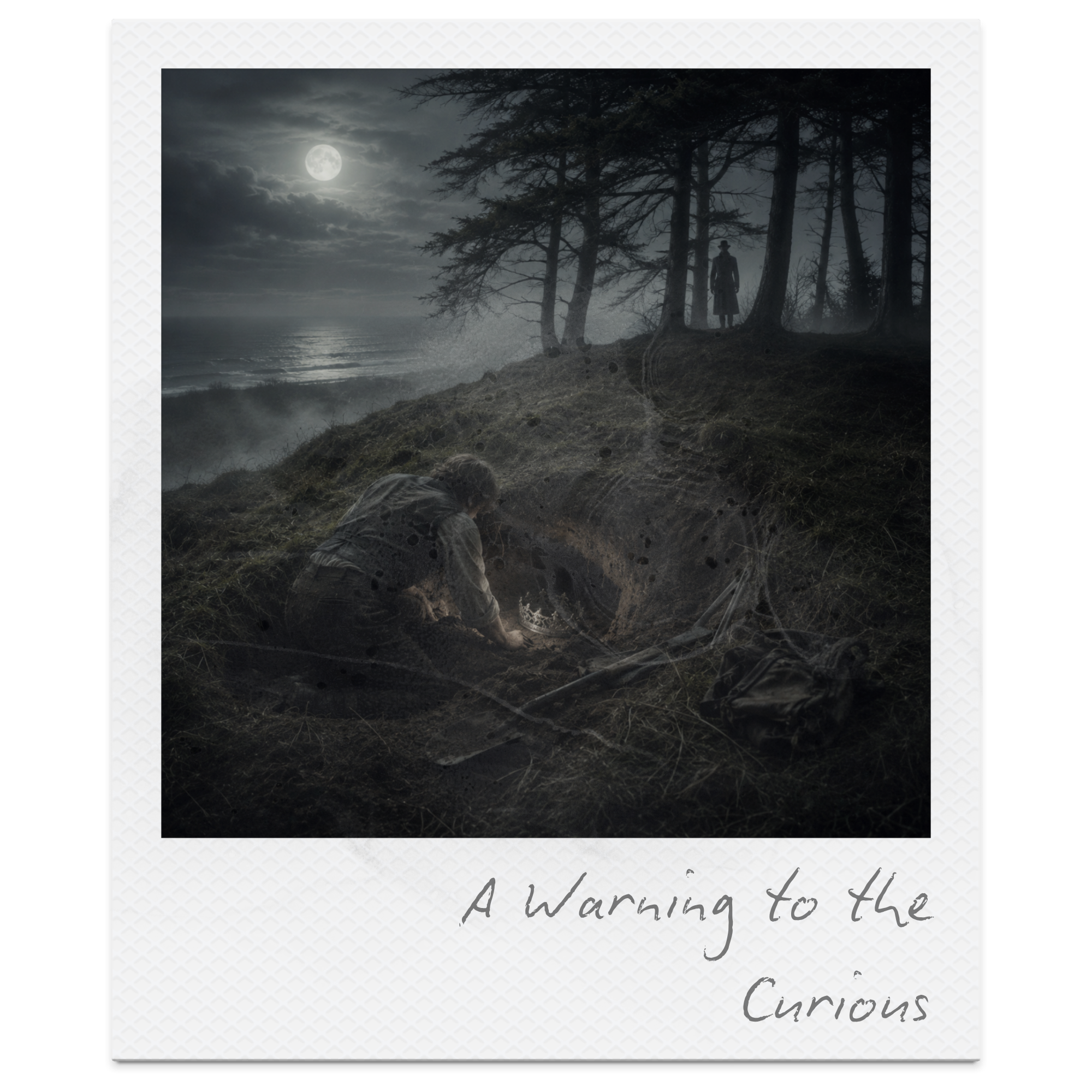
M.R. James’s A Warning to the Curious is a chilling Gothic ghost story exploring curiosity, fear, historical memory, guilt, and the dangerous consequences of disturbing what should remain hidden. Through the isolated coastal setting of Seaburgh, the mysterious buried crown, and the increasingly terrified figure of Paxton, James gradually transforms scholarly curiosity into psychological horror and supernatural dread. This detailed analysis for CIE IGCSE World Literature (0408) explores the story’s themes, symbolism, structure, narrative voice, and key quotations, while examining how James creates fear through atmosphere, ambiguity, folklore, and Gothic tension. The guide also includes alternative interpretations, exam-ready insights, and classroom-focused teaching ideas designed to support deeper literary analysis and discussion.
A Story of a Wedding-Tour by Margaret Oliphant: Summary, Themes & Analysis
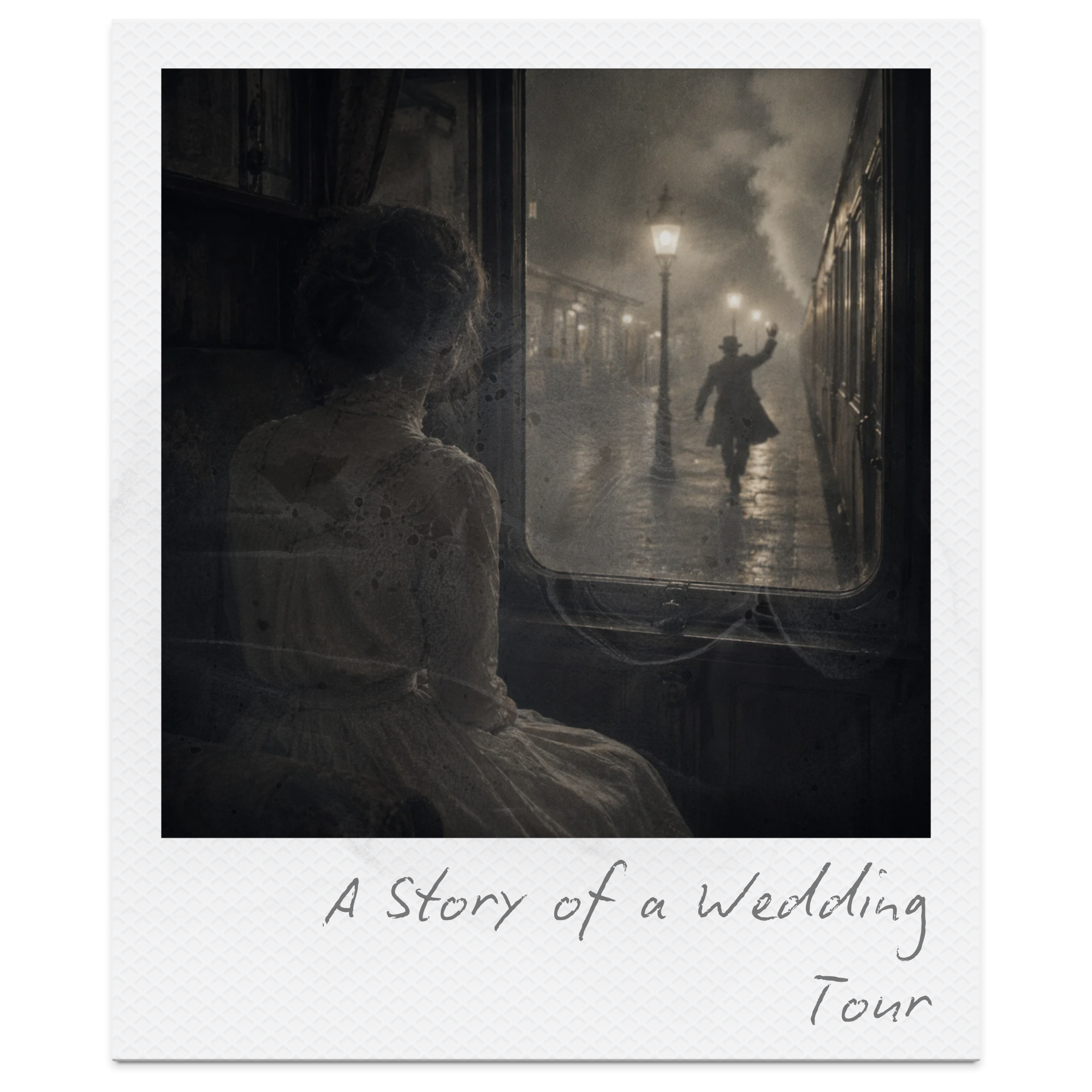
Margaret Oliphant’s A Story of a Wedding-Tour is a psychologically complex Victorian short story exploring marriage, female autonomy, freedom, identity, and moral ambiguity through the story of Janey, a young bride who impulsively abandons her husband during their honeymoon journey through France. Combining emotional realism with powerful symbolism, Oliphant examines the suffocating realities hidden beneath romantic expectations while exploring the emotional consequences of escape and reinvention. This analysis explores the story’s themes, structure, symbolism, narrative voice, and key quotations, while examining how Oliphant uses trains, movement, and shifting settings to reflect Janey’s psychological transformation. Ideal for students studying Stories of Ourselves Volume 2 for CIE IGCSE World Literature (0408), the guide also includes exam-ready insights, alternative interpretations, and classroom-focused teaching ideas.

The Gold Watch by Mulk Raj Anand: Summary, Themes & Analysis
Mulk Raj Anand’s The Gold Watch is a quietly devastating short story exploring colonial power, workplace hierarchy, economic insecurity, and human dignity. Through the experiences of the ageing dispatch clerk Sharma, Anand exposes how institutional systems disguise emotional cruelty beneath politeness, routine, and formal gestures of appreciation. This analysis explores the story’s themes, symbolism, narrative voice, and psychological tension, examining how Anand uses irony, restraint, and symbolism to critique systems that value workers only while they remain useful. Ideal for students studying CIE IGCSE English Literature (0475 & 0922) and anyone exploring postcolonial short fiction.
Nick by Christina Rossetti: Summary, Themes & Analysis
Christina Rossetti’s Nick is a darkly comic moral fable exploring envy, greed, consequence, and self-awareness through a series of strange magical transformations. Although Nick already lives in comfort and prosperity, he becomes consumed by jealousy and bitterness towards his neighbours. After receiving the power to become whatever he wishes, his malicious desires repeatedly spiral into humiliation, fear, and destruction. This analysis of Nick explores Rossetti’s use of symbolism, narrative voice, structure, and fairytale conventions to examine the psychological effects of resentment and selfishness. It also considers key themes including morality, social responsibility, and transformation, while offering exam-focused insights for CIE IGCSE English Literature (0475 & 0922).

The Visitor by Ray Bradbury: Summary, Meaning, Themes & Full Analysis
Ray Bradbury’s The Visitor is a haunting science fiction story exploring isolation, loneliness, and the dangerous power of illusion. Set on a desolate Mars inhabited by dying exiles, the narrative follows Saul Williams as he struggles with the psychological weight of separation from Earth. When a mysterious newcomer arrives with the ability to project vivid, shared visions of Earth, hope briefly returns—bringing with it beauty, memory, and the possibility of connection. However, Bradbury quickly reveals the darker side of this gift, as desperation turns to possession and conflict. What begins as relief becomes something fought over, exposing the fragility of human morality under pressure. Through its exploration of illusion vs reality, control, and human fragility, The Visitor offers a powerful warning about what happens when hope exists without trust—and how easily it can be destroyed.
The April Witch by Ray Bradbury: Summary, Themes, Symbolism & Analysis
Ray Bradbury’s The April Witch is a lyrical piece of speculative fiction that explores longing, identity, and the desire for connection through a magical yet emotionally grounded premise. The story follows Cecy, a young girl who can inhabit other living beings, as she seeks to experience love by entering another person’s body, revealing both the beauty and the limitations of her extraordinary ability. At its heart, the story examines illusion versus reality, the fragility of belonging, and the emotional cost of distance, showing that borrowed experiences cannot replace genuine connection. Through rich imagery and a dreamlike tone, Bradbury creates a haunting reflection on what it truly means to be present, loved, and understood.
The Flying Machine by Ray Bradbury: Summary, Themes, Symbolism & Analysis
Ray Bradbury’s The Flying Machine explores the uneasy relationship between innovation and fear, presenting a world where beauty and progress are not always welcomed. Set in ancient China, the story follows an inventor who achieves the impossible—human flight—only to face the Emperor’s growing concern about what such a discovery might become. Through this encounter, Bradbury examines the fragile balance between creativity and control, raising questions about whether all knowledge should be allowed to exist. At its core, the story reflects a deeper anxiety about the consequences of progress, particularly when invention can be replicated and misused. The Emperor’s decision to destroy both the machine and its creator reveals a chilling logic: that protecting the future may require the sacrifice of something extraordinary in the present. Blending speculative fiction with philosophical insight, The Flying Machine leaves readers questioning whether humanity can truly be trusted with its own creations—and what might be lost when fear takes precedence over wonder.
The Long Rain by Ray Bradbury: Summary, Themes, Symbolism & Analysis
Ray Bradbury’s The Long Rain is a relentless exploration of survival, madness, and environmental hostility, set on a version of Venus where the rain never stops. As a group of men struggle through the jungle in search of a Sun Dome, the story shifts from a physical journey into a psychological one, where exhaustion, isolation, and constant sensory pressure begin to erode their sense of reality. Bradbury transforms the environment into a force that does not simply threaten the body, but steadily dismantles the mind. What makes the story so powerful is its focus on endurance rather than action. There is no single moment of catastrophe—only the slow, crushing weight of continuous exposure. Through this, Bradbury explores the fragile balance between hope and despair, showing how quickly control can slip away when relief is out of reach. The ambiguous ending leaves readers questioning whether survival has truly been achieved, or whether it exists only as a final illusion in a mind pushed beyond its limits.
The Last Night of the World by Ray Bradbury: Summary, Themes, Symbolism & Analysis
Bradbury’s The Last Night of the World presents an unsettlingly calm vision of apocalypse, where the end does not arrive through chaos or destruction, but through quiet, shared certainty. As a husband and wife realise—through identical dreams experienced across the world—that existence will end that very night, their response is not panic, but routine. They drink coffee, put their children to bed, and carry on as usual, creating a striking contrast between the enormity of the event and the simplicity of their actions. This quiet acceptance lies at the heart of the story’s power. Rather than asking how the world ends, Bradbury asks how people respond when they know it will—and his answer is both comforting and deeply unsettling. Through its focus on inevitability, human nature, and routine, the story suggests that even in the face of extinction, what matters most is not survival, but connection, normality, and the small rituals that define everyday life.
Lenore by Edgar Allan Poe: Summary, Themes, Meaning, Death & Defiance Analysis
Lenore by Edgar Allan Poe is a powerful exploration of death, mourning, and the rejection of false grief, offering a striking contrast to more traditional elegies. Rather than presenting sorrow as the only response to loss, Poe introduces a speaker who challenges ritual mourning and social expectation, exposing the hypocrisy of those who claim to grieve while having wronged the dead in life. Through its dramatic structure and shifting voices, the poem becomes both a lament and a moral confrontation, questioning what it truly means to honour the dead. At the same time, Lenore redefines death as a form of spiritual transcendence, where loss is transformed into elevation. The speaker’s refusal to mourn suggests a deeper tension between grief and denial, leaving readers to question whether his response represents devotion or emotional resistance. Rich in religious imagery, symbolism, and sound, the poem invites multiple interpretations while maintaining a powerful focus on love, loss, and the afterlife, making it an ideal text for both classroom analysis and deeper literary study.
70 Byronic Hero Writing Prompts: Dark Charisma, Isolation & Gothic Obsession
Byronic heroes are some of the most compelling figures in gothic literature — charismatic, secretive characters whose intensity often draws others toward them even as it hints at hidden danger. First popularised through the work of Lord Byron, this archetype represents individuals shaped by passion, rebellion, and inner conflict rather than traditional heroism. This collection of 70 Byronic Hero Writing Prompts explores characters driven by obsession, pride, guilt, and emotional intensity. Through plot hooks, titles, opening lines, and character ideas, the prompts invite writers to experiment with morally complex protagonists whose mysterious pasts and powerful personalities place them at the centre of dark and atmospheric stories.
Cousin Kate by Christina Rossetti: Analysis, Themes, Structure & Meaning
Cousin Kate by Christina Rossetti is a dramatic narrative poem that explores female reputation, class power, and sexual double standards in Victorian society. Through the voice of a rural woman seduced and abandoned by a wealthy lord, Rossetti reveals how social judgement falls disproportionately on women while men maintain their status and authority. This analysis explores the poem’s themes, symbolism, and narrative structure, examining how Rossetti critiques Victorian morality while giving the speaker a powerful voice of reflection and resilience. It also considers how the poem’s final twist transforms the speaker’s shame into a form of unexpected power.
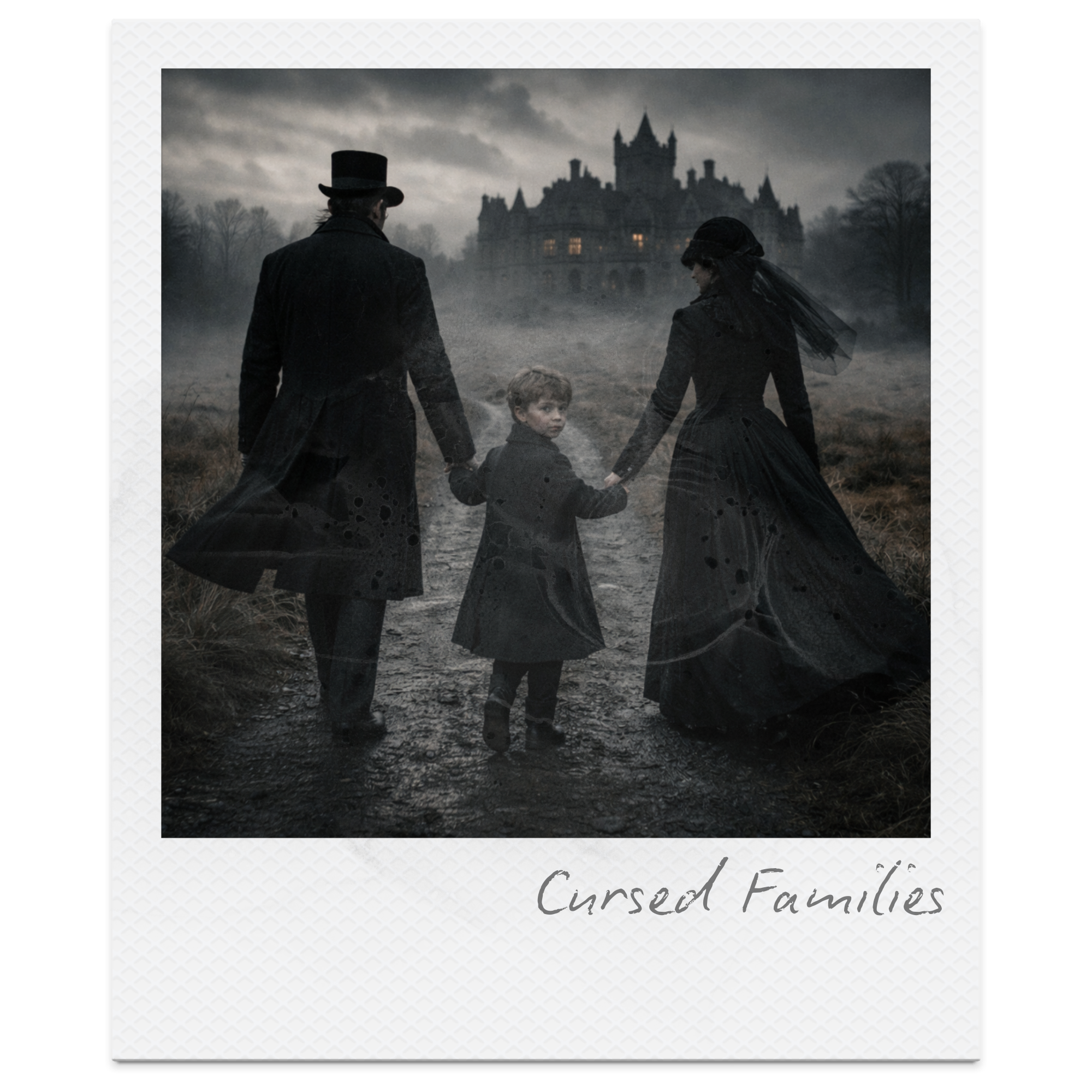
70 Gothic Family Curse Writing Prompts: Haunted Bloodlines, Ancestral Secrets & Dark Legacies
Family curses are one of the most enduring tropes in Gothic fiction, exploring haunted bloodlines, inherited guilt, and the idea that the past never truly stays buried. These 70 Gothic family curse writing prompts draw on classic Gothic literature themes such as ancestral secrets, decaying estates, cursed heirs, and forgotten crimes that echo across generations. From eerie plot hooks and atmospheric opening lines to character ideas, settings, and visual prompts, this collection helps writers explore the unsettling power of legacy and inherited fate. Perfect for creative writing lessons, Gothic storytelling, and dark fiction inspiration, these prompts encourage writers to build stories rooted in atmosphere, mystery, and psychological tension. Whether you are exploring haunted houses, cursed family histories, or hidden ancestral secrets, these prompts offer a structured toolkit for crafting Gothic stories that blur the line between supernatural curse and human consequence.
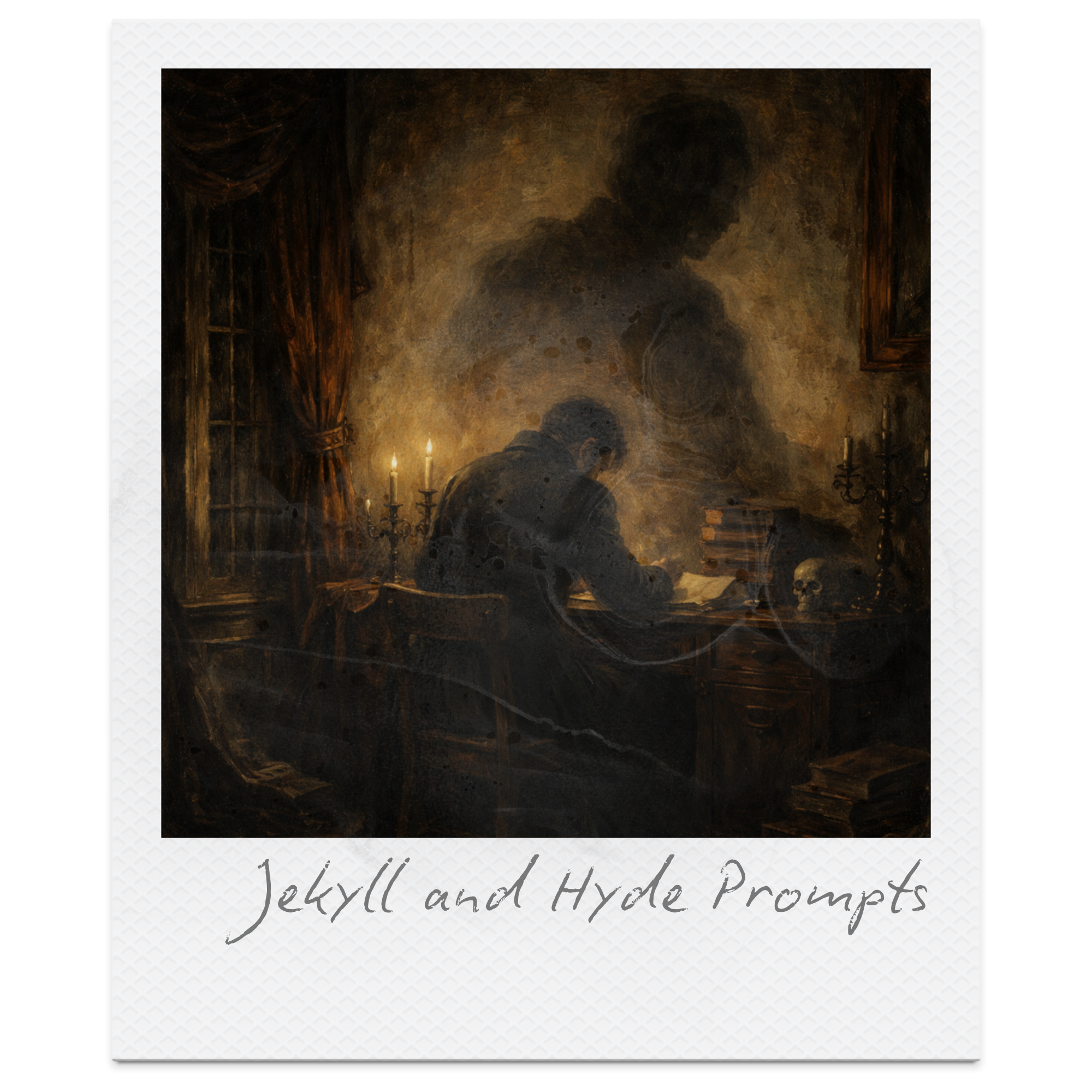
70 Creative Writing Prompts Inspired by Jekyll and Hyde: Plot Hooks, Opening Lines, Characters & Visual Ideas
Robert Louis Stevenson’s The Strange Case of Dr Jekyll and Mr Hyde explores the unsettling idea that people are not neatly divided into good and evil, but shaped by duality, repression, and the parts of themselves they try hardest to hide. This collection of creative writing prompts inspired by Jekyll and Hyde invites teen writers to engage with the novella’s gothic atmosphere, psychological tension, and moral complexity through original storytelling rather than retelling the plot. Designed for classroom use, writing clubs, and independent practice, these Jekyll and Hyde–inspired writing prompts focus on identity, secrecy, and inner conflict, encouraging students to experiment with voice, perspective, and setting. By working with mood-led, character-driven ideas, writers can explore Stevenson’s themes in a way that feels creative, accessible, and deeply connected to the text — making these prompts ideal for both short starters and extended creative tasks.
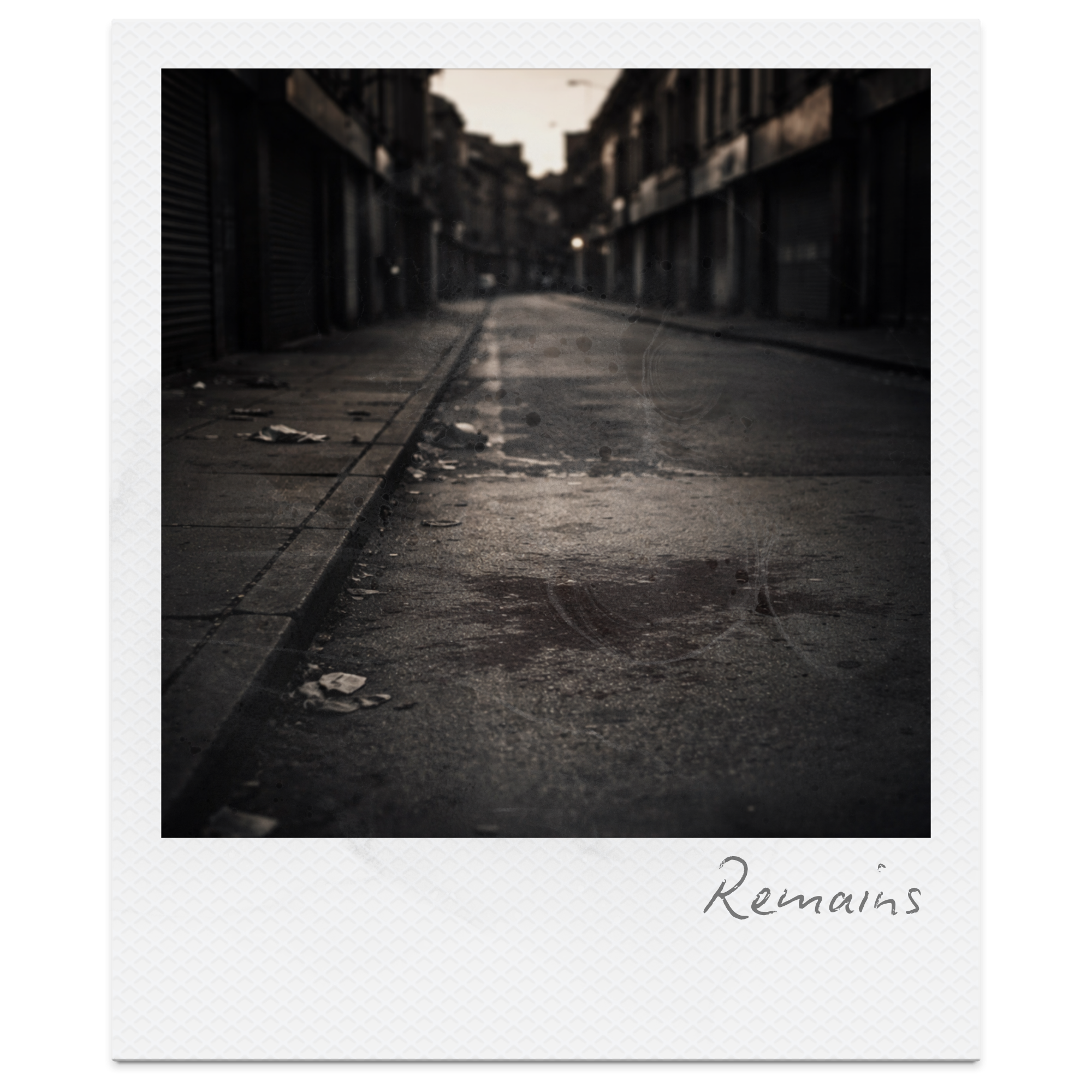
Teaching Remains by Simon Armitage: Poem Analysis, Context, Themes and Key Ideas
Remains by Simon Armitage is one of the most powerful poems studied in the GCSE Power and Conflict anthology, exploring the psychological impact of war and the way violence lingers long after the moment itself has passed. Rather than focusing on combat or heroism, the poem examines guilt, memory, and moral responsibility through the voice of a soldier haunted by a single act of killing. This post offers a clear, stanza-by-stanza analysis of Remains, exploring its context, form, imagery, and key ideas, alongside practical teaching strategies for secondary English classrooms. It also considers why the poem is so effective for studying power and conflict, and how it fits within wider conflict poetry, making it a useful guide for teachers and students alike.

Favourite Short Stories for the Classroom: Powerful Texts That Spark Discussion and Debate
Short stories offer some of the richest opportunities for discussion in the classroom. Their compact form allows students to engage deeply with power, choice, identity, and consequence, while leaving space for interpretation rather than easy answers. The best short stories do not rush towards resolution; they invite debate, uncertainty, and close attention to language. This post brings together favourite short stories for the classroom — texts that consistently spark discussion and reward close reading. Organised by theme, it explores stories such as The Lottery, The Yellow Wallpaper, The Necklace, and The Monkey’s Paw, alongside practical classroom ideas designed to support thoughtful, discussion-led teaching.
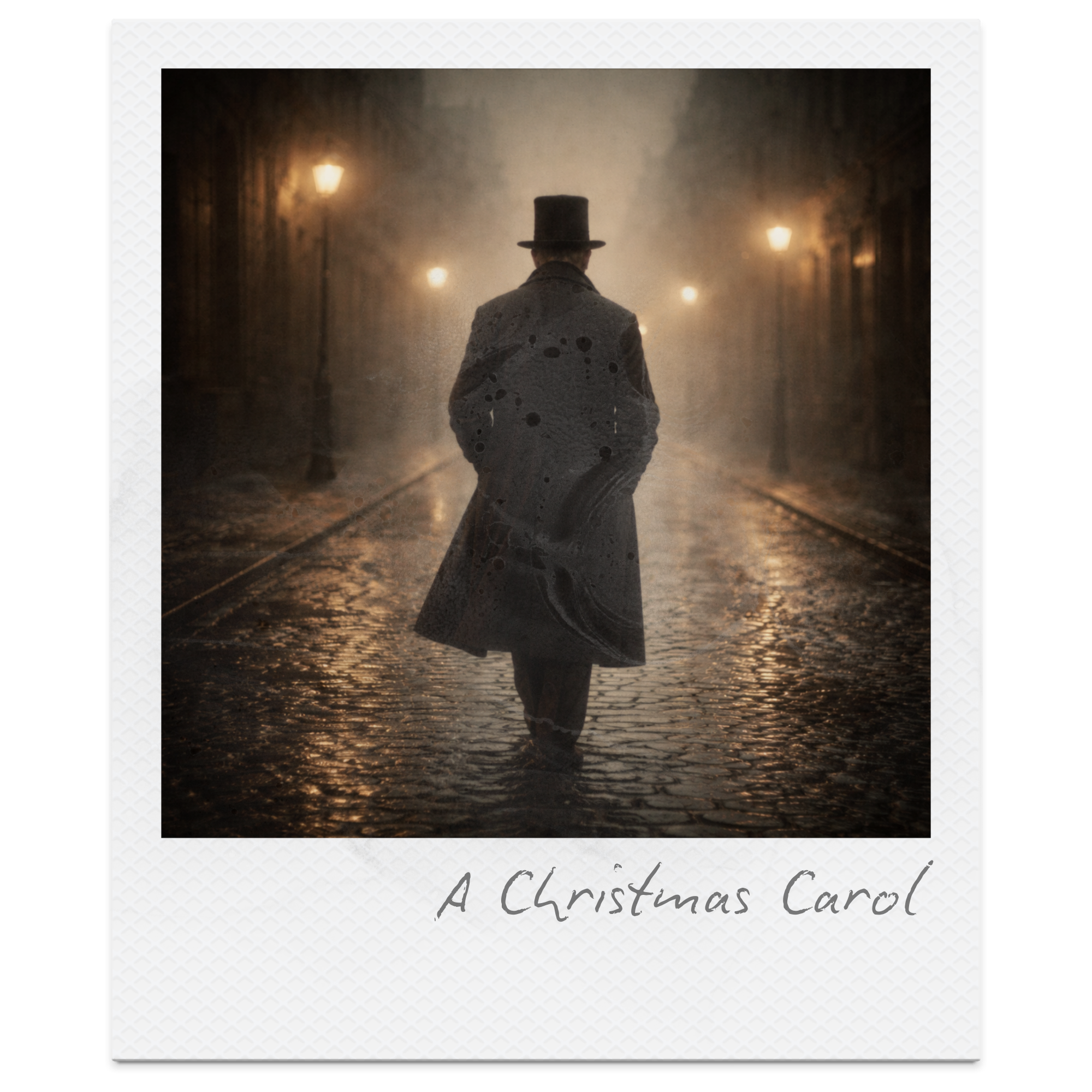
The Real Point of A Christmas Carol: Meaning, Context, and Why We’re Still Missing It in the Classroom
A Christmas Carol is often taught as a simple story of personal redemption, but Charles Dickens wrote it as a fierce critique of poverty, inequality, and social responsibility. Beneath the familiar ghosts and festive imagery lies a political text that challenges readers to confront the systems that allow suffering to persist. This post explores the real meaning of A Christmas Carol in the classroom, examining Dickens’ purpose, key ideas, and modern relevance. With clear analysis, teaching insights, and discussion extensions, it shows how the novella works not just as a set text, but as a demand for action — making it more powerful, relevant, and challenging for students today.
Teaching Edgar Allan Poe in the Secondary English Classroom
Edgar Allan Poe remains one of the most effective writers to teach in the secondary English classroom, offering short stories and poems that reward close reading, discussion, and interpretation. His work explores unreliable narrators, psychological tension, symbolism, and moral ambiguity, making it ideal for discussion-led lessons that move beyond plot and towards deeper literary thinking. In this post, Poe’s most commonly taught texts are organised by theme rather than chronology, allowing teachers to explore patterns around guilt, power, grief, atmosphere, and logic across both prose and poetry. With practical classroom ideas and links to complete teaching resources, this guide supports secondary English teachers looking to teach Edgar Allan Poe with depth, flexibility, and intellectual rigour.
Why Of Mice and Men Still Matters: Context, Controversy, and the Classroom
Of Mice and Men remains one of the most powerful and challenging texts taught in the secondary English classroom. Despite ongoing debate around challenged books, controversial language, and classroom suitability, Steinbeck’s novella continues to resonate with students because it tackles enduring questions of power, loneliness, prejudice, and moral responsibility. Short, accessible, and deceptively complex, it invites discussion rather than delivering easy answers. This post explores why teachers still teach Of Mice and Men in 2026, examining its historical context, its place within modern classrooms, and the strategies that keep students engaged through creative writing, discussion-led learning, and reflective tasks. It also offers ideas for taking learning deeper once the final chapter is reached — supporting thoughtful, nuanced teaching of a text that refuses to be forgotten.