70 Byronic Hero Writing Prompts: Dark Charisma, Isolation & Gothic Obsession
Few literary figures capture the emotional intensity of gothic storytelling as powerfully as the Byronic hero. First popularised by the Romantic poet Lord Byron, this character archetype embodies rebellion, inner conflict, and dangerous charisma. Unlike traditional heroes, Byronic protagonists are often flawed, morally ambiguous, and burdened by secrets or past actions that shape their isolation from society.
The archetype appears throughout gothic and Romantic literature. Characters such as Heathcliff in Wuthering Heights, Mr Rochester in Jane Eyre, and Victor Frankenstein in Frankenstein all reflect aspects of this figure: passionate yet troubled individuals whose intense personalities often lead them toward destructive choices.
In gothic fiction, the Byronic hero frequently inhabits dramatic settings such as storm-dark castles, isolated estates, ruined abbeys, or desolate landscapes. Their internal conflict mirrors the atmosphere around them, blending emotional turmoil with gothic mystery. These characters attract others through their magnetism while simultaneously pushing them away through secrecy, pride, or obsession.
This collection of 70 Byronic Hero Writing Prompts is designed as a complete creative toolkit, combining plot hooks, title ideas, opening lines, closing lines, character ideas, setting prompts, and cinematic visual inspiration. The prompts explore themes of obsession, moral ambiguity, forbidden love, revenge, guilt, and the dangerous charisma that defines this iconic gothic character type.
If you would like to explore more atmospheric storytelling prompts, gothic character archetypes, and dramatic fiction ideas, you can also browse the full Creative Writing Archive or explore the wider Gothic Writing Hub, where dark romantic figures and emotionally complex characters appear across many forms of storytelling.
1. Plot Hooks
Byronic hero stories often begin with the arrival of a mysterious figure whose past is unclear but whose presence immediately disrupts the lives of those around them. These characters carry secrets, emotional wounds, or ambitions that slowly emerge as the story unfolds.
Write about a traveller who arrives at a remote estate and discovers its reclusive owner rarely appears during daylight.
Write about a nobleman whose reputation for cruelty hides a secret act of sacrifice no one else knows about.
Write about a young woman who becomes fascinated with a stranger whose past has been erased from every public record.
Write about a scholar who becomes obsessed with understanding the life of a brilliant but disgraced poet.
Write about a mysterious guest who joins a household during winter and refuses to speak about where they came from.
Write about a man whose reputation as a villain has grown so powerful that even he begins to believe it.
Write about a wanderer who returns to their childhood home only to find it abandoned and claimed by memory.
Write about a brilliant but troubled artist whose work becomes darker each year.
Write about a man who believes he deserves punishment for a crime no one else remembers.
Write about a stranger who seems drawn to dangerous places where tragedy once occurred.
2. Title Ideas
Titles for Byronic hero stories often suggest emotional conflict, secrecy, and intensity. Rather than revealing the story directly, they hint at troubled personalities and dramatic pasts.
The Man Who Refused Redemption
A Shadow in the Drawing Room
The Storm Inside His Heart
The House That Knew His Secrets
A Reputation Written in Darkness
Where Pride Became Ruin
The Silence Between Confessions
The Stranger Who Never Apologised
The Price of Passion
A Heart That Would Not Heal
3. Opening Lines
Stories featuring Byronic heroes often begin with an unsettling first impression — the moment when another character senses that someone powerful, secretive, or dangerous has entered their world.
Everyone warned me not to trust him, which only made me want to understand him more.
The first time I saw him standing alone on the cliffs, he looked as though he belonged to the storm.
No one in the village spoke about his past, but everyone seemed to fear it.
He carried himself like someone who had once been admired but no longer cared.
The house had been empty for years until the night its rightful owner returned.
Something about his silence made the entire room feel uneasy.
I realised too late that fascination can sometimes be more dangerous than hatred.
They said he had ruined lives before arriving here, though no one could explain how.
The moment he entered the room, every conversation seemed to pause.
I should have recognised the warning signs in his smile.
4. Closing Lines
Byronic hero stories rarely end with simple resolution. Instead, they often conclude with lingering ambiguity, regret, or emotional transformation.
Even after he left, the silence he created remained behind.
I realised too late that some people are never meant to be saved.
His story ended exactly the way it had begun — alone.
Long after he disappeared, his presence continued to shape the lives he had touched.
Perhaps he was never the villain we believed him to be.
The house finally felt peaceful once his shadow was gone.
In the end, his greatest enemy had always been himself.
The storm passed, but the damage it caused remained.
No one ever discovered the truth about him, though many tried.
Some legends are born not from heroism but from ruin.
5. Character Ideas
Byronic heroes are defined less by physical appearance than by personality: intense, charismatic individuals driven by powerful emotions, pride, or secret guilt.
A brilliant poet who refuses to publish their work because of a past scandal.
A disgraced nobleman who lives in isolation after a mysterious duel.
A traveller who constantly moves from place to place to escape their reputation.
A charismatic leader whose ambition has begun to frighten their closest followers.
A brilliant scientist whose obsession with knowledge isolates them from everyone else.
A reclusive aristocrat who rarely leaves their estate but seems to know everything happening beyond it.
A mysterious artist whose portraits reveal disturbing truths about the people they paint.
A soldier haunted by the consequences of decisions made during war.
A philosopher who believes society’s moral rules are fundamentally flawed.
A writer who deliberately cultivates a reputation as a villain.
6. Setting Ideas
Byronic hero stories often unfold in dramatic environments that reflect the character’s emotional intensity and isolation.
A storm-battered coastal mansion overlooking violent waves.
A crumbling castle where its last inhabitant refuses to leave.
A mountain retreat used by a writer seeking solitude.
A vast estate surrounded by dark forests and rarely visited by outsiders.
A candlelit study filled with journals documenting a troubled past.
A remote monastery where a disgraced nobleman has chosen exile.
A ruined abbey reclaimed slowly by nature.
A windswept moor where a solitary house stands miles from the nearest town.
A grand but decaying ballroom where no celebrations have occurred in years.
A cliffside path where a mysterious figure is often seen walking alone.
7. Picture Prompts
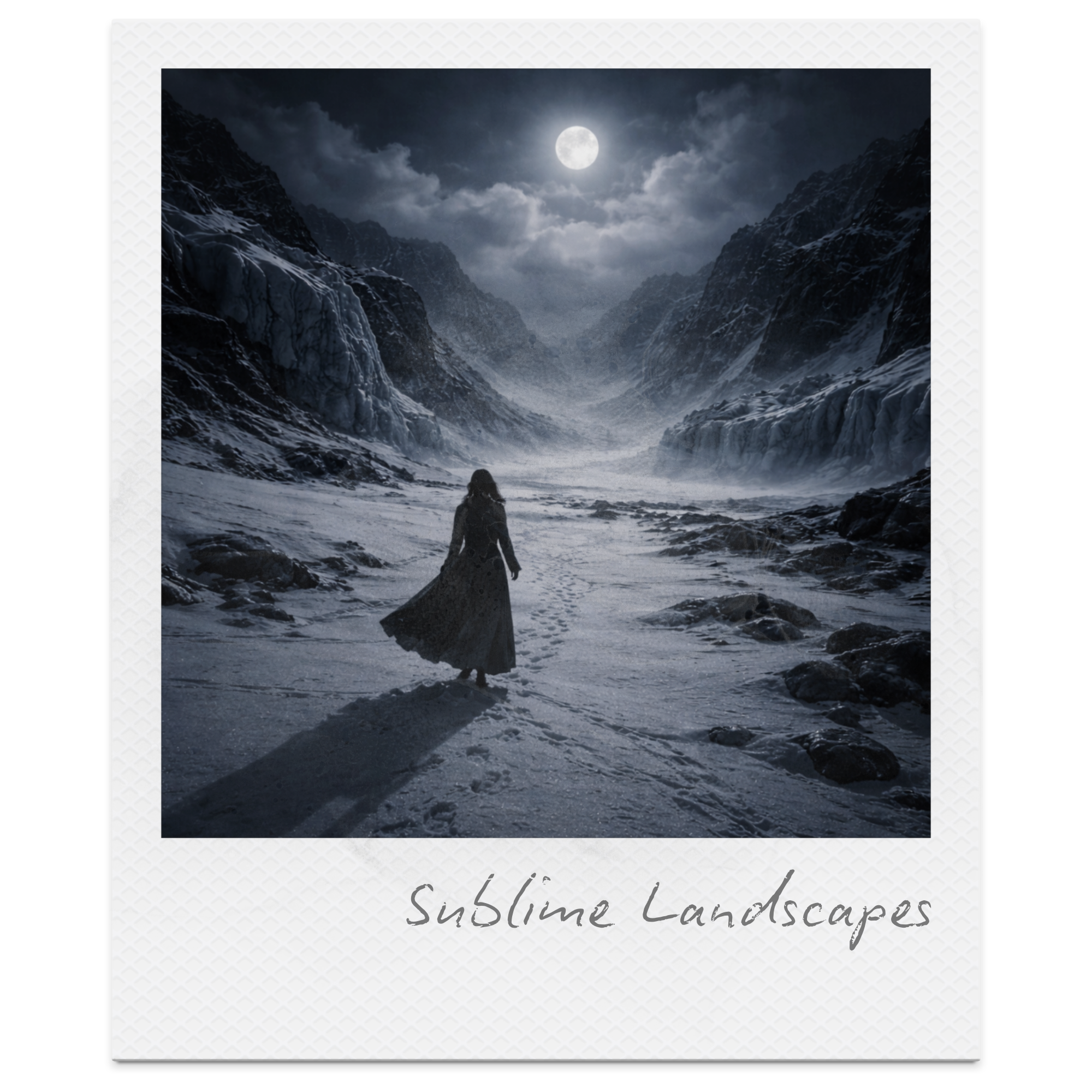
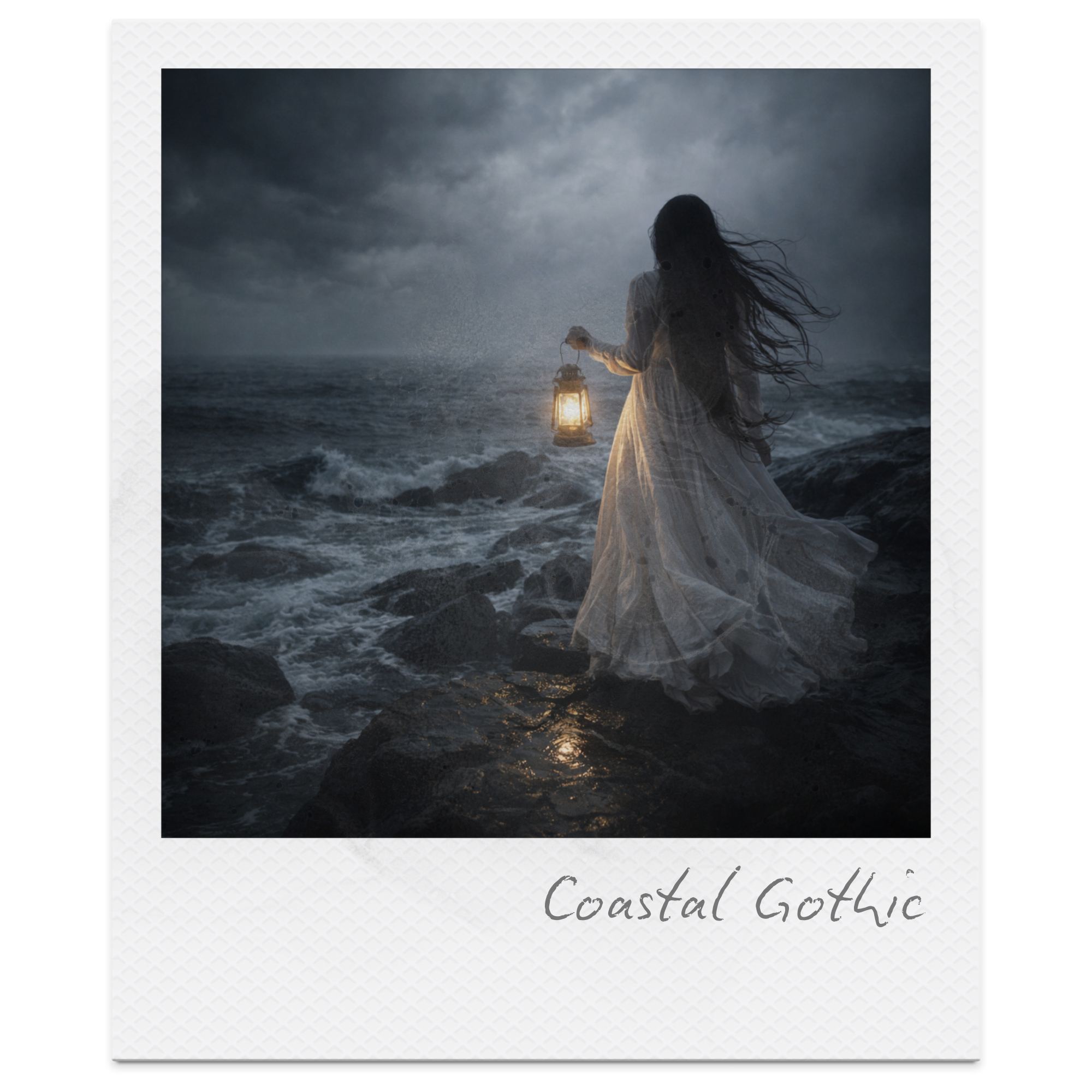
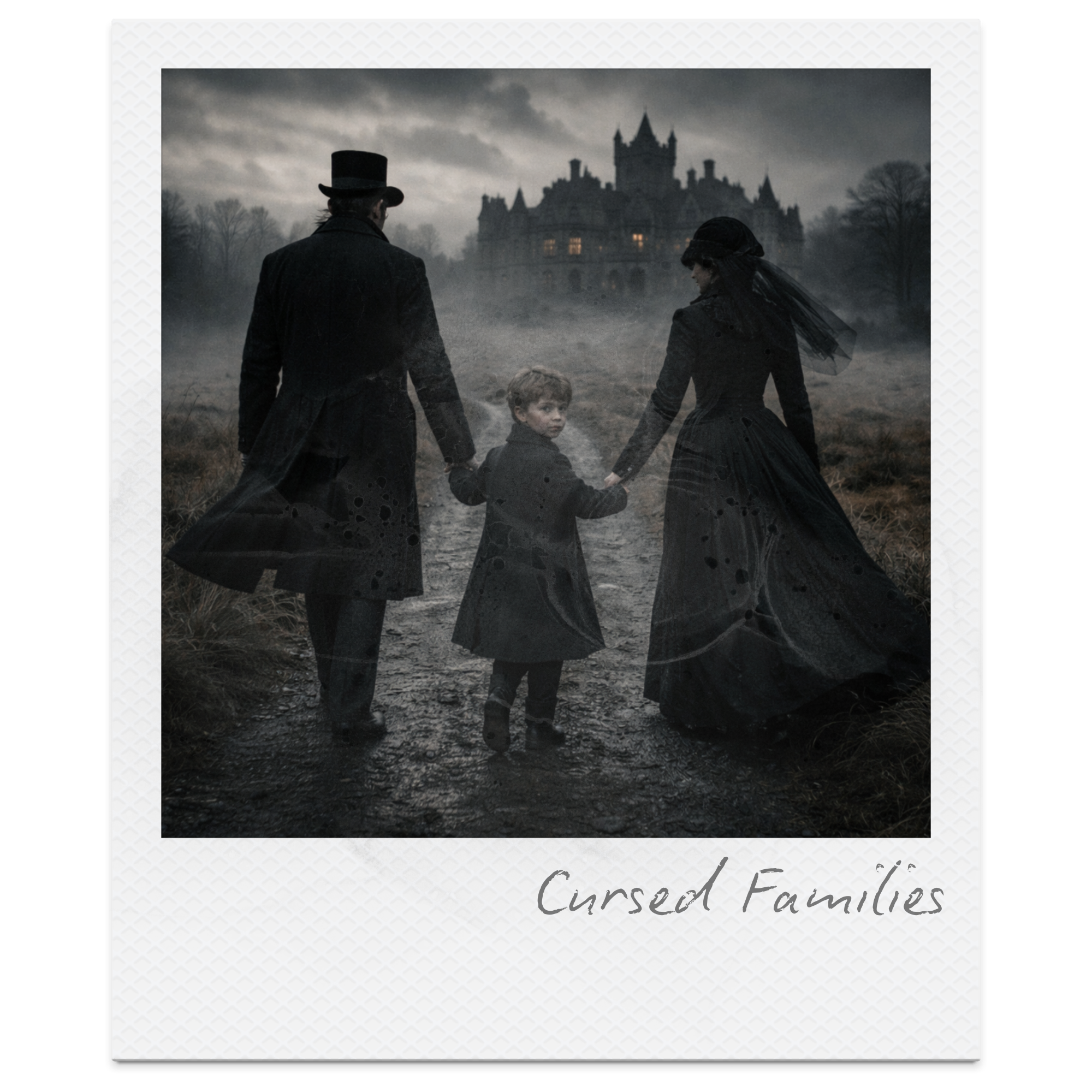
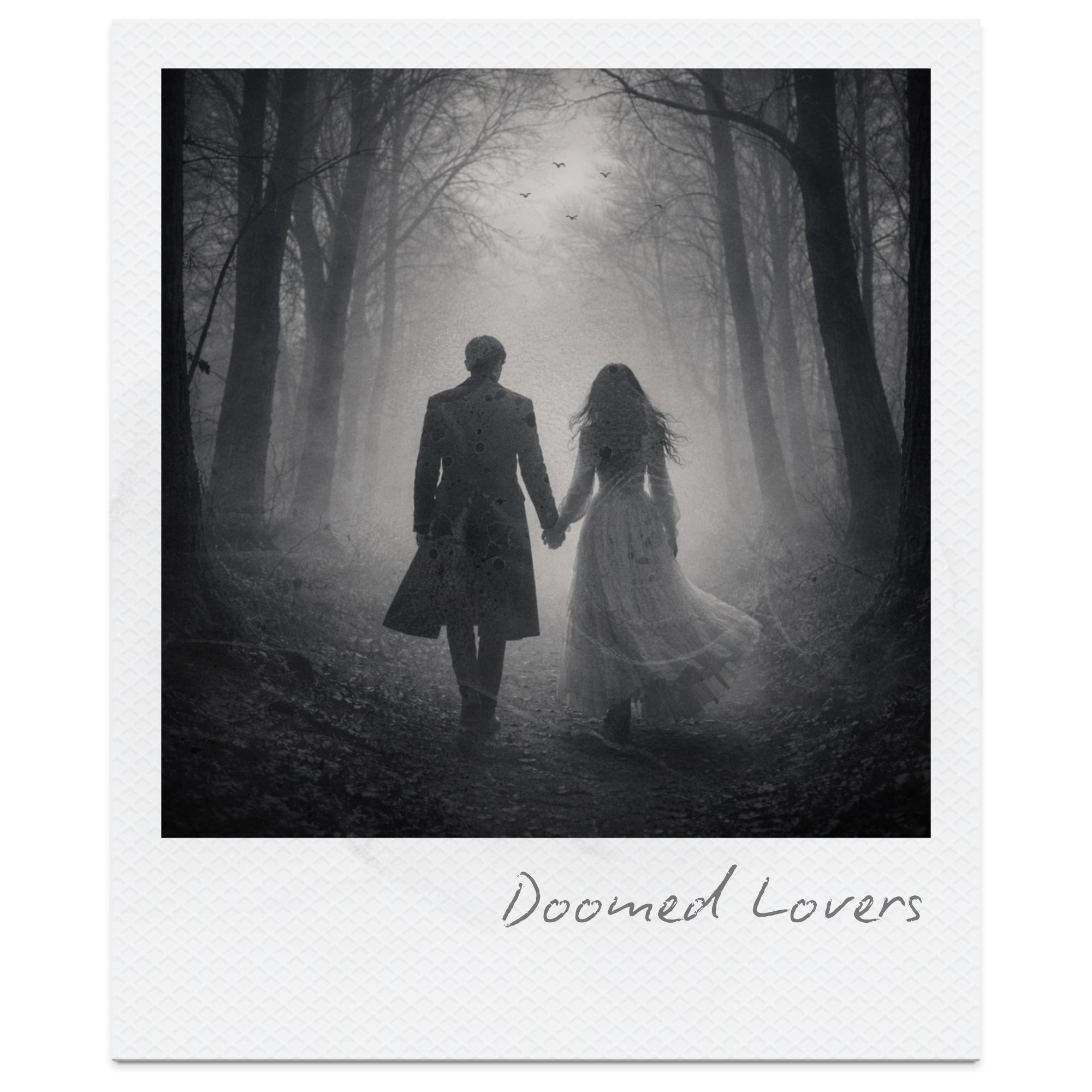
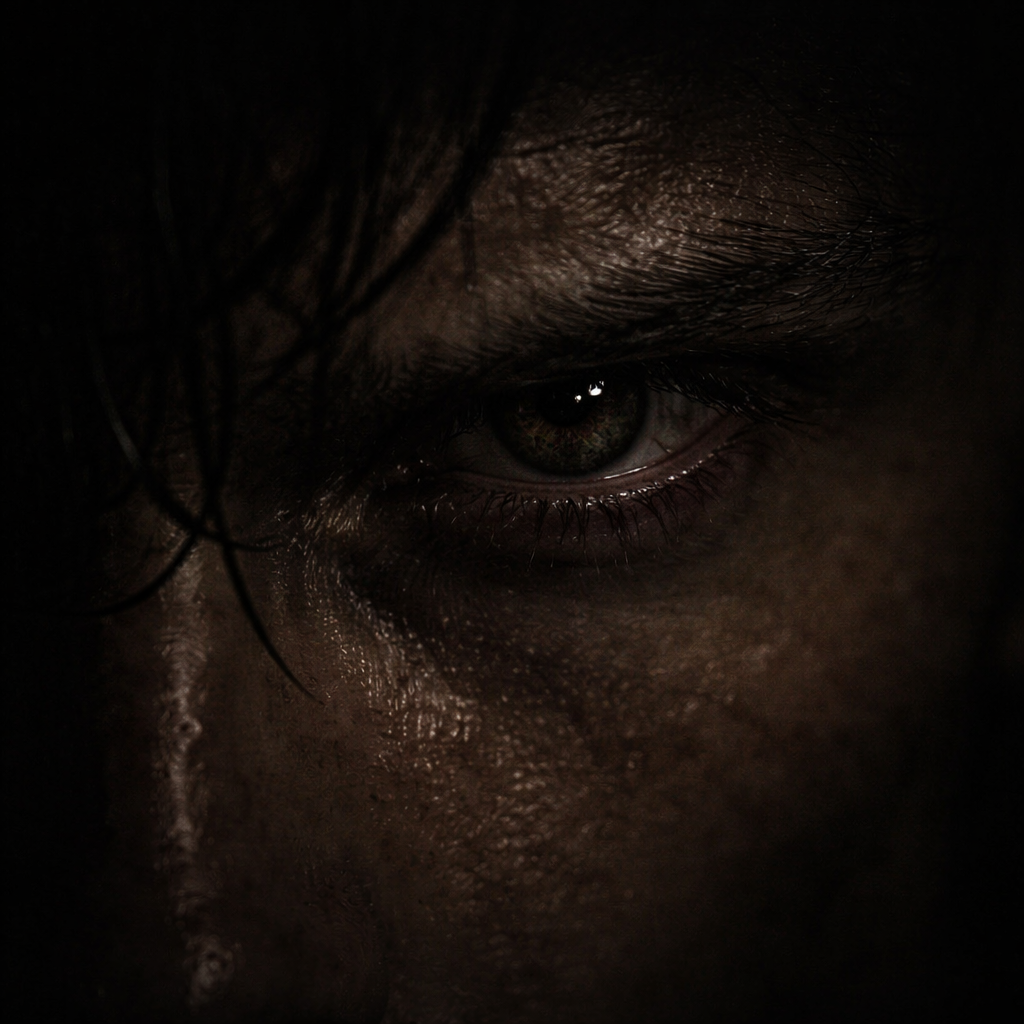
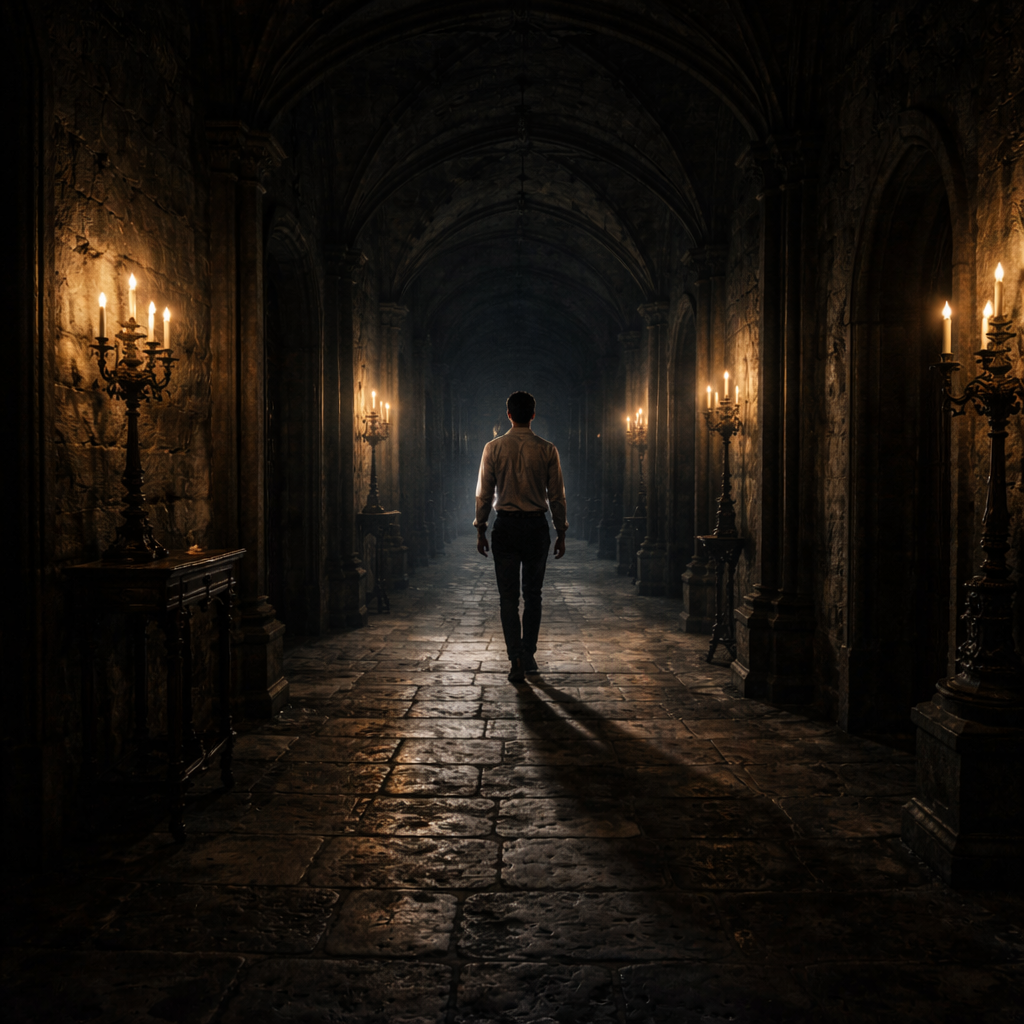
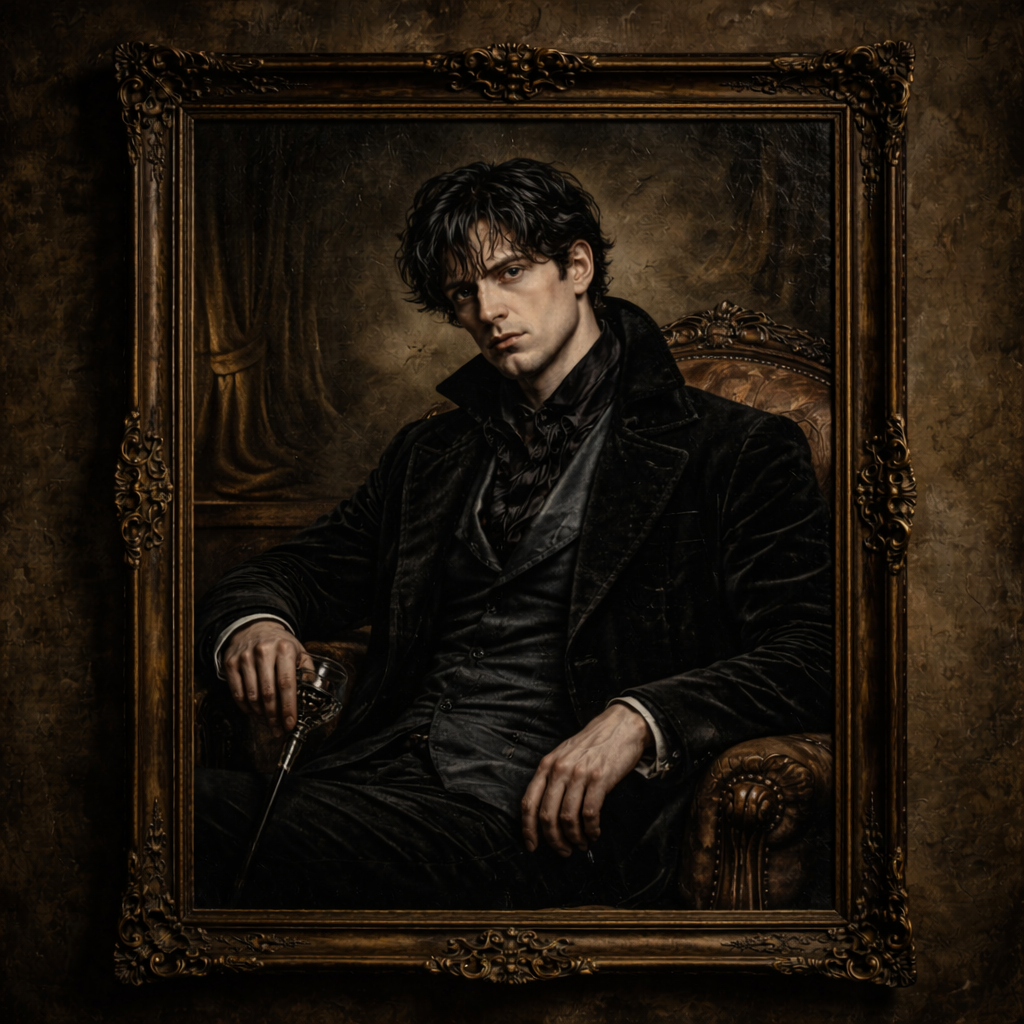
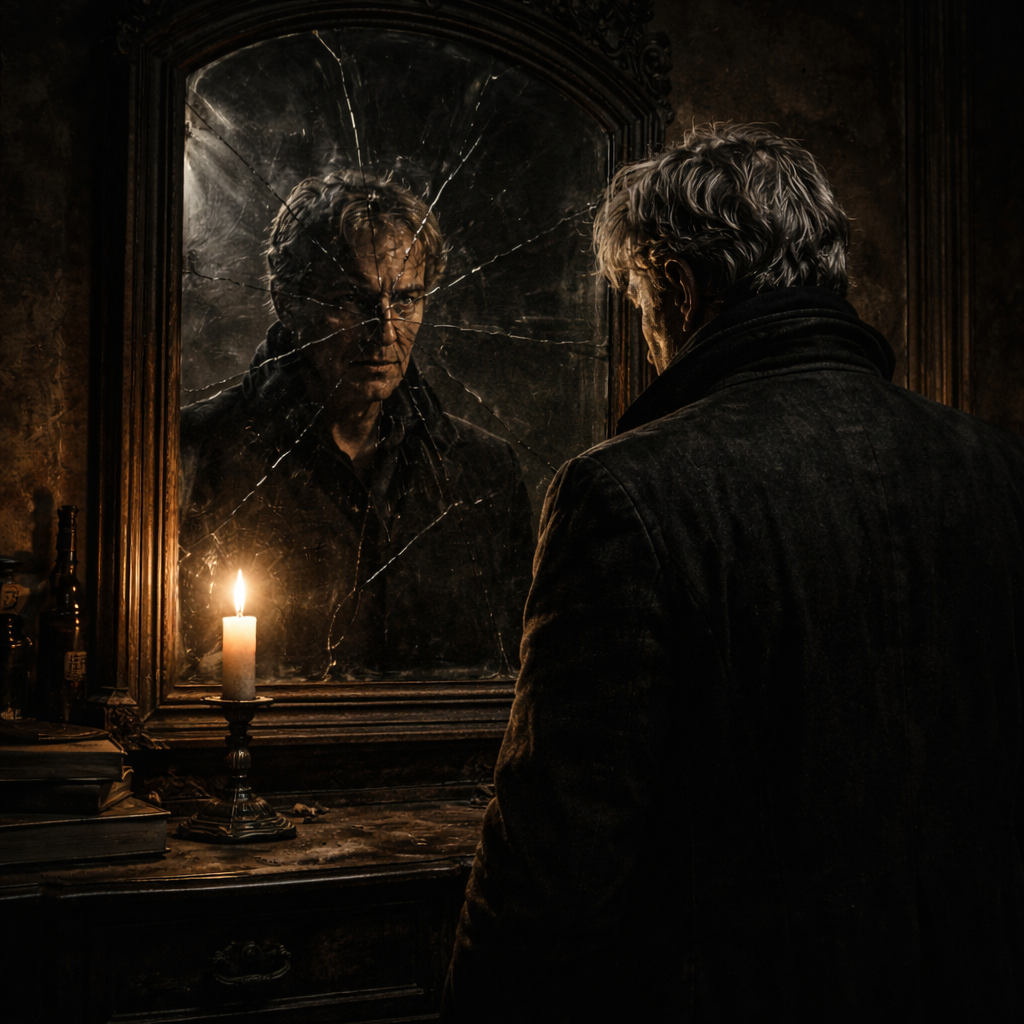
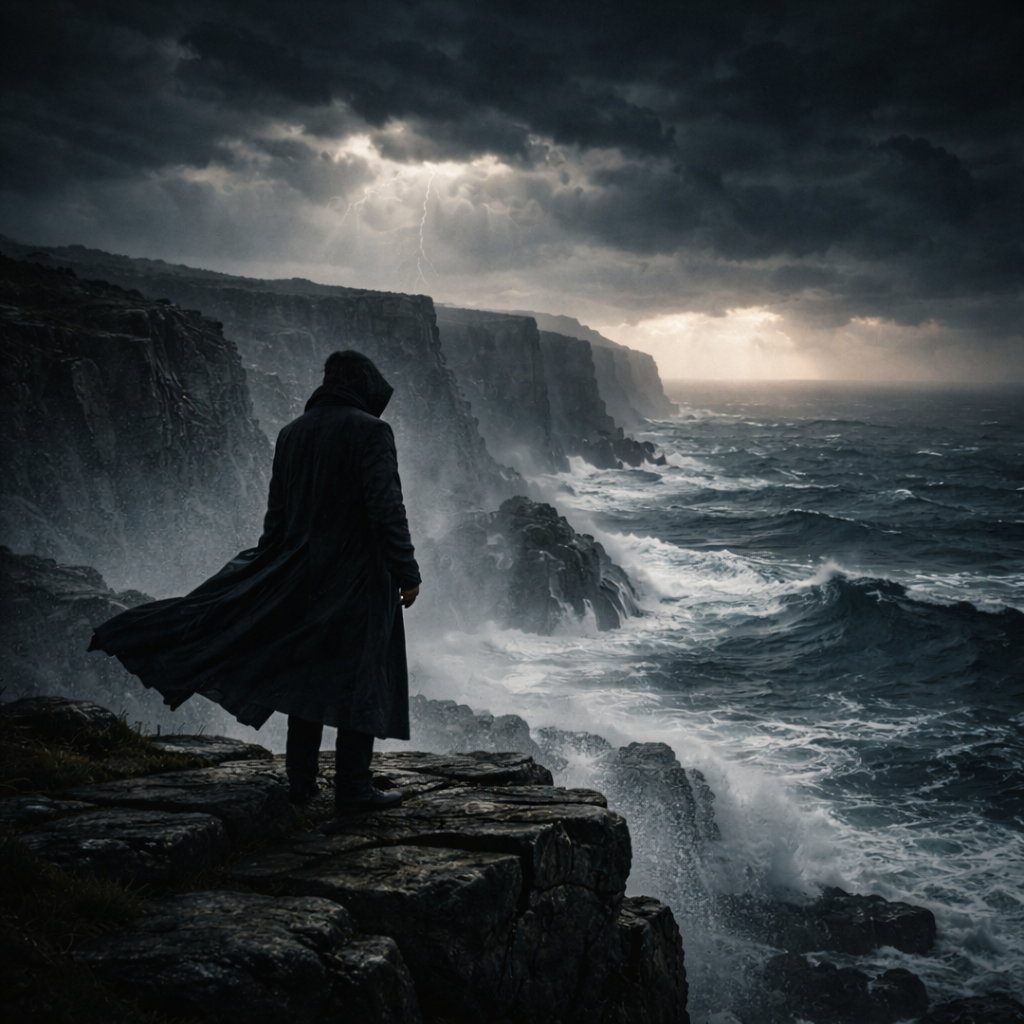
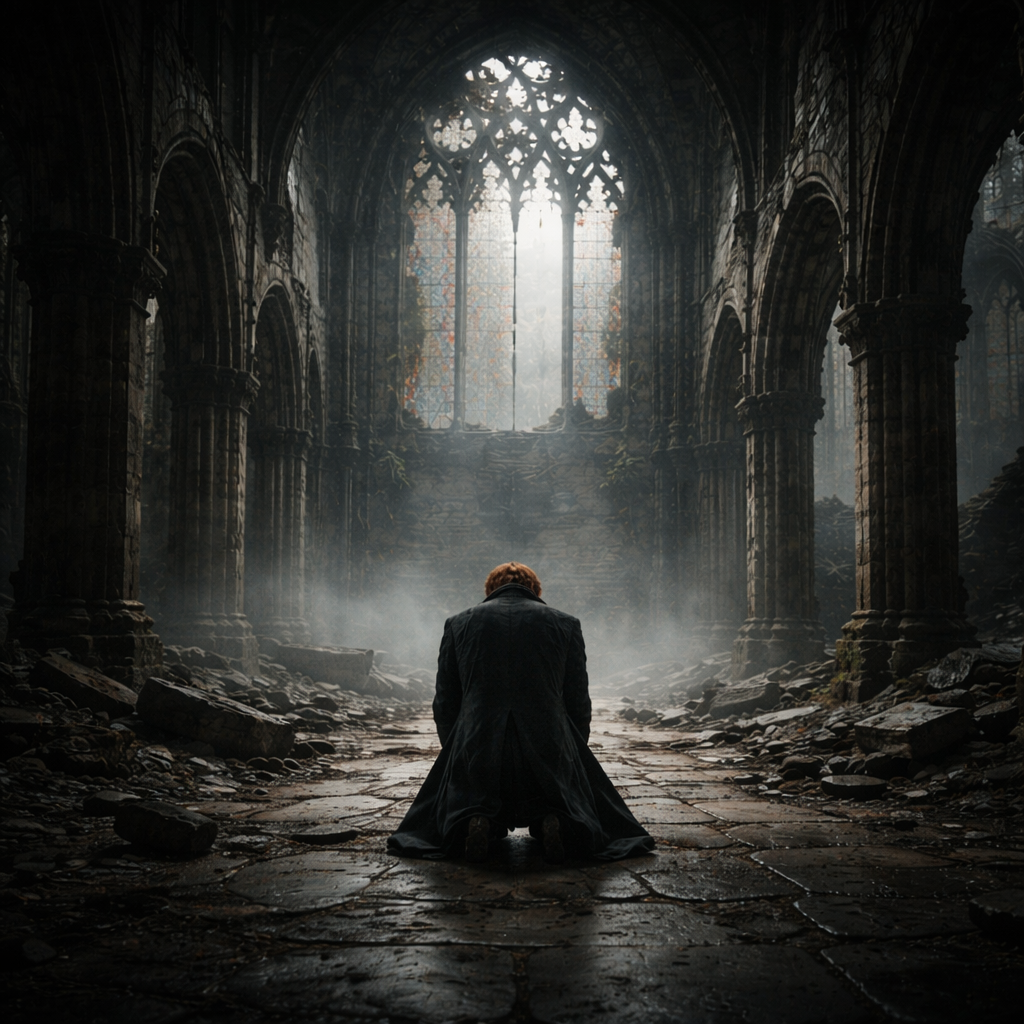
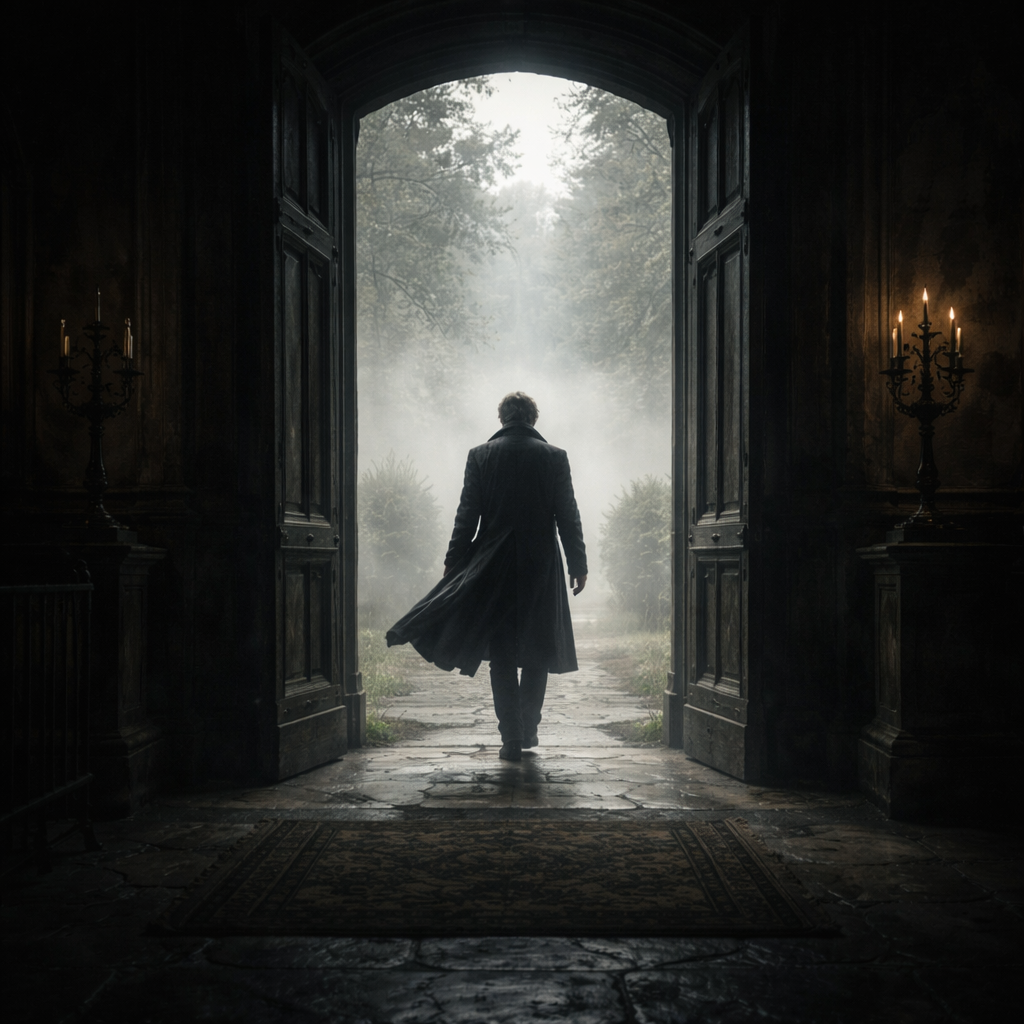
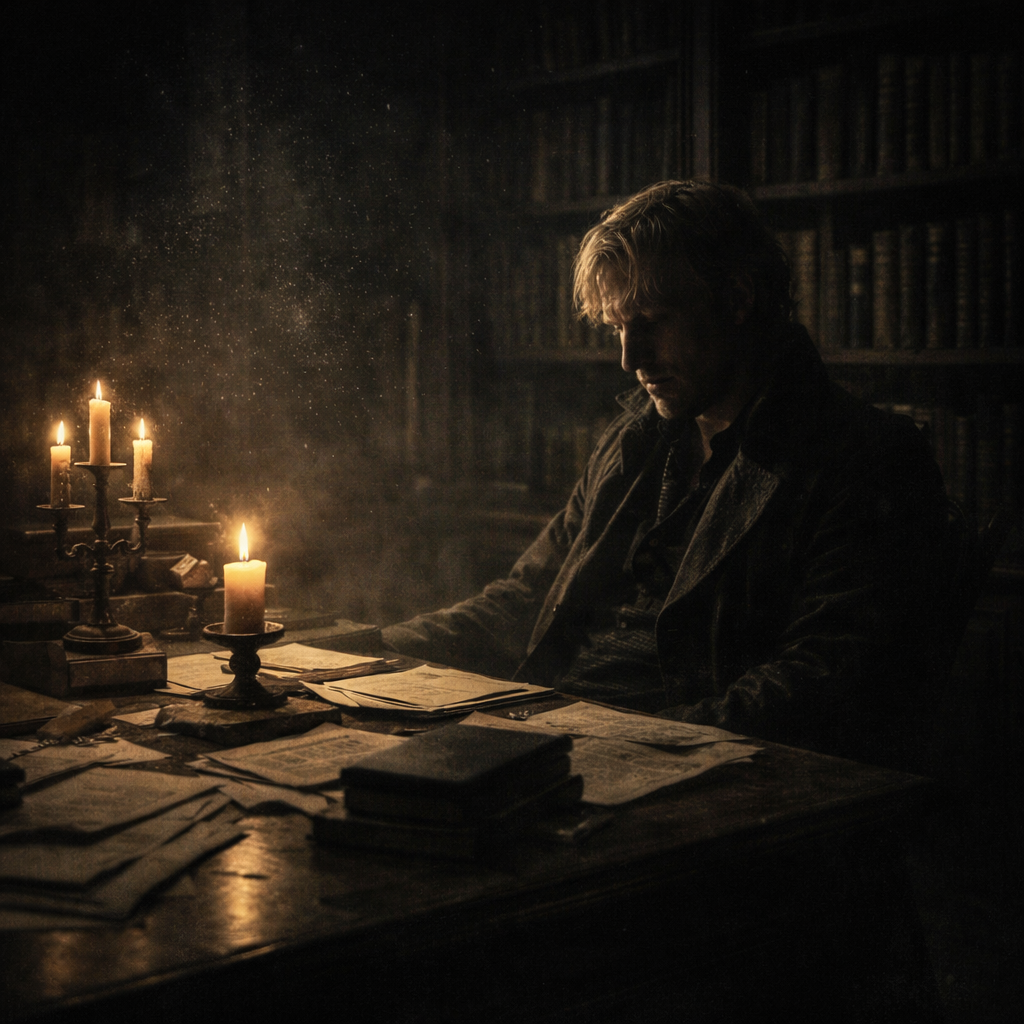
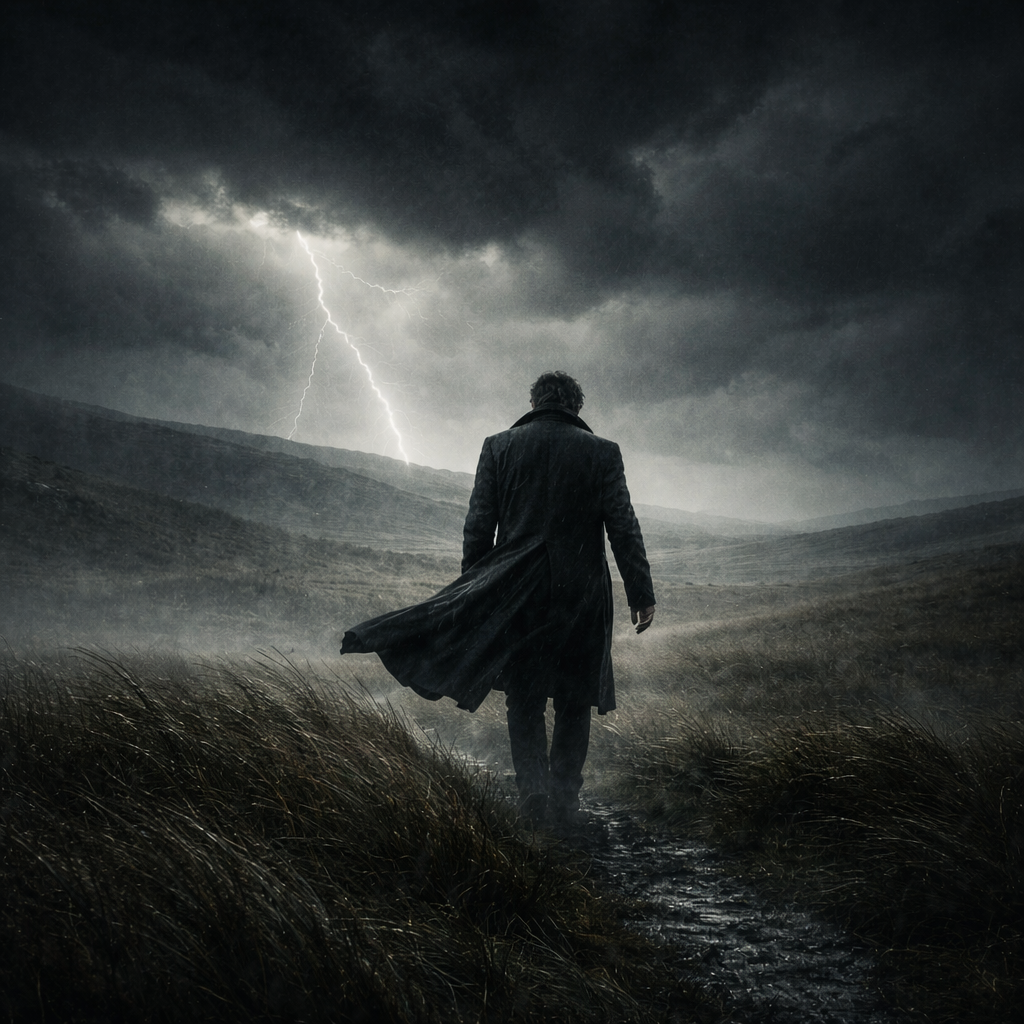
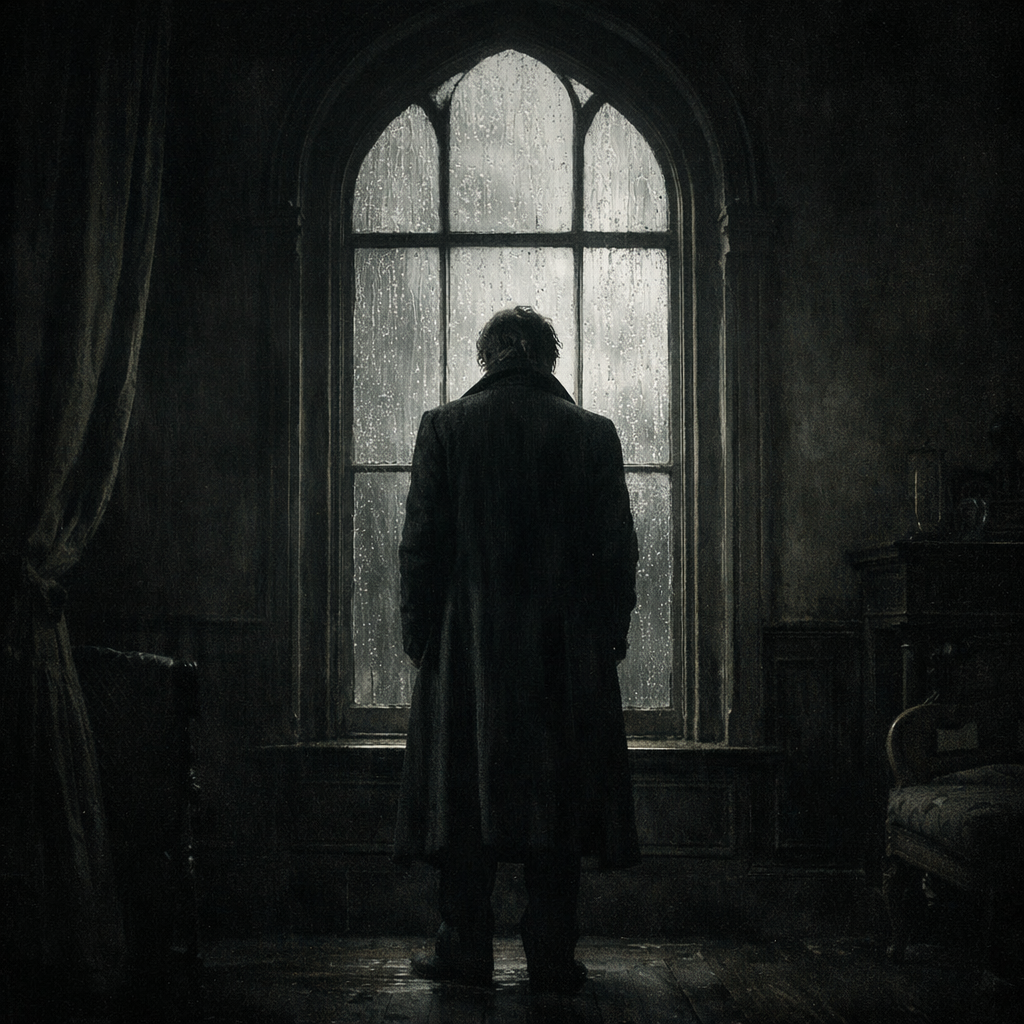
Visual prompts work especially well for Byronic hero stories because atmosphere, expression, and environment can suggest entire emotional histories. Images featuring solitary figures, dramatic lighting, and powerful landscapes encourage writers to imagine the secrets behind a character’s reputation.
Go Deeper into Byronic Hero Stories
To develop stories inspired by the Byronic hero archetype, writers can focus on the tension between charisma and danger that defines these characters. Their emotional intensity often shapes the narrative as much as the external plot.
◆ Rewrite a prompt from the perspective of someone fascinated by a Byronic hero.
◆ Write a scene where a character slowly realises the person they admire may also be dangerous.
◆ Explore how a Byronic hero justifies actions that others consider immoral.
◆ Describe a moment when a Byronic hero must confront the consequences of their past.
Final Thoughts
The Byronic hero remains one of the most enduring figures in gothic and Romantic literature because of their emotional complexity. These characters are neither purely heroic nor entirely villainous; instead, they exist within the uncertain space between passion, pride, guilt, and longing.
These 70 Byronic Hero Writing Prompts encourage writers to explore intense personalities, dramatic conflicts, and the powerful emotional forces that drive gothic storytelling. Whether used for creative writing exercises, classroom activities, or longer fiction projects, the prompts invite writers to imagine characters whose charisma, flaws, and secrets shape the world around them.
If you would like to explore more gothic character archetypes, dark romantic storytelling prompts, and atmospheric fiction ideas, you can browse the Creative Writing Archive or visit the Gothic Writing Hub, where themes of obsession, mystery, and emotional intensity appear across many different storytelling traditions.
Choose Your Next Adventure