Notes from the Inkpot
Writing, teaching, creating - one ink-stained idea at a time.


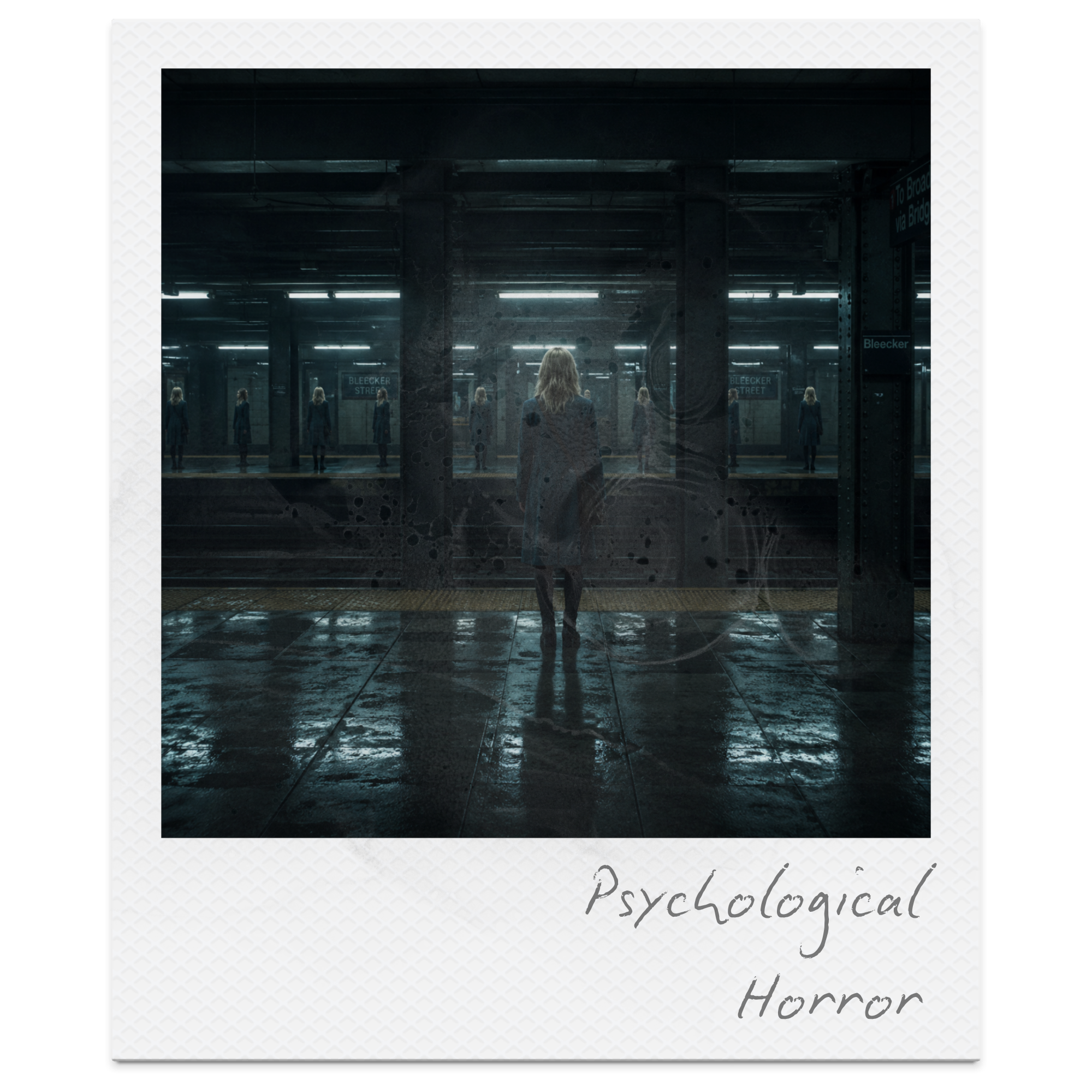
70 Psychological Horror Writing Prompts: Unreliable Minds, Emotional Dread & Quiet Terror
A dark and atmospheric collection of 70 psychological horror writing prompts exploring unreliable narrators, distorted memory, paranoia, emotional manipulation, fractured identity, uncanny repetition, hidden surveillance, and the terrifying instability of perception. This complete creative writing toolkit includes plot hooks, title ideas, opening lines, closing lines, character ideas, eerie settings, and cinematic visual prompts designed to inspire unsettling stories filled with emotional dread, quiet tension, ambiguity, and psychological unease.
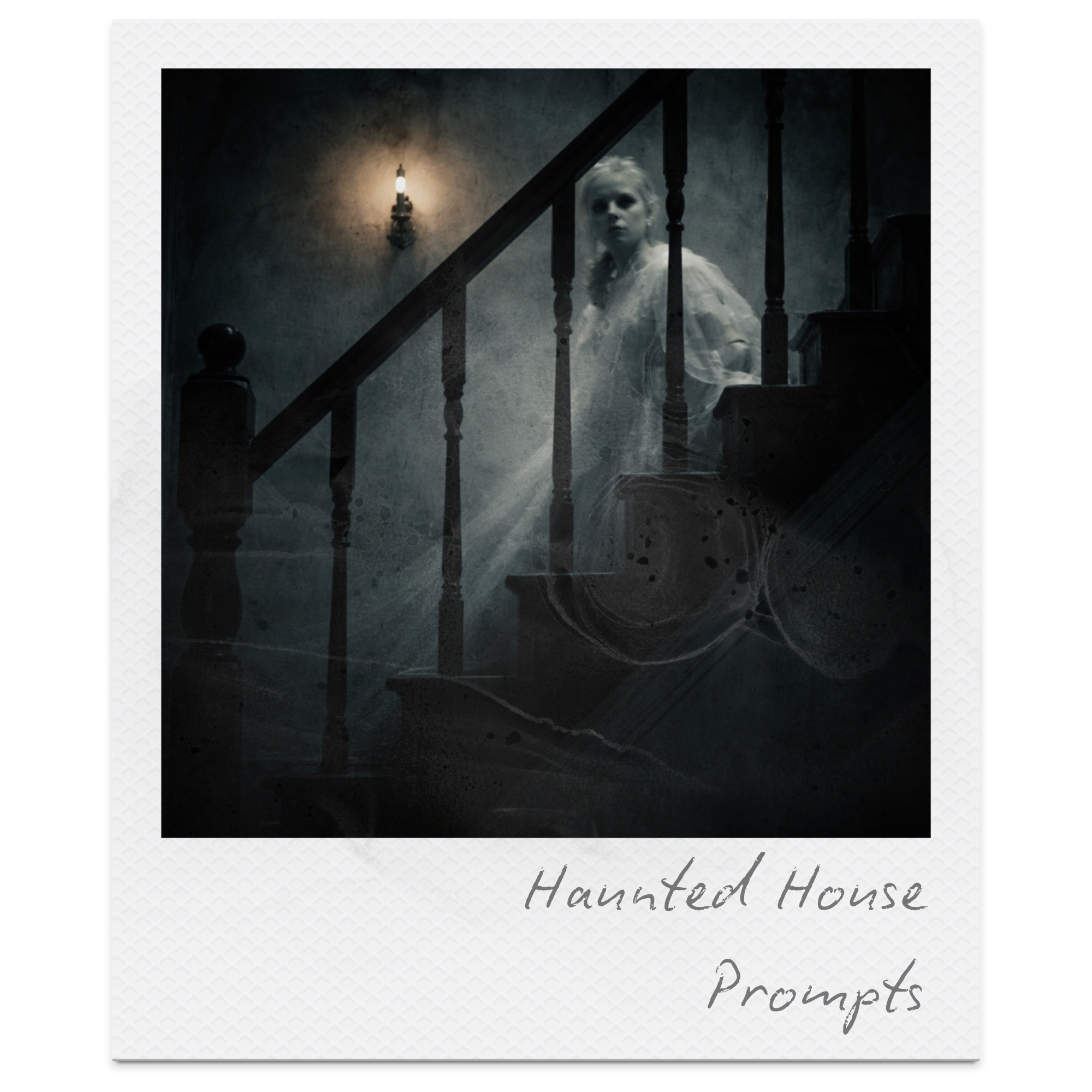
Haunted House Writing Prompts: Ideas for Atmospheric and Unsettling Stories
Haunted houses have long been central to gothic storytelling, creating spaces where memory, fear and the unknown begin to overlap. More than simple settings, these houses feel shaped by the lives once lived within them, holding traces of grief, secrecy and unfinished stories. From decaying mansions to quiet family homes, they create an atmosphere where something feels slightly wrong, even before anything is seen or heard. This collection of haunted house writing prompts explores eerie settings, psychological tension and the lingering presence of the past. With plot ideas, opening lines, character prompts and atmospheric images, these ideas are designed to help you craft unsettling stories where the house itself becomes a powerful and unsettling force within the narrative.
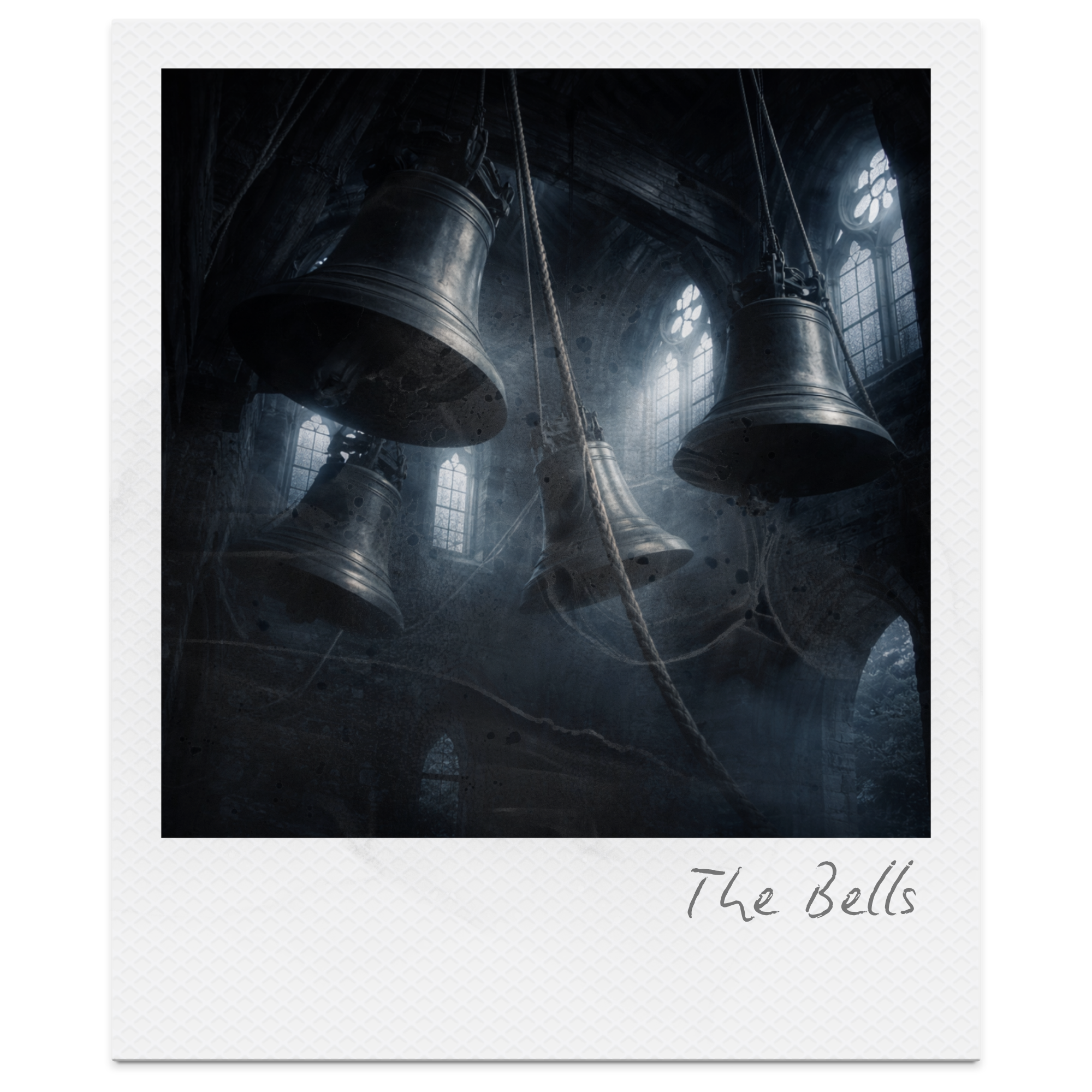
The Bells by Edgar Allan Poe: Summary, Themes, Meaning & Analysis
The Bells by Edgar Allan Poe explores how sound reflects the stages of human experience, moving from joy and harmony to chaos and death. Through its hypnotic rhythm and intense repetition, Poe transforms bells into symbols of time, emotional progression, and mortality, creating a poem that is as much heard as it is understood. Blurring the line between music and meaning, the poem builds from delicate “tinkling” to overwhelming “clanging,” mirroring a descent into psychological instability and loss of control. This progression invites multiple interpretations, from a life cycle narrative to a study of how sound shapes human perception.
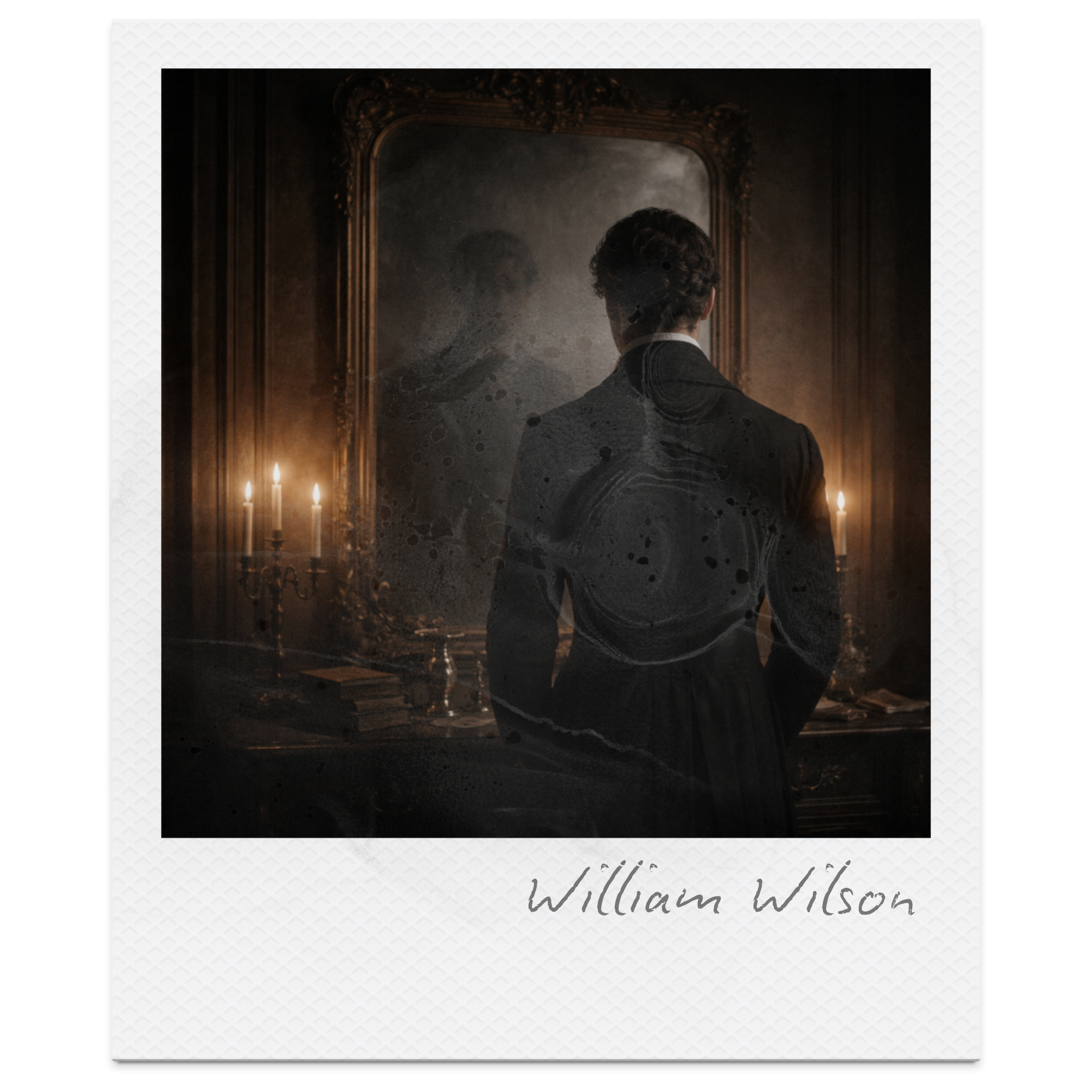
William Wilson by Edgar Allan Poe: Summary, Themes, Symbolism & Analysis
William Wilson by Edgar Allan Poe is a haunting work of gothic fiction that explores identity, conscience, and duality through the disturbing presence of a mysterious double. As the narrator recounts his descent into vice and corruption, he is repeatedly confronted by a figure who mirrors his every move, blurring the line between external threat and internal conflict. Poe uses this doubling to create a tense, psychologically charged narrative where the self becomes both protagonist and antagonist. At its core, the story examines the consequences of denying conscience and rejecting moral restraint, raising unsettling questions about self-awareness, responsibility, and the nature of identity. Through its unreliable narrator and symbolic use of setting and structure, William Wilson reveals how the attempt to escape oneself leads not to freedom, but to self-destruction.
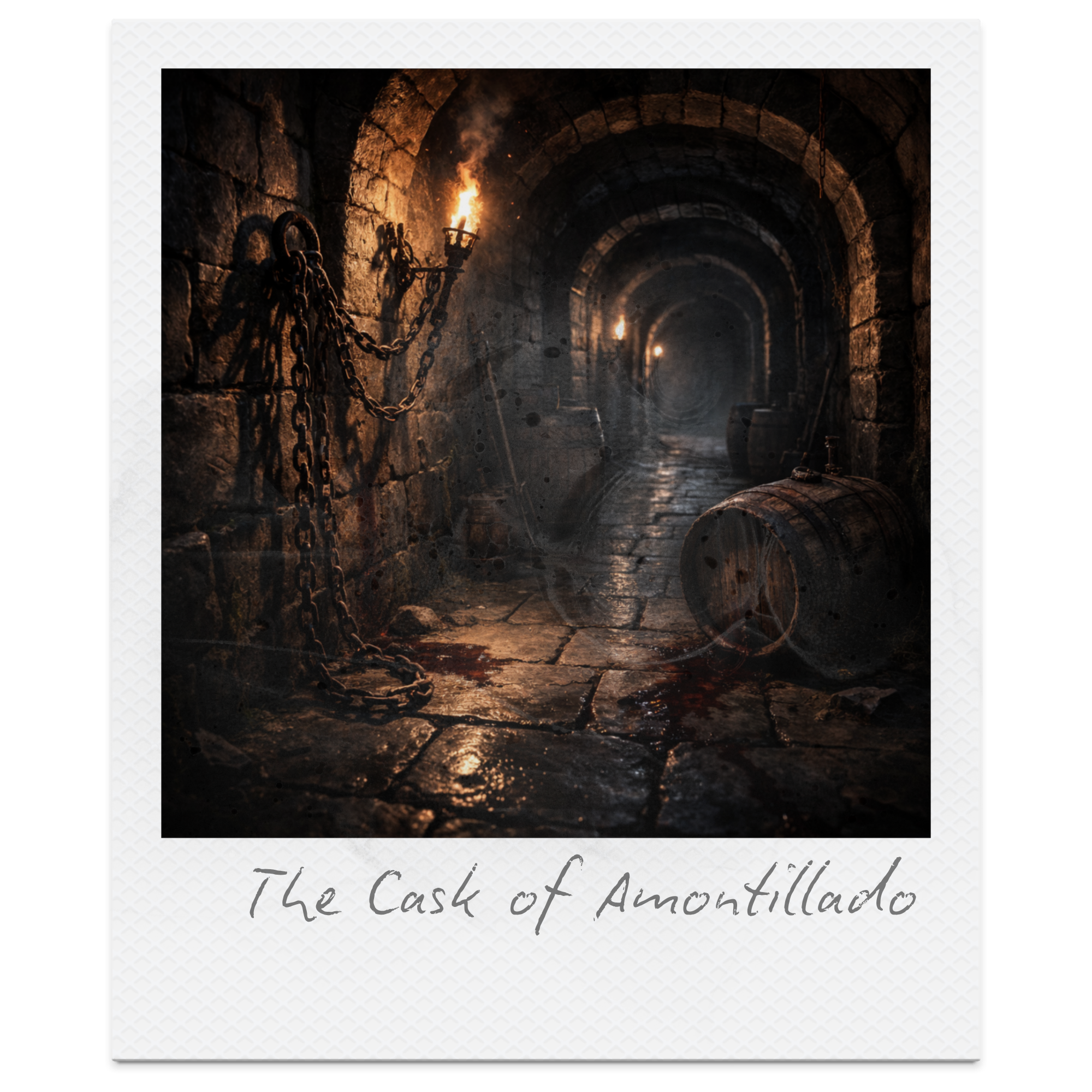
The Cask of Amontillado by Edgar Allan Poe: Summary, Themes, Symbolism & Analysis
The Cask of Amontillado by Edgar Allan Poe is a chilling work of gothic fiction that explores revenge, pride, and psychological manipulation through one of literature’s most disturbingly controlled narrators. Set against the deceptive brightness of carnival and the suffocating darkness of the catacombs, the story follows Montresor as he carefully lures Fortunato toward a fate that feels both inevitable and horrifying. Poe’s use of irony, symbolism, and setting creates a narrative where every detail contributes to a growing sense of tension and unease. At its core, the story examines how power and deception can operate beneath the surface of civility, raising unsettling questions about justice, morality, and human psychology. With its unreliable narrator and claustrophobic setting, The Cask of Amontillado invites readers to question what is true, what is justified, and how easily violence can be hidden behind a mask of reason.
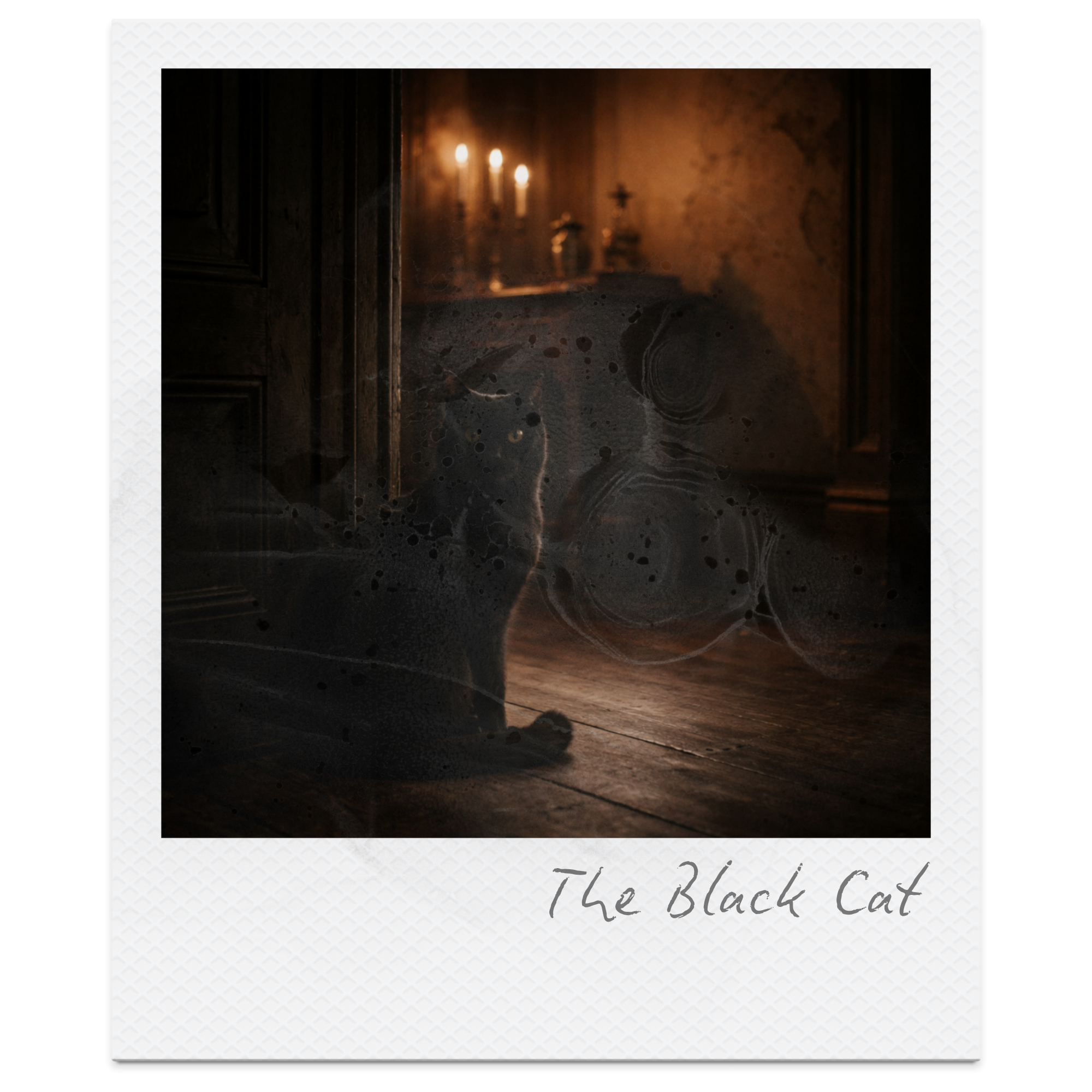
The Black Cat by Edgar Allan Poe: Summary, Themes, Symbolism, Madness & Analysis
The Black Cat by Edgar Allan Poe is a chilling exploration of madness, guilt, and moral corruption, following a narrator who insists on his sanity while recounting his descent into violence, alcoholism, and psychological collapse. What begins as a domestic narrative of companionship and affection quickly deteriorates into something far darker, as acts of cruelty escalate into murder. Through its intense first-person voice and disturbing imagery, the story exposes the fragile boundary between reason and irrationality, forcing readers to question whether the true horror lies in supernatural forces or within the human mind itself. This post explores The Black Cat in depth, including a clear summary, detailed analysis of themes and symbolism, key quotes, and alternative interpretations to support both teaching and study. With a focus on narrative voice, psychological instability, and Gothic conventions, it provides everything needed to confidently approach the text in the classroom or for exam preparation, while encouraging deeper discussion around guilt, perverseness, and the nature of human behaviour.
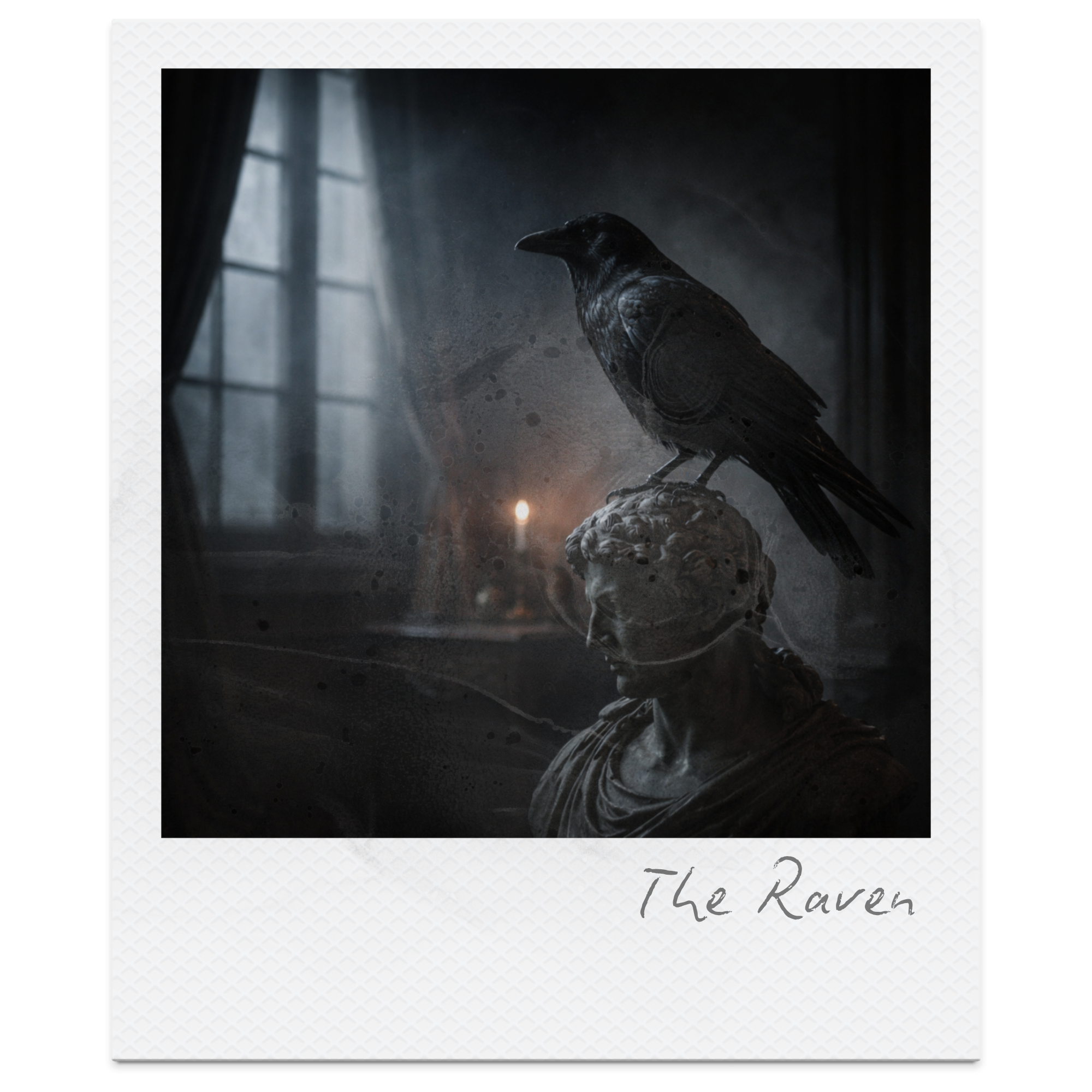
The Raven by Edgar Allan Poe: Summary, Themes, Meaning & Analysis
The Raven is one of the most famous and haunting poems in English literature, exploring grief, memory, and psychological decline through its hypnotic rhythm and Gothic atmosphere. Following a lone speaker on a bleak December night, Poe constructs a narrative where sound, repetition, and symbolism mirror the mind’s descent into obsession, as the mysterious raven becomes a voice for inescapable loss and unanswered questions. This analysis explores the poem’s structure, key themes, and layered meanings, from its intricate use of metre and refrain to its deeper exploration of death, the afterlife, and the limits of human understanding. Through close analysis and creative teaching ideas, it reveals how The Raven remains a powerful study of how the mind processes grief—and how it can become trapped within it.
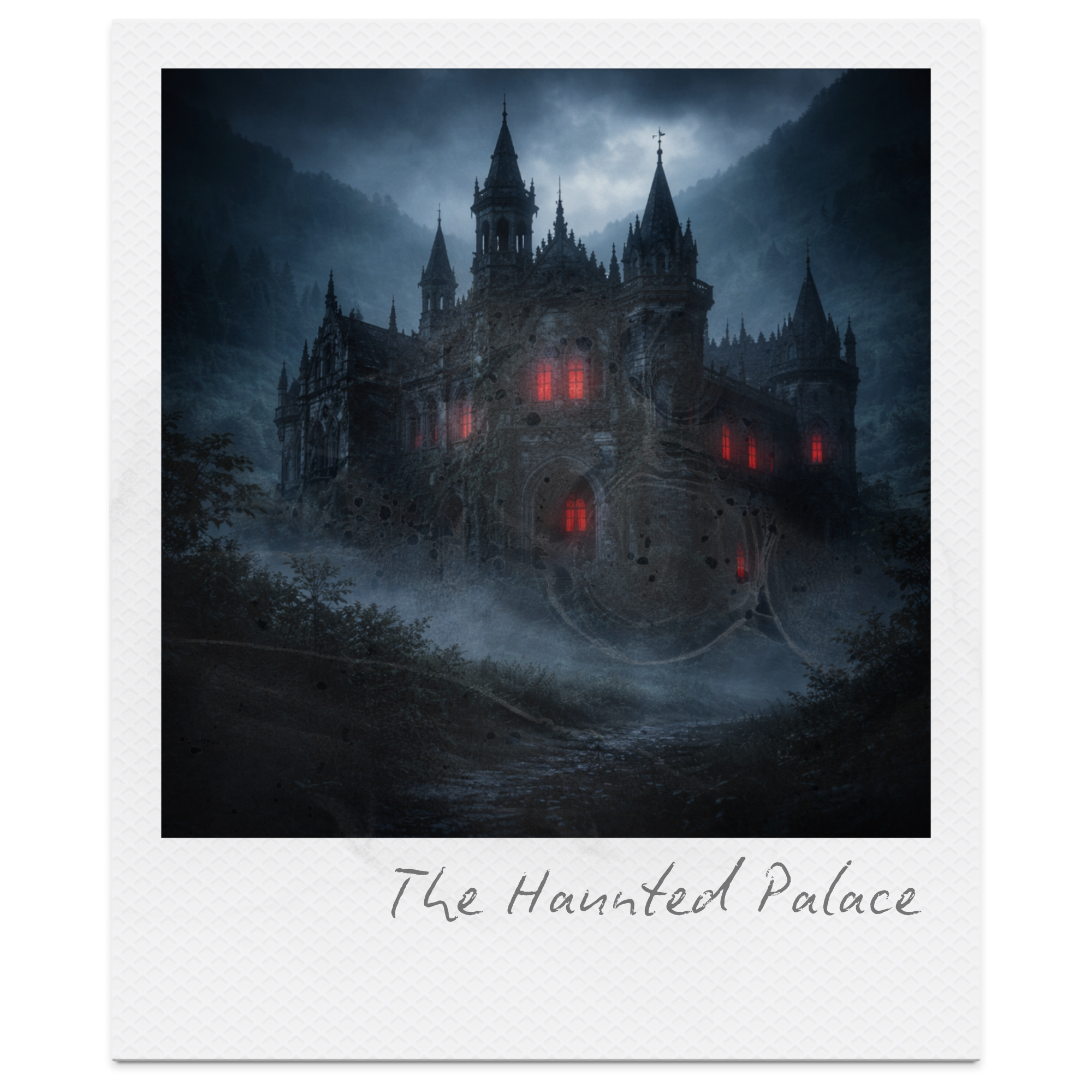
The Haunted Palace by Edgar Allan Poe: Summary, Themes, Meaning & Analysis
“The Haunted Palace” by Edgar Allan Poe is a hauntingly symbolic gothic poem that explores the fragile boundary between sanity and madness, using the image of a once-radiant palace to represent the human mind. Through rich imagery, musical language, and an extended allegory, Poe traces the gradual transformation from harmony and order to distortion and decay, creating a powerful depiction of psychological collapse. At its core, the poem moves beyond a simple narrative of decline, inviting multiple interpretations that explore memory, identity, and the instability of perception. As beauty becomes corruption and music turns to discord, the palace reflects not just a mind in ruin, but the unsettling idea that order itself may always contain the seeds of its own destruction.
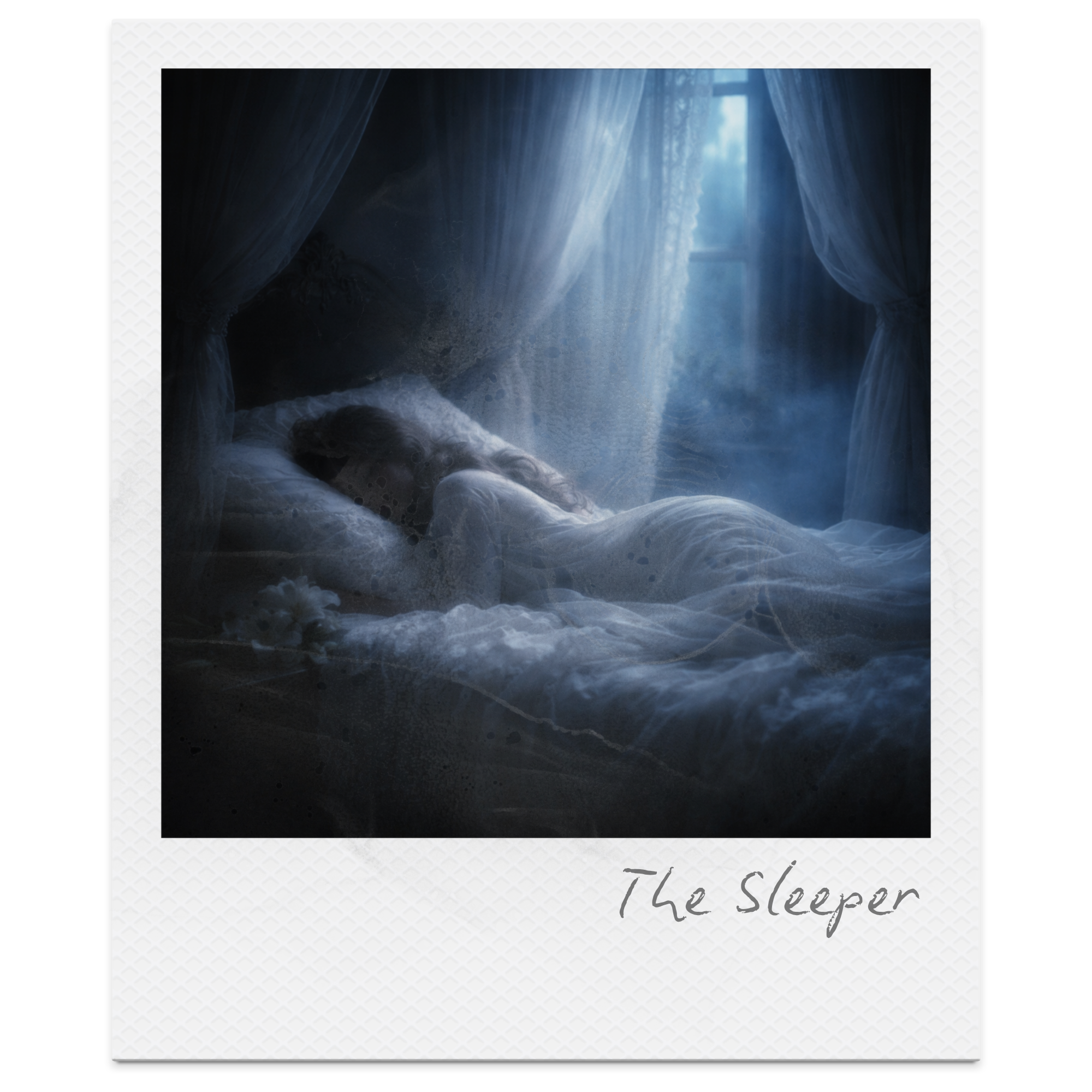
The Sleeper by Edgar Allan Poe: Summary, Themes, Meaning & Analysis
The Sleeper by Edgar Allan Poe presents a dreamlike meditation on death, beauty, and the boundary between life and stillness, using rich imagery and hypnotic rhythm to create an atmosphere that is both serene and unsettling. What begins as a tranquil midnight scene gradually reveals a deeper exploration of mortality and suspended existence, as the figure of Irene shifts from peaceful rest into something far more ambiguous. Through its layered symbolism and evolving tone, the poem blurs the line between sleep and death, reverence and control, inviting readers to question whether beauty is preserved or distorted through stillness. Poe leaves the meaning deliberately open, transforming a simple image of sleep into a haunting reflection on the unconscious mind, illusion, and the inevitability of death.
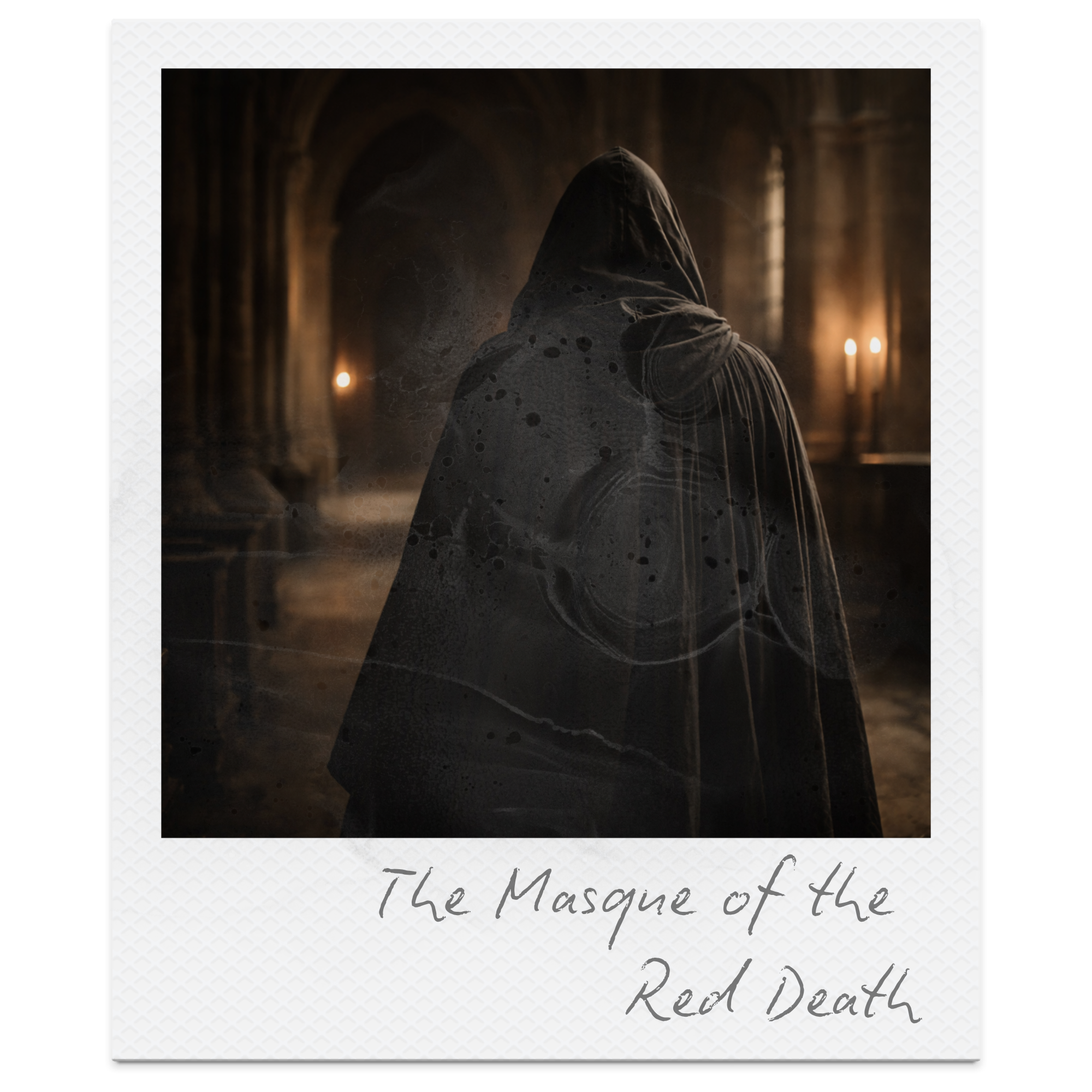
The Masque of the Red Death by Edgar Allan Poe: Summary, Themes, Symbolism & Analysis
The Masque of the Red Death by Edgar Allan Poe is a powerful Gothic allegory that explores mortality, time, and the illusion of human control. Through the decadent world of Prince Prospero’s abbey, Poe constructs a symbolic narrative where wealth, power, and denial are ultimately powerless against the inevitability of death. The story’s haunting atmosphere, combined with its structured progression through the seven rooms, creates a vivid representation of life moving inexorably toward its end. Beyond its surface narrative, the text offers rich opportunities for analysing symbolism, setting, and psychological themes. From the ominous ebony clock to the disturbing presence of the masked figure, Poe builds a world where illusion collapses into reality, forcing both characters and readers to confront what cannot be avoided. This makes the story ideal for exploring Gothic conventions, interpretation, and high-level analytical writing.
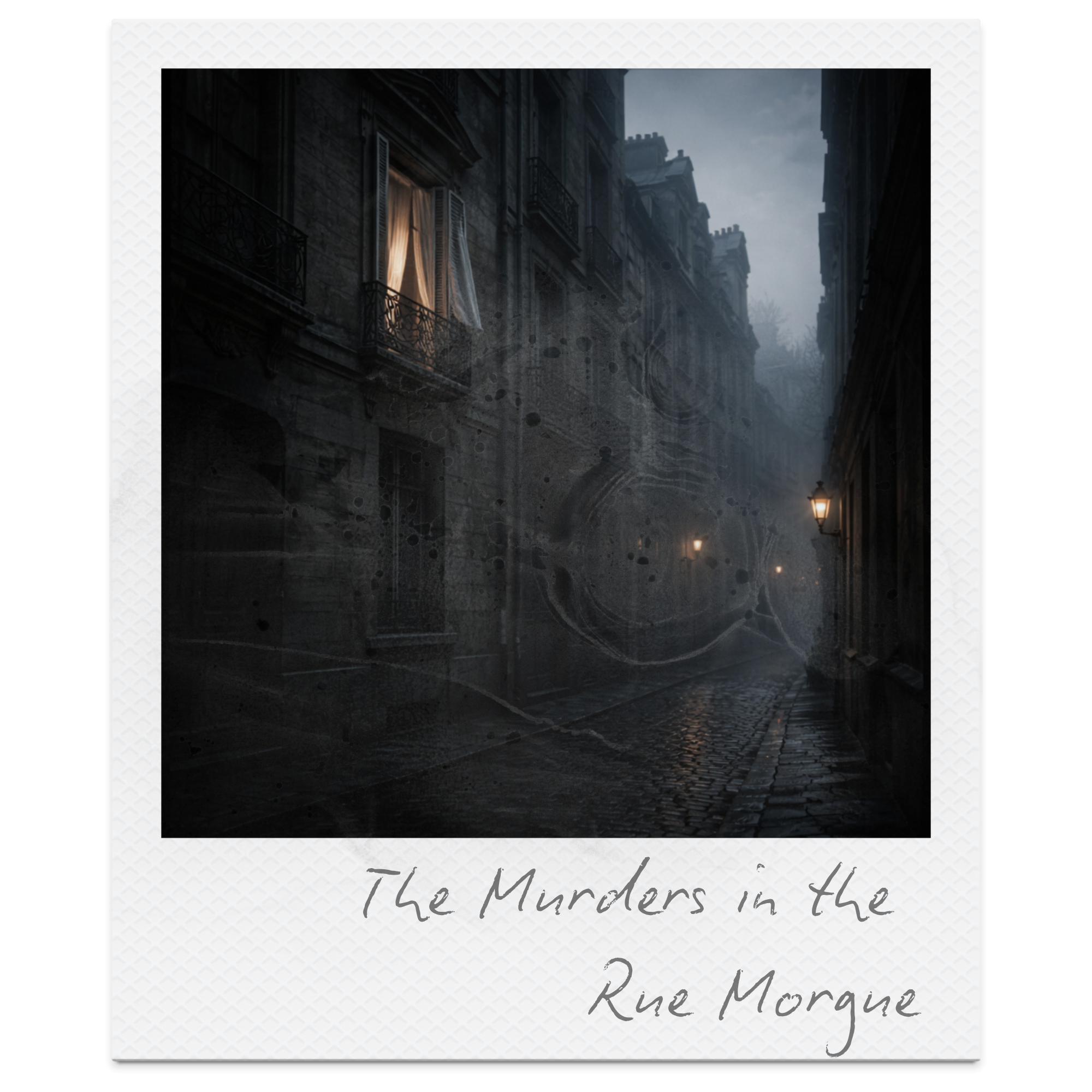
The Murders in the Rue Morgue by Edgar Allan Poe: Summary, Themes, Symbolism & Analysis
The Murders in the Rue Morgue by Edgar Allan Poe is widely regarded as the first modern detective story, blending Gothic horror with analytical reasoning to create a mystery that appears impossible to solve. Set in a shadowed Parisian apartment, the story follows C. Auguste Dupin as he unravels a brutal double murder that has left the police completely baffled. Through its focus on observation, perception, and the limits of logic, the text explores how truth can be hidden not in complexity, but in the way evidence is interpreted. This detailed analysis breaks down the story’s key themes, structure, characters, and literary techniques, offering a clear and accessible guide for both students and teachers. With a focus on high-level interpretation and classroom application, this post also includes teaching ideas, key quotes, and links to further resources, making it an ideal starting point for exploring one of Poe’s most influential and thought-provoking works.
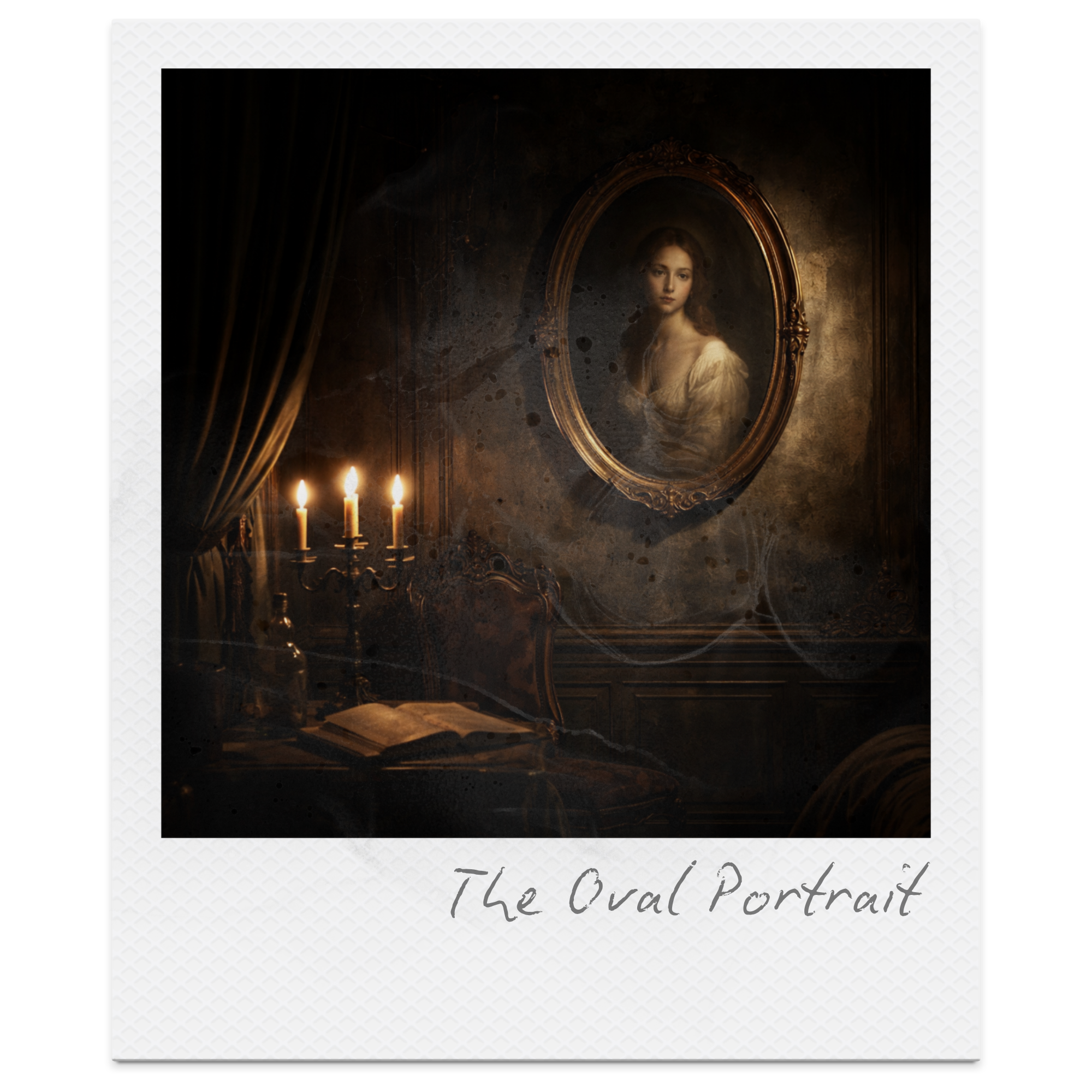
The Oval Portrait by Edgar Allan Poe: Summary, Themes, Symbolism & Analysis
The Oval Portrait by Edgar Allan Poe is a haunting Gothic short story that explores the dangerous relationship between art and life, revealing how obsession can transform creation into destruction. Set within a decaying château, the story follows a wounded narrator who becomes fixated on a strikingly lifelike portrait, uncovering a disturbing tale of artistic ambition and sacrifice. This analysis explores the story’s key themes, including obsession, control, beauty and mortality, and the blurred boundary between reality and illusion. Through close analysis of structure, setting, and character, The Oval Portrait reveals how the pursuit of perfection can consume life itself, raising unsettling questions about the true cost of art.
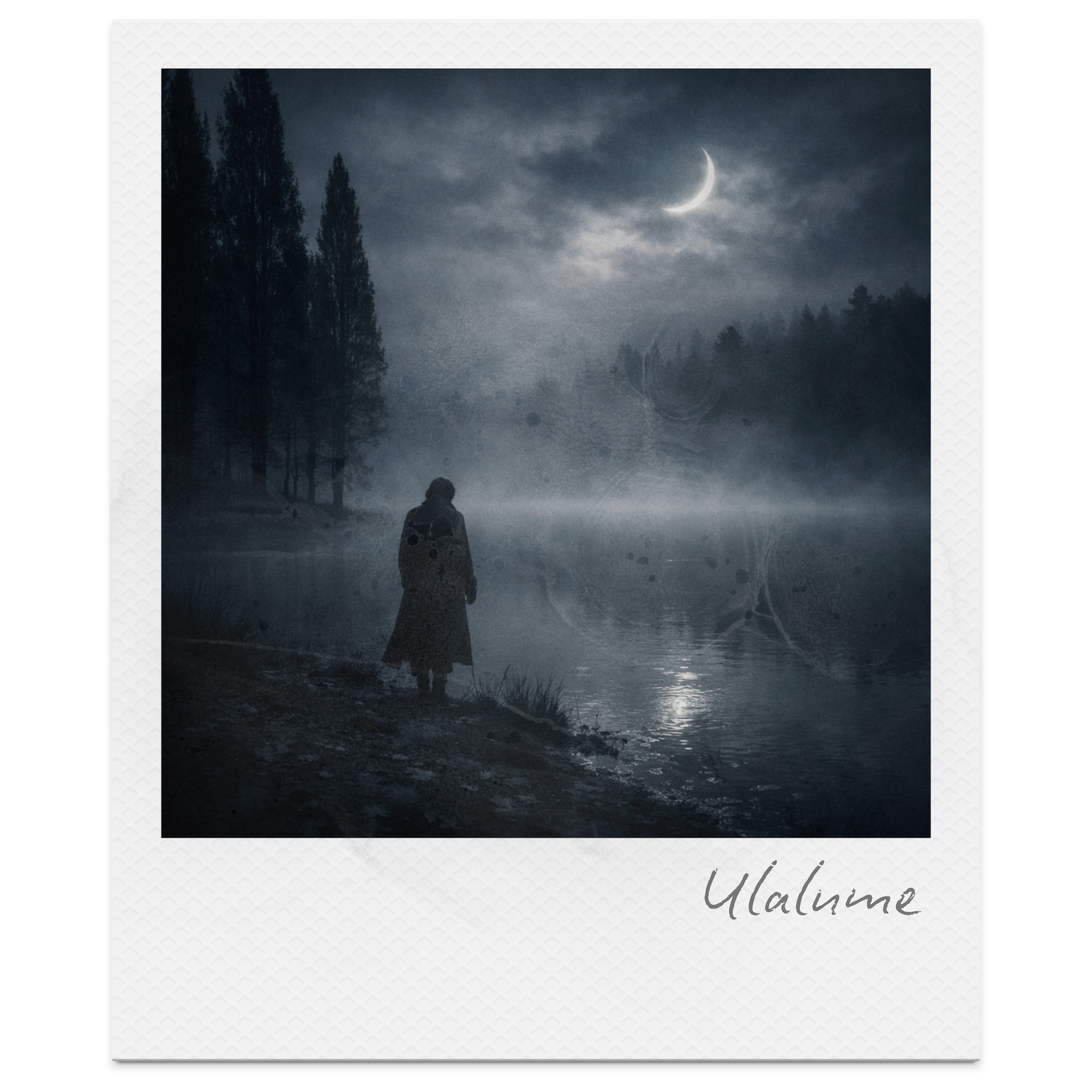
Ulalume by Edgar Allan Poe: Summary, Themes, Meaning & Analysis
Edgar Allan Poe’s Ulalume is a haunting exploration of grief, memory, and the unconscious mind, unfolding through a dreamlike journey into a desolate, symbolic landscape. Following a speaker who unknowingly retraces his steps to the tomb of his lost love, the poem reveals how repressed memory continues to shape perception and behaviour, even when consciously denied. Through its hypnotic rhythm, repetition, and rich Gothic imagery, Poe creates a psychological experience that blurs the boundary between reality and illusion. At its core, Ulalume examines the tension between denial and recognition, as the speaker projects hope onto a mysterious celestial light, only to be led back to the very truth he seeks to avoid. The poem’s cyclical structure and layered symbolism reveal grief as something inescapable and deeply embedded, offering a powerful meditation on how the mind responds to loss. This analysis explores the poem’s structure, key themes, and techniques, providing a clear and insightful guide for students and teachers alike.
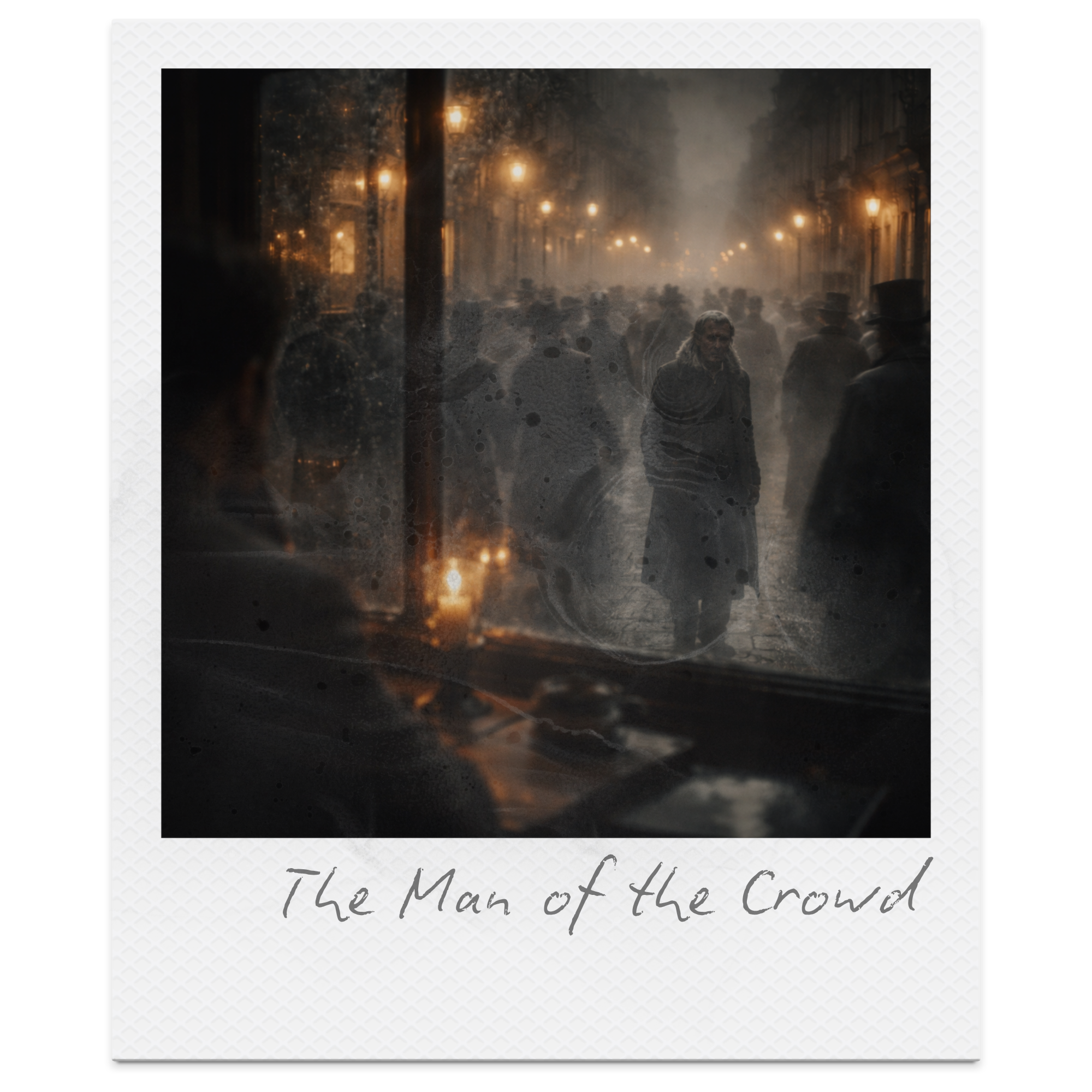
The Man of the Crowd by Edgar Allan Poe: Summary, Themes, Symbolism & Psychological Analysis
The Man of the Crowd by Edgar Allan Poe is a compelling exploration of urban anonymity, psychological obsession, and the limits of human understanding. Set against the restless backdrop of London, the story follows a narrator who becomes fixated on a mysterious old man whose expression defies interpretation. What begins as casual observation quickly develops into an intense pursuit, raising unsettling questions about whether people can ever truly be known. At its core, the story examines identity, surveillance, alienation, and unknowability, presenting the modern city as a space where individuals are both constantly visible and fundamentally hidden. Through its cyclical structure and ambiguous ending, Poe challenges the idea that observation leads to truth, instead suggesting that some lives — and some minds — remain permanently beyond comprehension.
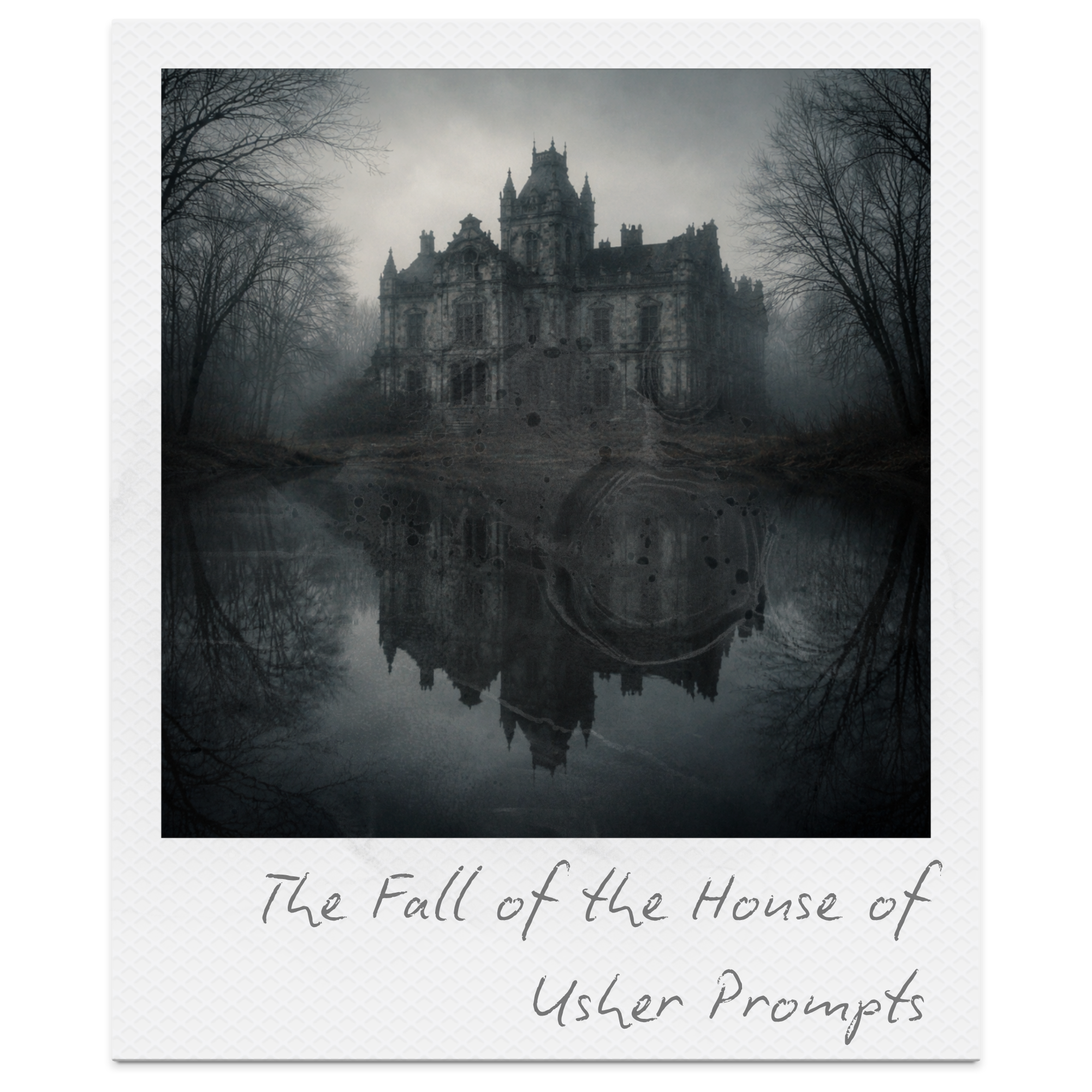
70 Creative Writing Prompts Inspired by The Fall of the House of Usher: Plot Hooks, Opening Lines, Characters & Visual Ideas
Explore 70 creative writing prompts inspired by The Fall of the House of Usher by Edgar Allan Poe. This collection draws on the story’s gothic atmosphere, psychological tension, and themes of madness, decay, and unreliable perception, helping students and writers craft original stories shaped by mood, setting, and symbolism rather than plot retelling. Ideal for classrooms, writing clubs, or independent practice, these prompts include plot hooks, opening lines, character ideas, and setting inspiration. They support both creative confidence and deeper understanding of Gothic fiction, making them a flexible tool for KS3–KS5 teaching, revision, and imaginative storytelling.
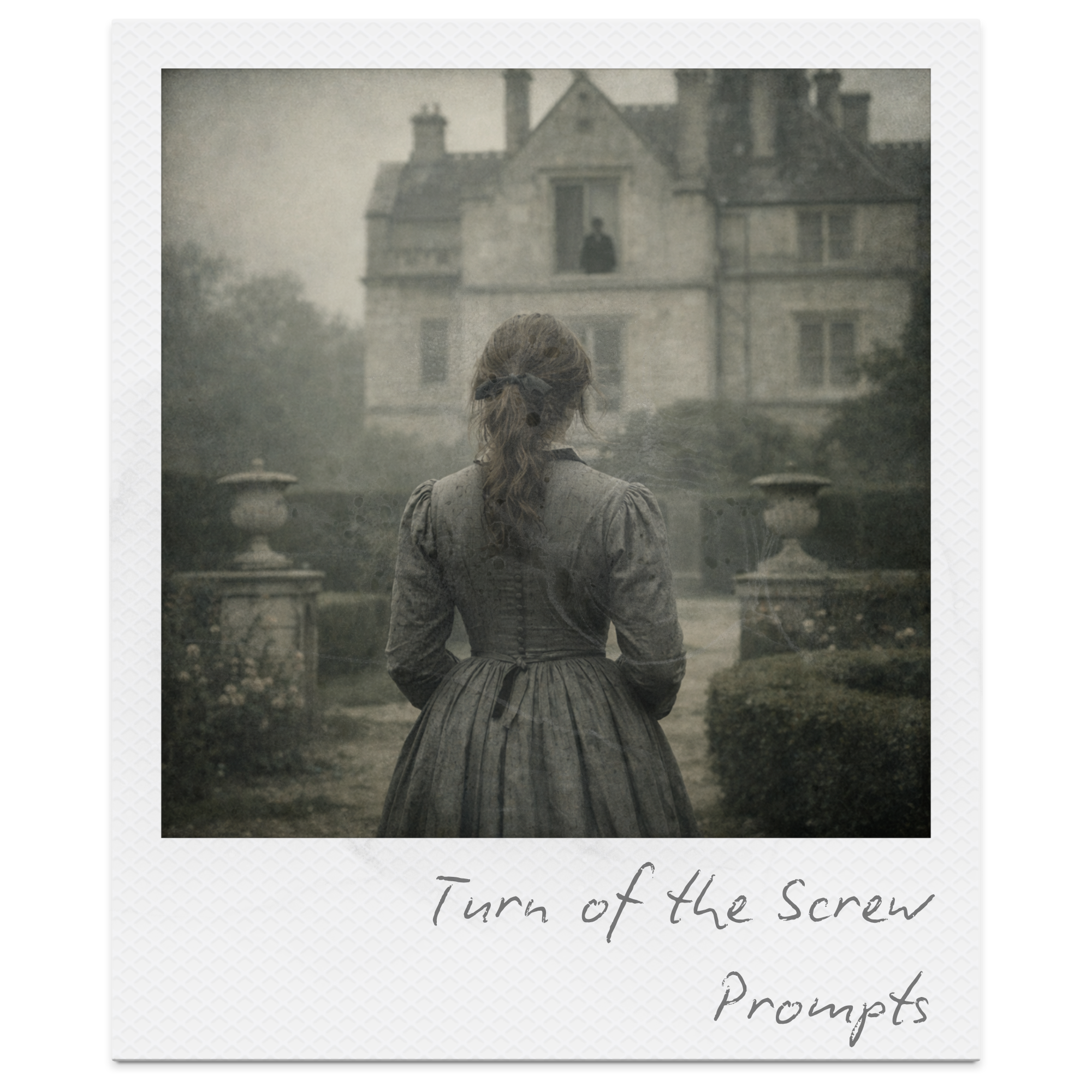
70 The Turn of the Screw Writing Prompts: Ghosts, Ambiguity & Psychological Gothic
Inspired by Henry James’s The Turn of the Screw, this collection of 70 gothic writing prompts explores the unsettling tension between ghostly presence and psychological uncertainty. Set against isolated estates, silent children, and watchful figures, these prompts invite writers to question what is real, what is imagined, and what lies dangerously in between. Blending plot hooks, opening lines, character ideas, and atmospheric settings, this prompt collection focuses on unreliable narrators, hidden corruption, and the eerie ambiguity that defines gothic fiction. Perfect for classrooms or creative writing, these ideas encourage stories where truth is never fully revealed and fear lingers long after the final line.
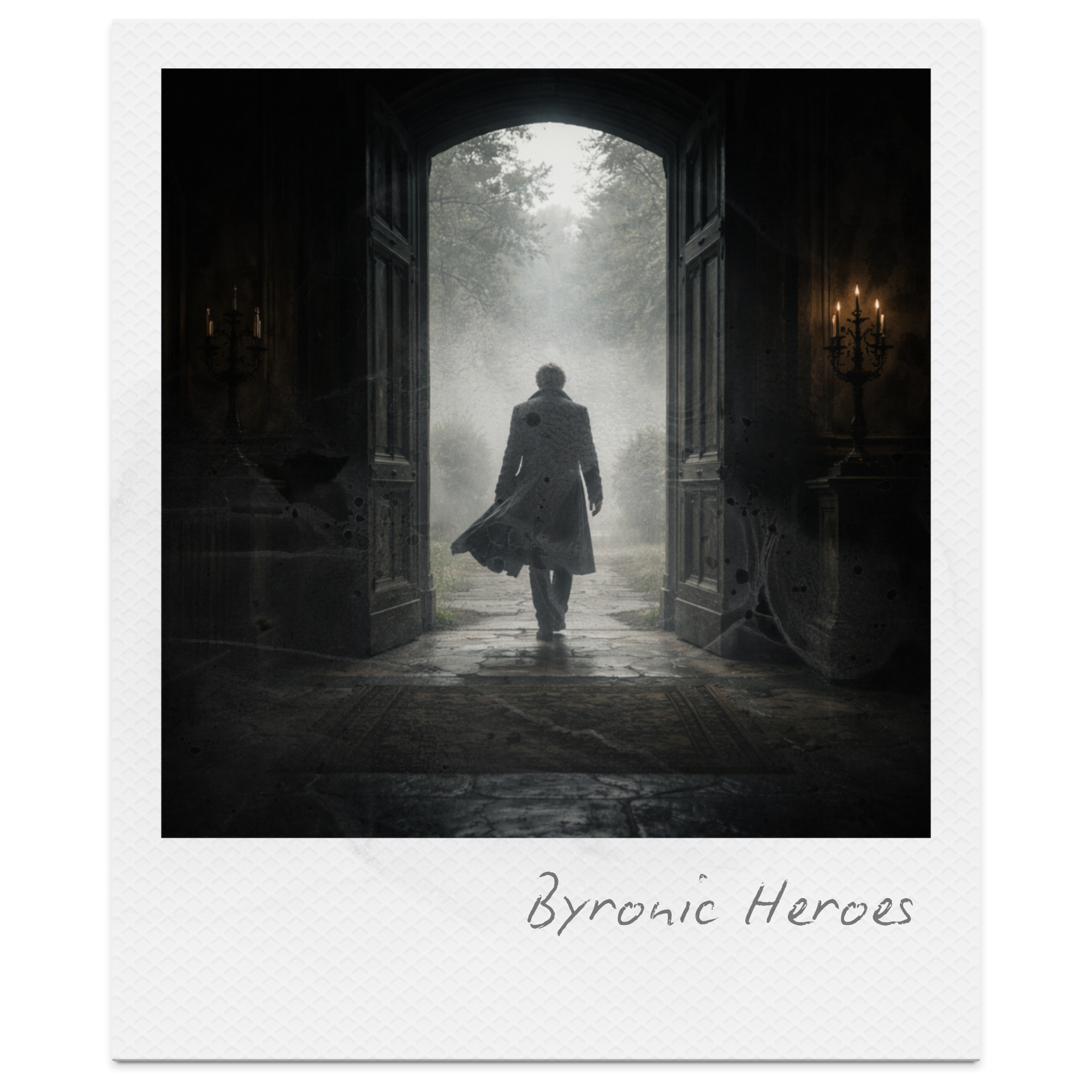
70 Byronic Hero Writing Prompts: Dark Charisma, Isolation & Gothic Obsession
Byronic heroes are some of the most compelling figures in gothic literature — charismatic, secretive characters whose intensity often draws others toward them even as it hints at hidden danger. First popularised through the work of Lord Byron, this archetype represents individuals shaped by passion, rebellion, and inner conflict rather than traditional heroism. This collection of 70 Byronic Hero Writing Prompts explores characters driven by obsession, pride, guilt, and emotional intensity. Through plot hooks, titles, opening lines, and character ideas, the prompts invite writers to experiment with morally complex protagonists whose mysterious pasts and powerful personalities place them at the centre of dark and atmospheric stories.
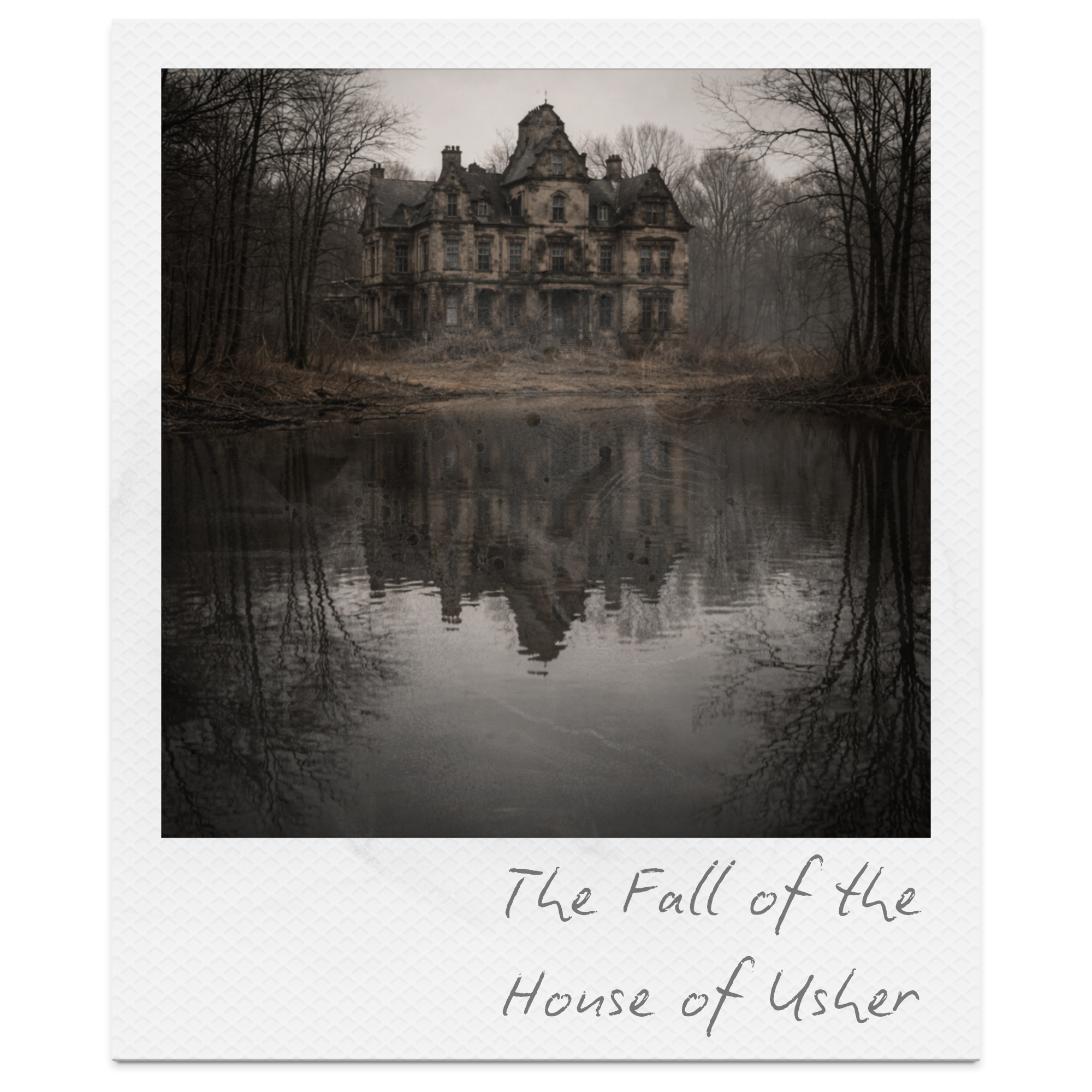
The Fall of the House of Usher by Edgar Allan Poe: Summary, Themes, Symbolism & Analysis
The Fall of the House of Usher is one of Edgar Allan Poe’s most famous Gothic short stories, exploring madness, isolation, fear, and the uneasy link between the human mind and its surroundings. This analysis examines the story’s plot, themes, symbolism, and literary techniques, showing how Poe transforms the decaying Usher mansion into a powerful reflection of psychological collapse and family decline. Ideal for students, teachers, and anyone revising Gothic fiction, this guide explores key ideas such as unreliable narration, family decay, premature burial, and the blurred boundary between reality and the supernatural. It also includes quotes, alternative interpretations, and teaching ideas to support deeper reading and classroom discussion.
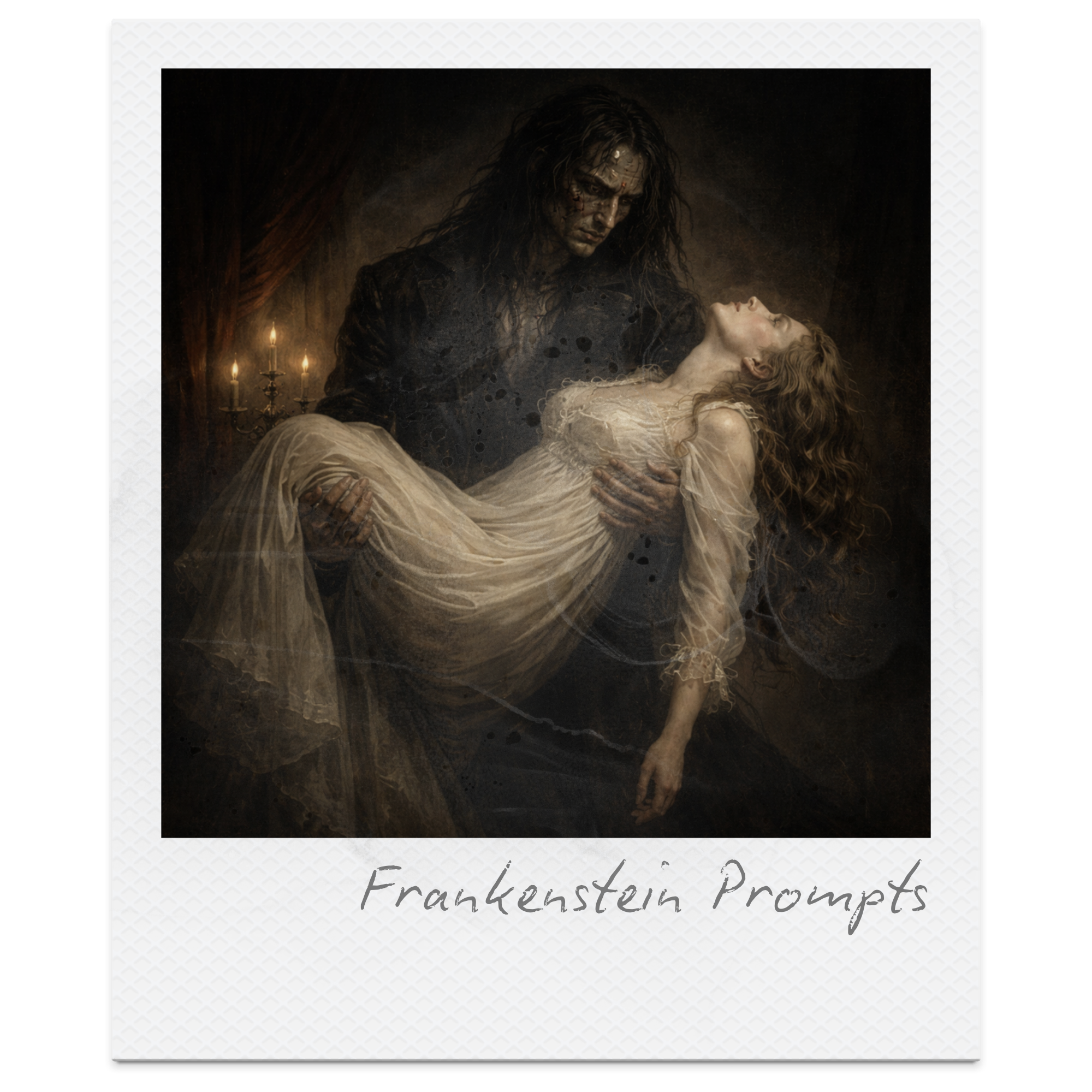
70 Creative Writing Prompts Inspired by Frankenstein: Creation, Isolation and the Consequences of Ambition
Mary Shelley’s Frankenstein remains one of the most influential gothic novels ever written, exploring ambition, scientific discovery and the moral consequences of creating life. These creative writing prompts draw inspiration from the novel’s atmosphere, characters and philosophical questions, encouraging writers to explore themes such as responsibility, isolation, obsession and the dangers of pushing knowledge too far. This collection of 70 Frankenstein-inspired writing prompts includes plot hooks, opening lines, closing lines, character ideas, settings and visual prompts designed to spark original storytelling. Perfect for classroom use or independent writing practice, the prompts invite writers to experiment with perspective, voice and atmosphere while engaging with the gothic tension and moral complexity that make Frankenstein such a powerful literary work.
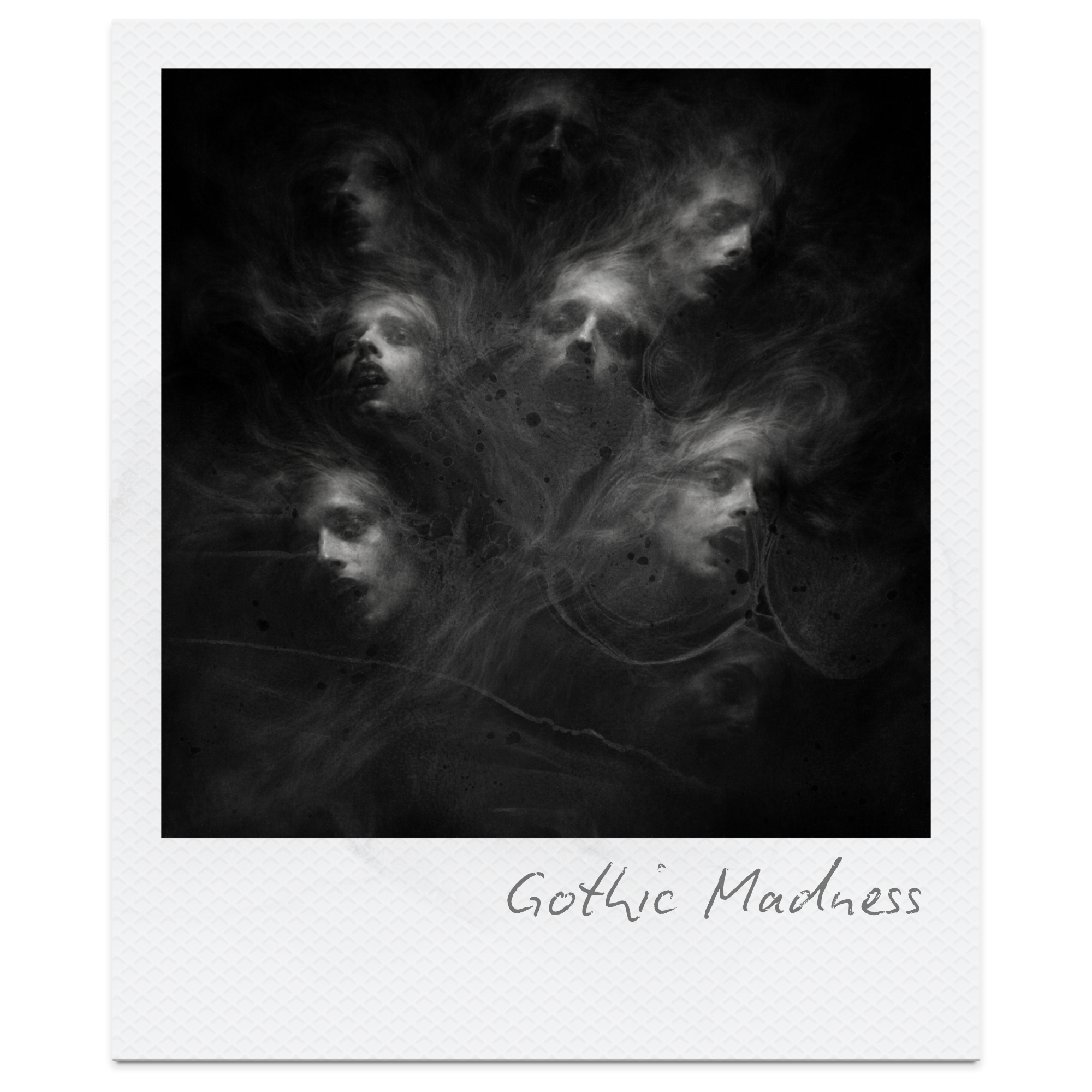
70 Gothic Madness Writing Prompts: Unreliable Minds, Haunted Thoughts & Story Starters
Madness has long been one of the most compelling themes in gothic fiction, where the line between reason and obsession is often disturbingly fragile. Many gothic narratives explore characters who slowly lose trust in their memories, perceptions, or sense of self, creating stories where the greatest danger may come from the mind itself rather than any external monster. These gothic madness writing prompts explore psychological tension, unreliable narrators, and distorted reality through atmosphere-driven storytelling. Drawing on classic psychological gothic elements such as isolation, paranoia, and the slow erosion of certainty, the prompts encourage writers to experiment with ambiguity, perception, and the unsettling possibility that truth may never be fully understood.