70 The Turn of the Screw Writing Prompts: Ghosts, Ambiguity & Psychological Gothic
Few works of gothic fiction capture the unsettling tension between reality and imagination as powerfully as The Turn of the Screw. First published in 1898, Henry James’s novella remains one of the most debated ghost stories in literature, not because of what is shown, but because of what is uncertain.
At the centre of the story is a governess sent to care for two children, Miles and Flora, at the isolated estate of Bly. What begins as a seemingly idyllic position quickly transforms into something far more disturbing as she begins to see figures she believes to be the ghosts of Peter Quint and Miss Jessel. Yet the true horror of the novella lies in its ambiguity: are the ghosts real, or are they projections of the governess’s own fears, desires, and psychological instability?
The novel explores themes of unreliable narration, repression, power, innocence and corruption, and the blurred boundary between the supernatural and the psychological. Set within a remote country estate, the story uses isolation, silence, and suggestion to create a haunting atmosphere that lingers long after its final page.
This collection of 70 The Turn of the Screw Writing Prompts is designed as a complete creative toolkit, combining plot hooks, title ideas, opening lines, closing lines, character ideas, setting prompts, and cinematic visual inspiration. These prompts explore gothic ambiguity, ghostly presences, hidden corruption, and the unsettling possibility that the greatest threat may come not from the supernatural, but from within.
If you would like to explore more atmospheric storytelling prompts, gothic themes, and psychological fiction ideas, you can also browse the Creative Writing Archive or explore the Gothic Writing Hub and the Horror Writing Hub, where ghost stories, unreliable narrators, and haunting settings appear across many forms of storytelling. If you are looking for more creative writing inspired by the texts you teach, then you should check out our Literature-Inspired Prompts.
1. Plot Hooks
Stories inspired by The Turn of the Screw often begin with a seemingly safe environment that gradually reveals something deeply unsettling. The tension emerges not just from external threats, but from uncertainty and perception.
Write about a governess who begins to suspect that the children in her care are hiding something they refuse to name.
Write about a remote estate where each new employee reports seeing the same figure standing in the tower at dusk.
Write about a caretaker who becomes convinced that a child is communicating with someone no one else can see.
Write about a woman who takes a position in an isolated house and begins to feel that she is being watched from within the grounds.
Write about a teacher who receives a letter warning that one of their students has been expelled for a reason that must never be spoken aloud.
Write about a child who insists that their “friend” lives by the lake, though no one has ever seen anyone there.
Write about a governess who believes she is protecting the children, while others begin to fear she is the real danger.
Write about a housekeeper who knows more about the past of the estate than she is willing to reveal.
Write about a young boy whose behaviour is perfect—except for the moments when no one is watching.
Write about a woman who begins to question whether the figures she sees are real or reflections of her own mind.
2. Title Ideas
Titles for The Turn of the Screw-inspired stories often suggest ambiguity, hidden corruption, and psychological tension rather than clear supernatural horror.
The Figures at the Window
What the Children Would Not Say
The Silence of the Manor
A Presence by the Lake
The Governess’s Account
Where Innocence Ends
The House That Watches Back
A Story Told in Shadows
The Children Who Knew Too Much
The Lady of the Lake
3. Opening Lines
Stories in this style often begin with a calm or controlled voice that gradually reveals unease beneath the surface.
I accepted the position believing it would be simple, though I understand now how little I knew.
The children were perfect, which should have been my first warning.
No one told me why the last governess left, only that I should not ask.
The house was beautiful in daylight, but I quickly learned not to trust it after dark.
At first, I believed I was imagining things.
The letter arrived before the boy did, and it changed everything.
I saw him long before anyone told me his name.
There are moments I wish I had ignored what I saw.
They insisted there was nothing there, though I could see it clearly.
I began to realise that silence can be far more frightening than truth.
4. Closing Lines
Endings in this style rarely provide clear answers. Instead, they leave lingering uncertainty, emotional unease, or irreversible consequences.
Even now, I cannot say whether I saved them or destroyed them.
The truth remains exactly where it has always been—just out of reach.
I still see him sometimes, though I no longer trust my own eyes.
They told me there was nothing there, and eventually I began to believe them.
What happened that night has never been spoken of again.
The house stands empty now, though I cannot believe it is truly abandoned.
Perhaps the children knew the truth long before I did.
Some stories are better left unfinished.
In the end, it was not the ghosts I feared most.
I only wish I had understood sooner what was really happening.
5. Character Ideas
Characters in The Turn of the Screw-inspired stories often exist within moral and psychological ambiguity. Their reliability—and their intentions—are never entirely clear.
A governess who becomes increasingly convinced she alone understands the danger around her.
A child who appears innocent but speaks in ways that suggest hidden knowledge.
A housekeeper who knows the estate’s past but carefully avoids revealing the full truth.
A former servant whose presence still lingers in the routines of the house.
A guardian who refuses all involvement, leaving others to interpret events as they will.
A child whose behaviour changes depending on who is watching.
A woman whose fear slowly turns into obsession.
A figure who may be either a ghost or a memory.
A caretaker who begins to lose trust in their own perception.
A child who understands far more than they should.
6. Setting Ideas
Settings are central to this kind of gothic storytelling, where isolation and atmosphere heighten psychological tension.
A secluded country estate surrounded by mist and woodland.
A still lake that reflects more than it should.
A tall tower where a figure is often seen at sunset.
A nursery filled with objects that seem subtly out of place.
A grand house that feels increasingly oppressive as time passes.
A garden that appears perfectly maintained, yet strangely lifeless.
A long corridor where footsteps echo even when no one is there.
A drawing room where the air always feels colder than the rest of the house.
A rural estate cut off from nearby towns.
A house where silence seems to carry meaning.
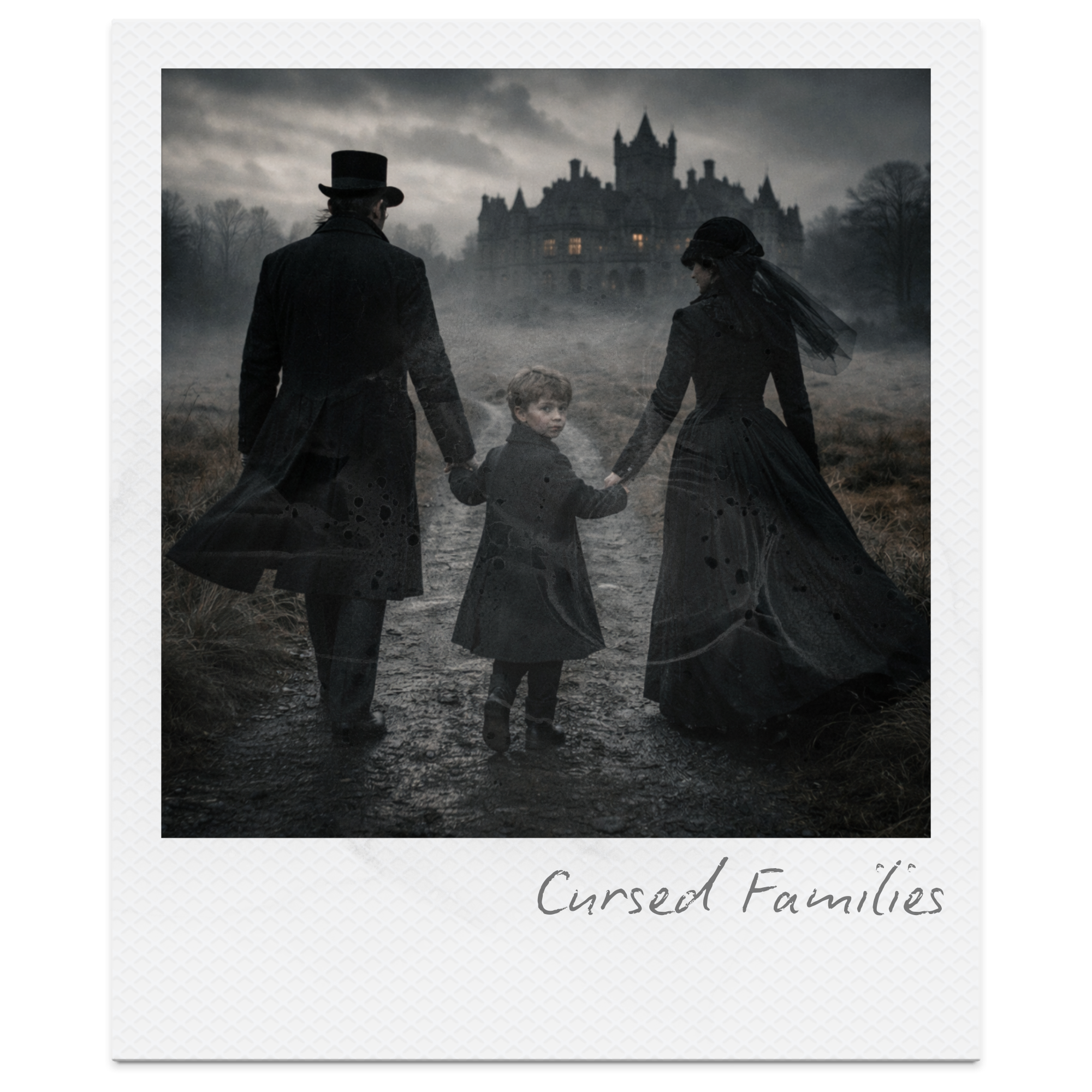
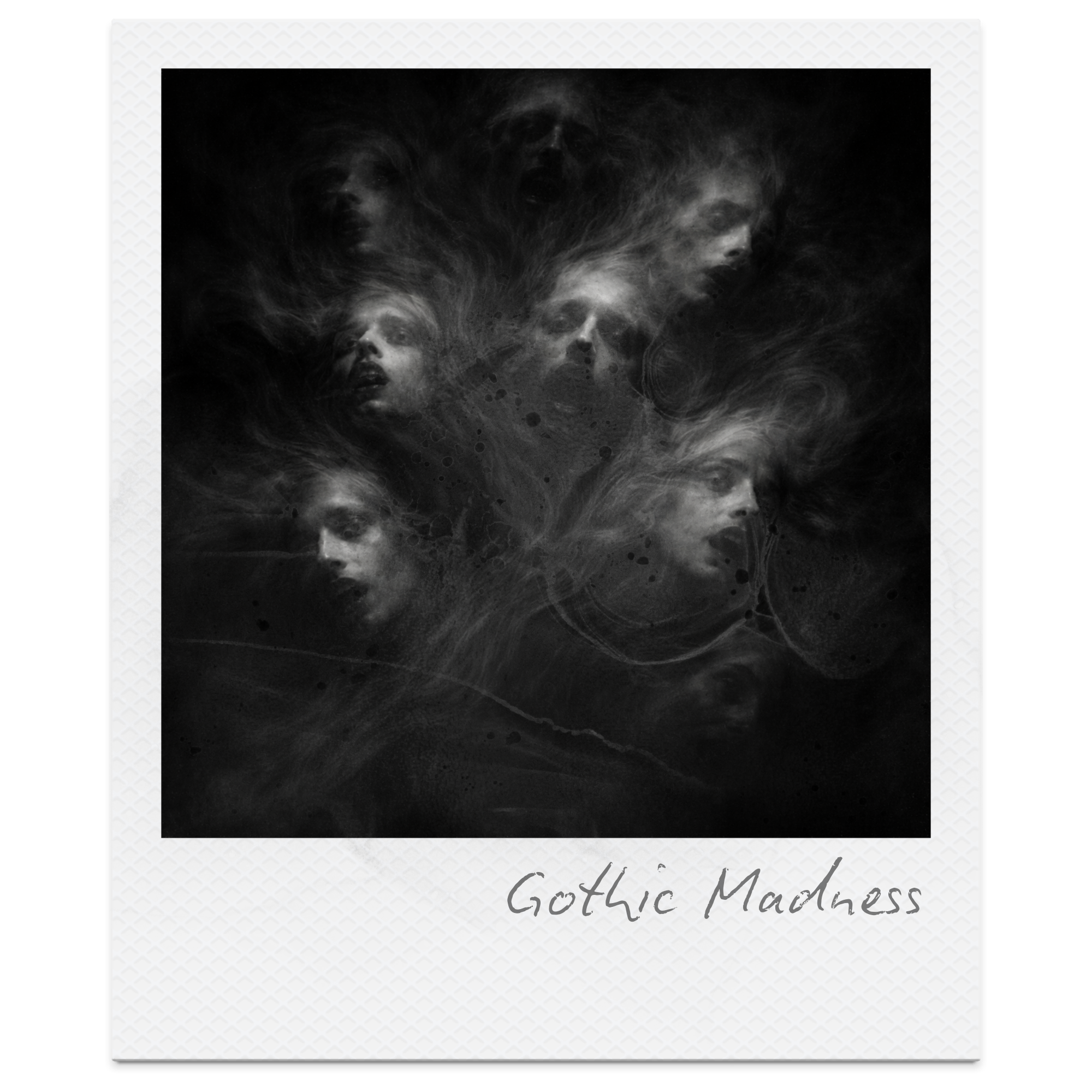
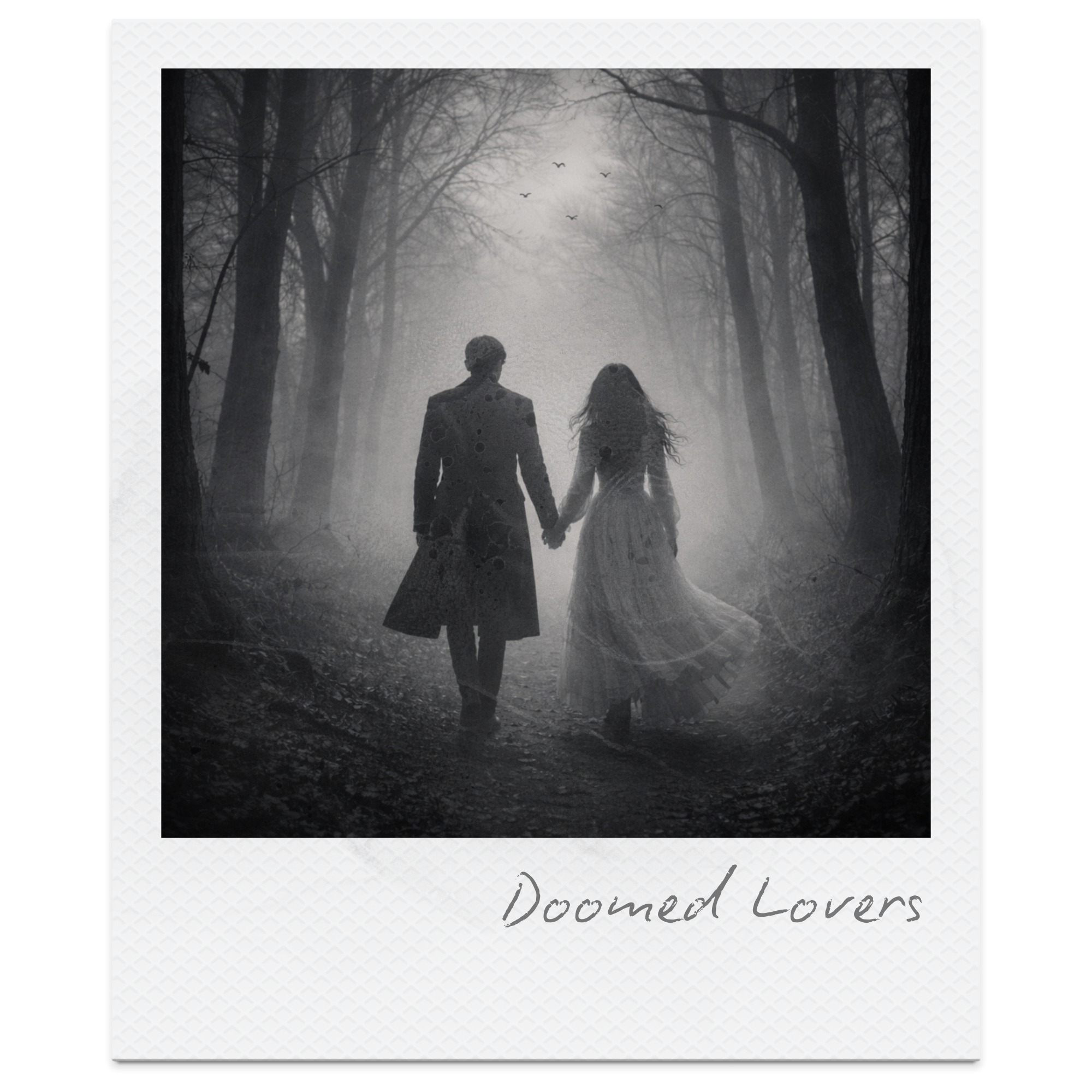
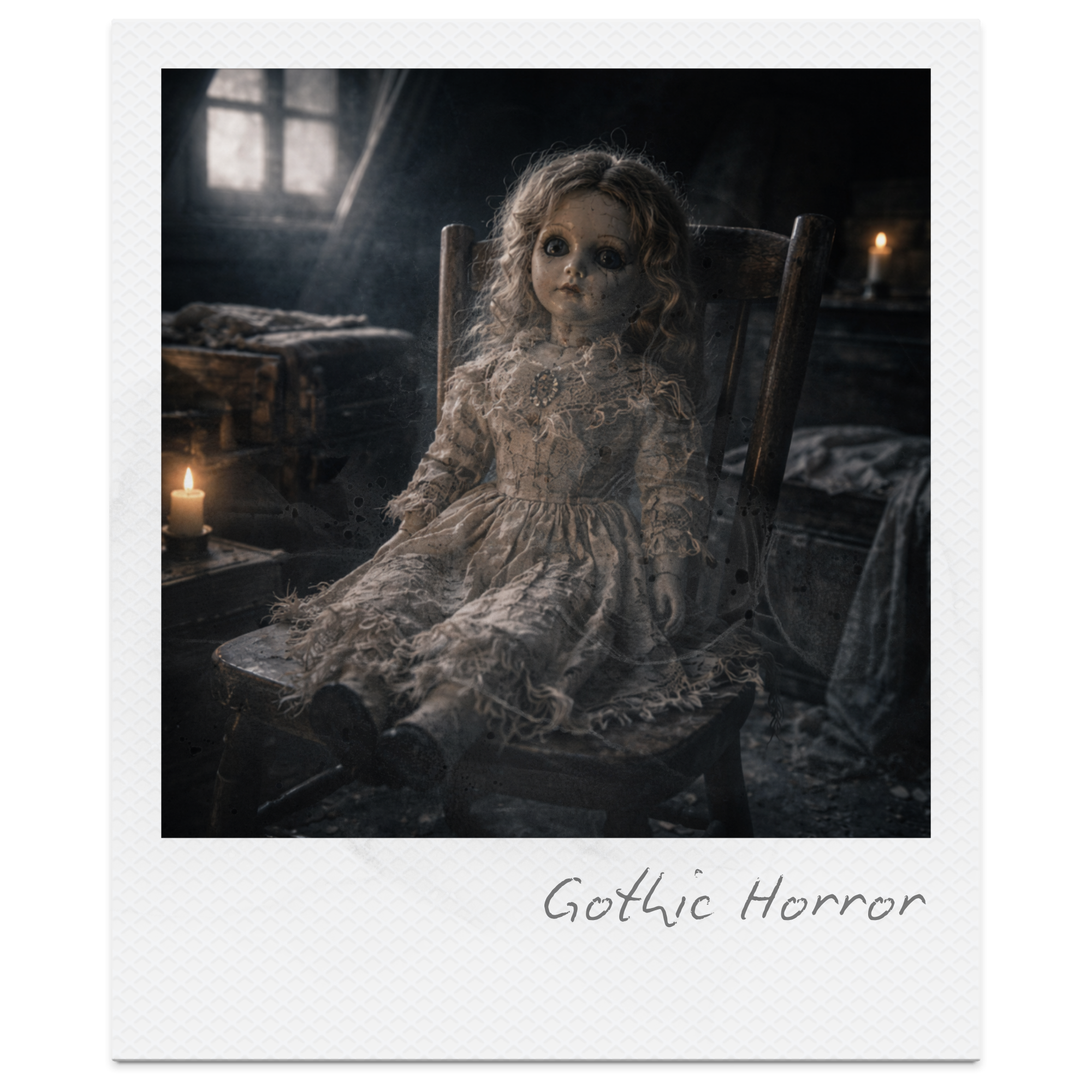
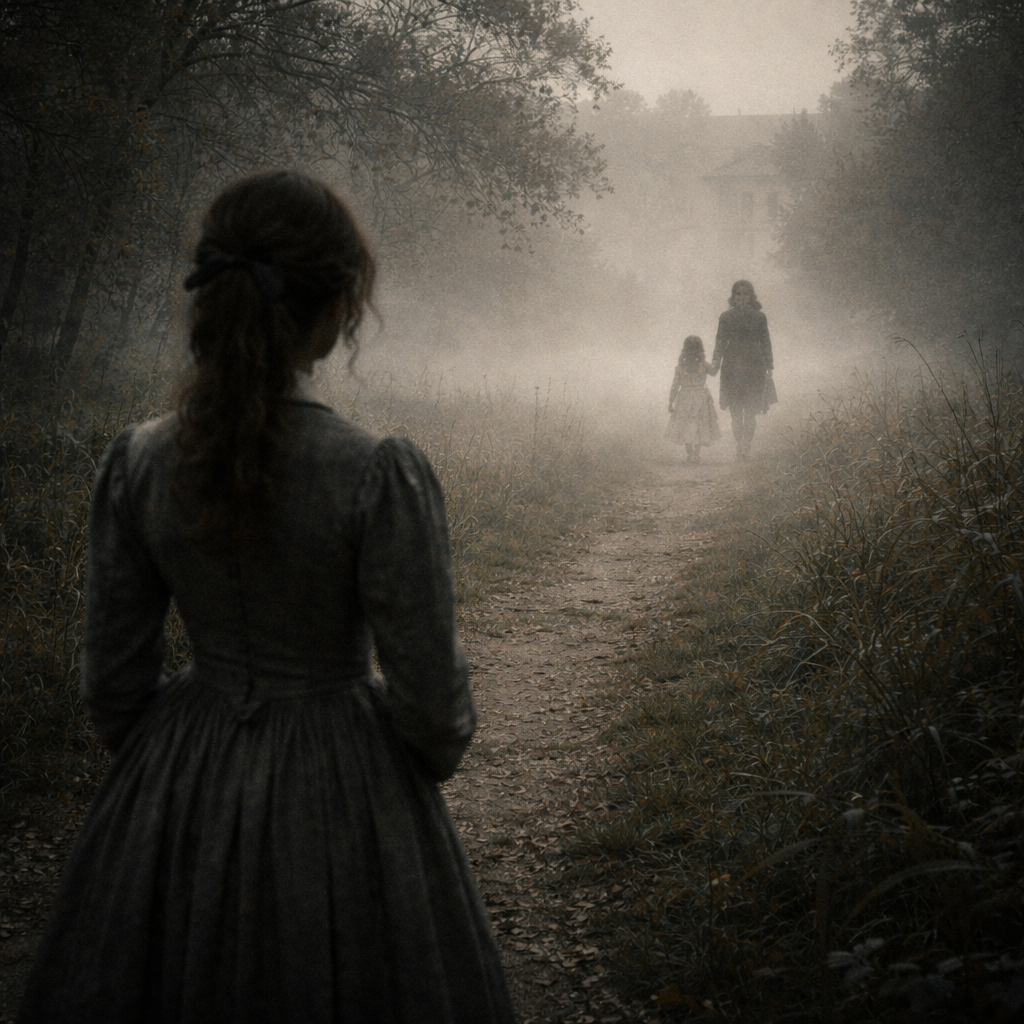
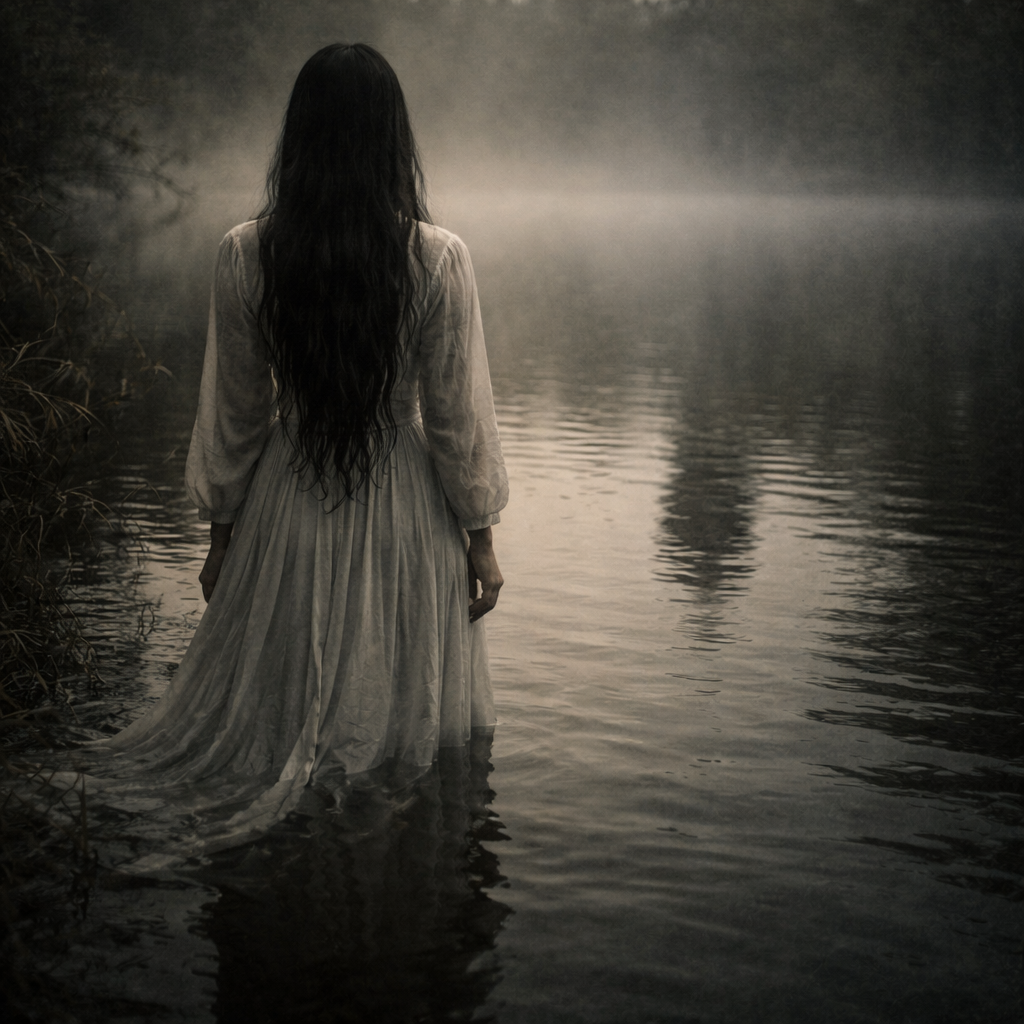
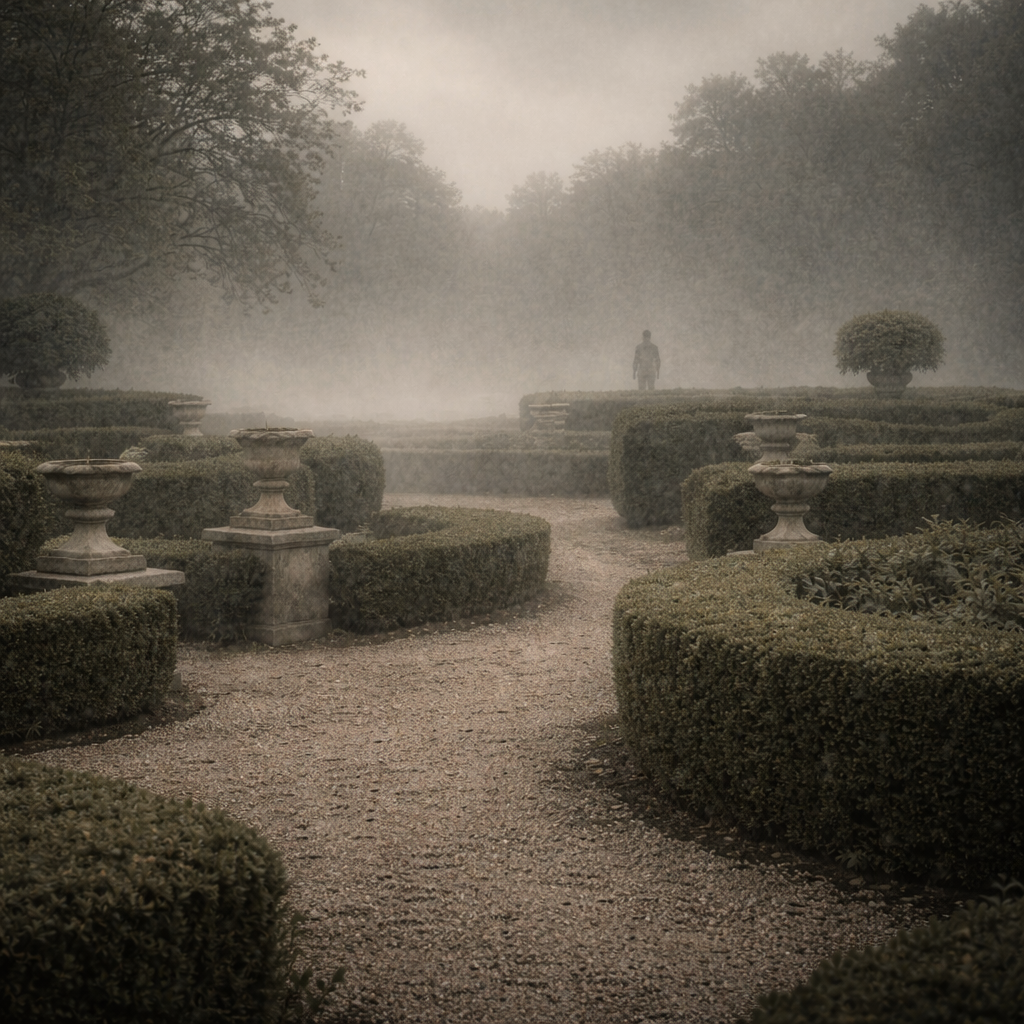
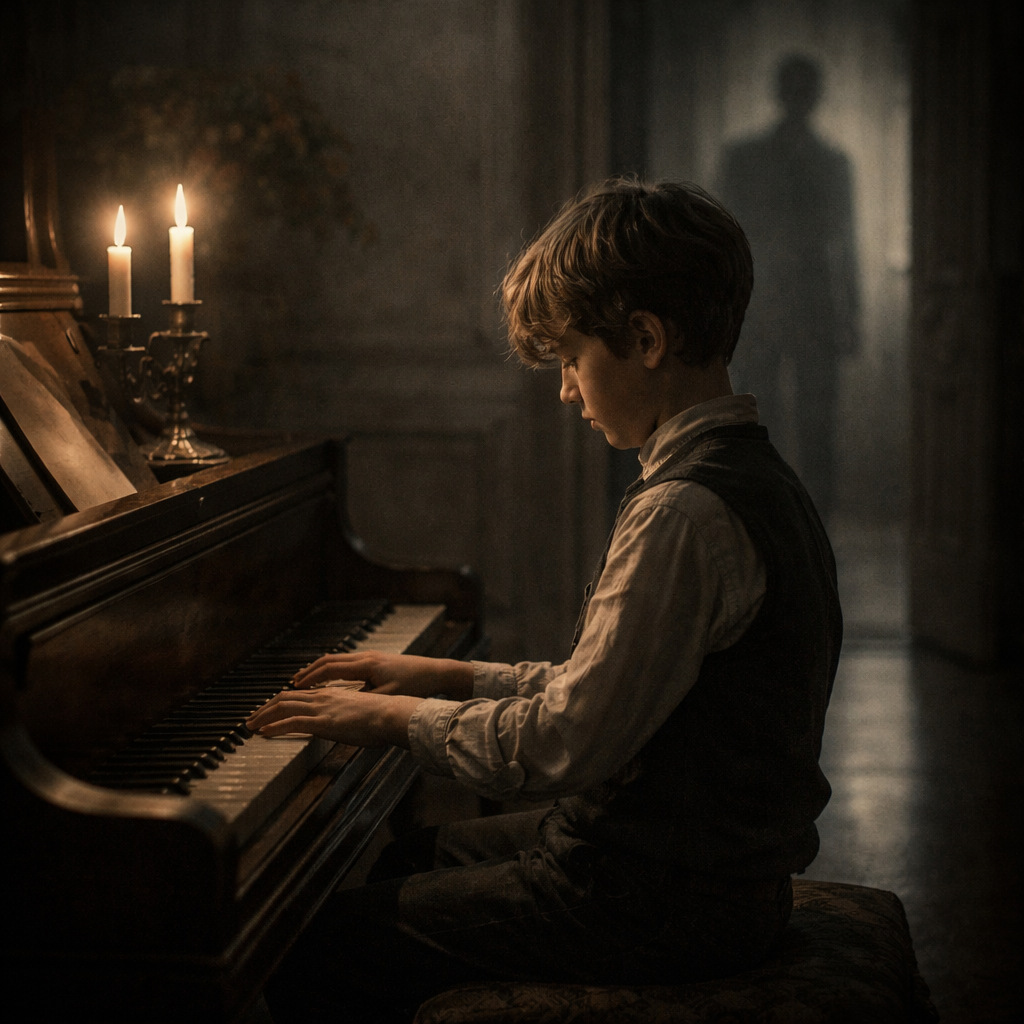
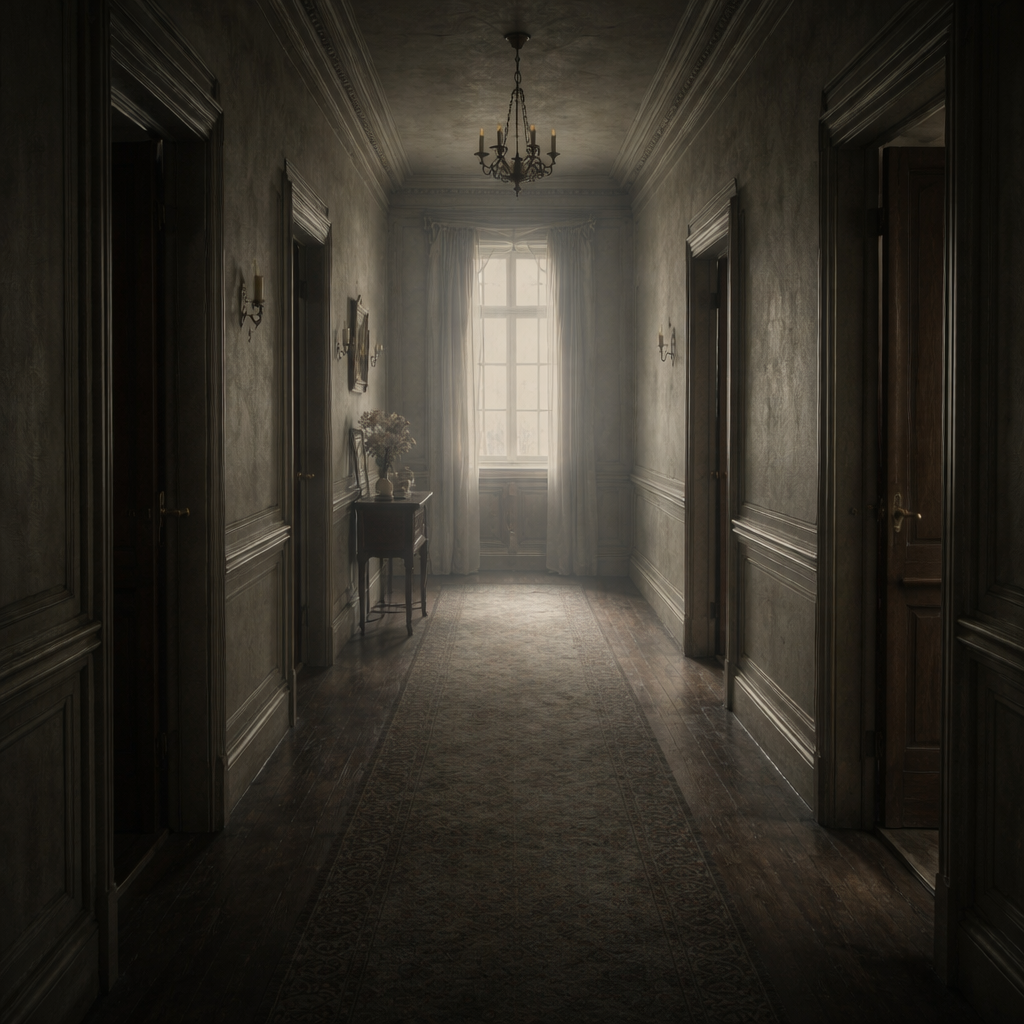
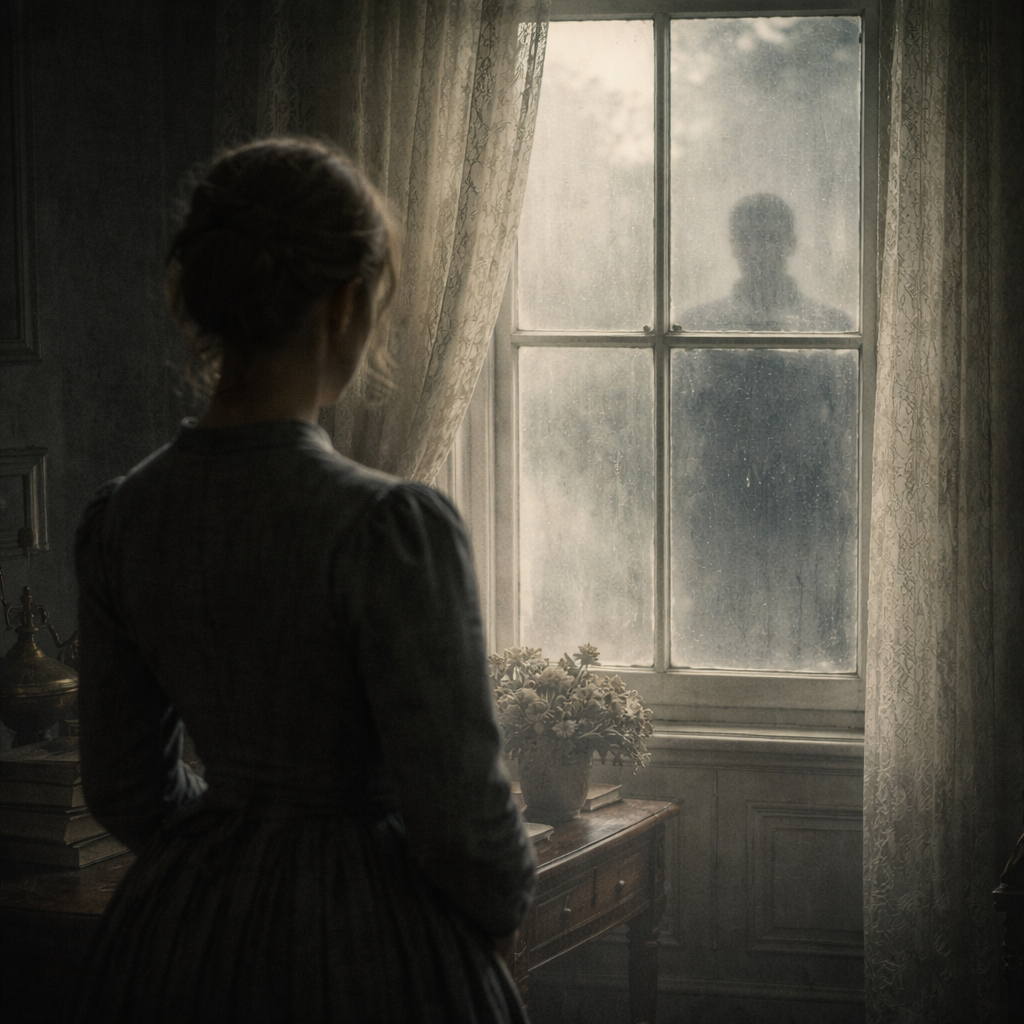
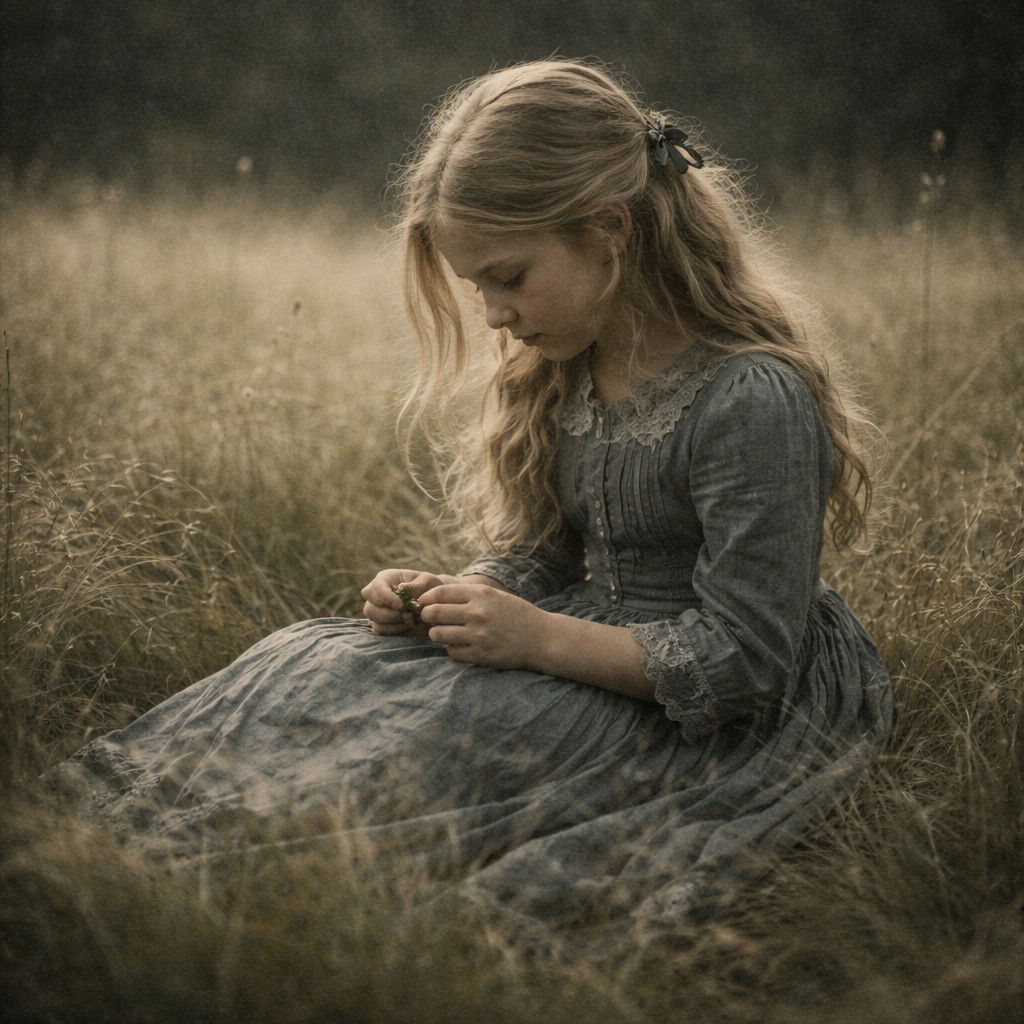
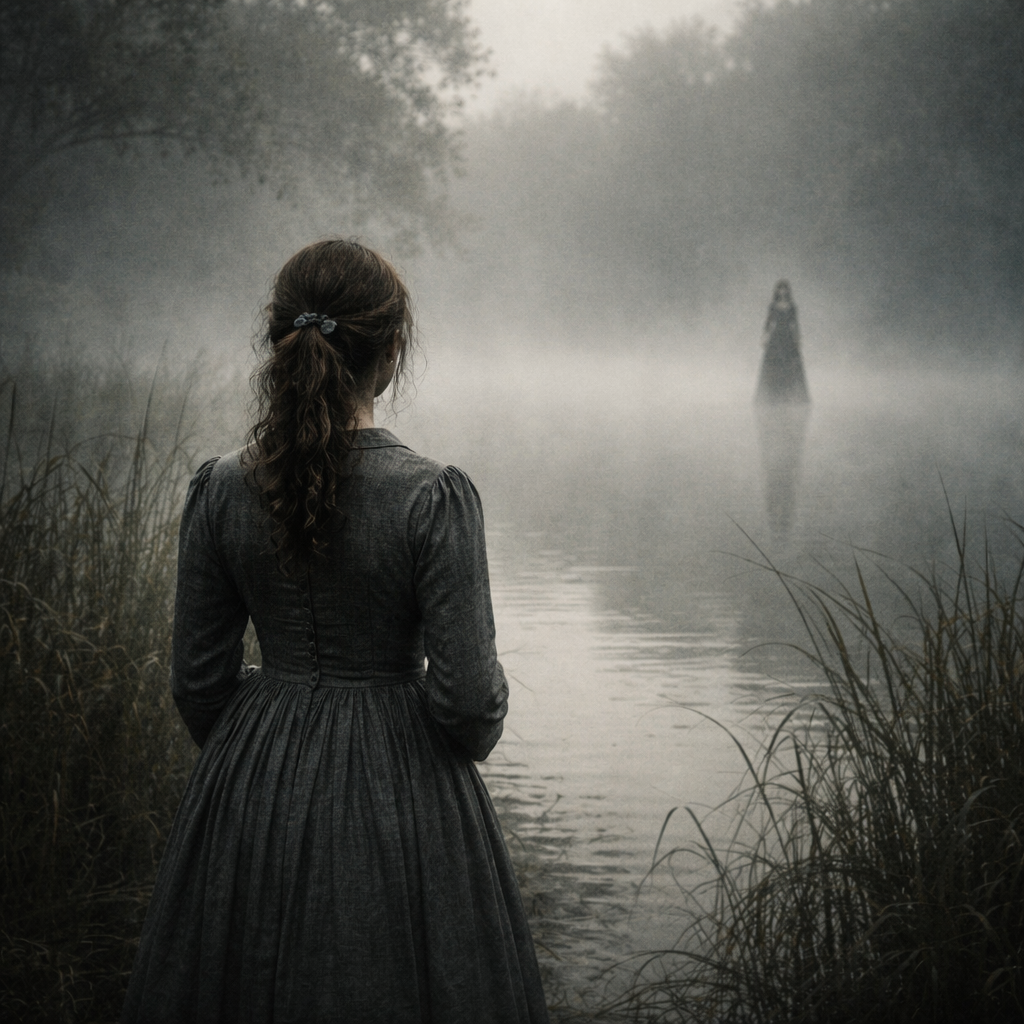
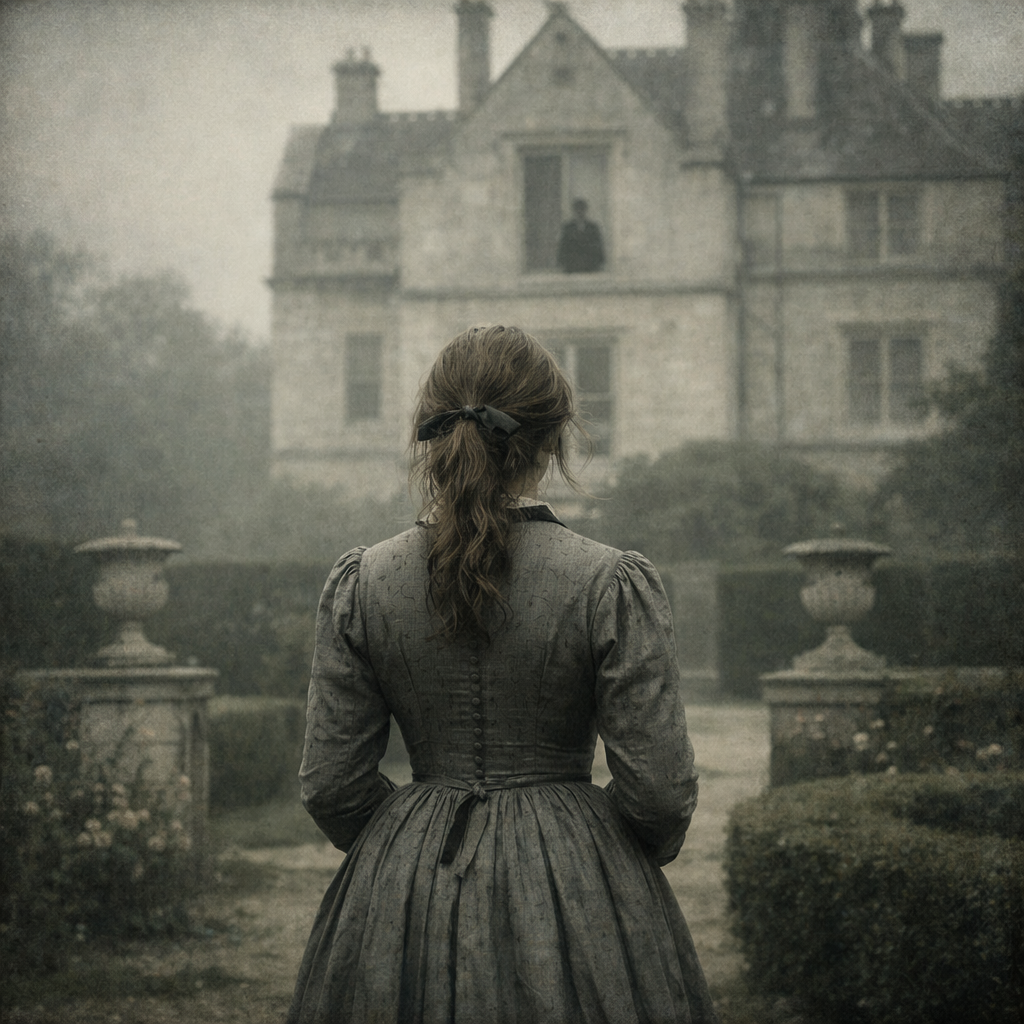
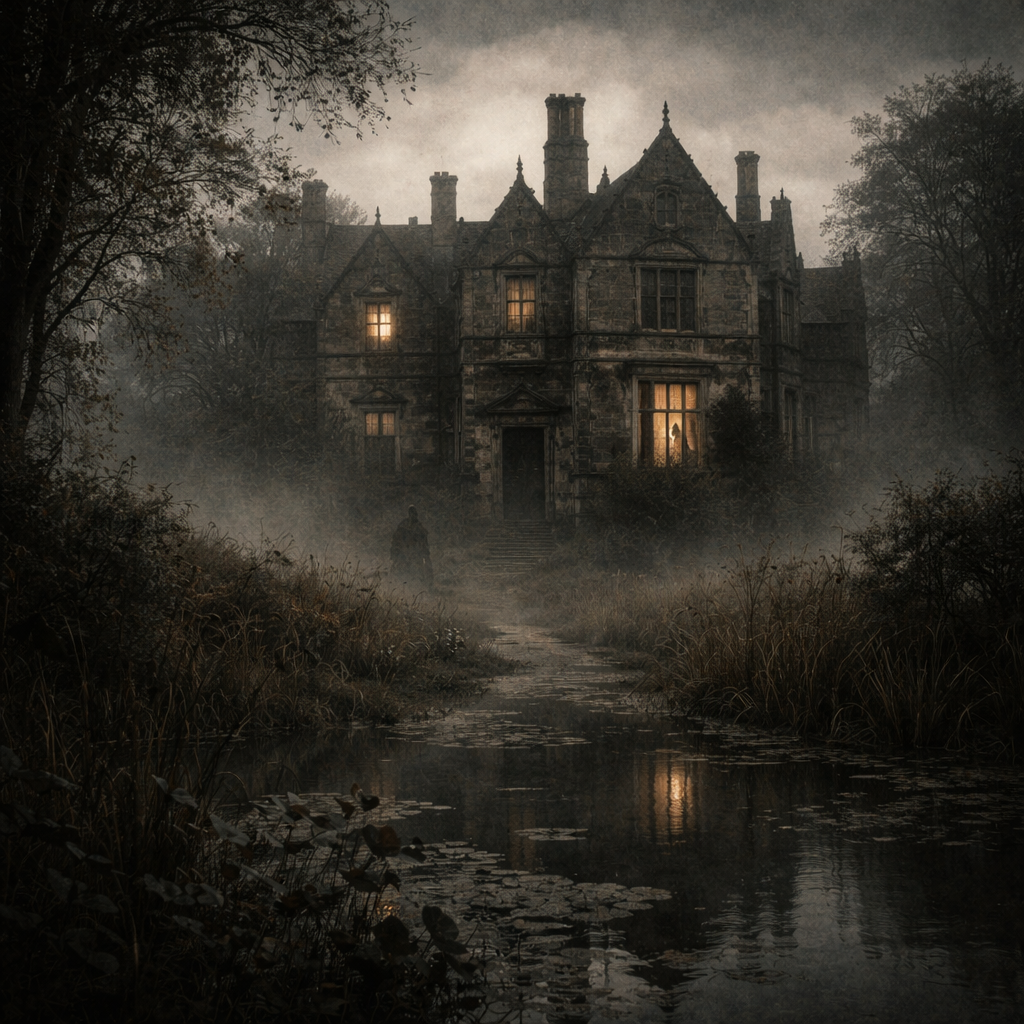
7. Picture Prompts
Visual prompts inspired by The Turn of the Screw work best when they emphasise ambiguity, distance, and atmosphere rather than overt horror.
Go Deeper into The Turn of the Screw
To develop stories inspired by The Turn of the Screw, writers can focus on ambiguity and perspective rather than clear answers. The power of the story lies in what cannot be proven.
◆ Rewrite a prompt from the perspective of a narrator whose reliability is uncertain.
◆ Write a scene where two characters witness the same event but describe it completely differently.
◆ Explore how isolation can intensify fear and distort perception.
◆ Describe a moment where a character realises they may be the cause of the events they fear.
Final Thoughts
The Turn of the Screw endures as one of the most unsettling works of gothic fiction because it refuses to offer certainty. Its power lies not in the ghosts themselves, but in the possibility that they may not exist at all.
These 70 The Turn of the Screw Writing Prompts invite writers to explore psychological tension, unreliable narration, and the fragile boundary between reality and imagination. Whether used for creative writing exercises, classroom discussion, or longer fiction, these prompts encourage stories where truth is elusive and fear is deeply personal.
If you would like to explore more gothic storytelling prompts, atmospheric fiction ideas, and literature-inspired writing resources, you can browse the Creative Writing Archive or visit the Gothic Writing Hub and the Horror Writing Hub, where themes of ambiguity, obsession, and haunting presence appear across a wide range of texts and genres. If you are looking for more creative writing prompts inspired by the texts you’re reading or teaching, then check out our Literature-Inspired Prompts.
Choose Your Next Adventure