Notes from the Inkpot
Writing, teaching, creating - one ink-stained idea at a time.

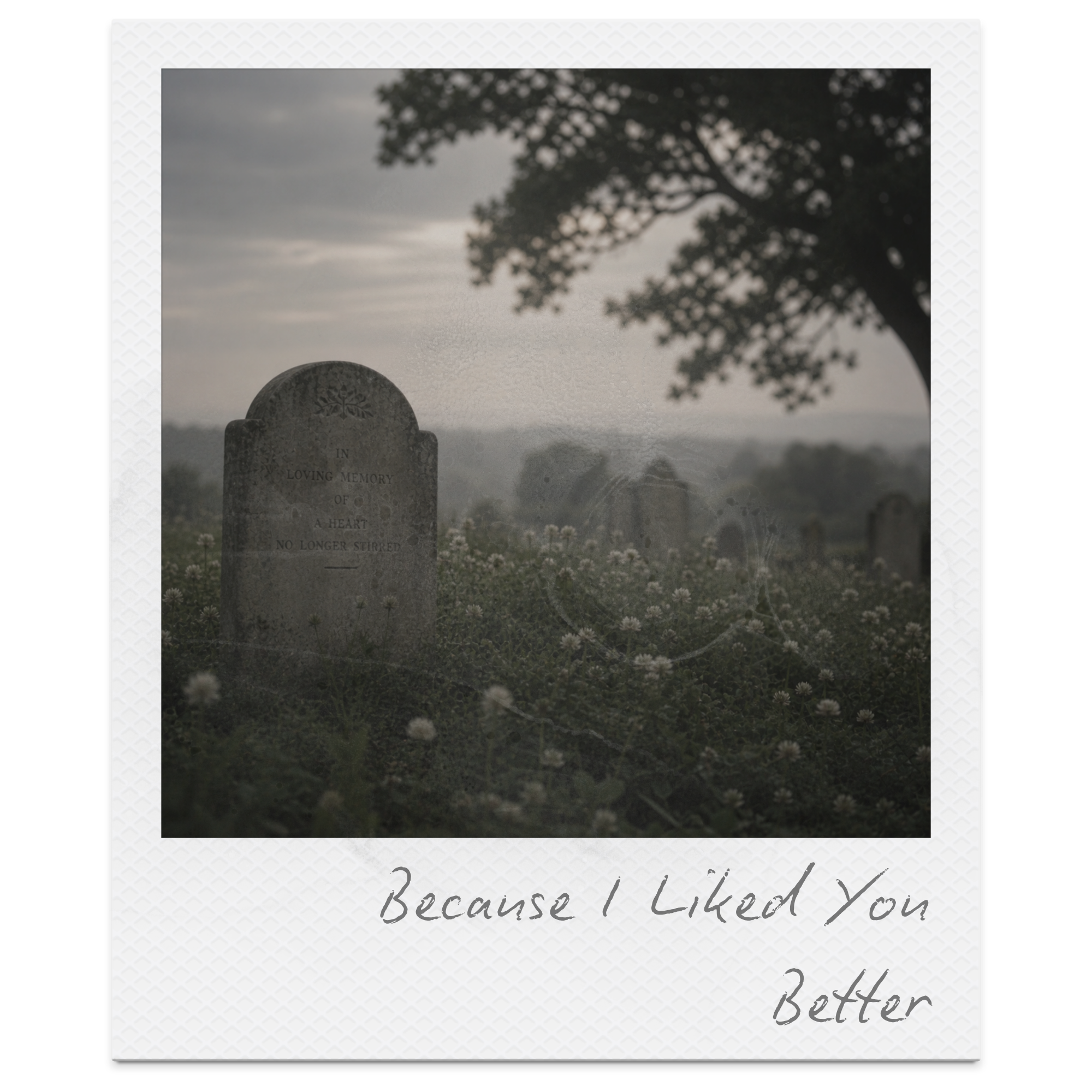
Because I Liked You Better by A. E. Housman: Summary, Themes, Meaning & Analysis
A. E. Housman’s Because I Liked You Better explores unspoken love, emotional restraint, and self-sacrifice, presenting a speaker who chooses to suppress personal desire in order to preserve dignity and honour. Through controlled language, regular structure, and understated imagery, the poem reveals the tension between inner feeling and outward behaviour, where love is not expressed but deliberately denied. This analysis examines how Housman uses understatement, symbolism, and structural progression to create meaning and impact, showing how the speaker’s identity becomes defined by keeping a promise rather than pursuing emotional fulfilment. Designed for IGCSE World Literature (0408), this guide supports precise, method-focused analysis of how writers shape meaning through restraint and control.
William Wilson by Edgar Allan Poe: Summary, Themes, Symbolism & Analysis
William Wilson by Edgar Allan Poe is a haunting work of gothic fiction that explores identity, conscience, and duality through the disturbing presence of a mysterious double. As the narrator recounts his descent into vice and corruption, he is repeatedly confronted by a figure who mirrors his every move, blurring the line between external threat and internal conflict. Poe uses this doubling to create a tense, psychologically charged narrative where the self becomes both protagonist and antagonist. At its core, the story examines the consequences of denying conscience and rejecting moral restraint, raising unsettling questions about self-awareness, responsibility, and the nature of identity. Through its unreliable narrator and symbolic use of setting and structure, William Wilson reveals how the attempt to escape oneself leads not to freedom, but to self-destruction.
The Haunted Palace by Edgar Allan Poe: Summary, Themes, Meaning & Analysis
“The Haunted Palace” by Edgar Allan Poe is a hauntingly symbolic gothic poem that explores the fragile boundary between sanity and madness, using the image of a once-radiant palace to represent the human mind. Through rich imagery, musical language, and an extended allegory, Poe traces the gradual transformation from harmony and order to distortion and decay, creating a powerful depiction of psychological collapse. At its core, the poem moves beyond a simple narrative of decline, inviting multiple interpretations that explore memory, identity, and the instability of perception. As beauty becomes corruption and music turns to discord, the palace reflects not just a mind in ruin, but the unsettling idea that order itself may always contain the seeds of its own destruction.
Ulalume by Edgar Allan Poe: Summary, Themes, Meaning & Analysis
Edgar Allan Poe’s Ulalume is a haunting exploration of grief, memory, and the unconscious mind, unfolding through a dreamlike journey into a desolate, symbolic landscape. Following a speaker who unknowingly retraces his steps to the tomb of his lost love, the poem reveals how repressed memory continues to shape perception and behaviour, even when consciously denied. Through its hypnotic rhythm, repetition, and rich Gothic imagery, Poe creates a psychological experience that blurs the boundary between reality and illusion. At its core, Ulalume examines the tension between denial and recognition, as the speaker projects hope onto a mysterious celestial light, only to be led back to the very truth he seeks to avoid. The poem’s cyclical structure and layered symbolism reveal grief as something inescapable and deeply embedded, offering a powerful meditation on how the mind responds to loss. This analysis explores the poem’s structure, key themes, and techniques, providing a clear and insightful guide for students and teachers alike.
What Would I Give? by Christina Rossetti: Meaning, Themes, Symbolism & Analysis
Christina Rossetti’s What Would I Give? presents a powerful exploration of emotional repression, spiritual guilt, and the longing for renewal, capturing a speaker trapped in a state of coldness, silence, and inner paralysis. Through the repeated question “What would I give,” the poem reveals a deep awareness of what is missing—feeling, expression, and release—while simultaneously emphasising the speaker’s inability to access any of them. As the poem progresses, Rossetti develops a striking pattern of contrast between warmth and cold, speech and silence, cleansing and stain, reinforcing the speaker’s sense of entrapment. The desire for “scalding tears” suggests that transformation is possible, yet remains out of reach, leaving the speaker suspended between longing and limitation. In this way, the poem becomes a haunting reflection on the difficulty of change, where awareness intensifies suffering rather than resolving it.
Memory by Christina Rossetti: Summary, Themes, Symbolism & Analysis
Christina Rossetti’s Memory explores the tension between emotional attachment and deliberate self-denial, presenting a speaker who consciously rejects a past love while continuing to feel its lasting impact. Through controlled language and reflective tone, the poem reveals how memory cannot be fully erased, but instead becomes internalised and preserved, shaping the speaker’s identity and emotional life over time. Divided into two distinct parts, the poem moves from decisive renunciation to quiet reflection, highlighting the contrast between outward control and inward persistence. While the speaker suppresses her feelings in the present, she ultimately finds meaning through spiritual hope, suggesting that what is denied in life may be restored beyond it.
Maude Clare by Christina Rossetti: Summary, Themes, Symbolism & Analysis
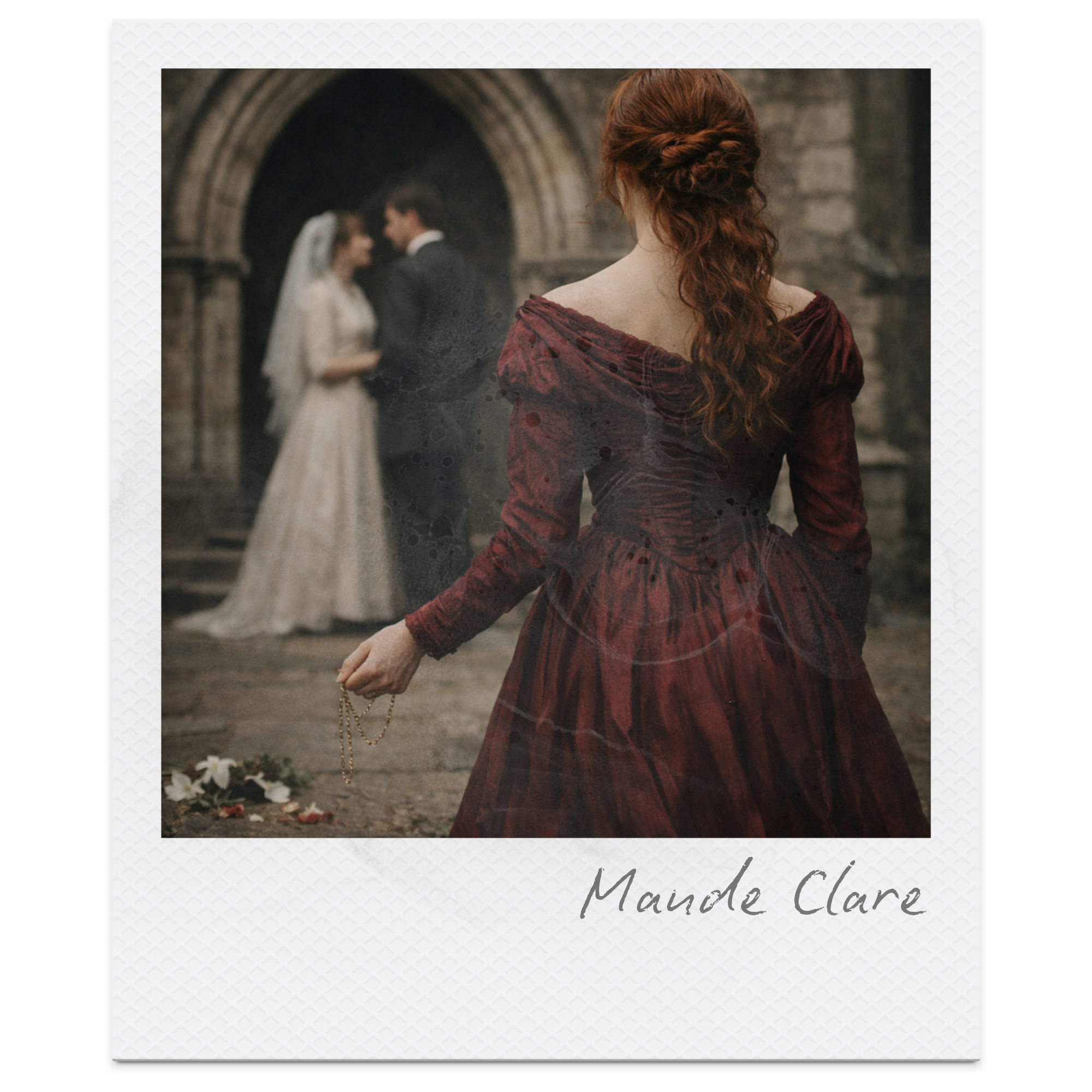
Christina Rossetti’s Maude Clare is a dramatic and confrontational poem that explores female agency, love and betrayal, and the pressures of Victorian social expectation. Set against the public backdrop of a wedding, the poem stages a tense emotional conflict between past and present relationships, as Maude Clare interrupts the ceremony to challenge the stability of the marriage. Through sharp contrasts in character and voice, Rossetti reveals how appearances of loyalty and respectability can conceal deeper emotional instability. This analysis explores how Rossetti uses dialogue, symbolism, and shifting power dynamics to construct a poem that is both intimate and publicly charged. By examining the roles of Maude Clare, Nell, and Thomas, readers can see how the poem questions whether love can ever truly be replaced—and whether social approval is enough to sustain it. Perfect for literature study and revision, this guide breaks down key themes, quotes, and techniques in a clear, structured way.
70 The Turn of the Screw Writing Prompts: Ghosts, Ambiguity & Psychological Gothic
Inspired by Henry James’s The Turn of the Screw, this collection of 70 gothic writing prompts explores the unsettling tension between ghostly presence and psychological uncertainty. Set against isolated estates, silent children, and watchful figures, these prompts invite writers to question what is real, what is imagined, and what lies dangerously in between. Blending plot hooks, opening lines, character ideas, and atmospheric settings, this prompt collection focuses on unreliable narrators, hidden corruption, and the eerie ambiguity that defines gothic fiction. Perfect for classrooms or creative writing, these ideas encourage stories where truth is never fully revealed and fear lingers long after the final line.
Heart’s Chill Between by Christina Rossetti: Analysis, Summary, Themes & Meaning
lost love, revealing how grief, memory, and emotional repression continue to shape the speaker’s inner life long after a relationship has ended. Through restrained language and reflective imagery, the poem shows how outward composure can conceal deeper psychological suffering. This analysis examines the poem’s themes, symbolism, structure, and key quotations, offering a detailed exploration of Rossetti’s portrayal of emotional restraint and unresolved grief. Ideal for GCSE and A Level literature study, the guide also includes teaching ideas and comparisons with other Rossetti poems.