Memory by Christina Rossetti: Summary, Themes, Symbolism & Analysis
Christina Rossetti’s Memory is a deeply introspective poem that explores grief, emotional restraint, inner conflict, and the tension between love and self-denial. Divided into two distinct parts, the poem traces the speaker’s journey from active suppression of feeling to a quieter, more reflective coexistence with memory. At its core, the poem asks what it truly means to let go—whether love can ever be fully destroyed, or whether it simply transforms into something more internal, more controlled, and more enduring.
This analysis will explore how Rossetti presents the deliberate breaking of emotional attachment, the role of memory in shaping identity, and the contrast between external control and internal persistence. Through its shifting tone and structure, Memory reveals not only the pain of loss, but the quiet discipline required to live with it. For further exploration of Rossetti’s poetry, visit the Rossetti Poetry Hub, or explore broader literary analysis in the Literature Library.

Memory Context
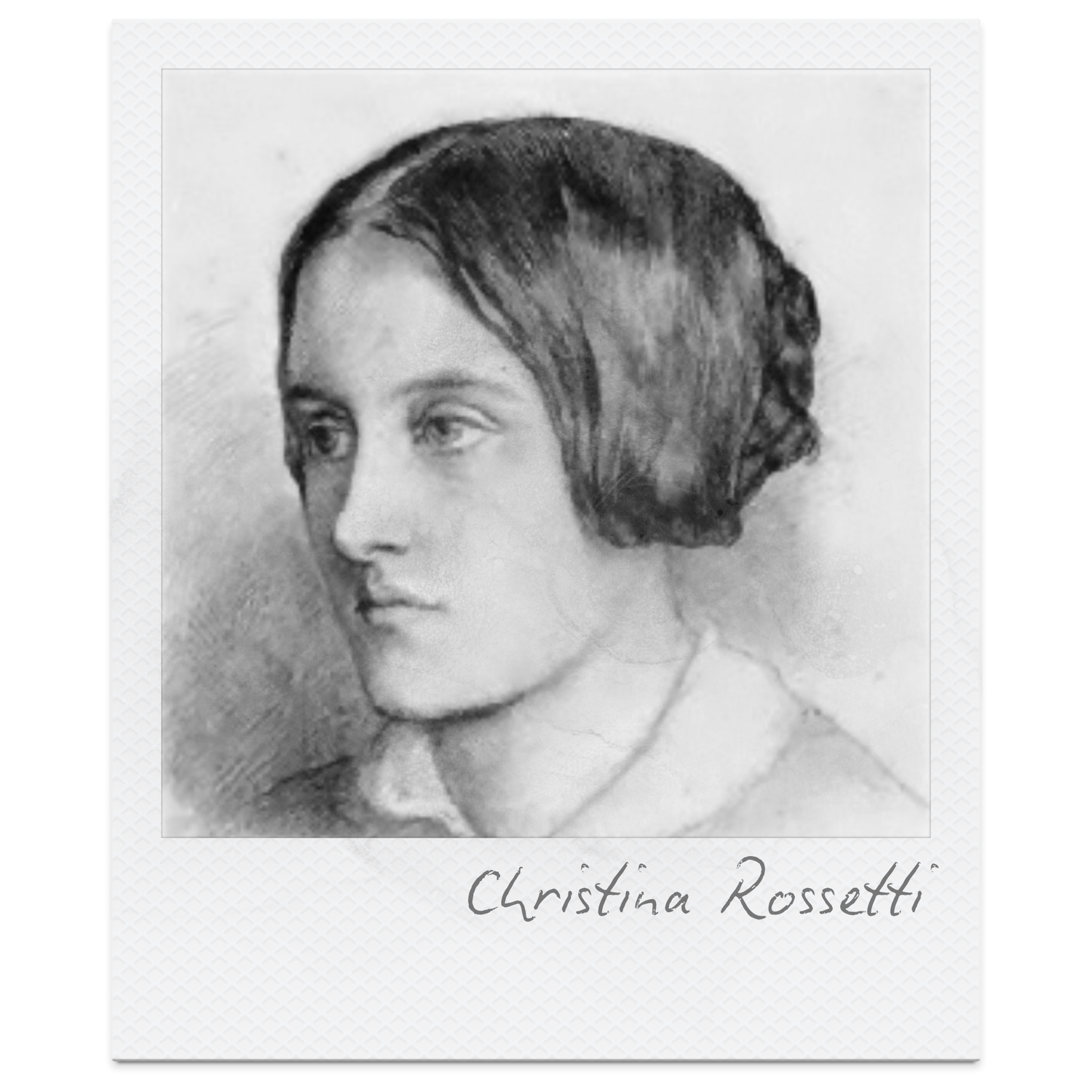
Christina Rossetti’s Memory reflects many of the emotional and spiritual tensions that define her work, particularly her preoccupation with renunciation, self-discipline, and the moral complexity of love. Written within a Victorian context that valued restraint and inner virtue, the poem can be read as an exploration of what it means to consciously reject emotional attachment—even when that attachment remains deeply felt.
Rossetti’s own life provides a powerful lens through which to understand the poem. She is known to have refused multiple romantic relationships due to her strong Anglo-Catholic beliefs, prioritising spiritual integrity over personal happiness. This act of self-denial is mirrored in Memory, where the speaker describes breaking an emotional “idol” and choosing restraint over desire. The language of weighing, judging, and choosing reflects not only emotional conflict but a kind of moral or spiritual trial.
The Victorian emphasis on female propriety and emotional control also shapes the poem. Women were expected to regulate their feelings and maintain composure, even in the face of loss or longing. In Memory, this manifests in the speaker’s repeated isolation—she grieves “alone,” makes her choice “alone,” and continues to carry that decision privately. The poem therefore becomes not just a personal reflection, but a commentary on the quiet, often invisible labour of emotional endurance expected of women in the period.
At the same time, Rossetti’s religious worldview introduces a sense of eternal perspective. While the first section focuses on suppression and suffering, the second part shifts toward the possibility of reunion “in Paradise,” suggesting that earthly denial may ultimately lead to spiritual fulfilment. This balance between loss in the present and hope beyond it is central to much of Rossetti’s poetry. For a broader exploration of these recurring ideas, see the Rossetti context overview in the Rossetti Context Post.
Memory: At a Glance
Form: A two-part lyric poem combining controlled quatrains in Part I with a more fluid, reflective structure in Part II
Mood: Restrained, introspective, and quietly mournful, shifting toward reflective hope
Central tension: The conflict between emotional suppression and enduring attachment
Core themes: Grief, self-denial, memory, emotional control, spiritual hope
One-sentence meaning:
The poem explores the deliberate rejection of a once-powerful love, showing how memory cannot be fully destroyed but instead becomes internalised, shaping identity and sustaining a quiet hope beyond loss.
Memory Summary
In the first part of Memory, the speaker reflects on a past emotional attachment that she has consciously chosen to destroy. She describes how she once nurtured this feeling—“nursed it in my bosom”—but later forced herself to confront its reality. Through a process of intense self-examination, she strips away illusion and sentiment, weighing the relationship with cold precision. Ultimately, she finds it “wanting” and makes the deliberate decision to reject it, breaking what she calls her “idol” despite the personal cost.
This decision is presented not as impulsive, but as controlled and irreversible. The speaker emphasises her silence and isolation throughout, reinforcing the idea that this is an entirely internal struggle. Even after the choice is made, the emotional consequences remain: her “heart dies inch by inch,” suggesting that the act of letting go is ongoing and deeply painful. The language of destruction—“broke it at a blow,” “laid it cold”—highlights both the finality of the decision and the emotional violence required to sustain it.
In the second part, the tone shifts. The speaker imagines a private inner space—a “room” that no one else can enter—where the memory still exists, not as something destroyed, but as something preserved and elevated. Here, the memory becomes almost sacred, seated “on a throne,” suggesting that although it has been rejected in life, it continues to hold emotional power. The speaker no longer worships it in the same way, but she continues to watch, reflect, and remember, particularly as time passes and her life moves into its later stages.
The poem ultimately moves toward a sense of spiritual reconciliation. While the speaker has denied herself this love in the present, she imagines a future reunion “in Paradise,” where separation and restraint will no longer be necessary. This shift suggests that memory, rather than being erased, is transformed—carried forward as both a source of pain and a quiet, enduring hope.
Title, Form, Structure, and Metre
Rossetti’s Memory is shaped by a tension between emotional experience and spiritual discipline, and this is reflected in the poem’s highly controlled yet subtly shifting form. Written in two parts several years apart, the poem moves from decisive renunciation to quiet internalisation, suggesting that while a choice may be made in a single moment, its emotional consequences unfold over time.
Title
The title Memory foregrounds the poem’s central concern: not love itself, but what remains after love has been consciously rejected. It suggests something enduring, internal, and inescapable, positioning memory as both a burden and a form of preservation. This becomes central to the poem’s meaning, as the speaker attempts to destroy an emotional attachment, only to find that it continues to exist in a transformed, internal state.
Form and Structure
The poem is divided into two distinct sections, each reflecting a different stage of the speaker’s emotional and spiritual journey. The first part consists of five quatrains, creating a sense of tight control and structural regularity. This mirrors the speaker’s attempt to impose order on her emotions as she evaluates, judges, and ultimately rejects her attachment. The progression across these quatrains is deliberate: from nurturing the feeling, to confronting it, to weighing it, and finally to destroying it. The structure reinforces the idea of a methodical, almost ritualistic process of renunciation.
The second part shifts to four quatrains, immediately suggesting a subtle reduction or softening. While still controlled, this section feels more reflective and less forceful. Rather than focusing on action, it centres on preservation and contemplation, as the speaker describes an inner “room” where memory continues to exist. The structural shift from five to four quatrains reflects this movement from external decision-making to internal endurance, suggesting that the speaker’s emotional life has not ended, but changed form.
The fact that the two sections were written years apart further deepens this structural meaning. The earlier section captures the immediacy of choice, while the later section reveals its lasting impact, showing that the emotional attachment is not erased but remains “buried yet not dead.”
Rhyme Scheme and Poetic Pattern
In the first part, Rossetti predominantly uses an ABAB rhyme scheme, creating a steady, forward-moving rhythm. This regular alternation reinforces the speaker’s sense of control, balance, and measured judgement, particularly in moments where she weighs and evaluates her feelings. The predictability of the rhyme mirrors the speaker’s attempt to stabilise herself emotionally.
In contrast, the second part shifts toward an ABBA rhyme scheme, enclosing the inner lines within the outer rhyme. This creates a sense of containment and enclosure, which reflects the imagery of the private “room” where memory is held. The rhyme scheme itself becomes symbolic: just as the memory is enclosed within the speaker’s inner world, the lines are enclosed within their rhyme pattern. This structural change suggests a movement from active control to contained preservation.
Metre and Rhythmic Movement
The metre of the poem is inconsistent overall, but the first part is largely dominated by iambic pentameter, which gives the lines a measured, deliberate rhythm. This steady beat reflects the speaker’s effort to maintain composure and rational control as she confronts her emotions.
For example, the rhythm often follows a pattern of unstressed followed by stressed syllables:
i NURSED | it IN | my BO | som WHILE | it LIVED
This regularity reinforces the sense of discipline and self-command, particularly in the sections where the speaker weighs and judges her feelings.
However, Rossetti does not maintain this metre rigidly. Subtle variations and disruptions occur, especially at moments of emotional intensity or emphasis. These shifts create a tension between surface control and underlying strain, suggesting that the speaker’s composure is carefully constructed rather than effortless.
In the second part, the metre becomes slightly more fluid, reflecting the shift toward reflection rather than action. While still controlled, the rhythm feels less rigid, mirroring the speaker’s acceptance that memory cannot be entirely suppressed. The movement of the metre therefore mirrors the poem’s central idea: that while emotion can be disciplined, it cannot be fully extinguished.
The Speaker of Memory
The speaker of Memory presents herself as intensely self-aware, controlled, and emotionally disciplined, yet beneath this composure lies a profound and ongoing inner conflict. She appears to be reflecting on a past emotional attachment—most likely a form of romantic or deeply personal love—which she has consciously chosen to reject. However, the poem makes clear that this rejection is not the result of indifference, but of deliberate moral or spiritual decision-making.
In the first part of the poem, the speaker adopts a tone of authority and control, describing her actions with certainty and precision. She “weighed” the relationship and “found it wanting,” suggesting a rational, almost judicial perspective. This language positions her as both judge and participant, reinforcing the idea that the decision to reject the attachment was carefully considered. Yet the repeated emphasis on isolation—“alone,” “nothing said,” “none know”—reveals that this process is deeply private and isolating, carried out without external validation or support.
Despite this outward control, the speaker’s voice also reveals emotional strain and suppressed pain. The act of breaking her “idol” suggests not only rejection but self-inflicted loss, as if she is forcing herself to destroy something she once cherished. The phrase “my heart dies inch by inch” exposes the cost of this decision, indicating that while the speaker maintains control, she cannot escape the ongoing consequences of that choice.
In the second part, the speaker’s tone becomes more reflective and contemplative. She no longer describes active decision-making, but instead introduces the image of an inner “room” where memory is preserved. This suggests a shift from external action to internal coexistence, as the speaker learns to live with the presence of what she has rejected. The memory is no longer something she worships, but neither is it erased—it remains “buried yet not dead,” occupying a central place in her emotional life.
Ultimately, the speaker is defined by this tension between control and endurance. She is not a passive figure overcome by grief, but an active agent who has made a difficult choice and continues to uphold it. At the same time, the poem reveals that such control comes at a cost: the speaker’s identity is shaped by what she has denied, and her emotional life continues to be structured around the very memory she sought to overcome.
Memory Stanza-by-Stanza Analysis
A close reading of Memory reveals how Rossetti carefully develops the speaker’s emotional journey from deliberate renunciation to quiet internal preservation. Each stanza builds on the last, tracing a movement from active decision-making and self-discipline in Part I to reflection, containment, and spiritual hope in Part II.
By examining each stanza in detail, we can see how Rossetti uses imagery, symbolism, and tonal shifts to reveal the tension between outward control and inward persistence, showing that while the speaker attempts to suppress love, it continues to shape her identity and emotional life.
Stanza 1: Private Nurturing and Silent Grief
The opening stanza immediately establishes the speaker’s experience as deeply internalised and isolated, framing both love and loss as something she carries alone. The verb “nursed” suggests care, tenderness, and sustained emotional investment, implying that this attachment was once alive and actively sustained. By placing it in her “bosom,” Rossetti emphasises both intimacy and secrecy, presenting love as something protected from the outside world.
However, the shift from “while it lived” to “when it was dead” introduces an abrupt movement from vitality to emotional death, suggesting that this love has already ended by the time the speaker reflects on it. The act of “hid[ing] it in my heart” indicates that even after its death, the feeling is not discarded but concealed and preserved internally, reinforcing the poem’s central idea that memory cannot be fully erased.
The repetition of “alone” is particularly significant, highlighting the speaker’s emotional isolation in both joy and grief. Even at the height of happiness, she remains separate from others, suggesting a pattern of self-containment and restraint. The final line, “and nothing said,” underscores this silence, implying that her emotional life exists entirely beneath the surface. This establishes a key tension for the poem: the contrast between intense inner experience and outward silence, which will continue to shape the speaker’s actions and identity.
Stanza 2: Confrontation and Self-Stripping
In this stanza, the speaker moves from quiet containment to deliberate confrontation, choosing to face what she calls the “naked truth.” The image of “shut[ting] the door” reinforces her self-imposed isolation, suggesting that this process must be undertaken without distraction, comfort, or external influence. It is an intentional withdrawal from the world in order to engage in honest self-examination.
The repetition of “alone” intensifies this sense of solitary reckoning, emphasising that the speaker must confront reality without illusion or support. The phrase “naked truth” suggests something unembellished and unavoidable, indicating that she is stripping away any comforting narratives or emotional justifications she may have previously held.
This idea is deepened through the line “stripped bare of self-regard or forms or ruth.” Here, the speaker removes all elements of self-deception, social convention, and even pity, leaving only the essential truth of the situation. The language is almost ritualistic, as though she is undergoing a process of moral or spiritual purification.
The final line, “Till first and last were shown,” suggests a complete and unflinching understanding of the relationship—from its beginning to its inevitable end. This moment of clarity prepares the ground for the decision that follows, marking this stanza as a turning point where emotion is subordinated to judgement, and where the speaker begins to prioritise truth over feeling.
Stanza 3: Judgement and Silent Decision
In this stanza, the speaker’s process of self-examination becomes a formal act of judgement, as she adopts the language of weighing and evaluation. The image of “perfect balances” suggests a set of moral or spiritual scales, implying that the relationship is being assessed against an absolute standard rather than personal feeling. This reinforces the idea that her decision is not impulsive, but governed by principle and discipline.
The line “No shaking of my hand disturbed the poise” emphasises her control and steadiness, presenting the speaker as composed and unwavering even in the face of emotional stakes. The absence of physical movement becomes symbolic of her emotional restraint, suggesting that she refuses to allow feeling to influence her judgement.
The repetition of “weighed” underscores the deliberateness of the process, while the phrase “found it wanting” delivers the verdict with stark finality. The relationship is not simply flawed, but insufficient when measured against the standard she upholds. Importantly, this judgement is followed by silence: “not a word I said.” This silence continues the pattern established earlier, reinforcing that the most significant emotional decisions are made internally and privately.
The final line, “But silent made my choice,” confirms that the speaker’s decision is both deliberate and irrevocable. The lack of outward expression suggests that the act of choosing is entirely inward, yet its consequences are profound. This stanza marks the culmination of the speaker’s rational process, where emotion is overridden by judgement, and the path toward renunciation is firmly set.
Stanza 4: Enduring Choice and Self-Imposed Loss
In this stanza, the speaker reveals that her decision is not confined to a single moment, but is something she must continually reaffirm. The repetition of “None know the choice I made” reinforces the idea of absolute privacy, emphasising that this act of renunciation remains hidden from the outside world. At the same time, the shift to “I make it still” suggests that the choice is ongoing, requiring sustained effort rather than existing as a completed action.
The emotional cost of this decision becomes more explicit in the line “and broke my heart,” exposing the pain and sacrifice beneath her controlled exterior. While earlier stanzas emphasised rational judgement, here Rossetti foregrounds the personal consequence of that judgement. The act of “breaking mine idol” is particularly significant, as it frames the attachment as something once worshipped or revered, suggesting that the speaker has deliberately destroyed something central to her identity.
This religiously charged language also reinforces the idea that her choice is motivated by moral or spiritual conviction, aligning with a broader theme of rejecting earthly attachment in favour of higher principles. The phrase “I have braced my will” conveys a sense of resistance and effort, as though the speaker must continually strengthen herself against emotional relapse.
The final line, “Once, chosen for once my part,” suggests both finality and resolve, yet also hints at the difficulty of maintaining that resolve over time. The repetition and phrasing create a sense of tension between a decision that is meant to be absolute and the reality that it must be lived out repeatedly, reinforcing the poem’s exploration of endurance rather than closure.
Stanza 5: Violent Renunciation and Lingering Decay
In this stanza, the speaker describes the act of rejection in starkly violent and final terms, emphasising both the force of her decision and its lasting consequences. The phrase “broke it at a blow” suggests a sudden, decisive action, as though the attachment has been destroyed in a single, irrevocable moment. However, this apparent finality is complicated by what follows, as the memory is not discarded but “laid… cold” and “crushed” within her “deep heart.” This imagery suggests not elimination, but internal burial, reinforcing the idea that the attachment continues to exist in a suppressed form.
The contrast between the immediacy of “at a blow” and the slow deterioration that follows is crucial. While the act of breaking is swift, the emotional aftermath is prolonged and enduring. The line “My heart dies inch by inch” introduces a sense of gradual emotional decay, implying that the consequences of her decision unfold over time rather than ending with the initial act. This creates a powerful tension between momentary action and ongoing suffering.
The repetition of “grows old” further emphasises the passage of time, suggesting that grief becomes something that ages with the speaker, rather than something that fades. Time does not heal in this poem; instead, it extends the experience of loss. The stanza therefore marks the culmination of Part I, revealing that although the speaker has successfully enacted her decision, she cannot escape its cost. What she has destroyed externally continues to live on internally, transforming into a form of enduring, slow grief that defines her emotional existence.
Stanza 6: The Inner Sanctuary of Memory
With the beginning of Part II, the poem shifts from destruction to preservation, introducing a striking image of an inner “room” that exists entirely within the speaker’s mind. This space is described as inaccessible to others—“no one enters / Save I myself alone”—reinforcing the idea that her emotional life remains deeply private and self-contained. However, unlike the isolation of earlier stanzas, this solitude now feels more intentional and structured, suggesting a form of controlled coexistence rather than conflict.
Within this room, the memory is no longer crushed or buried, but elevated—“a blessed memory on a throne.” The language here is significant, as it transforms the once-rejected attachment into something almost sacred or revered. The use of “blessed” introduces a spiritual dimension, implying that although the speaker has renounced the relationship in life, it has gained a kind of sanctioned permanence within her inner world.
The image of the throne further reinforces this sense of authority and centrality, suggesting that the memory occupies a position of power within her identity. This is confirmed in the final line: “There my life centres.” Despite her earlier attempts at rejection, the memory remains at the core of her existence, shaping her thoughts and sense of self. This stanza therefore marks a crucial shift in the poem, revealing that what was once violently suppressed has not disappeared, but has instead been reframed, preserved, and given a new form of significance.
Stanza 7: Cyclical Time and Emotional Continuity
In this stanza, Rossetti introduces the passage of time and seasons, emphasising the contrast between the changing external world and the speaker’s unchanging internal state. The repeated structure of “While… while… while…” creates a sense of ongoing continuity, suggesting that time moves forward in a steady, repetitive cycle, yet the speaker remains emotionally fixed.
The description of winter as a “tedious comer” conveys a sense of weariness and endurance, as though the speaker experiences time not as renewal, but as something to be endured. The “nip-wind” reinforces this harshness, suggesting coldness and discomfort, which may reflect the emotional consequences of her earlier renunciation.
In contrast, the imagery of summer introduces warmth and vitality through the “bloodless lily” and the “warm rose.” However, even here there is a subtle tension. The “bloodless lily” suggests purity and restraint, aligning with the speaker’s self-denial, while the “warm rose” carries connotations of passion and life. By placing these images side by side, Rossetti highlights the coexistence of suppressed desire and controlled virtue.
Despite these seasonal shifts, the speaker’s inner world—established in the previous stanza—remains unchanged. The cyclical movement of time contrasts with the fixed, centralised memory in her inner “room,” reinforcing the idea that while life continues externally, her emotional core remains anchored in the past. This stanza therefore deepens the poem’s exploration of endurance, showing that memory persists not just across moments, but across entire cycles of life.
Stanza 8: Buried Presence and Reclaimed Authority
In this stanza, the speaker imagines the possibility of intrusion into her private inner “room,” but what is revealed reinforces the complexity of her emotional state. The phrase “If any should force entrance” suggests that this space is carefully guarded, and that its contents are not meant for external view. This reinforces the idea that her relationship with memory remains deeply personal and controlled, even as it continues to shape her identity.
The description of the memory as “one buried yet not dead” is central to the poem’s meaning. It captures the paradox of suppressed yet enduring emotion, suggesting that although the speaker has attempted to lay the attachment to rest, it continues to exist in a latent, powerful form. The use of “buried” links back to earlier imagery of crushing and internalisation, while “not dead” confirms that the emotional connection has not been fully extinguished.
However, the speaker now asserts a shift in her relationship to this memory. The lines “I no more bow my head / Or bend my knee there” reject the earlier sense of idolisation and emotional submission. Where the memory was once something she revered—an “idol”—it is now something she refuses to worship. This signals a movement toward self-control and regained authority, as the speaker redefines her position in relation to the past.
Despite this apparent empowerment, the continued presence of the memory suggests that her control is not absolute. The memory remains central, even if it is no longer dominant. This stanza therefore captures a delicate balance between rejection and retention, showing that while the speaker has altered her relationship to the past, she has not escaped it.
Stanza 9: Reflection, Endurance, and Spiritual Reunion
In the final stanza, the speaker’s tone becomes more openly reflective and reconciliatory, as she situates her experience within the broader passage of time. The phrase “my worn life’s autumn weather” suggests both aging and emotional fatigue, indicating that the speaker has carried this memory across the seasons of her life. Autumn, traditionally associated with decline and transition, reinforces the sense that she is now looking back with clarity and acceptance rather than immediate pain.
The act of watching “with clear eyes” signals a shift in perspective. Unlike earlier stanzas, where the speaker struggled with conflict and suppression, she now observes the memory with a degree of emotional steadiness and understanding. This suggests that while the memory remains central, her relationship to it has evolved from active resistance to quiet contemplation.
Crucially, the final lines introduce the idea of spiritual reunion. The speaker imagines how it will be “in Paradise / When we’re together,” reframing the earlier act of renunciation as something that is not permanent, but deferred. This reflects a deeply religious worldview, where earthly denial is not the end of love, but a necessary condition for its fulfilment in the afterlife.
The poem therefore closes not on despair, but on a form of hope grounded in faith. While the speaker has endured a lifetime of restraint and loss, she ultimately reinterprets that sacrifice as meaningful, suggesting that what was once rejected on earth may be restored in eternity. This final shift brings together the poem’s central tensions—loss and preservation, control and longing, earth and heaven—and resolves them within a vision of spiritual continuity beyond time.
Key Quotes from Memory
These key quotations highlight how Rossetti presents emotional restraint, internal conflict, and the persistence of memory, revealing the tension between deliberate renunciation and enduring attachment. Each moment captures a different stage in the speaker’s journey, from nurturing love to judgement, destruction, and eventual reflection.
“I nursed it in my bosom while it lived,”
◆ Suggests tenderness and emotional investment, presenting love as something actively cared for
◆ “Bosom” conveys intimacy and secrecy, reinforcing the private nature of the attachment
◆ Implies the feeling was once alive and sustained, contrasting with later destruction
“I hid it in my heart when it was dead;”
◆ Indicates concealment rather than release, suggesting memory is preserved internally
◆ The shift from “lived” to “dead” highlights emotional loss and transformation
◆ Reinforces the idea that love persists beyond its apparent end
“I shut the door to face the naked truth,”
◆ Symbolises self-imposed isolation and deliberate confrontation
◆ “Naked truth” suggests unavoidable reality stripped of illusion
◆ Implies a conscious move from emotion to rational judgement
“Stripped bare of self-regard or forms or ruth”
◆ Suggests removal of self-deception, social convention, and pity
◆ Reflects a process of moral or emotional purification
◆ Emphasises the speaker’s commitment to truth over comfort
“Weighed, found it wanting”
◆ Uses the language of judgement and evaluation, implying a rational decision
◆ “Wanting” suggests the relationship is insufficient or flawed
◆ Reinforces the idea of emotional detachment in decision-making
“Breaking mine idol”
◆ Frames the attachment as something once worshipped or idealised
◆ Suggests self-imposed destruction of love for moral or spiritual reasons
◆ Religious imagery highlights conflict between earthly love and higher principles
“My heart dies inch by inch;”
◆ Conveys gradual emotional suffering, not immediate resolution
◆ Suggests the consequences of the decision are ongoing and cumulative
◆ Highlights the tension between control and internal pain
“There sits a blessed memory on a throne,”
◆ Elevates memory to something sacred and central
◆ “Throne” implies power and authority within the speaker’s inner world
◆ Suggests that what was rejected still dominates her identity
“One buried yet not dead,”
◆ Captures the paradox of suppressed yet enduring emotion
◆ Suggests memory remains alive beneath conscious control
◆ Reinforces the idea that love cannot be fully extinguished
“When we’re together.”
◆ Introduces the hope of spiritual reunion beyond earthly life
◆ Suggests renunciation is temporary rather than absolute
◆ Reflects a belief in eternal continuity of love through faith
Key Techniques in Memory
Rossetti uses a range of structural, linguistic, and symbolic techniques to explore the tension between emotional suppression and enduring attachment. These techniques reinforce the speaker’s struggle to maintain control, while revealing the persistence of memory beneath the surface.
◆ Extended metaphor – The relationship is presented as something that can be nurtured, weighed, judged, and destroyed, creating a sustained comparison between love and a physical or moral object
◆ Religious imagery – References such as “idol,” “blessed,” and “Paradise” frame the speaker’s decision as a conflict between earthly love and spiritual devotion
◆ Semantic field of judgement – Words like “weighed,” “balances,” and “choice” create a tone of evaluation and moral reasoning, suggesting the speaker acts as both judge and participant
◆ Violent imagery – Phrases such as “broke it at a blow” and “crushed” emphasise the force and finality of the speaker’s renunciation
◆ Spatial imagery – The “room” symbolises the speaker’s inner emotional world, highlighting both isolation and containment
◆ Paradox – Expressions like “buried yet not dead” reveal the contradiction between suppression and persistence, central to the poem’s meaning
◆ Repetition – The repeated use of “alone” and “None know” reinforces the speaker’s isolation and secrecy
◆ Seasonal imagery – References to “winter,” “summer,” and “autumn” reflect the passage of time and the speaker’s enduring emotional state
◆ Contrast – The poem contrasts life and death, control and suffering, rejection and preservation, highlighting the complexity of the speaker’s experience
◆ Caesura and pauses – Dashes and breaks in the line create moments of reflection and emphasis, mirroring the speaker’s careful, controlled thought process
Themes in Memory
Rossetti’s Memory explores a complex interplay of emotion, restraint, and faith, presenting a speaker who attempts to regulate her inner life while confronting the persistence of love. The poem develops its themes through a tension between deliberate choice and involuntary feeling, showing that while emotion can be controlled, it cannot be fully erased.
Grief
Grief in the poem is not explosive or outwardly expressed, but quiet, internal, and enduring. The speaker’s suffering unfolds gradually—her “heart dies inch by inch”—suggesting that loss is not resolved through time, but instead becomes part of her ongoing existence. This grief is deeply personal and private, emphasised through repeated isolation, and reflects a form of contained mourning that continues long after the initial loss.
Self-Denial
The speaker’s defining action is one of deliberate renunciation, as she chooses to reject a powerful emotional attachment. This self-denial is presented as an act of willpower and moral conviction, reinforced through imagery of weighing, judging, and breaking. By describing the attachment as an “idol,” Rossetti frames this denial as a rejection of something that has taken on excessive importance, suggesting that the speaker prioritises spiritual or ethical principles over personal desire.
Memory
Memory functions as both a burden and a form of preservation within the poem. Although the speaker attempts to destroy the attachment, it remains “buried yet not dead,” continuing to occupy a central place in her inner world. The image of the private “room” shows that memory is not erased, but contained and redefined, becoming something the speaker lives with rather than escapes. This suggests that memory is an unavoidable part of identity, shaping the present even when tied to the past.
Emotional Control
Throughout the poem, the speaker strives to maintain strict control over her emotions, presenting herself as composed, rational, and deliberate. This is reflected in the language of judgement and the steady, measured tone of the first section. However, the poem reveals the limits of this control: despite her efforts, emotion persists beneath the surface. The tension between outward restraint and inner intensity highlights the difficulty of fully mastering one’s emotional life.
Spiritual Hope
While much of the poem focuses on loss and restraint, it ultimately gestures toward hope grounded in faith. The speaker imagines a future reunion “in Paradise,” suggesting that her earthly denial is not meaningless, but part of a larger spiritual framework. This introduces the idea that love, though suppressed in life, may be fulfilled in the afterlife, offering a form of resolution that transcends the limitations of the present.
Identity and Inner Life
The poem also explores how identity is shaped by internal experience rather than external action. The speaker’s most significant moments—her judgement, her choice, her continued reflection—occur entirely within her own mind. The inner “room” becomes a metaphor for this private self, suggesting that her identity is defined by what she remembers and endures, rather than what she outwardly expresses.
Time and Endurance
Time in the poem does not erase emotion, but instead emphasises its persistence. Seasonal imagery and references to aging—“my worn life’s autumn weather”—show that the speaker carries this memory across the span of her life. Rather than diminishing, the emotional impact becomes something she learns to live with, reinforcing the theme of endurance rather than resolution.
Alternative Interpretations of Memory
Memory invites multiple readings, as Rossetti’s presentation of love, restraint, and memory can be interpreted through a range of critical lenses. Each perspective reveals a different dimension of the speaker’s decision and its emotional consequences.
Feminist Interpretation: Control Within Constraint
From a feminist perspective, the poem can be read as an exploration of female agency within restrictive social expectations. Victorian women were often expected to demonstrate emotional restraint, moral purity, and self-sacrifice, and the speaker’s decision to suppress her feelings may reflect these pressures. However, rather than being purely passive, the speaker actively claims control over her own emotional life, making a deliberate and autonomous choice. The poem therefore highlights a tension between societal constraint and personal agency, suggesting that even within limitation, the speaker exercises a form of power.
Psychological Interpretation: Repression and Internalisation
A psychological reading focuses on the speaker’s act of repression, as she attempts to suppress a powerful emotional attachment. The imagery of burial—“crushed,” “buried yet not dead”—suggests that the feeling is not eliminated, but pushed into the unconscious. The “room” becomes a symbolic representation of the inner mind, where repressed emotions continue to exist. From this perspective, the poem explores the consequences of emotional suppression, showing that what is denied externally may persist internally in altered forms.
Religious Interpretation: Renunciation and Salvation
Through a religious lens, the poem reflects Rossetti’s Anglo-Catholic beliefs, particularly the idea of renouncing earthly attachments in pursuit of spiritual fulfilment. The speaker’s rejection of her “idol” can be seen as an act of spiritual discipline, aligning with the Christian idea of resisting temptation. The final vision of reunion “in Paradise” reinforces this interpretation, suggesting that earthly sacrifice leads to eternal reward. The poem therefore becomes a meditation on faith, devotion, and the cost of spiritual integrity.
Existential Interpretation: Choice and Consequence
An existential reading emphasises the speaker’s responsibility for her own choices. She carefully weighs her options and makes a deliberate decision, fully aware of its emotional cost. The repeated assertion that “none know the choice I made” highlights the isolation of individual decision-making, suggesting that meaning must be created through personal action. However, the ongoing suffering that follows raises questions about whether such choices can ever bring true resolution, presenting existence as defined by endurance rather than closure.
Moral Interpretation: Judgement and Value
The poem can also be interpreted as a reflection on moral judgement and value. The speaker evaluates the relationship using the language of weighing and balance, ultimately finding it “wanting.” This suggests that the attachment fails to meet a certain ethical or spiritual standard, prompting its rejection. From this perspective, the poem explores the difficulty of making morally “correct” decisions when they conflict with emotional desire, highlighting the tension between feeling and principle.
Teaching Ideas for Memory
Memory offers rich opportunities for exploring emotional conflict, structure, and interpretation, making it ideal for secondary classrooms. The poem’s clear progression and layered meaning allow students to engage with both close analysis and wider thematic discussion.
1. Tracking Emotional Shift Across the Poem
Ask students to map the speaker’s emotional journey from Part I to Part II. They should identify where the tone shifts from decisive action to reflective acceptance, using key quotations to support their ideas. This helps students understand how structure shapes meaning and how Rossetti develops internal conflict over time.
2. Symbolism of the “Room” and the “Idol”
Students explore the symbolic significance of the “room” and the “idol”, considering what each represents about the speaker’s relationship with memory and love. This can be developed into a discussion or written response analysing how Rossetti presents suppression versus preservation through imagery.
3. Language of Judgement and Control
Provide students with key words such as “weighed,” “balances,” and “choice,” and ask them to analyse how Rossetti uses the language of judgement and evaluation. Students can then write a paragraph explaining how this semantic field contributes to the theme of emotional control and self-denial.
4. Model Analytical Paragraph Task
Using one of the essay questions from the Rossetti Essay Questions Post, students write a full analytical paragraph on Memory, focusing on how Rossetti presents conflict between love and self-denial.
Model paragraph example answering: How does Rossetti present the conflict between love and self-denial in Memory?
Rossetti presents the conflict between love and self-denial through the speaker’s use of the semantic field of judgement, particularly in the line “Weighed, found it wanting.” The verb “weighed” suggests a careful and deliberate evaluation, positioning the speaker as both judge and participant in her own emotional experience. This implies that the decision to reject the relationship is not impulsive, but governed by rational control and moral consideration. The phrase “found it wanting” further reinforces this idea, suggesting that the relationship fails to meet a certain standard, likely shaped by spiritual or ethical values. However, the emotional consequences of this decision are revealed later in the poem through the line “My heart dies inch by inch,” which highlights the ongoing suffering caused by her choice. This contrast between rational judgement and emotional pain emphasises the difficulty of self-denial, showing that while the speaker can control her actions, she cannot fully escape the impact of her feelings.
Students should aim to replicate this structure, ensuring they:
◆ Embed quotations
◆ Analyse language in detail
◆ Link back to the question
◆ Explore multiple layers of meaning
5. Alternative Interpretations Debate
Divide the class into groups and assign each a different interpretive lens (feminist, psychological, religious, existential). Each group presents how their perspective changes the meaning of the poem, encouraging students to see how interpretation is shaped by critical viewpoint.
6. Creative Rewriting: The Other Perspective
Students rewrite a section of the poem from the perspective of the “memory” or the lost figure. This allows them to explore the poem’s themes of suppression, identity, and emotional persistence in a more creative and personal way, while still engaging with the original text.
7. Structural Comparison Task
Students compare Part I and Part II, focusing on differences in tone, structure, and imagery. They should explain how Rossetti uses these contrasts to present the movement from renunciation to reflection, supporting their ideas with close textual analysis.
Go Deeper into Memory
Rossetti’s Memory connects closely with many of her poems that explore renunciation, emotional restraint, and the persistence of inner life. These comparisons help deepen understanding of how she repeatedly returns to the tension between earthly attachment and spiritual control.
◆ Remember – Both poems explore love after separation, but while Remember moves toward gentle release (“better by far you should forget”), Memory emphasises enduring attachment, showing that memory cannot be fully let go
◆ Twice – Like Memory, this poem presents a speaker who offers her heart and then reclaims control, highlighting self-denial and emotional judgement as central to Rossetti’s work
◆ The World – Both poems explore the rejection of something alluring yet flawed; in Memory, the “idol” is broken, while in The World, external beauty conceals spiritual emptiness, reinforcing the theme of moral discernment
◆ Shut Out – The imagery of separation and enclosure mirrors the “room” in Memory, with both poems exploring barriers between desire and fulfilment and the emotional consequences of exclusion
◆ Echo – Both poems focus on longing for reunion, but while Echo expresses a more immediate yearning for return, Memory transforms this into spiritual hope deferred to the afterlife
◆ A Better Resurrection – The speaker’s struggle with inner emptiness and renewal parallels the emotional aftermath in Memory, where loss leads to a redefined, internalised identity
◆ Up-Hill – Both poems reflect Rossetti’s religious worldview, particularly the idea that life involves endurance and that fulfilment lies beyond death, reinforcing the hopeful conclusion of Memory
◆ At Home – This poem, like Memory, explores the idea of being present yet removed, suggesting a disconnection between inner experience and outward reality
◆ From the Antique – Both poems express a desire for release from emotional suffering, though Memory ultimately replaces this with endurance and spiritual expectation
◆ Winter: My Secret – While more playful in tone, this poem also explores concealment and control, echoing the speaker’s guarded emotional world in Memory
These connections reveal how Memory sits within a wider Rossetti pattern of exploring love, loss, and the discipline of the inner life, making it a key poem for understanding her recurring concerns with faith, restraint, and emotional endurance.
Final Thoughts
Memory is one of Rossetti’s most powerful explorations of emotional restraint, inner conflict, and the persistence of love beyond conscious control. Through its two-part structure, the poem reveals that while the speaker is able to choose, judge, and renounce, she cannot fully erase what she has felt. Instead, memory becomes something that is contained, reshaped, and carried forward, forming the core of her inner life.
What makes the poem particularly striking is its refusal to offer simple resolution. The speaker’s decision is both morally certain and emotionally costly, creating a tension between discipline and suffering that continues across time. Even as she asserts control, the memory remains “buried yet not dead,” suggesting that human emotion cannot be entirely governed by will.
Ultimately, the poem reframes this tension through spiritual hope, offering the possibility that what is denied in life may be restored beyond it. In doing so, Memory captures a central concern of Rossetti’s work: the challenge of living between earthly feeling and eternal belief.
For more analysis of Rossetti’s poetry, explore the Rossetti Poetry Hub, or browse wider texts and resources in the Literature Library.
Choose Your Next Text