Notes from the Inkpot
Writing, teaching, creating - one ink-stained idea at a time.


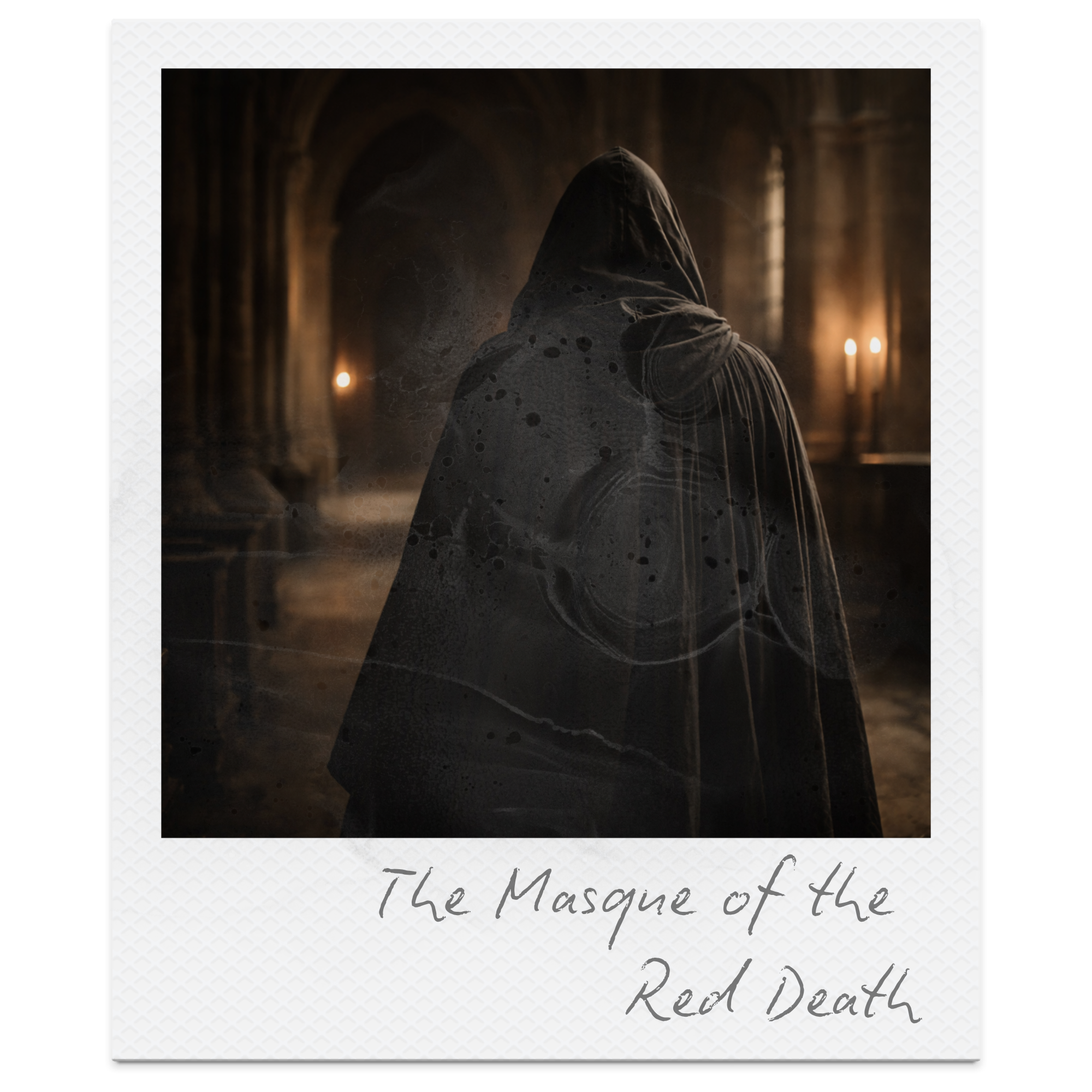
The Masque of the Red Death by Edgar Allan Poe: Summary, Themes, Symbolism & Analysis
The Masque of the Red Death by Edgar Allan Poe is a powerful Gothic allegory that explores mortality, time, and the illusion of human control. Through the decadent world of Prince Prospero’s abbey, Poe constructs a symbolic narrative where wealth, power, and denial are ultimately powerless against the inevitability of death. The story’s haunting atmosphere, combined with its structured progression through the seven rooms, creates a vivid representation of life moving inexorably toward its end. Beyond its surface narrative, the text offers rich opportunities for analysing symbolism, setting, and psychological themes. From the ominous ebony clock to the disturbing presence of the masked figure, Poe builds a world where illusion collapses into reality, forcing both characters and readers to confront what cannot be avoided. This makes the story ideal for exploring Gothic conventions, interpretation, and high-level analytical writing.
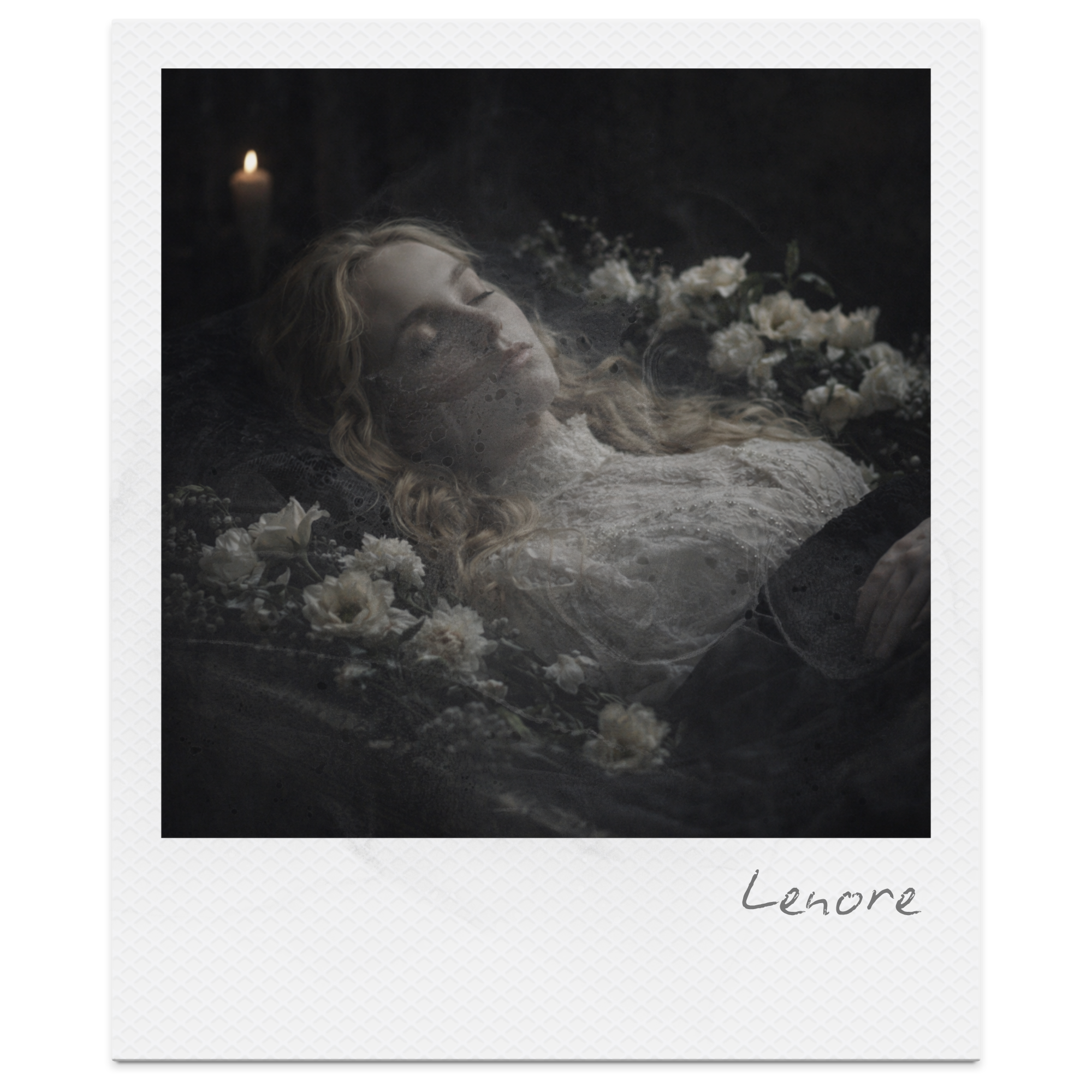
Lenore by Edgar Allan Poe: Summary, Themes, Meaning, Death & Defiance Analysis
Lenore by Edgar Allan Poe is a powerful exploration of death, mourning, and the rejection of false grief, offering a striking contrast to more traditional elegies. Rather than presenting sorrow as the only response to loss, Poe introduces a speaker who challenges ritual mourning and social expectation, exposing the hypocrisy of those who claim to grieve while having wronged the dead in life. Through its dramatic structure and shifting voices, the poem becomes both a lament and a moral confrontation, questioning what it truly means to honour the dead. At the same time, Lenore redefines death as a form of spiritual transcendence, where loss is transformed into elevation. The speaker’s refusal to mourn suggests a deeper tension between grief and denial, leaving readers to question whether his response represents devotion or emotional resistance. Rich in religious imagery, symbolism, and sound, the poem invites multiple interpretations while maintaining a powerful focus on love, loss, and the afterlife, making it an ideal text for both classroom analysis and deeper literary study.
Echo by Christina Rossetti: Summary, Themes, Symbolism & Analysis
Christina Rossetti’s Echo is a haunting exploration of love, memory, and longing beyond death, where dreams become the only space for reunion. Through repetition, paradox, and lyrical imagery, the poem captures the tension between emotional closeness and physical absence, revealing how memory both sustains and intensifies grief. This analysis of Echo explores themes, structure, symbolism, and alternative interpretations, offering clear, in-depth insight into Rossetti’s presentation of desire, loss, and spiritual tension. Ideal for students and teachers, this guide breaks down the poem in a way that is both accessible and analytically rigorous.
Memory by Christina Rossetti: Summary, Themes, Symbolism & Analysis
Christina Rossetti’s Memory explores the tension between emotional attachment and deliberate self-denial, presenting a speaker who consciously rejects a past love while continuing to feel its lasting impact. Through controlled language and reflective tone, the poem reveals how memory cannot be fully erased, but instead becomes internalised and preserved, shaping the speaker’s identity and emotional life over time. Divided into two distinct parts, the poem moves from decisive renunciation to quiet reflection, highlighting the contrast between outward control and inward persistence. While the speaker suppresses her feelings in the present, she ultimately finds meaning through spiritual hope, suggesting that what is denied in life may be restored beyond it.
Death’s Chill Between by Christina Rossetti: Summary, Themes, Symbolism & Analysis
Christina Rossetti’s “Death’s Chill Between” explores the psychological complexity of grief, tracing a speaker’s journey from emotional restraint to imagined reunion and painful recognition of loss. Through vivid imagery, shifting tone, and carefully structured sestets, the poem examines how mourning can blur the boundary between memory, illusion, and reality. This analysis explores the poem’s themes, symbolism, structure, metre, and key techniques, alongside a stanza-by-stanza breakdown and classroom teaching ideas. The guide also situates the poem within Rossetti’s wider work, helping readers explore connections across her poetry and the Victorian context of mourning.