Death’s Chill Between by Christina Rossetti: Summary, Themes, Symbolism & Analysis
Christina Rossetti’s “Death’s Chill Between” explores the unsettling emotional space between grief, denial, and longing after the death of a loved one. The poem presents a speaker who initially insists that she will endure loss with strength and composure, refusing public displays of mourning. Yet as the poem unfolds, Rossetti gradually reveals a far more fragile emotional reality beneath that determination. The speaker begins to imagine the return of the beloved, blurring the boundary between memory, hope, and illusion, until the poem ends with the devastating recognition that the reunion she longs for will never come.
Like many of Rossetti’s poems, “Death’s Chill Between” examines the psychological complexity of mourning. The poem explores emotional repression, the persistence of love after death, and the human impulse to resist finality. Rossetti carefully structures the poem so that the speaker’s voice moves through different stages of grief: restraint, longing, imagined reunion, and finally painful acceptance. This gradual shift creates a deeply unsettling emotional arc in which love appears strong enough to challenge death, yet ultimately cannot undo it.
For readers studying Rossetti’s work more broadly, the poem connects closely to recurring themes across her poetry, including death, spiritual endurance, memory, and the tension between emotional desire and reality. You can explore more of Rossetti’s poetry and analysis in the Christina Rossetti Poetry Hub, which brings together interpretations of her most frequently studied poems.
You can also explore additional poetry analysis and teaching resources in the Literature Library, where poems, short stories, and novels are organised to support both classroom teaching and independent literary study.

Context of Death’s Chill Between
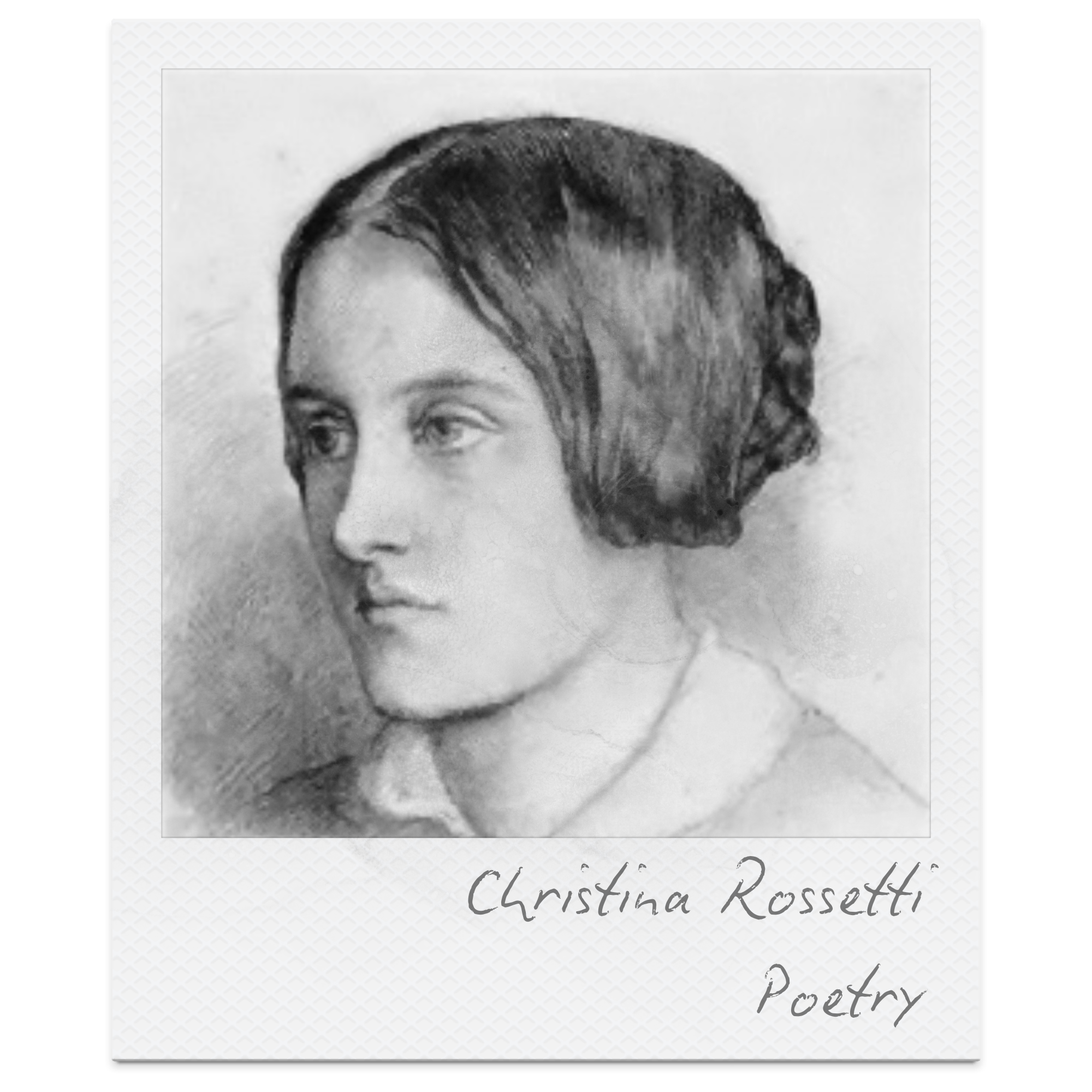
Christina Rossetti wrote during the Victorian period, a time when death was a constant presence in everyday life. High mortality rates meant that many people experienced the loss of close family members or loved ones, and Victorian culture developed elaborate rituals of mourning to help individuals process grief. Within this cultural landscape, poems about bereavement, remembrance, and emotional endurance were deeply resonant. In “Death’s Chill Between,” Rossetti explores not the public rituals of mourning but the private psychological experience of grief, revealing how the mind struggles to accept the finality of death.
Rossetti’s own life was marked by illness, religious devotion, and a heightened awareness of mortality. These experiences shaped her poetry’s recurring focus on death, spiritual endurance, and the tension between earthly attachment and spiritual acceptance. In this poem, the speaker initially adopts a posture of emotional restraint, insisting she will not mourn openly and declaring that she will “make no useless moan.” This reflects the Victorian ideal of dignified, controlled grief, where public displays of intense emotion were often discouraged. Yet Rossetti gradually exposes the limits of this composure, showing how grief continues to work beneath the surface.
As the poem progresses, the speaker begins to imagine the return of the beloved — hearing “a step…on the stair” and sensing “a dim hand knocks at the door.” These moments reveal the psychological disorientation of grief, where longing and memory blur the boundary between reality and hope. For a moment, the speaker convinces herself that the loved one has returned, illustrating how powerful emotional attachment can resist the finality of death. The poem ultimately ends with the painful recognition that this imagined reunion cannot be real.
For a deeper exploration of Rossetti’s life, religious influences, and the Victorian context shaping her poetry, see the Christina Rossetti Context Post.
Death’s Chill Between: At a Glance
Form: Lyric poem structured in regular six-line stanzas, allowing Rossetti to present a deeply personal emotional voice while gradually revealing the speaker’s shifting psychological state.
Mood: Restrained grief that gradually intensifies into longing, illusion, and painful recognition.
Central tension: The speaker tries to maintain emotional control and dignity in mourning, yet her longing for the beloved leads her to briefly imagine his return, revealing how grief destabilises certainty.
Core themes:
◆ grief and bereavement
◆ emotional repression
◆ love beyond death
◆ illusion versus reality
◆ the psychological stages of mourning
One-sentence meaning:
“Death’s Chill Between” explores how the mind struggles to accept loss, showing a speaker who tries to remain composed but momentarily convinces herself that the dead beloved has returned before finally confronting the reality of death.
Quick Summary of Death’s Chill Between
The poem opens with a speaker attempting to maintain emotional control in the face of grief after the death of someone she deeply loved. She insists that she will not mourn him for long, suggesting that although the “life-cord” was fragile, the bond of love between them was powerful. In these opening lines, the speaker presents herself as composed and determined, adopting a tone of stoicism and restraint as she tries to endure the loss with dignity.
However, this outward composure soon reveals signs of strain. The speaker claims she will not cry and refuses to indulge in visible sorrow, yet the language of the stanza reveals profound emotional pain and heartache. Her suffering is described as deep and physical, suggesting that her insistence on strength may be an attempt to suppress grief rather than overcome it. Rossetti therefore begins to reveal the tension between public restraint and private suffering.
As the poem progresses, grief begins to blur the boundary between reality and longing. The speaker believes she hears a step on the stair and imagines a hand knocking at the door, convincing herself that the beloved has returned. For a moment, she creates an imagined reunion, preparing to welcome him back and promising warmth and protection. Yet the poem ends with a sudden and painful recognition: the beloved has not come again, and the hope of reunion was only an illusion created by grief.
Title, Form, Structure, and Metre of Death’s Chill Between
Rossetti carefully uses stanza structure, rhyme, and rhythmic variation to mirror the speaker’s emotional journey through grief. The poem’s formal pattern appears controlled and regular at first glance, yet the rhythm subtly shifts and loosens as the poem progresses. This tension between formal structure and emotional instability reflects the speaker’s attempt to maintain composure while struggling with overwhelming loss.
Title
The title “Death’s Chill Between” immediately establishes the poem’s emotional landscape: a space defined by loss, separation, and emotional distance. The phrase suggests not simply death itself but the cold barrier created by death, the invisible divide that now exists between the speaker and the person she loved. The word “chill” evokes both physical coldness and emotional numbness, reinforcing the Victorian association of death with stillness and the loss of warmth that once characterised intimacy and companionship.
At the same time, the word “between” introduces an important tension. It implies that the separation exists between two people who remain emotionally connected, suggesting that love continues even after death. This anticipates the poem’s central conflict: the speaker cannot reconcile the strength of emotional attachment with the irreversible finality of death.
Form and Structure
The poem is composed of seven sestets (six-line stanzas), creating a stable and repeating structural pattern. The use of sestets gives the poem a sense of measured progression, allowing each stanza to develop a new stage in the speaker’s emotional response to loss.
Rossetti structures the poem almost as a psychological narrative of mourning. The early stanzas emphasise restraint and self-control, with the speaker insisting that she will not weep or collapse in grief. As the poem progresses, however, the structure begins to support a shift toward imaginative hallucination, as the speaker believes she hears footsteps on the stair and a hand knocking at the door. The sestet form allows Rossetti to present these emotional shifts in contained, discrete stages, mirroring the way grief unfolds in waves.
The final stanza breaks the emotional momentum created by the imagined reunion. The speaker’s earlier hope collapses when she recognises that the beloved has not returned. Because the poem has established such a steady structural rhythm, this final recognition feels particularly abrupt and devastating.
Rhyme Scheme and Poetic Pattern
Each stanza follows the rhyme scheme ABABCC, a pattern often associated with Victorian lyric poetry and modified ballad forms. The alternating rhyme of the first four lines creates a sense of movement and emotional development, while the final couplet brings the stanza to a moment of reflection or emotional emphasis.
This closing couplet functions almost like a miniature resolution within each stanza. Rossetti frequently places the speaker’s most significant emotional assertions in these final lines, reinforcing her attempts to maintain strength and dignity. For example, statements such as the determination to remain strong or the recognition of grief often appear in the CC couplet, allowing the stanza to close with emotional finality.
At the same time, the repetition of the rhyme pattern across all seven stanzas creates a sense of circular emotional movement, reinforcing the poem’s theme that grief repeatedly returns despite attempts to control it.
Metre and Rhythmic Movement
The poem does not follow a perfectly regular metrical scheme, but most lines move broadly within an iambic rhythm, with lines varying between seven and eight syllables. This creates a loose form of accentual-syllabic metre, where the general stress pattern resembles iambic movement but allows flexibility.
For example, the opening line moves in a rhythm close to iambic tetrameter:
chide NOT | let ME | BREATHE A | LITtle
However, Rossetti frequently varies this rhythm by shortening or extending lines, preventing the poem from becoming mechanically regular. This variation creates a natural, speech-like cadence that reflects the speaker’s emotional instability.
The fluctuating metre contributes to the poem’s elegiac tone. Rather than presenting grief through rigid formal control, Rossetti allows the rhythm to feel slightly uneven and fluid, echoing the disrupted emotional state of the mourner. The poem therefore sits between the structured lyric form and the more flexible rhythms associated with lament and elegy, reinforcing the sense that the speaker’s grief cannot be fully contained within strict poetic order.
Speaker in Death’s Chill Between
The poem is spoken by a first-person female speaker mourning the death of a beloved man. Her voice is intensely personal and intimate, allowing the reader to witness the internal experience of grief as it unfolds. Rather than presenting a distant reflection on loss, the poem captures a speaker attempting to control her emotional response while facing the overwhelming reality of loss.
At the beginning of the poem, the speaker appears to be addressing other people present, most likely family members or attendants who are witnessing the scene of mourning. Her opening request — “Chide not; let me breathe a little” — suggests that someone has criticised her reaction or questioned her composure. The speaker therefore adopts a tone of defensive restraint, insisting that she will not mourn him for long and that she will not give way to visible grief. This reflects the Victorian expectation that mourning should be carried with dignity and emotional control.
However, the speaker’s language quickly reveals the depth of her suffering. Although she claims she will not weep, her references to “heart-ache” and a “throbbing breast” expose intense emotional pain. Rossetti therefore presents a voice that attempts to maintain outward composure while internally struggling with grief that cannot easily be contained.
As the poem progresses, the speaker’s focus shifts from those around her to the dead beloved himself. She begins to imagine his return, believing she hears footsteps on the stair and sensing a presence at the door. In these moments the speaker speaks as though he has returned from the dead, promising warmth, comfort, and rest. This shift reveals how grief can distort perception, as longing temporarily overwhelms rational understanding.
The final stanza introduces a new listener when the speaker addresses her mother, admitting that the hoped-for reunion was impossible. This sudden return to reality transforms the reader’s understanding of the poem. The speaker’s imagined reunion is revealed as a moment of emotional illusion, demonstrating how deeply grief has destabilised her sense of certainty. Through this shifting voice, Rossetti presents mourning not as a simple expression of sorrow but as a complex psychological struggle between denial, longing, and acceptance.
Stanza-by-Stanza Analysis of Death’s Chill Between
A close reading of the poem reveals how Rossetti carefully develops the speaker’s emotional journey through grief, denial, longing, and painful recognition. Each stanza represents a distinct stage in the speaker’s response to loss, allowing the poem to unfold almost like a psychological narrative. The speaker begins by asserting control and composure, attempting to present herself as strong and restrained in the face of mourning.
However, as the poem progresses, this emotional control begins to fracture. The speaker’s language gradually shifts from calm determination to intensifying emotional distress, and eventually to a moment of imagined reunion in which she believes the beloved has returned. These shifts reveal how grief can blur the boundary between memory, hope, and reality.
The final stanza then dismantles this illusion, forcing the speaker to confront the truth of death’s permanence. By examining each stanza individually, it becomes possible to see how Rossetti structures the poem to mirror the psychological stages of mourning, moving from restraint to longing and ultimately to devastating recognition.
Stanza 1: Composure in the Immediate Aftermath of Loss
The opening stanza presents a speaker attempting to maintain control and composure in the immediate aftermath of death. Her first words — “Chide not; let me breathe a little” — suggest that others are present and perhaps questioning her reaction. The verb “chide” implies criticism or reprimand, indicating that the speaker feels pressured to behave in a socially expected way. Her request to “breathe a little” conveys both emotional overwhelm and physical strain, suggesting that grief has momentarily left her unable to respond fully.
The stanza introduces a striking metaphor comparing life and love through the images of a “life-cord” and a “love-cord.” The life-cord is described as “brittle,” implying that life itself is fragile and easily broken. In contrast, the love-cord is described as “very strong,” emphasising that emotional attachment survives even after death. Through this contrast, Rossetti suggests that while physical life may be short and vulnerable, love endures beyond mortality, continuing to shape the speaker’s emotional world.
The final two lines introduce a quieter but significant image of exhaustion and rest. The speaker states that she wishes to remain awake only briefly before she finds “a sleeping-place.” This could suggest simple physical exhaustion after grief, but it also carries deeper implications. The language of sleep may hint at the speaker’s own longing for death or release, implying that the emotional toll of loss has already begun to draw her toward thoughts of rest and escape.
Stanza 2: The Assertion of Controlled Grief
In the second stanza, the speaker continues to emphasise her determination to maintain emotional restraint. Repeating the phrase “You can go”, she dismisses those around her and insists that she will not weep. This repetition reinforces her attempt to control the situation and manage her grief privately. The phrase “go unto your rest” carries a dual meaning: it may refer to those present leaving the room, but it also echoes the language often used to describe death as a form of rest, reinforcing the solemn atmosphere of mourning.
Despite her claims of composure, the speaker’s language reveals intense emotional suffering. Her grief is described through the physical imagery of “heart-ache” and a “throbbing breast,” suggesting that sorrow has become an almost bodily pain. These expressions expose the contrast between her outward declaration that she will not weep and the depth of emotional distress she is actually experiencing.
The stanza ends with a reflective rhetorical question: “Can sobs be, or angry tears, / Where are neither hopes nor fears?” Here the speaker suggests that her grief has moved beyond the stage of visible mourning. Instead of tears or anger, she claims to feel a kind of emotional numbness, as though the loss has removed both hope and fear from her life. This moment introduces a tone of detached resignation, hinting that her attempts at composure may actually reflect a deeper state of emotional exhaustion.
Stanza 3: Determination and the Limits of Endurance
In the third stanza, the speaker continues to assert her determination to endure grief with strength and dignity. She acknowledges that she is now alone — “Though with you I am alone / And must be so everywhere” — suggesting that the beloved’s death has created a lasting sense of isolation and emotional separation. Even when surrounded by others, the speaker implies that she will remain fundamentally alone because the person she loved is gone.
Despite this recognition, she insists that she will not express her grief openly. The phrase “I will make no useless moan” reflects a conscious rejection of visible mourning, reinforcing the speaker’s commitment to self-control and emotional restraint. At the same time, the line “None shall say ‘She could not bear’” reveals that the speaker is deeply concerned with how others will judge her response to loss. Her determination to remain composed may therefore be motivated not only by personal resolve but also by the social expectation that grief should be endured with quiet dignity.
However, the final lines subtly undermine this declaration of strength. The speaker claims that she will remain strong “while life lasts,” yet immediately adds “But I shall not struggle long.” This phrase introduces an unsettling ambiguity. It may suggest that the speaker believes her grief will soon fade, but it can also imply a darker possibility: that she herself does not expect to live long. In this way, Rossetti hints that the speaker’s determination to endure may already be shadowed by a deeper longing for release from suffering.
Stanza 4: The Beginning of Imagined Presence
In the fourth stanza, the tone of the poem shifts dramatically as the speaker begins to believe that the beloved has returned. The repeated exclamation “Listen, listen!” creates an atmosphere of urgency and heightened awareness, suggesting that the speaker is suddenly convinced she perceives something others cannot. This repetition also conveys a sense of growing emotional intensity, as the speaker attempts to persuade those around her that the return she senses is real.
The imagery of sound and movement plays an important role in this moment. The speaker hears “a low voice” calling and imagines “a step…on the stair,” both of which evoke the familiar signs of someone entering a house. These domestic details create a powerful illusion of ordinary life continuing, as though the beloved were simply returning home. However, the line “one comes ye do not see” introduces a supernatural or psychological dimension, suggesting that the presence she senses is invisible to everyone else.
The stanza culminates in the haunting image of “a dim hand” knocking at the door. The adjective “dim” reinforces the uncertainty of what the speaker perceives, implying that the figure she imagines is indistinct and possibly unreal. At this point in the poem, grief has begun to transform into hallucination or wishful perception, revealing how longing can blur the boundary between reality and imagination.
Stanza 5: The Illusion of Reunion
In the fifth stanza, the speaker’s imagined perception becomes a moment of complete emotional conviction. No longer uncertain, she confidently declares that the beloved has returned: “Hear me; he is come again,— / My own dearest is come back.” The certainty in her voice contrasts sharply with the earlier hesitation of the previous stanza, showing how grief has intensified into a powerful illusion of reunion.
The speaker begins to issue practical instructions, telling those around her to “Bring him in from the cold rain” and to prepare wine so that “nothing lack.” These domestic details reinforce the illusion of ordinary life resuming, as though the beloved were simply returning home from a journey. The imagery of cold rain and warmth inside the house also symbolises the speaker’s desire to protect the beloved from suffering, suggesting that love continues to express itself through care and hospitality even after death.
The final lines of the stanza reveal the depth of the speaker’s longing. She imagines resting together with the beloved “until the sunny weather,” an image that contrasts warmth and light with the coldness associated with death. The phrase suggests a hope for comfort, peace, and renewed companionship, reinforcing the emotional intensity of the imagined reunion. At this moment in the poem, grief has temporarily overcome reality, allowing the speaker to construct a brief but powerful vision in which love appears capable of defying death itself.
Stanza 6: Tender Care and the Fantasy of Protection
In the sixth stanza, the speaker continues the imagined reunion, speaking directly to the beloved with language of comfort, tenderness, and protection. The tone becomes almost maternal as she promises to “shelter thee from harm” and hide him from “all heaviness.” These lines suggest a deep emotional desire not only to reunite with the beloved but also to protect him from suffering, reversing the helplessness she feels in the face of death.
The imagery of warmth and shelter contrasts strongly with the earlier references to cold and rain. By inviting the beloved to “keep thee warm / By my side in quietness,” the speaker imagines creating a peaceful space where grief and suffering no longer exist. This domestic scene emphasises intimacy and closeness, presenting love as something capable of providing refuge from the harshness of the world.
The stanza ends with the speaker promising to “lull thee to thy sleep / With sweet songs.” The language echoes that of a lullaby, reinforcing the gentle and nurturing tone. At the same time, the word “sleep” carries a double meaning, referring both to rest and to death itself. The declaration that “we will not weep” reflects the speaker’s continuing attempt to reject visible mourning. However, this moment of calm reassurance also reveals how deeply the speaker has entered into her imagined reunion, creating a fragile emotional world that temporarily shields her from the reality of loss.
Stanza 7: The Collapse of Illusion
The final stanza abruptly dismantles the imagined reunion that has developed in the previous sections of the poem. The speaker begins with a defensive question — “Who hath talked of weeping?” — as if attempting once more to assert emotional control. This echoes her earlier insistence that she will not cry or give way to grief. Yet the tone immediately shifts, revealing that despite her efforts, sorrow continues to work within her.
The speaker admits that there is “something at my heart” that she cannot ignore. The verbs “gnawing” and the phrases “aching” and “smart” create a vivid sense of physical pain, suggesting that grief has become an unavoidable emotional wound. The speaker confesses that she would prefer to forget this pain, but the language implies that such forgetting is impossible. Rossetti therefore portrays grief not as a temporary emotional reaction but as a persistent and intrusive force.
The final lines deliver the poem’s most devastating moment of recognition. Addressing her mother, the speaker acknowledges that her earlier certainty was an illusion: “’tis in vain, / For he is not come again.” This sudden return to reality collapses the imagined reunion that has sustained her through the previous stanzas. The poem ends with the stark recognition that love, however powerful, cannot undo death. Rossetti closes the poem by revealing the painful truth that grief may create visions of reunion, but ultimately it must confront the irreversible finality of loss.
Key Quotes
The following quotations capture the most significant images, themes, and emotional turning points in the poem. Together they reveal how the poem moves from controlled grief to imagined reunion and finally painful recognition.
Chide not; let me breathe a little
◆ The speaker’s opening request suggests she is being observed or judged by others, immediately placing her grief within a social setting.
◆ The verb “chide” implies criticism, revealing pressure to behave in a socially acceptable way during mourning.
◆ The phrase “breathe a little” conveys emotional overwhelm, suggesting grief has momentarily left her unable to respond.
Though the life-cord was so brittle, / The love-cord was very strong
◆ The metaphor contrasts the fragility of life with the enduring strength of love.
◆ The image of cords evokes something binding two people together, reinforcing emotional connection even after death.
◆ Rossetti suggests that although death breaks the life-cord, the bond of love continues to exist.
I shall not weep
◆ This declaration represents the speaker’s determination to maintain emotional restraint.
◆ It reflects Victorian ideals of controlled and dignified mourning.
◆ The repeated denial of tears throughout the poem ultimately reveals how fragile this self-control is.
My heart-ache is all too deep
◆ The phrase introduces physical imagery of pain, emphasising the bodily impact of grief.
◆ The speaker’s suffering is presented as something overwhelming and difficult to suppress.
◆ Rossetti shows how grief often manifests not only emotionally but physically.
None shall say ‘She could not bear’
◆ The speaker expresses anxiety about how others will judge her response to grief.
◆ This line highlights the influence of social expectations surrounding mourning.
◆ Her determination suggests she is trying to maintain a reputation for strength and endurance.
Listen, listen!
◆ The repetition creates a sense of urgency and heightened emotional intensity.
◆ It signals the moment when the speaker begins to believe she perceives something others cannot.
◆ This marks the turning point where grief begins to distort her perception of reality.
A dim hand knocks at the door
◆ The image introduces a ghostly or imagined presence, reinforcing the supernatural tone of the moment.
◆ The adjective “dim” suggests uncertainty, hinting that the speaker’s perception may be unreliable.
◆ The knocking symbolises the speaker’s longing for reunion with the dead.
My own dearest is come back
◆ The speaker expresses complete conviction that the beloved has returned.
◆ This moment represents the peak of the poem’s emotional illusion.
◆ The language reveals how grief can produce a powerful temporary denial of death.
I will lull thee to thy sleep
◆ The tone becomes tender and nurturing, almost resembling a lullaby.
◆ The word “sleep” carries a double meaning, referring both to rest and to death.
◆ The speaker attempts to create a peaceful space where grief and suffering no longer exist.
’Tis in vain, / For he is not come again
◆ The final line delivers the poem’s devastating moment of recognition.
◆ The speaker acknowledges that the imagined reunion was an illusion.
◆ Rossetti ends the poem by emphasising the permanent finality of death.
Key Techniques
Rossetti uses a range of structural, linguistic, and poetic techniques to present the psychological complexity of grief. These techniques allow the poem to move from controlled mourning to emotional illusion and finally to painful recognition.
◆ Extended metaphor – The contrast between the “life-cord” and “love-cord” functions as an extended metaphor comparing life and love. While the “life-cord” is described as “brittle,” suggesting the fragility of physical existence, the “love-cord” is “very strong,” implying that emotional bonds endure beyond death.
◆ Repetition – Rossetti uses repetition for emotional emphasis, particularly in the exclamation “Listen, listen!” This repetition conveys urgency and signals the moment when the speaker believes she perceives the beloved returning, highlighting the intensifying psychological tension.
◆ Rhetorical question – The question “Can sobs be, or angry tears, / Where are neither hopes nor fears?” reflects the speaker’s attempt to rationalise her grief. The rhetorical form emphasises emotional exhaustion, suggesting she feels beyond the stage of visible mourning.
◆ Auditory imagery – Sounds play a crucial role in the poem’s turning point. The imagined “low voice” and “step…on the stair” create a vivid sensory illusion, reinforcing how grief can distort perception and produce imagined presence.
◆ Symbolic imagery – The image of “a dim hand” knocking at the door symbolises the boundary between life and death. Doors often represent thresholds in literature, and here the knocking suggests the speaker’s longing for the dead to cross back into the world of the living.
◆ Semantic field of illness and physical pain – Words such as “heart-ache,” “throbbing,” “gnawing,” “aching,” and “smart” create a semantic field of physical suffering. This reinforces the idea that grief is experienced not only emotionally but bodily, intensifying the poem’s realism.
◆ Imperative verbs – Commands such as “Bring him in,” “Listen,” and “Hear me” give the speaker’s voice urgency and authority. These imperatives reveal how strongly she believes in the imagined return, showing grief transforming into desperate conviction.
◆ Contrast and antithesis – Rossetti frequently contrasts opposing states, such as life versus death, cold versus warmth, and presence versus absence. For example, the beloved is imagined returning from the “cold rain” to warmth and shelter inside the house, reinforcing the emotional symbolism of protection and comfort.
◆ Lullaby imagery – The promise to “lull thee to thy sleep / With sweet songs” introduces imagery associated with lullabies and caregiving. This creates a tone of tenderness while also emphasising the tragic irony that the beloved is already in the permanent “sleep” of death.
◆ Dramatic reversal – The poem concludes with a sudden emotional reversal when the speaker admits “’tis in vain, / For he is not come again.” This final shift dismantles the illusion of reunion built in the previous stanzas, producing a powerful moment of tragic recognition.
Themes in Death’s Chill Between
Rossetti’s poem explores the emotional and psychological complexity of mourning, memory, and denial. Rather than presenting grief as a single emotional state, the poem traces how loss destabilises the mind, moving the speaker through moments of restraint, longing, illusion, and recognition. Through shifting tone, imagery, and structure, Rossetti reveals how mourning involves not only sorrow but also a struggle to reconcile love’s persistence with death’s finality.
Grief and Bereavement
The poem presents grief as an experience that is both psychological and physical. While the speaker initially attempts to control her response to loss, her language reveals that sorrow has already begun to overwhelm her. Images such as “heart-ache,” “throbbing breast,” “gnawing,” and “aching” portray grief as something that physically inhabits the body.
Rossetti therefore emphasises that mourning is not simply an emotional state but a persistent internal force. Even when the speaker insists she will not weep, grief continues to manifest itself through bodily pain and intrusive thoughts. The poem ultimately portrays bereavement as something that cannot be suppressed through willpower alone.
Emotional Repression
A key tension in the poem lies between public restraint and private suffering. From the opening lines, the speaker insists that she will not mourn openly and refuses to produce “useless moan[s]” or tears. This reflects Victorian cultural expectations that valued controlled and dignified mourning, particularly among women.
However, Rossetti exposes the instability of this emotional repression. The speaker’s repeated insistence on strength gradually reveals itself as a defensive strategy rather than genuine resilience. By trying to suppress grief, she actually intensifies its psychological power. The imagined return of the beloved therefore emerges not from calm reflection but from the pressure created by unexpressed sorrow.
Love Beyond Death
The metaphor of the “life-cord” and “love-cord” introduces one of the poem’s central ideas: that emotional attachment may survive even after death has broken physical life. The contrast between the fragility of life and the strength of love suggests that the speaker’s connection to the beloved continues to shape her emotional world.
This persistence of love explains why the speaker struggles to accept the beloved’s absence. Her longing is so powerful that she momentarily believes death itself has been undone. Rossetti therefore presents love not only as a source of comfort but also as a force that intensifies the pain of loss, making acceptance of death more difficult.
Illusion Versus Reality
The poem’s emotional climax occurs when the speaker begins to believe that the beloved has returned. Sensory details such as “a low voice,” “a step…on the stair,” and “a dim hand” knocking at the door create a vivid moment of imagined presence. These images illustrate how grief can blur the boundary between perception and imagination.
Rossetti deliberately constructs this illusion so that it feels momentarily convincing, even to the reader. However, the final stanza abruptly restores reality when the speaker admits “he is not come again.” This sudden shift highlights the painful contrast between the world the speaker wishes to inhabit and the reality she must ultimately accept.
The Psychological Stages of Mourning
The poem can be read as a gradual movement through different psychological responses to loss. The speaker initially adopts stoicism, insisting she will remain strong and composed. This stage is followed by emotional isolation and physical suffering as grief begins to intensify.
The middle stanzas represent a moment of denial, where the speaker imagines the beloved returning and constructs a vision of reunion. In these lines she speaks with complete certainty, issuing instructions and preparing to welcome him home. This stage demonstrates how the mind may temporarily resist the finality of death.
The final stanza introduces the stage of recognition. The speaker acknowledges that her hope was in vain, confronting the reality that death cannot be reversed. Rossetti therefore portrays mourning as a process in which the mind repeatedly negotiates between hope and acceptance.
Isolation and Loneliness
Loss in the poem produces not only grief but also a profound sense of existential isolation. The speaker acknowledges that she must now exist without the person who gave meaning to her emotional world. Her statement that she is “alone” everywhere suggests that grief alters how she experiences the entire world around her.
This isolation intensifies the speaker’s longing for reunion, making the imagined return of the beloved feel almost inevitable. The hallucinated presence becomes a psychological response to loneliness, revealing how deeply the absence of the beloved shapes the speaker’s identity.
The Finality of Death
Despite the powerful emotional illusion created in the middle of the poem, Rossetti ultimately emphasises the irreversible nature of death. The final line delivers a stark moment of recognition that dismantles the speaker’s imagined reunion. The beloved has not returned, and the hope that sustained her has collapsed.
By ending the poem with this abrupt recognition, Rossetti underscores the central tragedy of mourning: love endures, but death remains permanent. The poem therefore leaves the reader with the painful understanding that emotional attachment cannot overcome the ultimate boundary between life and death.
Alternative Interpretations of Death’s Chill Between
Rossetti’s poem can be interpreted in several different ways depending on the critical lens applied. While the poem clearly presents a narrative of mourning, its shifting emotional states and ambiguous imagery allow for religious, psychological, feminist, and existential readings. These interpretations highlight how Rossetti explores grief not only as an emotional experience but also as a spiritual, social, and philosophical struggle.
Religious Interpretation: Resurrection and the Limits of Faith
A religious reading of the poem focuses on the moment when the speaker believes that the beloved has returned. Her declaration “he is come again” echoes the language of Christian resurrection, particularly the belief in Christ’s return from death. The imagery of footsteps approaching and a hand knocking at the door may symbolise the hope that death is not final.
However, the poem ultimately undermines this hope. The speaker’s final recognition that “he is not come again” suggests that the imagined resurrection was an illusion created by grief rather than a spiritual miracle. From this perspective, the poem explores the tension between religious faith in eternal life and the painful reality of earthly loss.
Psychological Interpretation: Grief and Hallucination
From a psychological perspective, the poem can be read as an exploration of the mental stages of grief. The speaker initially attempts to suppress her emotions, insisting that she will not weep or collapse under the weight of loss. However, this repression gradually destabilises her emotional state.
The imagined return of the beloved may therefore represent a moment of grief-induced hallucination or denial. Hearing a voice, footsteps, and knocking at the door suggests that the speaker’s longing has begun to distort her perception of reality. The final stanza represents the moment when this illusion collapses and the speaker is forced to confront the truth of death.
Feminist Interpretation: The Policing of Female Grief
A feminist reading of the poem highlights how the speaker’s behaviour is shaped by social expectations placed upon women. From the opening line — “Chide not” — it is clear that others are observing and judging her response to grief. The speaker repeatedly insists that she will not cry or make a “useless moan,” suggesting that she feels pressure to demonstrate strength and self-control.
This pressure reflects Victorian ideals of female dignity and emotional restraint. The speaker’s determination to remain composed may therefore represent an attempt to maintain social respectability. Rossetti exposes how such expectations can silence genuine emotional expression, forcing the speaker to internalise grief until it eventually manifests in psychological distress.
Existential Interpretation: The Human Refusal to Accept Death
The poem can also be interpreted as an exploration of the human refusal to accept the finality of death. The speaker’s imagined reunion reflects a universal psychological impulse: the desire to believe that those we love are not truly gone.
The moment when the speaker becomes convinced that the beloved has returned represents a temporary escape from reality. For a brief time, love appears powerful enough to overcome death itself. However, the final stanza forces the speaker — and the reader — to confront the truth that death remains irreversible and unavoidable.
From this perspective, the poem reflects the existential tension between human longing for permanence and the reality of mortality.
Teaching Ideas
This poem provides rich opportunities for exploring grief, narrative voice, symbolism, and shifting psychological states. The progression from composure to imagined reunion and finally to recognition makes the poem particularly effective for lessons focusing on interpretation, close reading, and thematic development.
1. Tracing the Speaker’s Emotional Progression
Ask students to map the speaker’s emotional journey across the seven stanzas. They should identify how the poem moves from controlled restraint in the opening stanzas to intensifying grief, before reaching the moment of imagined reunion and the final recognition of loss.
Students can annotate the poem to highlight the key turning points in the speaker’s mindset. For example, they might identify the stanza where the speaker first appears emotionally unstable and discuss how Rossetti uses imagery, tone, and repetition to signal this shift.
This activity encourages students to recognise how structure and emotional development work together within the poem.
2. Illusion and Reality in the Middle Stanzas
Focus discussion on the moment when the speaker begins to believe the beloved has returned. Students should analyse the sensory imagery in lines such as “a low voice is calling me”, “a step is on the stair,” and “a dim hand knocks at the door.”
Ask students to consider whether these details suggest a supernatural presence or whether they represent the speaker’s psychological response to grief. This discussion can open broader questions about how Rossetti portrays the human desire to resist death’s finality.
Students may also explore how the domestic setting of the house intensifies the emotional impact of the imagined return.
3. Social Expectations and Emotional Restraint
Students can examine how the speaker’s behaviour reflects social expectations surrounding grief. Lines such as “I shall not weep” and “I will make no useless moan” suggest that the speaker feels pressure to demonstrate strength and dignity.
Encourage students to explore how these expectations shape the poem’s emotional tension. Why does the speaker feel the need to insist repeatedly that she will remain strong? How does this repression contribute to the later breakdown of emotional control?
This activity allows students to connect the poem to Victorian attitudes toward mourning and emotional expression.
4. Analytical Paragraph: Illusion and the Collapse of Hope
Students can practise constructing a focused analytical paragraph exploring how Rossetti presents the speaker’s imagined reunion with the beloved.
Model paragraph:
Rossetti presents the speaker’s imagined reunion as a powerful expression of grief that blurs the boundary between hope and reality. When the speaker declares “My own dearest is come back,” the confident tone suggests complete conviction that death has been reversed. The imperative verbs in the following lines — “Bring him in from the cold rain” and “Bring wine” — reinforce this certainty, as the speaker begins to organise the scene as though the beloved has truly returned. The domestic imagery of warmth, shelter, and hospitality intensifies the illusion of ordinary life resuming. However, this moment of emotional certainty ultimately exposes the depth of the speaker’s denial. When the final stanza reveals that the beloved “is not come again,” the earlier confidence becomes tragically ironic. Rossetti therefore uses the imagined reunion to illustrate how grief can momentarily create a reality shaped by longing rather than truth.
5. Comparing Representations of Grief in Rossetti’s Poetry
Students can compare the presentation of grief in this poem with other poems by Rossetti. They might examine how different speakers respond to loss, faith, and emotional endurance.
Possible comparison questions include:
◆ How does Rossetti portray mourning and emotional restraint across different poems?
◆ Do her speakers find comfort in faith, memory, or acceptance, or do they remain trapped in grief?
◆ How does Rossetti use structure and imagery to represent the psychological experience of loss?
This activity encourages students to place the poem within the wider themes and concerns of Rossetti’s poetry.
Go Deeper into Death’s Chill Between
Many of Rossetti’s poems explore loss, emotional restraint, memory, and the persistence of love after separation. Reading Death’s Chill Between alongside other poems from her work reveals how frequently she returns to questions of mourning, longing, and the psychological struggle to reconcile love with absence.
◆ Remember – Like Death’s Chill Between, this poem explores love after death, but the speaker takes the opposite approach. Instead of clinging to the memory of the beloved, the speaker ultimately encourages the loved one to forget if remembering brings pain. Both poems examine the tension between memory and emotional release.
◆ Echo – This poem similarly portrays a speaker longing for the return of a beloved presence. The dreamlike imagery and repeated calls for the beloved to return mirror the moment in Death’s Chill Between when the speaker believes she hears footsteps and a voice. Both poems explore the fragile boundary between memory, dream, and imagined reunion.
◆ At Home – In this poem, Rossetti presents a haunting perspective in which a dead speaker observes the living who have already forgotten her. While Death’s Chill Between focuses on the grief of the survivor, At Home imagines the experience from the perspective of the dead, creating a powerful contrast in how absence and remembrance are portrayed.
◆ A Better Resurrection – This poem also explores spiritual exhaustion and the longing for renewal, though it frames this struggle within a religious context. While Death’s Chill Between presents grief as a psychological crisis, A Better Resurrection directs the speaker’s longing toward spiritual transformation and divine renewal.
◆ Dream Land – Like Death’s Chill Between, this poem uses the imagery of sleep and rest to explore escape from suffering. However, in Dream Land, sleep becomes a peaceful withdrawal from the world, while in Death’s Chill Between the language of sleep reflects the speaker’s emotional exhaustion and longing for release from grief.
◆ Memory – This poem also reflects Rossetti’s interest in how memory sustains emotional attachment even after separation. Both poems examine how recollection keeps love alive while simultaneously intensifying the pain of absence.
Final Thoughts
Death’s Chill Between offers a powerful exploration of mourning, emotional restraint, and the mind’s struggle to accept loss. Rossetti presents grief not as a single emotional response but as a complex psychological journey in which the speaker moves through composure, longing, illusion, and painful recognition. The poem’s structure allows these stages to unfold gradually, revealing how the speaker’s determination to remain strong ultimately gives way to the deeper realities of grief.
One of the poem’s most striking elements is its portrayal of how love continues to exist even after death. The contrast between the fragile “life-cord” and the enduring “love-cord” suggests that emotional attachment cannot simply disappear with physical loss. Yet Rossetti ultimately emphasises that while love may endure, it cannot overcome the finality of death. The speaker’s imagined reunion provides a brief moment of emotional refuge, but the poem closes with the devastating acknowledgement that “he is not come again.”
Through its careful use of imagery, repetition, and shifting perspective, the poem captures the deeply human impulse to resist the permanence of loss. Rossetti portrays mourning as a struggle between memory and reality, hope and acceptance, revealing how the mind searches for ways to hold on to those who are gone.
You can explore more poems and analysis in the Christina Rossetti Poetry Hub, where Rossetti’s work is organised to support deeper study of her themes, imagery, and poetic techniques. For further poetry analysis and classroom resources, visit the Literature Library, which brings together poems, short stories, and novels designed for literary exploration and teaching.
Choose Your Next Text