Notes from the Inkpot
Writing, teaching, creating - one ink-stained idea at a time.


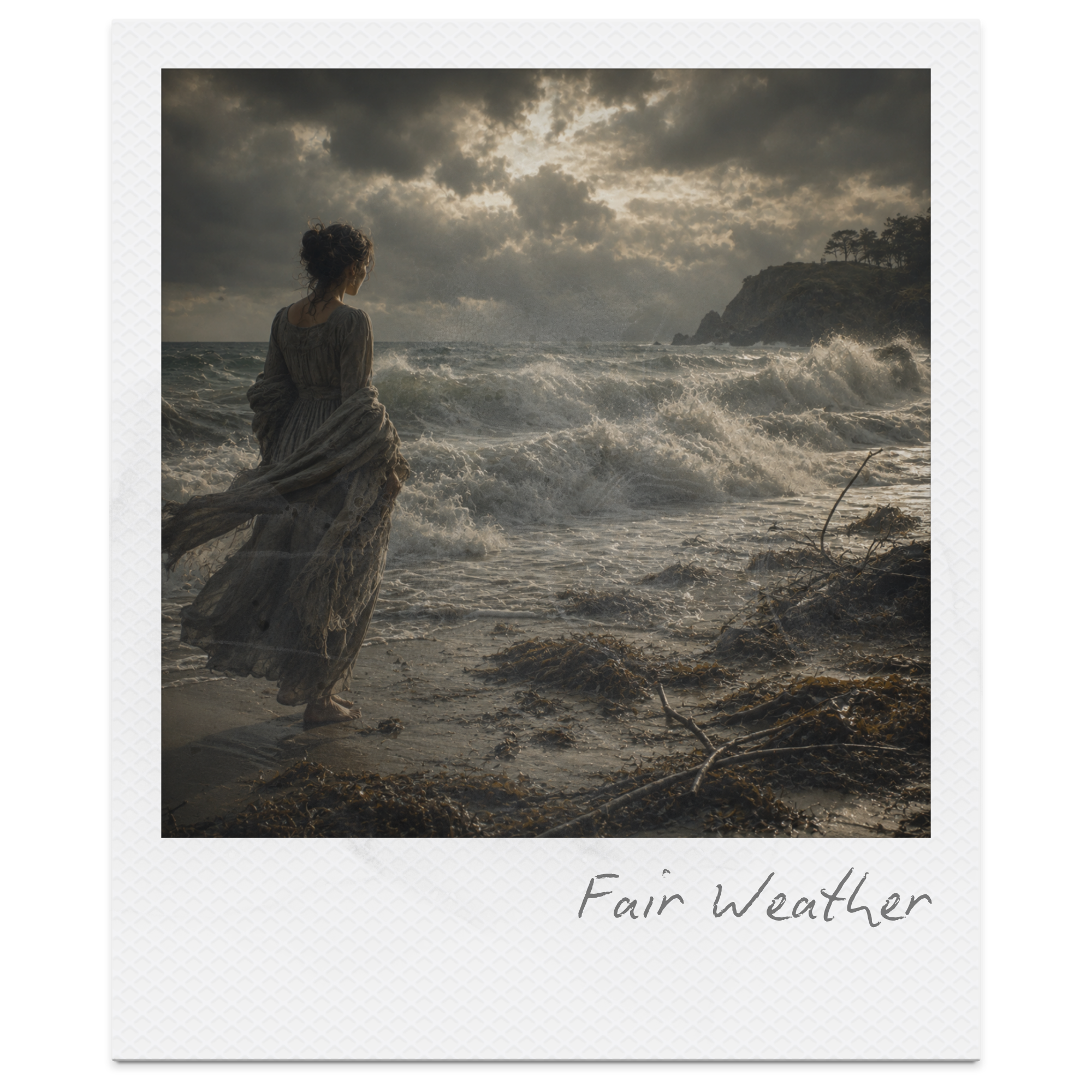
Fair Weather by Dorothy Parker: Summary, Themes & Analysis
Explore Fair Weather by Dorothy Parker with this in-depth poetry analysis covering context, summary, stanza-by-stanza analysis, key quotes, literary techniques, themes, alternative interpretations, and exam-ready insights. Discover how Parker uses an extended sea metaphor to explore passionate love, emotional intensity, desire, self-awareness, and the conflict between security and excitement. Through contrasting images of calm waters and violent storms, Parker presents a speaker who knowingly chooses risk, turbulence, and the possibility of heartbreak over emotional tranquillity, raising complex questions about why people may continue to desire experiences they know can cause pain.
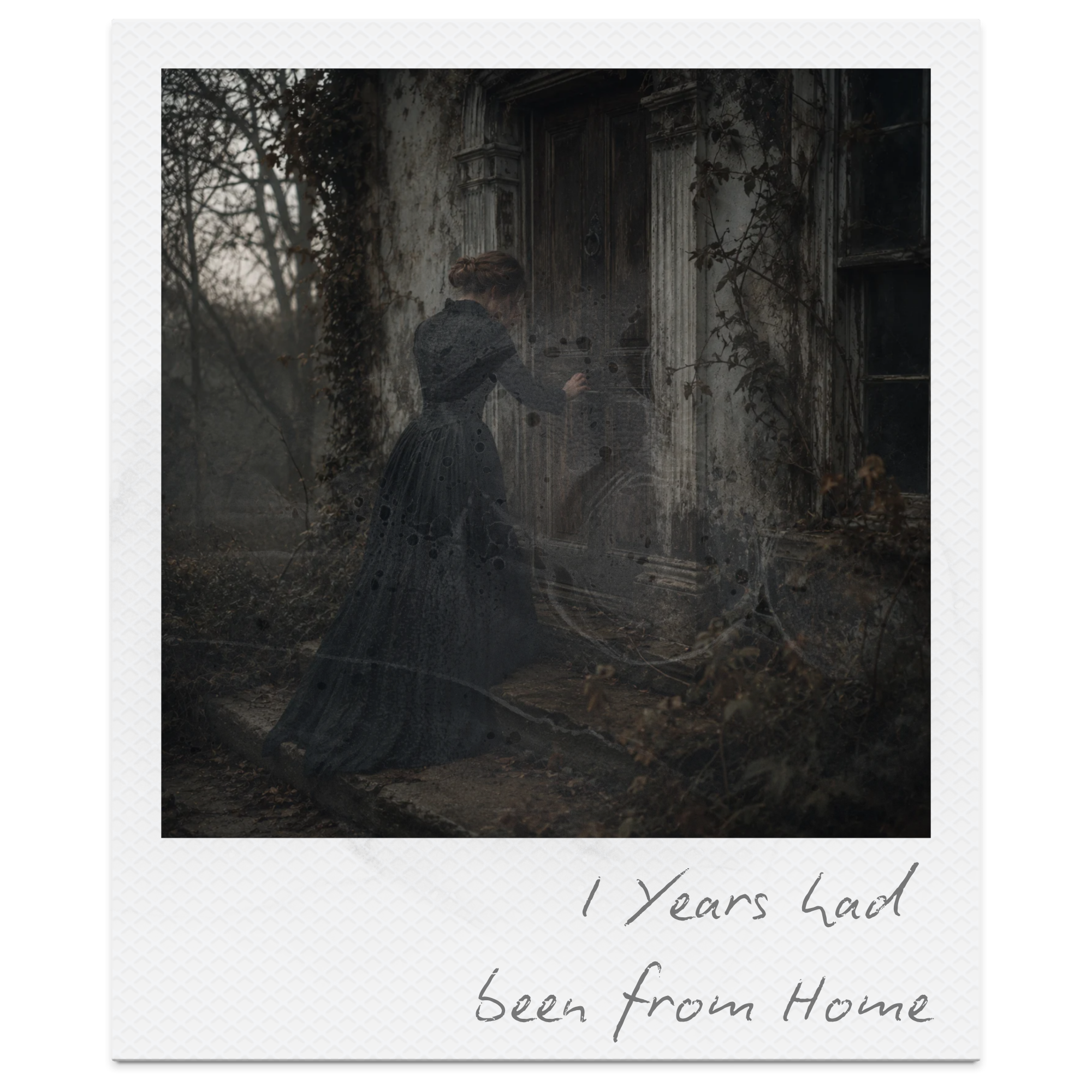
I Years Had Been from Home by Emily Dickinson: Analysis of Memory, Alienation and Belonging
Explore I Years Had Been from Home by Emily Dickinson with this detailed analysis of memory, identity, belonging, displacement, psychological uncertainty, and the passage of time. Discover how Dickinson uses symbolism, imagery, structure, and first-person perspective to transform a simple homecoming into a powerful exploration of fear, change, and self-recognition. This guide explores the poem's themes, symbolism, literary techniques, key quotes, alternative interpretations, anthology comparisons, and exam-ready insights, making it ideal for students and teachers studying Cambridge International AS & A Level Literature in English (9695) Songs of Ourselves: Volume 2.

The White House by Claude McKay: Analysis of Racism, Exclusion and Resistance
Claude McKay's The White House is a powerful sonnet that explores racism, exclusion, dignity, and resistance. Through the symbolic image of a closed door, McKay examines the emotional and psychological impact of prejudice while celebrating the courage required to maintain self-respect in the face of discrimination. The poem's tension between anger and restraint transforms a personal experience of rejection into a wider reflection on power, identity, and moral integrity. This analysis explores the poem's symbolism, sonnet form, key quotes, themes, line-by-line analysis, alternative interpretations, anthology comparisons, and exam-focused insights. Ideal for students and teachers studying Cambridge International AS & A Level Literature in English (9695), it provides detailed commentary on how McKay presents exclusion, resilience, and the determination to resist hatred without surrendering one's humanity.
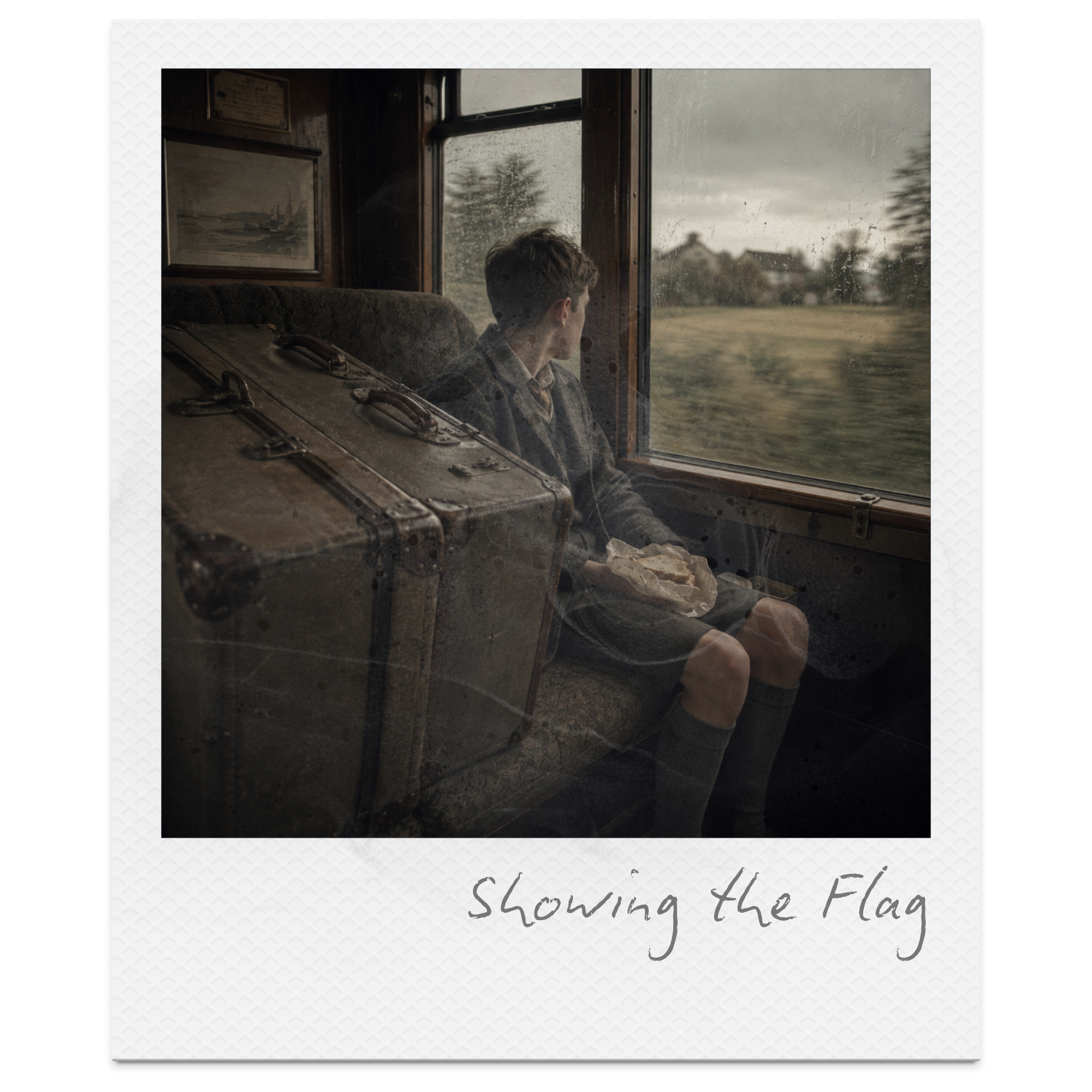
Showing the Flag by Jane Gardam: Summary, Themes & Analysis
Jane Gardam’s Showing the Flag is a psychologically rich short story exploring childhood insecurity, grief, emotional repression, and the fragile relationship between parents and children. Through Philip’s lonely journey from England to France shortly after his father’s death, Gardam reveals how fear and emotional misunderstanding can distort a child’s perception of love and belonging. This detailed analysis explores the story’s symbolism, themes, structure, narrative voice, key quotes, alternative interpretations, and exam-focused insights for CIE IGCSE English Literature (0475 & 0922), while examining how the seemingly simple image of a lost Union Jack becomes a powerful symbol of identity, emotional security, and hidden parental care.

A Walk to the Jetty by Jamaica Kincaid: Summary, Themes & Analysis
Jamaica Kincaid’s A Walk to the Jetty is a deeply reflective short story exploring identity, separation, motherhood, migration, and the emotional conflict of leaving home. Through Annie John’s final journey from Antigua to the ship that will carry her to England, Kincaid examines the painful transition between childhood and adulthood, revealing how independence can feel both liberating and devastating at the same time. This detailed analysis explores the story’s themes, symbolism, structure, narrative voice, key quotes, alternative interpretations, and exam-focused insights for CIE IGCSE English Literature (0475 & 0922).
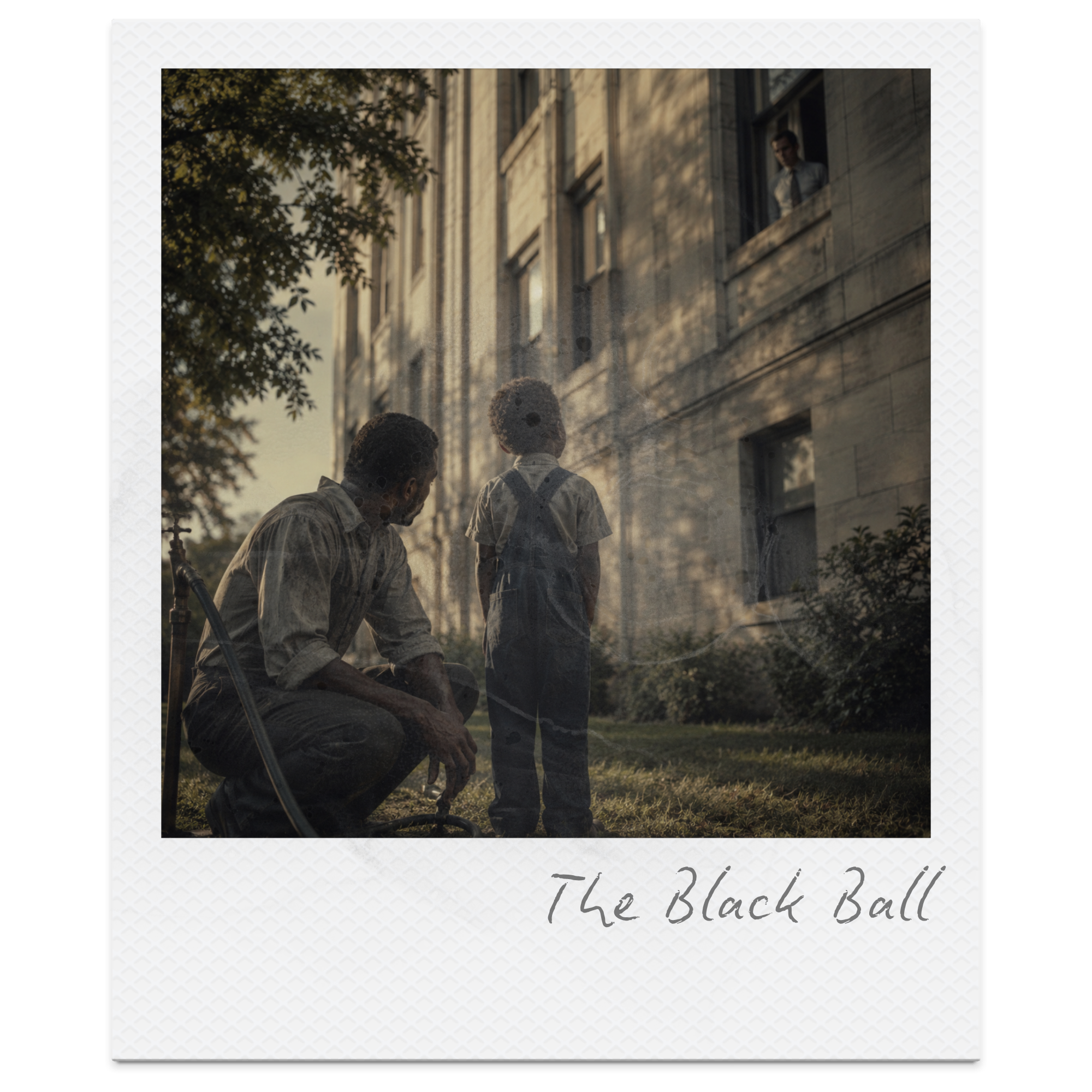
The Black Ball by Ralph Ellison: Summary, Themes & Analysis
Ralph Ellison’s The Black Ball is a powerful short story exploring racism, identity, fatherhood, and the painful loss of innocence within a deeply unequal society. Through the experiences of John and his young son, Ellison reveals how prejudice shapes ordinary daily life, using symbolism, dramatic irony, and reflective narration to expose the emotional pressure created by social inequality. This detailed analysis explores the story’s themes, characters, symbolism, structure, key quotes, and exam-focused interpretations for CIE IGCSE English Literature (0475 & 0922).
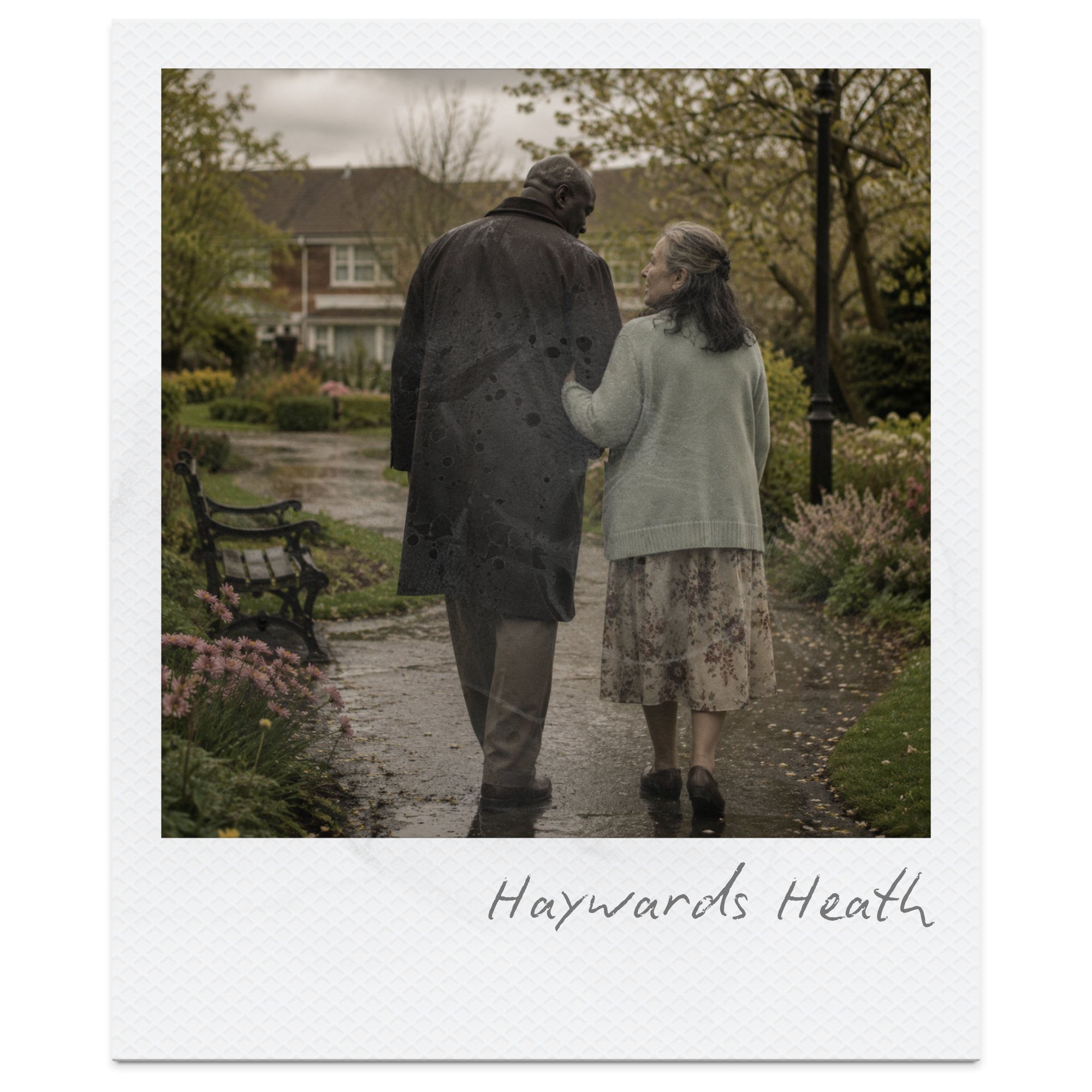
Haywards Heath by Aminatta Forna: Summary, Themes & Analysis
Explore Haywards Heath by Aminatta Forna with this detailed analysis for CIE IGCSE English Literature (0475 & 0922, 2027 syllabus). This post examines the story’s exploration of memory, aging, regret, love, and emotional displacement, alongside Forna’s use of restrained narration, symbolism, repetition, and fragmented structure. Perfect for revision and classroom study, this guide analyses key themes, characters, setting, narrative voice, symbolism, important quotations, and writer’s methods, while also offering alternative interpretations, exam-ready insights, and teaching ideas designed to support deeper conceptual analysis.

The Gold Watch by Mulk Raj Anand: Summary, Themes & Analysis
Mulk Raj Anand’s The Gold Watch is a quietly devastating short story exploring colonial power, workplace hierarchy, economic insecurity, and human dignity. Through the experiences of the ageing dispatch clerk Sharma, Anand exposes how institutional systems disguise emotional cruelty beneath politeness, routine, and formal gestures of appreciation. This analysis explores the story’s themes, symbolism, narrative voice, and psychological tension, examining how Anand uses irony, restraint, and symbolism to critique systems that value workers only while they remain useful. Ideal for students studying CIE IGCSE English Literature (0475 & 0922) and anyone exploring postcolonial short fiction.

The Woman’s Rose by Olive Schreiner: Summary, Themes & Analysis
Olive Schreiner’s The Woman’s Rose is a deeply reflective short story exploring female solidarity, memory, identity, and the pressures created by patriarchal society. Through symbolic imagery, emotional restraint, and reflective first-person narration, Schreiner transforms a small personal memory into a powerful meditation on compassion, jealousy, emotional maturity, and women’s relationships with one another. This analysis explores the story’s themes, symbolism, narrative voice, key quotations, structure, and alternative interpretations for CIE IGCSE English Literature (0475 & 0922). It also examines how Schreiner uses the symbolic white rose to present emotional generosity and lasting faith in womanhood.

Because I Liked You Better by A. E. Housman: Summary, Themes, Meaning & Analysis
A. E. Housman’s Because I Liked You Better explores unspoken love, emotional restraint, and self-sacrifice, presenting a speaker who chooses to suppress personal desire in order to preserve dignity and honour. Through controlled language, regular structure, and understated imagery, the poem reveals the tension between inner feeling and outward behaviour, where love is not expressed but deliberately denied. This analysis examines how Housman uses understatement, symbolism, and structural progression to create meaning and impact, showing how the speaker’s identity becomes defined by keeping a promise rather than pursuing emotional fulfilment. Designed for IGCSE World Literature (0408), this guide supports precise, method-focused analysis of how writers shape meaning through restraint and control.
The Trees by Philip Larkin: Summary, Themes & Analysis
Philip Larkin’s The Trees explores the tension between renewal and mortality, using the natural cycle of spring to question whether fresh beginnings are ever truly possible. Through juxtaposition, controlled structure, and subtle tonal shifts, the poem presents the trees as symbols of apparent rebirth while revealing the underlying reality of ageing and continuity, challenging the reader’s assumptions about nature and time. As the poem develops, Larkin moves from quiet observation to a more unsettled recognition that the trees’ “yearly trick of looking new” conceals an ongoing process of change and decline. The repeated call to “begin afresh” feels both hopeful and fragile, leaving the reader with an unresolved tension between appearance and reality and reinforcing the idea that renewal may be more complex—and less reassuring—than it first appears.
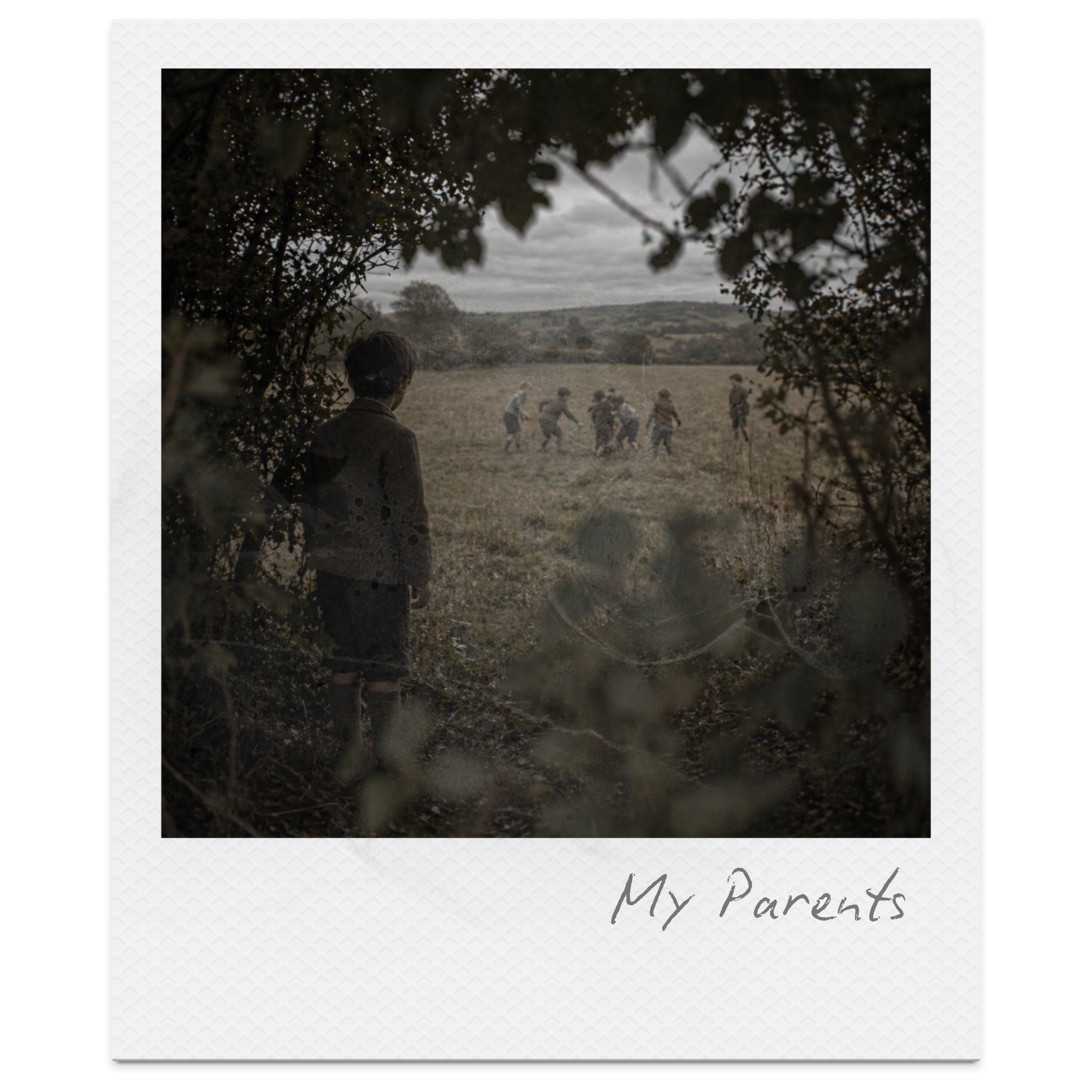
My Parents by Stephen Spender: Summary, Themes & Analysis
Stephen Spender’s My Parents explores childhood fear, class division, and social conditioning through a speaker who is both protected and isolated, shaped by the boundaries imposed on him. Through simile, animalistic imagery, and a reflective narrative voice, the poem presents the “rough” children as threatening and unpredictable, revealing how perception is constructed through upbringing rather than objective reality. The speaker’s fear is intensified by both physical imagery and social humiliation, particularly in moments where language becomes a form of attack. As the poem develops, a shift toward self-awareness and regret reframes the speaker’s experience, revealing that his fear was shaped as much by parental influence as by direct interaction. The final lines introduce a sense of missed empathy, suggesting that the speaker now recognises the limitations of his earlier perspective. This movement from fear to reflection transforms the poem into a powerful exploration of how memory, class division, and upbringing shape both experience and understanding.
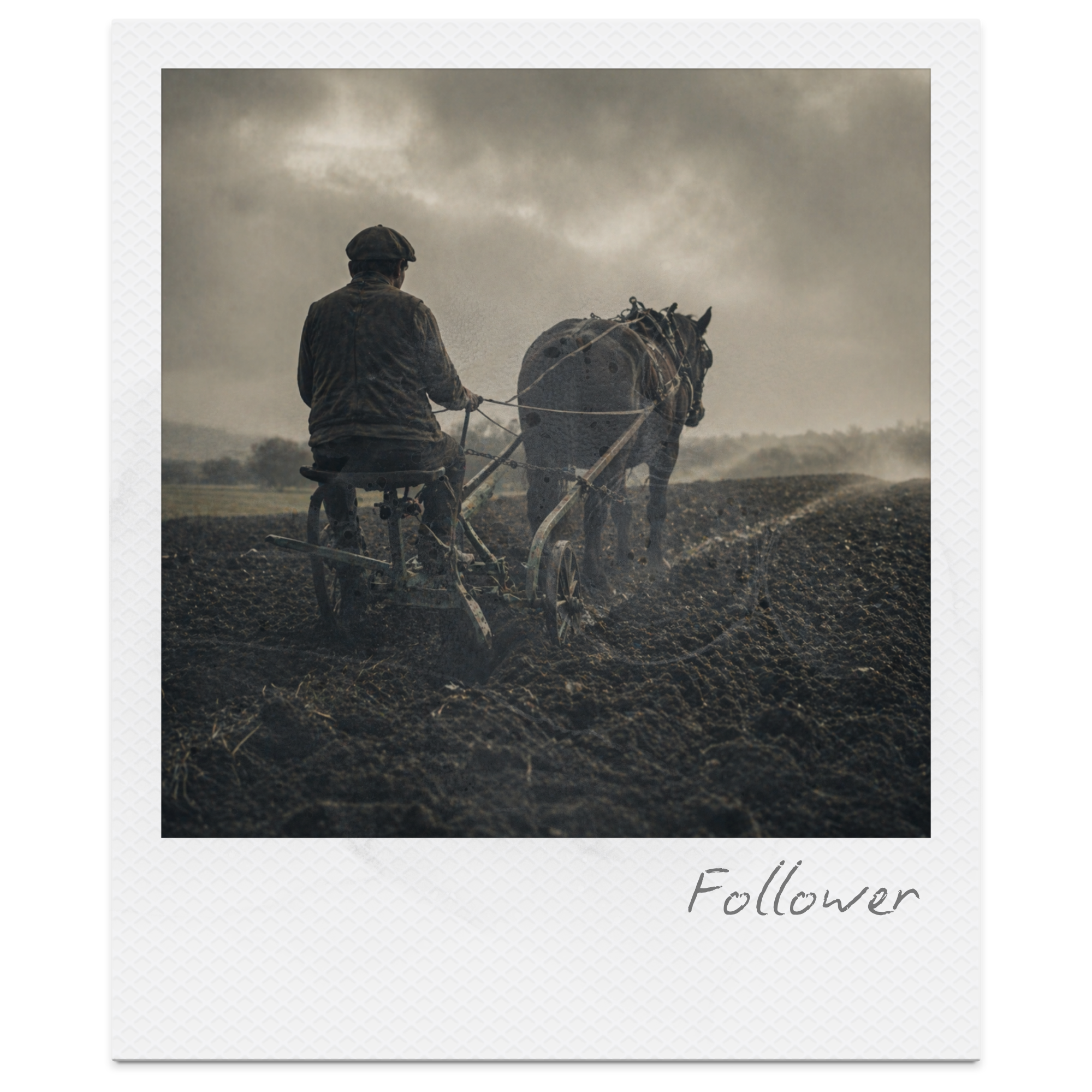
Follower by Seamus Heaney: Summary, Themes & Analysis
Seamus Heaney’s Follower explores admiration, identity, and the changing nature of family relationships through a reflective first-person voice. The poem presents the speaker’s father as a figure of strength, precision, and authority, using vivid imagery and controlled structure to elevate his skill as a ploughman. In contrast, the young speaker is portrayed as clumsy and dependent, creating a clear imbalance that reflects childhood hero-worship and the desire to imitate a parent. However, the poem’s meaning shifts in the final stanza, where Heaney introduces a subtle but powerful role reversal, revealing the father as the one who now “stumbles” behind the speaker. This transformation turns the poem into a reflection on time, ageing, and emotional complexity, as admiration gives way to a more unsettled awareness of changing roles. Through this contrast, Follower captures the tension between inheritance and independence, leaving the reader with a lasting sense of how relationships evolve over time.

The Highway by Ray Bradbury: Summary, Themes, Symbolism & Analysis
Ray Bradbury’s The Highway is a striking piece of speculative fiction that explores isolation, perspective, and the fragility of civilisation. Set in a quiet rural valley, the story follows Hernando, a farmer whose life is largely untouched by the modern world—until a sudden, frantic stream of cars on the nearby highway signals that something catastrophic has happened beyond his understanding. As news of “the atom war, the end of the world!” rushes past him, Hernando’s response challenges everything we assume about global events and their impact. Bradbury uses this powerful contrast between panic and stillness to question whether such events are truly universal, revealing that meaning is shaped by experience, distance, and perspective.

The Last Night of the World by Ray Bradbury: Summary, Themes, Symbolism & Analysis
Bradbury’s The Last Night of the World presents an unsettlingly calm vision of apocalypse, where the end does not arrive through chaos or destruction, but through quiet, shared certainty. As a husband and wife realise—through identical dreams experienced across the world—that existence will end that very night, their response is not panic, but routine. They drink coffee, put their children to bed, and carry on as usual, creating a striking contrast between the enormity of the event and the simplicity of their actions. This quiet acceptance lies at the heart of the story’s power. Rather than asking how the world ends, Bradbury asks how people respond when they know it will—and his answer is both comforting and deeply unsettling. Through its focus on inevitability, human nature, and routine, the story suggests that even in the face of extinction, what matters most is not survival, but connection, normality, and the small rituals that define everyday life.
10 Gothic Romance Poetry Prompts for Teens & Adults: Desire, Darkness, and Devotion
Gothic romance poetry explores the darker edges of love — where desire, memory, and loss intertwine. Rather than presenting romance as simple or fulfilling, it reveals how love can become obsessive, forbidden, or shaped by absence. Through atmospheric imagery, intimate voice, and controlled emotion, these poems capture relationships that linger, haunt, or transform over time. These gothic romance poetry prompts for teens and adults are designed to support craft-focused, emotionally rich writing. Each prompt encourages writers to explore longing, secrecy, and emotional tension through carefully chosen language and structure, helping them create poetry that feels intense, atmospheric, and deeply reflective.
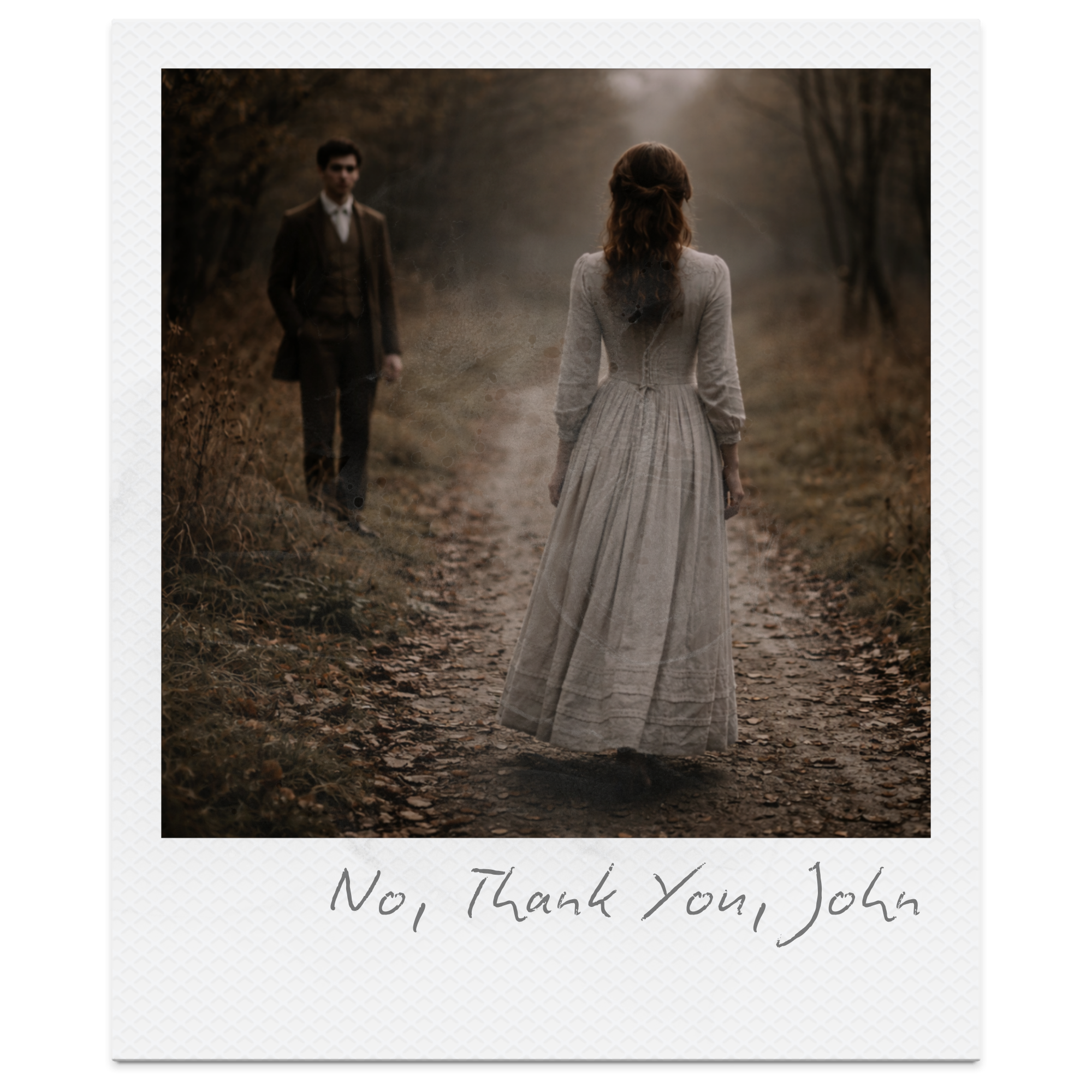
No, Thank You, John by Christina Rossetti: Summary, Themes, Symbolism & Analysis
Christina Rossetti’s No, Thank You, John is a confident and sharply controlled exploration of rejection, emotional honesty, and personal autonomy. Through a direct, conversational voice, the speaker firmly refuses a persistent suitor, challenging the expectation that love must be returned or softened through politeness. The poem redefines rejection as a form of clarity rather than cruelty, exposing the imbalance between romantic persistence and the right to refuse. This analysis of No, Thank You, John explores themes, structure, tone, and key techniques, alongside alternative interpretations and teaching ideas. With close reference to language and form, it reveals how Rossetti constructs a speaker who is both measured and resolute, offering a powerful examination of boundaries, gender expectations, and emotional integrity.
Memory by Christina Rossetti: Summary, Themes, Symbolism & Analysis
Christina Rossetti’s Memory explores the tension between emotional attachment and deliberate self-denial, presenting a speaker who consciously rejects a past love while continuing to feel its lasting impact. Through controlled language and reflective tone, the poem reveals how memory cannot be fully erased, but instead becomes internalised and preserved, shaping the speaker’s identity and emotional life over time. Divided into two distinct parts, the poem moves from decisive renunciation to quiet reflection, highlighting the contrast between outward control and inward persistence. While the speaker suppresses her feelings in the present, she ultimately finds meaning through spiritual hope, suggesting that what is denied in life may be restored beyond it.
Our Mothers, Lovely Women Pitiful by Christina Rossetti: Summary, Themes, Symbolism & Analysis
Christina Rossetti’s Our Mothers, Lovely Women Pitiful explores themes of memory, faith, and moral inheritance, presenting past generations as guiding figures whose lives continue to shape the present. Through its reflective tone and collective voice, the poem emphasises the importance of learning from experience and enduring with patience and belief. This analysis examines how Rossetti uses structure, language, and symbolism to balance reverence with uncertainty. As the poem shifts from shared instruction to personal doubt, it raises deeper questions about spiritual continuity, responsibility, and whether the past can truly offer reassurance in the present.
From the Antique Christina Rossetti Analysis: Themes, Feminism & Existential Meaning
Christina Rossetti’s From the Antique offers a striking exploration of weariness, identity, and existential despair, presenting a speaker who moves beyond dissatisfaction with life to question the value of existence itself. Through deceptively simple language and a controlled, almost conversational tone, the poem traces a progression from frustration with a “woman’s lot” to a far more unsettling desire for complete non-existence. The speaker does not merely long for change or escape, but for the erasure of both body and soul, revealing a profound rejection of identity and selfhood. At the same time, Rossetti contrasts this personal despair with the steady continuity of the natural world. While the speaker imagines her own disappearance, the seasons continue to turn, blossoms bloom, and life moves forward unchanged. This juxtaposition highlights a central tension within the poem: the individual experience of suffering exists within a world that remains indifferent and self-sustaining. Through this contrast, Rossetti raises deeper questions about insignificance, perception, and the meaning of existence, positioning the poem as both a personal reflection and a broader philosophical meditation.