Somewhere or Other by Christina Rossetti: Summary, Themes, Symbolism & Analysis
Christina Rossetti’s Somewhere or Other is a quiet but emotionally resonant poem exploring longing, imagined connection, and the hope of a destined meeting. Through gentle repetition and dreamlike imagery, Rossetti reflects on the possibility that somewhere in the world there exists a person whose presence will finally answer the speaker’s emotional call.
The poem develops themes of yearning, distance, fate, and romantic anticipation, presenting love not as something already experienced but as something still waiting to be discovered. Rossetti’s speaker imagines the beloved existing beyond physical barriers, across landscapes, and perhaps even just out of sight, suggesting that love may exist somewhere in the world even when it has not yet been found.
This analysis explores the poem’s imagery, symbolism, structure, and emotional tension, revealing how Rossetti transforms a simple meditation on longing into a broader reflection on hope, destiny, and the human need for connection.
If you are studying Rossetti’s poetry, you can explore more interpretations in the Christina Rossetti poetry hub, which collects analyses of her most studied poems. You can also browse the wider Literature Library for poetry, prose, and drama resources designed for classroom use.

Context of Somewhere or Other
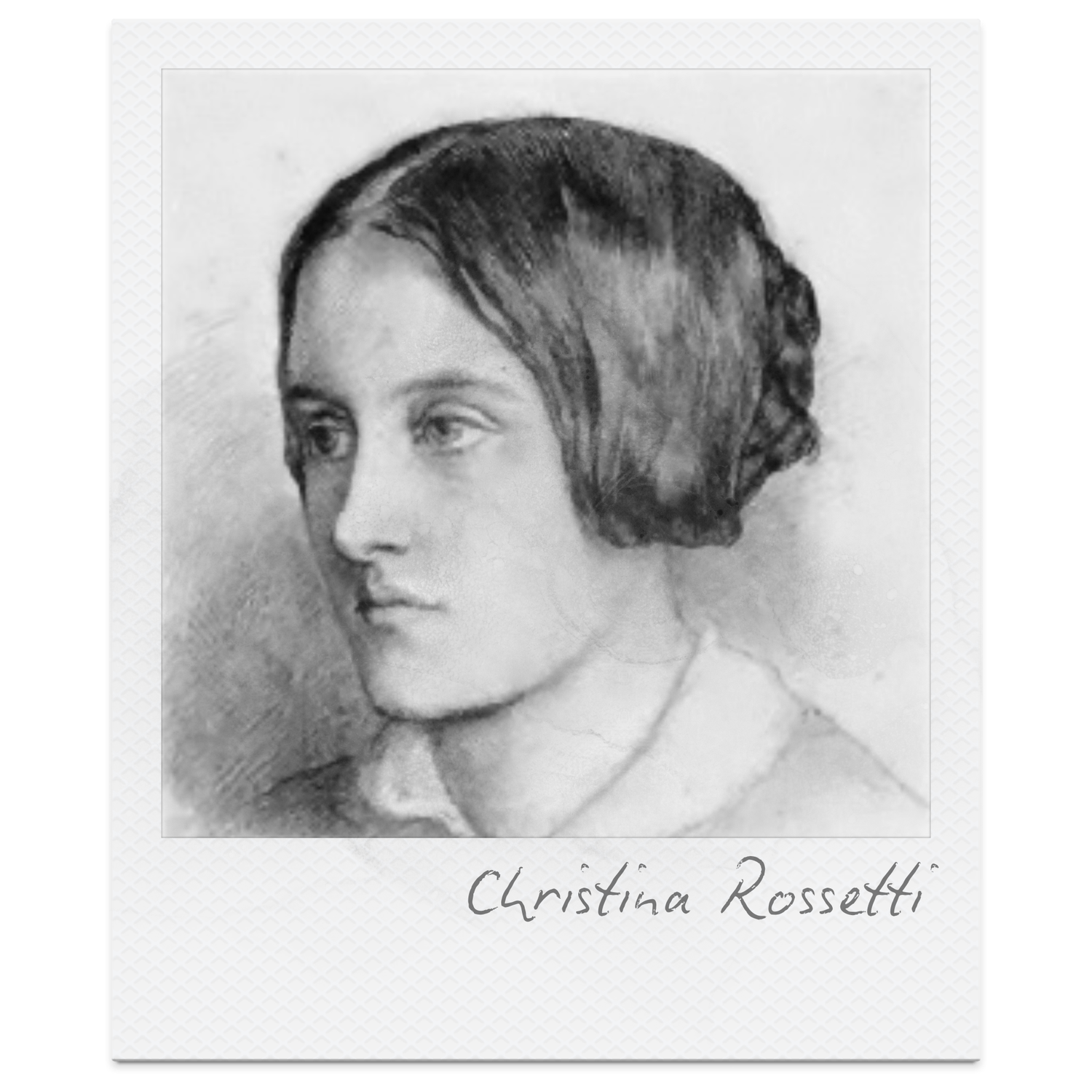
Christina Rossetti frequently explored themes of longing, emotional restraint, and imagined futures, shaped by the expectations placed on women in the Victorian period. In Somewhere or Other, the speaker imagines the existence of a future connection — someone who has not yet answered her words but who might exist somewhere beyond the boundaries of her present life. The poem captures Rossetti’s recurring interest in unfulfilled or anticipated love, where the emotional focus lies not on a relationship that already exists but on one that might one day appear.
Rossetti’s own life provides an important background for this perspective. She experienced several broken engagements and moments of separation that influenced her writing about distance, waiting, and spiritualised love. Rather than presenting romance as immediate fulfilment, her poetry often reflects on the emotional space between desire and reality. In this poem, the imagined beloved becomes almost symbolic — representing hope, destiny, and the possibility of connection somewhere beyond the speaker’s present world.
To understand Rossetti’s poetry more fully, it also helps to explore the Victorian cultural and religious influences that shaped her writing. You can read more about these influences in the Christina Rossetti context guide, which explores the historical background, literary influences, and key themes that appear across her work.
Somewhere or Other: At a Glance
Form: Lyric poem with regular quatrains
Mood: Hopeful, wistful, and contemplative
Central tension: The speaker longs for a connection that has not yet appeared, imagining that somewhere in the world there exists a person who will finally respond to her emotional call.
Core themes: longing, destiny, distance, imagined love, hope
One-sentence meaning:
Rossetti’s poem reflects on the possibility that somewhere in the world there exists a person destined to answer the speaker’s love, even if that meeting has not yet happened.
Quick Summary of Somewhere or Other
At the beginning of the poem, the speaker imagines that somewhere in the world there must exist a person who has not yet appeared in her life but who is destined to respond to her words and emotions. The repeated phrase “somewhere or other” introduces the central idea that this connection already exists, even if it remains unseen and unheard. The speaker’s voice carries a mixture of hope and quiet sadness, suggesting that this imagined relationship has not yet been realised.
The poem then expands outward, describing the possible distance between the speaker and this unknown person. The imagined figure may exist beyond land and sea, beyond the wandering moon and the stars, emphasising the vastness of the world and the uncertainty of whether the two will ever meet. Rossetti uses this widening sense of distance to reinforce the emotional tension of the poem: the speaker believes the connection exists, yet it remains out of reach.
In the final stanza, the poem shifts slightly as the speaker considers the possibility that this person may actually be very close — separated only by a wall, a hedge, or the passing of time. The image of the “last leaves of the dying year” suggests the movement of seasons and the slow passage of life. By ending with the image of fallen leaves on green grass, Rossetti leaves the poem suspended between distance and nearness, uncertainty and hope, reinforcing the idea that the connection the speaker longs for may exist somewhere just beyond her sight.
Title, Form, Structure, and Metre in Somewhere or Other
Christina Rossetti’s Somewhere or Other uses a carefully balanced poetic structure that reflects the poem’s central idea of patient longing and imagined connection. The poem’s lyrical rhythm and repeating phrasing create a tone that feels both hopeful and reflective, mirroring the speaker’s quiet belief that somewhere in the world a destined meeting may still occur.
Title
The title Somewhere or Other immediately establishes the poem’s central idea of uncertain location and imagined possibility. Rather than identifying a specific place, the phrase suggests a vague but persistent belief that something meaningful exists beyond the speaker’s present knowledge. The repetition of this phrase throughout the poem reinforces the sense that the speaker is searching for — or imagining — a connection that lies somewhere beyond her immediate experience. In this way, the title reflects the poem’s themes of hope, distance, and emotional anticipation.
Form and Structure
The poem is structured in three quatrains, creating a clear and balanced progression of thought. Each stanza expands the speaker’s reflection, moving from the idea that a connection must exist somewhere in the world, to the possibility that this connection might be unimaginably distant, and finally to the suggestion that it may actually be very close.
This structural movement mirrors the emotional development of the poem. The first stanza introduces the speaker’s belief that someone exists who has not yet answered her words. The second stanza widens the imagined distance between the speaker and this unknown person, suggesting they may be separated by vast landscapes or even cosmic space. The final stanza narrows this distance again, proposing that the separation might be far smaller than imagined — perhaps only a wall or hedge away. Through this pattern of expansion and contraction, Rossetti captures the shifting nature of hope, doubt, and possibility.
Rhyme Scheme and Poetic Pattern
Rossetti uses a consistent ABAB rhyme scheme, which contributes to the poem’s smooth and reflective rhythm. This alternating pattern creates a sense of balance and musicality that suits the contemplative tone of the poem. The rhyme subtly links the speaker’s ideas across each stanza, reinforcing the sense that her thoughts return repeatedly to the same hopeful belief.
Because the rhyme scheme remains steady throughout the poem, it creates a feeling of emotional continuity. Even as the speaker imagines distances across land, sea, and sky, the consistent rhyme pattern suggests an underlying order — reinforcing the idea that the connection she imagines may be part of a larger sense of fate or destiny.
Metre and Rhythmic Movement
The poem’s metre contributes significantly to its gentle, lyrical tone. Rossetti primarily uses iambic rhythm, in which an unstressed syllable is followed by a stressed syllable. This pattern creates a natural, speech-like flow that supports the poem’s reflective voice.
The first and third lines of each stanza are typically written in iambic pentameter, providing a longer, more expansive rhythm that suits the poem’s contemplative imagery:
someWHERE | or OTH | er THERE | must SURE | ly BE
The second lines tend to shorten slightly into iambic tetrameter, while the final lines contract further into iambic trimeter. This gradual shortening of the line length creates a subtle rhythmic compression at the end of each stanza, drawing the reader back to the speaker’s central emotional thought.
This pattern of expanding and contracting line lengths echoes the poem’s thematic movement between distance and closeness. Just as the speaker imagines the beloved as both far away and possibly near, the metre moves between longer and shorter rhythms, reinforcing the poem’s atmosphere of uncertain but hopeful expectation.
The Speaker in Somewhere or Other
The speaker of Somewhere or Other appears to be a reflective and introspective voice contemplating the possibility of a future emotional connection. The poem is written in the first person, which creates a sense of personal intimacy and allows readers to experience the speaker’s quiet longing directly. Rather than describing a specific relationship, the speaker imagines the existence of someone who has not yet appeared in her life but who may one day respond to her words and feelings.
The tone of the speaker is gentle, hopeful, and slightly melancholic. The phrase “ah me!” in the first stanza introduces a moment of emotional vulnerability, suggesting that the speaker feels the absence of this connection deeply. At the same time, the repeated belief that this person must exist “somewhere or other” reveals an underlying optimism. The speaker does not abandon hope; instead, she continues to imagine the possibility that this connection is simply waiting to be discovered.
Importantly, the speaker never identifies the imagined person directly. This lack of specificity makes the poem feel universal, allowing readers to interpret the figure as a future lover, a destined companion, or even a symbolic representation of emotional fulfilment. Rossetti often explores themes of waiting, patience, and spiritualised love, and the speaker’s voice reflects this tendency. The poem therefore becomes less about a particular relationship and more about the broader human experience of hoping that somewhere in the world there exists a person or connection that will answer our deepest emotional needs.
Stanza-by-Stanza Analysis of Somewhere or Other
A close reading of Somewhere or Other reveals how Christina Rossetti develops the poem’s central ideas through repetition, imagery, and shifts in perspective. Each stanza gradually expands and then narrows the imagined distance between the speaker and the unknown person she longs to encounter.
By examining the poem stanza by stanza, it becomes possible to see how Rossetti builds the emotional movement of the poem. The speaker begins with the belief that someone must exist who will answer her words, then imagines this person across vast landscapes and even cosmic distances, before finally suggesting that the separation between them may be far smaller than it seems. Through these shifting images, the poem explores the tension between distance and nearness, uncertainty and hope.
Stanza 1: Imagining the Unseen Beloved
The opening stanza introduces the poem’s central emotional idea: the belief that somewhere in the world there exists a person who has not yet answered the speaker’s emotional call. The repeated phrase “somewhere or other” immediately creates a tone of searching uncertainty, suggesting that the speaker does not know where this connection exists but feels certain that it must.
Rossetti emphasises absence through a sequence of negations: “the face not seen,” “the voice not heard,” and “the heart that not yet… made answer to my word.” These phrases highlight the gap between the speaker’s inner world and her external reality. The connection she imagines has not yet appeared in her life, but the speaker continues to believe that such a person must exist somewhere.
The interruption “—never yet—ah me!” introduces a moment of emotional vulnerability. The exclamation reveals the speaker’s awareness that this hoped-for connection has remained unrealised for a long time. At the same time, the phrase “never yet” implies that the possibility has not been completely lost. The word “yet” leaves open the hope that the imagined response may still arrive in the future.
By the end of the stanza, Rossetti has established the poem’s central tension: the speaker is surrounded by absence, yet she remains convinced that somewhere beyond her present experience there exists a person whose voice, face, and heart will one day answer her own.
Stanza 2: Imagining Vast Distances
In the second stanza, the speaker expands her imagination outward, considering the immense distances that might separate her from the person she longs to encounter. The repeated phrase “somewhere or other” reinforces the poem’s central uncertainty, while the added phrase “may be near or far” introduces the possibility that the connection could exist anywhere in the world.
Rossetti then moves through increasingly expansive imagery. The speaker imagines the unknown person “past land and sea, clean out of sight,” suggesting a separation that stretches beyond ordinary geographical boundaries. This phrasing emphasises both physical distance and emotional uncertainty, as the imagined figure remains completely invisible to the speaker.
The imagery becomes even more expansive as the poem turns toward the sky. The beloved may exist “beyond the wandering moon, beyond the star / That tracks her night by night.” By extending the imagined distance into the cosmic realm, Rossetti heightens the sense of separation between the speaker and the unknown figure. The movement from land and sea to celestial imagery suggests that the connection the speaker longs for might lie far beyond her current world.
At the same time, the steady rhythm and balanced imagery prevent the stanza from feeling hopeless. Instead, the speaker’s imagination continues to search outward, reinforcing the poem’s central idea that somewhere — however distant — the connection she seeks may still exist.
Stanza 3: The Possibility of Nearness
In the final stanza, Rossetti introduces a subtle but important shift in perspective. After imagining vast distances across land, sea, and even the cosmos, the speaker now considers the possibility that the unknown person may actually be much closer than she previously imagined. The phrase “may be far or near” reverses the wording from the previous stanza, suggesting that distance itself is uncertain and perhaps less significant than the speaker once believed.
Instead of cosmic imagery, Rossetti turns to small, domestic boundaries. The imagined separation may be only “a wall” or “a hedge” between the speaker and the unknown figure. These images suggest ordinary physical barriers rather than impossible distances, implying that the connection the speaker longs for might exist within the same community or landscape.
The final lines introduce seasonal imagery with “the last leaves of the dying year / Fallen on a turf grown green.” This image reflects the passage of time while also hinting at renewal. The “dying year” suggests endings and change, while the green turf beneath the fallen leaves implies continued life and growth. Through this contrast, Rossetti suggests that even as time moves forward and opportunities seem to pass, new beginnings may still be possible.
By ending the poem with this image, Rossetti leaves the reader suspended between uncertainty and hope. The beloved may be unimaginably distant, or they may be just beyond a simple boundary, waiting to be discovered. The poem therefore closes with the idea that the connection the speaker longs for may exist somewhere closer than she realises.
Key Quotes from Somewhere or Other
Although the poem is short, several lines capture its central ideas of longing, imagined connection, distance, and hope. These quotations highlight how Rossetti expresses the speaker’s belief that somewhere in the world there exists a person who will eventually answer her emotional call.
“Somewhere or other there must surely be”
◆ The repeated phrase establishes the poem’s central theme of hopeful uncertainty, suggesting the speaker believes in the existence of a destined connection even without evidence.
◆ The adverb “surely” reveals the speaker’s emotional conviction, emphasising that this belief is grounded in hope rather than certainty.
◆ Rossetti’s repetition of this phrase throughout the poem reinforces the speaker’s persistent search for connection and meaning.
“The face not seen, the voice not heard”
◆ Rossetti uses parallel phrasing to emphasise absence and distance, highlighting that the speaker has not yet encountered the person she imagines.
◆ The focus on face and voice reflects the human desire for recognition and communication, both essential aspects of emotional intimacy.
◆ The phrasing reinforces the poem’s atmosphere of longing, as the speaker imagines a relationship that has not yet taken shape.
“The heart that not yet—never yet—ah me!”
◆ The interruption “ah me!” introduces a brief emotional outburst that reveals the speaker’s sadness and frustration.
◆ The repetition of “not yet—never yet” emphasises the length of time the speaker has waited for this imagined connection.
◆ At the same time, the word “yet” implies that the possibility still remains open.
“Made answer to my word”
◆ This line highlights the speaker’s desire for reciprocity and emotional recognition.
◆ The phrase suggests that the speaker has already expressed feeling, but no response has yet been returned.
◆ Rossetti presents love as something that requires mutual acknowledgement rather than solitary longing.
“Past land and sea, clean out of sight”
◆ The phrase expands the poem’s imagery into a sense of vast geographical distance.
◆ Rossetti suggests the imagined connection may exist far beyond the speaker’s immediate world.
◆ The wording “clean out of sight” emphasises the total invisibility of this unknown person.
“Beyond the wandering moon, beyond the star”
◆ The poem briefly moves into cosmic imagery, intensifying the sense of distance between the speaker and the unknown figure.
◆ The moon and stars evoke the passage of time and the vastness of the universe.
◆ Celestial imagery can also suggest destiny and fate, reinforcing the idea of a connection that may already exist somewhere.
“With just a wall, a hedge, between”
◆ This line sharply contrasts with the previous cosmic imagery by introducing small, everyday barriers.
◆ The separation between the speaker and the imagined person may be surprisingly small.
◆ Rossetti uses this contrast to reinforce the poem’s central tension between distance and nearness.
“The last leaves of the dying year / Fallen on a turf grown green”
◆ Seasonal imagery symbolises time passing and cycles of renewal.
◆ The “dying year” suggests endings, while the green turf implies continuing life and growth.
◆ Rossetti ends the poem with an image that balances melancholy with quiet hope, leaving open the possibility that the imagined connection may still appear.
Key Techniques in Somewhere or Other
Christina Rossetti uses a range of poetic techniques to explore the poem’s central ideas of longing, imagined connection, distance, and hope. Through repetition, carefully structured imagery, and shifts in scale from vast landscapes to small domestic boundaries, Rossetti creates a reflective atmosphere that mirrors the speaker’s belief that somewhere in the world there exists a person who will eventually answer her words.
◆ Anaphora – The repeated phrase “Somewhere or other” appears at the beginning of each stanza. This repetition reinforces the speaker’s persistent belief that a meaningful connection exists somewhere, even if its location remains unknown. The technique also creates a rhythmic sense of searching, mirroring the speaker’s ongoing emotional longing.
◆ Repetition – Rossetti repeats key ideas such as “somewhere,” “near,” and “far”, reinforcing the poem’s focus on uncertainty and possibility. This repetition emphasises the speaker’s continual return to the same hopeful belief that the connection she imagines must exist somewhere.
◆ Celestial imagery – References to “the wandering moon” and “the star / That tracks her night by night” introduce imagery associated with the night sky. These celestial images emphasise the vastness of the world while also suggesting ideas of destiny and guidance, as stars have traditionally symbolised fate or direction.
◆ Geographical imagery – Rossetti uses references to land and sea to evoke physical distance and separation. These images suggest that the imagined connection may exist far beyond the speaker’s immediate world, reinforcing the sense of searching across unknown spaces.
◆ Contrast – The poem contrasts extreme distances with surprisingly small barriers. After imagining separation across land, sea, and even the heavens, the final stanza suggests the speaker and the unknown figure might be separated by only “a wall” or “a hedge.” This contrast reinforces the poem’s central tension between distance and nearness.
◆ Symbolism – The final image of “the last leaves of the dying year” symbolises the passage of time and the ending of one stage of life. However, the image of “turf grown green” beneath the fallen leaves suggests renewal and continued growth, balancing melancholy with hope.
◆ Seasonal imagery – The reference to the “dying year” introduces the idea of changing seasons, suggesting the gradual passage of time. Rossetti uses this natural imagery to reflect emotional cycles of waiting, loss, and the possibility of new beginnings.
◆ Gradual expansion and contraction of scale – The poem moves from the personal absence of an unseen face and unheard voice, to vast geographical and celestial distances, before narrowing again to small boundaries like a wall or hedge. This shift in scale mirrors the speaker’s fluctuating imagination as she considers both the immense and intimate possibilities of connection.
◆ Lyrical rhythm – The poem’s steady iambic rhythm creates a calm, reflective tone. This musical quality reinforces the speaker’s contemplative voice and suggests a form of patient, quiet hope rather than dramatic emotional intensity.
Themes in Somewhere or Other
Rossetti’s poem explores several interconnected themes centred on longing, imagined love, distance, destiny, and hope. Through repetition and expanding imagery, the poem examines the emotional experience of believing that somewhere in the world there exists a person who will one day answer the speaker’s voice. Rather than presenting love as an existing relationship, Rossetti focuses on the psychological space between absence and possibility.
Longing
At the heart of the poem lies a deep sense of longing for connection. The speaker imagines someone whose “face not seen” and “voice not heard” have not yet entered her life. These phrases emphasise absence, highlighting the gap between the speaker’s emotional desire and her present reality.
However, Rossetti presents longing not simply as sadness but as a sustained emotional state. The phrase “never yet” suggests that the speaker has waited for a long time, yet the inclusion of the word “yet” keeps the future open. The longing therefore becomes a form of patient expectation rather than despair.
This sense of yearning is typical of Rossetti’s poetry, where emotional fulfilment is often delayed, uncertain, or spiritualised rather than immediately realised.
Imagined Love
The poem also explores the theme of imagined love. The relationship the speaker describes does not yet exist in reality, but it is vividly present in her imagination. The unknown person becomes a kind of emotional projection — someone who represents the possibility of being understood and answered.
Rossetti therefore examines how the human mind constructs images of future relationships. The imagined beloved becomes a symbolic figure rather than a specific individual. In this way, the poem suggests that love may begin as an idea or expectation long before it becomes a lived experience.
The poem’s repeated speculation about where this person might exist reveals the speaker’s attempt to give shape to something that remains fundamentally unknown.
Distance
The theme of distance shapes much of the poem’s imagery. The speaker imagines the unknown figure existing “past land and sea”, expanding the idea of separation across vast geographical spaces. The imagery then moves further outward to the heavens, placing the imagined connection “beyond the wandering moon” and the stars.
This gradual widening of distance reflects the uncertainty surrounding the speaker’s hope. The beloved might be impossibly far away, existing somewhere beyond the limits of the speaker’s world.
However, Rossetti deliberately destabilises this sense of distance in the final stanza. The imagined separation may be only “a wall” or “a hedge” between the speaker and the unknown figure. By moving from cosmic scale to everyday boundaries, Rossetti suggests that emotional distance may not correspond to physical distance. What seems far away may in fact be very close.
Destiny
The poem also hints at the idea of destiny. The celestial imagery of the moon and stars introduces associations with guidance, cycles, and predetermined movement. Stars traditionally symbolise fate or direction, suggesting that human lives may follow paths that eventually lead to significant encounters.
By linking the imagined relationship to these celestial bodies, Rossetti subtly suggests that the connection the speaker longs for may already exist within a larger pattern of destiny. The meeting has not yet happened, but it may already be written somewhere beyond the speaker’s knowledge.
This idea reinforces the speaker’s confidence that the person she imagines “must surely be” somewhere in the world.
Hope
Despite the poem’s focus on absence, its emotional tone remains grounded in hope. The repeated phrase “somewhere or other” expresses a quiet but persistent faith that the connection the speaker imagines exists somewhere, even if it cannot yet be found.
The final stanza reinforces this hopeful perspective. While the image of the “dying year” suggests endings and the passing of time, the “turf grown green” beneath the fallen leaves introduces the idea of renewal. Life continues beneath apparent decline, just as the possibility of connection remains alive beneath the speaker’s waiting.
Rossetti therefore ends the poem in a state of suspended expectation. The beloved may be distant or near, unseen but still possible. The poem’s lasting impression is not one of loss, but of hope that somewhere in the world a destined answer still exists.
Alternative Interpretations of Somewhere or Other
Rossetti’s poem is deliberately open in its meaning, allowing readers to interpret the speaker’s imagined connection in different ways. While the poem appears to describe the hope of meeting someone who will answer the speaker’s emotional call, the identity of this unknown figure is never clearly defined. As a result, the poem can be explored through several interpretive lenses that reveal different aspects of Rossetti’s themes of longing, hope, distance, and destiny.
Romantic Interpretation: A Destined Meeting
The most direct interpretation reads the poem as an expression of romantic longing. The speaker imagines that somewhere in the world there exists a person whose “face not seen” and “voice not heard” will eventually answer her words. This imagined figure becomes a future lover or companion whose presence will transform the speaker’s emotional isolation.
In this interpretation, the poem reflects the hopeful belief in destined love. The speaker does not know where this person exists, but she feels certain that the connection is waiting somewhere. The repeated phrase “somewhere or other” therefore expresses faith that the right person exists, even if the meeting has not yet taken place.
Religious Interpretation: Spiritual Longing
Given Rossetti’s deep Christian faith, the poem can also be read through a religious lens. The unknown figure may represent a form of spiritual fulfilment rather than a literal romantic partner. The speaker’s desire for a voice that will “answer” her words could symbolise a longing for divine response or spiritual reassurance.
The celestial imagery of the moon and stars strengthens this interpretation. Rossetti frequently used heavenly imagery to suggest the presence of a larger spiritual order guiding human lives. In this reading, the poem reflects a soul searching for spiritual connection or divine understanding within a vast and mysterious world.
Psychological Interpretation: The Mind’s Imagined Companion
From a psychological perspective, the poem explores how people construct imagined connections in response to emotional loneliness. The unknown person may not represent a specific individual but rather the speaker’s projection of her own desire for recognition and understanding.
The poem repeatedly describes a person who has not yet appeared in the speaker’s life. This imagined figure becomes a symbolic presence representing the speaker’s hope that somewhere there exists someone who will truly understand her. Rossetti therefore captures the way the human mind often creates idealised relationships that exist first in imagination before they become reality.
Existential Interpretation: The Search for Meaning
An existential reading shifts the focus from romantic love to the broader human search for meaning and connection. The speaker’s belief that someone somewhere will answer her words reflects the universal desire to find recognition in a vast and often impersonal world.
The imagery of land, sea, moon, and stars emphasises the immense scale of existence. Against this backdrop, the speaker’s hope for connection becomes both fragile and powerful. The poem can therefore be read as a meditation on humanity’s attempt to find purpose, companionship, and understanding within an enormous and uncertain universe.
Feminist Interpretation: Waiting in a Restricted World
The poem can also be interpreted through a feminist lens, reflecting the social limitations placed on Victorian women. During Rossetti’s time, women often had limited freedom to shape their own romantic futures or actively seek relationships.
Within this context, the speaker’s hope that someone will eventually answer her words may reflect the passive role Victorian society often assigned to women. Rather than actively searching for love, the speaker must wait for the connection to appear. The poem therefore captures the emotional tension between desire and restriction, highlighting how hope and imagination can become ways of navigating a constrained social world.
Teaching Ideas for Somewhere or Other
Rossetti’s poem works well in the classroom because it combines clear imagery, accessible structure, and interpretive openness. Students can explore themes such as longing, destiny, imagined love, and distance, while also analysing how Rossetti’s use of repetition, imagery, and metre shapes meaning. The poem is particularly useful for introducing students to multiple interpretations, as the identity of the imagined figure is never explicitly defined.
1. Distance and Imagery Mapping
Ask students to trace the movement of imagery across the poem.
Students identify the different scales of distance Rossetti describes:
◆ personal absence — “face not seen, voice not heard”
◆ geographical distance — “past land and sea”
◆ celestial distance — “beyond the wandering moon”
◆ domestic barriers — “a wall, a hedge”
Students can then discuss how Rossetti moves from vast distance to surprising closeness in the final stanza. This activity helps students recognise how imagery reflects emotional uncertainty within the poem.
2. Interpreting the Unknown Figure
Students debate the identity of the person the speaker imagines.
Divide the class into small groups and assign each group one interpretation:
◆ romantic interpretation (future lover)
◆ religious interpretation (divine response)
◆ psychological interpretation (imagined companion)
◆ existential interpretation (search for meaning)
Each group gathers evidence from the poem to support their interpretation and presents their argument to the class. This activity encourages students to recognise that poetry often supports multiple valid interpretations.
3. Analytical Paragraph: Critique and Improve
Provide students with the following analytical paragraph. Ask them to identify strengths, weaknesses, and possible improvements, or continue the paragraph into a longer analytical response.
Model analytical paragraph:
Christina Rossetti’s Somewhere or Other explores the theme of longing through the speaker’s belief that somewhere in the world there exists a person who will answer her words. The repeated phrase “somewhere or other” emphasises the uncertainty surrounding this imagined connection while also suggesting hope that it may one day be realised. Rossetti also uses imagery of distance, such as “past land and sea” and “beyond the wandering moon,” to highlight the vast separation between the speaker and the person she imagines. However, the final stanza suggests the distance may be smaller than expected, as the speaker considers that only “a wall” or “a hedge” may lie between them. This contrast reinforces the idea that the connection the speaker longs for may exist somewhere closer than she realises.
Students can then:
◆ improve the analytical depth
◆ add discussion of metre or structure
◆ introduce an alternative interpretation
◆ extend the paragraph into a full essay response
4. Essay Questions
Students can respond to the poem through longer analytical questions such as:
How does Rossetti present longing and hope in Somewhere or Other?
Explore how Rossetti uses imagery of distance to develop meaning in the poem.
How does Rossetti suggest the idea of destiny or fate in Somewhere or Other?
To what extent is the poem about imagined love rather than real experience?
How does Rossetti use repetition and structure to shape the emotional tone of the poem?
5. Creative Extension
Students write a short poem or narrative imagining the perspective of the unknown person the speaker describes.
This task encourages students to explore the poem’s central tension: whether the imagined connection truly exists, or whether it remains only a hopeful possibility.
Go Deeper into Somewhere or Other
Rossetti’s poem forms part of a wider pattern in her work exploring longing, imagined love, distance, and spiritual hope. Many of her poems examine relationships that remain incomplete or uncertain, often focusing on the emotional tension between desire and restraint, presence and absence, hope and resignation. Reading Somewhere or Other alongside other Rossetti poems reveals how frequently she returns to these ideas, developing them through different speakers, situations, and symbolic imagery.
The following poems offer useful comparisons when studying Rossetti’s treatment of love, waiting, memory, and spiritual yearning.
◆ Echo – Like Somewhere or Other, this poem explores longing for someone who is absent. However, Echo introduces a dreamlike atmosphere where the speaker hopes the lost beloved may return through dreams or memory.
◆ Twice – This poem examines emotional vulnerability and rejection, exploring what happens when a speaker offers their heart and must confront the consequences of that exposure.
◆ Remember – Rossetti’s famous sonnet also focuses on the emotional space created by separation, exploring how memory and love persist even when physical presence is lost.
◆ A Better Resurrection – This poem introduces a more explicitly spiritual dimension to Rossetti’s writing, exploring themes of emotional emptiness and the hope for renewal through faith.
◆ Shut Out – Like Somewhere or Other, this poem deals with the pain of exclusion and separation, portraying a speaker who finds herself barred from a space that once held emotional meaning.
◆ Up-Hill – This allegorical poem explores the idea of life as a journey toward rest and fulfilment, reinforcing Rossetti’s recurring themes of patience, waiting, and ultimate arrival.
◆ An Apple-Gathering – This poem examines the consequences of premature desire and social judgement, providing an interesting contrast to the more hopeful anticipation expressed in Somewhere or Other.
◆ At Home – This poem explores memory and absence through the voice of a speaker who reflects on life from beyond death, offering another perspective on separation and emotional distance.
These poems together reveal how Rossetti repeatedly returns to questions about when and how emotional fulfilment becomes possible, often leaving her speakers suspended between longing and hope.
Final Thoughts
Somewhere or Other is a deceptively simple poem that captures a deeply human experience: the belief that somewhere in the world there exists a person who will finally answer our voice. Through repetition, expanding imagery, and gentle shifts in perspective, Rossetti transforms this idea into a meditation on longing, imagined love, destiny, and hope.
The poem moves between extremes of distance and nearness. At first, the imagined connection seems impossibly far away, located beyond land, sea, moon, and stars. Yet by the final stanza, the possibility emerges that the separation may be far smaller than expected — perhaps only a wall or hedge away. This movement between vast distance and quiet proximity reflects the uncertainty of human relationships and the way hope persists even when connection feels distant.
Rossetti ultimately leaves the poem unresolved. The unknown figure remains unseen, unheard, and unanswered, yet the speaker continues to believe that somewhere this connection exists. In doing so, the poem captures the fragile but enduring belief that meaningful encounters may still lie ahead, waiting to be discovered.
If you would like to explore more of Rossetti’s poetry, visit the Christina Rossetti poetry hub, where you can find analyses of her most studied poems and thematic comparisons across her work. You can also browse the wider Literature Library for poetry, prose, and drama resources designed to support literature study and classroom teaching.
Choose Your Next Text