Notes from the Inkpot
Writing, teaching, creating - one ink-stained idea at a time.


The Time Machine by Ray Bradbury: Summary, Themes, Meaning & Analysis
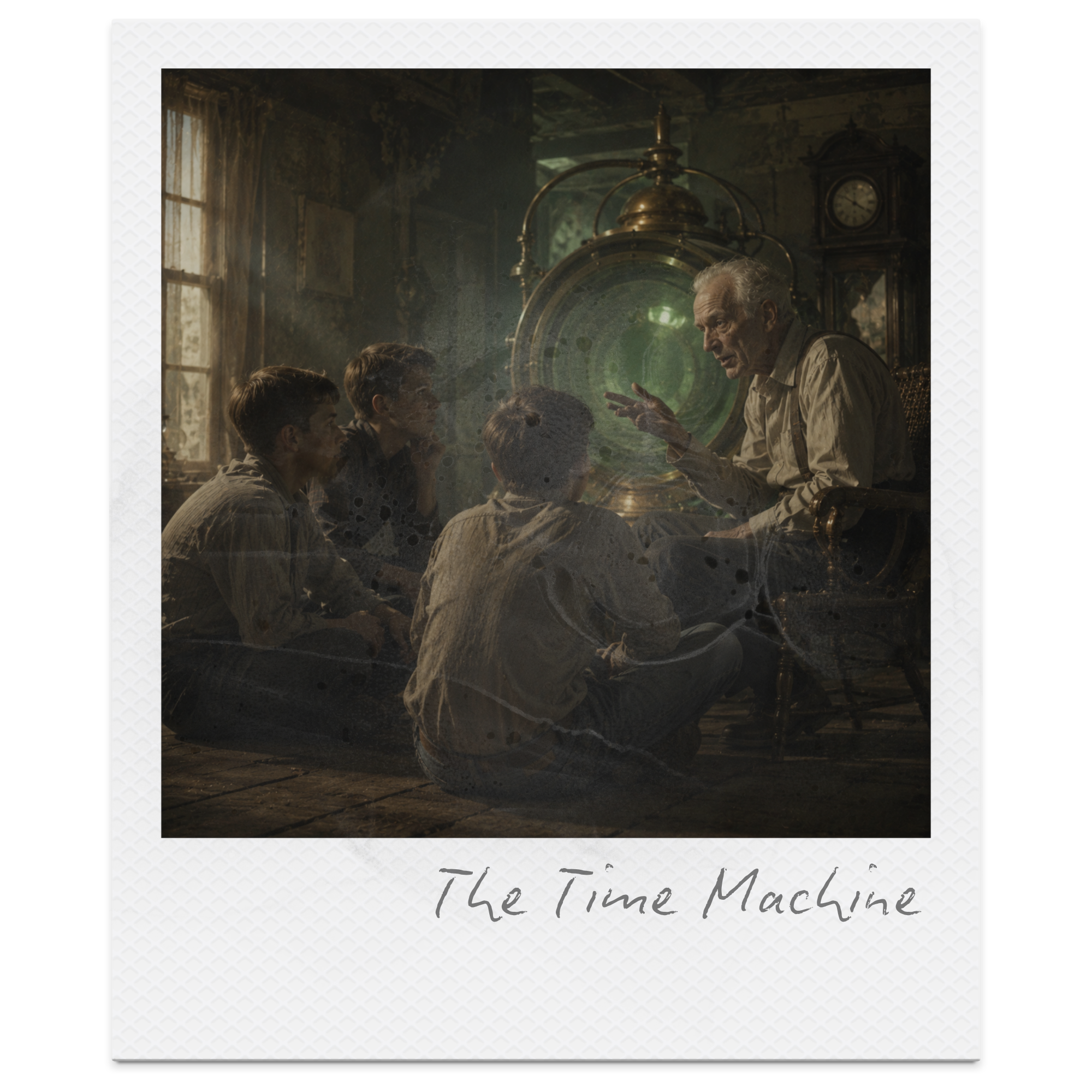
Explore our comprehensive The Time Machine analysis, featuring a clear summary, in-depth discussion of themes, characters, symbolism, structure, setting, important quotes, and literary techniques. Discover how Ray Bradbury transforms the idea of time travel into a moving exploration of memory, storytelling, history, and human connection, showing that the greatest journeys into the past are made through the experiences we preserve and the stories we choose to share.
Because I Liked You Better by A. E. Housman: Summary, Themes, Meaning & Analysis
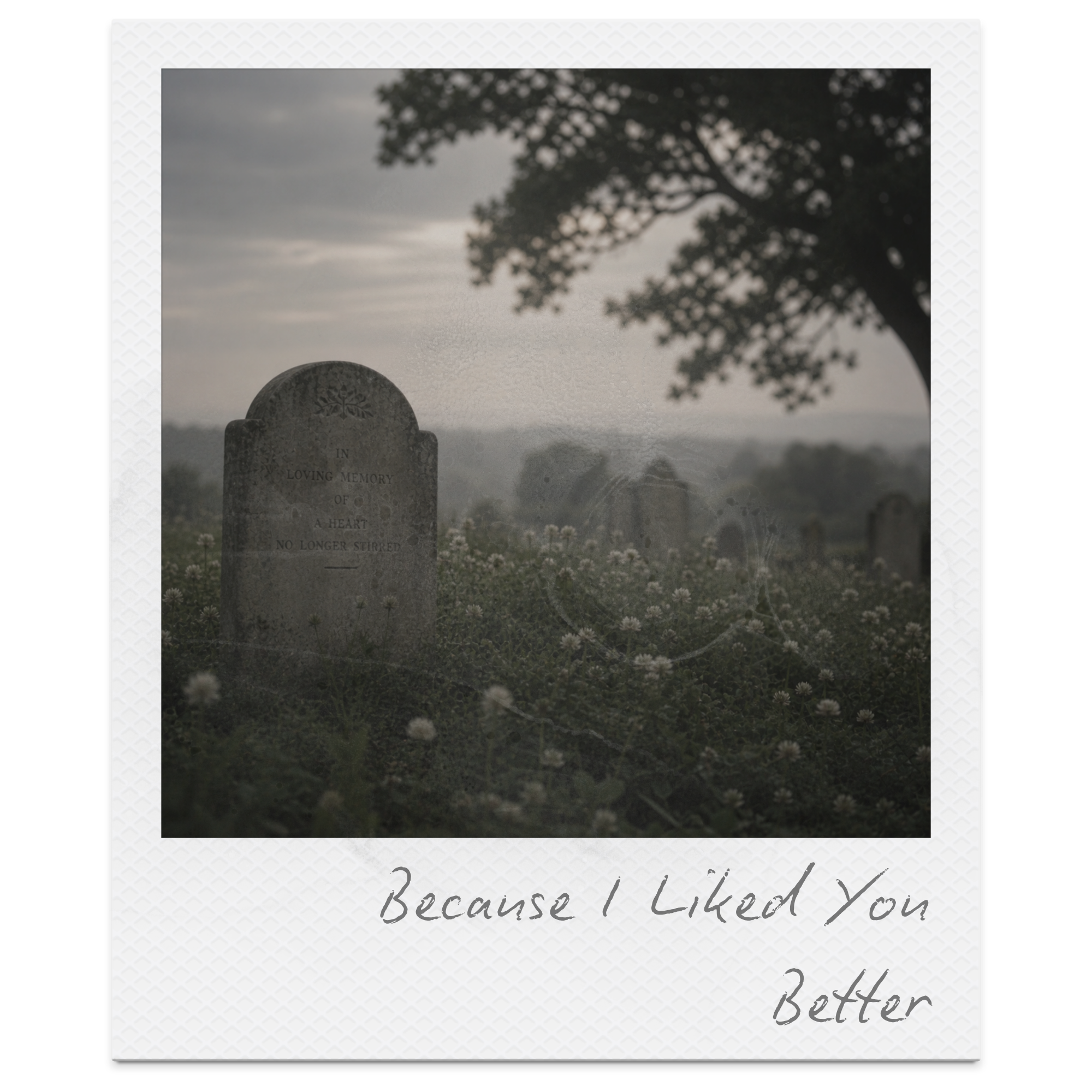
A. E. Housman’s Because I Liked You Better explores unspoken love, emotional restraint, and self-sacrifice, presenting a speaker who chooses to suppress personal desire in order to preserve dignity and honour. Through controlled language, regular structure, and understated imagery, the poem reveals the tension between inner feeling and outward behaviour, where love is not expressed but deliberately denied. This analysis examines how Housman uses understatement, symbolism, and structural progression to create meaning and impact, showing how the speaker’s identity becomes defined by keeping a promise rather than pursuing emotional fulfilment. Designed for IGCSE World Literature (0408), this guide supports precise, method-focused analysis of how writers shape meaning through restraint and control.
A Quoi Bon Dire by Charlotte Mew: Summary, Themes & Analysis
Charlotte Mew’s À Quoi Bon Dire explores enduring love, memory, and the tension between public perception and private truth, presenting a speaker who refuses to accept the finality of loss. Through parallel structure, structural contrast, and subtle shifts in voice, the poem reveals how emotional connection can persist beyond physical absence, challenging conventional ideas of death and separation. This analysis examines how Mew uses language, form, and temporal ambiguity to create meaning and impact, showing how the speaker’s quiet certainty resists social assumptions. With a focus on method → purpose → effect, this guide supports IGCSE World Literature (0408) students in developing strong, analytical responses.
Tears, Idle Tears by Alfred, Lord Tennyson: Summary, Themes & Analysis
Alfred, Lord Tennyson’s Tears, Idle Tears explores memory, loss, and emotional longing, capturing the powerful and often inexplicable nature of nostalgia. Through repetition, extended similes, and shifting imagery, the poem presents a speaker overwhelmed by emotion triggered not by a specific event, but by reflection on “the days that are no more.” Tennyson shows how memory can make the past feel vividly present while simultaneously reinforcing its irretrievable loss. As the poem develops, contrasting images of life and death, arrival and departure, and joy and sorrow deepen this emotional tension. The recurring refrain anchors the poem’s cyclical structure, while the final paradox, “O Death in Life,” reveals the central idea: that living with memory creates a constant awareness of absence. Rather than resolving this tension, Tennyson leaves the reader in a state of reflection, suggesting that the experience of memory is not something to be explained, but something to be felt.
One Art by Elizabeth Bishop: Summary, Themes & Analysis
Elizabeth Bishop’s One Art explores loss and emotional control through a tightly structured villanelle, presenting the idea that losing can be learned and mastered. Through repetition and an authoritative, instructional voice, the poem initially suggests that loss is manageable, using everyday examples to create a sense of calm and control. However, as the poem progresses, the scale of loss becomes more personal and emotionally significant, revealing cracks in this composure. Subtle shifts in tone and structure expose the tension between the speaker’s claims and her true feelings, ultimately suggesting that loss cannot be fully mastered, no matter how carefully it is framed.

Childhood by Frances Cornford: Summary, Themes & Analysis
Frances Cornford’s Childhood explores innocence, perception, and the sudden recognition of human vulnerability, as a child’s confident assumptions about adulthood are quietly dismantled. Through contrast, imagery, and a reflective first-person voice, the poem captures the moment when a child realises that ageing is not chosen or controlled, but something inevitable and unsettling. By structuring the poem around a shift from belief to observation, Cornford reveals that both youth and old age are defined by helplessness, creating a balanced but uncomfortable insight into the human condition. This transformation is made particularly powerful through the symbolic image of the unstrung beads, which represents the collapse of order and control, leaving a lasting impression on both the speaker and the reader.
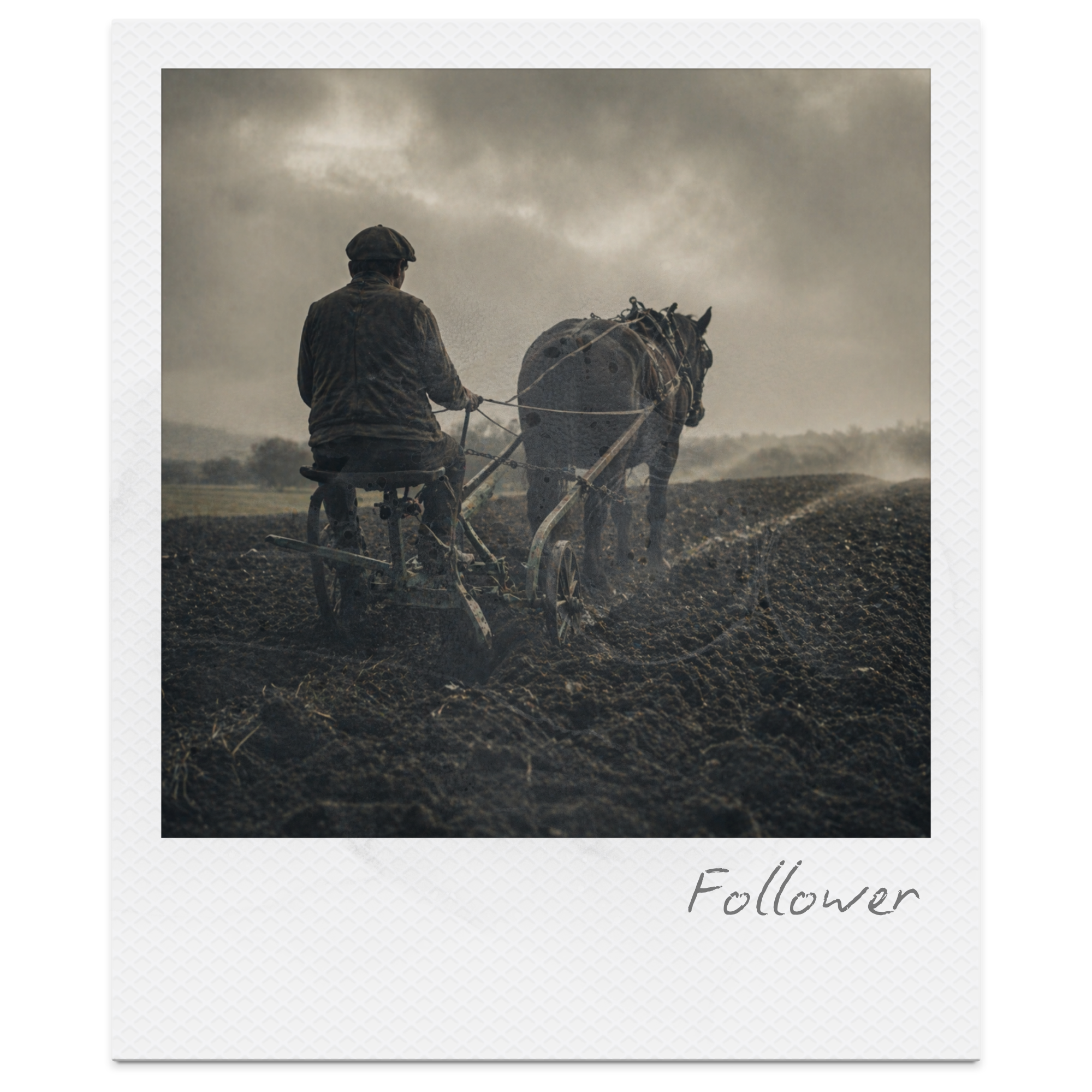
Follower by Seamus Heaney: Summary, Themes & Analysis
Seamus Heaney’s Follower explores admiration, identity, and the changing nature of family relationships through a reflective first-person voice. The poem presents the speaker’s father as a figure of strength, precision, and authority, using vivid imagery and controlled structure to elevate his skill as a ploughman. In contrast, the young speaker is portrayed as clumsy and dependent, creating a clear imbalance that reflects childhood hero-worship and the desire to imitate a parent. However, the poem’s meaning shifts in the final stanza, where Heaney introduces a subtle but powerful role reversal, revealing the father as the one who now “stumbles” behind the speaker. This transformation turns the poem into a reflection on time, ageing, and emotional complexity, as admiration gives way to a more unsettled awareness of changing roles. Through this contrast, Follower captures the tension between inheritance and independence, leaving the reader with a lasting sense of how relationships evolve over time.

The Rocket by Ray Bradbury: Summary, Themes, Meaning & Analysis
The Rocket by Ray Bradbury is a quietly powerful piece of speculative fiction that explores aspiration, inequality, and the emotional weight of unattainable dreams. Through the character of Fiorello Bodoni, Bradbury presents a world where space travel exists—but only for the wealthy—forcing ordinary people to confront the painful distance between possibility and access. As Bodoni listens to rockets “sighing in the dark sky,” the story establishes a deep sense of longing, framing space not as a destination, but as a symbol of everything just out of reach. As the narrative unfolds, Bradbury shifts the focus from physical reality to emotional truth, revealing that the journey itself is an illusion. Yet this illusion becomes profoundly meaningful, as Bodoni creates an experience his children will “remember… for always.” In doing so, the story challenges the idea that reality is inherently more valuable than imagination, suggesting instead that shared experience, memory, and love can hold greater significance than material achievement.
The Haunted Palace by Edgar Allan Poe: Summary, Themes, Meaning & Analysis
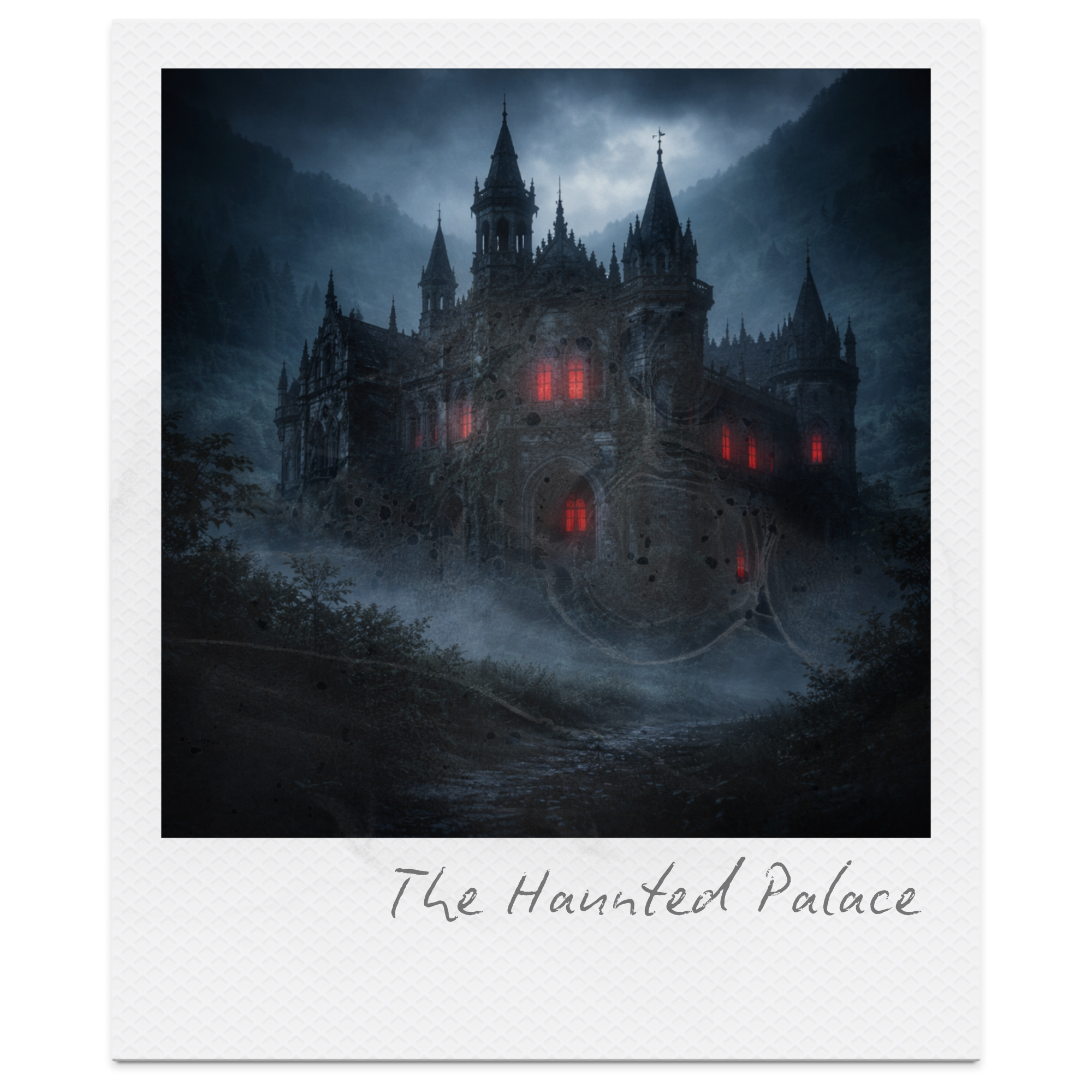
“The Haunted Palace” by Edgar Allan Poe is a hauntingly symbolic gothic poem that explores the fragile boundary between sanity and madness, using the image of a once-radiant palace to represent the human mind. Through rich imagery, musical language, and an extended allegory, Poe traces the gradual transformation from harmony and order to distortion and decay, creating a powerful depiction of psychological collapse. At its core, the poem moves beyond a simple narrative of decline, inviting multiple interpretations that explore memory, identity, and the instability of perception. As beauty becomes corruption and music turns to discord, the palace reflects not just a mind in ruin, but the unsettling idea that order itself may always contain the seeds of its own destruction.
Ulalume by Edgar Allan Poe: Summary, Themes, Meaning & Analysis
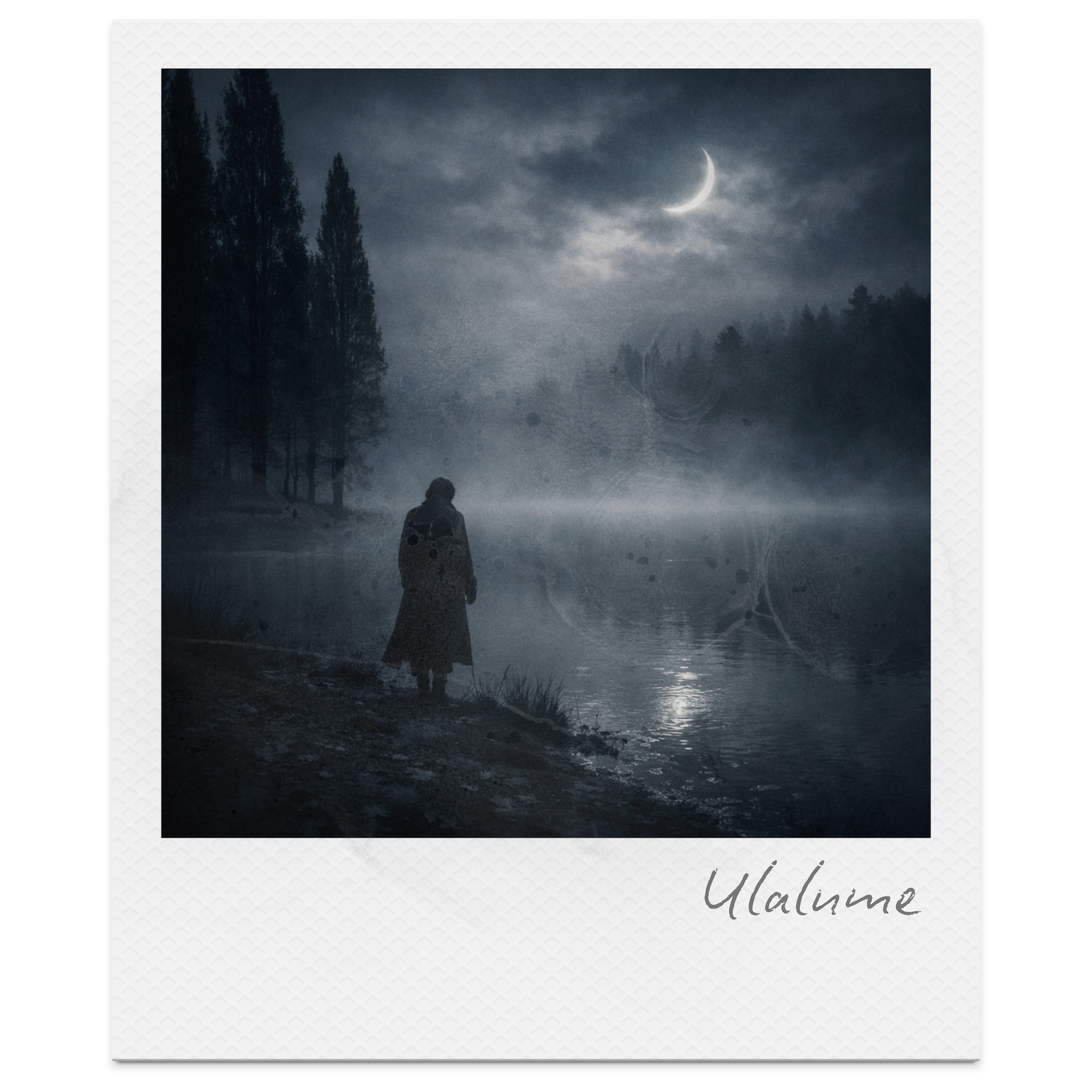
Edgar Allan Poe’s Ulalume is a haunting exploration of grief, memory, and the unconscious mind, unfolding through a dreamlike journey into a desolate, symbolic landscape. Following a speaker who unknowingly retraces his steps to the tomb of his lost love, the poem reveals how repressed memory continues to shape perception and behaviour, even when consciously denied. Through its hypnotic rhythm, repetition, and rich Gothic imagery, Poe creates a psychological experience that blurs the boundary between reality and illusion. At its core, Ulalume examines the tension between denial and recognition, as the speaker projects hope onto a mysterious celestial light, only to be led back to the very truth he seeks to avoid. The poem’s cyclical structure and layered symbolism reveal grief as something inescapable and deeply embedded, offering a powerful meditation on how the mind responds to loss. This analysis explores the poem’s structure, key themes, and techniques, providing a clear and insightful guide for students and teachers alike.
At Home by Christina Rossetti: Summary, Themes, Symbolism & Analysis
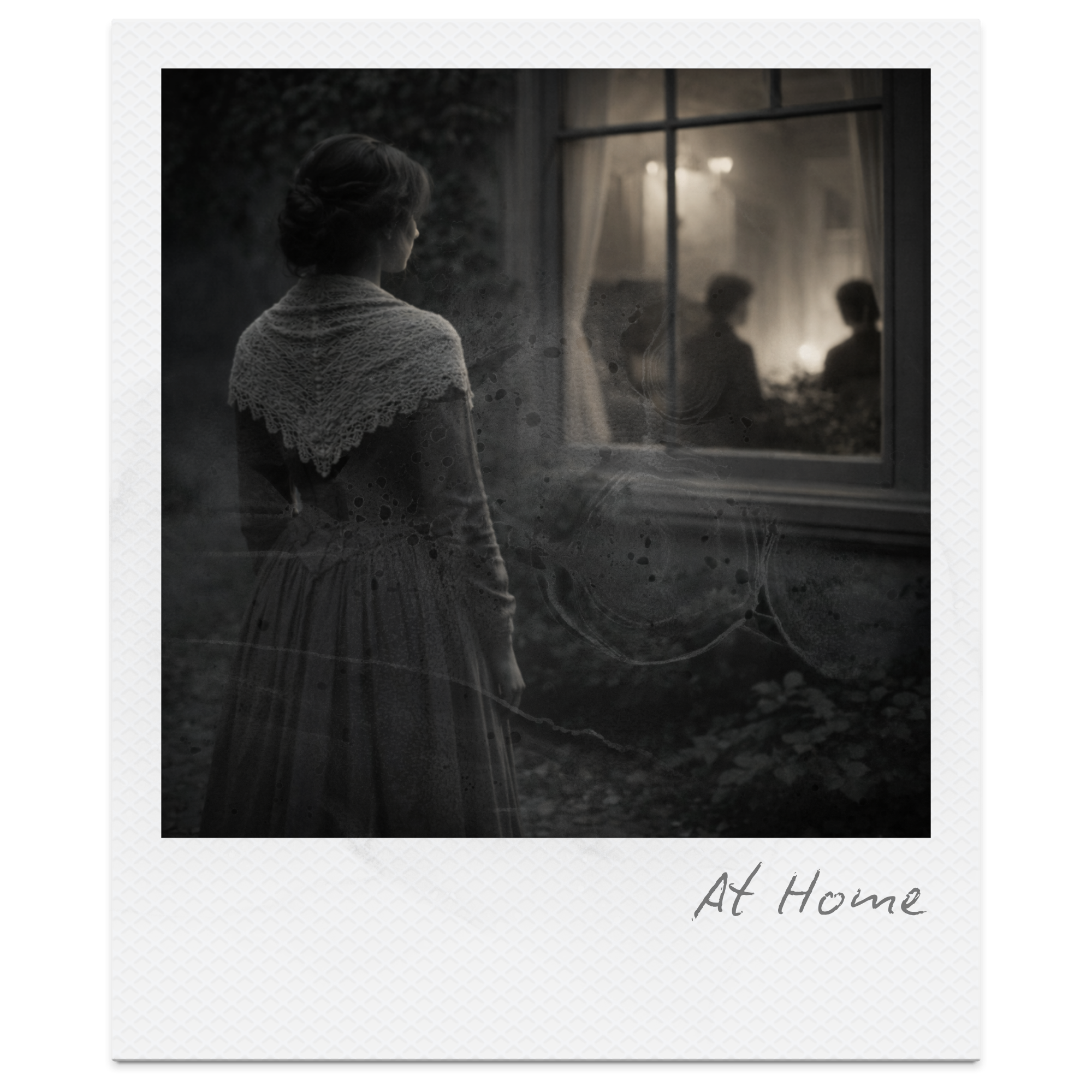
Christina Rossetti’s At Home presents a haunting meditation on death, memory, and emotional detachment, exploring what it means to be present yet entirely excluded. Through the perspective of a speaker who returns after death to observe her former life, the poem reveals the unsettling reality that the world continues unchanged. Rossetti contrasts the vitality and connection of the living with the speaker’s growing awareness of her own absence, creating a quiet but devastating sense of separation. As the poem unfolds, the speaker realises she has not only died, but been erased from memory and belonging. The living focus on “to-day” and “to-morrow,” while she becomes something entirely of the past—“yesterday.” Through imagery, structure, and perspective, Rossetti suggests that identity depends on recognition, participation, and shared experience, all of which fade with time. The result is a powerful reflection on the fragility of human connection and the unsettling possibility of being forgotten
Echo by Christina Rossetti: Summary, Themes, Symbolism & Analysis
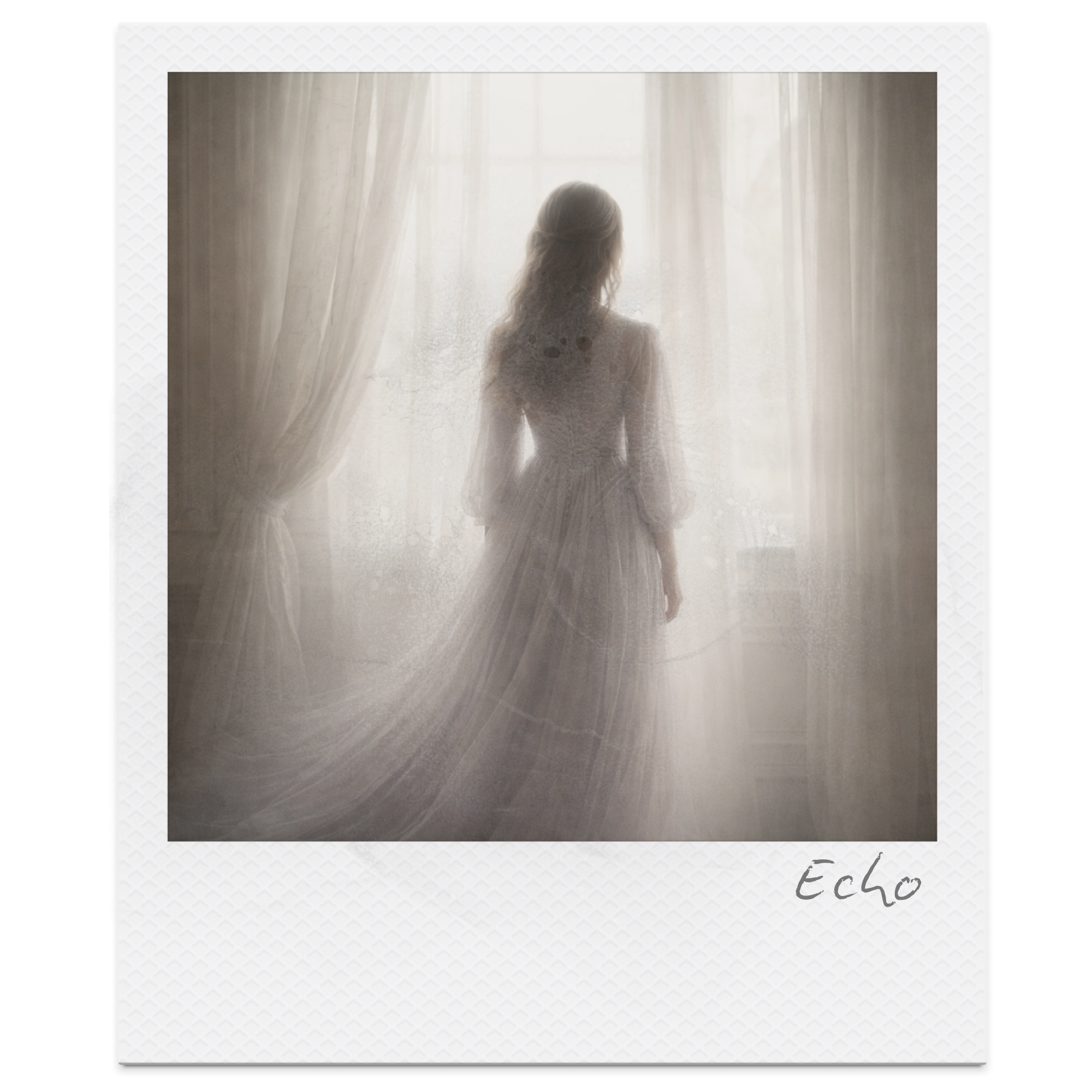
Christina Rossetti’s Echo is a haunting exploration of love, memory, and longing beyond death, where dreams become the only space for reunion. Through repetition, paradox, and lyrical imagery, the poem captures the tension between emotional closeness and physical absence, revealing how memory both sustains and intensifies grief. This analysis of Echo explores themes, structure, symbolism, and alternative interpretations, offering clear, in-depth insight into Rossetti’s presentation of desire, loss, and spiritual tension. Ideal for students and teachers, this guide breaks down the poem in a way that is both accessible and analytically rigorous.
Our Mothers, Lovely Women Pitiful by Christina Rossetti: Summary, Themes, Symbolism & Analysis
Christina Rossetti’s Our Mothers, Lovely Women Pitiful explores themes of memory, faith, and moral inheritance, presenting past generations as guiding figures whose lives continue to shape the present. Through its reflective tone and collective voice, the poem emphasises the importance of learning from experience and enduring with patience and belief. This analysis examines how Rossetti uses structure, language, and symbolism to balance reverence with uncertainty. As the poem shifts from shared instruction to personal doubt, it raises deeper questions about spiritual continuity, responsibility, and whether the past can truly offer reassurance in the present.
May by Christina Rossetti: Summary, Themes, Symbolism & Analysis
Christina Rossetti’s May reflects on the fleeting nature of youth and happiness through the lens of memory. The speaker recalls a bright spring day but admits they cannot fully explain what happened during that moment. Instead of describing the event itself, the poem focuses on the surrounding natural imagery—flowers not yet blooming, eggs waiting to hatch, and birds still paired with their mates. These details evoke a world poised at the beginning of growth, symbolising a time of youthful possibility and emotional promise. However, the second stanza reveals that the moment has already passed. The speaker reflects that the experience disappeared “with sunny May,” suggesting that joy and vitality fade as naturally as the seasons change. The poem ends with a stark contrast between the warmth of remembered spring and the speaker’s present state of being “old, and cold, and gray.” Through this movement from vivid recollection to reflective distance, Rossetti captures the bittersweet awareness that life’s sweetest moments often become most powerful only after they have already slipped away.
Heart’s Chill Between by Christina Rossetti: Analysis, Summary, Themes & Meaning
lost love, revealing how grief, memory, and emotional repression continue to shape the speaker’s inner life long after a relationship has ended. Through restrained language and reflective imagery, the poem shows how outward composure can conceal deeper psychological suffering. This analysis examines the poem’s themes, symbolism, structure, and key quotations, offering a detailed exploration of Rossetti’s portrayal of emotional restraint and unresolved grief. Ideal for GCSE and A Level literature study, the guide also includes teaching ideas and comparisons with other Rossetti poems.
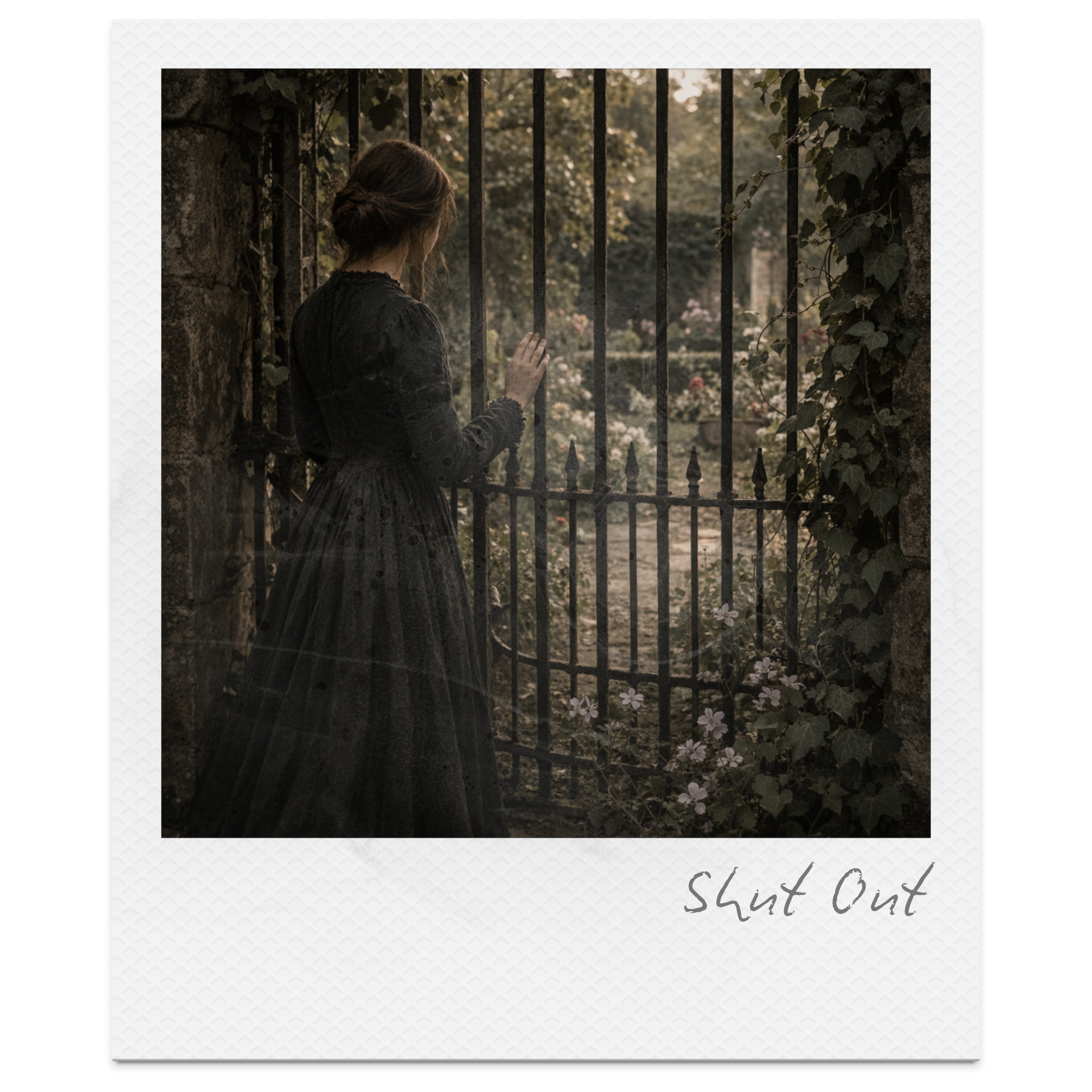
Shut Out by Christina Rossetti: Summary, Themes, Symbolism & Analysis
Shut Out explores the painful experience of being separated from something that once brought joy and belonging. The speaker stands outside a garden that was once their own, looking through iron bars at a place filled with flowers, birds, and life. As the poem unfolds, the speaker’s attempts to regain even the smallest connection to this lost space are denied, and the barrier between the speaker and the garden becomes permanent. Through the powerful symbolism of the closed garden, Rossetti reflects on themes of exclusion, loss of innocence, spiritual exile, and longing for the past. Even when new beauty appears nearby, it cannot replace what has been lost, revealing how memory can make the present world feel diminished in comparison to a cherished past.
Death’s Chill Between by Christina Rossetti: Summary, Themes, Symbolism & Analysis
Christina Rossetti’s “Death’s Chill Between” explores the psychological complexity of grief, tracing a speaker’s journey from emotional restraint to imagined reunion and painful recognition of loss. Through vivid imagery, shifting tone, and carefully structured sestets, the poem examines how mourning can blur the boundary between memory, illusion, and reality. This analysis explores the poem’s themes, symbolism, structure, metre, and key techniques, alongside a stanza-by-stanza breakdown and classroom teaching ideas. The guide also situates the poem within Rossetti’s wider work, helping readers explore connections across her poetry and the Victorian context of mourning.
Somewhere or Other by Christina Rossetti: Summary, Themes, Symbolism & Analysis
Christina Rossetti’s Somewhere or Other is a reflective Victorian poem exploring longing, imagined love, destiny, and distance. Through repetition, celestial imagery, and shifting perspectives of scale, Rossetti presents a speaker who believes that somewhere in the world there exists a person destined to answer her words. The poem moves from images of vast distance — land, sea, moon, and stars — to the possibility that this connection may be far closer than expected. This analysis explores the summary, themes, symbolism, structure, and key techniques in Somewhere or Other, offering stanza-by-stanza commentary and multiple interpretations. The guide also includes teaching ideas, essay questions, and classroom discussion prompts, making it useful for students and teachers studying Christina Rossetti’s poetry.
70 Creative Writing Prompts Inspired by Annabel Lee: Plot Hooks, Opening Lines, Characters & Visual Ideas
These 70 creative writing prompts inspired by Edgar Allan Poe’s Annabel Lee are designed to help young writers explore emotion, memory, and atmosphere through original storytelling. Rather than retelling the poem, the prompts draw on its mood, imagery, and central ideas, encouraging students to experiment with voice, setting, and feeling while developing confidence in expressive writing. Suitable for classroom use, writing clubs, and independent practice, this collection supports creative engagement with literature across a range of age groups. The prompts can be used as short writing starters, extended creative tasks, or inspiration for reflective pieces that connect literary study with imagination and personal response.