Because I Liked You Better by A. E. Housman: Summary, Themes, Meaning & Analysis
A. E. Housman’s Because I Liked You Better explores unreturned love, emotional restraint, and self-sacrifice, presenting a speaker who suppresses personal desire in order to preserve dignity and honour. Through controlled voice, understated language, and a tightly structured progression, the poem reveals the tension between feeling and social expectation, where love is not expressed but deliberately denied. This quiet refusal creates a powerful sense of loss and finality, showing how emotional truth can be shaped by duty and restraint. If you are studying or teaching Songs of Ourselves Volume 1 for CIE English World Literature (0408), explore all the poems in depth in our Songs of Ourselves Volume 1 Hub, or a wider range of texts in the Literature Library.
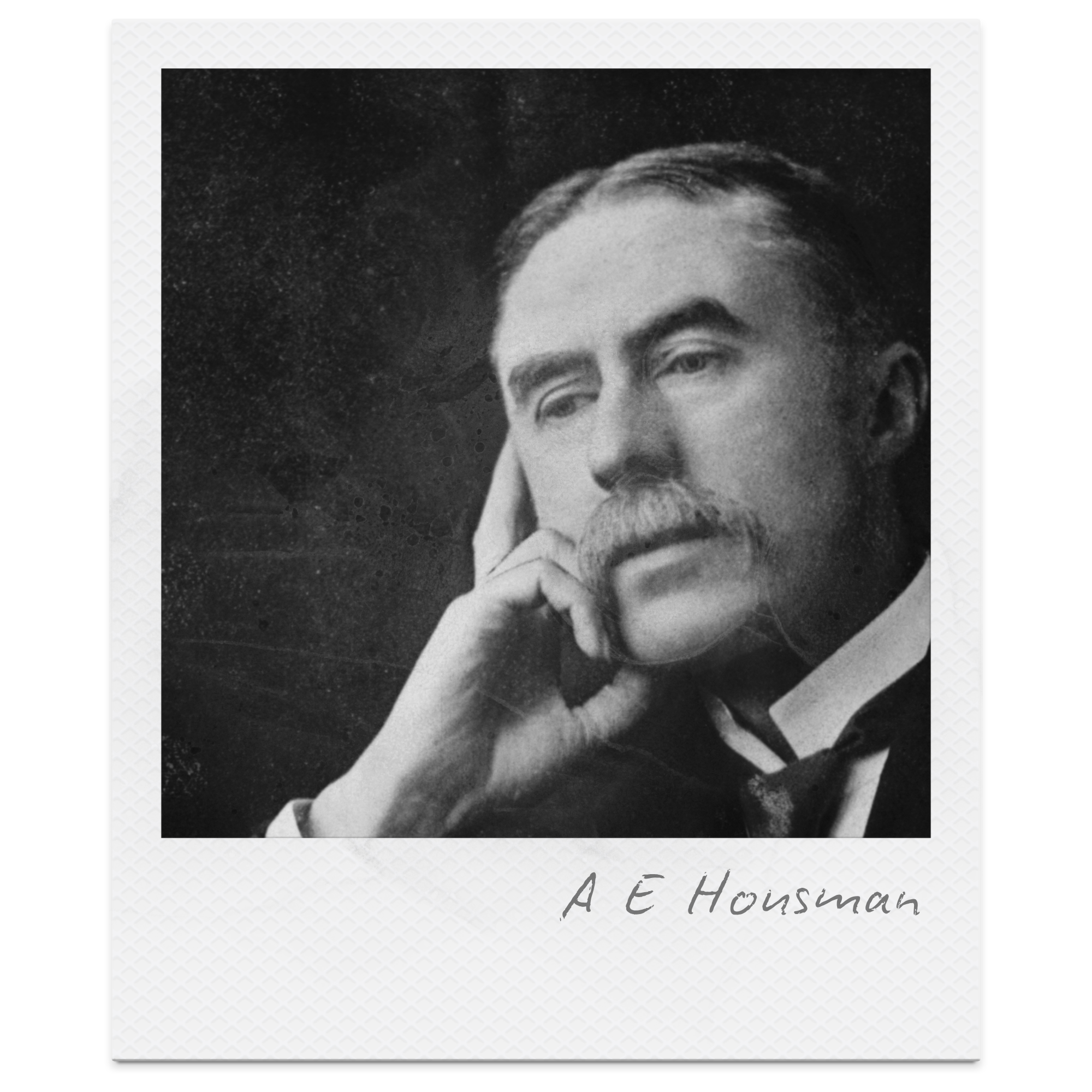
Context of Because I Liked You Better
A. E. Housman wrote during the late Victorian and early twentieth-century period, when strict expectations around masculinity, emotional restraint, and social propriety shaped how feelings—particularly same-sex desire—could be expressed. Within this context, the speaker’s suppression of love reflects a world where open declaration could lead to social judgement or exclusion.
Housman’s poetry often explores themes of unfulfilled desire, loss, and quiet endurance, and this poem reflects that characteristic restraint. The emphasis on keeping one’s word and maintaining dignity aligns with contemporary values of honour and self-control, while the understated tone suggests the emotional cost of conforming to these expectations. As a result, the poem can be read as both a personal expression of sacrifice and a reflection of the broader limitations placed on emotional honesty during the period.
Because I Liked You Better: At a Glance
Form: Four quatrains with a regular rhyme scheme, creating a controlled, restrained tone
Mood: Quietly melancholic, reflective, and emotionally suppressed
Central tension: The conflict between genuine love and the need to maintain social propriety and restraint
Core themes: Unreturned love, self-sacrifice, emotional repression, honour and duty, loss and memory
One-sentence meaning: The poem presents love as something deliberately suppressed in order to preserve dignity, revealing the emotional cost of choosing restraint over expression.
Quick Summary of Because I Liked You Better
The poem begins with the speaker admitting that they “liked” the other person more than was socially acceptable, and that this expression of feeling caused discomfort. In response, the speaker promises to suppress these emotions, agreeing to “throw the thought away.” The separation is formal and emotionally controlled, with both parties parting “stiff and dry,” and the speaker confidently asserting they will forget, reinforcing a sense of restraint and self-control.
As the poem develops, the tone shifts from present restraint to a future imagined scene after the speaker’s death. The setting of the “dead man’s knoll” introduces a quiet sense of finality, where the speaker envisions the other person encountering their grave. The final request—“say the lad that loved you / Was one that kept his word”—emphasises that the speaker has remained true to their promise of silence, suggesting that honour and restraint have been prioritised over emotional expression, even at the cost of enduring, unspoken love.
Title, Form, Structure, and Metre
Housman’s formal choices create a sense of control and restraint, mirroring the speaker’s suppression of emotion, while subtle patterns in rhyme and rhythm reinforce the tension between feeling and self-discipline.
Title
The title Because I Liked You Better immediately suggests understatement and emotional minimisation. The verb “liked” deliberately downplays the intensity of the speaker’s feelings, implying a deeper, unspoken love that cannot be openly expressed. This tension between what is said and what is meant reflects the poem’s central conflict between emotion and restraint, with the title itself embodying this controlled self-censorship.
Form and Structure
The poem is composed of four quatrains, each following a consistent structure that reinforces the speaker’s controlled voice. The regularity of the stanzas reflects the speaker’s attempt to impose order on their emotions, aligning form with the theme of self-discipline.
The progression of the poem moves from confession (first stanza), to separation (second stanza), and finally to an imagined posthumous reflection (third and fourth stanzas). This structured development allows the poem to shift from present restraint to future consequence, showing how the decision to suppress emotion leads to permanent loss. The final stanza functions as a quiet resolution, where the speaker prioritises honour over emotional fulfilment.
Rhyme Scheme and Poetic Pattern
The poem follows a regular ABCB rhyme scheme in each stanza. For example:
“say” (A) / “away” (B) / “you” (C) / “dry” (B)
This pattern creates a subtle sense of incompletion, as the first and third lines do not rhyme, reflecting the unresolved nature of the speaker’s feelings. The recurring rhyme between the second and fourth lines provides a degree of containment, reinforcing the speaker’s attempt to control and confine their emotions within socially acceptable limits.
Metre and Rhythmic Movement
The poem is broadly written in iambic rhythm, with alternating lines of iambic tetrameter and iambic trimeter, a pattern often associated with ballad form. For example:
beCAUSE | I LIKED | you BET | ter
than SUITS | a MAN | to SAY
The longer lines (tetrameter) allow for fuller expression, while the shorter lines (trimeter) create a sense of compression and restraint, mirroring the speaker’s controlled emotional expression.
In some lines, an additional unstressed syllable creates a feminine ending, softening the rhythm and reinforcing the poem’s subdued tone. This can be seen in:
beCAUSE | I LIKED | you BET | ter
where the trailing syllable prevents the line from ending with a strong stress, reflecting the speaker’s reluctance to assert their feelings fully.
Overall, the poem’s regular rhythm and subtle variations reinforce its central idea: that emotion is carefully regulated, with structure acting as a formal expression of the speaker’s commitment to restraint, control, and keeping their word.
The Speaker in Because I Liked You Better
The speaker presents themselves as someone who has experienced deep but unexpressed love, choosing restraint over emotional fulfilment. Although they admit to having “liked” the other person more than was acceptable, the understatement suggests a much stronger, unspoken feeling. Their voice is controlled and measured, reflecting a deliberate effort to suppress emotion in order to maintain dignity and honour.
The tone remains calm and resolute, even when describing separation and imagined death, which reinforces the speaker’s commitment to self-discipline. By promising to “throw the thought away” and later imagining their own grave as proof that they “kept [their] word,” the speaker defines themselves through loyalty to a promise rather than emotional expression. This creates a sense of quiet tragedy, as the speaker’s identity becomes tied not to love itself, but to the act of denying it, shaping the reader’s interpretation of the poem as one of enduring but suppressed feeling.
Stanza-by-Stanza Analysis of Because I Liked You Better
This close reading explores how Housman develops meaning through imagery, tone, and structural progression, focusing on how each stanza moves from suppressed emotion to a final assertion of honour over love.
Stanza 1: Understated Confession and Immediate Rejection
The poem opens with a restrained admission: “Because I liked you better / Than suits a man to say.” The verb “liked” functions as understatement, suggesting deeper feeling while simultaneously suppressing it. This reflects the speaker’s awareness of social expectations, where open emotional expression is deemed inappropriate.
The response—“It irked you”—introduces tension, implying that the speaker’s feelings are not only unreciprocated but unwelcome. The speaker’s promise to “throw the thought away” demonstrates immediate self-suppression, prioritising the other person’s comfort over their own emotional truth. This establishes the central dynamic of love constrained by social propriety.
Stanza 2: Controlled Separation and Emotional Restraint
The second stanza shifts to the moment of parting, where the phrase “to put the world between us” suggests deliberate distance, both physical and emotional. The description “we parted stiff and dry” conveys a lack of emotional expression, reinforcing the idea that both individuals conform to expectations of restraint.
Dialogue is introduced—“Good-bye” and “I will, no fear”—but remains formal and controlled. The speaker’s response carries a tone of quiet determination, suggesting that forgetting is not necessarily easy, but will be achieved through discipline and willpower. This stanza emphasises the tension between inner feeling and outward behaviour.
Stanza 3: Shift to Death and Imagined Future
The third stanza introduces a significant shift, moving from the present to a future imagined after the speaker’s death. The setting of the “dead man’s knoll” creates a subdued, almost pastoral image of burial, linking the speaker’s emotional suppression to finality and permanence.
The detail that “no tall flower… starts in the trefoiled grass” suggests absence and stillness, reinforcing the idea that the speaker’s life—and love—has left little visible trace. This imagery reflects the consequences of emotional repression, where nothing outwardly remains of what was once deeply felt.
Stanza 4: Honour Over Love and Final Assertion
In the final stanza, the speaker imagines the other person encountering their grave and asks them to recognise that “the lad that loved you / Was one that kept his word.” This transforms the poem into a statement of identity, where the speaker defines themselves not by love, but by honour and integrity.
The phrase “kept his word” becomes the emotional climax, revealing that the speaker has successfully maintained their promise to suppress their feelings. However, this also carries a sense of quiet tragedy, as love has been entirely sacrificed in the process. The final impact lies in this tension: the speaker achieves dignity, but at the cost of emotional fulfilment, leaving the reader to reflect on the value—and cost—of such restraint.
Key Quotes and Methods in Because I Liked You Better
This section explores how Housman uses understatement, structure, and imagery to present a conflict between emotion and restraint, always linking method → purpose → impact.
“Because I liked you better / Than suits a man to say”
◆ Technique: Understatement / social constraint
◆ Meaning: The speaker minimises deeper feelings through the word “liked”
◆ Purpose: To reflect the pressure to conform to expectations of masculinity and restraint
◆ Impact: Suggests that the true emotion is stronger than stated, creating tension between inner feeling and outward expression
“It irked you”
◆ Technique: Direct diction / tonal shift
◆ Meaning: The other person is discomforted by the speaker’s feelings
◆ Purpose: To emphasise that the love is unreciprocated and unwelcome
◆ Impact: Establishes emotional imbalance, reinforcing the need for suppression
“I promised / To throw the thought away”
◆ Technique: Metaphor / declarative tone
◆ Meaning: Love is treated as something that can be discarded
◆ Purpose: To show the speaker’s commitment to self-control and denial
◆ Impact: Highlights the deliberate nature of emotional repression, suggesting sacrifice
“To put the world between us”
◆ Technique: Hyperbole / spatial metaphor
◆ Meaning: The speaker creates extreme distance to enforce separation
◆ Purpose: To emphasise the lengths taken to maintain emotional restraint
◆ Impact: Reinforces the idea that distance is both physical and psychological
“We parted stiff and dry”
◆ Technique: Imagery / tonal control
◆ Meaning: The parting lacks visible emotion
◆ Purpose: To reflect social expectations of emotional restraint
◆ Impact: Creates a sense of suppressed feeling, intensifying the underlying sadness
“‘I will, no fear,’ said I”
◆ Technique: Dialogue / ironic tone
◆ Meaning: The speaker confidently claims they will forget
◆ Purpose: To demonstrate outward control and resolve
◆ Impact: Suggests possible irony, as the certainty may mask ongoing emotional attachment
“The dead man’s knoll”
◆ Technique: Symbolism / setting
◆ Meaning: Introduces the speaker’s imagined death
◆ Purpose: To shift the poem from present action to future consequence
◆ Impact: Creates a sense of finality, linking emotional repression to permanent loss
“No tall flower to meet you / Starts in the trefoiled grass”
◆ Technique: Symbolism / natural imagery
◆ Meaning: The absence of growth reflects emotional absence
◆ Purpose: To show that the speaker’s love leaves no outward trace
◆ Impact: Reinforces the idea of quiet erasure, intensifying the sense of loss
“Halt by the headstone naming / The heart no longer stirred”
◆ Technique: Euphemism / controlled language
◆ Meaning: The speaker refers to their own death with restraint
◆ Purpose: To maintain the poem’s tone of emotional control even in death
◆ Impact: Emphasises the speaker’s identity as defined by discipline rather than feeling
“The lad that loved you / Was one that kept his word”
◆ Technique: Declarative statement / thematic resolution
◆ Meaning: The speaker defines themselves by their promise
◆ Purpose: To present honour and integrity as central values
◆ Impact: Creates a powerful, bittersweet conclusion, where love is sacrificed for dignity
Key Techniques in Because I Liked You Better
Housman uses a restrained but highly controlled set of techniques to create a poem shaped by suppression, formality, and emotional tension, where meaning emerges through what is not said as much as what is expressed.
◆ Understatement – The use of “liked” instead of a stronger term such as “loved” deliberately minimises the speaker’s feelings. This reflects social constraint and emotional self-censorship, suggesting a deeper, unspoken intensity beneath the controlled surface.
◆ Ballad form and regular structure – The poem’s consistent quatrains and steady rhythm create a sense of order and discipline. This formal control mirrors the speaker’s attempt to regulate emotion, reinforcing the theme of restraint over expression.
◆ Rhyme scheme (ABCB) – The recurring pattern creates a sense of containment, where lines resolve predictably. This controlled closure reflects the speaker’s effort to keep emotions confined, while the lack of full rhyme across all lines suggests underlying incompletion.
◆ Iambic rhythm – The largely regular iambic movement gives the poem a measured, almost conversational tone. This steady rhythm reinforces the speaker’s calm, controlled voice, even when discussing emotionally significant experiences.
◆ Symbolism of death – The “dead man’s knoll” and “headstone” function as symbols of finality and emotional closure. Death becomes the ultimate space where the speaker’s suppressed love is preserved but never expressed.
◆ Imagery of absence – The lack of “tall flower” and the stillness of the “trefoiled grass” create a visual sense of emptiness. This absence symbolises the erasure of visible emotion, reinforcing the consequences of repression.
◆ Direct address and imagined future – The speaker imagines the other person encountering their grave, creating a form of posthumous communication. This allows the speaker to assert their identity while still maintaining emotional restraint.
◆ Dialogue – Brief exchanges such as “Good-bye” and “I will, no fear” convey emotional distance through their simplicity. The lack of elaboration reflects the characters’ adherence to social expectations and avoidance of vulnerability.
◆ Contrast between feeling and behaviour – The poem consistently contrasts inner emotion with outward action. While the speaker feels deeply, their behaviour remains controlled, highlighting the tension between authentic emotion and performed restraint.
◆ Declarative closure – The final statement, “kept his word,” provides a firm, resolved ending. This reinforces the speaker’s identity as defined by honour and discipline, but also creates a sense of quiet tragedy, as emotional fulfilment is sacrificed.
Together, these techniques create a poem where structure, language, and tone work in harmony to present a powerful exploration of suppressed love, showing how meaning is shaped through restraint, absence, and control.
How the Writer Creates Meaning and Impact in Because I Liked You Better
Housman creates meaning through the careful control of language, structure, voice, and sound, allowing the poem’s emotional power to emerge through restraint rather than overt expression.
◆ Language (understatement, imagery, diction) – The poem relies heavily on understatement, particularly in the use of “liked,” which masks a deeper, unspoken love. This controlled diction reflects the speaker’s need to conform to social expectations, while also creating tension between what is said and what is felt. Imagery such as the “dead man’s knoll” and the absence of a “tall flower” introduces a quiet symbolism of erasure and finality, suggesting that the speaker’s emotional life leaves no visible trace.
◆ Structure (progression and contrast) – The poem moves in a clear progression from confession, to separation, to an imagined future after death, creating a sense of inevitability. This structured development reflects the consequences of the speaker’s initial decision to suppress their feelings. The contrast between the controlled present and the finality of death reinforces the idea that emotional restraint leads to permanent loss, with the final stanza acting as a resolution that prioritises honour over fulfilment.
◆ Voice and tone – The speaker’s voice is consistently calm, measured, and controlled, even when dealing with deeply personal emotion. This restraint shapes the reader’s understanding of the poem, as the lack of overt emotional expression intensifies the underlying sense of sadness and sacrifice. The tone remains formal throughout, reinforcing the idea that the speaker defines themselves through discipline and self-control.
◆ Sound and rhythm – The regular iambic rhythm and predictable rhyme scheme create a steady, controlled flow, mirroring the speaker’s emotional regulation. This consistency prevents the poem from becoming emotionally volatile, instead maintaining a tone of quiet endurance. The smooth rhythm contrasts with the emotional content, highlighting the tension between inner feeling and external composure.
Together, these elements create a poem where meaning is shaped through absence and control, allowing the reader to infer the depth of feeling that lies beneath the speaker’s restrained surface. The result is a powerful exploration of how love can exist unexpressed, defined not by declaration, but by the act of denial and endurance.
Themes in Because I Liked You Better
Housman presents a tightly controlled exploration of emotion, where love, duty, and identity are shaped through restraint, allowing meaning to emerge through what is deliberately withheld.
Unreturned Love
At the centre of the poem is unreturned love, introduced through the understated admission that the speaker “liked” the other person more than was acceptable. The reaction—“it irked you”—confirms that the feeling is not reciprocated, creating an imbalance that drives the speaker’s decision to withdraw. Rather than pursuing fulfilment, the speaker accepts rejection and chooses silence, presenting love as something that must be contained rather than expressed.
Emotional Restraint and Repression
The poem explores the power of emotional restraint, where the speaker consciously suppresses their feelings in response to social expectations. The promise to “throw the thought away” reflects an active decision to deny emotion, reinforced by the controlled tone and regular structure. This repression shapes the entire poem, suggesting that identity is defined not by what is felt, but by what is controlled and concealed.
Honour and Duty
A key theme is the prioritisation of honour and duty over personal desire. The final line—“kept his word”—positions the speaker’s promise as more important than emotional fulfilment. This reflects a value system in which integrity and self-discipline take precedence, even when they result in personal loss. The poem ultimately presents honour as both admirable and costly, highlighting the tension between moral strength and emotional sacrifice.
Loss and Absence
The imagery of the “dead man’s knoll” and the absence of a “tall flower” introduce a quiet but powerful sense of loss. This loss is not dramatic or visible, but marked by absence and stillness. The speaker’s love leaves no outward trace, reinforcing the idea that emotional experiences can be erased from the visible world, even while they persist internally.
Identity Through Self-Control
The speaker defines themselves through self-control, rather than emotional expression. By imagining how they will be remembered—“the lad that loved you / Was one that kept his word”—the speaker constructs an identity based on discipline and reliability. This suggests that identity is shaped by actions and choices, particularly the ability to suppress desire in favour of social or moral expectations.
Time, Death, and Permanence
The shift to an imagined future after the speaker’s death introduces themes of time and permanence, where the consequences of restraint extend beyond life itself. Death becomes the final confirmation that the speaker has maintained their promise, turning a temporary decision into something permanent and irreversible. This reinforces the idea that choices about emotion and expression have lasting, defining impacts.
Exam-Ready Insight for Because I Liked You Better
This section shows how to turn your understanding of Because I Liked You Better into a strong, exam-focused response for IGCSE World Literature (0408), with a clear focus on how meaning is created through methods.
What strong responses do
◆ focus closely on the question
◆ analyse methods (language, structure, and sound), not just ideas
◆ explain how effects are created, not just what happens
◆ track shifts in tone and perspective across the poem
◆ use short, precise quotations to support points
Conceptual argument
A strong thesis for Because I Liked You Better might be:
Housman presents love as something deliberately suppressed, using understatement, controlled structure, and symbolic imagery to show how emotional restraint shapes identity, transforming personal feeling into an act of honour and self-denial.
Model analytical paragraph
Housman presents emotional restraint as both controlled and costly through understatement and structural progression. The opening admission, “Because I liked you better,” uses deliberately restrained diction to minimise deeper feeling, suggesting that the speaker’s love must be concealed to conform to social expectations. This suppression is reinforced structurally, as the poem moves from confession to separation and finally to an imagined posthumous reflection, where the speaker defines themselves as one who “kept his word.” The use of symbolic imagery in “the dead man’s knoll” introduces a sense of finality, implying that this emotional repression extends beyond life itself. This progression encourages the reader to recognise that the speaker’s identity is shaped not by expressed love, but by the act of denying it, creating a tension between honour and emotional fulfilment.
Teaching Ideas for Because I Liked You Better
This poem is ideal for exploring how writers use language, structure, and voice to present complex emotional ideas, while supporting collaborative and discussion-based classroom approaches.
1. Collaborative Analytical Paragraph (Paired Writing)
Give students a focused question, for example:
How does Housman present emotional restraint in Because I Liked You Better?
Students work together to produce a single paragraph, combining their ideas and interpretations. They should:
◆ select and embed quotations
◆ identify methods (language, structure, sound)
◆ explain meaning → purpose → impact
Because both students contribute, they can challenge and refine each other’s ideas, leading to a stronger, more developed response. This approach reinforces that strong analysis is built through discussion and refinement, not just individual effort.
2. Structured Group Close Analysis (Role-Based)
Instead of traditional annotation, assign students specific roles in small groups for a close reading:
◆ Structure specialist – tracks progression and shifts in perspective
◆ Language analyst – explores word choices and understatement
◆ Methods expert – identifies poetic devices and techniques
◆ Tone tracker – comments on emotional restraint and voice
Each group analyses part of the poem, then feeds back to the class, building a full interpretation together.
This makes close reading more active and collaborative, while still developing detailed analytical skills.
3. Silent Debate
Set up a silent debate around the question:
Is Because I Liked You Better more about love or honour?
Students respond to prompts in writing, building on and challenging each other’s ideas. They should:
◆ use quotations as evidence
◆ respond directly to others’ interpretations
◆ develop and refine arguments over time
This encourages deeper thinking and ensures all students participate. For guidance on structuring this activity, see this post on silent debate activities.
4. Creative Writing: Voice and Restraint
Ask students to write a short reflective piece exploring suppressed emotion.
Prompt:
Write from the perspective of someone who chooses not to express their feelings, focusing on what is left unsaid.
Students should aim to:
◆ use understatement and controlled language
◆ develop a restrained, reflective voice
◆ show tension between inner feeling and outward behaviour
◆ use imagery to suggest meaning rather than state it directly
This helps students apply literary techniques in their own writing, reinforcing their understanding of how texts create meaning. For more structured prompts, explore the Creative Writing Archive.
Go Deeper into Because I Liked You Better
Exploring Because I Liked You Better alongside other texts can deepen understanding of how writers present unspoken love, emotional restraint, and the tension between duty and desire, helping students build more comparative and conceptual responses.
◆ When I Was One-and-Twenty by A. E. Housman – Explores youthful advice about love and emotional risk, offering a contrasting perspective on whether restraint protects or limits emotional experience.
◆ Neutral Tones by Thomas Hardy – Presents love as emotionally exhausted and disillusioned, contrasting with Housman’s focus on suppressed but enduring feeling.
◆ Remember by Christina Rossetti – Examines love in relation to death and memory, offering a more openly reflective voice compared to Housman’s controlled restraint.
◆ La Belle Dame sans Merci by John Keats – Presents love as destructive and overpowering, providing a sharp contrast to Housman’s emphasis on self-discipline and denial.
◆ Sonnet 71 by William Shakespeare – Explores how memory and love persist after death, linking to Housman’s focus on posthumous identity and remembrance.
◆ The Farmer’s Bride by Charlotte Mew – Explores emotional distance and imbalance within relationships, offering a more psychologically complex portrayal of unreciprocated feeling.
Final Thoughts
Because I Liked You Better offers a quiet but powerful exploration of unspoken love, emotional restraint, and the cost of prioritising honour over fulfilment. Through understated language, controlled structure, and symbolic imagery, Housman presents a speaker who defines themselves not by what they feel, but by what they choose to suppress.
The poem’s emotional impact lies in this tension between inner intensity and outward control, where the absence of overt expression forces the reader to recognise the depth of what remains unsaid. By extending this restraint into an imagined future after death, Housman reinforces the permanence of the speaker’s choice, transforming a private emotional decision into a defining aspect of identity.
Ultimately, the poem suggests that love does not disappear when unexpressed, but instead persists in a quieter, more enduring form—shaped by discipline, memory, and the act of keeping one’s word. For more detailed poetry analysis and teaching resources, explore the Songs of Ourselves Volume 1 Hub and the wider Literature Library.
Choose Your Next Text