Notes from the Inkpot
Writing, teaching, creating - one ink-stained idea at a time.


I Dream of You... – Christina Rossetti: Summary, Themes & Analysis
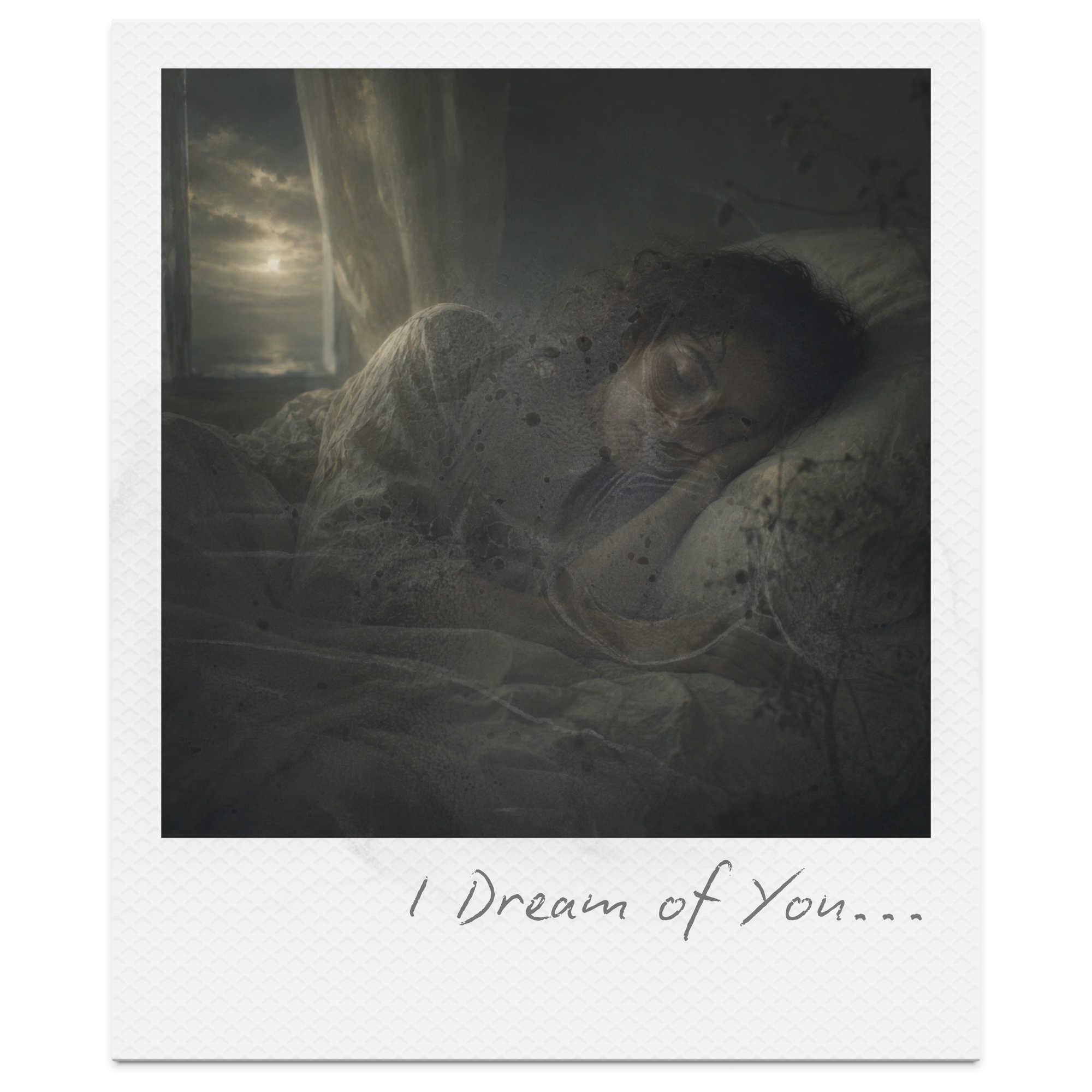
Christina Rossetti's I Dream of You... is a poignant sonnet exploring love, longing, dreams, absence, memory, and mortality. Through the contrast between dream fulfilment and waking reality, Rossetti presents a speaker who finds temporary reunion with a beloved figure only within sleep, creating a powerful meditation on desire, loss, and the limitations of earthly happiness. This analysis explores the poem's themes, symbolism, structure, key quotations, literary techniques, and alternative interpretations while examining how Rossetti transforms a personal expression of longing into a broader reflection on fulfilment, faith, death, and the human search for permanence. Ideal for students studying CIE AS & A Level Literature (9695) Songs of Ourselves Volume 2.

Last Sonnet by John Keats: Themes, Meaning and Analysis
Explore Last Sonnet by John Keats — widely known by its opening line, “Bright star, would I were stedfast as thou art” — through detailed analysis of love, mortality, permanence, and emotional vulnerability. This in-depth guide examines the poem’s imagery, symbolism, structure, sound, and shifting emotional tensions, while exploring how Keats contrasts eternal constancy with fragile human intimacy. Perfect for CIE AS Level Literature in English (9695), this analysis also includes close line-by-line commentary, key quotes and techniques, alternative interpretations, anthology comparisons, exam-ready insights, and teaching ideas designed to support advanced literary discussion and revision.
The Nightingale and the Rose by Oscar Wilde: Summary, Themes & Analysis
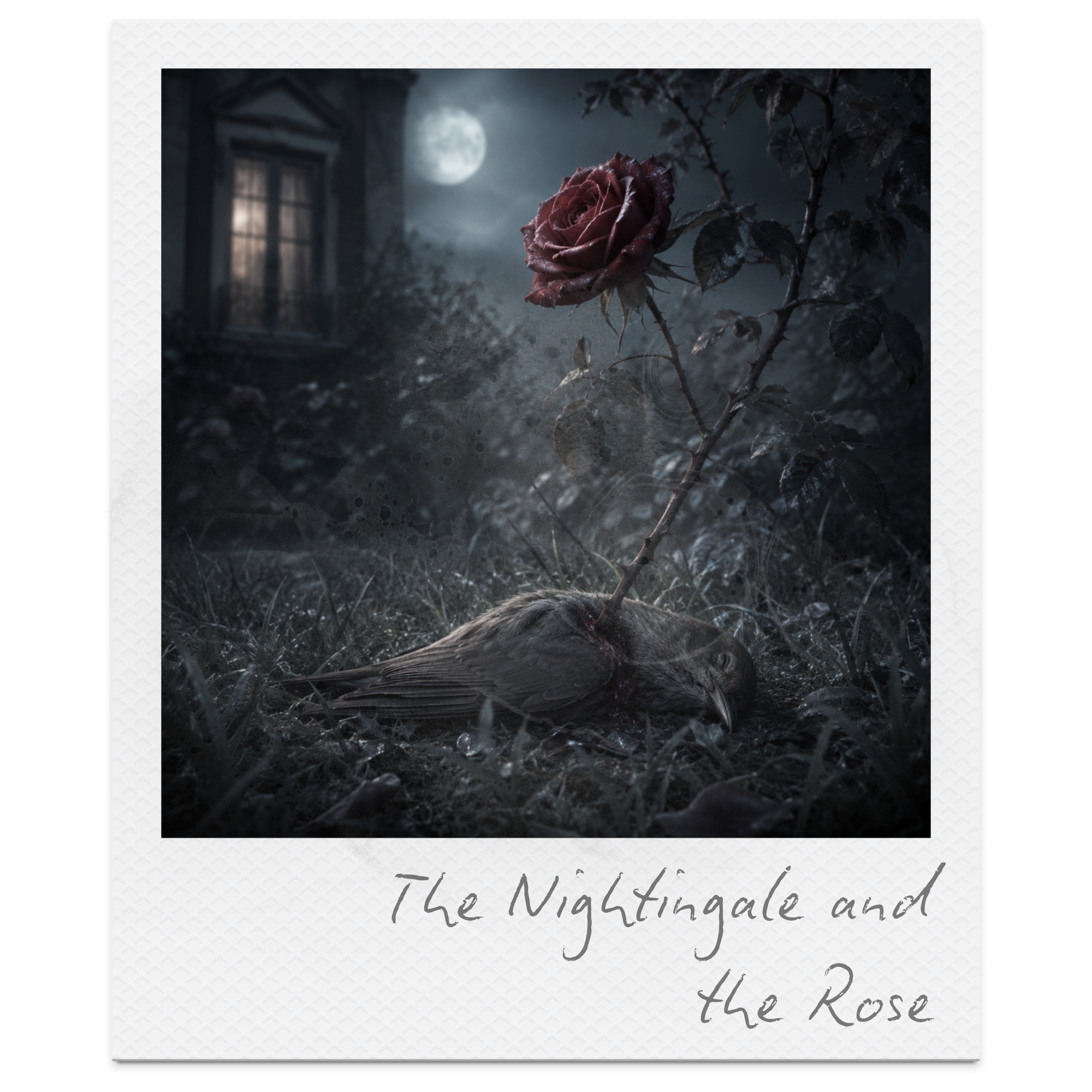
Oscar Wilde’s The Nightingale and the Rose is a tragic and deeply symbolic fairy tale exploring love, sacrifice, beauty, materialism, and emotional blindness. Through the Nightingale’s devastating sacrifice to create a single red rose, Wilde contrasts genuine emotional sincerity with the shallow values of human society. This analysis of The Nightingale and the Rose explores Wilde’s use of symbolism, irony, fairy-tale conventions, colour imagery, and narrative contrast while examining major themes, key quotes, structure, characters, and the story’s powerful tragic ending for CIE IGCSE World Literature (0408).

Because I Liked You Better by A. E. Housman: Summary, Themes, Meaning & Analysis
A. E. Housman’s Because I Liked You Better explores unspoken love, emotional restraint, and self-sacrifice, presenting a speaker who chooses to suppress personal desire in order to preserve dignity and honour. Through controlled language, regular structure, and understated imagery, the poem reveals the tension between inner feeling and outward behaviour, where love is not expressed but deliberately denied. This analysis examines how Housman uses understatement, symbolism, and structural progression to create meaning and impact, showing how the speaker’s identity becomes defined by keeping a promise rather than pursuing emotional fulfilment. Designed for IGCSE World Literature (0408), this guide supports precise, method-focused analysis of how writers shape meaning through restraint and control.
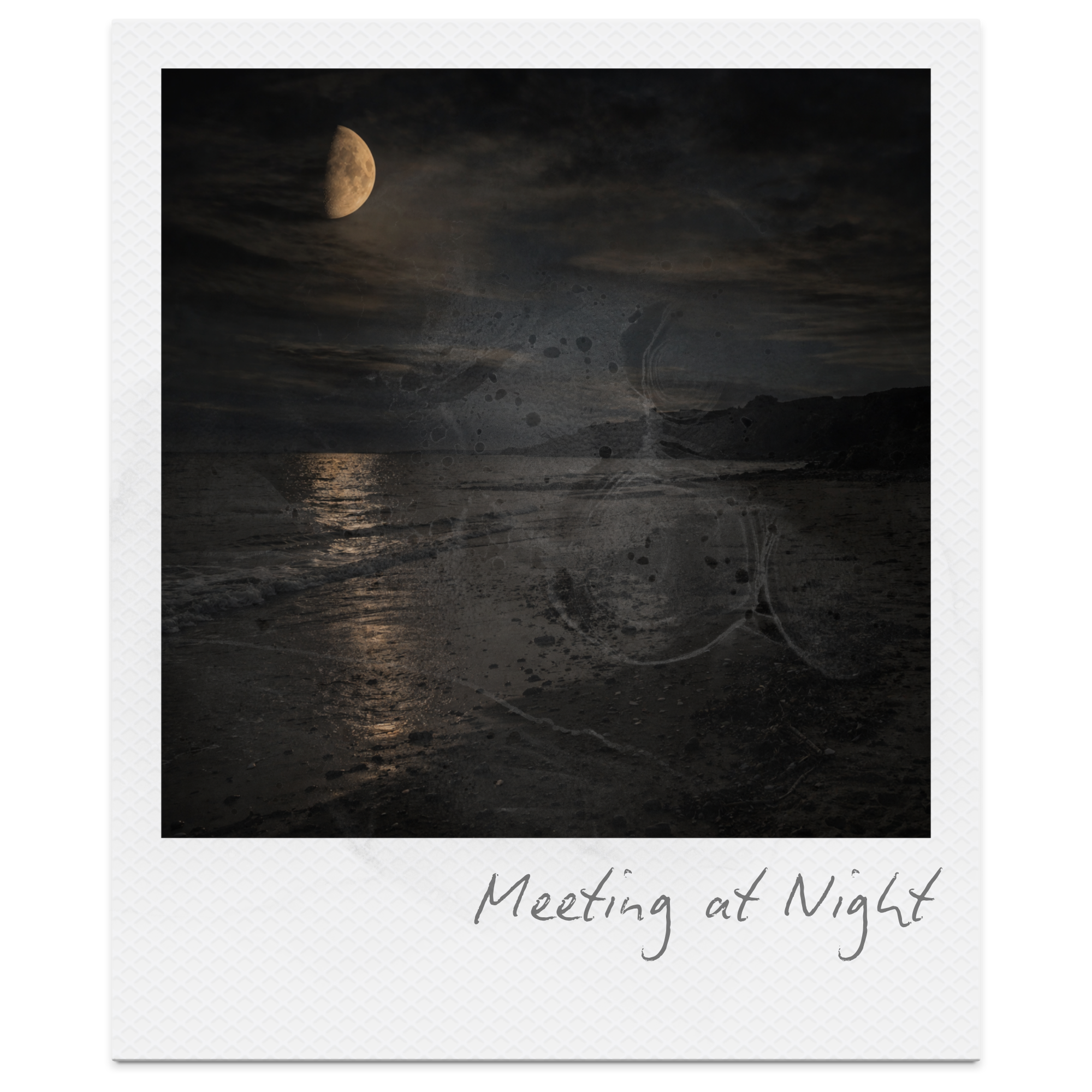
Meeting at Night by Robert Browning: Summary, Themes, Meaning & Analysis
Robert Browning’s Meeting at Night explores romantic desire, anticipation, and secrecy, presenting a speaker driven across a dark landscape to reach a moment of intimate connection. Through vivid sensory imagery, rhythmic variation, and a carefully structured progression from distance to closeness, the poem transforms a physical journey into a powerful expression of emotional urgency. This analysis examines how Browning uses language, form, and sound to create meaning and impact, showing how each stage of the journey intensifies the speaker’s focus and desire. With a clear emphasis on method → purpose → effect, this guide supports IGCSE World Literature (0408) students in developing precise, high-level analytical responses.
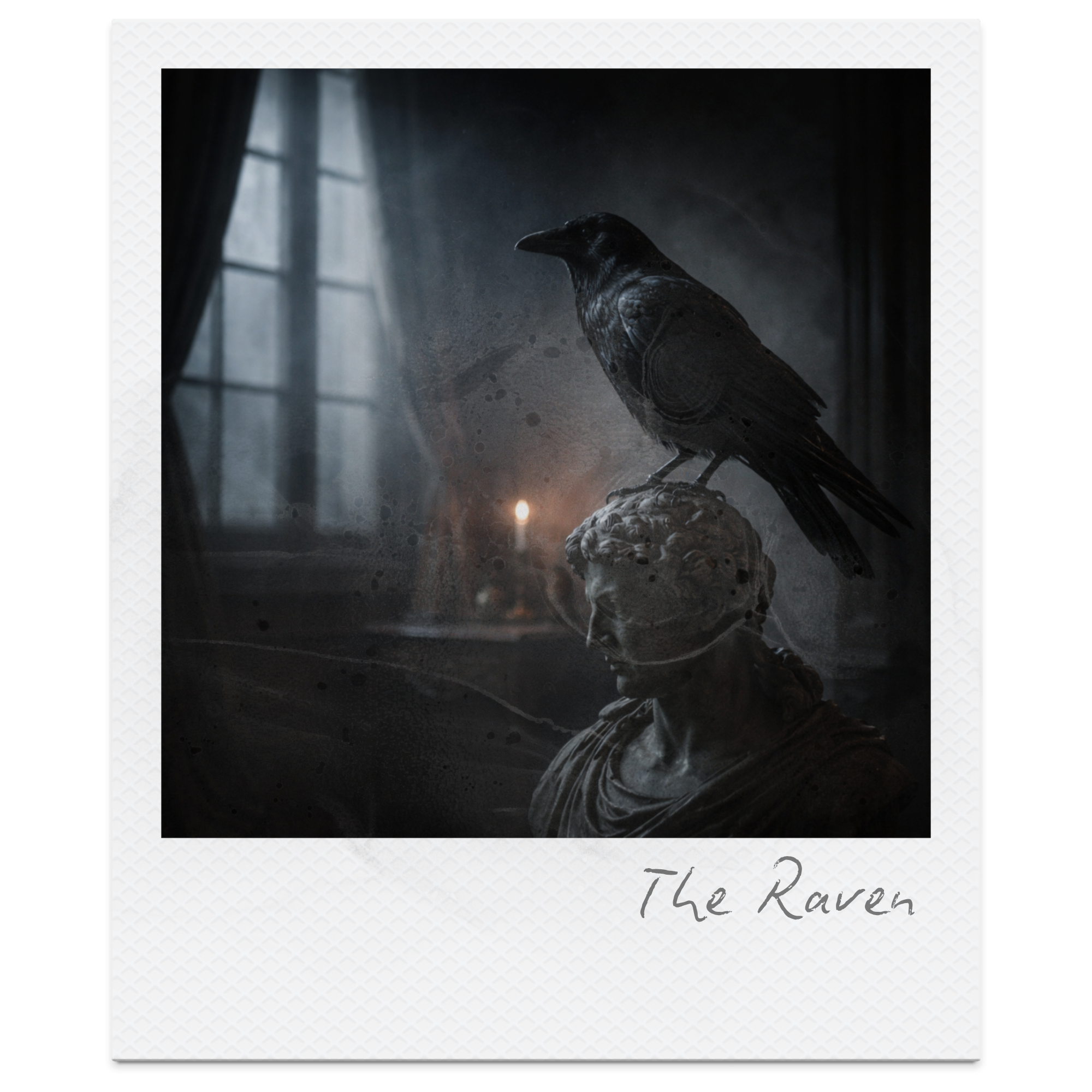
The Raven by Edgar Allan Poe: Summary, Themes, Meaning & Analysis
The Raven is one of the most famous and haunting poems in English literature, exploring grief, memory, and psychological decline through its hypnotic rhythm and Gothic atmosphere. Following a lone speaker on a bleak December night, Poe constructs a narrative where sound, repetition, and symbolism mirror the mind’s descent into obsession, as the mysterious raven becomes a voice for inescapable loss and unanswered questions. This analysis explores the poem’s structure, key themes, and layered meanings, from its intricate use of metre and refrain to its deeper exploration of death, the afterlife, and the limits of human understanding. Through close analysis and creative teaching ideas, it reveals how The Raven remains a powerful study of how the mind processes grief—and how it can become trapped within it.
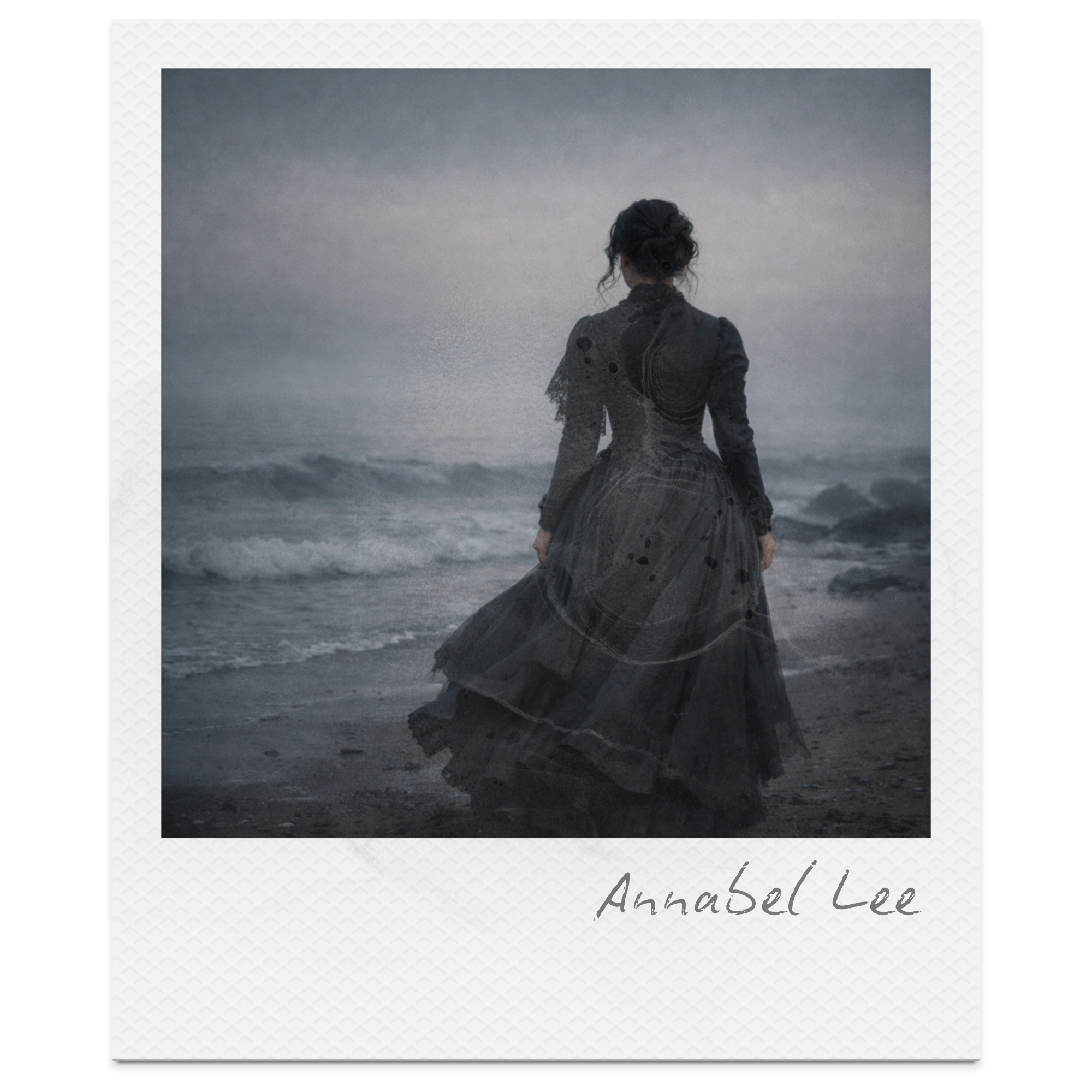
Annabel Lee by Edgar Allan Poe: Summary, Themes, Meaning & Analysis
Explore a clear and engaging analysis of Annabel Lee by Edgar Allan Poe, including summary, themes, symbolism, and key quotes. This guide explains the poem’s ideas about love and devotion beyond death, grief and mourning, romantic idealisation, and the persistence of memory, showing how Poe uses repetition, imagery, and ballad form to create one of his most haunting poems. This resource includes stanza-by-stanza analysis, key techniques, discussion ideas, and teaching activities, making it useful for middle and high school literature students and teachers worldwide. It is ideal for studying Poe’s gothic poetry and exploring how the poem presents love, loss, and emotional attachment.