Annabel Lee by Edgar Allan Poe: Summary, Themes, Meaning & Analysis
Edgar Allan Poe’s Annabel Lee is one of the most famous poems in American literature, exploring the enduring power of love, grief, memory, and devotion beyond death. Written near the end of Poe’s life, the poem tells the story of a speaker who insists that his love for Annabel Lee remains unbroken even after her death. Through its simple narrative and haunting refrain, the poem captures the intensity of romantic idealisation, loss, and the desire to preserve love against time and mortality.
Set in a mythical “kingdom by the sea,” the poem blends elements of gothic atmosphere, romantic tragedy, and lyrical storytelling. The speaker suggests that their love was so powerful that even supernatural forces — the jealous angels in heaven — could not separate them. Yet beneath this romantic devotion lies a darker question about obsession, memory, and the ways grief can transform love into something eternal and unchanging.
This analysis explores the poem’s meaning, themes, symbolism, and poetic techniques, examining how Poe uses repetition, rhythm, and imagery to present love as something that survives beyond death itself.
If you would like to explore more of Poe’s poetry and gothic writing, you can visit the Poe Hub for further poem analyses and classroom resources. You can also browse the wider Literature Library, which includes detailed studies of classic poems, short stories, and literary texts used in classrooms around the world.

Context of Annabel Lee
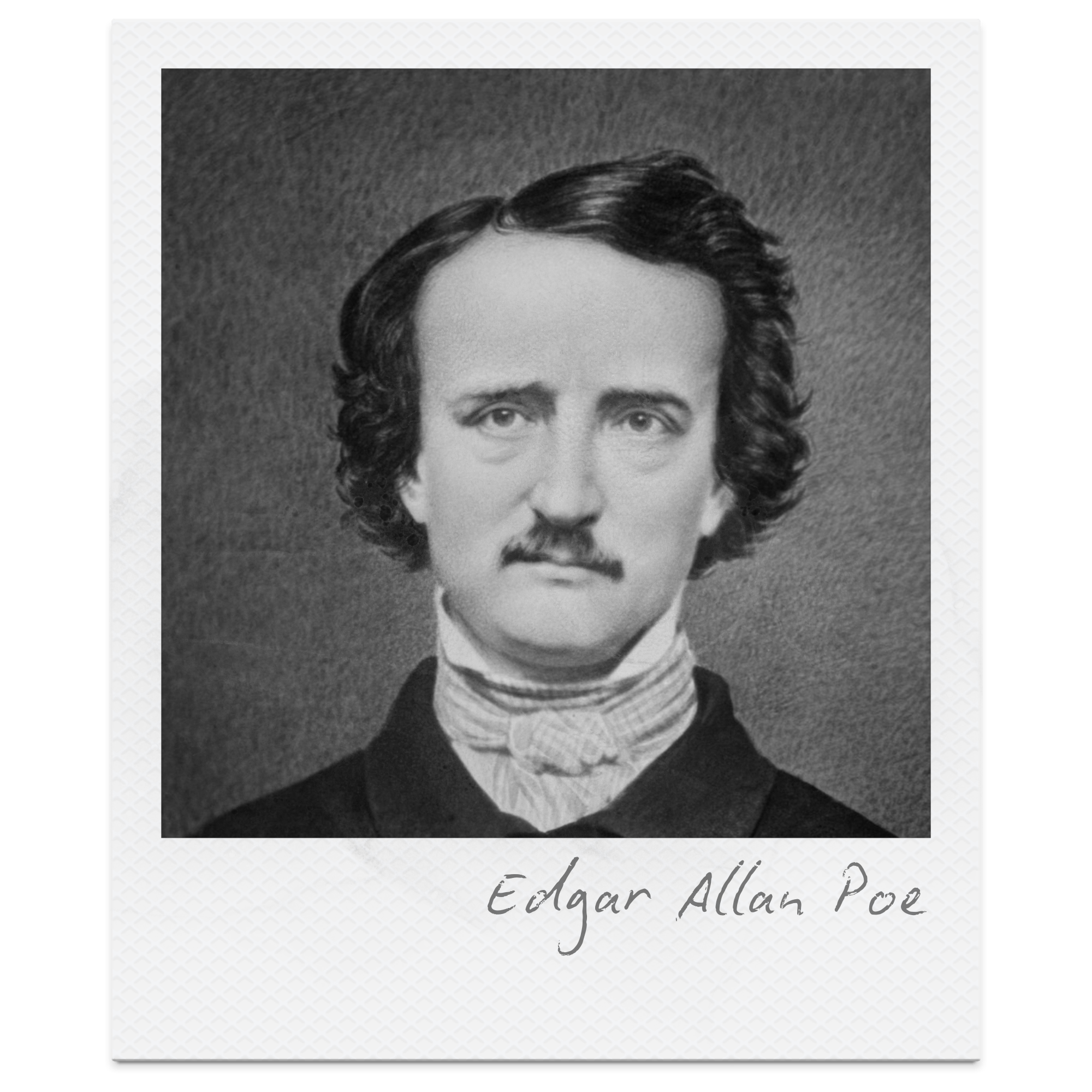
Edgar Allan Poe wrote Annabel Lee in 1849, near the end of his life. The poem reflects many of the themes that appear throughout Poe’s poetry, particularly his fascination with love, death, memory, and the idealisation of lost beauty. Poe frequently returned to the idea that the death of a beautiful woman was the most poetic subject imaginable, a belief that shaped several of his most famous poems. In Annabel Lee, this idea becomes central to the poem’s emotional power, as the speaker insists that death cannot destroy the bond between himself and Annabel Lee.
The poem also reflects Poe’s personal experiences with loss and grief. Throughout his life, Poe experienced the deaths of several women close to him, including his mother and later his wife, Virginia Clemm, who died of tuberculosis. These experiences contributed to Poe’s recurring exploration of mourning, memory, and love that persists beyond death. In Annabel Lee, the speaker transforms personal grief into a romantic myth, suggesting that his love is so powerful that it transcends both earthly separation and supernatural forces.
The poem’s setting in a “kingdom by the sea” creates a timeless, almost fairy-tale atmosphere. Rather than placing the story in a realistic location, Poe situates the lovers in a symbolic landscape that emphasises romantic idealisation and emotional intensity. This mythical setting reinforces the poem’s focus on eternal love and the persistence of memory, allowing the speaker to present his relationship with Annabel Lee as something pure, legendary, and unchanging.
For a deeper exploration of Poe’s life, literary influences, and the gothic ideas that shape his writing, see the Edgar Allan Poe Context guide.
At a Glance of Annabel Lee
Form: Narrative lyric poem with six uneven stanzas and a ballad-like rhythm
Mood: Romantic, mournful, and haunting
Central tension: The speaker insists that love can survive death, yet the intensity of his devotion raises questions about grief, memory, and obsession
Core themes: Love and devotion beyond death, grief and mourning, romantic idealisation, memory, and the persistence of emotional attachment
One-sentence meaning:
The poem tells the story of a speaker who believes that his love for Annabel Lee is so powerful that not even death, angels, or supernatural forces can separate them, suggesting that memory and devotion can outlast mortality.
Quick Summary of Annabel Lee
The poem begins with the speaker recalling a time long ago in a “kingdom by the sea,” where he and Annabel Lee loved each other deeply. Their love is presented as pure and powerful, so strong that the speaker claims even the angels in heaven envied them. From the beginning, the poem establishes the lovers’ relationship as something almost mythical and idealised, suggesting that their bond exists outside the ordinary rules of life.
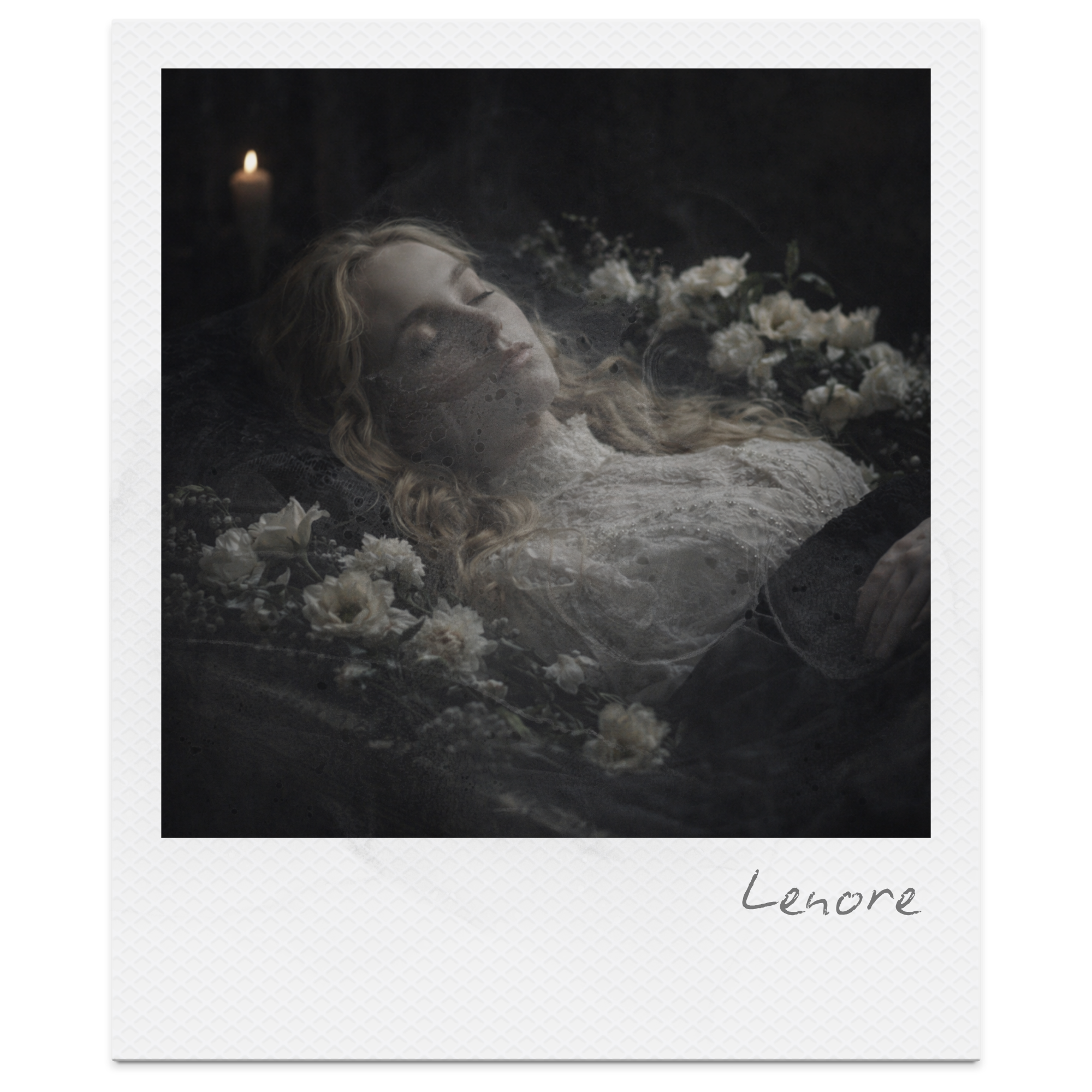
The speaker then describes how Annabel Lee dies, implying that supernatural jealousy may have played a role in her death. He suggests that the angels were envious of their love and sent a chilling wind that ultimately took her life. Although Annabel Lee is buried in a tomb by the sea, the speaker insists that death cannot truly separate them.
In the final stanzas, the speaker declares that his love for Annabel Lee continues unchanged. He claims that neither angels nor demons can break the connection between their souls, and he describes how thoughts of Annabel Lee remain with him constantly. The poem ends with the speaker lying beside her tomb by the sea, suggesting that his devotion persists even after her death, blurring the boundary between romantic loyalty, grief, and obsession.
Title, Form, Structure, and Metre of Annabel Lee
Poe’s structural choices in Annabel Lee contribute significantly to the poem’s emotional impact. Through its musical rhythm, repeated sounds, and ballad-like storytelling, the poem creates a haunting atmosphere that reflects both romantic devotion and lingering grief. The steady rhythm and recurring rhyme patterns mirror the speaker’s persistent memories of Annabel Lee, reinforcing the idea that his love continues long after her death.
Title
The title Annabel Lee immediately centres the poem on a single figure, suggesting that the poem functions almost as a memorial or tribute. By repeating her name throughout the poem, Poe emphasises the speaker’s devotion and the importance of memory in preserving love after death. The lyrical quality of the name itself also contributes to the poem’s musical tone, reinforcing its romantic and elegiac mood.
Form and Structure
Annabel Lee is written in a narrative ballad-like form, telling the story of the speaker’s love and loss in a simple, almost legendary style. The poem consists of six stanzas of varying length, typically ranging between six and eight lines. This uneven structure gives the poem a natural storytelling quality, allowing the narrative to unfold gradually as the speaker recounts the events surrounding Annabel Lee’s life and death.
Ballads traditionally focus on love, tragedy, and storytelling, and Poe draws on these conventions to present the relationship between the speaker and Annabel Lee as something almost mythical. The setting of a “kingdom by the sea” further enhances this fairy-tale atmosphere, making the poem feel both personal and timeless.
Rhyme Scheme and Poetic Pattern
One of the most distinctive features of the poem is its heavy use of repeated rhyme sounds, particularly the long “ee” sound in words such as Lee, me, and sea. This recurring sound creates a strong musical quality that reinforces the poem’s emotional intensity. Many of the stanzas follow a pattern similar to ABCBDB, allowing the repeated rhyme to echo throughout the poem.
The repetition of these sounds also mirrors the speaker’s repeated thoughts about Annabel Lee. Just as the rhyme returns again and again, the speaker continually returns to memories of their love, suggesting that his grief and devotion remain constant.
Metre and Rhythmic Movement
The poem’s rhythm combines anapestic and iambic patterns, producing a flowing, wave-like movement that resembles the motion of the sea described in the poem. Many lines follow a loose pattern of anapestic tetrameter, which contains four rhythmic beats and creates the poem’s distinctive lilting cadence.
For example:
It was MA | ny and MA | ny a YEAR | aGO
Shorter lines often shift toward trimeter, which creates variation in pace and prevents the rhythm from becoming too predictable. This combination of longer and shorter lines contributes to the poem’s song-like quality, reinforcing the sense that the poem functions almost like a lament or mourning ballad.
Speaker of Annabel Lee
The speaker of Annabel Lee presents himself as a devoted lover who continues to mourn the loss of Annabel Lee long after her death. From the beginning of the poem, he speaks with deep emotional intensity, describing their love as pure, powerful, and unlike any other. His repeated references to their relationship emphasise the idea that their bond was extraordinary and eternal, suggesting that he believes their connection cannot be broken even by death.
The speaker’s perspective shapes the reader’s understanding of the poem. Because the story is told entirely through his voice, readers only hear his interpretation of events. He claims that even the angels in heaven envied their love, suggesting that supernatural jealousy caused Annabel Lee’s death. This explanation introduces an element of uncertainty, raising questions about whether the speaker is describing reality or expressing his grief through romanticised imagination.
As the poem progresses, the speaker’s devotion becomes increasingly intense. He insists that neither angels nor demons can separate him from Annabel Lee, and he describes how her memory remains constantly present in his thoughts. The poem ends with the speaker lying beside her tomb by the sea, suggesting that his love continues beyond death itself.
Because of this, the speaker can be interpreted in several ways. He may represent a faithful romantic figure, preserving his love through memory and devotion. At the same time, his unwavering attachment and supernatural explanations may also suggest obsession or unresolved grief, blurring the boundary between romantic loyalty and psychological fixation.
Stanza-by-Stanza Analysis of Annabel Lee
A close reading of Annabel Lee reveals how Edgar Allan Poe gradually develops the poem’s themes of love, grief, memory, and devotion beyond death. Although the language of the poem appears simple and lyrical, each stanza builds upon the speaker’s emotional perspective, moving from a nostalgic recollection of young love to an intense declaration that death cannot separate the lovers.
By examining the imagery, symbolism, repetition, and shifts in tone within each stanza, readers can see how Poe transforms a romantic story into a powerful exploration of mourning, idealised love, and the persistence of memory. Each stanza contributes to the speaker’s growing insistence that his connection to Annabel Lee continues even after her death, blurring the boundary between romantic devotion and obsessive grief.
Stanza 1: A Mythic Love Story Begins
The opening stanza introduces the poem in the style of a fairy tale or legend, beginning with the phrase “It was many and many a year ago.” This distant timeframe immediately creates a sense of nostalgia and storytelling, suggesting that the speaker is recalling a love that belongs to the past. By placing the story in a vague, almost timeless moment, Poe establishes the poem’s romantic and mythical atmosphere.
The setting of a “kingdom by the sea” further reinforces this fairy-tale quality. Rather than describing a real location, the speaker situates the lovers in a symbolic landscape that feels both magical and isolated. The sea becomes an important image throughout the poem, representing vastness, mystery, and emotional depth, while also foreshadowing the sorrow that will later emerge.
Annabel Lee herself is introduced as a figure defined entirely by love. The speaker claims that she lived with “no other thought / Than to love and be loved by me.” This description idealises their relationship, presenting it as pure and uncomplicated. However, this statement also reveals the speaker’s perspective: Annabel Lee is described only through his interpretation of her feelings, suggesting that the poem may reflect the speaker’s romantic idealisation rather than an objective reality.
By the end of the stanza, Poe has established the key elements of the poem’s narrative: a legendary setting, a powerful romantic bond, and a speaker who remembers the past with deep emotional attachment. This nostalgic opening prepares the reader for the tragic events that will later transform this love story into a meditation on grief, memory, and devotion beyond death.
Stanza 2: Innocent Love and Heavenly Jealousy
In the second stanza, the speaker emphasises the youth and innocence of the lovers, repeating the line “I was a child and she was a child.” This repetition reinforces the idea that their relationship began in a time of simplicity and purity. By presenting their love as something that developed during childhood, the speaker suggests that it is natural, sincere, and untouched by the complications of adult life.
The speaker then intensifies the description of their relationship by claiming that they loved “with a love that was more than love.” This phrase elevates their bond beyond ordinary romantic affection, suggesting that their connection is uniquely powerful and transcendent. The repetition of “love” within the line creates a rhythmic emphasis that reinforces the speaker’s belief in the extraordinary nature of their relationship.
However, the stanza also introduces the poem’s first hint of supernatural conflict. The speaker claims that the “wingèd seraphs of Heaven” envied the lovers. By suggesting that even heavenly beings were jealous of their relationship, the speaker elevates the importance of their love while simultaneously foreshadowing the tragedy that will follow. This idea implies that their love was so strong and beautiful that it provoked jealousy even in the divine realm.
Through this mixture of innocence, idealisation, and supernatural suggestion, the stanza strengthens the speaker’s portrayal of their relationship as something exceptional and almost mythic. At the same time, the mention of heavenly envy begins to introduce the darker idea that forces beyond the lovers’ control may soon interfere with their happiness.
Stanza 3: Death and Separation
The third stanza marks a dramatic turning point in the poem, shifting from the celebration of love to the moment of loss and separation. The speaker claims that the jealousy of the heavenly “seraphs” caused a chilling wind to blow from the clouds, which ultimately led to Annabel Lee’s death. By presenting her death as the result of supernatural envy, the speaker transforms a tragic event into something almost mythic, reinforcing his belief that their love was so powerful that even celestial beings resented it.
The image of the wind that “blew out of a cloud, chilling / My beautiful Annabel Lee” introduces a sudden change in tone. The word “chilling” suggests both physical coldness and the emotional shock of loss, marking the moment when the idyllic world of the earlier stanzas is disrupted. This natural image may symbolise illness or death, but the speaker frames it as part of a larger supernatural narrative.
The stanza also introduces Annabel Lee’s “highborn kinsmen,” who take her away and place her in a “sepulchre.” Their actions represent the physical reality of death, as they separate the lovers by burying her in a tomb. However, the speaker’s description suggests resentment toward these figures, as if they are interfering with the lovers’ bond.
By ending the stanza with the repeated phrase “in this kingdom by the sea,” Poe returns to the poem’s mythical setting while reinforcing the permanence of Annabel Lee’s burial. This repetition strengthens the sense that the place once associated with love and innocence has now become the site of mourning and memory.
Stanza 4: The Speaker’s Explanation for Annabel Lee’s Death
In the fourth stanza, the speaker returns to the idea that supernatural jealousy caused the tragedy. He insists that the angels in heaven were “not half so happy” as he and Annabel Lee were, suggesting that their love was more powerful than even the joy experienced by celestial beings. This claim further elevates their relationship, presenting it as something uniquely intense and extraordinary.
The speaker reinforces this belief through repetition, declaring again that envy from the angels was the true cause of Annabel Lee’s death. The phrase “as all men know” suggests that the speaker believes this explanation is widely accepted or obvious, even though the reader may question its reliability. This moment reveals how strongly the speaker clings to his interpretation of events, transforming grief into a narrative of cosmic jealousy.
The image of the wind that came “out of the cloud by night” returns from the previous stanza, reinforcing the mysterious and ominous nature of Annabel Lee’s death. By repeating the idea that the wind both “chilled and killed” her, the speaker emphasises the sudden and tragic loss that shattered their happiness.
This stanza strengthens the sense that the speaker is trying to make sense of his grief by attributing Annabel Lee’s death to supernatural forces. His explanation elevates their love to legendary status, but it also suggests a mind struggling to reconcile romantic devotion with the painful reality of loss.
Stanza 5: Love Stronger Than Heaven and Hell
In the fifth stanza, the speaker insists that his love for Annabel Lee remains unbroken despite her death. He declares that their love was “stronger by far than the love / Of those who were older than we — / Of many far wiser than we.” By contrasting their youthful relationship with the experience of older and wiser people, the speaker suggests that their love possessed a purity and intensity that others could not understand. This claim reinforces the poem’s earlier portrayal of their bond as something exceptional and almost legendary.
The stanza then expands the scale of the speaker’s declaration by invoking both heaven and the underworld. He states that neither “the angels in Heaven above / Nor the demons down under the sea” can separate the lovers. This imagery creates a powerful contrast between celestial and infernal forces, suggesting that the speaker believes their connection transcends all supernatural boundaries.
The use of the word “dissever”, meaning to separate or divide, emphasises the speaker’s conviction that their souls remain permanently joined. By describing his soul as inseparable from that of Annabel Lee, the speaker shifts the poem from a story of romantic loss to a declaration of spiritual unity that continues beyond death.
Through these exaggerated claims, the stanza reinforces the speaker’s unwavering devotion while also revealing the intensity of his grief. His insistence that no force in heaven or hell can divide them suggests a love that persists through memory and imagination, blurring the boundary between eternal loyalty and obsessive attachment.
Stanza 6: Love, Memory, and the Persistence of Grief
In the final stanza, the speaker describes how memories of Annabel Lee continue to shape his life. Natural images such as the moon and stars trigger thoughts of her, suggesting that her presence remains woven into the world around him. The line “the moon never beams, without bringing me dreams” implies that even moments of beauty or calm become reminders of loss. Through this imagery, Poe suggests that memory can transform ordinary experiences into constant reflections of the past.
The speaker also imagines Annabel Lee’s presence within the natural world. When the stars rise, he claims that he feels “the bright eyes / Of the beautiful Annabel Lee.” This image blends romantic devotion with supernatural suggestion, as if Annabel Lee continues to exist in the landscape itself. The repetition of her name reinforces the speaker’s emotional fixation, showing how deeply her memory has become embedded in his thoughts.
The stanza reaches its most striking moment when the speaker reveals that he lies beside Annabel Lee’s tomb each night. The phrase “my darling—my darling—my life and my bride” emphasises the depth of his attachment, while the repetition intensifies the emotional tone. However, this declaration also introduces a darker element to the poem. By describing how he lies down beside her “in her sepulchre there by the sea,” the speaker suggests a devotion that extends beyond ordinary mourning, blurring the boundary between romantic loyalty and obsessive grief.
The poem ends with the repeated image of the sea, a symbol that has appeared throughout the narrative. Once associated with the mythical setting of the lovers’ happiness, the sea now surrounds Annabel Lee’s tomb, reinforcing the poem’s atmosphere of mourning, memory, and eternal devotion.
Key Quotes from Annabel Lee
Edgar Allan Poe’s Annabel Lee uses repetition, lyrical rhythm, and vivid imagery to emphasise themes of love, grief, devotion, and memory beyond death. The following quotations highlight key moments where Poe develops the poem’s emotional intensity and romantic mythology.
It was many and many a year ago, / In a kingdom by the sea
◆ The opening line establishes a fairy-tale atmosphere, suggesting that the story belongs to a distant and legendary past.
◆ The phrase “kingdom by the sea” creates a symbolic setting rather than a realistic location.
◆ This mythic tone prepares the reader for a story that blends romantic idealisation with tragedy.
By the name of Annabel Lee
◆ The repetition of Annabel Lee’s name reinforces the speaker’s devotion and emotional fixation.
◆ Naming her repeatedly transforms the poem into a form of memorial or tribute.
◆ The musical quality of the name also contributes to the poem’s lyrical rhythm.
We loved with a love that was more than love
◆ This phrase emphasises the speaker’s belief that their relationship was extraordinary and incomparable.
◆ The repetition of “love” intensifies the emotional tone and highlights the speaker’s romantic idealisation.
◆ It suggests a love that goes beyond ordinary human experience.
The wingèd seraphs of Heaven / Coveted her and me
◆ The speaker introduces the idea that supernatural beings envied their love.
◆ This claim elevates their relationship to something almost cosmic or legendary.
◆ It also foreshadows the tragic events that will follow.
A wind blew out of a cloud, chilling / My beautiful Annabel Lee
◆ The chilling wind symbolises the sudden arrival of illness, death, or tragedy.
◆ The adjective “beautiful” reinforces the speaker’s idealised memory of Annabel Lee.
◆ This moment marks the poem’s transition from romantic nostalgia to mourning and loss.
To shut her up in a sepulchre / In this kingdom by the sea
◆ The word “sepulchre” emphasises the finality of death and burial.
◆ The return to the phrase “kingdom by the sea” links the place of love with the place of mourning.
◆ This repetition reinforces the transformation of the setting from romantic landscape to site of grief.
But our love it was stronger by far than the love / Of those who were older than we
◆ The speaker insists that their love surpasses that of older and wiser people.
◆ This claim highlights the poem’s theme of romantic idealisation and youthful devotion.
◆ It also suggests that the speaker sees their relationship as uniquely powerful.
Neither the angels in Heaven above / Nor the demons down under the sea
◆ The contrast between angels and demons suggests that no supernatural force can separate the lovers.
◆ This imagery expands the scale of the poem from personal grief to cosmic struggle.
◆ It reinforces the speaker’s belief in the eternal nature of their bond.
The moon never beams, without bringing me dreams
◆ The moon symbolises memory and emotional reflection.
◆ Natural imagery suggests that Annabel Lee’s presence continues to shape the speaker’s life.
◆ The line emphasises how grief can transform ordinary experiences into reminders of loss.
I lie down by the side / Of my darling—my darling—my life and my bride
◆ The repetition intensifies the speaker’s emotional devotion.
◆ This moment reveals the depth of his attachment to Annabel Lee.
◆ At the same time, the image of lying beside her tomb introduces a darker suggestion of obsessive grief and fixation.
Key Techniques in Annabel Lee
Edgar Allan Poe uses a range of poetic techniques to create the poem’s musical rhythm, romantic atmosphere, and emotional intensity. These techniques help develop the themes of love, loss, memory, and devotion beyond death, while also reinforcing the poem’s haunting, ballad-like quality.
◆ Repetition – Poe repeatedly uses the name “Annabel Lee” and the phrase “kingdom by the sea”, reinforcing the speaker’s emotional attachment and creating a musical rhythm that echoes throughout the poem.
◆ Rhyme – The poem features strong end rhymes, particularly the repeated “ee” sound in words such as Lee, me, and sea. This repetition gives the poem a lyrical, song-like quality that makes the love story feel memorable and haunting.
◆ Imagery – Poe uses vivid imagery to help readers picture the poem’s setting and emotions. Descriptions such as the “kingdom by the sea” and the moon and stars create a dreamlike landscape that reflects the speaker’s romantic memories.
◆ Symbolism – Natural elements such as the moon, stars, and sea symbolise memory, emotion, and the passage of time. These images suggest that Annabel Lee’s presence continues to influence the speaker even after her death.
◆ Hyperbole (Exaggeration) – The speaker claims that their love was “more than love” and that even the angels in heaven envied them. These exaggerated statements emphasise how powerful the speaker believes their love to be.
◆ Supernatural Elements – References to angels, demons, and supernatural forces give the poem a gothic atmosphere and suggest that the lovers’ relationship exists beyond ordinary human life.
◆ Narrative Voice – The poem is told entirely from the speaker’s perspective, meaning readers only hear his interpretation of events. This technique raises questions about whether the story reflects reality or the speaker’s emotional imagination.
◆ Ballad Style – The poem’s storytelling structure and rhythmic pattern resemble a traditional ballad, which often tells tragic stories about love and loss. This form makes the poem feel like a timeless legend.
◆ Emotive Language – Words such as “darling,” “beautiful,” and “my bride” express the speaker’s intense feelings and help create the poem’s romantic tone.
◆ Sound and Rhythm – Poe’s use of flowing rhythm and repeated sounds creates a wave-like movement, reflecting the sea imagery and reinforcing the poem’s haunting, reflective mood.
Themes in Annabel Lee
Edgar Allan Poe’s Annabel Lee explores powerful emotional themes through its story of love, loss, and remembrance. The poem combines elements of romantic devotion, grief, and memory, presenting a narrator who believes that his connection to Annabel Lee continues even after her death.
Love and Devotion Beyond Death
One of the poem’s central ideas is that love can survive death. The speaker insists that his bond with Annabel Lee cannot be broken by any force, declaring that neither angels in heaven nor demons under the sea can separate their souls. This belief transforms their relationship into something almost supernatural, suggesting that true love may exist beyond the limits of mortal life.
Grief and Mourning
The poem also explores the emotional experience of grief and mourning. After Annabel Lee’s death, the speaker continues to think about her constantly, suggesting that loss has become a defining part of his life. His repeated references to her name and memory show how grief can cause someone to remain emotionally connected to the past.
Romantic Idealisation
Throughout the poem, the speaker presents his relationship with Annabel Lee as perfect and extraordinary. He claims that their love was greater than that of anyone older or wiser, and that even the angels envied them. This idealised portrayal raises the possibility that the speaker may be remembering the relationship in a romanticised way, focusing on its beauty while overlooking its complexity.
Memory
Memory plays a powerful role in shaping the speaker’s experience of the world. Natural images such as the moon and stars remind him of Annabel Lee, suggesting that her presence continues to influence his thoughts and emotions. Through these memories, the speaker keeps the relationship alive even after her death.
The Persistence of Emotional Attachment
The poem ultimately shows how emotional connections can persist long after a relationship has ended. The speaker describes how he lies beside Annabel Lee’s tomb each night, emphasising that his devotion remains unchanged. This powerful attachment highlights how love and grief can become intertwined, making it difficult for the speaker to move beyond the loss he has experienced.
Alternative Interpretations of Annabel Lee
Although Annabel Lee is often read as a romantic poem about love surviving death, Poe’s language also allows for several different interpretations. The speaker’s emotional intensity and supernatural explanations invite readers to consider whether the poem represents pure devotion, overwhelming grief, or something darker and more obsessive.
Romantic Interpretation: Love That Transcends Death
From a romantic perspective, the poem celebrates eternal love and devotion. The speaker believes that his connection with Annabel Lee continues even after her death, insisting that neither angels nor demons can separate their souls. In this interpretation, the poem becomes a tribute to the idea that true love cannot be destroyed by death, and that memory allows emotional bonds to survive beyond mortality.
Psychological Interpretation: Grief and Obsession
A psychological reading suggests that the poem reflects the speaker’s struggle with unresolved grief. His repeated insistence that supernatural forces caused Annabel Lee’s death may indicate that he is trying to cope with loss by creating a narrative that explains the tragedy. The fact that he lies beside her tomb each night suggests that his mourning has developed into emotional fixation, blurring the boundary between devotion and obsession.
Gothic Interpretation: Love and Death Entwined
From a gothic perspective, the poem emphasises the disturbing connection between romantic love and death, a theme that appears frequently in Poe’s work. The speaker’s devotion extends beyond the grave, and the final image of him lying beside Annabel Lee’s tomb creates an unsettling atmosphere. In this interpretation, the poem explores how grief can lead to an attachment that keeps the living emotionally tied to the dead.
Symbolic Interpretation: Annabel Lee as an Ideal
Another interpretation suggests that Annabel Lee may represent an idealised memory rather than a realistic person. The speaker describes her only through his own perspective, presenting her as perfectly loving and devoted. This raises the possibility that Annabel Lee symbolises the speaker’s longing for perfect love or lost innocence, preserved in memory rather than reality.


Teaching Ideas for Annabel Lee
Annabel Lee is particularly effective in the classroom because its language is accessible while its themes of love, grief, memory, and devotion beyond death invite deeper interpretation. The poem allows students to explore symbolism, narrator perspective, and romantic idealisation, making it suitable for both analytical discussion and creative response activities.
1. Exploring Romantic Idealisation
Ask students to examine how the speaker describes his relationship with Annabel Lee. The narrator claims their love was “more than love” and that even the angels envied them. Students can discuss whether the poem presents a realistic portrayal of love or whether the speaker is idealising the past through memory and grief.
Possible discussion prompts include:
◆ Why does the speaker believe their love was greater than that of others?
◆ How does the narrator describe Annabel Lee?
◆ Does the poem celebrate love, or does it reveal something more complicated about grief and memory?
This activity encourages students to consider how narrator perspective shapes meaning.
2. Symbolism and Setting
Students can explore how Poe uses natural imagery to develop the poem’s emotional atmosphere.
Focus on symbols such as:
◆ the kingdom by the sea
◆ the moon and stars
◆ the sepulchre by the sea
Students can work in small groups to discuss what these images might represent and how they contribute to the poem’s themes of memory, mourning, and romantic devotion.
3. Analytical Paragraph Writing
Students can practise writing a short analytical paragraph explaining how Poe presents love as something that continues after death.
Provide the quotation:
“We loved with a love that was more than love.”
Example analytical paragraph:
Poe presents the relationship between the speaker and Annabel Lee as an extraordinary form of love that cannot be limited by ordinary human experience. The phrase “a love that was more than love” emphasises the narrator’s belief that their connection was uniquely powerful. By repeating the word “love,” Poe intensifies the emotional impact of the line and reinforces the speaker’s idealised view of the relationship. This description suggests that the speaker sees their bond as something that continues beyond death, supporting the poem’s central idea that memory and devotion can outlast mortality.
4. Love or Obsession? Classroom Debate
The poem can also prompt discussion about whether the speaker represents devotion or obsession. Ask students to consider the final image of the speaker lying beside Annabel Lee’s tomb.
Students can debate questions such as:
◆ Does the poem celebrate eternal love, or does it reveal unhealthy attachment?
◆ Is the narrator a romantic figure or someone unable to move beyond grief?
◆ How does Poe encourage readers to question the speaker’s perspective?
This activity helps students practise interpretation and argument-building.
5. Annabel Lee Activities Bundle
If you are teaching Annabel Lee in the classroom, a structured resource pack can help students engage with the poem through a range of analytical and creative activities.
This Annabel Lee Activities Bundle includes a collection of interactive resources designed to support close reading, discussion, and creative response. Activities include vocabulary and review games, discussion tasks, essay questions, quizzes, and creative writing prompts inspired by the poem’s themes of eternal love, grief, jealousy, and Gothic atmosphere. The bundle also includes atmospheric picture prompts and flexible digital resources that can be used for in-class activities, homework, or independent learning.
These materials are designed to help students explore the poem through analysis, discussion, and creative interpretation, making them suitable for a wide range of secondary literature classrooms.
6. Creative Writing Extension
Annabel Lee also works well as a springboard for creative writing activities exploring love, memory, and loss.
Students could write:
◆ A poem about a memory that refuses to fade
◆ A short narrative inspired by the setting of a “kingdom by the sea”
◆ A monologue from Annabel Lee’s perspective
For further inspiration, explore the Gothic Writing Hub or for wider genres, check out the Creative Writing Archive. The following resources and prompt collections pair especially well with the poem’s atmosphere and themes:
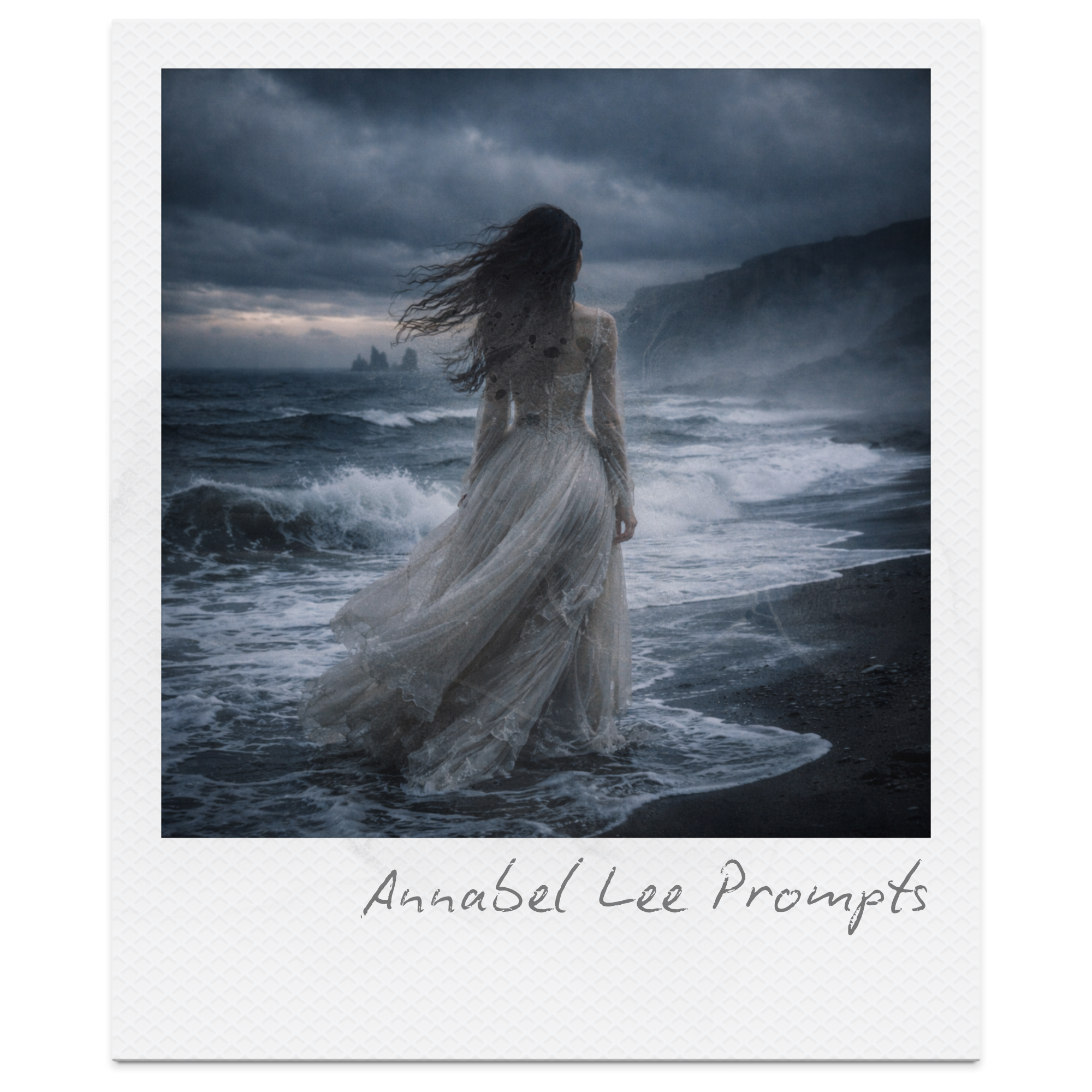

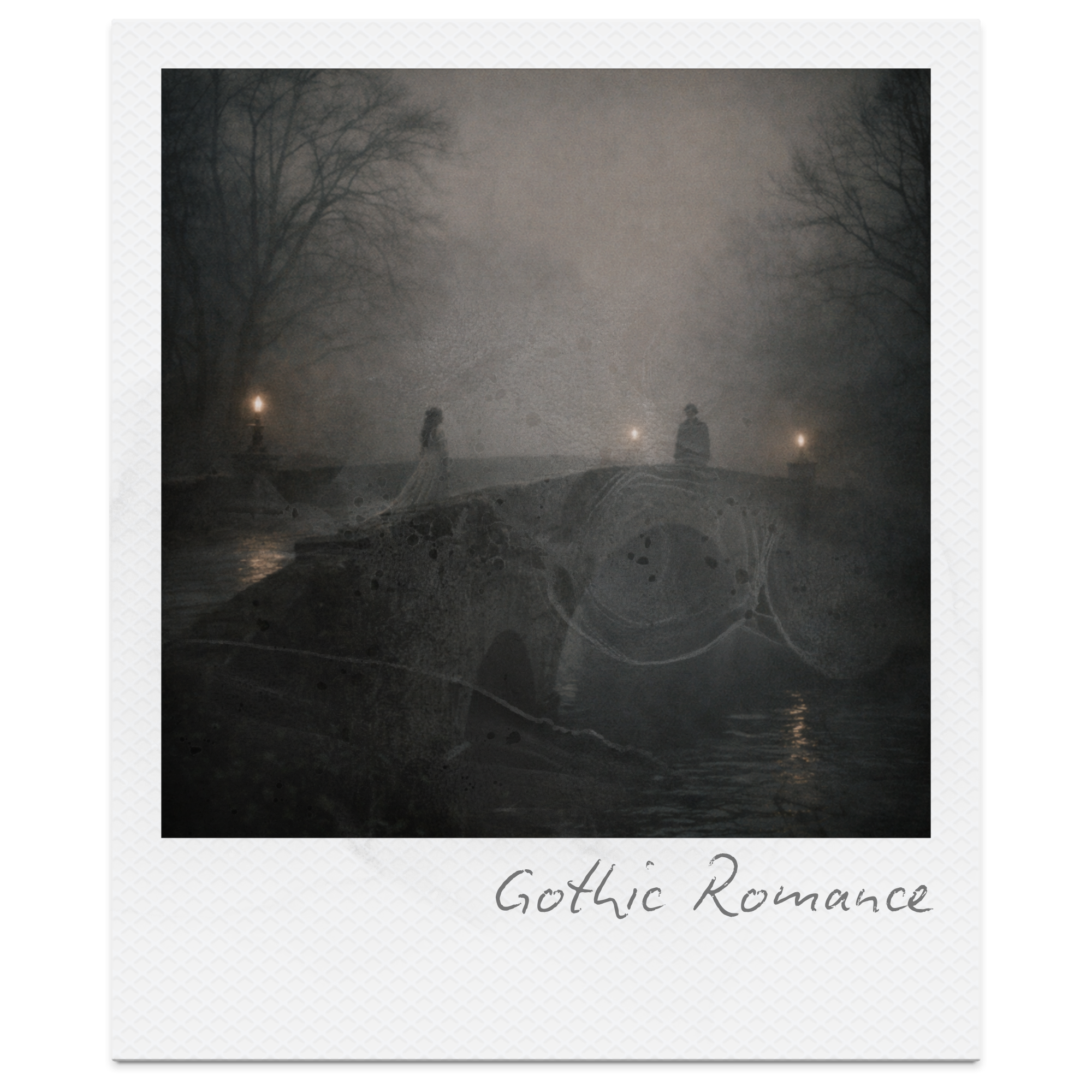
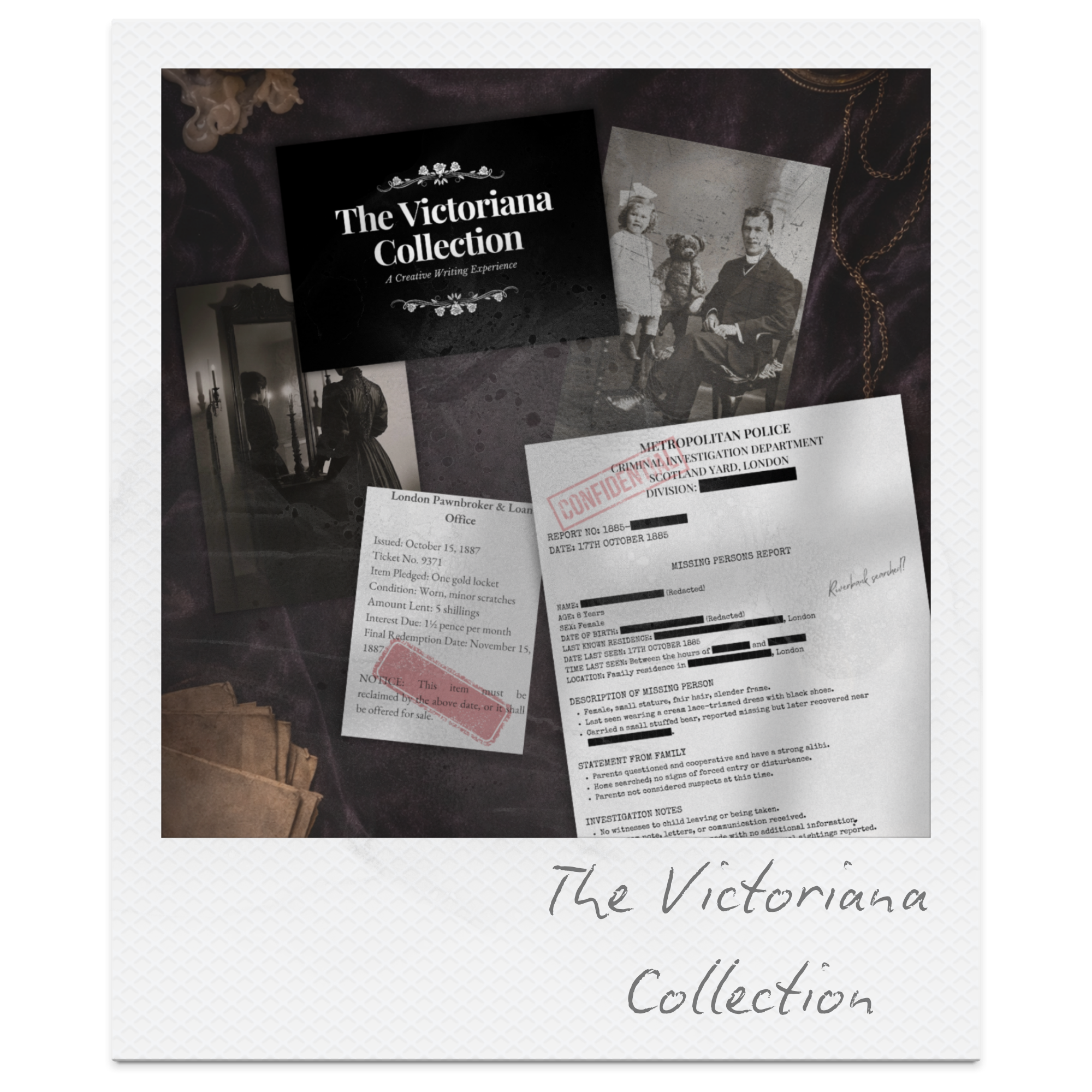
These collections provide additional ideas for creative writing lessons, poetry inspiration, and atmospheric storytelling activities for teens and secondary classrooms.
Go Deeper into Annabel Lee
Although Annabel Lee is often read as a romantic poem about eternal love, it also connects closely with many of Edgar Allan Poe’s other works. Poe frequently explored themes of love intertwined with death, grief, memory, and psychological obsession, and these ideas appear throughout both his poetry and short fiction. Reading Annabel Lee alongside other Poe texts can help students recognise how he repeatedly returns to the unsettling relationship between devotion, loss, and the persistence of the past.
The following poems and stories offer useful comparisons for exploring these recurring themes.
◆ A Dream Within a Dream – Both poems explore the fragile nature of human experience. While Annabel Lee focuses on love that survives death, A Dream Within a Dream questions whether reality itself may be uncertain or fleeting.
◆ The Raven – Poe’s famous poem also presents a speaker consumed by grief for a lost woman. Like the narrator of Annabel Lee, the speaker in The Raven struggles with memory, loss, and emotional fixation, suggesting how mourning can shape a person’s thoughts and identity.
◆ The Bells – This poem explores the passage of time and the changing stages of life through sound and rhythm. Like Annabel Lee, it uses repetition and musical language to create a haunting emotional atmosphere.
◆ The Fall of the House of Usher – Although a short story, this gothic tale also examines how the past can continue to haunt the present. Both texts explore the idea that memory and emotional attachment can blur the boundary between life and death.
◆ The Black Cat – This story explores psychological instability and obsession. While Annabel Lee presents grief through romantic devotion, The Black Cat reveals a darker exploration of unreliable narration and emotional disturbance.
Reading these works together highlights how Poe repeatedly examined the powerful and often unsettling connection between love, memory, grief, and the supernatural, themes that remain central to his enduring influence on gothic literature.
Final Thoughts
Annabel Lee remains one of Edgar Allan Poe’s most memorable poems because of its powerful combination of romantic devotion, grief, and haunting atmosphere. Through its lyrical rhythm and repeated imagery, the poem tells a story of love that the speaker believes cannot be destroyed by death. The setting of the “kingdom by the sea,” the recurring references to angels and supernatural forces, and the speaker’s constant remembrance of Annabel Lee all contribute to the poem’s dreamlike and gothic tone.
At the same time, the poem invites readers to question the narrator’s perspective. His insistence that their love was greater than any other, and his belief that supernatural jealousy caused Annabel Lee’s death, suggest that grief may have shaped the way he remembers the past. This tension between romantic devotion and emotional obsession is part of what makes the poem so compelling.
Ultimately, Annabel Lee explores how love and memory can persist even after loss, revealing how powerful emotional attachments can continue to shape a person’s life. If you would like to explore more of Poe’s poetry and gothic storytelling, visit the Poe Hub for further analyses and classroom resources. You can also browse the wider Literature Library for additional studies of classic poems, short stories, and literary texts used in classrooms around the world.
Choose Your Next Text